
Free visual inspection and a written scope of work before any mitigation begins - photos, moisture readings, and drying logs go in your claim file
The scope we write is the scope we bill. Anything new gets shown to you, in writing, before we touch it.
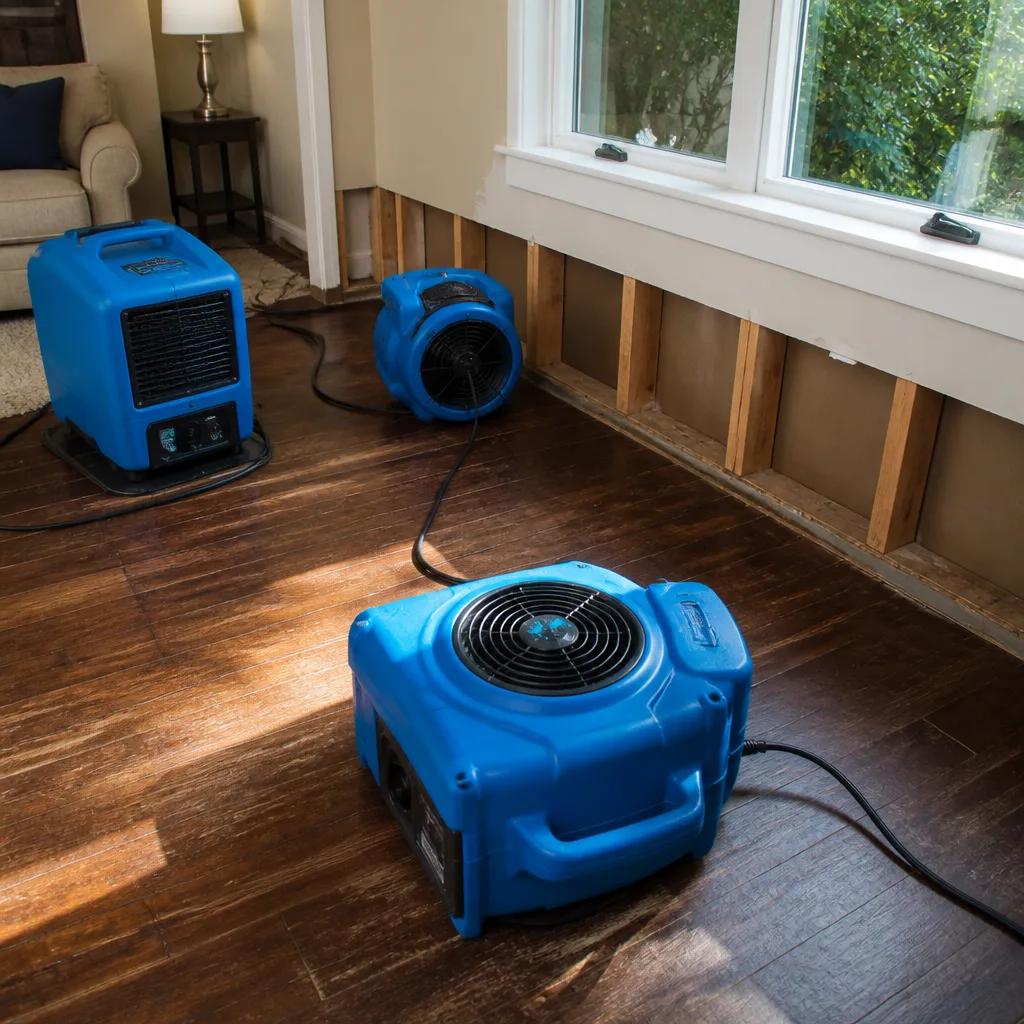

 Before
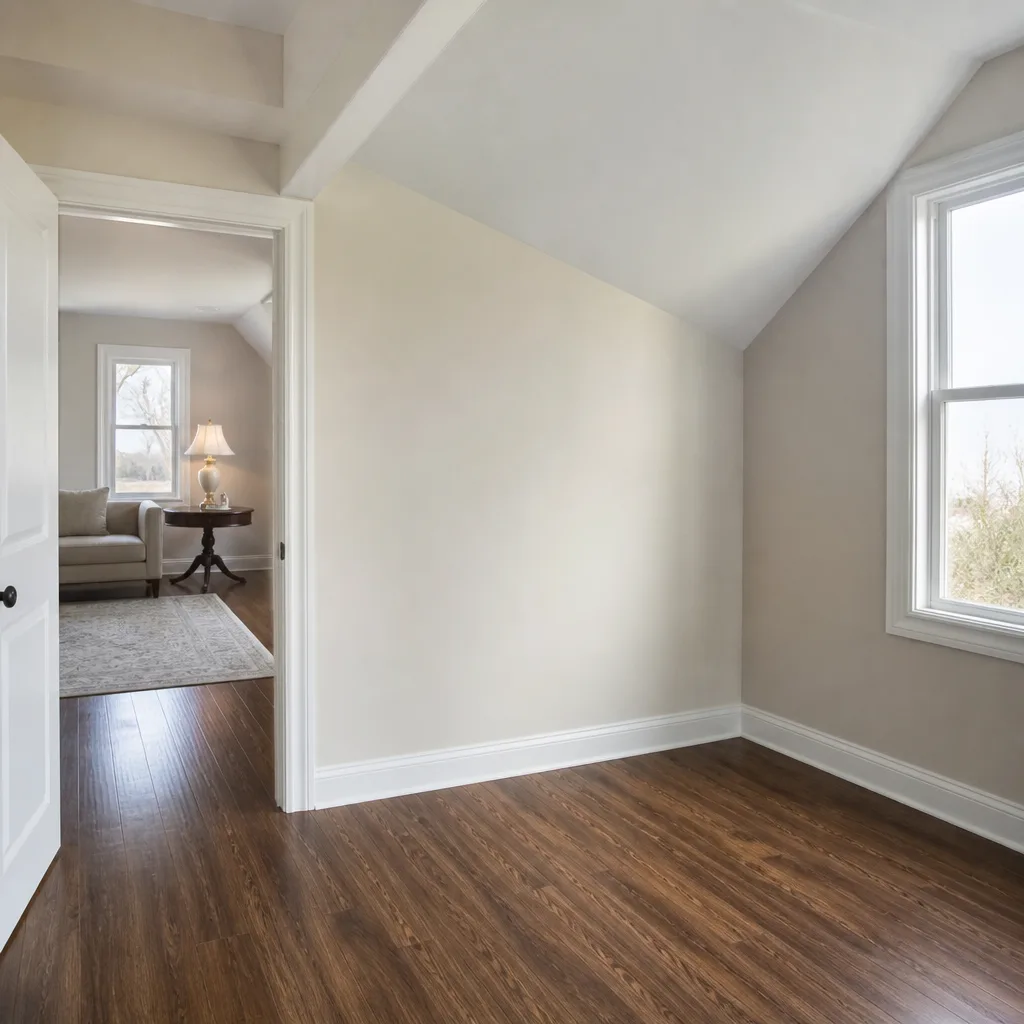
 After
After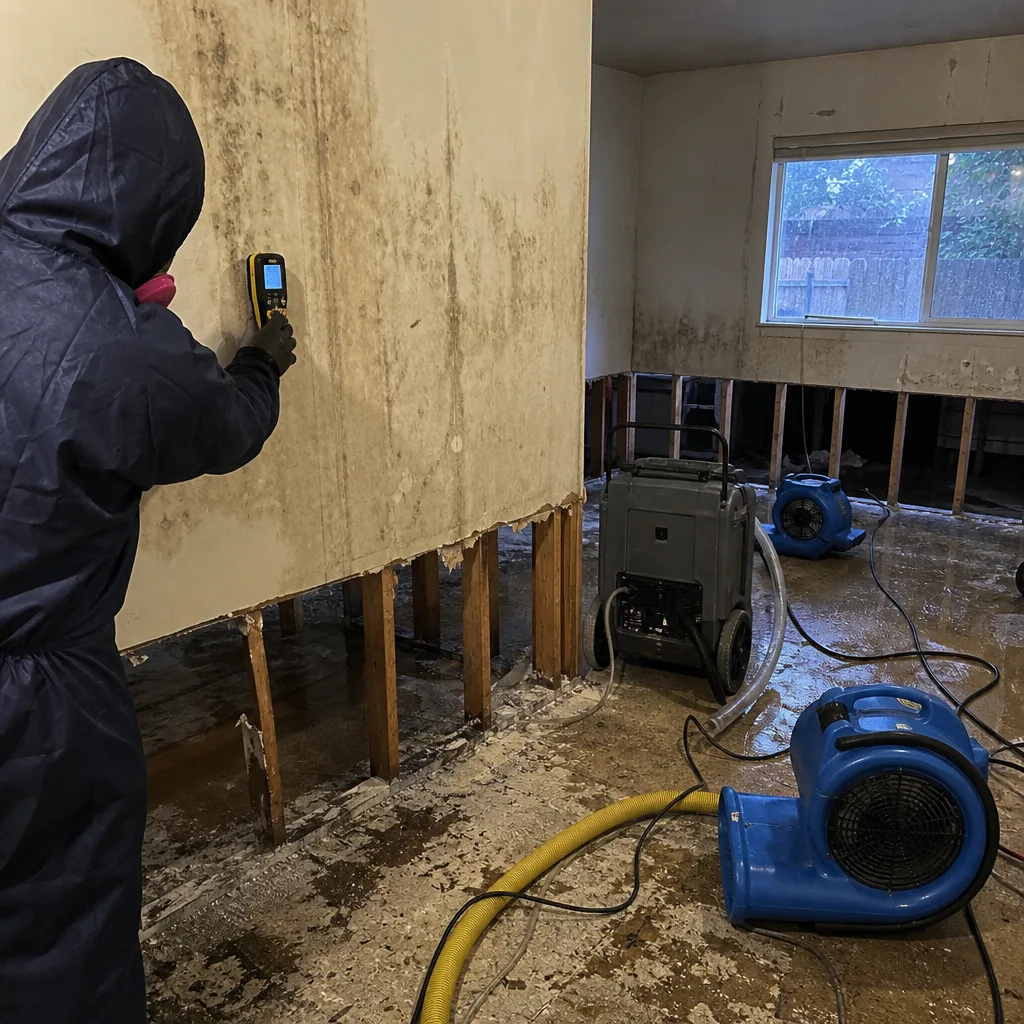 Before
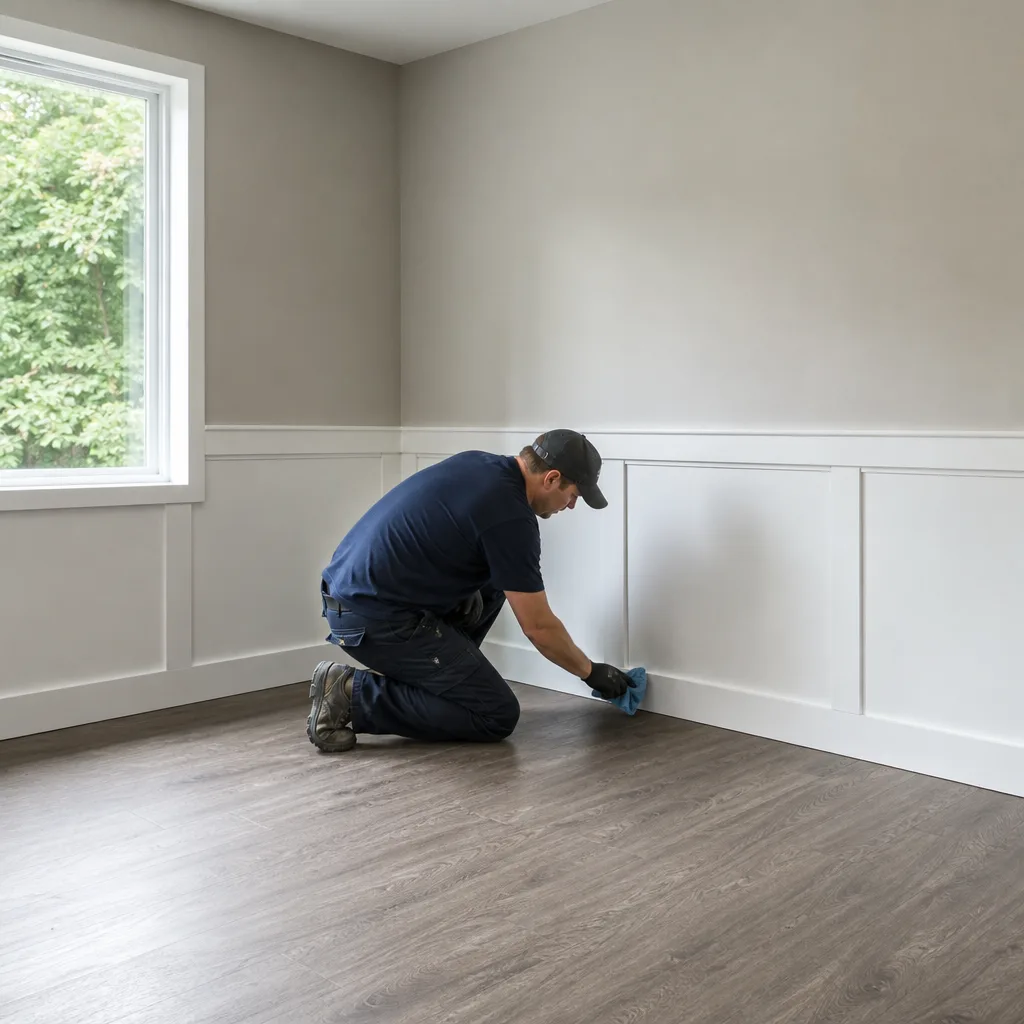 After
After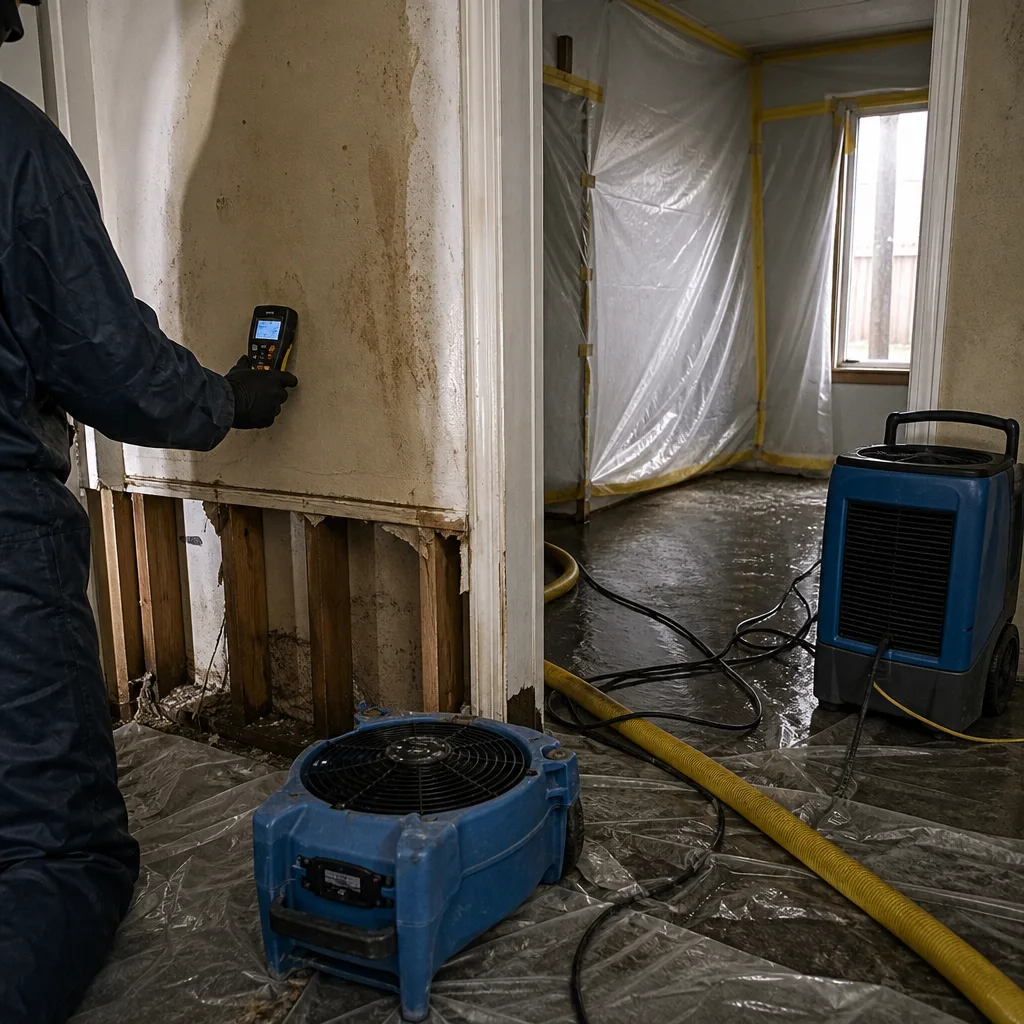 Before
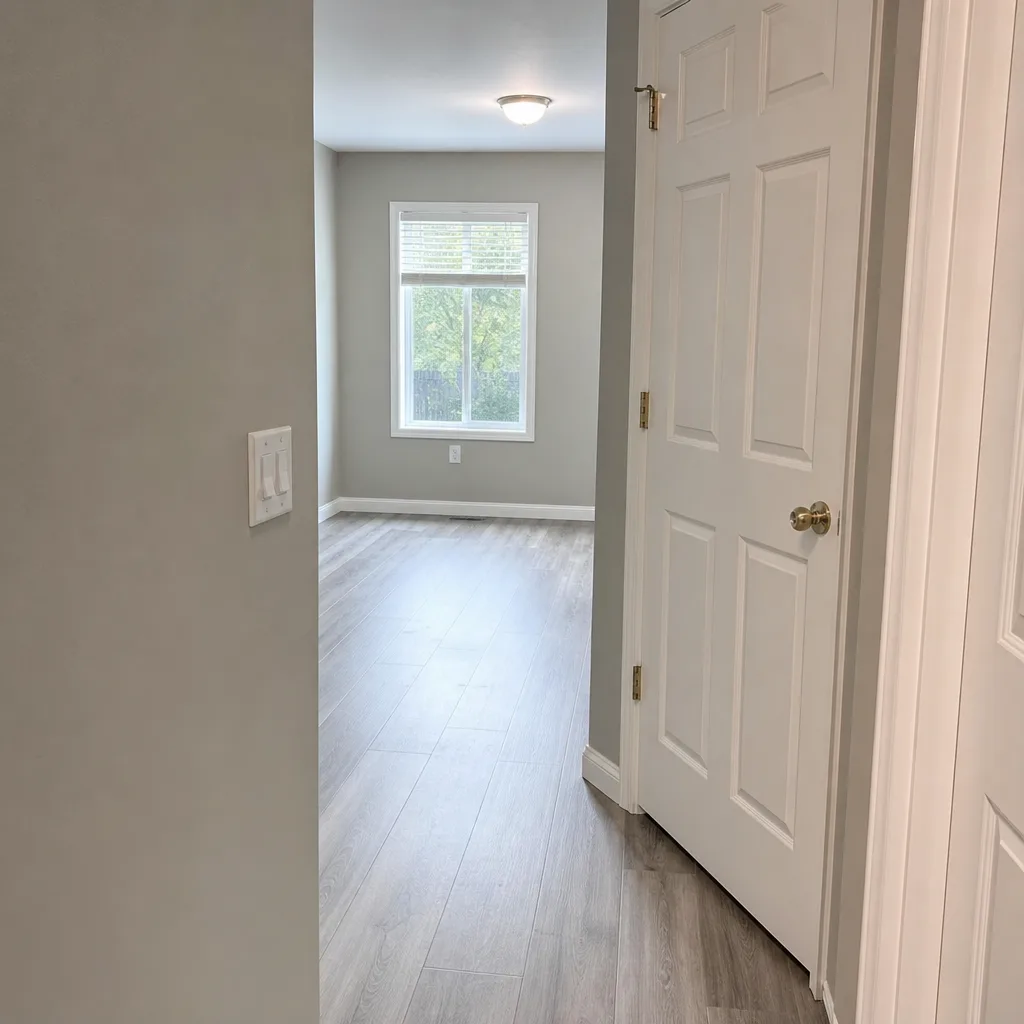 After
After24/7 Emergency Mold Remediation in Mukilteo
Mold remediation in Mukilteo typically runs $2,800-$7,500 for whole-room treatment and $4,500-$12,000 for crawl-space jobs with drainage correction. We’re available now at (425) 696-6061 with live answer, no voicemail, 24 hours a day. Crews dispatch from our Seattle office directly into Mukilteo neighborhoods including the bluff-top corridors above the ferry terminal, the Japanese Gulch ravine area, and the Harbour Pointe plateau. The first 24-48 hours after water intrusion determine whether mold colonizes at Category 2 or escalates to Category 3 - in Mukilteo’s persistent marine climate, that window shrinks dramatically compared to inland Snohomish County. Our free visual inspection includes moisture mapping of the affected area and a written scope before any work begins, per Haven Standard, Clause 1.
Understanding Mold Remediation Severity in Mukilteo Properties
We classify mold contamination by affected square footage, material porosity, and the water category that initiated growth. Category 1 water - clean supply-line breaks - can support limited surface mold on non-porous materials like tile or sealed concrete. Category 2, or gray water, introduces organic load that accelerates colonization into gypsum board and carpet cushion. Category 3, black water from sewage or prolonged groundwater intrusion, demands full removal of porous structural materials and antimicrobial treatment of framing.
Mukilteo’s housing stock drives our severity assessments. The 1970s-1990s daylight-basement and split-level homes engineered into hillside terrain present a unique challenge: the downslope wall sits partially or fully below grade, under constant lateral groundwater pressure from the glacial-till bluffs. We’ve found Category 3 conditions in these basements where the homeowner never saw standing water - only wicking moisture and hidden mold behind finished walls. Older 1950s-60s homes near the waterfront and ferry terminal often have original crawl spaces with minimal or degraded vapor barriers, turning what would be a contained attic mold job in another city into a recurring crawl-space remediation requiring structural moisture management.
Why Mukilteo Property Owners Choose DryMark Restoration Bothell
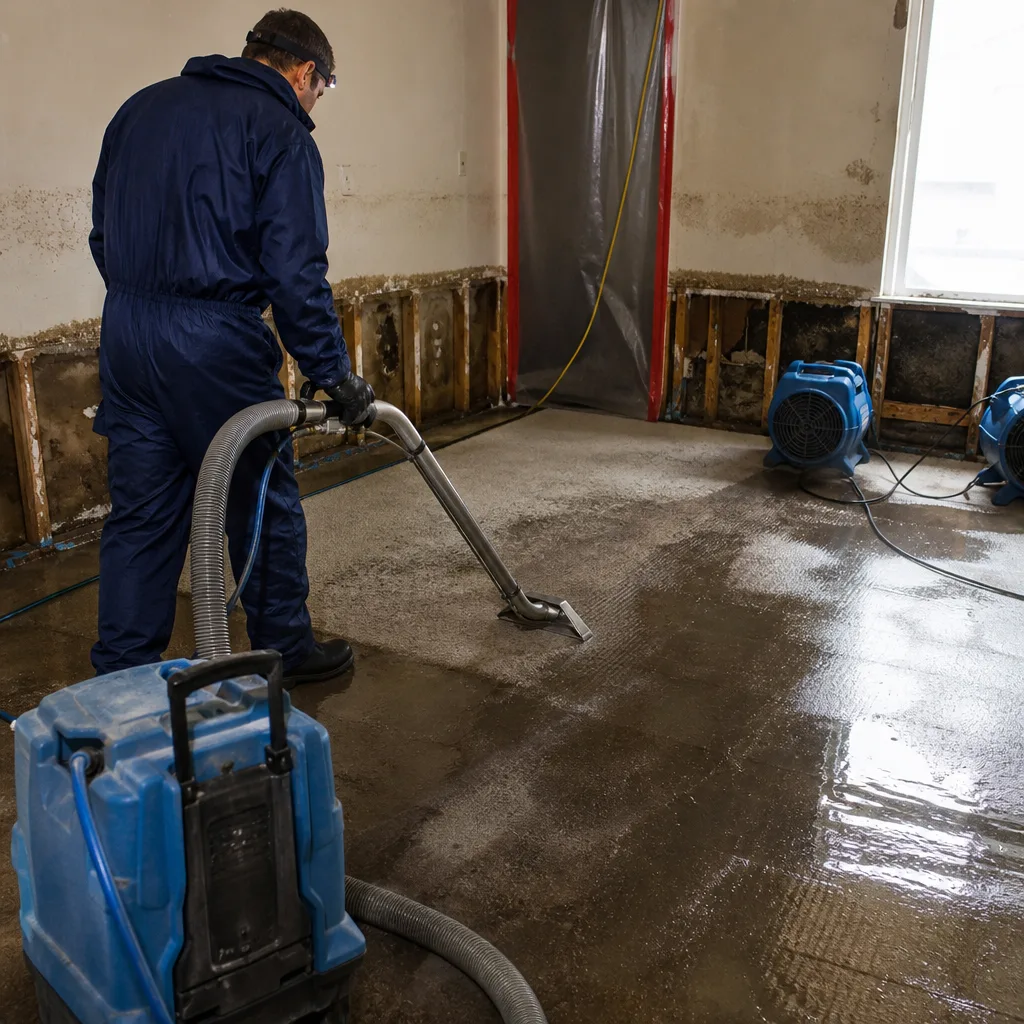
- 45-minute response commitment to Mukilteo addresses - our crews know the Speedway corridor and Harbour Pointe access patterns.
- 24/7 live answer: a real person, never an automated system, on every call to (425) 696-6061.
- IICRC-certified crews holding WRT (Water Damage Restoration Technician) and AMRT (Applied Microbial Remediation Technician) credentials.
- Free visual inspection with moisture mapping and written scope delivered before any work starts.
- Direct insurance billing with photo-documented drying logs that adjusters pay without dispute.
- One team from containment through reconstruction - no handoffs between subcontractors that lose site history.
BeforeAfterOur Mold Remediation Process
1. Inspection & Assessment
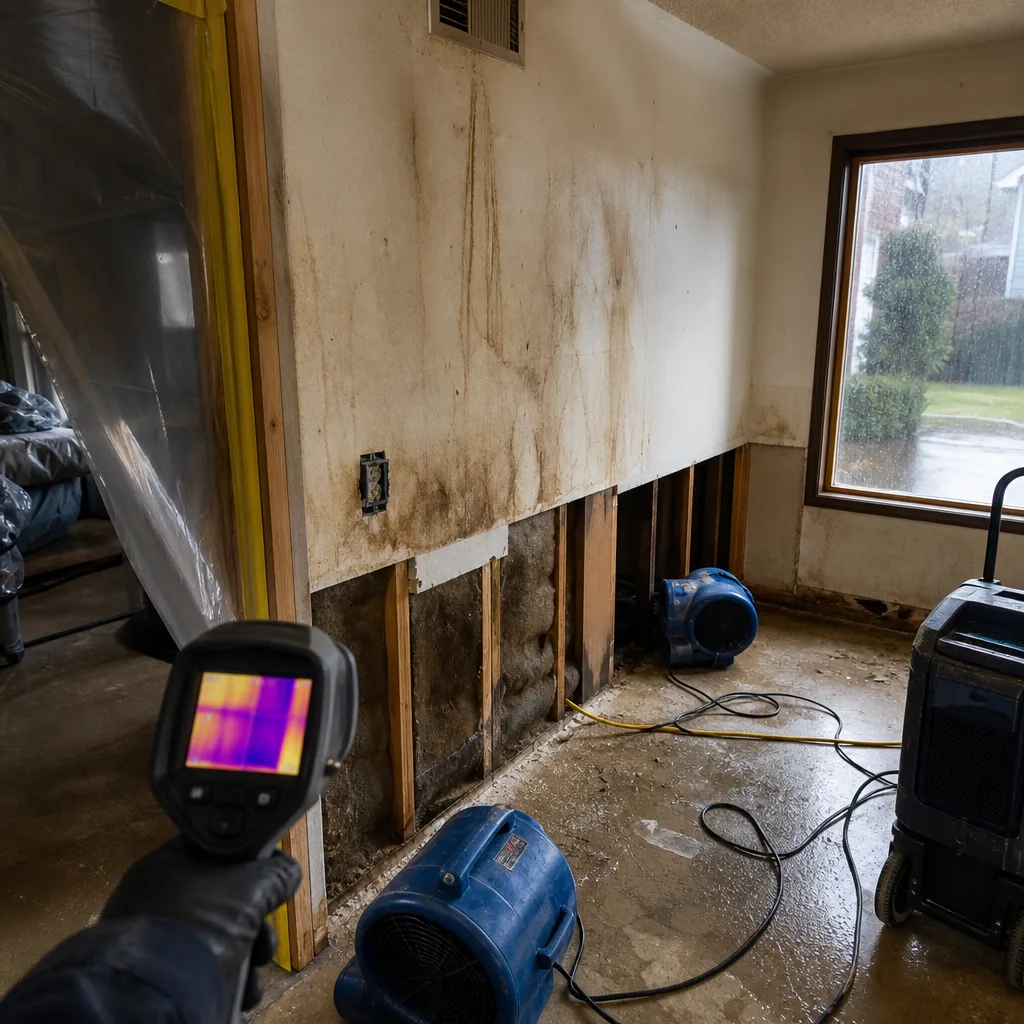
We moisture-map the full structure with thermal imaging and calibrated hygrometers, then classify the water category and mold severity per IICRC S520 standards. In Mukilteo, we specifically test for hillside groundwater intrusion - not just plumbing or roof leaks - using perimeter soil probes and crawl-space vapor-pressure readings.
2. Containment & Air Filtration
Negative-air containment barriers isolate the work zone. HEPA air scrubbers (Dri-Eaz and Phoenix DefendAir models) run continuously, capturing 99.97% of 0.3-micron particles and maintaining pressure differential that prevents cross-contamination to unaffected rooms.
3. Source Elimination & Moisture Control
We address the water source before drying begins. For Mukilteo hillside properties, this often means coordinating surface grading correction, perimeter drainage installation, or curtain drain placement - without this step, no dryout holds. Our Mold Remediation team documents every moisture reading to IICRC and RIA standards.
4. Removal of Contaminated Materials
Non-salvageable porous materials - waterlogged drywall, insulation, carpet cushion, compromised vapor barriers - are removed under containment and disposed of per Washington State waste regulations. Structural framing is HEPA-vacuumed and treated with EPA-registered antimicrobial.
5. Drying & Dehumidification
Professional-grade dehumidification (Dri-Eaz LGR 7000XLi, Phoenix R200) and targeted air movement reduce structural moisture to below 16% wood moisture content. Daily psychrometric data - temperature, relative humidity, vapor pressure differential - is logged and photographed for your insurer.
6. Clearance Testing & Restoration
Third-party or in-house air and surface sampling confirms spore counts at or below outdoor baseline levels. We then restore the structure per the written scope, with the 365-Day Done Right Promise stamped on every job under The Haven Standard.
Need Emergency Mold Remediation in Mukilteo Now?
Crews minutes away, answering live 24 hours a day. The sooner we start, the less it costs.
Working With Your Insurance Company
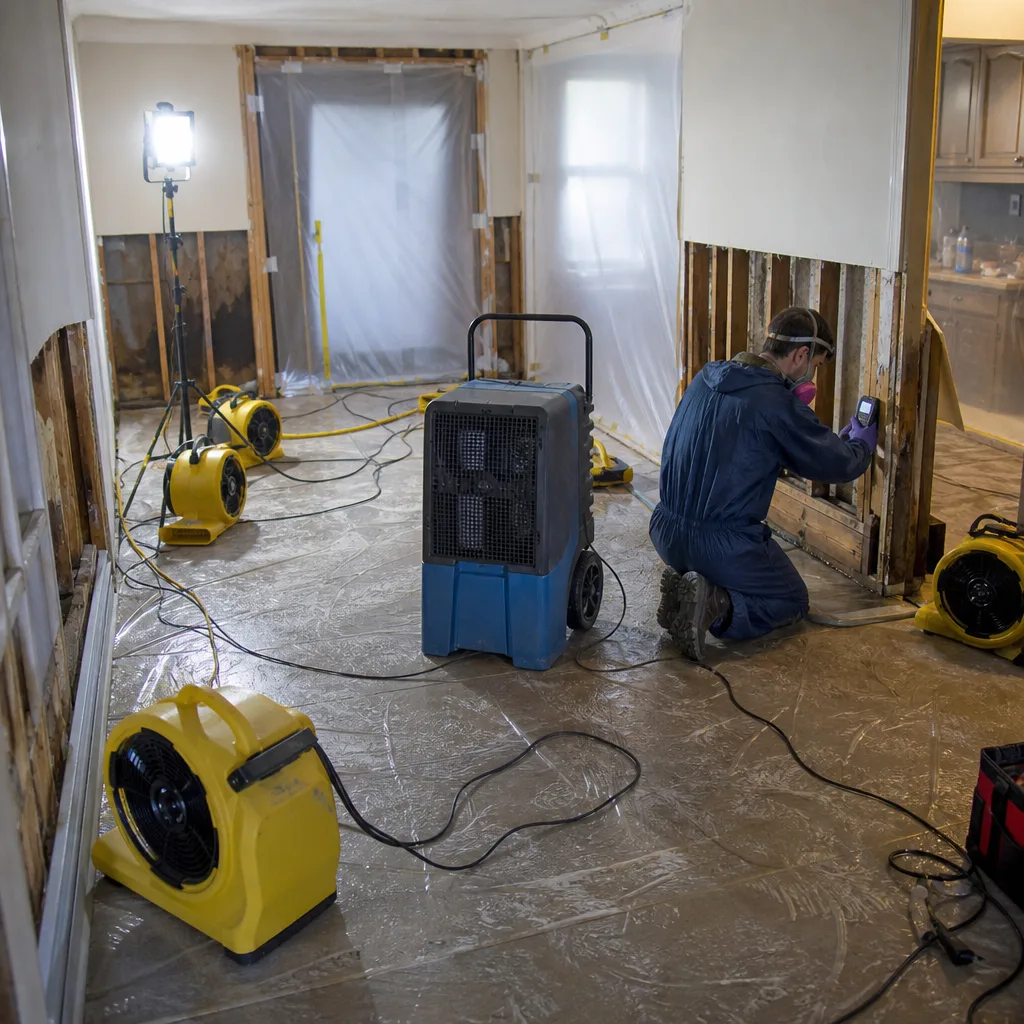
We document from the first hour because we’ve seen what incomplete files cost homeowners at claim time. Our estimates follow industry-standard Xactimate pricing with line-item detail that adjusters recognize immediately. We coordinate directly with your carrier, providing the photo record, moisture logs, and written scope that turn a restoration invoice into a payable claim.
Our Mukilteo jobs frequently involve lateral groundwater intrusion, which some carriers initially classify as maintenance or flood rather than covered water damage. We photograph the seepage path, document the glacial-till soil conditions, and present the structural moisture data that establishes the sudden and accidental nature of the loss.
What We Provide Your Insurer
- Thorough documentation of the loss
- Photos of all damage, room by room
- Moisture readings and drying logs
- A detailed, line-item scope of work
- Direct coordination with your carrier
Built for Mukilteo’s Loss Calendar
January through March bring saturated winter soils in Mukilteo’s bluff neighborhoods - the glacial till stays near field capacity for months, and lateral seepage into daylight-basement walls becomes a baseline condition rather than an emergency exception. We see crawl-space mold calls spike in February when homeowners first notice musty air or warped flooring.
April through June, the marine air layer thickens and relative humidity climbs. Drying windows shrink. Mold that started in winter accelerates into visible colonization on drywall and framing.
July through September offers the briefest dry period, but summer vacations mean water intrusions go undetected longer - a leaking washing machine hose or failed sump in a Harbour Pointe home can breed Category 2 mold for two weeks before anyone walks downstairs.
October through December, the rain returns and soil saturation rebuilds. This is when we see repeat calls: remediation done in spring without drainage correction, now failing again as hillside seepage re-wets the same walls.
Mold Remediation Across Mukilteo’s Neighborhoods
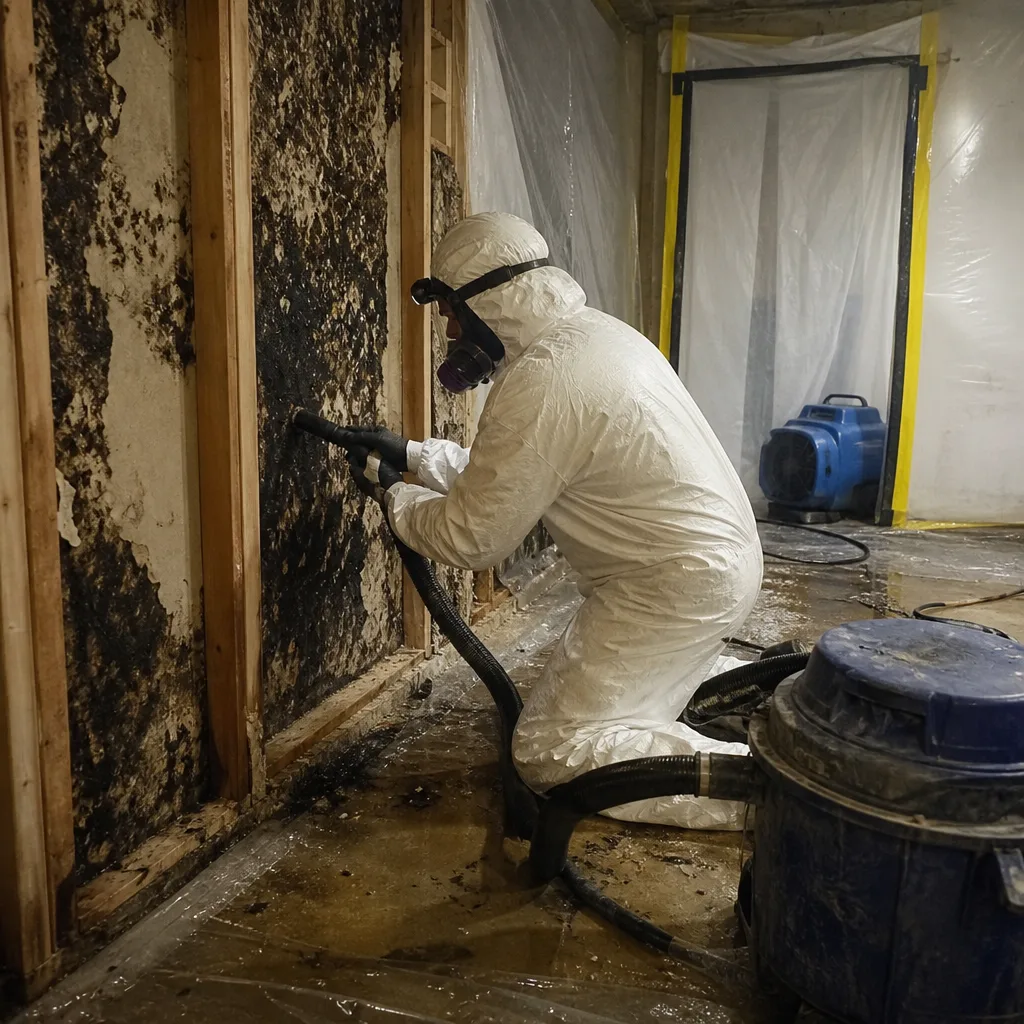
The bluff-top neighborhoods above the Mukilteo ferry terminal - streets like 47th Place and 52nd Avenue - present our most complex jobs. These 1970s-1980s split-levels sit directly on the exposed edge of the glacial-till formation. Groundwater doesn’t just accumulate; it migrates laterally through the till and exerts hydrostatic pressure on the below-grade daylight wall. We’ve learned to bring a geotechnical moisture assessment to every call here, not as an upsell but as standard practice.
Harbour Pointe, on the plateau above the bluffs, offers better natural drainage but has its own pattern: larger homes with finished basements where HVAC ductwork runs through crawl spaces that were never properly sealed. Mold in the ductwork distributes spores throughout the living space before anyone smells it in the basement.
The Japanese Gulch ravine corridor - homes along the gulch edge and the lower slopes near the Paine Field industrial area - experience seasonal water table rise that floods crawl spaces with no roof or plumbing failure. Our techs know to check for channelized seepage through the ravine’s drainage cuts before assuming a standard leak source.
Older waterfront streets near the ferry terminal and Lighthouse Park include 1950s-60s cottages with original crawl spaces, minimal insulation, and no vapor barrier. These aren’t one-time remediation jobs. They’re ongoing moisture management relationships, with annual inspections and humidity control systems that keep mold from recurring.
Specialized Mold Remediation Services We Offer in Mukilteo
Mold Inspection & Testing
We start with air sampling, surface tape lifts, and ERMI dust analysis where indicated. In Mukilteo, we add perimeter soil moisture probes and crawl-space vapor-pressure readings to distinguish groundwater intrusion from interior humidity. The written report includes spore identification, concentration levels, and a remediation protocol with line-item pricing.
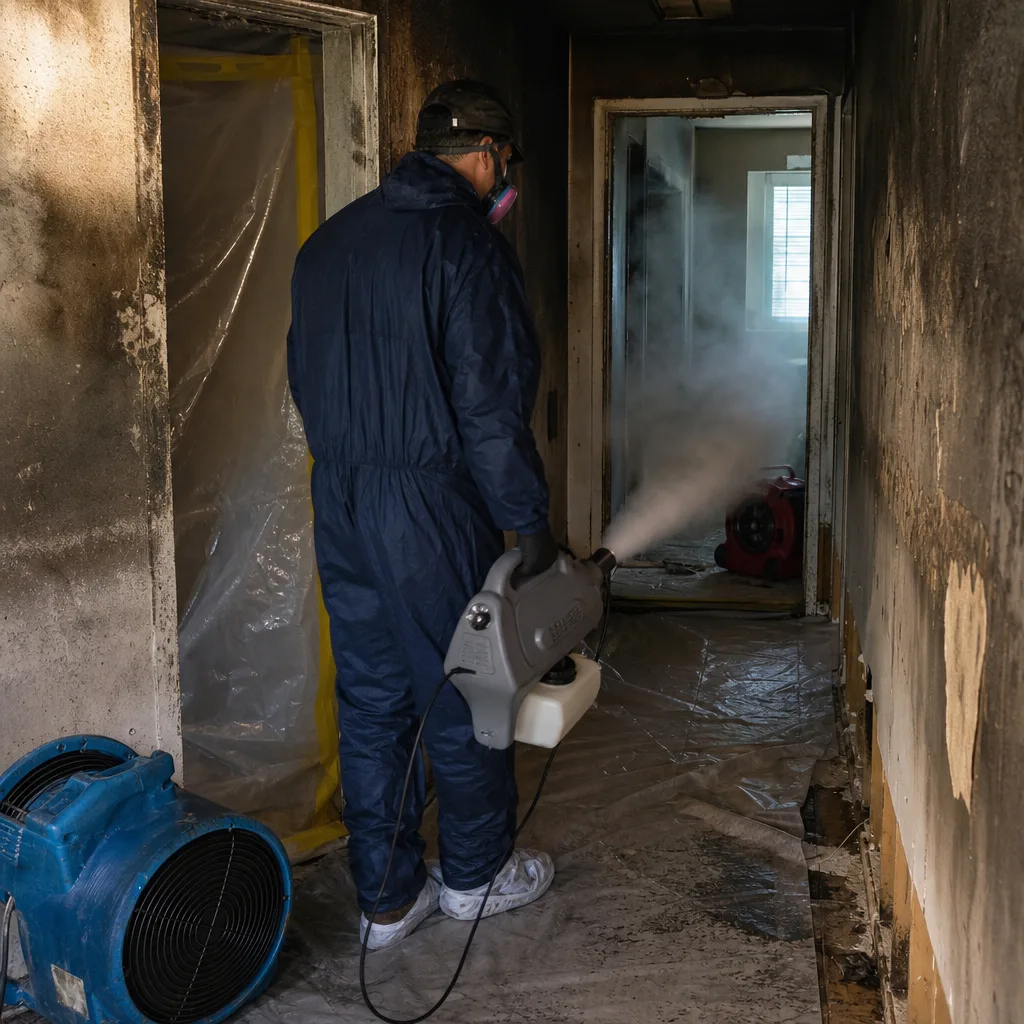
Mold Removal
Containment, HEPA filtration, and controlled demolition of non-salvageable materials. For Mukilteo’s hillside homes, removal always includes assessment of the downslope wall assembly - we’ve found mold behind intact drywall where groundwater wicked through the concrete foundation.
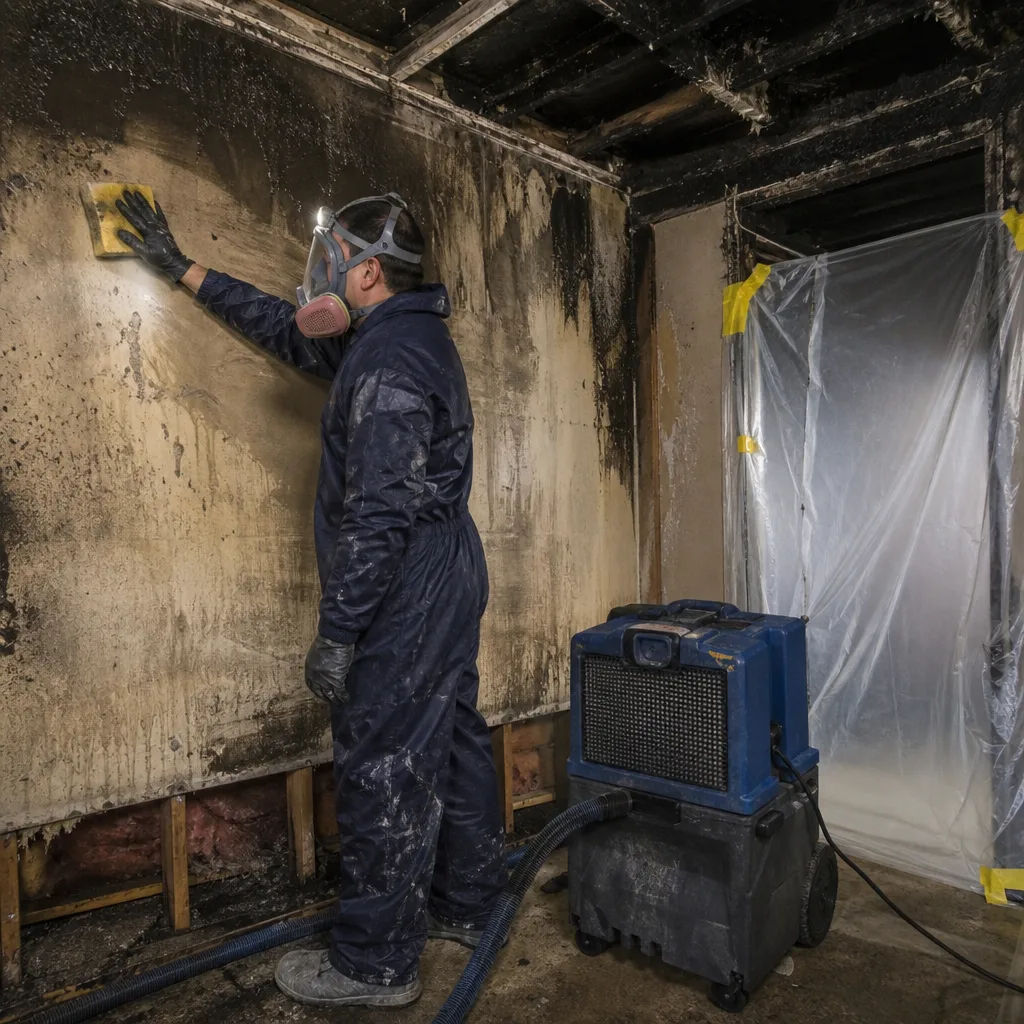
Black Mold Remediation
Stachybotrys and other toxigenic species require full containment, negative air, and technician PPE at respirator level. We document chain-of-custody for lab samples and provide clearance documentation that satisfies real estate transaction requirements in Snohomish County.
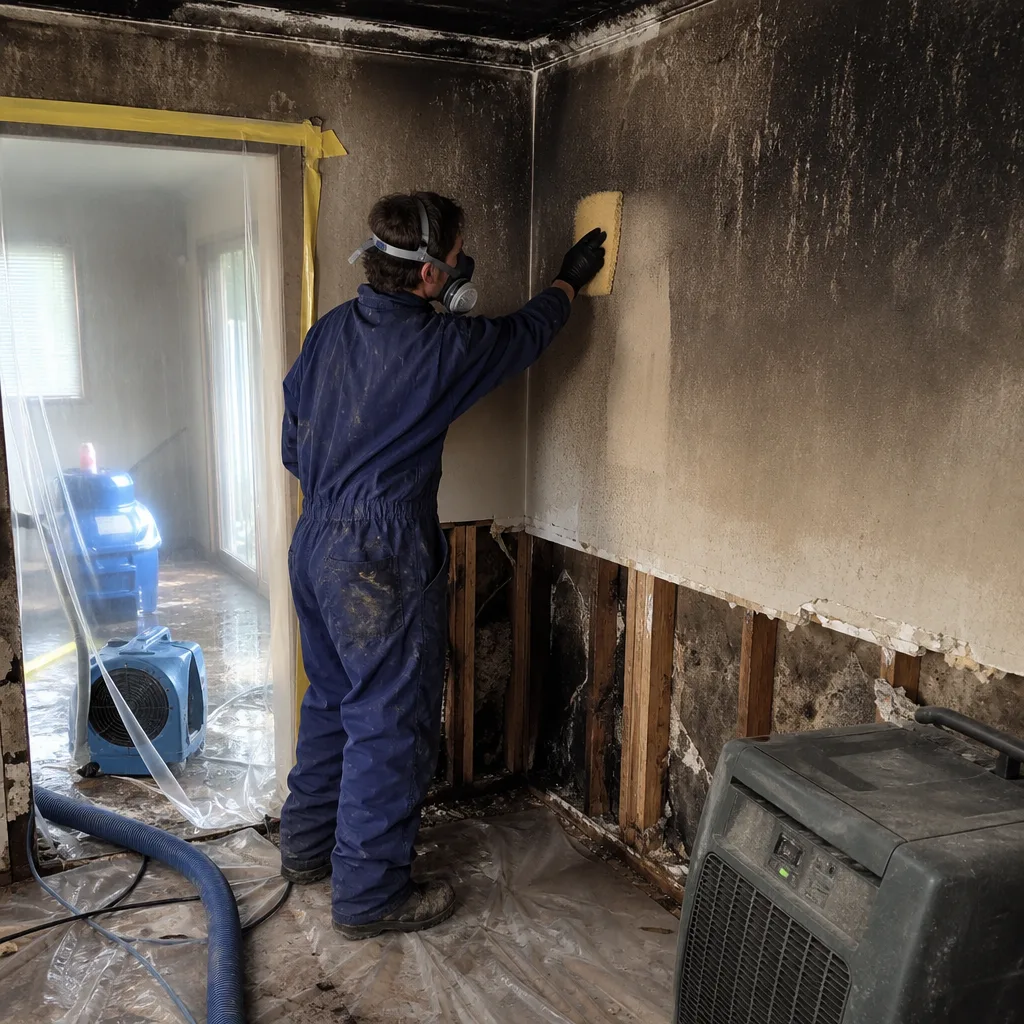
Air Quality Restoration
Post-remediation, we verify air quality with laser particle counters and third-party lab analysis. For homes with forced-air systems, duct cleaning and sealing prevent recontamination. This is critical in Mukilteo’s tighter, newer construction where HVAC recirculation concentrates spores.
Crawl Space Treatment
Our most frequent Mukilteo service. We remove degraded vapor barriers, treat soil and framing with antimicrobial, install new encapsulation systems, and correct drainage. Without the drainage step - grading, perimeter drains, or curtain drains - encapsulation traps moisture and accelerates mold growth.
Moisture & Humidity Control
Permanent dehumidification systems, sump pump installation, and ventilation design for below-grade spaces. We size equipment to Mukilteo’s marine climate loads, not inland dryout standards. A crawl space here needs more capacity than the same footprint in Kenmore or Marysville.
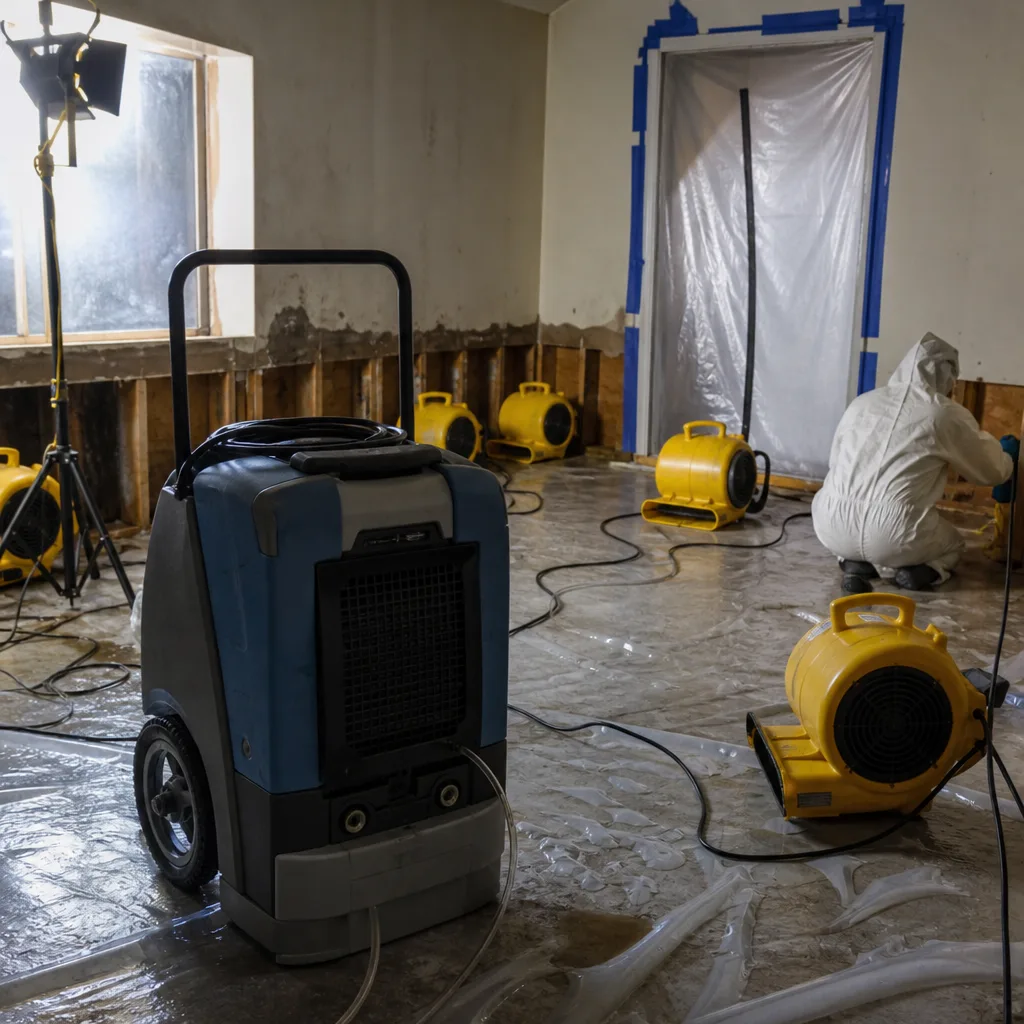
What happens when you call
- 1
A real person answersNo phone trees - you reach a local pro.
- 2
You get an upfront price rangeHonest numbers before anyone is dispatched.
- 3
A background-checked tech heads outLicensed & insured, dispatched right away.
- 4
You approve before work beginsNothing starts until you say go.
Mold Remediation Costs in Mukilteo, WA
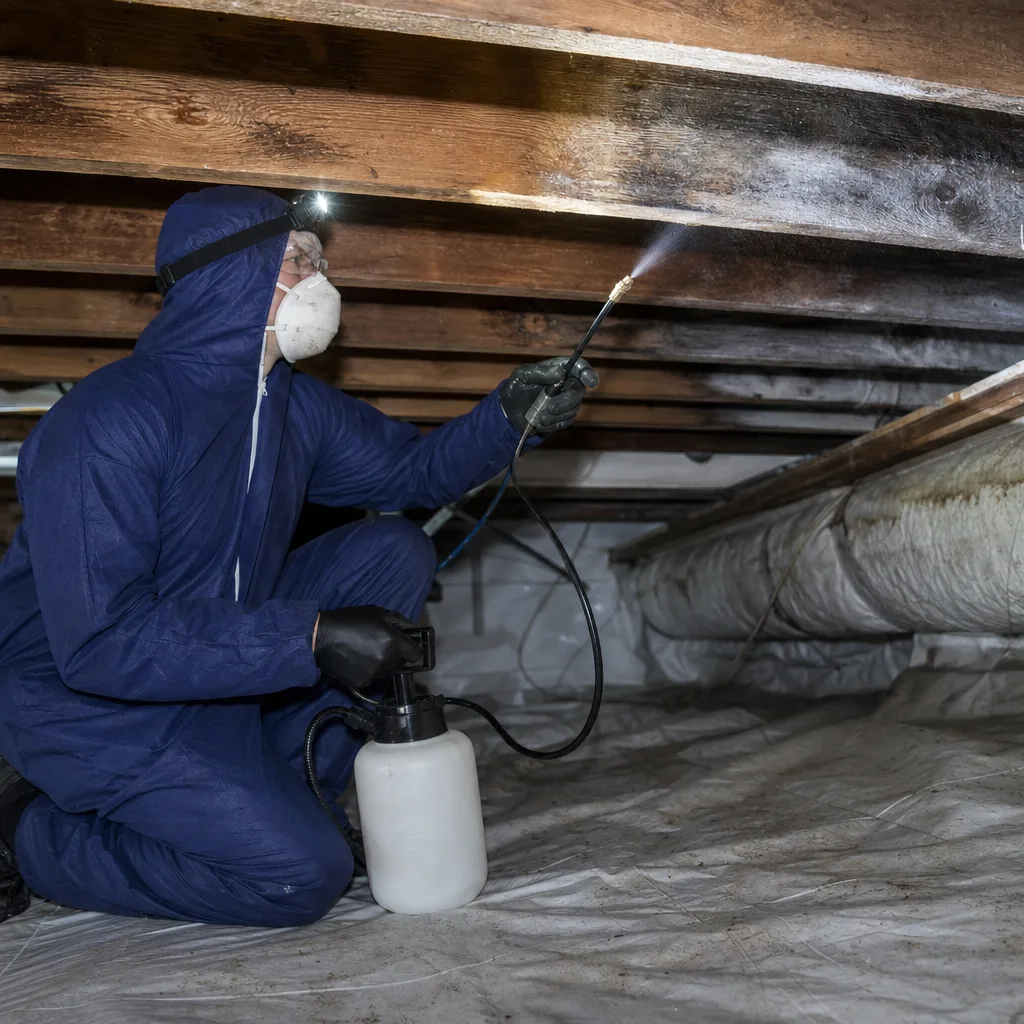
Here’s what we see in the Mukilteo market, based on jobs completed under Haven Standard, Clause 1 pricing:
| Service | Typical Range |
|---|---|
| Attic mold remediation (up to 500 sq ft) | $2,800 - $4,500 |
| Basement/daylight basement (with drywall removal) | $4,200 - $8,500 |
| Crawl space mold removal only | $3,500 - $6,000 |
| Crawl space with encapsulation & drainage | $7,500 - $14,000 |
| Whole-house air quality restoration | $1,800 - $3,200 |
| Third-party clearance testing | $450 - $750 |
What moves the price: square footage of visible colonization, whether the water source is resolved or still active, accessibility of the crawl space or wall cavity, and whether Category 3 conditions require full material removal. Insurance typically covers sudden and accidental water damage with resulting mold; long-term maintenance-related moisture is usually out-of-pocket. We provide a written scope and firm price before work begins - always, with no exceptions. Free Second Opinion available on any competitor’s written estimate.
We Also Serve Cities Near Mukilteo
Our crews respond throughout Snohomish and northern King Counties, including Everett, Lynnwood, Kenmore, and Marysville. Each city’s geology and housing stock shapes a different remediation approach - Everett’s river-plain flooding, Lynnwood’s inland dryness patterns, Marysville’s newer construction with tighter envelopes. We adjust our moisture mapping and drying protocols accordingly.
Serving Mukilteo, WA - Our Local Coverage Area
We’re based in the Mukilteo area and know this community well. Use the map below to see our service coverage - if you’re nearby, we can almost certainly help.
Mukilteo Mold Remediation Questions, Answered
Why does mold keep coming back in my Mukilteo daylight basement even after a professional dryout?
Because the water source wasn’t addressed. In Mukilteo, lateral groundwater migration through glacial till re-wets the below-grade wall continuously; drying the surface without correcting hillside drainage, grading, or adding a curtain drain means moisture returns within days. We trace the seepage path with soil probes and moisture mapping, then include drainage correction in the scope before any antimicrobial treatment. Call (425) 696-6061 for a free inspection that identifies the actual source.
How quickly does mold grow in Mukilteo’s marine climate compared to inland cities like Lynnwood?
Mold colonization in Mukilteo typically reaches visible levels 24-36 hours after water intrusion, compared to 48-72 hours in drier inland microclimates. The persistent marine air off Puget Sound keeps relative humidity elevated year-round, which both accelerates initial growth and sustains colonization at lower temperature thresholds. This means our drying windows are shorter and our dehumidification capacity requirements are higher. Call (425) 696-6061 for immediate response.
What’s different about remediating a crawl space in Mukilteo’s older waterfront and ferry-terminal neighborhoods?
These 1950s-60s homes have original crawl spaces with minimal vapor barriers, unsealed perimeter walls, and direct soil contact that channels groundwater. Remediation isn’t a one-time event - it’s a moisture management system including soil treatment, new encapsulation, and often sump or drainage installation. We price these as ongoing relationships with annual inspection options. Call (425) 696-6061 for a written scope.
Does Japanese Gulch or bluff-top seepage change how you test for mold?
Yes. We add geotechnical moisture assessment - soil probes, perimeter water table measurement, and vapor pressure differential readings - to standard air and surface sampling. Mold near Japanese Gulch or on the bluff tops often traces to channelized groundwater, not interior leaks, so testing must document the seepage path to design effective remediation. Call (425) 696-6061 for inspection with hillside hydrology assessment included.
Can you dry out Category 3 water in a Mukilteo crawl space, or does everything have to come out?
Porous materials in Category 3 crawl spaces - insulation, cardboard, degraded vapor barriers, soil-contaminated framing - must be removed per IICRC standards. Non-porous concrete and treated lumber can be cleaned, antimicrobial-treated, and dried in place. The critical factor is whether the groundwater source is still active; if hillside seepage continues, drying is temporary. We resolve the hydrology first, then scope what stays and what goes. Call (425) 696-6061 for a free visual inspection.
Will my insurance cover mold remediation in Mukilteo?
Insurance covers mold that results from sudden and accidental water damage - burst pipes, appliance failures, storm intrusion - when documented promptly. Long-term maintenance issues, slow leaks, and unresolved groundwater seepage are typically excluded. We photograph the loss origin, provide moisture mapping that establishes the event timeline, and coordinate directly with your adjuster. Haven Standard documentation has been accepted by every major carrier we’ve worked with. Call (425) 696-6061 to start the claim documentation process.
How long does mold remediation take in Mukilteo?
Contained attic or room jobs: 3-5 days. Crawl spaces with drainage correction: 7-14 days including drying time. Full daylight-basement remediation with wall assembly removal: 10-18 days. Mukilteo’s marine humidity extends drying phases compared to inland jobs; we don’t rush the psychrometric data. Daily moisture logs determine when we move to the next phase, not a calendar. Call (425) 696-6061 for a timeline based on your specific structure.
Can we stay in the house during mold remediation?
For contained, single-room jobs with negative air and HEPA filtration, yes - with the work zone sealed and HVAC isolated. For whole-crawl-space jobs, Category 3 conditions, or toxigenic species like Stachybotrys, we recommend temporary relocation until clearance testing confirms safe spore levels. We provide written air quality data before you return. Call (425) 696-6061 to discuss your specific situation.
Written by Alicia Brennan, Owner at Back to Dry Restoration, serving Mukilteo since 2011.