
Free visual inspection and a written scope of work before any mitigation begins - photos, moisture readings, and drying logs go in your claim file
The scope we write is the scope we bill. Anything new gets shown to you, in writing, before we touch it.
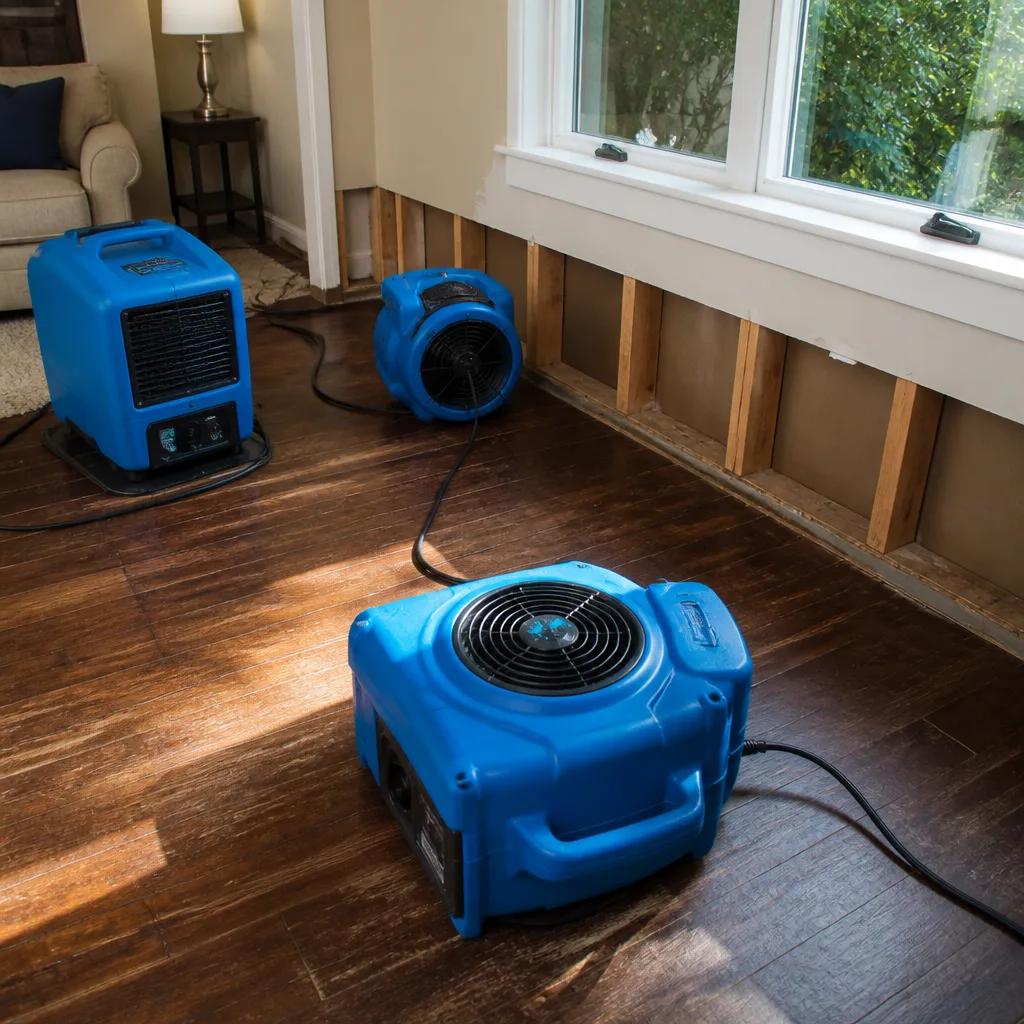
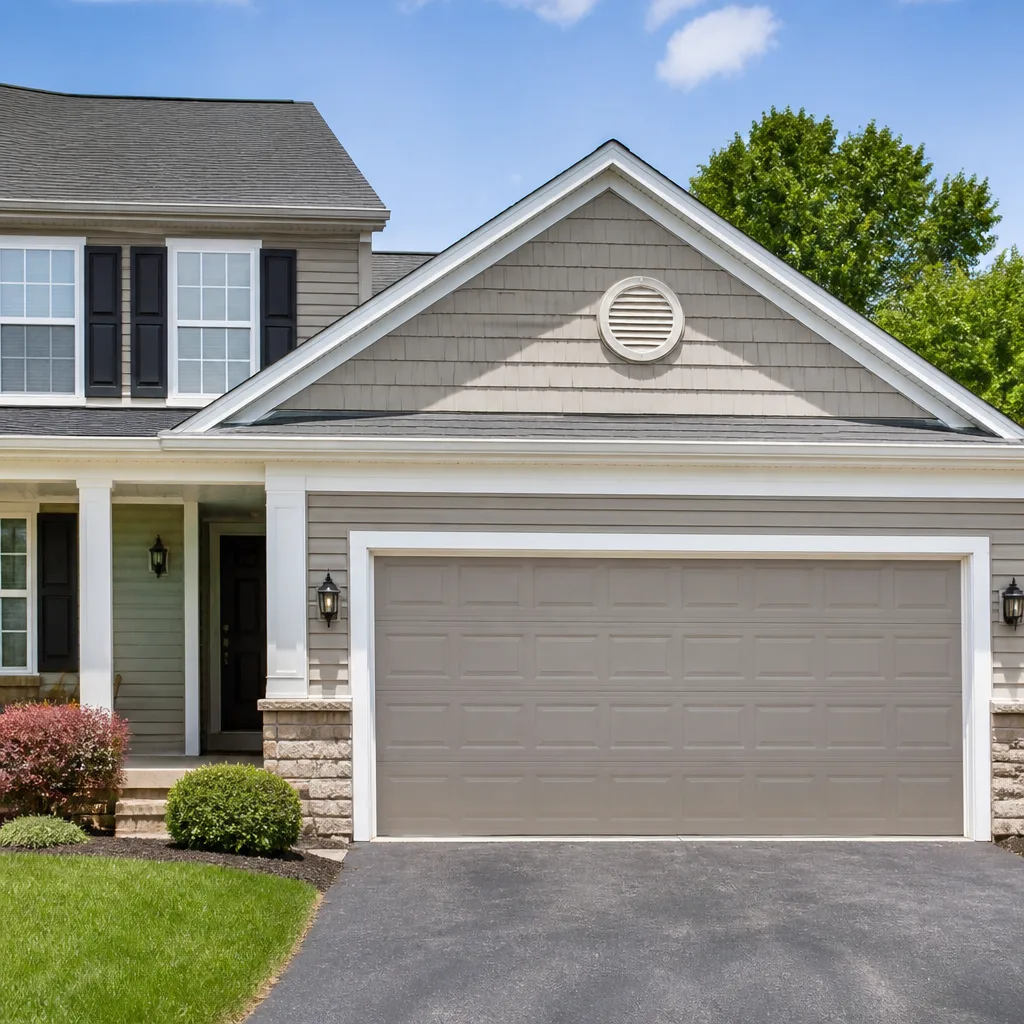
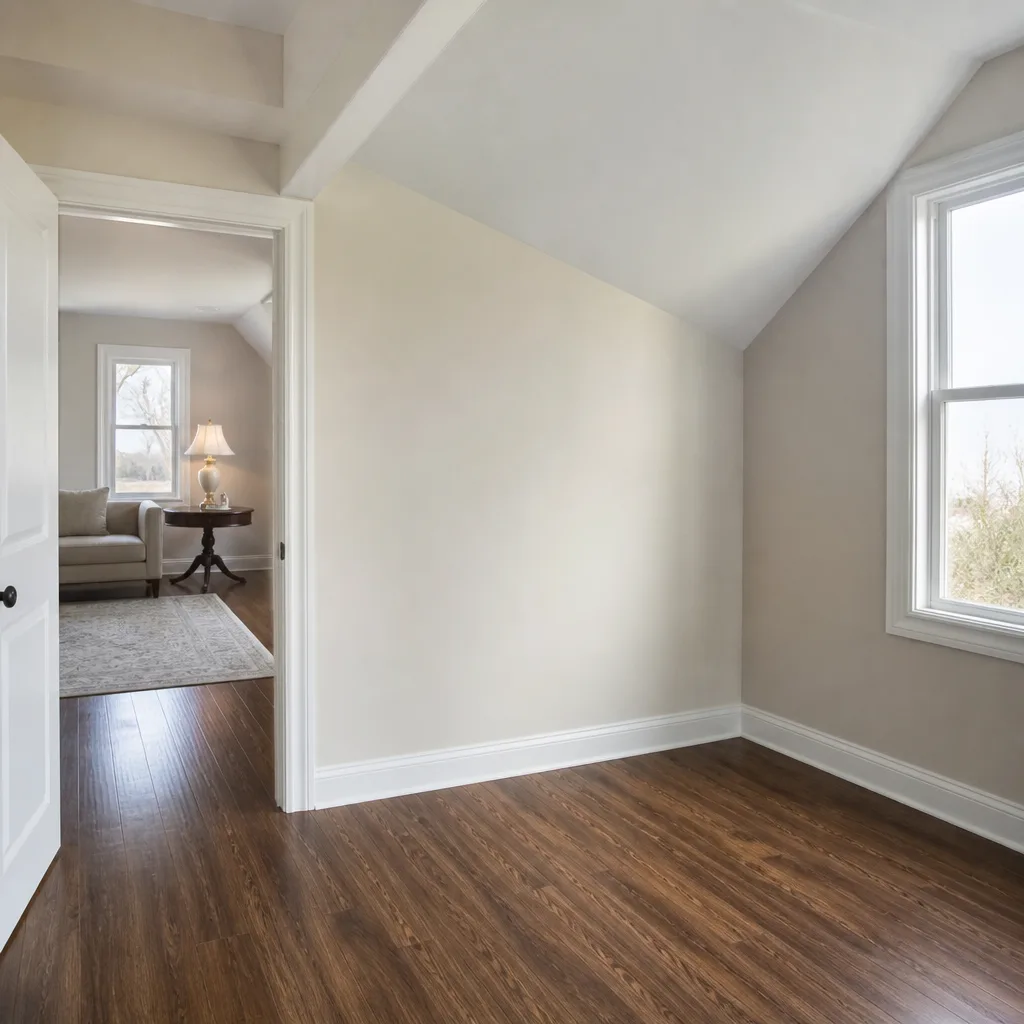
 Before
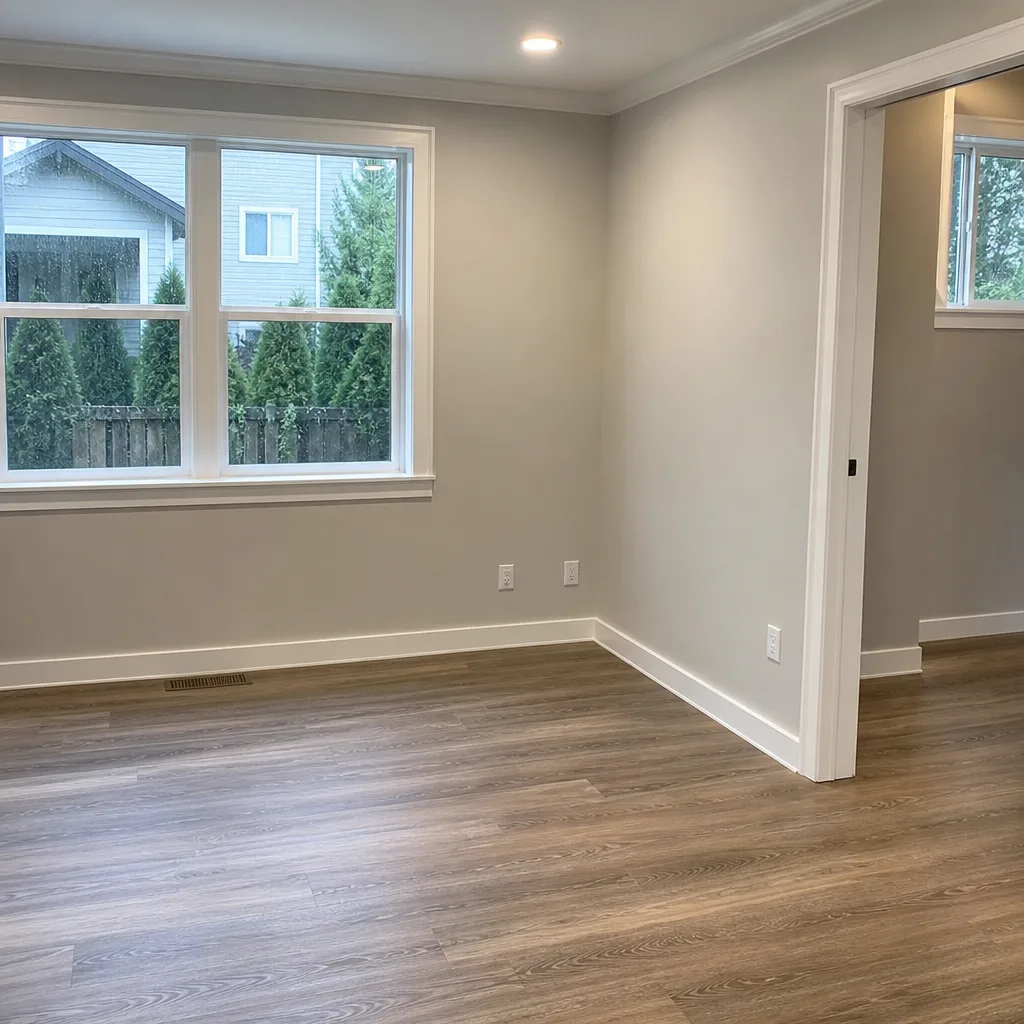 After
After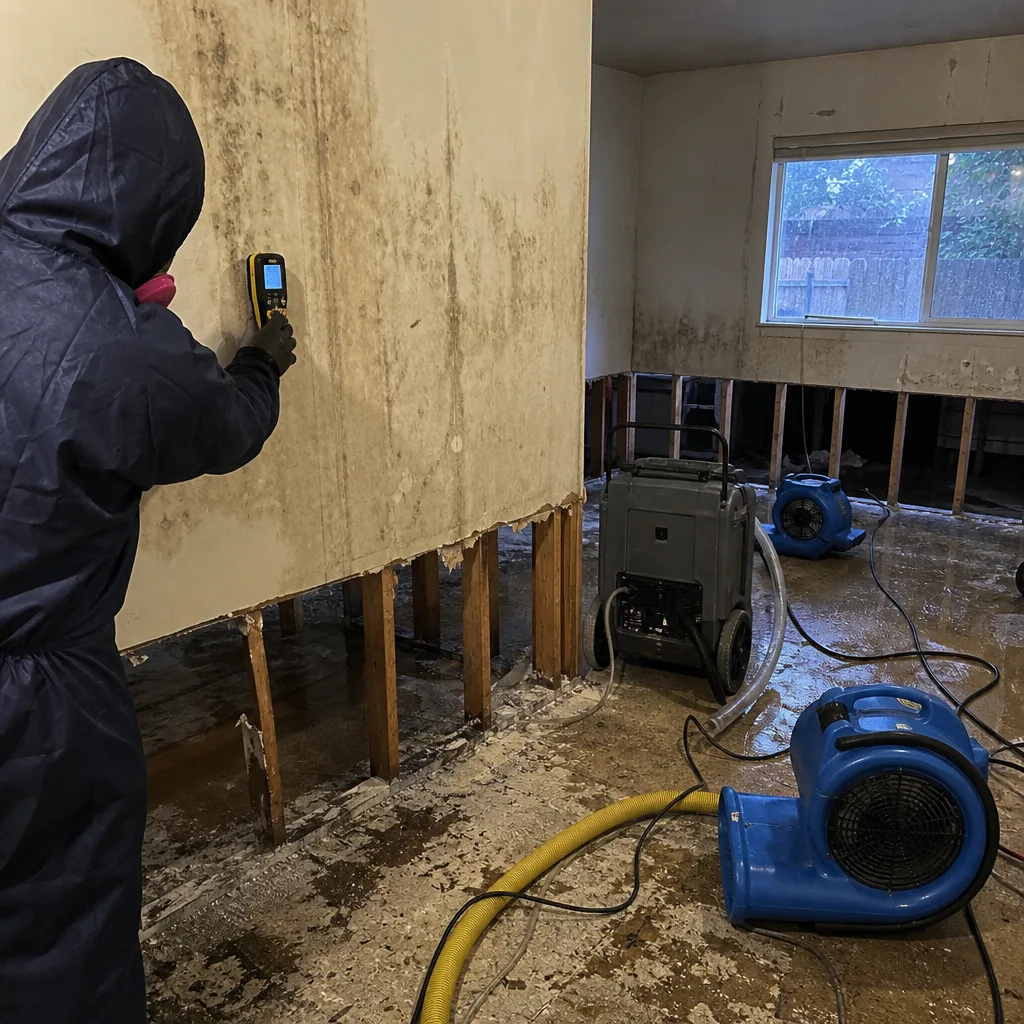 Before
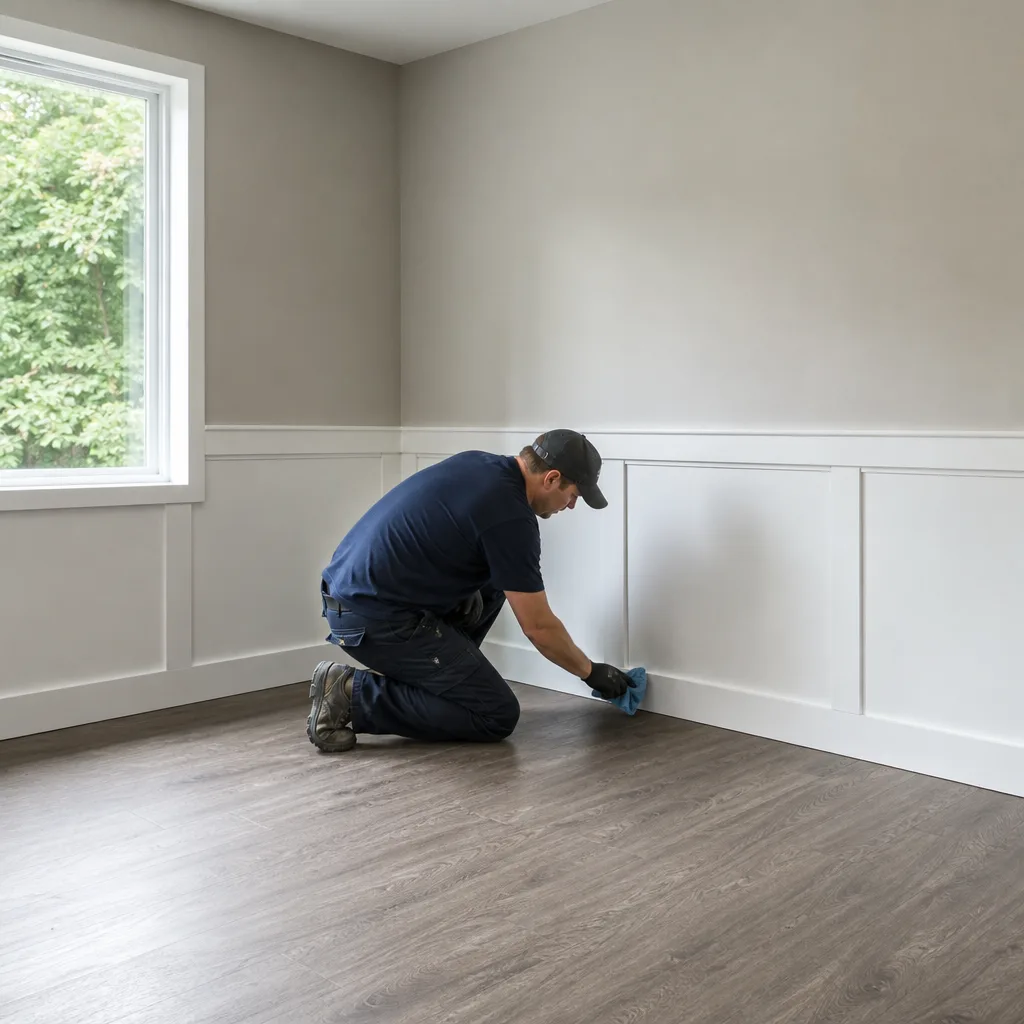 After
After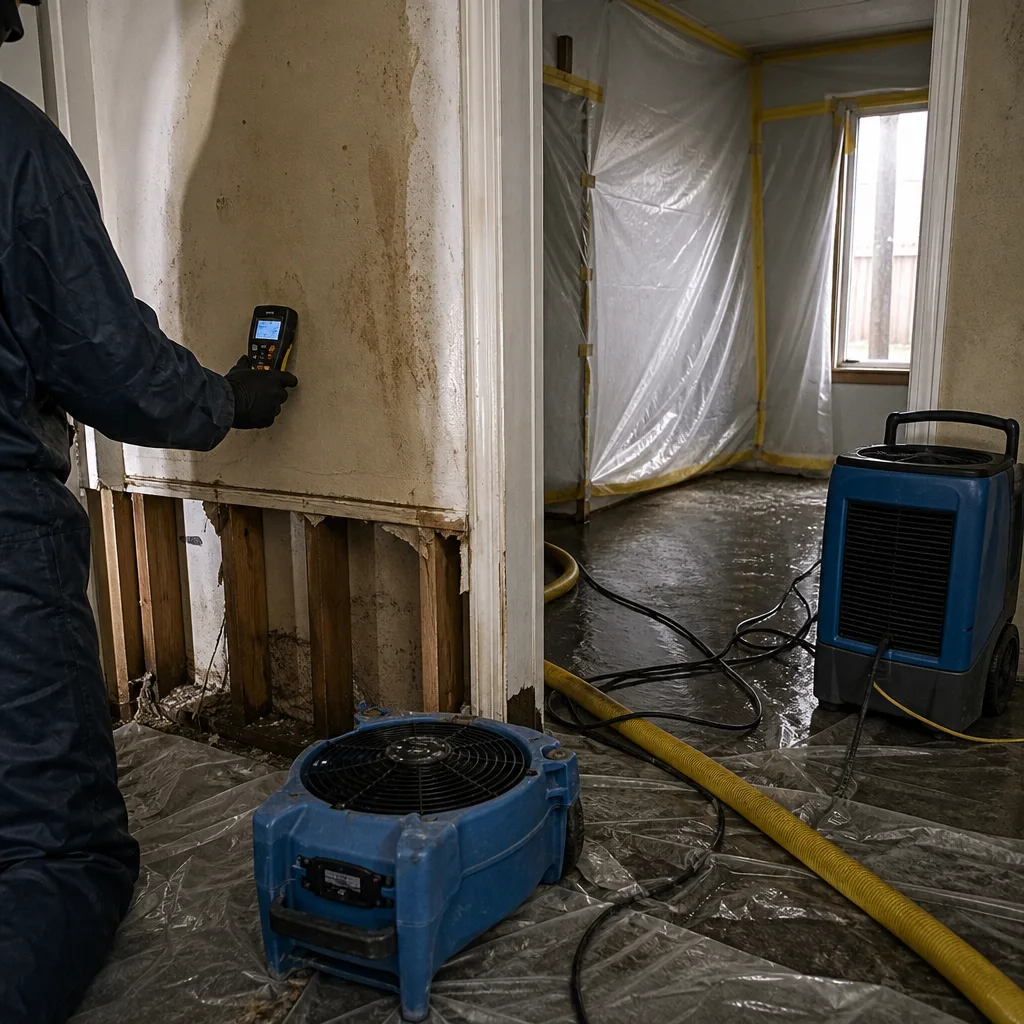 Before
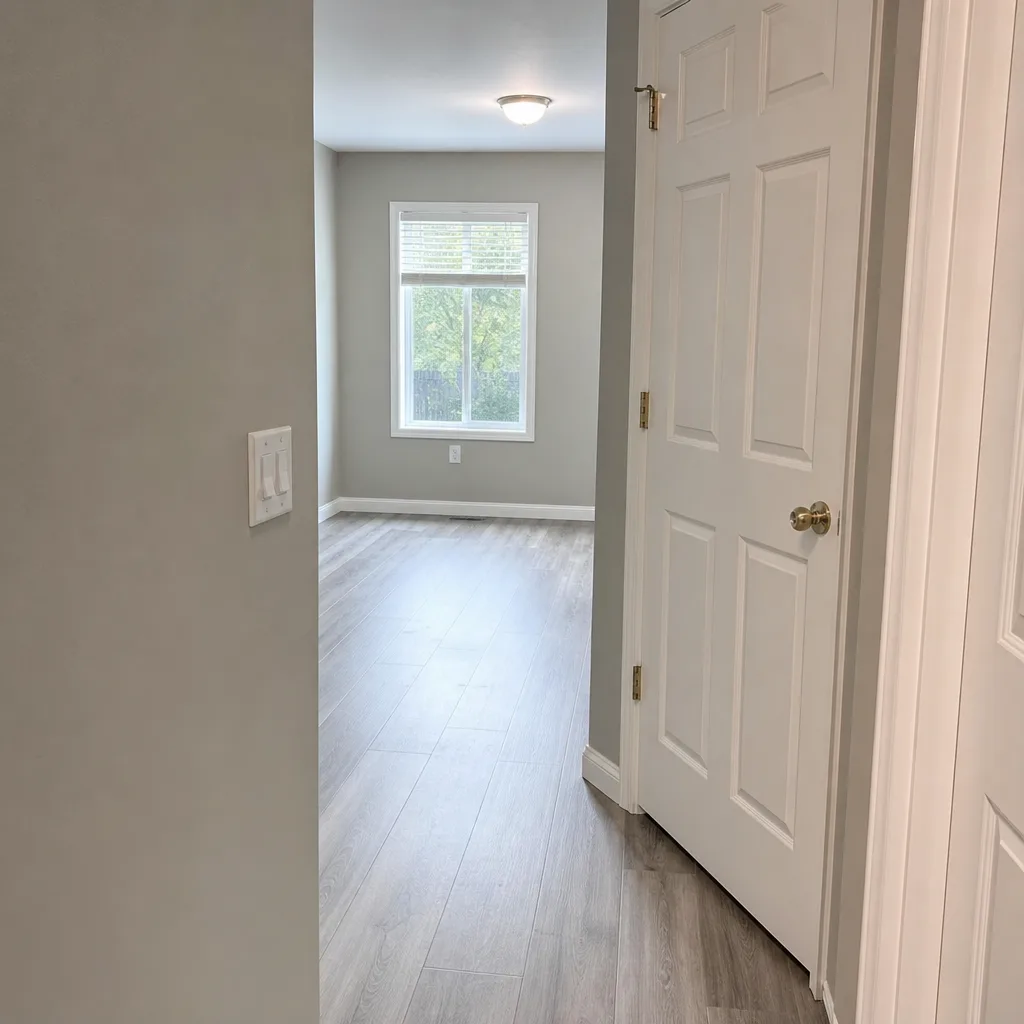 After
After24/7 Emergency Mold Remediation in Kenmore
Call (425) 696-6061 now and a live person will answer, any hour. We dispatch crews directly into Kenmore from our Seattle office, and we’ll be on-site to assess visible mold within 45 minutes of your call. The first hour determines whether mold stays contained to one damp corner or spreads through your HVAC system. We provide a free visual inspection on arrival, document everything with photos, and give you a written price before any containment goes up.
Understanding Mold Remediation Severity in Kenmore Properties
Mold damage in Kenmore falls into three containment tiers based on square footage, substrate type, and whether the source water was clean, gray, or black. Category 1 water - typically roof leaks or supply-line breaks - demands standard containment with HEPA-negative air pressure and 48-hour drying before remediation. Category 2, from washing machine overflows or sump pump failures, requires antimicrobial treatment and removal of porous materials within the contained zone. Category 3, which we see repeatedly in Kenmore’s Sammamish River corridor after river backup, means full PPE, sealed containment, and disposal of all saturated structural elements.
Kenmore’s housing stock drives these classifications. The 1950s-1980s ranch and split-level homes that dominate neighborhoods near the river and lake were built with vented crawl spaces, unsealed rim joists, and fiberglass batt insulation that acts as a moisture reservoir. When lake levels rise at the Chittenden Locks and back up against river flow, these crawl spaces become incubators. Tertiary drying - the final phase where we chase vapor pressure differentials below 60% relative humidity - often takes 72 hours longer in Kenmore’s low-elevation lots than in drier, higher ground across the lake in Kirkland. Our psychrometric data, logged daily to IICRC S520 standards, proves when the structure is actually dry, not just surface-dry.
Why Kenmore Property Owners Choose DryMark Restoration Bothell
- 45-minute response commitment to any Kenmore address, with crews staged from our Seattle office for immediate dispatch.
- 24/7 live answer - a real person, never an automated system or voicemail tree, because mold doesn’t wait for business hours.
- IICRC-certified crews holding WRT (Water Damage Restoration Technician) and AMRT (Applied Microbial Remediation Technician) certifications, with license numbers verified before arrival.
- Free visual inspection on every call, with no obligation and no pressure to proceed.
- Direct insurance billing and adjuster coordination, including NFIP claim documentation for flood-affected properties in Kenmore’s river corridor.
- One team from extraction through reconstruction - no handoffs between subcontractors, no gaps in documentation.
BeforeAfterOur Mold Remediation Process
Inspection & Assessment
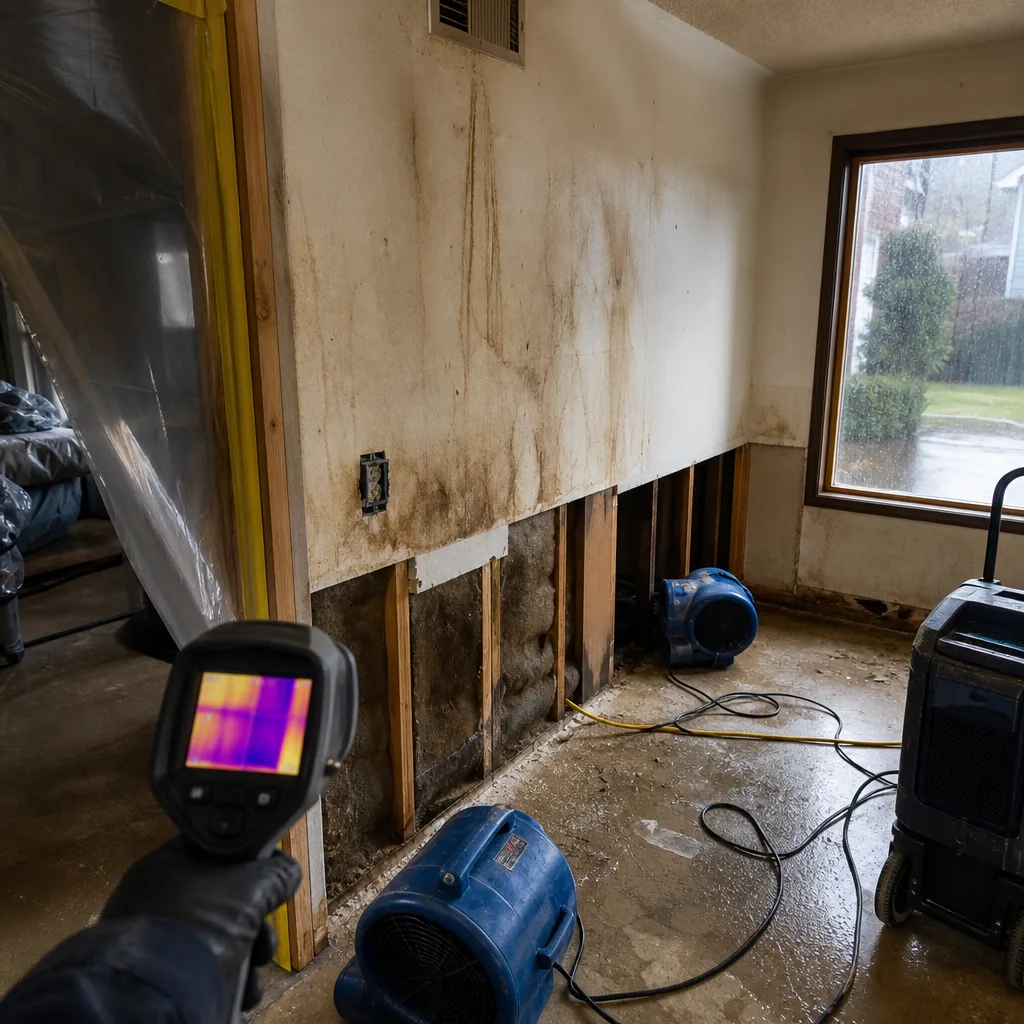
We start with moisture mapping using thermal imaging and calibrated hygrometers to locate hidden water sources. In Kenmore, this means distinguishing lake seep from river intrusion in crawl spaces near the Sammamish River corridor - two separate sources requiring separate documentation for your insurer.
Containment & Air Scrubbing
We build sealed containment with 6-mil polyethylene and maintain negative air pressure using HEPA air scrubbers. This prevents cross-contamination to unaffected rooms, critical in Kenmore’s split-level layouts where HVAC ducts connect finished basements to main living areas.
Water Extraction & Drying
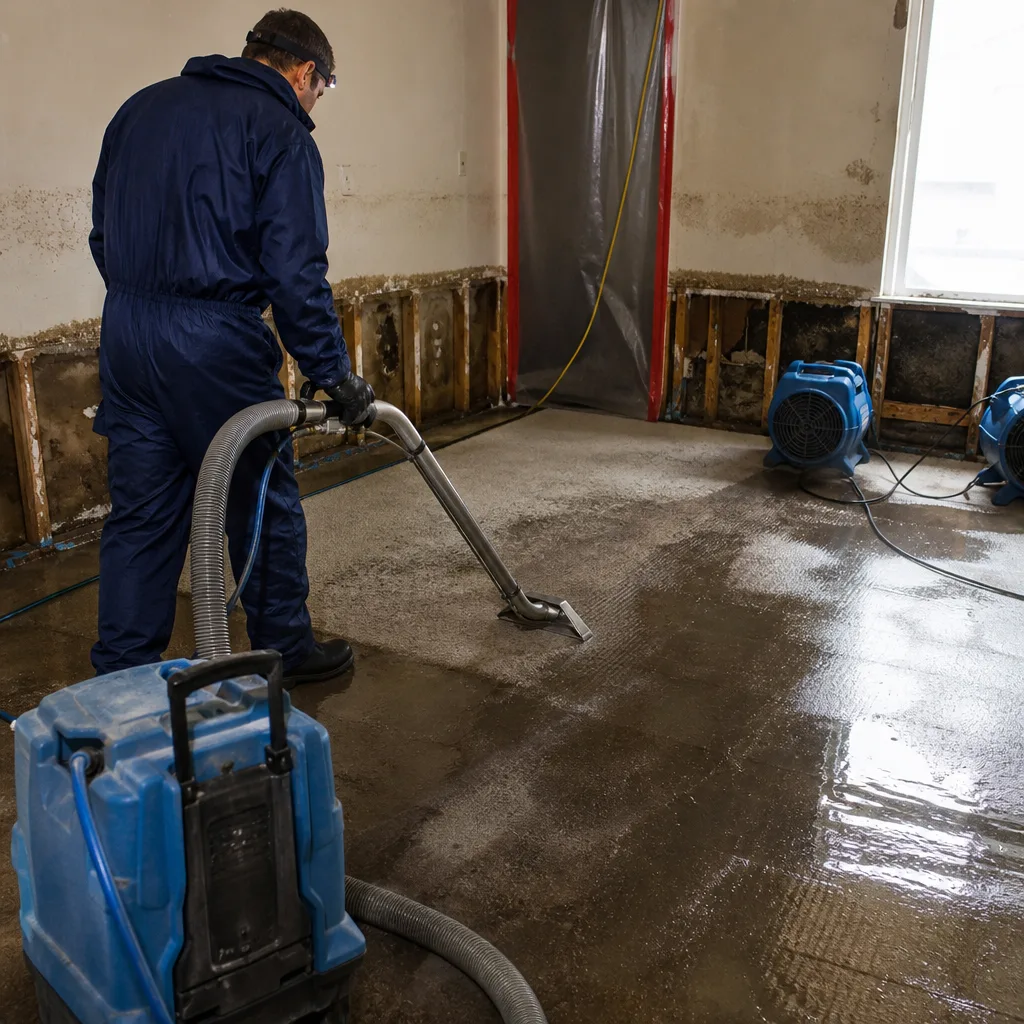
Standing water comes out first with XPOWER extractors, then we deploy Dri-Eaz and Phoenix dehumidifiers sized to the cubic footage of your crawl space or affected room. Daily moisture readings go into your drying log until we hit IICRC-dry standards.
Removal of Contaminated Materials
Porous materials that absorbed Category 2 or 3 water - drywall, insulation, carpet pad, subfloor in advanced cases - are removed and documented with photo evidence for your claim. Non-porous surfaces are HEPA-vacuumed and treated with antimicrobial agents.
Antimicrobial Treatment & Encapsulation
We apply EPA-registered antimicrobials to all remaining structural elements, then recommend crawl space encapsulation for Kenmore’s vented crawl spaces - sealing vents, installing vapor barriers, and conditioning the space to prevent seasonal moisture recurrence.
Clearance Testing & Documentation
Third-party clearance testing confirms airborne spore counts returned to normal levels. You receive a complete photo record, drying logs, moisture maps, and a written scope of work - the documentation package that turns your restoration invoice into a payable claim.
Need Emergency Mold Remediation in Kenmore Now?
Crews minutes away, answering live 24 hours a day. The sooner we start, the less it costs.
Working With Your Insurance Company
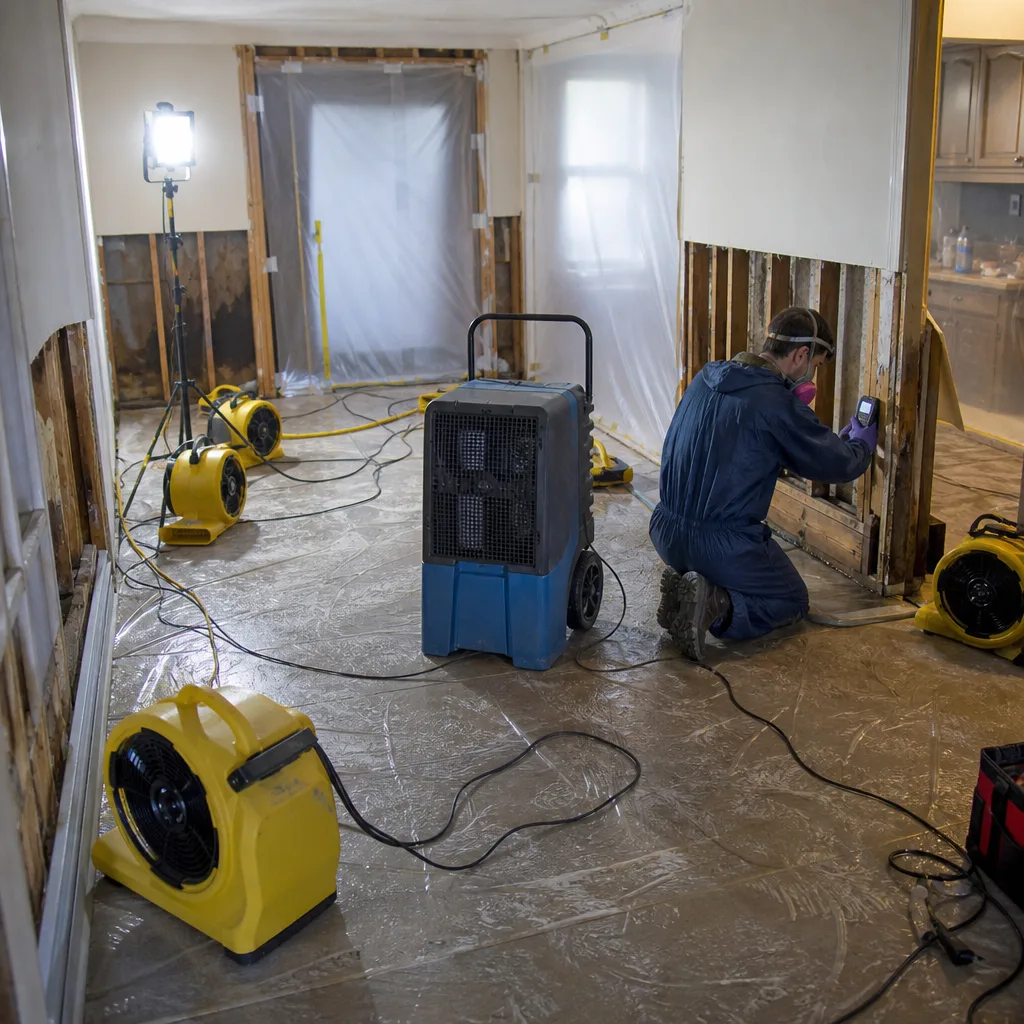
Documentation starts the moment we arrive. Our crew photographs every affected surface, records moisture readings at multiple depths, and builds a line-item scope that matches the format your adjuster expects. For Kenmore properties in FEMA Special Flood Hazard Areas, we know the NFIP documentation workflow - separate line items for building versus contents, pre-existing condition photos, and proof that mold resulted from the declared flood event rather than long-term maintenance neglect.
We bill your carrier directly when coverage applies. You pay your deductible; we handle the rest, including supplement requests if hidden damage emerges during remediation. Haven Standard, Clause 1: your written price before work begins protects you from scope creep even if the adjuster’s initial estimate is low.
What We Provide Your Insurer
- Thorough documentation of the loss
- Photos of all damage, room by room
- Moisture readings and drying logs
- A detailed, line-item scope of work
- Direct coordination with your carrier
Built for Kenmore’s Loss Calendar
January through March is when Kenmore’s mold calls spike. The Chittenden Locks hold Lake Washington at its winter pool, Sammamish River flows back up against that elevation, and low-lying lots near 68th Ave NE and the river corridor take on water. These aren’t dramatic floods. They’re repeated shallow intrusions, inches deep, that saturate crawl space insulation and rim joists over weeks. By April, we’re remediating mold that started in February and went unnoticed.
May through September brings a different pattern: homeowners open crawl space vents for summer ventilation, but humid air enters a still-damp space and condenses on cool foundation walls. October rains restart the cycle. Year-round, Kenmore’s 37 inches of annual rainfall and lake-moderated humidity mean mold prevention requires active moisture control, not just passive drying.
Mold Remediation Across Kenmore’s Neighborhoods
The Sammamish River corridor, roughly from NE 175th Street south to the lake, is where we see the dual-source intrusion pattern most clearly. Homes here, many built in the 1960s and 1970s, have crawl spaces that function as seasonal drainage paths. After a wet January, our moisture mapping often shows lake seep entering from the west-facing foundation and river backup from the east - two hydrostatic pressures meeting under the same subfloor.
Upper Kenmore, north of NE 175th toward Bothell, sits higher and drier. Mold here is more often attic-related: inadequate ventilation in 1980s split-levels with original soffit vents blocked by insulation. The remediation is simpler, but the documentation still matters for resale disclosures.
Near Saint Edward State Park, the hillside lots drain well but trap moisture in finished basements with below-grade walls. We see hydrostatic pressure pushing through foundation cracks, creating chronic dampness that homeowners mistake for condensation.
Around Kenmore Village and the commercial corridor along Bothell Way, mixed-use buildings and converted retail spaces present unique challenges: shared HVAC systems that can distribute spores between units, and landlord-tenant disputes over responsibility for moisture source repair.
Specialized Mold Remediation Services We Offer in Kenmore
Mold Inspection & Testing
Our inspections start with moisture mapping, not guesswork. In Kenmore’s 1950s-1980s housing stock, we focus on crawl space rim joists, attic sheathing, and HVAC return plenums - the three locations where we find hidden mold most often. Air sampling and surface swabs go to an independent lab; we don’t perform our own testing to avoid conflict of interest.
Mold Removal
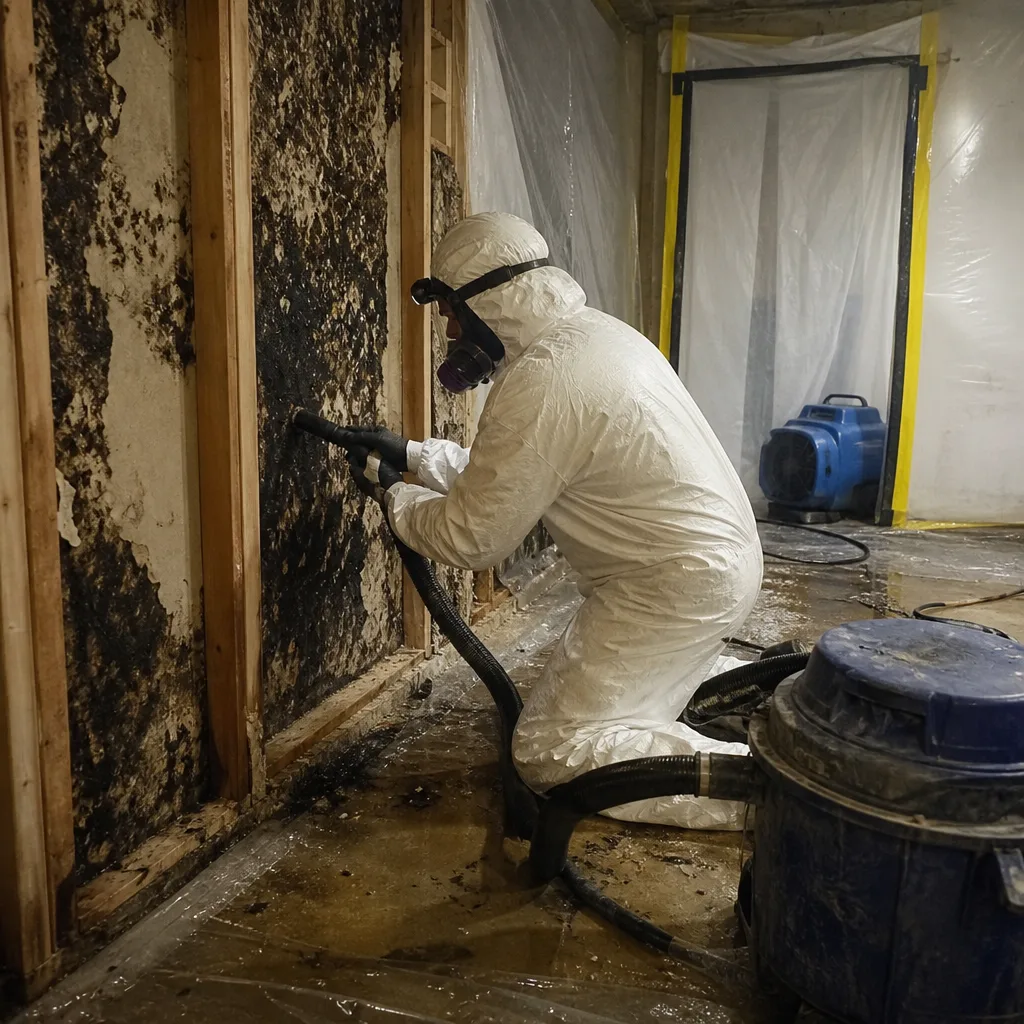
Removal follows containment, never before. We seal the work zone, establish negative pressure, and remove contaminated materials with HEPA vacuum attachment. In Kenmore’s river corridor homes, this often means removing saturated subfloor sections and treating structural framing with antimicrobial before rebuilding.
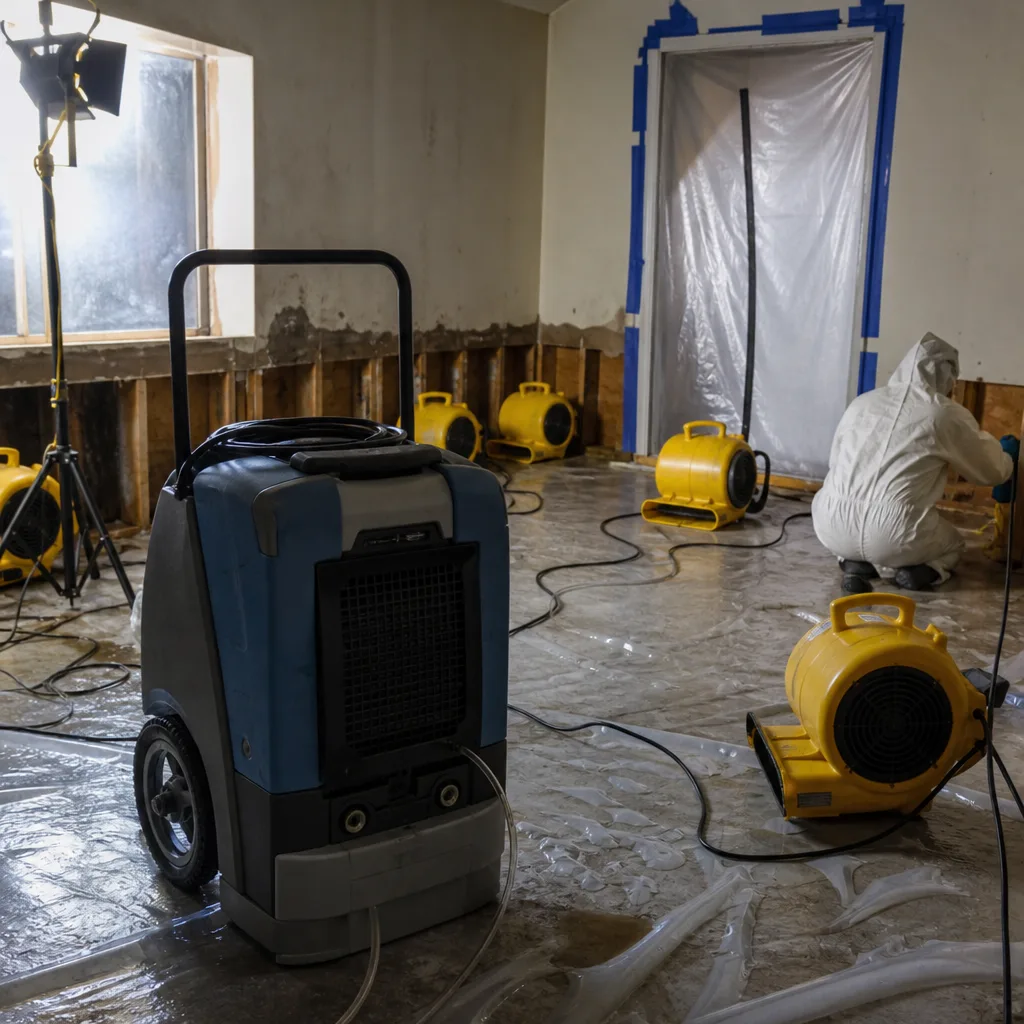
Black Mold Remediation
Stachybotrys chartarum and other toxigenic species require full respiratory protection and sealed containment. We don’t use scare tactics - we document what species are present, where, and in what concentration, then build a remediation plan proportional to the actual risk.
Air Quality Restoration
After remediation, we run HEPA air scrubbers for a minimum 48-hour cycle and recommend third-party clearance testing. For Kenmore homes with forced-air heating, we inspect and clean ductwork to remove spores that may have migrated before containment was established.
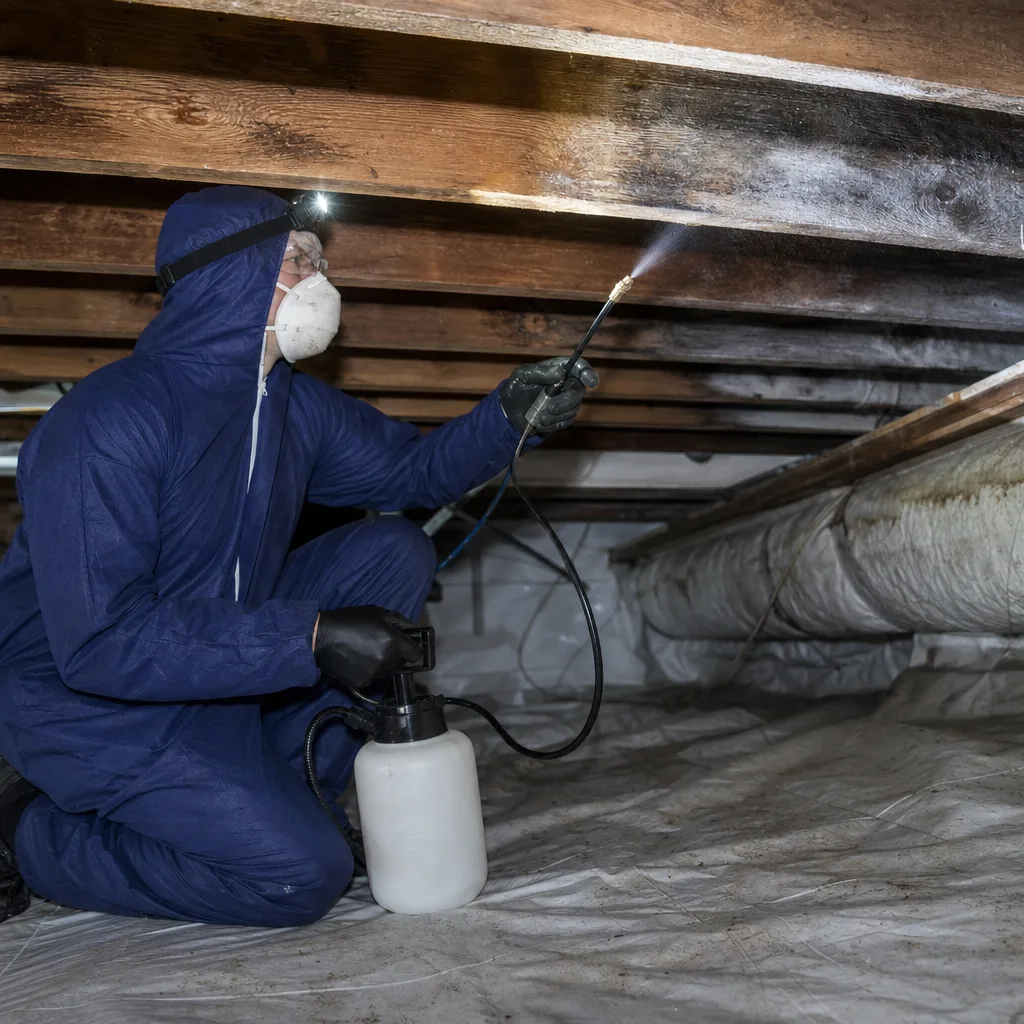
Crawl Space Treatment
This is where Kenmore’s geography matters most. Our Mold Remediation team treats the crawl space as a system: water extraction, structural drying, antimicrobial application, then encapsulation with sealed vents, ground vapor barrier, and dehumidification. Without encapsulation, the seasonal moisture cycle returns.
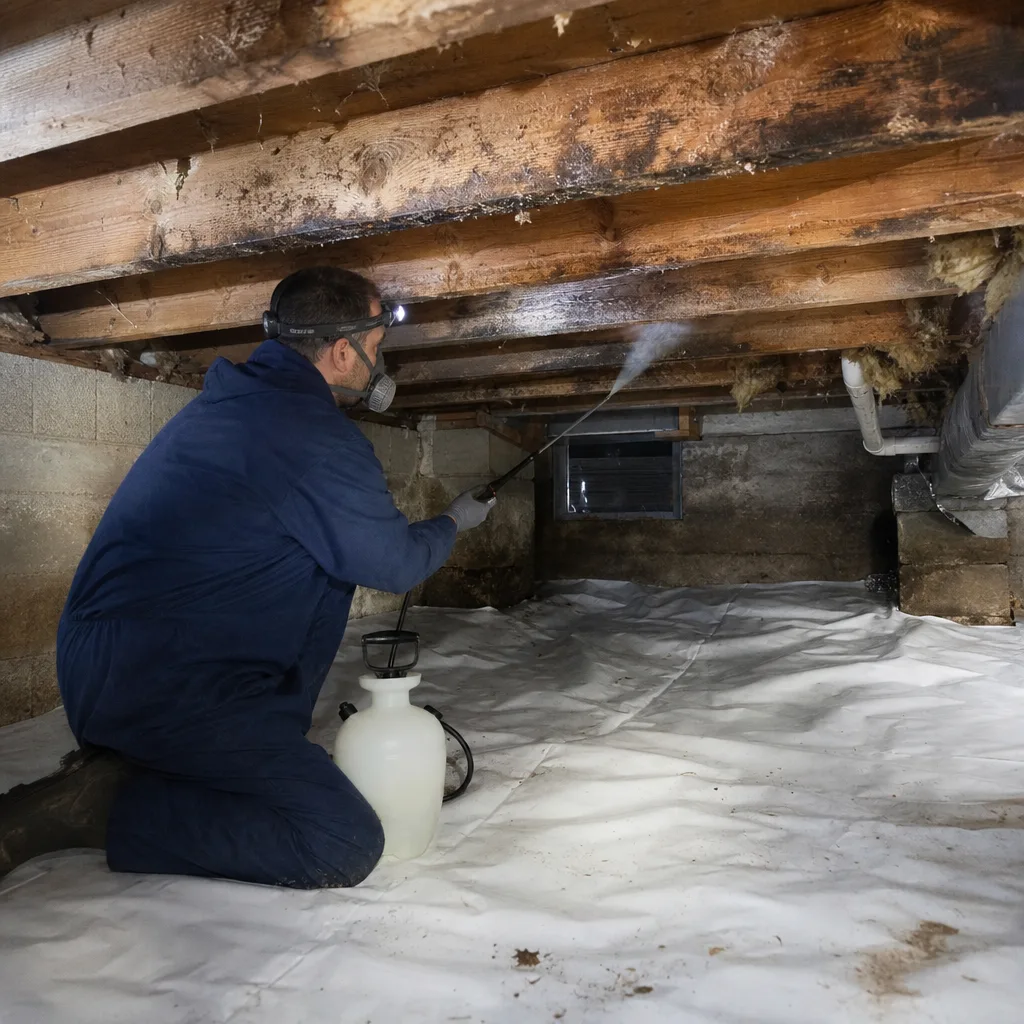
Moisture & Humidity Control
We install permanent dehumidification and monitoring systems for Kenmore’s chronically damp crawl spaces. Real-time humidity alerts let you catch rising moisture before mold growth restarts, especially during the October-to-March wet season when you’re not checking the crawl space regularly.
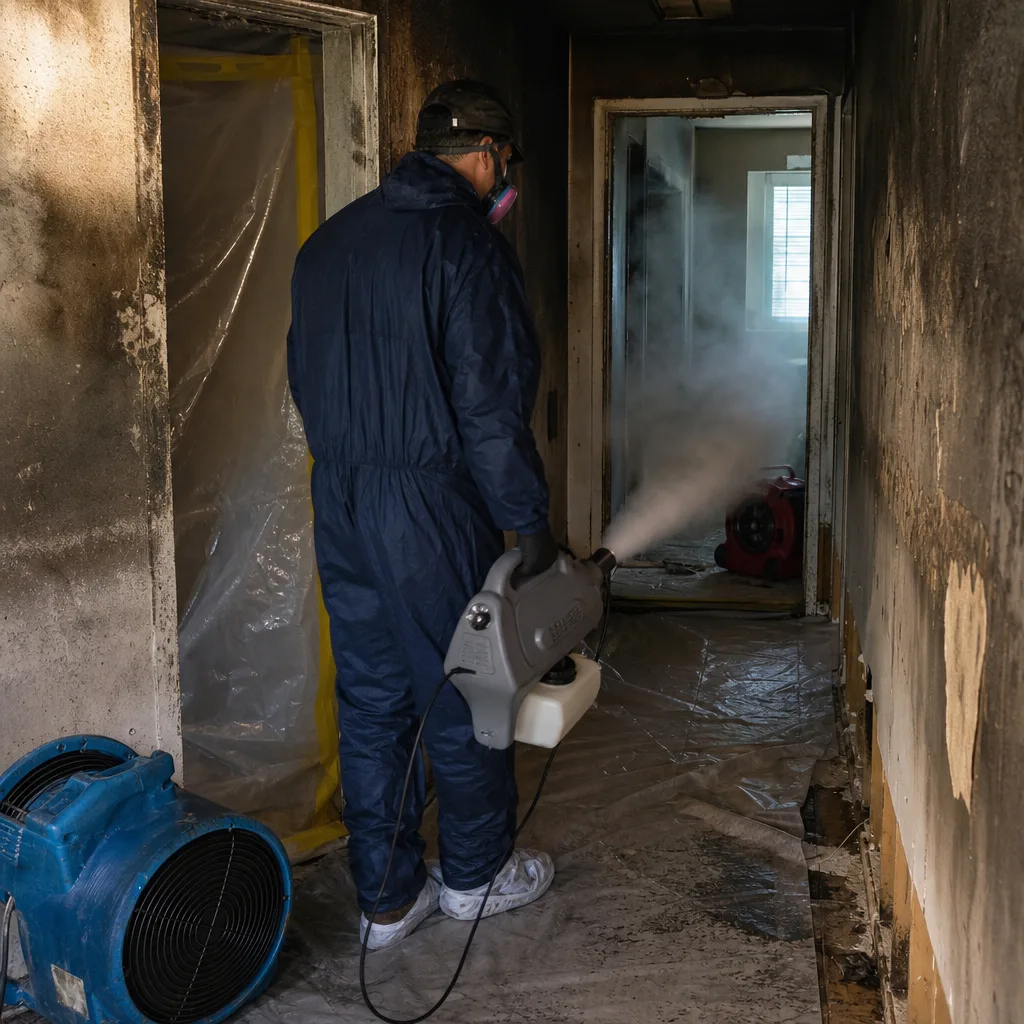
What happens when you call
- 1
A real person answersNo phone trees - you reach a local pro.
- 2
You get an upfront price rangeHonest numbers before anyone is dispatched.
- 3
A background-checked tech heads outLicensed & insured, dispatched right away.
- 4
You approve before work beginsNothing starts until you say go.
Mold Remediation Costs in Kenmore, WA
A typical mold inspection with moisture mapping in Kenmore runs $250-$450. Contained remediation of a single affected room - standard containment, HEPA air scrubbing, removal of 10-25 square feet of contaminated drywall, and antimicrobial treatment - typically costs $1,800-$3,400. Crawl space remediation with encapsulation, which we recommend for most Kenmore river-corridor homes after any flood event, ranges from $4,500-$8,500 depending on square footage and whether structural rot repair is needed.
What moves the price: the water category (Category 3 black water requires more PPE and disposal), the extent of hidden damage revealed during demolition, and whether your crawl space needs full encapsulation or just spot treatment. NFIP flood claims often cover mold remediation when it’s documented as direct physical damage from the flood event; standard homeowner policies vary by carrier and endorsement. We provide a written price before work begins, every time, with no additions once the crew is inside - Haven Standard, Clause 1. Bring a competitor’s written estimate and we’ll review it free.
We Also Serve Cities Near Kenmore
Our crews respond throughout the north Lake Washington area, including Kenmore and neighboring Bothell, Lynnwood, Woodinville, and Kirkland. Each city’s flood patterns differ - Bothell faces upstream Sammamish River flooding without lake backup, Kirkland deals with lakeside seepage on higher ground - and our documentation adapts to each.
Serving Kenmore, WA - Our Local Coverage Area
We’re based in the Kenmore area and know this community well. Use the map below to see our service coverage - if you’re nearby, we can almost certainly help.
Kenmore Mold Remediation Questions, Answered
Why does mold keep coming back in my Kenmore crawl space after I dry it out?
Because drying alone doesn’t break the moisture cycle that feeds it. Kenmore’s vented crawl spaces sit feet above the water table in low-elevation lots, and seasonal humidity rises through the soil year-round. We encapsulate the crawl space - sealed vents, ground vapor barrier, conditioned air - so moisture can’t re-enter. Call (425) 696-6061 and we’ll assess whether your crawl space needs encapsulation or just better drainage.
Does my Kenmore flood claim through NFIP cover mold remediation in the crawl space?
Yes, when mold is documented as direct physical damage from the flood event and not pre-existing. NFIP requires proof that mold growth resulted from the declared flood, not from long-term moisture or maintenance neglect. We photograph pre-loss condition, document the water source with moisture mapping, and build a scope that separates flood-related mold from pre-existing rot. Call (425) 696-6061 for a free inspection and NFIP-ready documentation.
How fast does mold grow in a Kenmore home after a shallow flood intrusion?
Mold colonization begins 24-48 hours after water intrusion on organic materials at 60% relative humidity or higher. In Kenmore’s cool, humid crawl spaces, that timeline can stretch slightly, but by day three visible growth is likely on paper-faced drywall and wood framing. Speed matters less than proper drying and antimicrobial treatment - surface drying with fans alone traps moisture in wall cavities. Call (425) 696-6061 for same-day assessment.
What is the difference between Category 1, 2, and 3 water in a Kenmore flood, and why does it matter for mold?
Category 1 is clean water from supply lines or rain; Category 2 is gray water with contaminants from sump pumps or washing machines; Category 3 is black water from sewage backup or river flooding carrying pathogens. The category determines antimicrobial intensity, PPE requirements, and which materials must be removed rather than cleaned. In Kenmore’s Sammamish River corridor, we often see Category 3 after river backup, requiring full disposal of saturated porous materials and more extensive containment. Misclassifying water category leads to inadequate treatment and recurring mold. Call (425) 696-6061 for proper classification.
Is mold remediation different for a Kenmore split-level with a vented crawl space than for a slab home?
Yes. Split-levels have multiple foundation types in one structure - often a slab at grade and a vented crawl space below the main living area - with HVAC ducts running between them. Mold in the crawl space can migrate through return air pathways to the upper level. Remediation requires zoned containment and duct sealing that slab homes don’t need. Kenmore’s split-level concentration makes this a routine consideration for our crews. Call (425) 696-6061 for split-level-specific assessment.
How long does full mold remediation take in a typical Kenmore home?
Contained remediation of a single room takes 3-5 days including drying time. Crawl space remediation with encapsulation typically runs 5-8 days. The timeline extends if we discover hidden structural rot during demolition, which is common in Kenmore’s 1950s-1980s homes with chronic moisture exposure. We don’t rush drying - our daily moisture logs prove when the structure is actually dry, not just surface-dry. Call (425) 696-6061 for a timeline based on your specific situation.
Can my family stay in the home during mold remediation?
Often yes, for contained remediation of a single room with no HVAC cross-contamination. For whole-crawl-space work, Category 3 water events, or toxigenic species, we recommend temporary relocation until clearance testing confirms safe airborne levels. We seal containment barriers and run HEPA-negative air scrubbers to isolate the work zone from living spaces. Call (425) 696-6061 and we’ll advise based on your specific contamination and home layout.
What certifications do your mold remediation technicians hold?
Our lead technicians hold IICRC WRT (Water Damage Restoration Technician) and AMRT (Applied Microbial Remediation Technician) certifications, with documented continuing education to maintain currency. All technicians are background-checked, licensed, and insured, with license numbers provided on request. Work is documented to IICRC S520 standards for professional mold remediation. Call (425) 696-6061 to verify credentials for your specific crew.
Written by Alicia Brennan, Owner at Back to Dry Restoration, serving Kenmore since 2011.
Mold Remediation in Nearby Areas