
Free visual inspection and a written scope of work before any mitigation begins - photos, moisture readings, and drying logs go in your claim file
The scope we write is the scope we bill. Anything new gets shown to you, in writing, before we touch it.
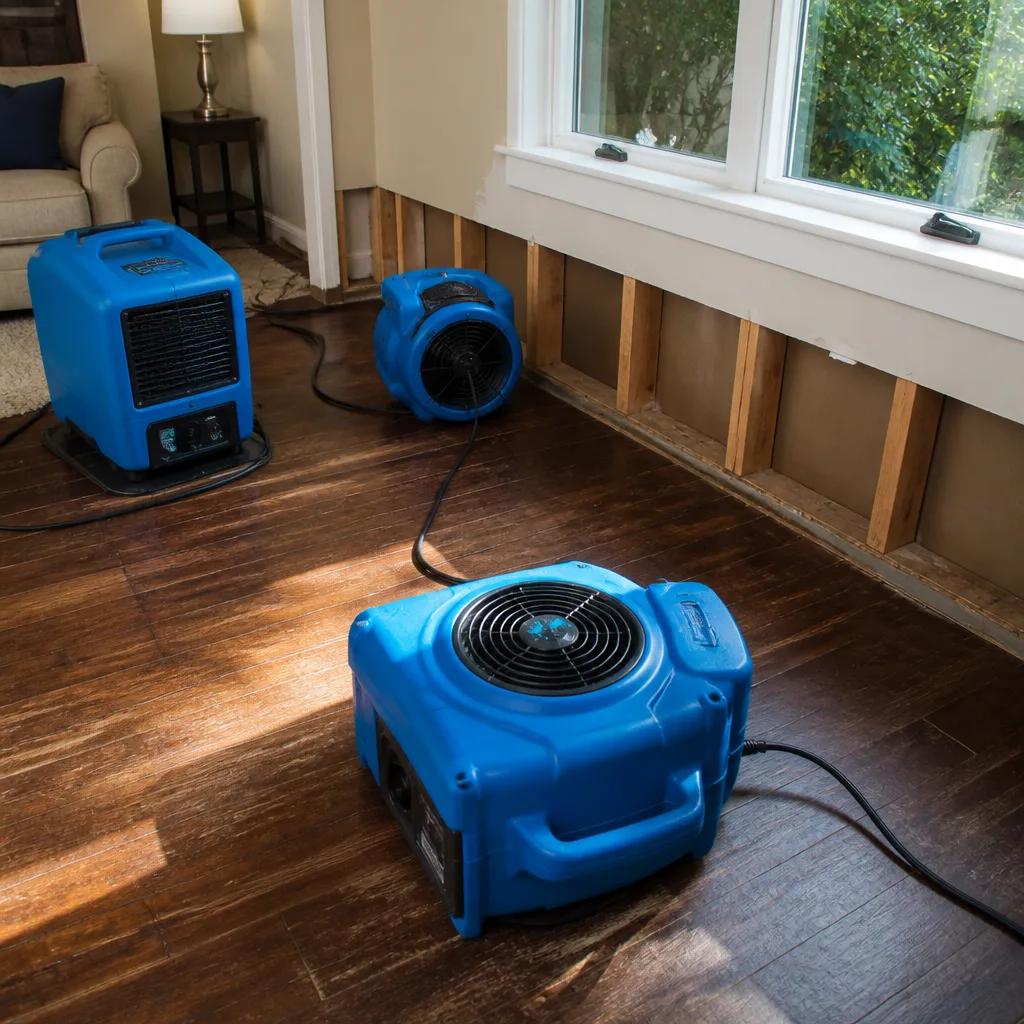
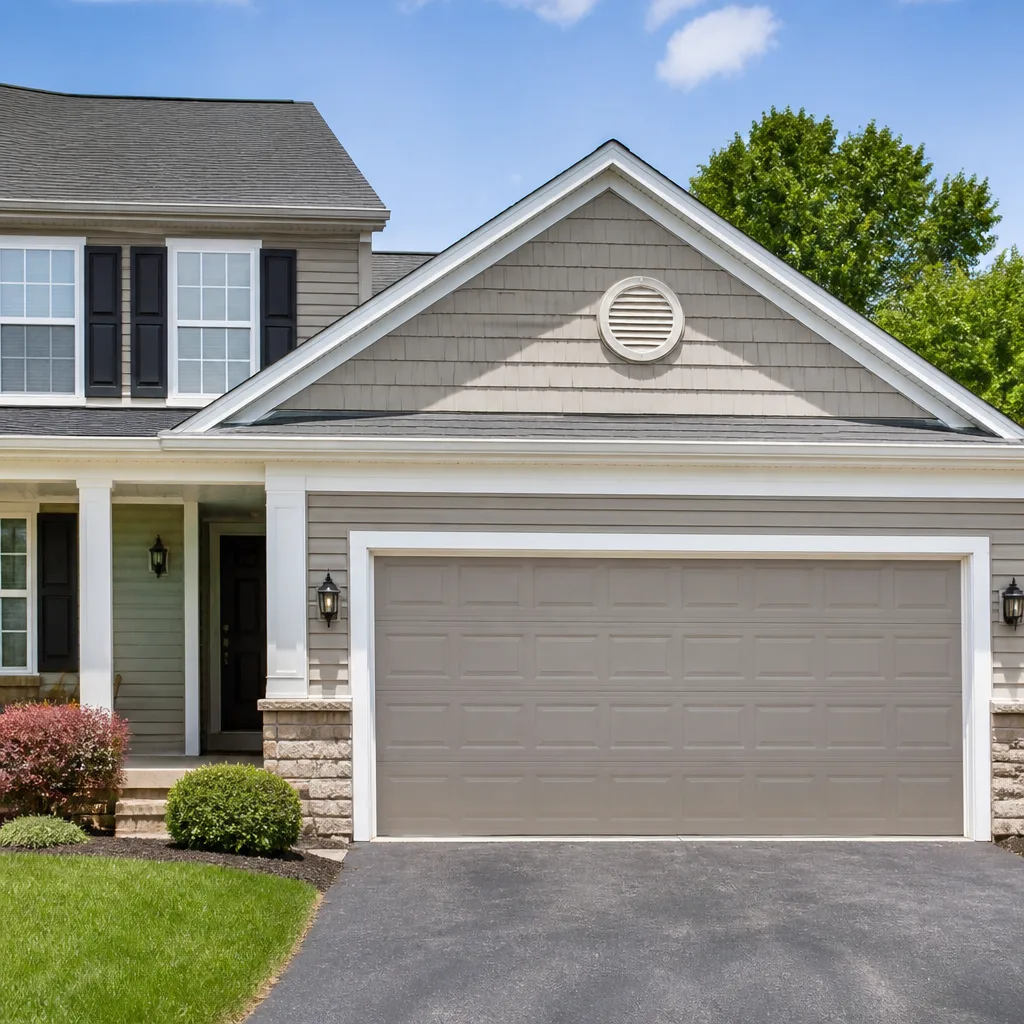
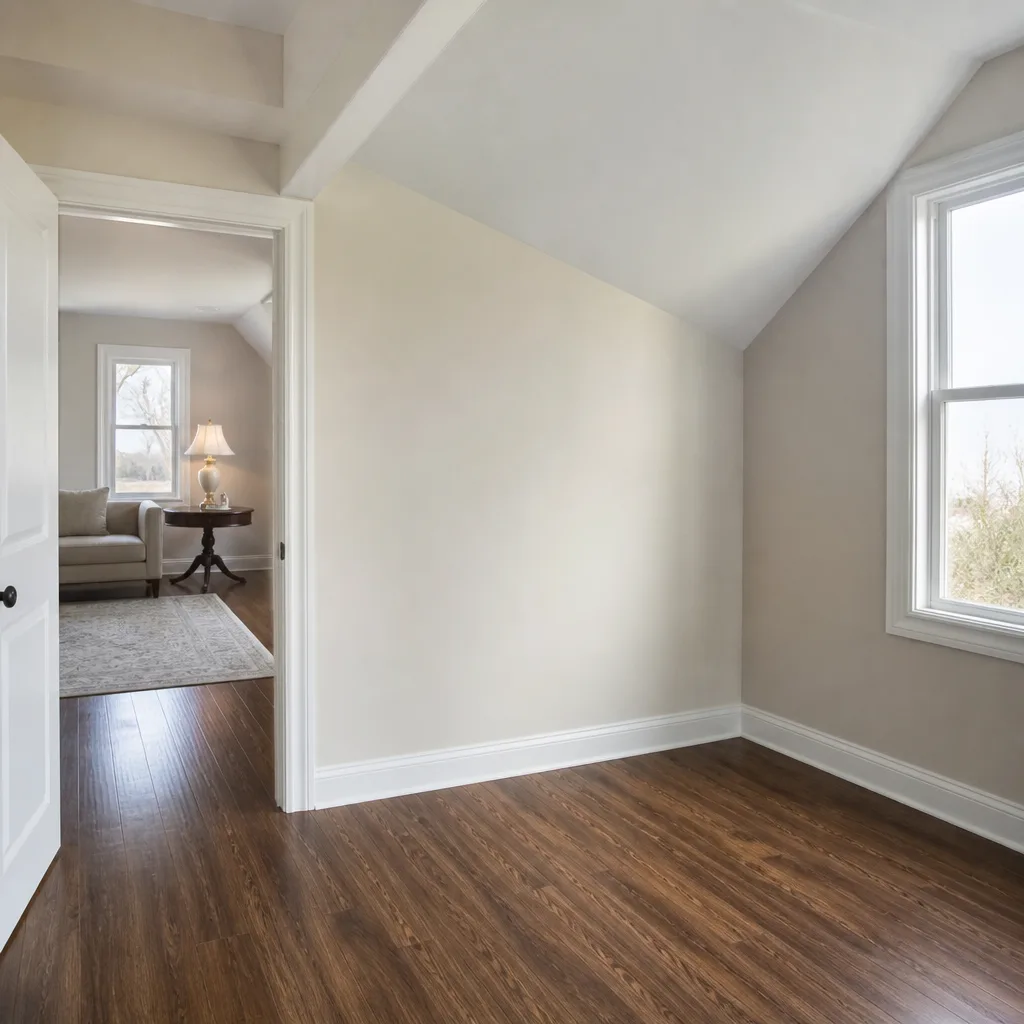
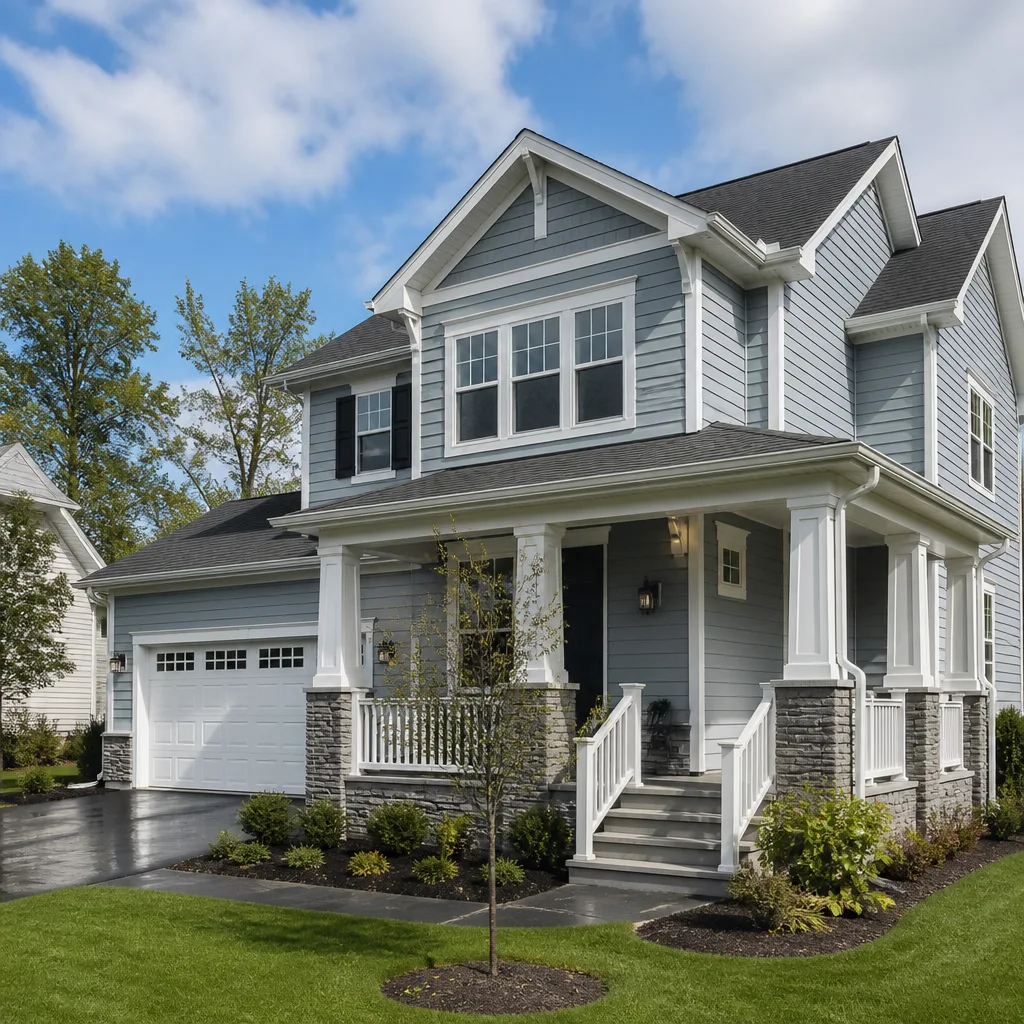
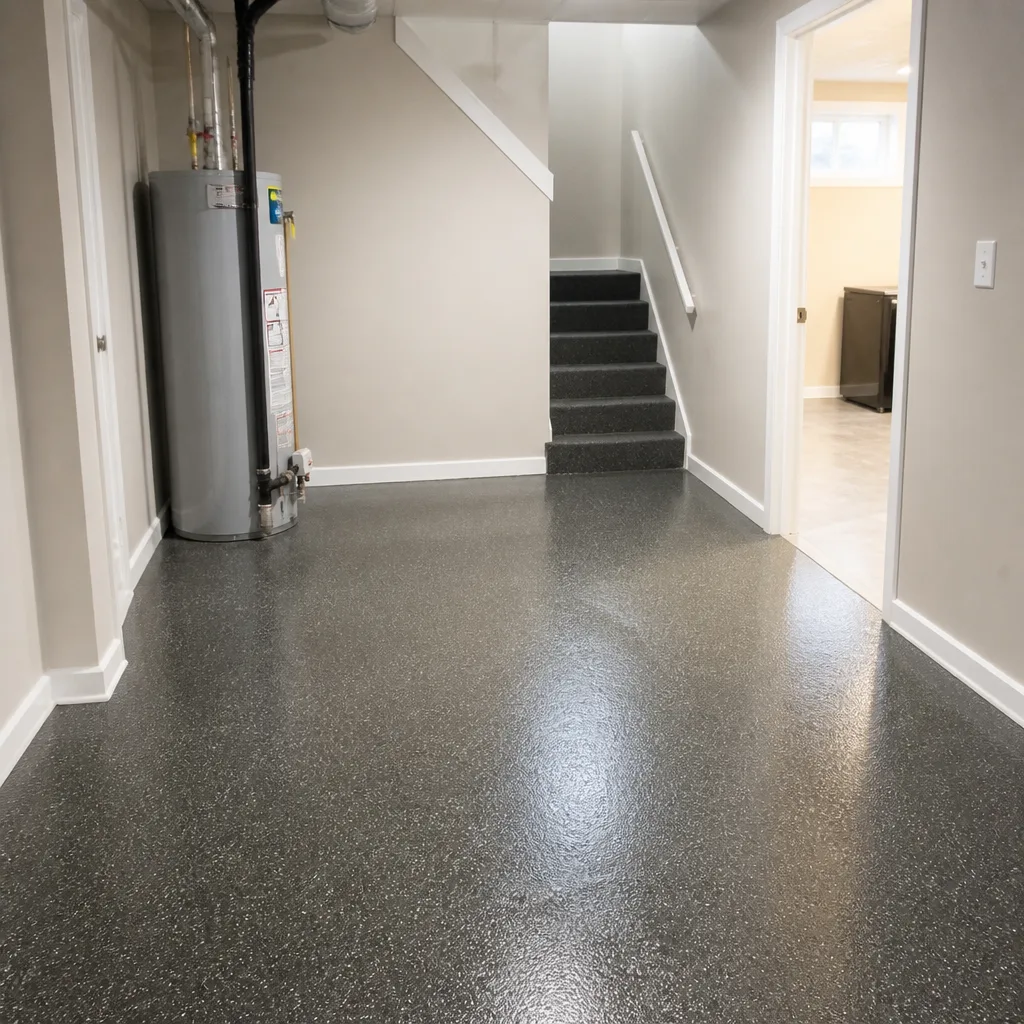
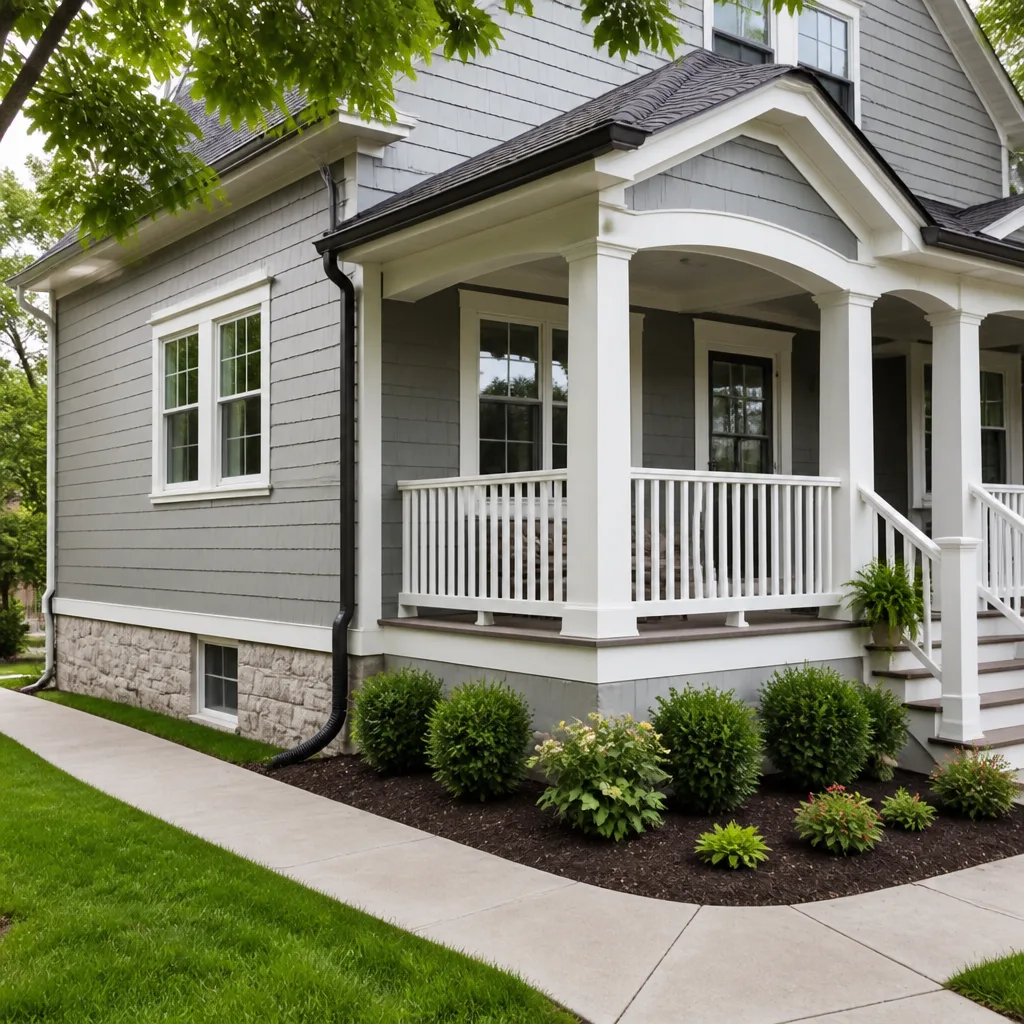
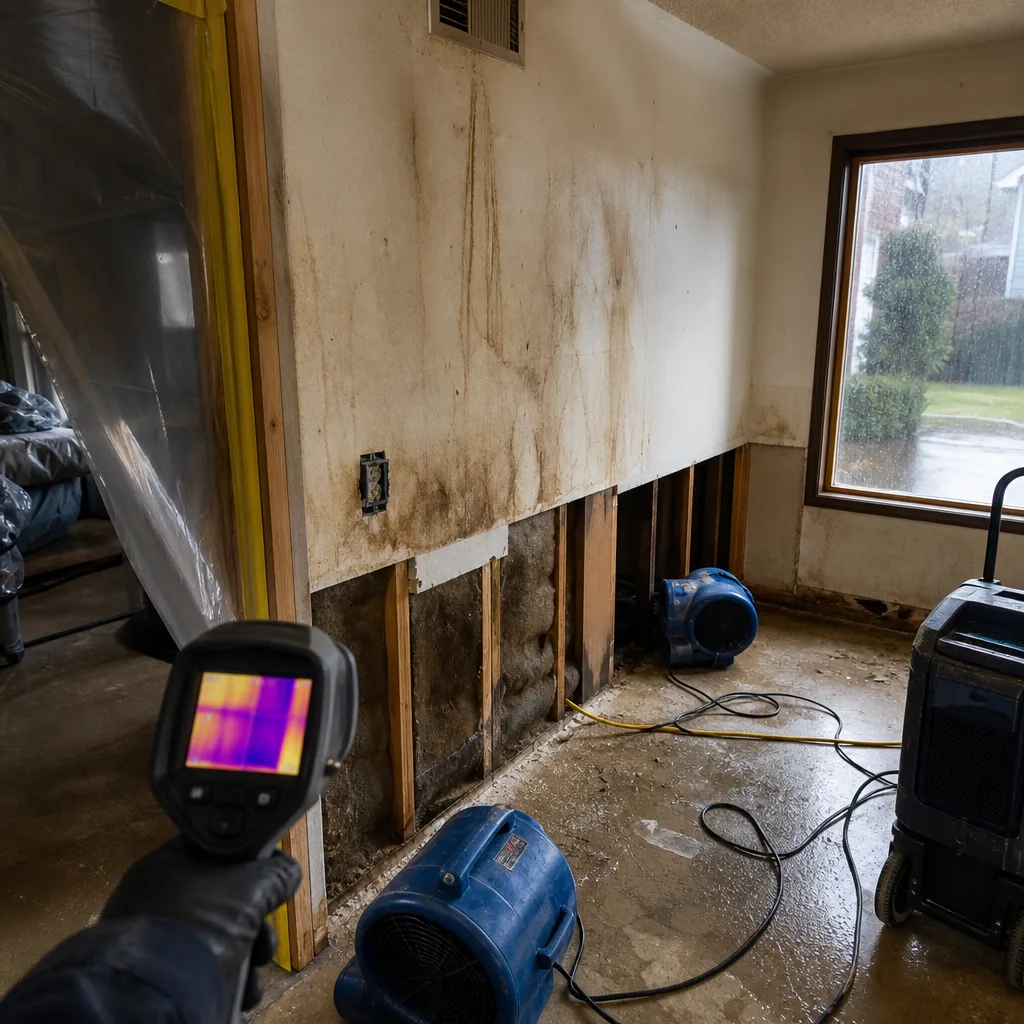 Before
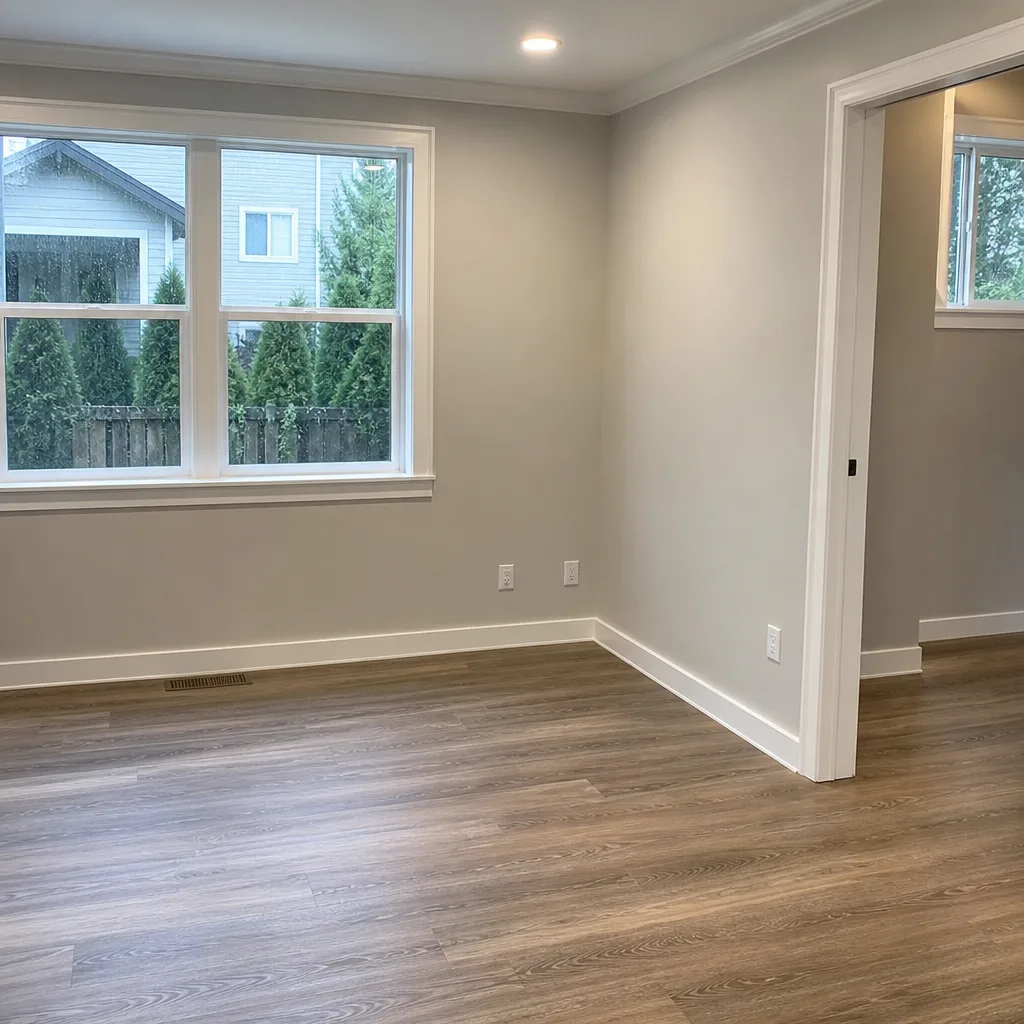 After
After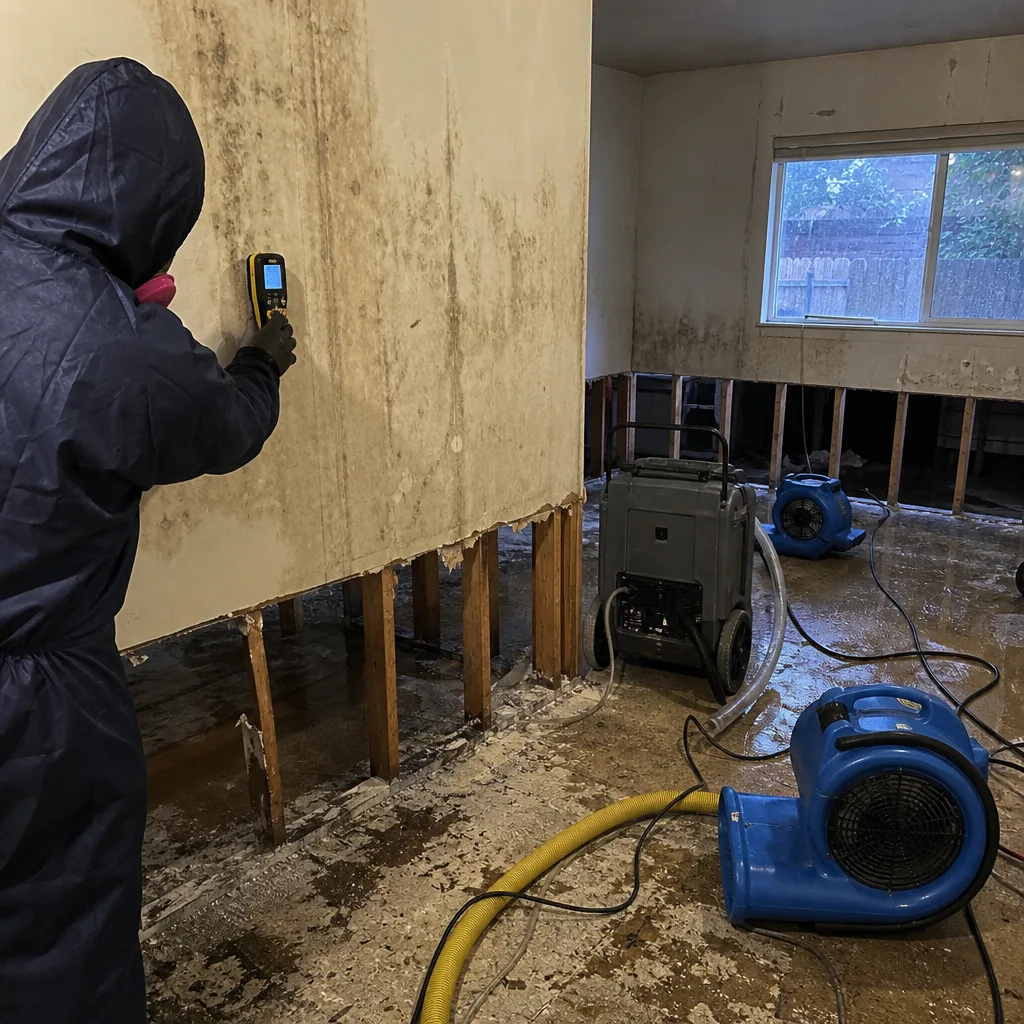 Before
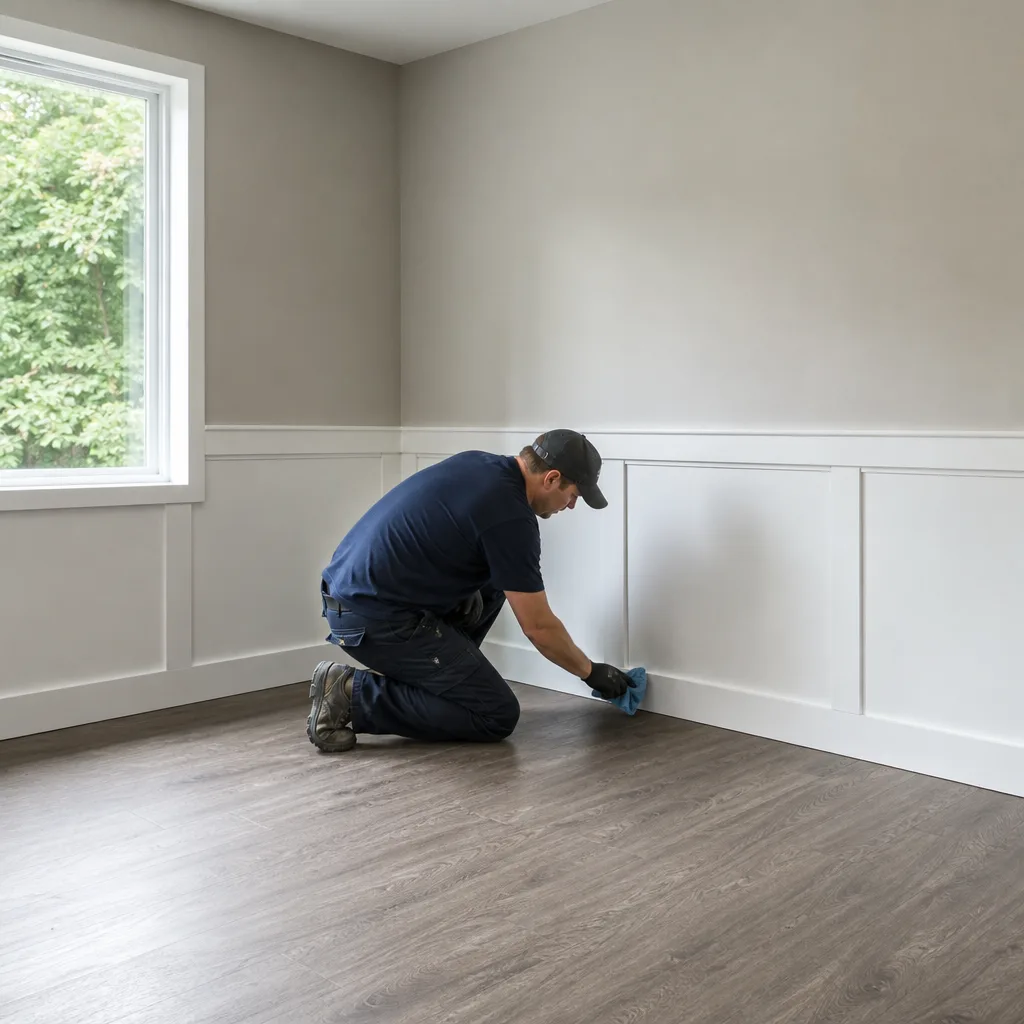 After
After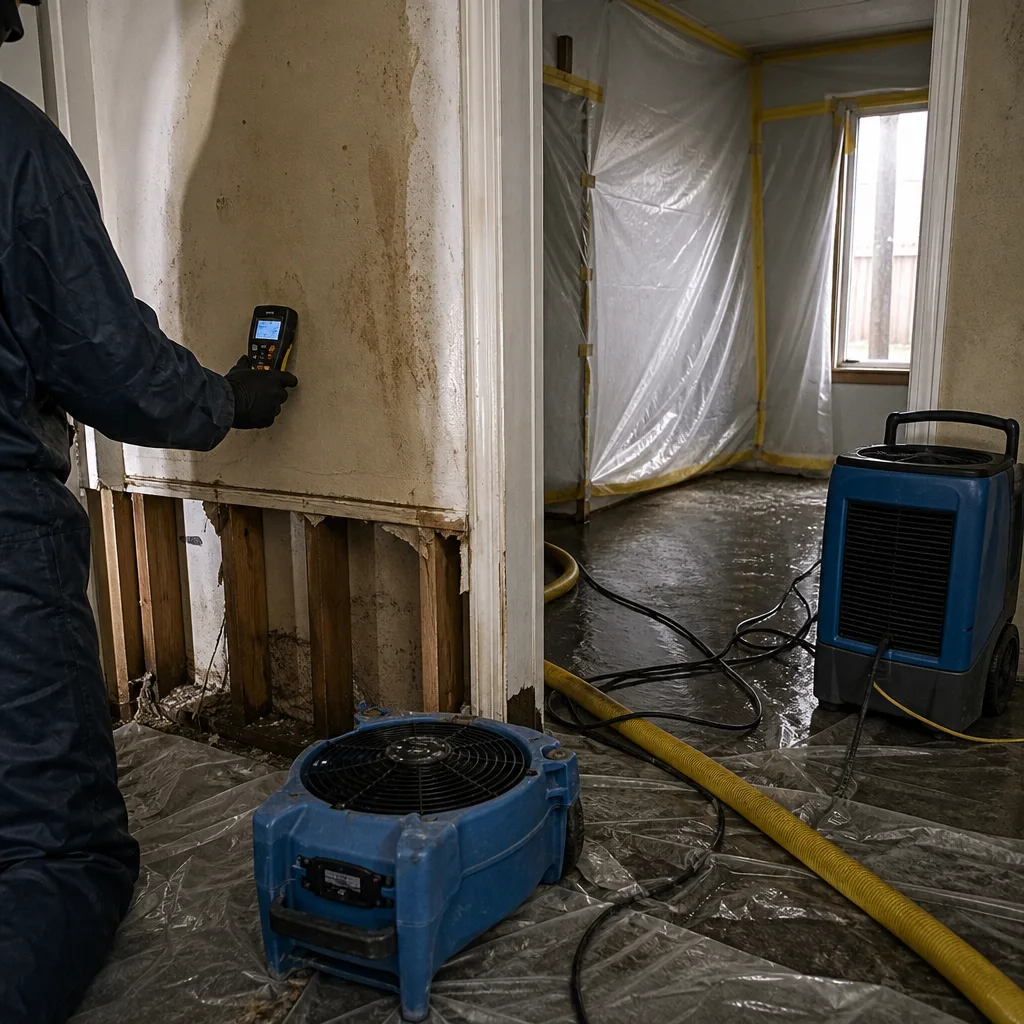 Before
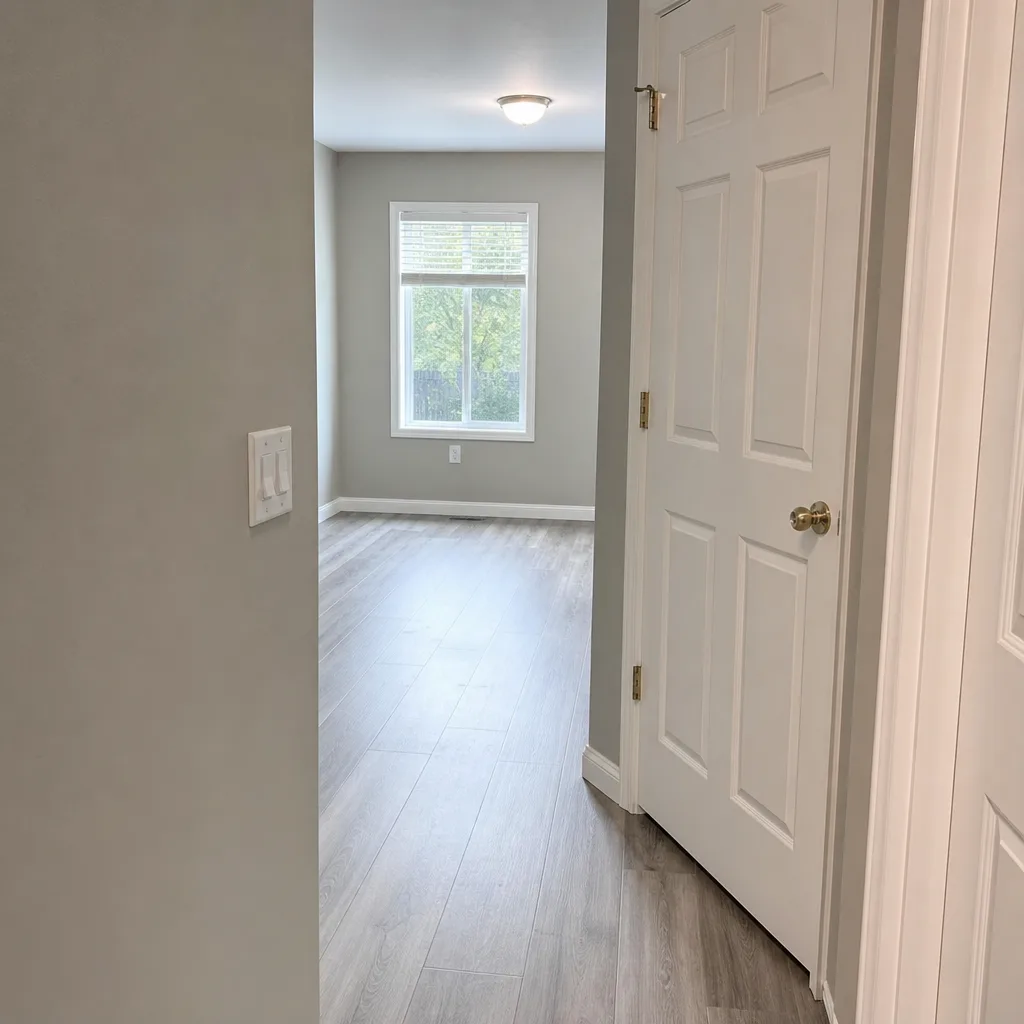 After
After24/7 Emergency Mold Remediation in Marysville
Mold remediation in Marysville typically costs $1,800-$6,500 depending on affected square footage and whether structural materials must be removed, and our crews are dispatched from our Seattle office with live answer on emergency lines at (425) 696-6061. We answer every call with a real person, 24 hours a day, 7 days a week - no voicemail trees, no next-business-day callbacks while spores are still colonizing. The first 48 hours after water intrusion are when mold establishes itself in Marysville’s OSB-sheathed wall cavities; after that, remediation shifts from surface treatment to structural removal, and the price moves with it. We offer a free visual inspection to Marysville homeowners, with a written scope and price before any work begins - Haven Standard, Clause 1.
Understanding Mold Remediation Severity in Marysville Properties
Mold severity in Marysville is graded by affected square footage, substrate type, and whether the contamination is surface-level or has colonized structural framing. Level 1 remediation covers under 10 square feet of surface mold on non-porous materials - typically ceramic tile or sealed concrete in a Marysville basement utility room. Level 2 spans 10-30 square feet and requires containment with 6-mil polyethylene sheeting and HEPA air scrubbing, common when Quilceda Creek flooding drives moisture into first-floor wall cavities along the Soper Hill corridor. Level 3 and above, exceeding 30 square feet or involving HVAC contamination, demands full containment, negative air pressure, and removal of porous materials - the OSB sheathing and bottom plates we find behind vinyl siding on 1998-2005 Marysville builds.
Marysville’s housing stock intensifies these thresholds. The 1990s-2010s production subdivisions along Highway 9 and I-5 used OSB wall sheathing with felt or early synthetic housewrap that degrades after 20-25 years. When that housewrap fails at window flanges, moisture readings in sheathing climb to 28-34% while interior drywall reads normal - the mold is structural, hidden, and advanced before any surface sign appears. Older downtown-core homes with balloon framing and no vapor barriers present a different pattern: once water intrudes, mold spreads rapidly through continuous wall cavities without the compartmentalization that modern fire-blocking provides.
Why Marysville Property Owners Choose DryMark Restoration Bothell
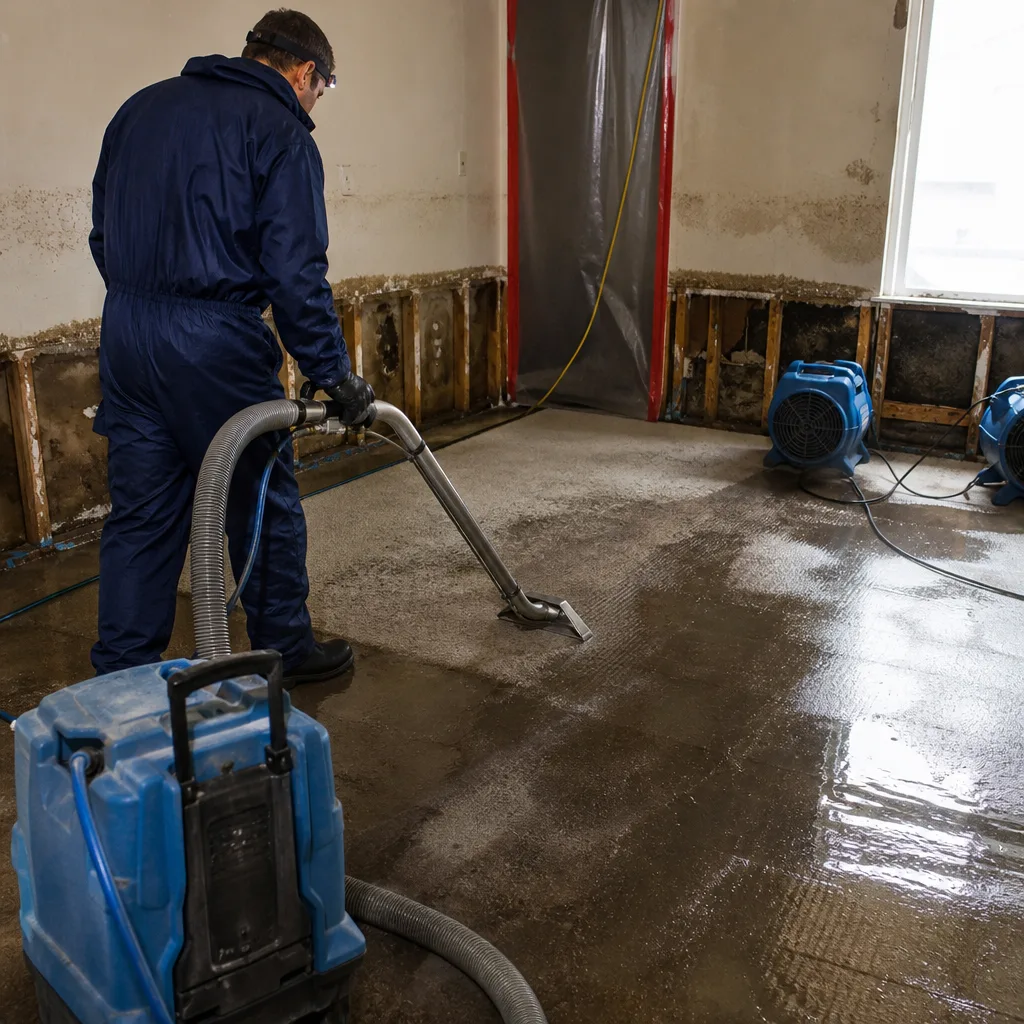
- 45-minute response commitment to Marysville from our Seattle dispatch office - crews carry containment materials, HEPA scrubbers, and moisture mapping equipment on every truck.
- 24/7 live answer: a real person, never an automated system, on every call to (425) 696-6061.
- IICRC-certified crews with WRT (Water Damage Restoration Technician) and AMRT (Applied Microbial Remediation Technician) credentials - license numbers verified before arrival.
- Free visual inspection with moisture mapping and thermal imaging included; you receive a written price before any work begins, every time.
- Direct insurance billing with photo-documented drying logs and daily moisture readings that turn restoration invoices into payable claims.
- One team from containment to reconstruction - no handoffs between remediation and rebuild crews, no gaps in documentation.
BeforeAfterOur Mold Remediation Process
1. Inspection & Assessment
We map moisture with thermal imaging and penetrating probes, identify the water source, and classify contamination per IICRC S520 standards. In Marysville, this means checking OSB sheathing behind vinyl siding at window flanges and measuring crawl space humidity against exterior ambient - the gap between the two tells us if the structure has reached drying equilibrium.
2. Containment & Air Scrubbing
We establish polyethylene containment with negative air pressure using HEPA-filtered air scrubbers - typically Dri-Eaz and Phoenix units - to prevent cross-contamination during removal. Airborne spore counts are documented before and after.
3. Moisture Removal & Structural Drying
Injectidry systems dry wall cavities without full demolition where possible; LGR dehumidifiers pull vapor pressure differential down to equilibrium. In Marysville’s high water-table conditions, we monitor crawl space vapor pressure separately from living-space readings - surface dryness means nothing if the substructure is still wicking moisture.
4. Cleaning & Antimicrobial Treatment
HEPA vacuuming removes settled spores; EPA-registered antimicrobial agents treat framing and subfloors. We document application rates and dwell times for insurance scope matching.
5. Clearance Testing & Verification
Air and surface samples verify spore counts at or below outdoor baseline levels before containment comes down. We provide lab results and moisture logs as standard deliverables - never an upsell.
6. Repairs & Restoration
Our reconstruction crew replaces removed sheathing, insulation, drywall, and siding with materials matched to existing finishes. The same team that documented pre-loss condition handles rebuild, so nothing gets lost in translation with your adjuster.
Need Emergency Mold Remediation in Marysville Now?
Crews minutes away, answering live 24 hours a day. The sooner we start, the less it costs.
Working With Your Insurance Company
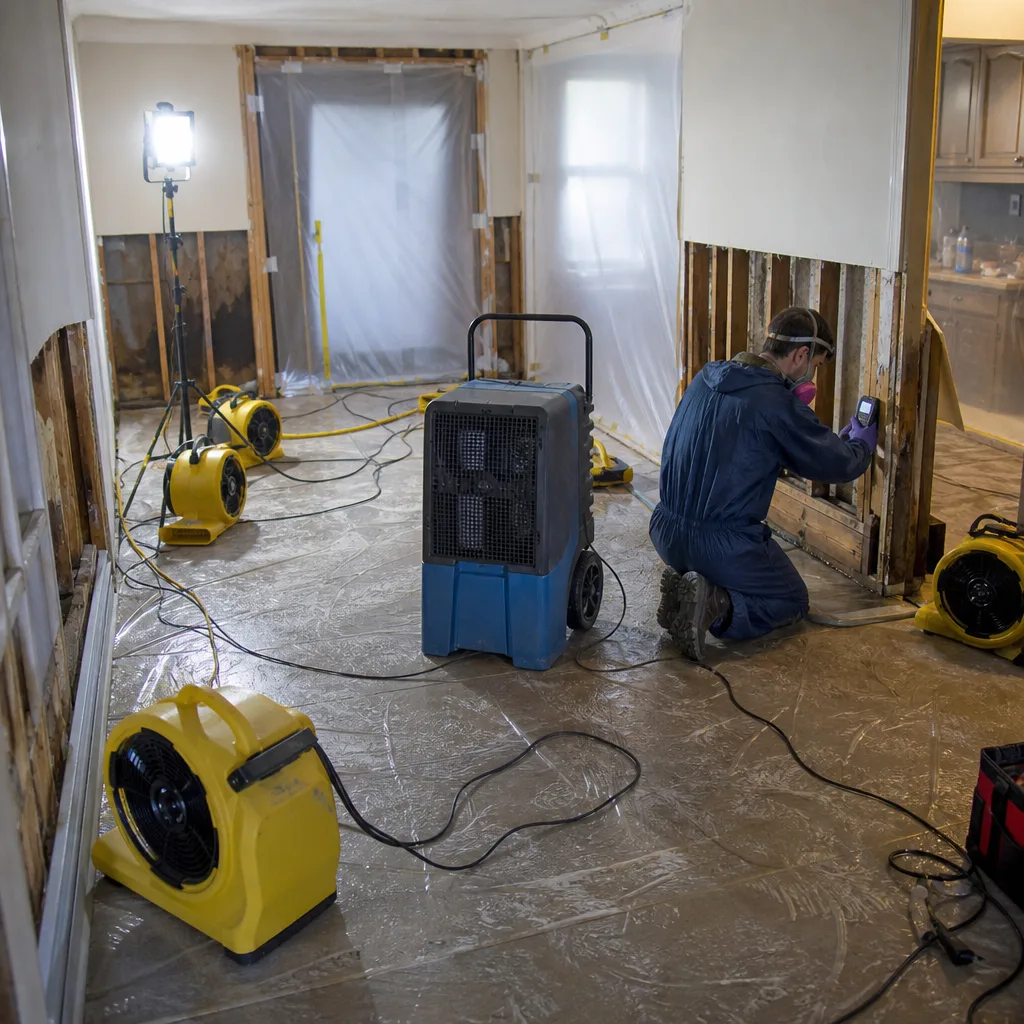
Insurance claims for mold in Marysville fail most often on documentation gaps - the adjuster cannot verify that remediation was necessary, complete, or priced correctly. We close that gap from the first hour. Every DryMark Restoration Bothell job includes a photo record on every visit, room-by-room moisture readings with equipment model and calibration date, and a detailed line-item scope written to Xactimate standards. Our Seattle office coordinates directly with your carrier’s adjuster, providing drying logs that show psychrometric data - temperature, relative humidity, and vapor pressure - in plain language with the trend lines that justify continued equipment charges.
We also offer a Free Second Opinion on any competitor’s written estimate - bring another company’s scope and we will review it against IICRC standards at no charge. If their drying plan misses the crawl space moisture source or proposes fogging without containment, we will show you exactly where the documentation falls short.
What We Provide Your Insurer
- Thorough documentation of the loss
- Photos of all damage, room by room
- Moisture readings and drying logs
- A detailed, line-item scope of work
- Direct coordination with your carrier
Built for Marysville’s Loss Calendar
Marysville’s mold season runs October through April, when 40-plus inches of annual rainfall concentrate into six months of saturated ground and failed exterior barriers. The Quilceda Creek system drains a large upland basin through the heart of the city; heavy fall rain events push water into neighborhoods technically outside mapped FEMA zones, particularly along the Soper Hill Road and 67th Avenue NE corridor where 1990s subdivisions sit on fill with high water tables.
January freeze-thaw cycles split aging composition roofing on those same 1998-2005 homes, creating intermittent leaks that homeowners miss until spring. By March, we are containing wall cavities where ice dam backup met degraded housewrap. Summer brings a secondary pattern: homeowners seal homes tight for air conditioning, trapping crawl space humidity that reached 70% relative humidity in July. The mold does not care whether the water came from a flood or a vapor pressure differential - it colonizes wherever wood moisture content stays above 20% for 48 hours.
Mold Remediation Across Marysville’s Neighborhoods
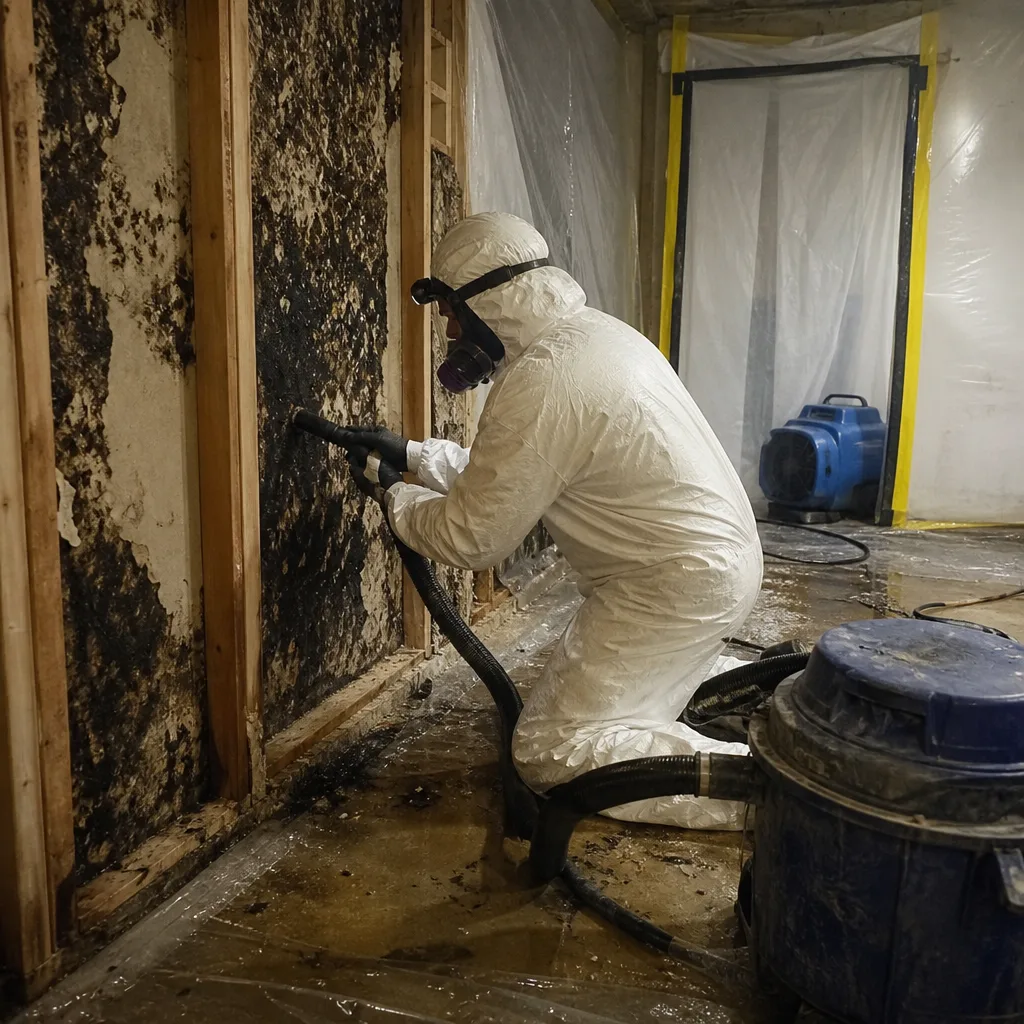
The Soper Hill Road corridor carries the highest concentration of our Marysville mold calls. Homes built 1998-2005 by the same production builders share the same window-flange housewrap defect; we have contained and remediated the same wall-cavity pattern on three homes in a single cul-de-sac. Neighbors talk, compare musty smells, and realize the problem is not their ventilation - it is their vintage.
Along 67th Avenue NE, west-facing elevations take the brunt of prevailing rain. Our field crews know to check the second-story window flanges first on these homes; the original builder-grade housewrap was lapped incorrectly, and two decades of wicking has colonized OSB sheathing while interior paint still looks clean. The waterfront and near-waterfront properties near Ebey Slough present different challenges - not housewrap failure but chronic crawl space dampness from water tables that sit 18 inches below grade year-round. Here, vapor pressure differential keeps subfloor moisture elevated even with no discrete leak event.
Downtown Marysville’s early-to-mid-20th century homes near State Avenue and 4th Street carry balloon framing with no vapor barriers and minimal insulation. Once water enters - often through original window casings or failed chimneys - mold spreads through continuous wall cavities from basement to attic. Remediation in these homes requires more extensive material removal but offers better access for thorough treatment.
The newer developments west of I-5, built 2005-2015 with improved housewrap and flashing details, show lower incidence of the flange-lap defect. But their 25-year composition roofing is now expiring en masse, and we are seeing first-generation roof deck mold where slow leaks went undetected until shingles were replaced.
Specialized Mold Remediation Services We Offer in Marysville
Mold Inspection & Testing
Our Marysville inspections start with thermal imaging and penetrating moisture probes, not guesswork. We map affected square footage, identify the water source, and classify contamination per IICRC S520. Air and surface sampling is available when clearance documentation or health concerns require lab verification - we use third-party laboratories with chain-of-custody protocols.
Mold Removal
Removal scope depends on substrate: non-porous materials clean; porous materials like drywall, insulation, and degraded OSB sheathing come out. In Marysville’s 1990s-2000s homes, we regularly find that surface-visible mold represents 30% of the actual colonization - the remaining 70% hides behind vinyl siding where housewrap failed.
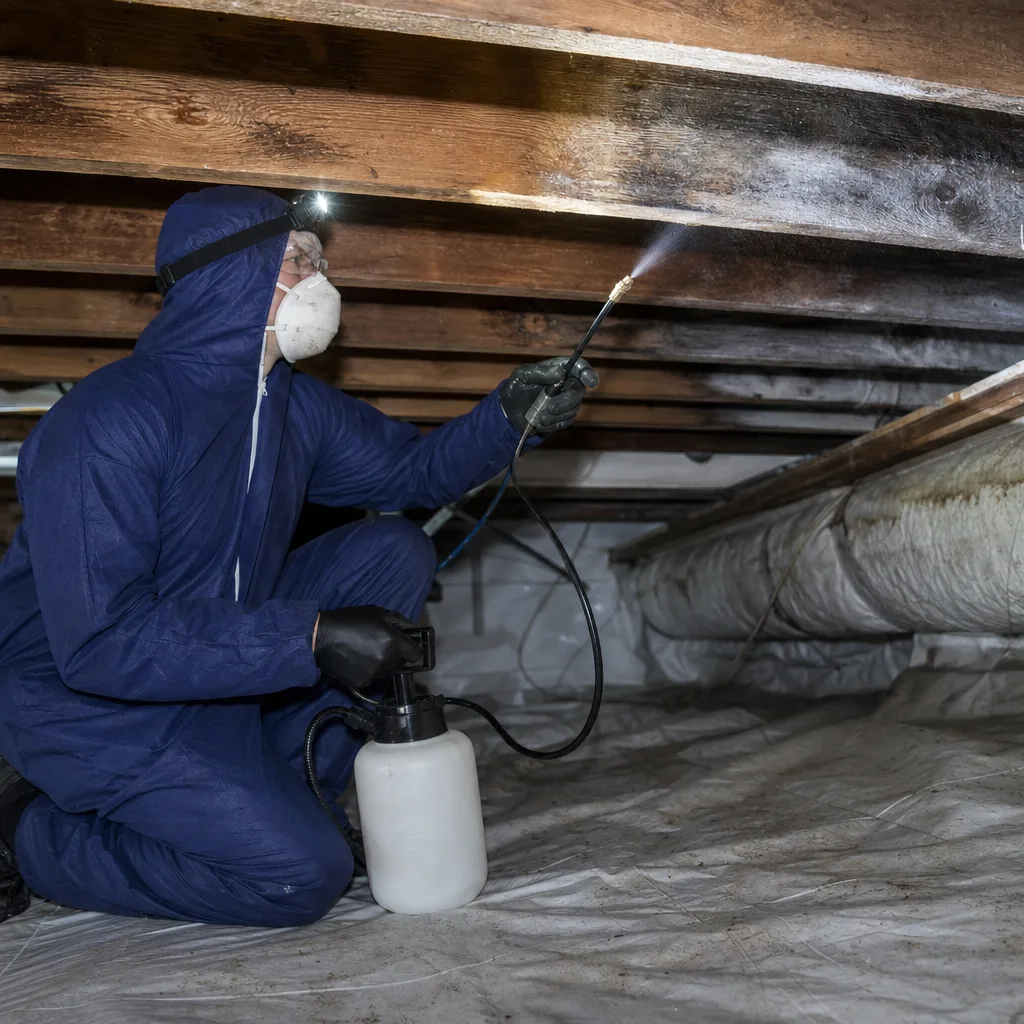
Black Mold Remediation
Stachybotrys chartarum and other toxigenic species require the same containment and air scrubbing protocol as any Level 3 contamination, with additional PPE and decontamination procedures. We do not treat “black mold” as a separate marketing category - we treat it as a contamination level with specific safety and documentation requirements.
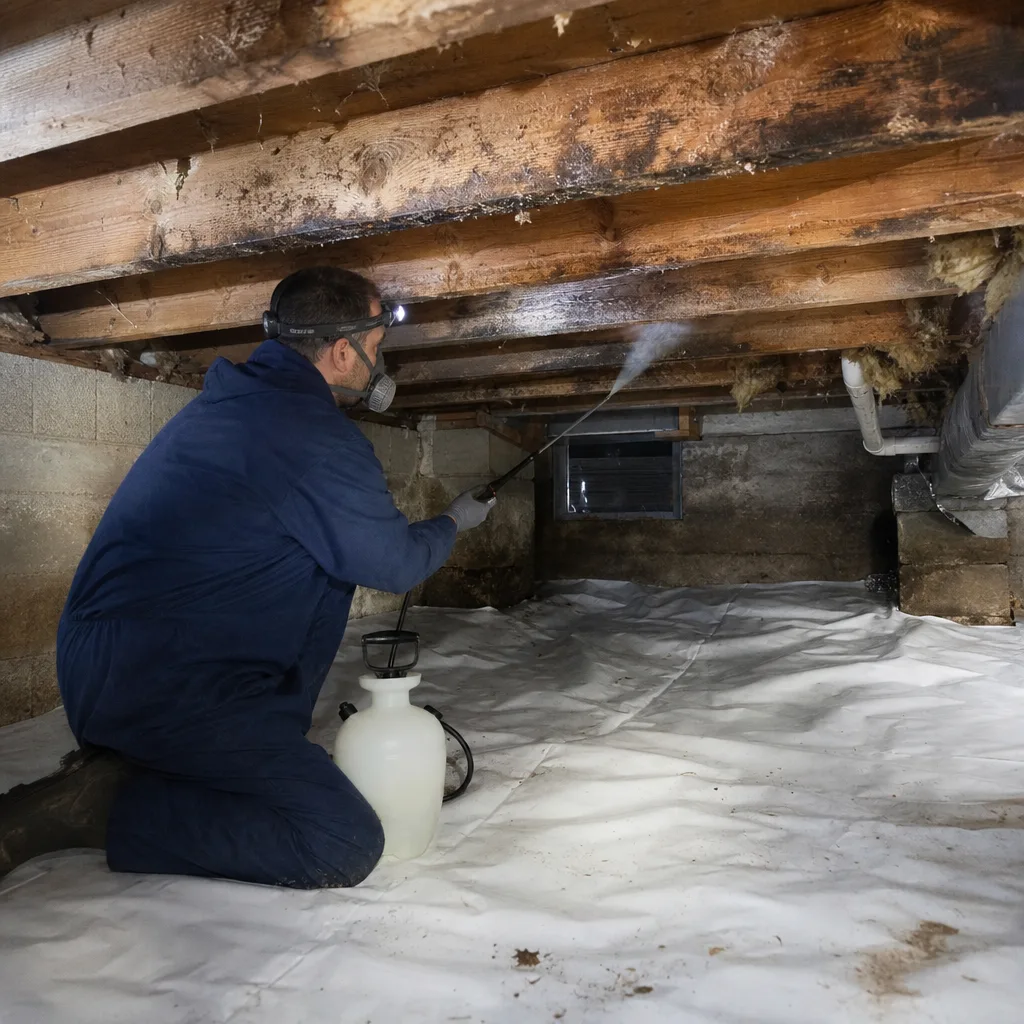
Air Quality Restoration
HEPA air scrubbing runs continuously during remediation; post-remediation air sampling verifies spore counts at or below outdoor baseline. For Marysville homes with chronic crawl space humidity, we recommend permanent dehumidification to maintain air quality after containment comes down.
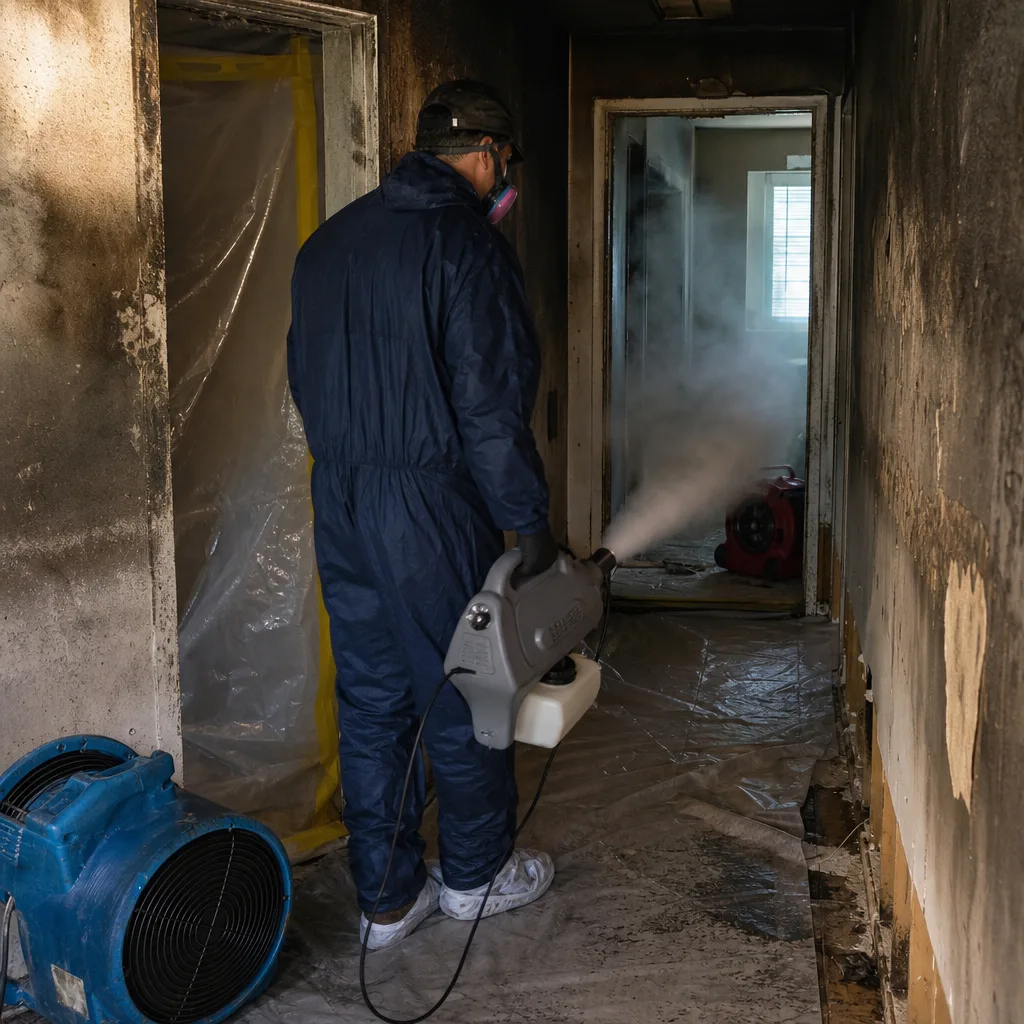
Crawl Space Treatment
Marysville’s flat terrain and high water table make crawl spaces the single most overlooked moisture source in the city. We install vapor barriers, sealed crawl space systems, and dedicated dehumidification to pull wood moisture content below the 20% colonization threshold. Without this step, wall-cavity remediation is temporary - the moisture source remains.
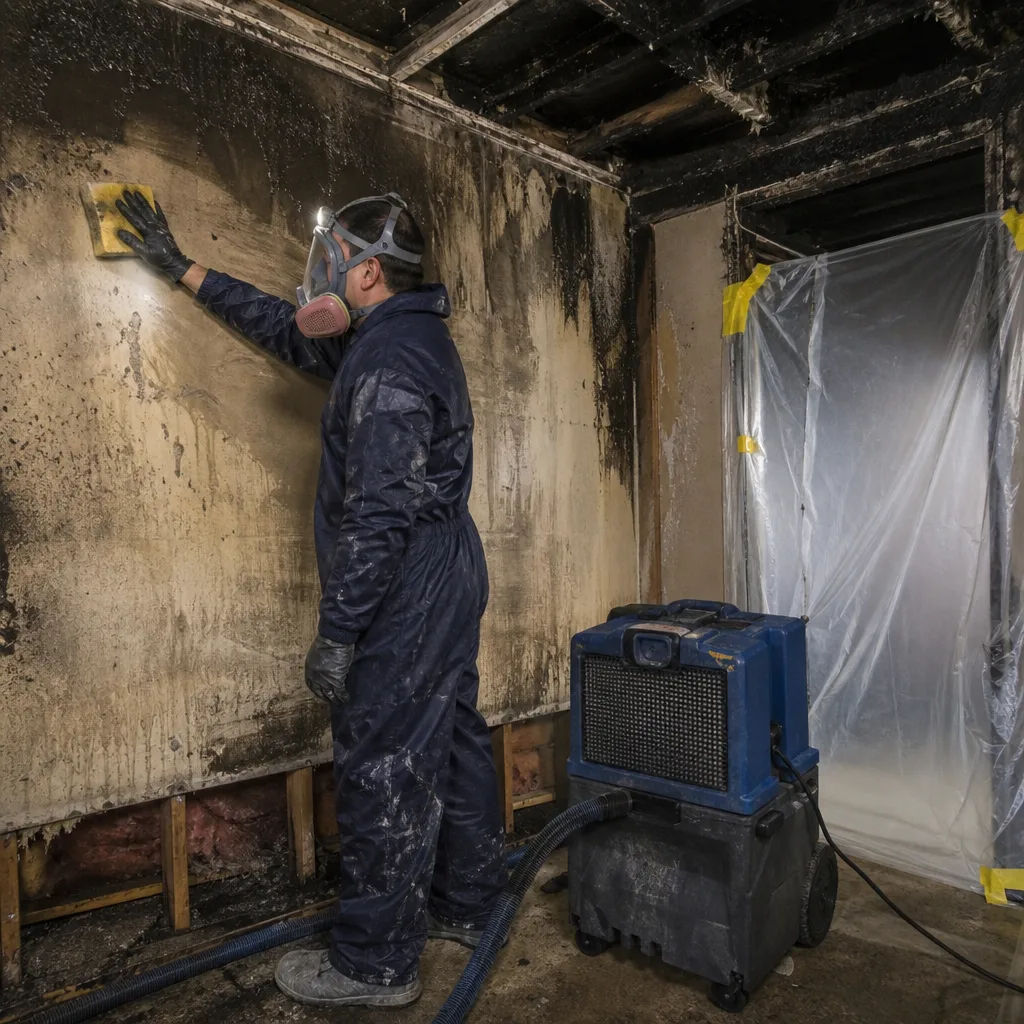
Moisture & Humidity Control
We document vapor pressure differential between crawl space and living area, then specify equipment to reach equilibrium. In Marysville, this often means a combination of sub-slab drainage assessment, sealed crawl space conversion, and conditioned air supply - not just a dehumidifier dropped on the dirt.
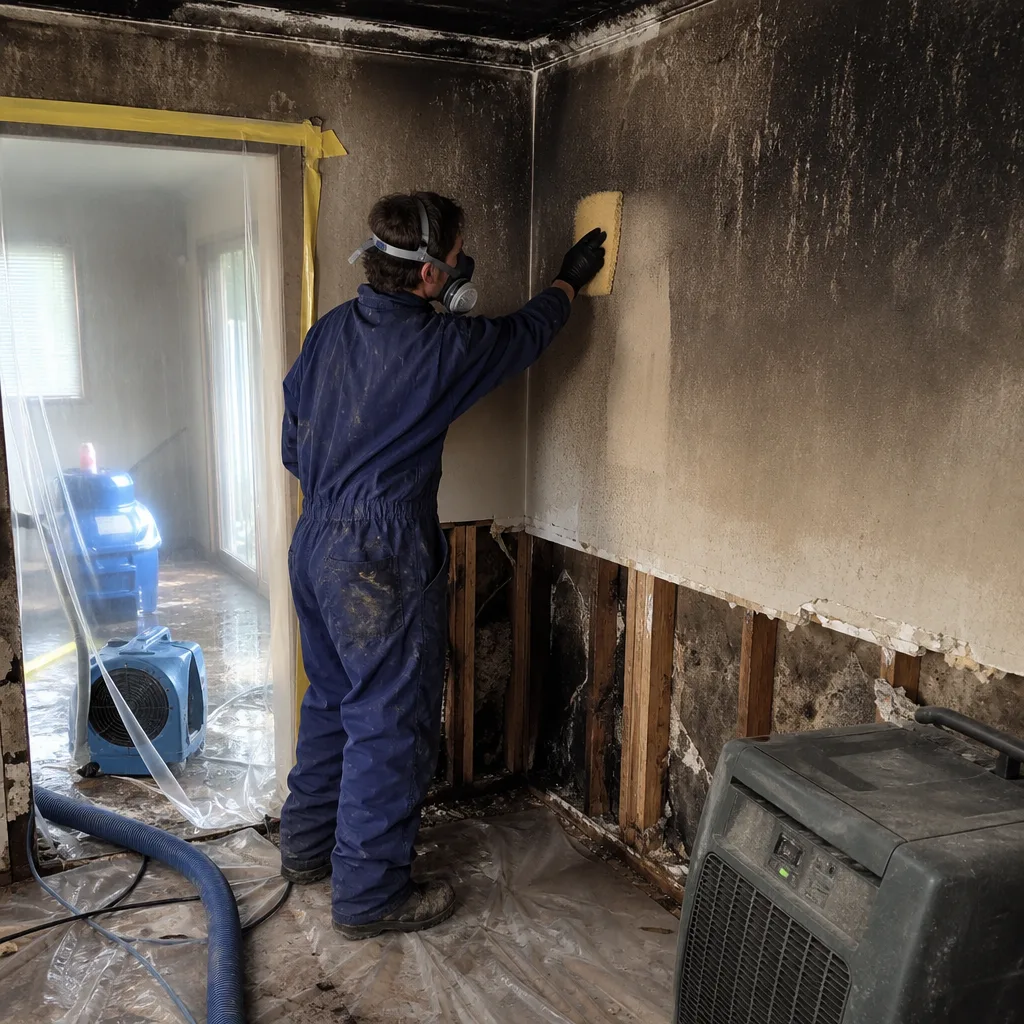
What happens when you call
- 1
A real person answersNo phone trees - you reach a local pro.
- 2
You get an upfront price rangeHonest numbers before anyone is dispatched.
- 3
A background-checked tech heads outLicensed & insured, dispatched right away.
- 4
You approve before work beginsNothing starts until you say go.
Mold Remediation Costs in Marysville, WA
A typical Level 1 surface mold treatment in Marysville runs $1,800-$2,800. Level 2 containment with limited material removal: $3,200-$4,500. Level 3 structural remediation involving OSB sheathing, bottom plates, and reconstruction: $5,000-$6,500, with full-gut scenarios exceeding that range. Crawl space treatment with vapor barrier and dehumidification adds $2,800-$4,200.
What moves the price: affected square footage, whether mold colonized structural framing, and whether the water source is resolved or ongoing. Insurance typically covers mold remediation when it results from a covered water loss - burst pipe, storm intrusion, failed appliance - but may exclude long-term maintenance issues like chronic crawl space dampness. We review your policy language with you and document the loss as a sudden event where the facts support it. Every estimate is free; every price is written before work begins - Haven Standard, Clause 1. Call (425) 696-6061 for an exact scope.
We Also Serve Cities Near Marysville
Our crews respond throughout Snohomish County from our Seattle dispatch office, with regular service to Mold Remediation in Marysville and surrounding communities including Everett to the south, Mukilteo on the waterfront, Monroe to the east along Highway 2, and Lynnwood to the southwest. The same documentation standards and response commitments apply across our full service area.
Serving Marysville, WA - Our Local Coverage Area
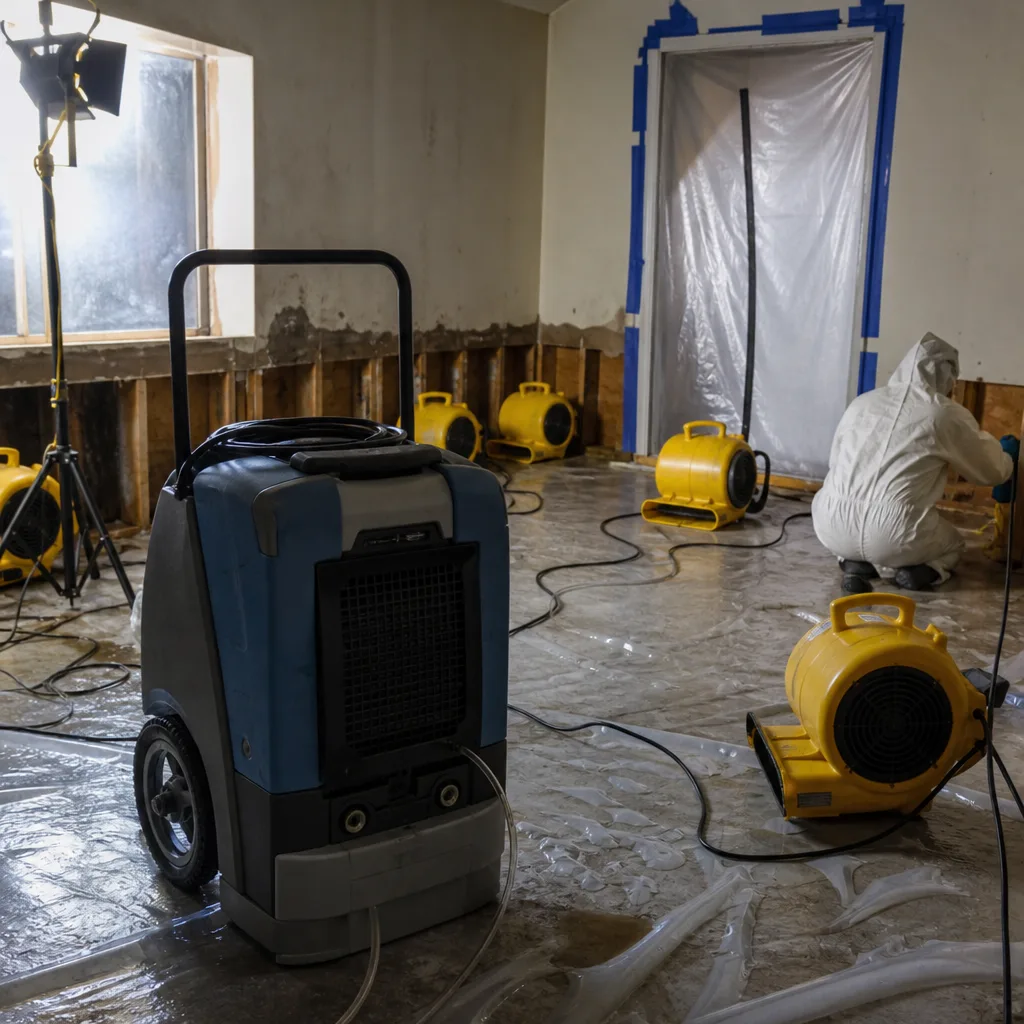
We’re based in the Marysville area and know this community well. Use the map below to see our service coverage - if you’re nearby, we can almost certainly help.
Marysville Mold Remediation Questions, Answered
Why do so many Marysville homes get mold behind the vinyl siding instead of inside the house?
Because thousands of Marysville homes were built in the same 1990s-2000s production-builder wave with the same window-flange housewrap defect - the original builder-grade housewrap was lapped incorrectly at window flanges, so two decades of west-facing rain have wicked into the wall cavity behind vinyl siding while interior drywall stayed dry. By the time a homeowner notices a musty smell, the OSB sheathing and bottom plates are often fully colonized across multiple bays. This is why we probe sheathing moisture on every Marysville inspection, not just surface readings. Call (425) 696-6061 for a free visual inspection with thermal imaging.
My Marysville home has never flooded - can I still have a mold problem?
Yes. Marysville receives over 40 inches of annual rainfall on flat, near-sea-level terrain with chronically high water tables, and significant portions of the city sit within or adjacent to the Quilceda Creek floodplain. Even without a discrete flood event, crawl space humidity stays elevated year-round, and failed housewrap on 1998-2005 homes drives chronic wall-cavity moisture. We find mold in Marysville homes with no history of standing water. Call (425) 696-6061 for moisture mapping that finds hidden colonization.
How fast does mold start after water gets into a Marysville wall?
Mold colonization begins within 24-48 hours of wood moisture content exceeding 20%, which happens quickly in Marysville’s OSB-sheathed wall cavities where failed housewrap allows continuous wicking. In our field experience on the Soper Hill corridor, a small window-flange leak can produce 28-34% sheathing moisture in under a week during fall rain events. The first 48 hours are critical for drying; after 72 hours, remediation typically requires material removal, not just drying. Call (425) 696-6061 for emergency response.
Do you have to remove wet materials, or can everything just be dried?
Porous materials - drywall, insulation, degraded OSB sheathing, carpet pad - must be removed once mold has colonized them; non-porous materials like tile, sealed concrete, and metal framing can be cleaned and treated. In Marysville’s 1990s-2000s homes, we regularly find that the OSB sheathing behind vinyl siding is structurally compromised by mold and moisture, requiring removal even when drywall faces appear salvageable. We document every removal decision with moisture readings and photos for your insurance scope. Call (425) 696-6061 for a written assessment.
My Marysville home is still under builder warranty - does that cover mold remediation?
Builder warranties typically cover original construction defects for 1-10 years depending on component, but mold remediation from water intrusion is often excluded or capped. More critically, Marysville’s 1998-2005 production homes are now 20-30 years old - past most warranty periods - and the housewrap and roofing failures we see are wear items, not construction defects. Even for newer homes, warranty claims require documentation of the original defect, which our inspection can provide. We offer a Free Second Opinion on any builder or competitor estimate. Call (425) 696-6061 to review your situation.
How long does mold remediation take in Marysville?
Level 1 surface treatment: 1-2 days. Level 2-3 containment with material removal: 3-5 days of active remediation plus 2-3 days of drying and clearance verification before reconstruction begins. In Marysville’s high water-table conditions, crawl space drying often extends timelines unless vapor pressure is addressed at the source. We provide a written schedule with your scope - Haven Standard, Clause 1. Call (425) 696-6061 for a timeline specific to your property.
Can my family stay in the home during mold remediation?
For Level 1 contamination under 10 square feet in an isolated area, often yes. For Level 2-3 with containment, negative air pressure, and material removal, we recommend temporary relocation - particularly for infants, elderly residents, or anyone with respiratory conditions. We specify occupancy status in your written scope before work begins. Call (425) 696-6061 to discuss your household’s situation.
What certifications do your Marysville mold remediation crews carry?
Our crews hold IICRC WRT (Water Damage Restoration Technician) and AMRT (Applied Microbial Remediation Technician) credentials, with ongoing education to RIA and IFA standards. Every technician is background-checked, licensed, and insured - license numbers provided on request. Equipment calibration and application protocols are documented to IICRC S520 for mold remediation and S500 for water damage restoration. Call (425) 696-6061 to verify credentials for your specific crew.
On a 67th Avenue NE home in Marysville, our tech pulled vinyl siding off two west-facing wall bays and found the original builder-grade housewrap lapped wrong at the window flanges - moisture readings in the OSB sheathing ran 28-34% while the interior looked dry, and the bottom plates behind the wall were already colonized with black mold. We set containment, ran HEPA air scrubbing and Injectidry wall-cavity drying, applied antimicrobial treatment to the framing, and documented pre-loss condition with moisture mapping before reconstruction so the homeowner had clean drying logs for their insurance scope of work.
Written by Alicia Brennan, Owner at DryMark Restoration Bothell, serving Mold Remediation across Marysville and Snohomish County since 2011.
Mold Remediation in Nearby Areas