Free visual inspection and a written scope of work before any mitigation begins - photos, moisture readings, and drying logs go in your claim file
The scope we write is the scope we bill. Anything new gets shown to you, in writing, before we touch it.
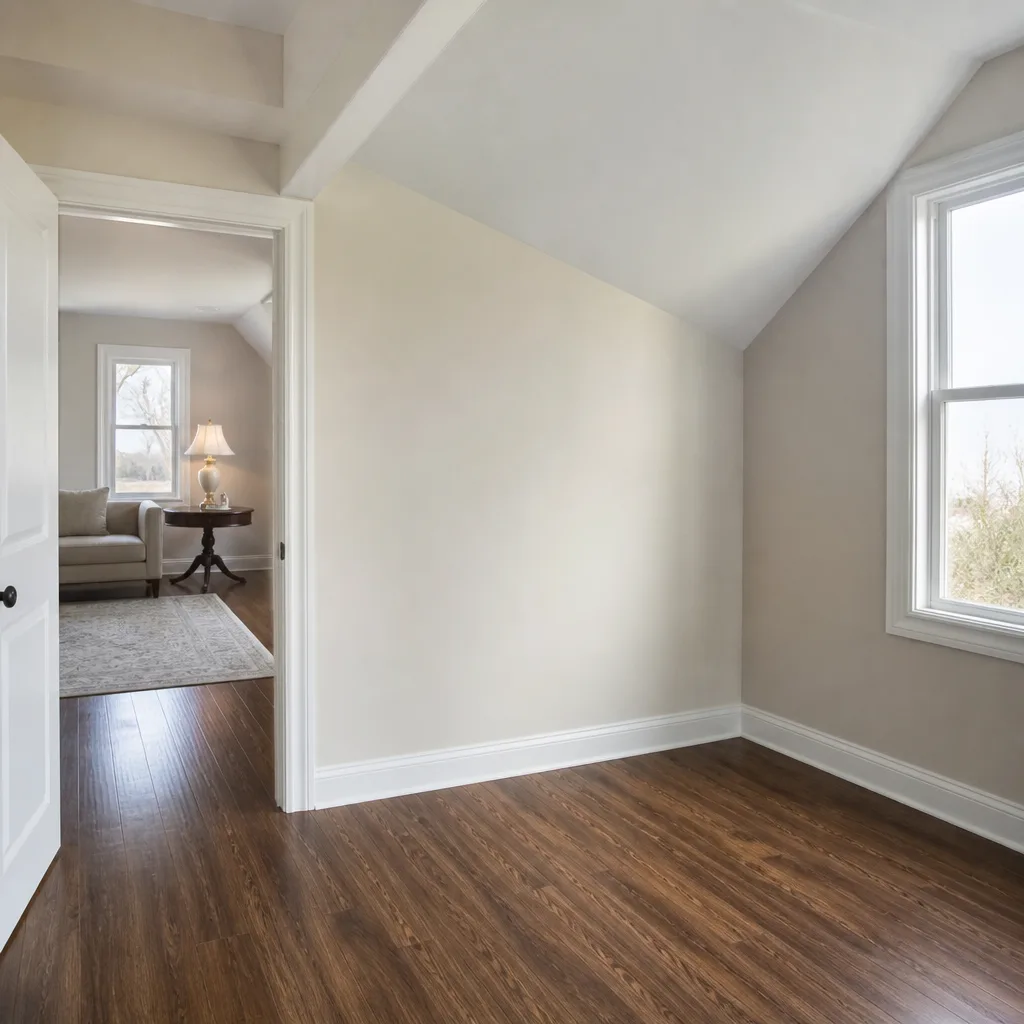
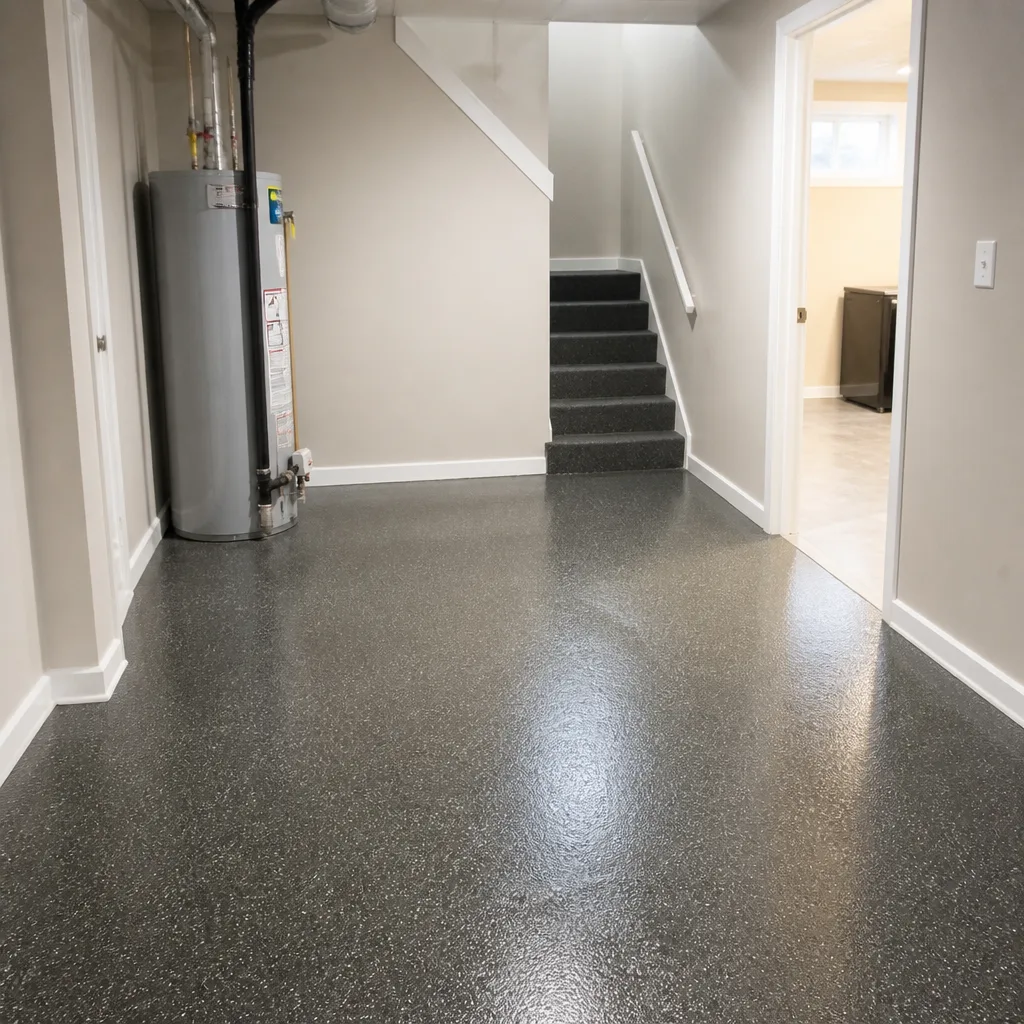
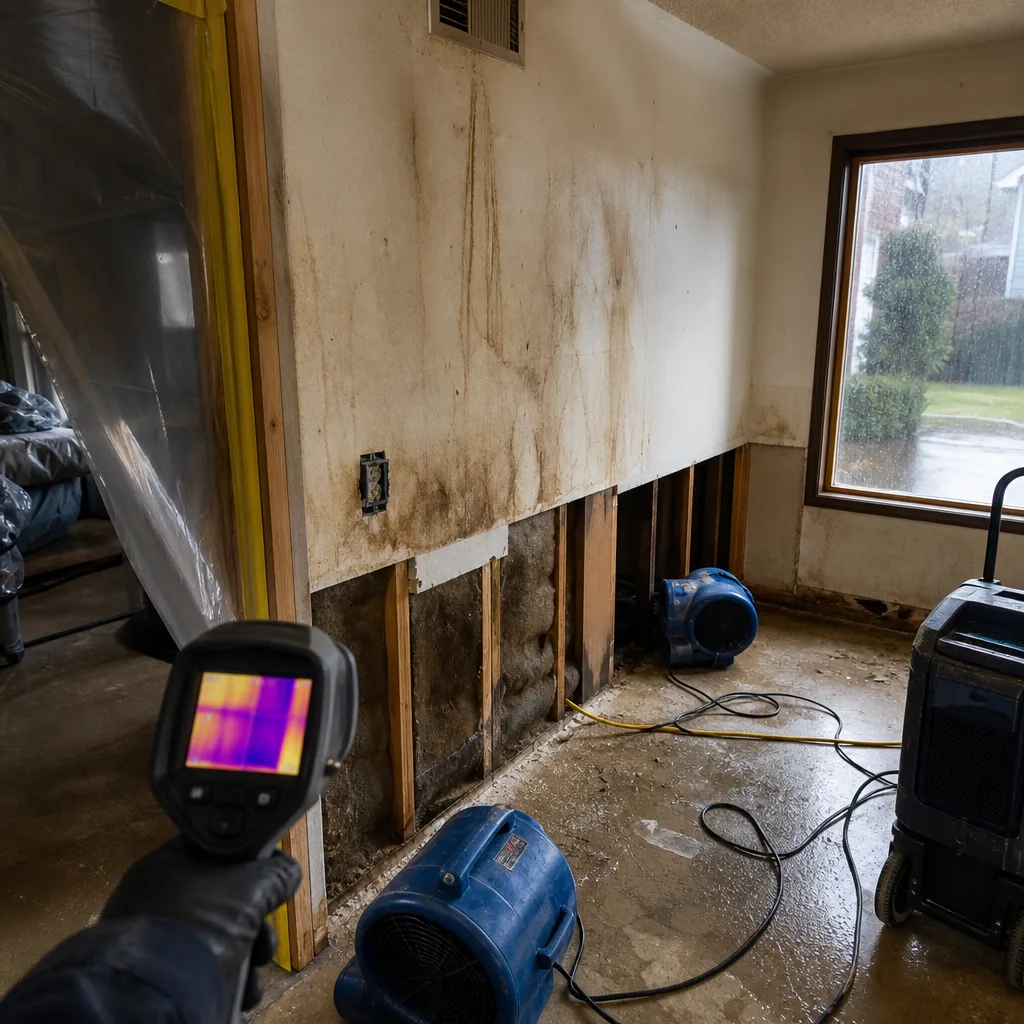 Before
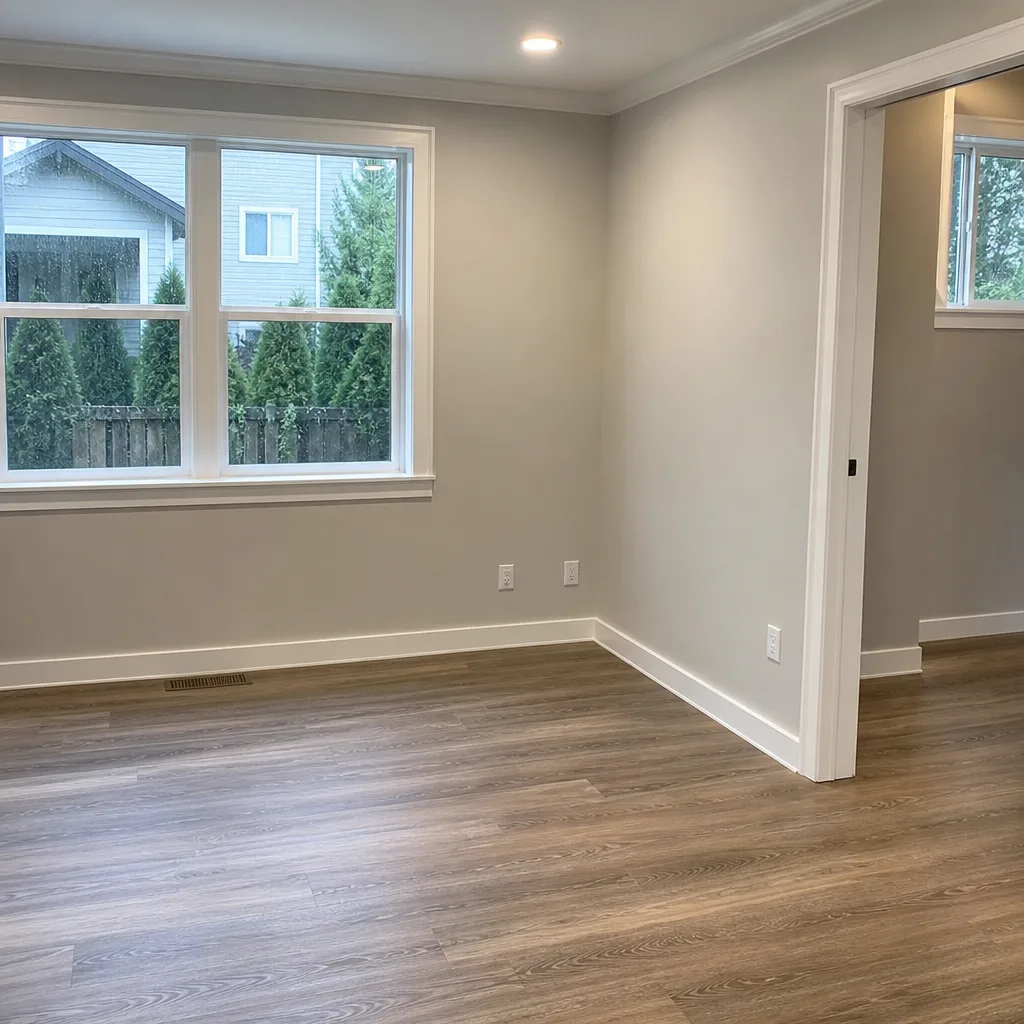 After
After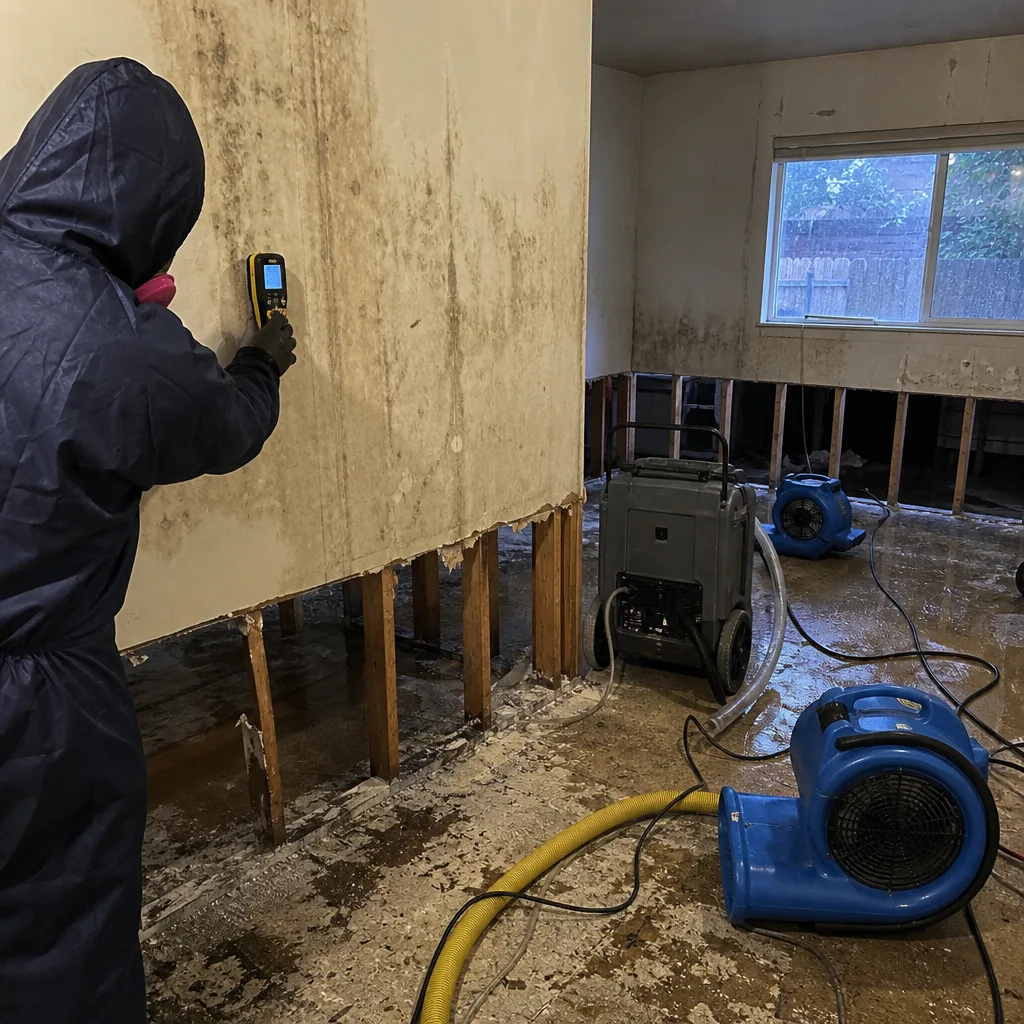 Before
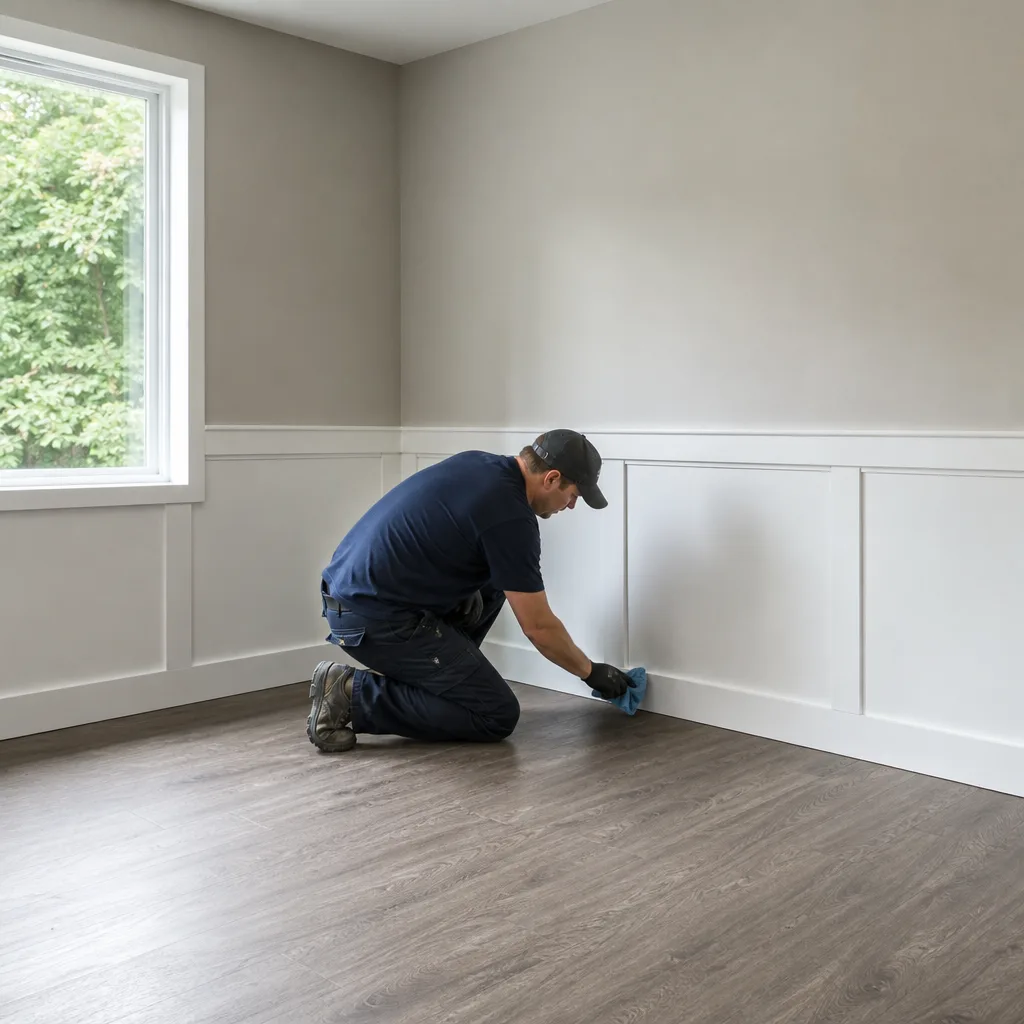 After
After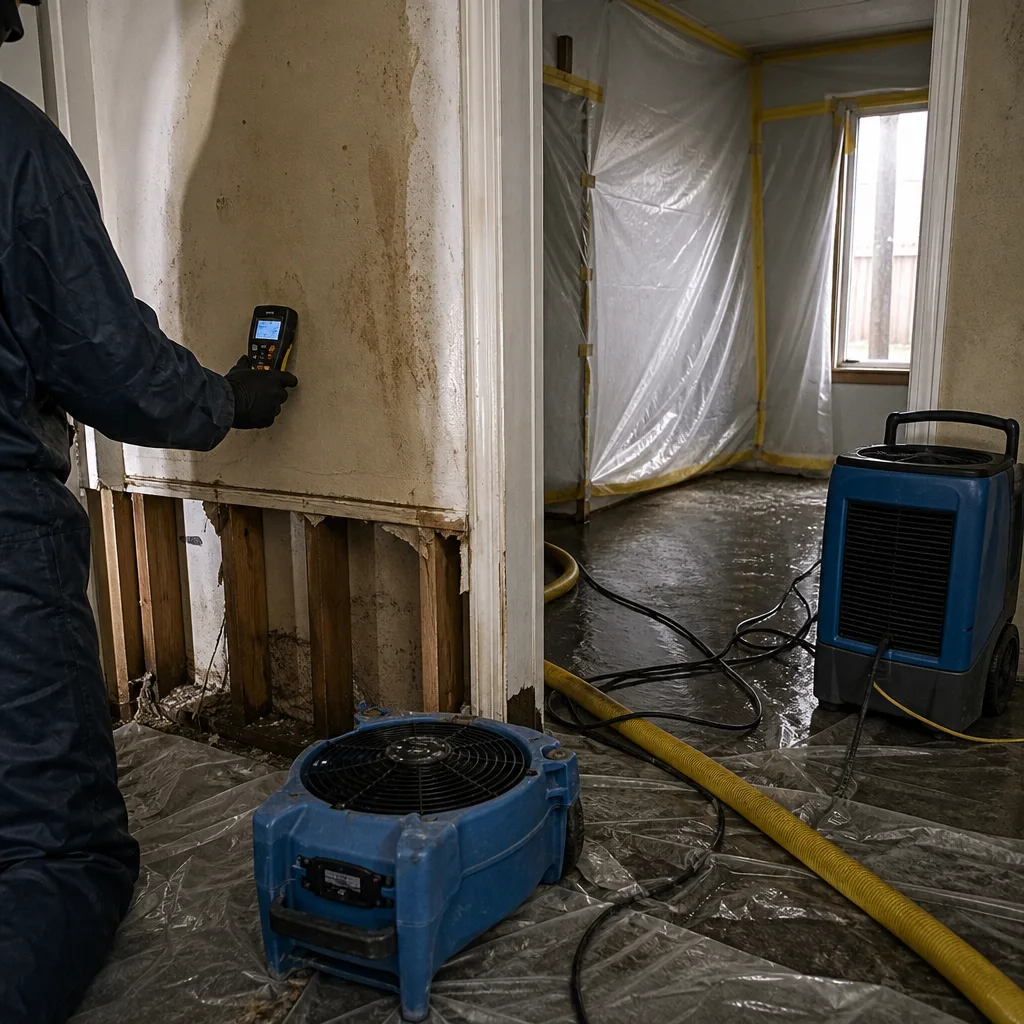 Before
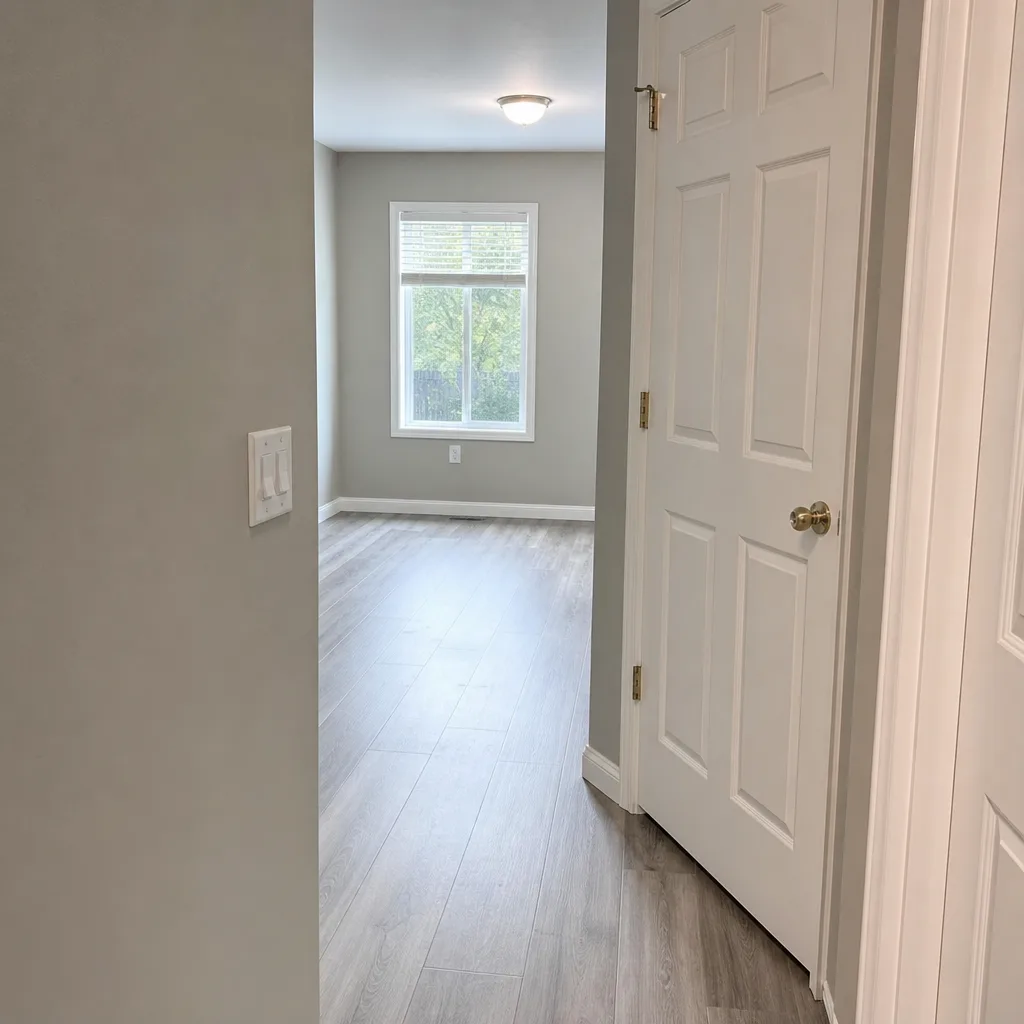 After
After24/7 Emergency Mold Remediation in Lynnwood
Call (425) 696-6061 and a live person answers, 24 hours a day. No voicemail, no callback queue. Our crews are dispatched from our Seattle office and typically reach Lynnwood properties within 45 minutes. We provide a free visual inspection on arrival, and we quote a written price before any work begins - Haven Standard, Clause 1. The first hour matters because mold colonizes drywall and subfloor within 24 to 48 hours of moisture intrusion, and every hour of delay expands the containment perimeter and the final scope. If you’re seeing dark spotting, smelling mustiness, or finding dampness in your crawl space after a storm, we’re already en route when you call.
Understanding Mold Remediation Severity in Lynnwood Properties
Mold remediation severity is classified by affected square footage, material porosity, and whether the contamination is contained or has migrated into HVAC systems. In Lynnwood, we see a distinct pattern: Category 2 water losses in 1960s-70s wood-frame homes with failed polyethylene vapor barriers degrade into Category 3 conditions faster than the IICRC S500 timeline suggests, because ground moisture feeds the colony long after the visible event. Category 1 clean water becomes Category 2 when it sits against organic material for 48 hours; in Alderwood tract homes with degraded barriers, that threshold often compresses to 24 hours.
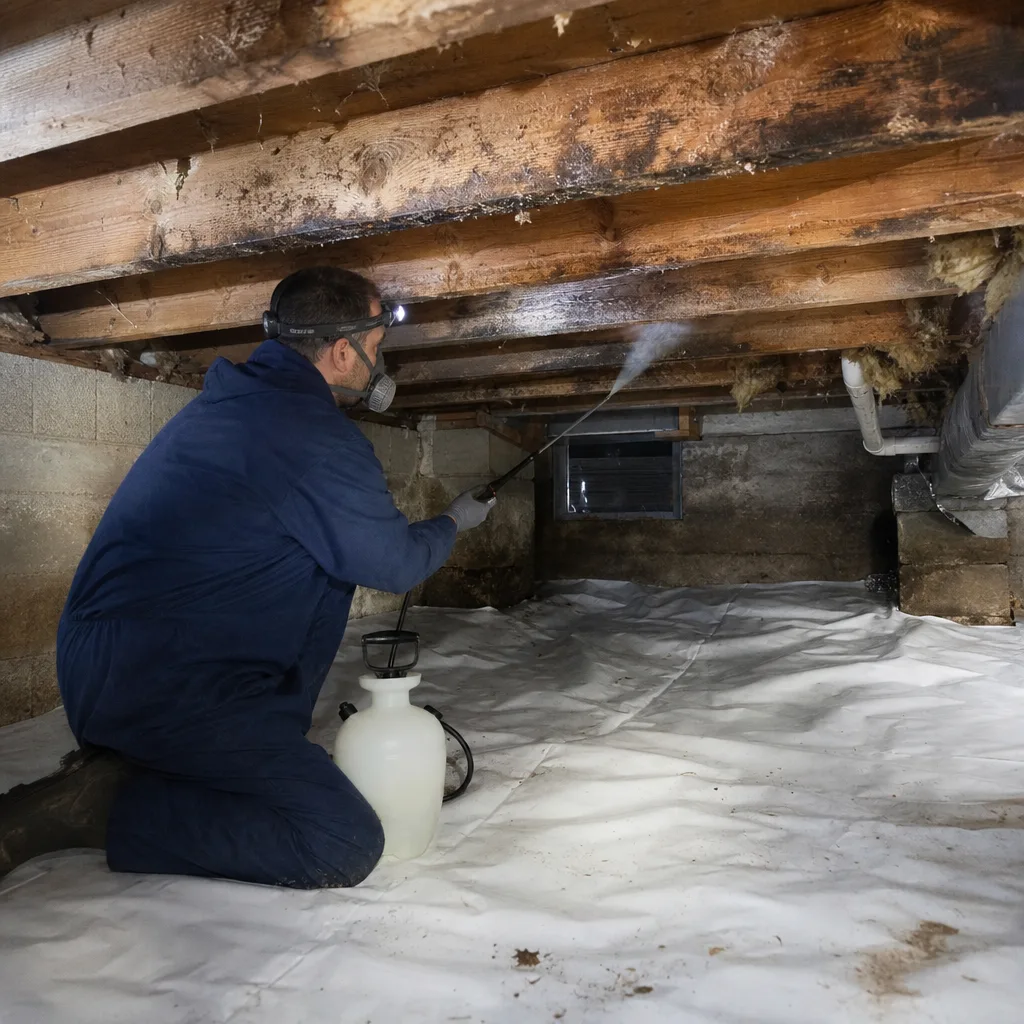
We map moisture with thermal imaging and calibrated hygrometers, then classify the loss by affected assembly: non-porous (tile, metal), semi-porous (wood, concrete), or porous (drywall, insulation, carpet pad). Porous materials in Lynnwood crawl spaces almost always require removal because the Convergence Zone rainfall pattern keeps relative humidity above 60% for weeks, preventing natural desiccation. Air scrubbers with HEPA filtration and negative air containment are standard at any level above 10 square feet of visible colonization. Clearance testing, with third-party lab analysis, follows before we sign off.
Why Lynnwood Property Owners Choose DryMark Restoration Bothell
- 45-minute response commitment to Lynnwood from our Seattle dispatch center, with GPS-tracked crews and real-time arrival updates.
- 24/7 live answer - a real person, never an automated system or voicemail tree, on every call at any hour.
- IICRC-certified crews holding WRT (Water Damage Restoration Technician), AMRT (Applied Microbial Remediation Technician), and FSRT (Fire & Smoke Restoration Technician) credentials, with license numbers documented on every job file.
- Free visual inspection on arrival, with moisture readings taken and explained before any scope is proposed.
- Direct insurance billing with photo-documented estimates and daily drying logs formatted for adjuster review.
- One team from extraction to reconstruction - no handoffs between mitigation and rebuild contractors, no gaps in documentation.
BeforeAfterOur Mold Remediation Process
1. Inspection & Assessment
We start with thermal imaging, moisture mapping, and air sampling to locate hidden colonization behind walls and under subfloors. In Lynnwood’s 1960s-70s homes, we specifically inspect polyethylene vapor barrier condition and foundation drainage, because degraded barriers are the single most common recurrence driver we see.
2. Containment & Stabilization
Negative air containment is erected around the affected area with 6-mil polyethylene and HEPA-filtered air scrubbers running continuously. We seal HVAC returns to prevent spore migration. If asbestos-era materials are present - common in 1970s Lynnwood construction - abatement is coordinated before disturbance.
3. Drying & Dehumidification
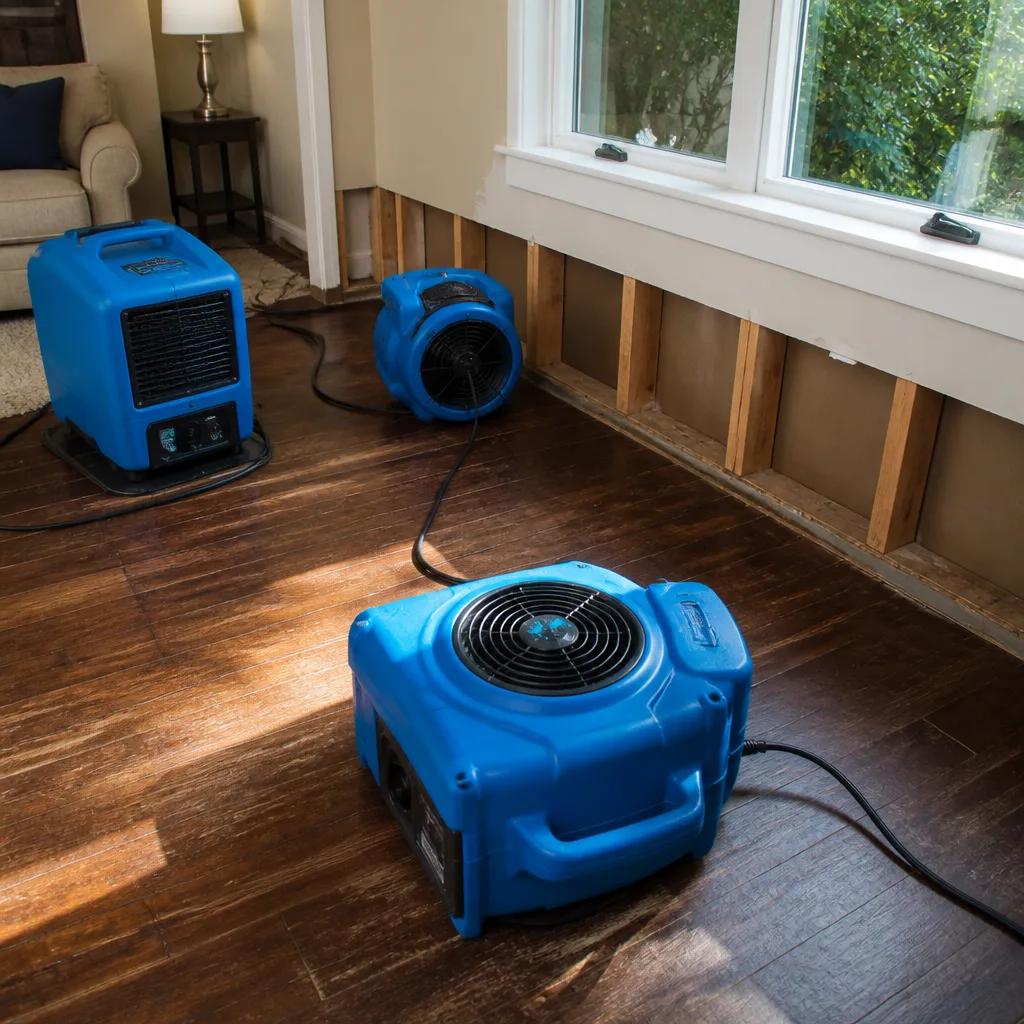
We deploy Dri-Eaz and Phoenix LGR dehumidifiers, XPOWER air movers, and Injectidry cavity-drying systems to establish vapor pressure differential - the measurable force that pulls moisture from materials into the air, where the dehumidifier captures it. Daily psychrometric data is logged and delivered to your insurer.
4. Cleaning & Sanitization
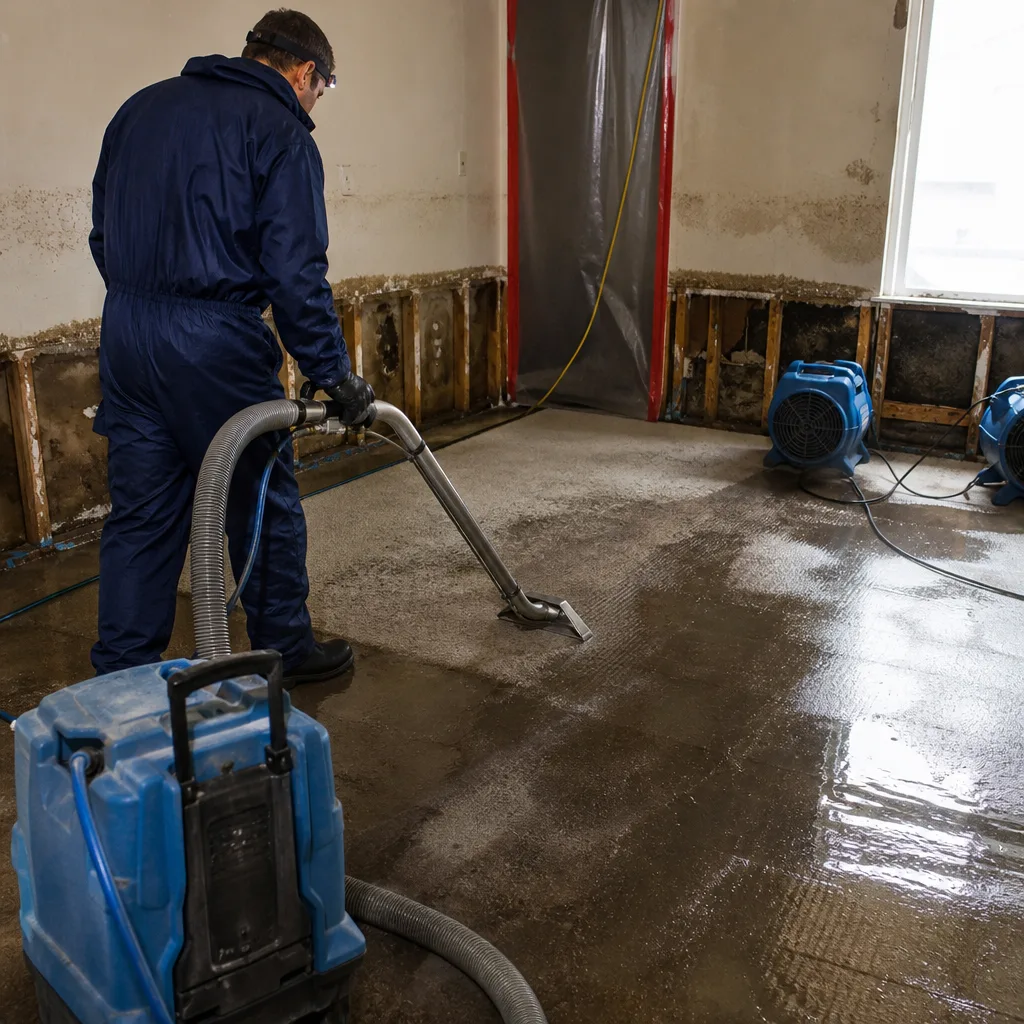
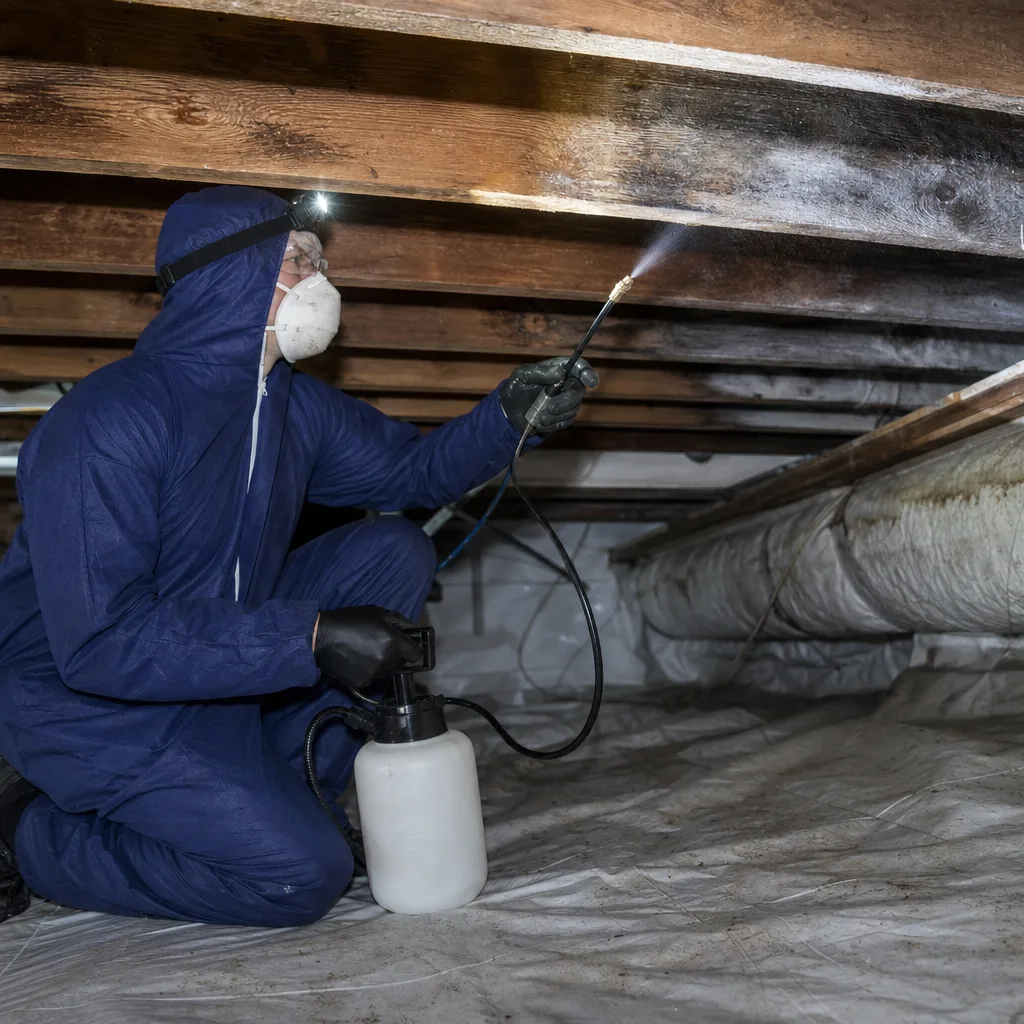
HEPA vacuuming and antimicrobial application to all affected surfaces, followed by detailed cleaning of semi-porous materials that test below moisture content thresholds. We document every treated square foot with photos.
5. Crawl Space Treatment & Moisture Control
Vapor barrier replacement with 10-mil polyethylene, sealed seams, and foundation vent assessment. In high water table areas near Scriber Creek, we may recommend sump pump installation or drainage improvement to prevent recurrence. This is where most Lynnwood jobs succeed or fail long-term.
6. Repairs, Reconstruction & Documentation
Structural repairs, drywall replacement, and finish work completed by our in-house crew. Every visit produces a photo record; the final packet includes drying logs, moisture readings, clearance lab results, and our signed 365-Day Done Right Promise under The Haven Standard.
Need Emergency Mold Remediation in Lynnwood Now?
Crews minutes away, answering live 24 hours a day. The sooner we start, the less it costs.
Working With Your Insurance Company
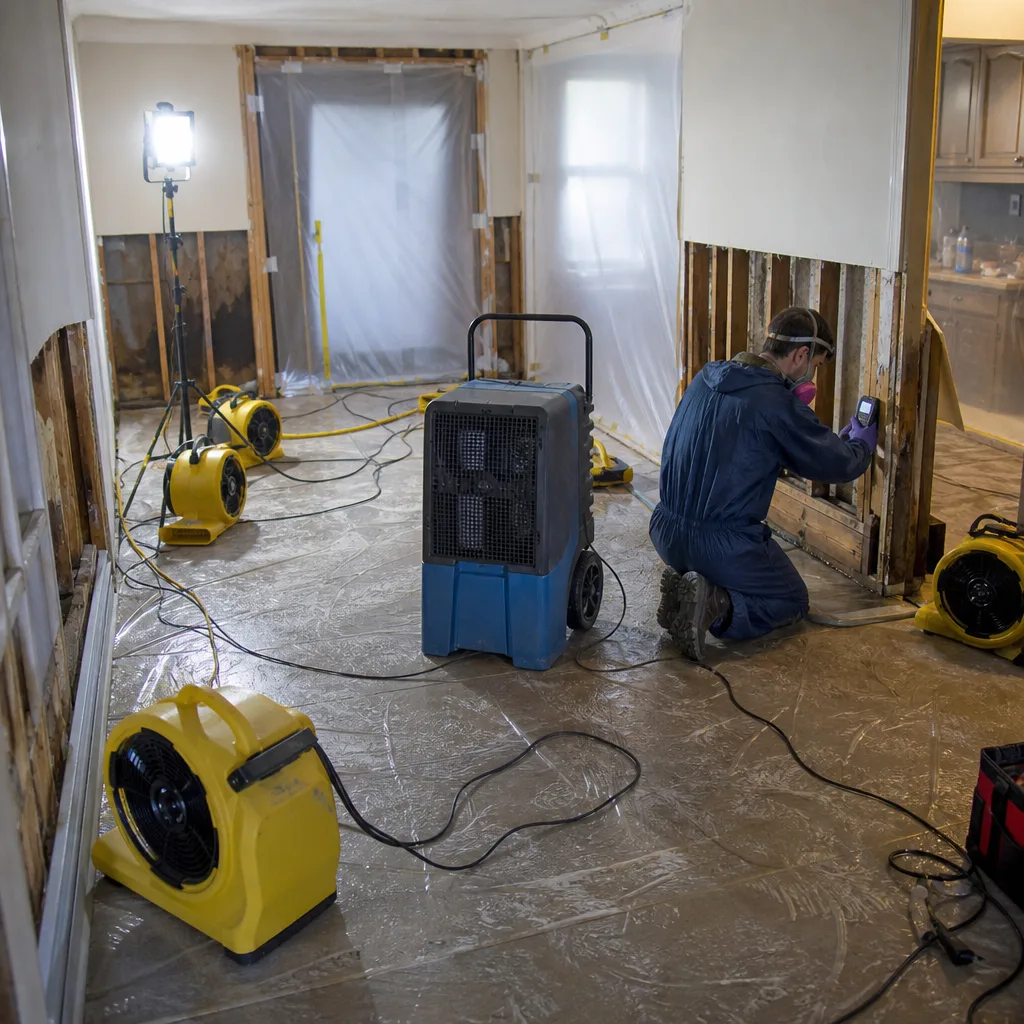
We document from the first hour because we’ve seen what incomplete files cost homeowners at claim review. Our estimates follow industry-standard Xactimate pricing, and we communicate directly with your adjuster - no proxy forms, no delayed responses. The photo record, moisture readings, and drying logs are formatted as standard deliverables, not upsells. If your carrier disputes scope, we provide the technical documentation to justify every line item. Haven Standard, Clause 1 applies here too: the written price you receive before work begins is the price your insurer sees, with no scope-creep additions once the crew is inside.
What We Provide Your Insurer
- Thorough documentation of the loss
- Photos of all damage, room by room
- Moisture readings and drying logs
- A detailed, line-item scope of work
- Direct coordination with your carrier
Built for Lynnwood’s Loss Calendar
January through March brings the heaviest Convergence Zone precipitation, with cloudburst events that overwhelm aging storm drains in the Alderwood and Martha Lake areas. Clay-heavy soils saturate and maintain hydrostatic pressure against foundations for four to six weeks after the rain stops. April and May see the first crawl-space mold calls - homeowners notice mustiness as warming temperatures activate dormant colonies. June through September brings relative relief, but the marine layer keeps humidity elevated; we still handle steady volume from failed sump pumps and irrigation backflow. October triggers the second surge: the convergence pattern restrengthens, and homes with compromised vapor barriers that survived summer now fail under renewed ground saturation. This is when we see the most severe cases, because six months of intermittent moisture has established mature colonization before the homeowner detects it.
Mold Remediation Across Lynnwood’s Neighborhoods
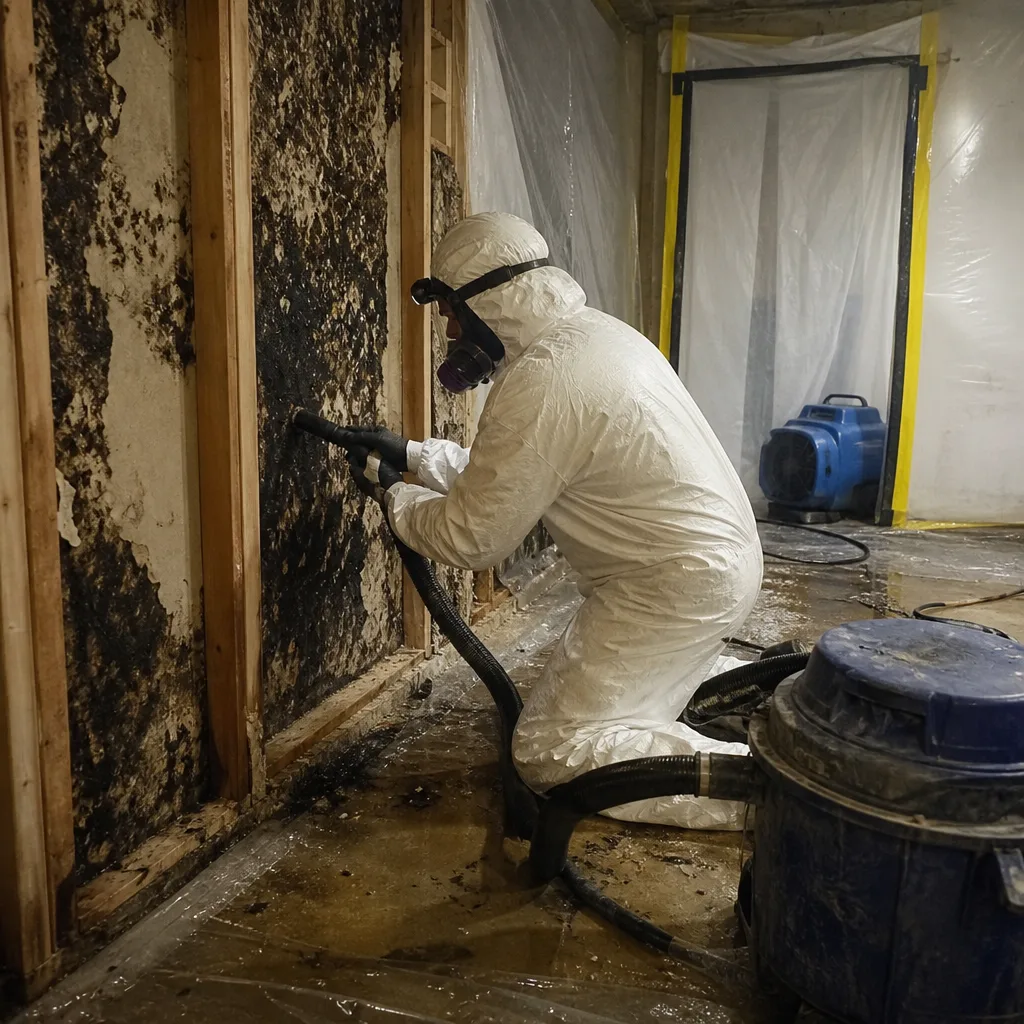
In the Alderwood tracts near the mall and I-5 corridor, we respond to chronic crawl-space moisture in 1960s-70s ranches and split-levels. The original polyethylene vapor barriers here are uniformly degraded, and the flat grading toward Scriber Creek’s drainage basin means water tables that sit 18 inches below grade for months. Our crews price four-day minimum drying cycles here versus two-day cycles in drier markets.
Martha Lake properties face similar soil conditions with newer construction, but we see more finished basement mold - homeowners seal concrete floors without addressing hydrostatic pressure, creating trapped moisture behind vapor-impermeable flooring. Thermal imaging finds these colonies before they breach the surface.
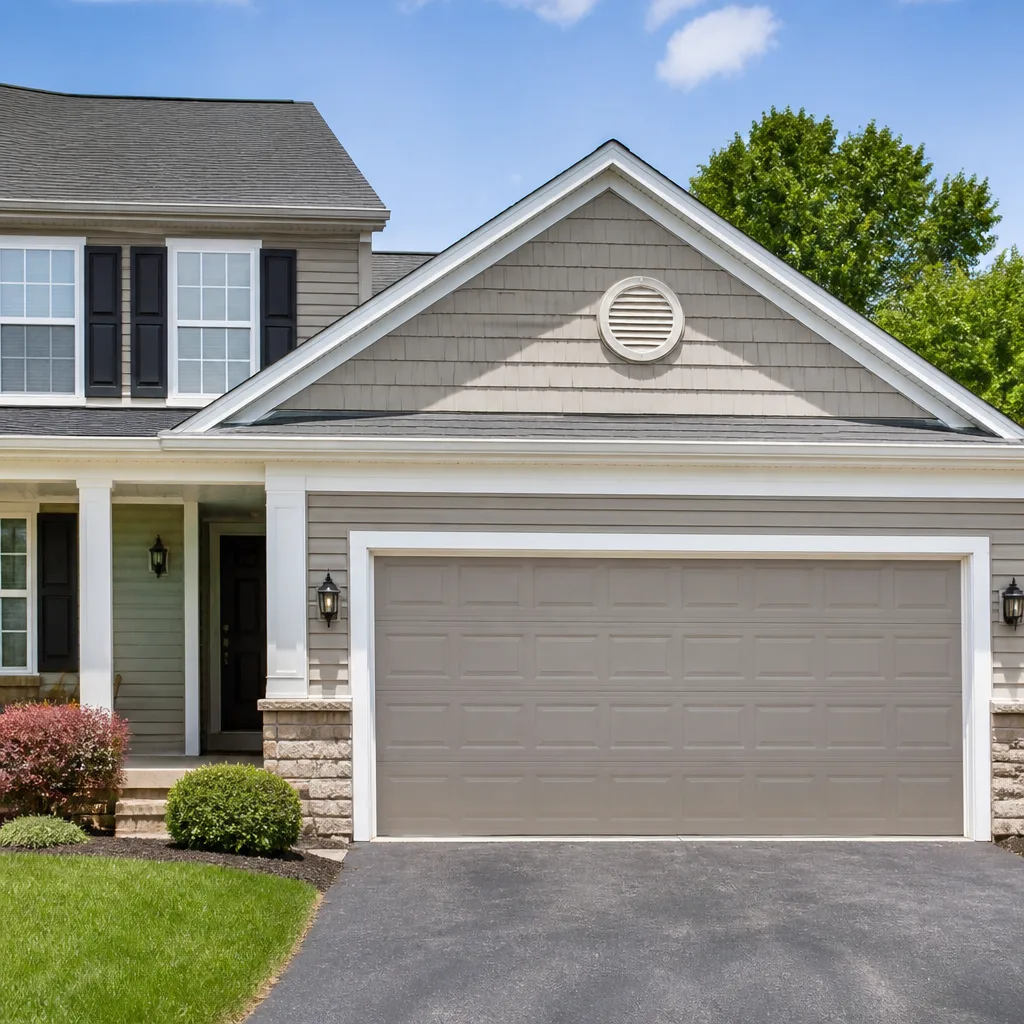
The Scriber Lake Park corridor, particularly streets east and southeast of the park, sits on the highest water table in Lynnwood. In an Alderwood tract home near Scriber Lake Park, our tech found the garage opener chain and torsion springs rusted solid and the bottom plate wicking groundwater because the 1970s vapor barrier had failed. We ran moisture mapping, contained the affected wall cavity, applied antimicrobial treatment, set Injectidry and Dri-Eaz drying equipment, replaced the barrier, and finished with moisture readings and drying logs after four days. Because the same damp crawl space had corroded the door hardware, we spec’d galvanized springs and stainless fasteners on the rebuild so the fix held.
North Lynnwood and the 196th Street corridor toward Edmonds include more 1980s-90s construction with better initial moisture protection, but we still see mold in attic spaces where bathroom exhaust vents terminate improperly and in garages where salt-air corrosion of springs, hinges, rollers, tracks, fasteners and opener chains creates chronic re-wetting of lower wall assemblies after remediation.
Specialized Mold Remediation Services We Offer in Lynnwood
Mold Inspection & Testing
Air sampling and surface swab analysis with third-party lab turnaround in 48 hours. We inspect for hidden colonization with thermal imaging and borescopes, particularly in 1970s Lynnwood homes where asbestos-era materials may require abatement before disturbance. The inspection is free; testing carries a lab fee we disclose upfront.
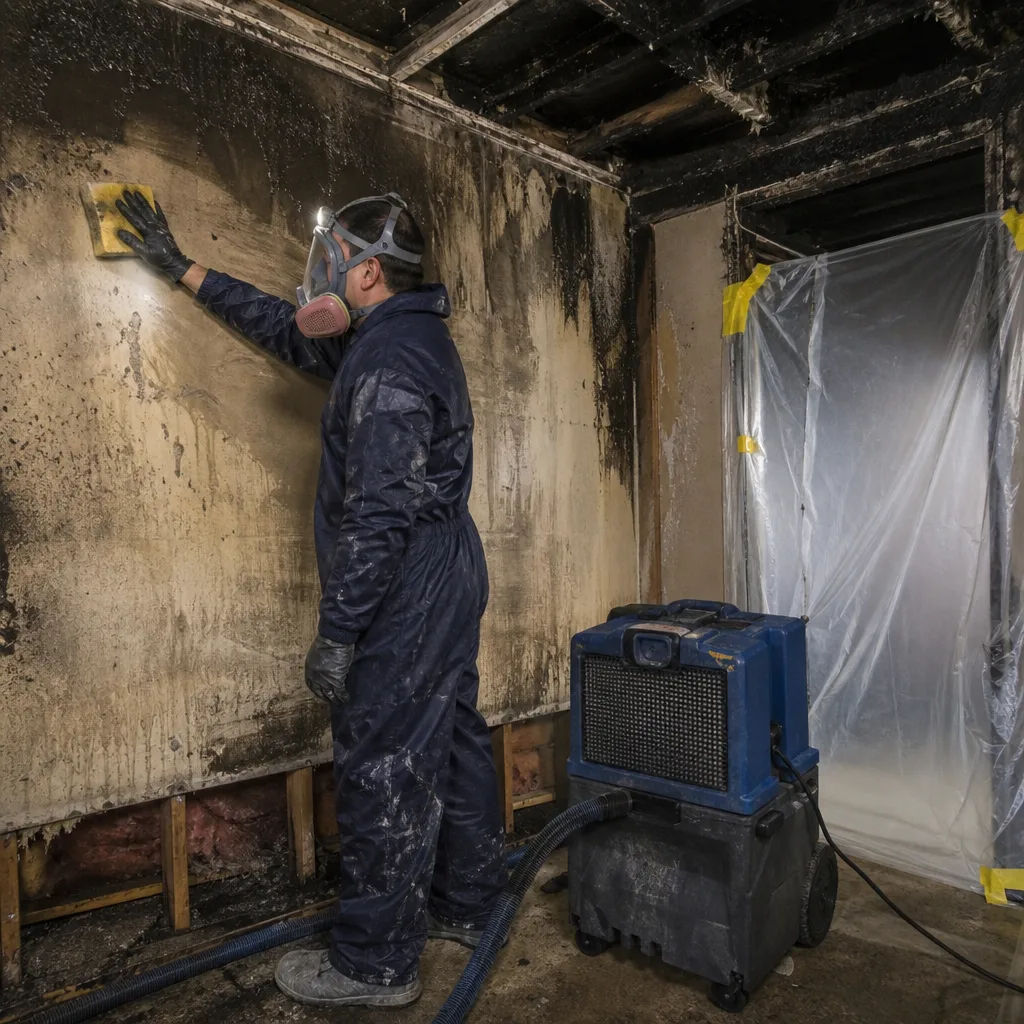
Mold Removal
Physical removal of colonized porous materials - drywall, insulation, carpet pad, and compromised subfloor - with HEPA containment and negative air pressure. In Lynnwood crawl spaces, we also remove degraded vapor barriers and saturated soil contact wood that will otherwise recontaminate.
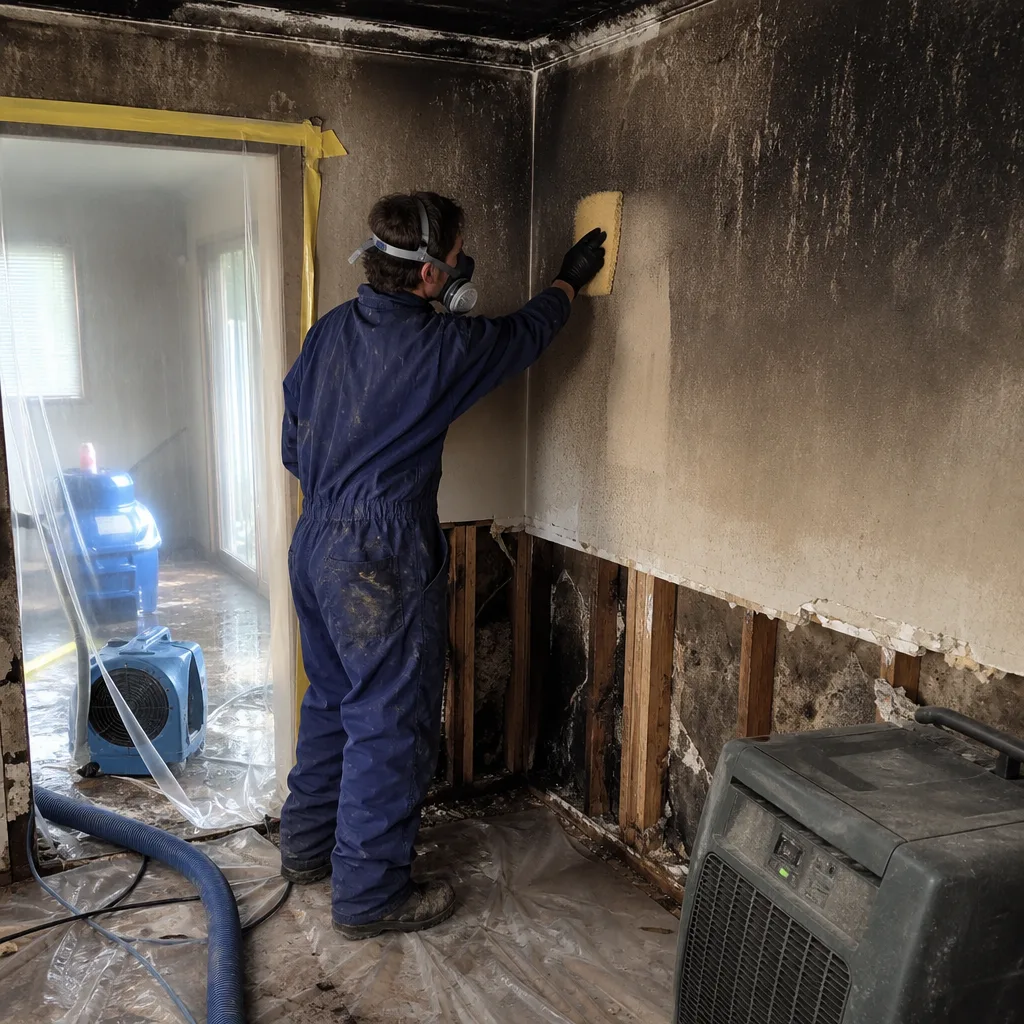
Black Mold Remediation
Stachybotrys and other toxigenic species require enhanced containment, full-face respirator protocols, and extended air scrubber runtime. We coordinate third-party post-remediation verification before clearance. The 1960s-70s housing stock in Lynnwood produces more of these calls than newer markets because chronic moisture has longer to establish heavy colonization.
Air Quality Restoration
HEPA filtration, duct cleaning, and HVAC decontamination where spores have migrated. We test supply and return registers for particulate counts before and after treatment, with documentation for insurance and health provider review.
Crawl Space Treatment
Our most frequent Lynnwood service. Vapor barrier replacement, foundation sealing, drainage assessment, and moisture control system design. We address the root condition - ground moisture intrusion - rather than treating surface mold and departing. This is where competitors fail and we return: crews dry to surface moisture readings and call it done while the failed 1960s-70s polyethylene vapor barrier keeps feeding ground moisture into the subfloor, and mold returns within weeks.
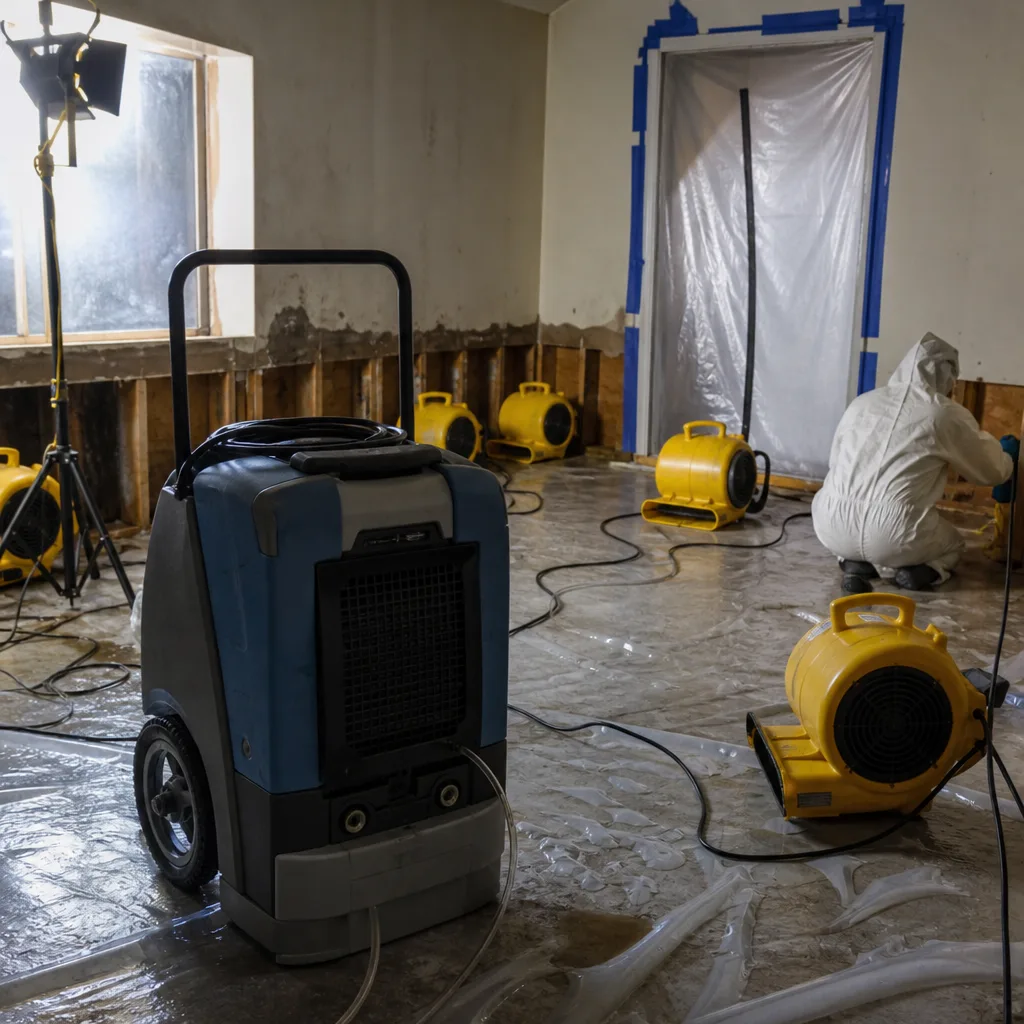
Moisture & Humidity Control
Permanent solutions for chronic dampness: dehumidifier sizing and placement, ventilation improvement, and in high water table areas near Scriber Creek, sump pump and perimeter drainage recommendations. We specify equipment by capacity and coverage area, with written performance expectations.
What happens when you call
- 1
A real person answersNo phone trees - you reach a local pro.
- 2
You get an upfront price rangeHonest numbers before anyone is dispatched.
- 3
A background-checked tech heads outLicensed & insured, dispatched right away.
- 4
You approve before work beginsNothing starts until you say go.
Mold Remediation Costs in Lynnwood, WA
| Service | Typical Range in Lynnwood |
|---|---|
| Mold inspection & moisture mapping | Free visual; air sampling $150-$350 |
| Contained crawl-space remediation (under 100 sq ft) | $1,800-$3,200 |
| Whole-crawl-space treatment with vapor barrier replacement | $4,500-$8,500 |
| Black mold / toxigenic species remediation | $3,500-$7,000+ |
| Air quality restoration with duct cleaning | $2,200-$4,800 |
| Asbestos abatement add-on (pre-1980 materials) | $1,500-$5,000+ |
What moves the price: affected square footage, material porosity, HVAC contamination, asbestos-era abatement requirements, and whether the moisture source is resolved or recurring. Lynnwood’s Convergence Zone rainfall and high water tables mean we almost always recommend vapor barrier replacement and drainage assessment; jobs that skip this step cost less upfront and fail within a season. Insurance typically covers mold remediation when it results from a covered water loss, but not when it’s attributed to maintenance neglect; we document the causation chain to support your claim. Call (425) 696-6061 for a free inspection and written scope - estimates are free, and we provide a Free Second Opinion on any competitor’s written estimate.
We Also Serve Cities Near Lynnwood
Our crews respond throughout the metro area, with regular dispatch to Lynnwood and surrounding communities including Kenmore, Bothell, Woodinville, and Mukilteo. Each market has distinct soil, drainage, and housing-stock conditions that affect moisture and mold patterns; we price and scope accordingly.
Serving Lynnwood, WA - Our Local Coverage Area
We’re based in the Lynnwood area and know this community well. Use the map below to see our service coverage - if you’re nearby, we can almost certainly help.
Lynnwood Mold Remediation Questions, Answered
Why does mold keep coming back in my Lynnwood crawl space even after I run a dehumidifier?
Because the dehumidifier treats air moisture, not ground moisture. In Lynnwood’s 1960s-70s homes, degraded polyethylene vapor barriers and clay-heavy soils wick water continuously into the subfloor; the dehumidifier runs but the source never stops. We replace the barrier, seal the foundation, and address drainage. Call (425) 696-6061 for a free inspection.
Does the Convergence Zone actually make mold worse in Lynnwood than in Seattle?
Yes. The Puget Sound Convergence Zone creates localized cloudbursts over Lynnwood that exceed Seattle rainfall intensity, overwhelming older storm drains and maintaining soil saturation for weeks longer. Combined with high water tables near Scriber Creek and degraded vapor barriers, mold colonization establishes faster and persists longer than in drier markets to the south or north.
How does salt-air corrosion in Lynnwood garages affect mold remediation?
Salt-air corrosion of springs, hinges, rollers, tracks, fasteners and opener chains causes garage doors to bind and leak, re-wetting lower wall assemblies that were just treated. We inspect and specify corrosion-resistant hardware - galvanized springs, stainless fasteners, nylon rollers - as part of comprehensive remediation so the fix holds. Call (425) 696-6061 for an assessment that includes hardware condition.
My Lynnwood home was built in the 1970s. Do asbestos-era materials complicate mold remediation?
Often, yes. Floor tile, duct insulation, and ceiling texture from that era may contain asbestos and cannot be disturbed without abatement. We test before cutting or removing materials, coordinate licensed abatement when required, and document the additional scope for insurance review. This adds cost but prevents liability and health exposure.
How long does crawl-space drying take near Scriber Creek compared to other areas?
Four to six days versus two to three in drier areas like Mountlake Terrace or Edmonds. The high water table and clay soils near Scriber Creek maintain hydrostatic pressure and evaporation from soil long after surface water is extracted. We price this extended runtime into our estimates and document daily moisture readings to prove when true desiccation is achieved.
Will my insurance cover mold remediation in Lynnwood?
Insurance covers mold that results from a sudden, covered water loss - burst pipe, storm intrusion, failed water heater - but typically excludes mold from long-term maintenance issues like a degraded vapor barrier. We document the causation chain, photograph the loss event, and coordinate directly with your adjuster to establish coverage. Call (425) 696-6061 and we’ll review your policy language.
Can my family stay in the home during mold remediation?
For contained, small-area remediation (under 10 square feet, no HVAC contamination), often yes. For whole-crawl-space work, black mold, or any project with negative air containment and air scrubbers running, we recommend temporary relocation because particulate counts rise during disturbance. We specify occupancy status in the written scope before work begins.
What should I do in the first 30 minutes after discovering mold?
Stop the moisture source if safe and identifiable - shut off the water supply, check the sump pump, or tarp an active leak. Do not disturb the mold (no scrubbing, no bleach, no fan-directed airflow, which spreads spores). Call (425) 696-6061. We answer live 24/7, dispatch within 45 minutes, and begin containment before colonization expands.
Back to Dry Restoration’s Mold Remediation team serves Lynnwood with the documentation-first approach that turns restoration invoices into payable claims. Every job starts with a written price, ends with a photo record, and carries our 365-Day Done Right Promise under The Haven Standard.
Written by Alicia Brennan, Owner at Back to Dry Restoration, serving Lynnwood since 2011.
Mold Remediation in Nearby Areas