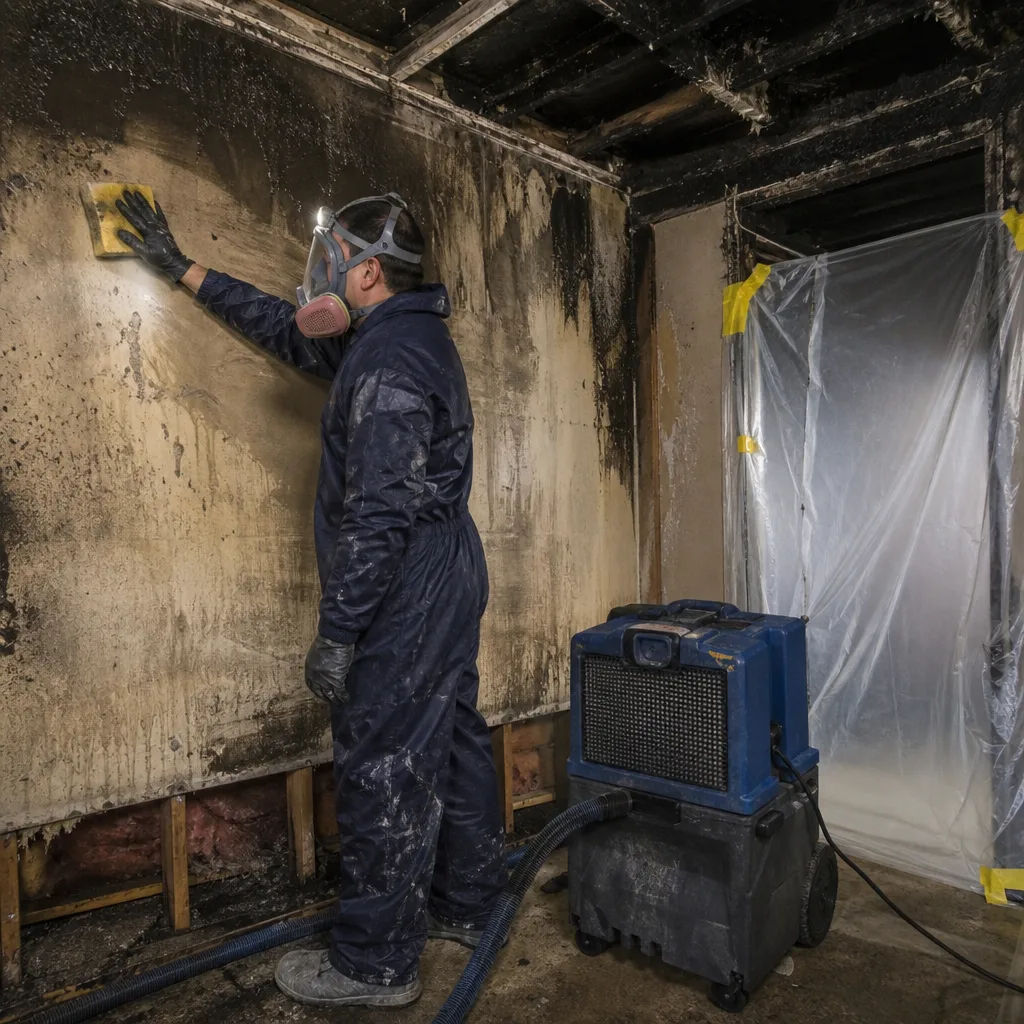
Free visual inspection and a written scope of work before any mitigation begins - photos, moisture readings, and drying logs go in your claim file
The scope we write is the scope we bill. Anything new gets shown to you, in writing, before we touch it.
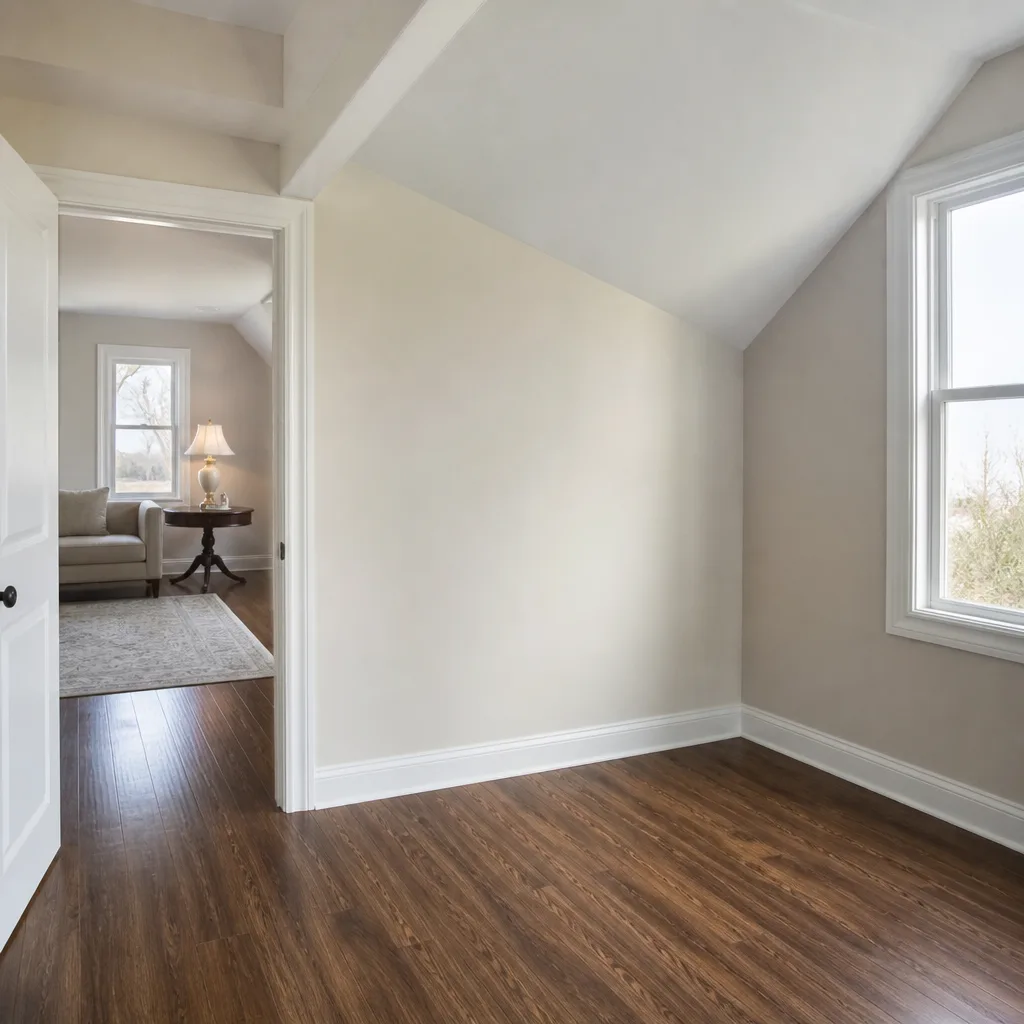
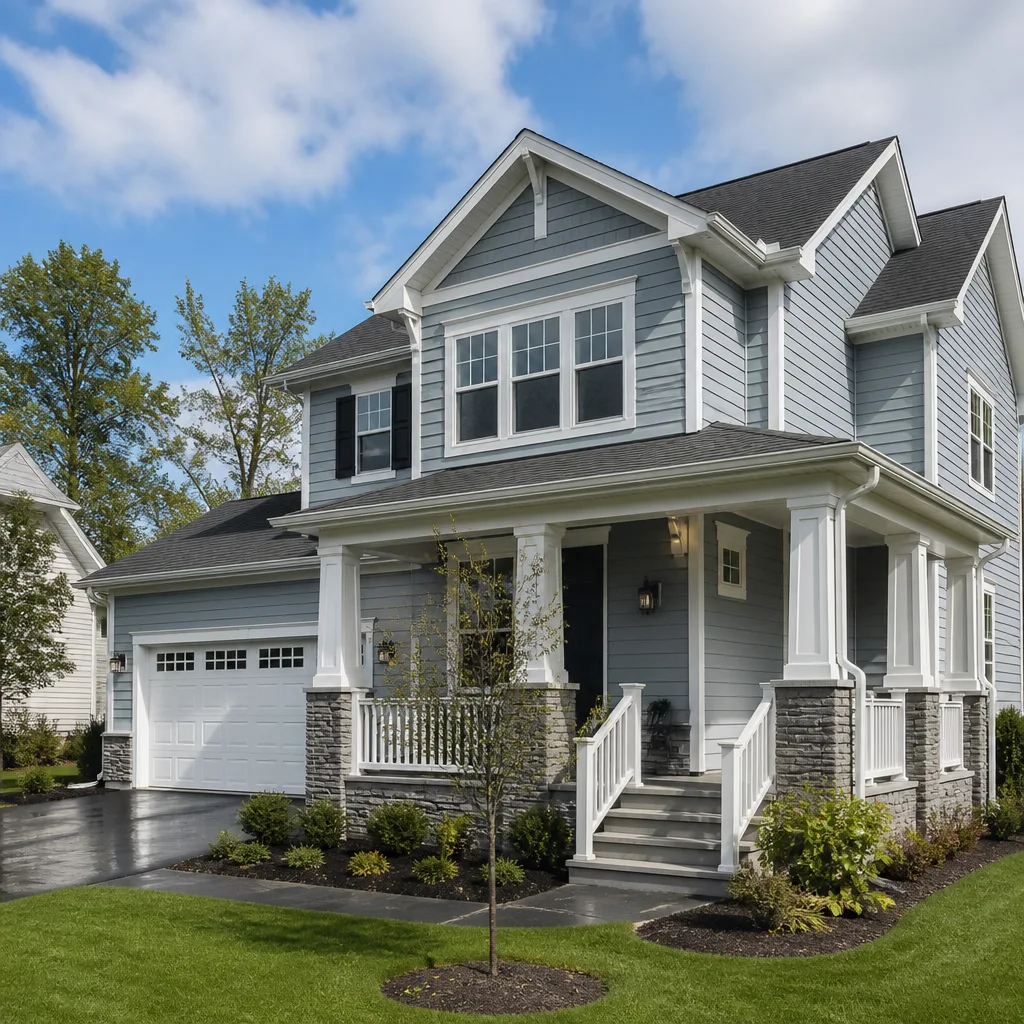
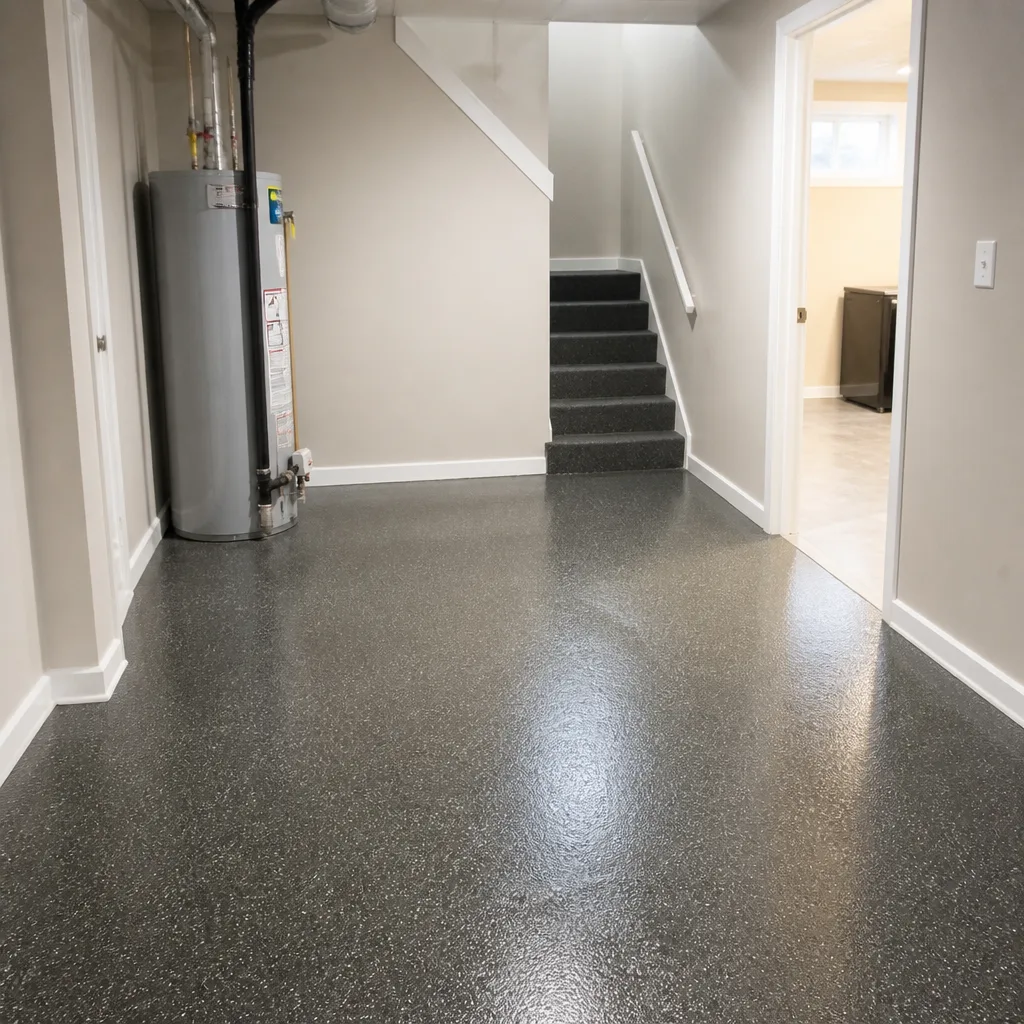
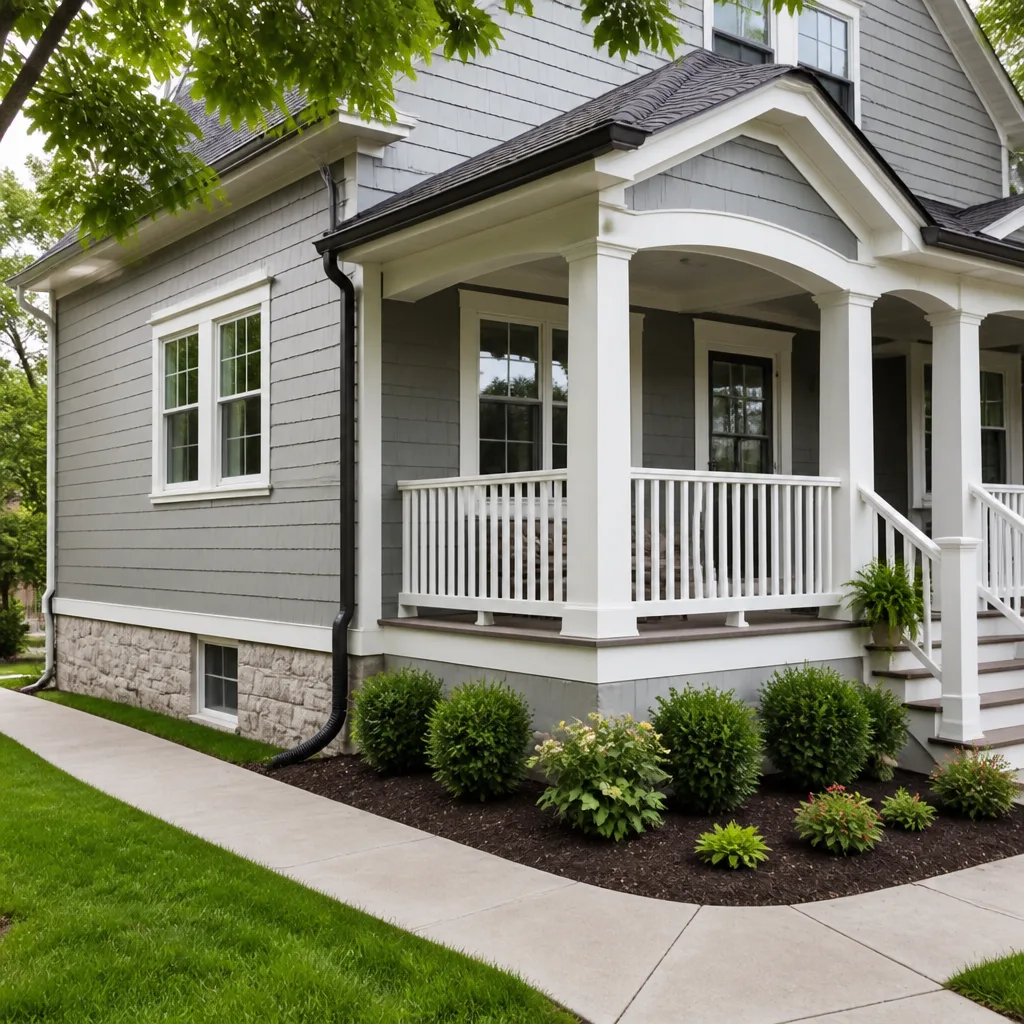
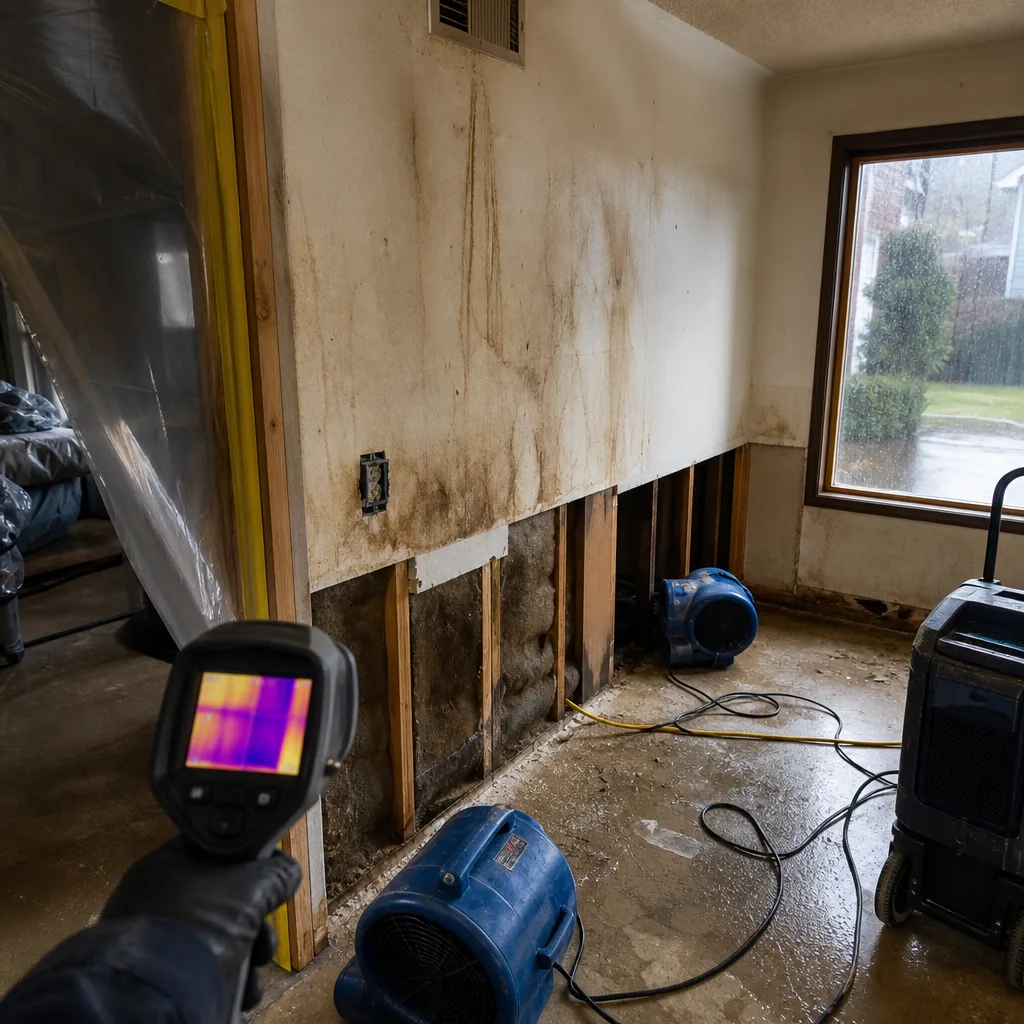 Before
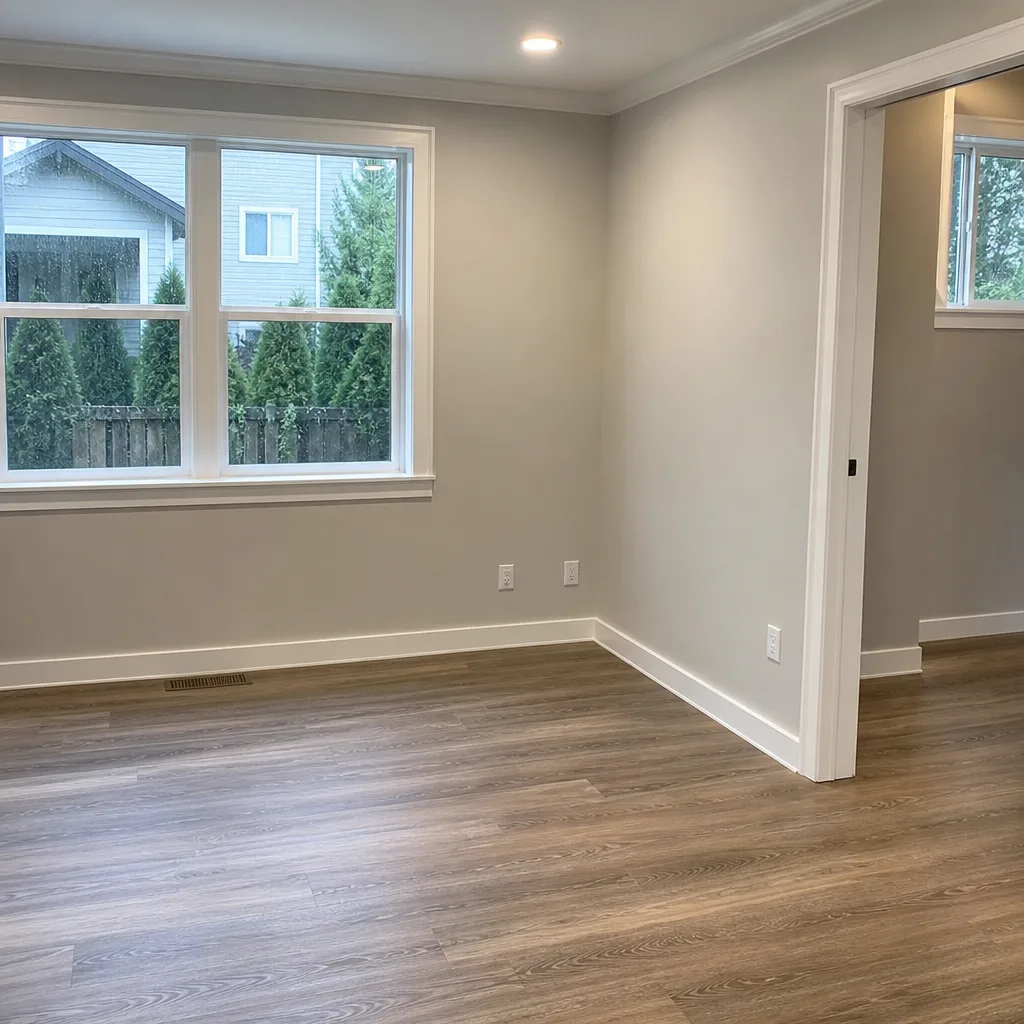 After
After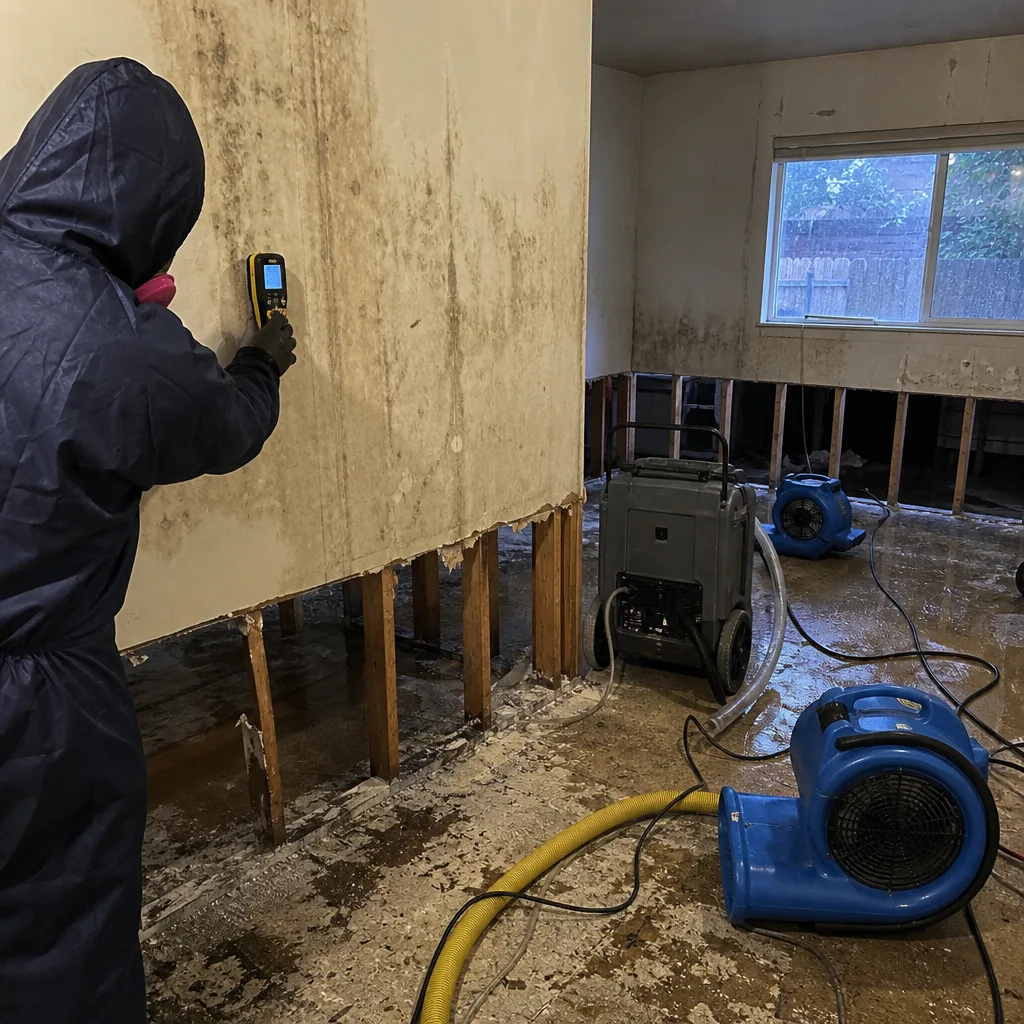 Before
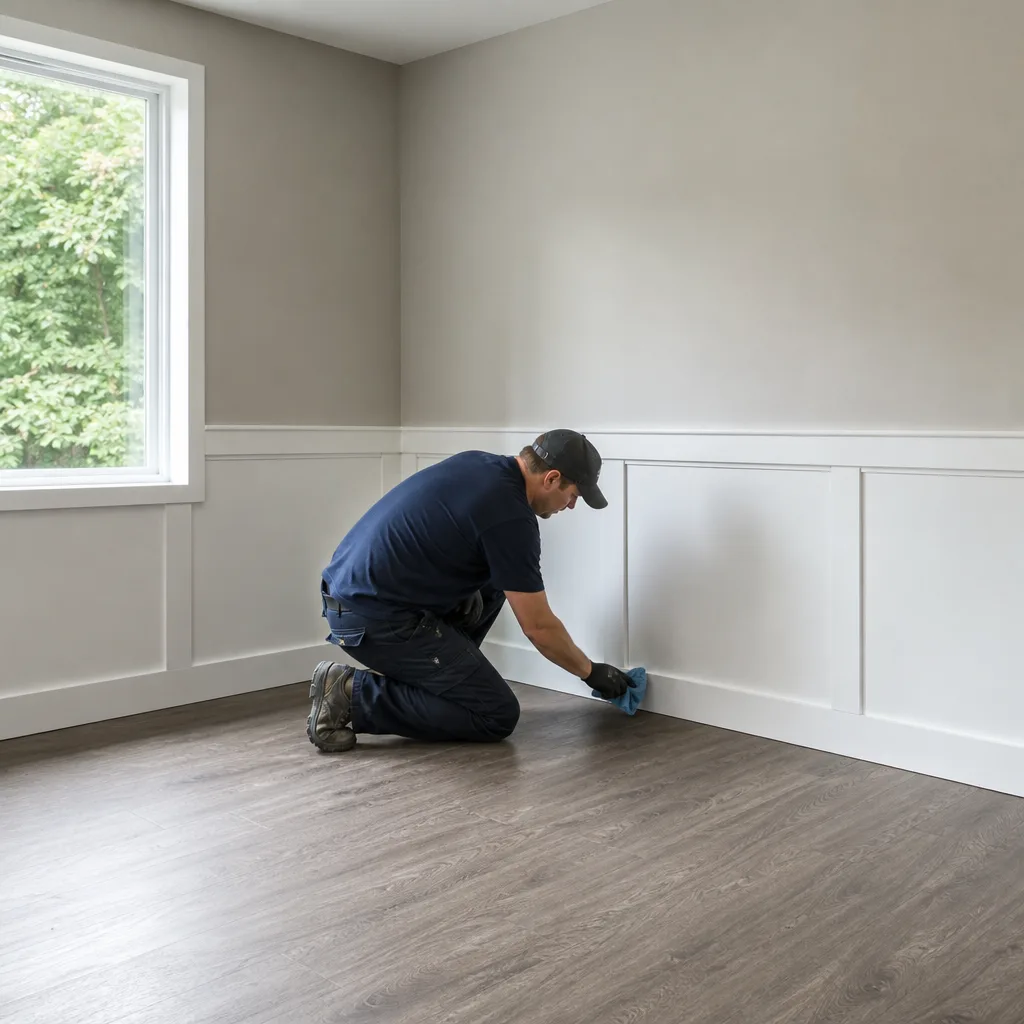 After
After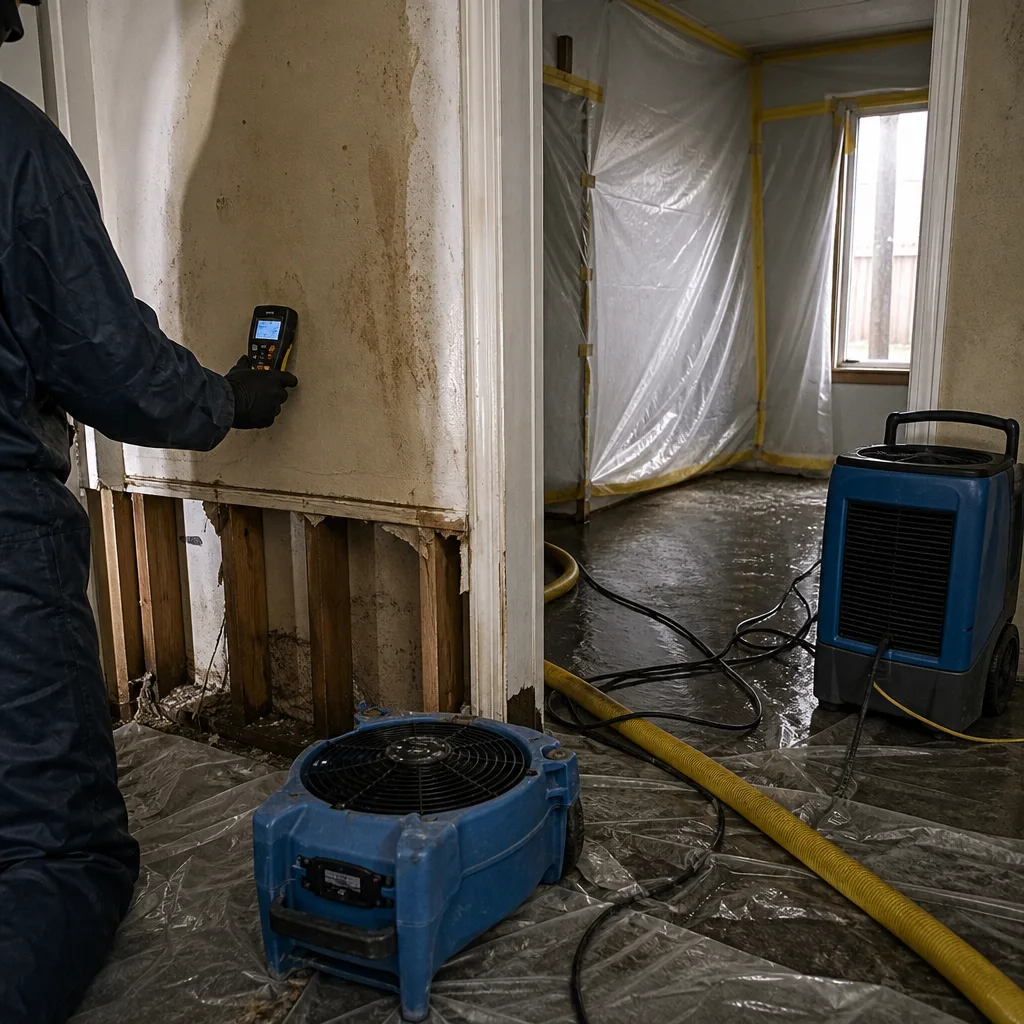 Before
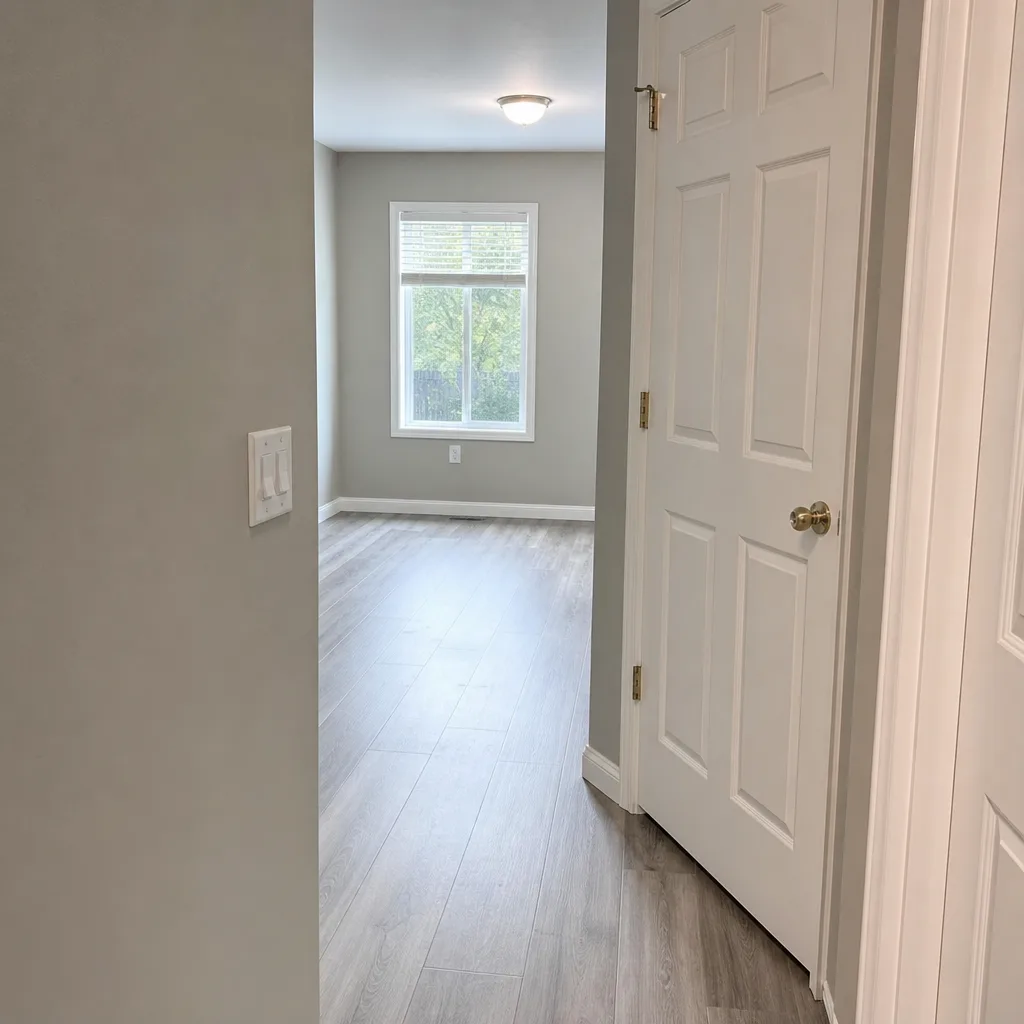 After
After24/7 Emergency Water Damage Restoration in Mukilteo
Water damage restoration in Mukilteo typically costs $2,800-$7,500 for a standard residential dryout, with emergency extraction starting at $450-$950 and full structural drying running $1,800-$4,200 depending on affected square footage and category of water. Crews from our Seattle office serve Mukilteo properties directly, and we answer live at (425) 696-6061 every hour of every day - no voicemail, no callback queue while water keeps moving through your floors.
The first hour determines whether a Mukilteo water loss stays a Category 1 clean-water event or degrades into Category 2 or 3 territory. Our Water Damage Restoration team dispatches with thermal imaging, moisture meters, and extraction equipment already loaded. We provide a free visual inspection on arrival and deliver a written price before any work begins - Haven Standard, Clause 1.
Understanding Water Damage Restoration Severity in Mukilteo Properties
Water damage classification follows IICRC protocol: Category 1 is clean water from a supply line, Category 2 carries significant contamination from sources like dishwasher discharge or seepage through building materials, and Category 3 is grossly contaminated water requiring full antimicrobial treatment and disposal of porous materials. In Mukilteo, the persistent marine air off Puget Sound accelerates the timeline dramatically - Category 1 water in a waterfront crawl space can shift to Category 2 within 24-48 hours, where the same progression might take 72 hours in drier inland climates.
Moisture mapping with thermal imaging identifies migration paths behind walls and under flooring, while psychrometric data - temperature, relative humidity, and vapor pressure differential - tells us whether the drying environment is actually removing moisture or just circulating wet air. Mukilteo’s housing stock drives the severity profile: 1970s-1990s daylight-basement and split-level homes built into hillside terrain have below-grade walls chronically exposed to groundwater pressure, and original 1950s-60s waterfront homes near the ferry terminal often lack vapor barriers entirely. These structures don’t just leak; they breathe moisture from the surrounding till.
Why Mukilteo Property Owners Choose DryMark Restoration Bothell
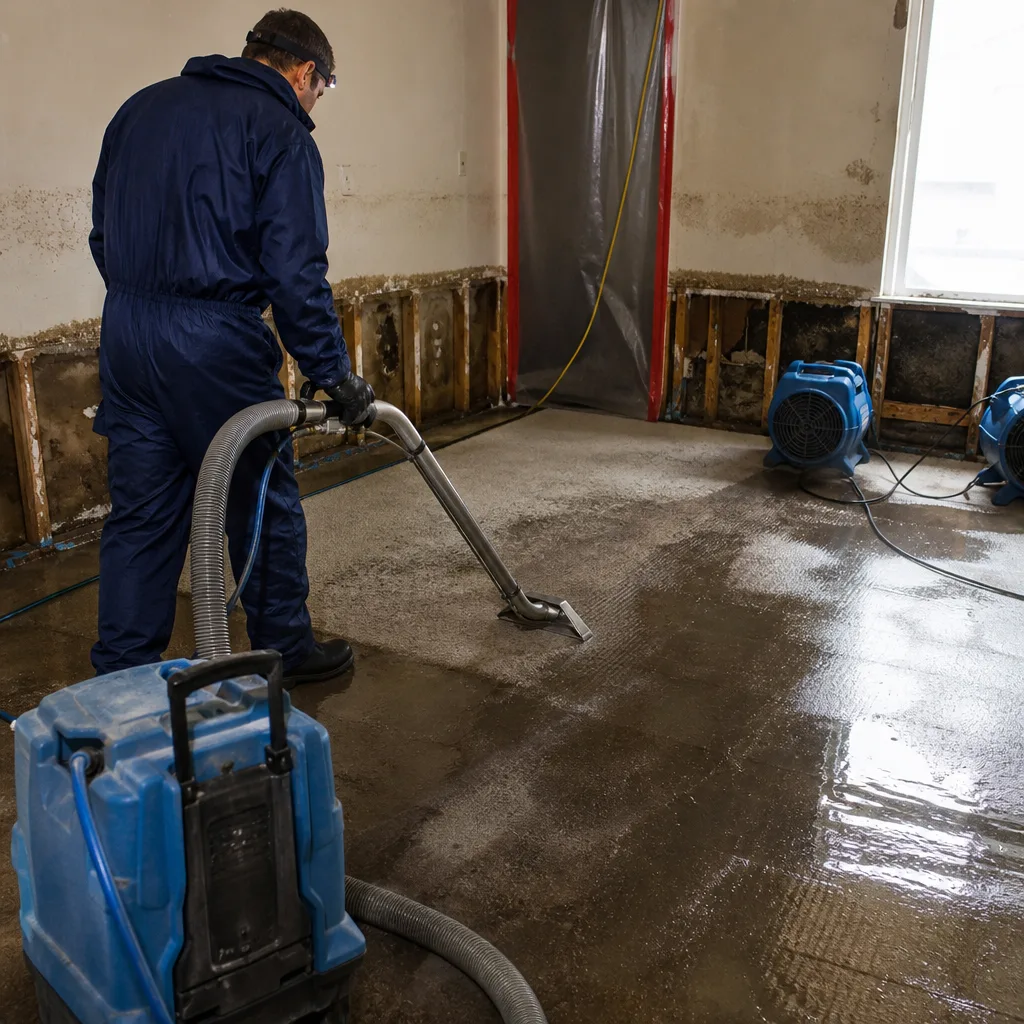
- 45-minute response commitment to Mukilteo addresses - our crews stage from the Seattle office with equipment pre-loaded for hillside hydrology jobs.
- 24/7 live answer by a real person, never an automated system or voicemail tree; emergency lines ring to dispatchers who can authorize crew deployment immediately.
- IICRC-certified crews holding WRT (Water Damage Restoration Technician) and AMRT (Applied Microbial Remediation Technician) credentials, with license numbers documented on every job file.
- Free visual inspection on every call - we assess category, migration, and source before quoting, so the written price reflects actual conditions, not a phone guess.
- Direct insurance billing with photo-documented estimates formatted to carrier standards, plus direct adjuster coordination that keeps claims moving without homeowner chasing.
- One team from extraction through reconstruction - no handoff to a separate contractor who didn’t see the original loss and disputes the scope.
BeforeAfterOur Water Damage Restoration Process
1. Inspection & Assessment
We arrive with FLIR thermal imaging, penetrating and non-penetrating moisture meters, and hygrometers to map the full extent of migration. In Mukilteo, this means checking for hillside seepage paths, not just obvious leaks - groundwater moving through glacial till often enters behind the visible damage.
2. Extraction & Stabilization
Truck-mounted extraction removes standing water; portable units access confined crawl spaces and daylight-basement utility rooms. We document water line marks, material saturation points, and pre-existing conditions with photographs before any equipment runs.
3. Structural Drying & Dehumidification
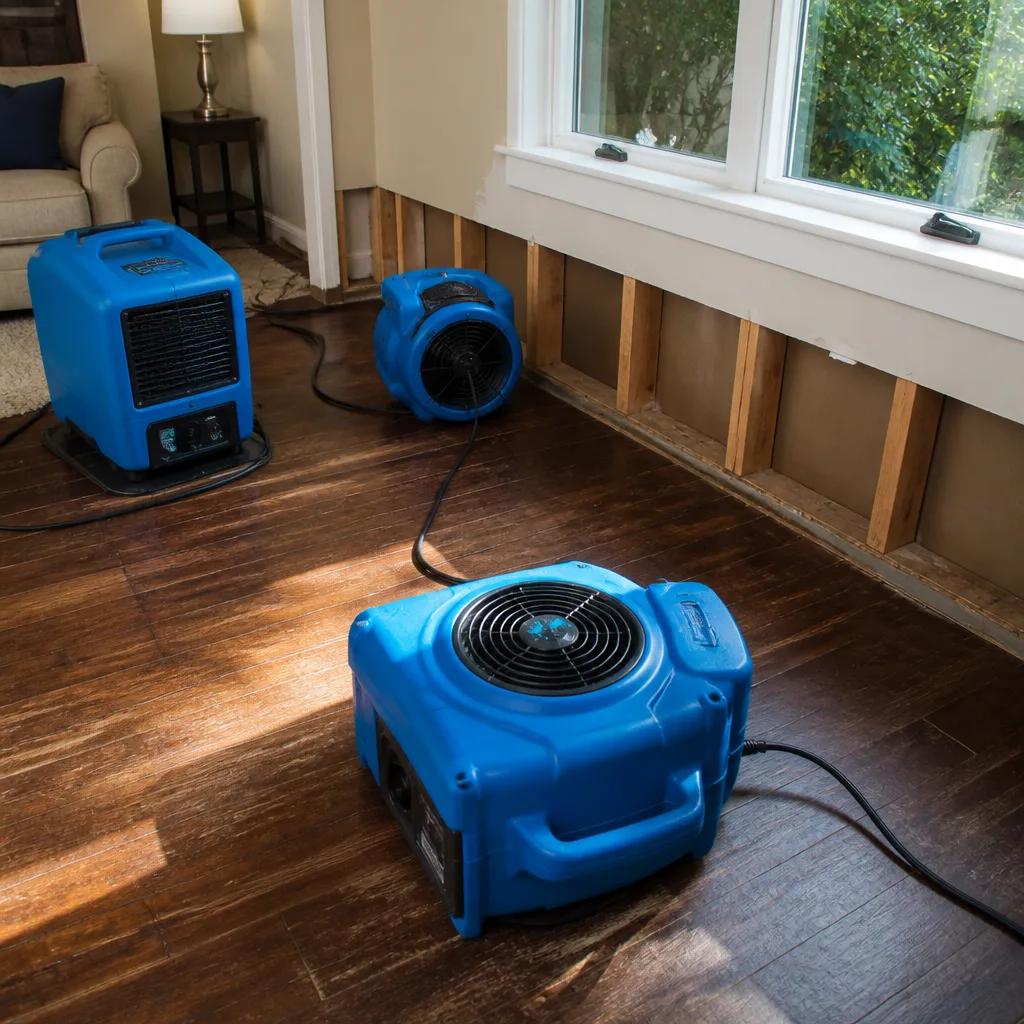
Dri-Eaz and Phoenix dehumidifiers establish vapor pressure differential to pull moisture from structural materials, paired with XPOWER and B-Air air movers for controlled airflow. Daily moisture logs track specific humidity and grain depression until materials reach dry standard - typically 12-16% moisture content for wood framing in Mukilteo’s marine climate.
4. Cleaning & Sanitization
Category 2 and 3 losses receive antimicrobial treatment to IICRC S500 standards. HEPA air scrubbers run during cleanup to capture airborne particulates. We apply botanical or synthetic antimicrobials based on material compatibility and occupant sensitivity, documented in the scope.
5. Hillside Hydrology Assessment & Drainage Coordination
For Mukilteo properties on the bluffs above Puget Sound, we evaluate whether surface grading, perimeter drains, or curtain drains are needed to stop recurring seepage. This step separates a lasting dryout from a temporary one - structural drying alone cannot hold against active groundwater recharge.
6. Repairs & Restoration
We replace removed materials - drywall, insulation, flooring, trim - to match pre-loss condition, documented with photo records at each phase. The 365-Day Done Right Promise under The Haven Standard covers all workmanship; if it’s not right, we make it right.
Need Emergency Water Damage Restoration in Mukilteo Now?
Crews minutes away, answering live 24 hours a day. The sooner we start, the less it costs.
Working With Your Insurance Company
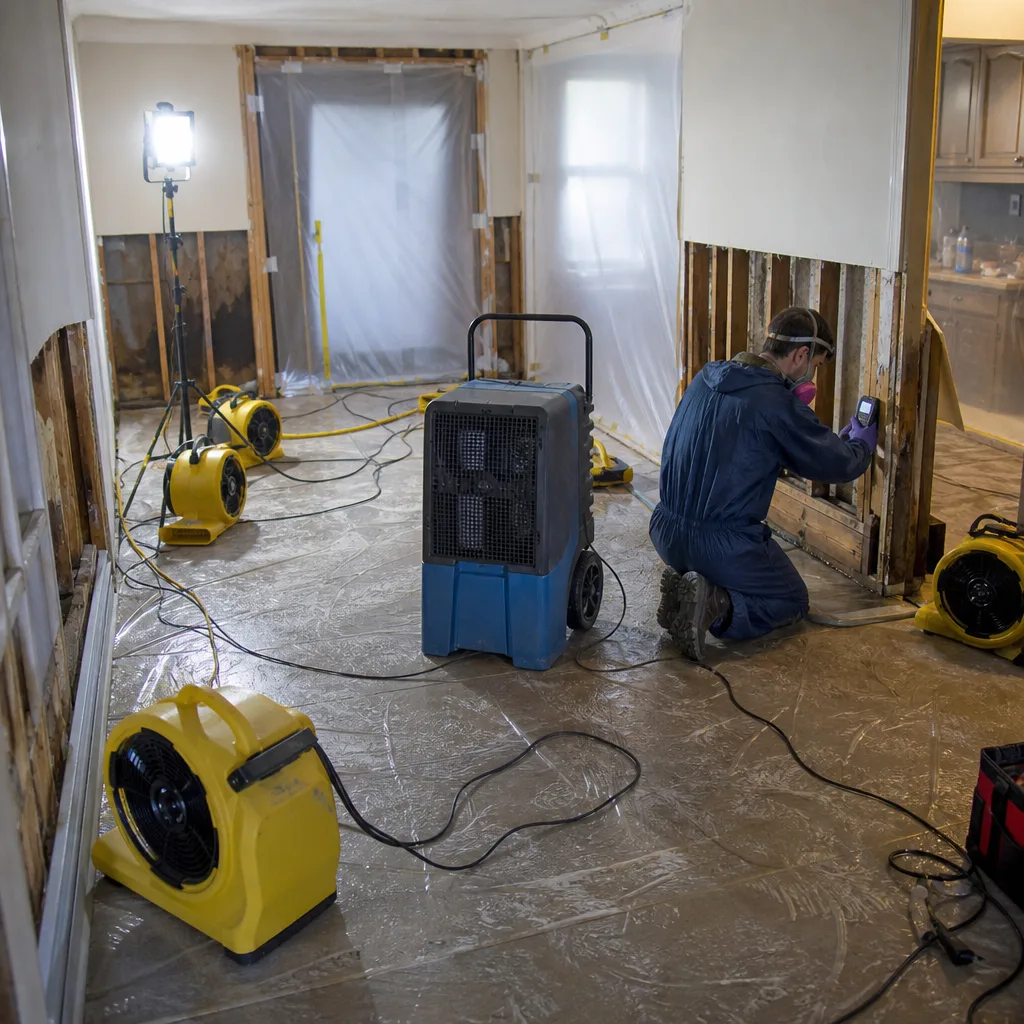
Insurance claims succeed or fail on documentation. We begin building the file from the first photograph on arrival, and every subsequent visit adds dated, geo-tagged images, moisture readings with instrument calibration dates, and daily drying logs that show progressive reduction in moisture content. Our estimates follow industry-standard Xactimate formatting that adjusters recognize, and we coordinate directly with carrier representatives to resolve scope questions without putting you in the middle.
Most Mukilteo water damage claims fall under sudden and accidental coverage, though gradual seepage from hillside hydrology may be excluded depending on policy language. We document the event trigger precisely - a failed supply line, storm-driven intrusion, or identifiable point source - to support covered-loss determination.
What We Provide Your Insurer
- Thorough documentation of the loss
- Photos of all damage, room by room
- Moisture readings and drying logs
- A detailed, line-item scope of work
- Direct coordination with your carrier
Built for Mukilteo’s Loss Calendar
January through March brings the heaviest rainfall and saturated bluff soils near field capacity for weeks at a stretch. Lateral seepage into daylight-basement walls becomes a baseline condition, not an emergency exception. April’s warming temperatures accelerate mold colonization in spaces that stayed wet through winter.
June through September offers the driest window, but Puget Sound marine air keeps relative humidity elevated even in summer - typically 65-75% versus 45-55% inland. October storms and king tides drive surge and wind-driven rain against waterfront properties near the ferry terminal. November and December close the loop with renewed saturation and the highest frequency of burst pipe calls as older homes with minimal insulation experience freeze-thaw cycles on exposed plumbing.
Year-round, the marine layer rolling off the Sound means dehumidification runs longer in Mukilteo than in comparable inland jobs. We size equipment accordingly and don’t pull the drying plan until the data supports it.
Water Damage Restoration Across Mukilteo’s Neighborhoods
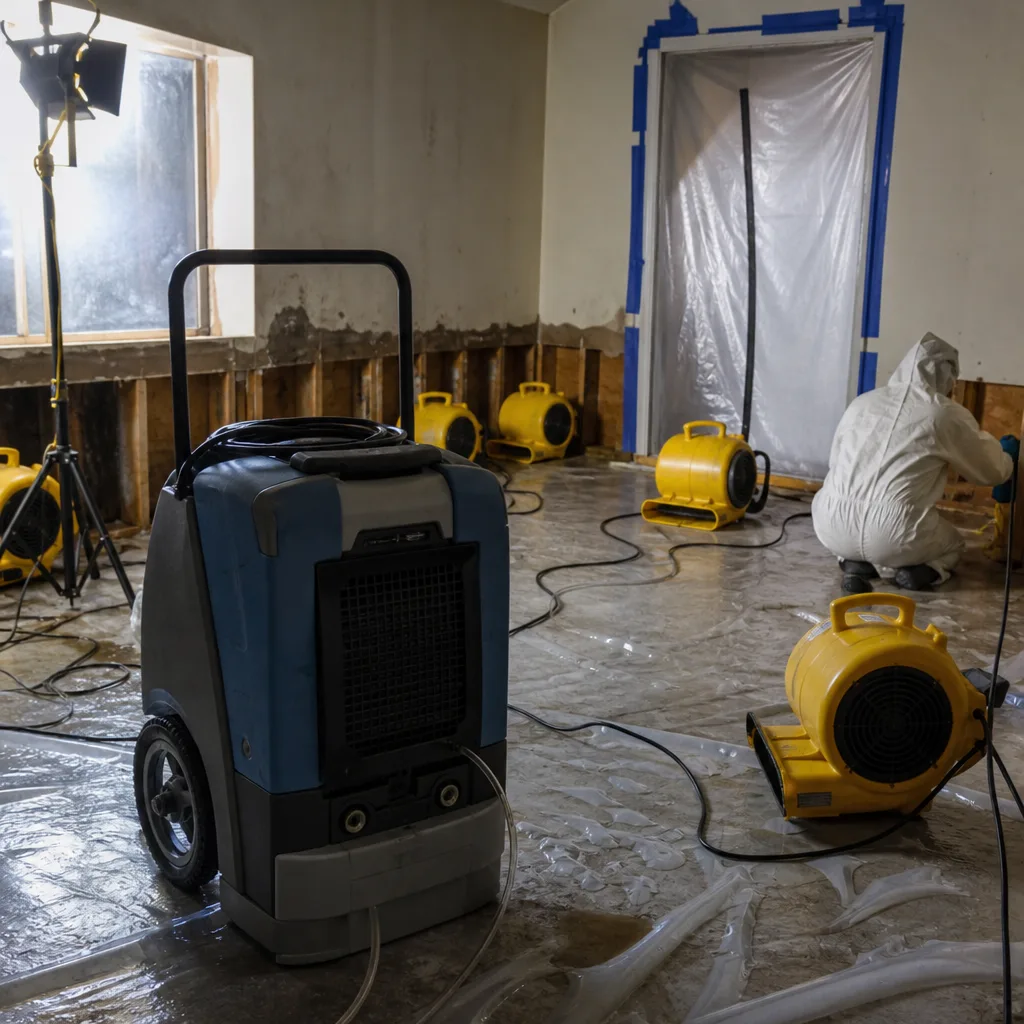
In the bluff-top neighborhoods above the ferry terminal, our crews encounter the most complex hydrology in the city. Groundwater moves laterally through glacial till at surprising speed. A homeowner calls about wet carpet in a daylight basement; we find the source isn’t the roof, isn’t a pipe, but saturated hillside draining through the below-grade wall. Standard extraction and drying buys a week before readings climb again.
Japanese Gulch corridor properties face similar dynamics with added tree-fall risk during wind events - roots destabilize already-saturated slopes, and falling timber damages roof systems that then admit rainwater into structures compromised by seepage. We coordinate tree service and roofing contractors when needed, keeping one point of contact for the homeowner.
Waterfront homes near the Mukilteo Lighthouse and along the shoreline west of the ferry terminal present the oldest housing stock. Original 1950s-60s crawl spaces with no vapor barrier, minimal foundation drainage, and decades of deferred maintenance mean moisture readings that don’t respond to extraction alone. We scope vapor barrier installation, sump pump placement, or perimeter drain retrofit as part of the restoration, not as an afterthought.
Harbour Pointe and the newer construction east of SR-525 show different patterns: better initial drainage, but slab-on-grade and walkout basement designs where hydrostatic pressure cracks slab edges or forces water through cold joints. Thermal imaging finds these migration paths fast, and we address them before mold takes hold in wall cavities.
Specialized Water Damage Restoration Services We Offer in Mukilteo
Emergency Water Extraction
Standing water in a Mukilteo daylight basement or crawl space gets worse by the hour. Our truck-mounted and portable extraction systems remove bulk water fast, with capacity for Category 3 losses requiring contained disposal. We extract before we dry, because air movers can’t evaporate what extraction can pump.
Structural Drying & Dehumidification
Mukilteo’s marine climate demands aggressive dehumidification. We deploy Dri-Eaz and Phoenix LGR dehumidifiers sized to the affected cubic footage, with air movers positioned for laminar airflow across wet surfaces. Daily moisture logs track progress to IICRC S500 dry standards, adjusted for local humidity baselines.
Flood Cleanup
Storm surge, king tide overtopping, or hillside runoff entering through foundation breaches requires Category 3 protocol: full PPE, contained disposal of porous materials, and HEPA air scrubbing. We document flood line elevation and source for insurance coverage determination.
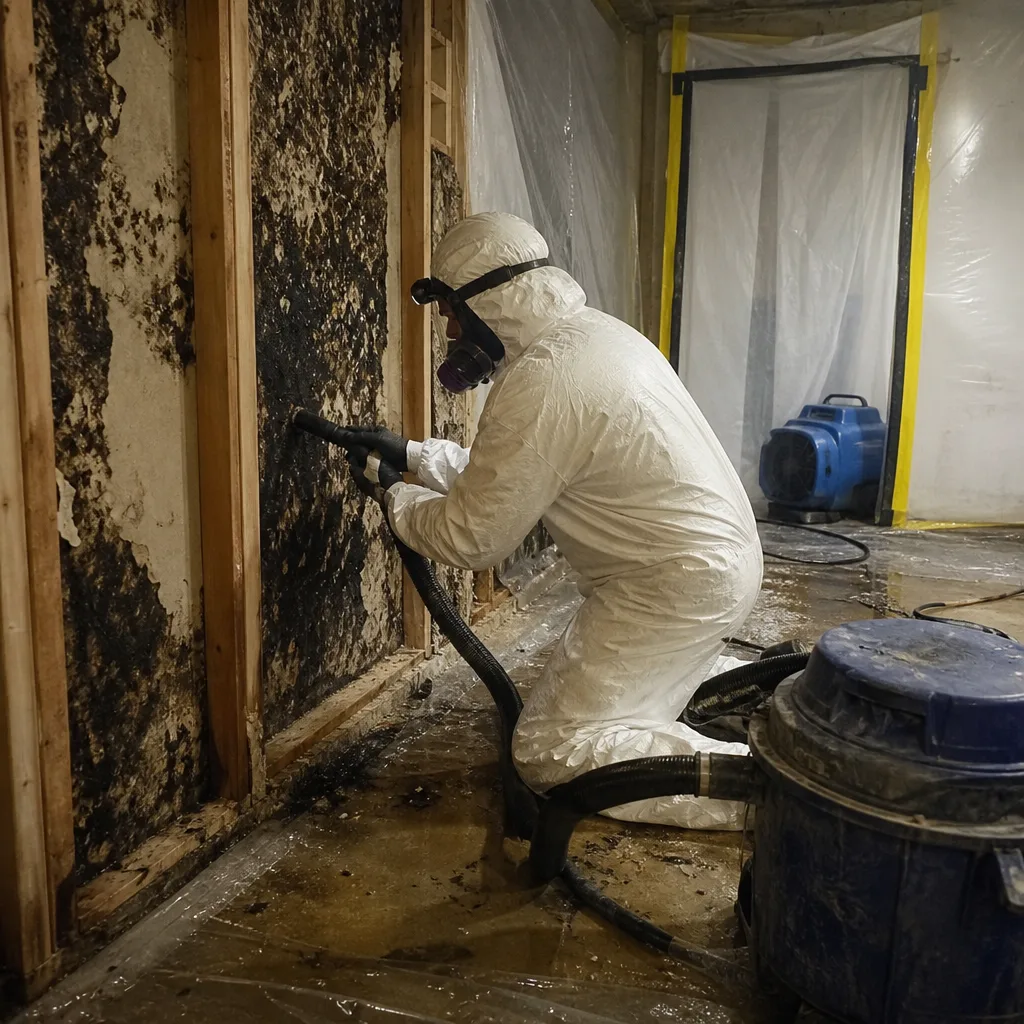
Burst Pipe Restoration
Older copper and galvanized systems in Mukilteo’s 1950s-70s housing fail at joints and elbows, often in exterior walls or crawl spaces with minimal freeze protection. We extract, dry, and scope the plumbing repair - or coordinate with your preferred plumber - with photo documentation for the carrier.
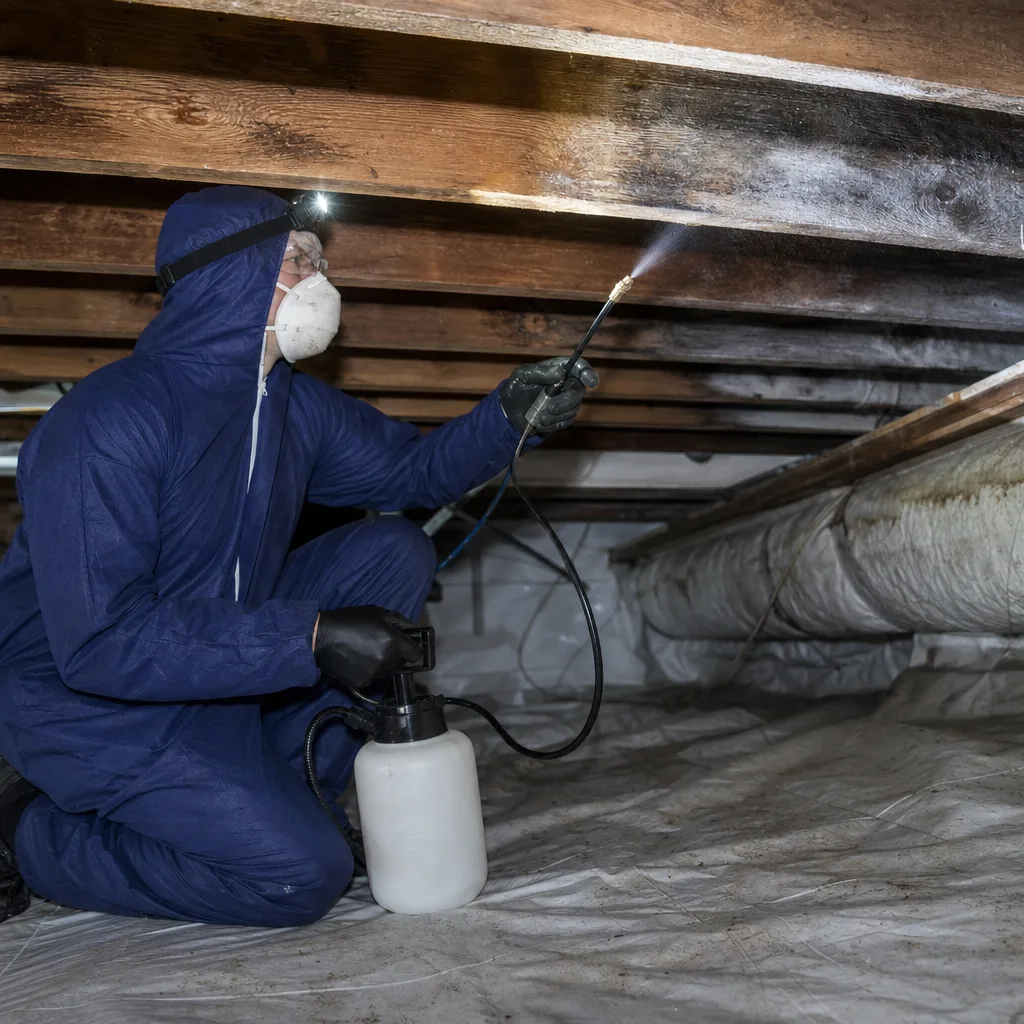
Basement Water Removal
Daylight basements and full below-grade spaces in hillside homes present access challenges and recurring seepage risk. We remove water, map the source, and specify drainage improvements in the written scope so the problem doesn’t repeat next rainy season.
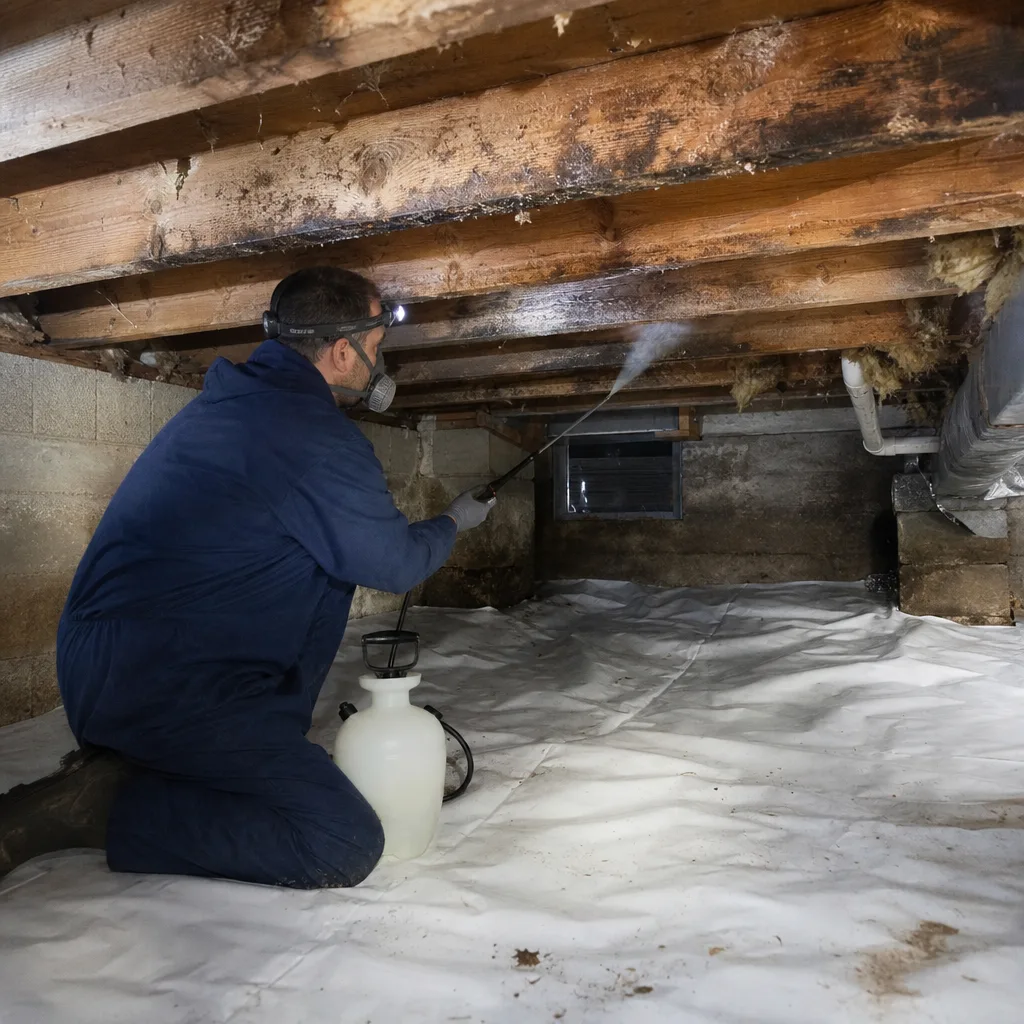
What happens when you call
- 1
A real person answersNo phone trees - you reach a local pro.
- 2
You get an upfront price rangeHonest numbers before anyone is dispatched.
- 3
A background-checked tech heads outLicensed & insured, dispatched right away.
- 4
You approve before work beginsNothing starts until you say go.
Water Damage Restoration Costs in Mukilteo, WA
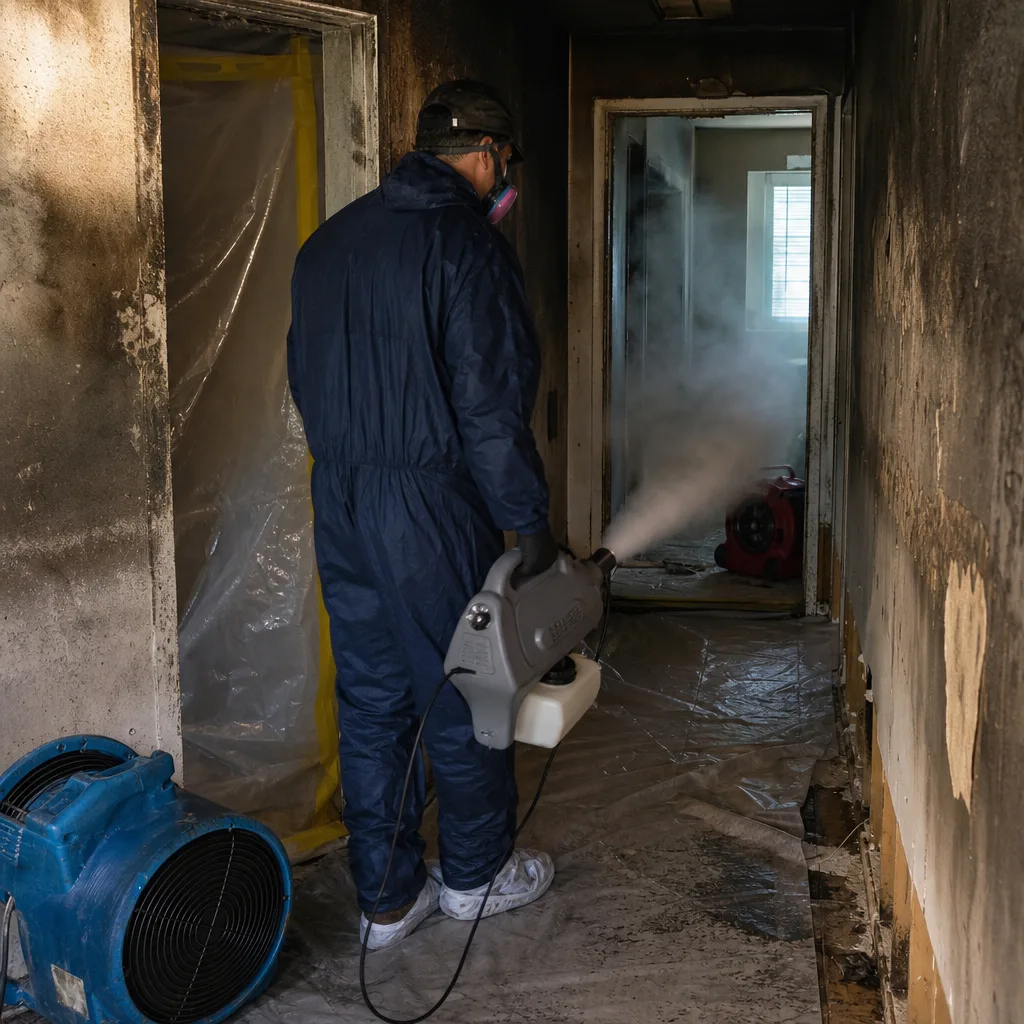
Emergency water extraction for a typical Mukilteo residential loss runs $450-$950 for the first two hours of truck-mounted and portable extraction. Structural drying and dehumidification for a 1,000-square-foot affected area costs $1,800-$4,200 over three to five days, with equipment rental, daily monitoring, and moisture logs included. Full Category 3 flood cleanup with disposal, antimicrobial treatment, and air scrubbing ranges $4,500-$9,500 depending on contamination level and material replacement scope.
What moves the price: category of water (Category 1 costs less than Category 3), affected square footage and cubic footage (tall ceilings and multi-level migration expand the drying plan), material type (hardwood and plaster dry slower than carpet over concrete), and whether drainage improvements are needed to stop recurring seepage. Insurance typically covers sudden and accidental losses after deductible; gradual seepage may be excluded. We provide a written price before work starts on every job, and offer a Free Second Opinion on any competitor’s written estimate.
We Also Serve Cities Near Mukilteo
Our crews respond throughout Snohomish and north King County, including Mukilteo neighbors in Everett to the north, Lynnwood and Kenmore to the south and east, and Marysville across the Snohomish River delta. Each community has distinct hydrology and housing stock; we adjust our drying plans and documentation to match local conditions, not apply a single template.
Serving Mukilteo, WA - Our Local Coverage Area
We’re based in the Mukilteo area and know this community well. Use the map below to see our service coverage - if you’re nearby, we can almost certainly help.
Mukilteo Water Damage Restoration Questions, Answered
Why does our Mukilteo crawl space keep flooding when we can’t find a leak?
Crawl-space flooding with no failed fixture almost always traces to hillside seepage channeling through glacial till, especially in the Japanese Gulch corridor and bluff-top neighborhoods above the ferry terminal. The saturated till drains laterally into below-grade walls and foundations. A standard dryout won’t hold until surface grading, perimeter drainage, or curtain drains address the source. Call (425) 696-6061 for a free inspection and written scope that includes the drainage component.
Does Mukilteo’s marine humidity really change how fast a dryout has to happen?
Yes. Relative humidity off Puget Sound stays elevated year-round in Mukilteo, typically 65-75% even in summer versus 45-55% inland. That humidity collapses the evaporation window and pushes Category 2 water toward Category 3 contamination faster than in communities like Lynnwood. We size dehumidification aggressively and extend drying plans until moisture data, not calendar days, says the job is done.
How common is mold in Mukilteo homes after a water event?
Very common, and faster than most homeowners expect. The combination of elevated baseline humidity and glacial-till seepage means mold colonization can begin within 48-72 hours of water intrusion, especially in original 1950s-60s waterfront crawl spaces lacking vapor barriers. Our AMRT-certified crews treat affected areas to IICRC S520 standards and document clearance with moisture logs and visual inspection. Call (425) 696-6061 if you suspect mold after any water loss.
Do Mukilteo’s 1970s-90s daylight basements need different structural drying?
Yes. These homes are engineered into hillside terrain with the downslope wall partially or fully below grade, chronically exposed to uphill groundwater pressure. Standard drying of interior air and surfaces doesn’t address the moisture reservoir in the surrounding soil. We specify perimeter drainage or curtain drains in the scope when moisture mapping shows active seepage, and we monitor the below-grade wall separately from interior readings.
What does your scope of work cover for a Mukilteo water damage job?
Every scope includes: extraction and moisture mapping; structural drying with daily logs; cleaning and sanitization to match water category; photo documentation of all phases; and a written 365-Day Done Right Promise under The Haven Standard. For hillside properties, we also assess and specify drainage improvements needed to prevent recurrence. Haven Standard, Clause 1: the written price comes before any work starts, with no scope-creep additions once the crew is inside.
How fast can you actually get to Mukilteo?
We commit to 45 minutes from dispatch confirmation for Mukilteo addresses, with crews staging from our Seattle office. Live dispatchers answer at (425) 696-6061 24 hours a day - no voicemail, no callback delay while water spreads.
Will insurance cover our Mukilteo water damage?
Sudden and accidental water damage - burst pipes, storm intrusion, appliance failures - is typically covered under standard homeowners policies after deductible. Gradual seepage from hillside hydrology may be excluded as maintenance-related. We document the event trigger precisely, format estimates to carrier standards, and coordinate directly with adjusters to support covered-loss determination. Call (425) 696-6061 and we’ll review your policy implications during the free inspection.
Can we stay in our Mukilteo home during drying?
For Category 1 losses with contained affected areas, usually yes. Category 2 or 3 contamination, or whole-house drying with extensive equipment noise and dehumidifier heat, may require temporary relocation. We assess occupant safety and comfort at inspection and document any relocation recommendation for insurance consideration. The drying plan includes HEPA air scrubbing when air quality is a concern.
In the bluff-top neighborhoods above the ferry terminal, our tech pulled a daylight-basement carpet in a 1980s split-level and watched groundwater seep laterally through the below-grade wall - no plumbing or roof failure, just saturated till draining downhill. After water extraction and moisture mapping, we set Dri-Eaz air movers and dehumidification, then wrote the scope of work to include a perimeter drain because structural drying alone couldn’t hold against active hillside hydrology.
That job is why we treat Mukilteo differently. The marine climate, the glacial till, the hillside homes engineered into terrain that stays wet for months - these aren’t complications to work around. They’re the conditions that define whether a restoration lasts or fails within a season. We document every moisture reading, photograph every phase, and write the price before we start because Haven Standard, Clause 1 exists precisely so homeowners know what they’re getting and insurers know what they’re paying for.
Written by Alicia Brennan, Owner at Back to Dry Restoration, serving Mukilteo since 2011.
Water Damage Restoration in Nearby Areas