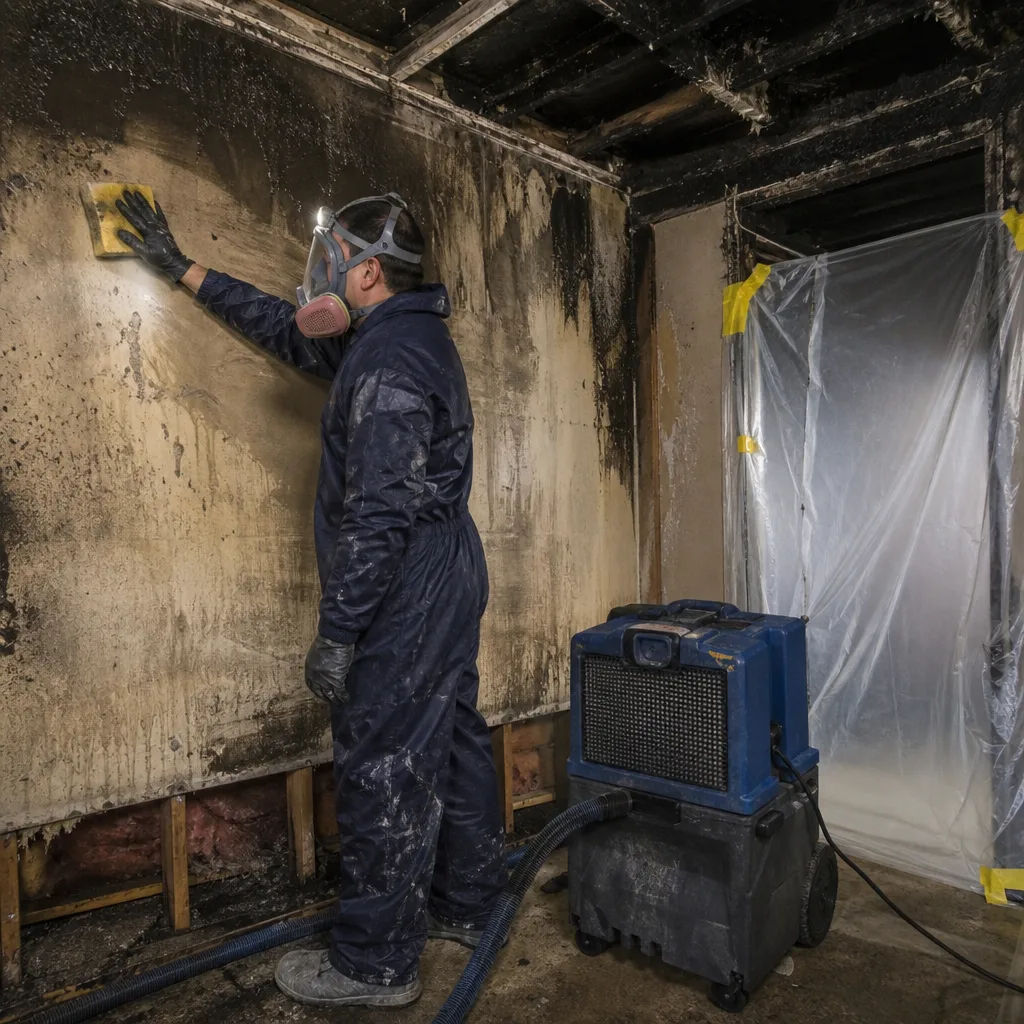
Free visual inspection and a written scope of work before any mitigation begins - photos, moisture readings, and drying logs go in your claim file
The scope we write is the scope we bill. Anything new gets shown to you, in writing, before we touch it.
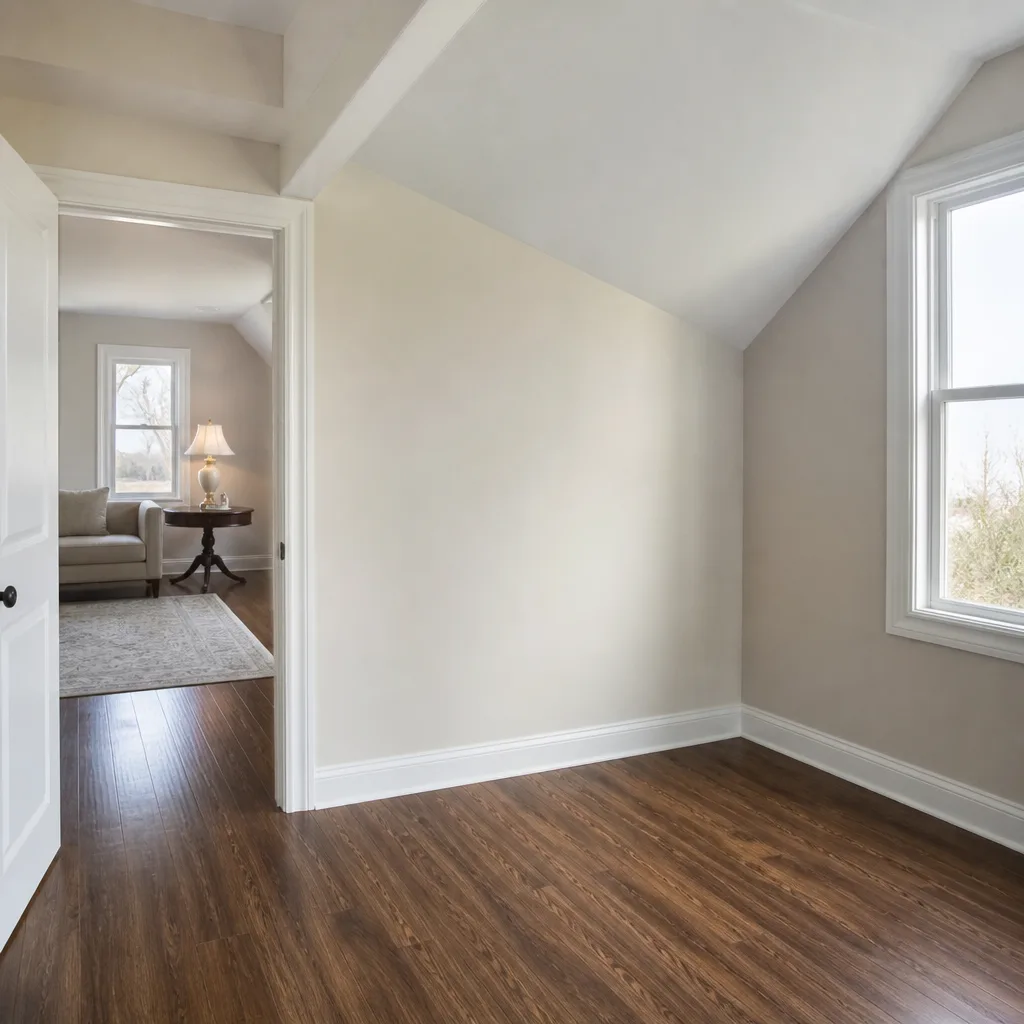
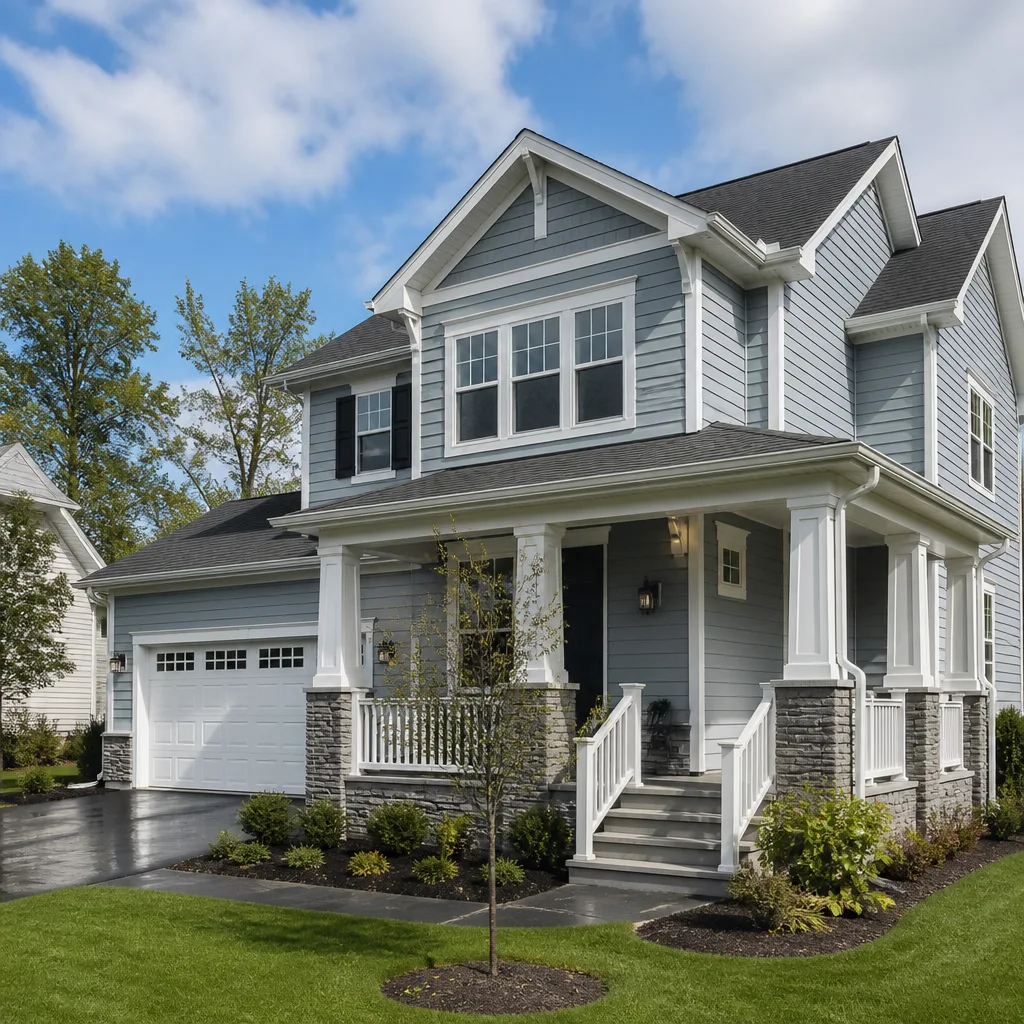
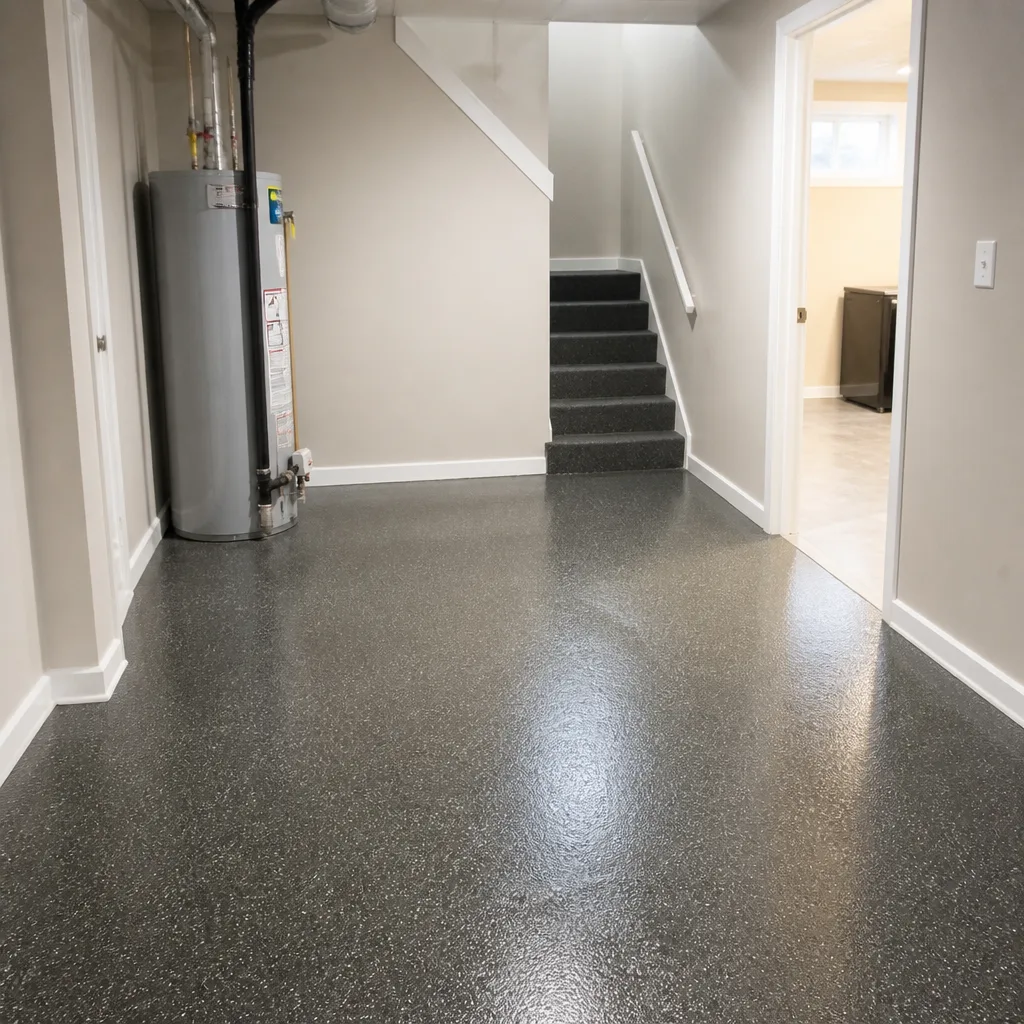
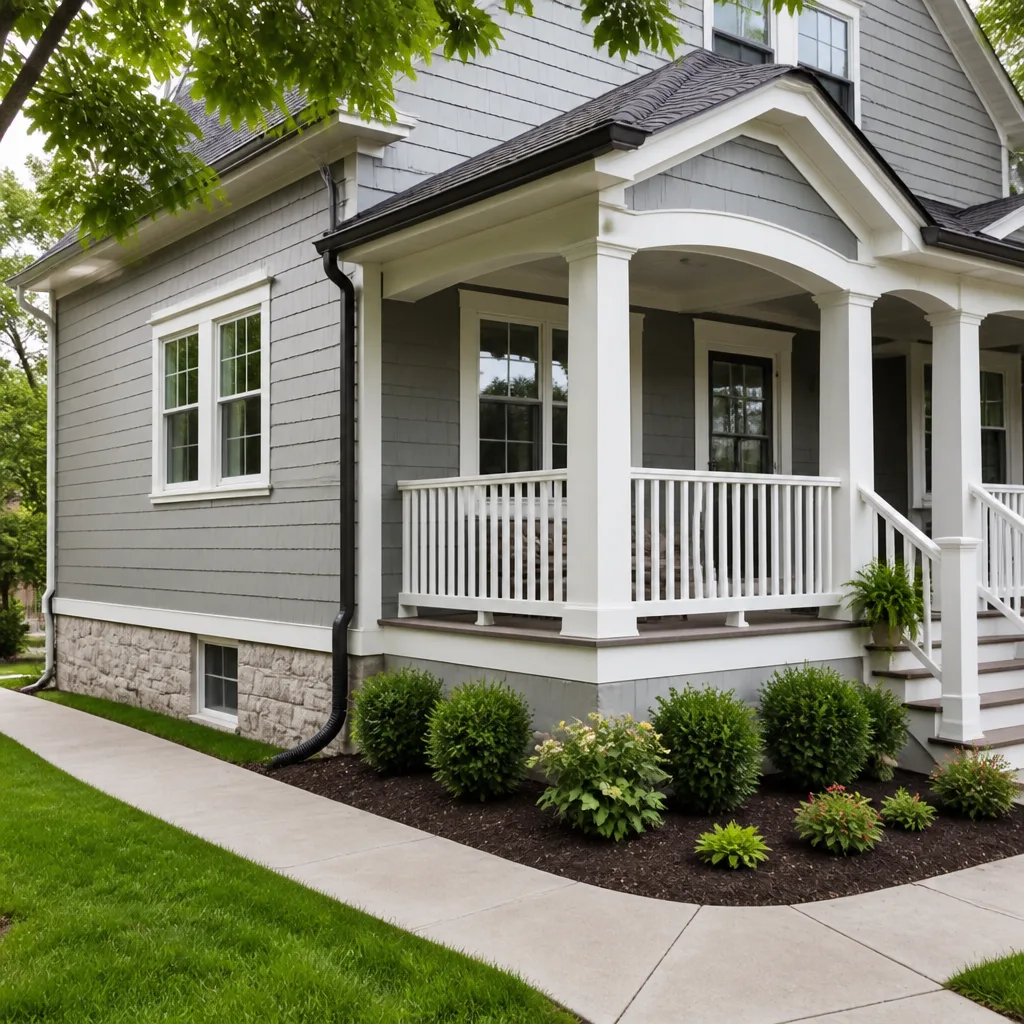
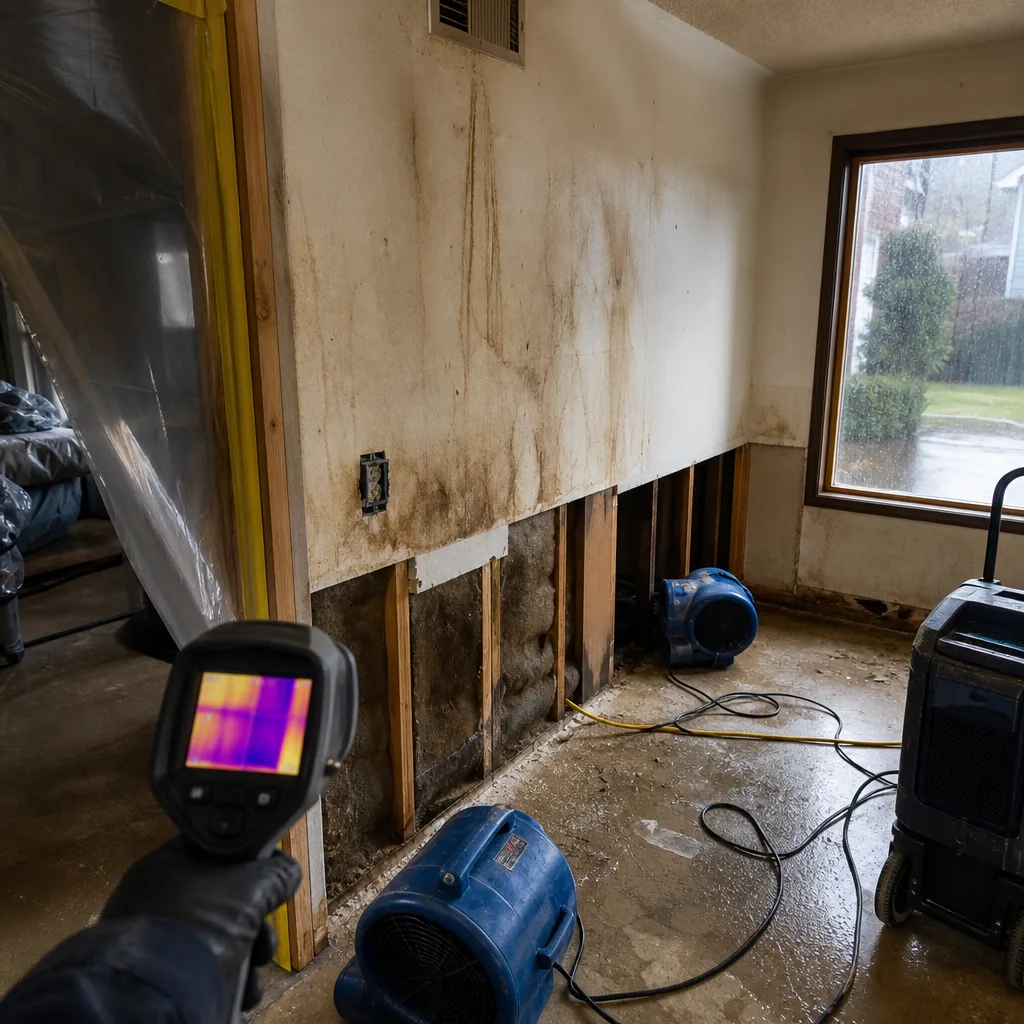 Before
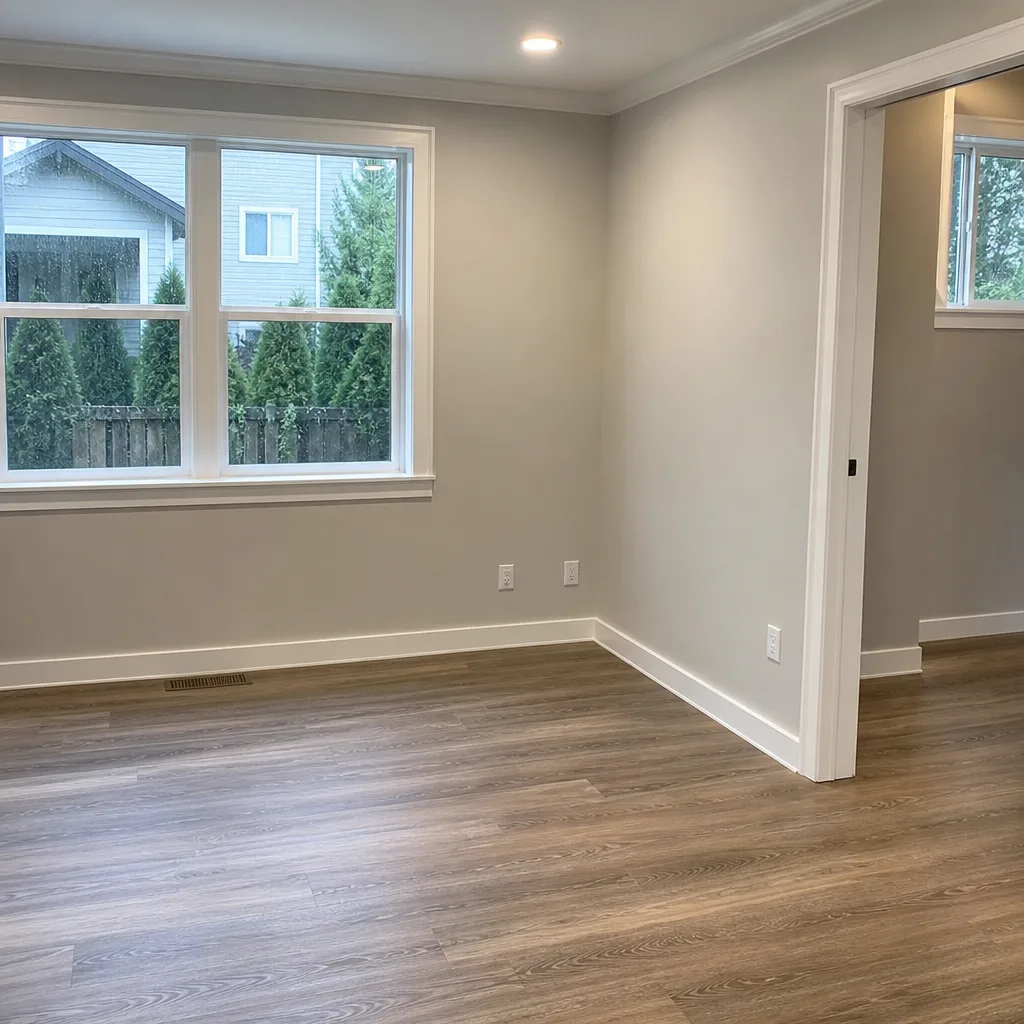 After
After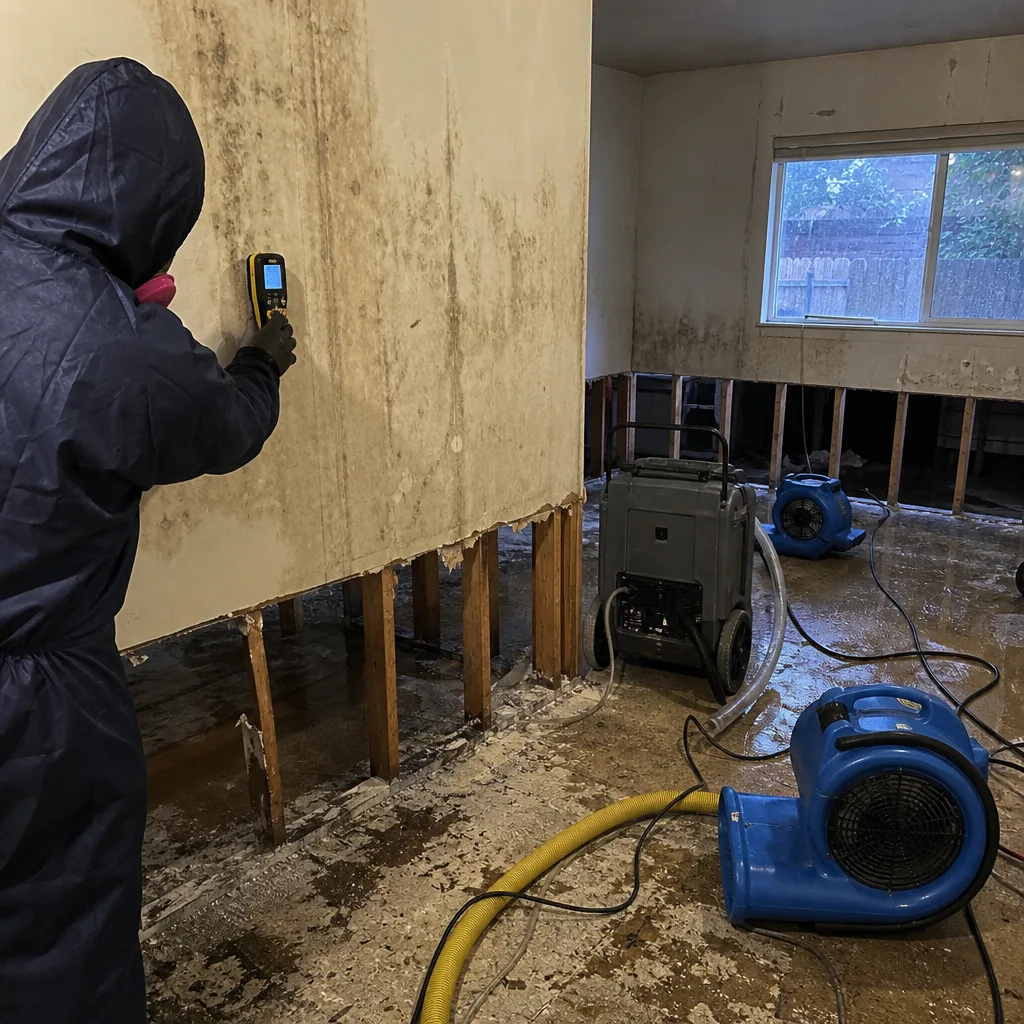 Before
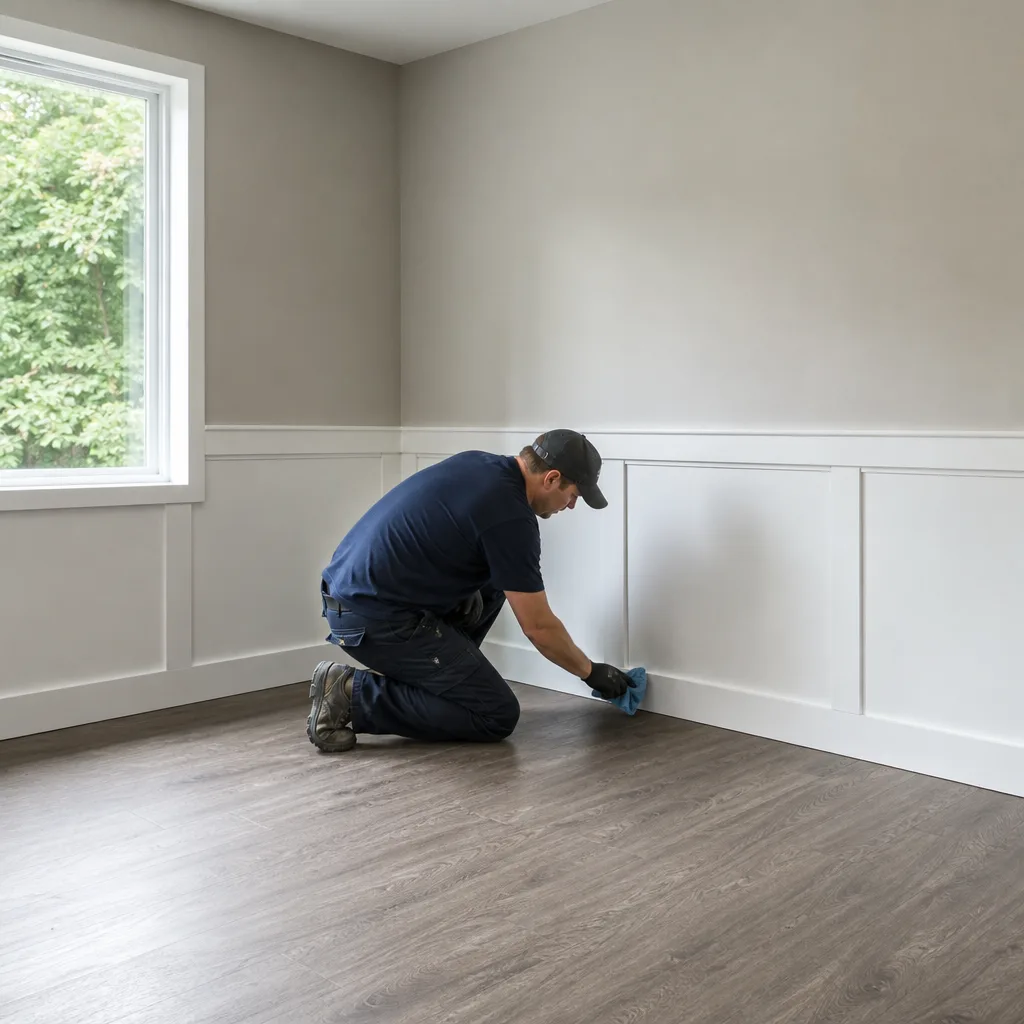 After
After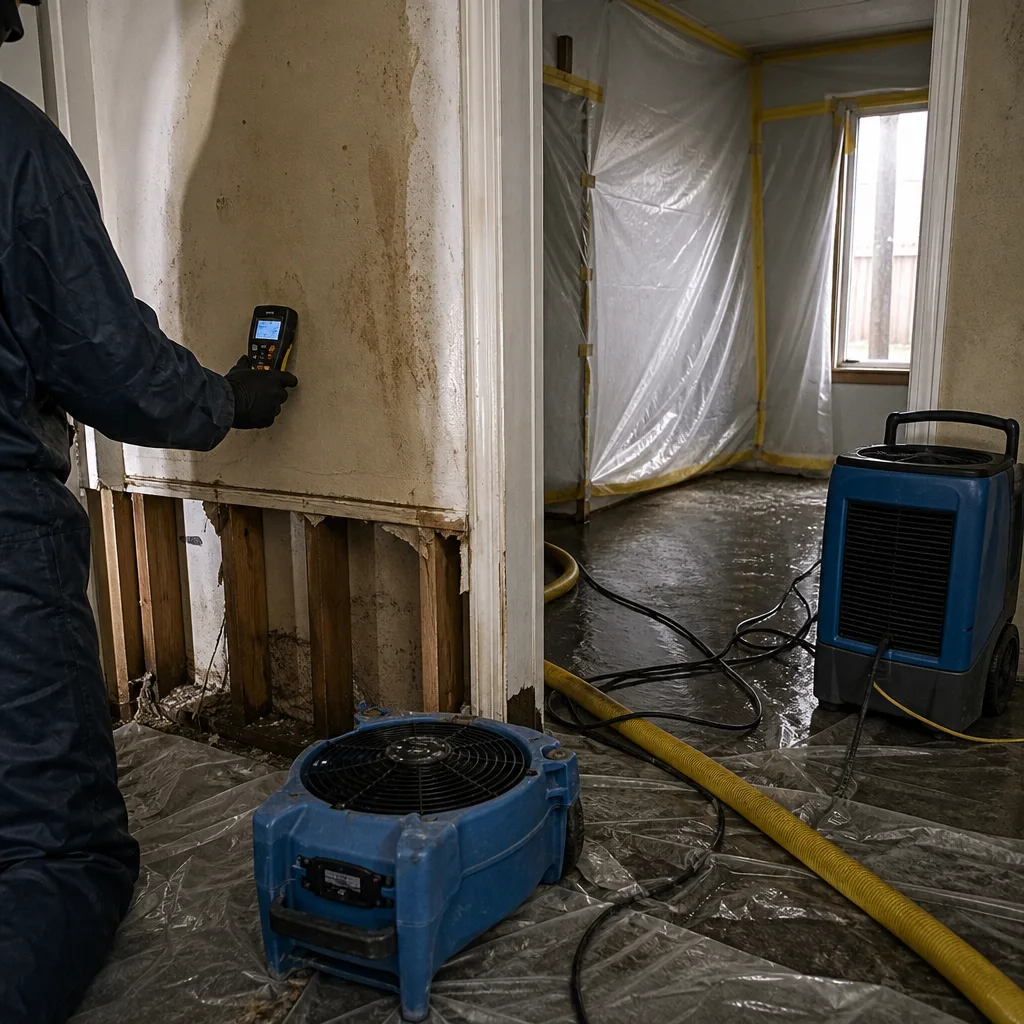 Before
 After
After24/7 Emergency Water Damage Restoration in Marysville
Water damage restoration in Marysville typically costs $1,800-$6,500 depending on category, square footage, and how long water sat before extraction began. Our crews answer live at (425) 696-6061 twenty-four hours a day, seven days a week, with no voicemail trees, and we dispatch to Marysville neighborhoods within 45 minutes of your call. The first hour determines whether a loss stays in the $2,000 range or climbs past $10,000, because Category 1 water becomes Category 2 in 24-48 hours once bacteria colonize, and OSB sheathing, the dominant wall material in Marysville’s 1990s-2000s subdivisions, begins delaminating at 20% moisture content. We perform a free visual inspection on arrival, document everything with photos, and deliver a written price before any equipment runs. Our Water Damage Restoration team is staffed by IICRC-certified technicians who understand the specific failure patterns of Marysville’s production-builder housing stock.
Understanding Water Damage Restoration Severity in Marysville Properties
Water damage falls into three categories, and Marysville’s geography makes the distinction expensive. Category 1 is clean water from a burst supply line or failed water heater. Category 2, gray water, carries microorganisms from dishwasher discharge, washing machine overflow, or sump pump failures. Category 3, black water, originates from sewage backup, Quilceda Creek flooding, or any water that has passed through ground soil. In Marysville, we see Category 2 escalate to Category 3 faster than in upland cities because chronically high water tables keep crawl spaces pre-saturated, so any intrusion picks up existing microbial load from damp soil and framing.
Moisture mapping with thermal imaging and penetrating hygrometers tells us what the eye cannot. We measure moisture content in drywall, OSB sheathing, bottom plates, and subfloor, then calculate the vapor pressure differential to determine how aggressively we must dry. Tertiary drying, the final phase, targets bound water in dense materials like Douglas fir framing common in older downtown Marysville homes. Psychrometric data, temperature and relative humidity readings taken every four hours, governs our equipment placement and tells us when materials have returned to pre-loss equilibrium moisture content.
Marysville’s housing stock splits into two risk profiles. The 1990s-2010s subdivisions along Highway 9 and I-5 use OSB sheathing and builder-grade housewrap that fails predictably at year 20-25. Older downtown homes, built from the 1910s through 1960s, use balloon framing with no vapor barrier, so water travels vertically through wall cavities and appears two rooms away from the original intrusion point.
Why Marysville Property Owners Choose DryMark Restoration Bothell
- 45-minute response commitment to Marysville addresses, measured from dispatch confirmation to crew arrival, because water migrates horizontally through carpet pad and vertically through wall cavities at measurable rates.
- 24/7 live answer by a real person, never an automated system or callback queue, because a homeowner standing in three inches of Quilceda Creek backflow at 2 a.m. needs a human who can dispatch immediately.
- IICRC-certified crews holding WRT (Water Damage Restoration Technician) and AMRT (Applied Microbial Remediation Technician) credentials, with license numbers documented on every job file for adjuster verification.
- Free visual inspection with moisture readings and photo documentation before any commitment or contract signature.
- Direct insurance billing with adjuster coordination from day one, including line-item estimates in Xactimate format that carriers recognize and pay without dispute.
- One team from extraction through reconstruction, so the crew that mapped your moisture profile on day one is the same crew that verifies drying completion and handles any rebuild.
BeforeAfterOur Water Damage Restoration Process
1. Inspection & Assessment
We arrive with thermal imaging cameras, penetrating and non-penetrating moisture meters, and hygrometers to map the full extent of water migration. In Marysville’s 1998-2005 tract homes, we specifically inspect west-facing walls for housewrap failure at window flanges, and we always check crawl spaces because high water tables hide secondary damage that interior-only assessments miss.
2. Extraction & Stabilization
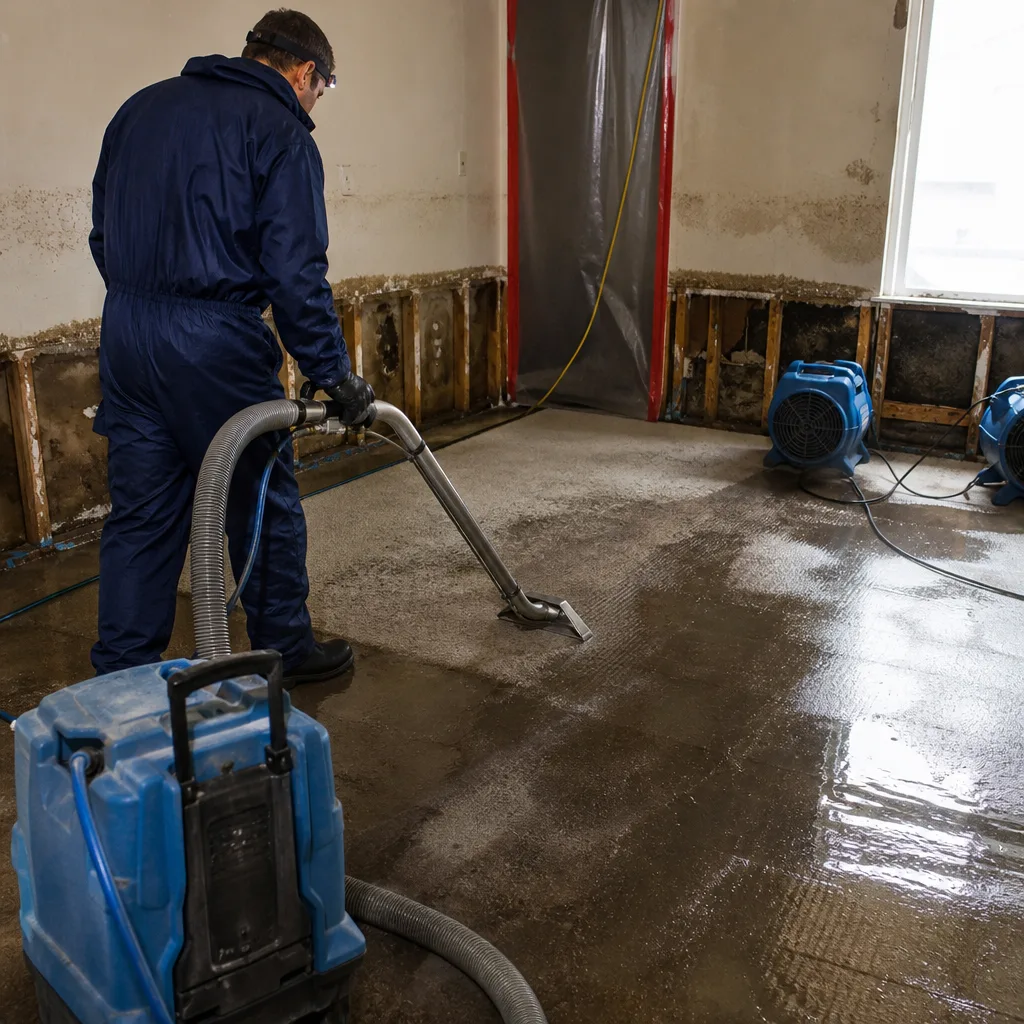
Truck-mounted extraction units remove standing water from flooring, followed by weighted extraction tools for carpet and pad. We deploy submersible pumps for crawl space flooding and set emergency roof tarps when fall wind events have driven rain through compromised 25-year composition roofing now expiring across Marysville subdivisions.
3. Drying & Dehumidification
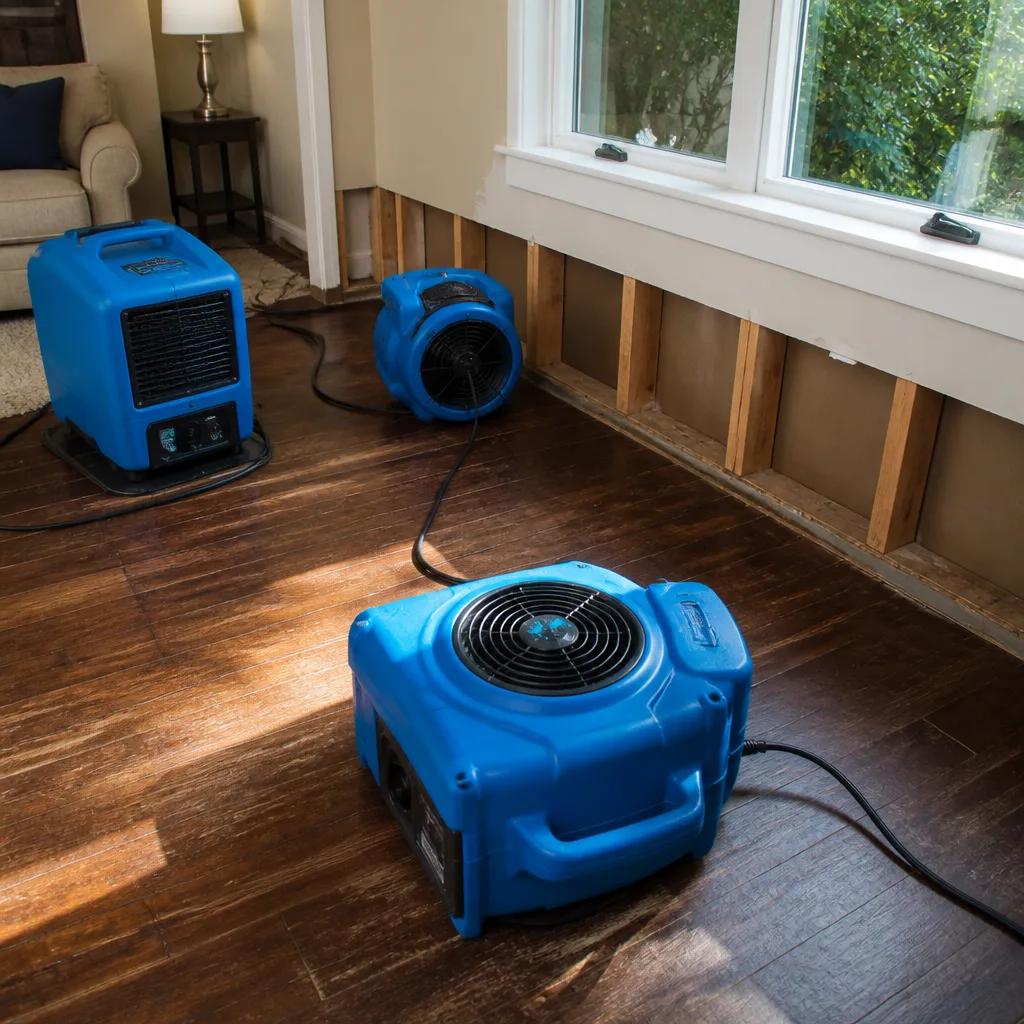
We calculate the specific humidity load and deploy Dri-Eaz and Phoenix LGR dehumidifiers with axial and centrifugal air movers positioned for laminar airflow across wet surfaces. In Marysville’s flat, humid terrain, we often run supplemental heat to maintain the 70-80°F temperature window that accelerates evaporation without damaging finishes.
4. Cleaning & Sanitization
Category 2 and 3 losses receive antimicrobial treatment on affected framing and subfloor, followed by HEPA air scrubbing to capture airborne particulates. We document application rates and dwell times for adjuster files, because Marysville’s damp crawl spaces frequently require treatment beyond the visible damage zone.
5. Moisture Verification & Documentation
We take moisture readings every 24 hours and produce daily drying logs that track each room’s progress toward pre-loss moisture content. These logs, with photo documentation of meter readings, are delivered to your adjuster as evidence that drying was completed to IICRC S500 standards, not guessed at.
6. Repairs & Restoration
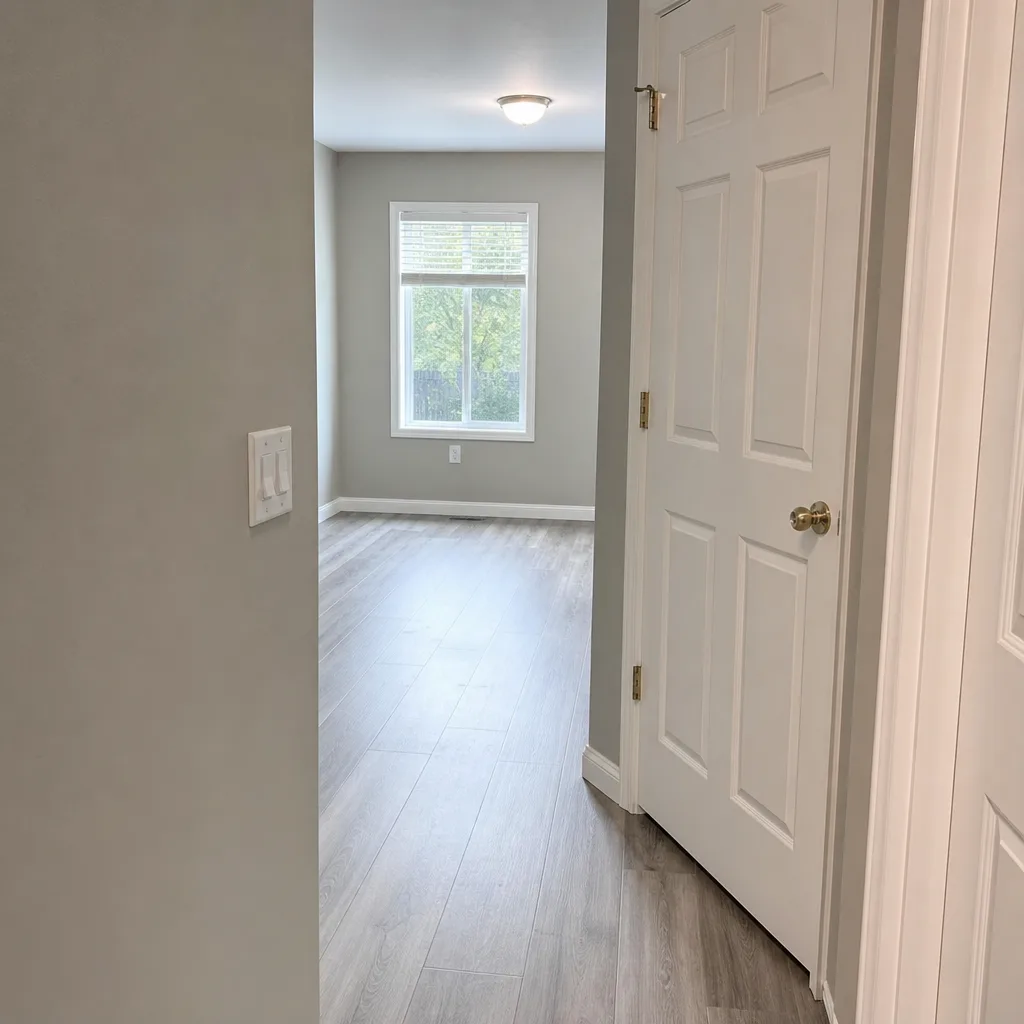
Once drying is verified, we provide a written scope for reconstruction: drywall replacement, flooring reinstall, trim carpentry, and paint. Haven Standard, Clause 1 applies again here: written price before any rebuild work begins, with no additions once the crew is inside your home.
Need Emergency Water Damage Restoration in Marysville Now?
Crews minutes away, answering live 24 hours a day. The sooner we start, the less it costs.
Working With Your Insurance Company
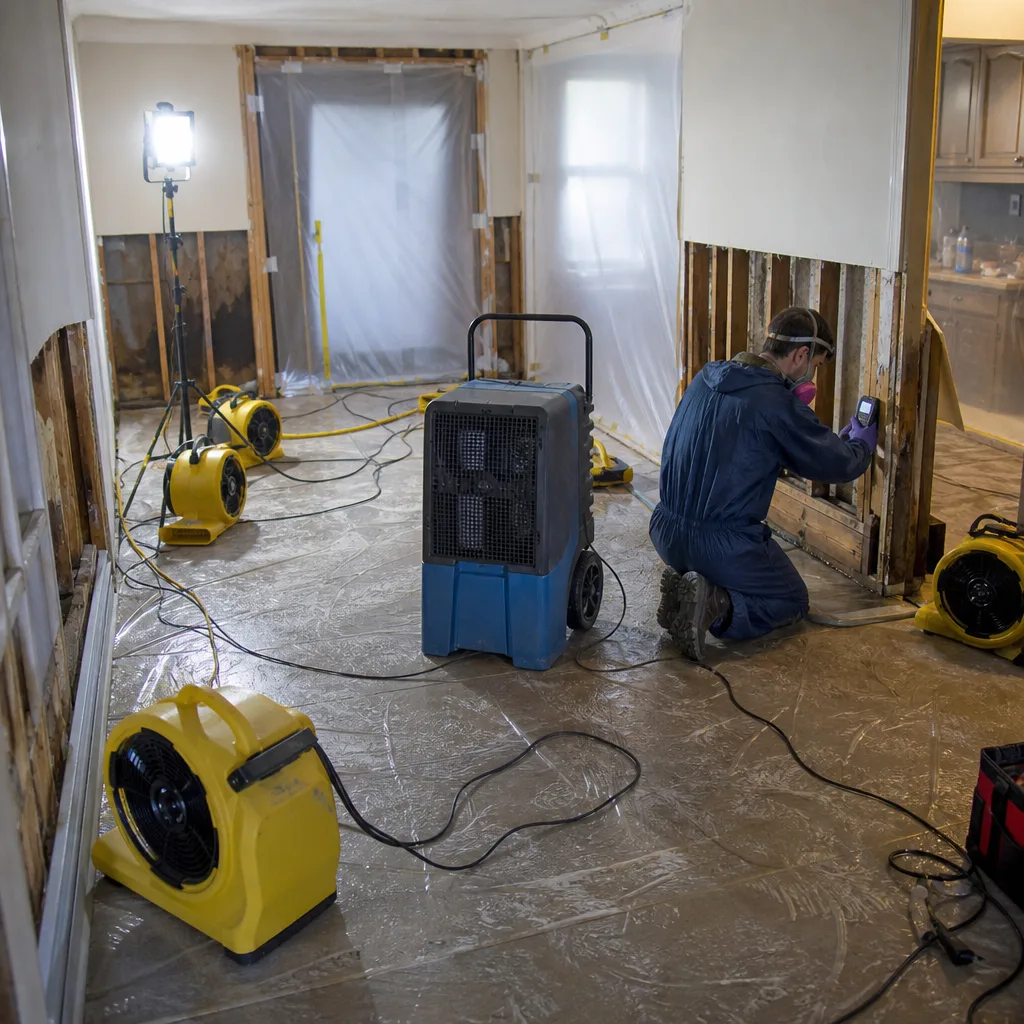
Insurance claims fail when documentation does. We begin building your file from the first photo on arrival, and we know what adjusters need because our company was founded by a former claims adjuster who watched homeowners lose coverage over missing moisture readings and undated photo records. Our estimates follow industry-standard Xactimate pricing, and we communicate directly with your carrier’s assigned adjuster, not through you as intermediary.
We provide every documentation element that turns a questioned invoice into a paid claim. This includes thorough documentation of the loss, photos of all damage room by room, moisture readings and drying logs, a detailed line-item scope of work, and direct coordination with your carrier.
What We Provide Your Insurer
- Thorough documentation of the loss
- Photos of all damage, room by room
- Moisture readings and drying logs
- A detailed, line-item scope of work
- Direct coordination with your carrier
Built for Marysville’s Loss Calendar
January through March brings the deepest risk: Arctic outflow events drop temperatures into the teens, and Marysville’s 1990s-2000s subdivisions have exterior hose bibs and crawl space plumbing that builders insulated to minimum code. Burst pipe calls spike when thaw follows hard freeze, often affecting the Soper Hill Road corridor and 67th Avenue NE area where slab-on-grade construction puts supply lines in exterior walls.
April through June, spring rains saturate the already-high water table, and Quilceda Creek swells with snowmelt from the Cascades. We see crawl space flooding in neighborhoods that have never flooded before, particularly east of I-5 where drainage infrastructure from the development boom is now aging past design life.
October through December is Marysville’s highest-loss period. Forty-plus inches of annual rainfall concentrate here, and the first fall storms reveal roof deck failures on 25-year composition shingles installed in the 1998-2005 building wave. West-facing walls take the brunt, and the housewrap failures we’ve documented across hundreds of homes become active intrusion points. Heavy rain events push Quilceda Creek into neighborhoods outside mapped FEMA zones, leaving homeowners without flood coverage facing Category 3 water damage they must fund themselves.
Water Damage Restoration Across Marysville’s Neighborhoods
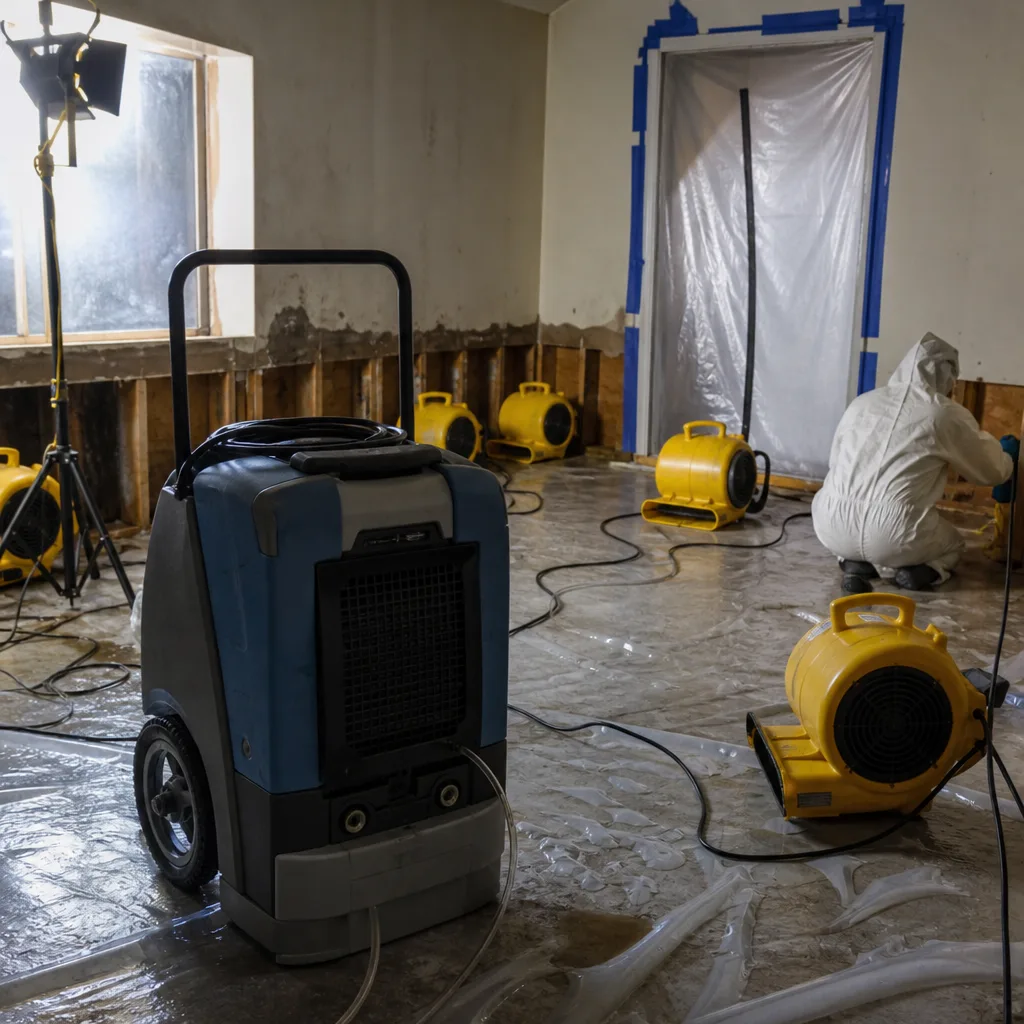
The Soper Hill Road corridor, running east from downtown through the 1990s and early-2000s subdivisions, generates our highest volume of housewrap-failure calls. West-facing bedrooms and living rooms show elevated moisture behind vinyl siding, and by the time homeowners notice a musty smell, mold has colonized multiple wall bays. We set full containment before opening walls, run air scrubbers during demolition, and document every stage for adjuster review.
North along 67th Avenue NE, the same production-builder subdivisions repeat the pattern, with the added factor of proximity to Quilceda Creek tributaries. Crawl spaces here stay damp year-round from groundwater, so any plumbing leak or exterior intrusion compounds existing moisture load. We always moisture-map the full crawl space perimeter, not just the visible wet area.
Downtown Marysville, the original grid near State Avenue and 4th Street, holds early-to-mid-20th century homes with balloon framing and no vapor barriers. Water intrusion in these structures travels fast and far, appearing as ceiling stains two rooms from the actual leak. Our thermal imaging pinpoints the source before we cut any drywall, saving original lath-and-plaster finishes where possible.
The newer developments west of I-5, built from 2005-2015, have better housewrap and window flashing but still use OSB sheathing vulnerable to prolonged dampness. We see fewer catastrophic failures here, more gradual crawl space moisture issues from the high water table that homeowners ignore until mold affects indoor air quality.
Specialized Water Damage Restoration Services We Offer in Marysville
Emergency Water Extraction
Standing water begins wicking into drywall within minutes and reaches insulation in hours. Our truck-mounted extraction units remove thousands of gallons per hour, and we deploy specialized tools for weighted carpet extraction and hard surface squeegee recovery. In Marysville’s flat terrain, where water tables prevent natural drainage, rapid extraction is the difference between a contained loss and a crawl space flood that requires full subfloor drying.
Structural Drying & Dehumidification
We calculate the specific humidity of the affected space and size Dri-Eaz and Phoenix LGR dehumidifiers to the load, then position air movers for optimal airflow across wet materials. In Marysville’s chronically humid environment, we monitor psychrometric data every four hours and adjust equipment placement until moisture readings match pre-loss baselines. Daily drying logs document progress for your adjuster and our own quality verification.
Flood Cleanup
Quilceda Creek flooding brings Category 3 water into Marysville neighborhoods that have never carried flood insurance because they sit outside FEMA-mapped zones. We treat these losses as black water from arrival: full PPE, antimicrobial treatment, removal of porous materials that cannot be sanitized, and HEPA air scrubbing until clearance testing confirms safe indoor air quality.
Burst Pipe Restoration
Marysville’s freeze-thaw cycle hits hardest in slab-on-grade homes with exterior wall plumbing, concentrated in the 1998-2005 building wave. We extract, dry, and document the full migration path, including wall cavities and crawl spaces where water traveled before the homeowner found the leak. Our written scope includes plumbing repair coordination and full reconstruction of affected finishes.
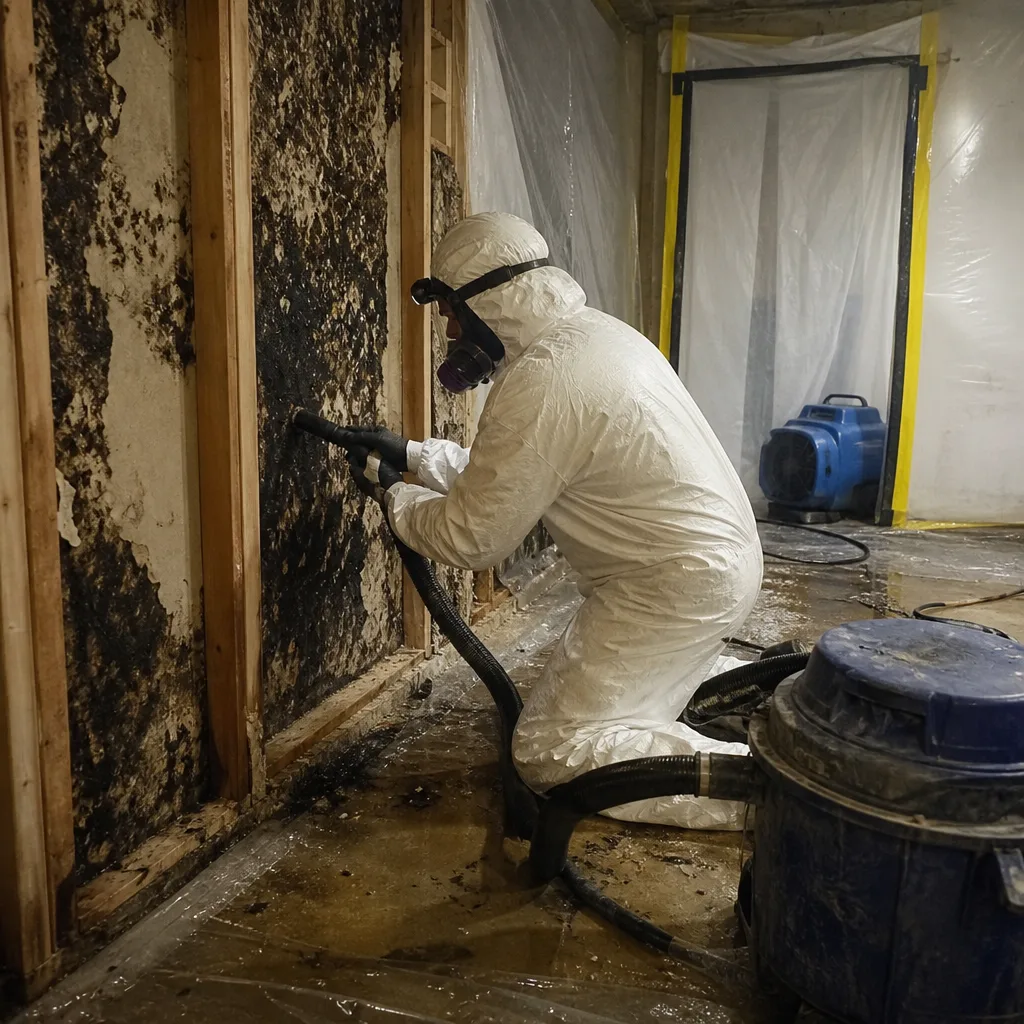
Ceiling & Roof Leak Water Damage
Twenty-five-year composition roofing installed during Marysville’s building boom is now failing en masse. We perform emergency tarping to stop active intrusion, then map the full damage zone with thermal imaging because water travels along rafters and appears far from the actual roof breach. Ceiling drywall, insulation, and sometimes roof deck require replacement; we scope and price everything in writing before work begins.
What happens when you call
- 1
A real person answersNo phone trees - you reach a local pro.
- 2
You get an upfront price rangeHonest numbers before anyone is dispatched.
- 3
A background-checked tech heads outLicensed & insured, dispatched right away.
- 4
You approve before work beginsNothing starts until you say go.
Water Damage Restoration Costs in Marysville, WA
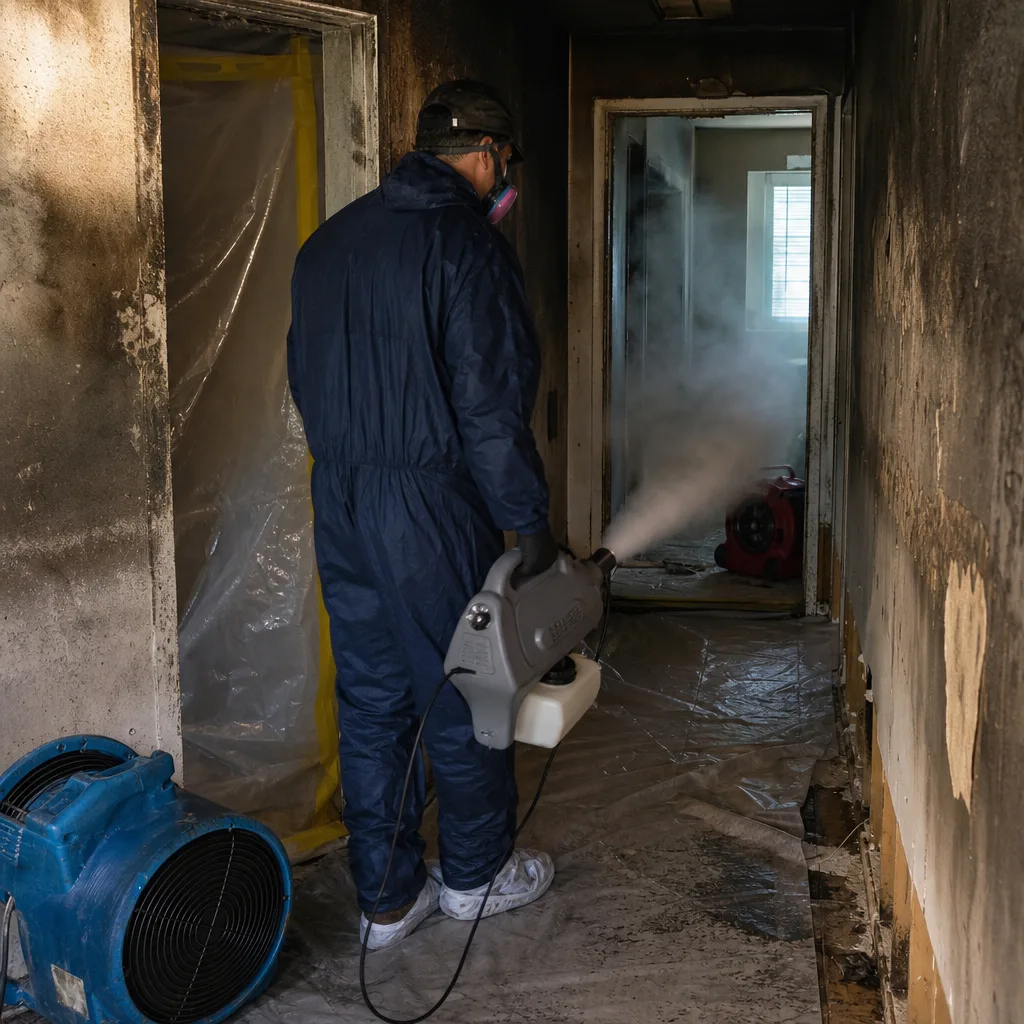
A typical emergency water extraction in Marysville runs $800-$1,800 for a contained single-room loss with Category 1 water and no structural damage. Structural drying and dehumidification for a standard 1,200-square-foot main floor adds $1,500-$3,200 depending on days of equipment rental and whether crawl space drying is required. Full-service water damage restoration, including extraction, drying, material removal, and reconstruction of drywall and flooring, ranges $4,500-$12,000 for Marysville’s typical 1,800-2,400 square foot production-builder home.
Category 3 flood losses, or Category 2 losses that sat more than 48 hours before extraction, run higher because porous materials must be removed and antimicrobial treatment applied to all affected framing. These jobs typically start at $6,500 and can exceed $15,000 if mold colonization has spread beyond the original water damage zone.
Insurance covers most sudden and accidental water damage, including burst pipes and roof leaks, but excludes gradual deterioration like failed housewrap that went unaddressed for years. We review your policy language, document the sudden event that triggered the loss, and work directly with your adjuster to establish coverage. Our free visual inspection includes a preliminary scope and price range, with the firm written price delivered before any work begins, per Haven Standard, Clause 1.
We Also Serve Cities Near Marysville
Our crews respond throughout Snohomish County from dispatch coordination at our Seattle office. We serve Marysville directly, and we regularly handle losses in Everett to the south, Mukilteo on the waterfront, Monroe to the east along Highway 2, and Lynnwood for larger commercial and residential properties. Each city carries distinct building stock and risk patterns, and our documentation protocols adapt to the specific adjuster expectations of each market.
Serving Marysville, WA - Our Local Coverage Area
We’re based in the Marysville area and know this community well. Use the map below to see our service coverage - if you’re nearby, we can almost certainly help.
Marysville Water Damage Restoration Questions, Answered
My Marysville home was built in the early 2000s - why does the wall behind my vinyl siding keep getting wet?
Builder-grade housewrap installed on Marysville tract homes from 1998-2005 was commonly lapped incorrectly at window flanges, so two decades of west-facing rain have wicked into the wall cavity behind your vinyl siding. By the time you smell mustiness, the OSB sheathing and bottom plates are often fully colonized with mold across multiple bays. We verify this with moisture mapping and thermal imaging, then scope remediation that includes wall opening, antimicrobial treatment, structural drying, and reconstruction with proper flashing. Call (425) 696-6061 for a free inspection and written price.
My Marysville neighborhood isn’t in a mapped FEMA flood zone - do I still need to worry about Quilceda Creek flooding?
Yes. Heavy fall rain events regularly push Quilceda Creek water into Marysville neighborhoods outside mapped FEMA zones, and homeowners without flood coverage often delay calling until Category 2 or 3 water has soaked into OSB and subfloor. We treat all Quilceda Creek-driven intrusion as Category 3 from arrival and document the event timeline for potential coverage review. Even without flood insurance, some policies cover water backup or sudden discharge if we can establish the proximate cause. Call (425) 696-6061 and we’ll review your situation at no charge.
How fast does mold start after water gets into my Marysville home?
Mold colonization begins on damp organic materials within 24-48 hours, and Marysville’s chronically high humidity accelerates this timeline. OSB sheathing, the dominant wall material in local 1990s-2000s homes, provides ideal substrate once moisture content exceeds 20%. We begin antimicrobial treatment and structural drying within hours of extraction to interrupt colonization, and we document moisture readings every 24 hours until materials return to pre-loss levels. Delaying extraction by even one day can convert a $3,000 drying job into a $10,000 remediation with full wall removal. Call (425) 696-6061 for immediate response.
What’s the difference between Category 1, 2, and 3 water in a Marysville water damage job?
Category 1 is clean water from a burst supply line or water heater. Category 2, gray water, carries microorganisms from appliances, sump pumps, or groundwater intrusion in Marysville’s high-water-table crawl spaces. Category 3, black water, originates from sewage backup or Quilceda Creek flooding and requires full removal of porous materials and antimicrobial treatment of all affected surfaces. In Marysville, we see Category 1 escalate to Category 2 faster than drier cities because pre-saturated crawl spaces and wall cavities add microbial load to any new water intrusion. We test and classify on arrival, then scope accordingly. Call (425) 696-6061 for classification and a written scope.
Do you use drying logs and documented moisture readings on Marysville water damage jobs?
Yes. Every job receives daily moisture readings with penetrating and non-penetrating meters, recorded in drying logs that track each room’s progress toward pre-loss equilibrium moisture content. These logs, with time-stamped photos of meter readings, are standard deliverables included in every file we submit to adjusters. This documentation is why insurers pay our invoices without dispute, and it’s the core of what differentiates our work from crews who guess at dryness and leave homeowners with hidden moisture that becomes mold six months later. Call (425) 696-6061 to discuss documentation protocols for your loss.
How fast can your crew actually get to my Marysville home?
We commit to 45 minutes from dispatch confirmation to arrival at Marysville addresses, and we answer live at (425) 696-6061 twenty-four hours a day with no voicemail trees. Dispatch and scheduling are coordinated from our Seattle office, with crews serving Marysville locally. Response time matters because water migrates through carpet pad at approximately one foot per hour and wicks up drywall at six inches per hour. The first hour determines whether we can save your carpet and pad or must remove both.
Will my insurance cover water damage restoration, or am I paying out of pocket?
Most sudden and accidental water damage is covered, including burst pipes, failed water heaters, and roof leaks from storm damage. Gradual deterioration, like the housewrap failures common in Marysville’s 1998-2005 homes, is typically excluded as maintenance-related. We review your policy, document the sudden event that triggered the loss, and communicate directly with your adjuster to establish coverage before work begins. Our written scope and Xactimate-formatted estimate speak the language adjusters recognize, which reduces dispute and speeds payment. Call (425) 696-6061 for a free inspection and coverage review.
Can my family stay in the home during water damage restoration?
For Category 1 losses confined to one room, often yes, once extraction is complete and air movers are positioned. For Category 2 or 3 losses, or any job involving mold colonization, we recommend temporary relocation because HEPA air scrubbers and antimicrobial treatments create occupied-space challenges, and disturbed mold spores affect air quality until containment is complete. We discuss this during our free visual inspection and can coordinate with your adjuster if additional living expenses are covered under your policy. Call (425) 696-6061 to review your specific situation.
Written by Alicia Brennan, Owner at DryMark Restoration Bothell, serving Marysville since 2011.
Water Damage Restoration in Nearby Areas