
Free visual inspection and a written scope of work before any mitigation begins - photos, moisture readings, and drying logs go in your claim file
The scope we write is the scope we bill. Anything new gets shown to you, in writing, before we touch it.
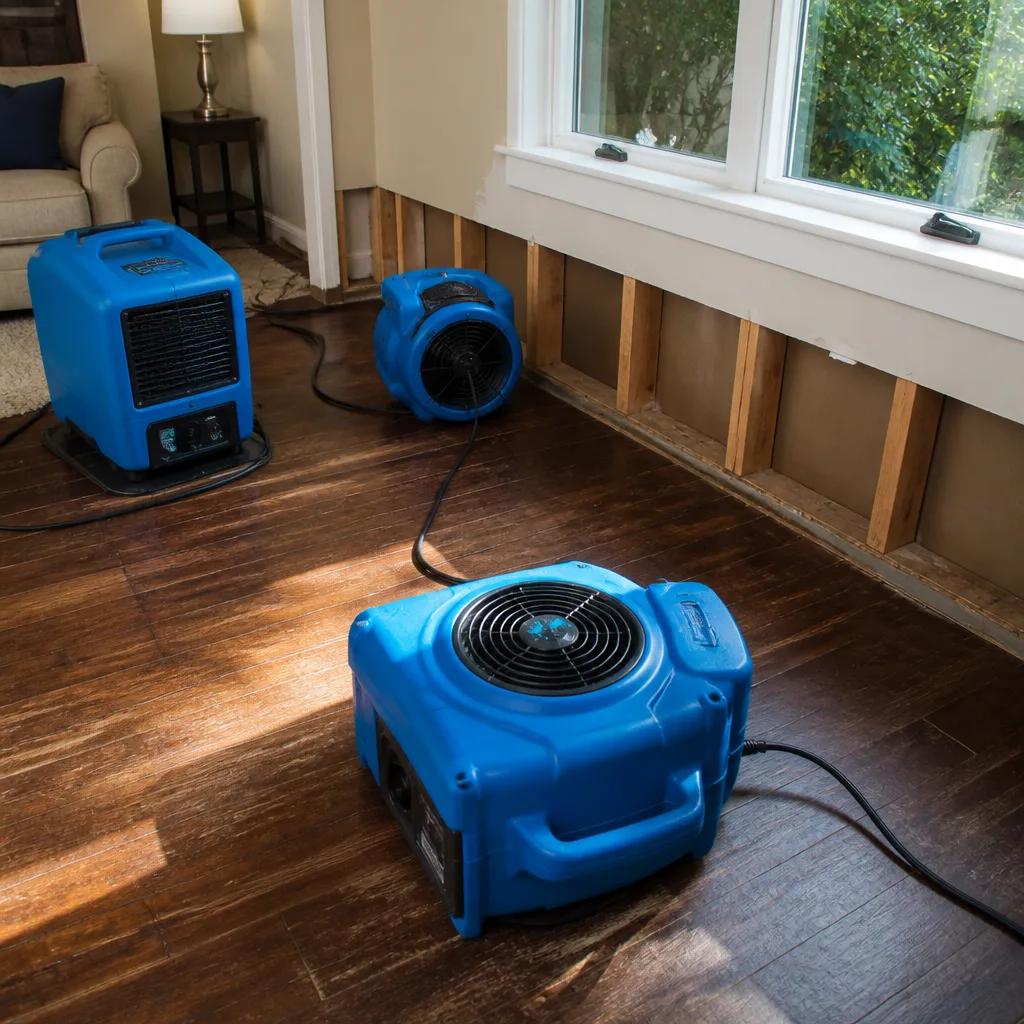
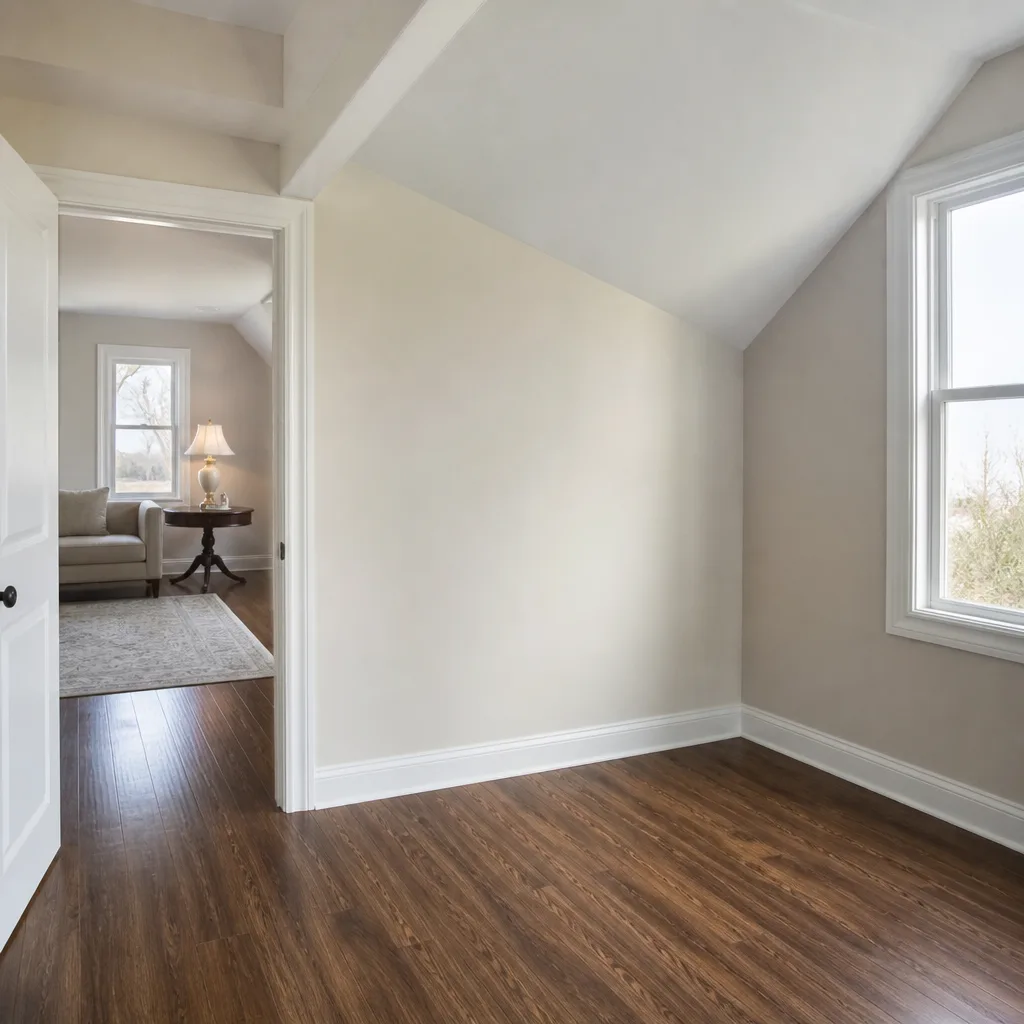
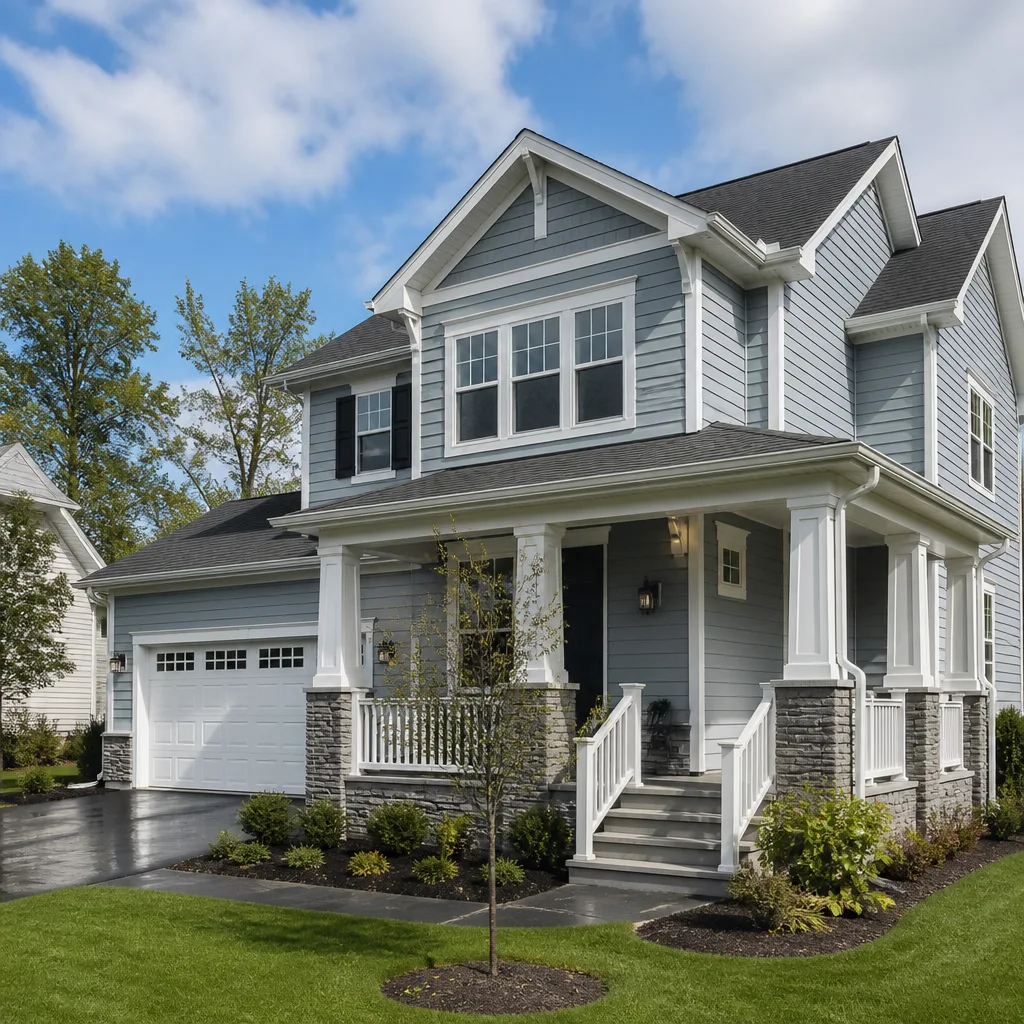
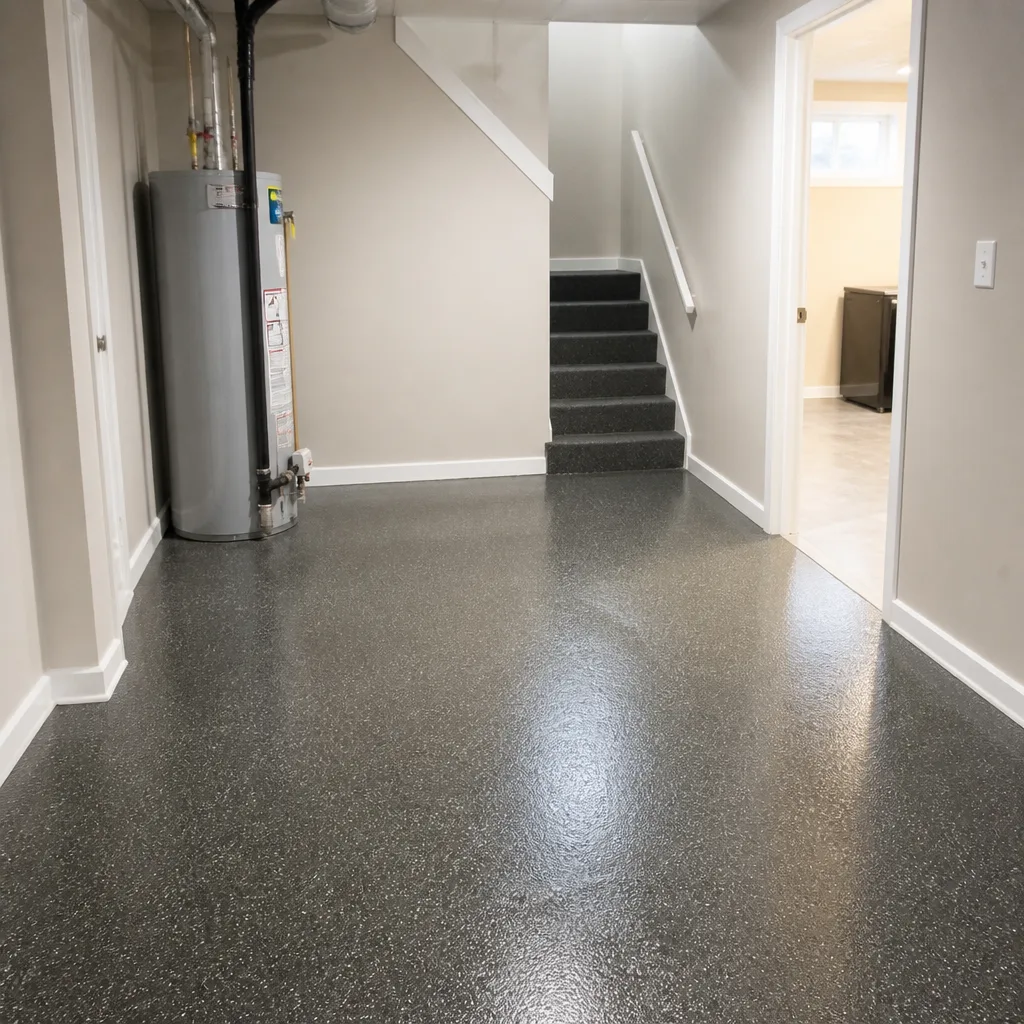
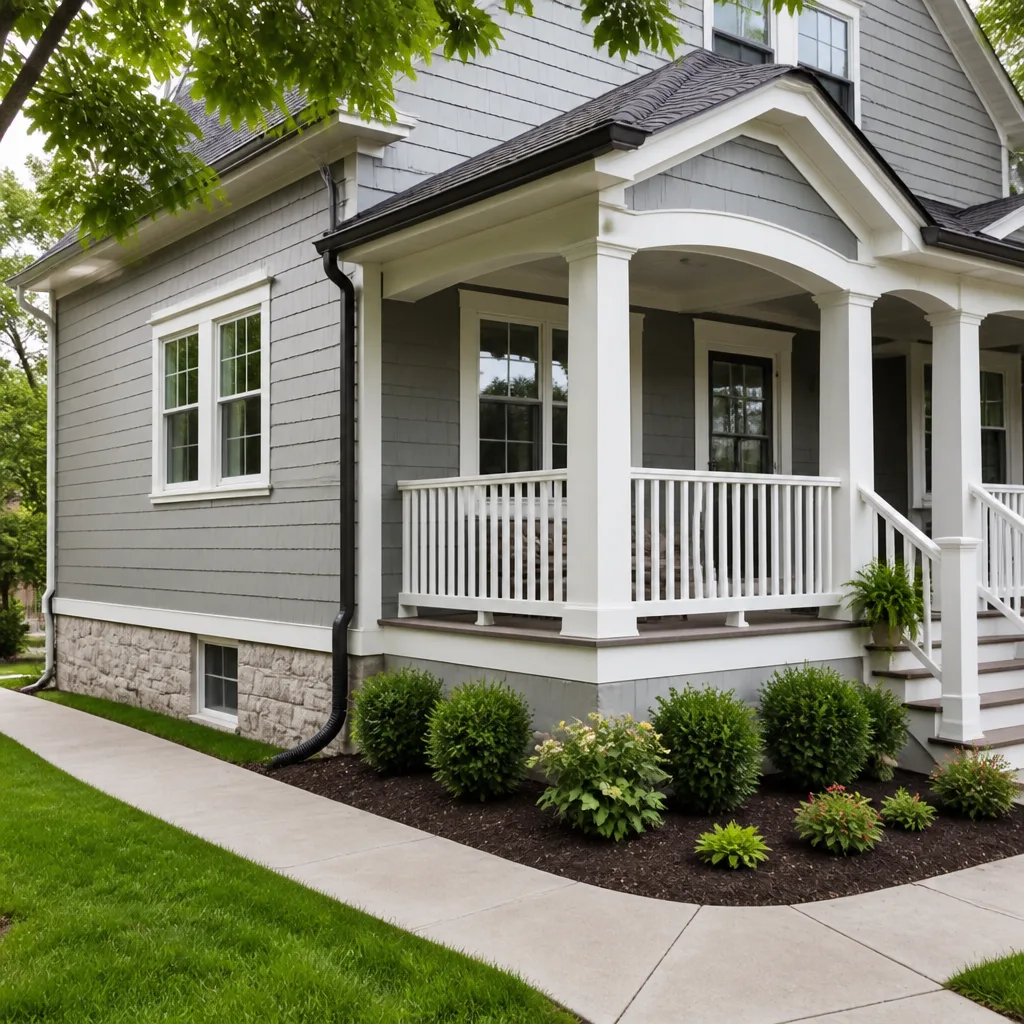
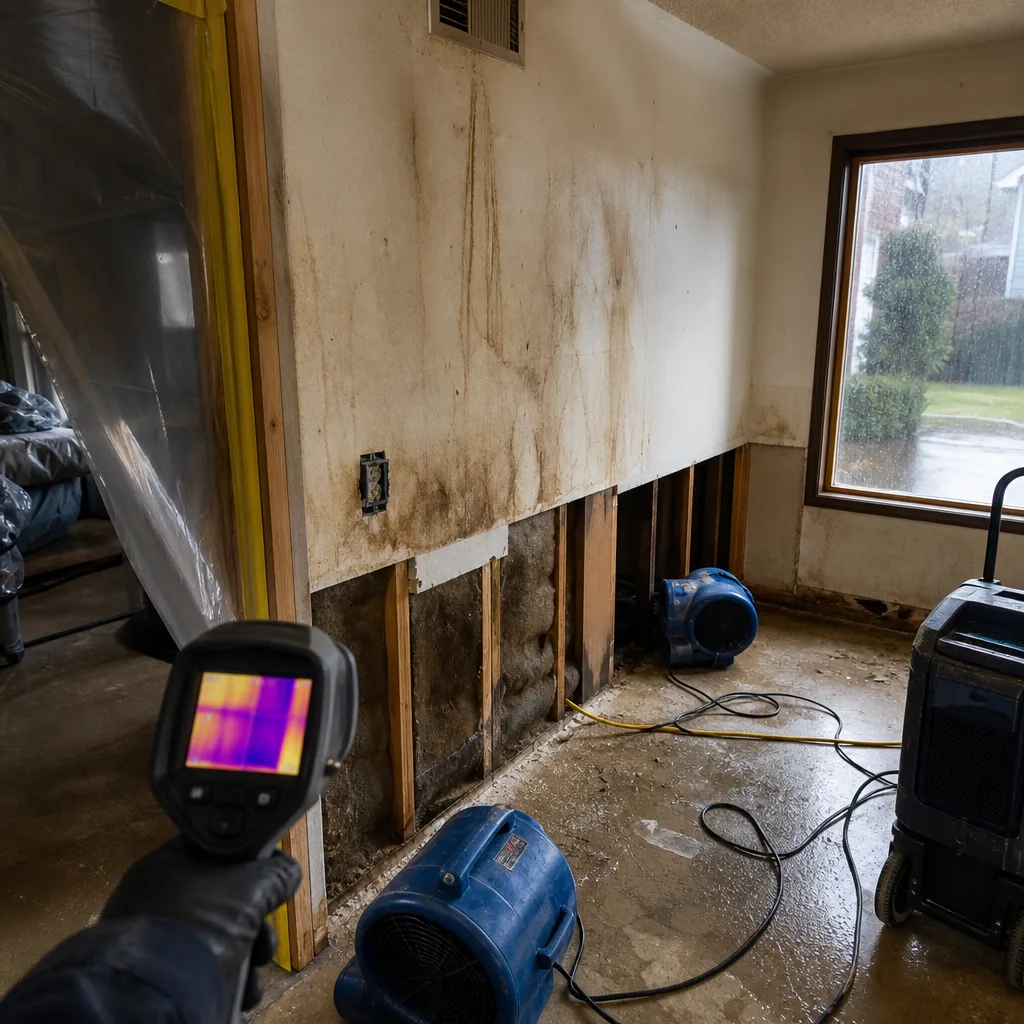 Before
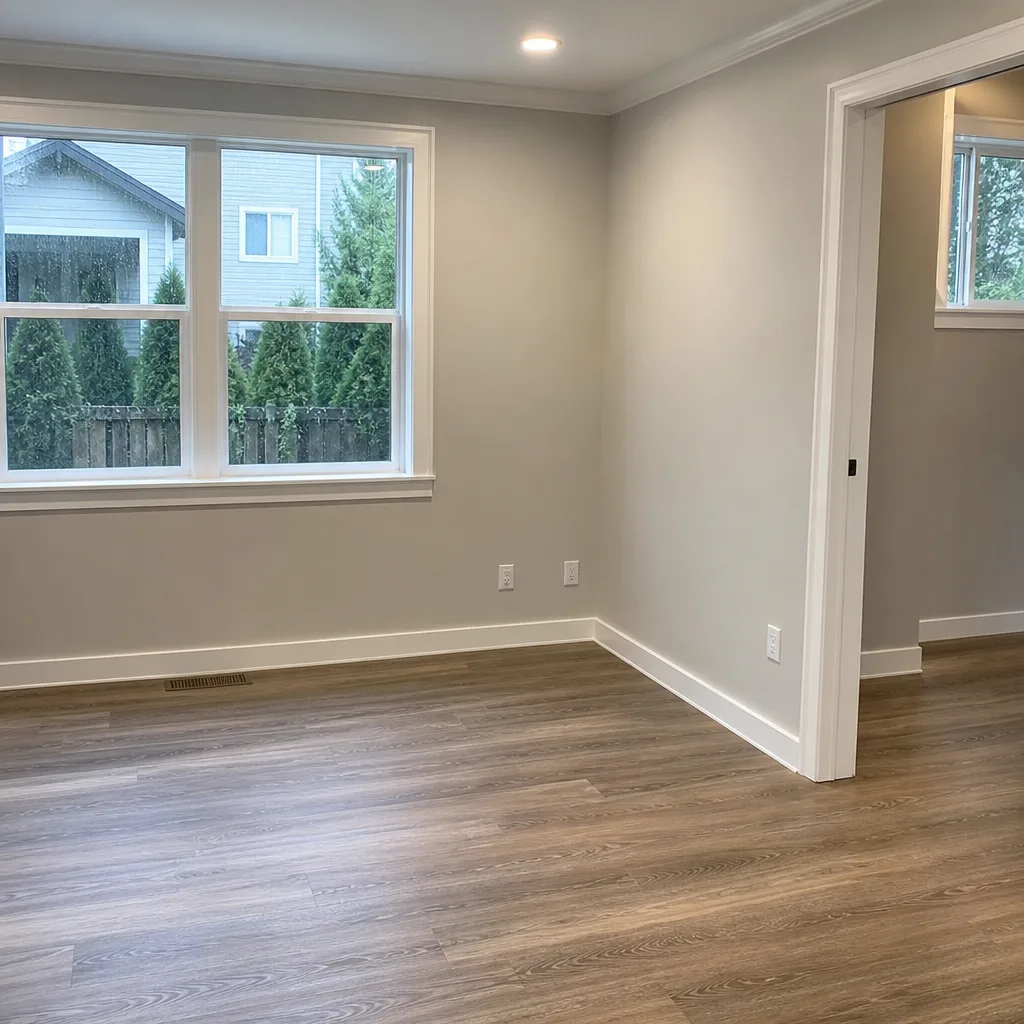 After
After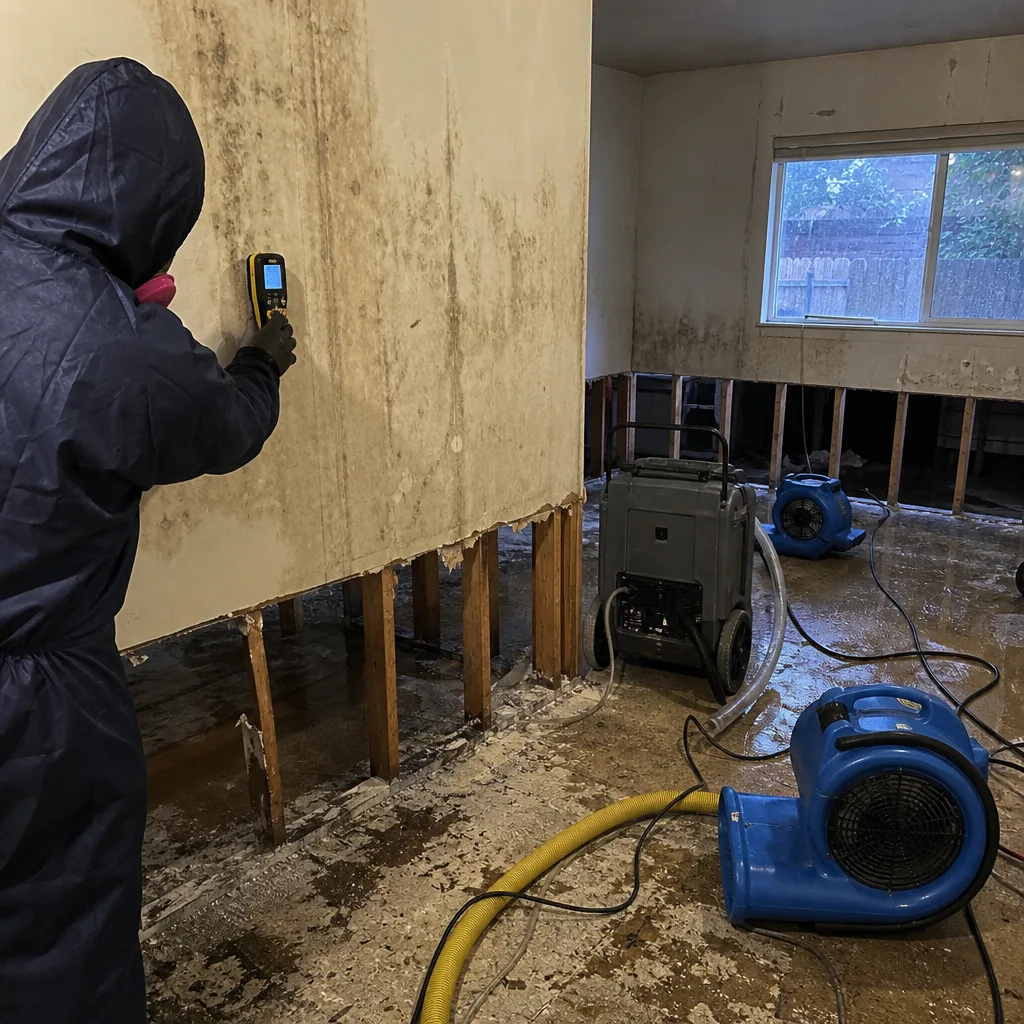 Before
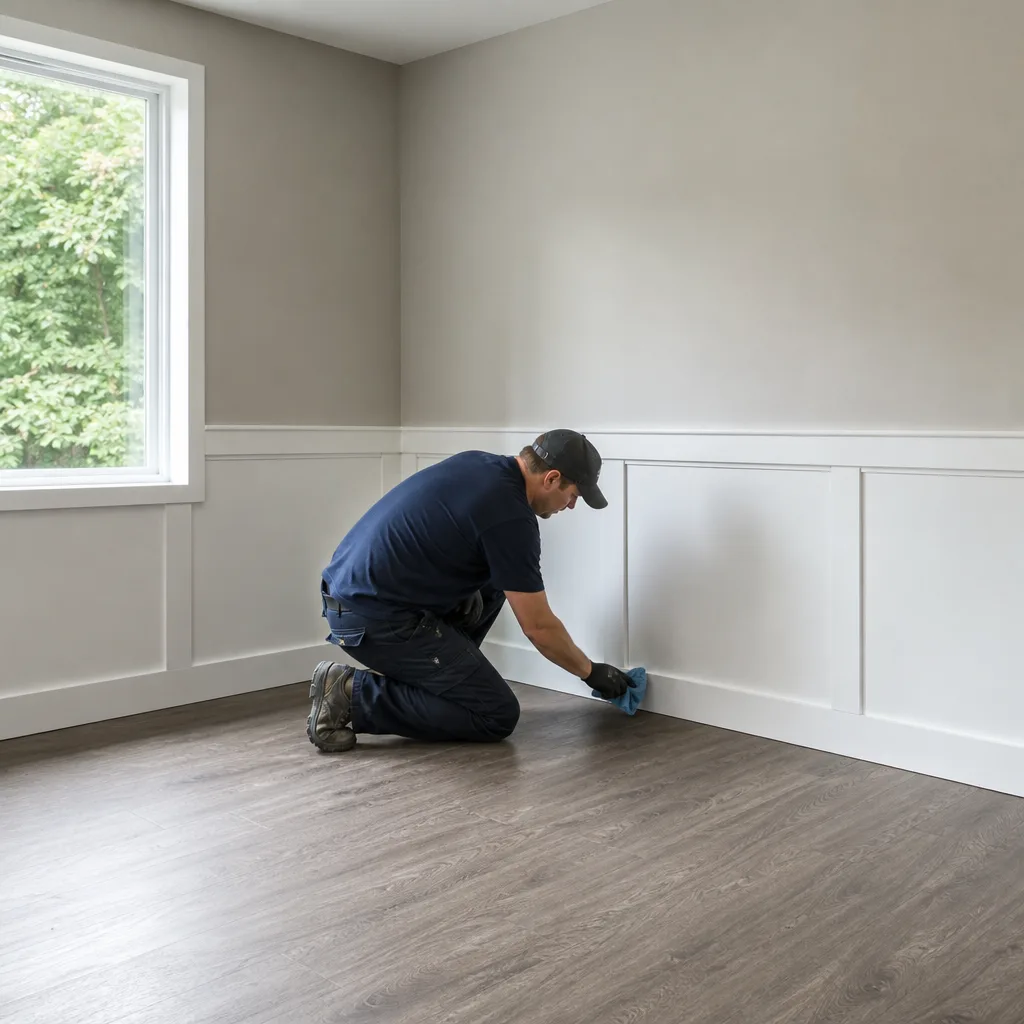 After
After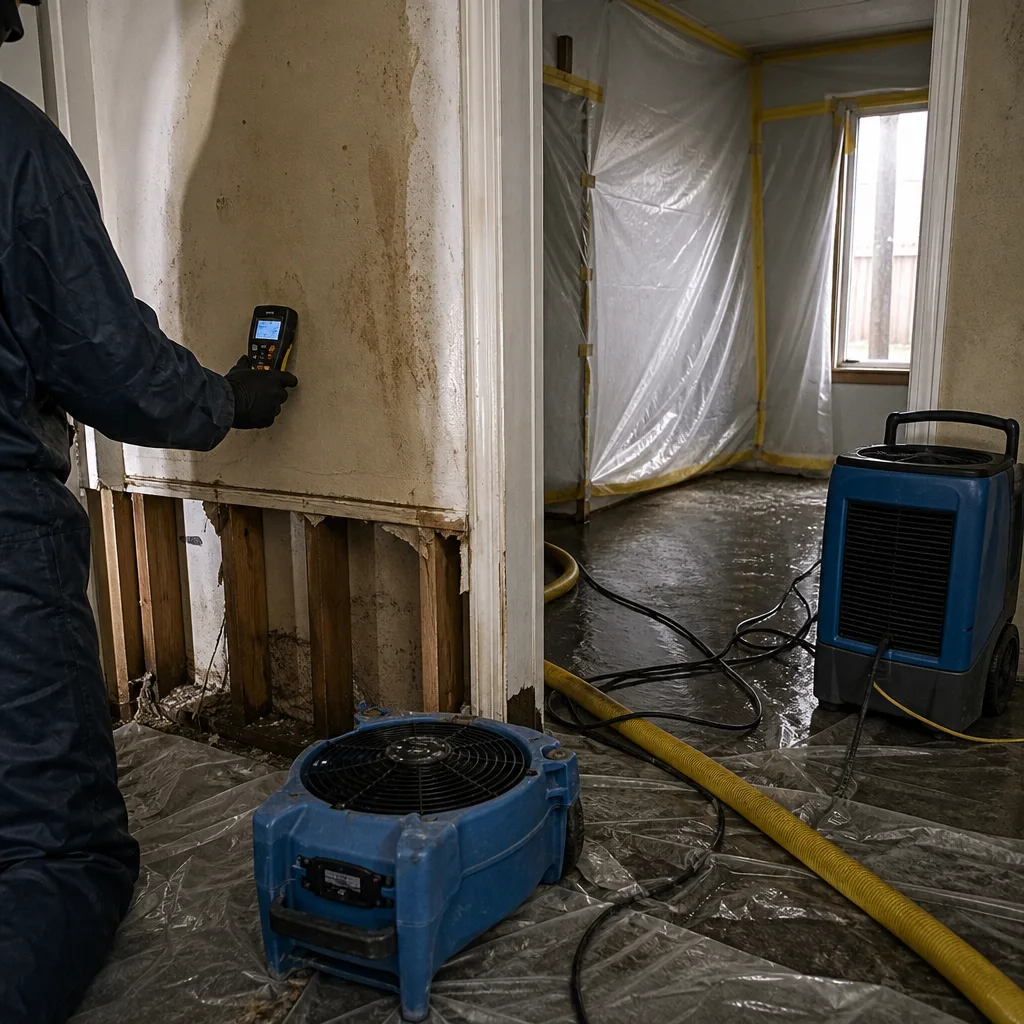 Before
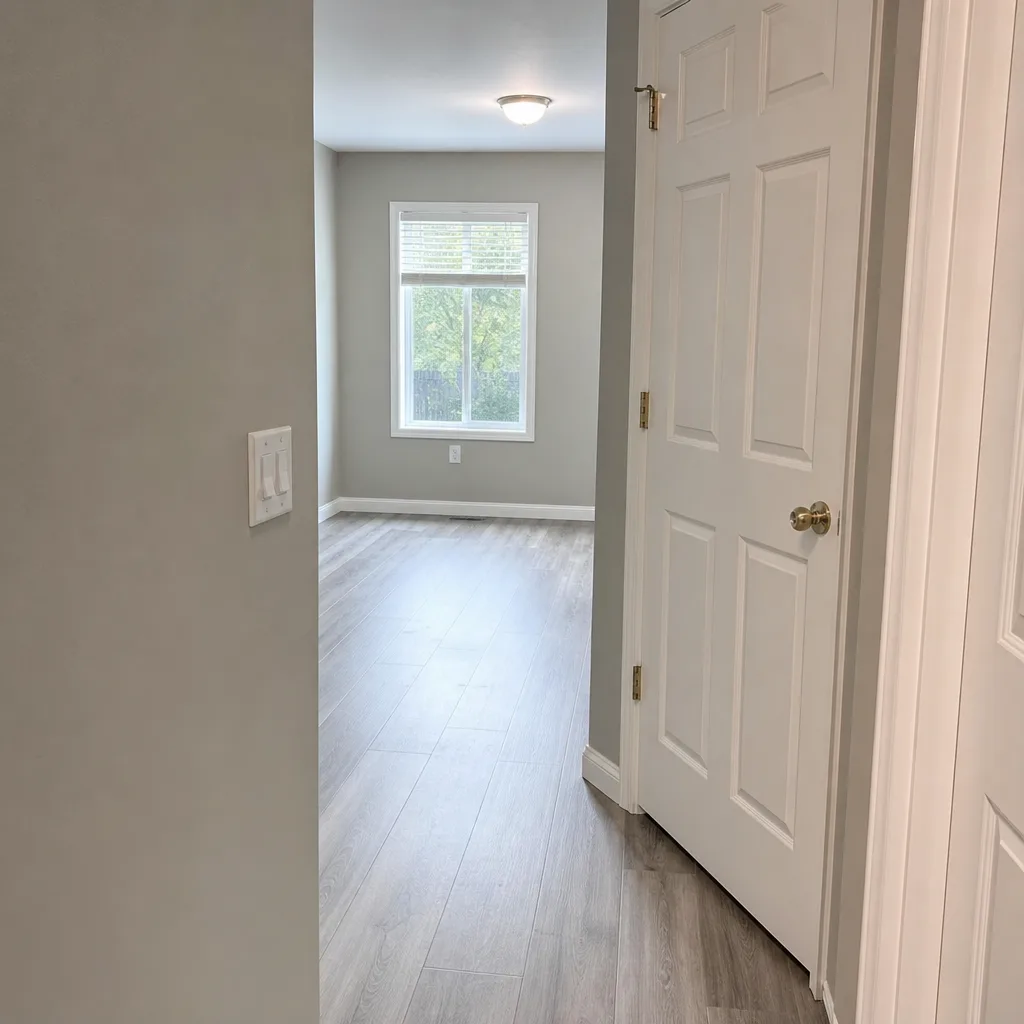 After
After24/7 Emergency Water Damage Restoration in Monroe
Water damage restoration in Monroe typically costs $2,800-$7,500 for a standard residential drying job, with Category 3 flood losses running $5,500-$14,000 depending on contamination level and affected square footage. Most Monroe properties we serve require 3-5 days of active drying, and our crews are dispatched from our Seattle office with a 45-minute response commitment across the Monroe area. Call (425) 696-6061 now - a live person answers, 24 hours a day, 7 days a week, no voicemail trees.
The first hour determines whether water wicks into wall cavities, subfloors, and insulation or stays where we can extract it. In Monroe’s valley-floor neighborhoods, where crawl-space foundations sit close to the seasonal water table, delay means moisture migrating upward through floor joists and into living spaces. Our Water Damage Restoration team arrives with thermal imaging, moisture meters, and extraction equipment to stop that migration before it becomes structural.
Understanding Water Damage Restoration Severity in Monroe Properties
Water damage falls into three categories measured by contamination level, and Monroe’s flood patterns make Category 3 - black water containing pathogens, chemicals, or silt - more common here than in communities west of the Cascades.
Category 1 is clean water from a burst supply line or overflowing sink. Category 2 carries detergent, food waste, or similar contaminants - think washing machine discharge or sump pump failures. Category 3 originates from sewage backup, seawater, or river flooding. When the Skykomish leaves its banks, it carries agricultural runoff, petroleum residues from upstream roads, and sediment that penetrates wallboard and framing. Category 3 losses in Monroe’s older homes near Old Town or along the riverfront routinely require removal of porous materials: drywall below the water line, saturated insulation, and subfloor sections that cannot be decontaminated in place.
Monroe’s housing stock complicates severity assessment. Early-20th-century homes from the logging era often have balloon framing that lets water travel vertically inside walls for multiple stories. The 1990s-2000s tract construction on the valley’s eastern edge uses platform framing and OSB sheathing that swells and delaminates within hours of saturation. Moisture mapping with thermal imaging lets us distinguish surface wetness from hidden saturation in these different assemblies. Psychrometric data - temperature, relative humidity, and vapor pressure differential - drives our drying strategy rather than guesswork.
Why Monroe Property Owners Choose DryMark Restoration Bothell
- 45-minute response commitment to Monroe addresses, with crews staged from our Seattle office for Skykomish Valley flood events.
- 24/7 live answer - a real person, never an automated system or callback queue, because water doesn’t wait for business hours.
- IICRC-certified crews holding WRT (Water Damage Restoration Technician) and ASD (Applied Structural Drying) certifications, with AMRT (Applied Microbial Remediation Technician) on staff for mold-compromised jobs.
- Free visual inspection - we document what we find, explain what it means, and deliver a written scope before any work begins.
- Direct insurance billing with photo-documented estimates that adjusters recognize and pay without dispute.
- One team from extraction to reconstruction - no handoffs between mitigation contractors and rebuild crews that lose continuity on your job.
BeforeAfterOur Water Damage Restoration Process
1. Inspection & Assessment
We arrive with FLIR thermal cameras, penetrating and non-penetrating moisture meters, and hygrometers to map the full extent of water migration. In Monroe’s crawl-space homes, this means checking not just visible wet areas but joist cavities, sill plates, and the rim board where foundation meets framing. You receive a written scope with line-item pricing before any equipment runs - Haven Standard, Clause 1.
2. Water Extraction & Stabilization
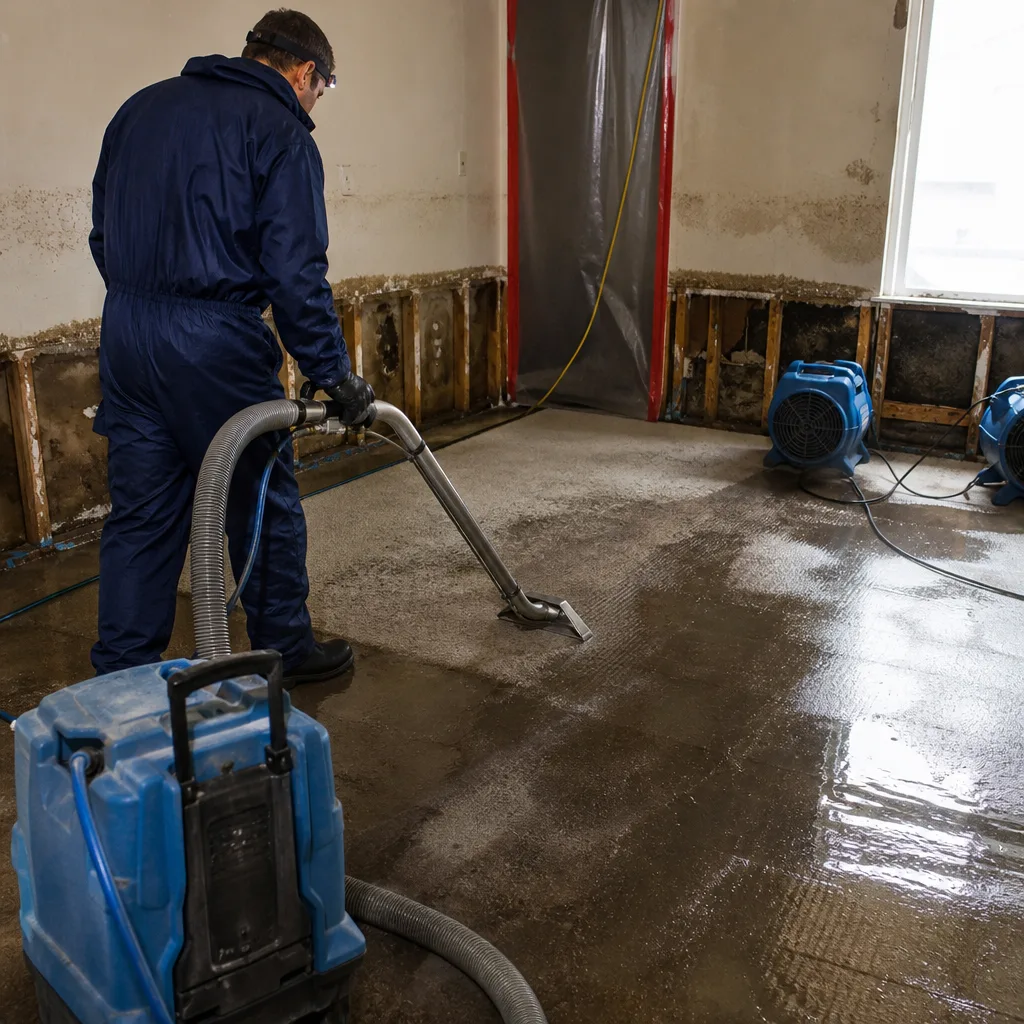
Truck-mounted extraction units remove standing water from floors, carpets, and crawl spaces at rates exceeding portable equipment by 10:1. For Category 3 losses, we establish containment barriers and negative air pressure with HEPA-filtered air scrubbers before disturbing contaminated materials, protecting unaffected areas of your home.
3. Structural Drying & Dehumidification
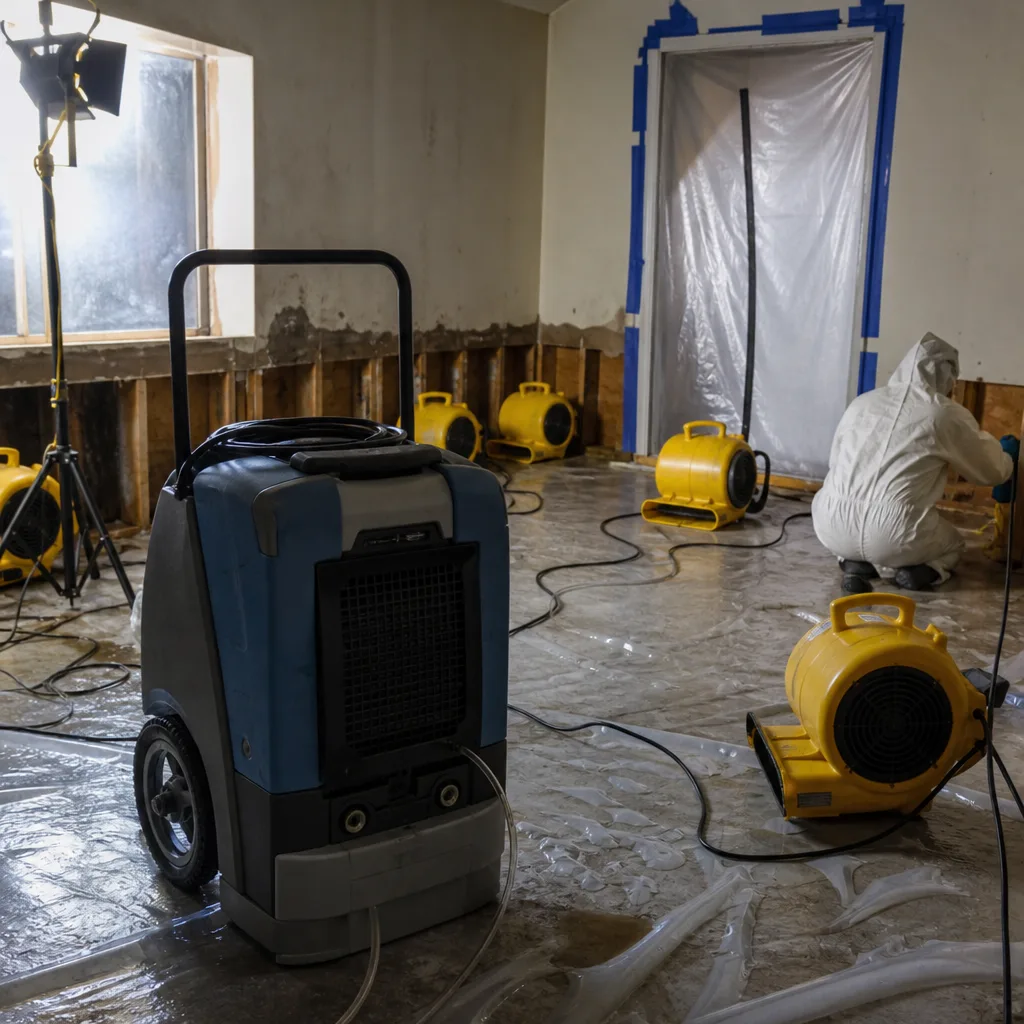
We deploy Dri-Eaz Revolution LGR dehumidifiers, Phoenix 200 MAX units, and Injectidry floor-drying systems with sealed panels to draw moisture from subfloors without demolition where possible. Daily moisture logs track specific humidity, grains per pound, and material moisture content until we hit dry standard - the documentation that turns your invoice into a payable claim.
4. Cleaning & Sanitization
Category 3 losses receive antimicrobial treatment with EPA-registered disinfectants applied to remaining structural materials. Porous items that contacted contaminated water - carpet pad, insulation, lower drywall - are removed and inventoried for insurance replacement. Hard surfaces are cleaned to IICRC S500 standards for water damage restoration.
5. Mold Assessment & Containment
Monroe’s elevated humidity and flood history mean we test for pre-existing mold in any home with prior water intrusion. Air sampling and ERMI/HERSTMI-2 dust analysis identify hidden colonization. When found, we establish containment, run HEPA air scrubbers at 4-6 air changes per hour, and remediate per IICRC S520 before reconstruction begins - preventing the layered damage pattern common in valley-floor properties.
6. Repairs & Restoration
Our reconstruction crew replaces removed materials with matching finishes, from subfloor and drywall to trim and paint. The same project manager who scoped your mitigation oversees the rebuild, ensuring continuity. Every job closes with a documented photo record, final moisture readings, and the 365-Day Done Right Promise signed under The Haven Standard.
Need Emergency Water Damage Restoration in Monroe Now?
Crews minutes away, answering live 24 hours a day. The sooner we start, the less it costs.
Working With Your Insurance Company
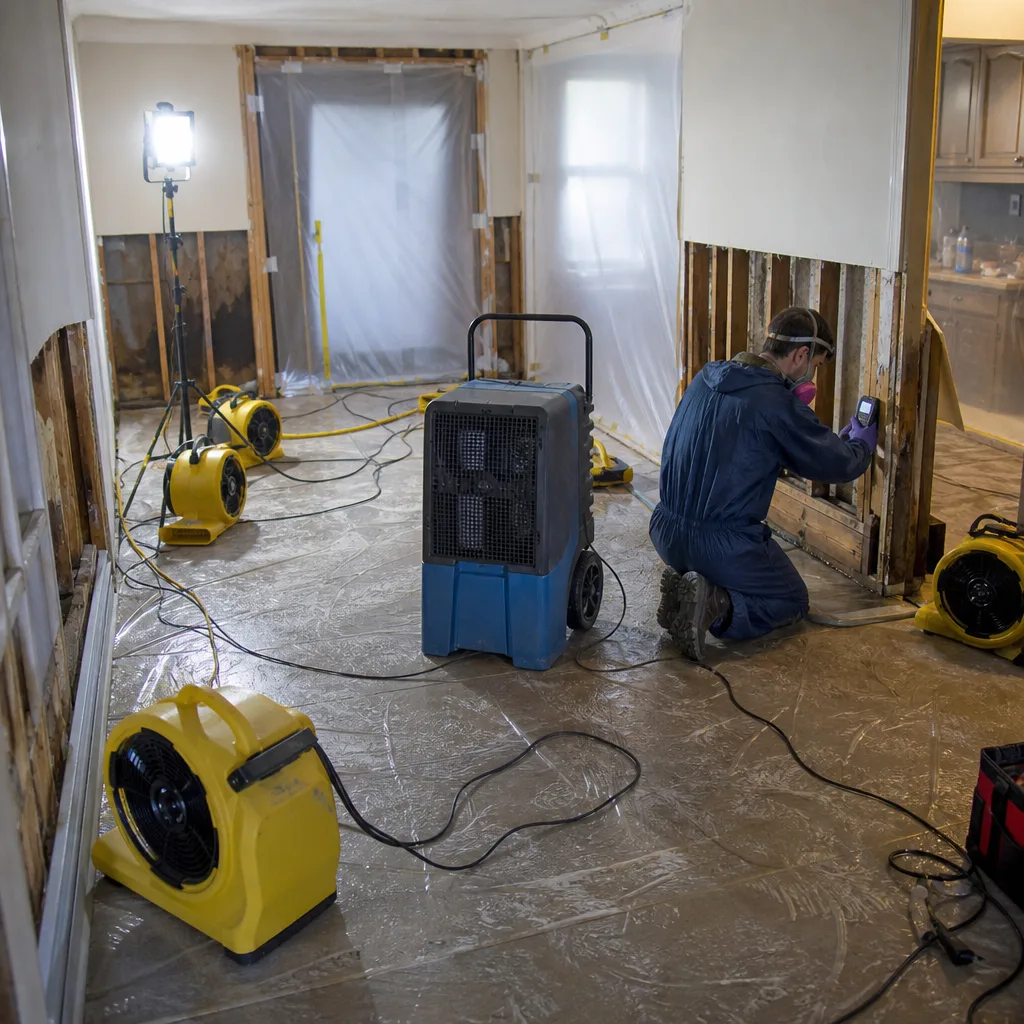
Insurance claims fail when documentation gaps let adjusters dispute the scope or cause of loss. We eliminate those gaps from the first hour. Our project managers photograph every room, record moisture readings at each structural point, and maintain daily drying logs that satisfy IICRC, RIA, and IFA documentation standards. Estimates are prepared in industry-standard format that your adjuster recognizes, and we coordinate directly with your carrier’s claims department to answer questions before they become disputes.
Monroe’s floodplain properties carry NFIP flood insurance or private flood coverage that operates under different rules than standard homeowners policies. We know which documentation each requires and structure our reports accordingly. For non-flood water losses, we identify coverage triggers - sudden and accidental discharge, storm damage, or sewer backup riders - and document the cause to match your policy language.
What We Provide Your Insurer
- Thorough documentation of the loss
- Photos of all damage, room by room
- Moisture readings and drying logs
- A detailed, line-item scope of work
- Direct coordination with your carrier
Built for Monroe’s Loss Calendar
Monroe’s water damage calendar runs on mountain hydrology, not the Seattle drizzle. October through March brings atmospheric rivers that drop 2-4 inches in 24 hours on the Cascades watershed, triggering rain-on-snow events that spike the Skykomish faster than the valley can absorb. January and February are peak flood months, with FEMA floodplain properties along North Kelsey Street and the Old Town riverfront seeing repeated inundation.
April and May bring snowmelt pulses and saturated soils that drive basement seepage in hillside homes above the valley floor. Summer thunderstorms are brief but intense, overwhelming gutters and window wells on homes built during the 1990s-2000s building boom. November windstorms compound water losses by stripping roofing and creating entry points before the next rain arrives.
The critical pattern: Monroe’s orographic rainfall - measurably higher than Everett or Snohomish to the west - keeps ambient humidity elevated year-round. A home that floods in January and receives abbreviated drying will harbor mold-friendly conditions through spring. Our drying protocols account for this persistent humidity with longer dehumidification phases and more aggressive vapor pressure management than drier markets require.
Water Damage Restoration Across Monroe’s Neighborhoods
Monroe’s geography creates distinct loss patterns by area, and our response routes are planned accordingly.
Old Town Monroe along Main Street and the riverfront holds the city’s earliest housing stock - 1910s-1940s cottages and small bungalows on crawl-space foundations that flood repeatedly when the Skykomish rises. These homes have balloon framing, minimal insulation, and rim joists that rot from repeated wet-dry cycles. We prioritize subfloor injection drying and sill plate assessment in this zone.
North Kelsey and Chain Lake Road corridor includes 1970s-1980s ranches and split-levels on larger lots, many with daylight basements that take groundwater through window wells during spring saturation. Sump pump failures here are common, and the finished basements that were added later hide water behind paneling for days before discovery.
Monroe’s eastern tract developments off Tester Road and toward Sultan Basin Road represent the 1990s-2000s building wave - two-story homes with engineered floor trusses and OSB subflooring that fails catastrophically when saturated. These neighborhoods see burst pipe losses from inadequate insulation during cold snaps, plus roof leaks from wind-driven rain penetrating builder-grade flashing.
The valley-floor crawl-space belt between US-2 and the river, including areas near Lake Tye, contains homes where we’ve documented the layered damage pattern most acutely: new Category 3 intrusion over old mold from prior floods that homeowners believed had dried naturally. This is the Monroe signature loss - not reproducible on any other city’s page.
Specialized Water Damage Restoration Services We Offer in Monroe
Emergency Water Extraction
When the Skykomish overflows or a supply line bursts at 2 a.m., our truck-mounted extractors remove thousands of gallons per hour from Monroe homes. For crawl-space flooding, we deploy submersible pumps and portable extraction units in confined spaces where truck-mounts cannot reach. Speed matters: every hour of standing water increases the square footage of affected materials and the cost of restoration.
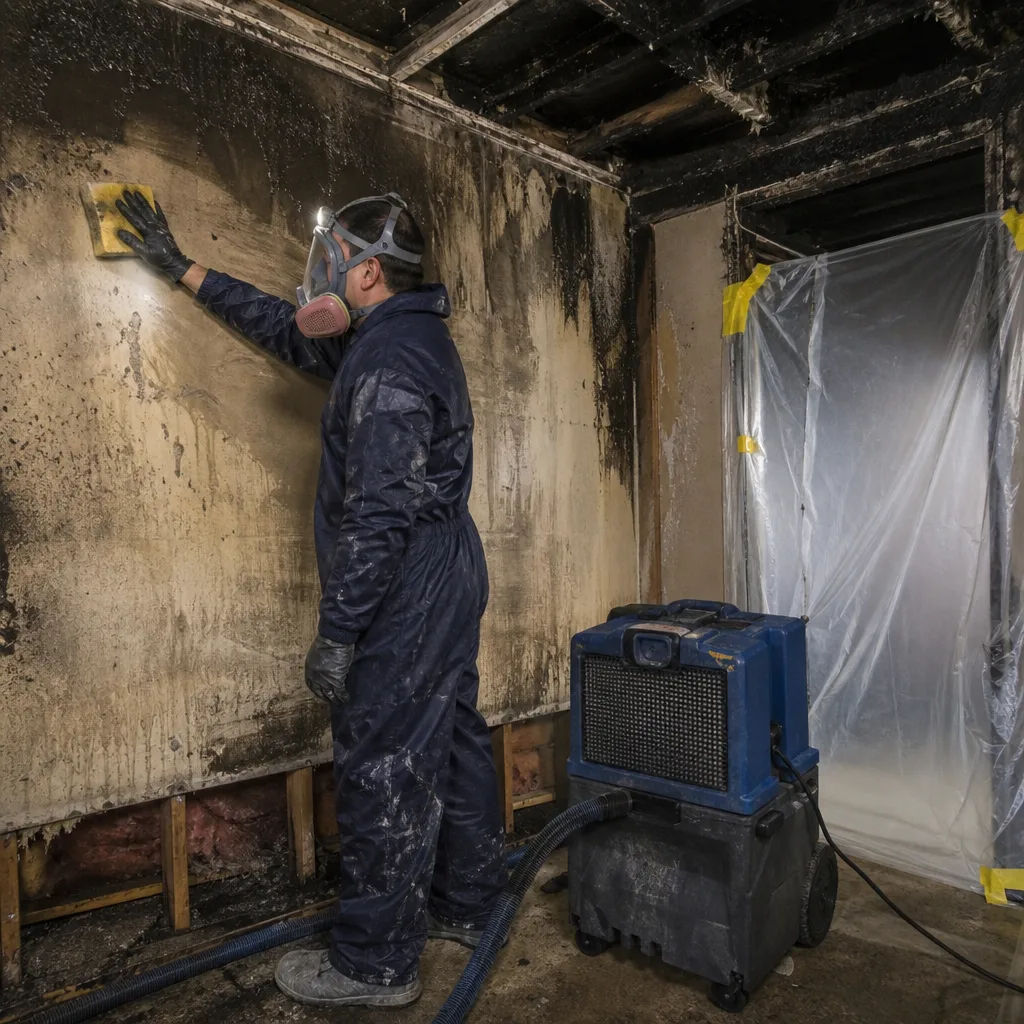
Structural Drying & Dehumidification
Monroe’s high ambient humidity demands industrial-grade dehumidification. We size Dri-Eaz and Phoenix LGR units to the specific cubic footage and class of water loss, then monitor with wireless sensors that log temperature, relative humidity, and grain depression every hour. Tertiary drying - the final phase where bound moisture releases slowly from dense materials - often runs longer here than in drier climates, and we document every reading until materials reach established dry standard.
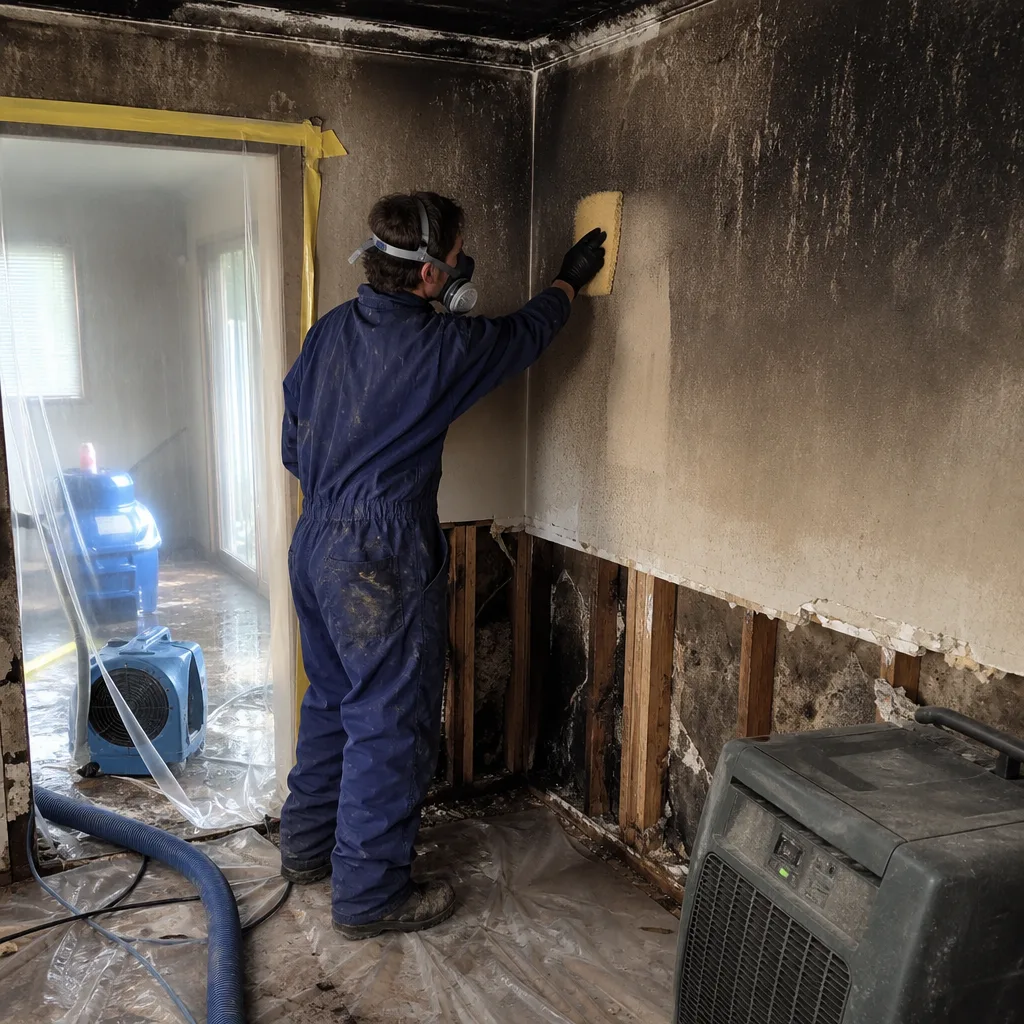
Flood Cleanup
Skykomish River flooding delivers Category 3 contamination that standard cleaning cannot address. Our flood cleanup in Monroe includes silt and debris removal, pressure washing of structural materials that can be saved, antimicrobial treatment, and controlled demolition of porous components below the flood line. We separate fresh flood damage from pre-existing moisture issues - a critical distinction for insurance coverage and health outcomes.
Burst Pipe Restoration
Monroe’s winter cold snaps, particularly in hillside homes with exposed plumbing in crawl spaces or exterior walls, cause supply line ruptures that release hundreds of gallons before the main is shut off. We extract, dry, and document the full migration path, including water that travels inside wall cavities and down to lower levels. Our scope includes identification of the break point for your plumber’s repair.
Basement Water Removal
Daylight basements and full below-grade basements in Monroe take water through foundation cracks, window wells, and failed waterproofing during wet seasons. We assess whether water is coming from surface drainage, hydrostatic pressure, or a rising water table - each requires different remediation - and design drying protocols that address the source, not just the symptom.
What happens when you call
- 1
A real person answersNo phone trees - you reach a local pro.
- 2
You get an upfront price rangeHonest numbers before anyone is dispatched.
- 3
A background-checked tech heads outLicensed & insured, dispatched right away.
- 4
You approve before work beginsNothing starts until you say go.
Water Damage Restoration Costs in Monroe, WA
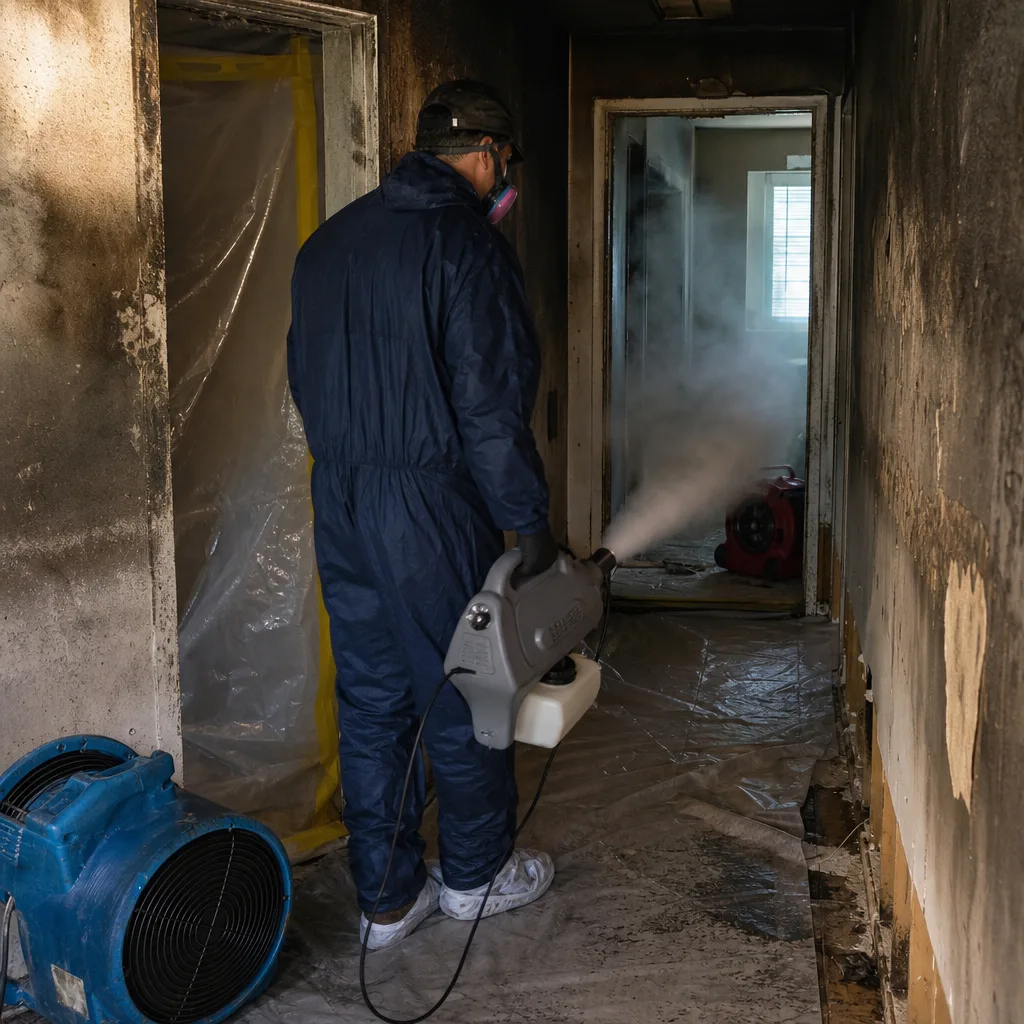
Honest pricing for Monroe’s market, delivered in writing before work begins - Haven Standard, Clause 1.
| Service | Typical Range in Monroe |
|---|---|
| Emergency water extraction (initial visit) | $450-$950 |
| Category 1 clean water drying (per affected area) | $2,800-$4,500 |
| Category 2 gray water mitigation | $3,800-$6,200 |
| Category 3 flood restoration (per affected area) | $5,500-$14,000 |
| Crawl-space drying with dehumidification | $1,800-$3,400 |
| Mold remediation (when layered damage found) | $2,200-$7,500 additional |
| Pack-out and contents cleaning | $1,200-$3,800 |
What moves the price: category of water, square footage affected, whether water reached wall cavities or remained on floor surfaces, presence of pre-existing mold requiring containment, and whether reconstruction is included. Insurance typically covers sudden and accidental water losses minus your deductible; gradual leaks and maintenance issues are usually excluded. We review your policy language and document the cause to support your claim. Call (425) 696-6061 for a free inspection and written scope - estimates are free, and our Free Second Opinion applies to any competitor’s written estimate.
We Also Serve Cities Near Monroe
Our Water Damage Restoration in Monroe crews also respond throughout the Skykomish Valley and Snoqualmie Valley corridors, including Woodinville to the southwest, Bothell to the west, Everett to the northwest, and Redmond to the south. Each market has distinct flood patterns - Woodinville’s Sammamish River Valley, Bothell’s North Creek basin, Everett’s Puget Sound storm surge exposure, Redmond’s Bear Creek watershed - and our documentation protocols adapt to each.
Serving Monroe, WA - Our Local Coverage Area
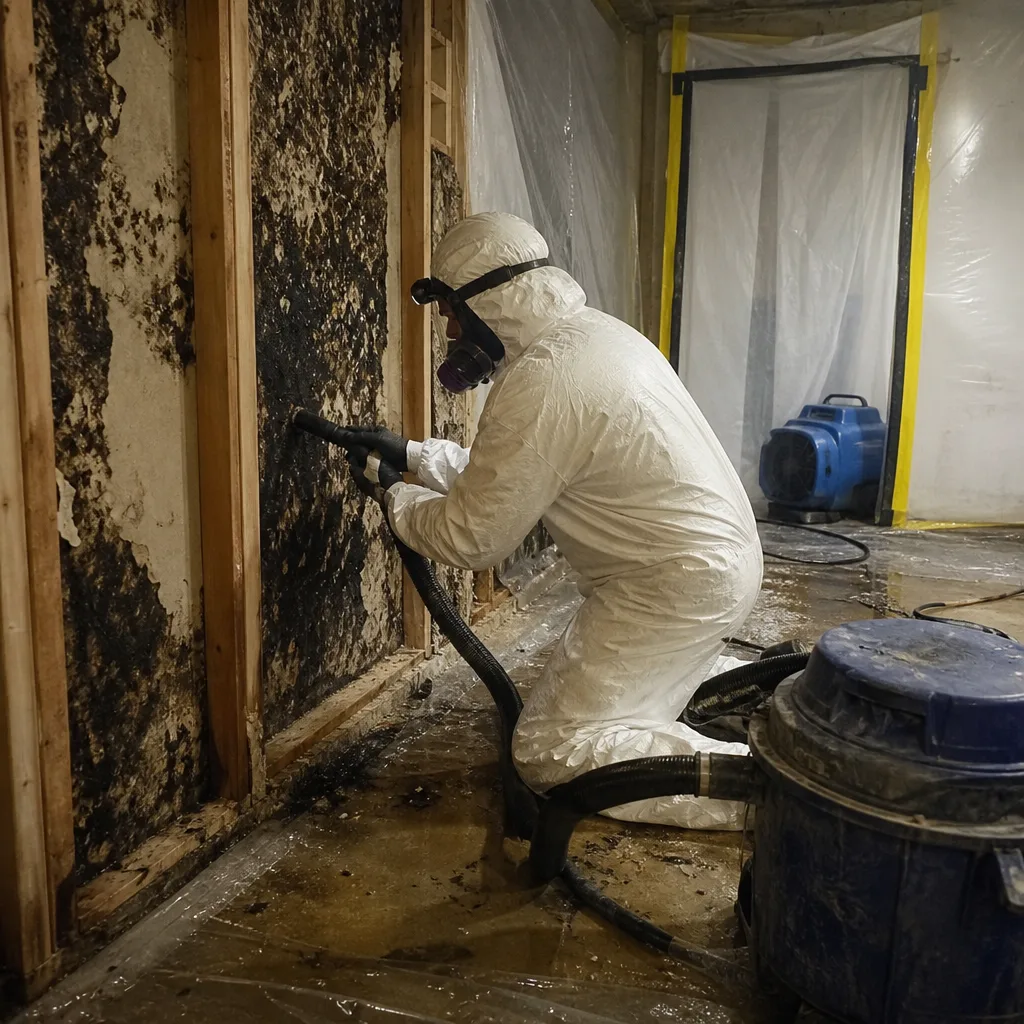
We’re based in the Monroe area and know this community well. Use the map below to see our service coverage - if you’re nearby, we can almost certainly help.
Monroe Water Damage Restoration Questions, Answered
Why does Monroe flood damage seem worse than in Everett or Snohomish?
Monroe sits directly in the Skykomish River valley at the Cascades foothills, in the path of rain-on-snow events and atmospheric rivers that send the river out of its banks with little warning. Everett and Snohomish are further west, receive less orographic rainfall, and lack Monroe’s concentration of FEMA-designated floodplain properties. The result: Monroe’s restoration work is disproportionately Category 3 river flooding with silt and contamination, not the cleaner burst-pipe and roof-leak losses that dominate those markets. Call (425) 696-6061 for a free inspection if you’re unsure what category your loss involves.
Our crawl space flooded last winter - can we just let it dry out on its own?
No. Crawl spaces in Monroe’s valley-floor homes rarely achieve natural dry standard because ambient humidity stays elevated year-round and ventilation pulls moist air in rather than expelling it. We’ve found mold colonization behind baseboards and in wall cavities from floods homeowners believed had dried, and the next Skykomish overflow compounds that hidden damage. Professional drying with dehumidification and moisture verification is the only way to prevent layered contamination. Call (425) 696-6061 for moisture mapping that shows what’s actually dry.
What does Category 3 water mean for our Monroe home after a river overflow?
Category 3 water contains pathogenic, toxigenic, or other harmful agents - in Monroe’s case, Skykomish floodwater carrying agricultural runoff, petroleum residues, and sediment from the upper watershed. IICRC standards require removal of porous materials that contacted this water: carpet and pad, lower drywall, insulation, and upholstered furniture. Structural materials that remain must be cleaned with EPA-registered disinfectants and verified through moisture readings and antimicrobial testing. We document every step for your insurer and health record. Call (425) 696-6061 for Category 3 assessment.
How do you handle layered damage from a previous flood that was never fully dried?
We separate fresh loss from pre-existing damage in our scope and documentation, which matters for both insurance coverage and proper remediation. After a February rain-on-snow event pushed the Skykomish out near Old Town Monroe, we extracted standing water from a 1990s tract home’s crawl space, ran moisture mapping across the subfloor, and found elevated moisture readings in wall cavities from a flood two winters earlier that had never fully dried. We set containment, applied antimicrobial treatment, logged drying data with Dri-Eaz and Phoenix equipment, and delivered a scope that separated the fresh Category 3 loss from the pre-existing contamination. Your insurer receives clear documentation of each phase. Call (425) 696-6061 if you suspect prior damage beneath a new loss.
Do you use drying logs and pack-out for Monroe flood jobs?
Yes. Every Monroe job receives daily drying logs tracking temperature, relative humidity, specific humidity, and material moisture content - the psychrometric data that proves drying progress to insurers and prevents premature equipment removal. Pack-out, when contents are affected, includes photo inventory, condition documentation, and climate-controlled storage until the structure is restored. Both are standard deliverables, never upsells, under The Haven Standard. Call (425) 696-6061 to discuss documentation for your specific loss.
How fast can your crew actually get to a Monroe address?
We commit to 45 minutes from dispatch to arrival for emergency water losses in Monroe, with crews staged from our Seattle office. During major Skykomish flood events, response times may extend based on road closures along US-2 or Kelsey Street, but we communicate estimated arrival and maintain live phone coverage so you’re never waiting without information. The sooner we extract, the less water migrates into structural materials. Call (425) 696-6061 now for immediate dispatch.
Will insurance cover our Monroe water damage restoration?
Most sudden and accidental water losses are covered under standard homeowners policies, minus your deductible. Monroe’s floodplain properties may require separate NFIP or private flood coverage for river overflow. Gradual leaks, maintenance failures, and seepage are typically excluded. We review your policy, document the cause of loss to match coverage triggers, and coordinate directly with your adjuster. Our photo documentation and drying logs are structured specifically to support claim payment. Call (425) 696-6061 and we’ll review your coverage as part of the free inspection.
Can we stay in our home during water damage restoration?
For Category 1 and small Category 2 losses confined to non-living areas, often yes. For Category 3 flood losses, extensive mold remediation, or when drying equipment occupies multiple rooms, temporary relocation is usually recommended for health and safety. We tell you clearly during the initial inspection which path applies to your situation, and we document living-space air quality readings when containment is in place. Call (425) 696-6061 for a safety assessment specific to your home.
Written by Alicia Brennan, Owner at Back to Dry Restoration, serving Monroe and the Skykomish Valley since 2011.
Water Damage Restoration in Nearby Areas