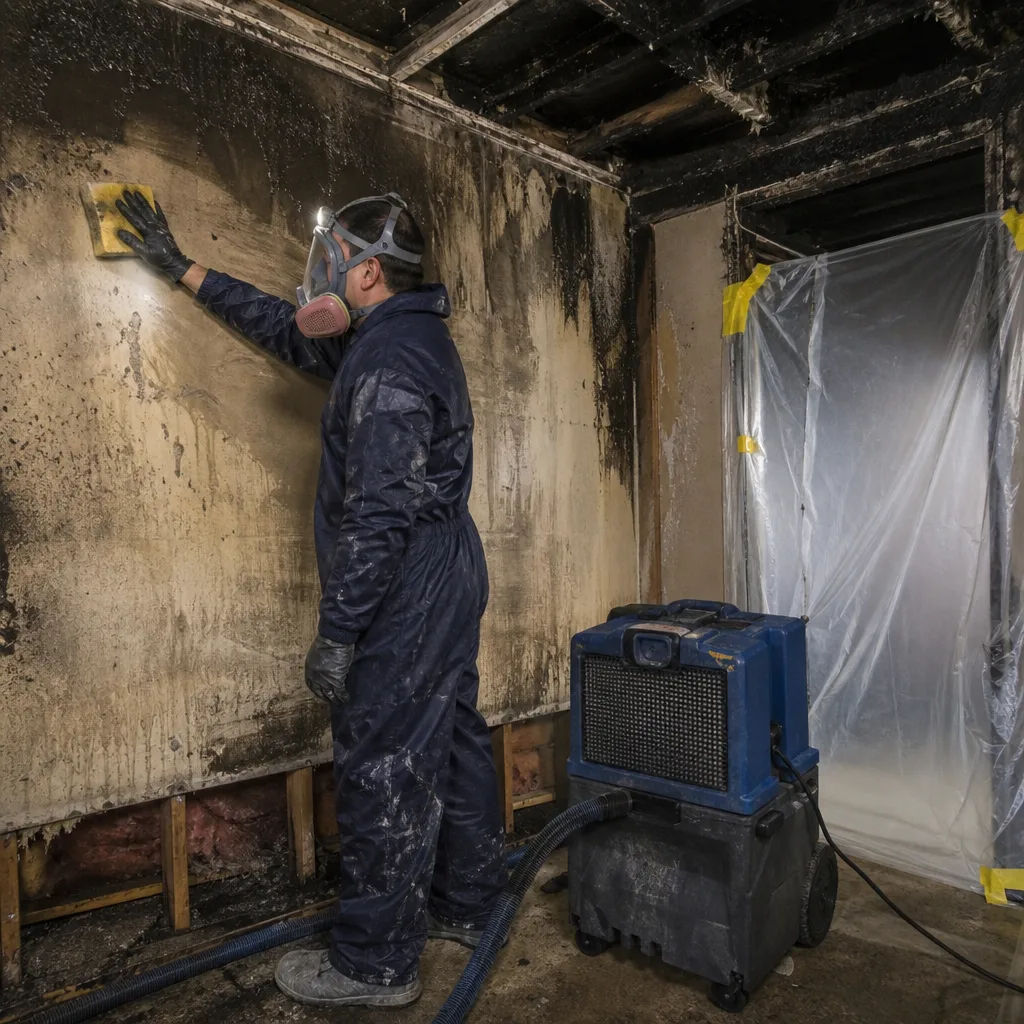
Free visual inspection and a written scope of work before any mitigation begins - photos, moisture readings, and drying logs go in your claim file
The scope we write is the scope we bill. Anything new gets shown to you, in writing, before we touch it.
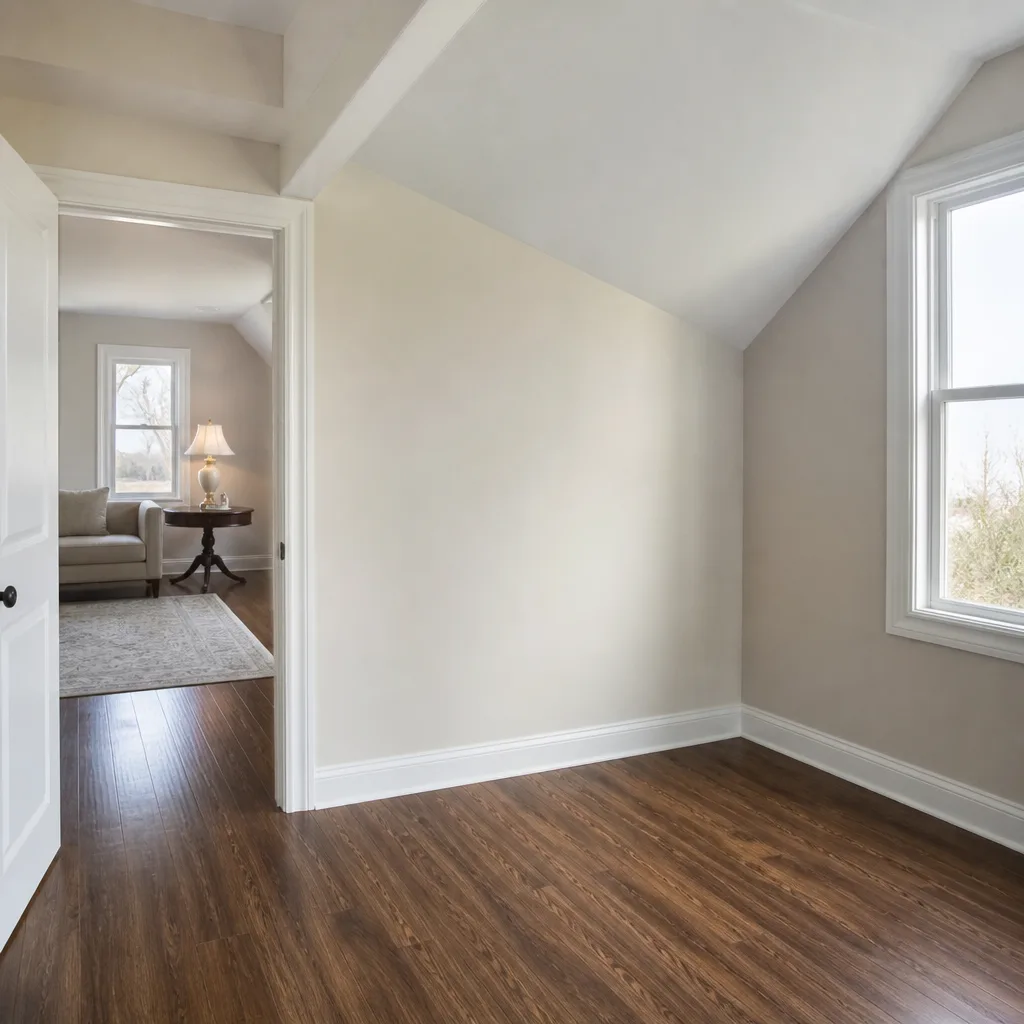
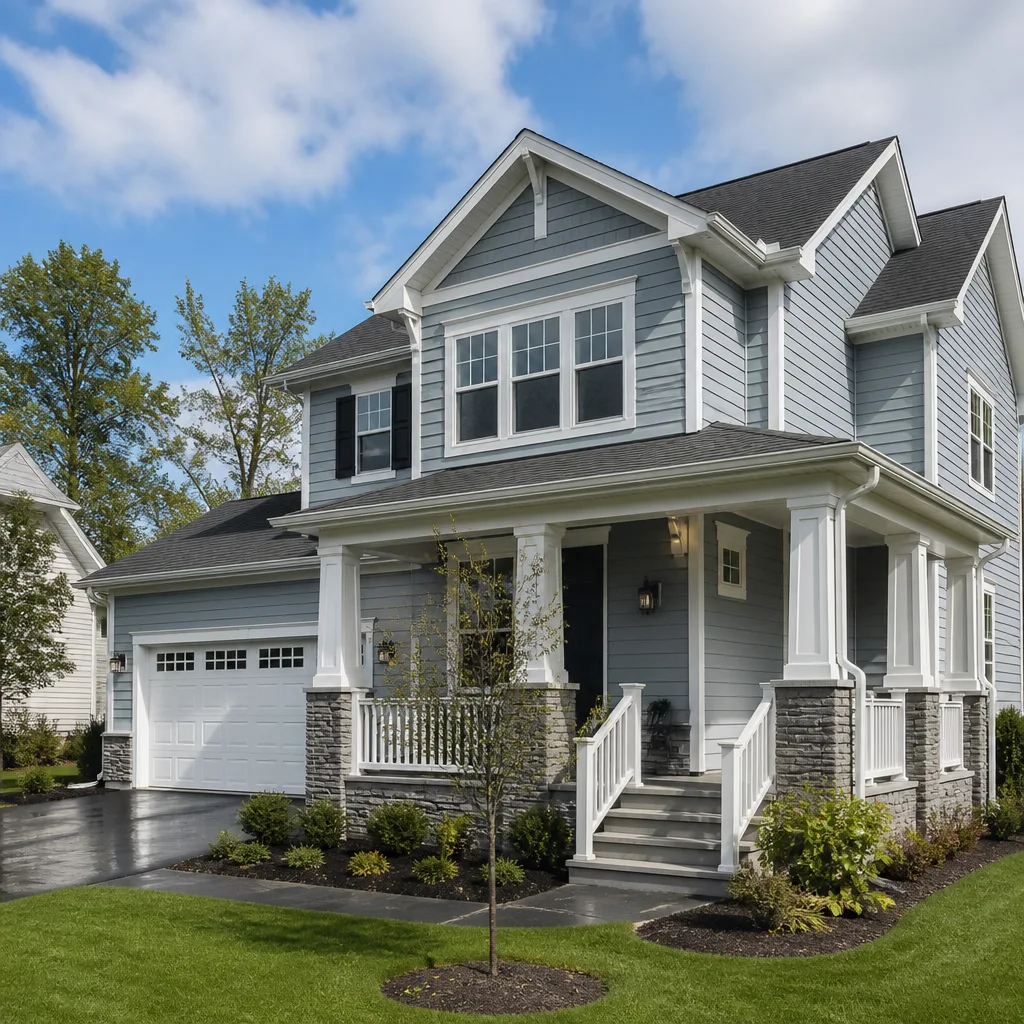
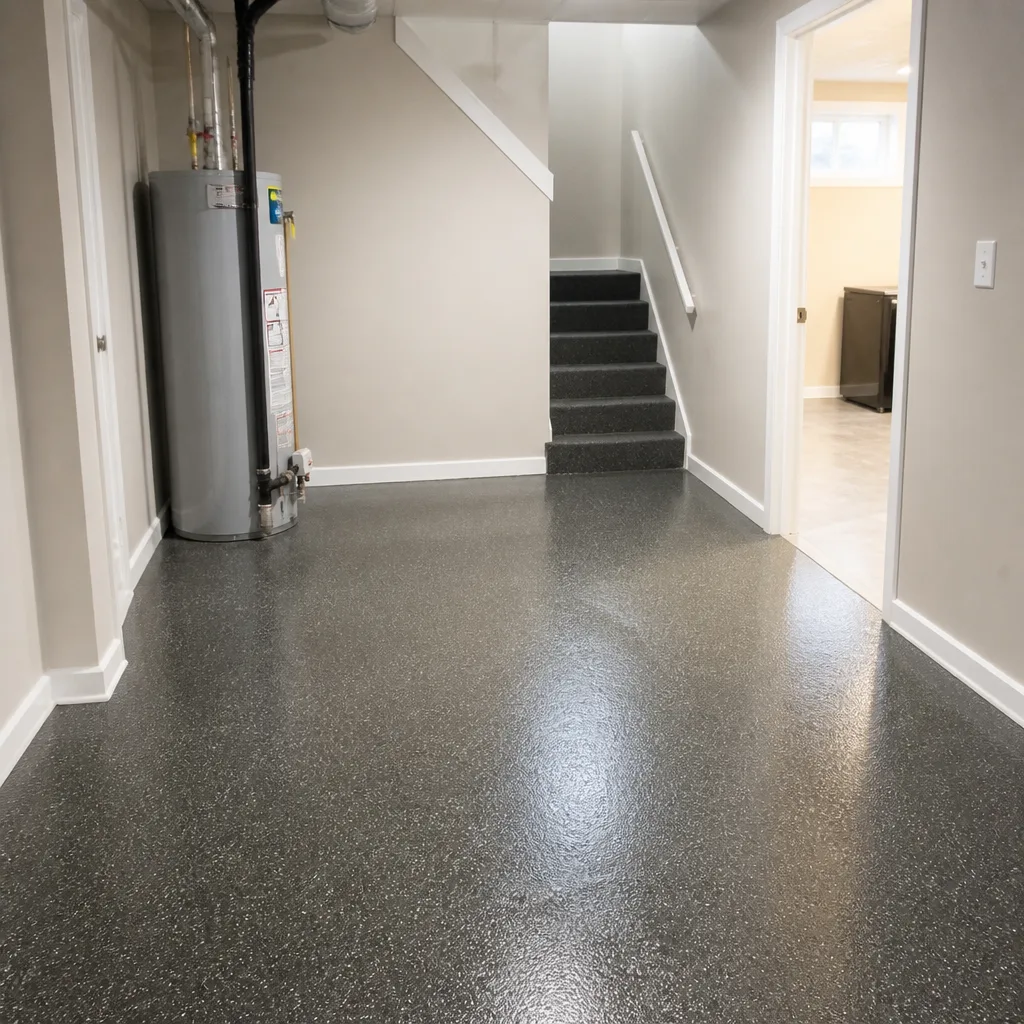
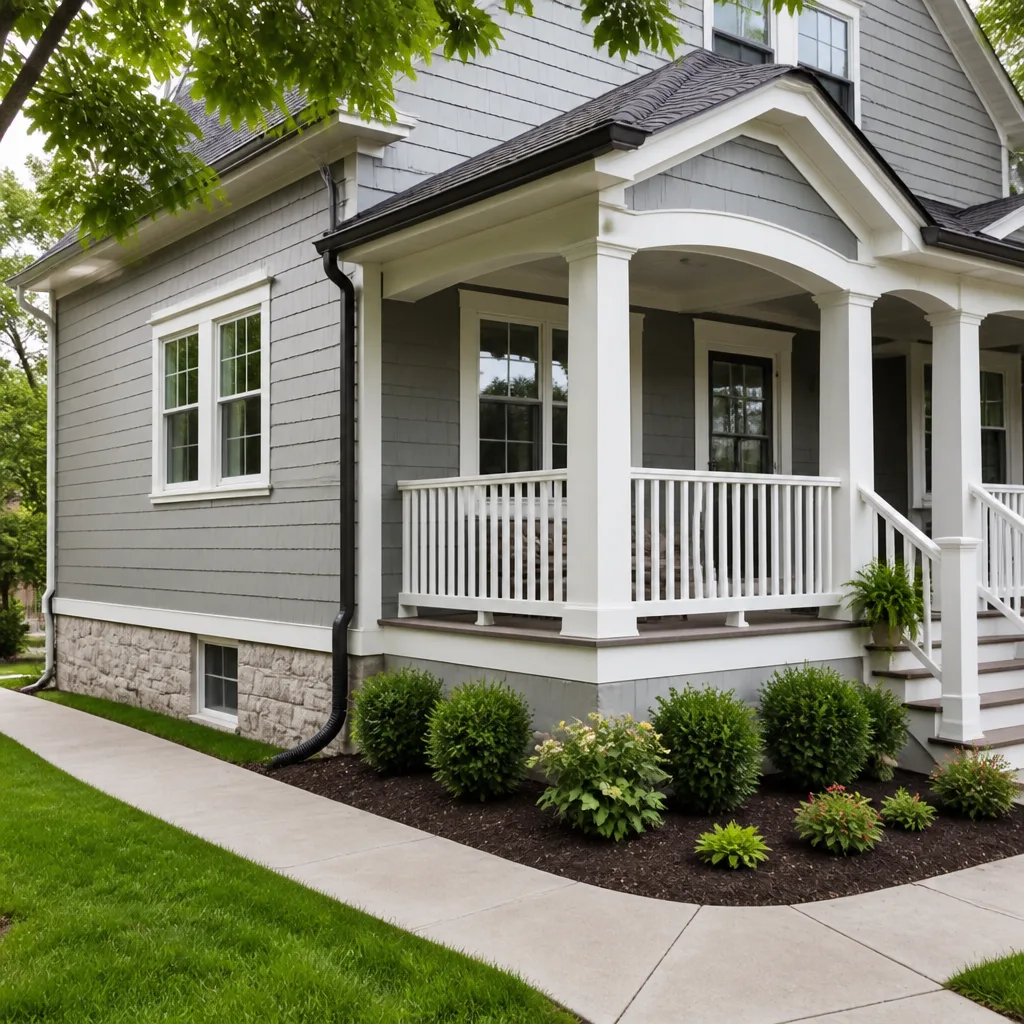
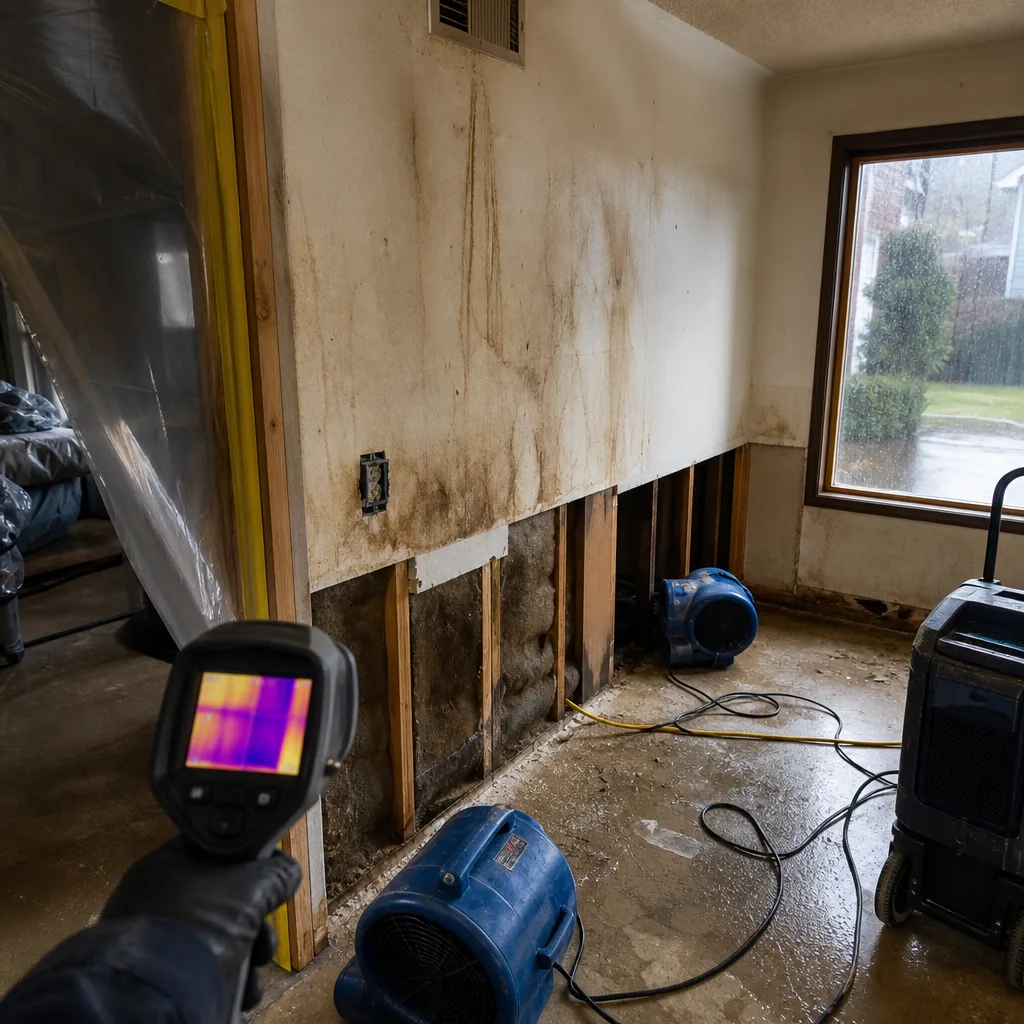 Before
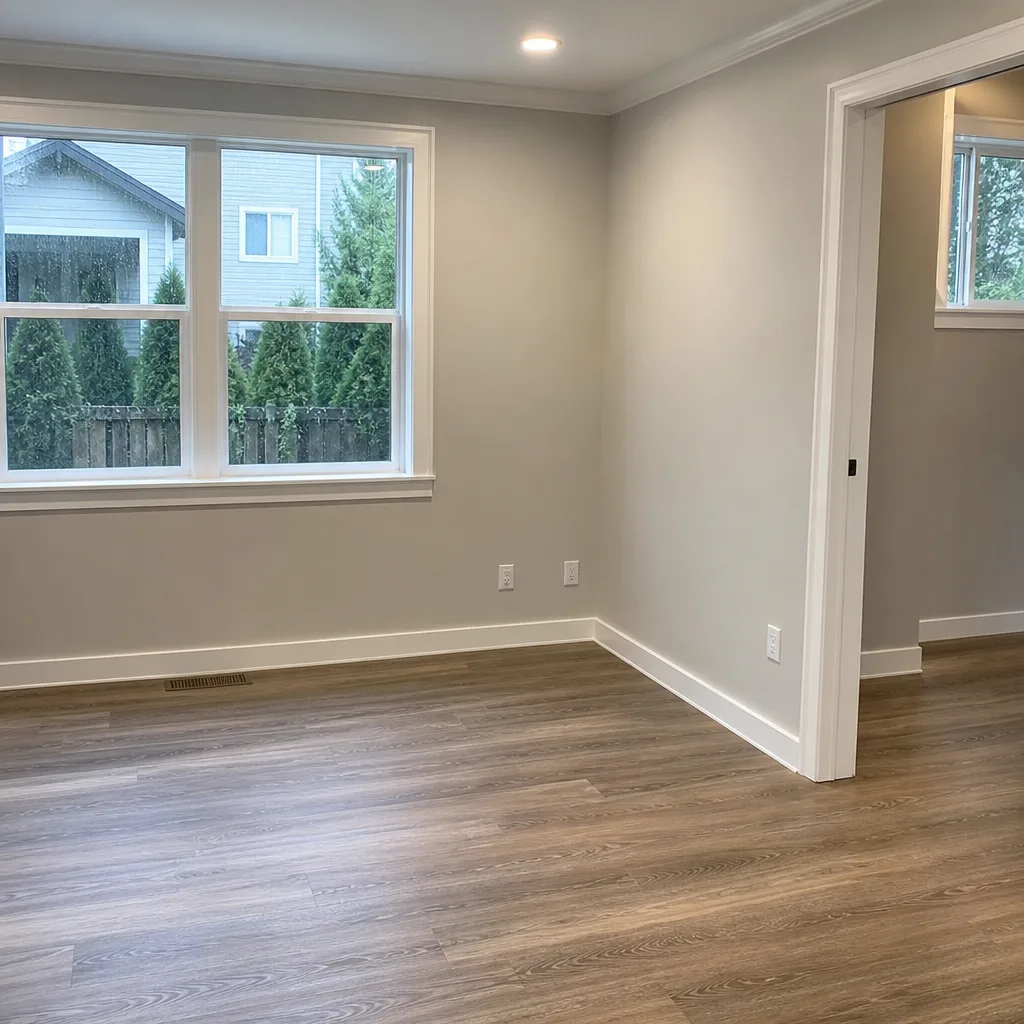 After
After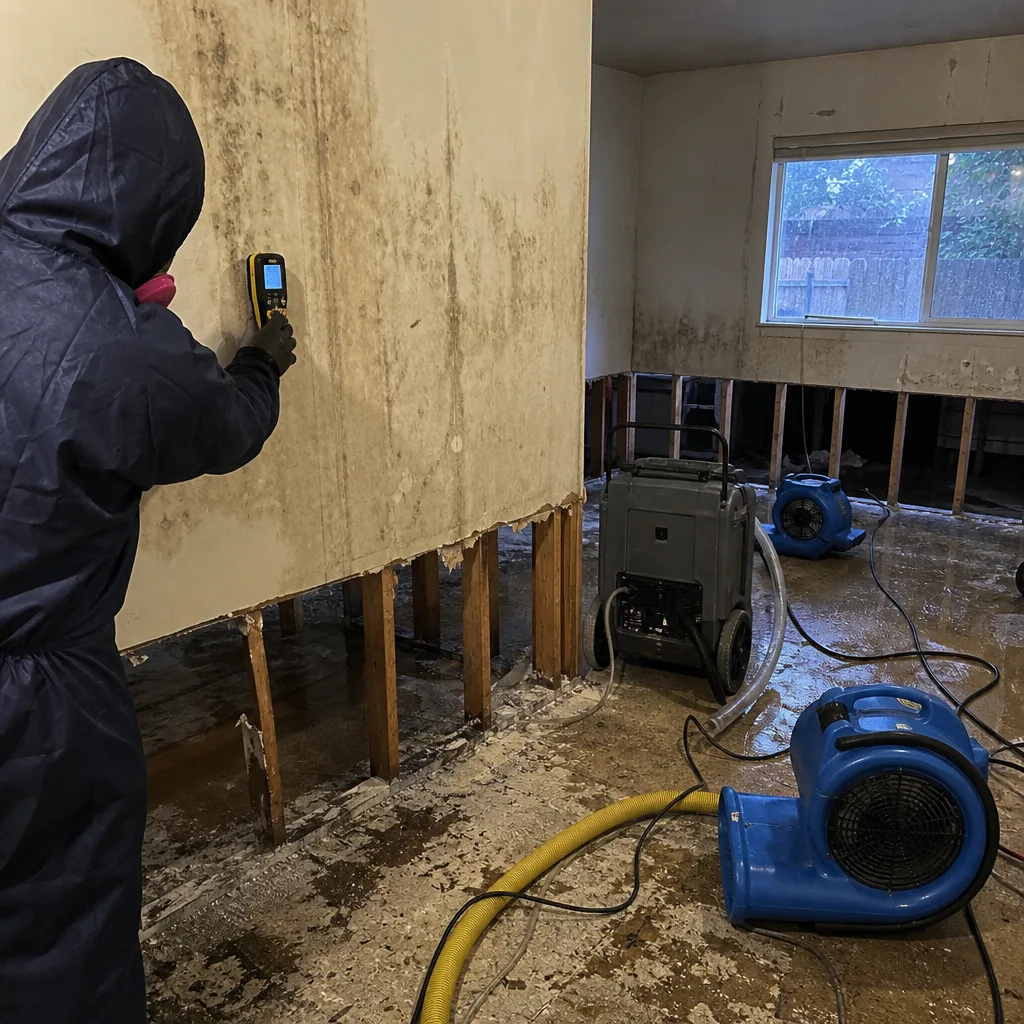 Before
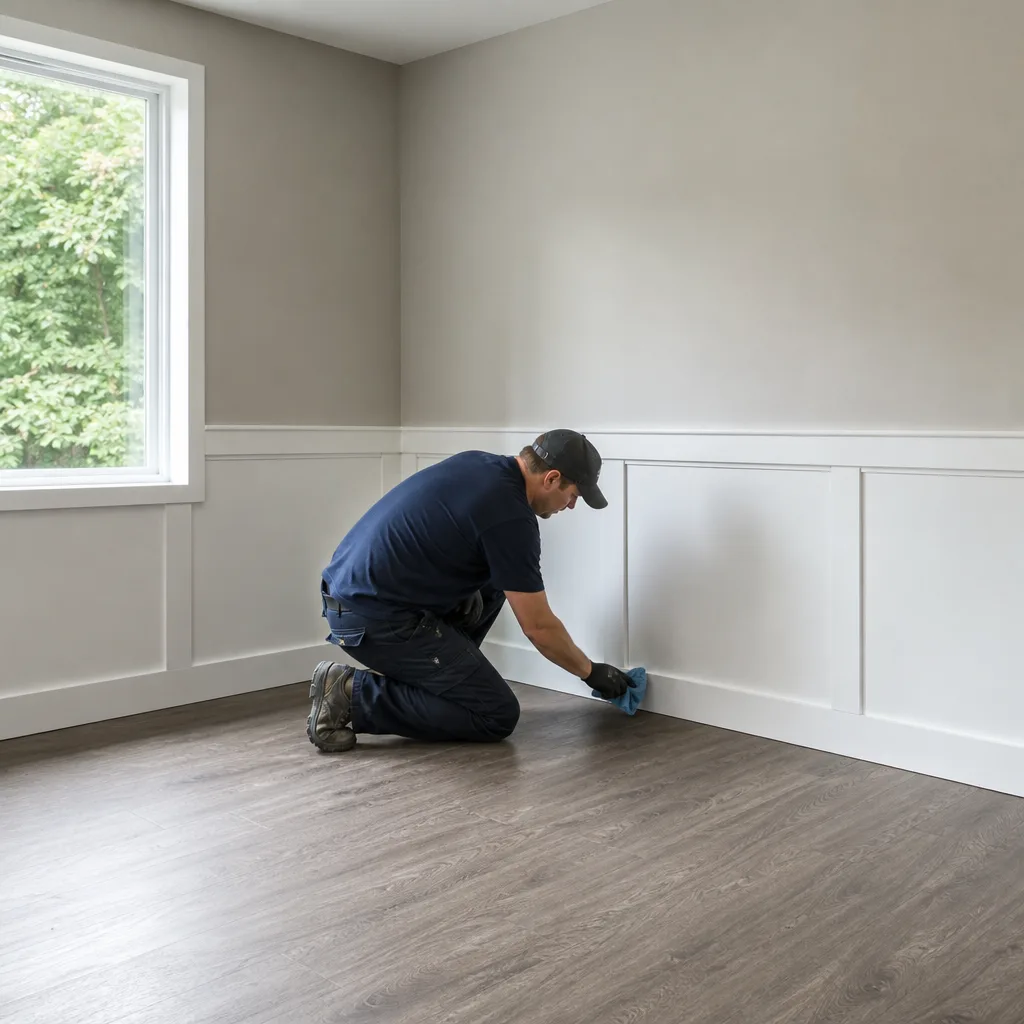 After
After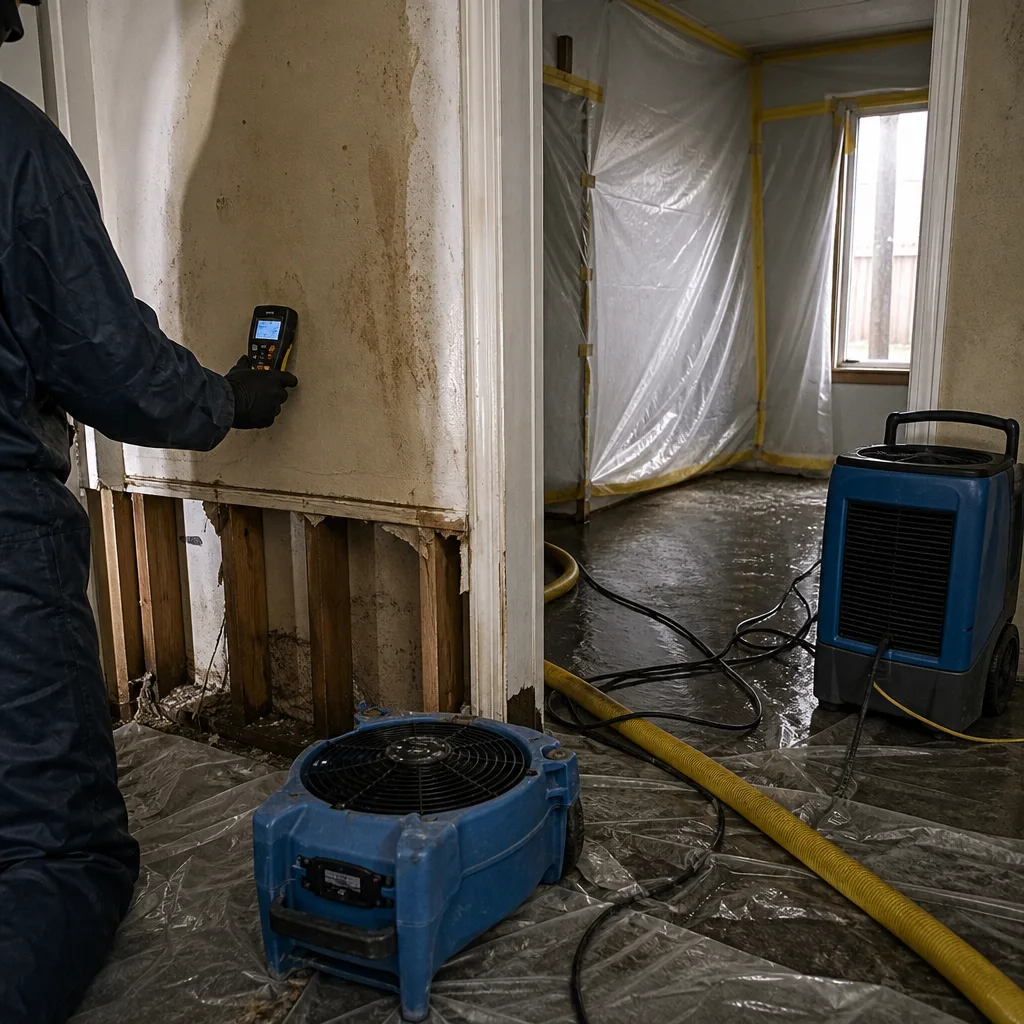 Before
 After
After24/7 Emergency Water Damage Restoration in Tukwila
Water damage restoration in Tukwila typically costs $2,800-$7,500 for residential drying and extraction, with emergency calls answered live at (425) 696-6061 around the clock. Our crews are dispatched from our Seattle office and can be on-site anywhere in Tukwila within 45 minutes. The first hour determines whether a water loss stays a drying job or becomes a full rebuild. Every minute standing water sits on subflooring or inside wall cavities, moisture migrates further into structural materials, expanding the scope and the final invoice.
We answer every call with a live person, 24 hours a day, 7 days a week. No voicemail trees, no next-business-day callbacks while water is still moving through your property. Our technician arrives with moisture meters, thermal imaging, and extraction equipment ready to deploy. The initial visual inspection is free, and you’ll receive a written price before any work begins. Haven Standard, Clause 1.
Understanding Water Damage Restoration Severity in Tukwila Properties
Water damage is classified by contamination level and affected materials. Category 1 water originates from a clean source, such as a supply line. Category 2 carries significant contamination, like dishwasher discharge. Category 3 is grossly contaminated, including sewage or riverine floodwater. Tukwila’s position on the Duwamish River floodplain means Category 3 losses occur more frequently here than in upland cities.
Moisture mapping with thermal imaging and penetrating hygrometers reveals the true extent of migration, which in Tukwila’s mid-century homes often travels farther than visible water suggests. The Foster neighborhood’s 1950s-70s tract homes have unconditioned crawl spaces with deteriorated vapor barriers that allow moisture to wick into floor joists and insulation. Structural drying requires calculating vapor pressure differential, the force that drives moisture from wet materials into the air, then removing that vapor with dehumidification. In Tukwila’s persistently damp valley floor, this calculation differs from drier, hillside neighborhoods because the surrounding soil itself is a moisture source.
Tertiary drying, the final phase where materials reach equilibrium moisture content, takes longer in Tukwila’s high-groundwater environment. A standard three-day dry-out in Burien or Renton may require five to seven days here, with continuous psychrometric data, temperature and relative humidity readings, logged daily and submitted to your insurer.
Why Tukwila Property Owners Choose DryMark Restoration Bothell
- 45-minute response commitment to any Tukwila address, day or night.
- 24/7 live answer by a real person, never an automated system or voicemail queue.
- IICRC-certified crews holding WRT (Water Damage Restoration Technician) and ASD (Applied Structural Drying) certifications.
- Free visual inspection with moisture readings and thermal imaging before any commitment.
- Direct insurance billing with photo-documented estimates your adjuster can approve without dispute.
- One team handles extraction through reconstruction, no handoffs between subcontractors.
BeforeAfterOur Water Damage Restoration Process
1. Inspection & Assessment
Our technician arrives with FLIR thermal imaging, penetrating and non-penetrating moisture meters, and a hygrometer to map the full extent of water migration. We photograph every affected room, identify the water category, and classify materials as salvageable or non-salvageable per IICRC S500 standards. You receive a written scope and price before any equipment runs.
2. Extraction & Stabilization
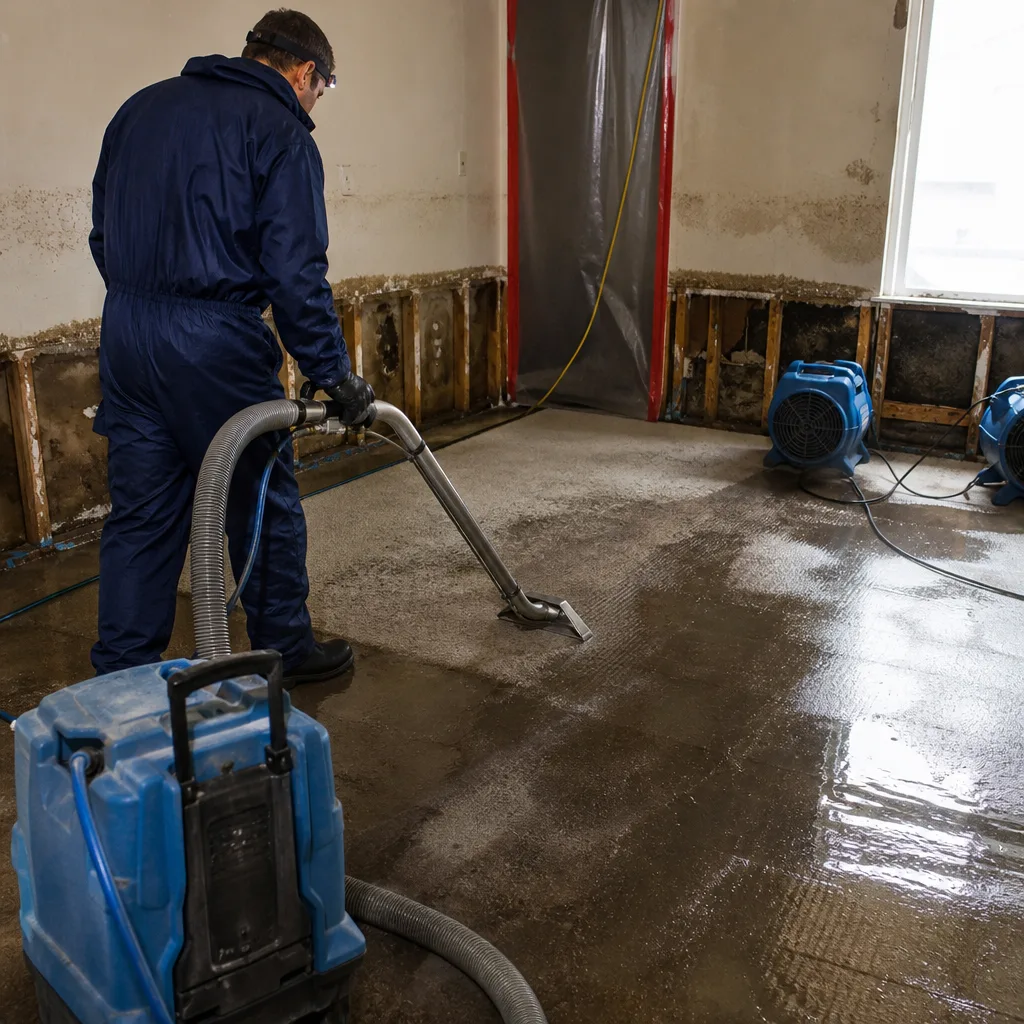
Standing water is removed with truck-mounted extraction units and weighted carpet wands. For hard surfaces, we use squeegee wands and portable submersible pumps. In Tukwila’s commercial buildings near Southcenter, we may deploy specialized slab extraction tools where moisture has migrated through concrete. Contents are blocked, padded, or relocated to unaffected areas.
3. Drying & Dehumidification
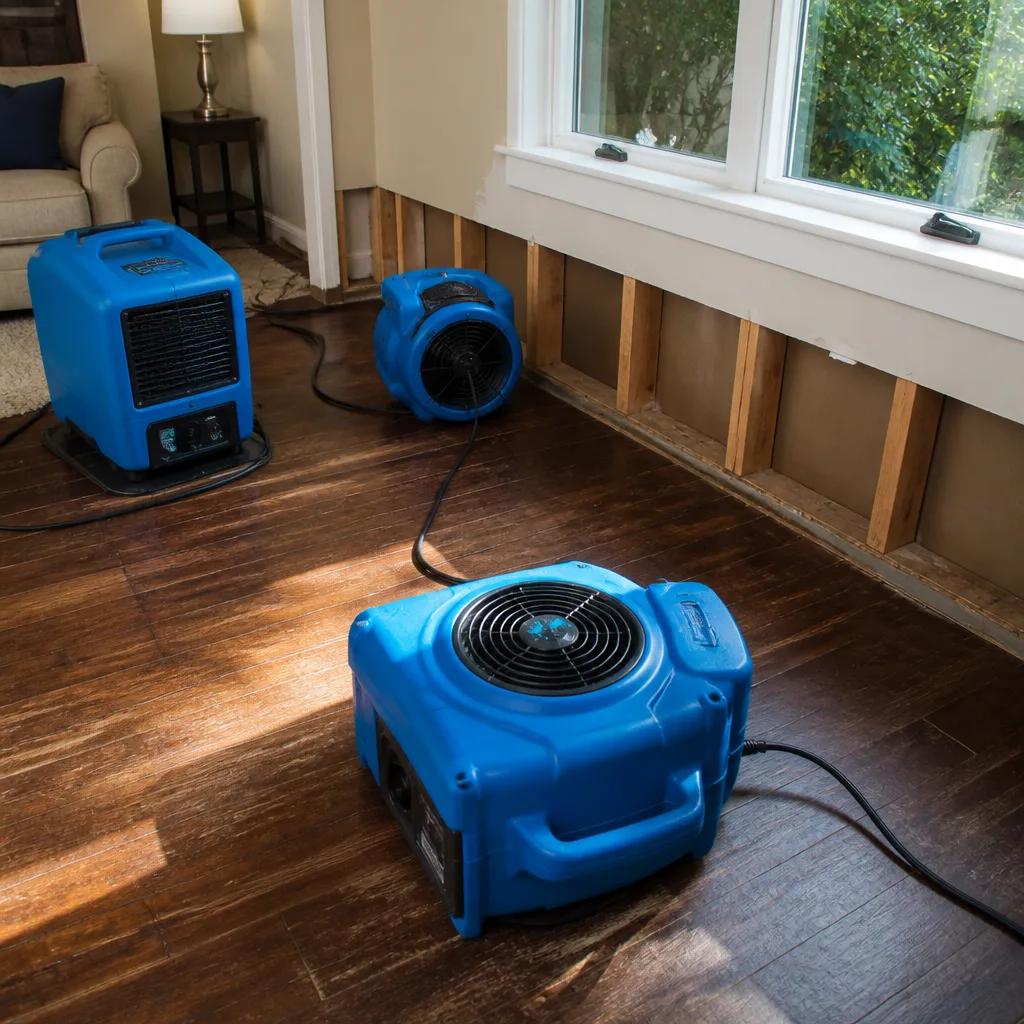
We install air movers to create laminar airflow across wet surfaces, paired with LGR dehumidifiers to remove vapor from the air. In Tukwila crawl spaces with hydrostatic moisture, we may supplement with Injectidry negative air pressure drying or sealed dehumidification chambers. Daily moisture logs track progress to IICRC and IFA documentation standards.
4. Cleaning & Sanitization
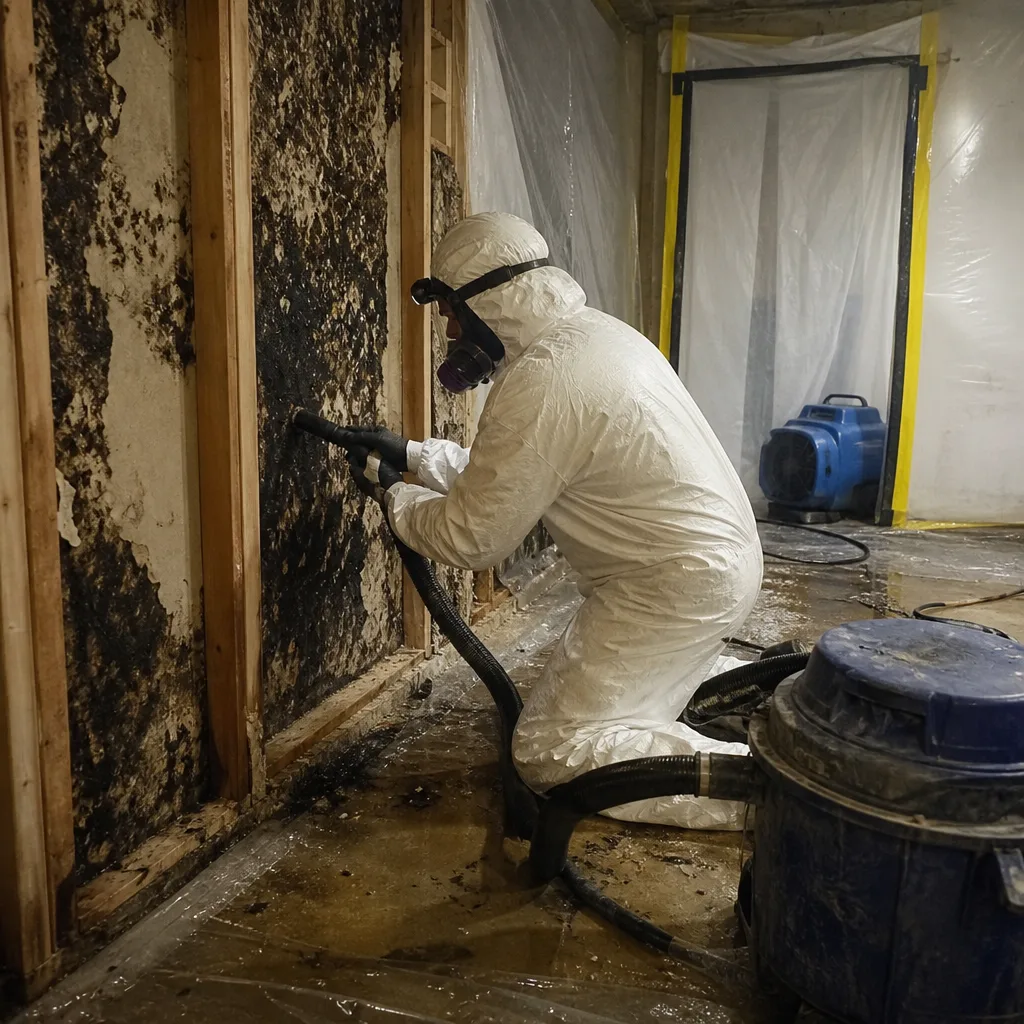
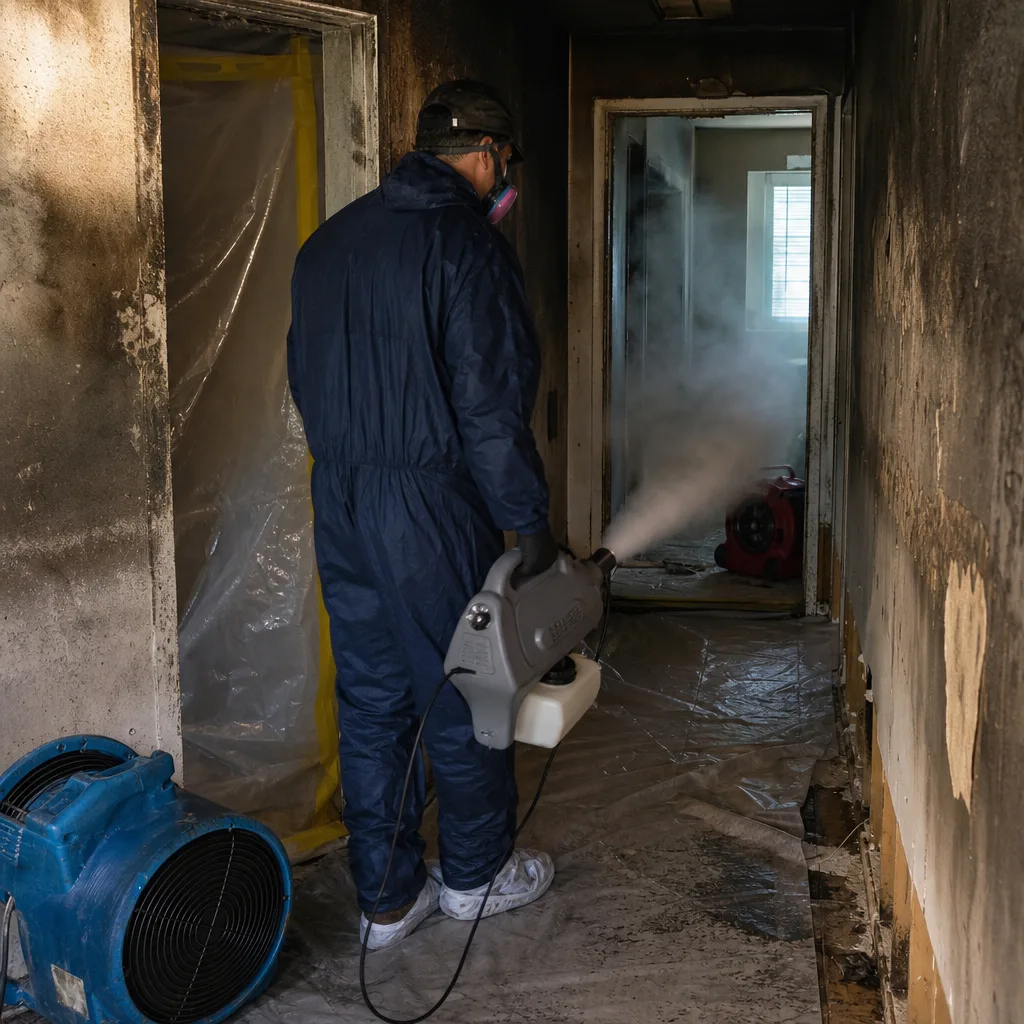
Category 2 and 3 losses receive antimicrobial treatment with EPA-registered products. HEPA air scrubbers run during this phase to capture airborne particulates. We clean and deodorize affected surfaces, with special attention to Tukwila’s older homes where organic growth can establish in wall cavities within 48 hours of saturation.
5. Hydrostatic Mitigation & Encapsulation
For Tukwila properties on the Duwamish floodplain, standard drying often fails because groundwater wicks back through saturated soil. We install vapor barriers, sump pumps, and perimeter drainage where hydrostatic pressure persists. This step distinguishes our work from upland crews who rarely encounter soil-sourced moisture reintrusion.
6. Repairs & Restoration
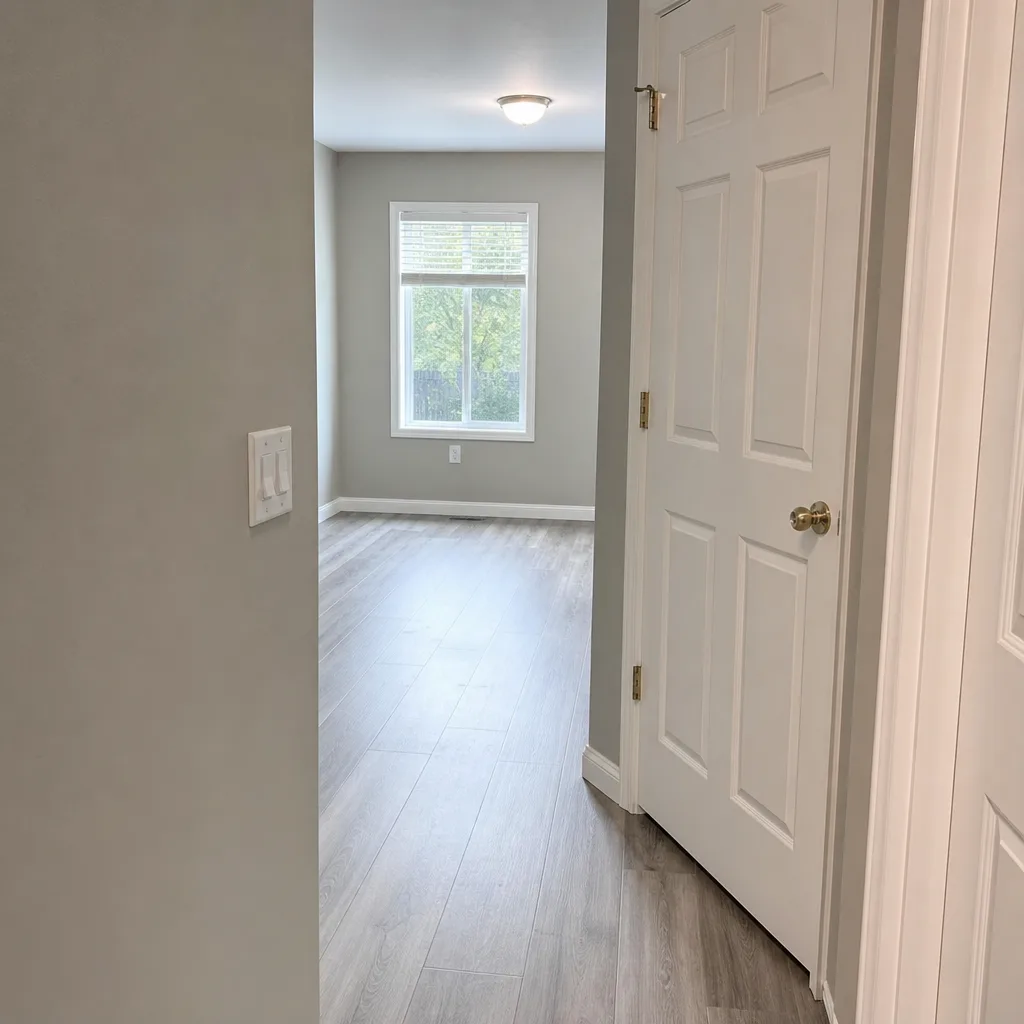
Our reconstruction team replaces removed materials with matching finishes. Drywall, flooring, trim, and paint are restored to pre-loss condition. The 365-Day Done Right Promise, backed by The Haven Standard, covers all work. A final walkthrough with photo documentation confirms completion.
Need Emergency Water Damage Restoration in Tukwila Now?
Crews minutes away, answering live 24 hours a day. The sooner we start, the less it costs.
Working With Your Insurance Company
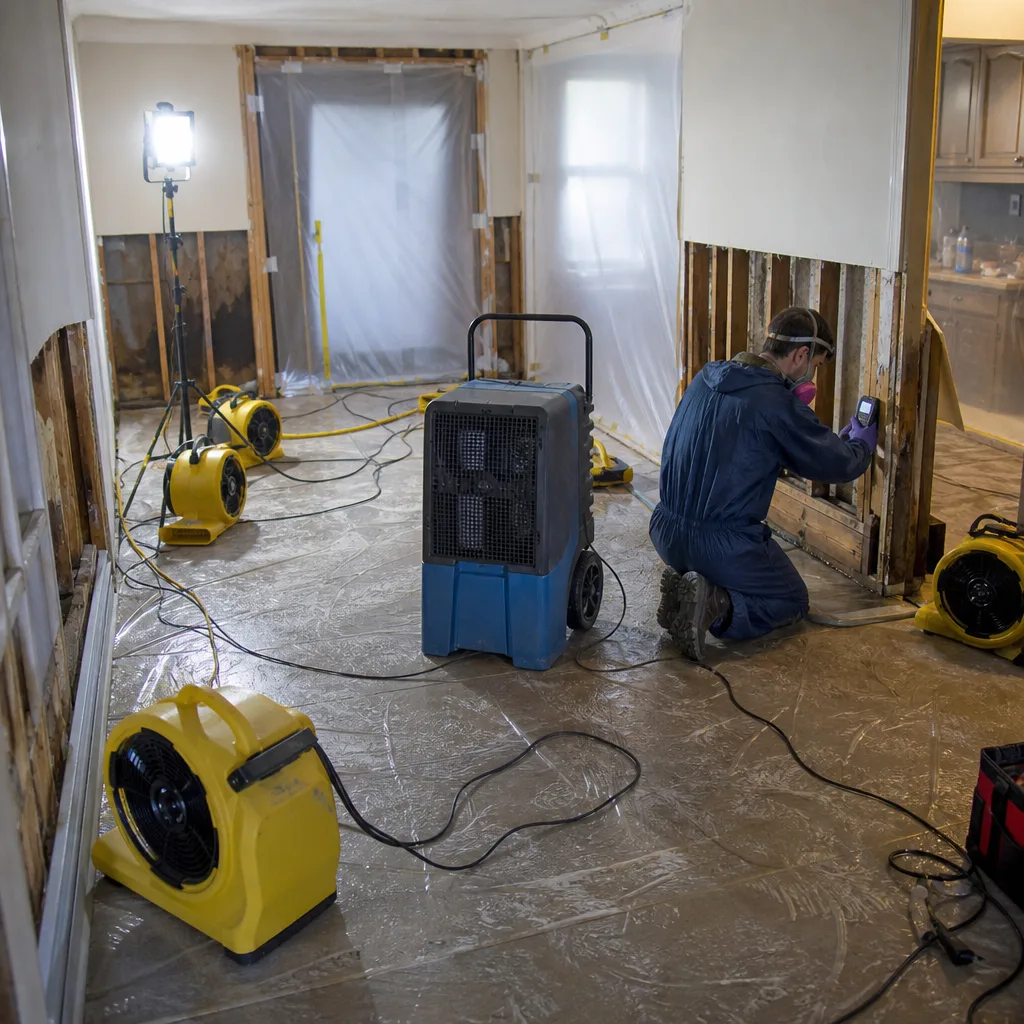
Documentation begins the moment our technician steps onto your property. We photograph every angle of the loss, record moisture readings by room and material, and build a line-item estimate formatted to your carrier’s preferred structure. Our estimates include Xactimate pricing, the industry standard most adjusters recognize immediately.
We coordinate directly with your adjuster, providing the drying logs and photo records that turn restoration invoices into payable claims. For Tukwila properties in FEMA-designated flood zones, we understand the separate documentation requirements of NFIP policies versus standard homeowners coverage. Riverine flood claims demand specific proof of water source, elevation certificates, and pre-existing condition documentation that our crews are trained to capture from the first visit.
What We Provide Your Insurer
- Thorough documentation of the loss
- Photos of all damage, room by room
- Moisture readings and drying logs
- A detailed, line-item scope of work
- Direct coordination with your carrier
Built for Tukwila’s Loss Calendar
January through March brings the heaviest rain to the Duwamish Valley, with saturated soils and Howard Hanson Dam releases creating the conditions for groundwater intrusion in low-lying neighborhoods. February freeze-thaw cycles burst aging copper and galvanized supply lines in Foster’s mid-century homes, where original plumbing has exceeded its service life.
April to June, spring runoff swells the Green and Duwamish Rivers, raising the water table throughout the valley floor. Crawl spaces that stayed dry all winter suddenly show standing water. July and August thunderstorms deliver intense, short-duration rainfall that overwhelms older gutter and drainage systems on Tukwila’s commercial buildings.
September through November is peak flood season, coinciding with early winter storm systems and potential dam management releases. December freezes repeat the pipe-burst pattern. Unlike hillside cities where gravity drains water away, Tukwila’s flat valley floor traps moisture until it is actively extracted and the soil itself is addressed.
Water Damage Restoration Across Tukwila’s Neighborhoods
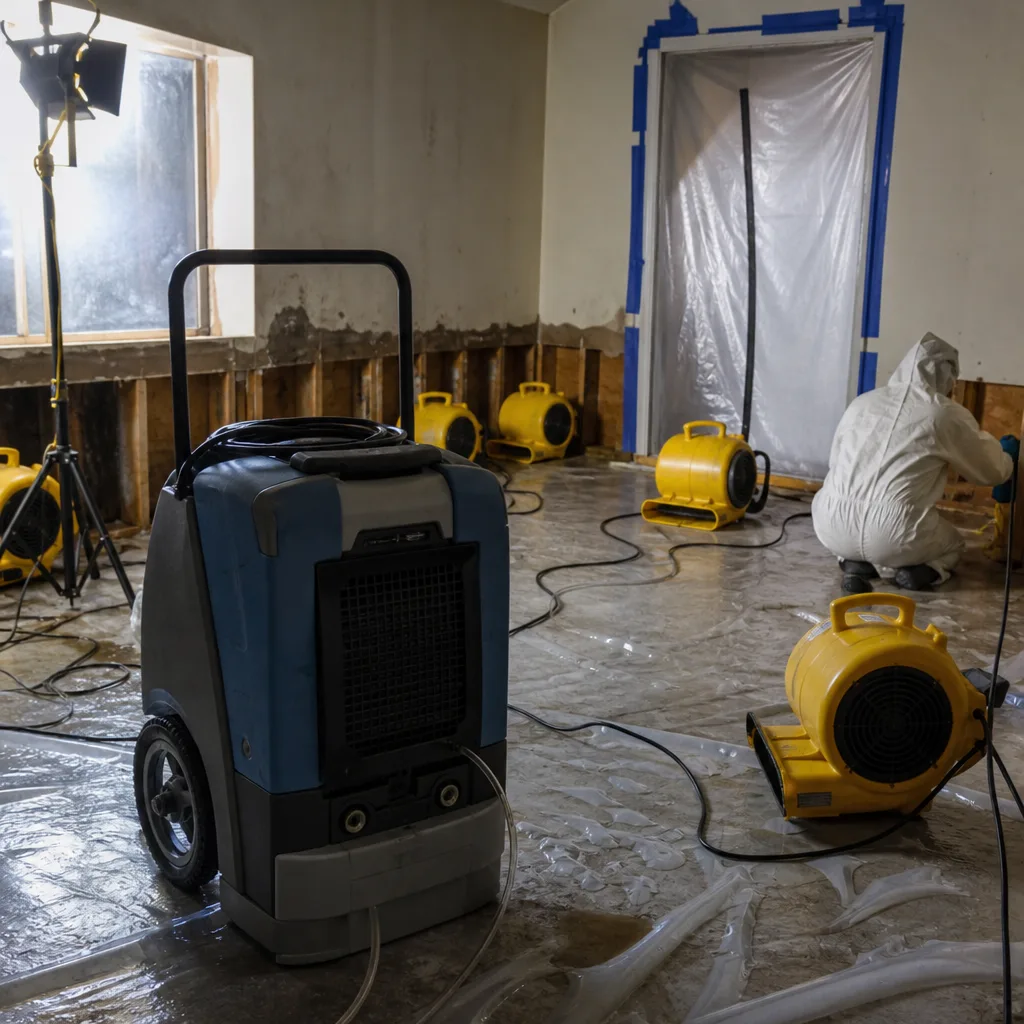
The Foster neighborhood, stretching along Foster Road between Interurban Avenue and the Duwamish River, is our most frequent call zone for residential water damage. These 1950s-70s tract homes have unconditioned crawl spaces with original vapor barriers that have turned to brittle plastic shards. When groundwater rises, there’s no protection between saturated soil and floor joists. We were called to a 1968 tract home on Foster Road where the original vapor barrier had disintegrated and groundwater had wicked into the crawl space after heavy rain. Our techs used moisture mapping to find that the soil was still saturated, so we deployed air movers and dehumidification after injecting antimicrobial treatment, then installed a new encapsulation system to stop hydrostatic wicking. The homeowner avoided a mold problem that would have started within 48 hours.
The Southcenter corridor, centered on Westfield Southcenter and the surrounding retail and hospitality properties, presents a different challenge. These large-format slab-on-grade buildings have complex mechanical systems and expansive floor plates where water can migrate hundreds of feet before showing at the surface. Standard extraction misses moisture trapped beneath commercial flooring adhesives. We deploy Injectidry panel systems and directed heat drying for these environments, with documentation protocols that satisfy corporate risk managers and their insurers.
Residential pockets near Tukwila International Boulevard and Strander Boulevard include a mix of mid-century rambler and split-level homes with basements that are technically below-grade in this low-elevation city. Basement water removal here often involves submersible pumps and sealed negative-pressure drying, not just portable equipment.
The Riverton area, closest to the Duwamish, faces the highest flood risk. Properties here carry mandatory flood insurance, and our documentation must meet NFIP standards for proof of loss, including elevation relative to the base flood level.
Specialized Water Damage Restoration Services We Offer in Tukwila
Emergency Water Extraction
Standing water is extracted within hours, not days, using truck-mounted systems rated to 15,000+ BTU vacuum power. In Tukwila’s commercial buildings, we deploy portable extraction units for parking garage and loading dock flooding where truck mounts cannot access. Typical residential extraction in Tukwila runs $800-$2,200 depending on affected square footage and water depth.
Structural Drying & Dehumidification
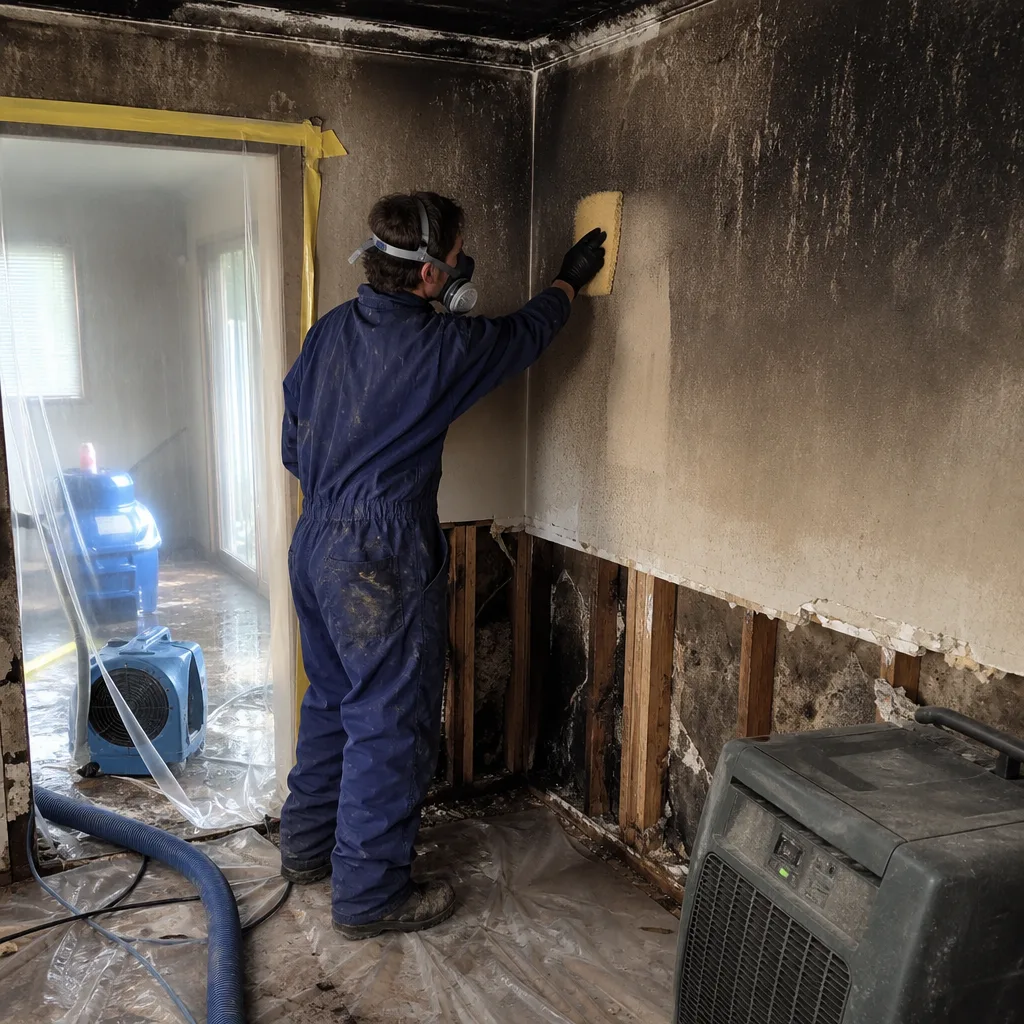
Air movers, LGR dehumidifiers, and desiccant systems are sized to the cubic footage and class of water loss. Tukwila’s valley-floor humidity means we often oversize dehumidification capacity compared to drier markets. Daily psychrometric logs track specific humidity, grains per pound, and vapor pressure differential until materials reach dry standard. Residential structural drying in Tukwila typically ranges $1,800-$4,500 for a three-to-five-day protocol.
Flood Cleanup
Riverine flood events carry Category 3 contamination requiring full PPE, antimicrobial treatment, and disposal of porous materials per IICRC S500. We document flood source, duration, and elevation for NFIP claims. Tukwila flood cleanup starts at $3,500 for limited intrusion and can exceed $12,000 for whole-house events with foundation-level saturation.
Burst Pipe Restoration
We extract water, dry affected assemblies, and coordinate with licensed plumbers for pipe repair. In Foster’s aging homes, we often find galvanized or early copper systems that have corroded at joints. Our scope includes opening walls to access plumbing, then restoring finishes to match.
Basement Water Removal
Tukwila basements are especially vulnerable due to the high water table. We install temporary sump systems, extract standing water, and deploy sealed drying chambers. Without addressing hydrostatic pressure, basements re-wet within days. Encapsulation and perimeter drainage may be recommended as permanent solutions, typically $4,500-$9,500 for a standard Tukwila basement.
What happens when you call
- 1
A real person answersNo phone trees - you reach a local pro.
- 2
You get an upfront price rangeHonest numbers before anyone is dispatched.
- 3
A background-checked tech heads outLicensed & insured, dispatched right away.
- 4
You approve before work beginsNothing starts until you say go.
Water Damage Restoration Costs in Tukwila, WA
| Service | Typical Range in Tukwila |
|---|---|
| Emergency water extraction | $800 - $2,200 |
| Structural drying & dehumidification (residential) | $1,800 - $4,500 |
| Flood cleanup (Category 3, limited area) | $3,500 - $7,500 |
| Basement water removal with encapsulation | $4,500 - $9,500 |
| Full residential restoration (extraction through rebuild) | $8,500 - $22,000 |
What moves the price: water category (clean vs. contaminated), affected square footage, whether water reached wall cavities or remained on floor surfaces, and whether hydrostatic conditions require encapsulation beyond standard drying. Insurance typically covers sudden and accidental water damage from plumbing failures; flood damage from exterior sources requires separate flood insurance, which many Tukwila properties carry due to FEMA zone requirements.
Every job starts with a free visual inspection and a written price before work begins. Haven Standard, Clause 1. Bring a competitor’s written estimate and we’ll provide a free second opinion.
We Also Serve Cities Near Tukwila
Our crews respond throughout the metro area from our Seattle office, including Water Damage Restoration in Tukwila and surrounding communities: Bothell, Kenmore, Woodinville, and Brier. Each city receives the same documentation-first protocol and 365-Day Done Right Promise.
Serving Tukwila, WA - Our Local Coverage Area
We’re based in the Tukwila area and know this community well. Use the map below to see our service coverage - if you’re nearby, we can almost certainly help.
Tukwila Water Damage Restoration Questions, Answered
How fast can you get to Tukwila?
Our crews can be on-site anywhere in Tukwila within 45 minutes of your call, 24 hours a day, 7 days a week. We dispatch from our Seattle office and maintain dedicated response routes for the Duwamish Valley corridor. Call (425) 696-6061 and a live person answers immediately.
Will insurance cover my water damage?
Most sudden and accidental water damage from plumbing failures is covered by standard homeowners policies. Tukwila properties in FEMA-designated flood zones may have separate NFIP coverage for riverine flooding, which we document differently. We provide photo records, moisture logs, and line-item scopes that align with your carrier’s requirements. Call (425) 696-6061 for a free inspection and we’ll review your coverage specifics.
Do I need full restoration or just cleanup?
Cleanup removes water and surface contamination. Restoration returns materials to pre-loss condition. If water reached drywall, insulation, or subflooring for more than 24 hours, restoration is typically necessary to prevent mold and structural degradation. Our moisture mapping determines the actual extent before you commit to any scope.
How does Tukwila pricing compare to nearby cities?
Tukwila water damage restoration runs roughly 10-15% higher than upland cities like SeaTac or Burien due to hydrostatic conditions requiring extended drying protocols and potential encapsulation. The high groundwater table means we often deploy additional dehumidification capacity and longer monitoring periods. We publish ranges openly because Haven Standard, Clause 1 requires a written price before work starts.
How long does drying take in Tukwila?
Standard residential drying takes 3-5 days in most markets. In Tukwila’s high-groundwater environment, 5-7 days is more typical for crawl spaces and below-grade areas where soil moisture reintrusion is a risk. We verify completion with moisture readings, not calendar days, and provide daily drying logs to your insurer. Call (425) 696-6061 to schedule assessment.
Can we stay in the home during restoration?
Category 1 losses with limited affected area often allow occupants to remain. Category 2 or 3 contamination, or any loss affecting HVAC systems, typically requires temporary relocation for safety. We assess air quality, contamination level, and structural access needs during the initial inspection and advise you directly.
What certifications do your technicians hold?
Our water damage technicians hold IICRC WRT (Water Damage Restoration Technician) and ASD (Applied Structural Drying) certifications. All work is documented to IICRC, RIA, and IFA standards. Technicians are background-checked, licensed, and insured, with license numbers provided on request. Alicia Brennan, our owner, built this documentation protocol from her experience as a former claims adjuster.
What should I do in the first 30 minutes after discovering water damage?
Stop the water source if safe to do so, turn off electricity to affected areas if water is near outlets or panels, and call (425) 696-6061 immediately. Do not enter standing water if electrical hazards are present. Remove small valuables and documents from the affected area if you can do so safely. Our technician will arrive with extraction equipment and begin documentation within the hour.
Why does water damage in Tukwila’s Foster neighborhood sometimes require encapsulation, not just extraction?
The Foster neighborhood sits on the Duwamish River floodplain with a high groundwater table that remains saturated even after surface water is extracted. Without encapsulation, moisture wicks back up through soil and re-wets floor joists and insulation within 24-48 hours, triggering mold growth. We install vapor barriers and sealed dehumidification systems to break this cycle permanently.
How does the Howard Hanson Dam affect water damage restoration in Tukwila?
The dam on the Green River upstream controls releases that directly affect Duwamish River levels and valley groundwater. Documented seepage issues and emergency release protocols in 2009 established that Tukwila properties face riverine flood risk distinct from upland cities. Our crews understand NFIP documentation requirements and dam-release timing that affect flood claim validity.
What’s the biggest mistake homeowners make when drying out a wet crawl space in Tukwila?
Assuming extraction alone will solve the problem. In Tukwila’s hydrostatic environment, standing water returns through saturated soil unless the crawl space is encapsulated and the water table is managed. Atmospheric drying methods fail here because the moisture source is below, not above, the structure. We see mold calls within a week of incomplete dry-outs by crews unfamiliar with valley-floor conditions.
Do commercial buildings near Southcenter need different water damage restoration methods?
Yes. Large-format slab-on-grade commercial buildings have expansive floor plates where moisture migrates through concrete rather than remaining on the surface. Standard portable equipment cannot address slab saturation. We deploy Injectidry panel systems, directed heat drying, and commercial-grade LGR dehumidifiers sized to the cubic footage and occupancy load of these buildings.
How do you document water damage for flood insurance claims in Tukwila?
We photograph water source, depth markers, affected materials, and pre-existing conditions. We record elevation relative to base flood elevation when available, document water category as riverine flood, and provide moisture logs showing drying progress. This documentation aligns with NFIP proof-of-loss requirements that differ from standard homeowners claim formats. Our owner, Alicia Brennan, developed this protocol specifically to close the documentation gap that denies flood claims.
Every job we perform is covered by our Water Damage Restoration team’s 365-Day Done Right Promise under The Haven Standard. If it’s not done right, we make it right. That guarantee is written, signed, and delivered with every scope, not mentioned verbally and forgotten.
Written by Alicia Brennan, Owner at DryMark Restoration Bothell, serving Tukwila since 2011.
Water Damage Restoration in Nearby Areas