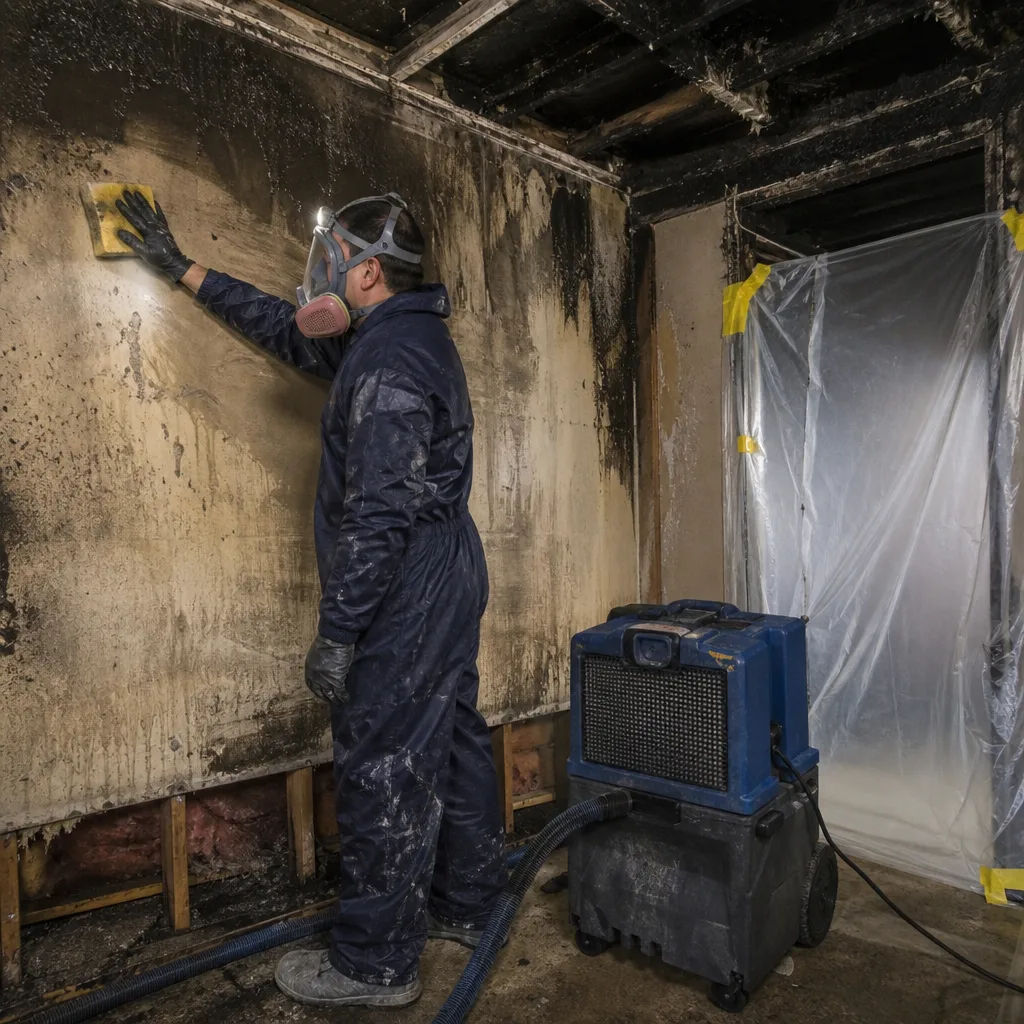
Free visual inspection and a written scope of work before any mitigation begins - photos, moisture readings, and drying logs go in your claim file
The scope we write is the scope we bill. Anything new gets shown to you, in writing, before we touch it.
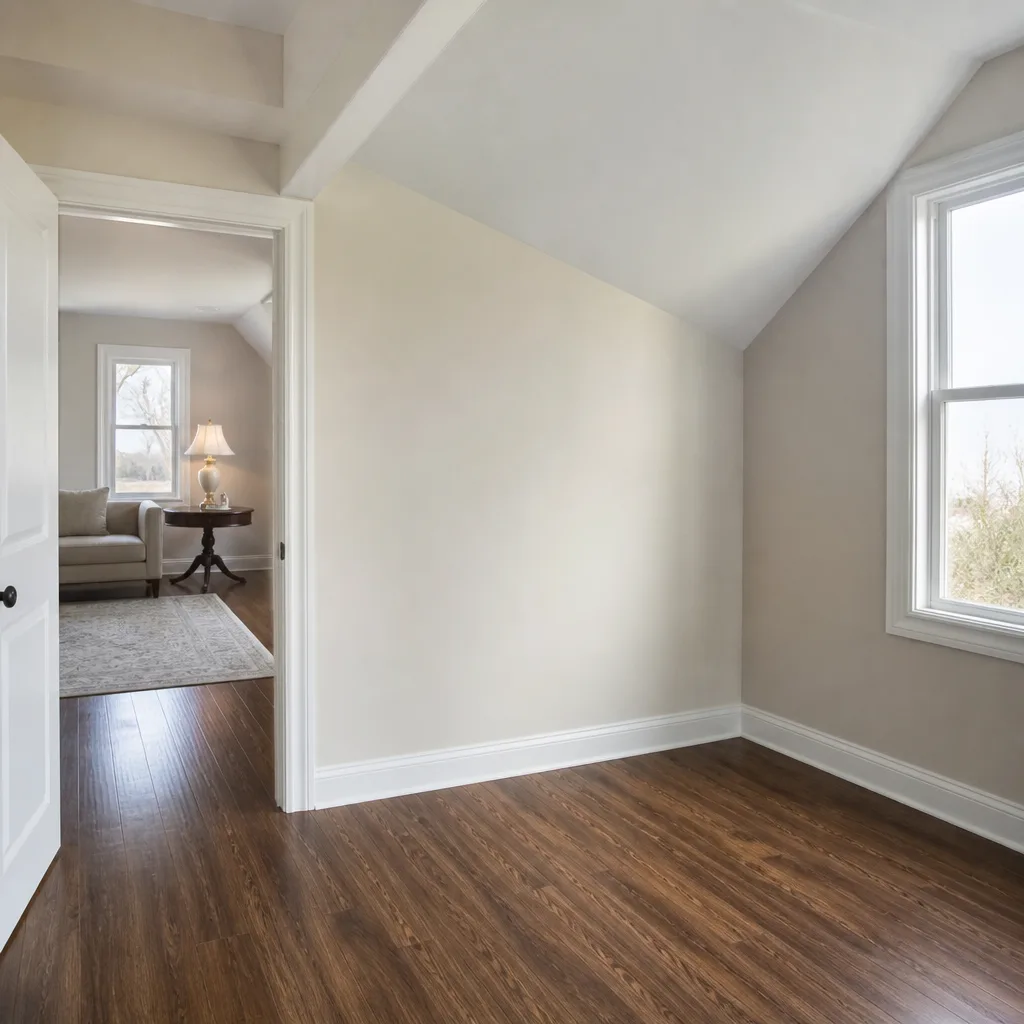
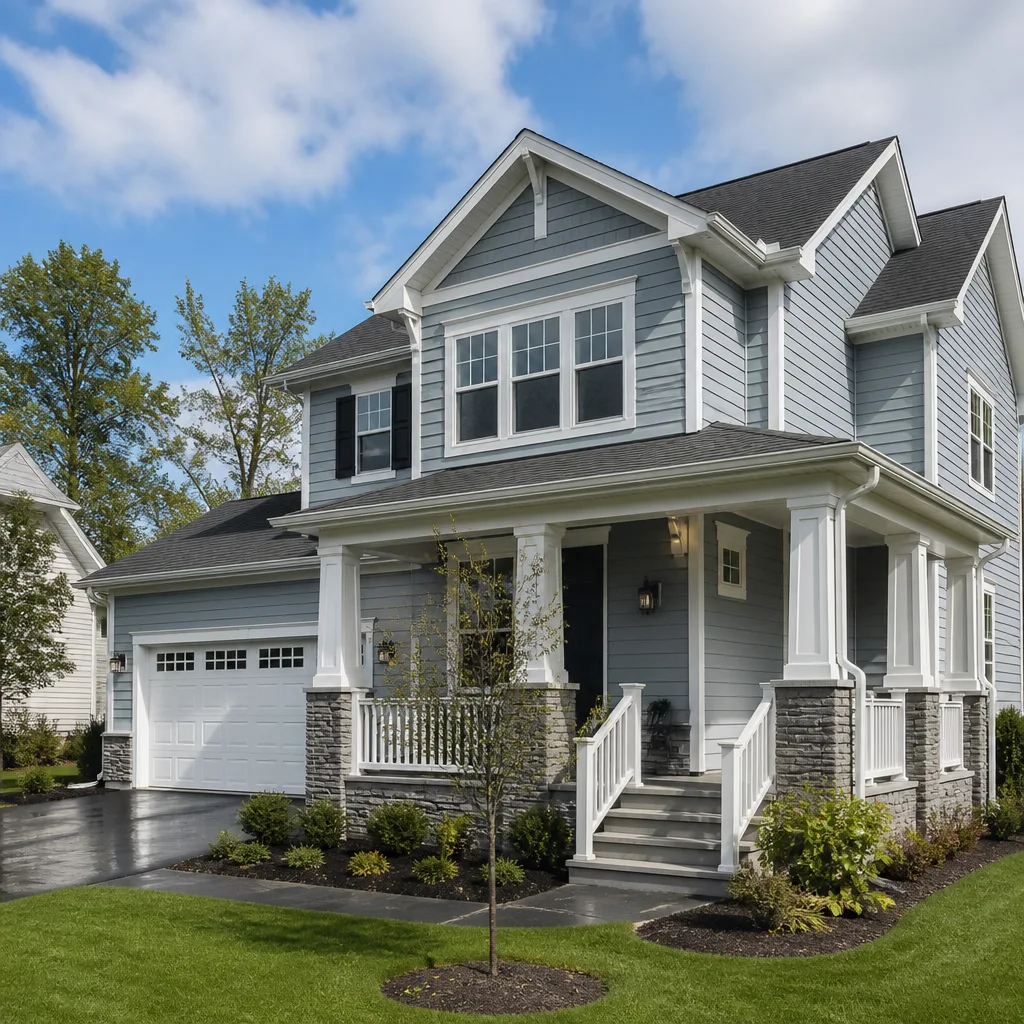
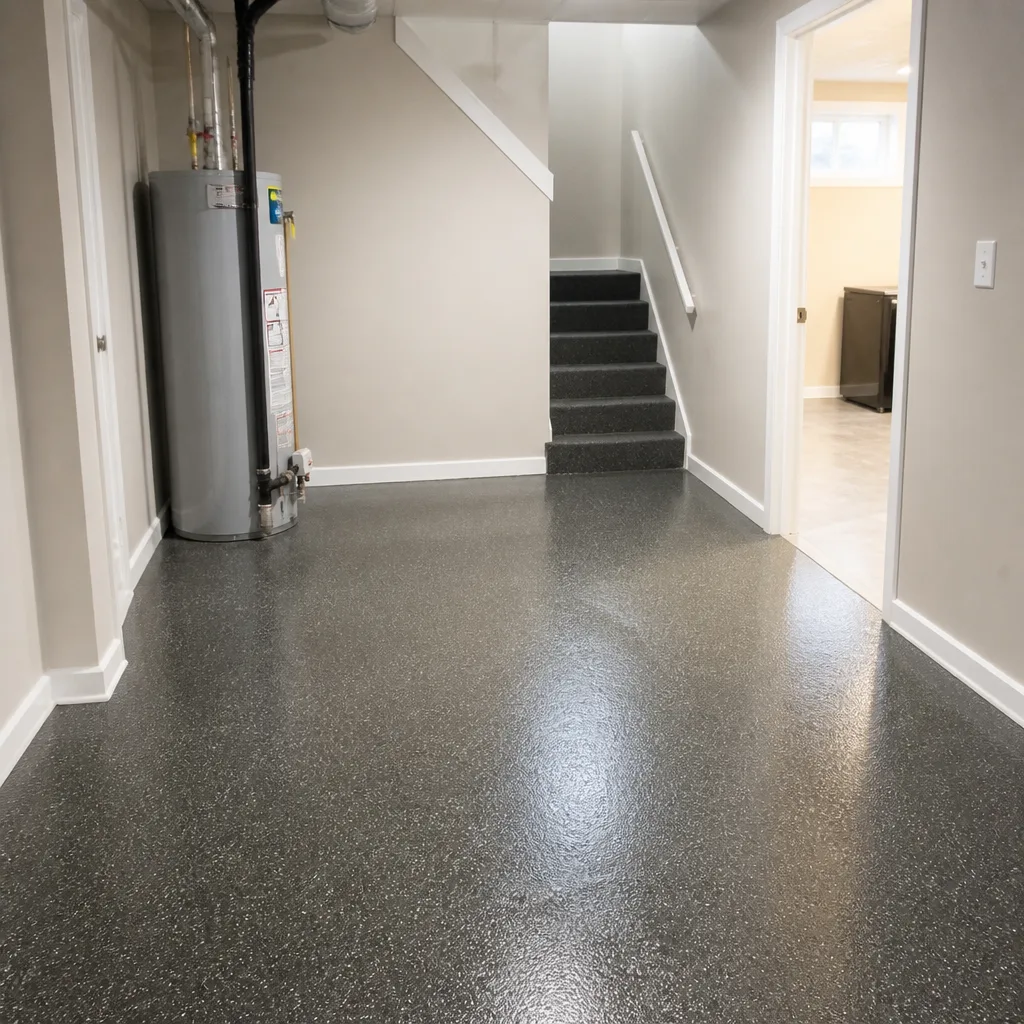
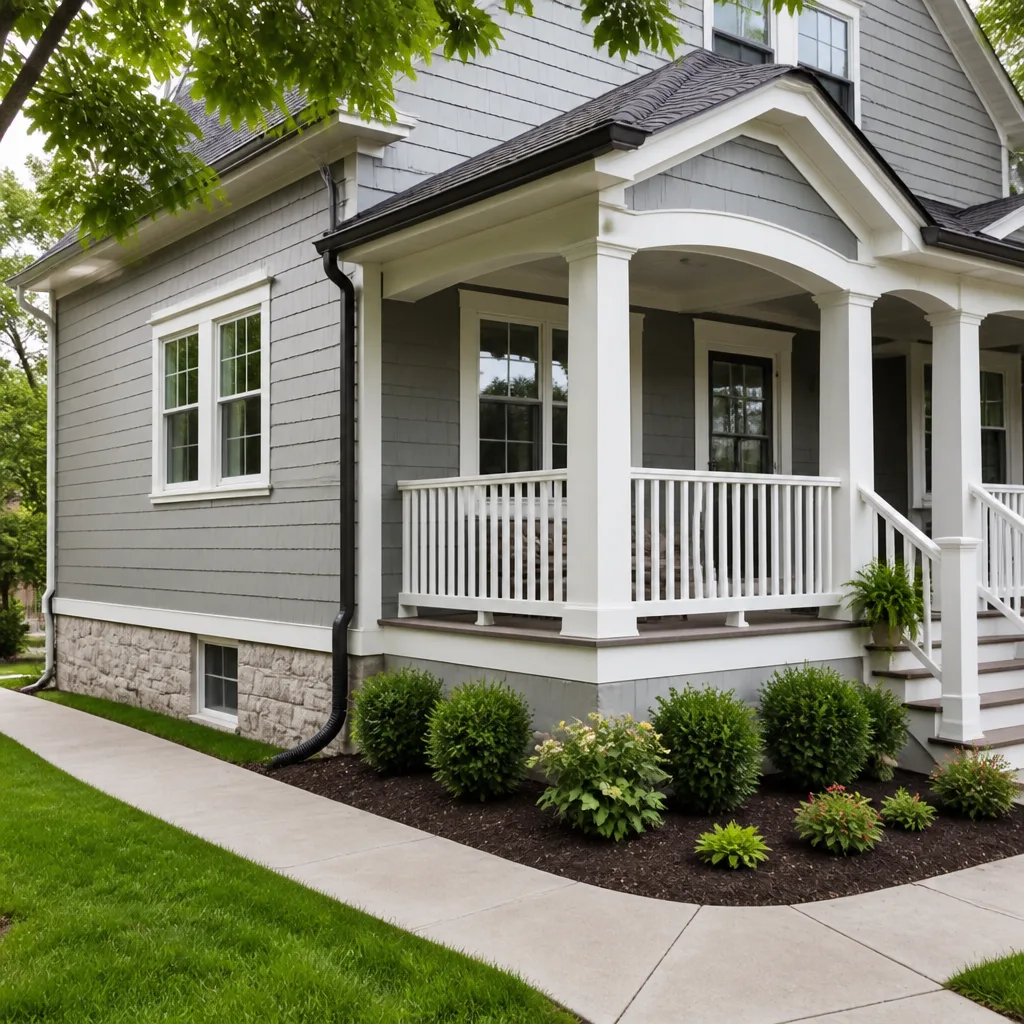
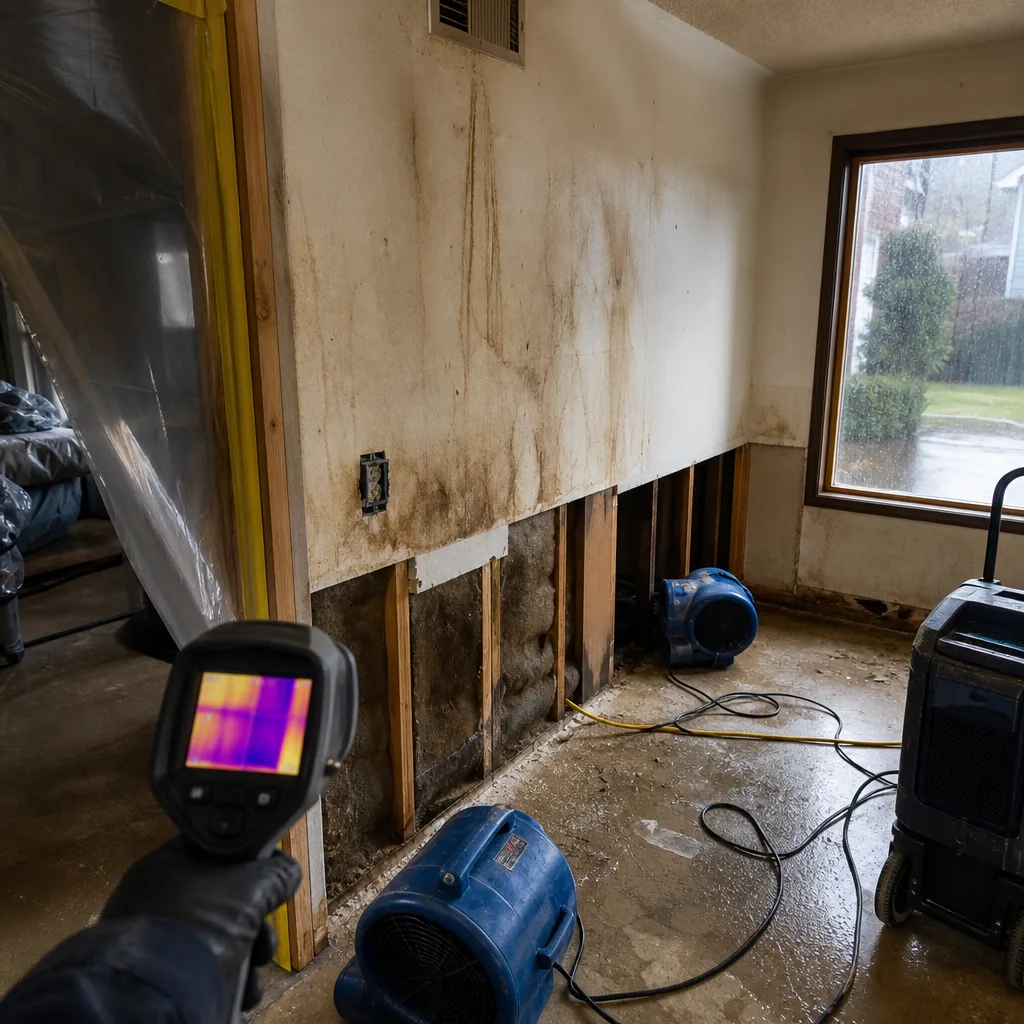 Before
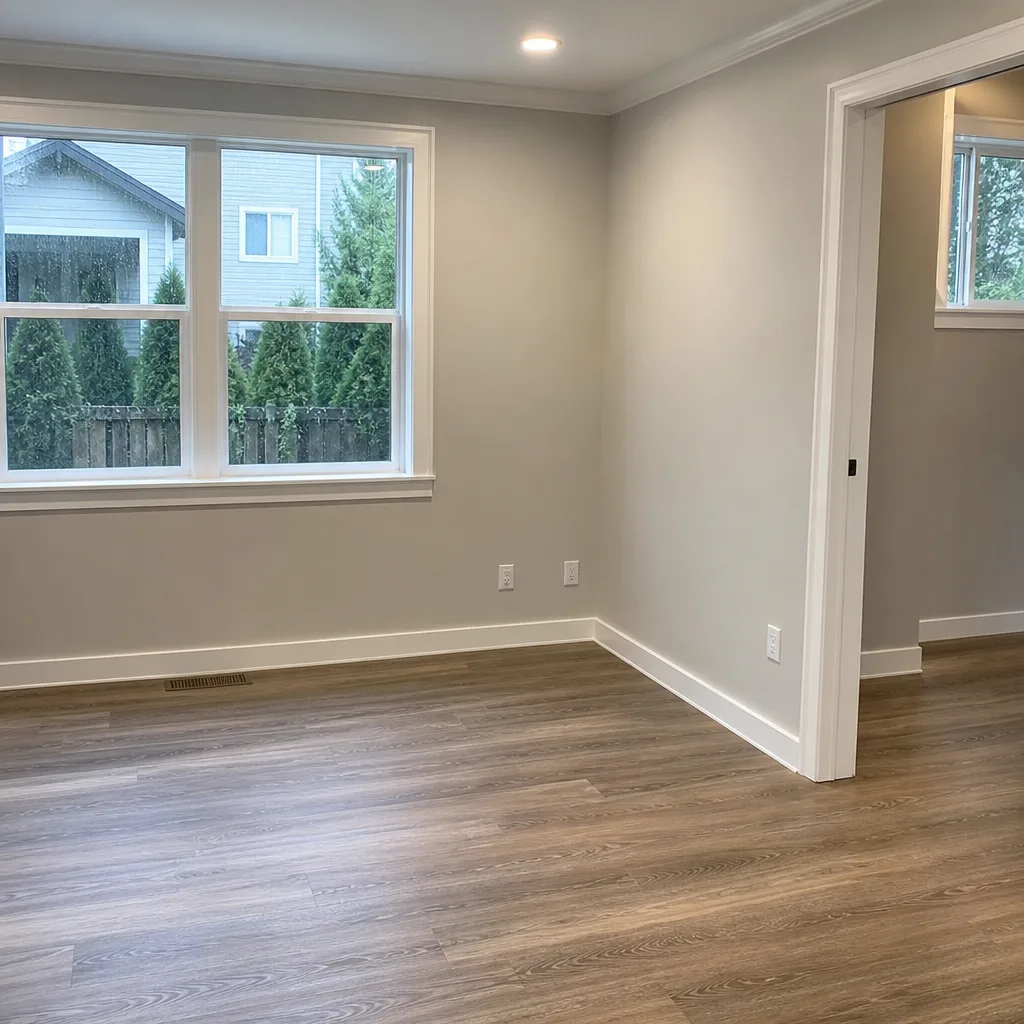 After
After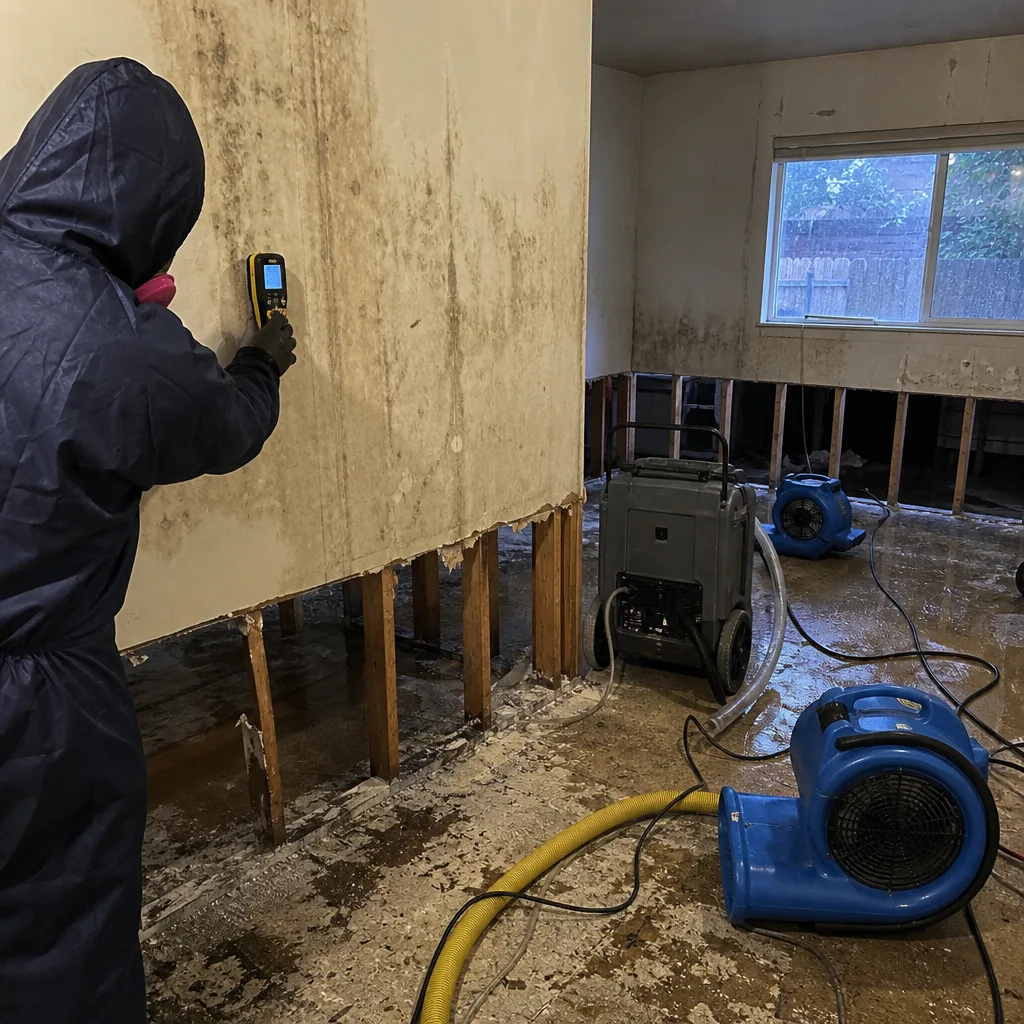 Before
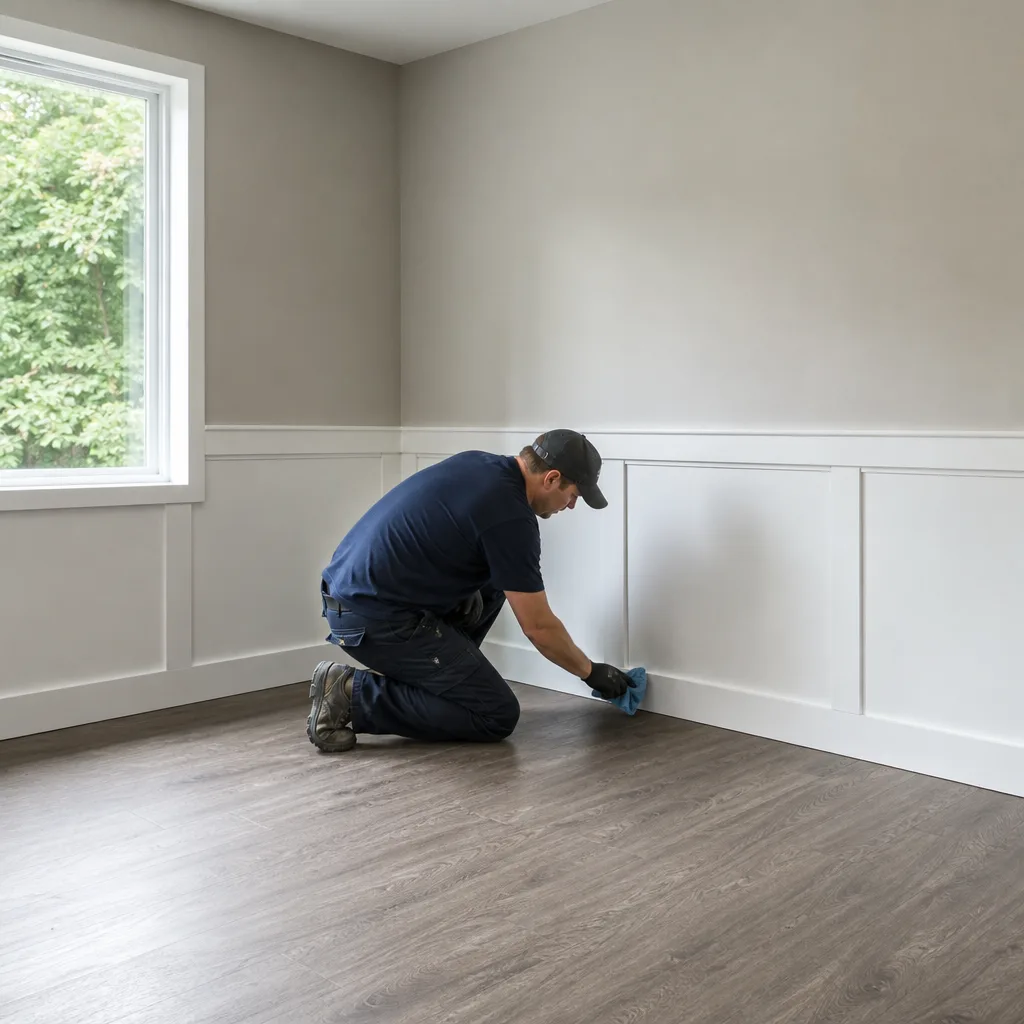 After
After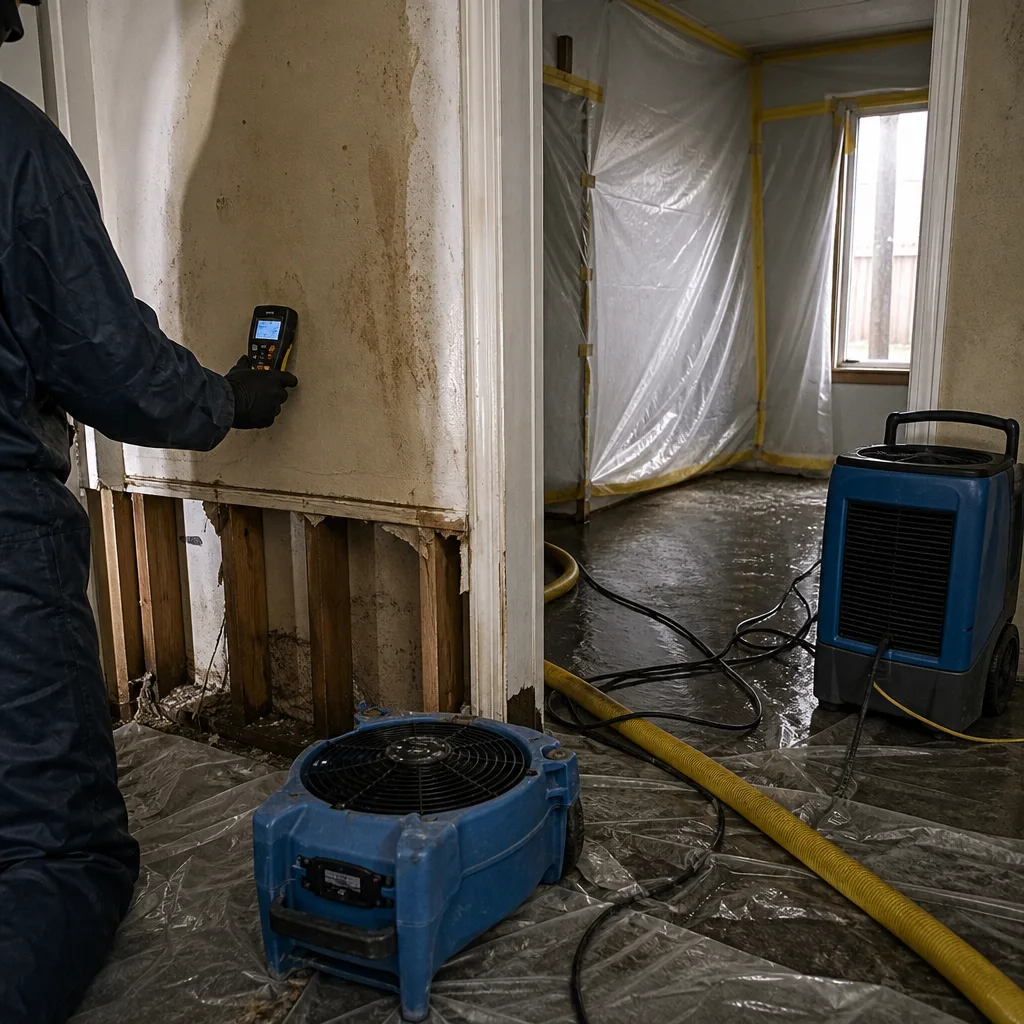 Before
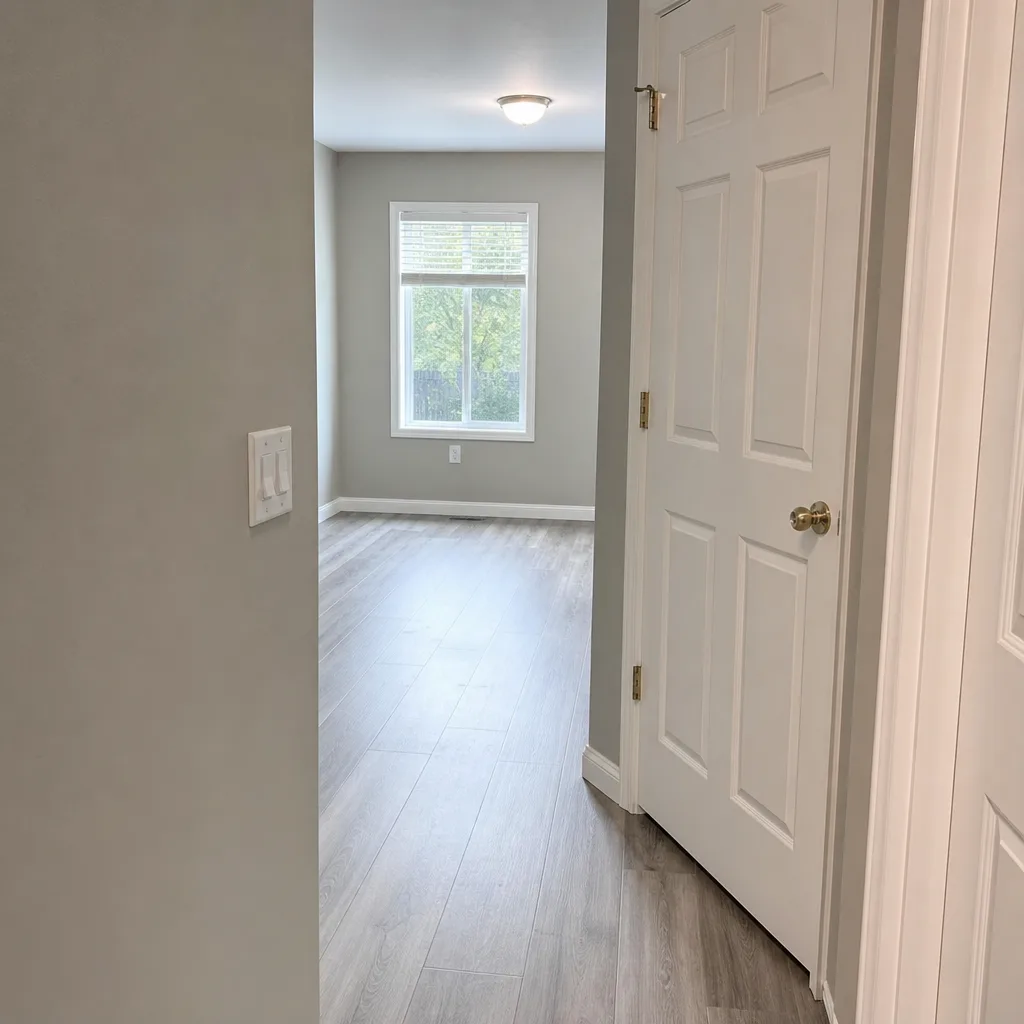 After
After24/7 Emergency Water Damage Restoration in Brier
Water damage restoration in Brier typically costs $2,800-$6,500 for a standard residential loss, with emergency extraction and structural drying starting at $1,200-$2,400 for contained areas. Most Brier properties require 3-5 days of active drying due to the city’s shaded, perpetually damp microclimate beneath its dense conifer canopy. Call (425) 696-6061 now - we answer live, 24 hours a day, 7 days a week, and crews are dispatched from our Seattle office to Brier within 45 minutes.
The first hour after water intrusion determines whether you’re looking at extraction and drying or full mold remediation. In Brier, that window closes faster than almost anywhere else in Snohomish County. The Douglas firs and Western red cedars that make this city desirable also keep lots shaded and soils damp year-round, so ambient conditions never help the drying process. Water keeps moving into drywall, subfloors, and insulation while you’re deciding who to call. Our Water Damage Restoration team arrives with moisture meters, thermal imaging, and extraction equipment already loaded - no warehouse stops, no delays.
We provide a free visual inspection on every call, document everything with photos from the first minute, and deliver a written price before any work begins. Haven Standard, Clause 1. No exceptions.
Understanding Water Damage Restoration Severity in Brier Properties
Water damage breaks into three categories, and Brier’s conditions push most losses toward the severe end faster than you’d expect. Category 1 is clean water - a burst supply line, an overflowing sink. Category 2 is gray water with contaminants - dishwasher discharge, sump pump failures, water that has passed through building materials. Category 3 is black water: sewage, groundwater flooding, or any water that has sat long enough to breed bacteria. In Brier’s shaded crawl spaces, Category 1 often becomes Category 2 within 24 hours because the damp environment prevents natural evaporation.
Moisture mapping is how we find what you can’t see. Our techs use non-penetrating meters to scan wall cavities and thermal imaging to spot temperature differentials behind finishes. Structural drying then targets the specific vapor pressure differential - the force that drives moisture from wet materials into the air - using calculated air movement and dehumidification. Psychrometric data, the measurement of temperature and relative humidity, guides every equipment placement. In Brier’s crawl-space-heavy housing stock, built largely from the 1950s through the 1990s, we regularly find moisture trapped in subfloor assemblies that surface readings miss entirely. Tertiary drying, the final phase where materials reach equilibrium moisture content, takes longer here because the surrounding environment works against us. We document every reading, every day, in drying logs formatted to IICRC S500 standards that your adjuster can read without translation.
Why Brier Property Owners Choose DryMark Restoration Bothell
- 45-minute response commitment to Brier properties - our crews pre-load equipment at the Seattle office when windstorm warnings issue, cutting dispatch time before you even call.
- 24/7 live answer - a real person, never an automated system or voicemail tree, picks up every emergency line. At 2 AM during a January storm, you’re talking to someone who can dispatch a crew, not leave you a callback number while water spreads through your ceiling.
- IICRC-certified crews - our technicians hold WRT (Water Damage Restoration Technician), FSRT (Fire & Smoke Restoration Technician), and AMRT (Applied Microbial Remediation Technician) certifications, with license numbers documented on every job file.
- Free visual inspection - we assess the loss, identify the water category, and outline the scope before any commitment. No charge, no pressure.
- Direct insurance billing - we coordinate with your carrier, submit documentation in Xactimate format, and handle adjuster questions so you’re not translating moisture logs into claim language.
- One team from extraction to reconstruction - the same crew that extracts your water writes the drying log, performs the rebuild, and signs the 365-Day Done Right Promise. No handoffs, no gaps in documentation.
BeforeAfterOur Water Damage Restoration Process
1. Inspection & Assessment
We arrive with moisture meters, thermal imaging cameras, and hygrometers to map the full extent of the loss. In Brier, this means checking crawl spaces even when the visible damage is upstairs - tree-fall roof breaches often channel water into wall cavities that drain downward for hours. We classify the water category, photograph everything, and deliver a written scope and price before equipment runs.
2. Extraction & Stabilization
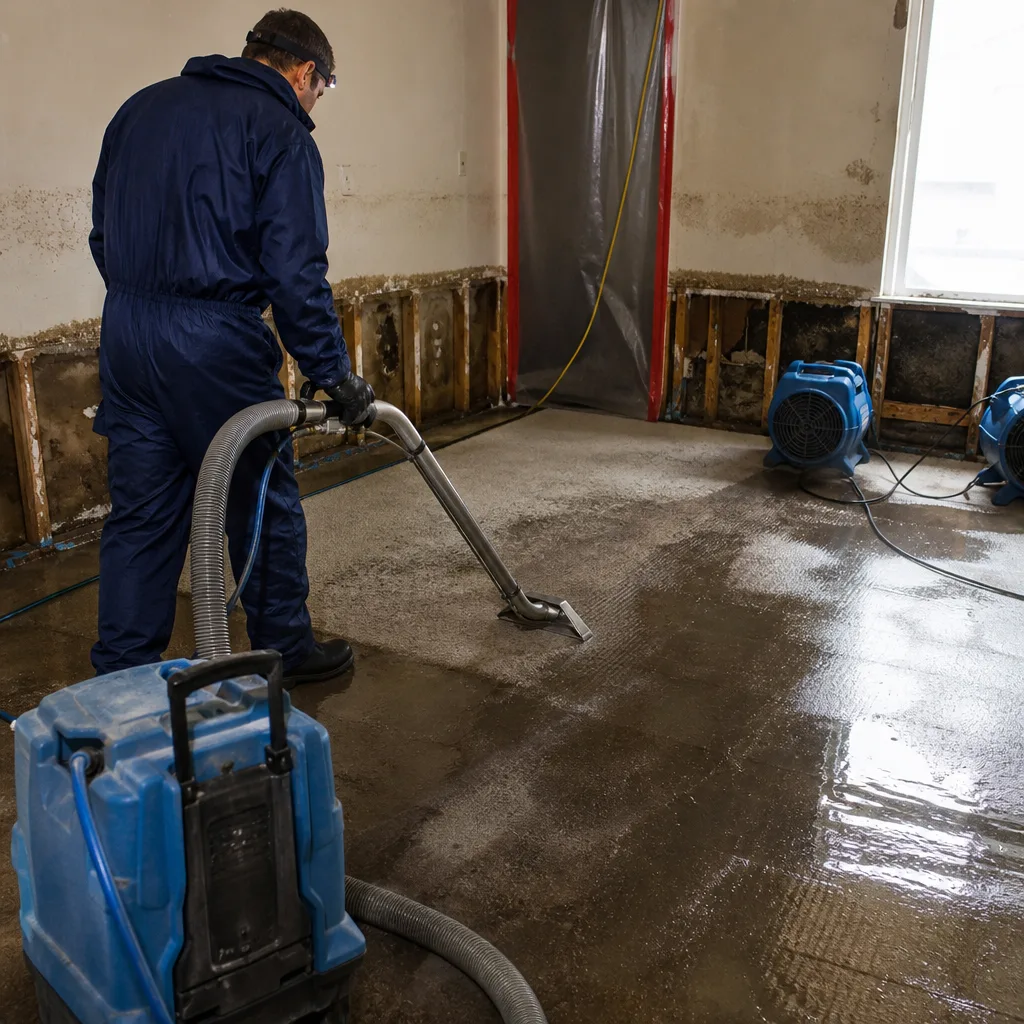
Standing water comes out first. Truck-mounted extraction systems handle deep flooding; portable units reach basements and crawl spaces where access is tight. We remove saturated carpet pad and classify salvageable materials. For Brier’s standard crawl-space foundations, this often means extracting from below while drying from above.
3. Drying & Dehumidification
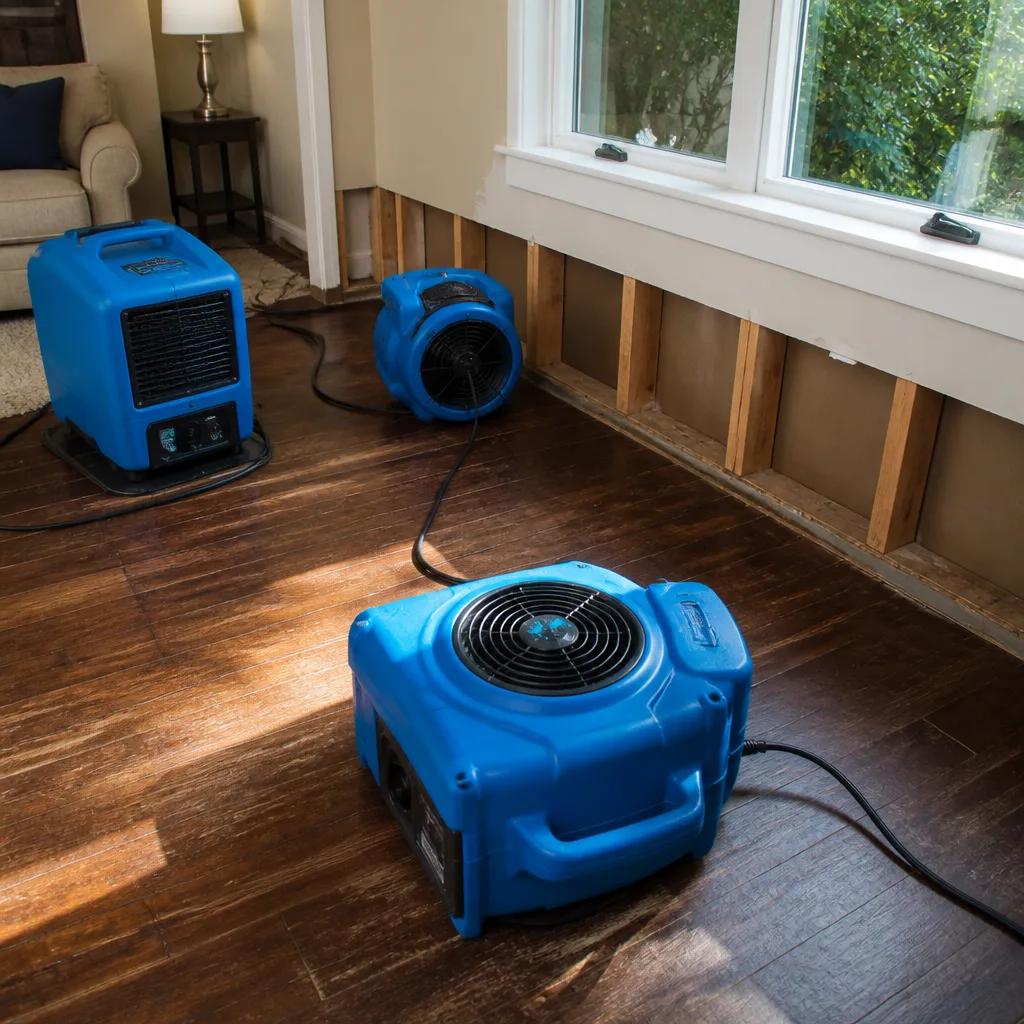
Air movers create controlled airflow across wet surfaces; dehumidifiers remove the vapor load. We deploy Dri-Eaz and Phoenix LGR dehumidifiers sized to the space and vapor pressure differential. In Brier’s shaded lots, we run more dehumidifier capacity than the square footage suggests because ambient humidity stays elevated. Daily moisture readings track progress until materials hit their dry standard.
4. Cleaning & Sanitization
Category 2 and 3 losses receive antimicrobial treatment to affected surfaces. HEPA air scrubbers run during this phase to capture airborne particles. We document product application by name and concentration for your insurer. In Brier’s damp crawl spaces, this step prevents the mold colonization that would otherwise begin within 48 hours.
5. Specialty Drying for Concealed Assemblies
When moisture is trapped in subfloors, wall cavities, or behind cabinets, standard air movement won’t reach it. We deploy Injectidry floor mat systems and cavity drying equipment to force dry air into these spaces. This is standard procedure for Brier’s crawl-space homes, where subfloor moisture often persists after upper levels read dry.
6. Repairs & Restoration
Once drying is verified, we replace removed materials, repaint, and restore pre-loss condition. The same crew that performed extraction handles reconstruction, so the documentation chain stays intact. Every job closes with a signed 365-Day Done Right Promise under The Haven Standard.
Need Emergency Water Damage Restoration in Brier Now?
Crews minutes away, answering live 24 hours a day. The sooner we start, the less it costs.
Working With Your Insurance Company
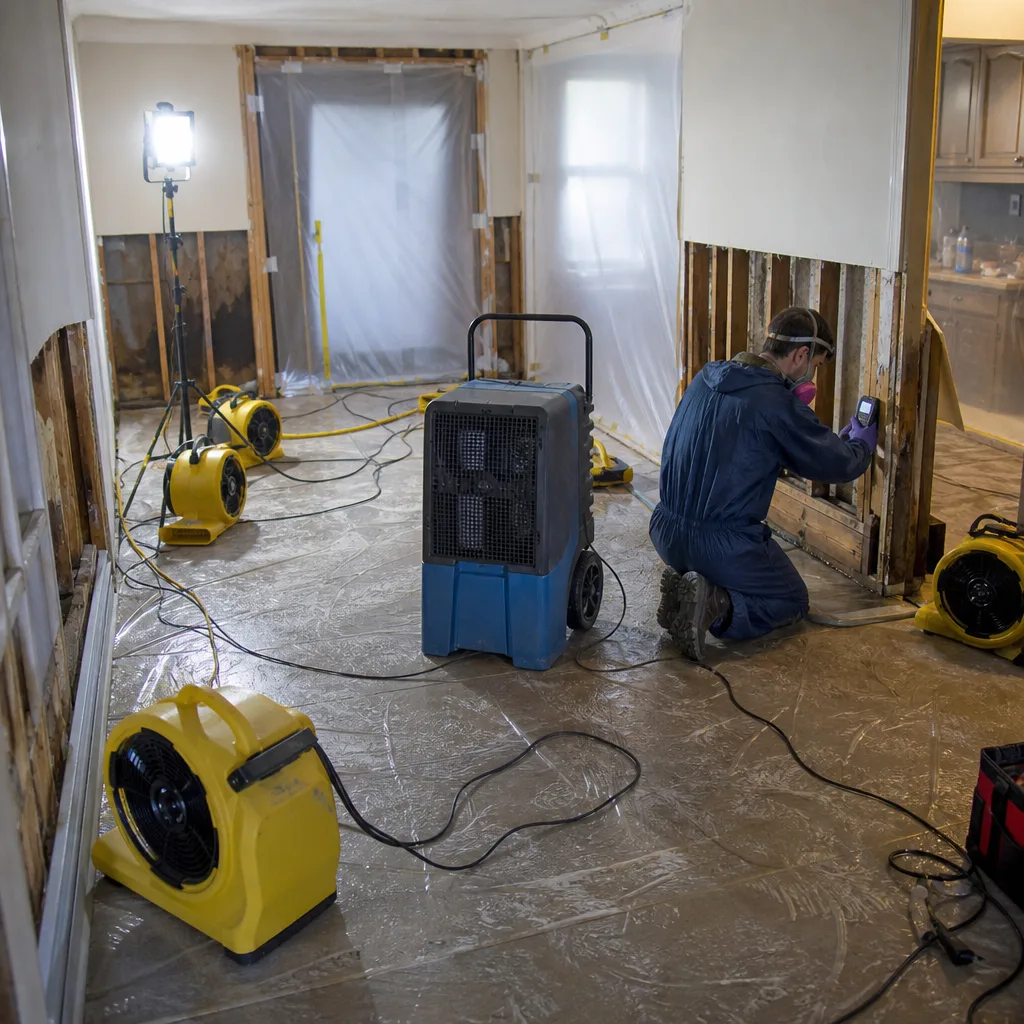
Insurance claims fail on documentation gaps. We’ve seen it repeatedly since 2011 - a homeowner pays out of pocket because the drying log was incomplete, or the adjuster disputes whether a wall was actually wet because no photo proves it. We close those gaps from hour one. Our techs photograph every room, every visit, with timestamps. Moisture readings go into daily drying logs formatted to IICRC and RIA standards. Estimates are built in Xactimate, the industry-standard pricing platform, so your carrier recognizes every line item without negotiation.
We speak directly with adjusters, provide supplemental documentation when scope expands, and never ask you to front costs we’re billing to insurance. If you already have a competitor’s estimate, our Free Second Opinion reviews it at no charge - Haven Standard, Clause 7.
What We Provide Your Insurer
- Thorough documentation of the loss
- Photos of all damage, room by room
- Moisture readings and drying logs
- A detailed, line-item scope of work
- Direct coordination with your carrier
Built for Brier’s Loss Calendar
Brier’s damage pattern follows the Puget Sound windstorm calendar, not the seasons in any simple way. November through February brings the strongest southeasterlies, and these are the events that punch Douglas firs through roofs on 228th St SW, Poplar Way, and the cul-de-sacs off Brier Road. January adds freeze risk to aging supply lines in 1960s and 1970s ranches with original copper or early PEX. Spring delivers steady rain on already-compromised roofs, turning slow leaks into saturated attic insulation. Summer is quieter for acute events but reveals the cumulative damage - homeowners discover crawl-space mold when warm air finally prompts them to look.
The critical difference is Brier’s canopy. A storm that scatters shingles in Lynnwood drops multiple trees here. And once the roof is open, the shaded lot prevents the sun-assisted drying that might save a property elsewhere. Crews working Brier know to bring extra dehumidifier capacity and to start containment immediately, not after assessment.
Water Damage Restoration Across Brier’s Neighborhoods
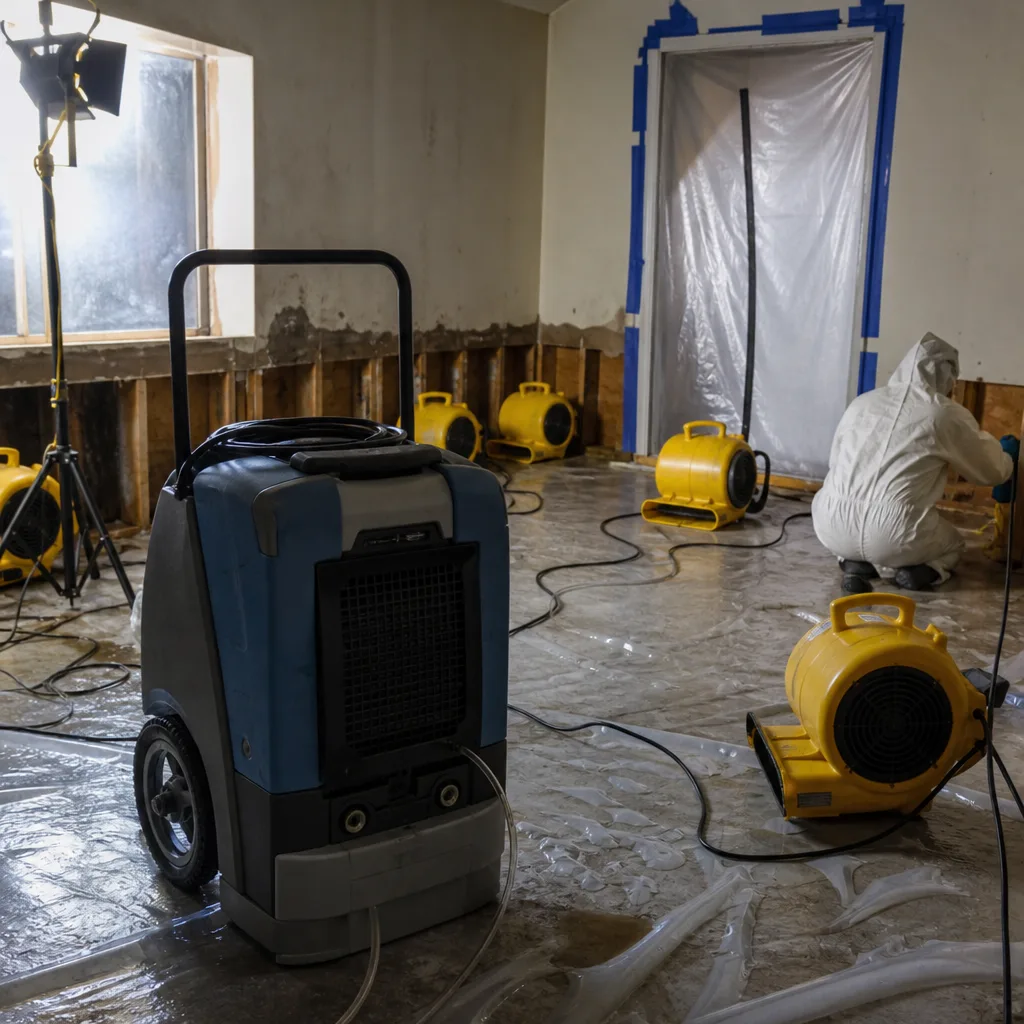
Properties off 228th St SW and the surrounding grid, built largely in the 1960s and 1970s, feature the aging wood-shake roofs that moss degrades most aggressively. When windstorms hit, these are our first calls - the shingles are already compromised, and water enters fast. We pre-position equipment near this corridor when warnings issue.
The Poplar Way corridor and streets feeding into Brier Park include ranches and split-levels from the 1970s and 1980s with standard crawl-space construction. Here, the pattern is slower: a supply line leak or foundation seepage goes undetected for weeks because homeowners don’t enter their crawl spaces regularly. By the time we arrive, subfloor mold is established and requires full containment with HEPA air scrubbers before drying can begin.
Newer construction near the northern edge, toward the Kingsgate border, brings 1990s builds with better roof drainage but the same canopy-induced dampness. These properties see less acute tree-fall damage but more chronic moisture management issues - bathroom exhaust fans venting into attics, condensation in unconditioned spaces, the slow accumulation that becomes a problem over years.
The Brier Park area itself, with its mature landscaping and minimal lot clearing, represents the most extreme version of the city’s microclimate. We’ve documented 15-20 percentage point higher relative humidity in crawl spaces here compared to open lots in Bothell, measured on the same day. That data goes into every drying plan we write for this zone.
Specialized Water Damage Restoration Services We Offer in Brier
Emergency Water Extraction
When a tree falls on your roof at midnight or a pipe bursts while you’re at work, standing water doesn’t wait. Our truck-mounted and portable extraction systems remove water from Brier’s crawl spaces, basements, and main levels before it migrates into wall cavities. We answer live and dispatch immediately - no voicemail, no next-day callback.
Structural Drying & Dehumidification
Brier’s shaded lots demand aggressive dehumidification. We size Dri-Eaz and Phoenix LGR units beyond standard calculations to overcome the ambient humidity that passive drying cannot address. Daily moisture logs, documented to IICRC S500, track every material to its dry standard. This is the documentation that turns restoration invoices into paid claims.
Flood Cleanup
Groundwater intrusion and overland flooding bring Category 3 contamination. We extract, remove porous materials that cannot be sanitized, and treat remaining surfaces with antimicrobial agents. In Brier’s crawl-space homes, this often means removing vapor barriers and saturated insulation, then drying the subfloor assembly before rebuild.
Burst Pipe Restoration
January freezes split pipes in Brier’s older homes with original or near-original plumbing. We extract the water, dry the affected assembly, and coordinate with licensed plumbers for the repair. Our documentation captures the cause of loss for your insurer, separating the plumbing repair from the water damage restoration.
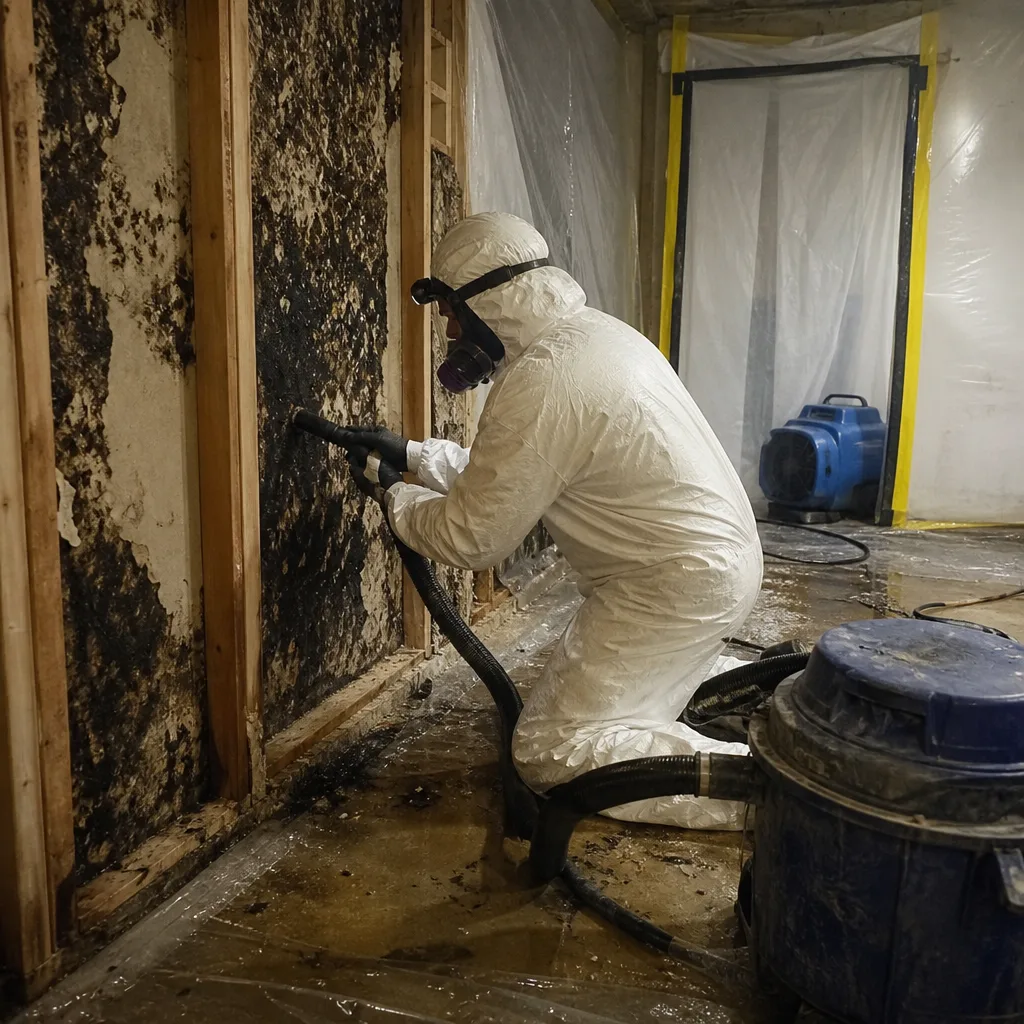
Basement Water Removal
Full basements are less common in Brier than crawl spaces, but where they exist - often in 1980s and 1990s construction - they collect water from foundation seepage during prolonged rain. We extract, dry, and address the moisture source with documentation your insurer needs to evaluate coverage.
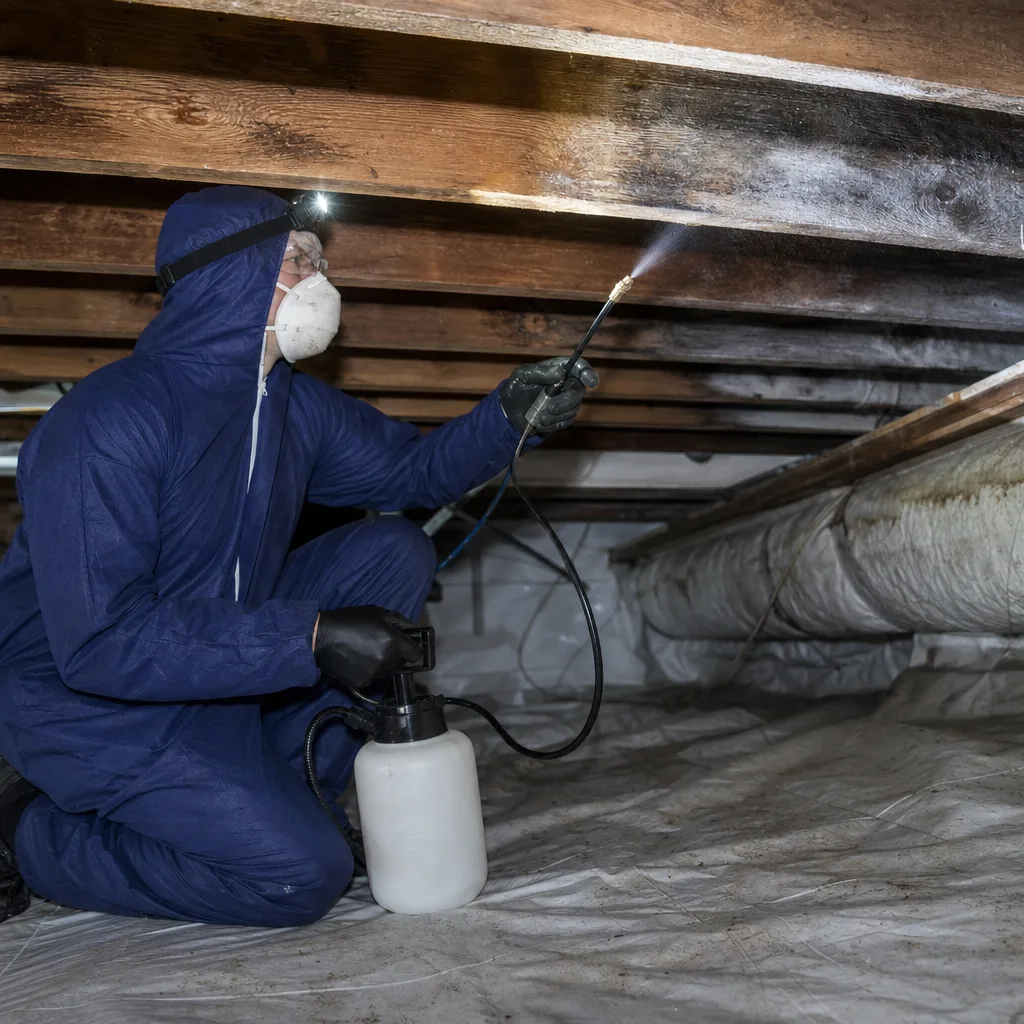
Ceiling & Roof Leak Water Damage
This is Brier’s signature loss. Tree-fall breaches, wind-lifted shingles on moss-heavy roofs, and ice dam backups in January all channel water into ceiling assemblies. We perform emergency tarping when needed, extract from below, dry the cavity with Injectidry or directed airflow, and restore the finish. The photo record documents the breach path for your adjuster.
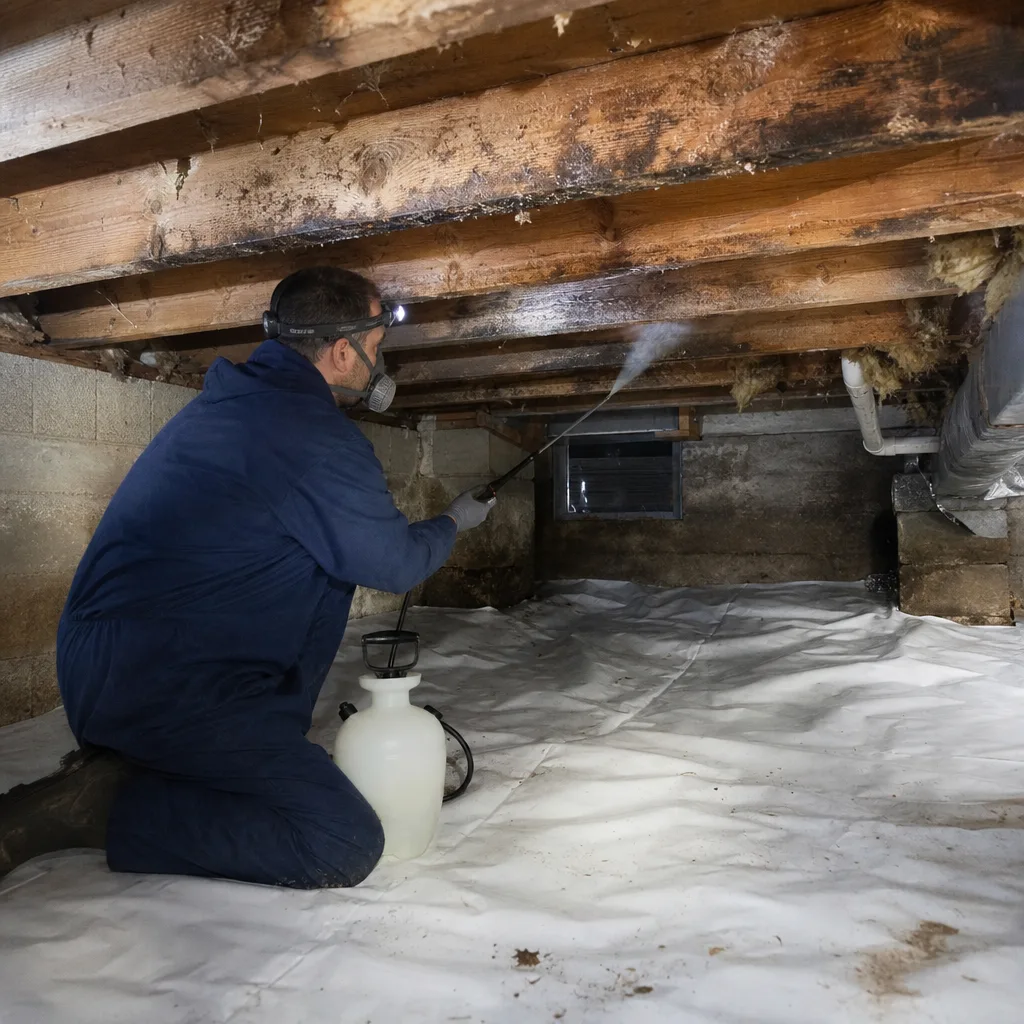
What happens when you call
- 1
A real person answersNo phone trees - you reach a local pro.
- 2
You get an upfront price rangeHonest numbers before anyone is dispatched.
- 3
A background-checked tech heads outLicensed & insured, dispatched right away.
- 4
You approve before work beginsNothing starts until you say go.
Water Damage Restoration Costs in Brier, WA
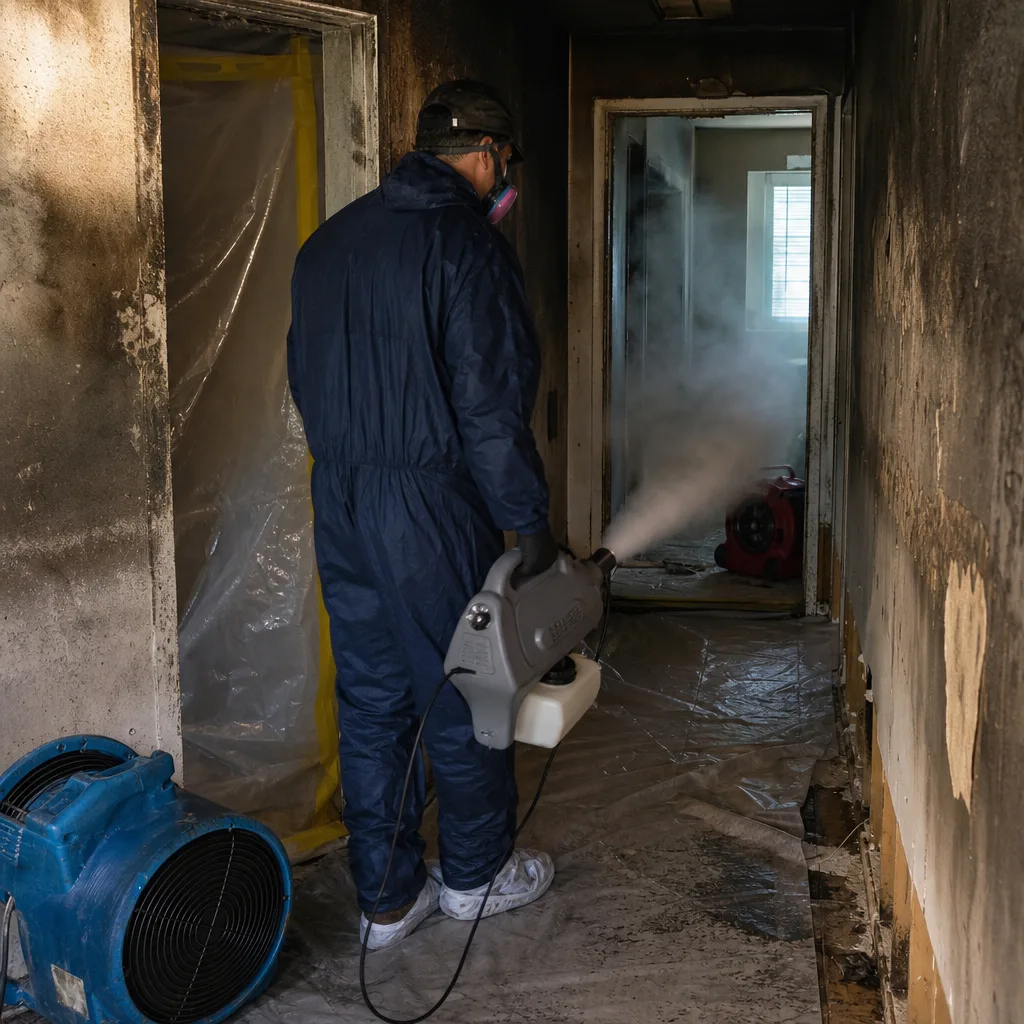
Here’s what we see on actual Brier jobs, with written prices delivered before work starts on every one:
| Service | Typical Range in Brier |
|---|---|
| Emergency water extraction (contained area) | $1,200 - $2,400 |
| Structural drying & dehumidification (3-5 days) | $1,800 - $4,200 |
| Crawl-space drying with specialty equipment | $2,400 - $5,500 |
| Ceiling/roof leak damage restoration | $3,500 - $8,000 |
| Full-service water damage restoration (typical home) | $2,800 - $6,500 |
| Mold remediation add-on (when needed) | $1,500 - $4,800 |
What moves the price: water category (Category 3 costs more than Category 1), affected square footage, whether the loss reaches crawl spaces or wall cavities, and how long water sat before extraction began. Brier’s damp conditions mean delayed calls often require more equipment days and possible mold remediation. Insurance typically covers sudden and accidental water damage; gradual leaks or maintenance issues may not. We document the cause of loss to support your coverage position. Call (425) 696-6061 for a free inspection and written scope - Haven Standard, Clause 1.
We Also Serve Cities Near Brier
Our crews respond daily to water damage calls in Bothell, Kenmore, Woodinville, and Kingsgate. Each city has different conditions - Bothell’s newer construction, Kenmore’s lakeside exposure, Woodinville’s rural-acreage properties - but Brier’s dense canopy and crawl-space stock create the most compressed drying timelines in the area. We adjust equipment and strategy accordingly.
Serving Brier, WA - Our Local Coverage Area
We’re based in the Brier area and know this community well. Use the map below to see our service coverage - if you’re nearby, we can almost certainly help.
Brier Water Damage Restoration Questions, Answered
How quickly does mold grow after water damage in Brier’s shaded neighborhoods?
Mold colonization begins in 24-48 hours in Brier, faster than in sunnier suburbs because the conifer canopy keeps lots shaded and humidity elevated even between rain events.
We’ve measured crawl-space relative humidity at 75-85% on dry days in Brier, conditions that accelerate spore germination. This is why we start dehumidification and containment immediately on every call, not after a separate mold assessment. If you suspect water intrusion, call (425) 696-6061 - waiting even a day changes the scope significantly.
Why do roof leaks after windstorms cause more damage in Brier than in Lynnwood?
The same storm that scatters shingles in Lynnwood drops full trees through roofs in Brier, and the dense canopy prevents sun-assisted drying that might limit damage elsewhere.
Brier’s mature Douglas firs and Western red cedars tower over residential lots, and when they fall, they create large, sustained breaches rather than localized shingle damage. The shaded environment then keeps the interior damp for days, allowing water to migrate through ceiling assemblies into wall cavities. We pre-stage equipment before forecast windstorms specifically for this pattern. Call (425) 696-6061 for emergency response.
What is Category 2 or 3 water, and how does it affect drying in Brier crawl spaces?
Category 2 water contains contaminants like dishwasher discharge or sump pump failures; Category 3 is sewage or groundwater, both requiring removal of porous materials and antimicrobial treatment.
In Brier’s standard crawl-space homes, Category 2 and 3 losses mean removing saturated insulation and vapor barriers, treating the subfloor and joists, and drying with directed airflow before rebuild. The damp crawl-space environment extends drying time, so we deploy additional dehumidifier capacity and document daily moisture readings until materials reach IICRC S500 standards. Call (425) 696-6061 for assessment.
Do you pre-stage equipment for Brier windstorm events?
Yes - when Puget Sound windstorm warnings issue, we load additional extraction units, dehumidifiers, and tarps at our Seattle office for immediate dispatch to Brier.
Our experience is that call volume spikes within 24 hours of these events, and Brier’s tree-canopy losses require more equipment per job than typical suburban calls. Pre-staging cuts our response time and ensures we have the specialty gear - Injectidry systems, extra LGR dehumidifiers - that Brier’s conditions demand. Call (425) 696-6061 before or during a storm; we answer live.
How do you document drying for insurance in Brier’s damp climate?
We produce daily moisture logs with psychrometric data, timestamped photos of every room, and a line-item Xactimate estimate that your adjuster can process without supplemental requests.
Brier’s ambient humidity requires longer drying times, and insurers sometimes question whether equipment ran unnecessarily. Our documentation proves the need: initial moisture readings, daily progress, equipment placement rationale, and final dry-standard verification. This is the documentation-first approach that Back to Dry was founded on in 2011. Call (425) 696-6061 for a free inspection and written scope.
How fast can you actually get to my Brier property?
We commit to 45-minute response time to Brier addresses, and we often beat it when equipment is pre-staged for storm events.
Our Seattle office coordinates dispatch; crews are already mobile when you call. Live answer on every emergency line means no delay from voicemail or callback queues. The first hour determines whether you’re drying a room or remediating mold - call (425) 696-6061 now.
Will my insurance cover water damage restoration in Brier?
Sudden and accidental water damage - burst pipes, storm breaches, appliance failures - is typically covered under standard homeowners policies in Washington.
Gradual leaks, maintenance issues, or flood damage from overland water may require separate coverage or may be excluded. We document the cause of loss from our first inspection, photograph the damage path, and build estimates in Xactimate format that carriers recognize. We also coordinate directly with your adjuster and provide supplemental documentation if scope expands. Call (425) 696-6061 - we can review your situation and help you understand coverage before work begins.
Can we stay in our home during water damage restoration?
It depends on the loss extent, water category, and whether containment is required for mold or Category 3 contamination.
Category 1 losses in contained areas often allow occupancy with equipment running. Category 2 or 3 losses, or any mold remediation, typically require temporary relocation for safety and because containment barriers disrupt normal living. We assess this at inspection and advise you before work starts - no surprises once the crew is inside. Call (425) 696-6061 for a free evaluation.
After a December windstorm dropped a Douglas fir through the roof of a 1970s split-level off 228th St SW, we arrived to standing water in the crawl space and wet drywall already showing early mold. Our techs performed water extraction, established containment with air movers and Dri-Eaz dehumidifiers, took moisture readings across the subfloor, and applied antimicrobial treatment. Structural drying met IICRC S500 standards, and we restored the pre-loss condition within four days.
That job is why we do what we do. Documentation turned a complex claim into a paid invoice. The homeowner had a written price before we started, a photo record of every visit, and a signed 365-Day Done Right Promise when we finished. Haven Standard, every clause.
Water damage in Brier doesn’t wait for business hours, and neither do we. Call (425) 696-6061 now for emergency response, or schedule a free inspection to assess a suspected leak before it becomes a larger loss. Written price before work begins. Photo documentation on every visit. The Haven Standard, applied to every job since 2011.
Written by Alicia Brennan, Owner at Back to Dry Restoration, serving Brier since 2011.
Water Damage Restoration in Nearby Areas