
Free visual inspection and a written scope of work before any mitigation begins - photos, moisture readings, and drying logs go in your claim file
The scope we write is the scope we bill. Anything new gets shown to you, in writing, before we touch it.

 Before
 After
After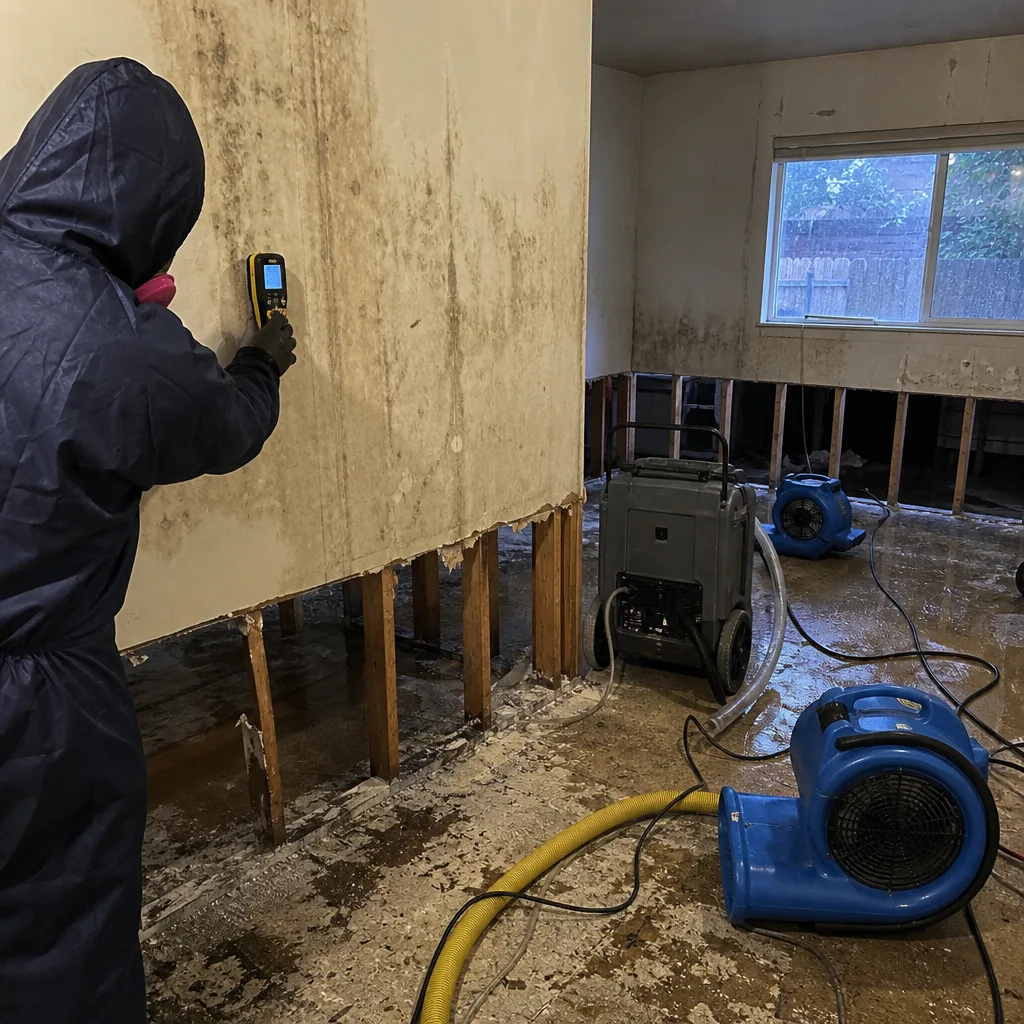 Before
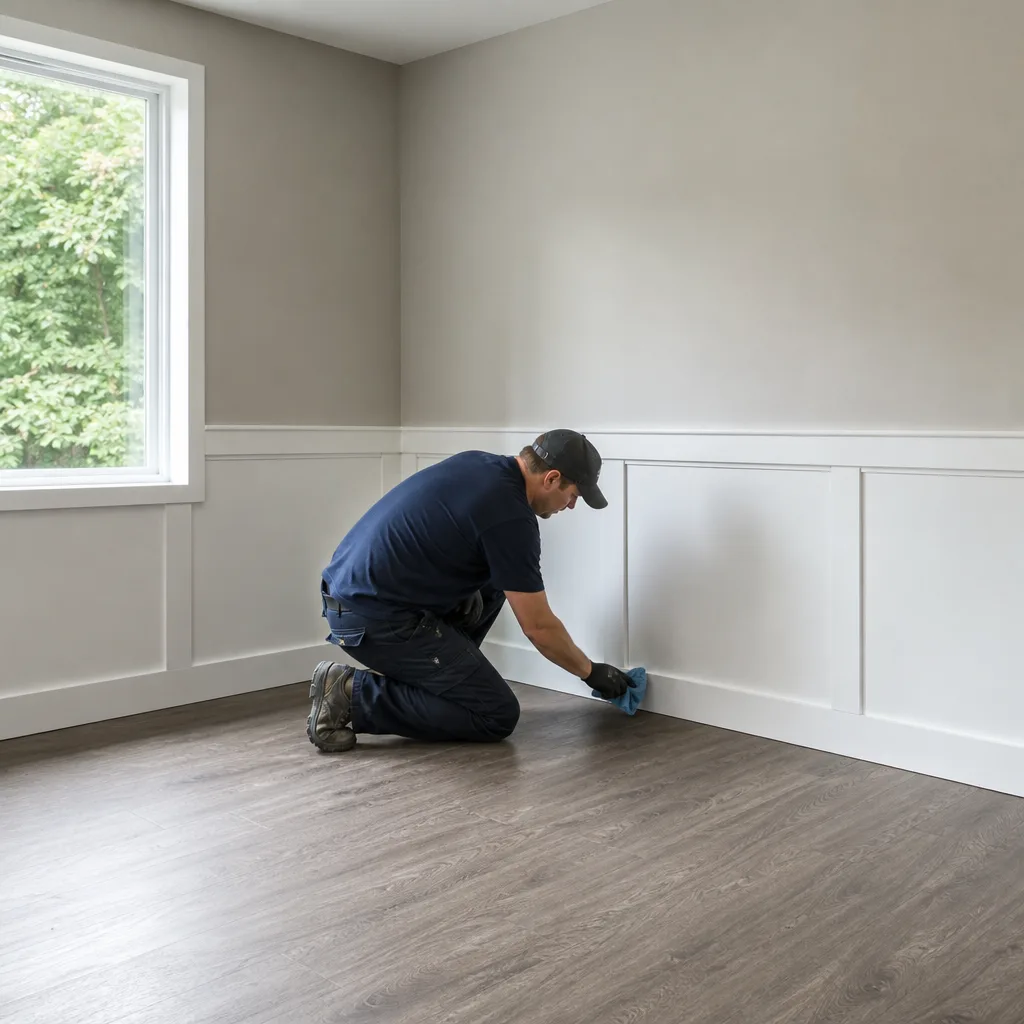 After
After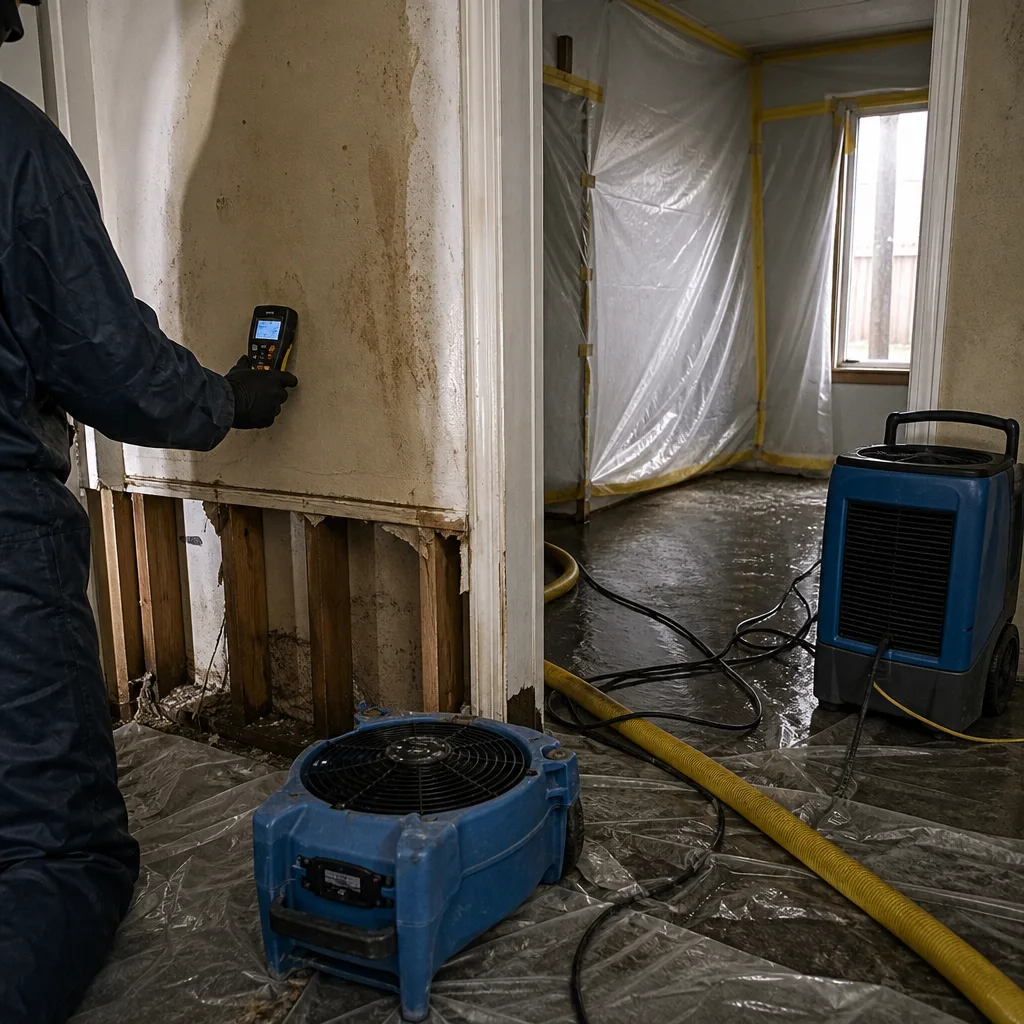 Before
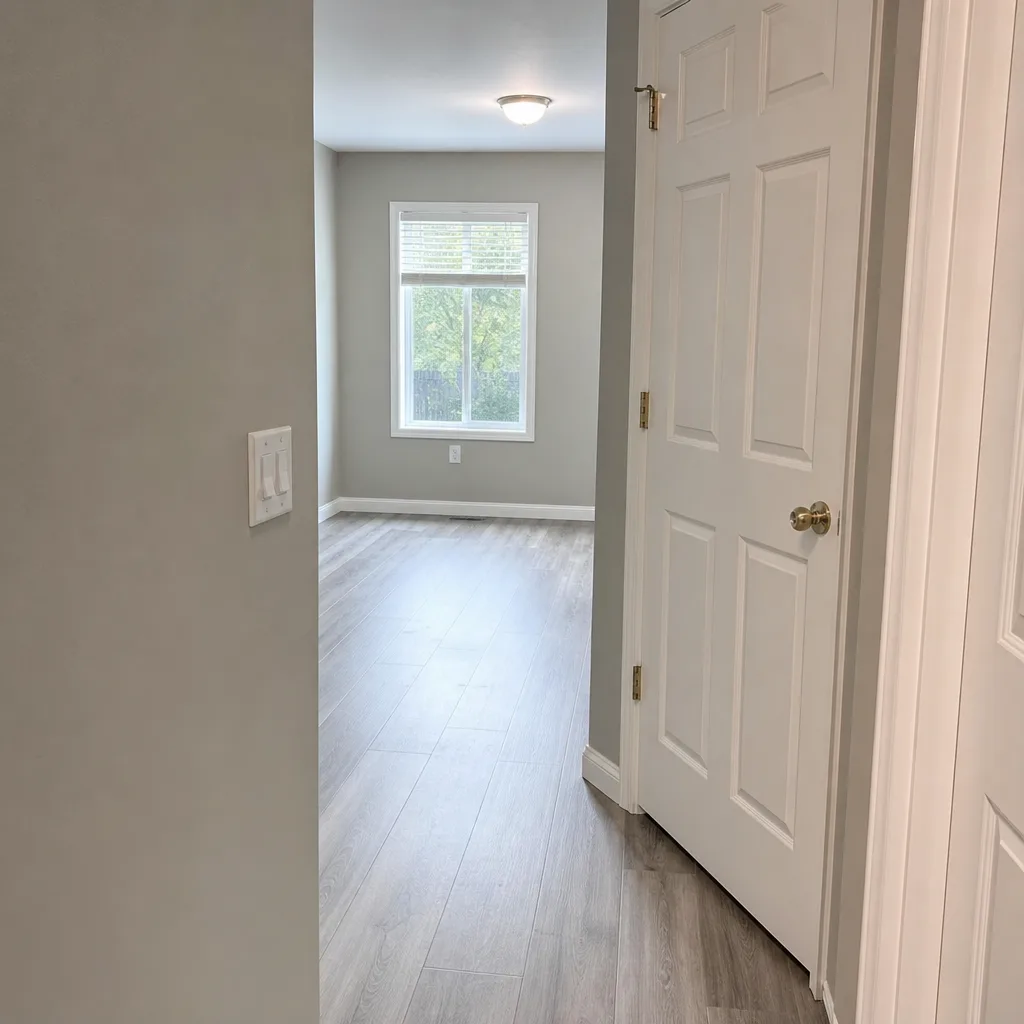 After
After24/7 Emergency Fire & Smoke Damage Restoration in Tukwila
Fire and smoke damage restoration in Tukwila typically costs $3,200-$18,500 depending on square footage and structural involvement, with emergency board-up and stabilization usually underway within 45 minutes of your call. Crews from our Seattle office serve Tukwila properties directly, and we answer live at (425) 696-6061 24 hours a day, 7 days a week - no voicemail, no callback queues. The first hour after a fire determines how far smoke and soot migrate through your HVAC system, insulation cavities, and porous finishes; every minute of delayed containment expands the scope of demolition and deodorization required. We provide a free visual inspection, document pre-loss condition with photos before any work begins, and deliver a written price under Haven Standard, Clause 1.
Understanding Fire & Smoke Damage Restoration Severity in Tukwila Properties
Fire damage breaks into distinct technical categories that govern our response. Dry smoke residue from fast-burning, high-heat fires produces powdery, non-smeary soot that responds to HEPA vacuuming and dry-cleaning sponges. Wet smoke residue from slow, oxygen-starved burns - common in kitchen fires where plastics and synthetic materials smolder - is sticky, acidic, and bonds aggressively to surfaces, requiring solvent-based cleaning and often material removal. Protein fires from cooking oil and grease generate nearly invisible but pungent residues that penetrate cabinet interiors, drywall paper, and insulation.
Smoke migration follows pressure differentials and thermal buoyancy, pushing soot through plumbing chases, electrical conduits, and the original ductwork still found in Tukwila’s Foster neighborhood mid-century ranches. Tertiary odor - the persistent smell that returns weeks after surface cleaning - indicates smoke particles have adsorbed into porous materials or been driven into cool, humid microclimates like unconditioned crawl spaces. In Tukwila’s valley-floor homes, hydrostatic moisture from the high water table compounds this: damp crawl spaces and slab edges become reservoirs for odor-releasing compounds that standard deodorization misses entirely.
Why Tukwila Property Owners Choose DryMark Restoration Bothell
- 45-minute response commitment to Tukwila addresses, with crews staged from our Seattle office for valley-floor dispatch.
- 24/7 live answer - a real person, never an automated system or voicemail tree, on every call to (425) 696-6061.
- IICRC-certified crews holding FSRT (Fire and Smoke Restoration Technician) and WRT (Water Damage Restoration Technician) credentials, documented on every job file.
- Free visual inspection with photo documentation of pre-loss condition before any equipment is deployed or demolition begins.
- Direct insurance billing with adjuster coordination, daily drying logs, and line-item scopes formatted to carrier standards.
- One team from emergency board-up through reconstruction - no handoffs between mitigation and rebuild contractors.
BeforeAfterOur Fire & Smoke Damage Restoration Process
1. Inspection & Assessment
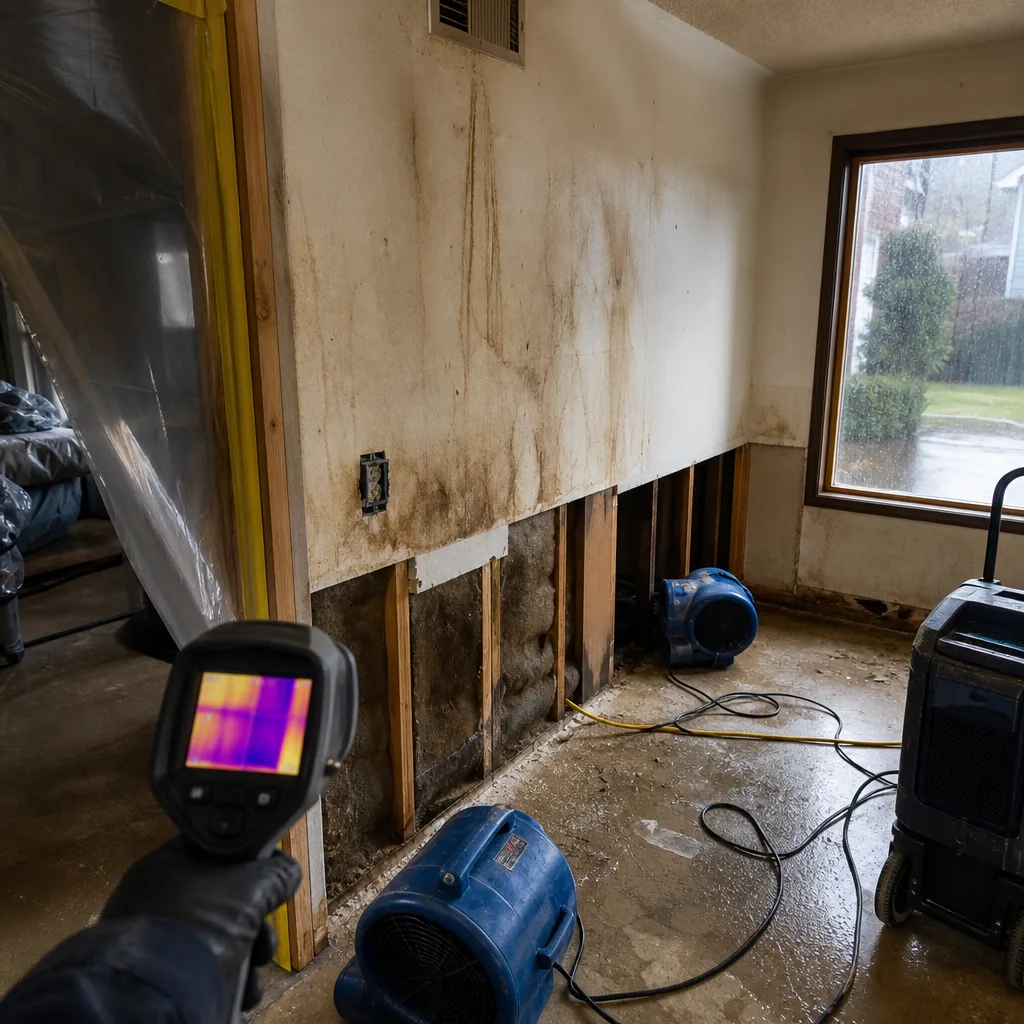
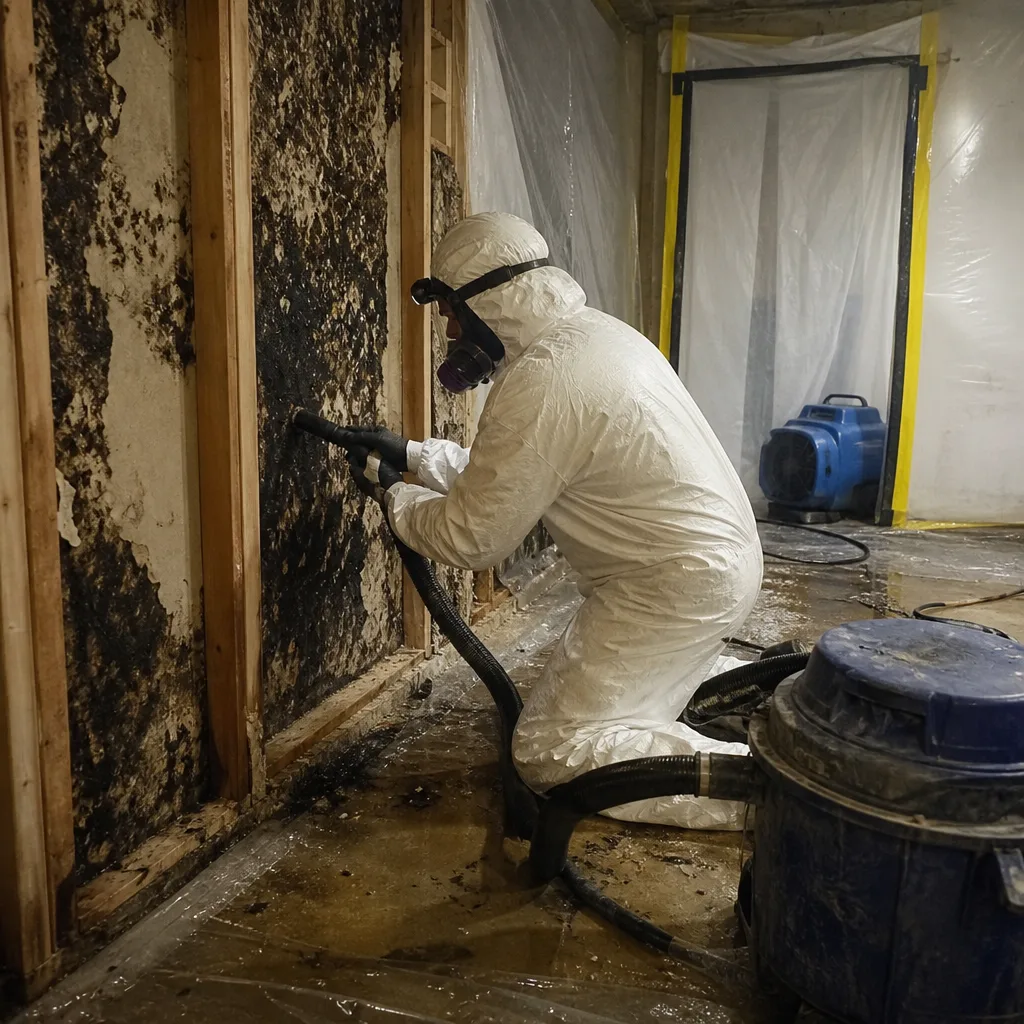
We document the fire’s origin, map soot migration patterns with thermal imaging, classify affected materials by porosity and residue type, and identify hydrostatic moisture conditions in crawl spaces and slab edges - particularly critical in Tukwila’s Foster-area homes on valley-floor soils.
2. Emergency Board-Up & Stabilization
Broken windows, compromised roofing, and damaged entry points are secured with plywood and weatherproof tarping to prevent secondary water intrusion from Tukwila’s frequent rainfall and to protect against vandalism or theft during the claims period.
3. Water Extraction & Structural Drying
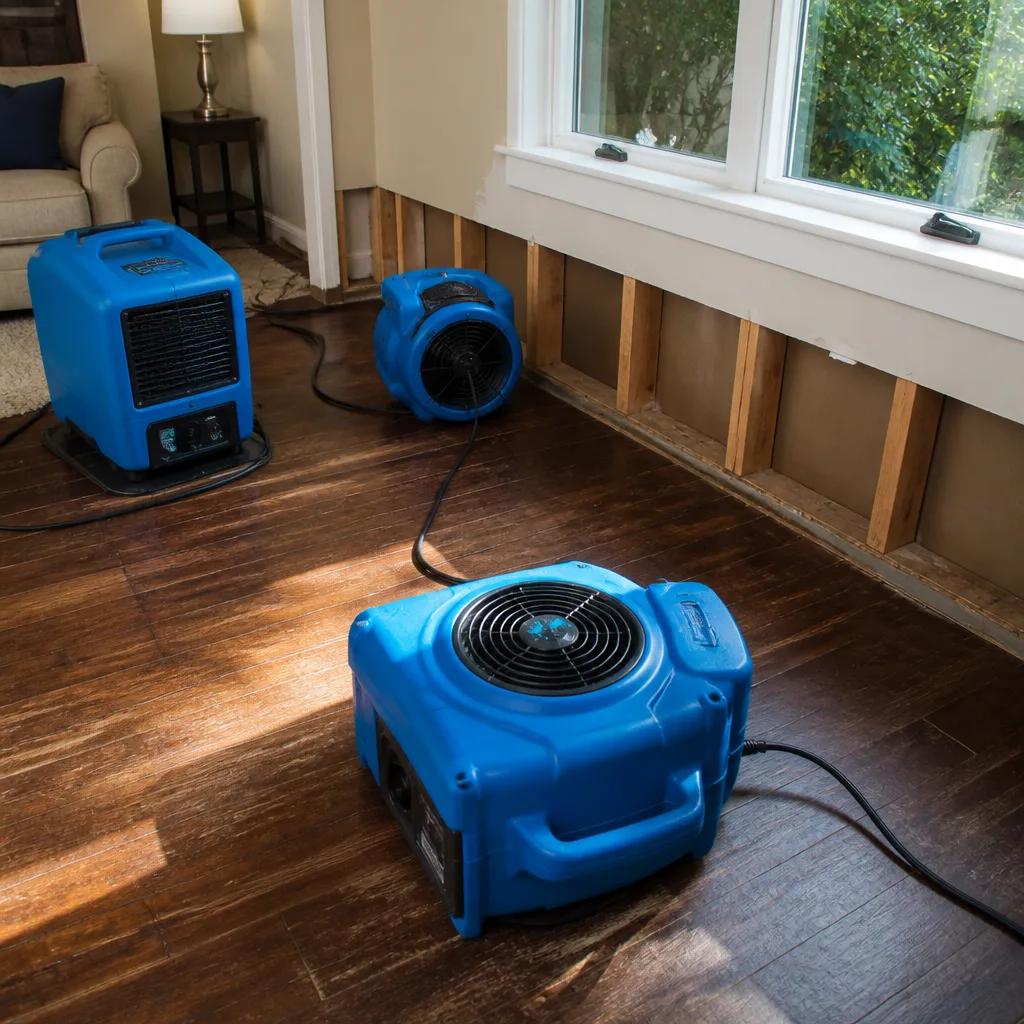
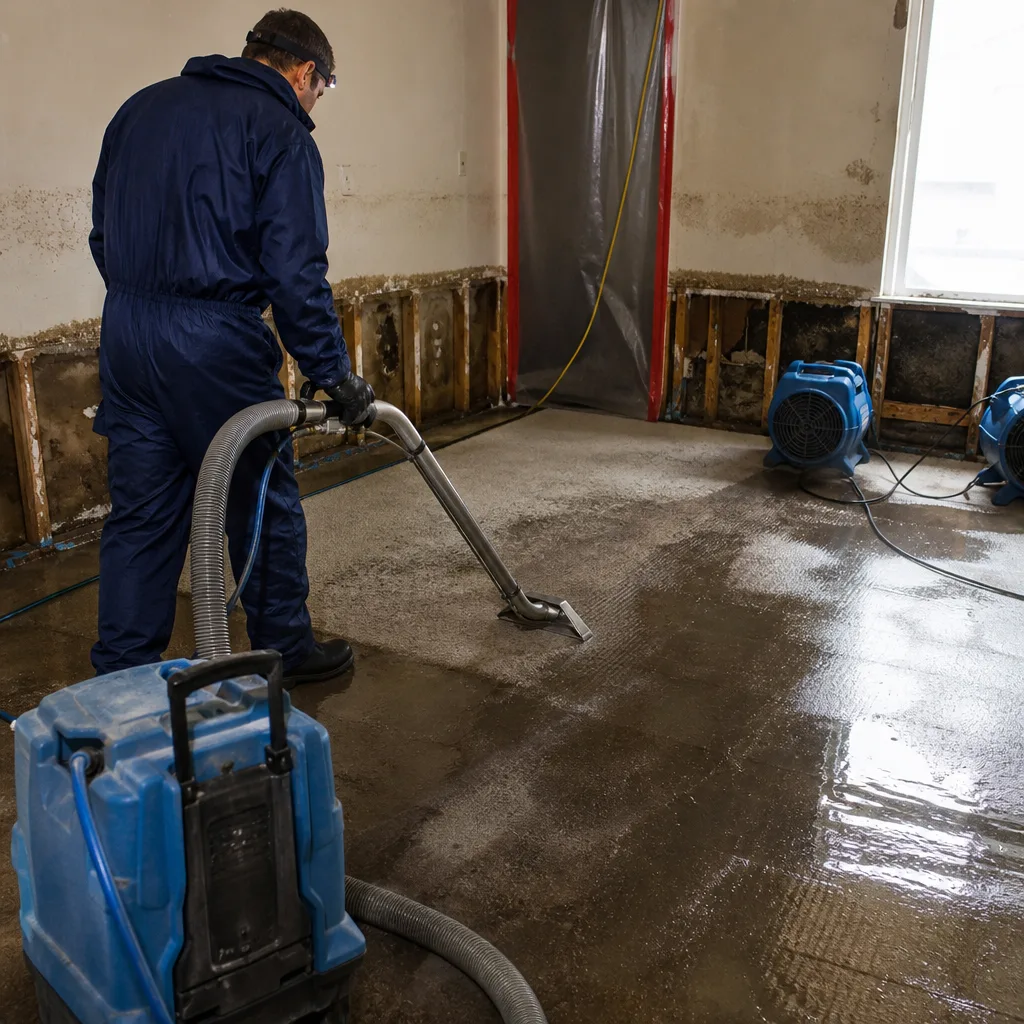
Fire suppression leaves standing water and saturated assemblies. We deploy Dri-Eaz and Phoenix dehumidifiers, B-Air air movers, and Injectidry cavity drying systems to establish vapor pressure differentials that pull moisture from wall cavities and subfloors - with special attention to hydrostatic wicking at slab edges in Tukwila’s high-groundwater environment.
4. Smoke & Soot Removal
Residue-specific cleaning: dry sponging for dry smoke, solvent cleaning for wet smoke, enzyme treatments for protein fires. HEPA air scrubbers run continuously during this phase to capture airborne particulates before they resettle.
5. Odor Removal & Deodorization
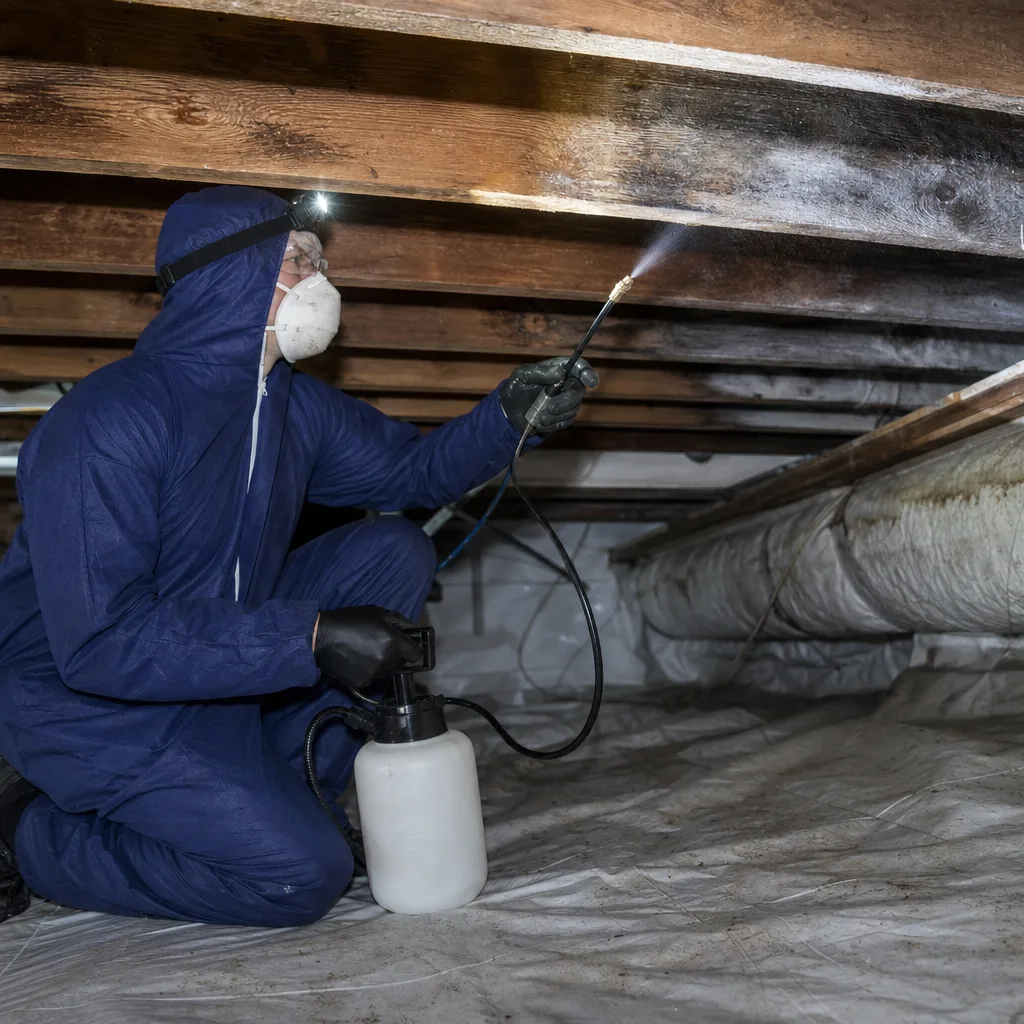
Thermal fogging, ozone treatment, or hydroxyl generation - selected based on occupancy status, material sensitivity, and the presence of hydrostatic moisture reservoirs that can reactivate odor compounds. In Tukwila’s damp crawl spaces, we often pair this with encapsulation or drainage corrections.
6. Repairs & Restoration
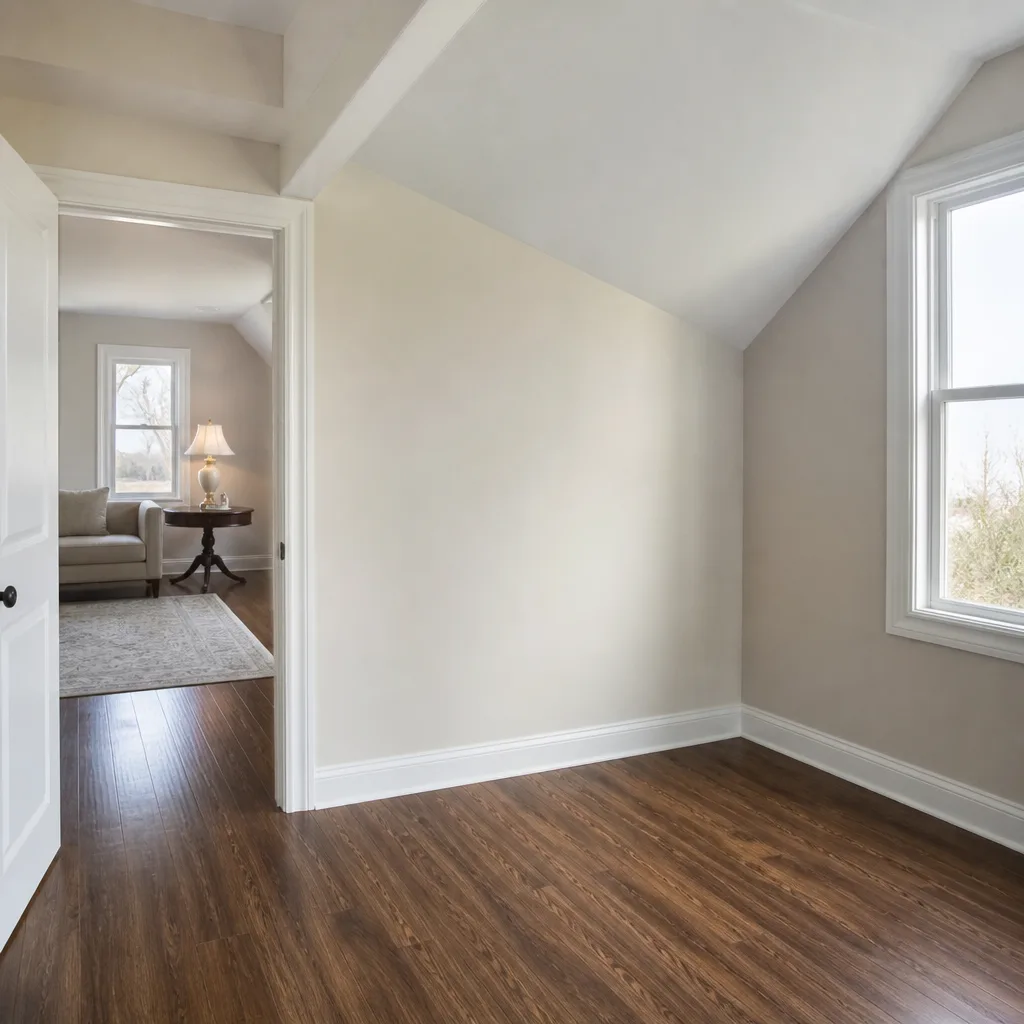
Demolished materials are replaced, finishes matched, and the property returned to pre-loss condition. A final walkthrough with photo documentation, moisture verification readings, and your signed 365-Day Done Right Promise under The Haven Standard.
Need Emergency Fire & Smoke Damage Restoration in Tukwila Now?
Crews minutes away, answering live 24 hours a day. The sooner we start, the less it costs.
Working With Your Insurance Company
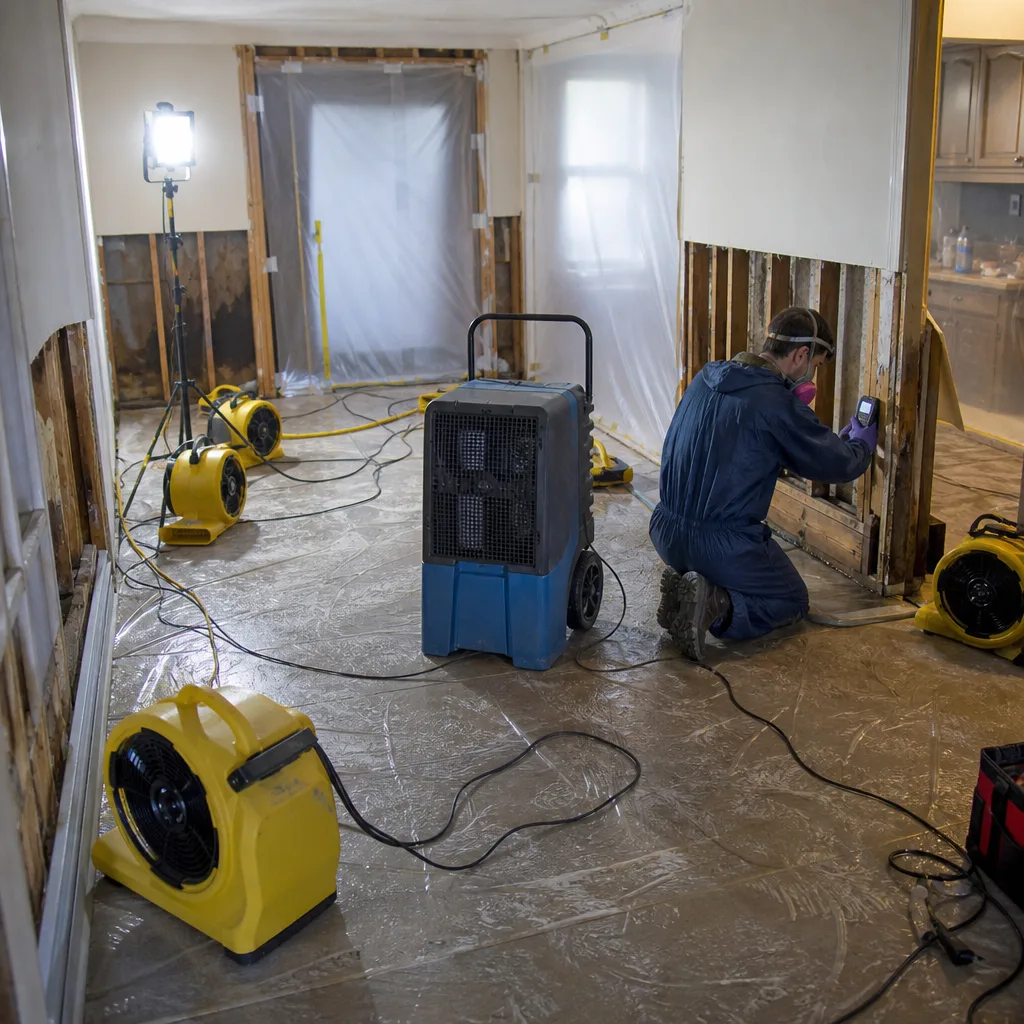
Fire claims are documentation-intensive, and insurers deny or reduce payment on the basis of incomplete files more often than on disputed causation. From our first hour on site, we photograph every affected room, classify water from suppression by category (1, 2, or 3 per IICRC S500), record moisture content readings on wood framing and drywall, and maintain daily drying logs that track specific humidity, temperature, and vapor pressure differential - the psychrometric data that proves drying progress to an adjuster’s technical reviewer.
Our scopes are written to Xactimate or Symbility line-item standards, depending on your carrier’s platform, and we coordinate directly with your adjuster rather than handing you an invoice to submit. This documentation-first approach is why our Fire & Smoke Damage Restoration team was built by a former claims adjuster who watched homeowners lose legitimate coverage over missing photos and unsigned scopes.
What We Provide Your Insurer
- Thorough documentation of the loss
- Photos of all damage, room by room
- Moisture readings and drying logs
- A detailed, line-item scope of work
- Direct coordination with your carrier
Built for Tukwila’s Loss Calendar
January through March bring the heaviest residential fire load to Tukwila. Portable space heaters and overloaded circuits in aging Foster neighborhood electrical systems - original 100-amp panels with ungrounded receptacles still common in 1960s ranches - drive winter kitchen and bedroom fires. The Duwamish Valley’s persistent dampness means suppression water sits longer in crawl spaces, extending dry-out timelines by 30-50% compared to upland cities.
April through June sees commercial kitchen fires spike along the Southcenter corridor, where high-turnover restaurant tenants in big-box pads often inherit grease-accumulated exhaust systems. Summer wildfire smoke from Eastern Washington can also force-ventilate through Tukwila’s older, poorly sealed homes, depositing odor-bearing particulates that homeowners mistake for active structure fires.
September through November brings renewed heating-system fires as furnaces activate for the first time in months, often in properties with original ductwork that has never been cleaned. Year-round, the valley-floor high water table means every fire job is also a moisture job - a reality our crews account for in equipment selection and drying protocol.
Fire & Smoke Damage Restoration Across Tukwila’s Neighborhoods
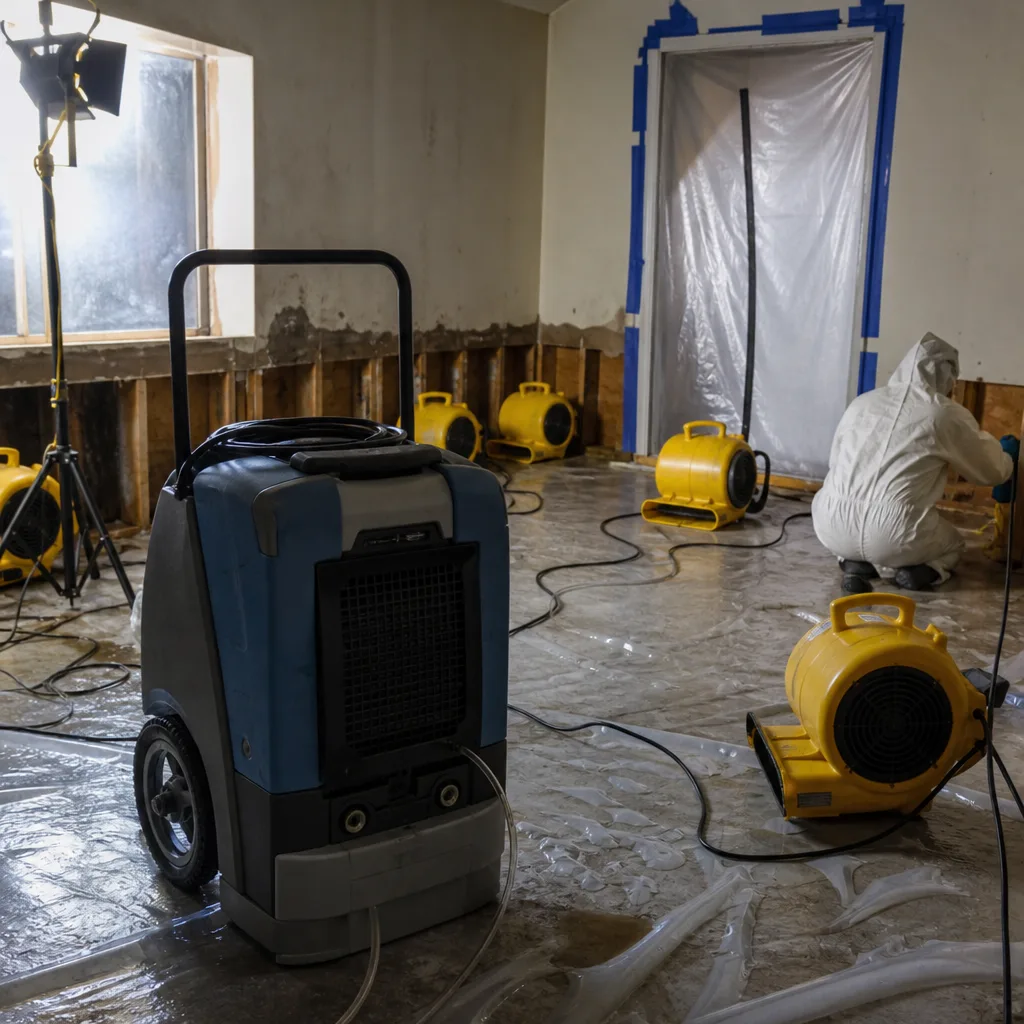
In Foster, along Foster Road and its tributary streets, we work primarily in 1,200-1,800 square foot ranches and split-levels built 1955-1975. Original oak hardwood, single-pane aluminum windows, and unconditioned crawl spaces with deteriorating 6-mil vapor barriers are standard. After a fire, we always check slab-edge moisture before declaring deodorization complete; hydrostatic wicking through the sandy loam soils here reactivates smoke odors in baseboards and carpet tack strips that seemed clean.
The Southcenter corridor - Westfield Southcenter and the surrounding retail, hospitality, and warehouse properties - presents large-format slab-on-grade buildings with complex rooftop HVAC and fire-suppression systems. Smoke migration in these properties can travel hundreds of feet through shared plenums, requiring coordinated containment and negative-air isolation across multiple tenant spaces.
Riverton, closer to the Duwamish River itself, includes some of Tukwila’s oldest housing stock and lowest elevations. Properties here may carry mandatory flood insurance through NFIP, which adds documentation requirements to any fire restoration: moisture mapping, water category classification, and proof that post-fire drying addressed both suppression water and pre-existing hydrostatic conditions.
Allentown and the Boeing Access Road area mix industrial and residential uses, with post-war cottages and newer infill. Fires here often involve detached garages and outbuildings where improperly stored flammables accelerate burn intensity and produce the wet, oily soot that demands solvent cleaning and often full material replacement.
Specialized Fire & Smoke Damage Restoration Services We Offer in Tukwila
Fire Damage Cleanup
Structural stabilization, debris removal, and residue classification for Tukwila’s varied building stock - from Foster’s mid-century ranches to Southcenter’s commercial slabs. Every cleanup begins with photo documentation of pre-loss condition and a written scope before demolition starts.
Smoke & Soot Removal
Residue-specific cleaning protocols matched to burn type: dry smoke, wet smoke, or protein fire. In Tukwila’s older homes with original ductwork, we inspect and clean HVAC components before system restart to prevent recontamination of freshly treated spaces.
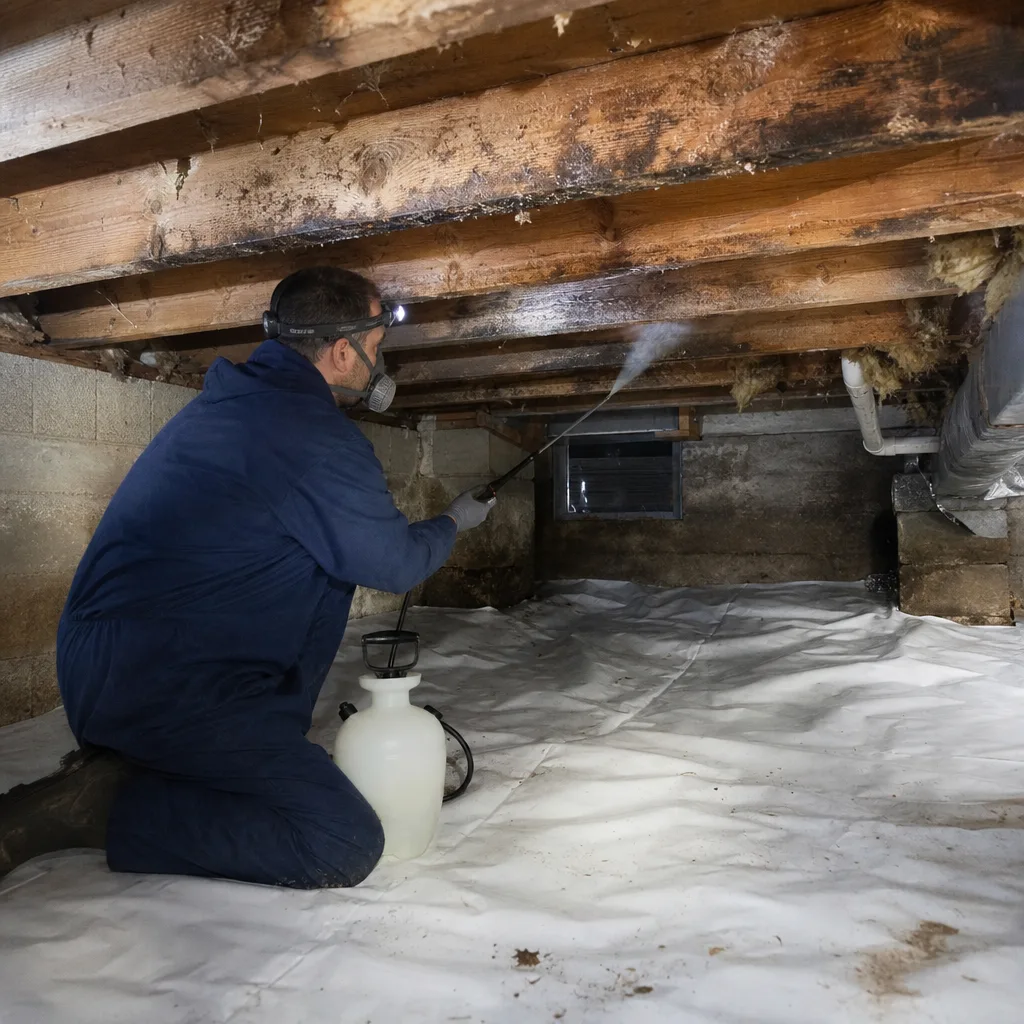
Odor Removal & Deodorization
Thermal fogging, ozone, and hydroxyl treatments selected by occupancy status and material sensitivity. In valley-floor properties with hydrostatic moisture, we address the damp reservoir first - encapsulation, drainage, or dehumidification - or the odor returns regardless of surface treatment.
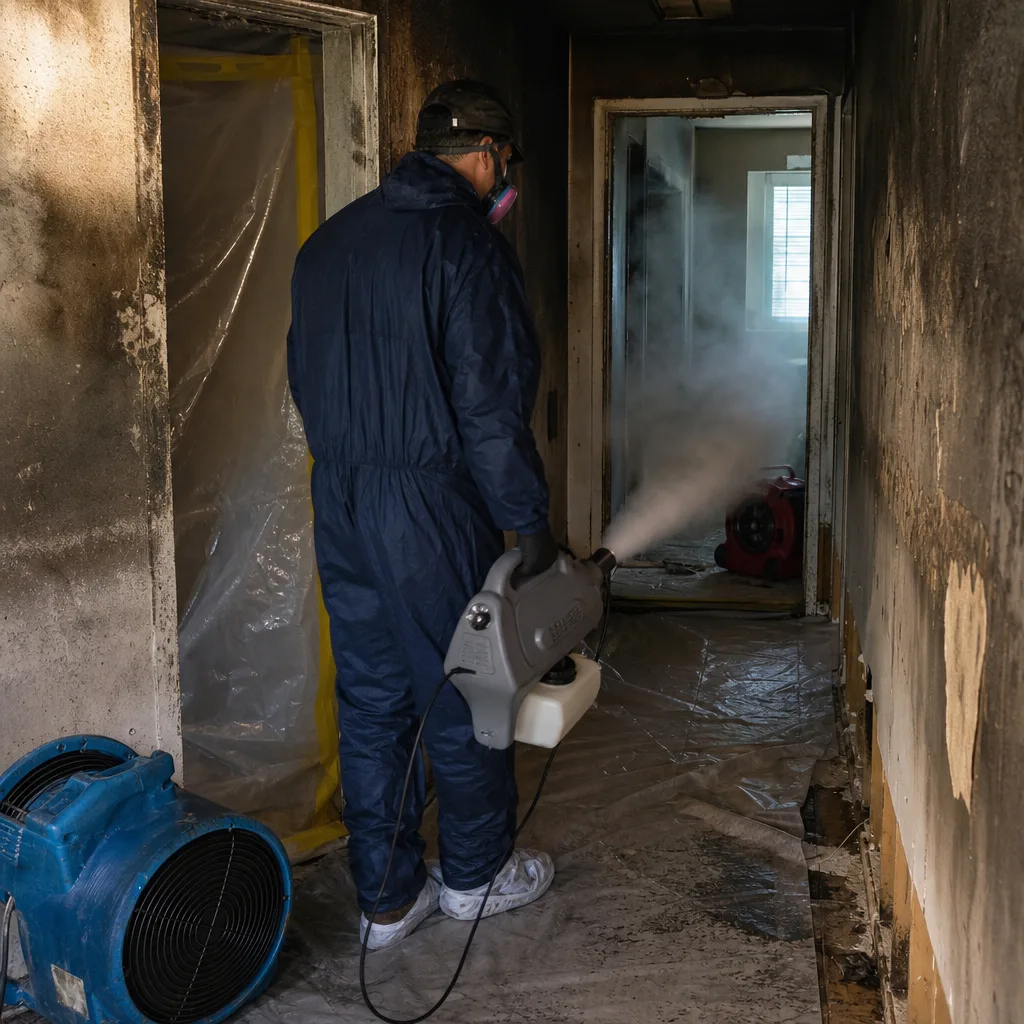
Contents Cleaning & Pack-Out
Salvageable items are inventoried, photographed, and transported to our cleaning facility for ultrasonic, dry-cleaning, or ozone treatment. In Tukwila’s flood-zone properties, NFIP documentation requirements mean our pack-out inventory includes pre-loss moisture readings and water category notes that standard contents jobs omit.
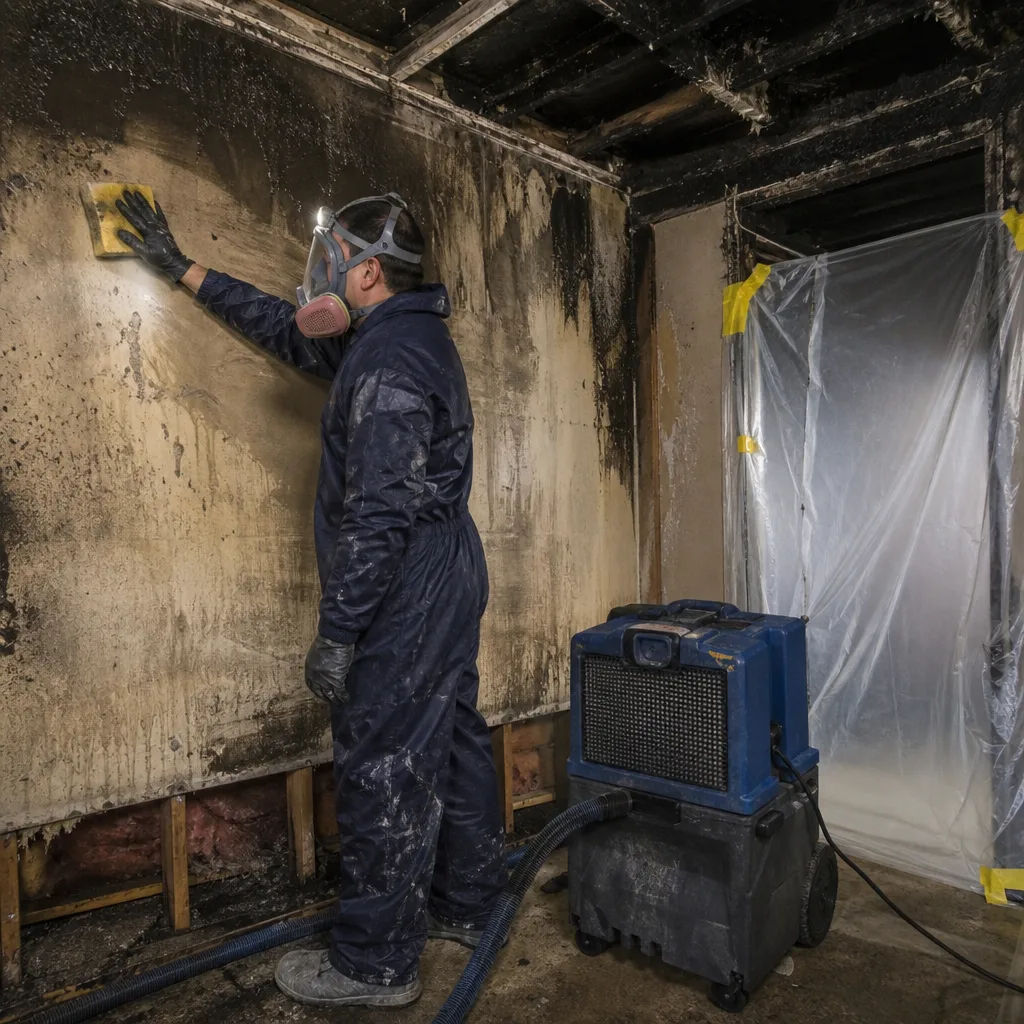
Emergency Board-Up & Tarping
Immediate securing of compromised structures against Tukwila’s rainfall and to prevent secondary damage. We document board-up photos for insurance and provide a written scope for permanent repairs under Haven Standard, Clause 1.
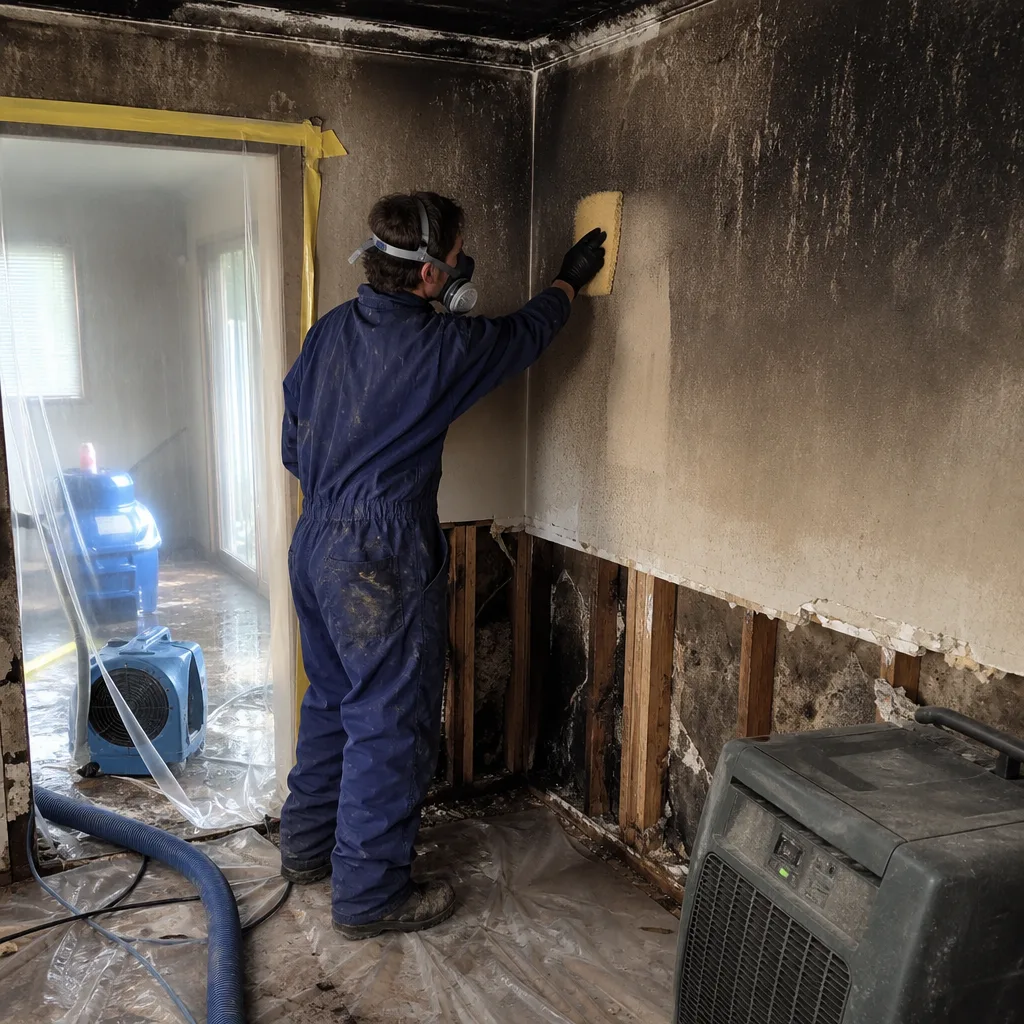
What happens when you call
- 1
A real person answersNo phone trees - you reach a local pro.
- 2
You get an upfront price rangeHonest numbers before anyone is dispatched.
- 3
A background-checked tech heads outLicensed & insured, dispatched right away.
- 4
You approve before work beginsNothing starts until you say go.
Fire & Smoke Damage Restoration Costs in Tukwila, WA
Emergency board-up and stabilization in Tukwila runs $850-$2,400 depending on access height and structural complexity. Smoke and soot cleanup for a single affected room typically ranges $1,800-$4,500; whole-house deodorization and surface cleaning in a Foster-area ranch runs $4,200-$9,800. Structural repairs after fire damage - drywall replacement, framing repair, finish matching - add $8,500-$18,500+ for significant involvement.
What moves the price: square footage affected, residue type (wet smoke demands more labor than dry), whether hydrostatic moisture requires extended drying or encapsulation, and if contents pack-out is needed. Most residential fire claims in Tukwila are covered by standard homeowner’s insurance, though properties in FEMA-designated flood zones may need coordination between fire and flood coverage if suppression water triggered hydrostatic conditions.
We deliver a written price before any work begins, every time, with no scope-creep additions once our crew is inside. Haven Standard, Clause 1. Bring a competitor’s written estimate and we’ll review it free under our Second Opinion policy.
We Also Serve Cities Near Tukwila
Our crews respond from the Seattle office to Tukwila and surrounding communities including Bothell, Kenmore, Woodinville, and Brier. Each city’s building stock, soil conditions, and insurance landscape shape how we scope and document the work - we don’t paste the same protocol across zip codes.
Serving Tukwila, WA - Our Local Coverage Area
We’re based in the Tukwila area and know this community well. Use the map below to see our service coverage - if you’re nearby, we can almost certainly help.
Tukwila Fire & Smoke Damage Restoration Questions, Answered
Does Tukwila’s valley-floor location change how you handle smoke odor after a fire?
Yes. The Duwamish Valley’s high water table creates hydrostatic moisture conditions in crawl spaces and at slab edges that standard deodorization misses. We sequence drying before odor treatment in Foster-area homes, using dehumidification and sometimes encapsulation to eliminate the damp reservoirs that reactivate smoke compounds. Call (425) 696-6061 for a free inspection and written scope.
Why do mid-century Foster neighborhood homes need different fire restoration steps?
Original 1950s-70s construction in Foster includes unconditioned crawl spaces with degraded vapor barriers, single-pane windows that create condensation-driven soot deposition, and ductwork that distributes smoke throughout the house. Our crews check slab-edge moisture and HVAC contamination before surface cleaning, steps that upland properties with modern construction often don’t require. Call (425) 696-6061 for a free inspection.
Can you pack out contents from a fire-damaged Tukwila home?
Yes. We inventory, photograph, and transport salvageable items to our facility for ultrasonic, dry-cleaning, or ozone treatment. For Tukwila properties in FEMA flood zones, our pack-out documentation includes pre-loss moisture readings and water category classification to satisfy NFIP requirements that standard contents jobs don’t address. Call (425) 696-6061 to schedule.
How do you decide whether smoke-damaged materials can be cleaned or must be removed?
We test-clean a representative area and evaluate residue penetration, material porosity, and structural integrity. Wet smoke on porous drywall or charred framing is typically removed; dry smoke on non-porous tile or sealed hardwood usually cleans successfully. The decision is documented with photos and written into your scope before demolition begins. Call (425) 696-6061 for a free assessment.
Does fire restoration in Tukwila require special documentation for insurance?
Properties in FEMA-designated flood zones - common in Tukwila’s Duwamish corridor - may need moisture mapping and water category documentation to coordinate fire and flood coverage. We provide this as standard, along with room-by-room photos, drying logs, and line-item scopes formatted to your carrier’s platform. Call (425) 696-6061 and we’ll review your policy’s requirements.
How fast can your crew actually get to a Tukwila fire damage call?
We commit to 45 minutes from call to on-site for Tukwila addresses, with crews dispatched from our Seattle office. Live answer 24/7 at (425) 696-6061, no voicemail. The first hour determines smoke migration scope; speed matters for cost control.
Can my family stay in the home during fire restoration?
Usually not during initial cleanup and deodorization. Air scrubbers run continuously, and solvent-based cleaning produces VOCs that require ventilation. We coordinate temporary housing documentation with your adjuster when policy coverage applies. Call (425) 696-6061 to discuss your specific situation.
What certifications do your fire restoration technicians hold?
Our lead technicians hold IICRC FSRT (Fire and Smoke Restoration Technician) and WRT (Water Damage Restoration Technician) credentials, with documentation on every job file. All work follows RIA and IFA standards for documentation and drying protocol. Call (425) 696-6061 to verify credentials for your specific job.
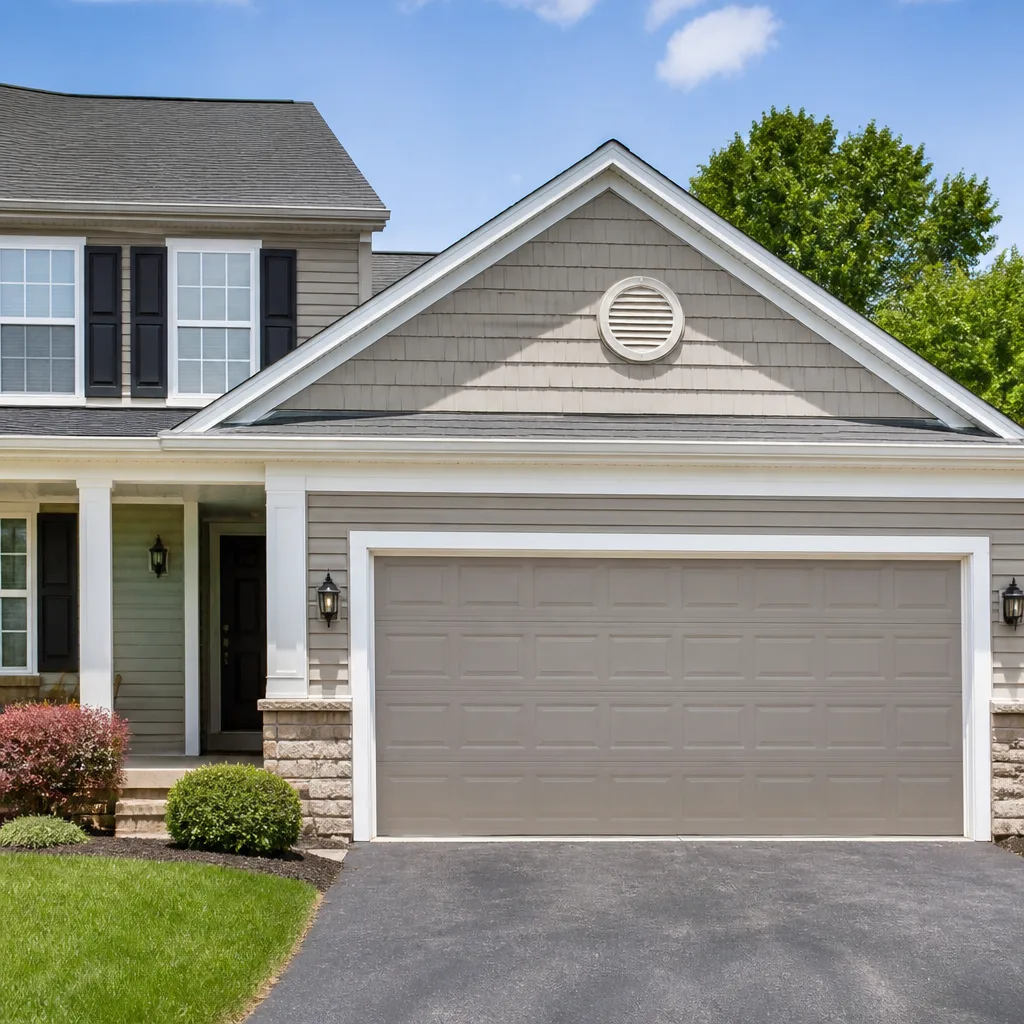
On a Foster Road mid-century ranch near Foster, a kitchen fire scorched the wall cavity and sent acrid smoke through original 1960s ductwork; we set containment, ran air movers and Dri-Eaz dehumidification, then found soot had settled on a legacy one-piece garage door’s tracks and opener housing. After antimicrobial treatment and smoke & soot removal, we documented moisture readings with drying logs showing hydrostatic wicking at the slab - not a typical dry-out in higher-elevation Renton or Burien.
Written by Alicia Brennan, Owner at DryMark Restoration Bothell, serving Tukwila since 2011 under The Haven Standard.
Fire & Smoke Damage Restoration in Nearby Areas