
Free visual inspection and a written scope of work before any mitigation begins - photos, moisture readings, and drying logs go in your claim file
The scope we write is the scope we bill. Anything new gets shown to you, in writing, before we touch it.
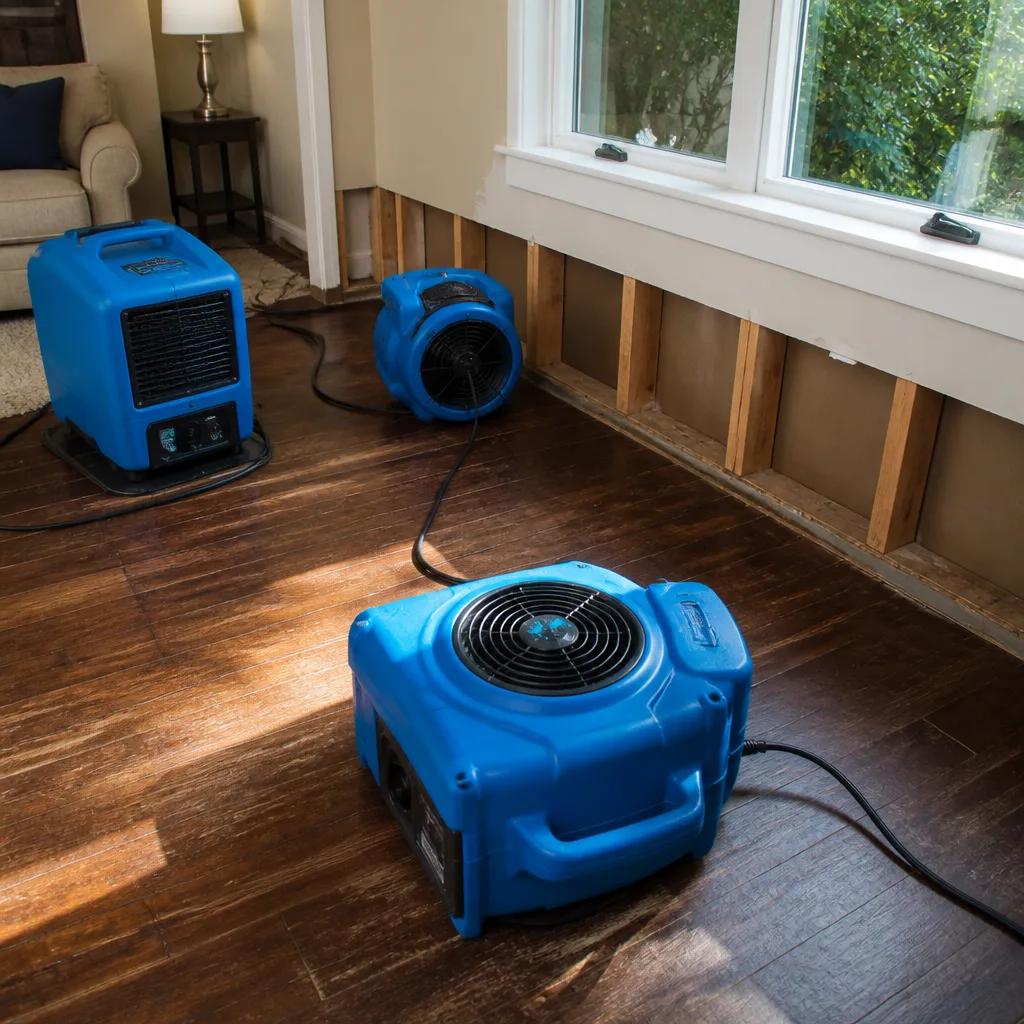
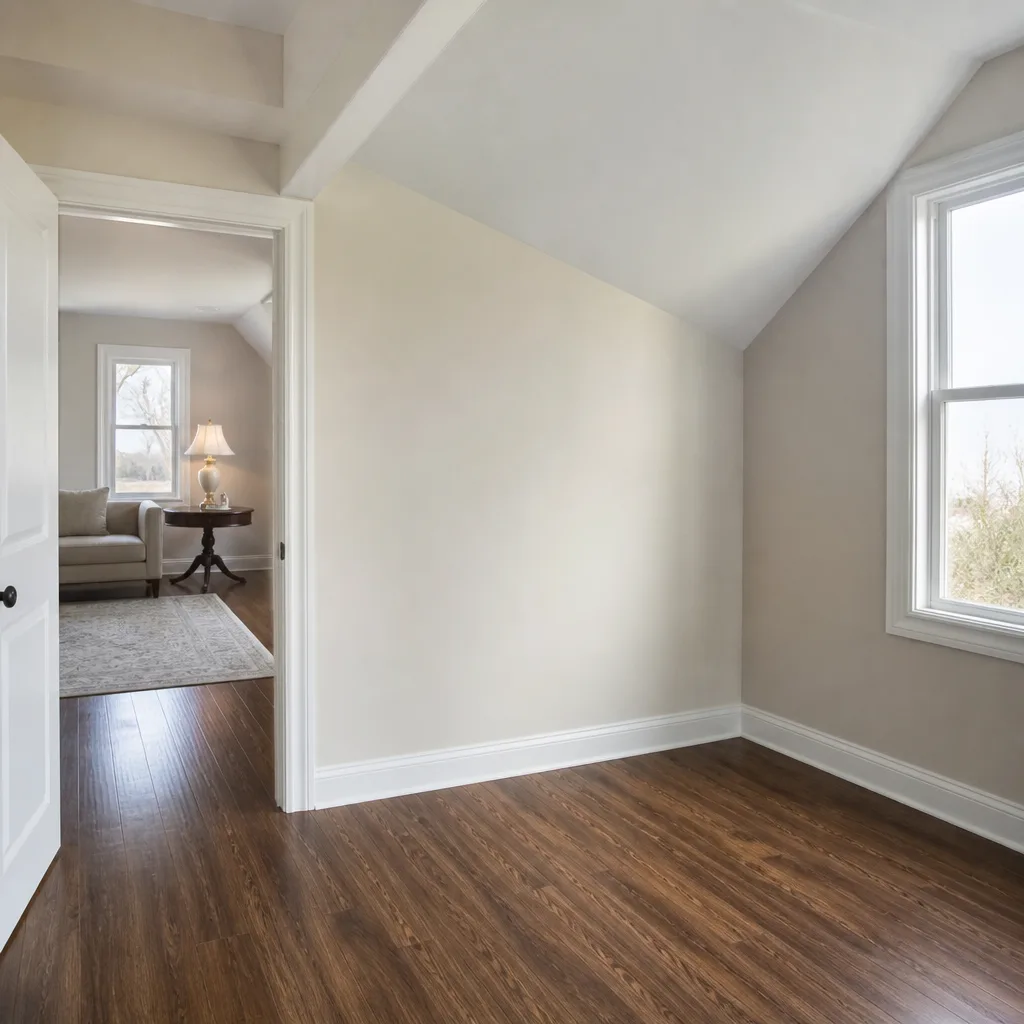
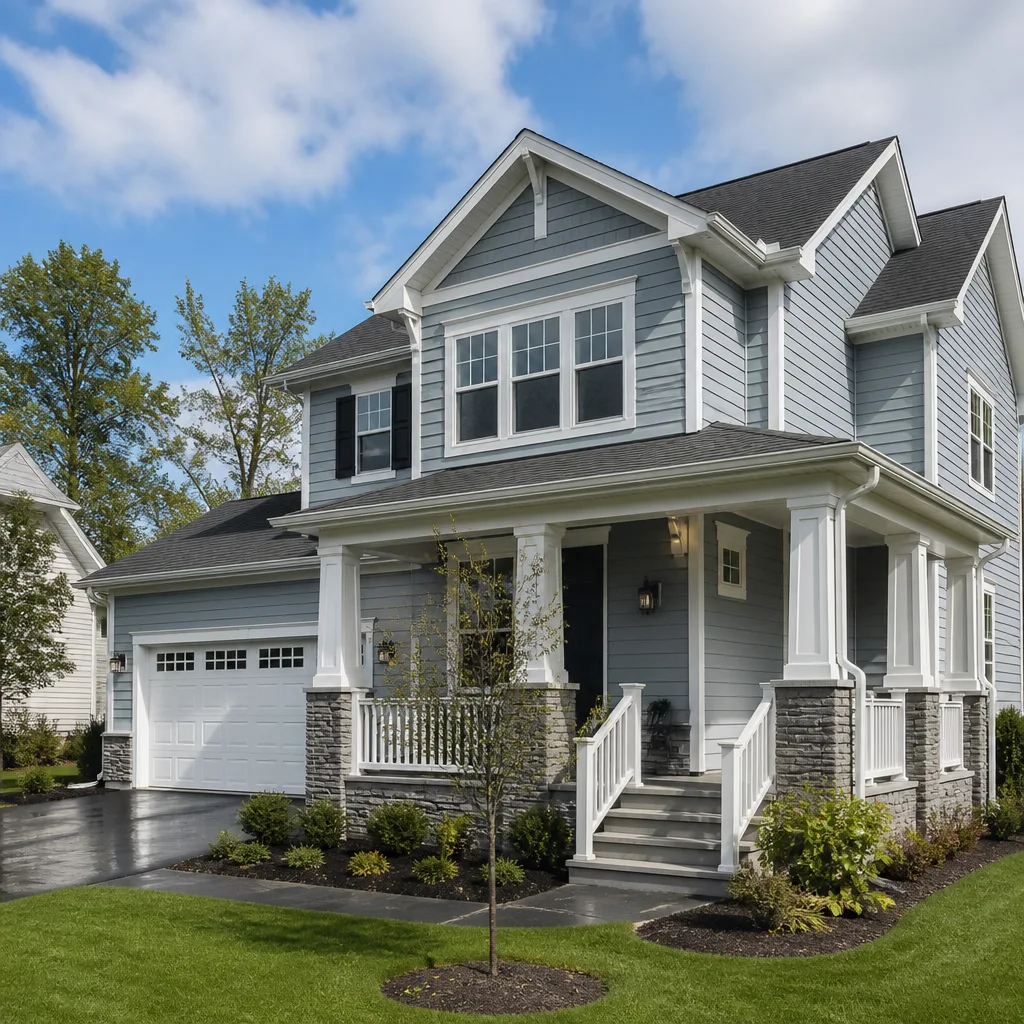
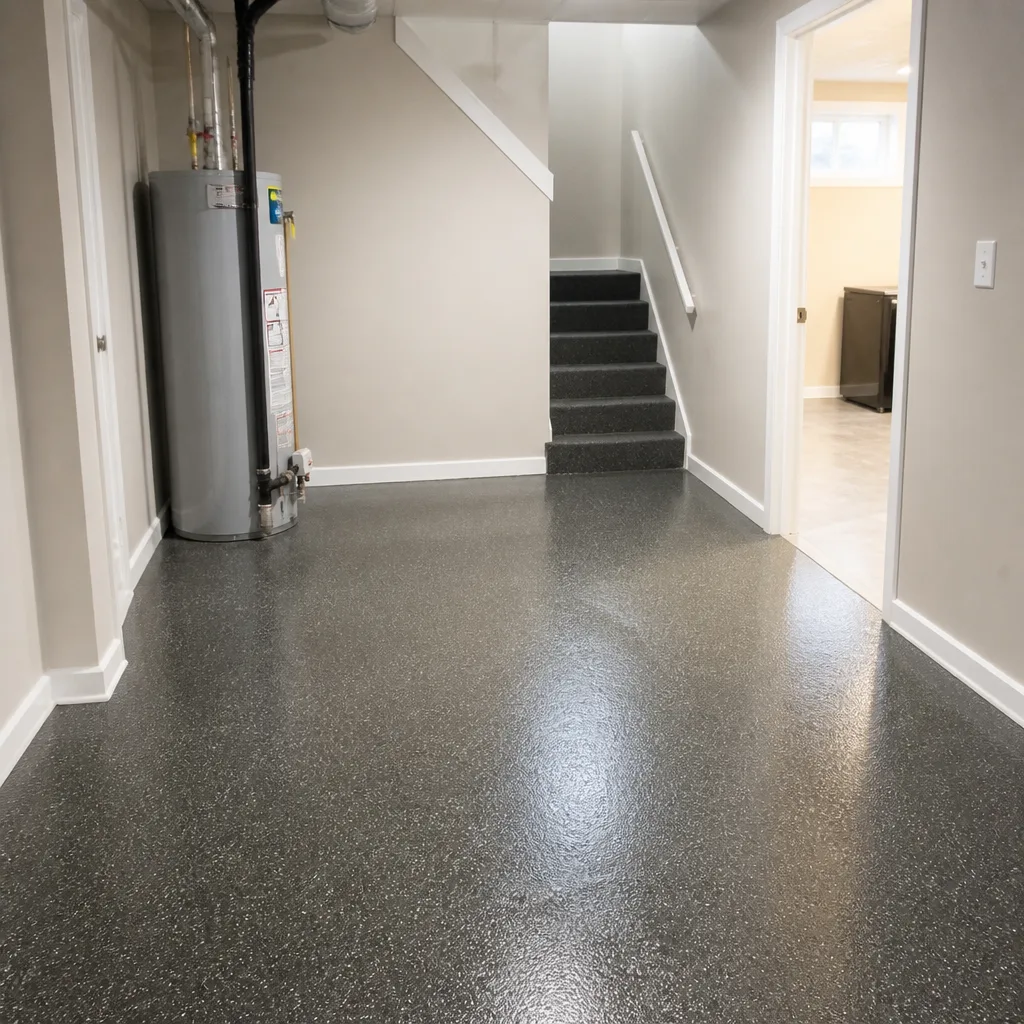
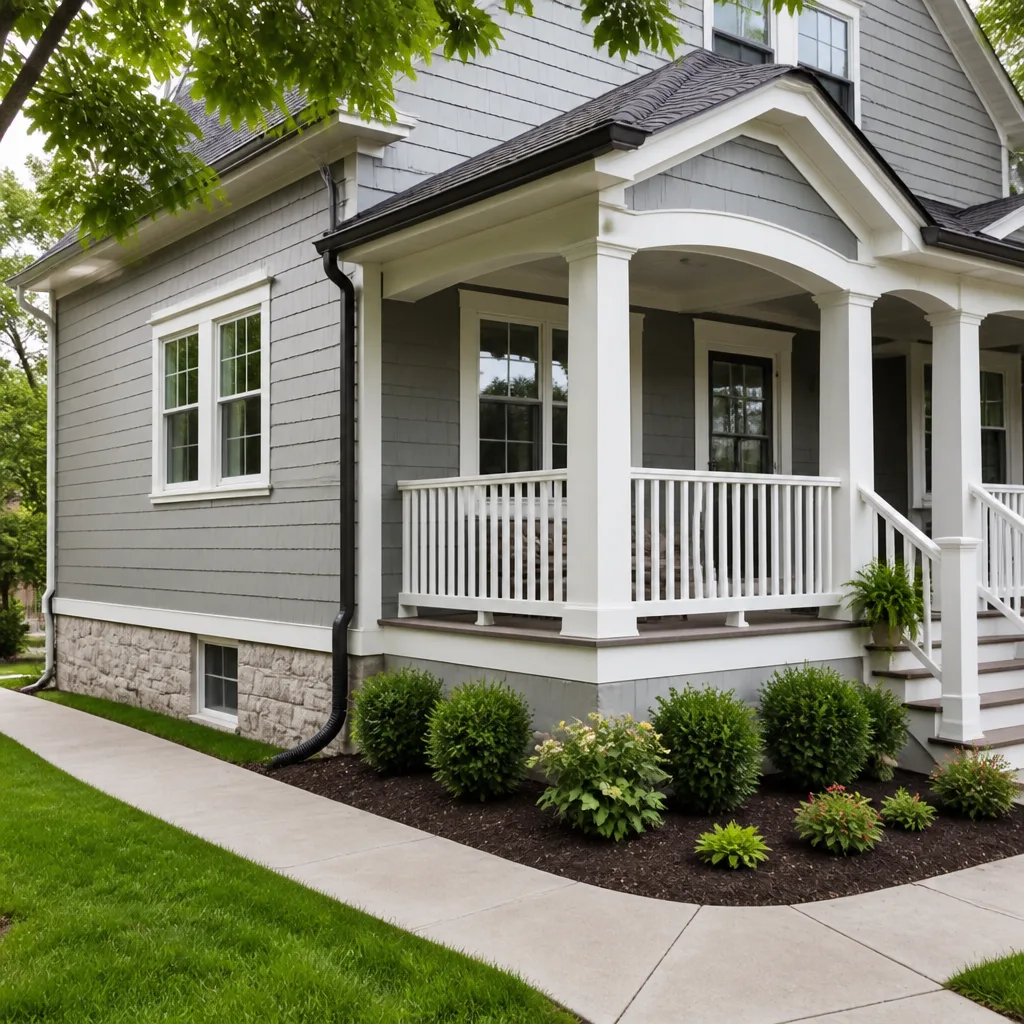
 Before
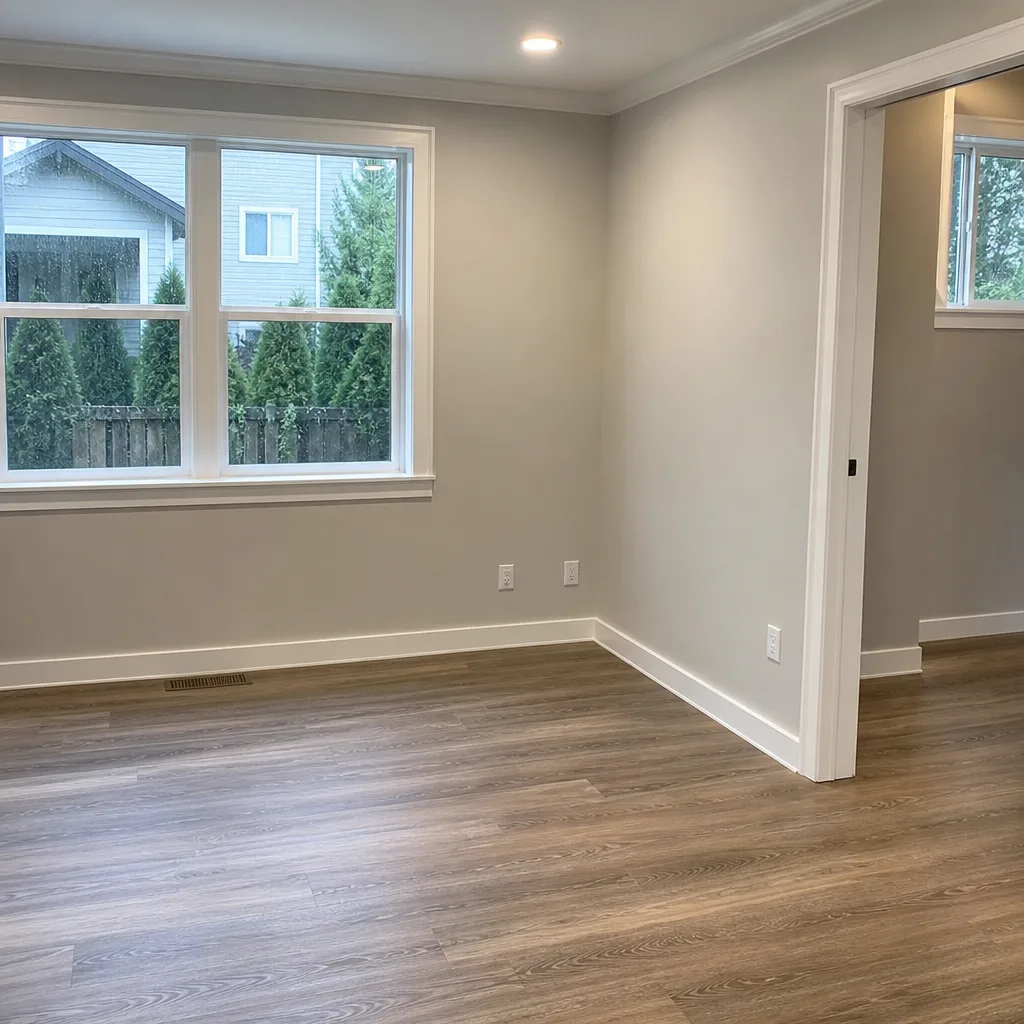 After
After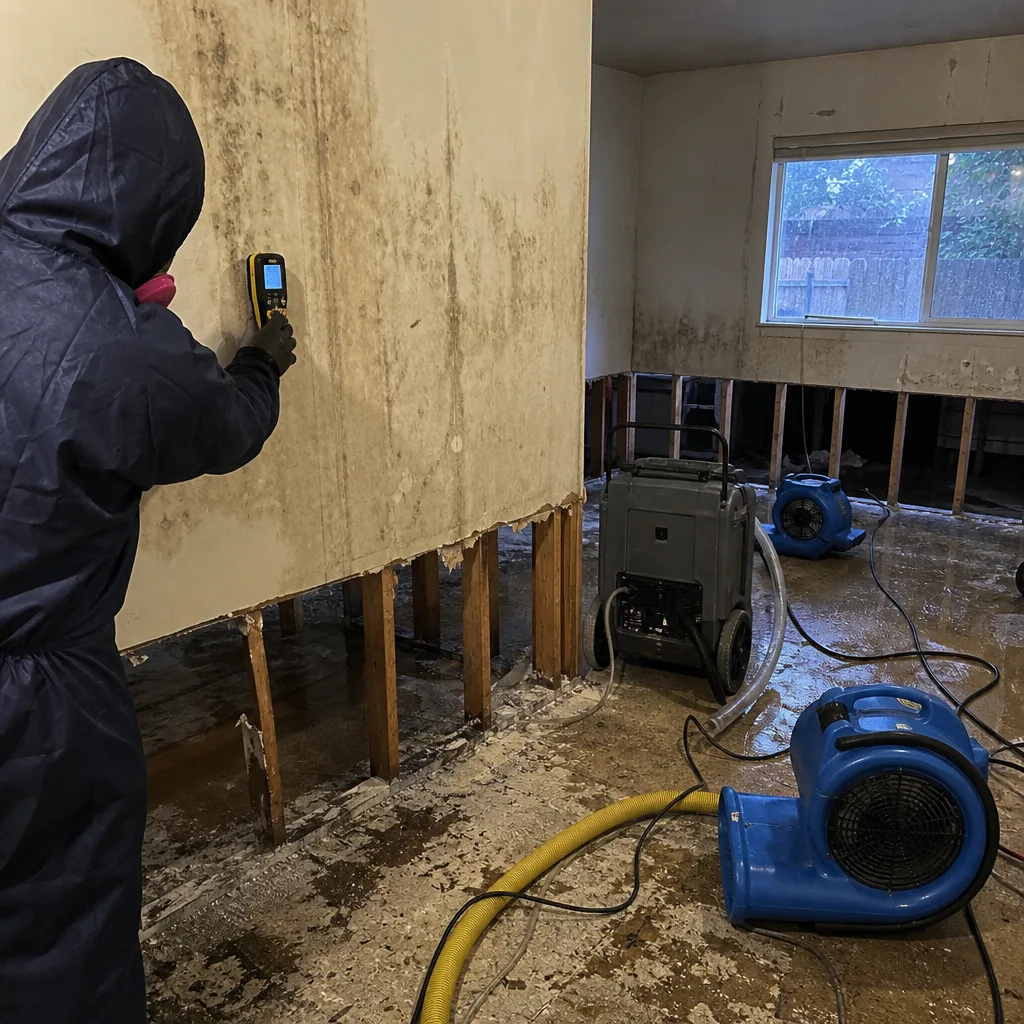 Before
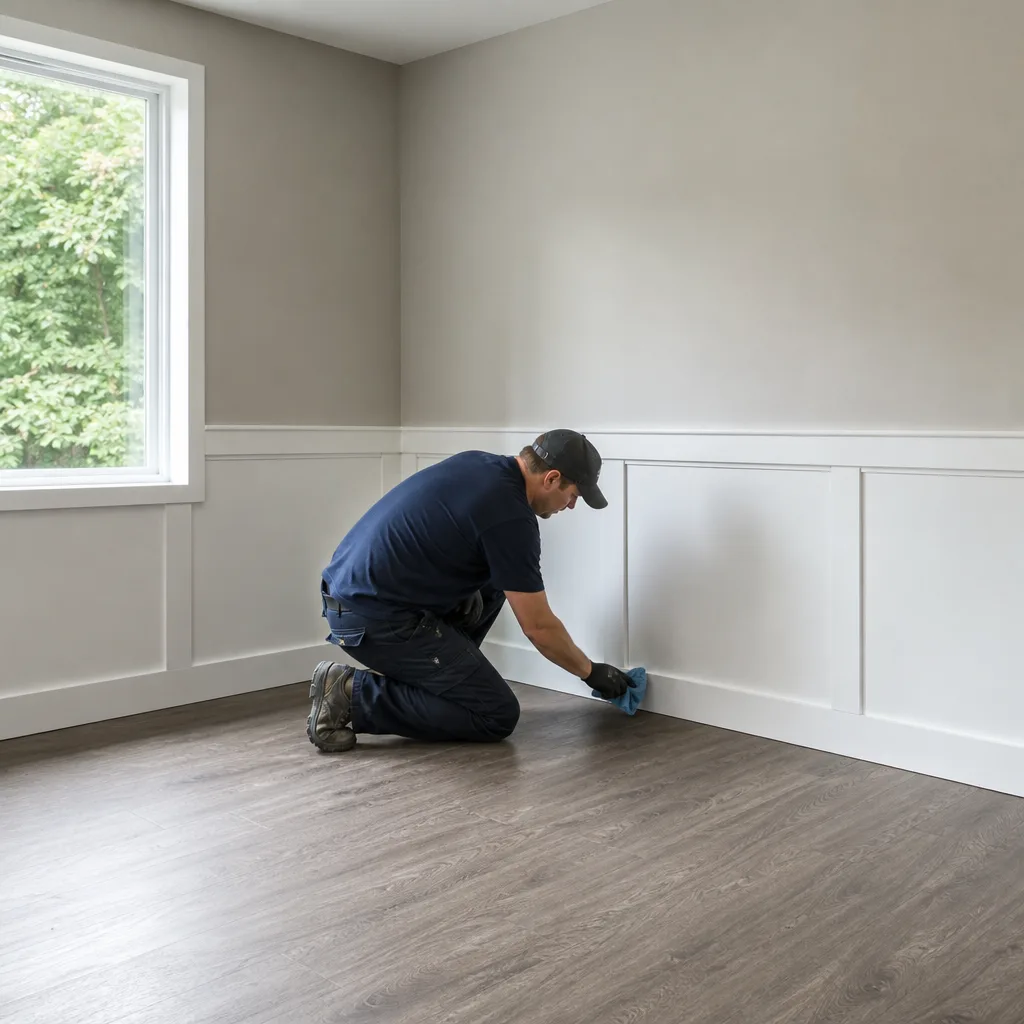 After
After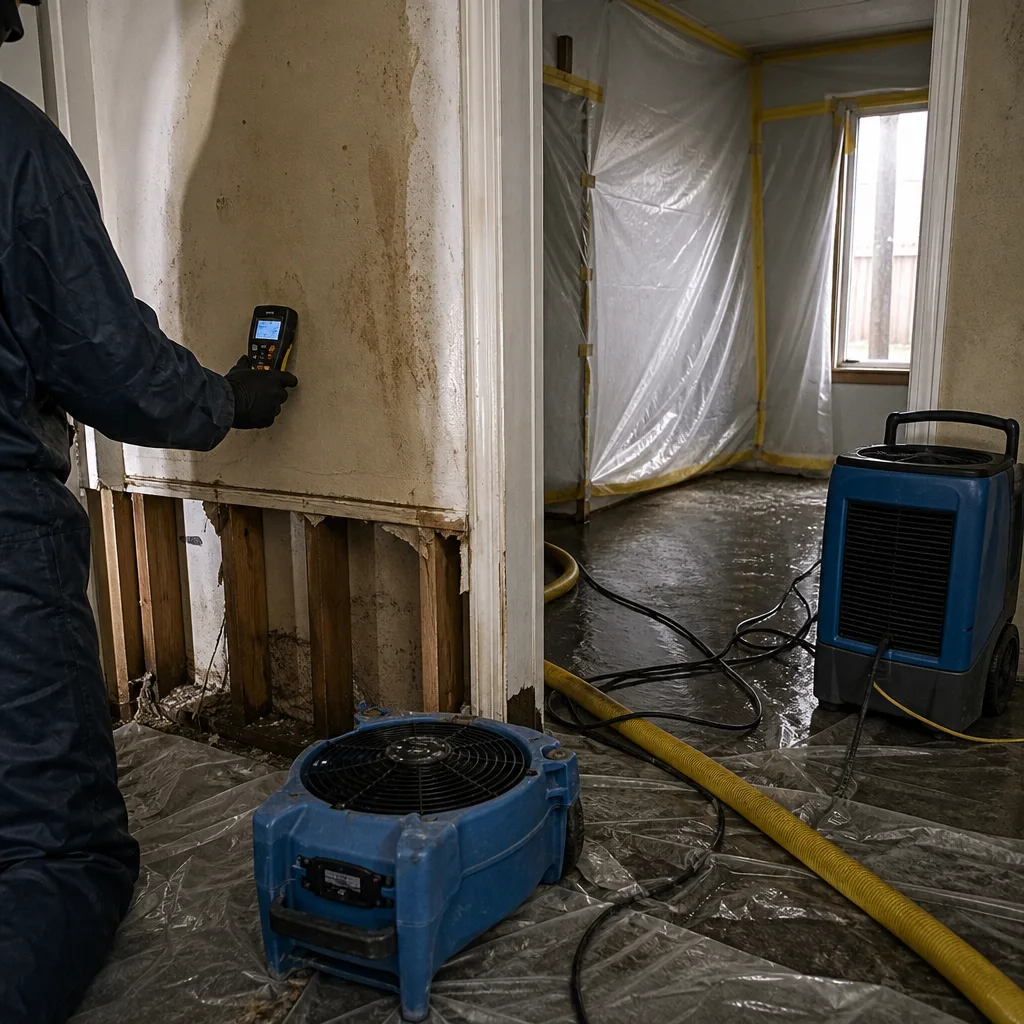 Before
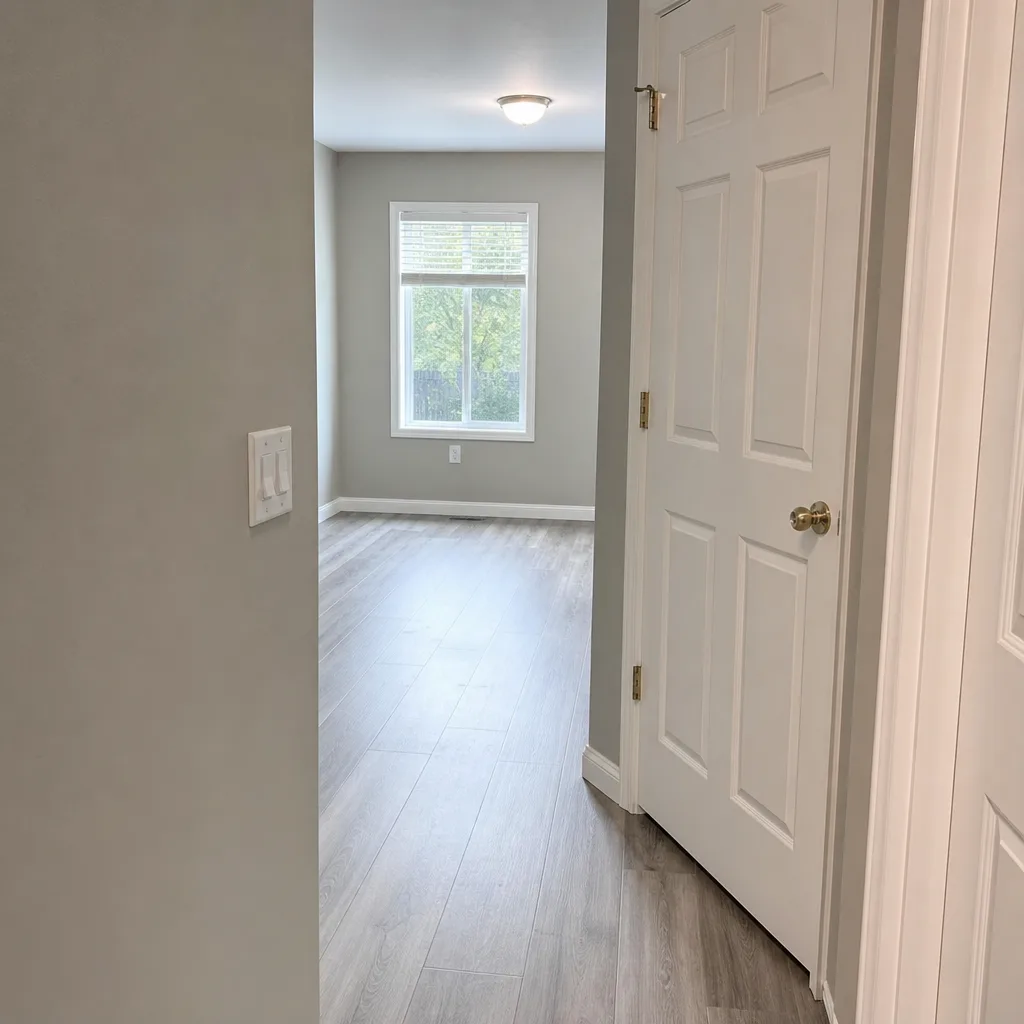 After
After24/7 Emergency Water Damage Restoration in Seattle
Water damage restoration in Seattle typically costs $2,800-$6,500 for a standard residential mitigation, with emergency extraction running $800-$1,800 and structural drying adding $1,500-$3,200 depending on affected square footage and material classification. Our crews answer live at (425) 696-6061 twenty-four hours a day, seven days a week - no voicemail, no callback queues. We dispatch from our Seattle office and can usually be on-site in Capitol Hill, Ballard, or the Central District within forty-five minutes of your call.
The first hour determines whether you’re looking at a three-day drying job or a three-week rebuild. Water travels along joist bays, electrical chases, and HVAC ductwork faster than most homeowners realize. By the time you see staining on drywall, the cavity behind it has often been wet for hours. Our Water Damage Restoration team starts with a free visual inspection, moisture maps the full affected area, and gives you a written price before any equipment runs - Haven Standard, Clause 1.
Understanding Water Damage Restoration Severity in Seattle Properties
Water damage falls into three categories under IICRC S500 standards. Category 1 is clean water from a supply line - the least hazardous but only for the first twenty-four hours. Category 2 carries significant contamination from dishwasher or washing machine discharge. Category 3 is grossly contaminated: sewage, groundwater intrusion, or any water that has passed through soil or building materials. In Seattle, we see Category 3 more often than drier cities because of the lateral groundwater migration through glacial till - what looks like a minor seepage in a South Seattle crawlspace often tests positive for soil bacteria and mold metabolites.
Seattle’s housing stock amplifies these risks. The Craftsman bungalows and Victorian-era homes in Capitol Hill and Ballard still carry original old-growth fir framing and uninsulated vented crawlspaces. Fir is durable but hygroscopic - it holds moisture like a sponge. Post-WWII construction in Rainier Valley frequently lacks adequate vapor barriers and runs aging galvanized supply lines that fail catastrophically. Moisture mapping with thermal imaging and pinless meters lets us find what the eye cannot: a 28% moisture content in a joist that reads normal on the surface, or a vapor pressure differential driving condensation into a wall cavity.
Why Seattle Property Owners Choose DryMark Restoration Bothell
- 45-minute response commitment to Seattle addresses - our crews stage equipment at the Seattle office and roll immediately, not after a callback.
- 24/7 live answer - a real person picks up every call, every hour, with no automated phone tree between you and a dispatch decision.
- IICRC-certified crews holding WRT (Water Damage Restoration Technician), ASD (Applied Structural Drying), and AMRT (Applied Microbial Remediation Technician) certifications - we name the credential because the standard matters.
- Free visual inspection with moisture readings, photo documentation, and a written scope delivered before you commit to anything.
- Direct insurance billing with adjuster coordination - we speak the same Xactimate language your carrier uses and document to their standard from hour one.
- One team from extraction to reconstruction - no handoff gaps, no subcontractor scheduling delays that let Category 1 become Category 3.
BeforeAfterOur Water Damage Restoration Process
1. Inspection & Assessment
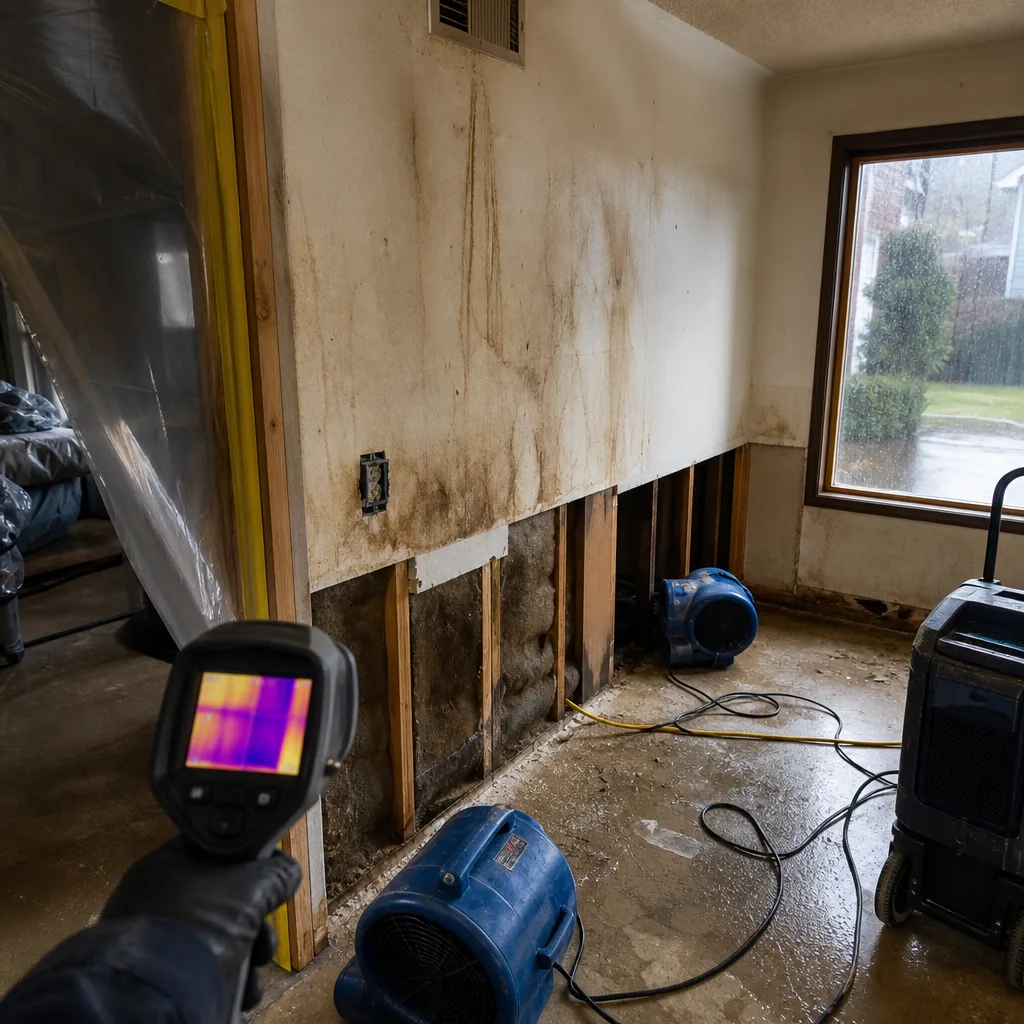
We arrive with thermal imaging cameras, pin and pinless moisture meters, and hygrometers. Every affected room gets documented with photos, moisture content readings, and material classification. You receive a written scope and price before work begins - Haven Standard, Clause 1.
2. Water Extraction & Stabilization
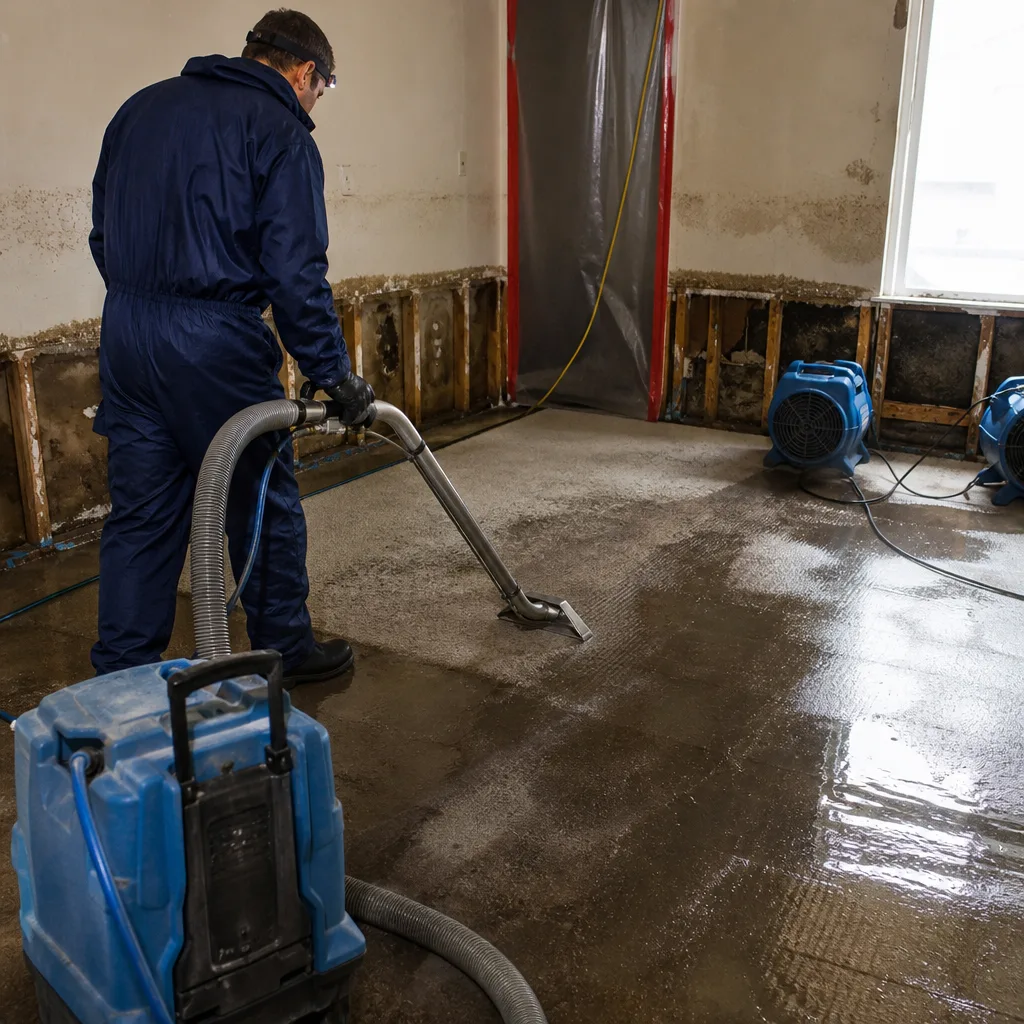
Standing water comes out first with truck-mounted extraction units, then weighted extraction on carpet and pad. For hardwood and tile, we deploy Injectidry floor mats that pull moisture from the subfloor without removing the finished surface. The goal is to remove liquid water before it becomes vapor that migrates to dry materials.
3. Structural Drying & Dehumidification
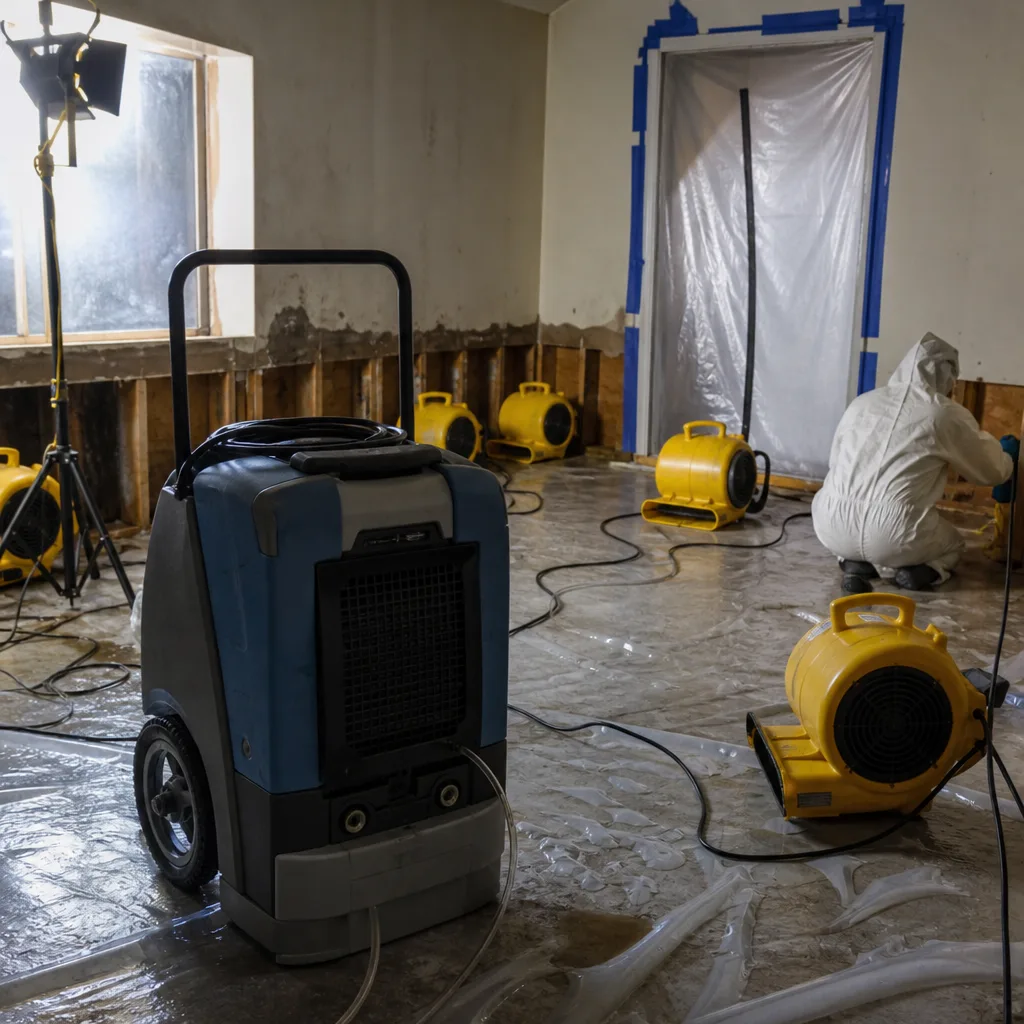
We calculate the psychrometric data - temperature, relative humidity, and vapor pressure - then position Dri-Eaz and Phoenix LGR dehumidifiers with axial and centrifugal air movers to create controlled airflow. Daily moisture logs track progress to the dry standard, typically 12-16% moisture content for wood framing in Seattle’s ambient conditions.
4. Cleaning & Sanitization
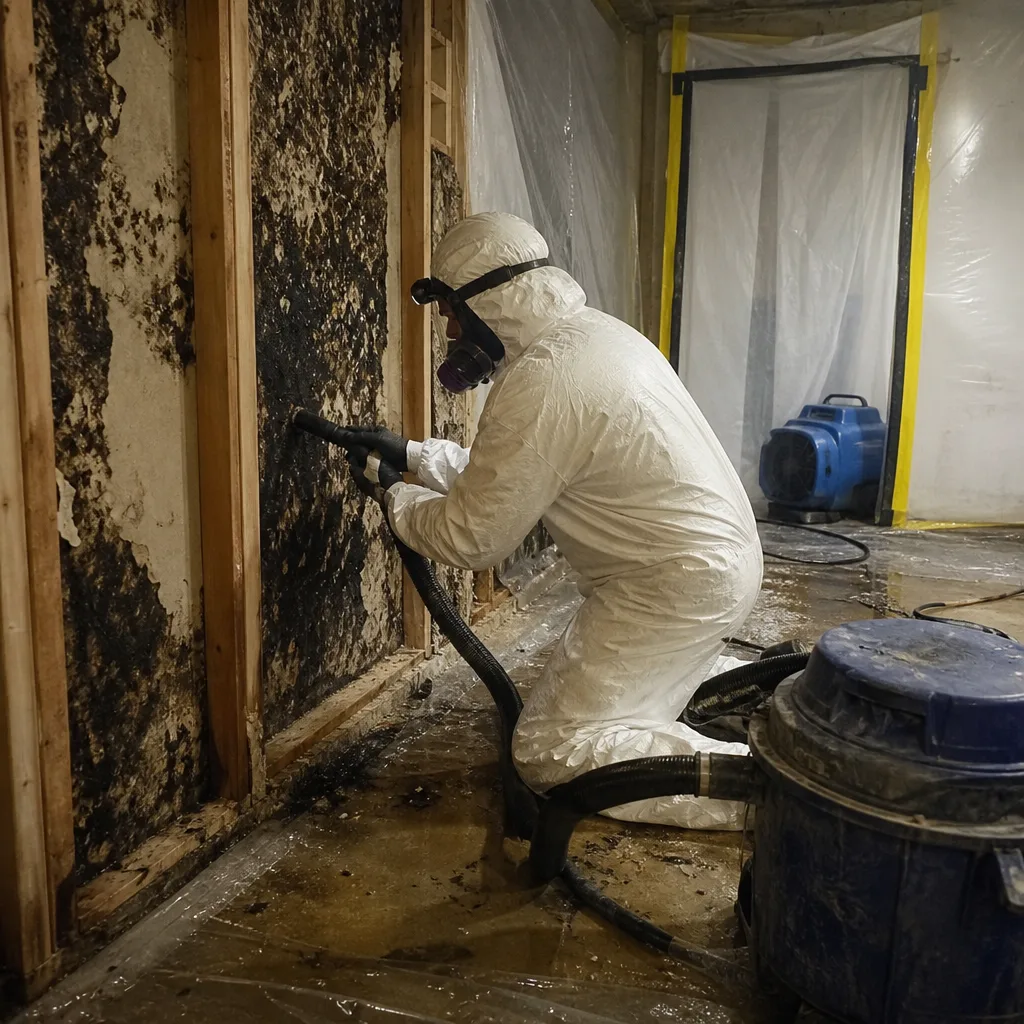
Category 2 and 3 losses get antimicrobial treatment on all affected surfaces. HEPA air scrubbers run during this phase to capture airborne particulates. We clean to IICRC S500 standards, not to what looks okay - the difference shows up in your insurance claim and your indoor air quality six months later.
5. Moisture Verification & Tertiary Drying
Tertiary drying targets trapped moisture in dense materials like old-growth fir joists, plaster, and multi-layer wall assemblies. We use Injectidry cavity drying systems and targeted heat to reach equilibrium moisture content. No equipment comes off until readings confirm the assembly is dry - not the surface, the assembly.
6. Repairs & Restoration
Our reconstruction crew repairs or replaces drywall, flooring, trim, and cabinetry to match existing finishes. The same team that dried your house rebuilds it, so there are no gaps in documentation or accountability. Every job closes with a signed 365-Day Done Right Promise under The Haven Standard.
Need Emergency Water Damage Restoration in Seattle Now?
Crews minutes away, answering live 24 hours a day. The sooner we start, the less it costs.
Working With Your Insurance Company
Insurance claims fail on documentation gaps. We know because Alicia Brennan founded this company in 2011 after years as a claims adjuster watching homeowners lose coverage over missing photos, incomplete moisture logs, and scopes that didn’t match the damage. Our process inverts that risk: we document from the first minute, produce industry-standard estimates in Xactimate format, and coordinate directly with your adjuster so the invoice matches the file.
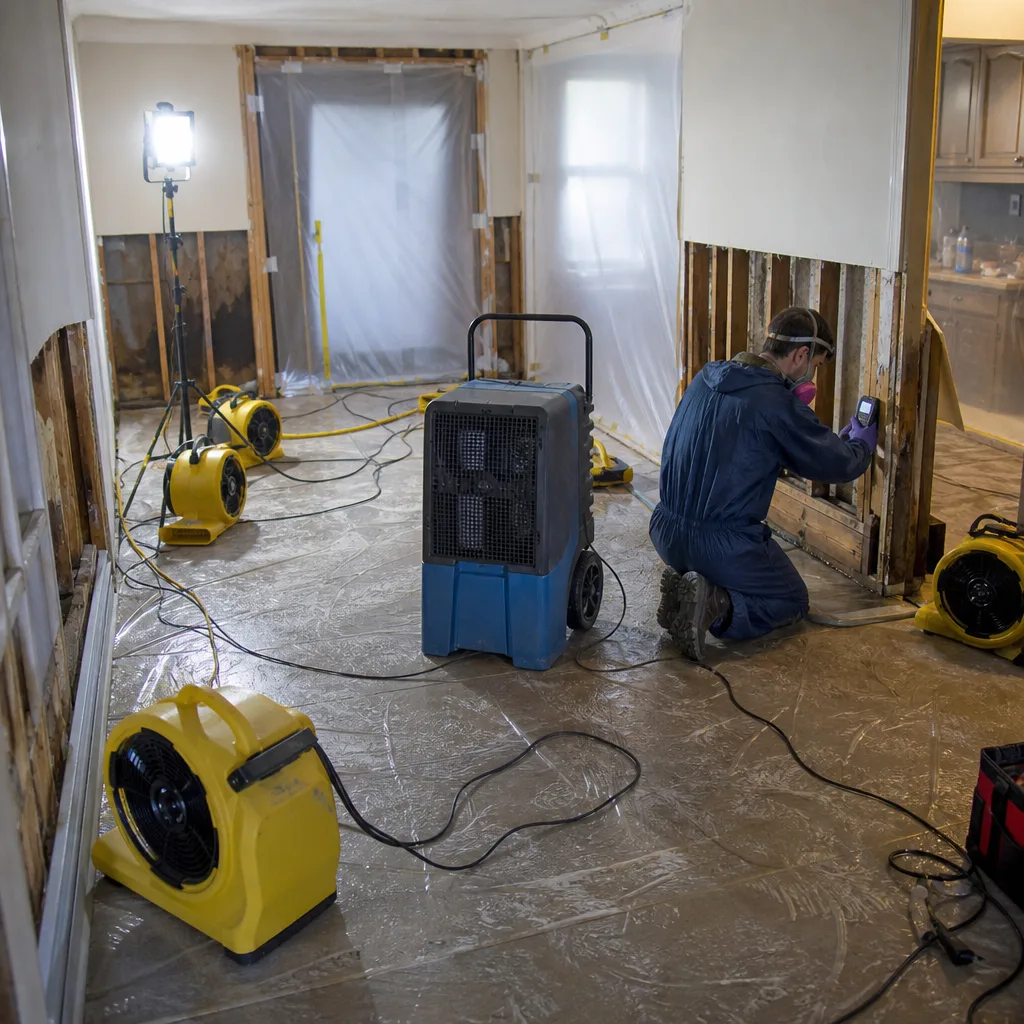
Our Seattle crews photograph every room, every visit, with timestamps. Moisture readings go into a daily drying log that tracks progress against the dry standard. Your carrier receives a line-item scope that separates mitigation from reconstruction, emergency services from contents cleaning. When documentation is complete, claims pay faster and cleaner.
What We Provide Your Insurer
- Thorough documentation of the loss
- Photos of all damage, room by room
- Moisture readings and drying logs
- A detailed, line-item scope of work
- Direct coordination with your carrier
Built for Seattle’s Loss Calendar
Seattle’s water damage calendar runs on persistence, not drama. October through May brings roughly 150 days of measurable precipitation, but the critical mechanism is low-intensity marine drizzle that degrades building envelopes gradually. Homeowners in Queen Anne and Magnolia call us in January when hillside soil saturation finally breaches foundation walls. February and March bring freeze-thaw cycles that split aging galvanized supply lines in South Seattle’s post-war housing stock. April and May see the highest volume of crawlspace mold discoveries - the slow drip through winter has colonized framing by spring.
Summer is not a break. Dry spells shrink clay soils and shift foundations, stressing already-corroded plumbing. Then September’s first heavy rains find the cracks that opened in August. Year-round, the city’s steep glacially carved hillsides create drainage patterns that flat-terrain cities simply don’t face. Soil on Beacon Hill sheds water laterally through dense till rather than absorbing it, so foundation walls and crawlspaces stay chronically damp even between rain events.
Water Damage Restoration Across Seattle’s Neighborhoods
Capitol Hill’s dense Victorian and early-Craftsman housing presents tight access and original construction that predates modern moisture management. We regularly extract water from basements with stone foundations and no perimeter drainage, then dry the structural assemblies without disturbing historic fabric. Ballard’s old-growth fir bungalows and newer townhome infill create a split market: century-old vented crawlspaces with rot-prone joists alongside modern tight envelopes that trap vapor and amplify any leak.
The Central District’s mix of pre-war homes and mid-century construction means we assess material era before we deploy equipment - plaster and lath dry differently than drywall, and old-growth fir behaves nothing like modern dimensional lumber. Beacon Hill and South Seattle’s hillside sites are where our moisture-mapping protocol matters most. The lateral groundwater migration through glacial till saturates crawlspaces with no standing water visible, so we pin-test joists and log readings over days, not hours.
We got a call from a 1920s Craftsman on Beacon Hill where the homeowner had no leak in sight, but our tech found subfloor joists behind the kitchen reading 28% on a pin meter - the ground vapor had been quietly feeding the framing for months, so we set up containment and air movers with Injectidry floor mats, treated the joists with antimicrobial treatment, and dried the assembly back to a normal range over four days.
Specialized Water Damage Restoration Services We Offer in Seattle
Emergency Water Extraction
Standing water gets worse by the hour. Our truck-mounted extraction systems remove thousands of gallons per hour, and we carry portable units for Seattle’s tighter basement accesses and alley-load situations. Weighted extraction on carpet and pad follows immediately - the goal is to remove liquid water before it becomes a vapor migration problem.
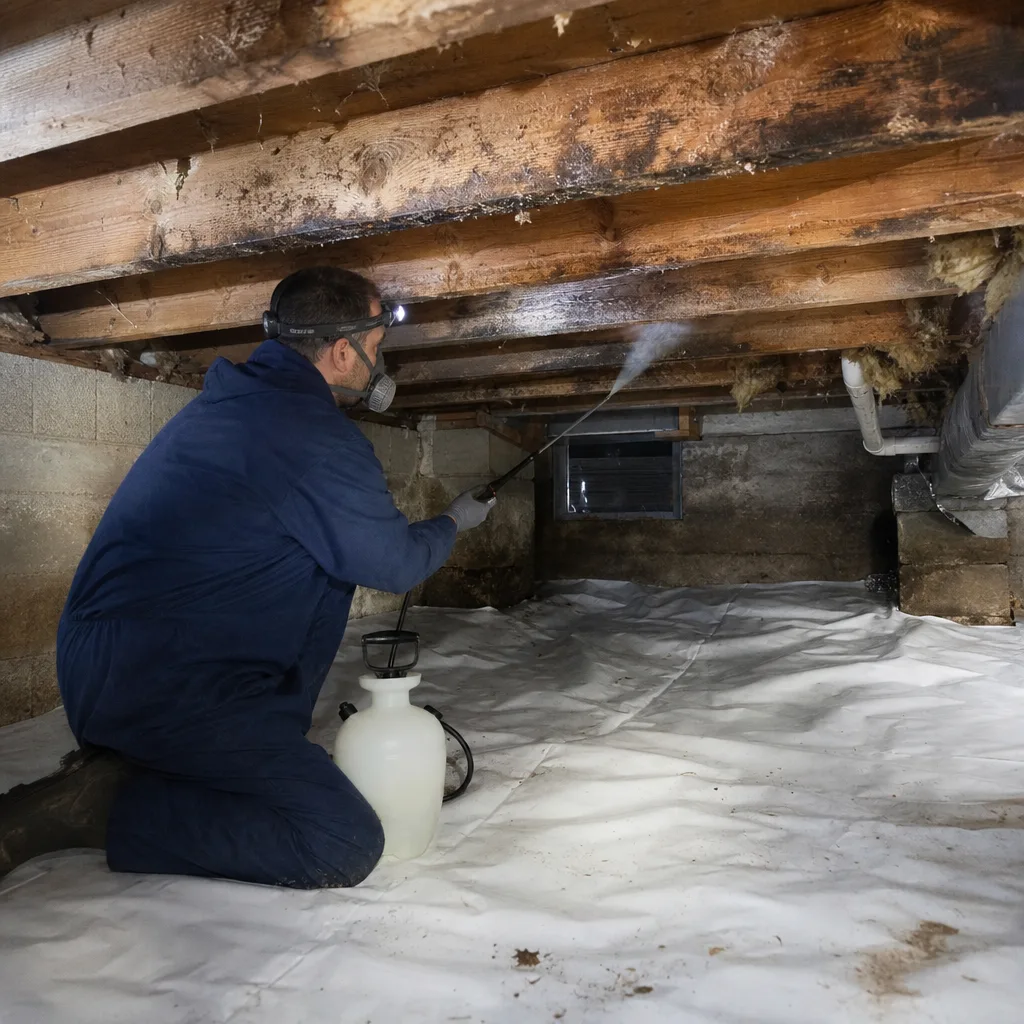
Structural Drying & Dehumidification
This is where documentation separates professional restoration from cosmetic drying. We calculate psychrometric data for your specific structure, deploy LGR dehumidifiers sized to the cubic footage, and position air movers to create controlled airflow across wet materials. Daily moisture logs track progress to the dry standard. In Seattle’s persistent humidity, this phase often runs longer than in drier climates - we don’t guess, we measure.
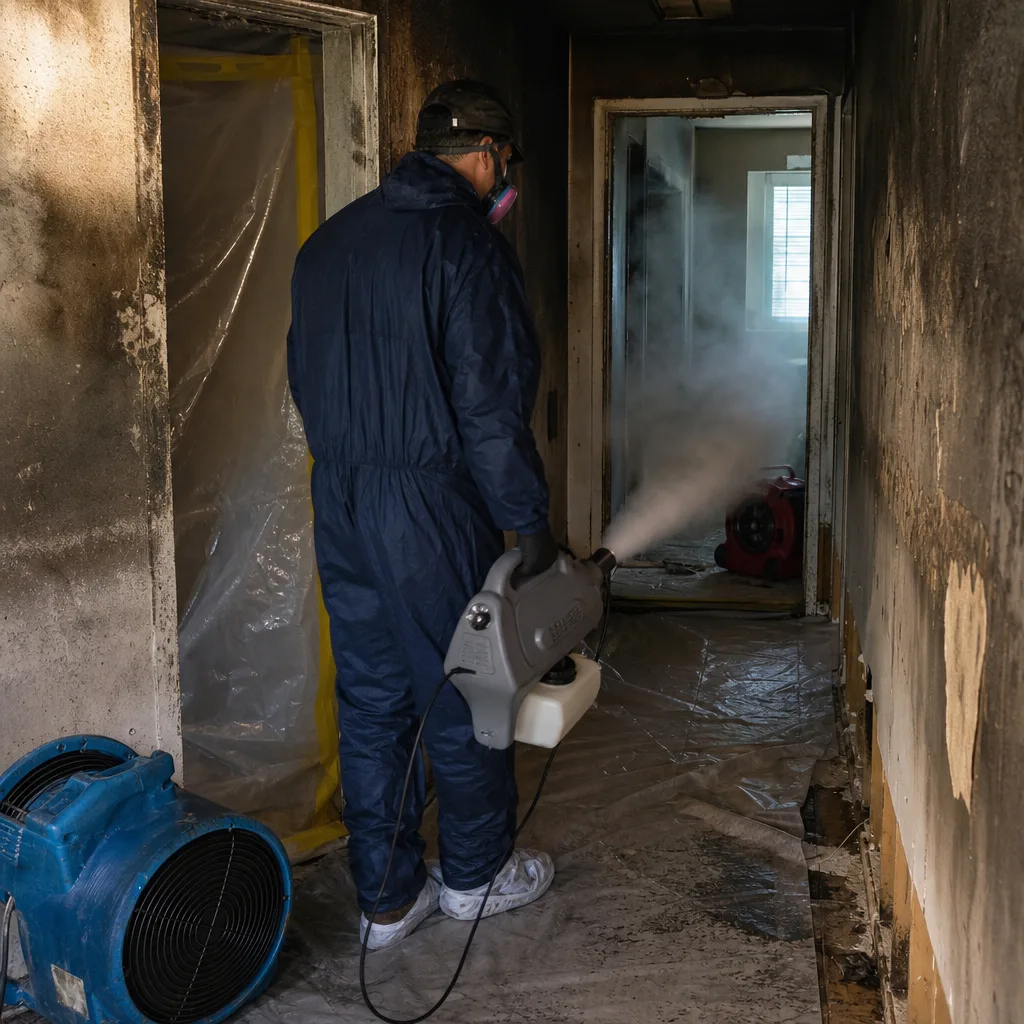
Flood Cleanup
Seattle’s hillside drainage and marine climate mean flood water often carries soil contamination and requires Category 3 protocols even when the source looks clean. We test, contain, and document to IICRC S500 standards so your insurance claim holds up and your indoor environment is actually safe, not just dry-looking.
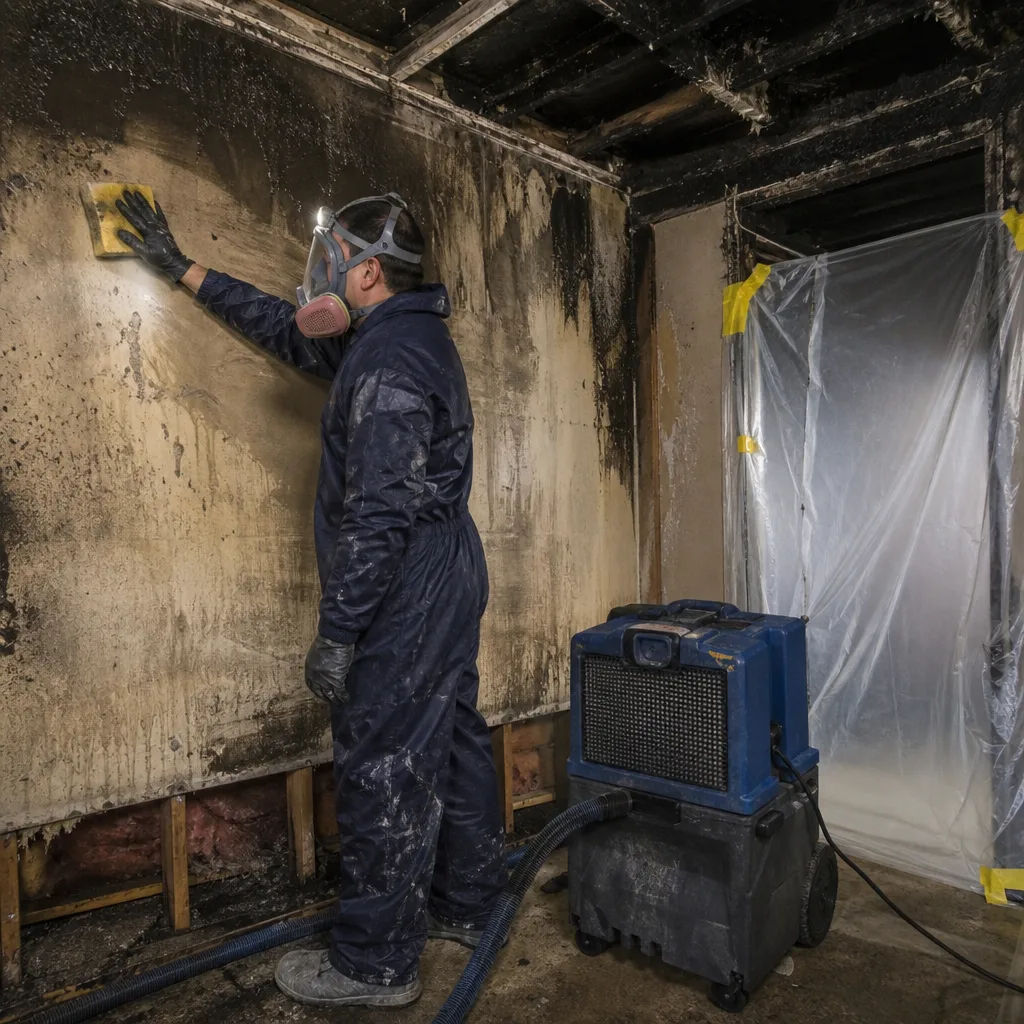
Burst Pipe Restoration
Galvanized supply lines in Rainier Valley and South Seattle’s post-war stock fail without warning, often while homeowners are at work. We extract, dry, and document the full migration path - water that started in a second-floor bath often travels down wall cavities to the main level and basement. Missing that path means mold in six months and a denied supplemental claim.
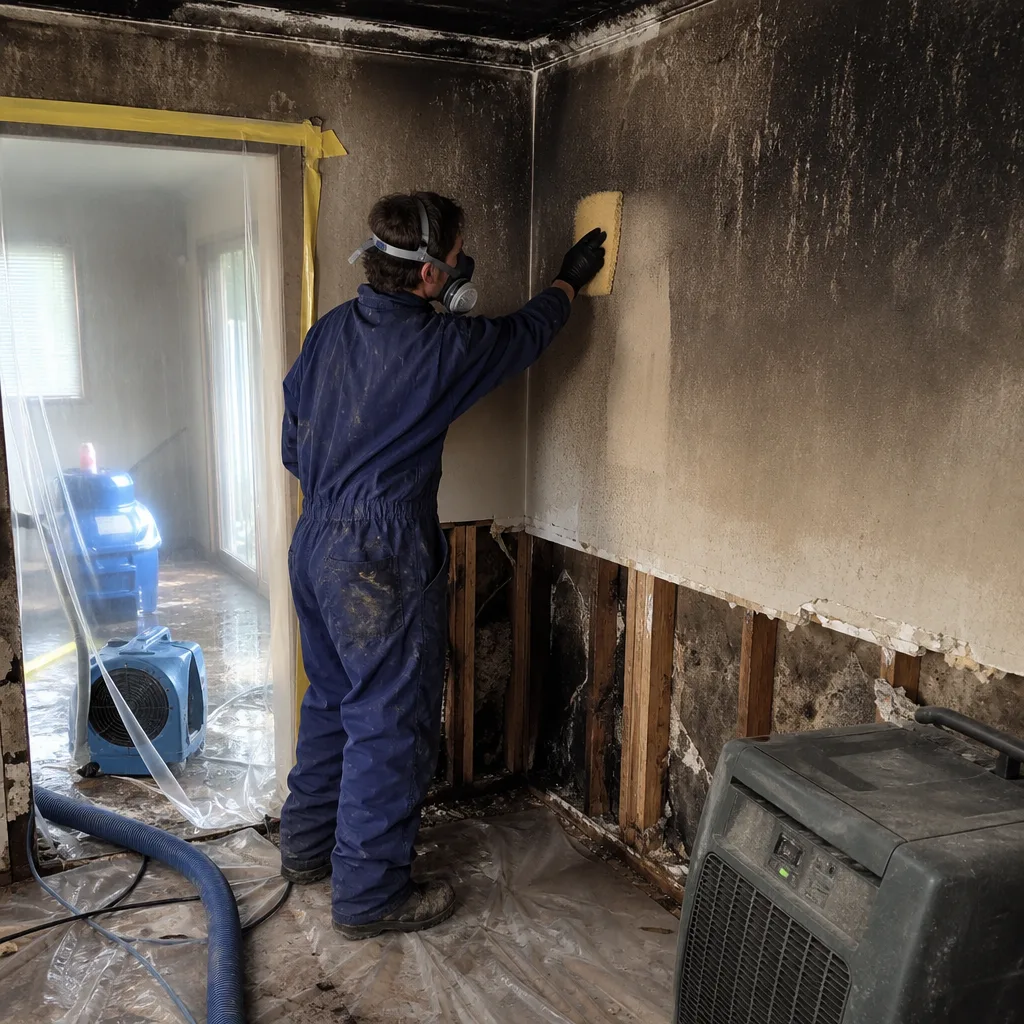
Basement Water Removal
Seattle’s basements run from Capitol Hill’s stone-walled historic cellars to modern daylight basements in Magnolia. Each type demands different extraction and drying strategy. Stone foundations wick moisture continuously; daylight basements with finished interiors hide water behind vapor barriers. We inspect and dry to the actual structure, not the visible finish.
What happens when you call
- 1
A real person answersNo phone trees - you reach a local pro.
- 2
You get an upfront price rangeHonest numbers before anyone is dispatched.
- 3
A background-checked tech heads outLicensed & insured, dispatched right away.
- 4
You approve before work beginsNothing starts until you say go.
Water Damage Restoration Costs in Seattle, WA
Here is what we see in the Seattle market for jobs quoted under Haven Standard, Clause 1:
| Service | Typical Range |
|---|---|
| Emergency water extraction (up to 1,000 sq ft) | $800 - $1,800 |
| Structural drying & dehumidification (3-5 day cycle) | $1,500 - $3,200 |
| Category 3 flood cleanup with antimicrobial treatment | $3,500 - $7,500 |
| Basement water removal with subfloor drying | $2,200 - $5,000 |
| Burst pipe restoration with wall cavity drying | $2,800 - $6,500 |
| Full pack-out, dry, and reconstruction | $8,000 - $25,000+ |
What moves the price: affected square footage, water category, material type (hardwood vs. carpet vs. tile), whether demolition is required, and how far moisture has migrated beyond the visible damage. Insurance typically covers sudden and accidental water damage from plumbing failures; gradual seepage and maintenance-related issues often fall to the homeowner. We provide the documentation that helps your adjuster make the correct determination. Call (425) 696-6061 for a free inspection and written scope - estimates are free, and we offer a Free Second Opinion on any competitor’s written estimate.
We Also Serve Cities Near Seattle
Our Seattle office dispatches crews throughout the metro area. We regularly restore water damage in Bellevue‘s hillside contemporary homes, Mercer Island‘s waterfront properties with unique foundation exposure, Kirkland‘s mixed-era housing stock, and Bainbridge Island‘s rural and suburban properties with well water and septic considerations. The same documentation standards and written-price protocol apply in every service area.
Serving Seattle, WA - Our Local Coverage Area
We’re based in the Seattle area and know this community well. Use the map below to see our service coverage - if you’re nearby, we can almost certainly help.
Seattle Water Damage Restoration Questions, Answered
Do I really need an inspection if there’s no standing water in my crawlspace?
Yes. In Seattle’s glacial-till geology, lateral groundwater migration saturates crawlspace framing for months without ever producing standing water. We moisture-map with pin meters and thermal imaging to find what you cannot see. Call (425) 696-6061 to schedule - estimates are free.
How fast does mold grow on wet drywall in Seattle’s climate?
Mold colonization begins on wet drywall within 24 to 48 hours, and Seattle’s cool, humid ambient conditions extend that window only slightly. After 72 hours, visible growth is likely and the material may require removal rather than drying. Speed matters more than temperature here.
My burst pipe soaked the basement - can you dry it without a full pack-out?
Often yes, if we start quickly and the water is Category 1 or 2. Injectidry floor mats and cavity drying systems can dry hardwood, tile, and subfloors in place. We assess on arrival and give you a written scope showing what can stay and what must move. Call (425) 696-6061 for same-day assessment.
How do drying logs and moisture readings protect my insurance claim?
Insurers deny or reduce claims when documentation is incomplete. Our daily drying logs with moisture content readings, photo records, and psychrometric data prove the work was necessary, done to standard, and successful. This is the documentation gap Alicia Brennan built Back to Dry to close. We provide it as standard, never as an upsell.
Does Seattle’s earthquake risk really change how water damage gets assessed?
It can. The Seattle Fault and Cascadia Subduction Zone create genuine seismic exposure that other wet-climate cities don’t share. When water damage involves foundation cracking, structural shifting, or compromised support assemblies, we coordinate assessment with structural engineers familiar with local seismic codes. Your claim and your safety both depend on correct classification.
How long does structural drying take in Seattle?
Most residential drying cycles run 3 to 5 days, but Seattle’s high ambient humidity can extend this for dense materials like old-growth fir or plaster. We don’t remove equipment until moisture readings confirm the assembly has reached the dry standard, not just the surface. Daily logs track every reading.
Can we stay in the house during water damage restoration?
For Category 1 losses limited to one area, usually yes. Category 2 and 3 losses, or any job with antimicrobial treatment and HEPA air scrubbing, often require temporary relocation of affected rooms. We tell you clearly in the written scope before work starts, with no mid-job surprises.
What certifications do your Seattle crews hold?
Our technicians hold IICRC WRT (Water Damage Restoration Technician), ASD (Applied Structural Drying), and AMRT (Applied Microbial Remediation Technician) certifications. All work is documented to IICRC, RIA, and IFA standards. We name the credentials because they are verified and relevant to your claim.
Water damage in Seattle rarely announces itself with a flood. It arrives as a slow drip through a foundation crack, a crawlspace that smells musty in March, a floor that feels slightly soft behind the refrigerator. The homeowners who avoid the full rebuild are the ones who call before the damage shows. We answer live at (425) 696-6061, dispatch from our Seattle office, and give you a written price before any work begins. Haven Standard, Clause 1. Every time.
Written by Alicia Brennan, Owner at DryMark Restoration Bothell, serving Seattle since 2011.
Water Damage Restoration in Nearby Areas