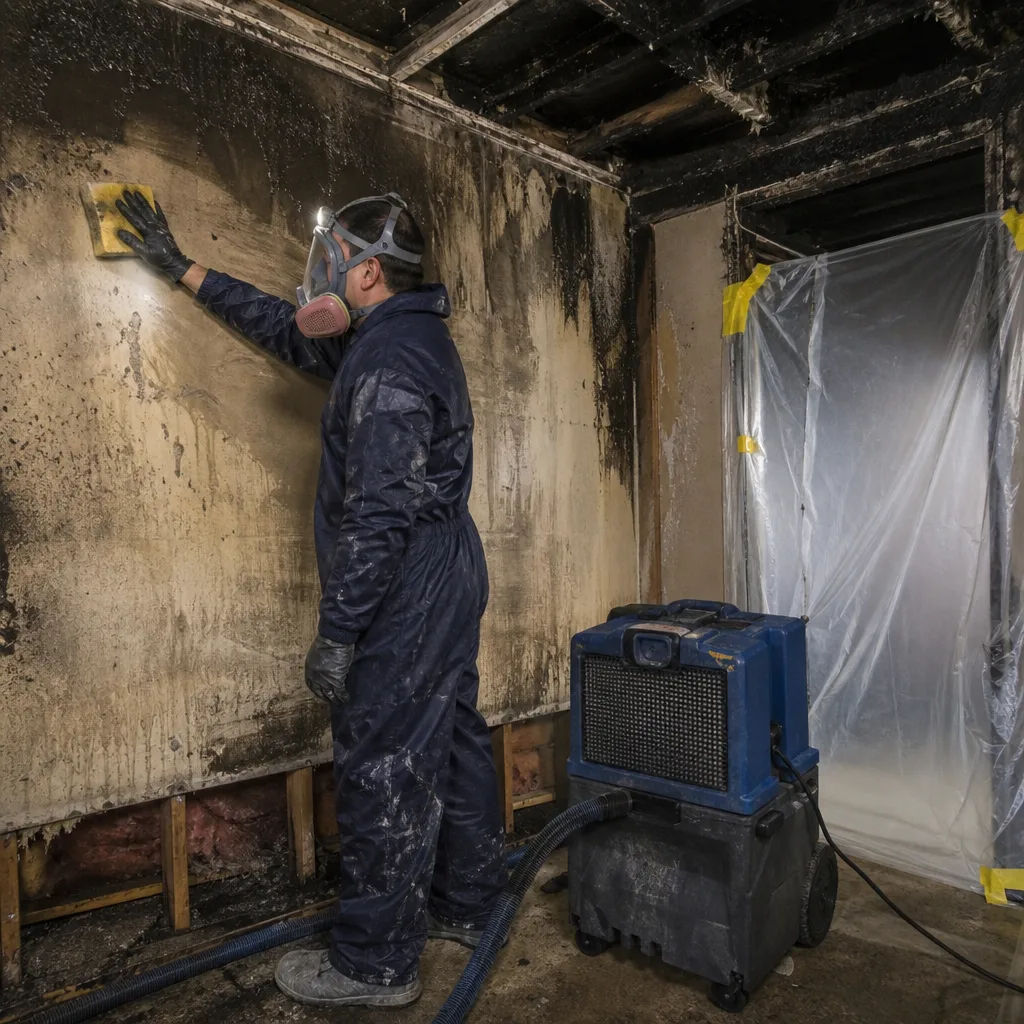
Free visual inspection and a written scope of work before any mitigation begins - photos, moisture readings, and drying logs go in your claim file
The scope we write is the scope we bill. Anything new gets shown to you, in writing, before we touch it.
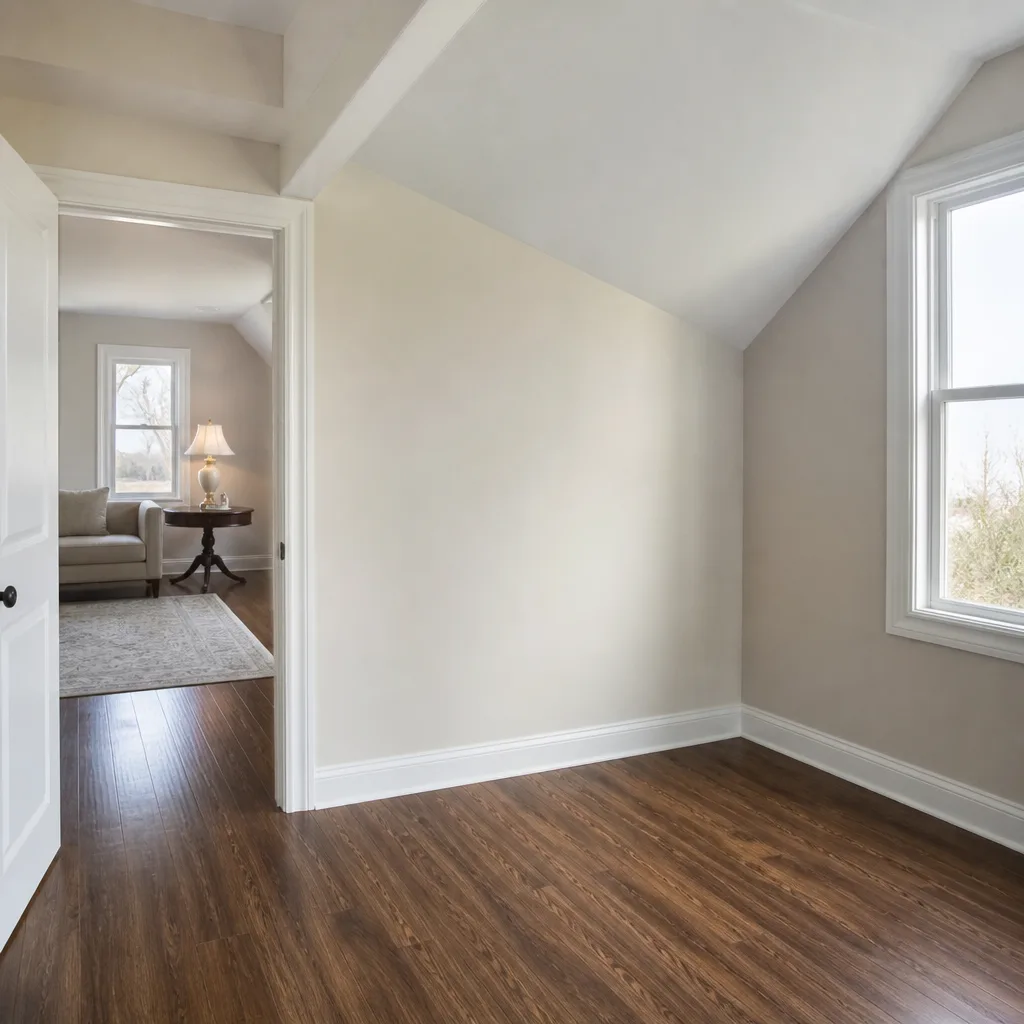
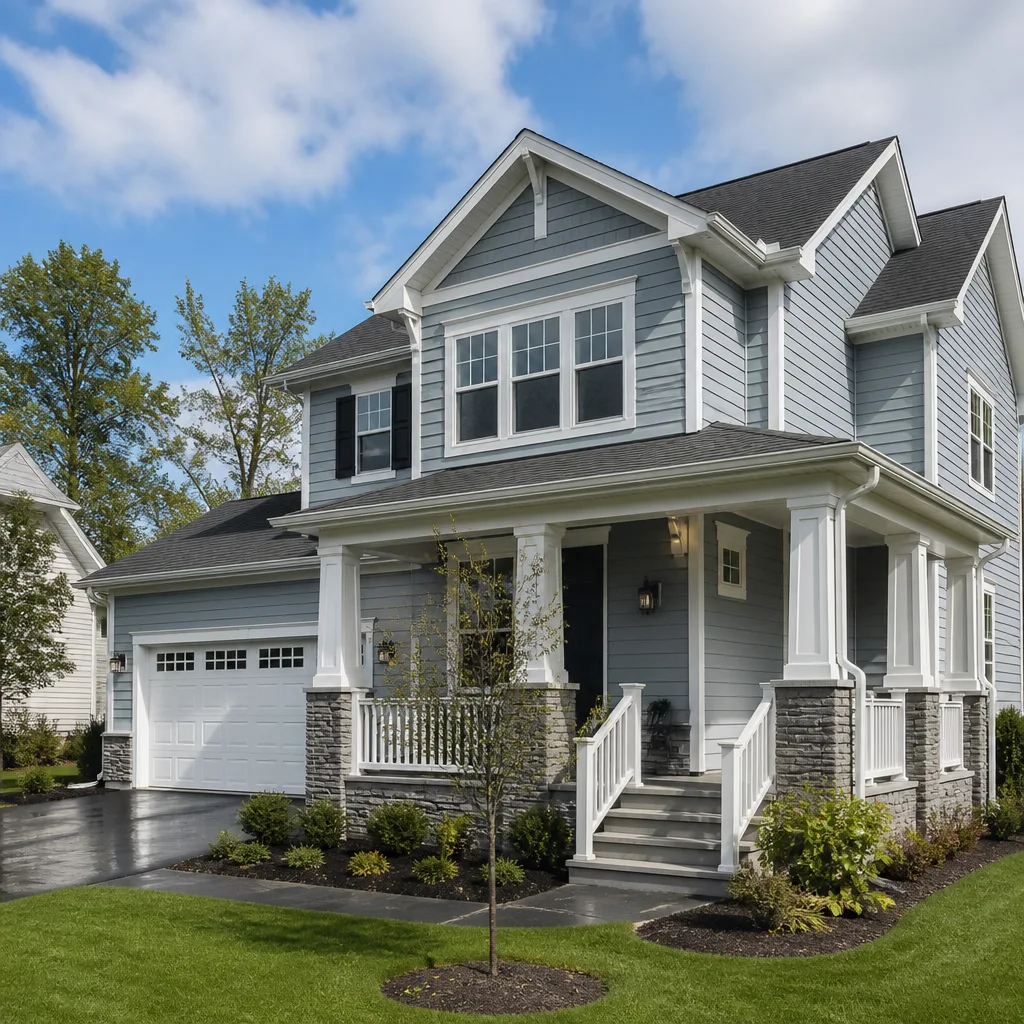
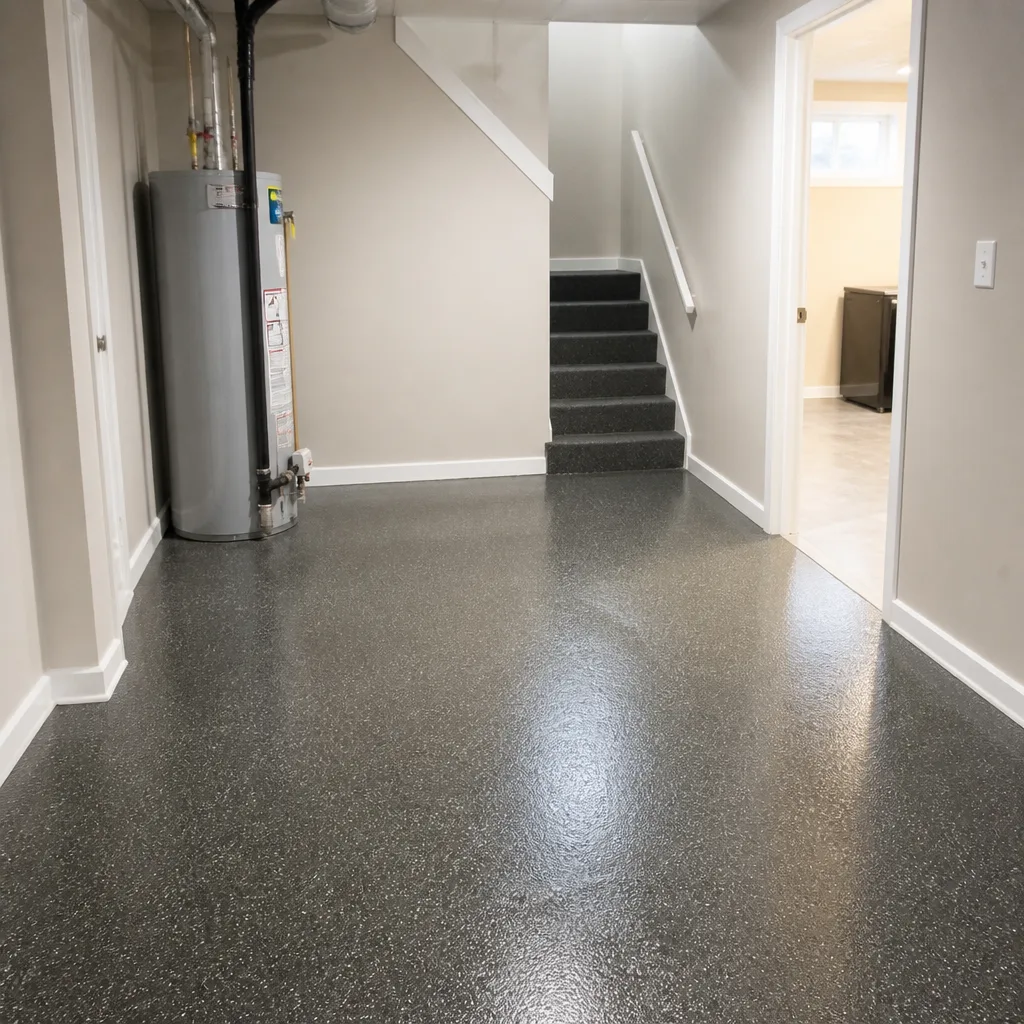
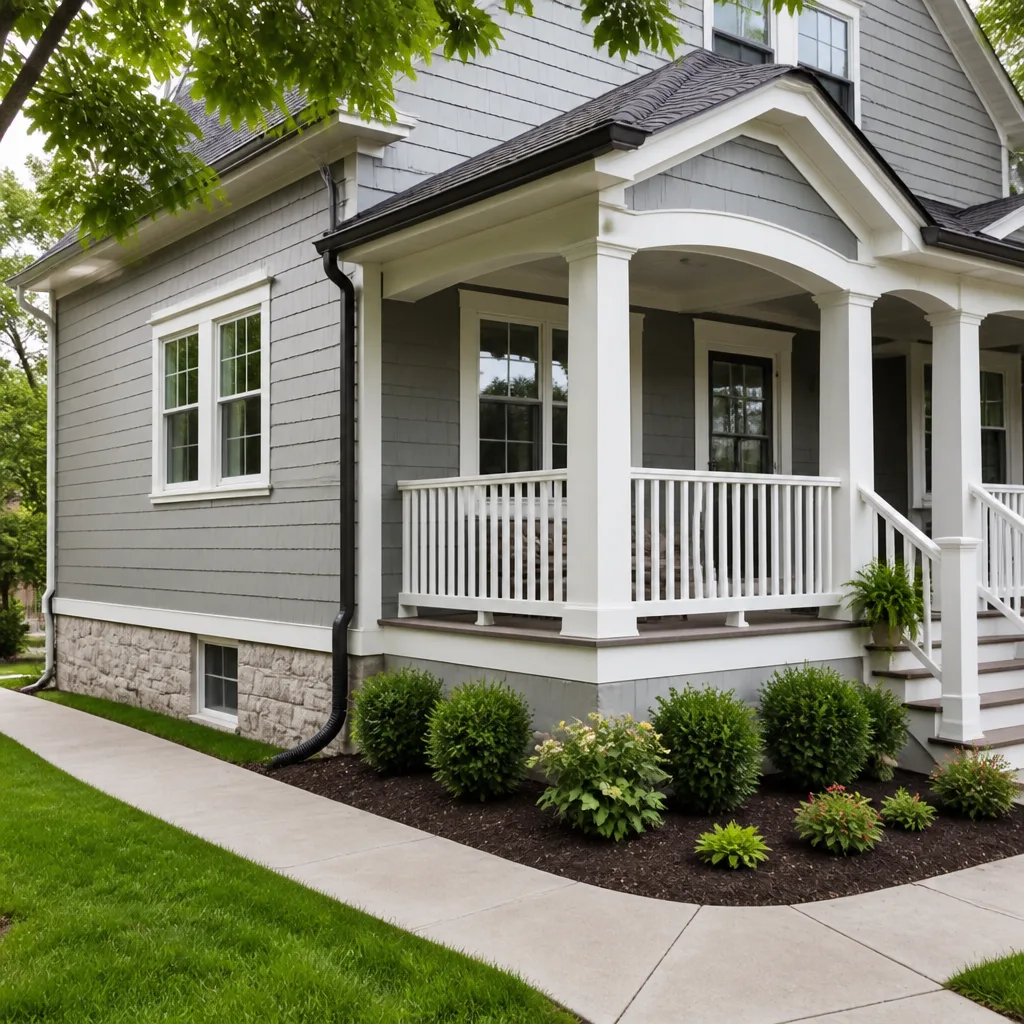
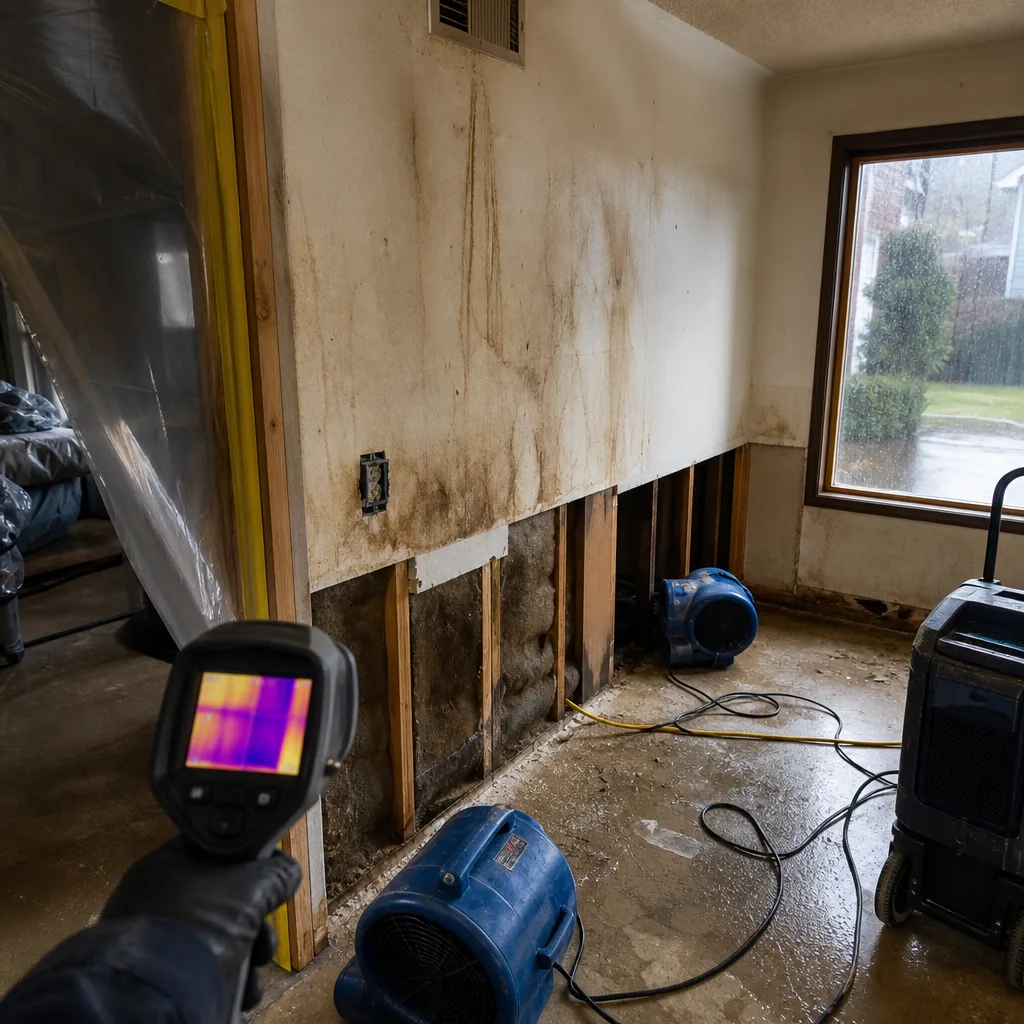 Before
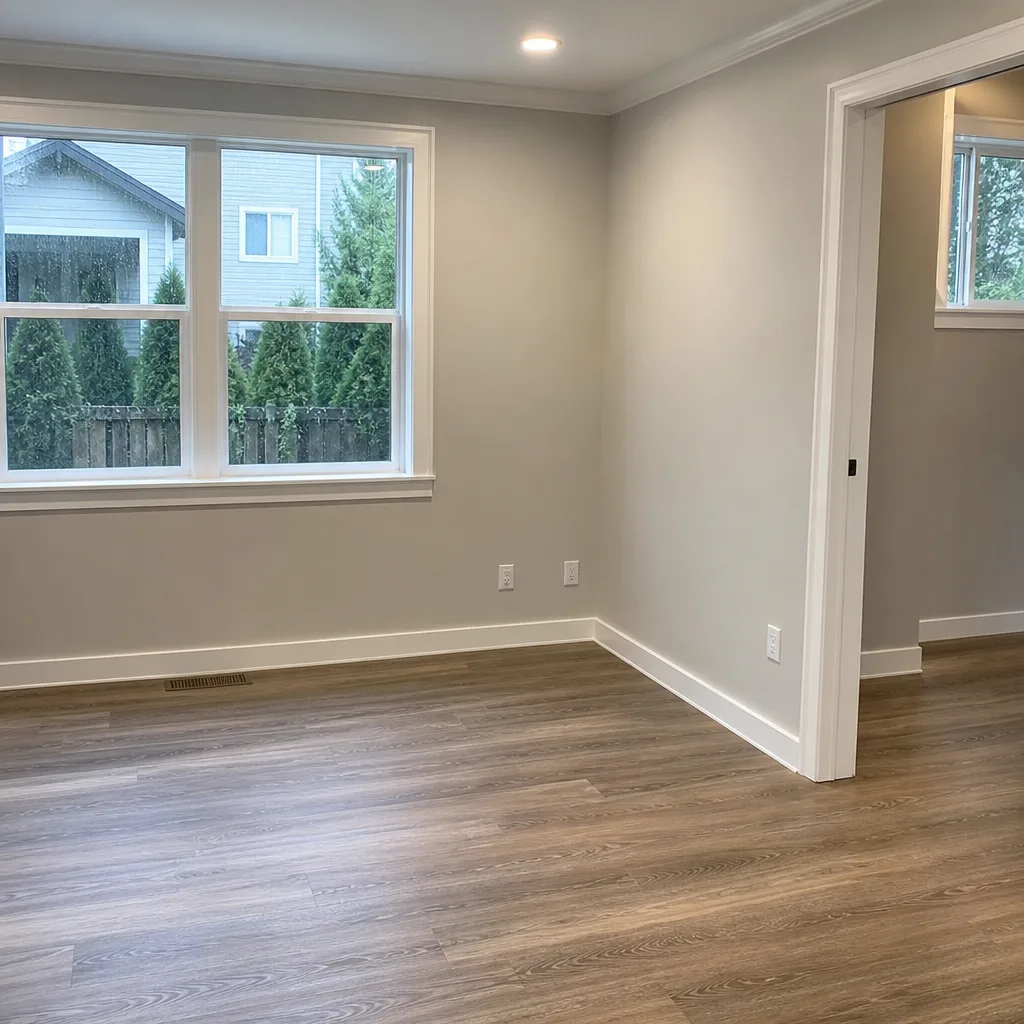 After
After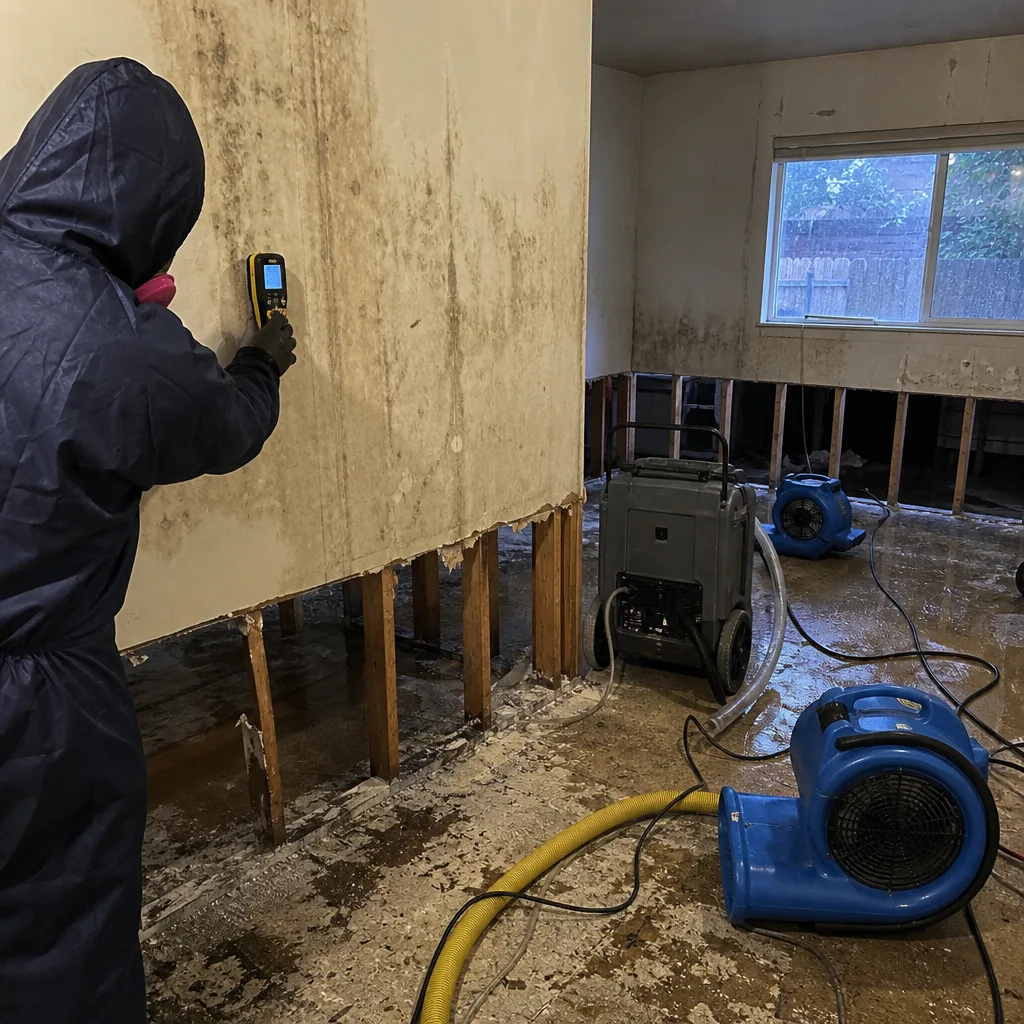 Before
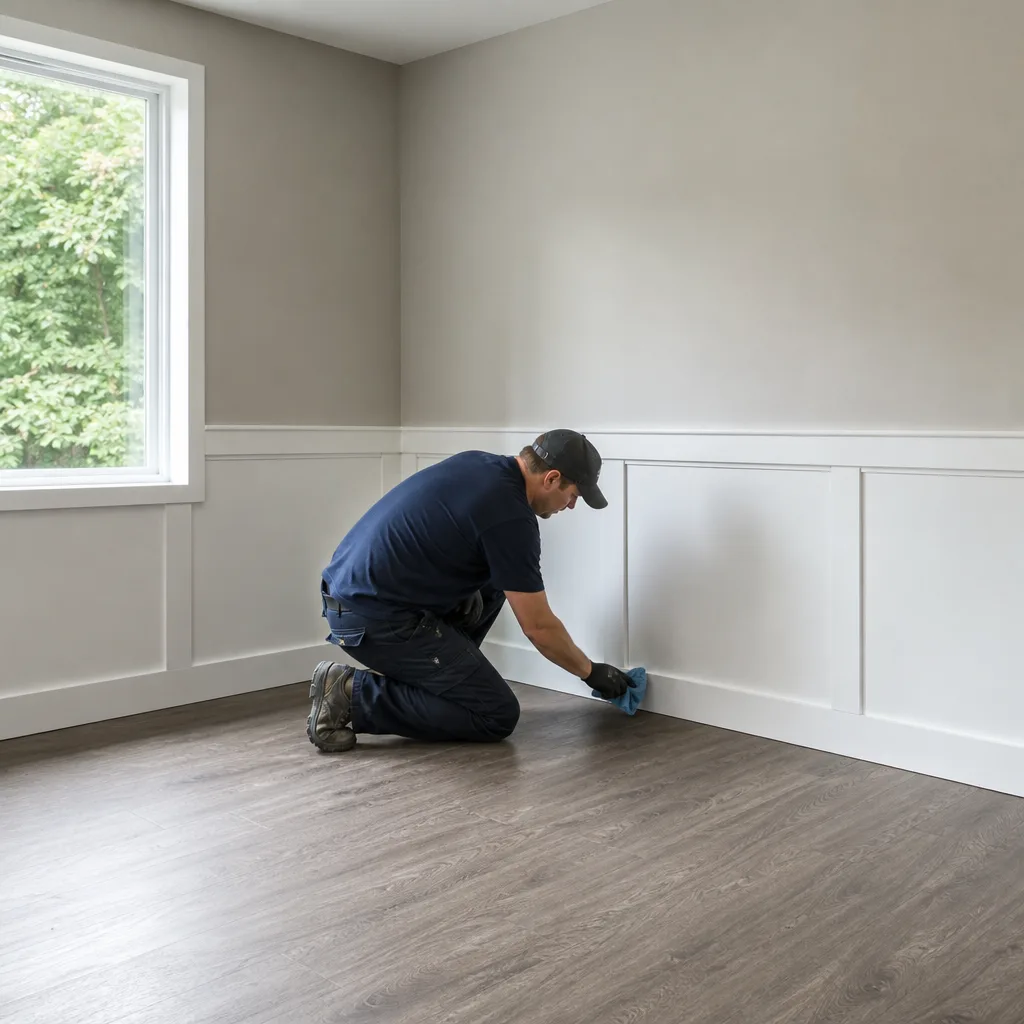 After
After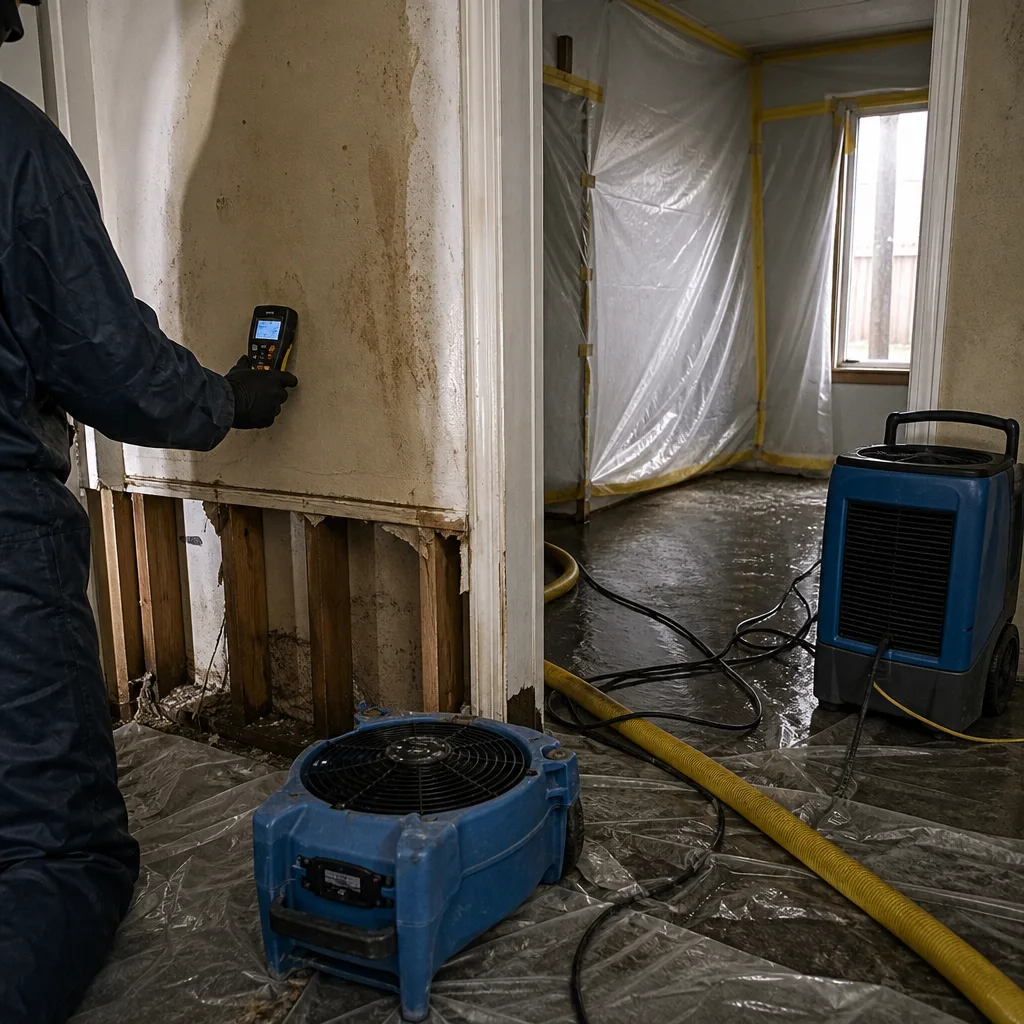 Before
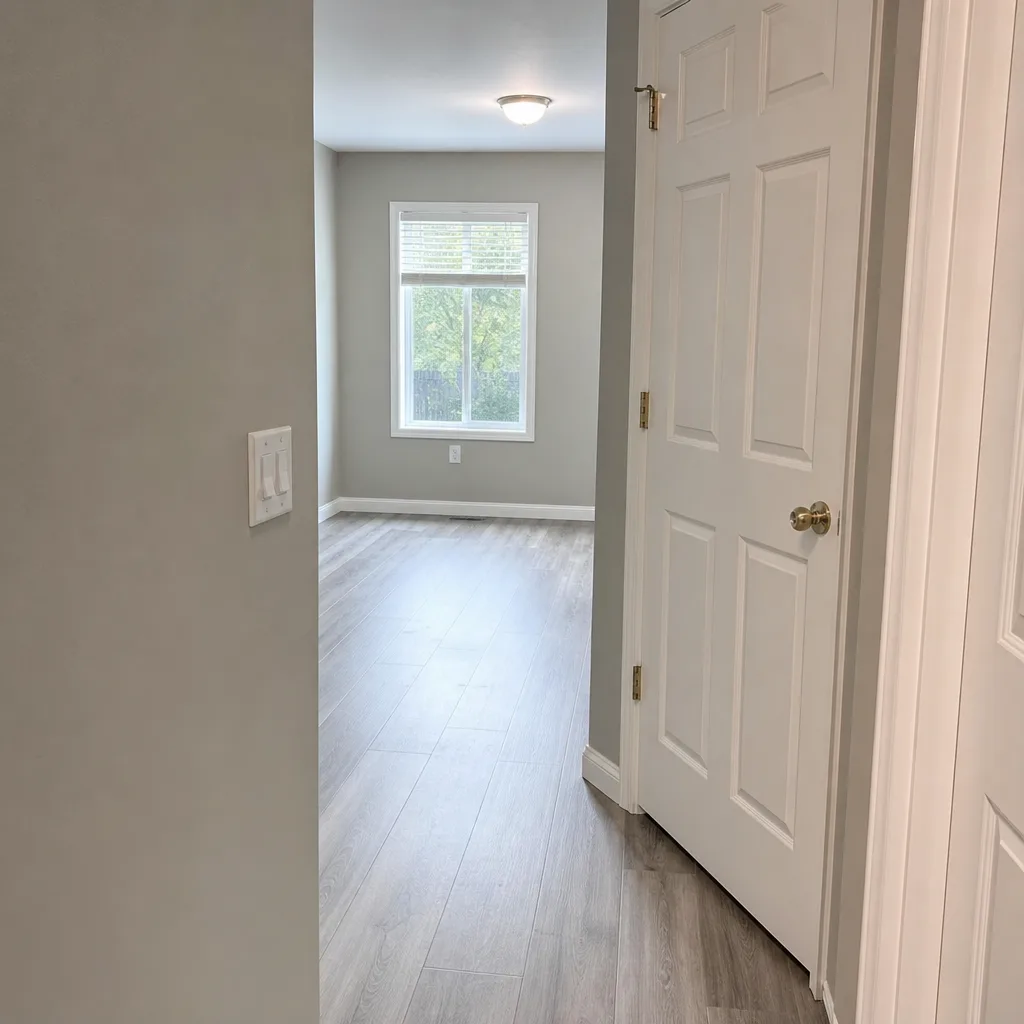 After
After24/7 Emergency Water Damage Restoration in Kirkland
Water damage restoration in Kirkland typically costs $2,800-$7,500 for a standard residential extraction and drying job, with emergency calls answered live at (425) 696-6061 around the clock. Crews serving Kirkland are dispatched from our Seattle coordination office and usually arrive within 45 minutes during the October-March wet season when call volume peaks. The first hour determines whether moisture stays in the top layer of flooring or wicks into subfloors, rim joists, and wall cavities. We start every emergency response with a free visual inspection, a written price before any equipment runs, and photo documentation that your adjuster can read without calling back for clarification.
Understanding Water Damage Restoration Severity in Kirkland Properties
Water damage in Kirkland falls into three categories under IICRC standards, and the distinction matters for what your insurance will cover and how we document the loss. Category 1 is clean water from a burst supply line or failed water heater - common in the aging copper plumbing of 1960s Houghton split-levels and the newer PEX systems in Totem Lake townhomes. Category 2 carries significant contamination, typically from dishwasher or washing machine discharge with particulates. Category 3 is grossly contaminated: sewage backup, groundwater intrusion through a compromised foundation, or any water that has passed through soil or building materials.
Most Kirkland calls we handle are Category 1 or 2 that degrade to Category 2 or 3 when left untreated. The marine climate here keeps structures above 60% relative humidity for five consecutive months, so a Category 1 supply line leak in a Rose Hill crawl space can incubate mold in 48 to 72 hours, effectively reclassifying the loss. Our moisture mapping protocol uses thermal imaging and penetrating hygrometers to establish the full extent before we write the scope. We document vapor pressure differential - the force that drives moisture from wet materials into dry air - and adjust our drying plan to the specific permeability of Kirkland’s common building assemblies: Douglas fir rim joists, OSB subflooring in 1990s builds, and the original plank subfloors still found in Juanita craftsman homes.
Why Kirkland Property Owners Choose DryMark Restoration Bothell
- 45-minute response commitment to Kirkland addresses during the emergency dispatch window, with crews staged for the I-405 corridor and Cross Kirkland Corridor access routes.
- 24/7 live answer - a real person, never an automated system or voicemail tree, picks up every call to (425) 696-6061.
- IICRC-certified crews holding WRT (Water Damage Restoration Technician) and ASD (Applied Structural Drying) certifications, with AMRT (Applied Microbial Remediation Technician) on staff for mold-contaminated losses.
- Free visual inspection and written estimate before any work begins, per Haven Standard, Clause 1.
- Direct insurance billing with photo-documented estimates formatted to Xactimate standards your adjuster can process without revision requests.
- One team from extraction through reconstruction - no handoffs between subcontractors that fragment your documentation trail.
BeforeAfterOur Water Damage Restoration Process
Inspection & Assessment
We walk the loss with penetrating and non-penetrating moisture meters, thermal imaging cameras, and hygrometers to map the full water perimeter. In Kirkland’s hillside neighborhoods, we always check uphill foundation walls and crawl space access panels for the chronic subsurface intrusion pattern that visible water damage often masks. You receive a written scope and price before any equipment moves.
Extraction & Stabilization
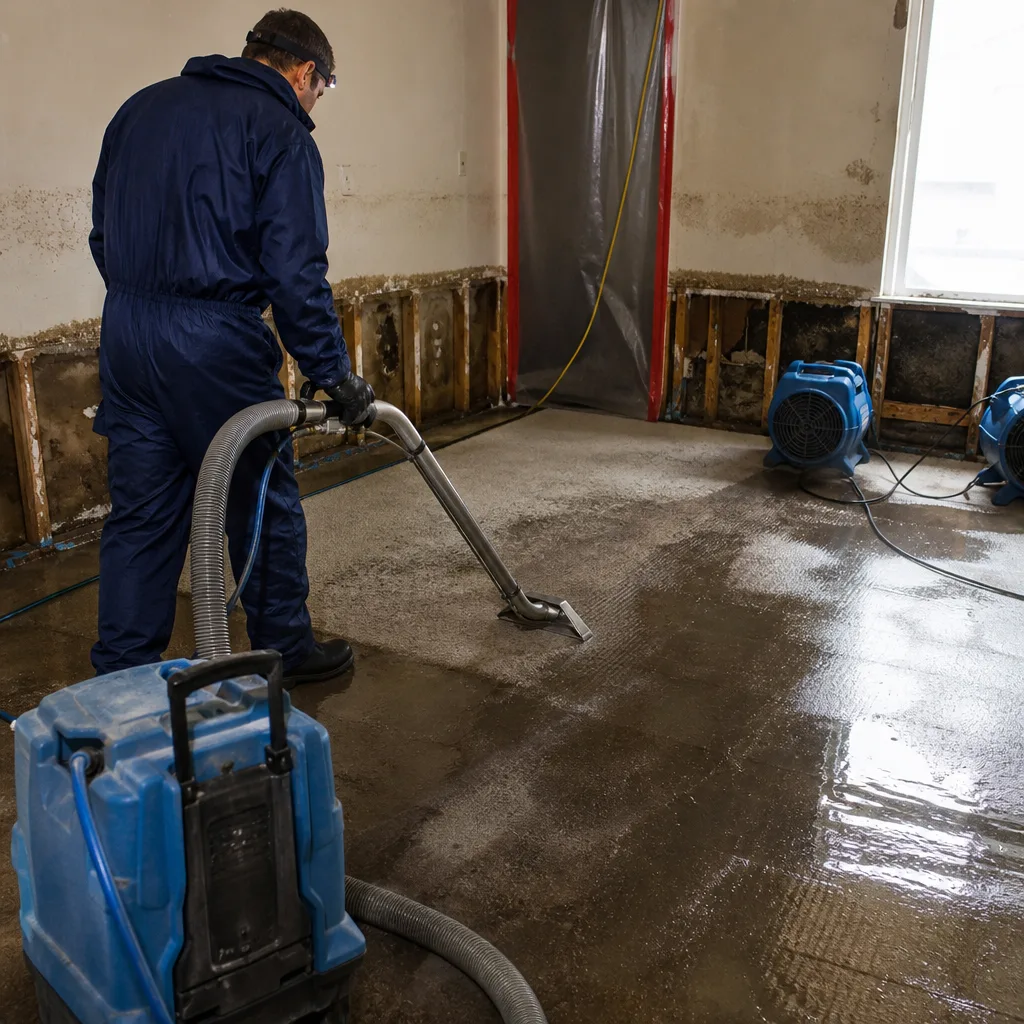
Standing water comes out first with truck-mounted extraction units or portable flood pumper systems, depending on access. For basement water removal in Kirkland’s tighter 1950s footprints, we use weighted extraction wands on saturated carpet and pad, or remove non-salvageable materials and document each square foot for your claim file.
Drying & Dehumidification
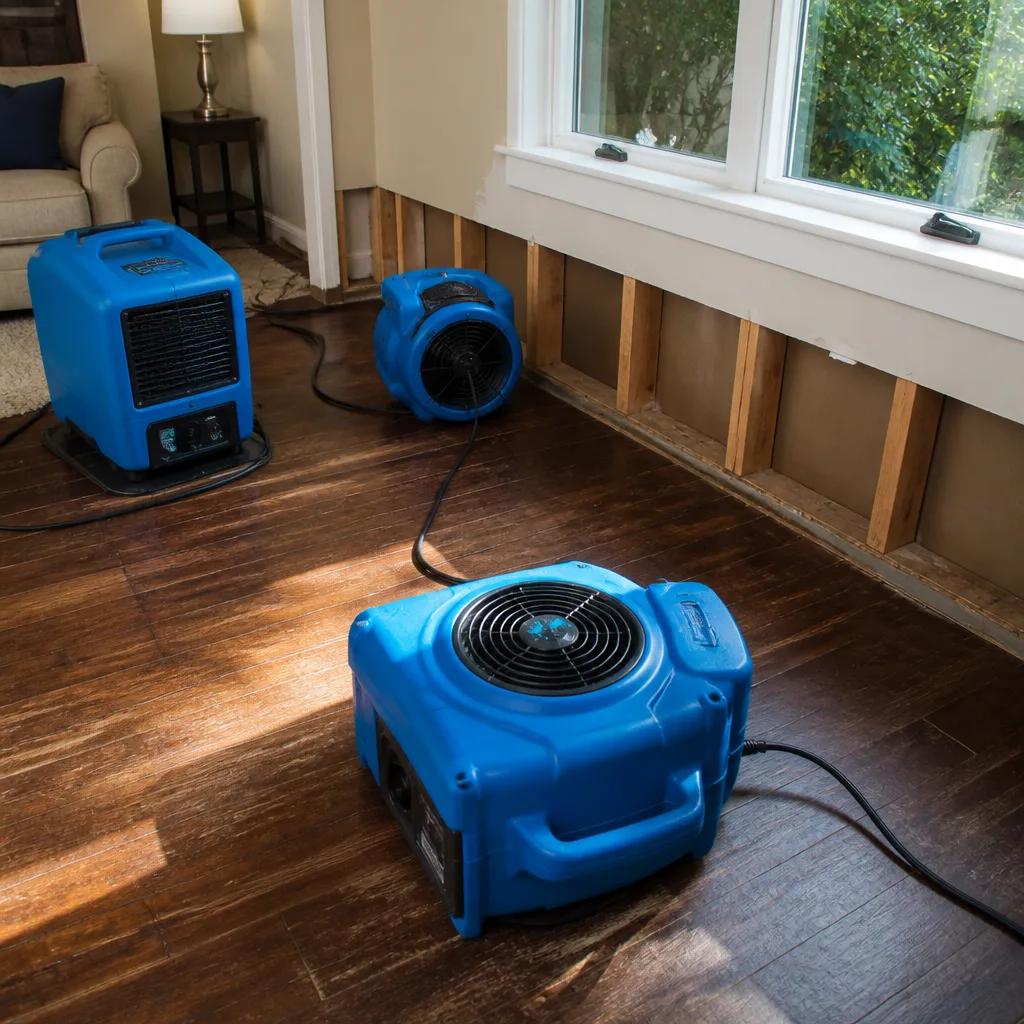
We deploy air movers, LGR dehumidifiers from Dri-Eaz or Phoenix, and targeted drying systems like Injectidry floor mats or wall-cavity injection when water has migrated behind baseboards or into insulated assemblies. Psychrometric data - temperature, relative humidity, and specific humidity - is logged daily to prove the drying curve to your insurer.
Cleaning & Sanitization
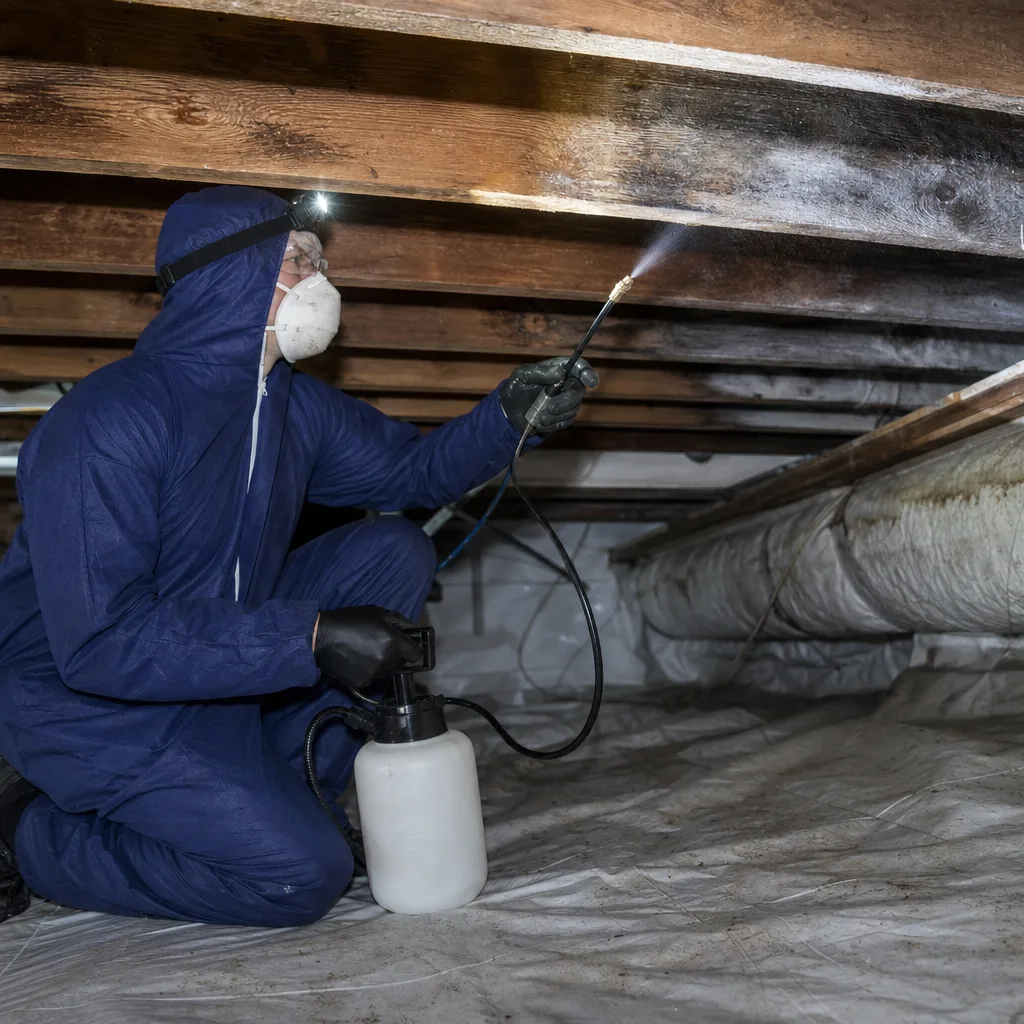
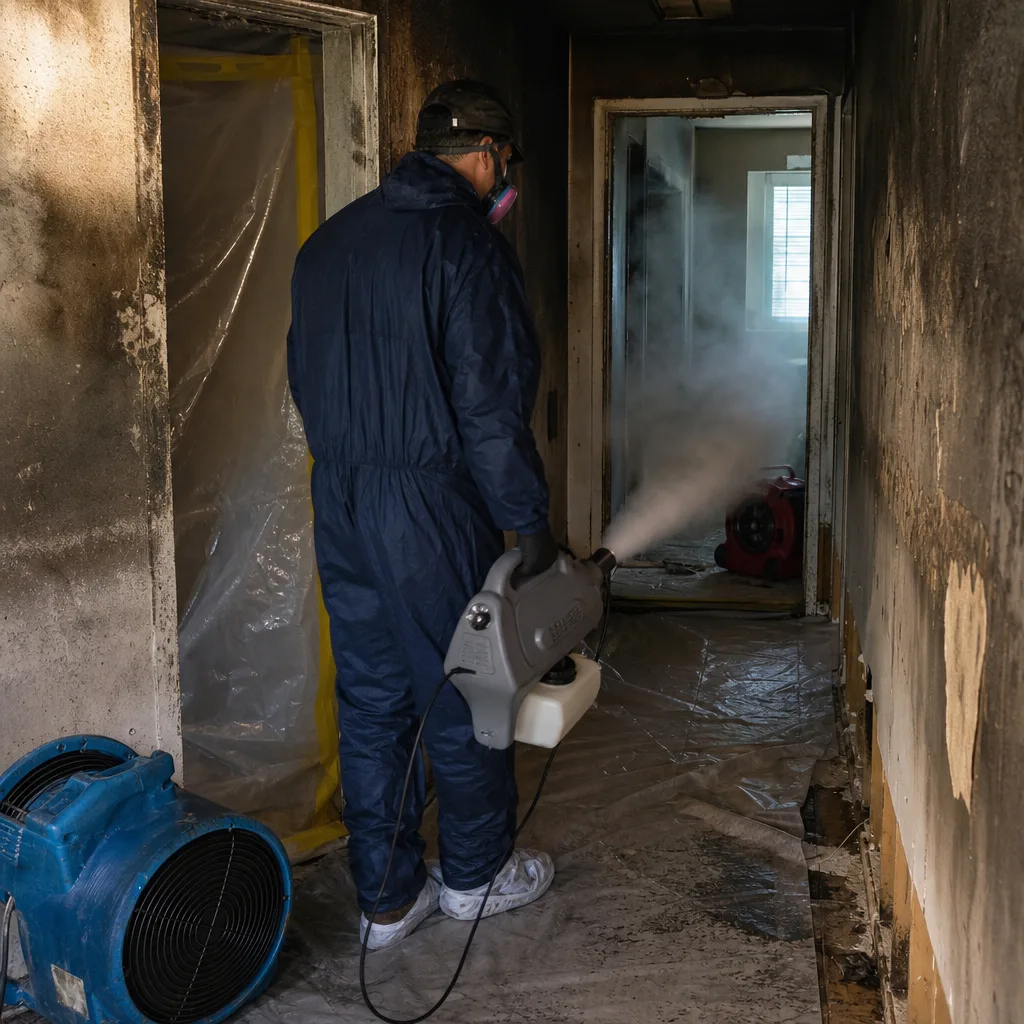
Antimicrobial treatment applied to affected structural materials per IICRC S520 standards for mold-susceptible environments. In Kirkland’s chronically damp crawl spaces, we treat for pre-mold conditions even when visible growth hasn’t formed, because the moisture history supports it.
Crawl Space Encapsulation & Vapor Barrier Replacement
This is the step that separates a permanent fix from a repeat call. In Rose Hill, Houghton, and Norkirk, we remove degraded 1960s black polyethylene vapor barriers and install reinforced 10-mil or thicker barriers sealed to stem walls, with mechanical dehumidification where grade and soil conditions require it. Without this, ground moisture wicks back in next wet season.
Repairs & Restoration
Subfloor replacement, rim joist sistering, drywall repair, and finish restoration completed by the same team that handled extraction. The 365-Day Done Right Promise under The Haven Standard covers all workmanship. Photo records from every visit travel with the claim file.
Need Emergency Water Damage Restoration in Kirkland Now?
Crews minutes away, answering live 24 hours a day. The sooner we start, the less it costs.
Working With Your Insurance Company
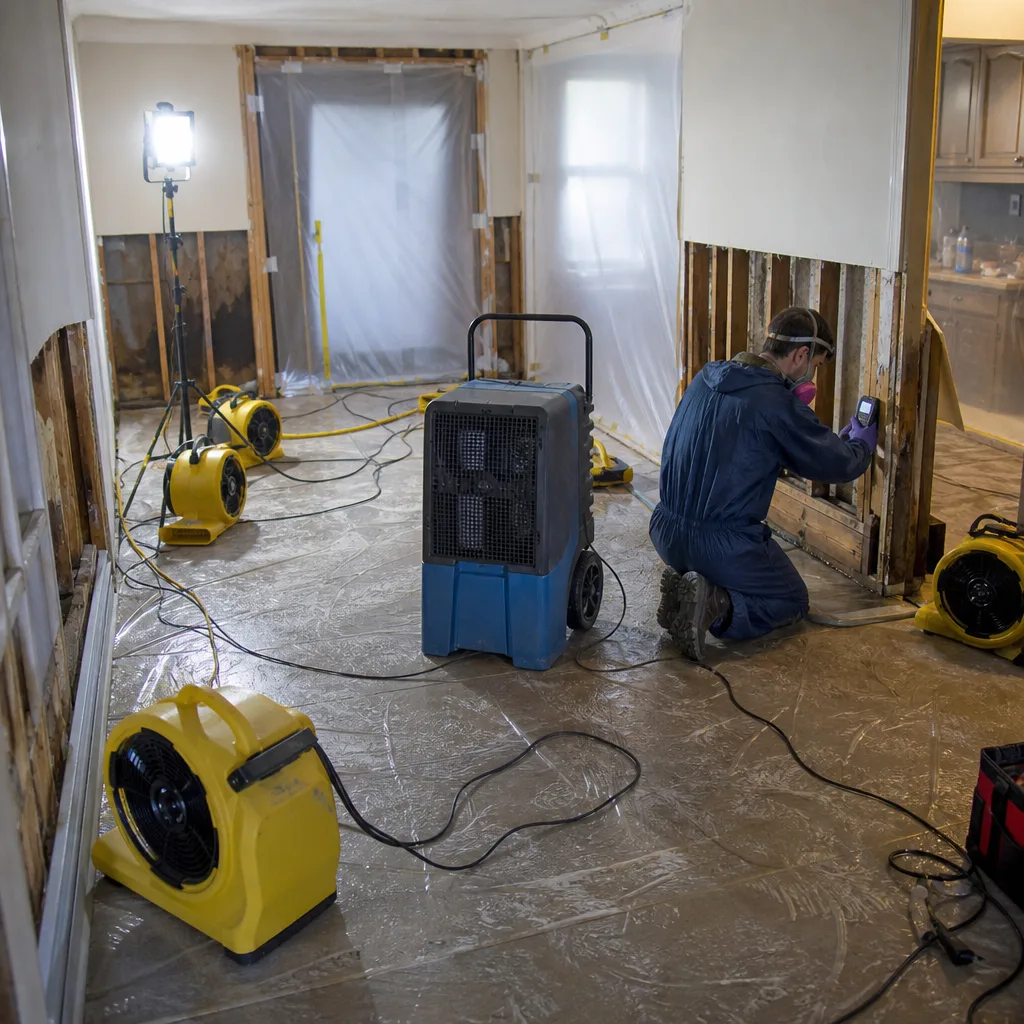
Insurance claims succeed or fail on documentation, and most disputes we see trace back to gaps in the first 72 hours. Our Water Damage Restoration team photographs every room before we move anything, records moisture readings on a grid pattern, and maintains daily drying logs that show vapor pressure differential trending toward dry standard. We write estimates to Xactimate line-item format and communicate directly with your adjuster, not through you as a relay. If your carrier sends their own vendor, we provide a Free Second Opinion on any written estimate - Haven Standard, Clause 4 - and flag scope gaps that could leave you with uncovered repairs six months later.
What We Provide Your Insurer
- Thorough documentation of the loss
- Photos of all damage, room by room
- Moisture readings and drying logs
- A detailed, line-item scope of work
- Direct coordination with your carrier
Built for Kirkland’s Loss Calendar
Kirkland’s water damage calendar runs October through March, driven not by dramatic storms but by sustained saturation. The city receives roughly 38 inches of rain annually, almost all of it in a low-intensity drizzle that keeps soil at field capacity for weeks. On Rose Hill’s steep slopes, that runoff sheds across impermeable glacial clay and pools against uphill foundation walls. By January, hydrostatic pressure has found every cold joint and hairline crack. February brings the freeze-thaw cycle: water that entered in October expands, widens pathways, and re-enters as March rains resume.
Summer calls in Kirkland are different - burst washing machine hoses when families return from vacation, failed water heaters in Juanita’s original craftsman plumbing, or the occasional thunderstorm that overwhelms gutters on homes where fall debris was never cleared. But the volume and severity peak in wet season. Our crew scheduling and equipment staging follow this pattern: more dehumidifiers and vapor barrier materials on trucks October 1, more burst-pipe response kits January through February. We know Kirkland’s loss calendar because we’ve documented 12,000+ homes since 2011, and the pattern repeats.
Water Damage Restoration Across Kirkland’s Neighborhoods
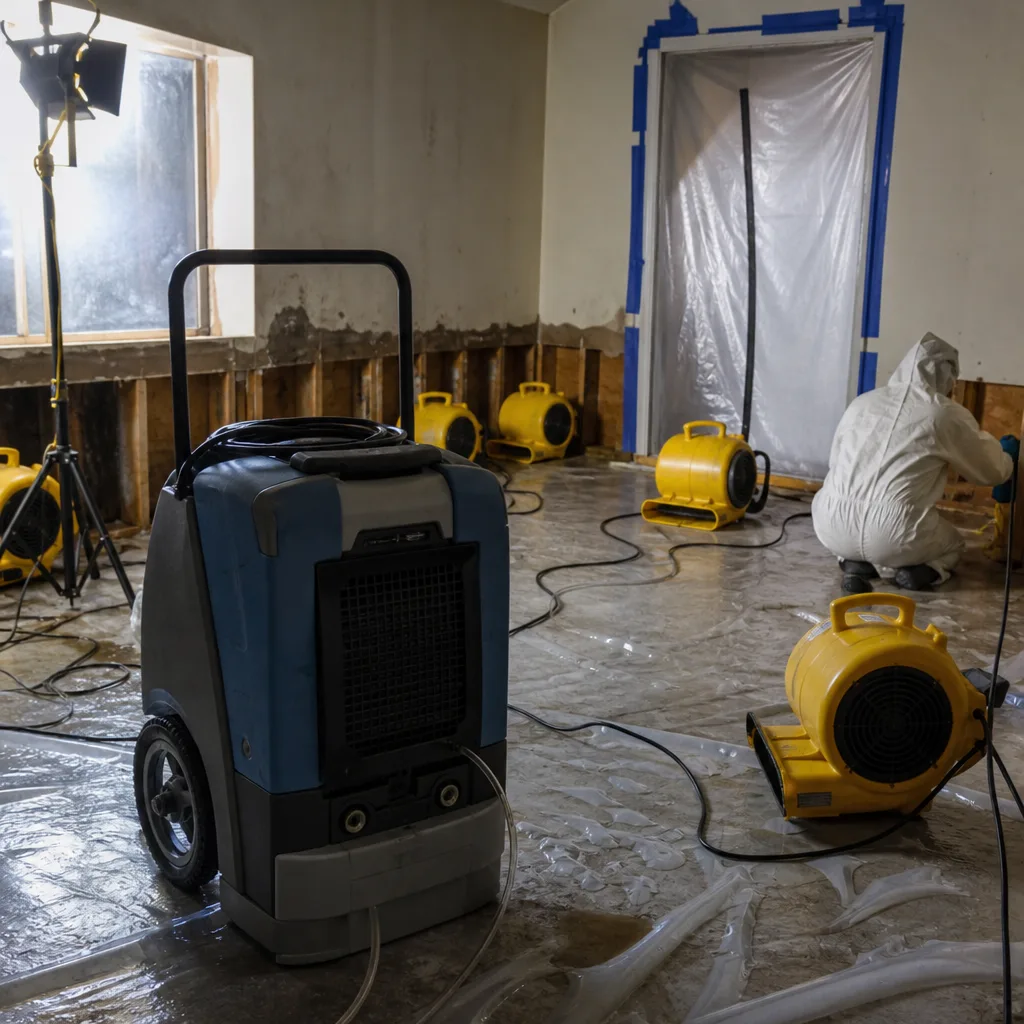
Rose Hill’s mid-century split-levels and ranches sit on some of the steepest grades in the city, with original crawl spaces that were never designed for modern vapor management. Our crews know to check the uphill side first, where hydrostatic pressure is greatest, and to expect poly vapor barriers that have degraded past salvage. The 1968 split-level off Market Street where we found daylight through perforated black poly - that’s a typical Rose Hill opening move.
Houghton, downhill toward Lake Washington, shares the same soil and slope conditions with even older stock in places. The chronic subsurface pattern is identical: ground moisture wicks upward through failed barriers, rots rim joists from below, and only announces itself when a homeowner notices soft spots in flooring or musty air from vents. Norkirk’s tighter 1950s lots have similar crawl spaces with worse access, sometimes requiring us to cut temporary access panels and document the modification for the claim file.
Juanita’s waterfront and near-waterfront properties mix aging craftsman construction with high-value tech-era builds. The failure mode here is often burst supply lines in unconditioned crawl spaces or roof leaks from wind-driven rain that finds deteriorated flashing. Totem Lake’s newer townhomes and condos bring their own pattern: PEX plumbing failures, pan overflows from stacked units, and the occasional elevator shaft flooding that affects multiple floors and requires coordinated drying across unit boundaries.
Wherever we work in Kirkland, Kirkland property owners get the same documentation standard: written price first, photo record every visit, daily moisture logs, and a signed 365-Day Done Right Promise.
Specialized Water Damage Restoration Services We Offer in Kirkland
Emergency Water Extraction
Standing water removal within the hour, whether from a burst pipe in a Totem Lake townhome or groundwater intrusion in a Rose Hill crawl space. Truck-mounted extraction for volume, portable units for tight access. Every gallon removed is logged for the claim.
Structural Drying & Dehumidification
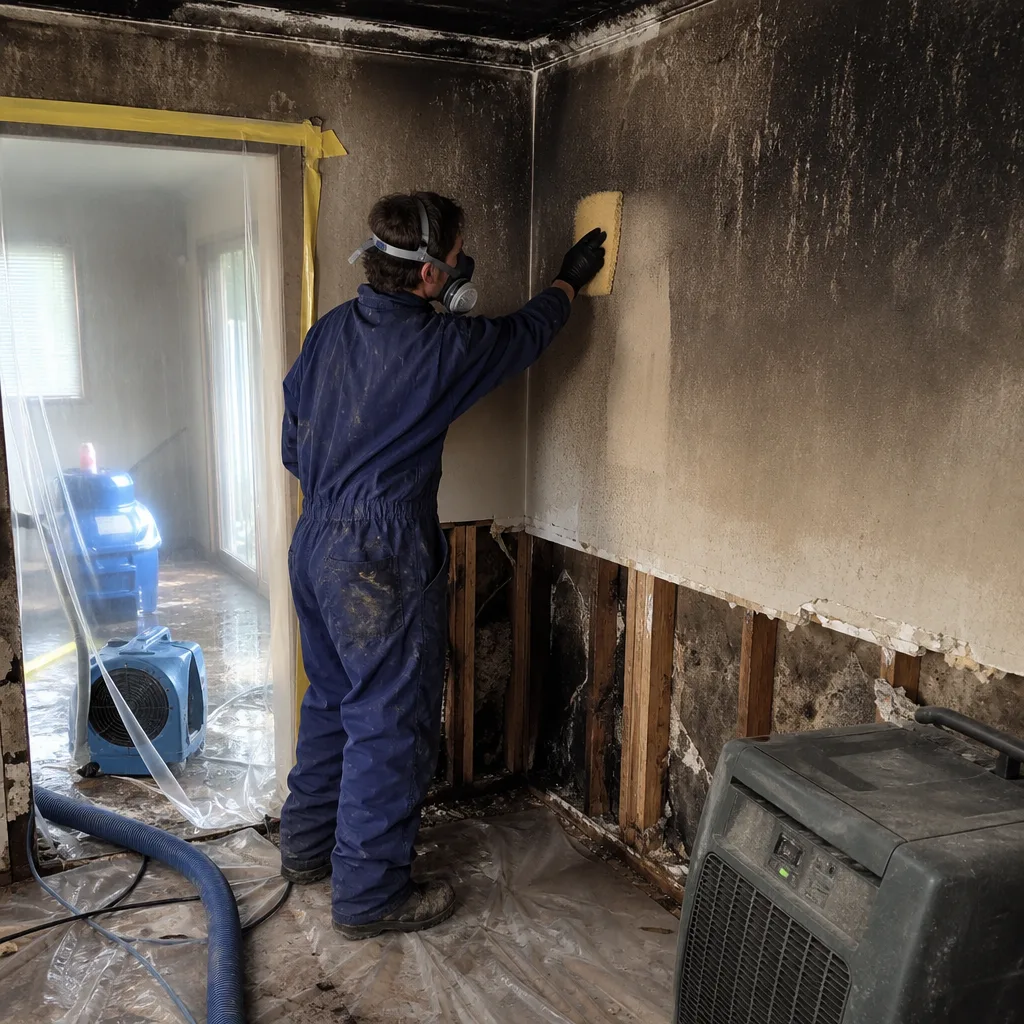
The core of most Kirkland jobs. We calculate the cubic footage of affected space, the class of water damage (Class 1 surface to Class 4 deep saturation), and deploy air movers and LGR dehumidifiers in ratios that meet IICRC drying standards. In crawl spaces, this often means tenting the space with polyethylene and running negative air with HEPA filtration while dehumidifiers work.
Flood Cleanup
Kirkland’s flat areas near Forbes Creek and the Juanita Bay lowlands see occasional overbank flooding or storm sewer backup. These are Category 3 losses requiring full PPE, antimicrobial treatment, and often removal of porous materials that cannot be sanitized. Documentation for flood claims is especially critical, as carriers scrutinize groundwater and sewer exclusions.
Burst Pipe Restoration
January freezes split copper and PEX alike. We extract, dry, and document the water loss while your plumber handles the pipe repair. Our scope covers only the water damage, clearly separated from plumbing costs so your adjuster can parse coverage.
Basement Water Removal
Many Kirkland basements are below-grade on the uphill side of sloped lots, making them collection points for subsurface water. We pump, extract, and install permanent drainage or sump solutions where the loss pattern indicates chronic, not acute, water entry.
Ceiling & Roof Leak Water Damage
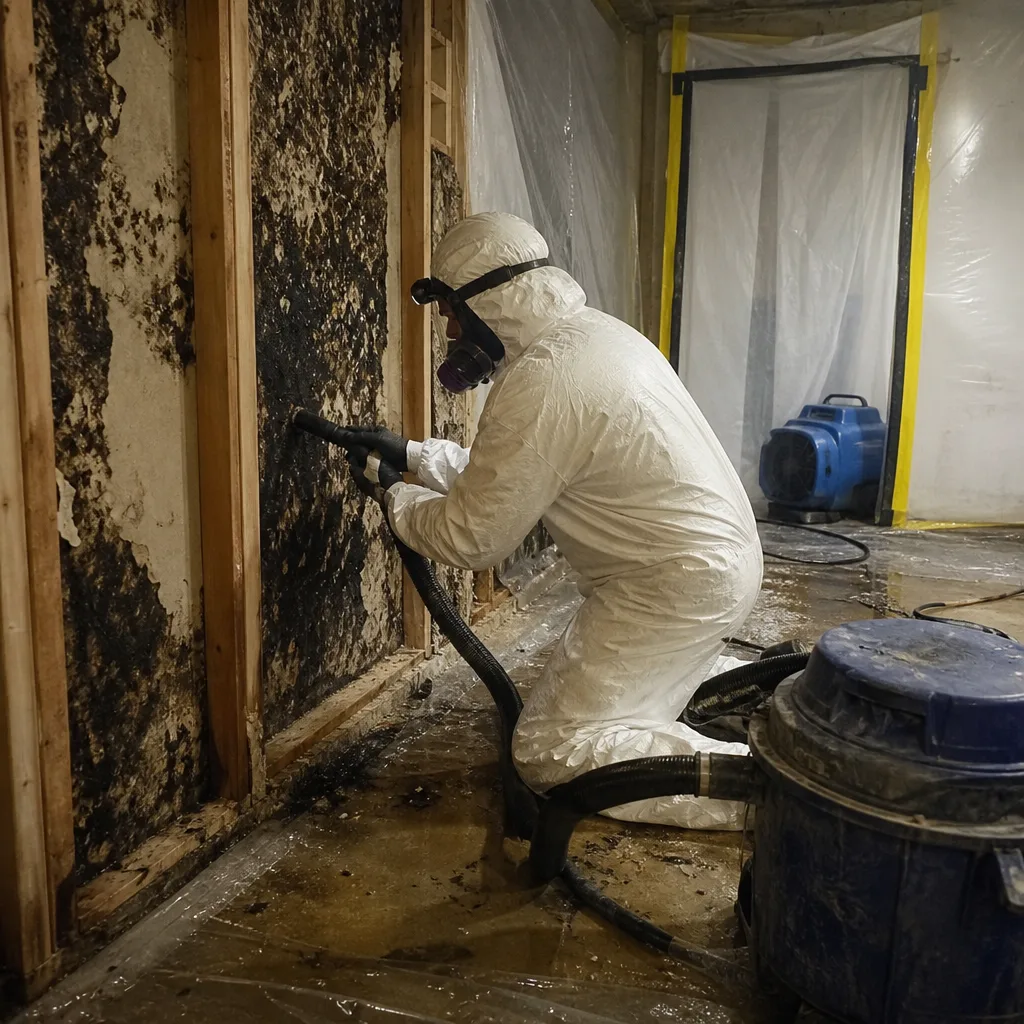
From the saturated roof decks of October through March, water finds nail penetrations, deteriorated flashing, and gutter overflow points. We trace the migration path - often farther than the visible stain - and dry the full affected cavity.
What happens when you call
- 1
A real person answersNo phone trees - you reach a local pro.
- 2
You get an upfront price rangeHonest numbers before anyone is dispatched.
- 3
A background-checked tech heads outLicensed & insured, dispatched right away.
- 4
You approve before work beginsNothing starts until you say go.
Water Damage Restoration Costs in Kirkland, WA
Typical water damage restoration in Kirkland runs $2,800-$7,500 for residential extraction and drying, with the range driven by affected square footage, water category, and whether structural materials require removal. A straightforward Category 1 supply line leak in a single room with hardwood or tile flooring usually falls at the lower end. A Category 2 or 3 loss affecting a full crawl space with subfloor and rim joist damage, common in Rose Hill and Houghton, can exceed $7,500 when vapor barrier replacement and structural repairs are included.
Specific line items we price in writing before work starts:
- Emergency water extraction: $800-$1,800
- Structural drying setup and daily monitoring: $1,200-$3,200
- Crawl space vapor barrier replacement (reinforced 10-mil, stem-wall sealed): $1,500-$3,800
- Antimicrobial treatment and HEPA air scrubbing: $400-$900
- Subfloor or rim joist repair (per linear foot): $65-$140
Insurance typically covers sudden and accidental water damage, including extraction, drying, and necessary repairs. Chronic subsurface intrusion from failed vapor barriers may be partially excluded depending on your policy language and whether the condition was gradual. We document the sudden trigger event - the storm, the burst pipe, the visible leak - to establish coverage, and we flag potential exclusions in writing so you’re not surprised at settlement. Call (425) 696-6061 for a free inspection and written scope - estimates are free, and Haven Standard, Clause 1 requires the price in writing before any work begins.
We Also Serve Cities Near Kirkland
Our crews respond throughout the Eastside from the Seattle coordination office, with regular service to Redmond’s tech-campus corridor and plateau neighborhoods, Bellevue’s downtown high-rises and west-side hillside homes, Bothell’s mixed-age subdivisions along the Sammamish River, and Kenmore’s lakeside and hillside properties at the north end of Lake Washington. Each city gets the same documentation standard and the same written-price-first protocol.
Serving Kirkland, WA - Our Local Coverage Area
We’re based in the Kirkland area and know this community well. Use the map below to see our service coverage - if you’re nearby, we can almost certainly help.
Kirkland Water Damage Restoration Questions, Answered
Why do water damage calls in Rose Hill and Houghton so often end up as crawl space jobs?
The steep hillside lots from Rose Hill down through Houghton sit on King County’s glacial clay soils that shed rainfall rather than absorbing it, funneling stormwater and groundwater against uphill foundation walls for five or more consecutive months. The original 1960s black polyethylene vapor barriers in these crawl spaces have degraded into brittle, punctured fragments that no longer block ground moisture, so water wicks continuously into rim joists and subfloor sheathing. What looks like a simple floor stain or musty smell from above is usually chronic subsurface saturation below. We find it on the moisture mapping pass before we write the scope. Call (425) 696-6061 for a free inspection and written estimate.
How fast do we need to act before mold starts in a Kirkland crawl space or wall cavity?
Mold can establish visible growth in 48 to 72 hours when moisture content in wood framing stays above 20% and relative humidity exceeds 60%. Kirkland’s marine climate keeps ambient humidity in that range for half the year, so the local window for prevention is narrower than in drier climates. Our emergency response targets the first 4 to 6 hours to extract standing water and begin drying, which typically prevents mold colonization in Category 1 and 2 losses. If mold is already present, we shift to IICRC S520 remediation protocols with containment and HEPA air scrubbing. Call (425) 696-6061 - we answer live 24/7.
Is crawl space water in Kirkland usually Category 1 or Category 3 water?
It depends on the source. Groundwater seepage through soil and foundation cracks is Category 3 - grossly contaminated - because it has passed through the ground and may carry bacteria, chemicals, and soil particulates. A supply line leak that runs down through a crawl space is Category 1 initially, but degrades to Category 2 or 3 if it contacts soil, pest debris, or deteriorated vapor barrier material. Most Kirkland crawl space calls we handle involve at least Category 2 conditions by the time we’re called, which affects both sanitation requirements and insurance coverage. We test and document the classification before writing the scope. Call (425) 696-6061 for a free assessment.
What does a structural drying setup actually look like in a mid-century Kirkland crawl space?
We seal the crawl space with 6-mil polyethylene sheeting to create a contained drying chamber, then run one LGR dehumidifier per 1,000 square feet of affected space, sized to the volume and the Class 4 deep-saturation conditions common in these homes. Air movers direct airflow across wet subflooring and rim joists; if framing moisture is above 20%, we add Injectidry hose systems or temporary heat to raise vapor pressure and speed evaporation. Daily psychrometric readings - temperature, relative humidity, specific humidity - are logged until materials return to dry standard, typically 12% moisture content for Douglas fir framing. The full drying log goes to your insurer. Call (425) 696-6061 to schedule.
Do Kirkland waterfront or Totem Lake homes water-damage differently than inland neighborhoods?
Yes. Juanita waterfront properties face wind-driven rain and higher humidity loads that stress roof and window assemblies, plus aging plumbing in original craftsman construction. Totem Lake’s newer high-density builds have stacked plumbing, shared drainage systems, and tighter envelopes that trap moisture when leaks occur - a burst pipe in a third-floor unit can affect six units before anyone notices. Both areas see more acute, sudden losses compared to the chronic subsurface pattern in Rose Hill and Houghton. Our response adapts: faster extraction in multi-unit Totem Lake buildings to prevent cross-unit migration, and more emphasis on roof and envelope inspection in Juanita. Call (425) 696-6061 for a free inspection.
Will my insurance cover water damage restoration in Kirkland?
Most standard homeowner policies cover sudden and accidental water damage - burst pipes, failed water heaters, storm-driven rain through damaged roofing - including extraction, drying, and necessary repairs. They typically exclude gradual damage from maintenance issues, chronic subsurface intrusion, or failed vapor barriers that developed over years. We document the sudden trigger event, photograph the point of entry, and write the scope to distinguish covered water damage from excluded conditions. Direct adjuster coordination is standard on every claim. Call (425) 696-6061 and we’ll review your situation at no charge.
How long does water damage drying take in Kirkland’s climate?
Standard structural drying runs 3 to 5 days for Class 1 and 2 losses with good air circulation. In Kirkland’s damp climate, especially in enclosed crawl spaces with failed vapor barriers, Class 3 and 4 deep saturation can extend to 7 to 10 days. We don’t guess at completion; we measure daily moisture content in affected materials and decommission equipment only when readings hit dry standard. The daily drying log proves the timeline to your insurer. Call (425) 696-6061 for a free inspection and written timeline.
Can we stay in our home during water damage restoration?
Often yes, for contained Category 1 losses in a single room with air movers and dehumidifiers running. For Category 2 or 3 contamination, crawl space work with negative air and HEPA filtration, or any loss affecting HVAC systems, temporary relocation is usually safer and may be covered under your policy’s additional living expenses. We tell you during the initial inspection, before work starts, whether the scope requires evacuation. Your safety and the drying chamber’s integrity both factor into the recommendation. Call (425) 696-6061 to discuss your specific situation.
Written by Alicia Brennan, Owner at Back to Dry Restoration, serving Kirkland since 2011.
Water Damage Restoration in Nearby Areas