
Free visual inspection and a written scope of work before any mitigation begins - photos, moisture readings, and drying logs go in your claim file
The scope we write is the scope we bill. Anything new gets shown to you, in writing, before we touch it.
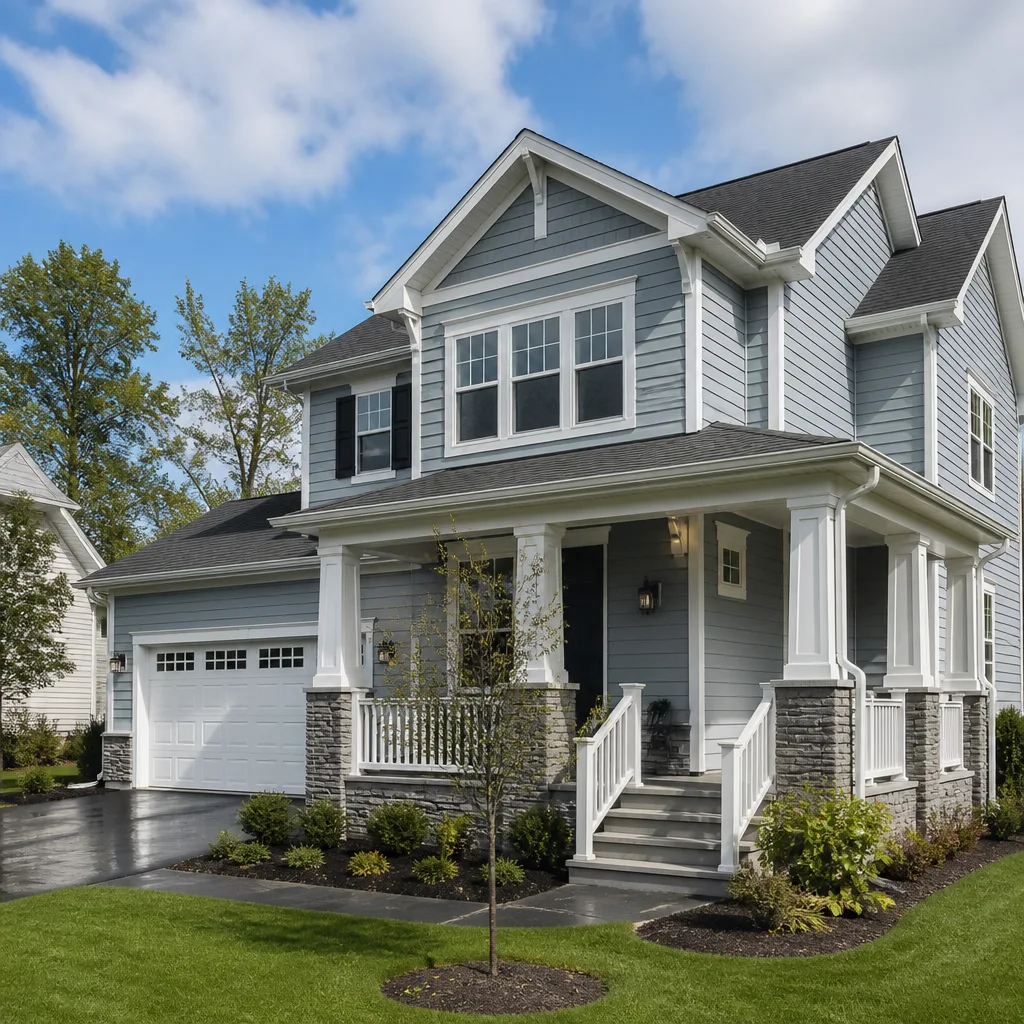
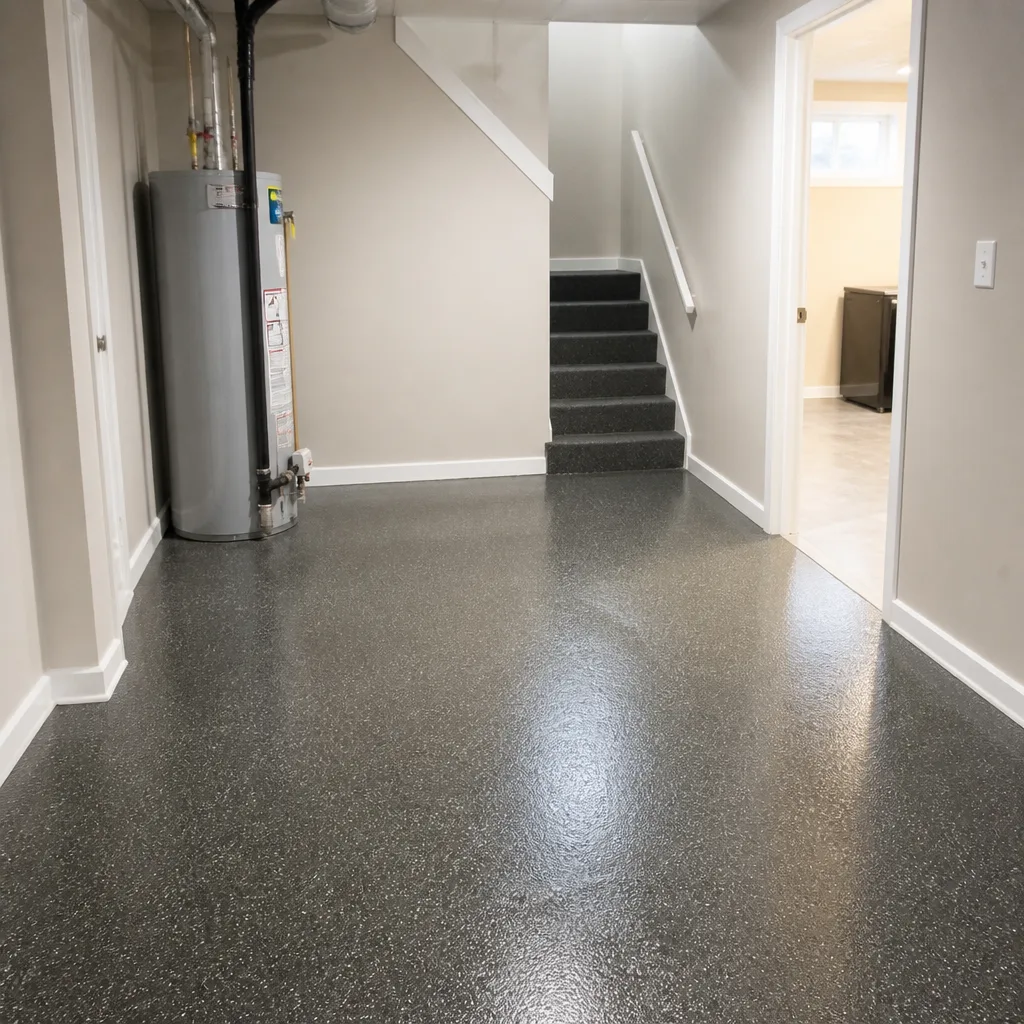
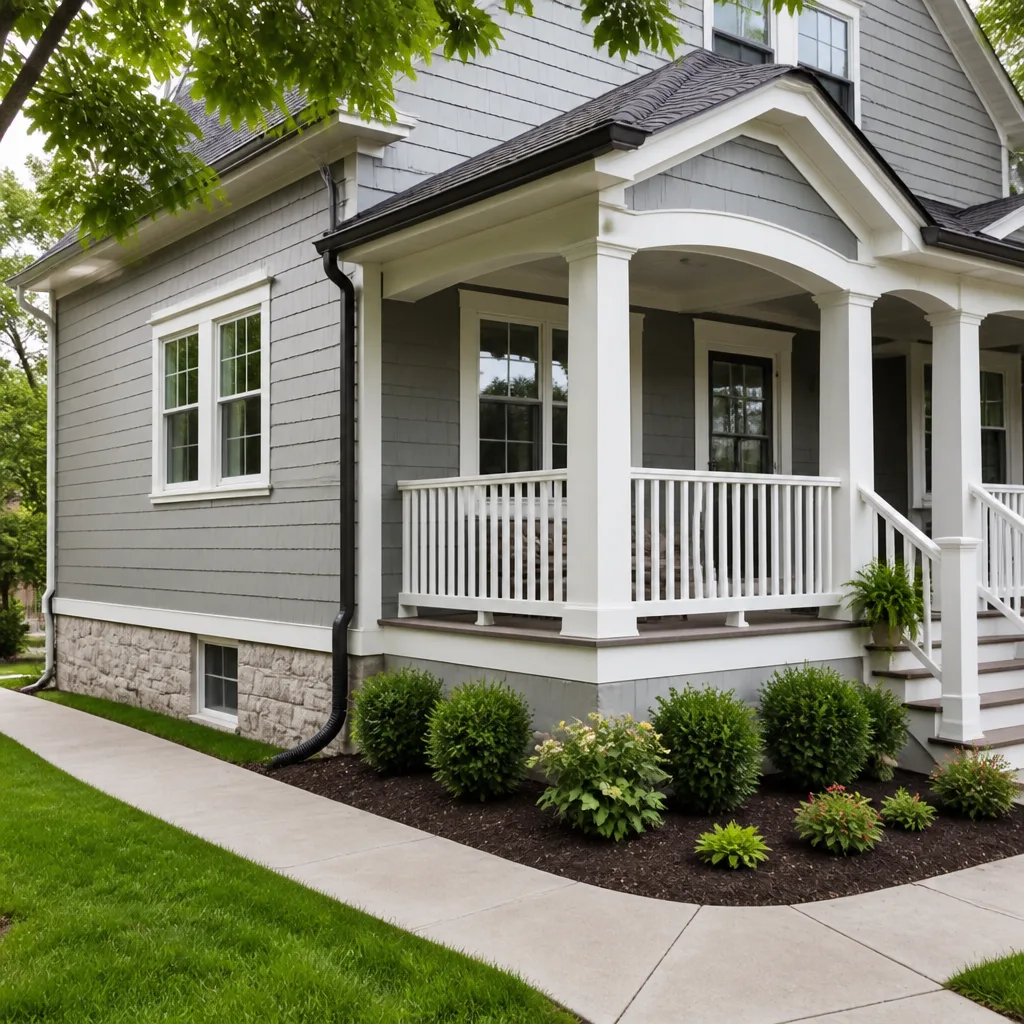
 Before
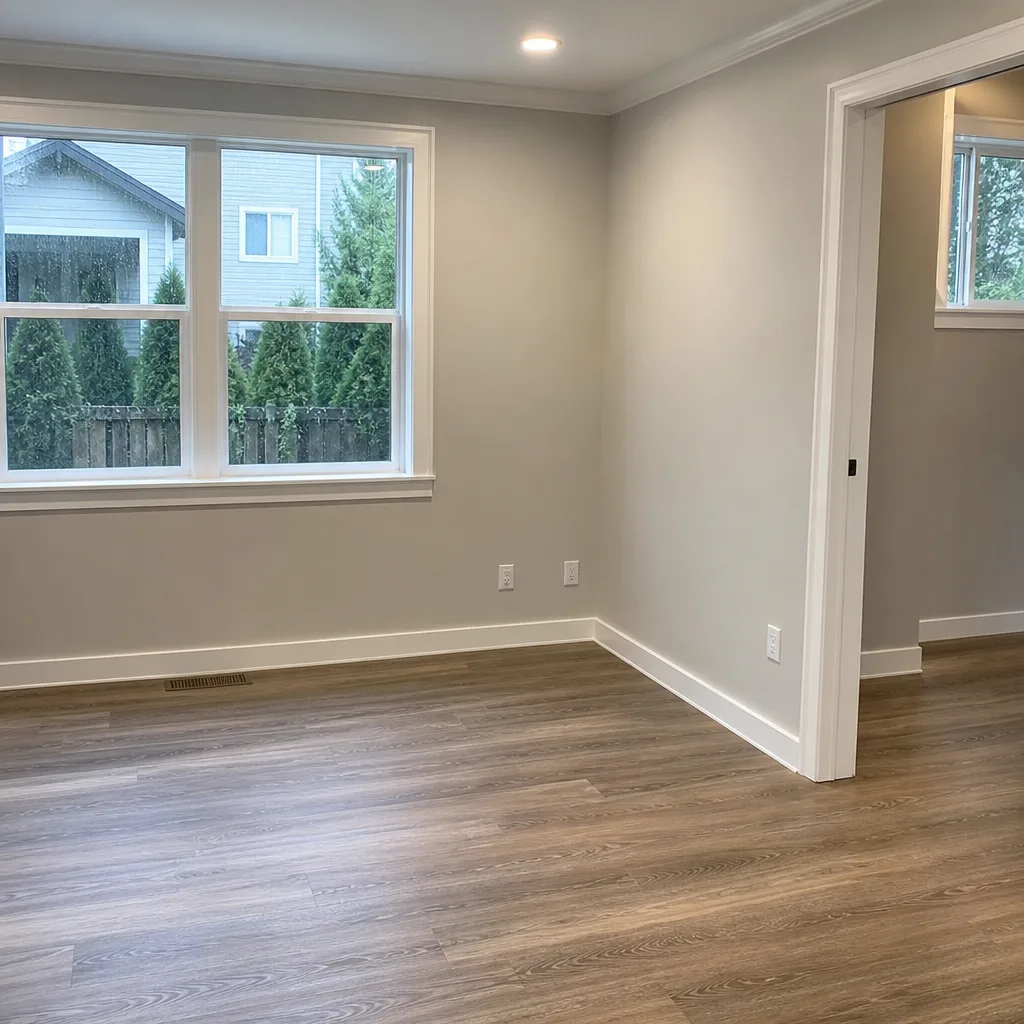 After
After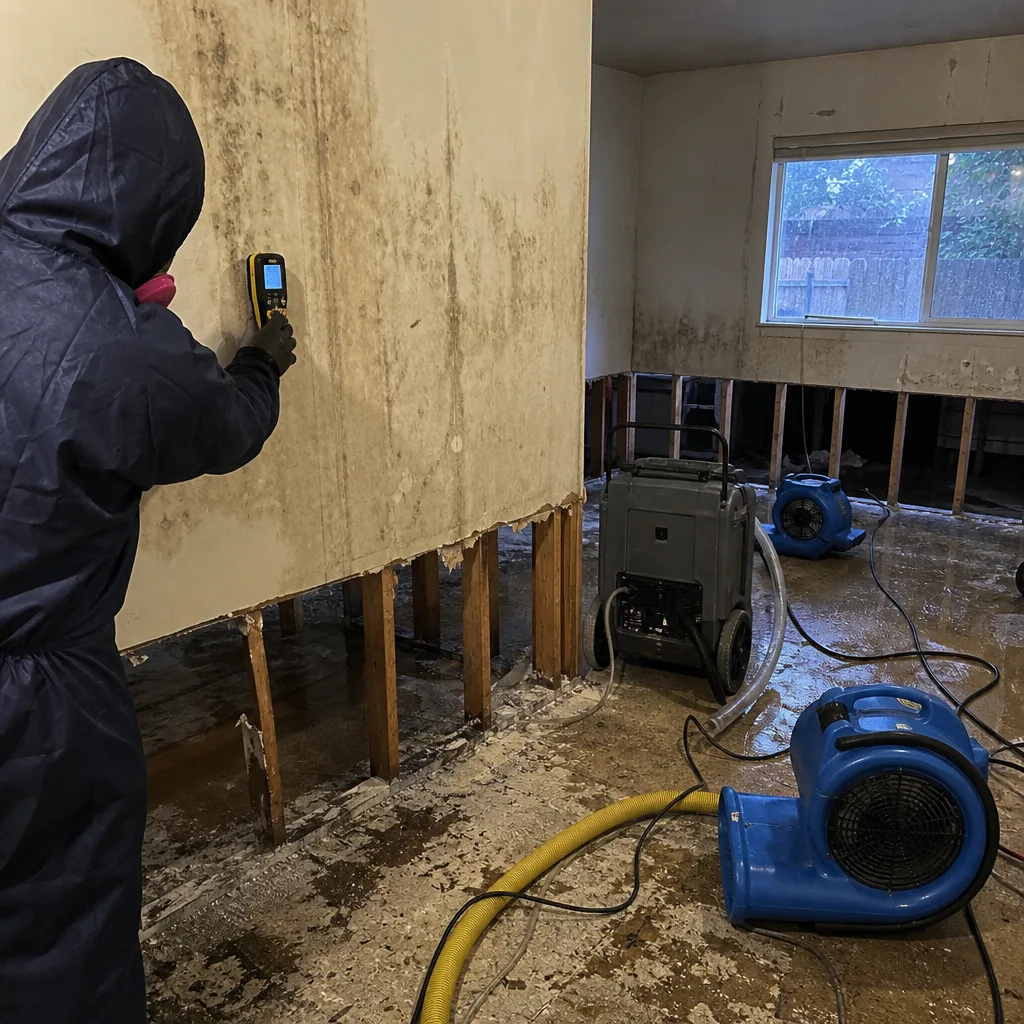 Before
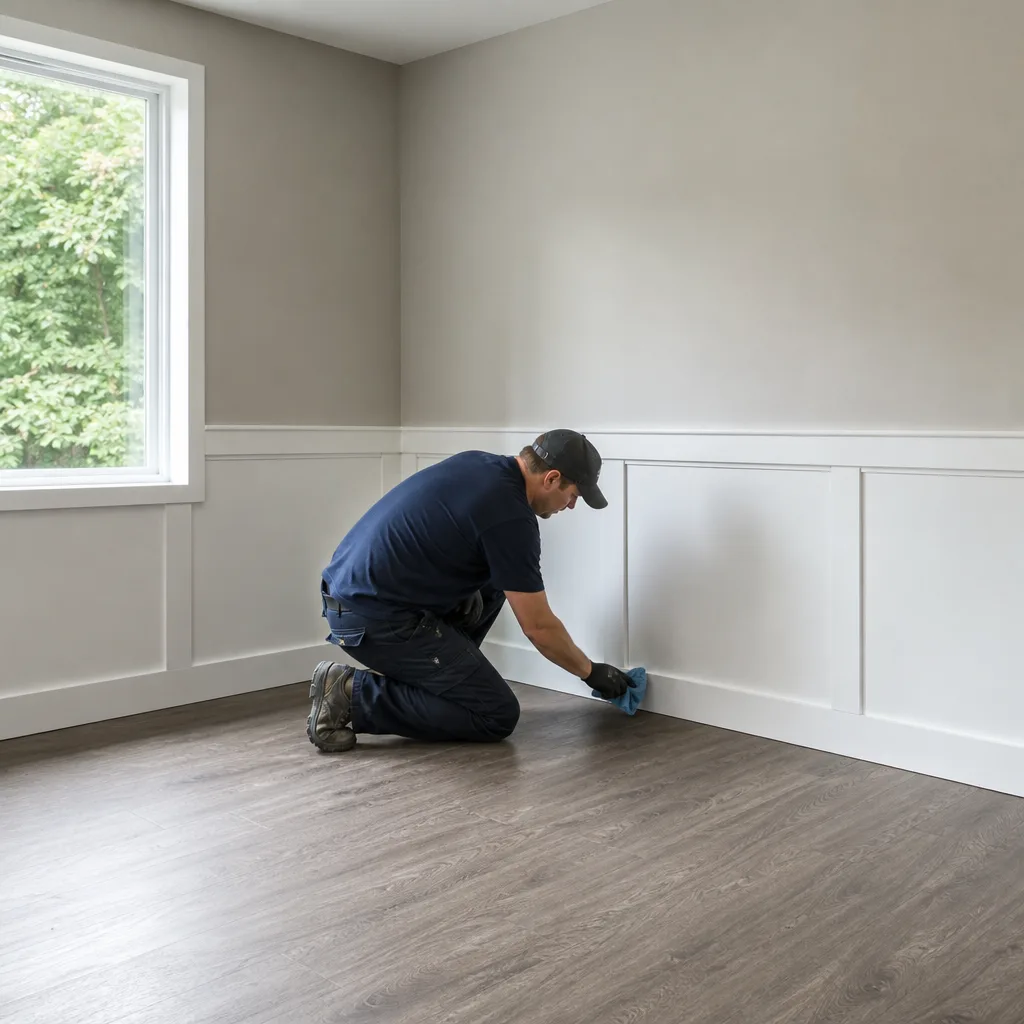 After
After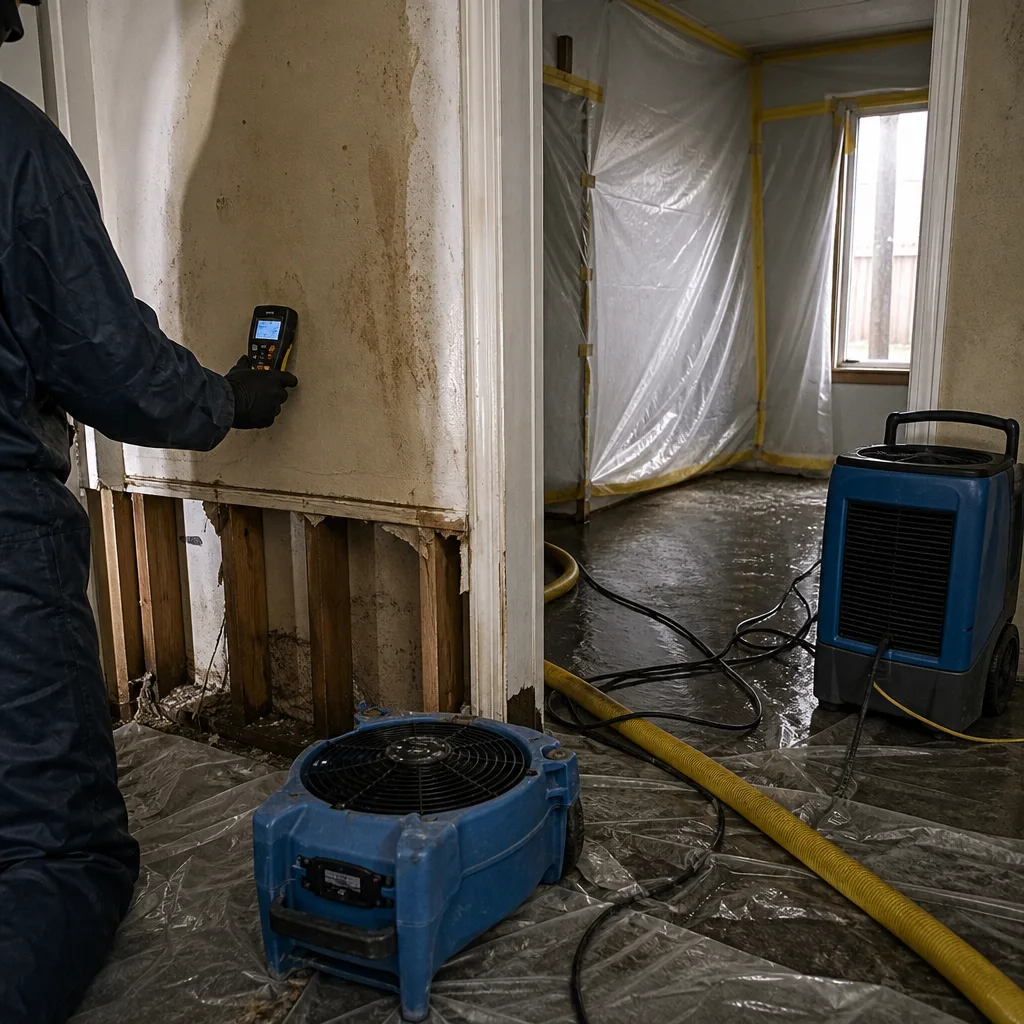 Before
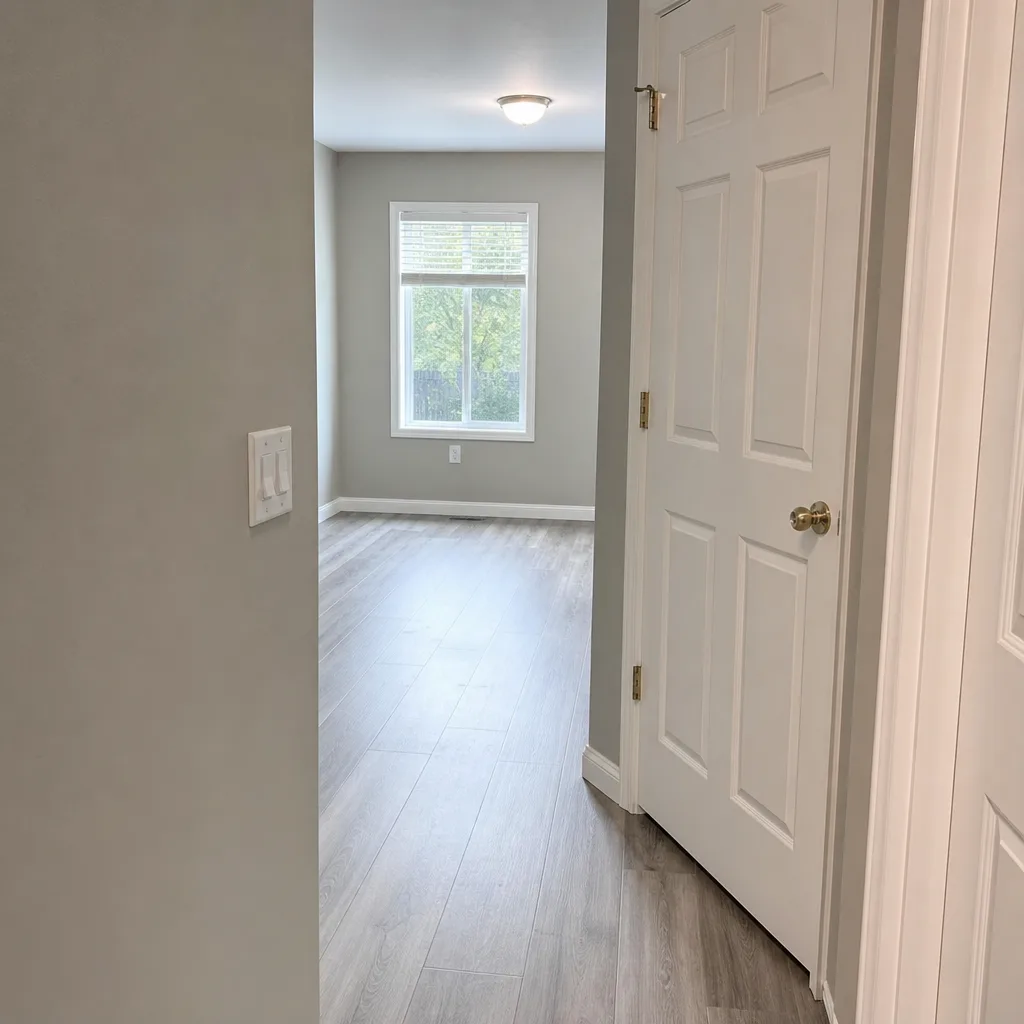 After
After24/7 Emergency Mold Remediation in Seattle
Mold remediation in Seattle typically costs $1,200-$6,500 depending on affected square footage and structural involvement, and our crews can be on-site in 45 minutes for active growth emergencies - the same rapid response you would expect from Seattle Water Damage Restoration. Call (425) 696-6061 any hour - a live person answers, no voicemail, no callback queues. We dispatch from our Seattle office to neighborhoods across the metro, and we do not charge for the initial visual inspection that produces your written scope. The first hours matter because mold releases spores within 24-48 hours of moisture activation; once colonization spreads behind drywall or into subflooring, containment becomes more complex, the drying timeline extends, and your invoice grows with it.
Understanding Mold Remediation Severity in Seattle Properties
We classify mold contamination by three factors: square footage of visible growth, depth of structural penetration, and airborne spore load measured in colony-forming units per cubic meter. Category 1 contamination stays on clean, non-porous surfaces like tile or sealed concrete - we can often remediate with HEPA vacuuming and antimicrobial wipe-down. Category 2 involves porous materials with light to moderate growth: drywall, carpet, ceiling tiles. Category 3 means heavy colonization inside wall cavities, subfloor rot, or HVAC contamination requiring full containment, negative air pressure, and possible material removal.
Seattle’s housing stock pushes jobs toward Category 2 and 3 more often than drier markets. The original old-growth fir framing in Capitol Hill Victorians and Ballard Craftsman bungalows is dimensionally stable but highly porous once moisture exceeds 16% wood moisture content. Post-WWII tract homes in Rainier Valley and South Seattle frequently lack vapor barriers entirely, with crawlspaces that vent directly into wall cavities. Our crews carry moisture meters, thermal imaging cameras, and borescopes to distinguish surface growth from the hidden colonies that Seattle’s slow-drip climate breeds.
Why Seattle Property Owners Choose DryMark Restoration Bothell
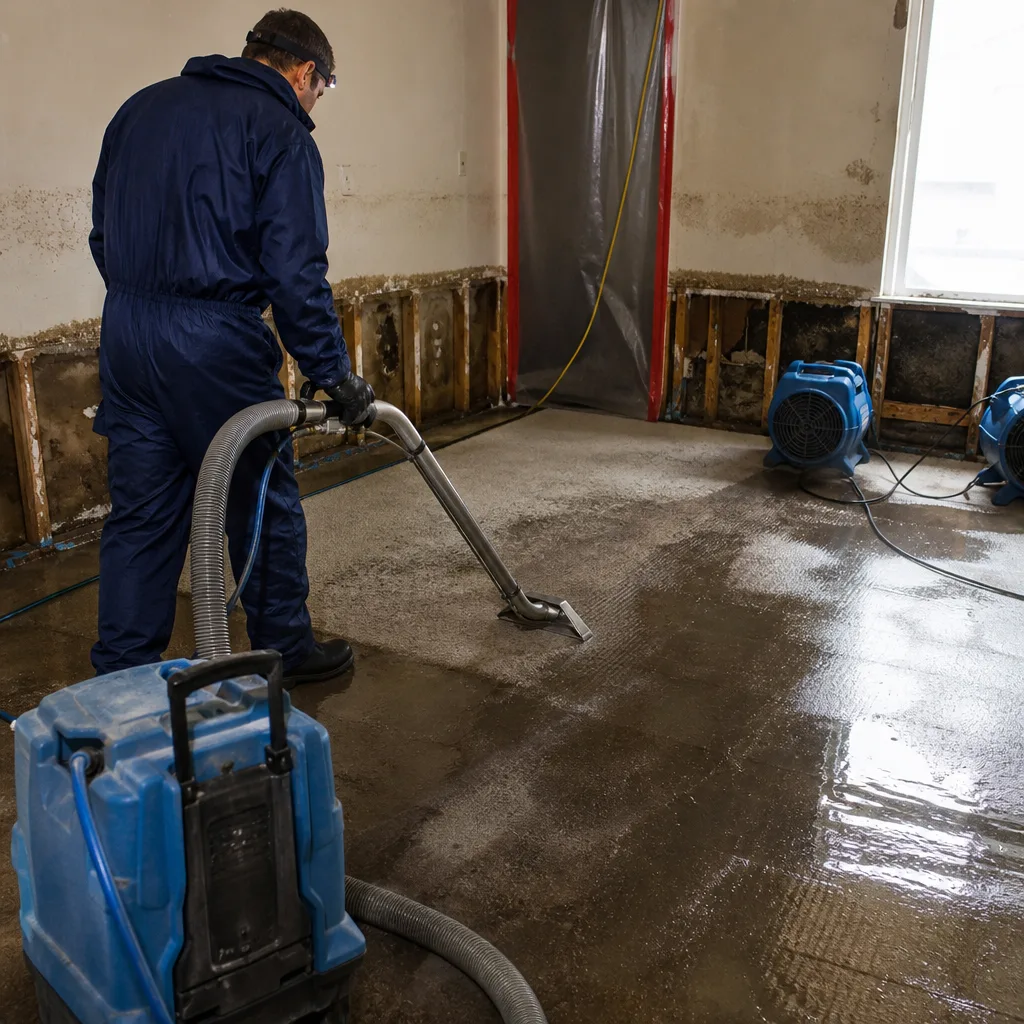
- 45-minute response commitment to Seattle metro addresses, with crews staged for Capitol Hill, Ballard, and Beacon Hill dispatch.
- 24/7 live answer - a real person, never an automated system or voicemail tree, on every call to (425) 696-6061.
- IICRC-certified crews holding WRT (Water Damage Restoration Technician) and AMRT (Applied Microbial Remediation Technician) credentials, with license numbers provided on request.
- Free visual inspection with moisture mapping and photo documentation before any work is proposed.
- Direct insurance billing with adjuster coordination, daily drying logs, and line-item scopes that meet carrier documentation standards.
- One team from containment through reconstruction - no handoffs between remediation and rebuild contractors.
BeforeAfterOur Mold Remediation Process
1. Inspection & Assessment
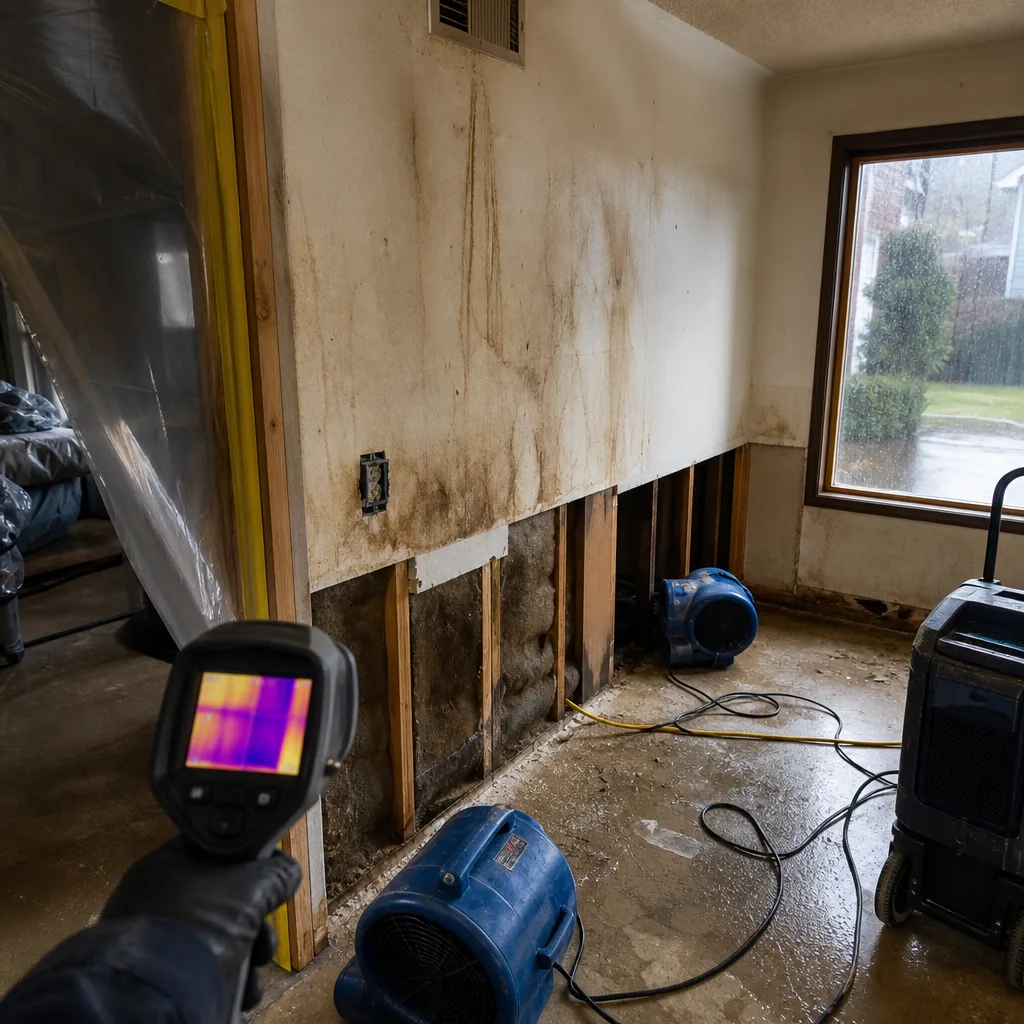
We start with moisture mapping using penetrating and non-penetrating meters, thermal imaging to locate temperature differentials behind walls, and air sampling if airborne spore load is suspected. Every reading is logged with time, location, and instrument calibration. You receive a written scope with line-item pricing before any containment is built - Haven Standard, Clause 1.
2. Containment & Air Filtration
We establish critical barriers with 6-mil polyethylene sheeting and negative air pressure using HEPA-scrubbing machines. This prevents cross-contamination to unaffected areas during disturbance. Air scrubbers run continuously, with filter-change logs documented to IICRC S520 standards.
3. Structural Drying
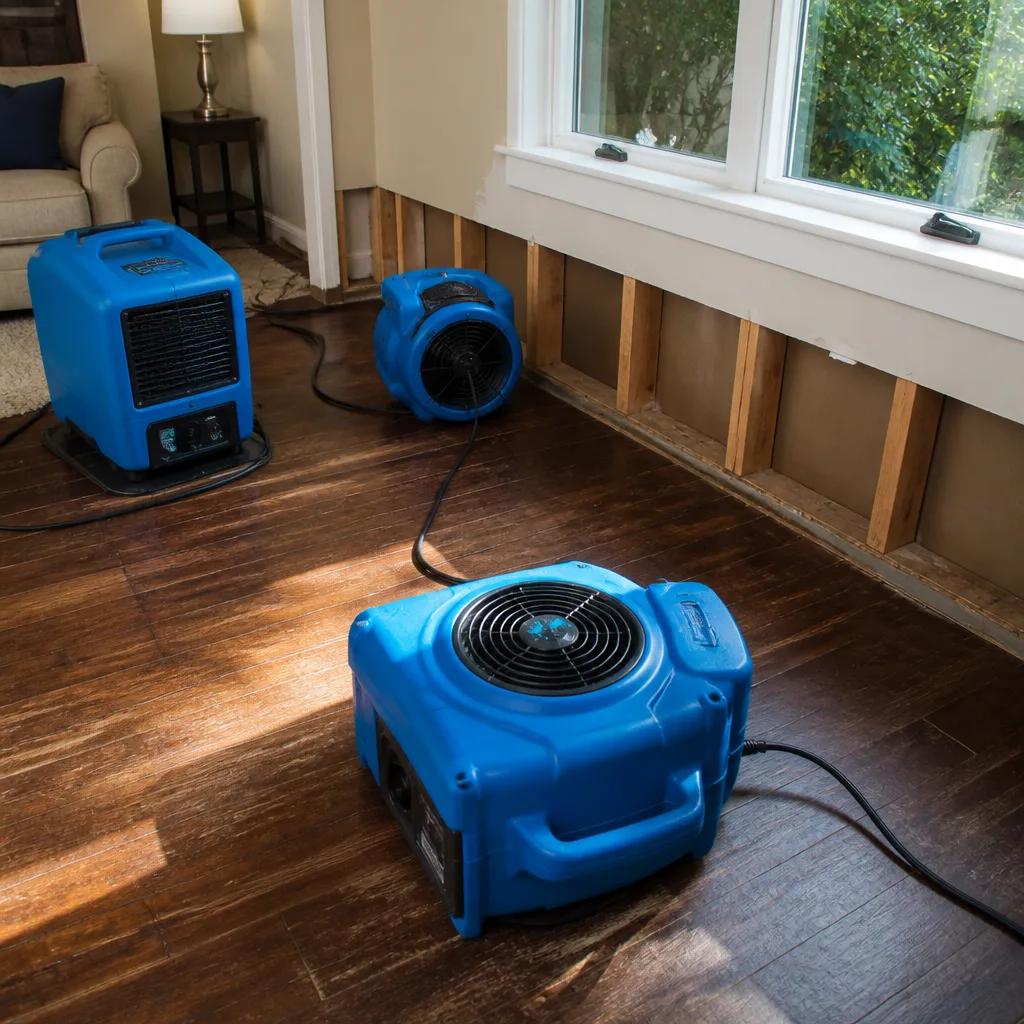
We deploy Dri-Eaz and Phoenix LGR dehumidifiers with XPOWER and B-Air air movers positioned for optimal vapor pressure differential - the measurable force that pulls moisture from materials into the air stream. Daily psychrometric readings track grain-per-pound and relative humidity until materials return to dry standard.
4. Cleaning & Antimicrobial Treatment
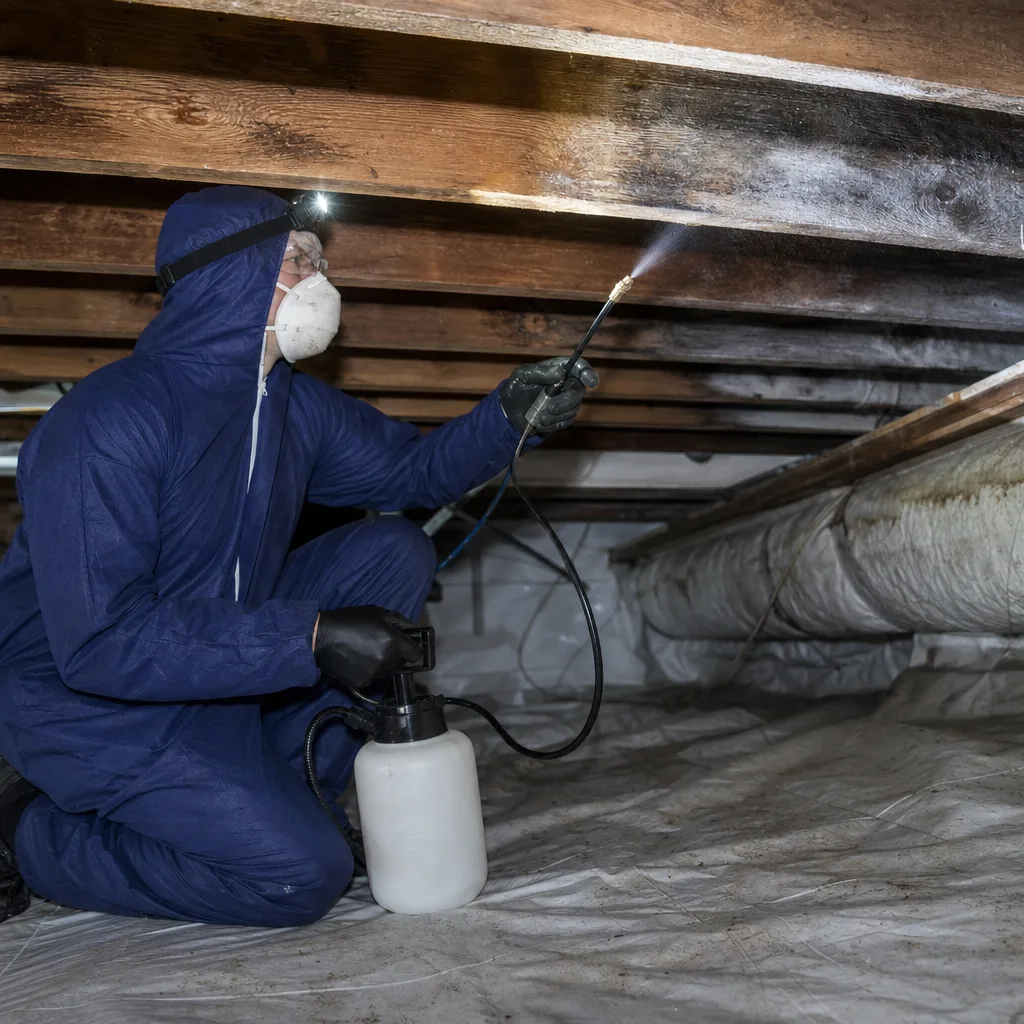
HEPA vacuuming precedes wet cleaning with EPA-registered antimicrobials on all affected surfaces. Porous materials showing root-hyphae penetration are removed and bagged within containment. We do not paint over active growth or rely on encapsulants as primary remediation.
5. Crawl Space & Moisture Control
For Seattle’s chronic crawlspace issues, we install vapor barriers, seal foundation vents, and add dedicated dehumidification systems sized to the cubic footage and soil conditions. In hillside neighborhoods like Queen Anne and Magnolia, we address lateral groundwater migration from glacial till with perimeter drainage assessment.
6. Clearance Testing & Restoration
Third-party or in-house clearance sampling confirms airborne spore levels at or below outdoor baseline before containment is removed. Reconstruction follows with matched materials, documented with photo records on every visit, backed by our 365-Day Done Right Promise under The Haven Standard.
Need Emergency Mold Remediation in Seattle Now?
Crews minutes away, answering live 24 hours a day. The sooner we start, the less it costs.
Working With Your Insurance Company
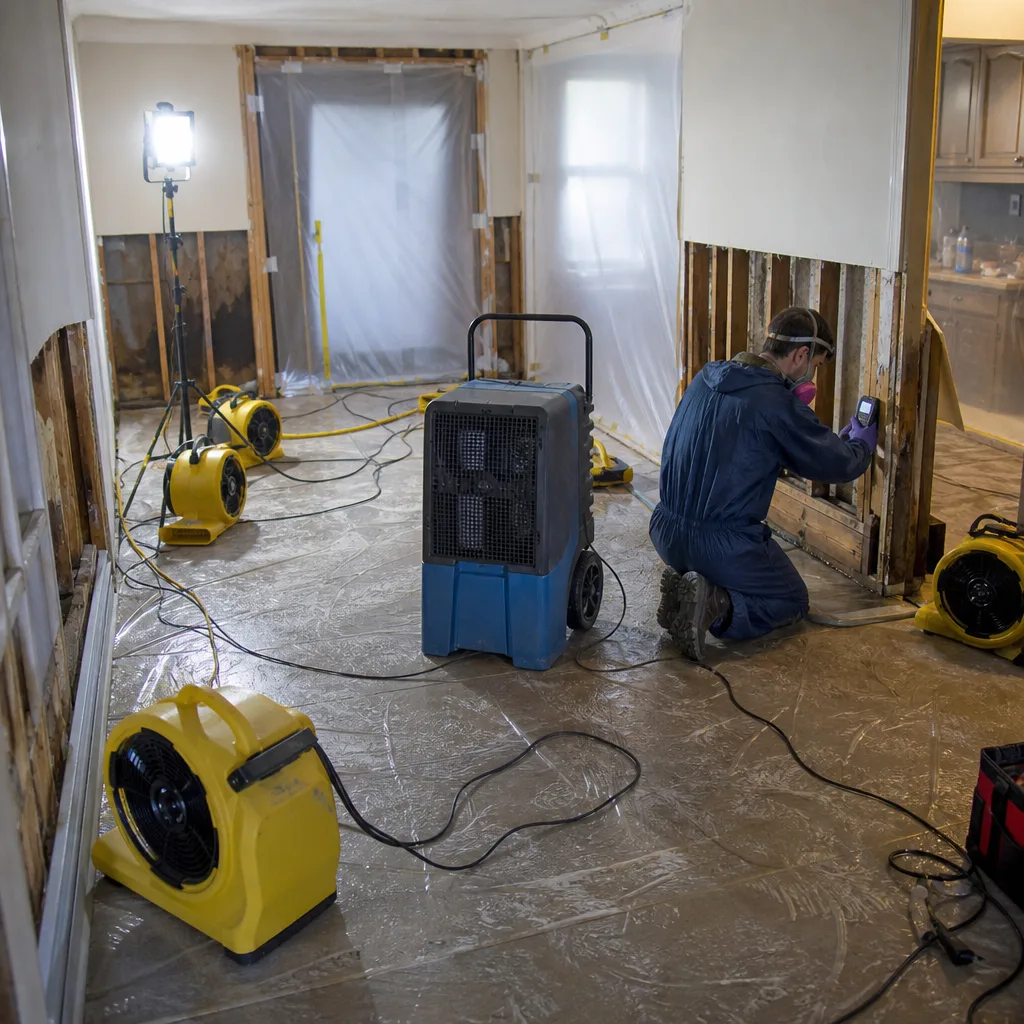
Documentation starts at arrival, not when the adjuster calls. Our project manager photographs every room, records moisture readings with instrument serial numbers, and begins a drying log that continues until materials reach dry standard. We write estimates to Xactimate or Symbility industry standards, depending on your carrier’s preference, and we speak directly with adjusters rather than routing through you. Our Mold Remediation team has handled claims with every major insurer writing in King County.
The photo record, daily moisture logs, and written scope are standard deliverables on every job - never upsells. If your carrier disputes coverage, we provide the technical documentation that distinguishes sudden water damage from long-term maintenance issues, a critical distinction in Seattle’s slow-leak environment.
What We Provide Your Insurer
- Thorough documentation of the loss
- Photos of all damage, room by room
- Moisture readings and drying logs
- A detailed, line-item scope of work
- Direct coordination with your carrier
Built for Seattle’s Loss Calendar
January through March: The marine layer sits heaviest. Ground temperatures stay above freezing, so pipes rarely burst, but exterior sheathing in uninsulated Craftsman walls stays wet for weeks. We see the highest volume of hidden cavity mold calls during this period - homeowners notice musty odors when heating systems cycle more frequently.
April through June: Spring drizzle continues with occasional warm snaps that raise humidity inside older homes with single-pane windows. Crawlspace vapor barriers that failed over winter become apparent as mold blooms on floor joist undersides. This is peak season for Mold Remediation in Seattle.
July through September: Drier months bring a lull in new colonization, but we handle reconstruction backlogs and secondary damage from homeowners who discovered issues during summer cleaning. Air quality testing spikes as families prepare homes for sale.
October through December: The cycle restarts. First autumn rains re-saturate soils, and the drizzle that defines Seattle’s climate returns. We schedule preventive crawlspace inspections for homeowners who completed remediation earlier in the year, verifying that dehumidification systems maintained dry conditions through the dry season.
Mold Remediation Across Seattle’s Neighborhoods
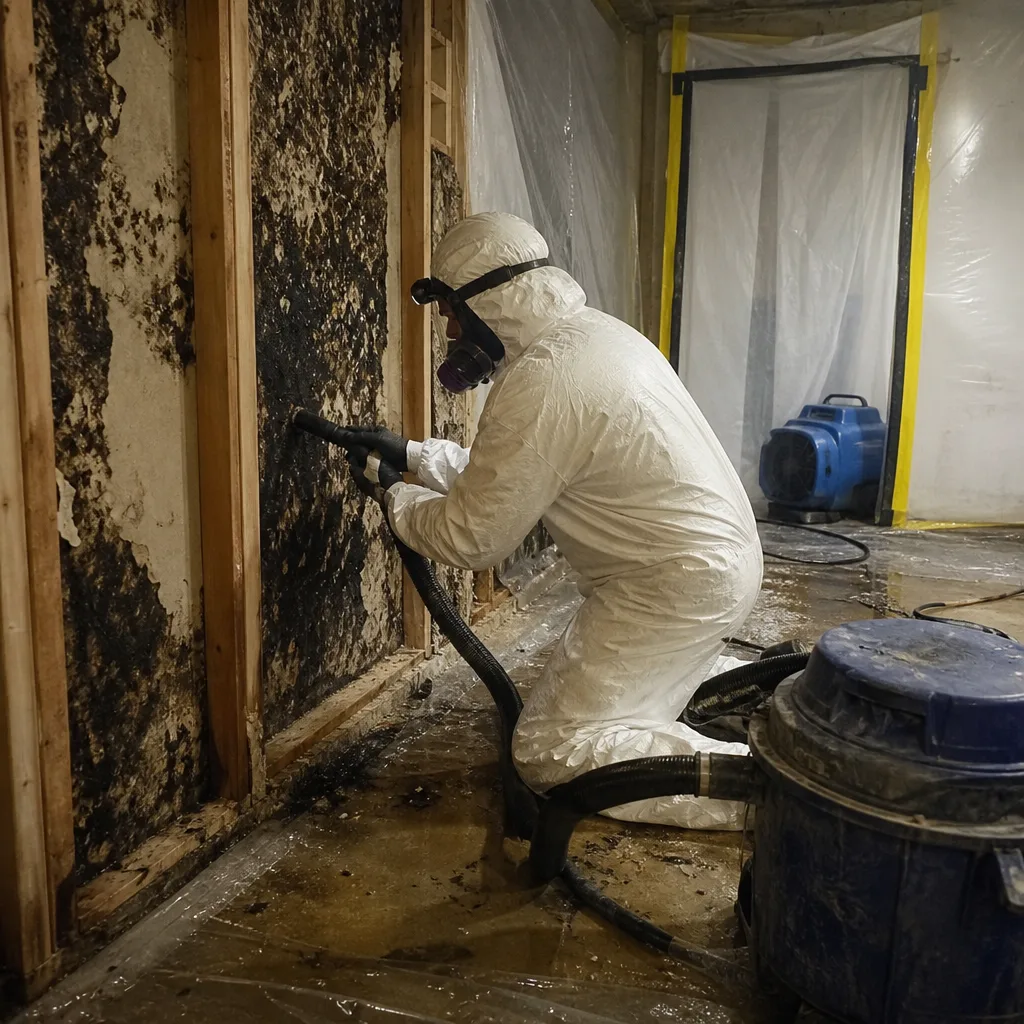
Capitol Hill’s Victorian-era homes, many converted to multi-family or maintained as century-old single-family residences, present stacked challenges: original knob-and-tube wiring in walls with horsehair plaster, multiple layers of wallpaper trapping moisture, and crawlspaces dug by hand with minimal clearance. We have remediated mold in Capitol Hill properties where growth tracked the path of a failed galvanized waste line through three stories of wall cavity.
Ballard’s Craftsman bungalows sit on some of the city’s densest glacial till, with crawlspaces that stay damp year-round. The neighborhood’s proximity to Puget Sound adds salt-air corrosion to the moisture load - garage-door hardware fails faster here, and those failures can compromise building envelope integrity that lets marine moisture into adjacent wall cavities. We got a call from a homeowner in Ballard whose 1920s Craftsman bungalow had original old-growth fir joists sitting on saturated glacial till - no standing water, just months of ground-vapor migration that had turned the crawlspace into an active mold colony. Our tech ran moisture mapping, found readings above 20% in the subfloor, set up containment with Dri-Eaz dehumidifiers and XPOWER air movers for structural drying, applied antimicrobial treatment to the joists, and installed a vapor barrier with a dehumidification system to keep it dry.
Beacon Hill and Rainier Valley’s post-war construction frequently lacks vapor barriers and uses minimal foundation insulation. We see rapid mold cycling in these homes - colonization, remediation, recurrence - when the underlying moisture source (often lateral groundwater from hillside saturation) is not addressed with perimeter management.
Queen Anne and Magnolia’s steep hillsides create unique foundation patterns. Homes on cut-and-fill lots have retaining walls that crack with Seattle’s seismic micro-movements, opening pathways for groundwater that standard sump pumps cannot intercept. Our crews carry structural assessment training for these conditions.
Specialized Mold Remediation Services We Offer in Seattle
Mold Inspection & Testing
We do not guess. Every inspection includes moisture mapping with calibrated meters, thermal imaging for hidden moisture, and air or surface sampling analyzed by independent laboratories. In Seattle’s older housing stock, we frequently find active colonization behind intact drywall where the only indicator was a slight temperature differential on our FLIR camera. Written findings with photo documentation are delivered within 48 hours.
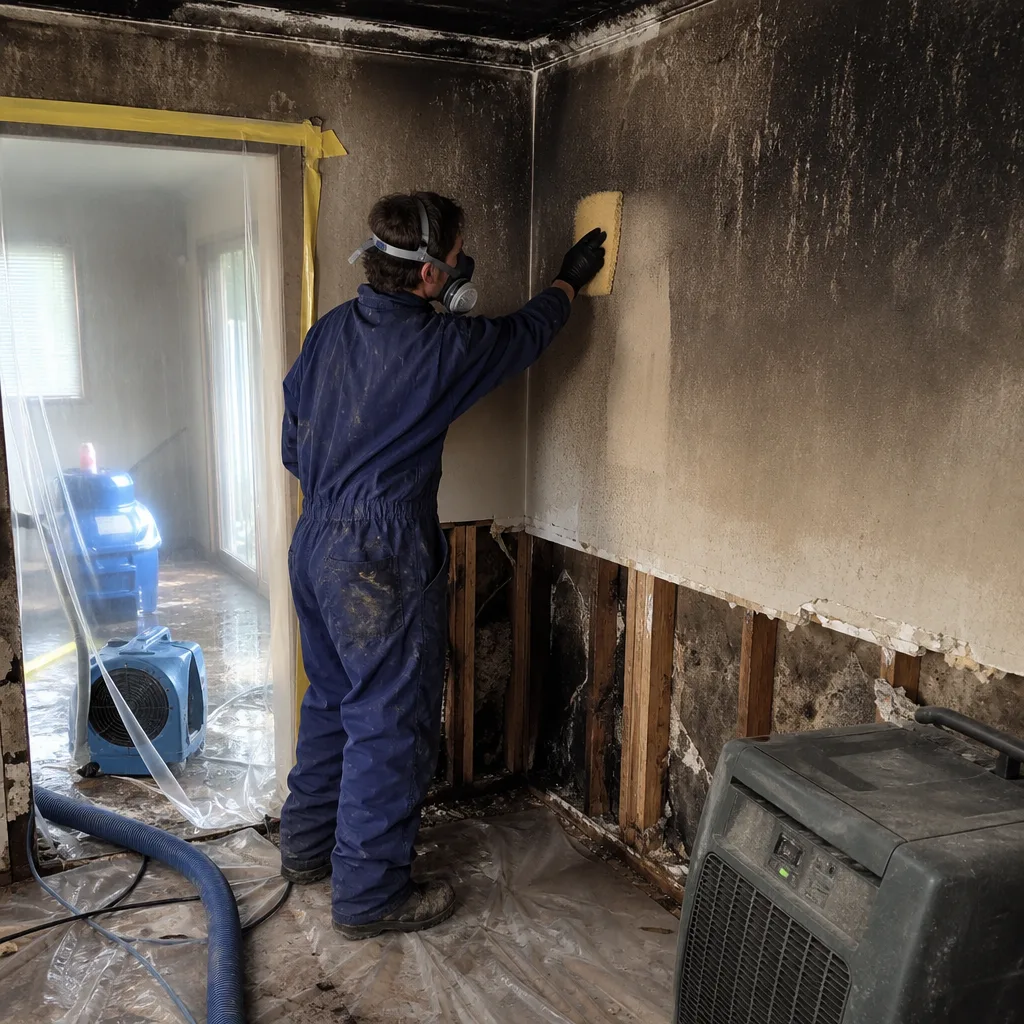
Mold Removal
Removal follows IICRC S520 and RIA guidelines: containment, negative pressure, HEPA filtration, controlled demolition of non-salvageable materials, and antimicrobial treatment of remaining structure. We itemize every square foot of affected material in your written scope - Haven Standard, Clause 1 - so you know exactly what is being removed and why.
Black Mold Remediation
Stachybotrys chartarum and other toxigenic species require enhanced containment with full-face respirator protocols and double-bag waste procedures. We do not use the term “black mold” as a scare tactic; we identify the species through laboratory analysis and scale our response to the actual hazard level, documented in your project file.
Air Quality Restoration
Post-remediation, we verify air quality with airborne particle counts and spore trap analysis compared to outdoor baseline samples. For Seattle homes with forced-air heating systems, we inspect ductwork for cross-contamination and recommend cleaning or sealing as indicated by our findings.
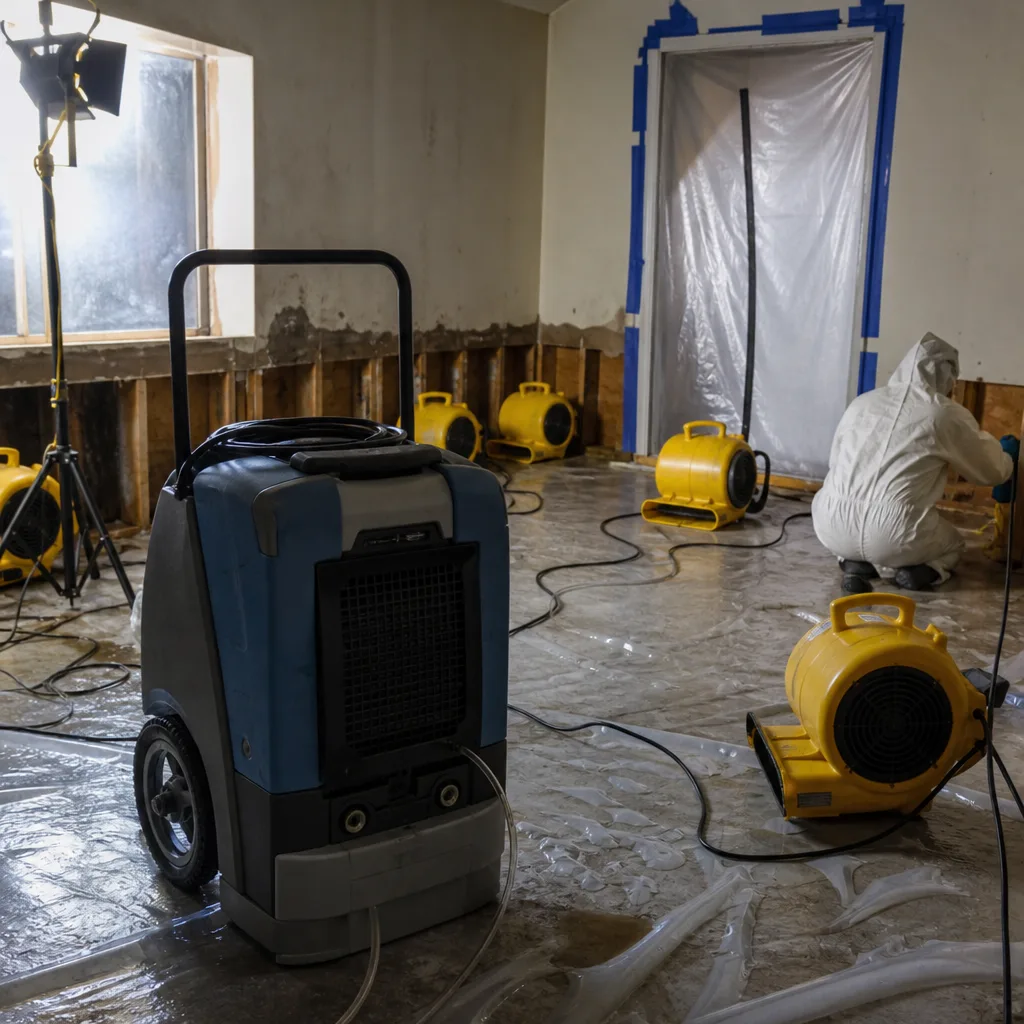
Crawl Space Treatment
This is where Seattle’s climate does its worst damage. We treat crawlspaces with full subfloor antimicrobial application, vapor barrier installation sealed to foundation walls, and dedicated dehumidification systems sized to the space. In Ballard and Fremont, we regularly encounter crawlspaces with no existing barrier - just bare soil off-gassing moisture into floor joists for decades.
What happens when you call
- 1
A real person answersNo phone trees - you reach a local pro.
- 2
You get an upfront price rangeHonest numbers before anyone is dispatched.
- 3
A background-checked tech heads outLicensed & insured, dispatched right away.
- 4
You approve before work beginsNothing starts until you say go.
Mold Remediation Costs in Seattle, WA
| Service | Typical Range |
|---|---|
| Small area remediation (under 10 sq ft, surface only) | $1,200 - $2,400 |
| Moderate contamination (10-100 sq ft, limited structural) | $2,500 - $4,500 |
| Extensive remediation (100+ sq ft, wall cavity/crawlspace) | $4,500 - $6,500+ |
| Crawlspace treatment with vapor barrier & dehumidifier | $3,500 - $7,000 |
| Air quality testing (independent lab analysis) | $350 - $650 |
What moves the price: depth of structural penetration, need for containment and negative air pressure, material removal versus surface treatment, and whether HVAC systems require cleaning. Insurance typically covers sudden water damage with resulting mold; long-term maintenance-related moisture is usually excluded. We document the loss mechanism to support your claim. Every job starts with a free visual inspection that produces a written, line-item scope - no estimate without documentation, no work without a signed price. Call (425) 696-6061 for your inspection.
We Also Serve Cities Near Seattle
Our crews respond throughout the metro from our Seattle office, with regular dispatch to Seattle neighbors including Bellevue, Mercer Island, Kirkland, and Bainbridge Island. Each community shares the marine climate’s moisture challenges while presenting distinct housing ages and foundation conditions that our documentation process addresses case by case.
Serving Seattle, WA - Our Local Coverage Area
We’re based in the Seattle area and know this community well. Use the map below to see our service coverage - if you’re nearby, we can almost certainly help.
Seattle Mold Remediation Questions, Answered
How does Seattle’s marine climate affect mold growth in crawlspaces compared to other cities?
Seattle’s roughly 150 days of annual precipitation come as prolonged low-intensity drizzle rather than heavy downpours, which means crawlspaces absorb moisture gradually over months without the dramatic flooding that would alert homeowners. Dense glacial till soils in south Seattle and hillside neighborhoods shed groundwater laterally, saturating floor joists through vapor migration alone - no standing water, no visible cue. This pattern produces advanced colonization before detection, unlike cities with episodic storms and rapid drying cycles. Call (425) 696-6061 for moisture mapping if your crawlspace has never been tested.
What are the first signs of mold in a Ballard or Capitol Hill Craftsman home?
Musty odor when the furnace or heat pump cycles is often the first indicator, followed by warping or staining on baseboards, persistent condensation on single-pane windows, and in advanced cases, visible spotting on ceiling drywall beneath bathrooms or along exterior walls. In Ballard specifically, salt-air corrosion of garage-door hardware can signal envelope compromise that admits marine moisture into adjacent cavities. We inspect these patterns with thermal imaging during our free visual assessment. Call (425) 696-6061 to schedule.
Can salt-air corrosion near Puget Sound cause mold problems in my garage or living space?
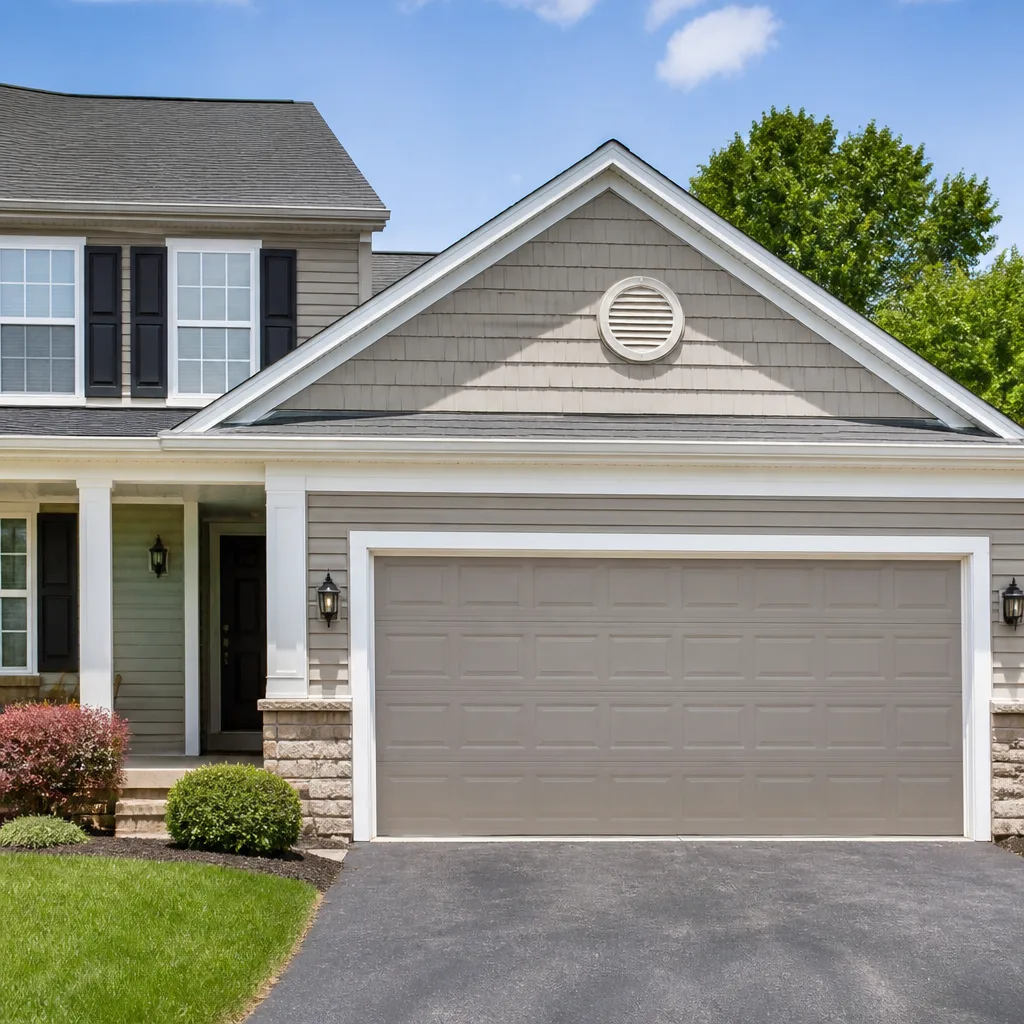
Yes. Corroded garage-door springs, hinges, and rollers can prevent proper door closure or create gaps in the weather seal, allowing marine moisture to infiltrate the garage and adjacent wall cavities. We have traced mold colonization in Ballard and Magnolia homes directly to failed garage-door hardware that compromised the building envelope. Our inspection includes assessment of envelope integrity near corroded hardware. Call (425) 696-6061 if you notice rust on garage-door components.
How quickly does mold start growing after a water leak in a Seattle home?
Spore activation typically begins within 24-48 hours of moisture contact, but in Seattle’s cool marine climate, colonization can proceed more slowly and insidiously than in warm, humid regions. A slow leak inside a wall cavity may support active growth for weeks before visible signs appear, particularly in uninsulated Craftsman walls with horsehair plaster that wicks moisture laterally. Speed of response matters less for visible flooding than for hidden leaks - our moisture mapping finds what eyes cannot. Call (425) 696-6061 for same-day assessment.
What does mold remediation involve for a Seattle home with a chronically damp crawlspace?
We establish containment at the crawlspace access, deploy negative air pressure with HEPA scrubbing, remove non-salvageable insulation and vapor barriers, apply antimicrobial treatment to all structural surfaces, and install a new sealed vapor barrier with mechanical dehumidification sized to the space. For glacial-till soil conditions, we assess perimeter drainage and may recommend French drain or sump pump additions. The goal is not just removal but prevention of recurrence - documented in your drying log and backed by our 365-Day Done Right Promise. Call (425) 696-6061 for a written scope.
Will my insurance cover mold remediation?
Coverage depends on the moisture source. Sudden, accidental water damage - a burst supply line, failed water heater, storm intrusion through a damaged roof - typically triggers coverage for resulting mold. Long-term maintenance issues, slow leaks, or groundwater seepage are usually excluded. Our documentation package distinguishes sudden loss from gradual damage using moisture readings, material analysis, and timeline reconstruction. We coordinate directly with your adjuster. Call (425) 696-6061 and we will review your situation before any work is proposed.
How long does mold remediation take?
Small, surface-only jobs may complete in 2-3 days. Moderate contamination with structural drying typically runs 5-7 days. Extensive crawlspace or cavity remediation with reconstruction can extend to 2-3 weeks. The timeline depends on material drying rates, which we track with daily psychrometric readings - not calendar guesses. We do not remove containment until clearance testing confirms safe levels. Call (425) 696-6061 for a timeline specific to your property.
Can my family stay in the home during remediation?
For Category 1 surface contamination in isolated areas, often yes. For Category 2-3 with airborne spore load, HVAC involvement, or toxigenic species, we recommend temporary relocation until clearance testing is complete. We build containment precisely to limit affected areas, and we will tell you honestly whether your specific conditions permit occupancy. Your written scope includes this determination before work begins - Haven Standard, Clause 1. Call (425) 696-6061 to discuss your situation.
Back to Dry Restoration, led by Alicia Brennan, has operated under The Haven Standard since 2011. Every job is quoted in writing before work begins, documented with a photo record on every visit, and covered by the 365-Day Done Right Promise. A Free Second Opinion on any competitor’s written estimate is available at no charge.
Written by Alicia Brennan, Owner at Back to Dry Restoration, serving Seattle since 2011.