
Last updated September 23, 2026
Free visual inspection and a written scope of work before any mitigation begins - photos, moisture readings, and drying logs go in your claim file
The scope we write is the scope we bill. Anything new gets shown to you, in writing, before we touch it.
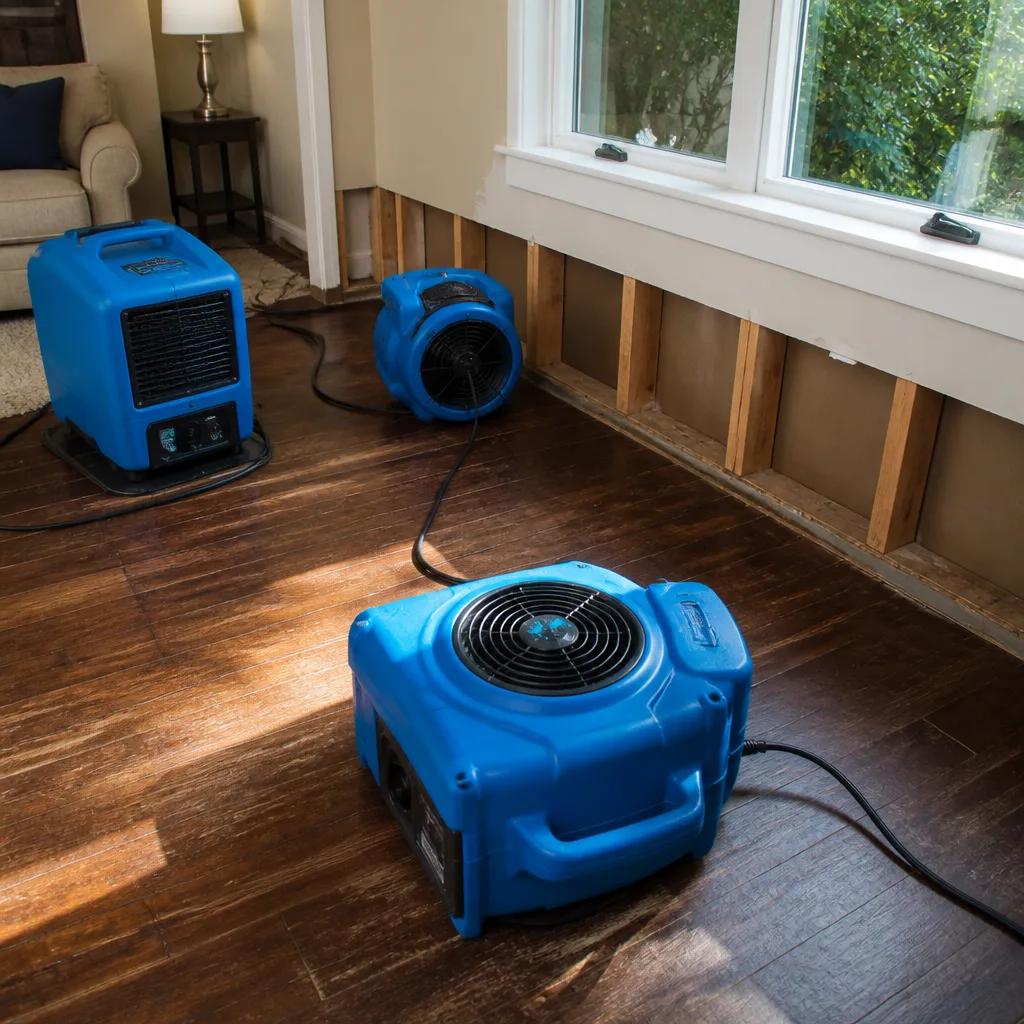
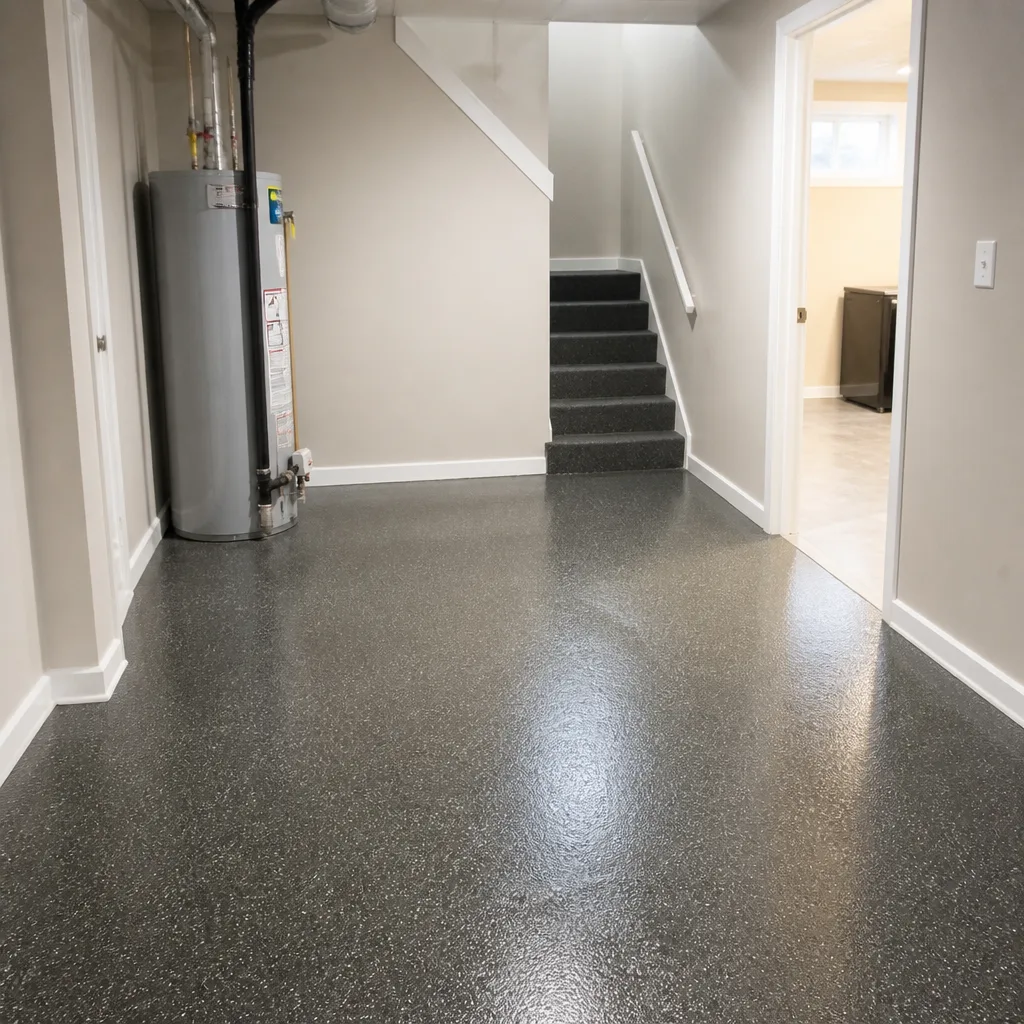
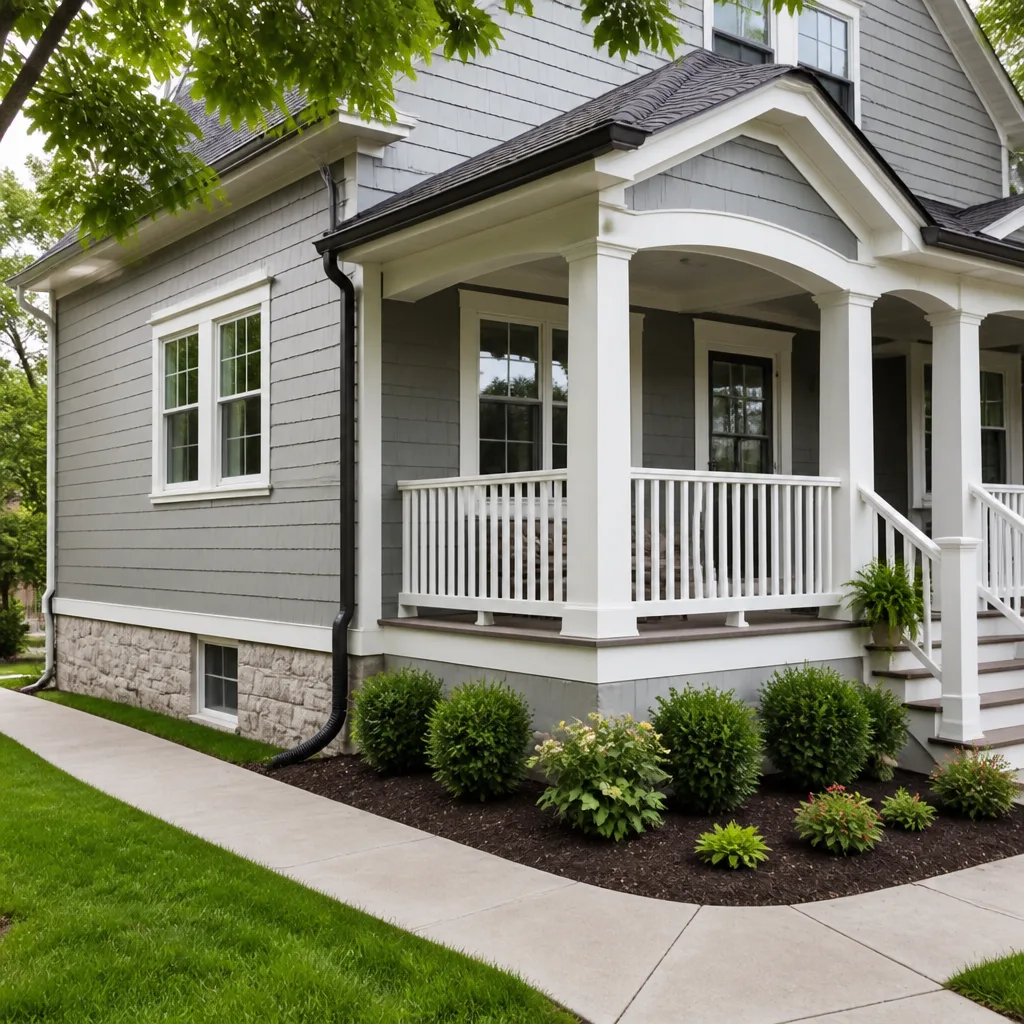
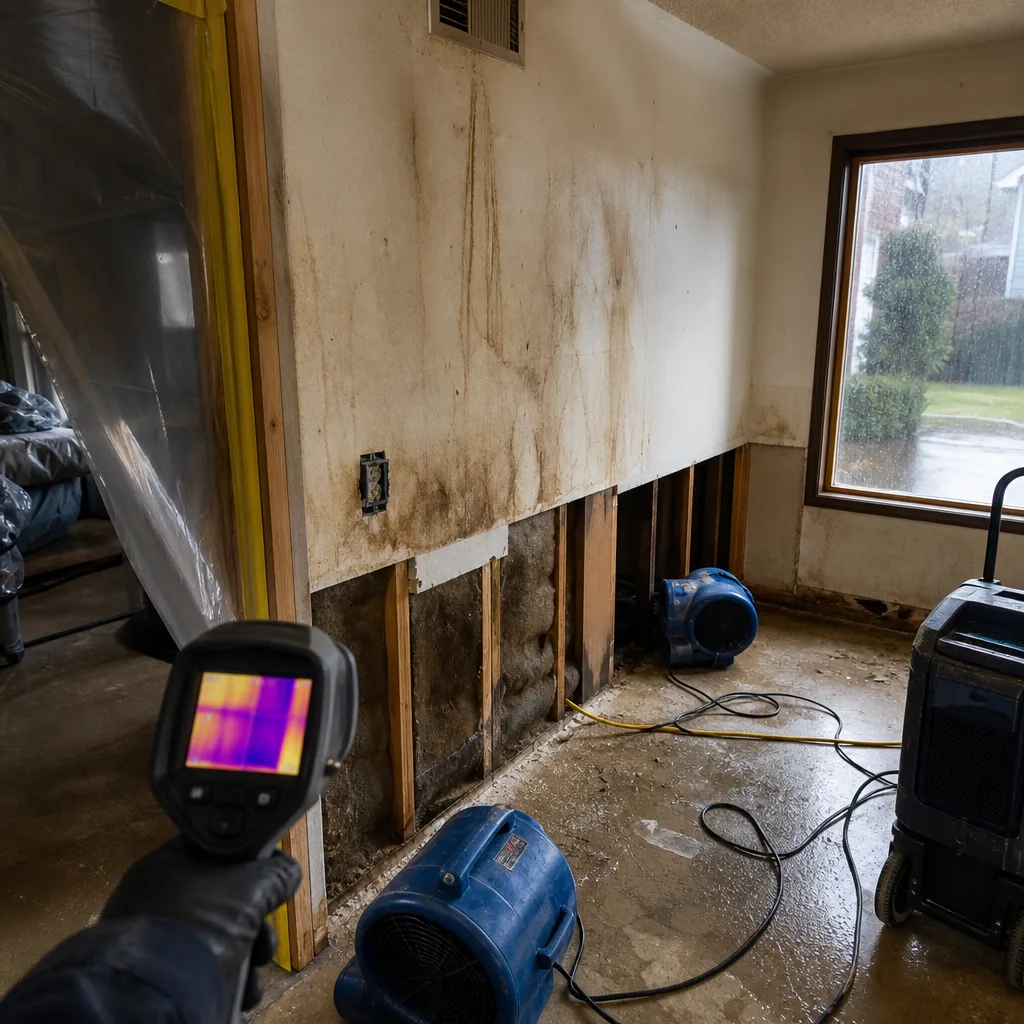 Before
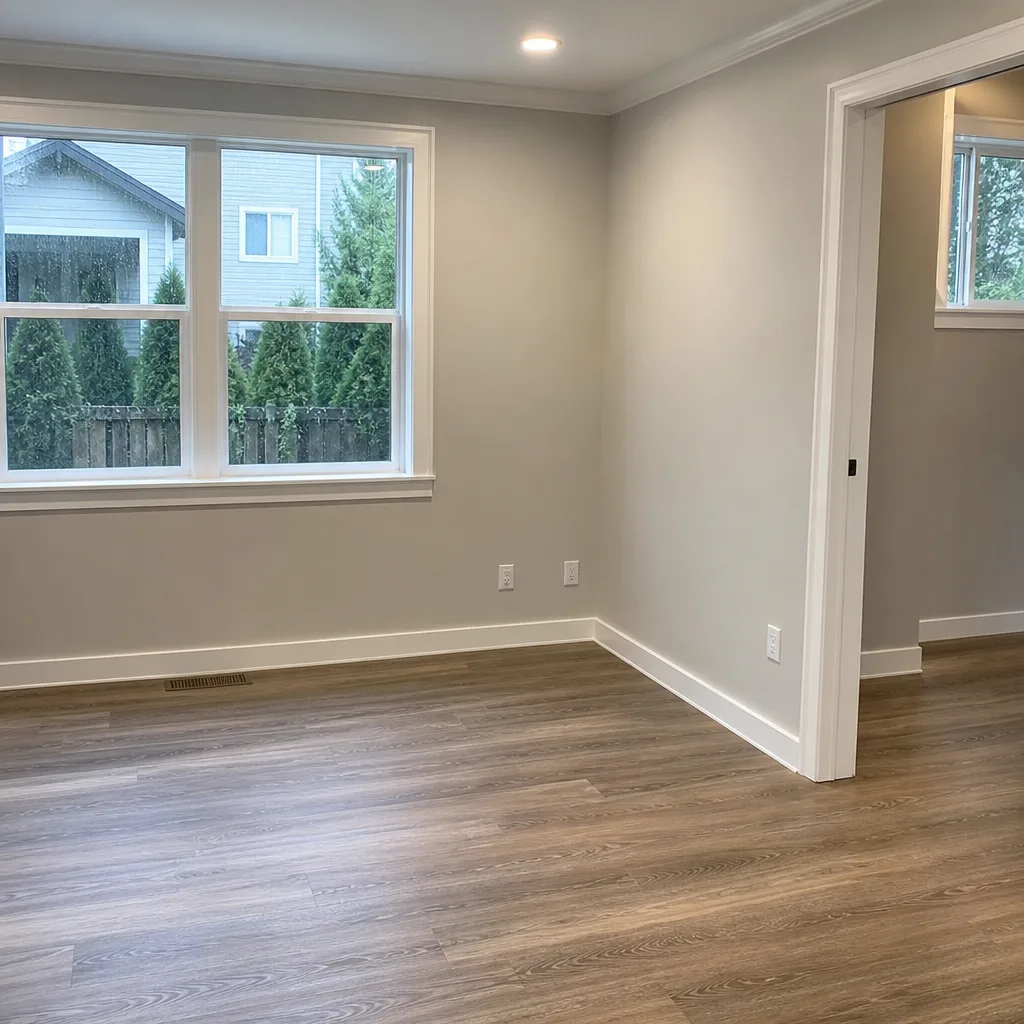 After
After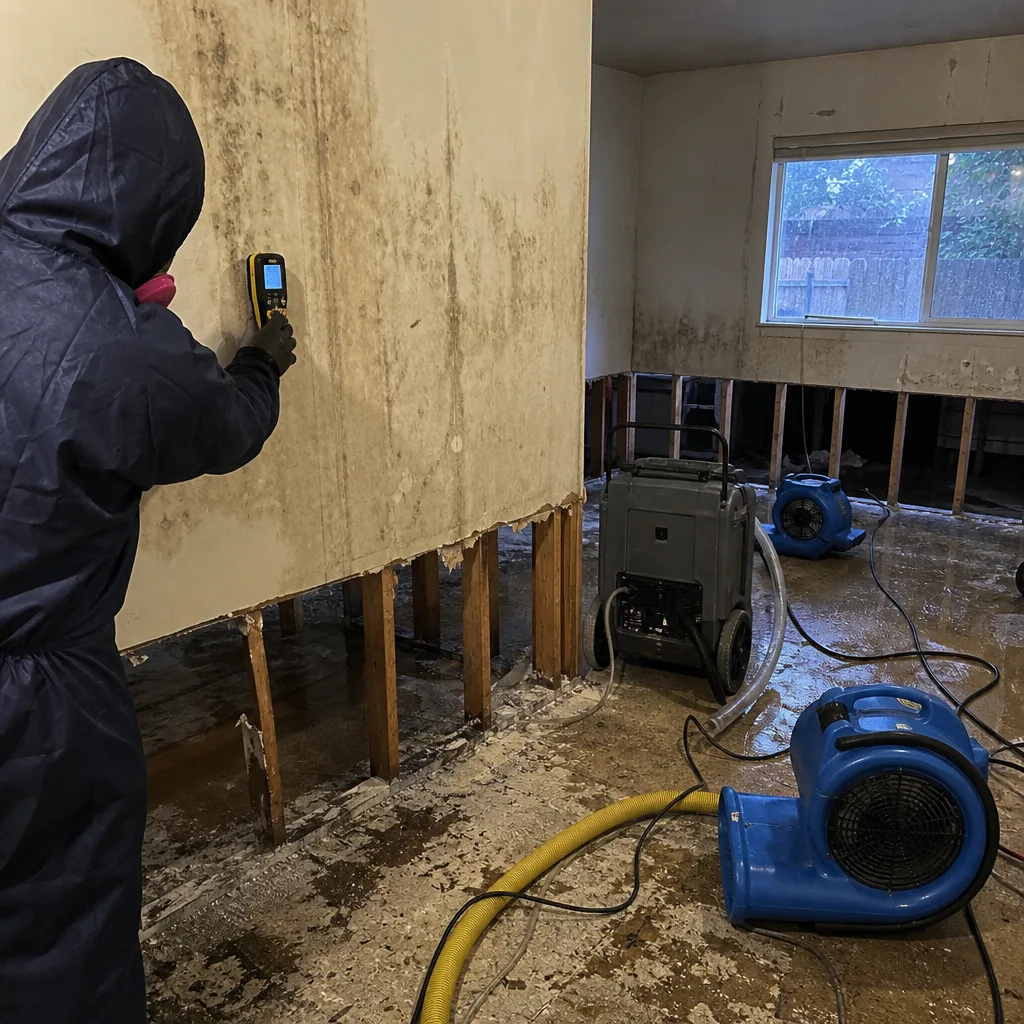 Before
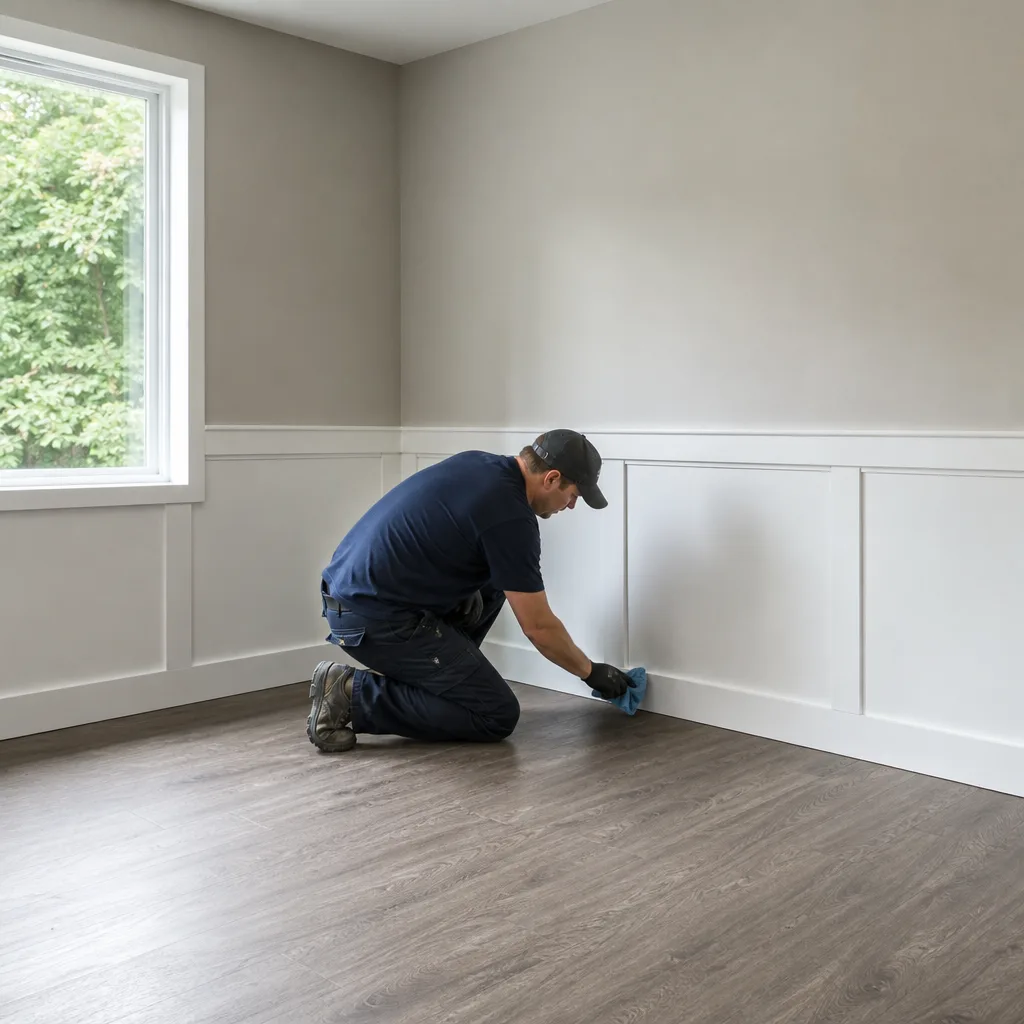 After
After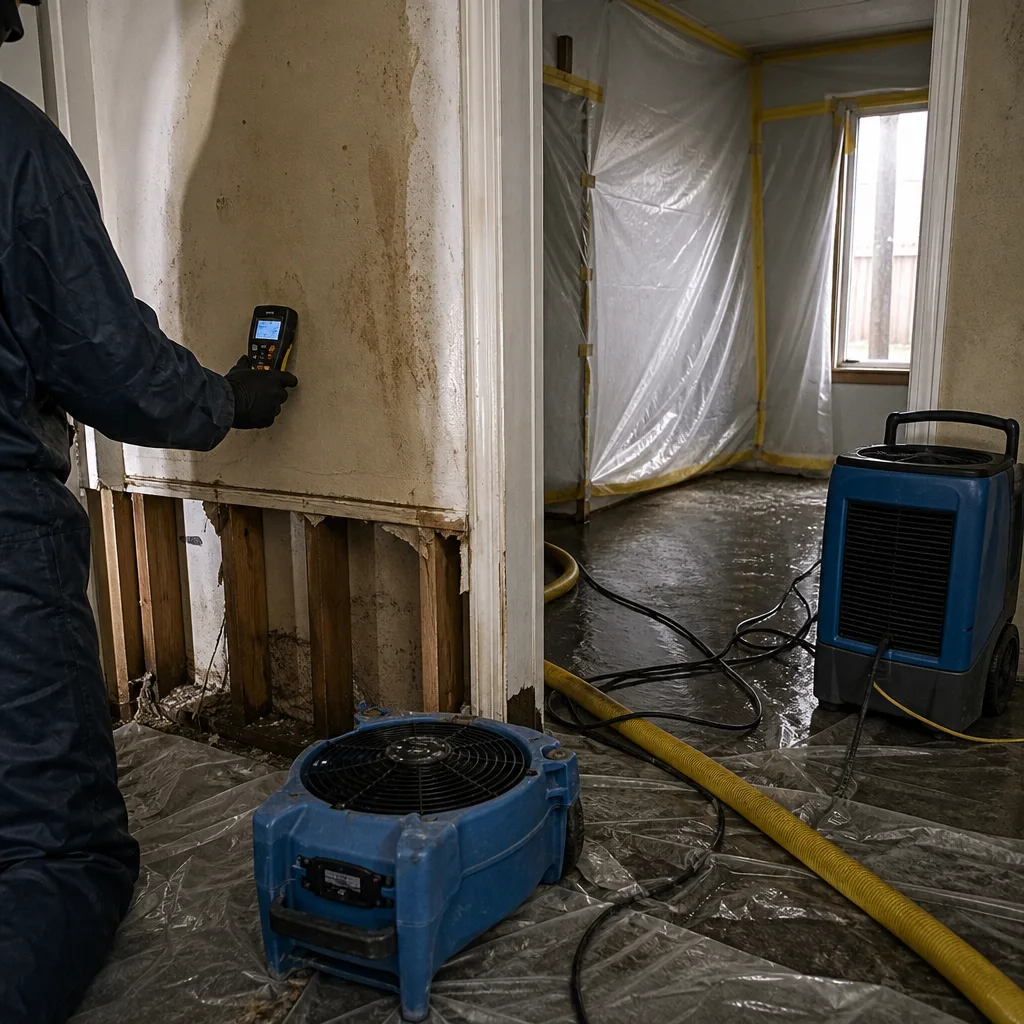 Before
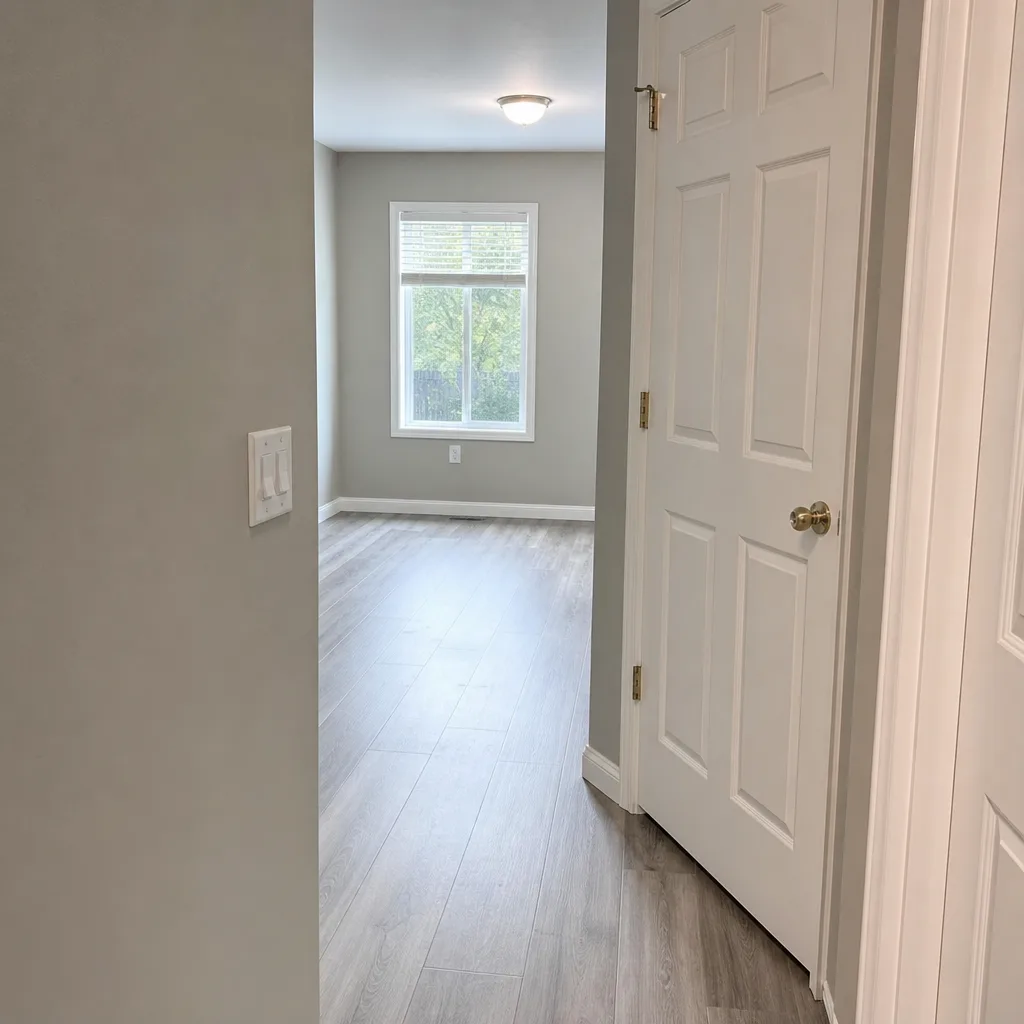 After
AfterDamage Restoration Permits, Codes & Inspections in WA: What You Need to Know
A Bothell homeowner sold a house two years after a water loss, only to discover at closing that the drywall replacement - done without a permit - triggered a failed inspection because the contractor hadn’t brought the insulation to current R-value code. The sale delayed 47 days. In Washington, restoration work that crosses specific thresholds triggers permit requirements most homeowners never hear about until they’re staring at a failed inspection report. This guide names those thresholds, walks through Bothell’s actual permit process, and shows how proper documentation turns permit sign-offs into claim-file assets that insurers accept without dispute. For Damage Restoration Warning Signs: A Bothell Homeowner’s Reference Guide, see our companion resource.
Quick Answer
Water damage restoration in Washington requires a permit when work involves structural elements, electrical or HVAC systems, or exceeds maintenance-level repair under RCW 19.27. Bothell homeowners must apply through the City of Bothell Community Development department, with most restoration permits taking 5-10 business days for initial review. Unpermitted work can void certificates of occupancy, delay home sales, and give insurers grounds to challenge whether repairs met current code. Our DIY vs Professional Damage Restoration: The Bothell Homeowner’s Decision Guide explores when professional oversight becomes essential.
Table of Contents
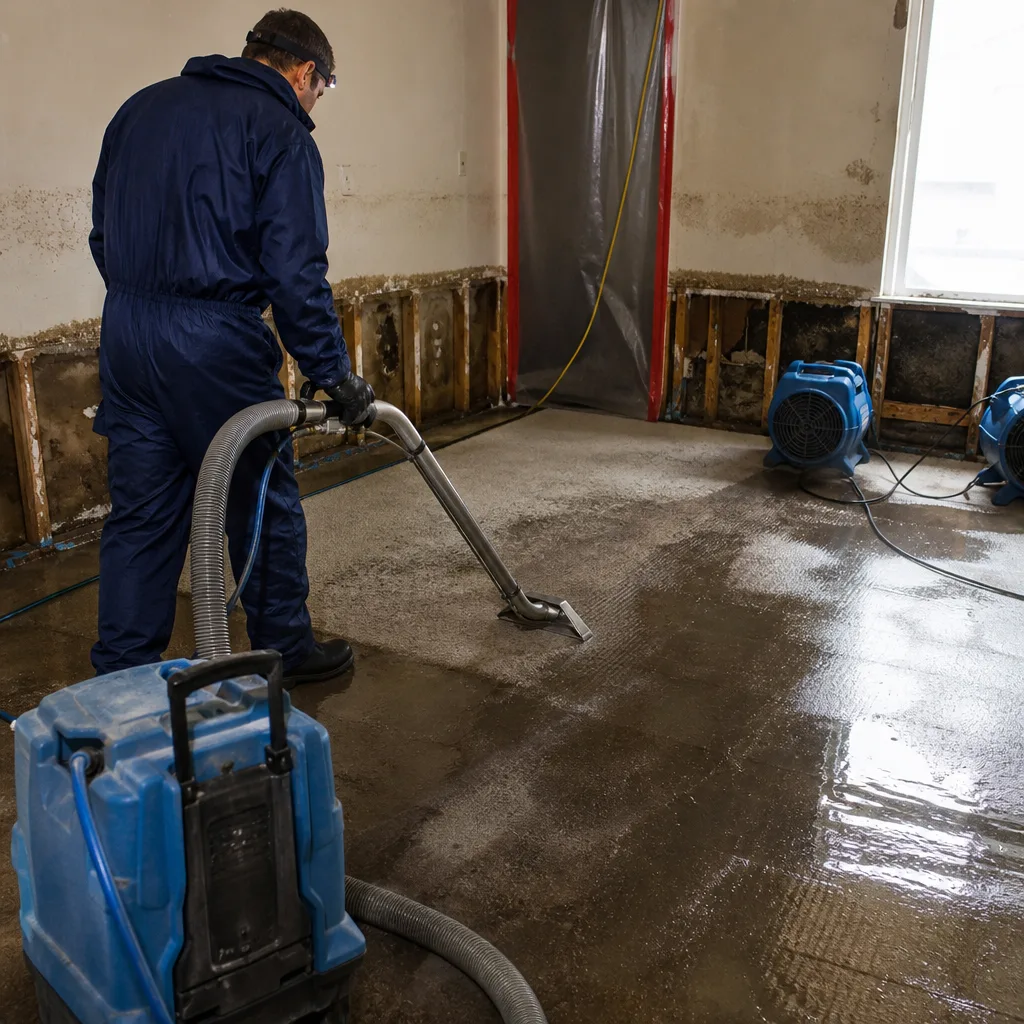
- RCW 19.27 Thresholds: When Restoration Becomes Construction
- Bothell’s Permit Process: Turnaround Times, Fees, and Inspection Steps
- Permit-Exempt vs. Permit-Required Restoration Tasks
- Documenting Permitted Work for Insurance Claims
- When Unpermitted Work Surfaces During a Current Claim
- Types of Inspections in Washington Restoration Projects
- What Permits and Inspections Cost in Bothell
- Common Mistakes to Avoid
- When to Call a Professional
- Frequently Asked Questions
BeforeAfterRCW 19.27 Thresholds: When Restoration Becomes Construction
Washington’s building permit law, codified in RCW 19.27, draws a line between maintenance and construction that restoration contractors cross more often than homeowners realize. The statute requires permits for any “construction, erection, alteration, repair, or improvement” of a structure - but leaves ambiguity around what counts as “repair” versus “replacement.” Local authorities having jurisdiction, or AHJs, interpret this boundary, and their interpretations vary across the state.
Three specific triggers consistently push restoration work into permitted territory in Washington:
- Structural element involvement. Any repair or replacement of load-bearing walls, floor joists, roof trusses, or foundation components requires a permit. In our work across Bothell, we regularly encounter water damage in crawl spaces where subfloor rot has spread to sill plates or rim joists. Once the repair extends beyond surface-level replacement into structural members, RCW 19.27 applies.
- System reconnection or modification. Electrical outlets moved or replaced after flooding, HVAC ductwork reinstalled after mold remediation, or plumbing lines rerouted after burst pipe damage all trigger electrical, mechanical, or plumbing permits. Even “like-for-like” replacement of an electrical panel after fire damage typically requires inspection in Washington, unlike some states with more permissive homeowner exemptions.
- Substantial improvement calculations. Under Washington’s floodplain management rules and local amendments, any repair costing more than 50% of the structure’s market value over a rolling period triggers full code compliance requirements. This threshold matters most in Bothell’s flood-prone areas near North Creek and the Sammamish River, where repeated water losses can accumulate toward the substantial improvement cap without a homeowner recognizing the pattern.
Bothell’s local amendment to the International Building Code adds another layer. The city requires permits for any work affecting the building envelope - exterior walls, roofs, windows, or doors - when the repair area exceeds 100 square feet in a single room or 200 square feet cumulative across the structure. We’ve seen basement finishing projects in the Maywood Hills area where water-damaged drywall replacement exceeded the 100-square-foot threshold, triggering an unexpected permit requirement that the original contractor had not flagged.
The climate factor here is real. Bothell’s wet season runs October through April, with annual precipitation near 40 inches and groundwater tables that rise dramatically in winter months. This means water damage events often involve saturated insulation, compromised vapor barriers, and extended drying timelines that increase the scope of necessary replacement. A seemingly contained crawl space loss in January can expand by March into a permit-triggering repair as secondary damage becomes visible.
Our documentation protocol addresses this uncertainty directly. On every job, we photograph the full affected area, measure square footage of damaged materials, and note any structural or system components involved. This assessment determines whether permit consultation with Bothell Community Development is warranted before work begins - not after materials are ordered and crews are scheduled.
Bothell’s Permit Process: Turnaround Times, Fees, and Inspection Steps
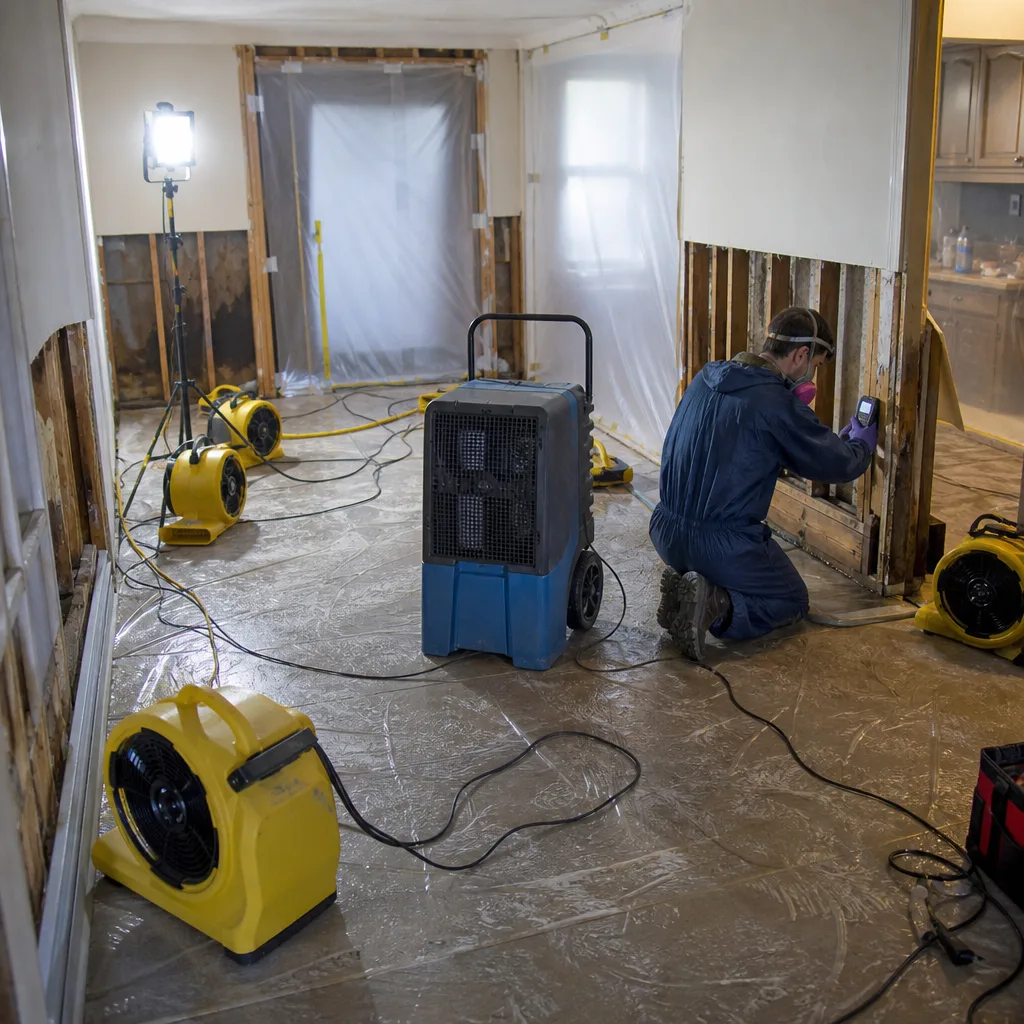
The City of Bothell Community Development department processes restoration-related permits through its Building Division, located at City Hall on 184th Street Southeast. Understanding their actual workflow saves time and prevents the common error of starting work while a permit sits in queue.
For standard restoration permits - typically classified as “repair” or “alteration” permits depending on scope - the current process runs as follows:
- Pre-application consultation (recommended, not required). Bothell offers free 15-minute consultations with plan reviewers to determine permit type. We use these routinely for complex losses, particularly in older Bothell neighborhoods like Downtown Bothell or the Finn Hill-adjacent areas where original construction predates modern codes.
- Application submission. Online through the Bothell Permits portal or in person. Required documents include: completed application, scope of work narrative, scaled drawings for structural or system work, and contractor registration verification. Washington requires all contractors on permitted work to carry current registration with the Department of Labor and Industries.
- Plan review. Simple repair permits (non-structural, no system changes) typically clear in 5 business days. Structural repairs or those involving electrical/mechanical/plumbing trade permits require 10-15 business days for initial review, with possible revision requests. Bothell’s current fee schedule charges plan review fees at 65% of the permit fee, applied toward the total.
- Permit issuance. Once approved, the permit must be posted on-site before work begins. Bothell requires the permit card visible from the street for exterior work, or at the work area for interior projects.
- Inspection scheduling. Call the automated inspection line or schedule online. Bothell offers next-business-day inspection for most trade categories if called before 3:00 PM. Same-day inspection is available for emergency situations with advance coordination.
- Final sign-off. All required inspections must pass before the permit receives final status. This signed documentation becomes part of the property’s permanent record with Snohomish County.
Critical timing consideration: Bothell does not issue retroactive permits for work already completed. If a contractor begins demolition or installation before permit issuance, the city can require removal of finishes to verify concealed work, effectively doubling the project scope and cost. We’ve responded to three such situations in Bothell since 2019, all involving contractors who treated water damage restoration as “maintenance” without verifying permit status.
The permit record’s permanence matters for future transactions. Snohomish County’s property records include permit history, and title companies increasingly flag unpermitted work during sale preparation. The 47-day sale delay in our opening example originated not from the drywall work itself, but from the buyer’s lender requiring proof that all work met current code - proof that only a permitted, inspected, and signed-off project can provide.
Permit-Exempt vs. Permit-Required Restoration Tasks
Not all restoration work requires permitting, and understanding the boundary saves unnecessary cost and delay. Washington’s exemptions, detailed in RCW 19.27.074 and refined by local amendment, cover specific narrow categories that restoration contractors encounter regularly.
Generally permit-exempt in Bothell:
- Like-for-like replacement of fixtures (toilets, sinks, faucets) where no plumbing rough-in is modified
- Non-structural drywall replacement under 100 square feet in a single room, or 200 square feet cumulative
- Floor covering replacement (carpet, vinyl, laminate) over existing subfloor
- Interior painting, including stain-sealing after smoke damage
- Cabinet replacement in existing locations without electrical or plumbing modification
- Window or door replacement of identical dimensions in existing openings (note: Bothell requires permit if the opening is enlarged or the unit type changes, such as from single-hung to sliding)
Consistently permit-required:
- Any electrical work beyond fixture replacement, including outlet or switch replacement after water exposure
- HVAC ductwork modification, relocation, or reconnection after damage
- Structural framing repair or replacement, including subfloor over joists
- Plumbing rough-in modification, including pipe rerouting after freeze damage
- Roof deck repair or replacement exceeding one square (100 square feet)
- Foundation or seismic retrofit work, common in Bothell’s hillside construction on the eastern slopes
- Insulation replacement where the original did not meet current R-value requirements - this is where our opening example failed
The insulation trigger surprises homeowners most frequently. Washington’s energy code, WSEC-R, updates periodically, and current R-value requirements for walls and attics often exceed what was installed in Bothell homes built before 2015. When water-damaged insulation is removed, the replacement must meet current code - not the code in force at original construction. A permit ensures this compliance is verified by inspection; without one, the non-compliant insulation remains concealed until a future inspection or infrared scan reveals it.
Our written scopes specify permit status for every line item. Haven Standard, Clause 1 requires this transparency: the price we deliver before work begins includes permit costs where applicable, or explicit notation where work is exempt. No homeowner should discover permit requirements as a change order after demolition starts.
Documenting Permitted Work for Insurance Claims
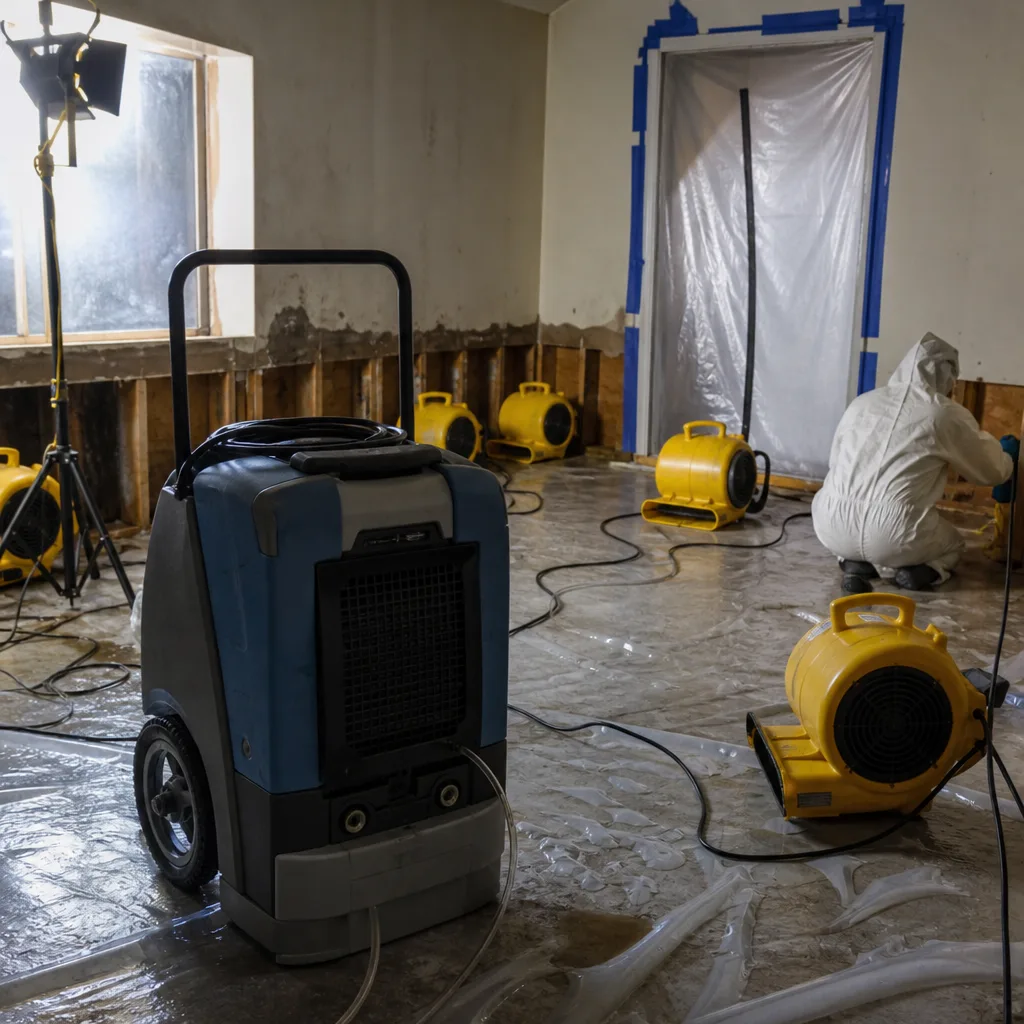
Permit documentation and insurance claims intersect at a point most restoration companies ignore. The insurer’s question is not merely whether work was done, but whether work was done to a verifiable standard that the insurer can defend if challenged. A permit with passed inspections provides that verification in a form adjusters recognize immediately.
We structure our documentation to make permit sign-offs part of the claim file, not an afterthought:
- Permit application copy attached to initial scope. Before work begins, our written scope includes the permit application number, permit type, and estimated fee. This goes to the homeowner and, with authorization, to the assigned adjuster. The transparency eliminates the common adjuster concern that “hidden” permit costs will appear later.
- Inspection records photographed and logged. Each inspection visit is documented with date-stamped photos of the inspector’s sign-off on the permit card. These images join our standard photo record, which documents every job site visit under The Haven Standard.
- Final sign-off scanned and delivered with completion packet. The homeowner receives: final invoice, moisture log showing drying completion to IICRC S500 standards, photo record of all visits, and permit final sign-off. For insurance-paid work, this same packet goes to the adjuster with a cover summary indexing each document.
The practical effect is measurable. In our experience with over 12,000 homes restored since 2011, claims with complete permit documentation close faster and with fewer supplement requests. Adjusters can verify code compliance without independent investigation. The documentation answers their unspoken question: “If I’m asked to justify this payment, what evidence do I have?”
Bothell’s specific form matters here. The city uses a unified permit card with inspection checkboxes for each trade. A completed card with all boxes signed is unambiguous evidence of compliance. We scan these at 300 DPI, archive originals for seven years, and include them in every completion packet.
For work involving our Dri-Eaz and Phoenix drying systems, the moisture log adds another documentation layer. Psychrometric data - temperature, relative humidity, and vapor pressure differential readings taken daily - demonstrates that drying met technical standards before reconstruction began. This matters when permit inspections occur mid-process: an inspector can verify that structural members were dry before insulation and drywall went in, preventing the mold callbacks that unpermitted rushed jobs produce.
When Unpermitted Work Surfaces During a Current Claim
The most complex permit situations we encounter involve previous owners’ unpermitted restoration, discovered only when new damage opens walls or ceilings. This scenario has increased in Bothell’s competitive housing market, where rapid flips and investor sales often prioritize speed over documentation.
Washington’s substantial improvement rules, applied locally by Bothell’s AHJ, create a contractor obligation that surprises homeowners: when unpermitted work is exposed, current repairs must bring the affected area to current code, even if the original work was “grandfathered” at the time. The logic is that the demolition for current restoration removes the physical basis for any grandfather claim.
We’ve encountered this in three typical Bothell situations:
- Crawl space water losses in pre-1990 homes. Original construction often lacked vapor barriers or used minimal insulation. When a current leak requires subfloor removal, the exposed crawl space must meet current WSEC-R standards - meaning full ground cover, perimeter insulation, and often mechanical ventilation that wasn’t originally present.
- Kitchen water damage in flipped properties. Investor renovations frequently skip permits for “cosmetic” work that actually involved electrical or plumbing modification. When our moisture mapping reveals water migration behind cabinets, removal exposes unpermitted wiring or piping that must be brought to code before the current repair can proceed.
- Basement finishing in Sammamish River floodplain areas. Finished basements below grade require specific flood-resistant materials and methods under Bothell’s FEMA floodplain amendments. Unpermitted finishing work, common in 1980s-1990s construction, must be remediated to current standards when current damage requires access.
The cost implication is significant and often uncovered only after work begins. Our written scopes include a contingency clause addressing this possibility: if unpermitted prior work is discovered, we document it photographically, halt affected work, and submit a revised scope within 24 hours. Haven Standard, Clause 1 applies to the revision - a written price before any additional work proceeds.
Insurance coverage for code-upgrade costs varies by policy. Washington standard HO-3 policies typically include limited ordinance or law coverage, often 10-25% of the dwelling limit, specifically for this scenario. We document the code trigger, the prior unpermitted condition, and the specific code section requiring upgrade - the three elements adjusters need to activate this coverage.
Types of Inspections in Washington Restoration Projects
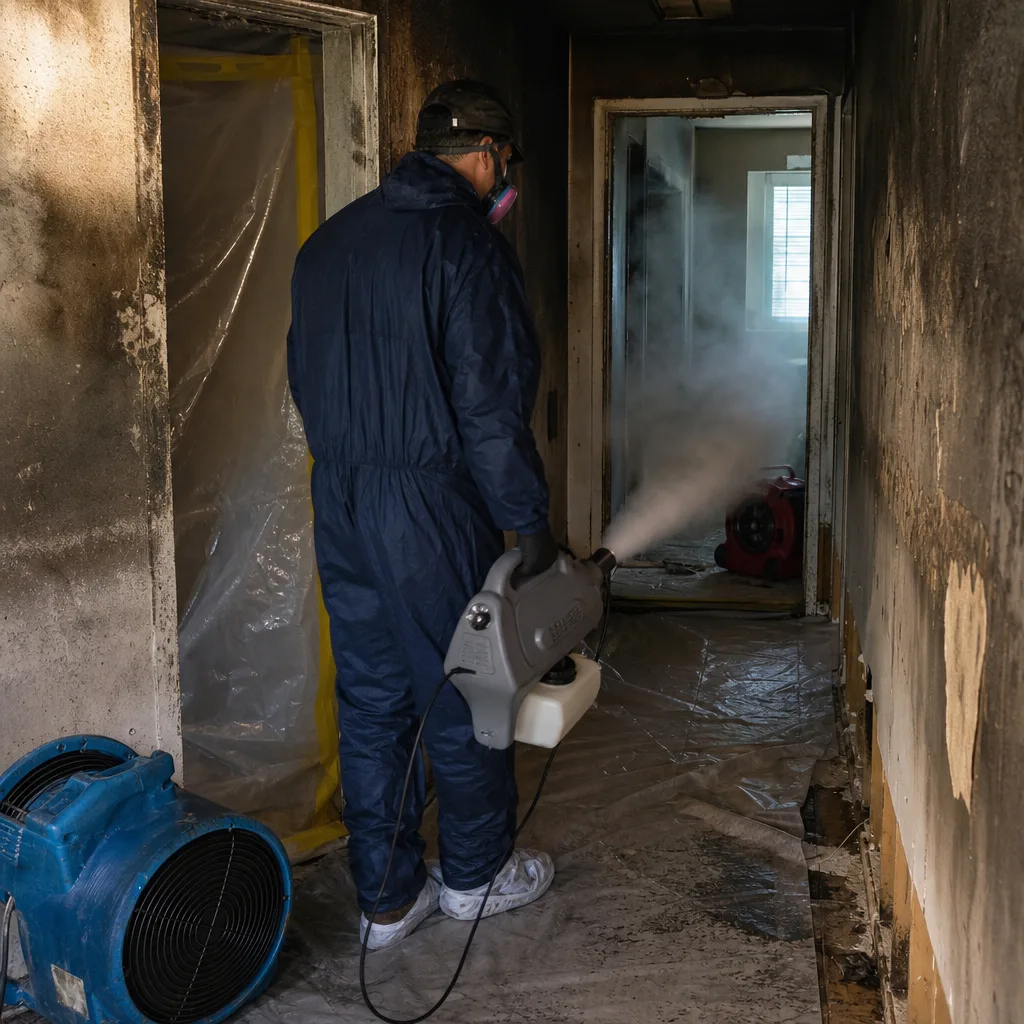
Permits generate inspections, and understanding which inspections apply prevents scheduling errors that delay project completion. Bothell’s Building Division conducts or coordinates several inspection types relevant to restoration work:
Rough inspection. Occurs before finishes conceal structural, electrical, mechanical, or plumbing work. For water damage restoration, this typically means inspection of framing, insulation, and rough electrical or mechanical before drywall installation. Bothell requires 24-hour notice for rough inspections, and the inspector must observe all trades that will be concealed. A common error is closing walls after structural inspection but before electrical or mechanical sign-off, requiring re-opening.
Insulation inspection. Specific to Washington’s energy code compliance. The inspector verifies R-value, installation quality (no compression gaps), and vapor barrier placement. In Bothell’s climate zone (Zone 4C, marine), wall insulation must achieve R-21 in new construction or substantial rehabilitation; attic insulation R-49. This inspection occurs after rough framing but before drywall, a narrow window that requires precise scheduling.
Final inspection. Verifies completed work against approved plans and code requirements. The inspector checks finish quality, operational fixtures, and accessibility compliance. For restoration work, final inspection also confirms that no damage remains concealed - a protection against contractors who patch visible areas while leaving hidden moisture.
Fire damage-specific: smoke and egress verification. Fire restoration involving bedroom modifications or egress window replacement triggers additional inspection for emergency escape and rescue opening compliance, per IRC R310. Bothell enforces this strictly in basement bedroom conversions, a common fire restoration scenario.
Our field supervisors carry inspection checklists derived from Bothell’s published guidelines, matched to each permit type on the job. This prevents the missed inspection that voids a permit: we’ve seen contractors complete beautiful rebuilds only to discover they never called for insulation inspection, requiring drywall removal to verify what was already done correctly.
What Permits and Inspections Cost in Bothell
Permit costs in Bothell follow a structured fee schedule that restoration contractors should disclose upfront. Haven Standard, Clause 1 requires this transparency in our written scopes.
Current Bothell fee categories for typical restoration work:
- Building permit (repair/alteration, non-structural): Based on project valuation. For work valued $1,000-$5,000, the permit fee runs approximately $150-$280, plus plan review fee at 65%. Most contained water damage drywall and flooring replacement falls in this range.
- Building permit (structural repair): Higher valuation bracket, typically $300-$600 for joist or subfloor repair in a single room. Plan review required, adding 65%.
- Electrical permit: Per-circuit or per-fixture fee structure. Outlet or switch replacement: approximately $50-$75 per device. Panel replacement: $200-$350 depending on amperage.
- Mechanical permit (HVAC): $150-$250 for ductwork modification or reconnection. Includes one rough and one final inspection.
- Plumbing permit: $100-$200 for fixture replacement with rough-in modification; $50-$75 for like-for-like replacement (though the latter is typically permit-exempt).
- Re-inspection fee: $100-$150 if an inspection fails and must be repeated. This cost is avoidable with proper preparation - our crews verify readiness before calling for inspection.
- Certificate of occupancy or completion: Included in permit fee for most restoration work; separate $50 fee if requested after permit closure for documentation purposes.
Total permit costs for a typical whole-room water damage restoration with electrical and insulation components: $400-$800. For fire restoration involving structural, electrical, mechanical, and plumbing trades: $1,200-$2,500. These figures appear in our written scopes as line items, not buried in overhead.
The cost of not permitting is harder to quantify but consistently higher. The 47-day sale delay in our opening example cost the seller temporary housing, extended mortgage payments, and eventual price reduction. A failed insurance claim due to unpermitted work can leave the homeowner with full restoration costs. The permit fee is predictable; the unpermitted consequence is not.
Common Mistakes to Avoid
- Assuming “restoration” is exempt from permits. Washington law does not recognize restoration as a permit category. The work type - structural, electrical, mechanical - determines permit status, not the cause of damage. We verify permit requirements for every job, regardless of how it is described by the homeowner or adjuster.
- Starting demolition before permit approval. Bothell prohibits work before permit posting. Early demolition can result in stop-work orders, doubled fees, and requirement to expose concealed work for inspection. Our schedules build in permit lead times; emergency mitigation (water extraction, initial drying) proceeds under separate emergency work authorization that does not constitute “construction.”
- Using unregistered contractors for permitted work. Washington requires L&I registration for all contractors on permitted projects. Bothell verifies registration at permit application. Using an unregistered contractor voids the permit and exposes the homeowner to liability. We verify and document our registration status on every permit application.
- Ignoring insulation code upgrades. The most common post-permit failure we see in Bothell involves insulation that meets the original construction R-value but not current WSEC-R requirements. Our scopes specify current code compliance for all insulation replacement, with the specific R-value documented.
- Neglecting to request final sign-off documentation. A permit is not closed until final inspection passes and the permit card is signed. Homeowners should request and retain this documentation; we provide it as standard in our completion packet. Without it, the permit remains open in city records, creating title issues later.
- Failing to disclose unpermitted prior work to current contractors. If you know of previous restoration without permits, disclose it before work begins. Discovery mid-project triggers substantial improvement rules and cost revisions that could have been anticipated. Our initial assessment includes questions about prior damage history specifically to surface this issue.
When to Call a Professional
Call a licensed restoration contractor when damage involves structural elements, electrical or HVAC systems, or when the affected area exceeds 100 square feet. Our How to Hire a Damage Restoration Contractor in Bothell: A Step-by-Step Guide can help you evaluate candidates. Call when you discover previous restoration work without documentation, or when an insurer questions whether repairs met code. Call before starting any work that might trigger permit requirements - the consultation costs nothing compared to a stop-work order or failed inspection.
DryMark Restoration Bothell offers free estimates in Bothell. Every estimate includes permit status assessment, written scope with line-item pricing, and documentation of what you’ll receive - photo records, moisture logs, and permit sign-offs where applicable. Call (425) 696-6061.
Frequently Asked Questions
Yes, when restoration involves structural elements, electrical or HVAC systems, or exceeds maintenance-level repair thresholds under RCW 19.27. Simple drywall replacement under 100 square feet and like-for-like fixture replacement are typically exempt, but any system work or structural repair requires permitting through your local AHJ. Call (425) 696-6061 for a free assessment of your specific situation - estimates include permit status documentation.
Simple repair permits clear in 5 business days; structural or multi-trade permits require 10-15 business days for initial review. Bothell offers free pre-application consultations to confirm permit type and required documents. Plan for this timeline in your project schedule - starting work before permit issuance risks stop-work orders and doubled fees.
Most standard HO-3 policies include ordinance or law coverage for code-required upgrades, typically 10-25% of the dwelling limit. Permit fees themselves are usually covered as part of the repair cost if the work is covered by the policy. We document permit requirements in our written scopes and coordinate with adjusters to confirm coverage before work begins.
Unpermitted work can void certificates of occupancy, trigger failed inspections, and delay or derail sales. Title companies increasingly flag permit gaps, and lenders may require proof of code compliance. The only remedy is to obtain retroactive documentation, which Bothell does not issue - or to reopen walls for inspection, effectively redoing the work. Proper permitting at the time of restoration prevents this entirely.
Mold remediation itself - removal and cleaning - typically does not require a building permit. However, if remediation involves removing and replacing drywall over 100 square feet, modifying HVAC systems, or addressing moisture sources through structural repair, those components trigger permit requirements. Mold remediation in Bothell should include permit assessment as part of the initial scope.
Request the permit number and verify it through the Bothell Permits portal or by calling Community Development. Confirm the permit status is “issued” before work begins and “final” at completion. We provide permit documentation in every completion packet, with inspection records scanned and indexed for immediate verification.
The Bottom Line
Washington restoration permits are not bureaucratic obstacles - they are documentation tools that protect your property value, insurance claim, and future sale. The thresholds that trigger permits under RCW 19.27 are specific and knowable. Bothell’s process is transparent and timeable. The cost of permitting is predictable; the cost of skipping it is not. Document every permit, every inspection, and every sign-off as part of your restoration record. The homeowner who can produce a complete permit file closes claims faster, sells without surprises, and sleeps without wondering what hides behind the drywall. Explore more guides & resources to protect your property at every stage.
Written by Alicia Brennan, Owner at DryMark Restoration Bothell, serving Bothell since 2011.