
Last updated September 23, 2026
Free visual inspection and a written scope of work before any mitigation begins - photos, moisture readings, and drying logs go in your claim file
The scope we write is the scope we bill. Anything new gets shown to you, in writing, before we touch it.
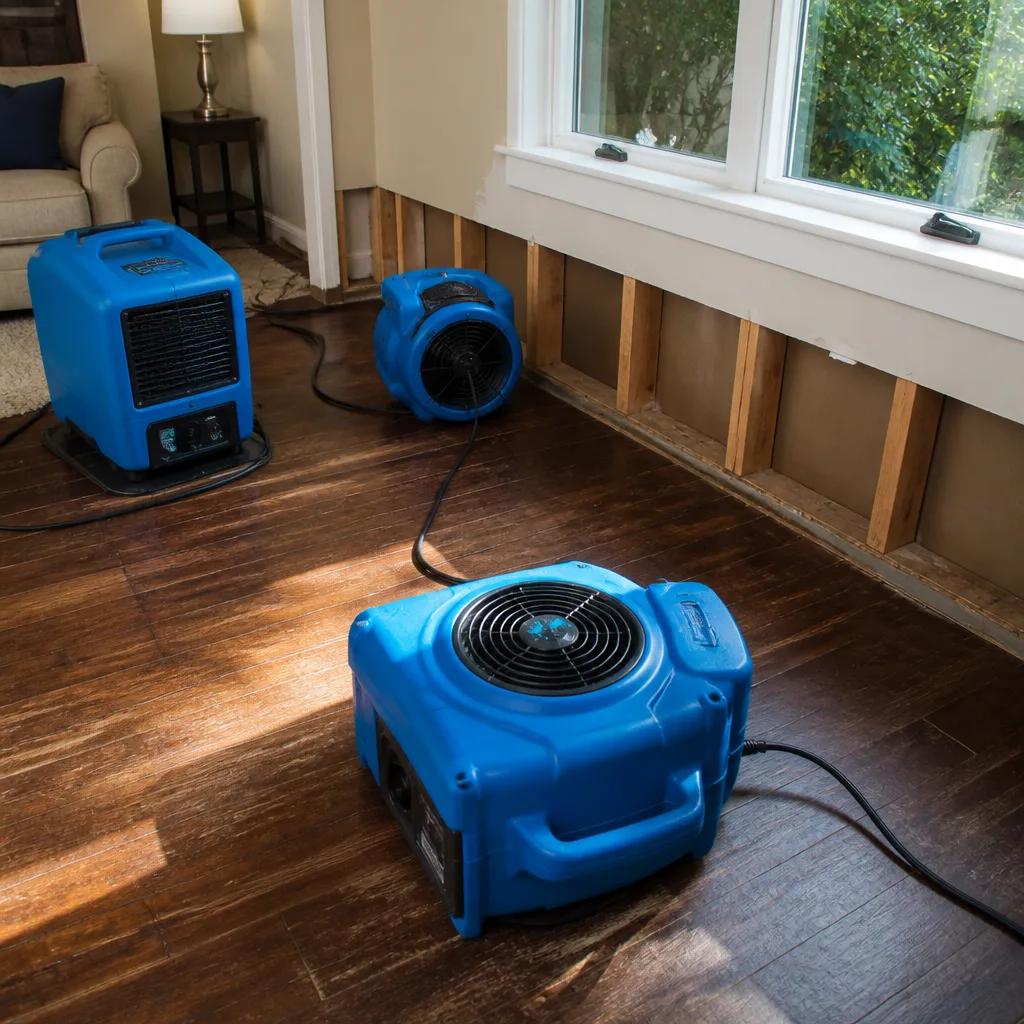
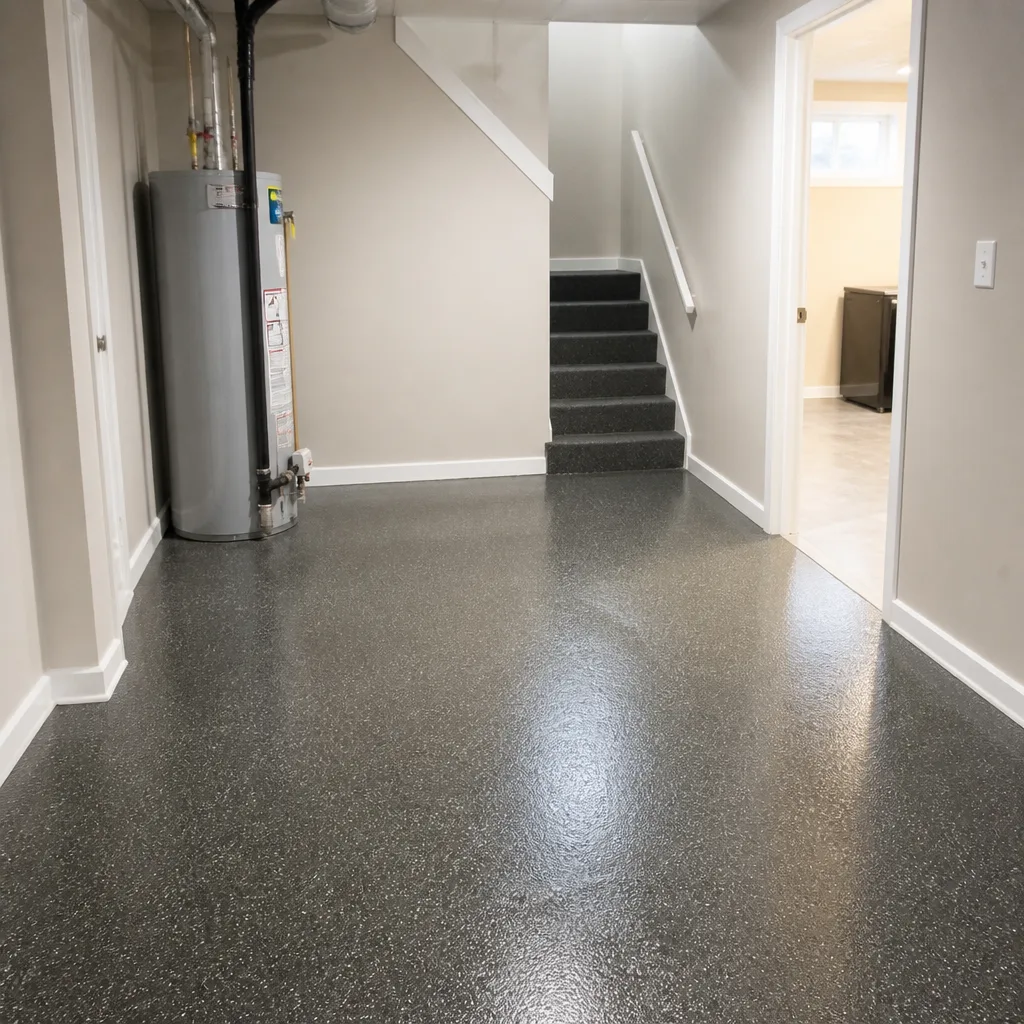

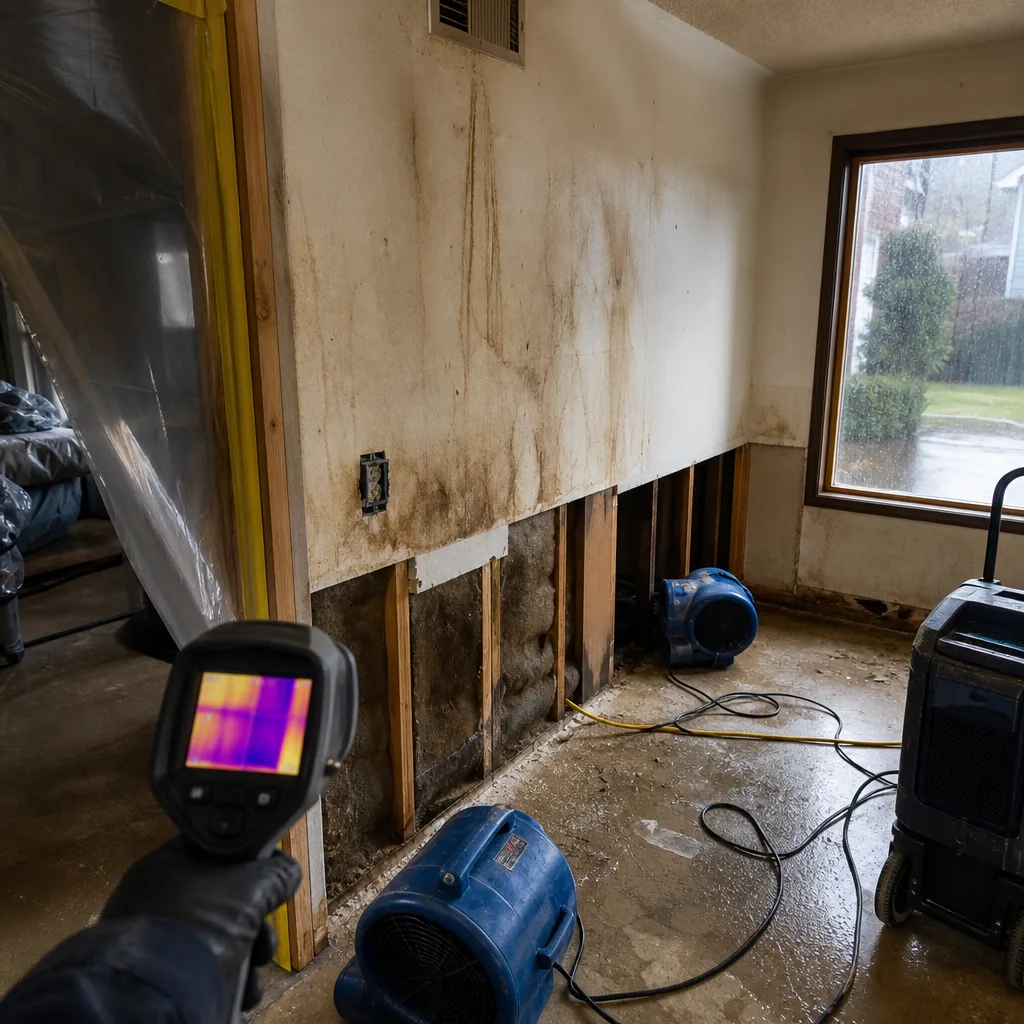 Before
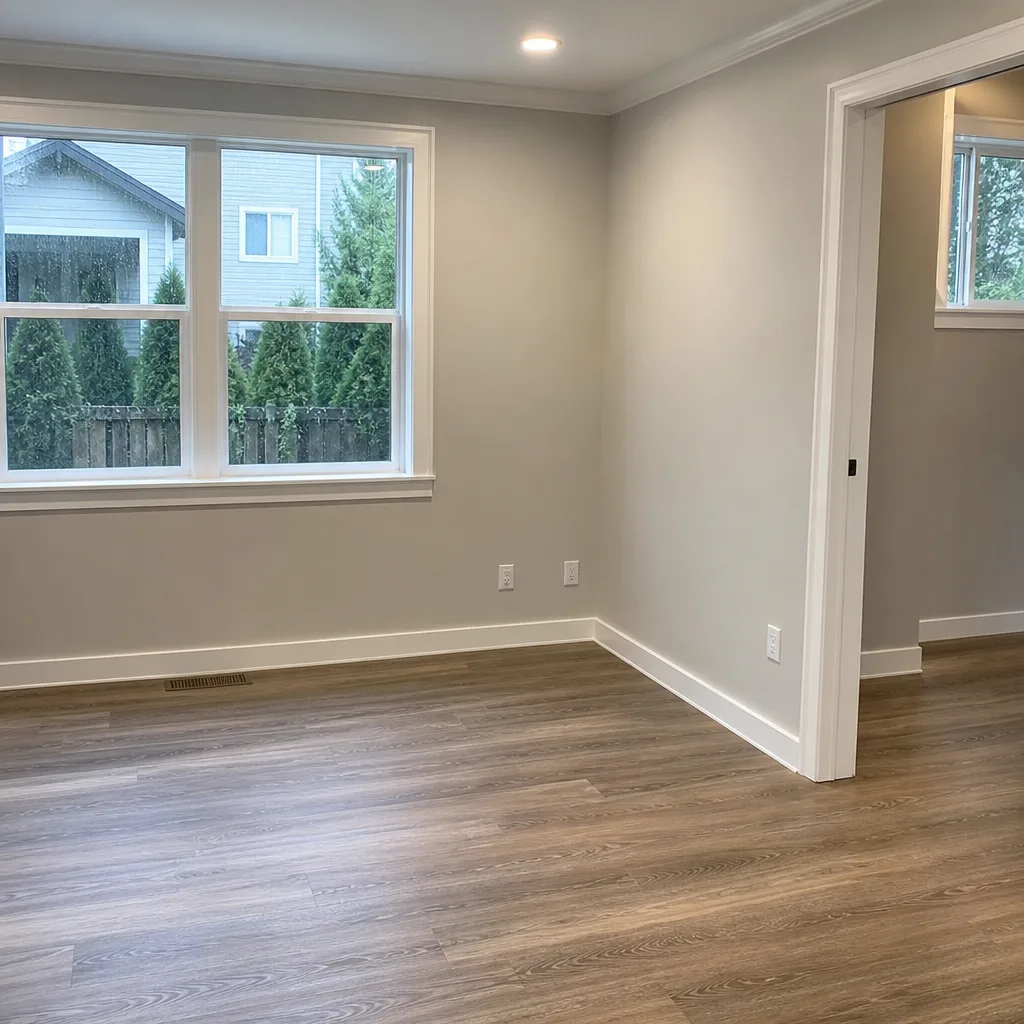 After
After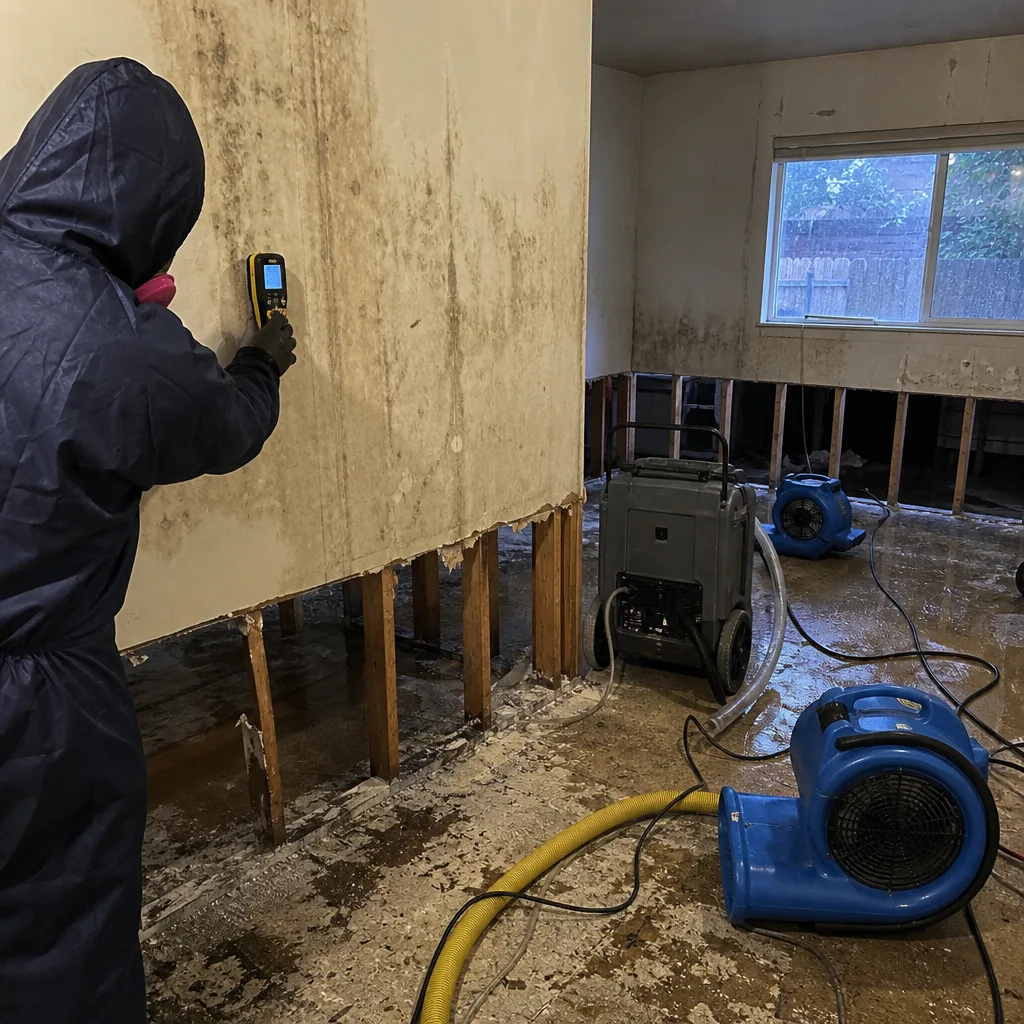 Before
 After
After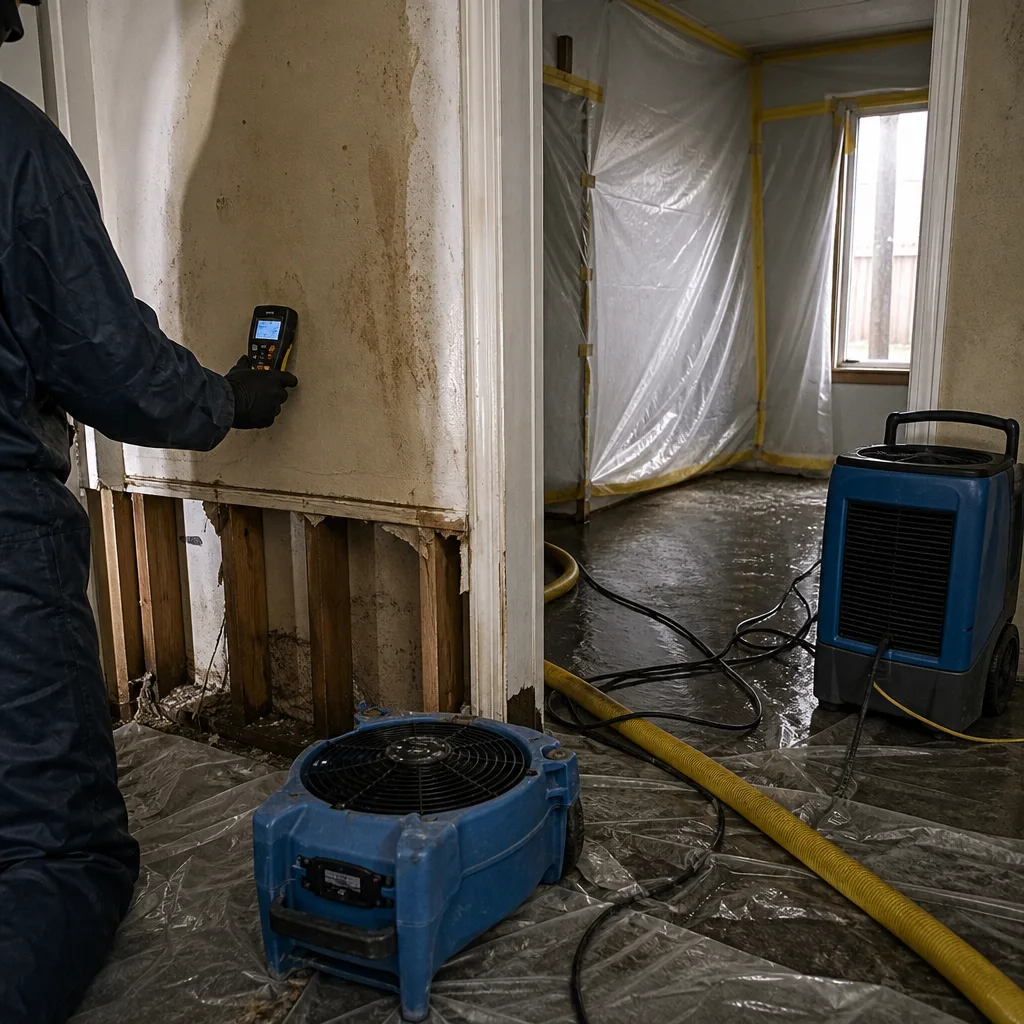 Before
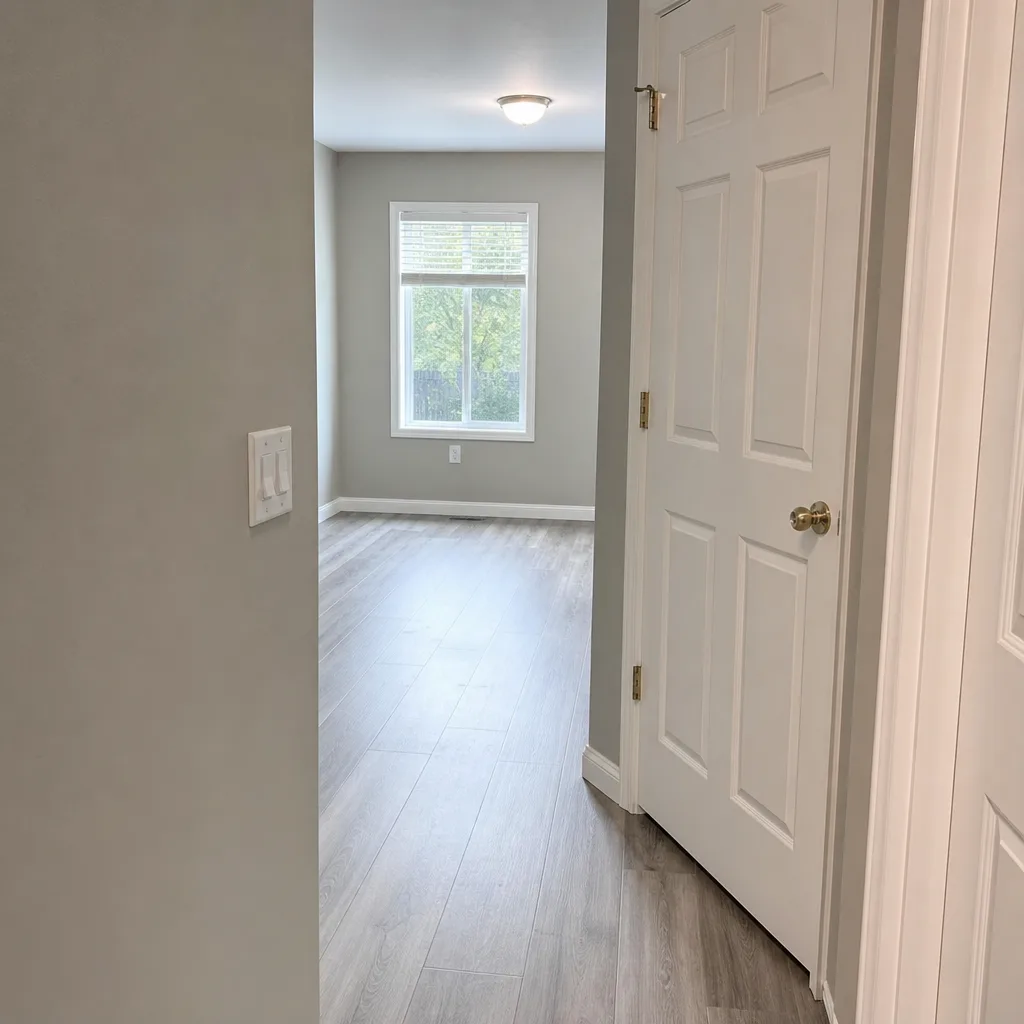 After
AfterDamage Restoration Warning Signs: A Bothell Homeowner’s Reference Guide
A musty smell in a Bothell crawl space is not a warning sign - it is a lagging indicator. The warning sign was a relative humidity reading above 70% that existed, undocumented, for the three weeks before the smell became noticeable. In our work across Bothell since 2011, we’ve found that homeowners who rely on visual cues alone typically discover water damage 14 to 21 days after the moisture event that caused it. By then, the moisture content in adjacent framing has often reached the 16% threshold where mold colonization accelerates, and the documentation gap has already begun to complicate their insurance claim. This guide pairs every visible warning sign with the instrument reading that confirms it and the documentation step that timestamps the discovery - so you can act before the lagging indicator appears and protect both your home and your coverage.
Quick Answer
The earliest warning signs of home damage in Bothell are instrument readings, not visual changes: moisture meter readings above 16% in wood framing, relative humidity above 60% in crawl spaces or attics, and thermal camera temperature differentials of 4°F or more indicating evaporative cooling behind surfaces. Visible signs - staining, warping, odor - typically appear only after these thresholds have been exceeded for days or weeks. Document every reading with a timestamped photo; this establishes your date of loss and distinguishes sudden-and-accidental damage from long-term neglect in the eyes of your insurer. For a deeper look at how to evaluate your options, see our DIY vs Professional Damage Restoration: The Bothell Homeowner’s Decision Guide.
Table of Contents
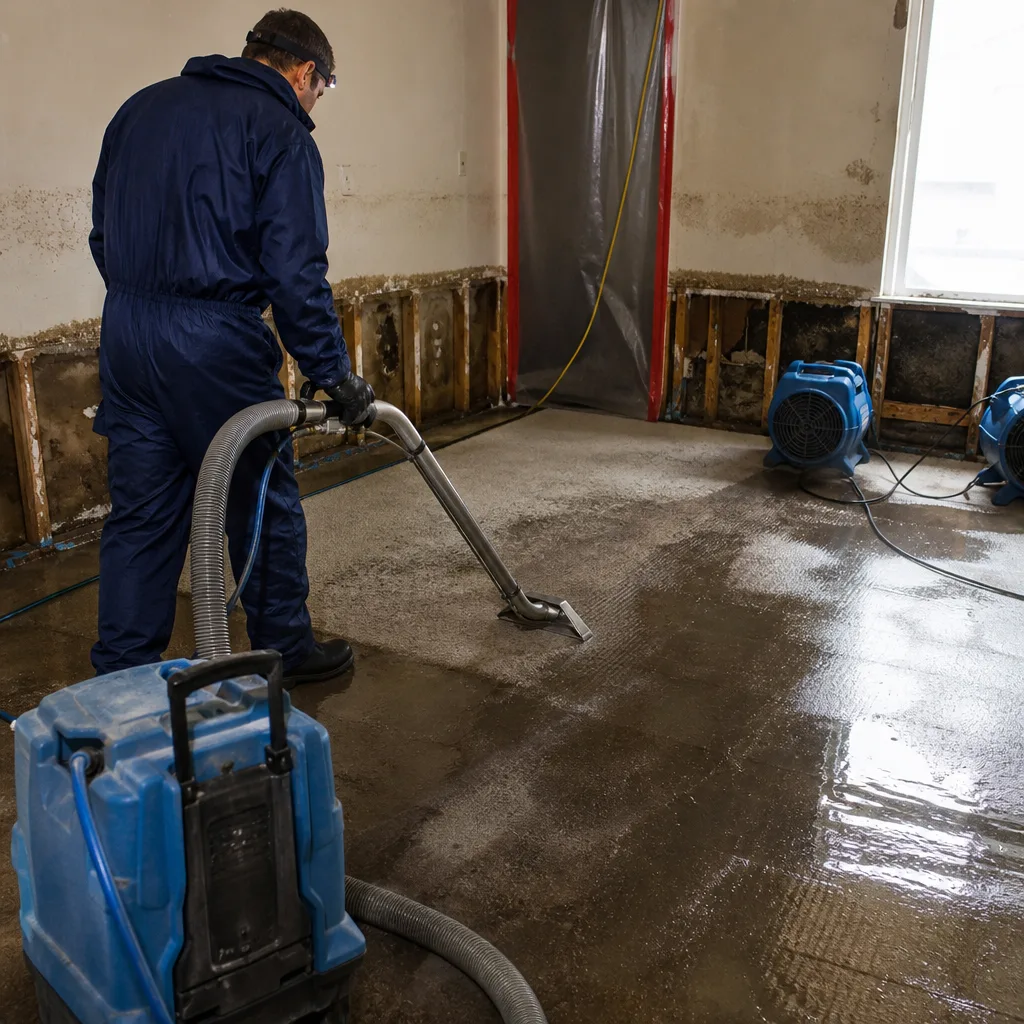
- Water Damage Warning Signs: From Reading to Reality
- Mold Warning Signs: When Smell Becomes Evidence
- Fire & Smoke Damage Warning Signs: The Hidden Residue
- Storm & Disaster Warning Signs: Bothell’s Specific Risks
- Sewage & Biohazard Warning Signs: Category Confusion
- Symptom-to-Reading Translation Table
- Documentation That Protects Your Insurance Claim
- Bothell-Specific Failure Patterns
BeforeAfterWater Damage Warning Signs: From Reading to Reality
Water damage in Bothell homes follows a predictable sequence that most homeowners miss entirely. The Pacific Northwest’s year-round precipitation, combined with Bothell’s particular soil composition of glacial till and compacted clay, creates hydrostatic pressure patterns that push moisture through foundation walls differently than in drier climates. Our Seasonal Damage Restoration Care for Bothell: Year-Round Homeowner’s Guide breaks down how these patterns shift throughout the year. Here’s what actually happens, and what to measure.
The pre-visual phase (Days 1-7): Before you see anything, water is moving. A pinless moisture meter pressed against drywall will read 12-15% in normal conditions. When the reading climbs to 16-20%, the gypsum core is absorbing liquid but the paper facing may still appear dry. At 20% and above, the paper facing begins to delaminate - this is typically when the first visual sign, a slight discoloration, becomes noticeable under raking light. A thermal imaging camera will show the evaporative cooling pattern earlier: a 4°F or greater temperature differential between the wet area and surrounding dry material indicates active moisture migration.
The visible phase (Days 7-21): Paint bubbling, joint tape loosening, and baseboard swelling appear. But these are symptoms of sustained saturation, not the event itself. In Bothell’s older neighborhoods like Water Damage Restoration in Bothell serves, we’ve documented cases where homeowners noticed a “small stain” that moisture mapping revealed as 40+ square feet of affected wall cavity, with readings of 28% in the studs.
The critical threshold: Wood moisture content above 20% for more than 72 hours triggers fungal growth conditions. Below 20%, most wood-destroying fungi remain dormant. The difference between 18% and 22% is not incremental - it is the line between drying and demolition.
What to document:
- Photograph the suspected area with a ruler or coin for scale, timestamp enabled on your camera.
- Take a moisture meter reading in the affected area and in an unaffected control area of the same material.
- Record the relative humidity within 3 feet of the affected area using a basic hygrometer (available for $15-30).
- Note any recent weather events, plumbing usage changes, or maintenance activities.
- Email these to yourself or cloud storage to establish the date of discovery.
This documentation sequence takes under 10 minutes and creates the evidentiary foundation that distinguishes sudden-and-accidental loss from gradual damage in insurance terms.
Mold Warning Signs: When Smell Becomes Evidence
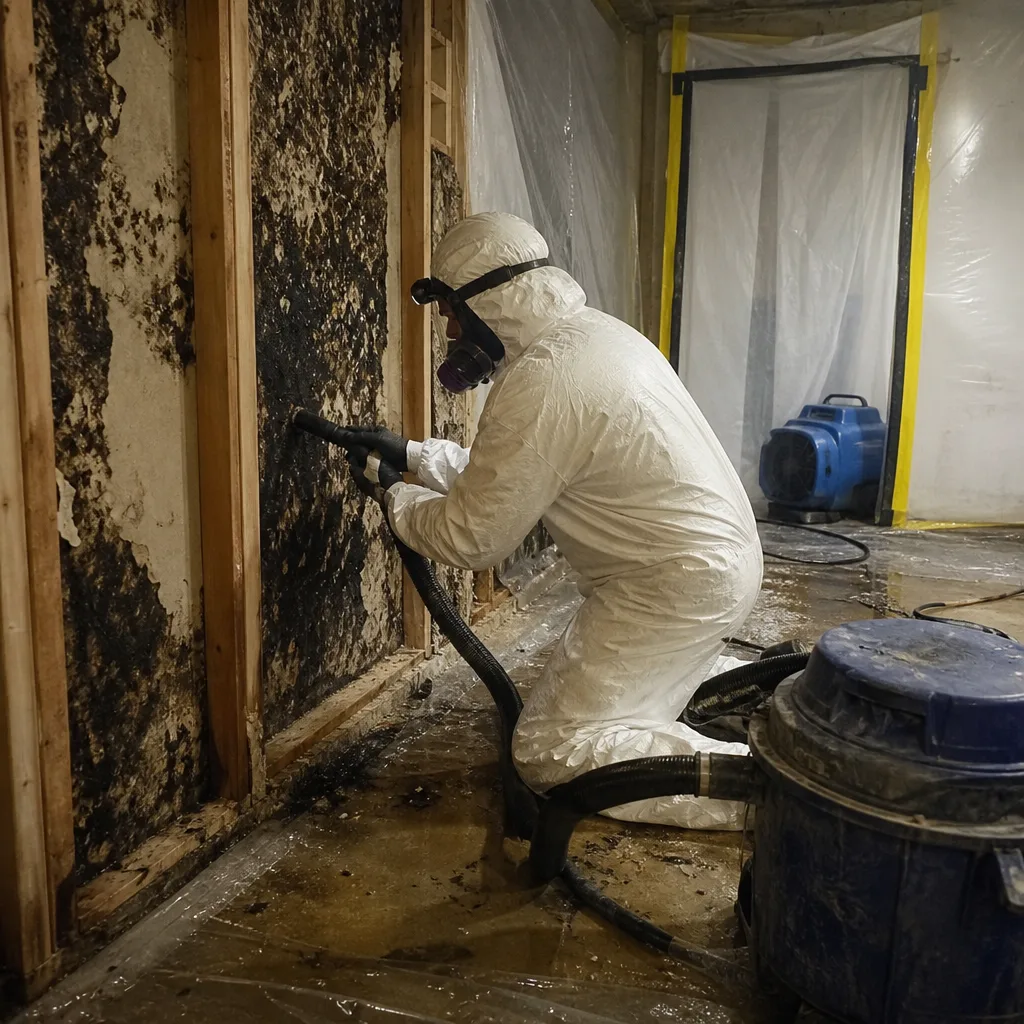
Mold in Bothell homes rarely announces itself visually before it has established a viable colony. The “musty smell” homeowners report is actually a complex of microbial volatile organic compounds (MVOCs) released during active fungal metabolism. By the time MVOC concentration reaches human detection threshold - typically 0.5 to 2 parts per billion - the colony has been active for days or weeks.
The instrument readings that precede odor:
- Relative humidity above 60% in any enclosed space for 48+ hours creates conditions for spore germination on organic surfaces.
- Equilibrium moisture content (EMC) above 14% in wood at 70°F and 60% RH - this is the point where wood begins to adsorb enough moisture to support fungal growth.
- Vapor pressure differential exceeding 0.5 inches of mercury between the interior of a wall cavity and the conditioned space, driving moisture inward.
We define these terms plainly: vapor pressure differential is simply the force that pushes water vapor from where there’s more to where there’s less. When the crawl space under your Bothell home reaches 75% RH and your living space is at 45% RH, that 30-point gap creates a measurable pressure that drives moisture through subflooring and into wall cavities.
Visual signs that actually matter: Fuzzy or powdery growth on any surface is obvious, but earlier indicators include:
- Darkening of grout lines in bathrooms - not staining, but a subtle shift toward gray or black that doesn’t scrub off.
- “Ghosting” on ceiling drywall: faint, irregular patterns that follow framing members, indicating temperature differentials where condensation occurs.
- Corrosion on metal fasteners or HVAC registers in specific locations - moisture accelerates oxidation.
In Mold Remediation in Bothell, we regularly encounter homes in the Finn Hill and North Creek areas where crawl space ventilation was “improved” by adding vents, which in Bothell’s cool, humid climate actually increases relative humidity by drawing in more moisture-laden air. The warning sign was a crawl space RH reading of 78% - the mold followed within six weeks.
Safety caveat: Disturbing visible mold growth releases spores into respirable range. Do not scrub, vacuum, or apply bleach to suspected mold colonies larger than a square foot. Bleach on porous materials can actually feed fungal growth by adding water and altering surface pH. Document with photos and call a certified remediation professional. IICRC S520 standards require containment and negative air pressure for any remediation exceeding 10 square feet of contiguous growth.
Fire & Smoke Damage Warning Signs: The Hidden Residue
Not all fire damage is obvious, and the most expensive claims we see in Bothell often start with a “small kitchen fire” that was extinguished quickly but not properly remediated. Smoke residue is acidic and hygroscopic - it attracts moisture from the air - which means it continues to damage surfaces long after the flames are out.
Immediate warning signs (0-72 hours):
- Soot tagging: Black, web-like deposits forming near ceiling corners and on walls. This is not spider webs; it is ionized soot particles attracted to charged surfaces. The “smoke webs” indicate incomplete combustion and significant residue load.
- Corrosion on metal surfaces: Brass and copper fixtures tarnishing within 24-48 hours. This signals acid residue levels that will damage electronics and etch glass if not neutralized.
- Odor persistence: A “burnt” smell that returns after ventilation. This indicates porous materials - drywall, insulation, unfinished wood - have absorbed smoke compounds and are off-gassing.
The documentation problem with smoke damage: Unlike water damage, smoke residue is not always visible under normal lighting. We use ultraviolet light inspection to reveal residue patterns that the unaided eye misses. A UV flashlight ($10-20) will show fluorescent staining on surfaces that appear clean. Photographing these patterns under UV establishes the extent of contamination for insurance purposes.
Bothell-specific consideration: Homes built between 1965 and 1985 in Bothell’s original downtown and Canyon Park areas often contain acoustic ceiling tiles, duct liner, and other materials that are exceptionally porous to smoke. These assemblies cannot be cleaned - they must be removed. The warning sign is a persistent odor after surface cleaning; the confirmation is UV fluorescence in the HVAC return plenum, which in these older homes is often lined with exposed fiberboard.
We document Fire & Smoke Damage Restoration in Bothell with pre-cleaning and post-cleaning UV photos, plus volatile organic compound (VOC) readings using a photoionization detector. This creates the evidence trail that justifies replacement versus cleaning decisions to adjusters.
Storm & Disaster Warning Signs: Bothell’s Specific Risks
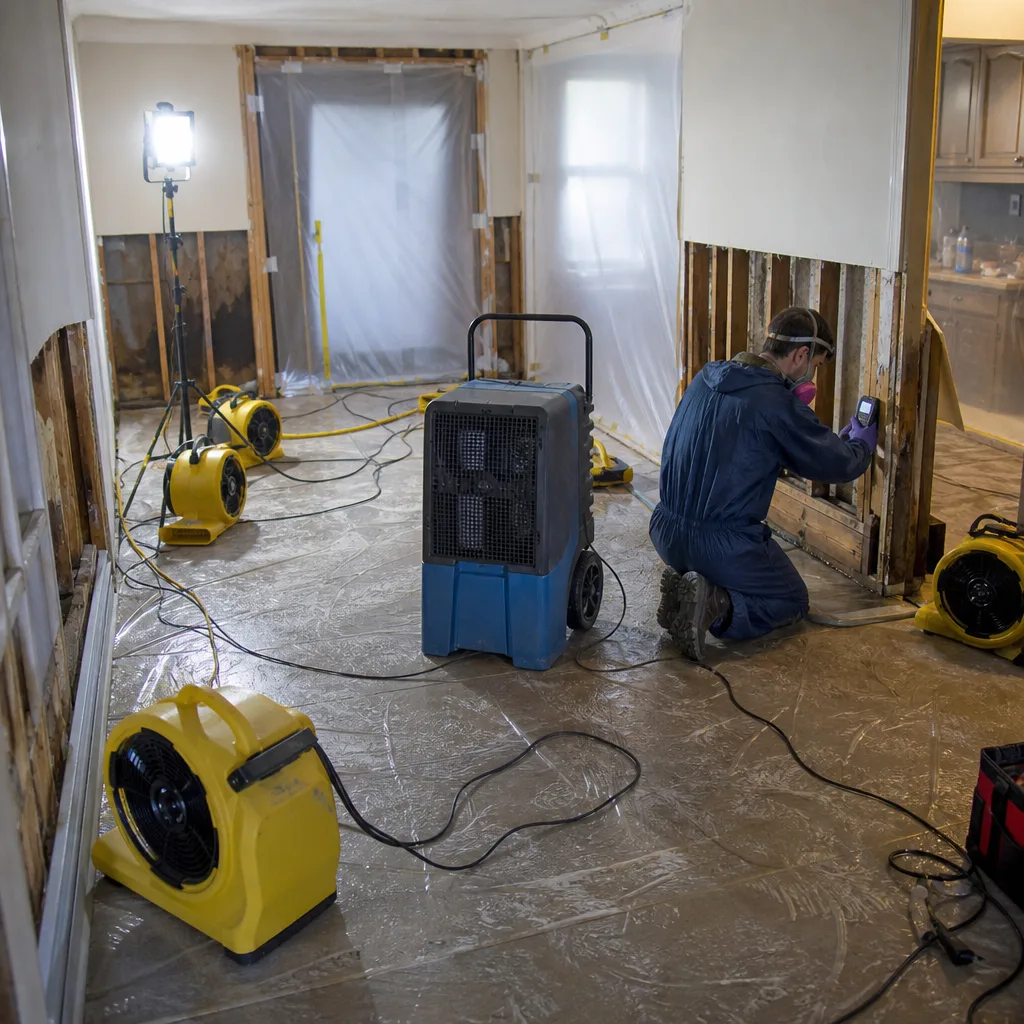
Bothell’s location at the confluence of the Sammamish River and North Creek, combined with its position in the Puget Sound convergence zone, creates specific storm damage patterns that differ from neighboring communities. Understanding these patterns helps homeowners distinguish immediate threats from developing problems.
Wind-driven rain infiltration: Bothell’s southeasterly storm track drives rain against north and west exposures with sustained 25-35 mph winds common during winter storm events. The warning sign is not water in the basement - it is water at the top of window frames and at ceiling-wall intersections on the windward side. Check these locations within 6 hours of a storm event with a moisture meter. Readings above 18% in top plates or header framing indicate successful infiltration that has bypassed the exterior envelope.
Crawl space flooding: Bothell’s high water table, particularly in the North Creek basin, means hydrostatic pressure can force water through slab edges and footing joints even without surface flooding. The warning sign is efflorescence (white, powdery mineral deposits) on foundation walls - this indicates water has moved through the concrete, dissolved minerals, and evaporated at the surface. The moisture reading at the base of the wall will typically be 15-25% even when the surface appears dry.
Tree-related structural damage: Bothell’s mature tree canopy is an asset until it isn’t. The critical warning sign after a wind event is not a fallen tree - it is a tree that has shifted in its root ball but remains standing. Look for:
- Fresh soil cracking in a radius pattern around the trunk base
- Leaning that is new relative to the tree’s growth habit (previous lean is normal; changed lean is emergency)
- Broken root exposure on the windward side
These trees are unstable and may fall with the next wind event or saturated soil condition. Document with photos from multiple angles and contact an arborist and structural inspector.
Ice dam formation: Less common in Bothell than in higher elevations, but occurring during sustained freeze events. The warning sign is icicle formation at roof edges combined with water staining on interior ceiling surfaces near exterior walls. The thermal camera reading shows heat loss patterns where attic insulation is compromised, creating the temperature differential that melts snow from below. Attic air temperature should be within 10°F of outside ambient; readings higher than this indicate bypass air from the conditioned space.
Sewage & Biohazard Warning Signs: Category Confusion
The most dangerous misidentification in restoration is confusing Category 2 (gray water) with Category 3 (black water) contamination. This distinction determines safety protocols, disposal requirements, and insurance coverage. Homeowners often make this error because the visible warning signs are similar - but the instrument readings and source tracing are not.
Category definitions at the point of discovery:
- Category 1 (clean water): Broken supply line, rainwater, melted snow. Moisture meter readings are the primary concern; microbial contamination is initially low. Can become Category 2 within 48-72 hours if left untreated.
- Category 2 (gray water): Dishwasher discharge, washing machine overflow, sump pump failure. Contains nutrients that accelerate microbial growth. The warning sign is a moisture reading combined with elevated ATP (adenosine triphosphate) bioluminescence readings - available on $200-400 meters - indicating organic load. ATP readings above 150 relative light units (RLU) on surfaces suggest gray water contamination.
- Category 3 (black water): Sewage backup, flooding from waterways, toilet overflow with fecal matter. Contains pathogenic agents. The warning sign is source identification - any water that has contacted soil, sewage, or organic debris - plus confirmatory testing. Do not rely on visual assessment; Category 3 water can appear clear.
The Bothell-specific risk: Older homes in the Original Hill and Park at Bothell Landing areas may have combined sewer systems or deteriorating lateral connections. A backup during heavy rain may present as “clean” water initially because the dilution is high. The warning sign is timing: backup concurrent with municipal system overload, or multiple fixtures affected simultaneously. This is Category 3 until proven otherwise.
Safety caveat: Sewage contamination requires full PPE and immunization verification for Hepatitis B. Do not enter affected spaces without respiratory protection. The hydrogen sulfide gas produced by anaerobic decomposition can reach dangerous concentrations in enclosed spaces. We have measured H2S at 15-20 ppm in Bothell crawl spaces after sewage events - the OSHA 8-hour permissible exposure limit is 10 ppm.
Documentation for sewage events must include the source determination, category classification with supporting readings, and perimeter photos showing extent before any disturbance. Insurance adjusters frequently challenge Category 3 classification as “unnecessary” remediation; the documented source tracing and ATP readings are what justify the protocol.
Symptom-to-Reading Translation Table
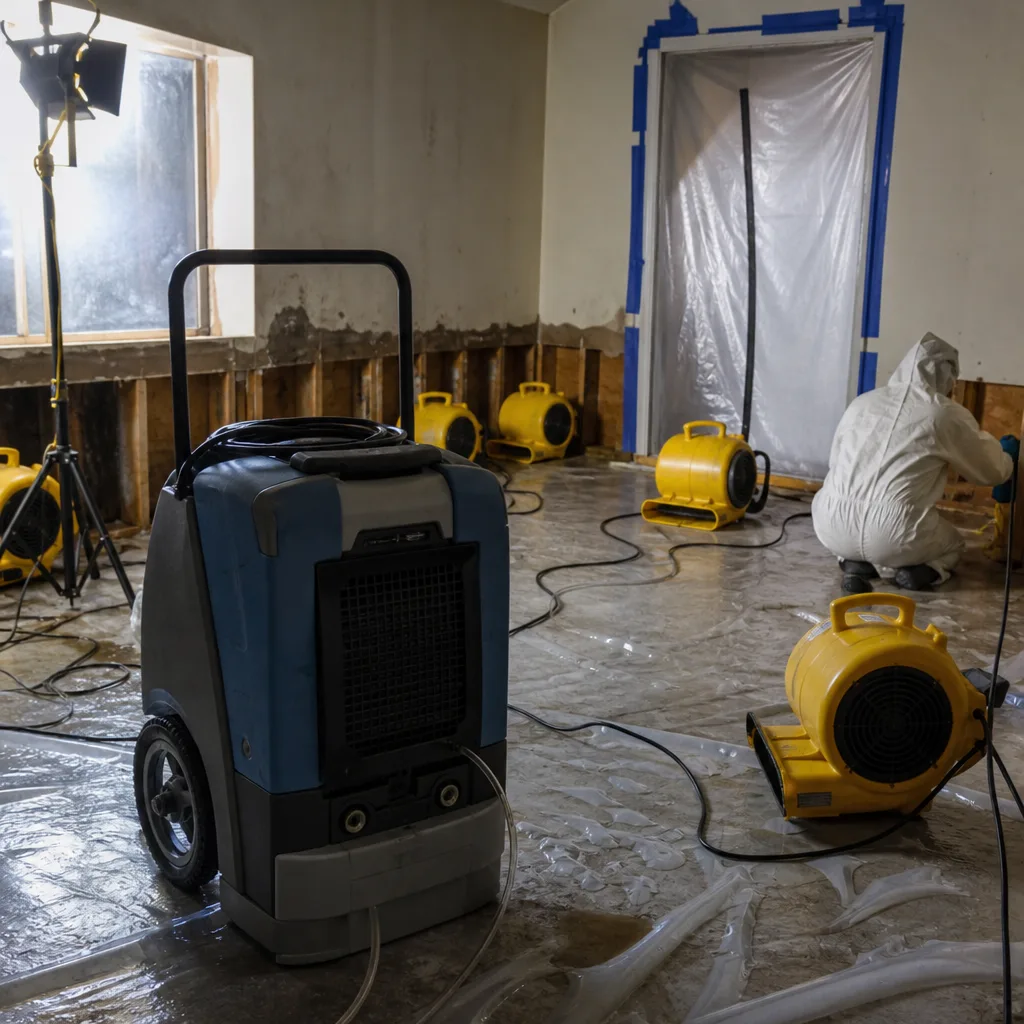
This table pairs what you can see or smell with the instrument reading that confirms active damage versus historical staining, and the threshold that triggers professional mitigation.
| Visible/Olfactory Sign | Instrument | Reading Indicating Active Damage | Reading Indicating Historical/Inactive | Mitigation Threshold |
|---|---|---|---|---|
| Discolored drywall | Pinless moisture meter | 20%+ in affected area; 5%+ delta from control | <15%, matching control area | 20% sustained or 16%+ with RH >60% |
| Musty odor | Hygrometer / RH meter | RH >60% in enclosed space; EMC >14% | RH <50%, no localized elevation | RH >70% or odor with RH >60% |
| Bubbling paint | Thermal camera + moisture meter | 4°F+ temp differential; 25%+ moisture | No temp differential; <15% moisture | Any active moisture with visible deformation |
| Efflorescence on concrete | Pin moisture meter (deep probes) | 15%+ at 1″ depth; increasing gradient toward interior | Surface only; <12% at depth | 15%+ at depth with active water source |
| Wood floor cupping | Pin meter with insulated probes | 13%+ in subfloor; 12%+ in flooring | 9-11% equilibrium, uniform | 12%+ with visible deformation |
| Soot tagging | UV light + pH paper | Fluorescence; pH <6 (acidic residue) | No fluorescence; pH neutral | Any confirmed residue with odor persistence |
| Mold growth (visible) | Moisture meter + borescope | Active moisture in cavity; RH >60% behind surface | Dry cavity; RH <50% behind surface | Any confirmed growth >1 sq ft; any hidden growth |
The “mitigation threshold” column reflects our protocol under The Haven Standard, not arbitrary conservatism. At these readings, the cost of delayed action exceeds the cost of immediate drying. We document the reading, the threshold reference, and the homeowner’s authorization in writing before work begins - Haven Standard, Clause 1.
Documentation That Protects Your Insurance Claim
The single most common reason we see Bothell homeowners bear costs that insurance should cover is inadequate documentation at discovery. Adjusters are not adversaries by nature, but they are bound by policy language that excludes “gradual damage” and “long-term neglect.” Your documentation at the moment of discovery determines which category your claim falls into.
Sudden-and-accidental versus gradual: Policy language typically covers “sudden and accidental” discharge but excludes damage that “occurs over a period of time.” The distinction is not the damage mechanism - a slow leak and a burst pipe both involve water - but the discoverability and reporting timeline. A homeowner who discovers a stain, documents it with timestamped photos and moisture readings, and reports within 24 hours has established sudden discovery even if the underlying cause was gradual.
The documentation protocol:
- Timestamp everything. Enable location services and timestamp on your phone camera. Screenshots of weather apps showing recent precipitation can corroborate sudden intrusion events.
- Establish the unaffected baseline. Take control readings in undamaged areas of the same material. This proves the elevation in the affected area is abnormal, not characteristic of your home’s normal condition.
- Photograph the source if identifiable. A leaking supply line, ice dam, or failed sump pump photographed in situ is stronger evidence than damage photos alone.
- Record your actions. Note what you did upon discovery: “Shut off water at main valve at 9:15 PM per meter photo.” This demonstrates reasonable mitigation efforts, which policy language typically requires.
- Request written scope before authorizing work. Haven Standard, Clause 1: a written price before work begins. This creates a contemporaneous record of the damage extent as assessed by a professional, dated and signed.
We provide every Bothell client with a documented photo record on every visit as a standard deliverable, never an upsell. These photos are uploaded to a shared folder with metadata intact. When an adjuster questions whether a wall was opened unnecessarily, we produce the moisture mapping that justified the demolition. When an adjuster suggests damage predated the policy period, we produce the dated discovery documentation.
Our DryMark Restoration Bothell home page details our full documentation protocol, including the daily drying logs that turn restoration invoices into payable claims.
Bothell-Specific Failure Patterns
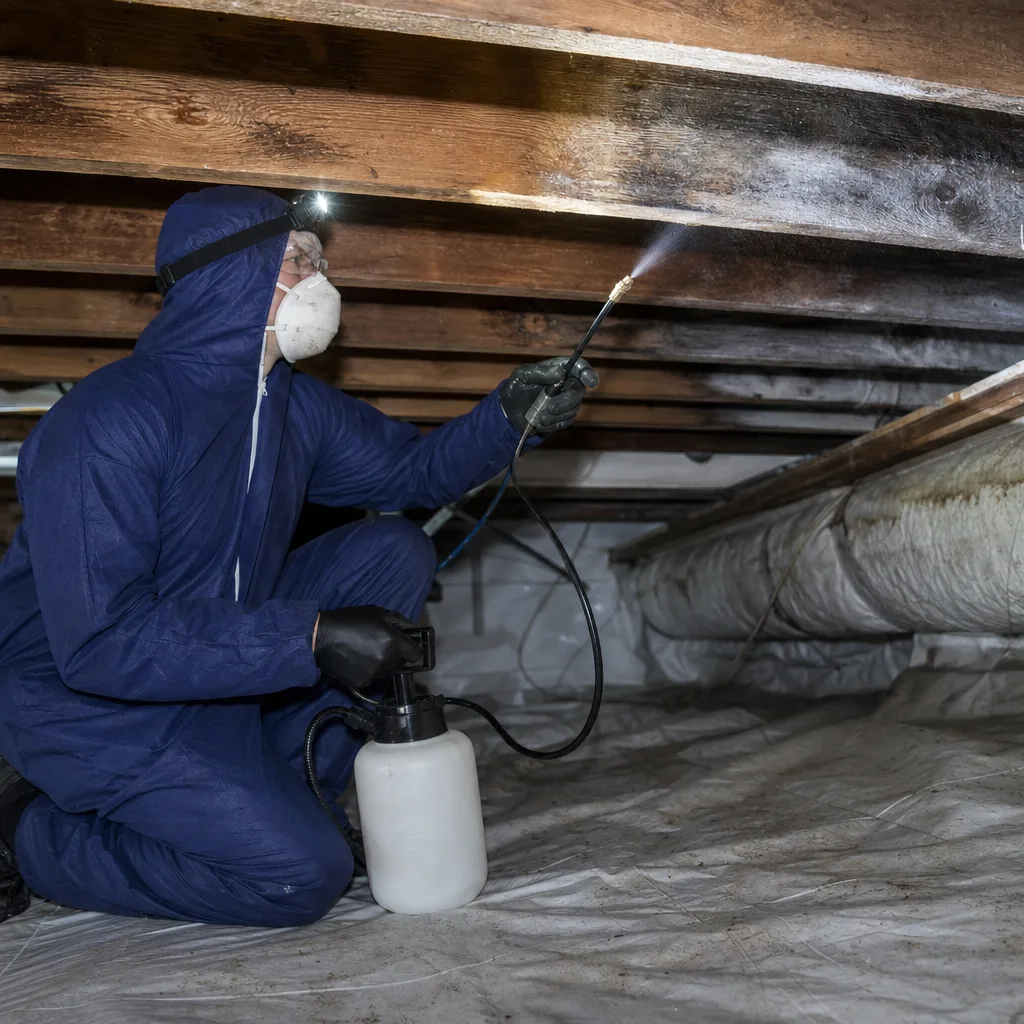
Bothell’s housing stock and geography create failure patterns that differ from Seattle, Bellevue, or Everett. Recognizing these patterns helps homeowners know where to look and what to measure.
Pier-and-beam foundation saturation signature: Homes built before 1975 in Bothell’s older neighborhoods - Original Hill, Downtown Bothell, and portions of Canyon Park - often have pier-and-beam foundations with crawl spaces 18-36 inches high. These spaces are particularly vulnerable because:
- Bothell’s clay-rich soil retains moisture and wicks it upward through piers
- Ventilation strategies designed for drier climates draw in humid air that condenses on cooler surfaces
- The Sammamish River floodplain creates seasonal water table fluctuations of 3-5 feet
The specific warning sign in these foundations is not standing water - it is a moisture gradient in the piers themselves. We drill 1/4″ test holes and measure moisture at 2-inch increments from bottom to top. A reading that increases toward the base (20%+ at bottom, 12% at top) indicates wicking from soil contact. A reading that is uniform but elevated (16-18% throughout) indicates atmospheric moisture - a ventilation or vapor barrier problem. The remediation is different for each, and misidentification leads to recurring damage.
Slab-on-grade construction in newer Bothell: Homes built after 1990, particularly in North Creek and Thrashers Corner, typically have slab-on-grade foundations with post-tension cables or rebar. The warning sign here is edge dampness where the slab meets the stem wall, often visible only by removing baseboards. The moisture reading at the slab edge will be 12-16% even when the interior slab reads 8-10%. This indicates perimeter drainage failure - often crushed drain pipe from construction compaction or root intrusion in older installations.
Bothell’s roofline vulnerability: The convergence zone weather pattern means Bothell receives more annual precipitation than Seattle proper, concentrated in intense, wind-driven events. The warning sign we see most often is not roof leak damage in the attic - it is water intrusion at the second-story wall-top plate in homes with complex roof geometries (valleys, dormers, multiple pitches). The thermal camera shows a cold stripe at the wall-ceiling intersection; the moisture meter confirms 18-25% in the top plate. The source is almost always improper valley flashing or ice-and-water shield termination, not shingle failure.
Common Mistakes to Avoid
- Waiting for visible mold before acting. By the time mold is visible, the moisture problem has typically persisted for 10-14 days. The correct trigger is a moisture meter reading above 16% or RH above 60%, documented.
- Using bleach on porous mold growth. Bleach adds water to the material and can alter surface pH in ways that favor certain fungi. It does not penetrate porous materials to kill roots. The result is often temporary bleaching followed by more vigorous regrowth.
- Assuming “dry to the touch” means dry. Human skin detects surface moisture poorly. We’ve measured 22% moisture content in framing that homeowners described as “dry.” The instrument reading is the only valid assessment.
- Documenting only the damage, not the source. Insurance coverage depends on cause, not effect. A photo of a wet wall proves nothing about whether the cause is covered. Photograph the leaking pipe, the ice dam, the failed sump - whatever identifies the proximate cause.
- Accepting verbal estimates for restoration work. Haven Standard, Clause 1 exists because verbal estimates lead to scope creep, disputed invoices, and uncovered costs. A written price before work begins protects both parties.
- Neglecting the crawl space in Bothell homes. The crawl space is the most commonly ignored area and the most common source of whole-house moisture problems. Check RH monthly during heating season; it should stay below 55%.
- Failing to distinguish water source categories. Treating a Category 3 sewage backup as Category 1 clean water creates health risks and insurance complications. When in doubt, assume the higher category until testing confirms otherwise.
When to Call a Professional
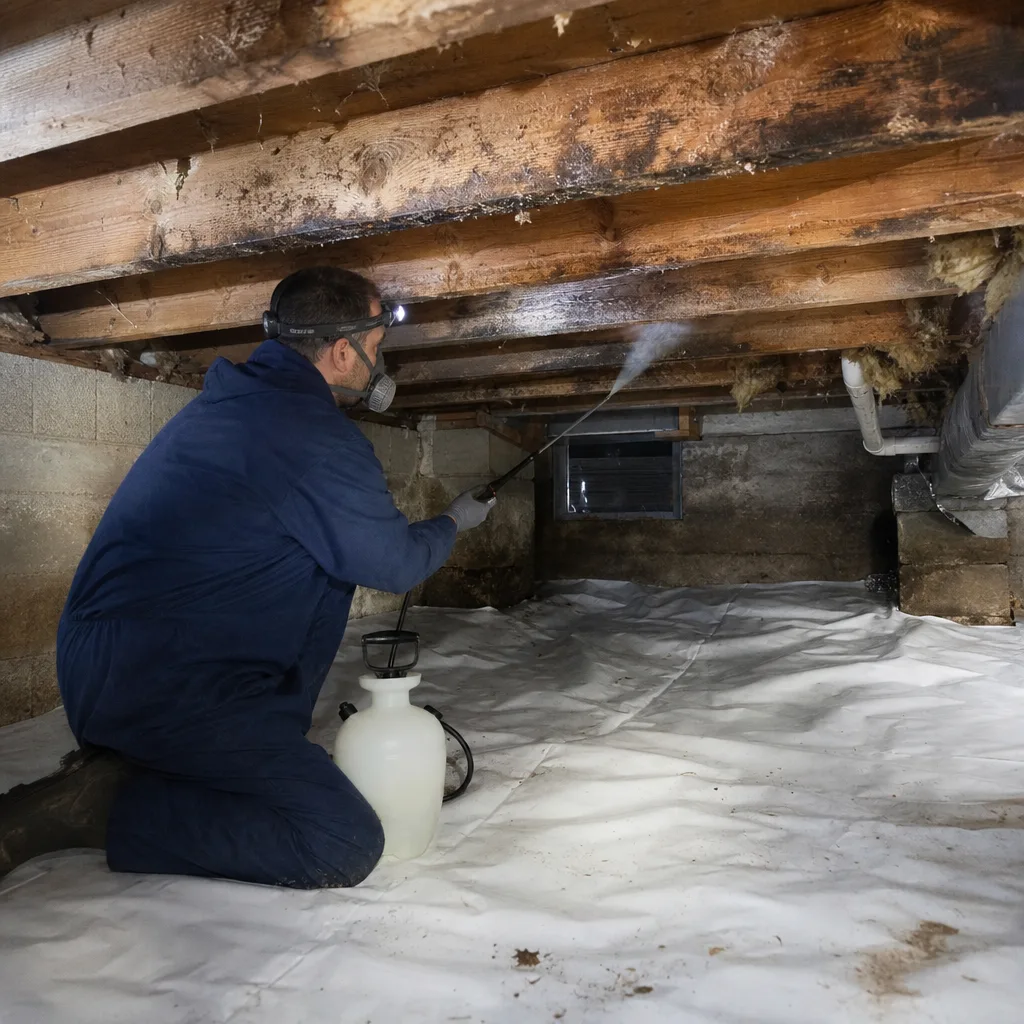
Call for professional assessment when moisture meter readings exceed 16% in any structural material, when relative humidity remains above 60% in enclosed spaces despite ventilation, when you detect musty odor with no visible source, or when any water intrusion involves sewage, groundwater, or unknown source. Our How to Hire a Damage Restoration Contractor in Bothell: A Step-by-Step Guide explains what to look for in a qualified professional. These thresholds indicate conditions beyond effective homeowner remediation.
DryMark Restoration Bothell offers free estimates in Bothell - call (425) 696-6061. Every assessment includes moisture mapping with documented readings, a written scope and price before any work begins under Haven Standard, Clause 1, and a photo record of findings. Our live dispatch answers 24 hours a day, 7 days a week with no voicemail on emergency lines.
Frequently Asked Questions
Initial assessment and moisture mapping at DryMark Restoration Bothell is provided at no charge. The assessment includes pin and pinless moisture meter readings, thermal imaging scan, relative humidity measurement, and a written scope with price before any work begins - Haven Standard, Clause 1. Call (425) 696-6061 to schedule; estimates are free.
Insurance coverage depends on demonstrating that the damage was sudden and accidental from your perspective, not that the underlying cause was instantaneous. Documentation is the determining factor: timestamped photos of the discovery, moisture readings establishing active versus historical damage, and prompt reporting. Damage that you discovered and documented promptly is treated differently from damage an adjuster can demonstrate you knew about and ignored. We coordinate directly with adjusters and provide the documented photo record and drying logs that support coverage determinations. Explore more guides & resources on protecting your Bothell home.
Our live dispatch answers every call 24 hours a day, 7 days a week with no voicemail. For active water intrusion - supply line breaks, sewage backups, storm intrusion - we dispatch immediately because water migration continues until the source is controlled and extraction begins. For assessment of suspected but unconfirmed damage, we typically schedule within 4-24 hours depending on current emergency volume. The written scope and price are delivered before any work starts, every time.
Surface mold growth on non-porous materials (tile, glass, metal) smaller than one square foot can sometimes be addressed by the homeowner with proper PPE and an EPA-registered fungistat. Growth on porous materials (drywall, wood, carpet), growth exceeding one square foot, or growth in HVAC systems requires professional remediation under IICRC S520 standards. The determining factors are material porosity, extent, and location - not visibility. We provide free assessment to classify the situation; call (425) 696-6061.
Home inspectors typically use pinless moisture meters set to “reference scale” - a relative indication, not a percentage of moisture content. Our technicians use calibrated pin and pinless meters with species correction for the actual material being tested, and we take readings at multiple depths. A home inspector’s “high” reading of 30 on a reference scale might correspond to 14% actual moisture content in Douglas fir - normal - or 22% - actively damaging. We explain each reading in context and provide the written documentation that supports our assessment.
We coordinate directly with your adjuster, providing the documented photo record, daily drying logs, equipment placement diagrams, and moisture readings that justify our scope and invoice. Our documentation is formatted to the standards that adjusters recognize from IICRC and RIA protocols. We do not ask homeowners to mediate technical disputes; our project managers handle adjuster communication as part of the standard service. The 365-Day Done Right Promise under The Haven Standard applies regardless of how insurance proceeds are resolved.
The Bottom Line
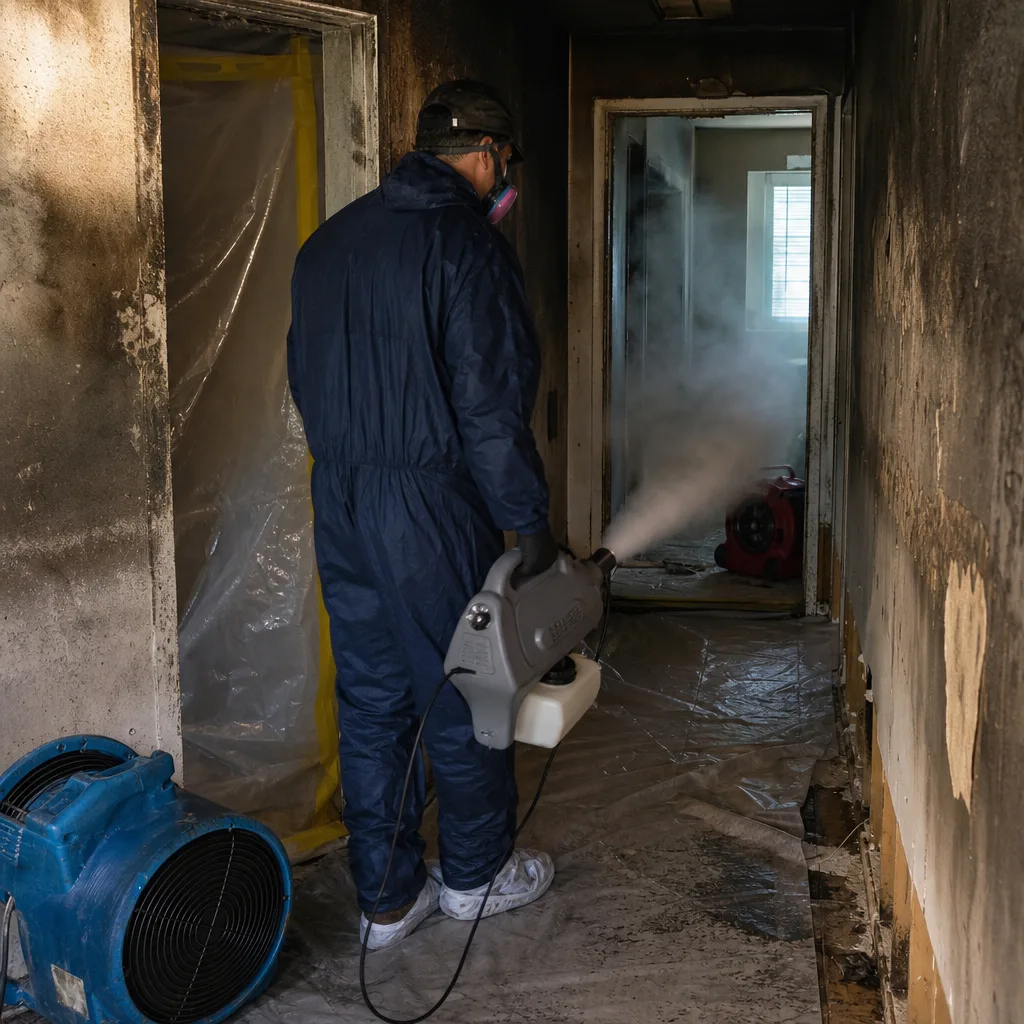
Warning signs that wait for human senses - sight, smell, touch - arrive too late to prevent the damage that matters. The effective warning signs are instrument readings: moisture content, relative humidity, temperature differential, vapor pressure. Pair these readings with timestamped documentation, and you have established both the fact of damage and the date of discovery that insurance requires. In Bothell’s specific climate and construction context, this protocol prevents the documentation gap that costs homeowners their claims. The tools cost less than $50; the habit of using them takes minutes; the protection is measured in thousands of dollars of covered versus denied damage. When readings exceed thresholds or sources are uncertain, professional assessment with written scope is the next step - and under The Haven Standard, that scope arrives before any work begins.
Written by Alicia Brennan, Owner at DryMark Restoration Bothell, serving Bothell since 2011.