
Last updated September 23, 2026
Free visual inspection and a written scope of work before any mitigation begins - photos, moisture readings, and drying logs go in your claim file
The scope we write is the scope we bill. Anything new gets shown to you, in writing, before we touch it.
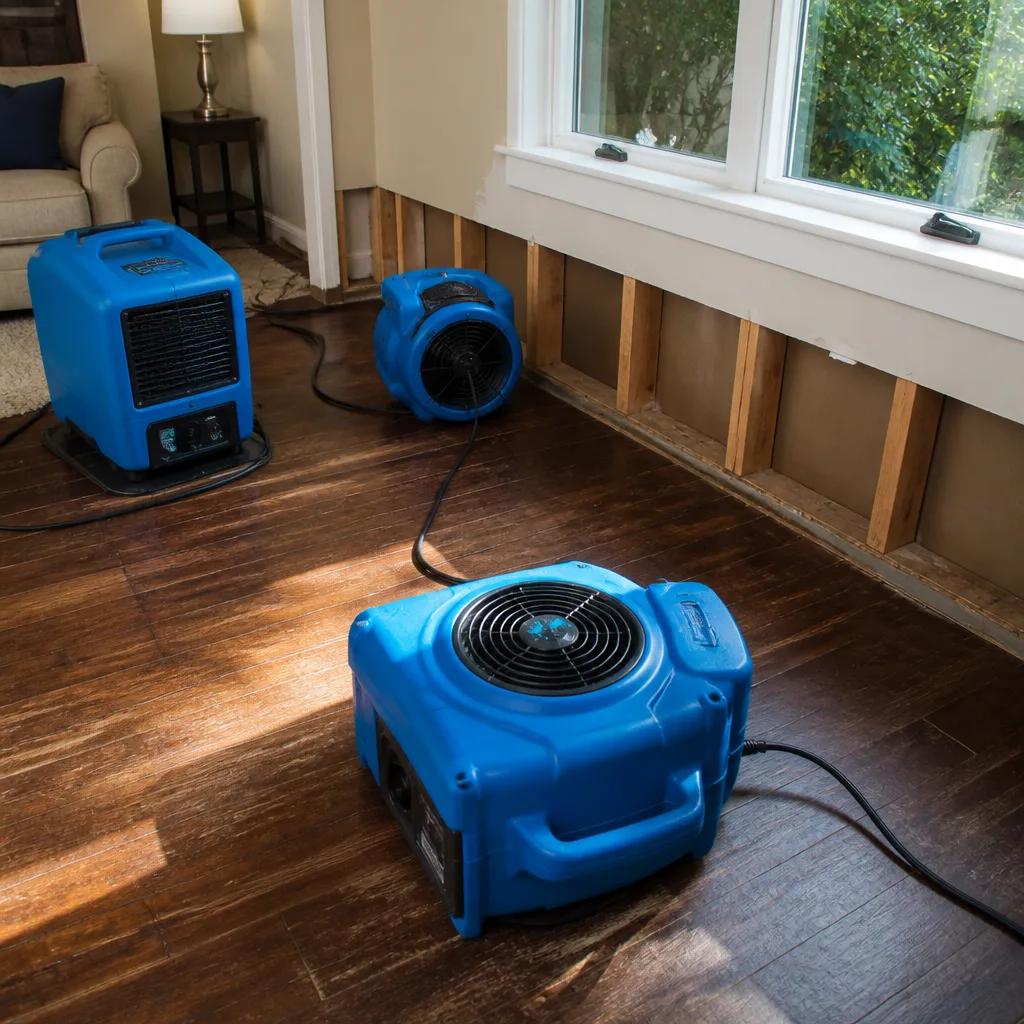
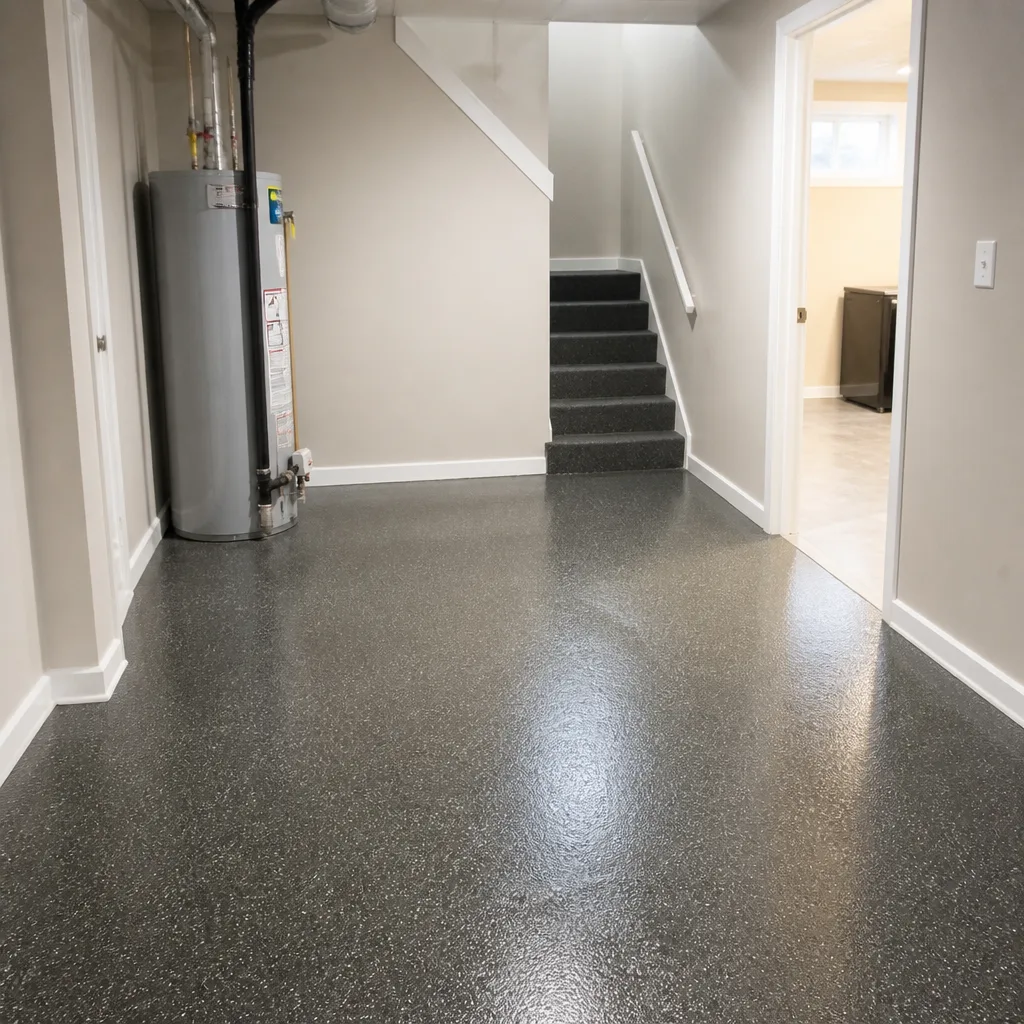
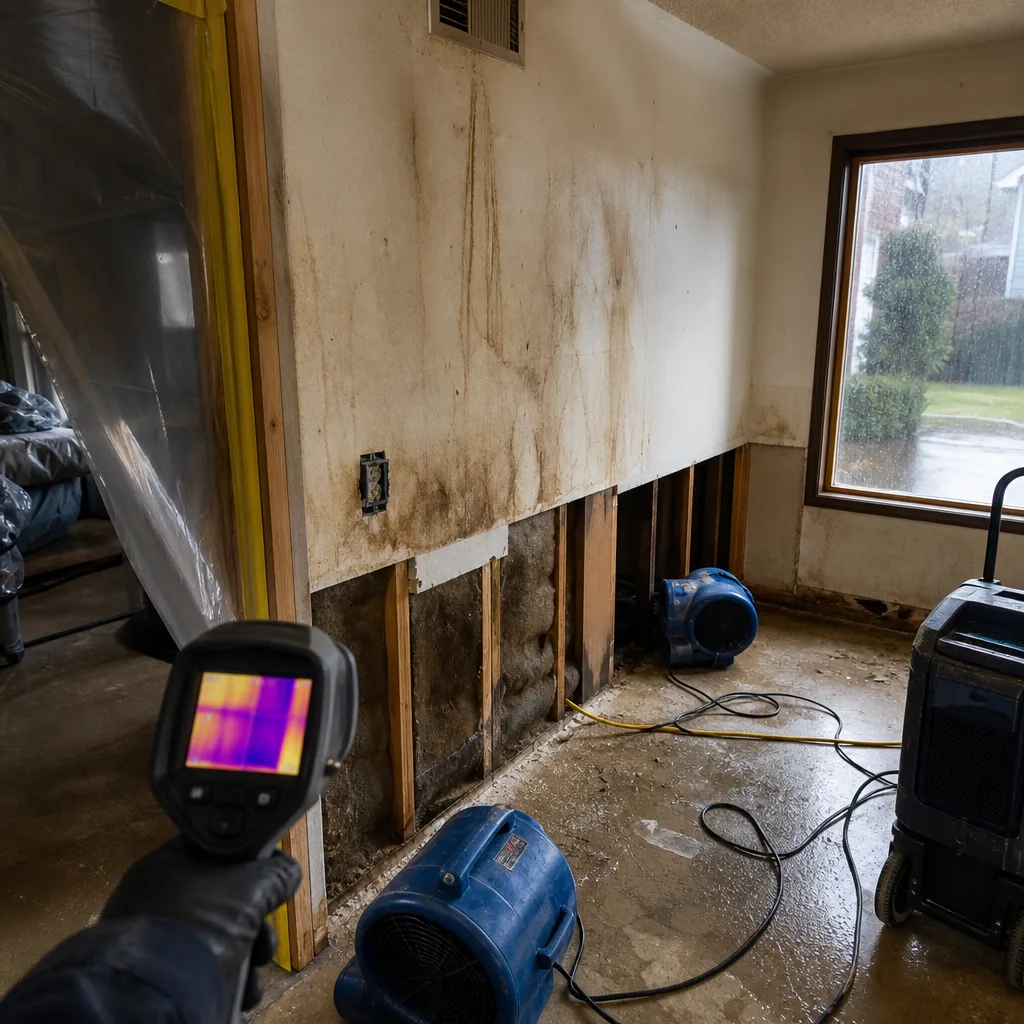 Before
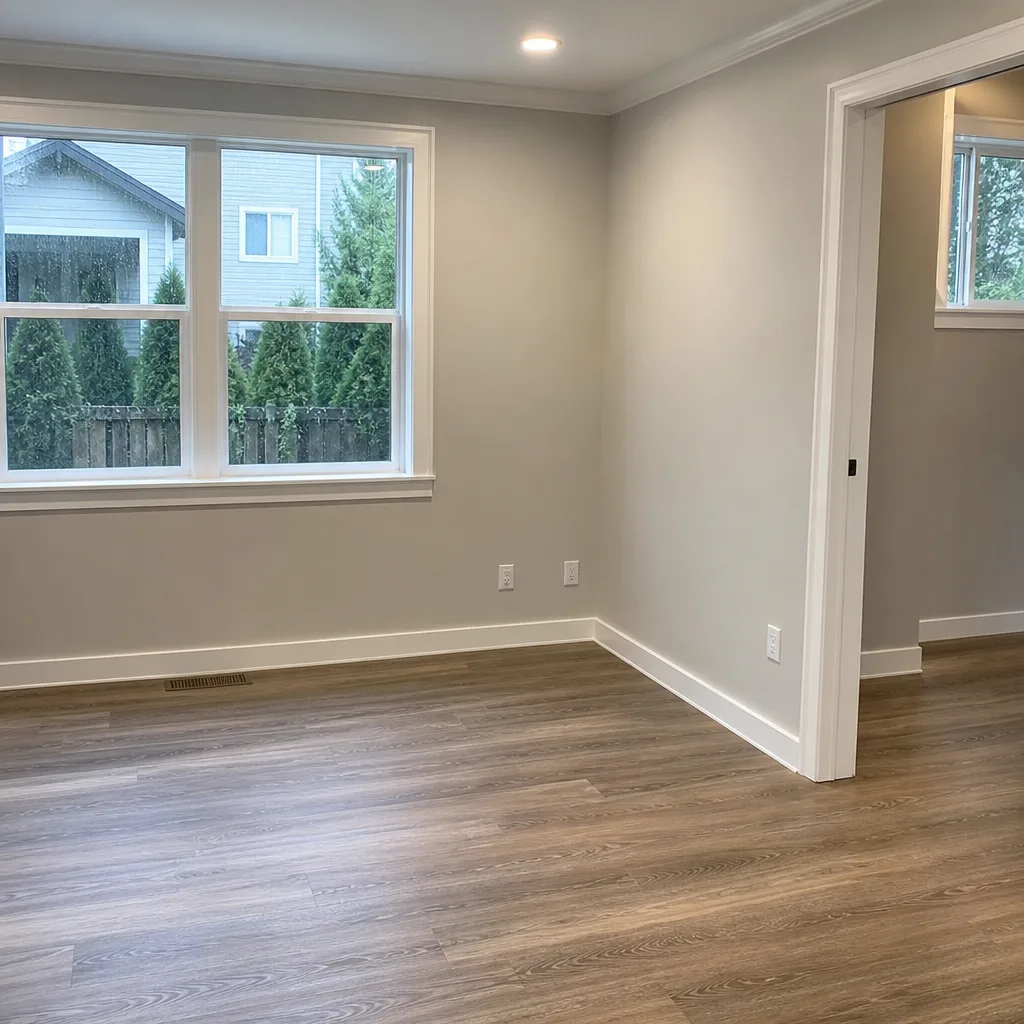 After
After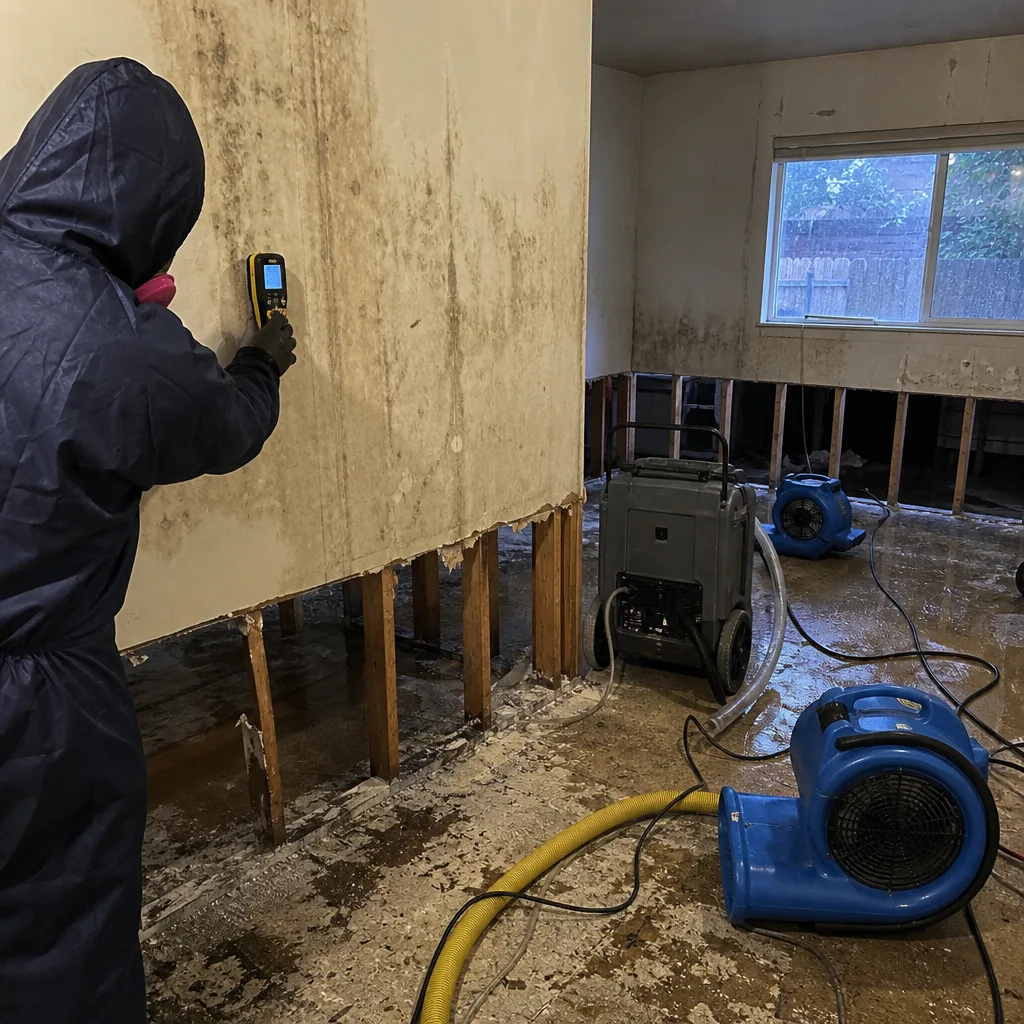 Before
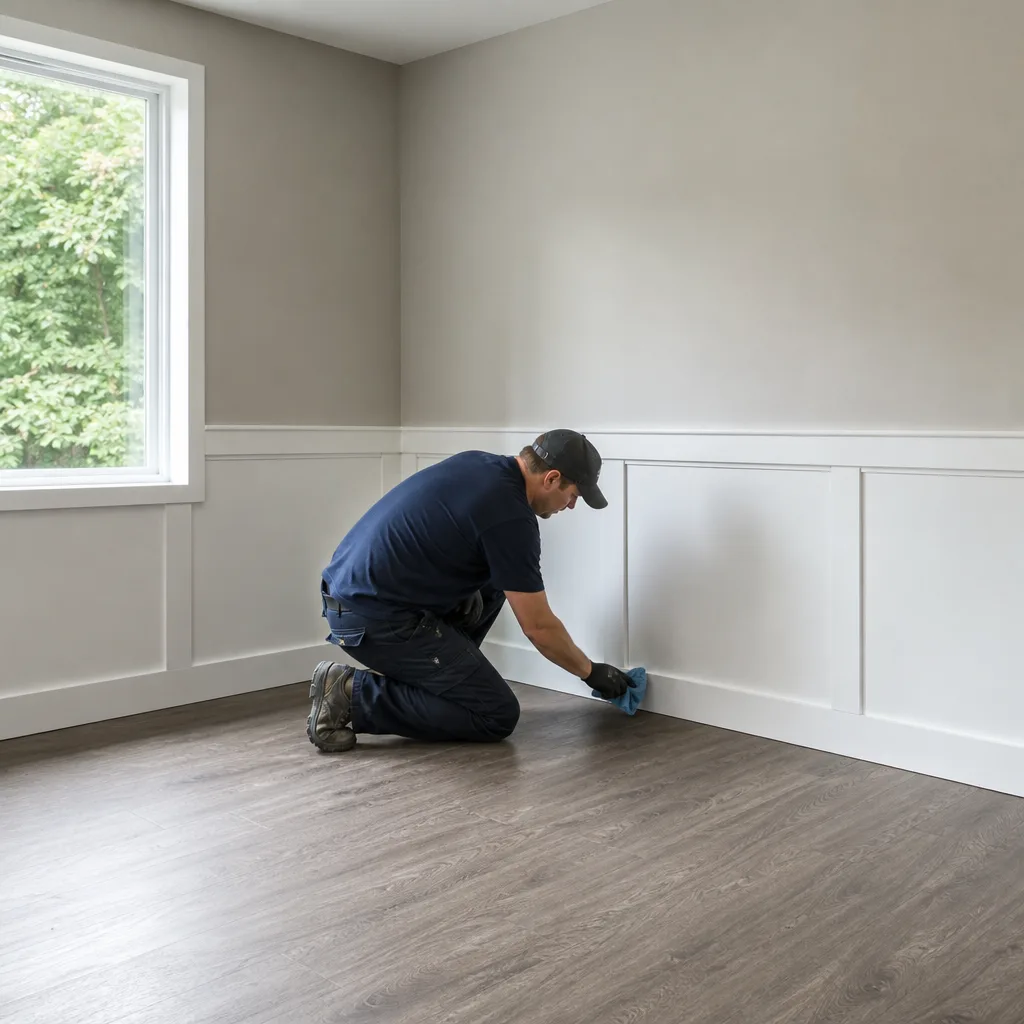 After
After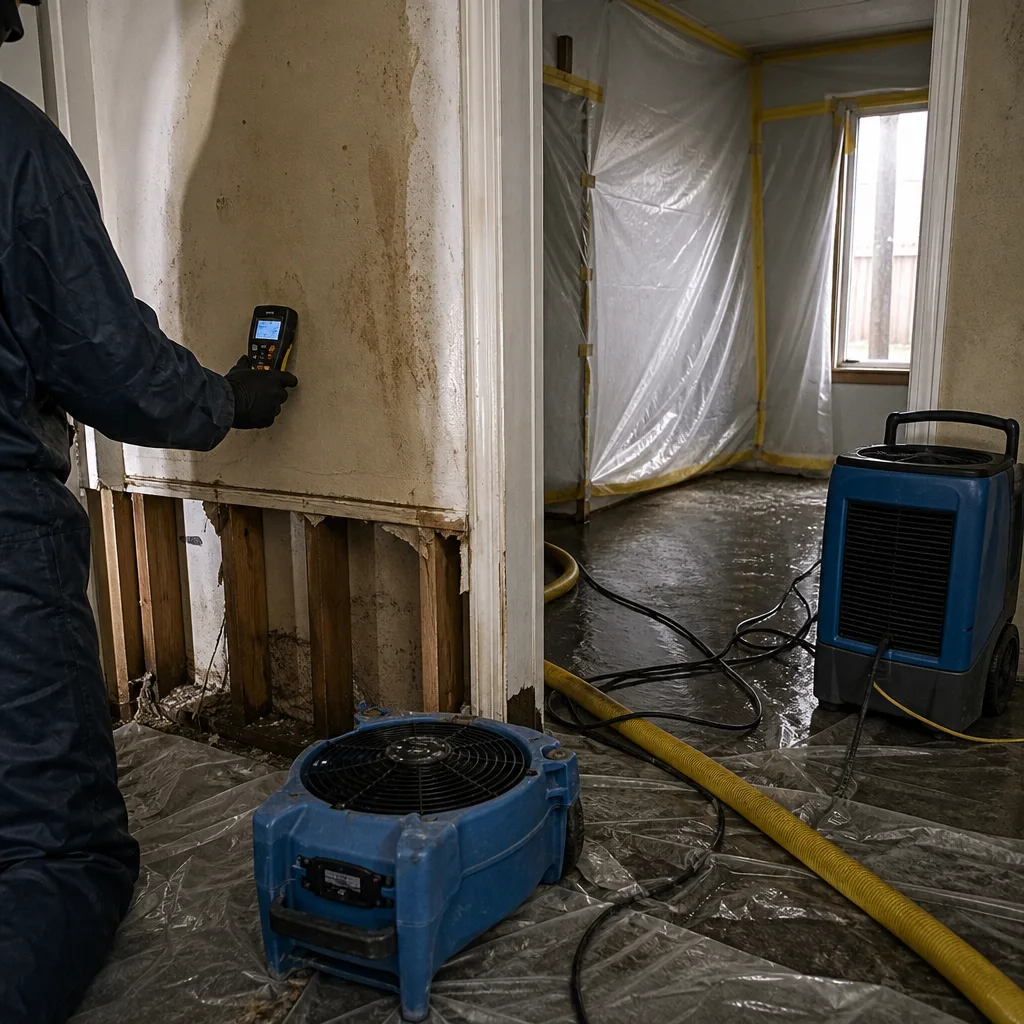 Before
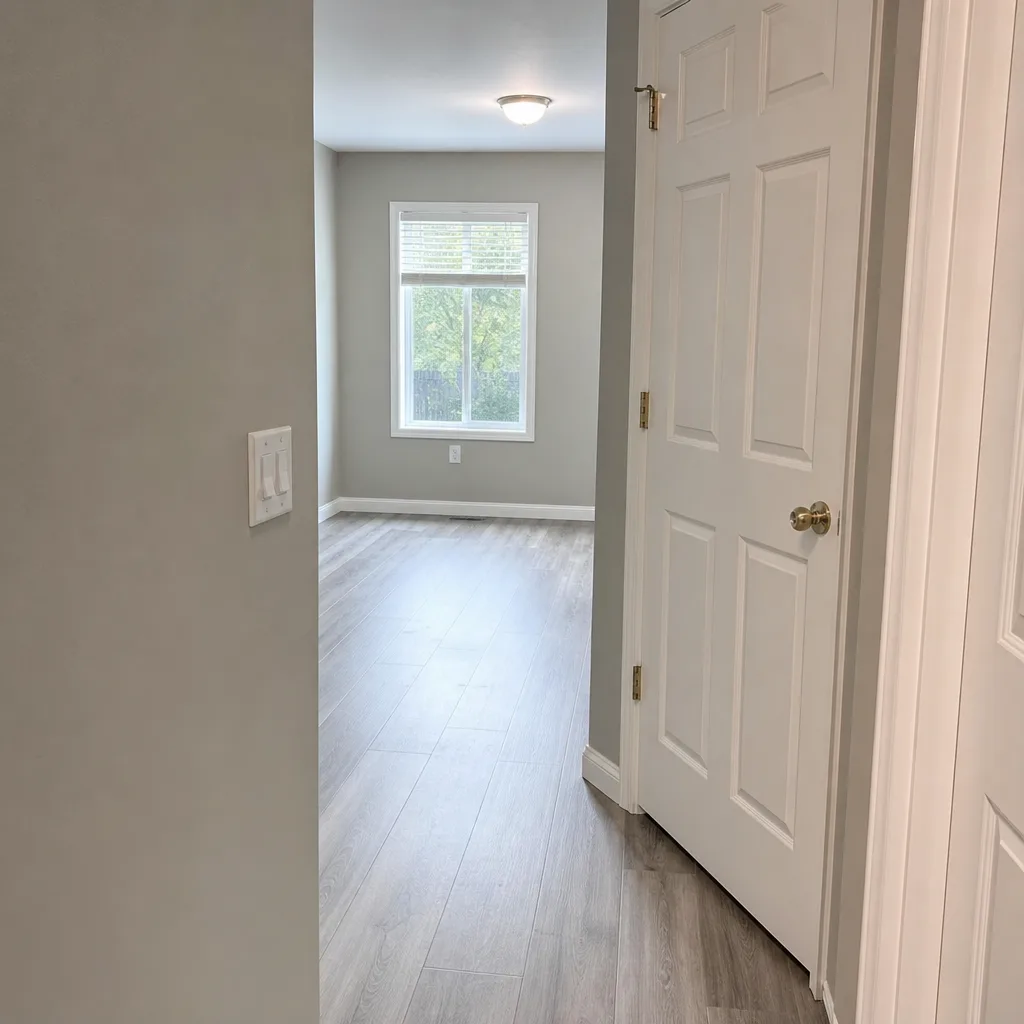 After
AfterDamage Restoration Cost Breakdown: The Bothell Homeowner’s Reference for 2026
The most common reason a Bothell restoration invoice comes back from an insurer with a reduced payment isn’t fraud. It’s that the contractor’s bid listed “water damage remediation” as a single line at $14,000 instead of the 23 line items an adjuster needs to see to approve it. In our experience reviewing competitor estimates under our Free Second Opinion service, we’ve found scopes missing everything from vapor barrier disposal to dehumidifier daily rates to the specific class of water loss. This guide will show you how restoration costs actually break down in the Bothell market, what Xactimate pricing means for your claim, and how to read a bid the way a trained adjuster does. For damage restoration warning signs every Bothell homeowner should know, see our companion reference. By the end, you’ll know which line items belong on your invoice, which ones signal a contractor who understands insurance documentation, and which ones suggest you’re about to fight your adjuster alone.
Quick Answer
Water damage restoration in Bothell typically runs $3,500-$8,500 for a standard residential loss involving extraction, drying, and limited demolition, with reconstruction adding $12-$35 per square foot depending on finishes. Mold remediation averages $15-$30 per square foot of affected area, while fire and smoke restoration starts around $8,000 and scales with structural involvement. The exact figure depends on water classification, affected square footage, material types, and whether the scope is written in Xactimate line-item format that your insurer can process without revision requests.
Table of Contents
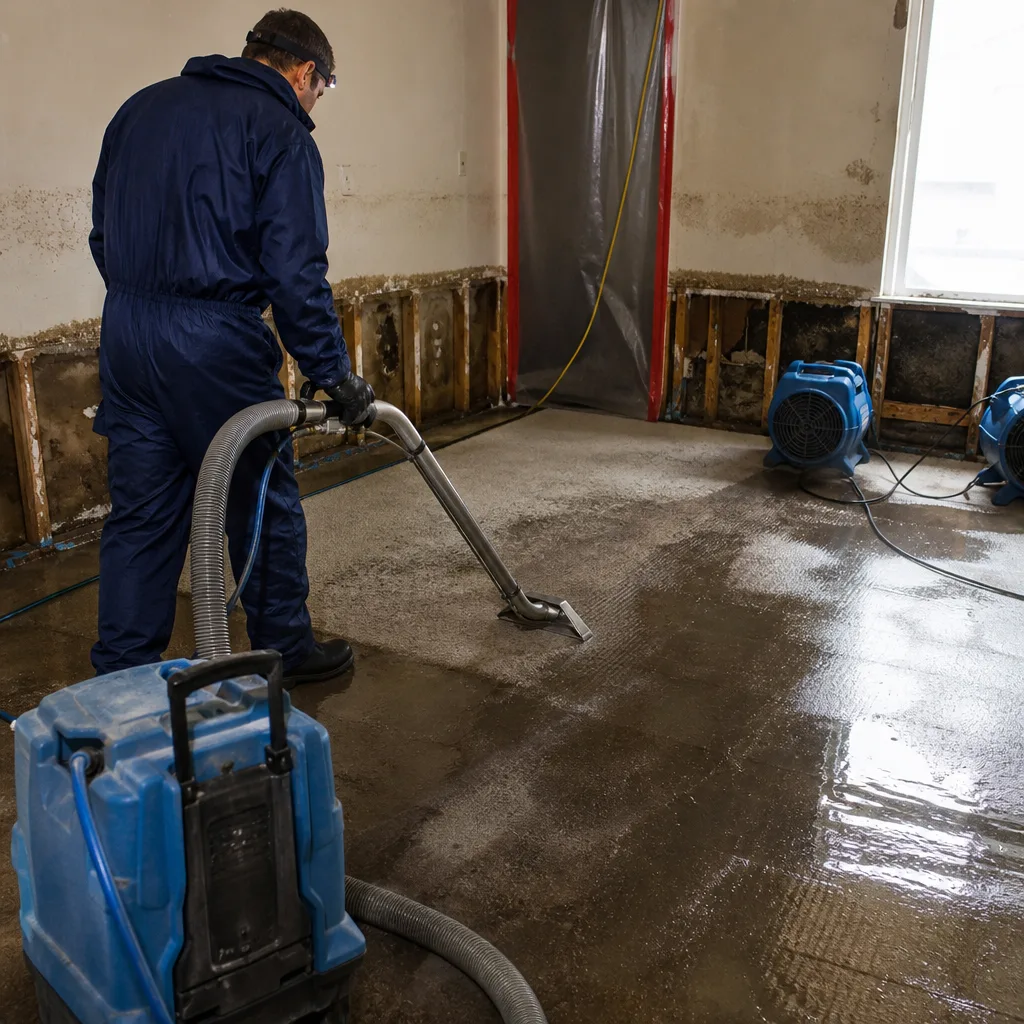
- How Xactimate Pricing Shapes What You Actually Pay
- Water Damage Restoration Costs in Bothell
- Mold Remediation Costs and Hidden Testing Fees
- Fire and Smoke Damage Restoration Costs
- Storm, Disaster, and Sewage Cleanup Costs
- Reconstruction and Build-Back Costs
- Hidden Cost Categories Most Homeowners Miss
- How to Read a Restoration Bid Line by Line
BeforeAfterHow Xactimate Pricing Shapes What You Actually Pay
Xactimate is the pricing engine that drives most property insurance claims in the United States. Adjusters use it. Contractors who want to get paid use it. And the gap between what a contractor charges and what an insurer approves often comes down to whether the bid was built inside Xactimate’s regional price tables or outside them.
For Bothell and the greater Seattle metro, Xactimate pulls from the Pacific Northwest regional database, which is updated quarterly based on material costs, labor rates, and equipment rental data from King and Snohomish counties. This matters because a dehumidifier day in Bothell prices differently than one in Spokane or Portland. In 2026, the regional rate for a large-capacity LGR (low-grain refrigerant) dehumidifier runs approximately $85-$110 per day in this market, with air movers at $28-$35 per day and axial fans at $32-$40 per day. A contractor billing $150 per day for the same Dri-Eaz or Phoenix unit is pricing outside the regional table, which means your adjuster will flag it for review and you’ll spend weeks in supplement negotiations.
We’ve reviewed estimates where the contractor simply invented line items. “Specialized drying procedure” with no unit of measure. “Emergency response fee” with no time stamp. These don’t exist in Xactimate, and they don’t exist in any standard insurer workflow. The result is predictable: the homeowner pays the difference out of pocket, or the contractor walks away mid-job when payment stalls.
The alternative is a scope written in proper Xactimate format: each line item shows a unit of measure (square foot, linear foot, each, day), a quantity, a unit price, and a line total. “Dehumidifier, LGR, large capacity - 5 days @ $95.00 = $475.00.” This is the format that passes claim review without friction. It’s also the format we deliver under Haven Standard, Clause 1: written price before work begins, in the same structure your adjuster reads daily.
Three things to verify on any Xactimate-formatted bid:
- The price list version date in the header (should be current quarter, 2026).
- That equipment rates match regional tables within 10% (we publish ours on request).
- That labor burdens include Washington State L&I and unemployment insurance, which legitimate contractors carry and which Xactimate builds into regional labor rates.
When a contractor tells you “we don’t use Xactimate, we price by the job,” they’re choosing the DIY approach over professional standards, which means your insurer will need to manually review every line item. That review takes 15-45 days. In a water loss, that’s 15-45 days where moisture readings are climbing, mold is establishing, and your documented photo record, if you have one, is showing progressive damage that your policy may not cover because you delayed mitigation.
Water Damage Restoration Costs in Bothell
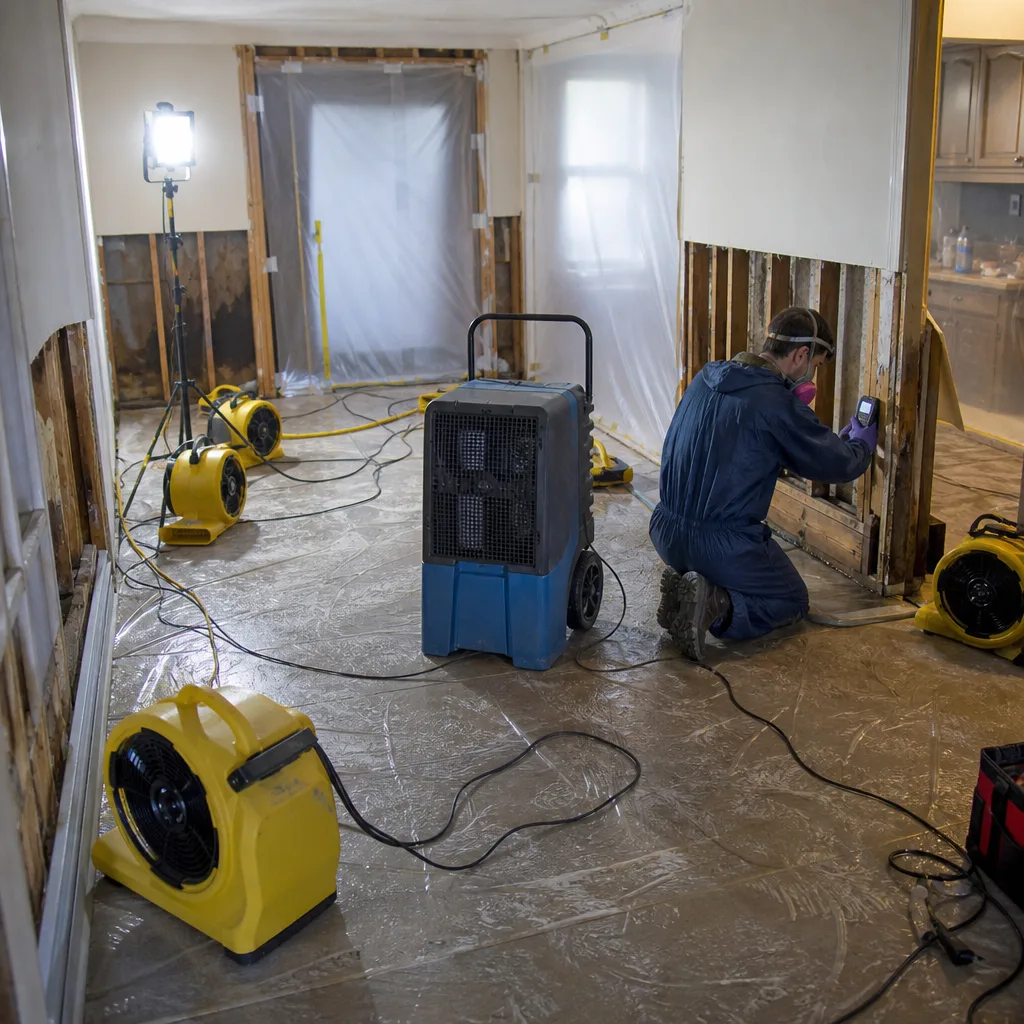
Bothell’s climate drives a specific water damage profile. We see heavy losses in November through March when the Sammamish River valley floods, in spring when snowmelt hits saturated ground, and year-round from failed washing machine hoses, water heater tanks, and the polybutylene piping still found in Canyon Park and North Creek builds from the 1980s. The geography matters: homes in the lower elevations near the river, or those with daylight basements cut into hillsides in Finn Hill or Kingsgate, face hydrostatic pressure and seepage patterns that upstairs leaks don’t replicate.
Here’s how the costs break down for a typical Class 1 or 2 water loss in Bothell, based on 2026 Xactimate Pacific Northwest regional pricing:
Extraction and Initial Setup
- Water extraction (standing water): $0.55-$0.85 per square foot of affected area, with minimums of $350-$500 for truck-mounted extraction
- Containment barrier setup (if needed): $2.50-$4.00 per linear foot
- Initial moisture mapping and psychrometric readings: $275-$425 (documented to IICRC S500 standards)
Drying Equipment (Daily Rates)
- LGR dehumidifier, large capacity (Dri-Eaz, Phoenix): $85-$110 per day
- Air mover, standard (XPOWER, B-Air): $28-$35 per day
- Axial fan, high-velocity: $32-$40 per day
- Injectidry hardwood floor drying system: $145-$185 per day (specialized, not always needed)
- Air scrubber, HEPA (for Category 2 or 3 losses): $45-$65 per day
Typical Drying Duration
Most residential water losses in Bothell dry in 3-5 days for Class 1 (clean water, minimal absorption), 5-7 days for Class 2 (significant absorption into walls and flooring), and 7-10+ days for Class 3 (water from above, saturated ceilings and insulation). Class 4 losses, specialty drying scenarios like hardwood or plaster, extend longer and require the Injectidry or desiccant systems.
Demolition and Removal
- Drywall removal, 1/2 inch: $1.85-$2.75 per square foot
- Drywall removal, 5/8 inch: $2.25-$3.25 per square foot
- Insulation removal, batt: $1.10-$1.65 per square foot
- Insulation removal, blown-in: $1.85-$2.75 per square foot
- Baseboard removal and disposal: $2.50-$4.00 per linear foot
- Floating floor removal (LVP, laminate): $2.75-$4.25 per square foot
- Carpet and pad removal: $1.65-$2.50 per square foot
Structural Drying Clearance
Before reconstruction begins, most insurers and all IICRC-compliant firms require a drying clearance: documented moisture readings showing materials at or below 16% wood moisture content (or manufacturer specification), with psychrometric data proving the space reached equilibrium. In Bothell, where winter ambient humidity runs 75-85%, this takes active management. The clearance testing itself runs $350-$550 if performed by the restoration contractor, or $500-$800 if an independent industrial hygienist is required by your policy or by local jurisdiction.
For a typical 1,200 square foot main-level water loss in Bothell with Class 2 damage, expect:
- Extraction and setup: $850-$1,400
- Drying equipment (5-day average): $1,800-$2,600
- Demolition (limited, 15% of area): $650-$1,100
- Clearance testing: $350-$550
- Subtotal for mitigation: $3,650-$5,650
Reconstruction is additional and priced separately under Haven Standard, Clause 1, with a written scope before any build-back begins.
Mold Remediation Costs and Hidden Testing Fees
Mold remediation in Bothell follows a different cost structure than water mitigation because the work is regulated by Washington State Department of Labor and Industries and, in many cases, requires third-party verification. The Sammamish River valley’s humidity, combined with the tight building envelopes common in 1990s-2000s construction, creates conditions we’ve documented repeatedly: crawl spaces in North Creek with relative humidity sustained above 70%, attic sheathing in Canyon Park with condensation patterns from bathroom vents terminated improperly.
Remediation Costs by Approach
- Containment and negative air setup (per chamber): $650-$1,200
- HEPA air scrubber rental during remediation: $55-$85 per day
- Removal of mold-affected drywall (small area, < 10 SF): $450-$750
- Removal of mold-affected drywall (medium area, 10-100 SF): $1,800-$3,500
- Full containment remediation (large area, > 100 SF or HVAC involved): $15-$30 per square foot of contained area
- Crawl space remediation (typical 1,200 SF footprint): $4,500-$9,500 depending on access, vapor barrier condition, and structural involvement
- Attic sheathing remediation with soda blasting: $3.50-$6.50 per square foot of sheathing
The Hidden Cost: Clearance Testing
Here’s what competitors rarely disclose upfront. Washington State does not require post-remediation clearance testing for residential properties, but most insurers do, and many mortgage holders do as well. The test must be performed by an independent industrial hygienist, not by the remediation contractor, to be defensible in a claim dispute. In Bothell, independent mold clearance testing runs $650-$1,200 for a standard residential job, with additional sample costs of $85-$150 per air or surface sample. A typical clearance includes 3-5 indoor samples plus one outdoor control, meaning testing alone can add $900-$1,900 to a project that the initial bid often omits.
We’ve reviewed competitor estimates that simply state “mold remediation: $8,500” with no line item for clearance. The homeowner signs, the work completes, and then they’re told they need another $1,200 for testing before they can file their completion documentation. Haven Standard, Clause 1 prevents this: our written price includes all anticipated line items, and we flag the clearance requirement before work begins so you can verify coverage with your adjuster.
When Industrial Hygienist Involvement Is Required
- The affected area exceeds 100 contiguous square feet
- HVAC ductwork is involved or suspected
- The water source was Category 3 (sewage or ground water)
- The property is a rental, multi-family, or commercial space
- The homeowner or insurer requests independent verification
In these cases, the hygienist writes the remediation protocol, the contractor follows it, and the hygienist verifies completion. The protocol itself costs $800-$1,500 in this market. A bid that doesn’t account for this is either incomplete or planning to skip verification.
Fire and Smoke Damage Restoration Costs
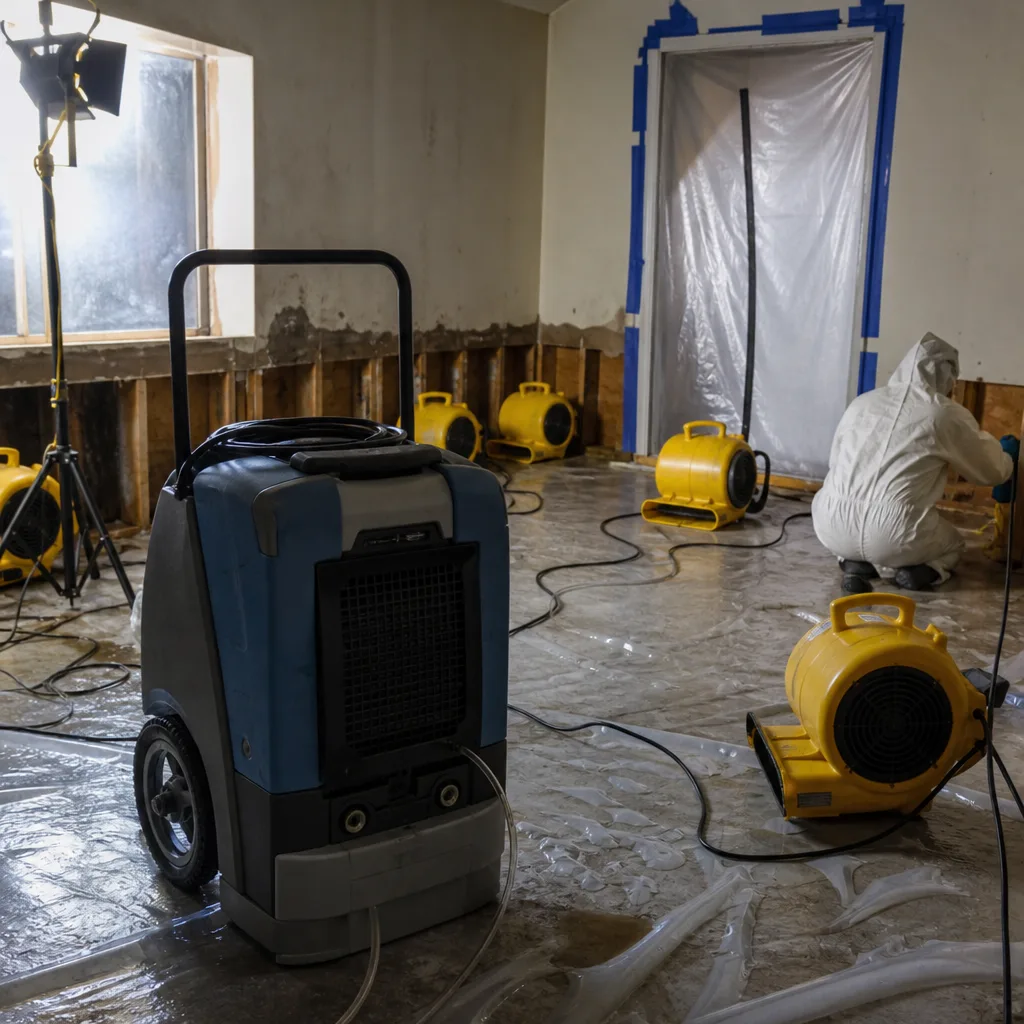
Fire and smoke damage restoration in Bothell spans a wider cost range than water or mold because the damage types multiply: thermal damage to structure, smoke residue on surfaces, odor penetration into porous materials, and water damage from suppression efforts. In our work across Bothell, from the older wood-framed homes in Downtown Bothell to the larger custom builds in Timberlea, we’ve seen kitchen grease fires that stayed contained to one cabinet and electrical panel fires that required full gut-to-stud reconstruction.
Mitigation and Cleaning Costs
- Emergency board-up and tarping: $450-$950 (minimums apply for after-hours response)
- Smoke and soot cleanup, light residue: $4.50-$7.50 per square foot
- Smoke and soot cleanup, heavy residue or protein fire: $8.50-$14.00 per square foot
- Ozone or hydroxyl odor treatment: $350-$650 per treatment area
- Thermal fogging (for odor in wall cavities): $1.20-$2.00 per square foot of structure
- Contents pack-out and inventory: $65-$125 per hour plus packing materials
- Contents cleaning (ultrasonic, textiles, electronics): $4.50-$12.00 per piece depending on item class
Structural Repair and Reconstruction
Fire reconstruction costs align with standard remodeling rates in the Bothell market, with premiums for code-required upgrades. Current 2026 ranges:
- Drywall installation, 1/2 inch: $2.75-$4.25 per square foot
- Drywall installation, 5/8 inch fire-rated (garages, between units): $4.50-$6.50 per square foot
- Insulation replacement, batt: $2.25-$3.75 per square foot
- Insulation replacement, spray foam (code upgrade trigger): $5.50-$9.50 per square foot
- Electrical panel replacement (if fire originated at panel): $2,800-$5,500
- Full kitchen rebuild (mid-grade finishes): $28,000-$55,000
The water damage from suppression is often the largest hidden cost. A single residential fire sprinkler flows 15-25 gallons per minute until shut off. If the fire department’s response time in your Bothell neighborhood averages 6-8 minutes, that’s 90-200 gallons of Category 2 or 3 water before anyone enters the structure. The fire contractor’s scope must include this water mitigation, or you’ll be hiring a second contractor and fighting two insurers over which policy applies.
Our documentation protocol includes photo record of both fire and water damage on the initial visit, with moisture readings taken before any soot cleanup begins. This prevents the common adjuster dispute: “The water damage wasn’t from the fire, it was pre-existing.” A photo with a time stamp and a moisture meter reading is difficult to dispute.
Storm, Disaster, and Sewage Cleanup Costs
Bothell’s storm damage profile is specific to its location in the Sammamish River valley and its exposure to Puget Sound wind patterns. We see roof damage from southeasterly wind events, basement flooding from overwhelmed storm systems in the lower elevations, and tree impact damage in the mature neighborhoods where canopy cover is dense. Sewage backups, whether from municipal line failures or private sewer laterals, carry Category 3 classification and strict handling requirements.
Storm and Flood Damage
- Emergency tarping, roof: $450-$850 (steep pitch or tile adds 30-50%)
- Tree removal from structure (under 24 inch diameter): $1,200-$2,800
- Tree removal from structure (over 24 inch diameter or crane-required): $3,500-$8,500
- Groundwater extraction and Category 3 mitigation: $6.50-$10.50 per square foot
- Sump pump failure response (after-hours): $650-$1,200 minimum
Sewage Cleanup
Sewage losses require full PPE, contained disposal, and antimicrobial treatment beyond standard water mitigation. Costs run higher because of disposal fees and the extended drying required to achieve safe bacterial clearance.
- Category 3 water extraction and initial sanitization: $7.50-$12.50 per square foot
- Removal and disposal of saturated porous materials (carpet, pad, baseboard, lower drywall): included in extraction rate or $2.50-$4.50 per square foot separately
- Antimicrobial application, EPA-registered: $1.20-$2.00 per square foot
- HEPA air scrubbing during remediation: $55-$85 per day
- Post-remediation bacterial clearance testing: $650-$1,100
Bothell’s connection to King County Metro wastewater means some sewage backups originate in municipal lines. If this is documented, your insurer may subrogate against the municipality, but only if the restoration contractor’s photo record shows the backup point and the flow direction. We document this on every sewage loss, with video where possible, because the difference between a covered loss and a denied claim often comes down to origin documentation.
Speed matters on sewage and storm losses, but the work is still scoped and priced in writing before equipment is deployed. Same-day response is available through our live dispatch, but the written price, per Haven Standard, Clause 1, precedes any work.
Reconstruction and Build-Back Costs
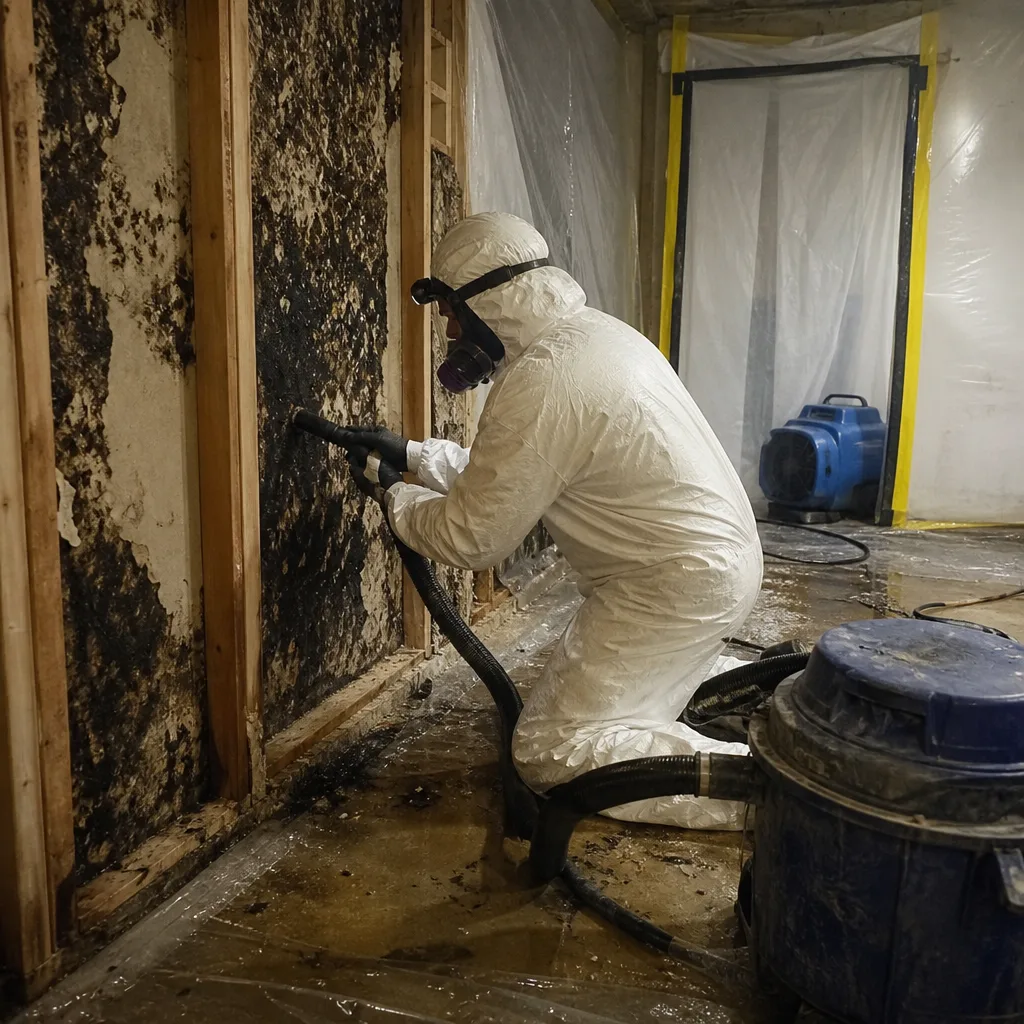
Reconstruction is where restoration transitions from mitigation to construction, and where pricing discipline matters most. A contractor who handled your drying may not be the right choice for your rebuild, or they may be excellent at both. The key is that reconstruction pricing is scoped separately, with material allowances specified, and with no obligation to use the same contractor for both phases.
Bothell Reconstruction Cost Ranges (2026)
- Drywall, paint-ready (Level 4 finish): $3.50-$5.50 per square foot
- Drywall, Level 5 finish (high-gloss paint or critical lighting): $5.50-$8.50 per square foot
- Interior painting, walls only: $2.25-$3.75 per square foot
- Interior painting, walls and ceilings: $3.50-$5.50 per square foot
- Floating floor, LVP (mid-grade): $6.50-$10.50 per square foot installed
- Engineered hardwood: $10.50-$16.50 per square foot installed
- Solid hardwood (site-finished): $14.50-$22.50 per square foot installed
- Carpet and pad, medium grade: $4.50-$7.50 per square foot installed
- Ceramic tile floor: $12.50-$19.50 per square foot installed
- Kitchen cabinetry, semi-custom: $18,000-$35,000 full replacement
- Bathroom vanity and counter: $2,800-$6,500
- Electrical fixture replacement (per fixture): $185-$350
- Plumbing fixture replacement (per fixture): $225-$450
Code Upgrade Triggers in Bothell
Reconstruction after a loss must meet current code, not the code in force when the home was built. In Bothell, common triggers include:
- Hardwired interconnected smoke/CO detectors (required in all sleeping areas and common spaces)
- AFCI/GFCI outlet upgrades in kitchens, bathrooms, garages, and exterior locations
- Sprinkler system requirements for additions over 1,000 square feet
- Energy code insulation upgrades (R-49 attics, R-21 walls for new construction equivalent)
- Seismic strapping for water heaters
Code upgrades are often covered under “Ordinance or Law” coverage in your policy, typically 10-25% of your dwelling limit, but only if the contractor’s scope identifies them explicitly. A bid that says “replace drywall” without noting the insulation upgrade behind it will be underfunded, and the homeowner pays the gap. Our scopes call out code triggers by reference, with the specific IRC or Bothell Municipal Code section, so your adjuster can verify coverage without back-and-forth.
Reconstruction is scheduled, not dispatched. We provide a written timeline with milestone dates, material lead times (currently 4-6 weeks for semi-custom cabinetry in this market), and a fixed price. The 365-Day Done Right Promise applies to all reconstruction work, with documented photo record at rough-in, pre-cover, and final walkthrough.
Hidden Cost Categories Most Homeowners Miss
These are the line items that appear after the initial estimate, often after work has begun, and frequently after the homeowner has committed to a contractor. Understanding them in advance lets you verify coverage or budget accordingly.
Contents Pack-Out and Storage
When affected areas require demolition or extensive drying, your belongings must be moved, inventoried, and stored. Costs include:
- Pack-out labor: $65-$125 per hour, typically 4-8 hours for a standard home’s affected rooms
- Packing materials: $185-$450
- Climate-controlled storage: $185-$350 per month per vault (each vault holds approximately a room’s contents)
- Contents cleaning (if smoke, soot, or sewage affected): $4.50-$12.00 per piece
- Move-back and reset: $65-$125 per hour
Some policies cover full replacement value for contents, others cover actual cash value with depreciation. The pack-out inventory, with photo documentation, is what determines which applies to each item. We document every item with a photo and condition note before it leaves the property.
Temporary Housing
If your home is uninhabitable during mitigation or reconstruction, Additional Living Expense (ALE) coverage applies. In Bothell, extended-stay hotel rates run $125-$195 per night, short-term furnished rentals $3,500-$6,500 per month. The key is documenting that the home is uninhabitable: no functional kitchen, no working bathroom, or air quality concerns from ongoing remediation. We provide a written uninhabitability letter with supporting moisture or air quality data when requested by your adjuster.
Industrial Hygienist and Specialist Fees
Beyond mold clearance, hygienists may be required for:
- Pre-remediation protocol writing: $800-$1,500
- Post-remediation verification: $650-$1,200
- Air quality testing (VOCs, formaldehyde, particulates): $850-$1,800
- Asbestos or lead testing (pre-1978 homes): $350-$650 per material type
Bothell has a significant inventory of homes built between 1950 and 1978, particularly in the older neighborhoods near Main Street. Disturbance of plaster, flooring mastic, or pipe insulation without testing creates liability and potential EPA notification requirements. We test before disturbing suspect materials, with results in 24-48 hours from certified labs.
Permit Costs
Bothell requires permits for reconstruction involving structural, electrical, or plumbing work. Current city fees:
- Building permit, residential repair: base fee $185-$350 plus valuation-based fees
- Electrical permit: $125-$285 depending on scope
- Plumbing permit: $125-$225
- Plan review (if required): $185-$450
Permit costs are typically homeowner responsibility unless the contractor’s scope explicitly includes them. Our written scopes specify who obtains and pays for each permit, with permit numbers documented in the job file.
How to Read a Restoration Bid Line by Line
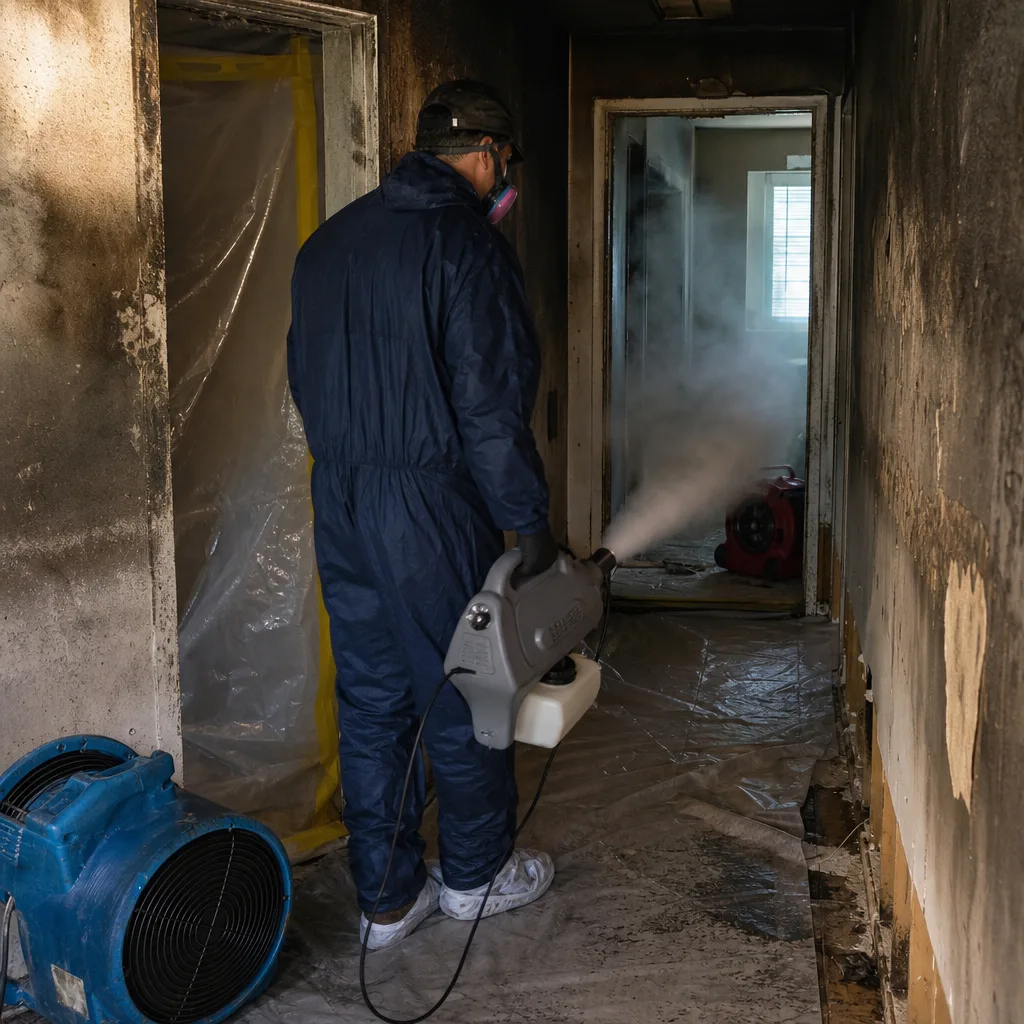
This is the skill that saves homeowners thousands. An adjuster reads a bid in 90 seconds, scanning for format compliance, reasonable quantities, and red flags. You can do the same.
Step 1: Verify the Header Information
Every legitimate Xactimate estimate shows: the price list version and date, the estimator’s Xactimate profile number, the claim number (if assigned), and the property address. Missing any of these suggests the contractor is working outside standard claim workflows, which means payment delays.
Step 2: Check Unit of Measure Consistency
Each line item must have a unit of measure that makes sense for the work:
- Drywall removal: per square foot (SF)
- Baseboard removal: per linear foot (LF)
- Dehumidifier rental: per each, per day (EA/DAY)
- Electrical outlet replacement: per each (EA)
A line item with no unit of measure, or with “LOT” as a catch-all, cannot be verified against regional pricing and will be questioned.
Step 3: Validate Quantities
Measure your affected spaces and compare to the bid. A 12×15 living room is 180 square feet. If the bid shows 240 square feet of drywall removal, ask why. Common explanations are valid (removal height above the visible damage line, adjacent closet inclusion), but the contractor should explain and document each.
Step 4: Spot Missing Line Items
These omissions create the most common supplement requests and payment delays:
- No moisture mapping or psychrometric readings (required for IICRC compliance)
- No drying equipment daily rates (should show unit price and days)
- No disposal or dump fees (legitimate cost, typically $85-$150 per load in Snohomish County)
- No decontamination or antimicrobial for Category 2 or 3 water
- No clearance testing line item
- No code upgrade allowance or identification
Step 5: Review the Summary and Overhead & Profit
Xactimate applies 10% overhead and 10% profit to trades requiring three or more trades on a job. This is standard and insurer-accepted. A contractor adding additional “administrative fees” or “project management fees” beyond this is billing outside standard structure.
Step 6: Request a Revised Format
If a bid fails any of these checks, request a revised scope in Xactimate format with the missing fields completed. This is not an unreasonable request; it’s what adjusters request daily. A contractor who refuses or claims “we don’t work that way” is signaling that your claim will face friction.
Our Free Second Opinion service exists precisely for this review. Bring any competitor’s written estimate and we’ll analyze it against these criteria at no charge, with a written assessment you can use in adjuster discussions or to request bid revisions.
Common Mistakes to Avoid
- Accepting a single-line bid. “Water damage remediation: $14,000” tells an adjuster nothing. It tells you nothing. Every legitimate scope breaks into measurable line items with units, quantities, and prices.
- Starting work before the written price. Haven Standard, Clause 1 exists because we’ve seen what happens when scope expands after the crew is inside: disputed invoices, mechanic’s liens, and homeowners paying out of pocket for work they didn’t authorize.
- Ignoring the water classification. A contractor who treats Category 3 sewage backup as Category 1 clean water is cutting corners on safety and documentation. The classification affects equipment, PPE, disposal, and clearance requirements. It must be stated in the scope.
- Skipping the photo documentation. In Bothell’s competitive real estate market, undocumented restoration becomes a disclosure issue at sale. Our photo record on every visit creates a timestamped chain of evidence for your property file.
- Assuming reconstruction is included. Mitigation and reconstruction are separate trades with separate pricing. A bid that blends them without clear phase separation makes insurance allocation impossible and invites scope creep.
- Not verifying the contractor’s documentation standards. Daily drying logs, moisture readings, and photo records are not upsells. They’re the evidence that turns restoration invoices into payable claims. Ask to see a sample before you sign.
- Waiting for the insurer to choose the contractor. You choose the contractor. The insurer evaluates the scope. Delaying mitigation while waiting for insurer approval lets damage compound and can shift coverage limits. Document first, negotiate scope with evidence in hand.
When to Call a Professional
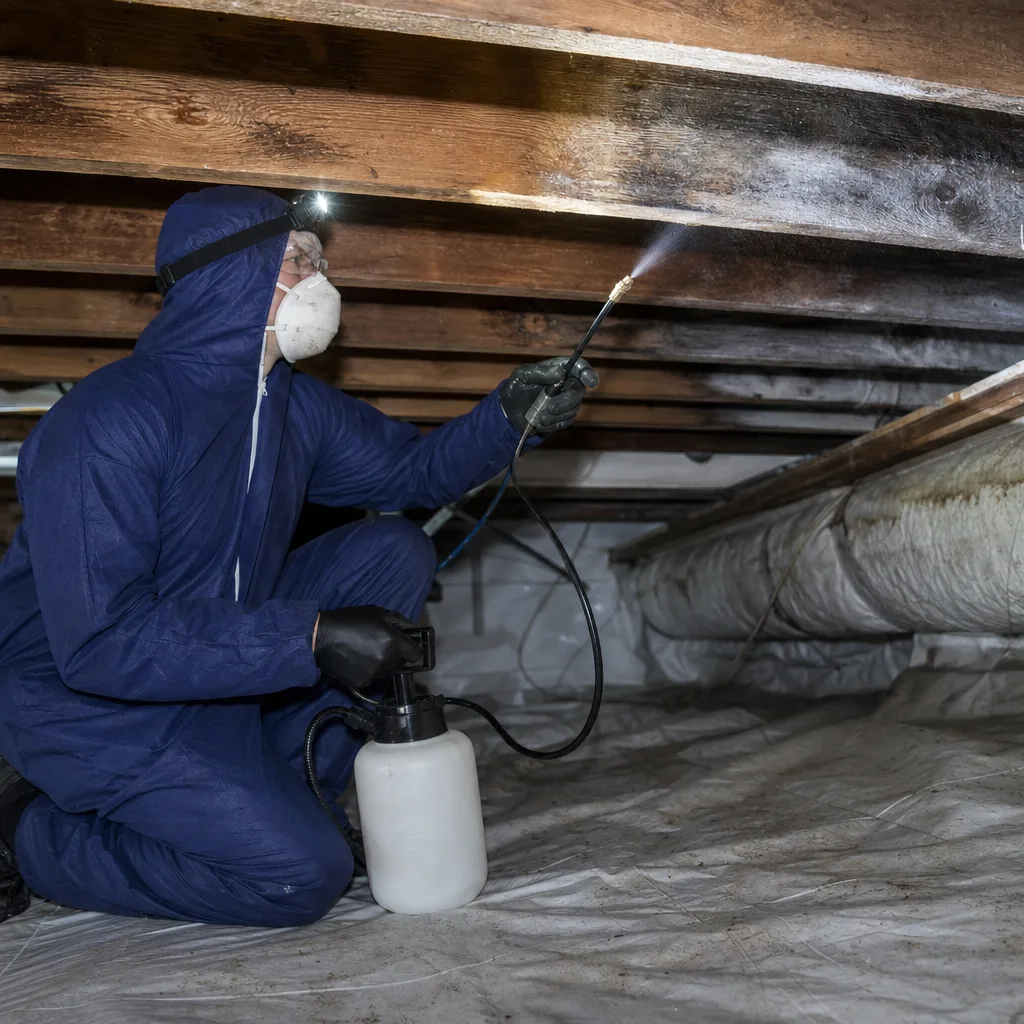
Call for professional assessment when: water has affected drywall or insulation (not just surface mopping), you smell musty odor or see visible mold, any fire has produced smoke residue beyond the immediate burn area, sewage has entered the structure, or storm damage has compromised the building envelope. These are not DIY scenarios; they involve contamination, structural safety, or documentation requirements that affect insurance coverage.
Bothell’s specific risks, river valley humidity, mature tree canopy, and aging housing stock, mean that what looks like a small leak often has larger hidden damage. We’ve opened walls in Finn Hill homes where a pinhole pipe leak produced three feet of saturated insulation, and in Canyon Park crawl spaces where surface mold indicated full subfloor involvement.
DryMark Restoration Bothell offers free estimates in Bothell. Our live dispatch answers at (425) 696-6061, 24 hours a day, 7 days a week, with no voicemail on emergency lines. Every estimate includes a written price before work begins, a documented photo record on every visit, and analysis in Xactimate format where insurance is involved.
Frequently Asked Questions
A standard residential water loss in Bothell runs $3,500-$8,500 for extraction, drying, and limited demolition, with reconstruction adding $12-$35 per square foot depending on finishes. The range reflects water classification (clean vs. contaminated), affected square footage, and whether the scope is written in Xactimate line-item format that your insurer can process. Call (425) 696-6061 for a written estimate specific to your property - estimates are free.
Your insurer will cover costs that are sudden, accidental, and within policy limits, minus your deductible, but only for scopes documented in the format they can evaluate. The gap between contractor charges and insurer payment usually comes from single-line bids, missing line items, or depreciation applied to non-mitigation work. A documented scope in Xactimate format, with photo evidence of damage and moisture readings, closes most of this gap before work begins. We coordinate directly with adjusters and provide the documentation package that supports full payment.
For water, sewage, storm, and fire emergencies, our live dispatch answers immediately and crews are typically on-site within 60-90 minutes in the Bothell area. Reconstruction work is scheduled, not dispatched, with a written timeline provided after scope approval. Speed matters for mitigation to prevent secondary damage; it does not apply to build-back, which is scoped and priced like any construction project. Call (425) 696-6061 at any hour for emergency response.
For areas under 10 square feet of visible mold on non-porous surfaces, DIY cleaning with proper PPE may be adequate. For larger areas, mold in HVAC systems, or any mold resulting from Category 2 or 3 water, professional remediation is required for health safety and insurance documentation. Bothell’s humidity levels mean that surface mold almost always indicates deeper moisture problems that cleaning alone won’t resolve. We provide a written assessment with moisture readings to determine the actual scope.
Xactimate sets regional price tables based on actual material and labor costs. A contractor charging significantly above these rates will face insurer scrutiny and likely reduced payment. A contractor charging significantly below may be cutting corners on equipment, documentation, or disposal. The legitimate range is typically plus or minus 10% of Xactimate regional pricing. We publish our equipment rates on request and build every scope within standard tables.
You retain control of your claim, but a documentation-focused restoration company should coordinate directly with your adjuster on scope and pricing questions. We provide the photo record, moisture logs, and written scope that answer adjuster questions before they’re asked. This reduces your administrative burden and speeds payment. We do not negotiate settlement amounts or policy limits; those remain between you and your insurer.
The Bottom Line
Restoration costs in Bothell are predictable when you know what each line item represents and how insurers evaluate them. The difference between a smooth claim and a disputed invoice usually comes down to documentation format: Xactimate line items, photo evidence, moisture readings, and a written scope before work begins. A homeowner who can read a bid for unit of measure consistency, reasonable quantities, and missing categories can catch problems before signing, not after payment is delayed. The contractors who get paid fully and promptly are the ones who document like adjusters think. That’s the standard we built Back to Dry around in 2011, and it’s the standard we apply to every job under The Haven Standard.
Written by Alicia Brennan, Owner at DryMark Restoration Bothell, serving Bothell since 2011.