
Free visual inspection and a written scope of work before any mitigation begins - photos, moisture readings, and drying logs go in your claim file
The scope we write is the scope we bill. Anything new gets shown to you, in writing, before we touch it.
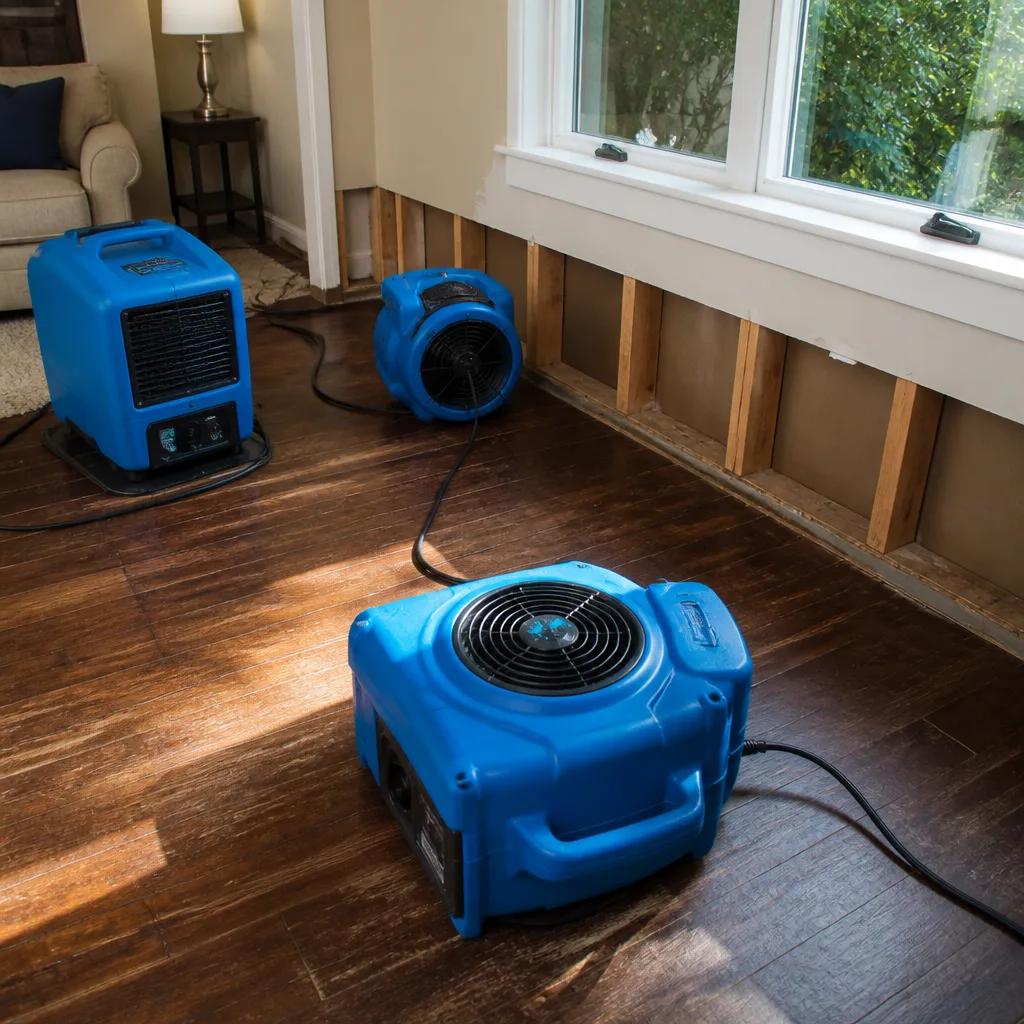
 Before
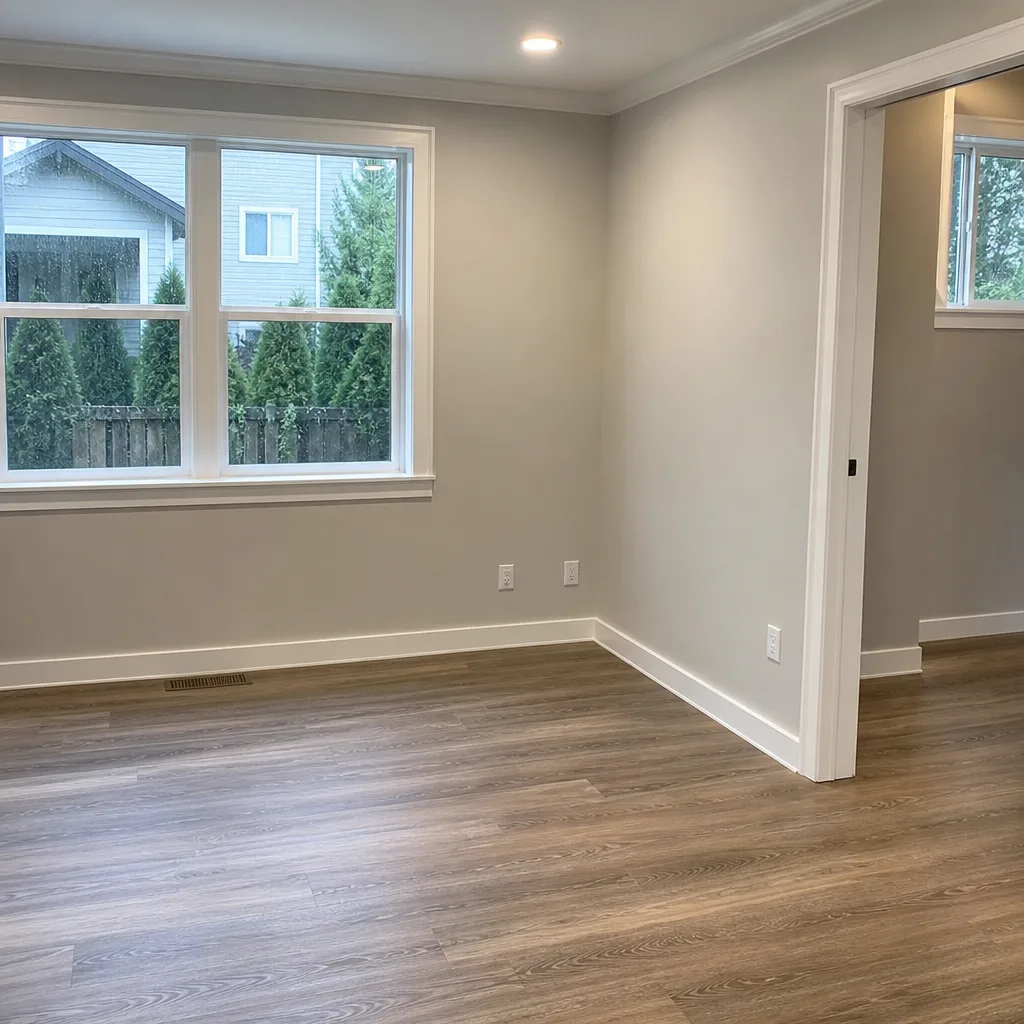 After
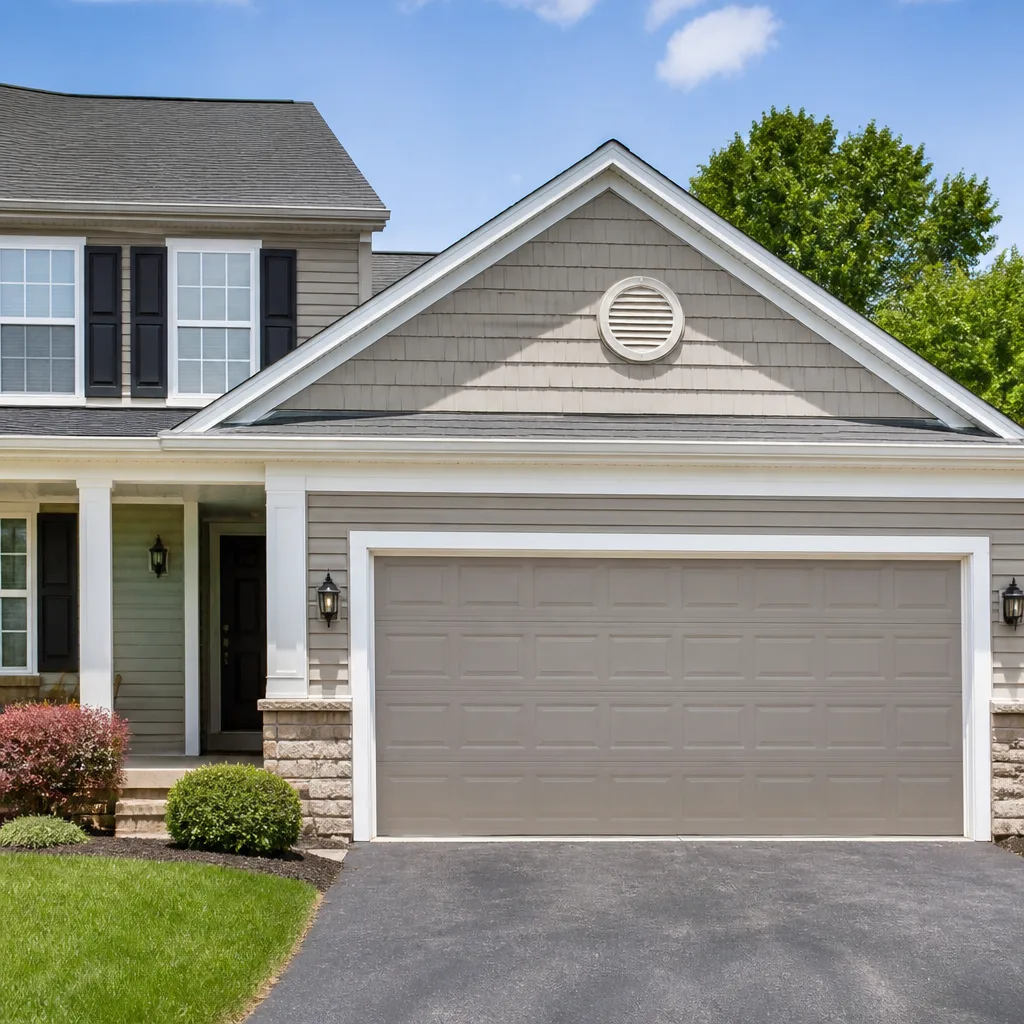
After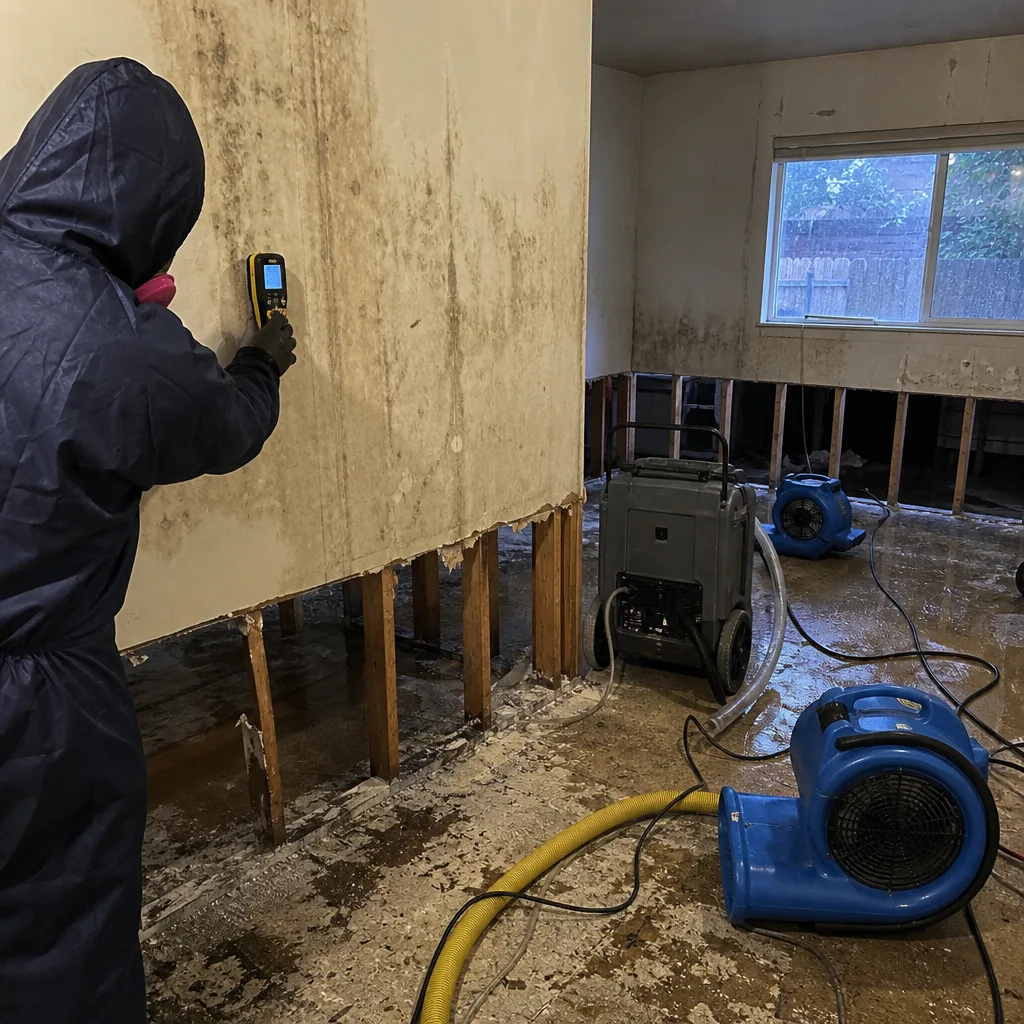 Before
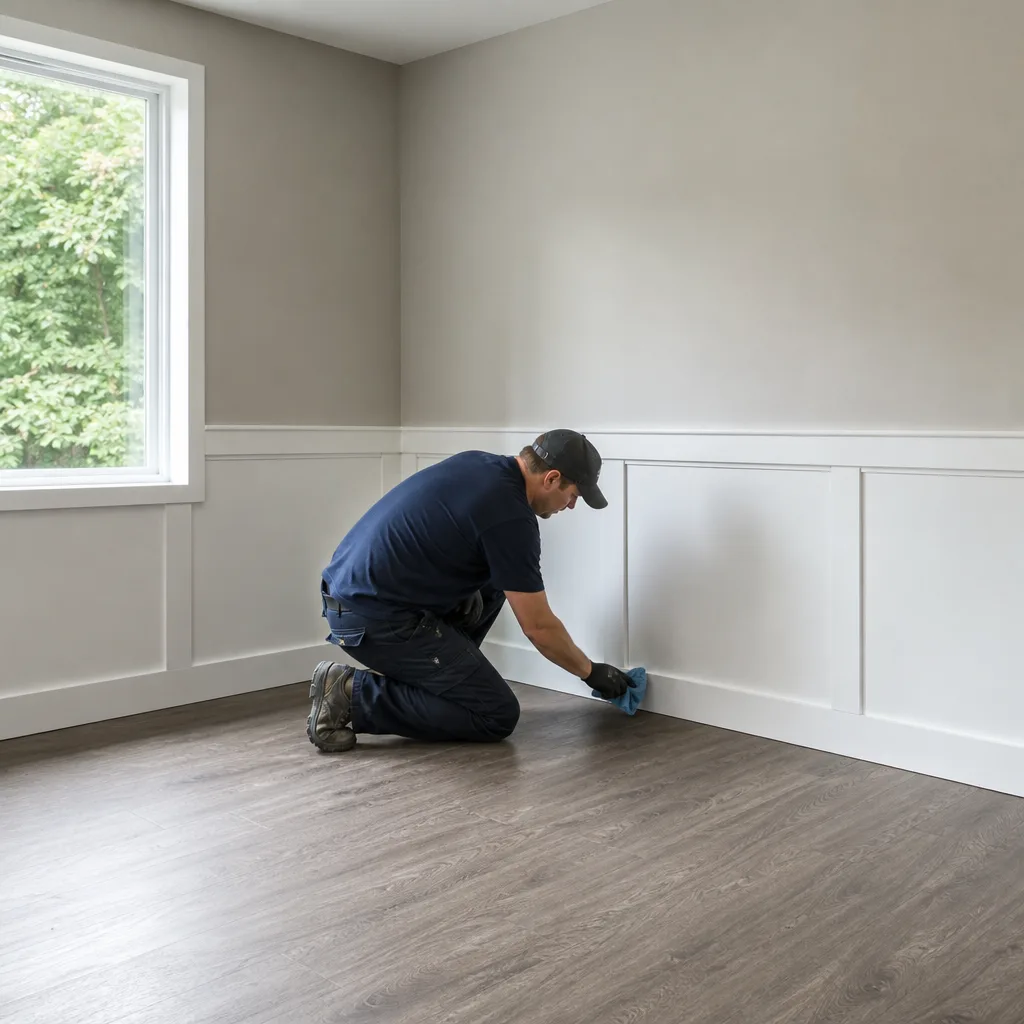 After
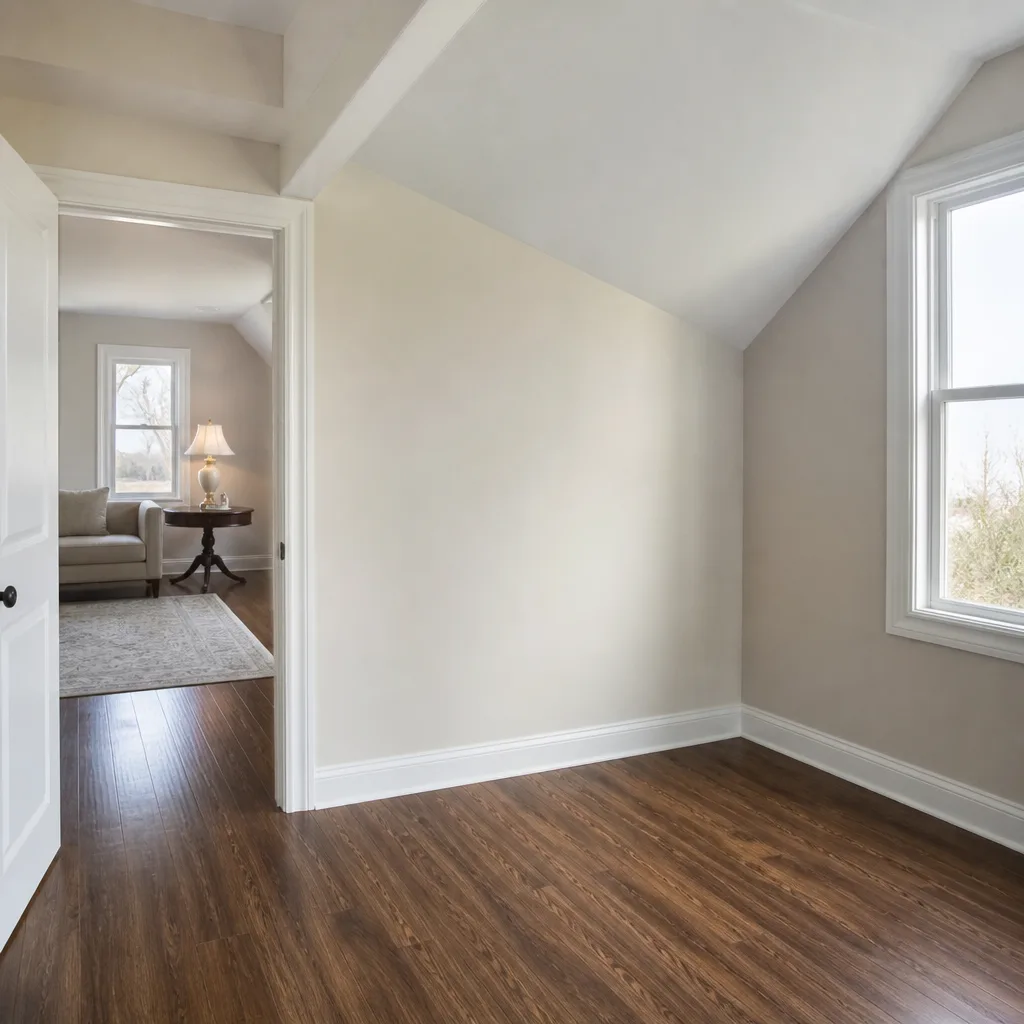
After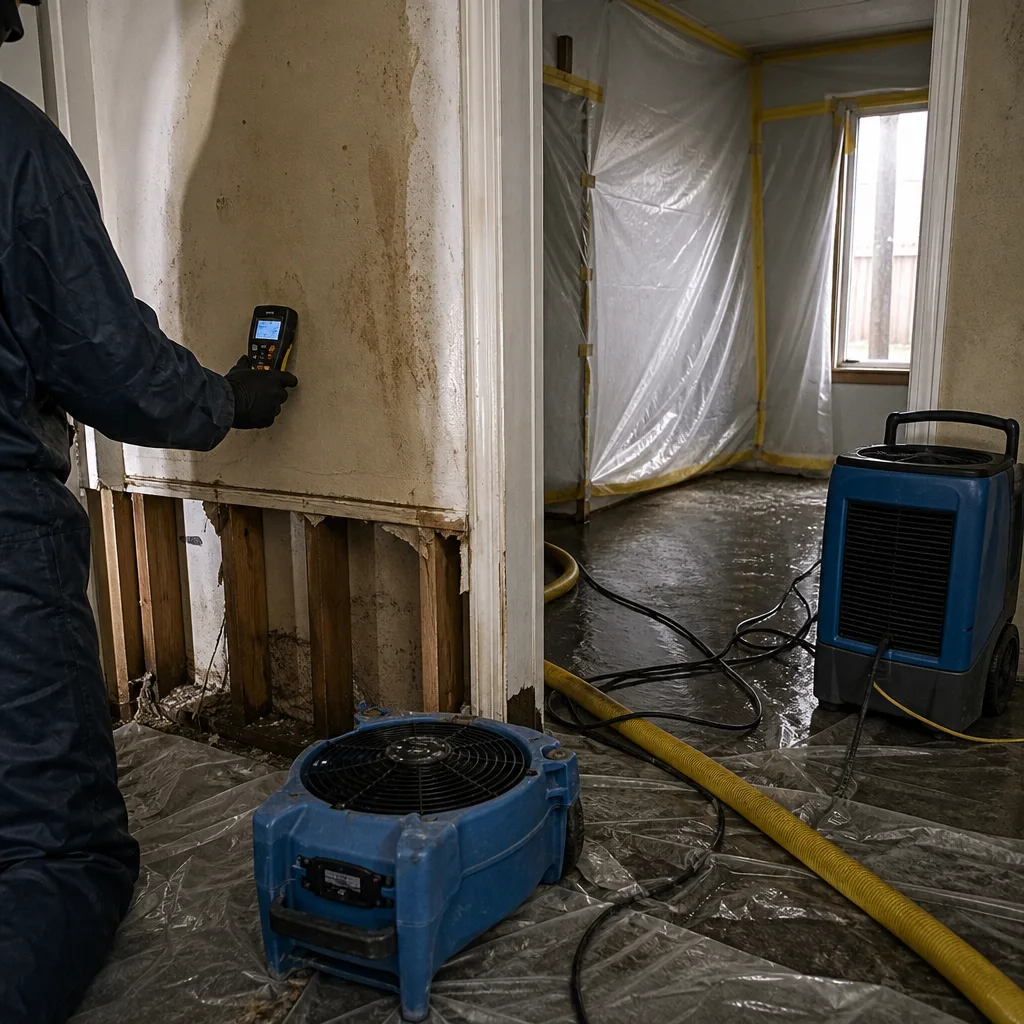 Before
 After
After24/7 Emergency Fire & Smoke Damage Restoration in Kenmore
Fire and smoke damage restoration in Kenmore typically costs $3,800-$14,500 depending on the affected square footage, with emergency board-up and stabilization starting at $850-$1,400. Most Kenmore properties in our service area see our crews on-site within 45 minutes of the call. Call (425) 696-6061 now - we answer live, 24 hours a day, 7 days a week, with no voicemail trees.
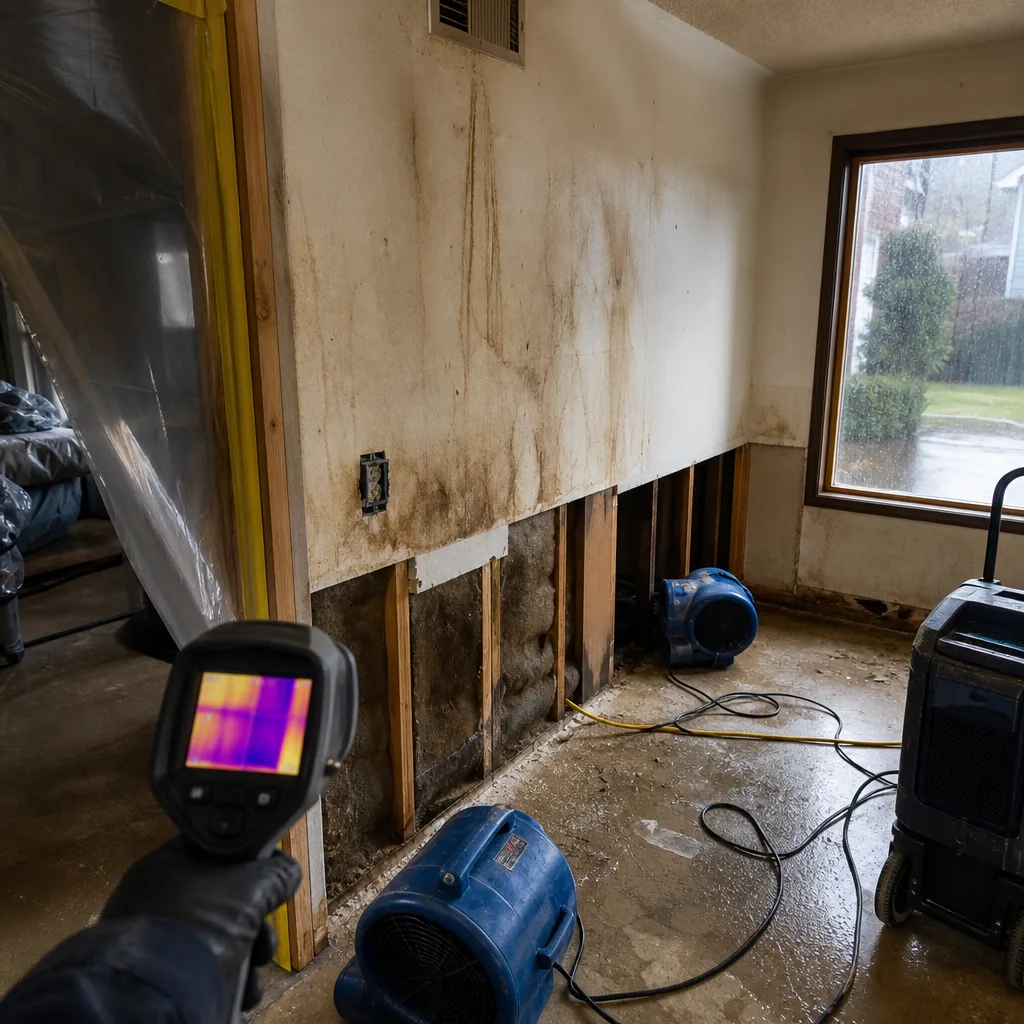
The first hour after a fire determines how far smoke and acidic soot residue penetrate framing, insulation, and HVAC systems. In Kenmore’s 1950s-1980s ranch and split-level homes, smoke migrates fast through shared attic cavities and vented crawl spaces. Delayed containment means odor returns weeks later, after the visible cleanup is done. Our Fire & Smoke Damage Restoration team dispatches from our Seattle office with thermal imaging, HEPA air scrubbers, and moisture mapping equipment to document the full loss before any work begins.
We serve Kenmore properties from the Inglewood-Finn Hill ridge down to the Sammamish River corridor, including acreage lots off NE 181st St and the low-elevation neighborhoods near Bastyr University. Every job starts with a free visual inspection and a written price before work begins - Haven Standard, Clause 1.
Understanding Fire & Smoke Damage Restoration Severity in Kenmore Properties
Fire damage in Kenmore falls into three severity tiers, each requiring different documentation and equipment. Light smoke damage - confined to a single room with superficial soot on horizontal surfaces - typically responds to dry-ice blasting or HEPA vacuuming followed by thermal fogging. Moderate damage involves protein smoke from kitchen fires or wet smoke from slow-burning synthetic materials, which leaves a sticky residue that standard cleaning compounds won’t lift; this requires solvent-based cleaning agents and often partial removal of porous materials like drywall and insulation. Heavy damage means structural compromise, with charred framing and widespread smoke migration through wall cavities and crawl spaces.
Kenmore’s housing stock amplifies certain loss patterns. The ranch homes built during the 1960s and 1970s suburban buildout often have vented crawl spaces with minimal vapor barriers. Smoke pushed into these cavities by fire department positive-pressure ventilation doesn’t stay visible - it adsorbs into wood framing and subfloor sheathing, then off-gases when temperatures rise. Without psychrometric monitoring (measuring temperature, relative humidity, and vapor pressure differential), a restoration plan can miss this entirely. Our crews document moisture readings and airborne particulate levels at every visit, producing the drying logs that keep insurance claims moving.
Why Kenmore Property Owners Choose DryMark Restoration Bothell
- 45-minute response commitment to Kenmore addresses, from the Inglewood-Finn Hill area to the river corridor.
- 24/7 live answer - a real person, never an automated system - on every call to (425) 696-6061.
- IICRC-certified crews holding FSRT (Fire and Smoke Restoration Technician) and WRT (Water Damage Restoration Technician) credentials, with license numbers documented on every job file.
- Free visual inspection with thermal imaging and moisture mapping before any work is proposed.
- Direct insurance billing and adjuster coordination, including NFIP flood claim documentation for river-corridor properties.
- One team from emergency board-up through structural repair and contents return - no handoffs to unknown subcontractors.
BeforeAfterOur Fire & Smoke Damage Restoration Process
1. Inspection & Assessment
We arrive with thermal imaging cameras, moisture meters, and hygrometers to map the full extent of fire, smoke, and water damage. In Kenmore’s river-corridor properties, we specifically test whether suppression water has mixed with Category 3 groundwater intrusion - a distinction that changes the remediation protocol and the insurance claim type.
2. Emergency Board-Up & Stabilization
Broken windows, compromised roofing, and damaged doors get secured with plywood and weatherproof tarping to prevent secondary water intrusion. On Kenmore’s rural acreage properties with detached workshops and oversized door openings, we carry heavy-duty track hardware and custom-width tarps so one crew completes the secure-out in a single trip.
3. Water Extraction & Drying
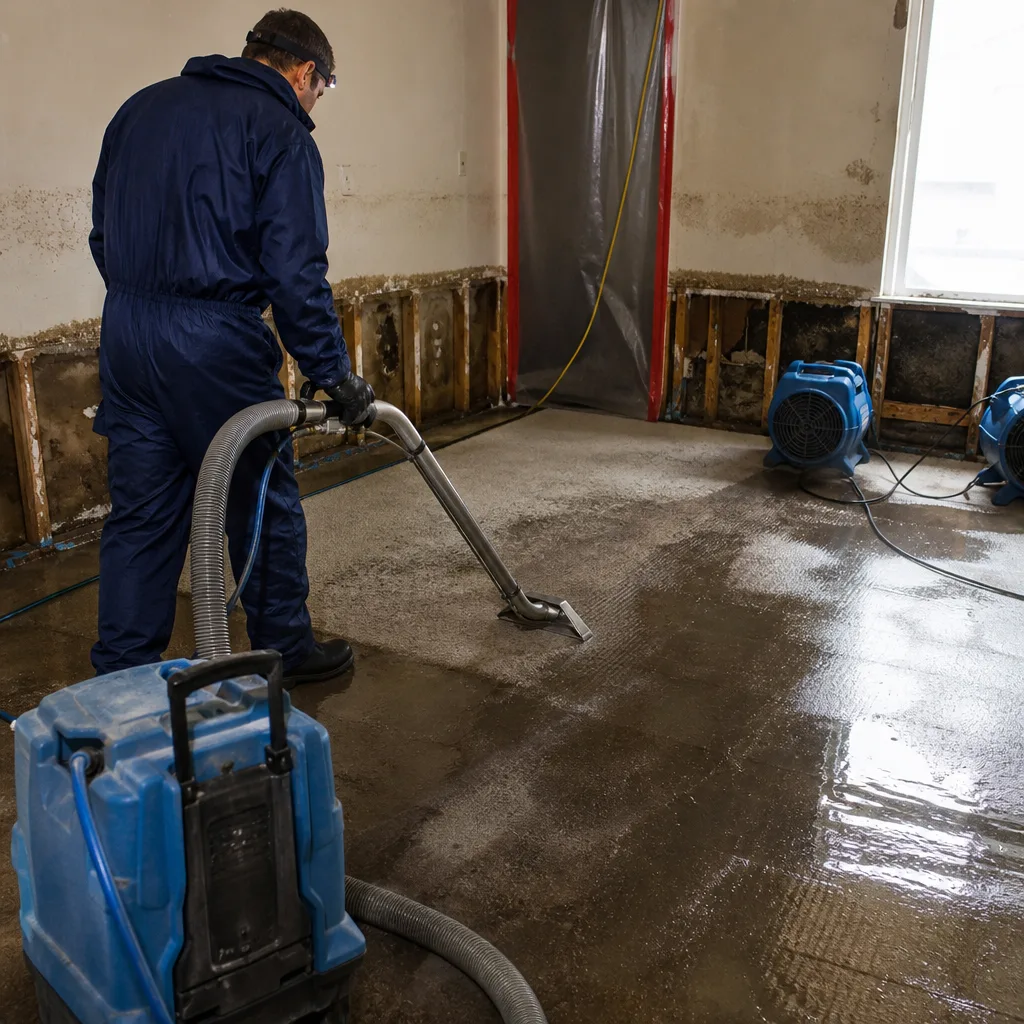
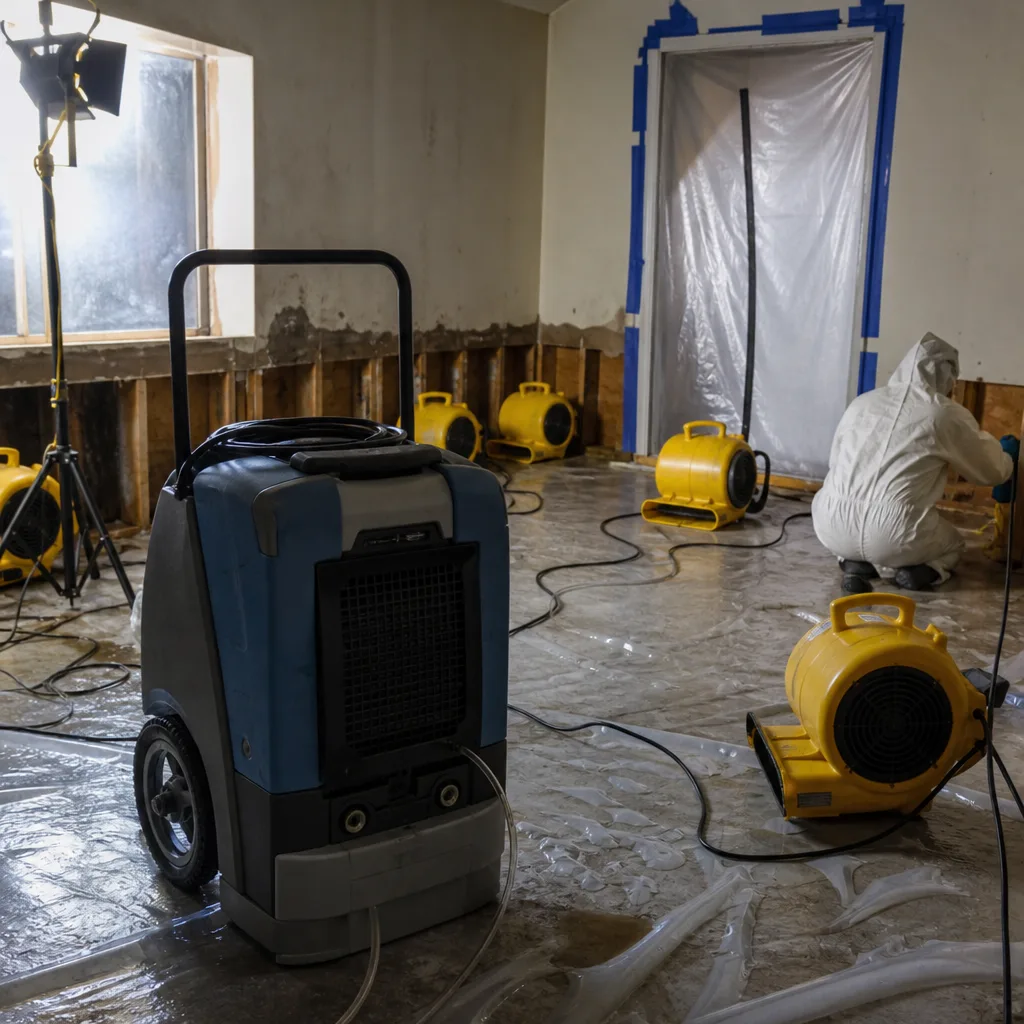
Fire suppression leaves hundreds of gallons of water in wall cavities and subfloors. We deploy Dri-Eaz and Phoenix dehumidifiers, XPOWER air movers, and Injectidry cavity-drying systems to establish controlled drying conditions. Daily moisture logs track progress to IICRC S500 standards, with readings taken at identical locations each visit.
4. Smoke & Soot Removal
Dry smoke, wet smoke, and protein residue each require distinct cleaning chemistry. Our FSRT-certified technicians identify the residue type by visual inspection and solubility testing, then apply the appropriate detergent, solvent, or abrasive method - dry-ice blasting for charred framing, ultrasonic cleaning for non-porous contents, HEPA vacuuming for loose particulate.
5. Odor Removal & Deodorization
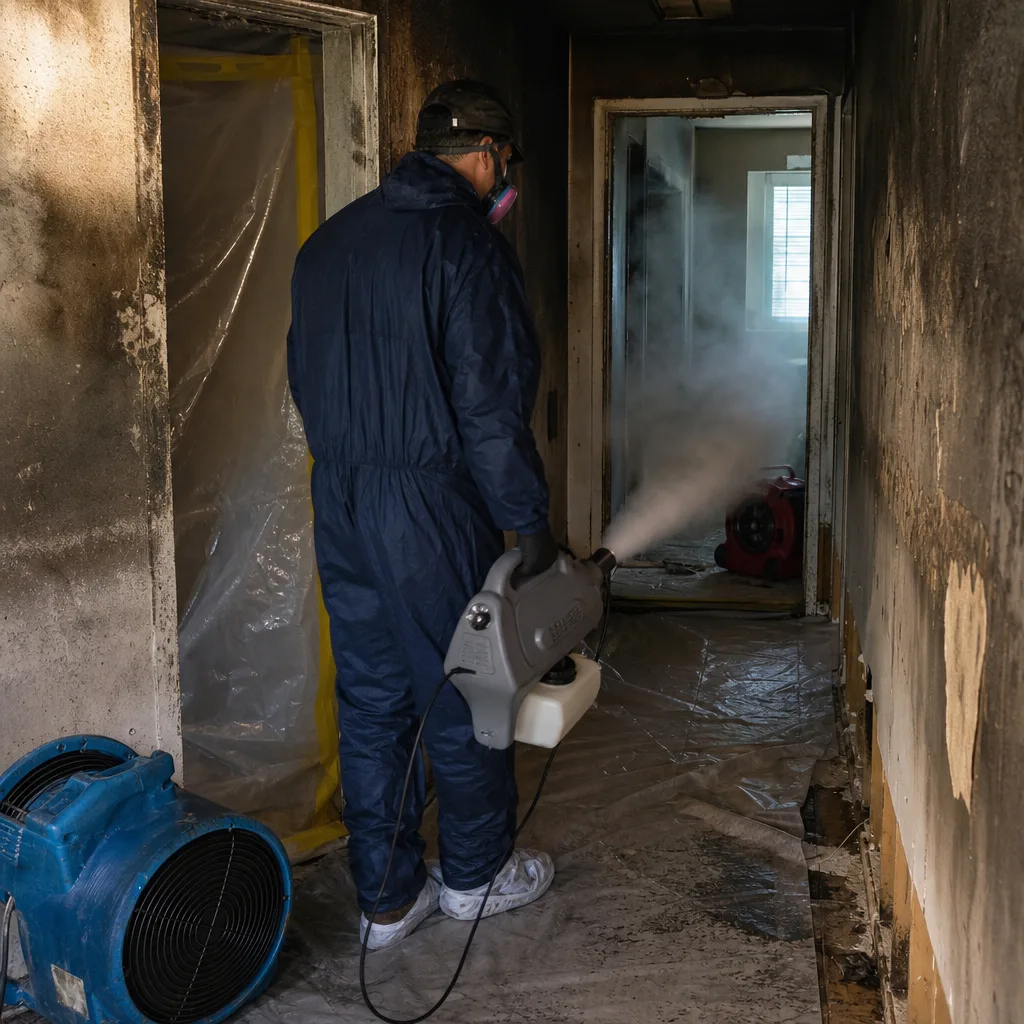
Surface cleaning doesn’t reach odor molecules adsorbed into porous materials. We use thermal fogging, ozone treatment, and hydroxyl generators to neutralize odor at the molecular level, with air scrubbers running continuous filtration. In Kenmore’s crawl-space-heavy housing stock, we extend deodorization to subfloor cavities and HVAC returns where smoke migrates.
6. Repairs & Restoration
Charred framing is sistered or replaced. Drywall, insulation, and finish materials are reinstalled to match existing conditions. On acreage properties with detached workshops, we rebuild heavy-duty door tracks and oversized openings without waiting on a second specialty crew. A final walkthrough with photo documentation precedes the signed completion certificate.
Need Emergency Fire & Smoke Damage Restoration in Kenmore Now?
Crews minutes away, answering live 24 hours a day. The sooner we start, the less it costs.
Working With Your Insurance Company
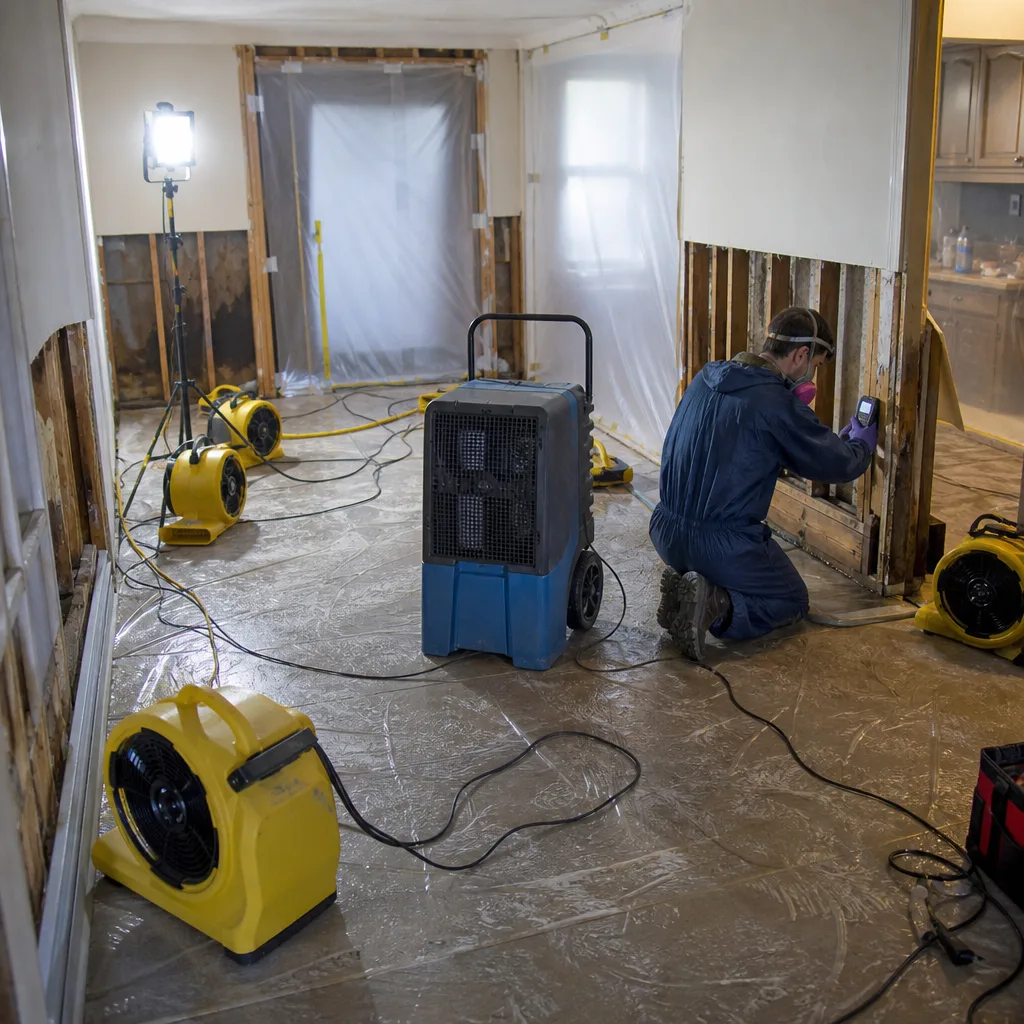
Fire claims move fastest when documentation starts before the first piece of equipment is plugged in. We photograph every room from multiple angles, record moisture readings at marked locations, and produce a line-item scope of work that matches the format adjusters expect. For Kenmore properties in FEMA Special Flood Hazard Areas along the Sammamish River, we identify early whether the loss requires an NFIP claim alongside the standard fire policy - a dual-claim workflow that delays scope approval when restorers miss it.
Our estimates are built to Xactimate standards, the pricing database used by most major carriers. We communicate directly with your adjuster, respond to supplement requests with additional documentation, and never ask you to pay upfront and seek reimbursement later.
What We Provide Your Insurer
- Thorough documentation of the loss
- Photos of all damage, room by room
- Moisture readings and drying logs
- A detailed, line-item scope of work
- Direct coordination with your carrier
Built for Kenmore’s Loss Calendar
Kenmore’s fire damage patterns track with its geography and housing age more than with dramatic seasonal swings. Winter heating-system failures in 1960s-era forced-air furnaces cause attic and crawl space fires when degraded blower motors overheat. Kitchen grease fires spike during holiday cooking, with protein smoke residue that standard household cleaners can’t touch. Summer brings electrical fires in detached workshops where aging 240V circuits serve newer power tools.
The defining local factor is the Sammamish River corridor’s interaction with Lake Washington levels. When the Army Corps of Engineers adjusts the Chittenden Locks to manage lake elevation, backed-up water can flood low-lying Kenmore lots at the same moment fire departments are suppressing a structure fire. This creates Category 2 or 3 water damage underneath smoke-damaged structures - a combination that upstream Bothell properties, above the backup zone, simply don’t experience. Our crews carry both FSRT and WRT certifications specifically because Kenmore losses so often require both skill sets on the same job.
Fire & Smoke Damage Restoration Across Kenmore’s Neighborhoods
Inglewood-Finn Hill sits on the ridge above the lake, with larger lots and homes built from the 1970s through the 1990s. Fires here tend to be contained to the structure of origin, but smoke travels through ridge venting systems that connect multiple attic zones. We inspect the full roofline before declaring any area clear.
The river corridor from NE 181st St down to the Sammamish River trail is where Kenmore’s most complex losses occur. Low-elevation ranch homes on slab or short crawl spaces sit feet above seasonal high water. After any fire, we test groundwater intrusion separately from suppression water - the former is Category 3, the latter typically Category 2 once it mixes with ash and soot. Getting this wrong means failed drying and mold return.
Near Bastyr University, the residential streets mix 1960s ranches with newer infill. Smaller lots mean tighter setback distances, so board-up has to protect neighboring properties while maintaining access for equipment. We’ve tarped roofs here in wind-driven rain that tested every seam.
The acreage properties off Simonds Road and north toward the county line have detached shops, barns, and accessory structures with heavy-duty overhead doors and 240V service. Fire restoration on these sites means securing oversized openings, managing longer service drives for equipment access, and rebuilding door systems that standard residential crews don’t stock. We carry the hardware.
Specialized Fire & Smoke Damage Restoration Services We Offer in Kenmore
Emergency Board-Up & Tarping
Fire-damaged openings expose the structure to rain, wildlife, and unauthorized entry. In Kenmore, where winter storms arrive on short notice and summer afternoon winds can peel inadequate tarping, we use 5/8-inch plywood and reinforced poly with mechanical fastening - not tape - on roof penetrations. On acreage workshops with oversized door tracks, we bring custom-width materials so the secure-out holds until permanent repairs.
Smoke & Soot Removal
Dry smoke from fast-burning wood and paper leaves a powdery residue that smears when wet-cleaned. Wet smoke from slow-burning synthetics is sticky and acidic, etching metal and glass if left overnight. Protein residue from kitchen fires is nearly invisible but intensely pungent. Our FSRT-certified technicians test residue type before selecting cleaning chemistry, then document the method for the claim file.
Odor Removal & Deodorization
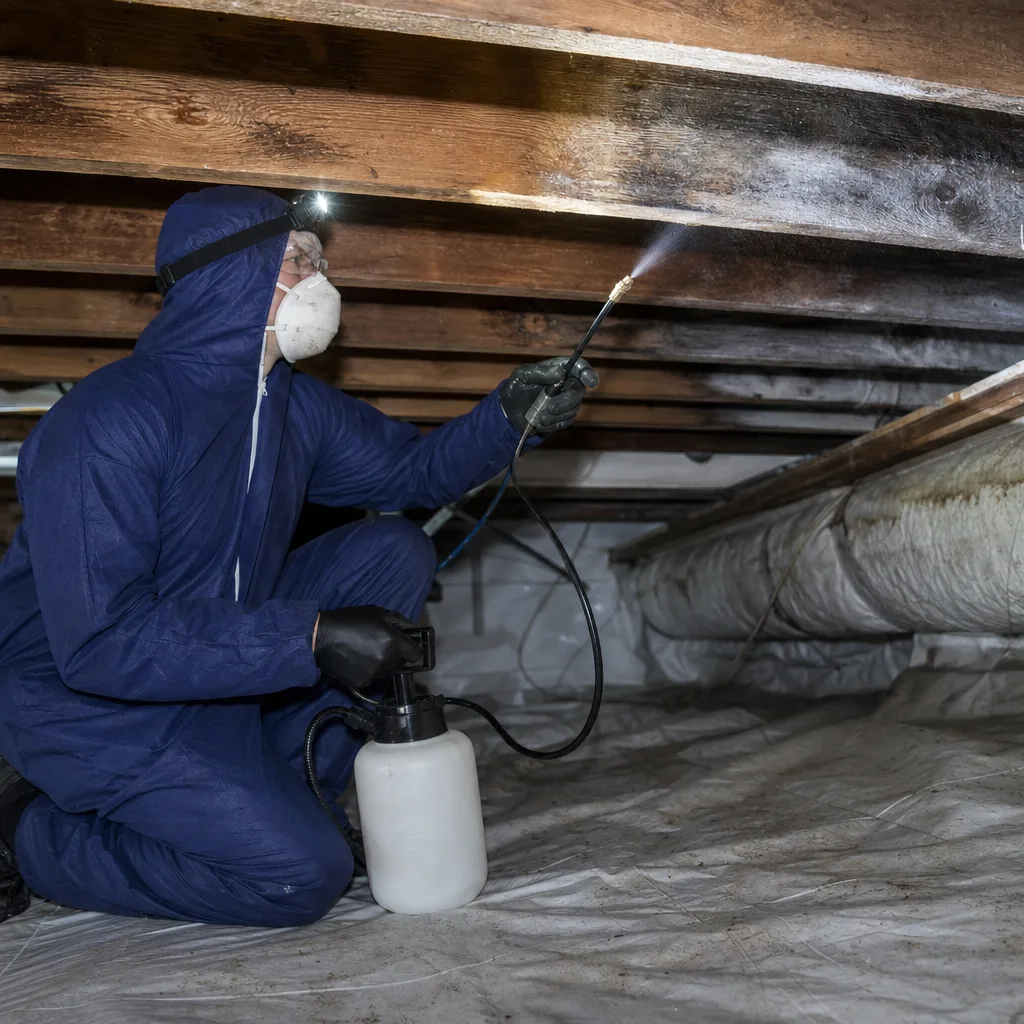
Smoke odor persists when molecules adsorb into porous materials - drywall, insulation, unfinished wood, carpet padding. Surface cleaning can’t reach them. We deploy thermal fogging, hydroxyl generators, and activated oxygen treatment with containment barriers and negative air pressure, monitoring airborne particulate with calibrated meters until readings return to baseline.
Contents Cleaning & Pack-Out
Fire-damaged contents require triage: non-porous items (glass, metal, sealed ceramics) often clean successfully; porous items (upholstery, unsealed wood, paper documents) may need specialized restoration or replacement. We inventory, photograph, and pack out salvageable contents to our cleaning facility, with documentation that supports your personal property claim. For Kenmore’s river-corridor losses with potential NFIP involvement, we separate contents by contamination level early - Category 3 exposure changes what can be saved and how it’s documented.
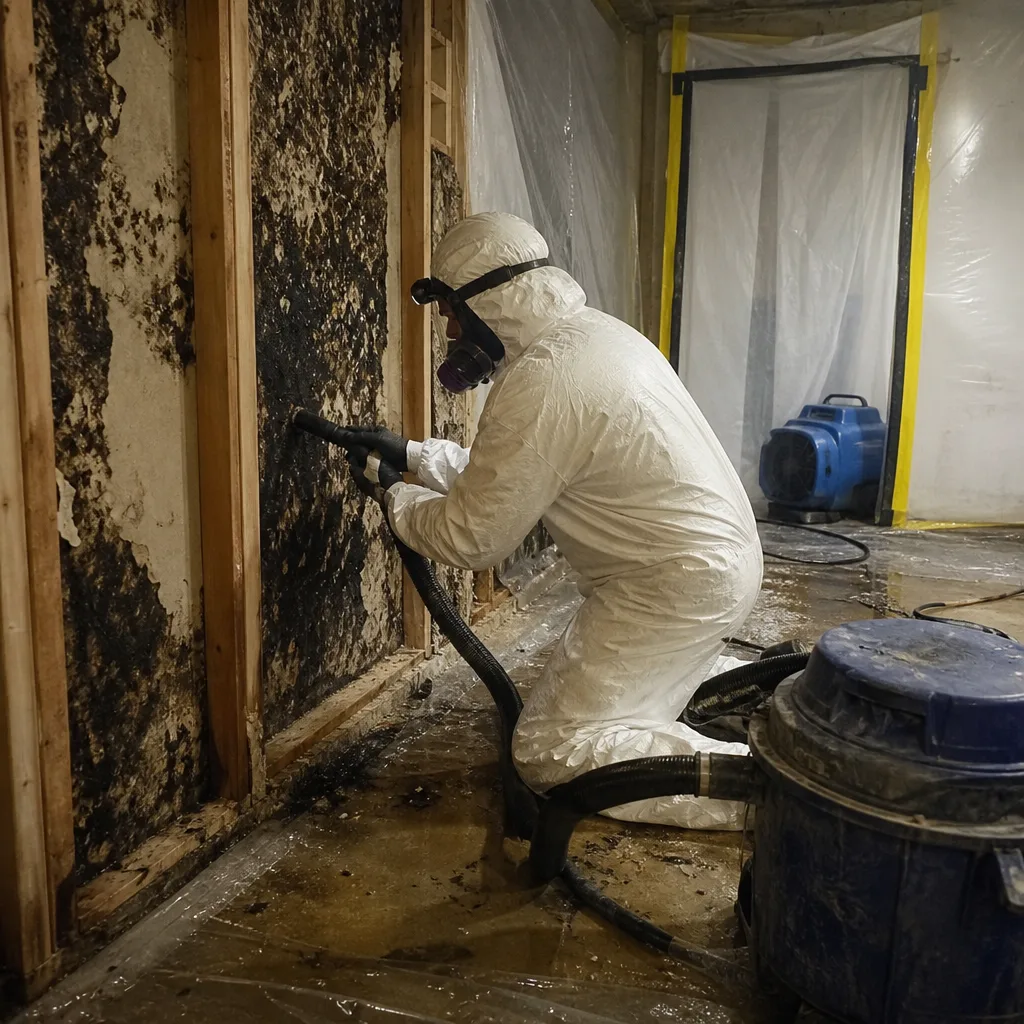
Emergency Board-Up & Tarping (Rural/Acreage)
Kenmore’s larger properties present access and scale challenges that standard residential board-up doesn’t address. Long gravel drives require equipment with adequate clearance. Detached structures may lack exterior water for suppression, leading to more extensive burn damage before departments arrive. We size our response vehicles and materials for these conditions.
What happens when you call
- 1
A real person answersNo phone trees - you reach a local pro.
- 2
You get an upfront price rangeHonest numbers before anyone is dispatched.
- 3
A background-checked tech heads outLicensed & insured, dispatched right away.
- 4
You approve before work beginsNothing starts until you say go.
Fire & Smoke Damage Restoration Costs in Kenmore, WA
| Service | Typical Range in Kenmore |
|---|---|
| Emergency board-up & tarping | $850 - $1,400 |
| Light smoke damage cleanup (single room) | $1,200 - $2,800 |
| Moderate fire/smoke restoration (partial structure) | $4,500 - $9,500 |
| Heavy structural fire restoration with rebuild | $12,000 - $35,000+ |
| Contents pack-out & cleaning | $800 - $3,200 |
| Odor removal & thermal fogging | $600 - $1,800 |
What moves the price: affected square footage, smoke residue type, whether water damage is present and what category, structural repairs needed, and contents volume. Insurance typically covers sudden, accidental fire damage under standard homeowner policies; NFIP coverage applies only when rising water from the Sammamish River corridor is independently documented as a contributing cause. We identify the correct claim path during the free inspection and document accordingly. Call (425) 696-6061 for a written scope and firm price - estimates are free, and Haven Standard, Clause 1 applies to every job.
We Also Serve Cities Near Kenmore
Our crews respond throughout the north Lake Washington area, including Bothell (upstream on the Sammamish River, with different flood patterns), Lynnwood (west along SR-522), Woodinville (northeast, with similar acreage properties and wine-country estate structures), and Kirkland (across Lake Washington, with denser housing stock and distinct loss profiles). Each city page details the local conditions that affect restoration approach and pricing.
Serving Kenmore, WA - Our Local Coverage Area
We’re based in the Kenmore area and know this community well. Use the map below to see our service coverage - if you’re nearby, we can almost certainly help.
Kenmore Fire & Smoke Damage Restoration Questions, Answered
Why does a fire in Kenmore’s river corridor sometimes need both fire and water restoration?
Because the Chittenden Locks-controlled lake elevation can back water into low-lying Sammamish River lots at the same time fire departments are suppressing a blaze, creating a combined smoke-and-flood loss that single-discipline crews often misclassify. We test and document water category separately from fire damage so the claim and the cleanup protocol are correct from day one. Call (425) 696-6061 for a free inspection that identifies all loss types.
How fast do we need to act on smoke damage in a Kenmore crawl space?
Within 24 hours. Smoke residue is acidic and begins etching metal and degrading wood fibers immediately; in Kenmore’s vented crawl spaces, temperature differentials draw smoke-laden air through the cavity continuously. Delayed response means odor that returns after surface cleaning and structural damage that isn’t visible from the living space. Our crews carry HEPA air scrubbers and thermal imaging to locate smoke migration that visual inspection misses.
Do we have to file an NFIP claim instead of a standard homeowner policy for a Kenmore fire loss?
Only if rising groundwater from the Sammamish River corridor contributed to the damage. Standard homeowner policies cover fire and suppression water; NFIP covers flood. When both are present - common in Kenmore’s FEMA Special Flood Hazard Areas - we document each cause separately and coordinate with both adjusters. Getting this wrong delays scope approval by weeks. We identify the correct claim path during the free inspection.
What’s different about fire restoration on Kenmore’s rural and acreage properties?
Detached workshops, longer service drives, heavy-duty door systems, and 240V electrical service all require equipment and expertise that standard residential crews don’t carry. We stock oversized tarping, heavy track hardware, and generators for sites without restored power, and our crews are trained to secure large outbuildings in one trip so the homeowner isn’t coordinating multiple contractors. Call (425) 696-6061 for a scope that addresses the full property.
How do you handle contents from a fire-damaged Kenmore home?
We inventory, photograph, and pack out contents to our cleaning facility, with non-porous items (glass, metal, sealed ceramics) cleaned on-site or at our facility and porous items (upholstery, unsealed wood) evaluated for restoration or replacement. For river-corridor losses with potential Category 3 water exposure, we segregate contents by contamination level early - this affects both salvageability and insurance documentation. A detailed contents log supports your personal property claim.
How long does fire and smoke restoration take in Kenmore?
Light smoke damage: 2-4 days. Moderate fire restoration with water damage: 1-2 weeks. Heavy structural damage with rebuild: 4-12 weeks. Kenmore’s river-corridor properties often fall into the moderate-to-heavy range because of the combined fire-and-water losses. Daily drying logs and documented moisture readings determine when each phase completes - not calendar estimates. We provide a written timeline with the scope, before work begins.
Can we stay in our Kenmore home during fire restoration?
Sometimes, for light smoke damage confined to a single room with no structural compromise and functional HVAC isolation. For moderate or heavy damage, or when odor removal requires thermal fogging or ozone treatment, temporary relocation is necessary for health and safety. We tell you during the free inspection, with documentation your insurer can use for additional living expense coverage.
What certifications do your Kenmore fire restoration crews hold?
FSRT (Fire and Smoke Restoration Technician) and WRT (Water Damage Restoration Technician) through IICRC, with documented continuing education to RIA and IFA standards. License numbers are recorded on every job file. All technicians are background-checked and uniformed. We don’t send untrained labor to fire losses - the documentation quality and your safety depend on certified expertise. Call (425) 696-6061 to confirm current credentials.
On a ranch off NE 181st St in the river corridor, a detached workshop fire left heavy soot on the shop doors and smoke pushed into the attached crawl space just as seasonal lake backup flooded it. We set containment, ran moisture mapping to separate Category 1 suppression water from Category 3 river intrusion, pulled the category 3 with water extraction, and used Dri-Eaz and Phoenix air movers plus Injectidry to dry the framed shop walls. After antimicrobial treatment and a 5-day drying log, we removed the smoke odor and rebuilt the heavy door track in one trip so the homeowner wasn’t waiting on a second crew.
Every Kenmore fire restoration we perform is covered by our 365-Day Done Right Promise under The Haven Standard: if it’s not done right, we make it right. Not a verbal assurance - a signed guarantee, with the written price delivered before work begins on every job, every time, with no exceptions. Haven Standard, Clause 1.
Written by Alicia Brennan, Owner at Back to Dry Restoration, serving Kenmore since 2011.