
Free visual inspection and a written scope of work before any mitigation begins - photos, moisture readings, and drying logs go in your claim file
The scope we write is the scope we bill. Anything new gets shown to you, in writing, before we touch it.
 Before
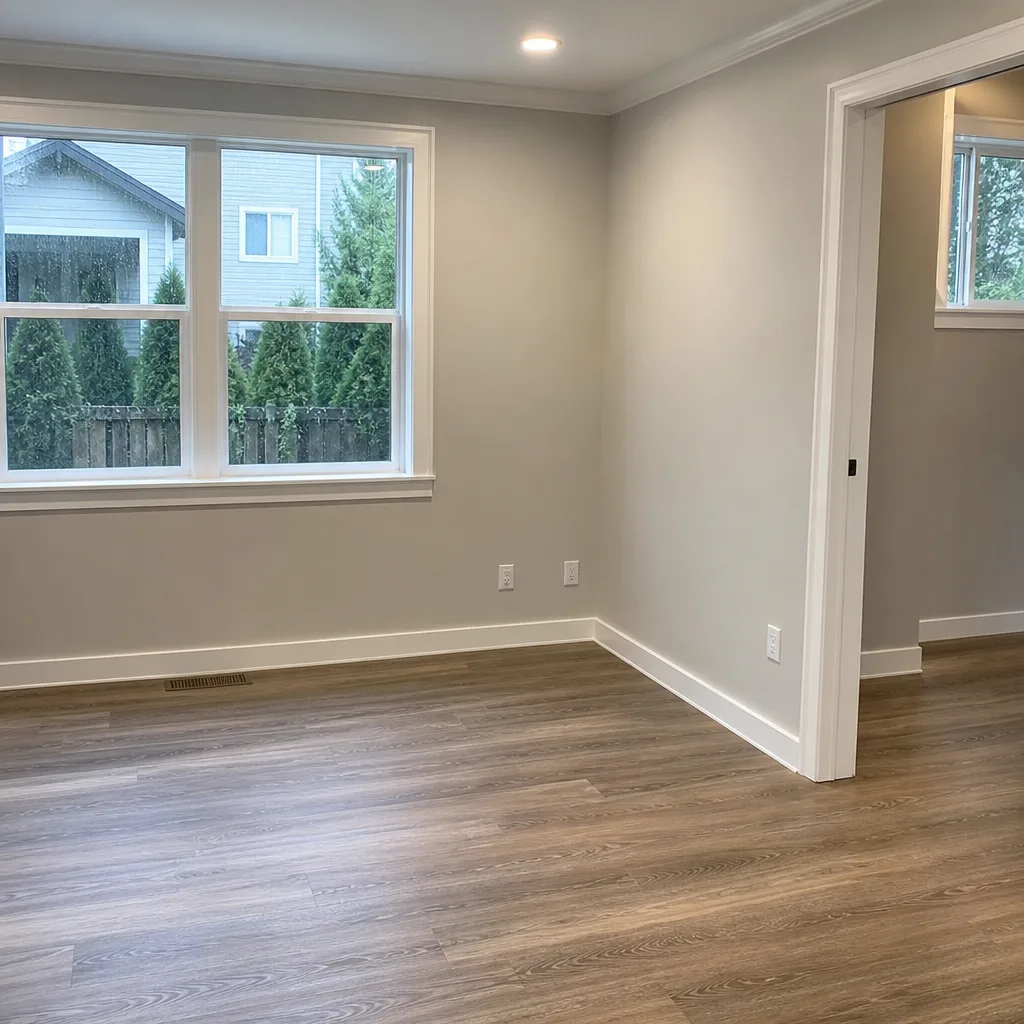 After
After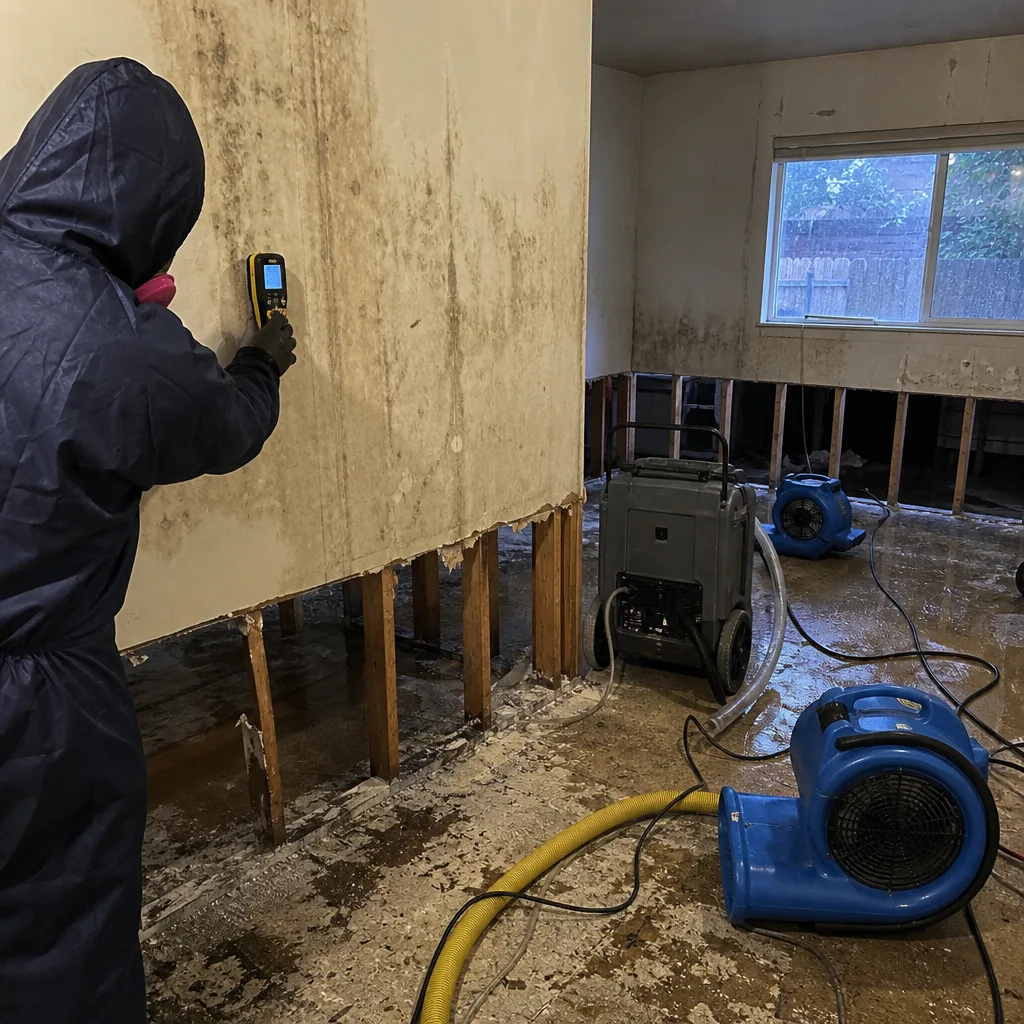 Before
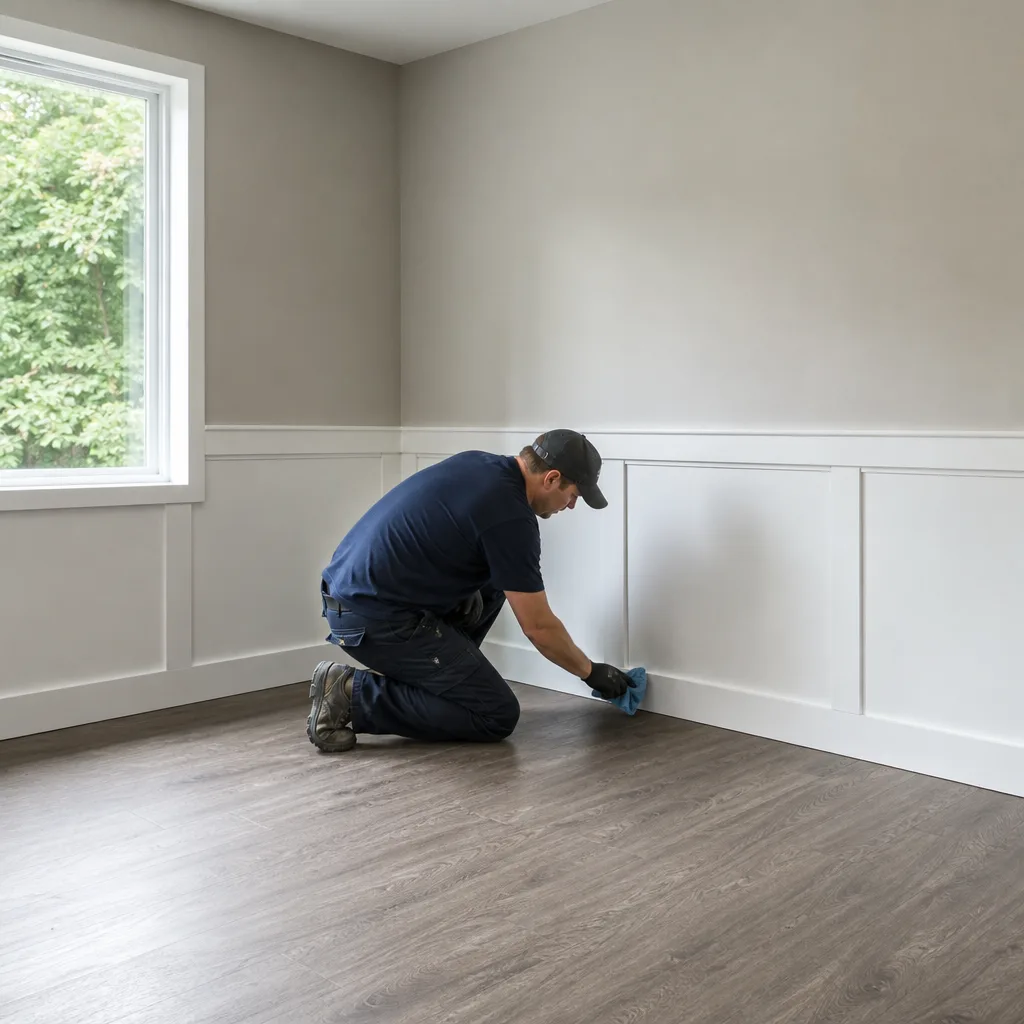 After
After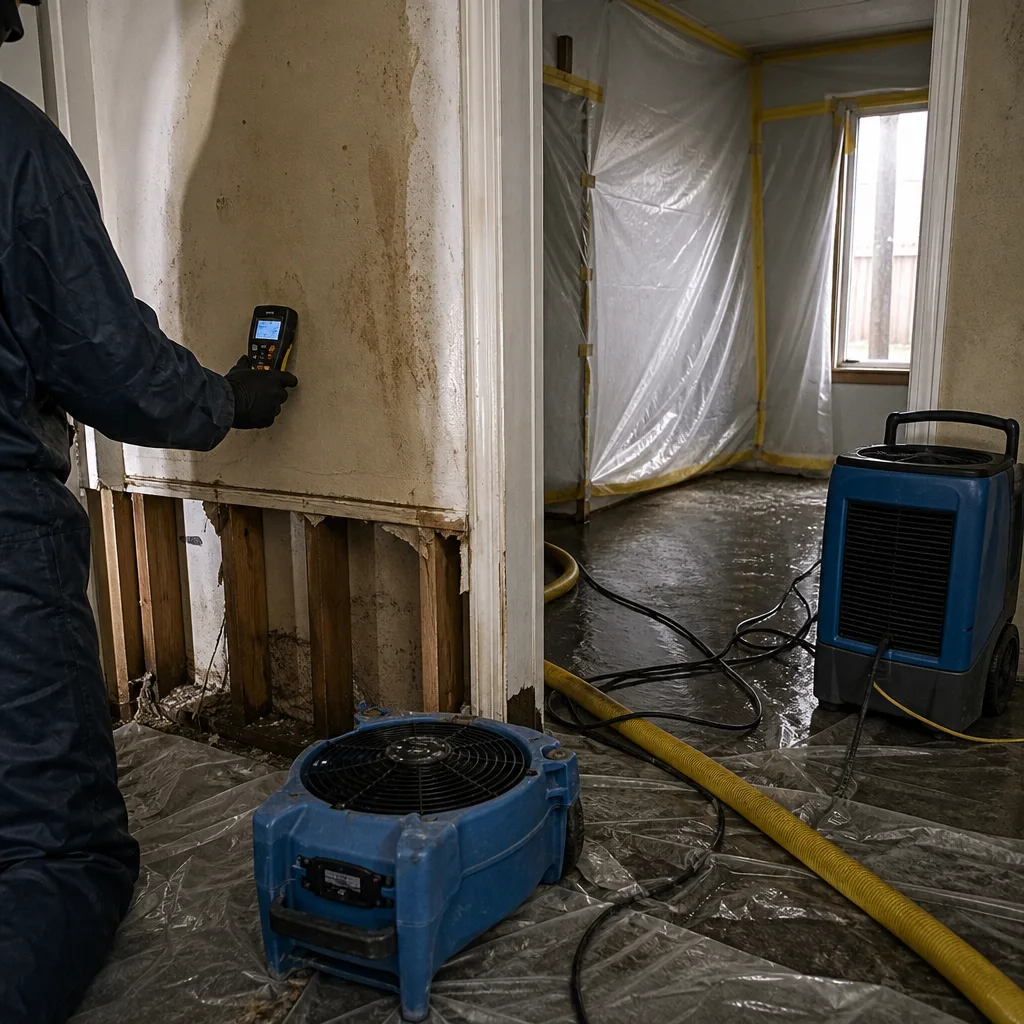 Before
 After
After24/7 Emergency Fire & Smoke Damage Restoration in Lynnwood
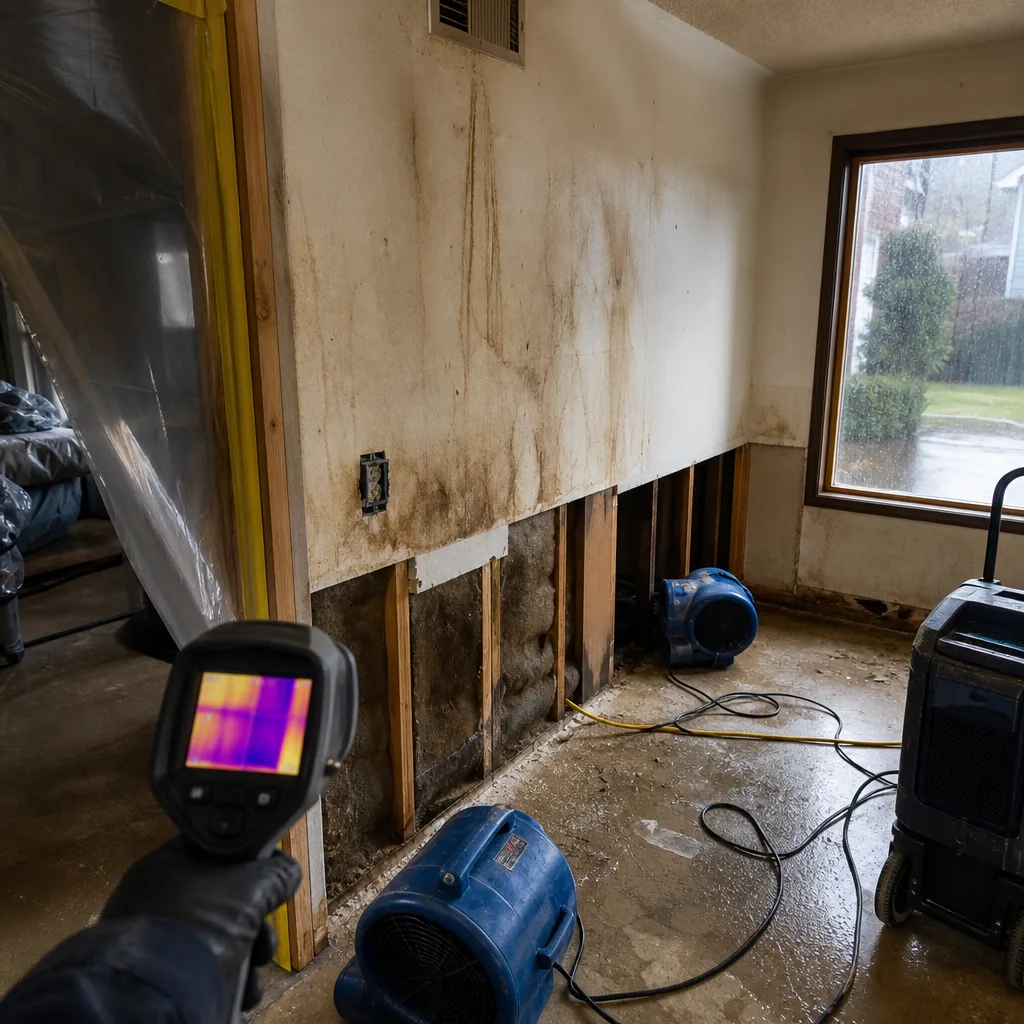
Fire and smoke damage restoration in Lynnwood typically runs $3,800-$14,500 depending on structural involvement, with emergency board-up and tarping available same day. Crews from our Fire & Smoke Damage Restoration in Lynnwood operation answer live at (425) 696-6061 - no voicemail, no callbacks tomorrow. We dispatch within 45 minutes because the first hour after a fire determines whether you’re looking at smoke remediation or full reconstruction. Every minute smoke residues sit on surfaces, they bond more tightly. Every hour water from suppression sits in wall cavities, the damage category escalates. We arrive with thermal imaging, moisture meters, and the documentation kit that starts your claim file before the adjuster calls.
Understanding Fire & Smoke Damage Restoration Severity in Lynnwood Properties
Fire damage in Lynnwood breaks into three severity bands we price and scope differently. Light smoke damage - protein residues from kitchen fires, dry smoke from fast-burning paper or wood - typically affects 200-800 square feet and responds to HEPA vacuuming and thermal fogging. Medium damage adds wet smoke from slow, oxygen-starved burns; this oily residue requires solvent-based cleaning and often strips finishes from 1960s-era wood paneling common in Alderwood tract homes. Heavy damage means structural compromise: charred framing, compromised roof decking, or melted electrical in walls.
Smoke migration follows paths you can’t see. In Lynnwood’s split-level and rambler layouts, smoke travels through open joist bays into attics and down into crawl spaces - the same crawl spaces where degraded vapor barriers and clay-heavy soils already hold moisture. We map this migration with thermal imaging and borescopes, then classify any water from suppression by category: Category 1 from clean supply lines, Category 2 when smoke contaminants mix in, Category 3 when it hits the crawl space soil. The category determines whether we can dry in place or must remove materials. Most Lynnwood fire jobs we see start as Category 1 and become Category 2 within 24 hours if the crawl space isn’t addressed immediately.
Why Lynnwood Property Owners Choose DryMark Restoration Bothell
- 45-minute response commitment to Lynnwood addresses - measured from live answer to truck rolling, not from voicemail to callback.
- 24/7 live answer: a real person, never an automated system, never a “leave a message and we’ll call back Monday.”
- IICRC-certified crews carrying FSRT (Fire and Smoke Restoration Technician) and WRT (Water Damage Restoration Technician) certifications, with license numbers documented on every job file.
- Free visual inspection: we walk the loss with you, explain what we find, and leave you a written scope - no charge, no obligation.
- Direct insurance billing: we photograph every room, log every moisture reading, and submit line-item documentation that adjusters recognize and pay without dispute.
- One team from board-up to reconstruction: no handoffs between mitigation and rebuild contractors, no gaps in documentation, no finger-pointing if something isn’t right.
BeforeAfterOur Fire & Smoke Damage Restoration Process
1. Inspection & Assessment
We arrive with thermal imaging cameras, hygrometers, and moisture mapping tools to trace smoke migration and identify every wet cavity. In Lynnwood’s 1960s-70s homes, we specifically check crawl-space vapor barriers and asbestos-era materials that must be abated before drying begins. You receive a written scope and price before any work starts - Haven Standard, Clause 1.
2. Emergency Board-Up & Tarping
We secure compromised roofs, windows, and doors with weather-rated materials, not plastic sheeting that fails in Convergence Zone wind and rain. Every board-up includes moisture mapping of the structure beneath because Lynnwood’s localized downbursts can turn a dry fire loss into a water loss within hours.
3. Water Extraction & Structural Drying
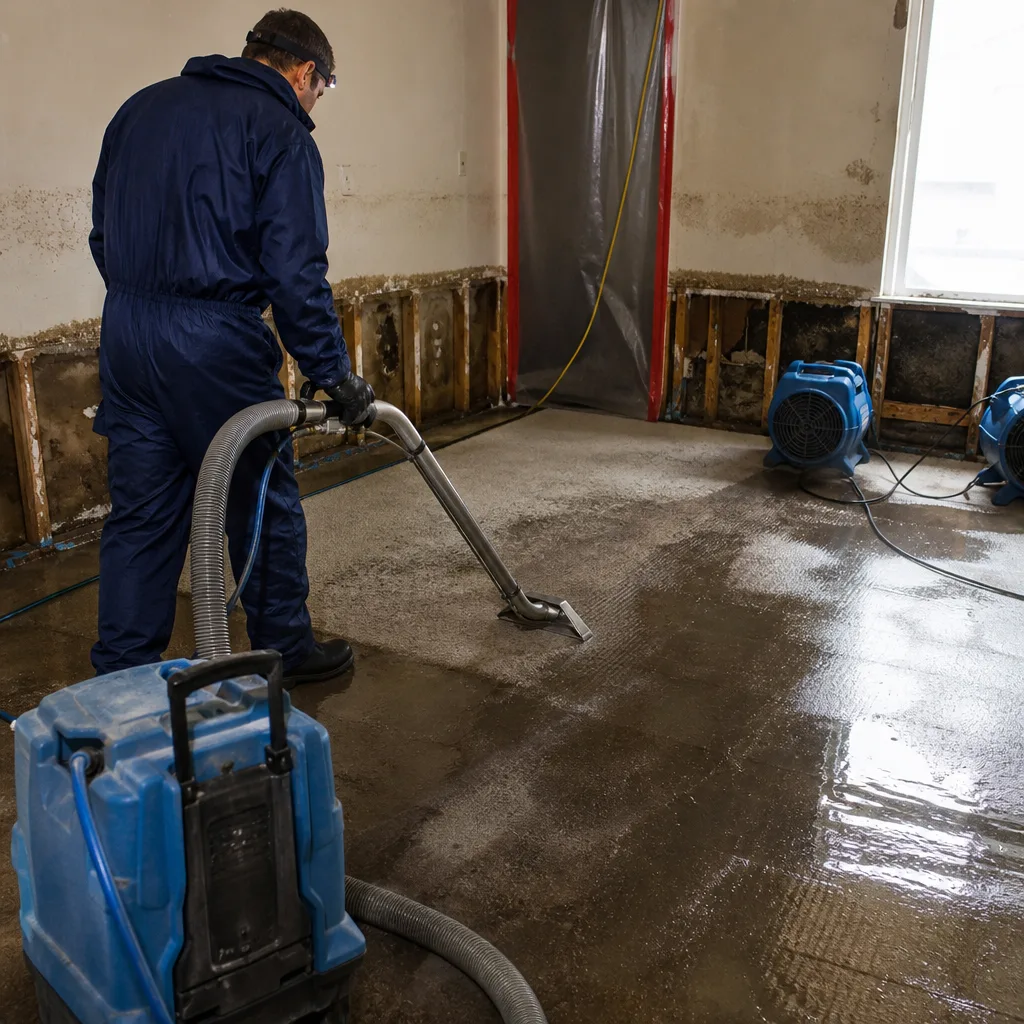
Using Dri-Eaz and Phoenix dehumidifiers, Injectidry cavity drying systems, and air movers positioned by psychrometric calculation, we dry wall cavities, subfloors, and crawl spaces to IICRC standards. In the Scriber Creek drainage basin, drying runs days longer due to high water table - we price this operational reality into our scope, not as a change order later.
4. Smoke & Soot Removal
Dry smoke gets HEPA vacuumed and dry-sponged; wet smoke requires solvent cleaning and often controlled demolition of porous materials. We match cleaning chemistry to residue type - alkaline cleaners for protein fires, solvent-based for petroleum-based synthetic burns - and document every surface treated with before-and-after photography.
5. Odor Removal & Deodorization
Thermal fogging recreates the heat that opened pores during the fire, driving neutralizing agents into framing and insulation. Hydroxyl generators and ozone treatments (where occupants are evacuated) address deep-seated odor in Lynnwood’s older homes where smoke has penetrated original wood paneling and unsealed attics.
6. Repairs & Restoration
Our crew repairs charred framing, replaces compromised drywall, matches 1970s-era finishes where possible, and rebuilds to code. Every repair carries the 365-Day Done Right Promise under The Haven Standard - if it’s not right, we make it right, documented in writing, not a verbal assurance.
Need Emergency Fire & Smoke Damage Restoration in Lynnwood Now?
Crews minutes away, answering live 24 hours a day. The sooner we start, the less it costs.
Working With Your Insurance Company
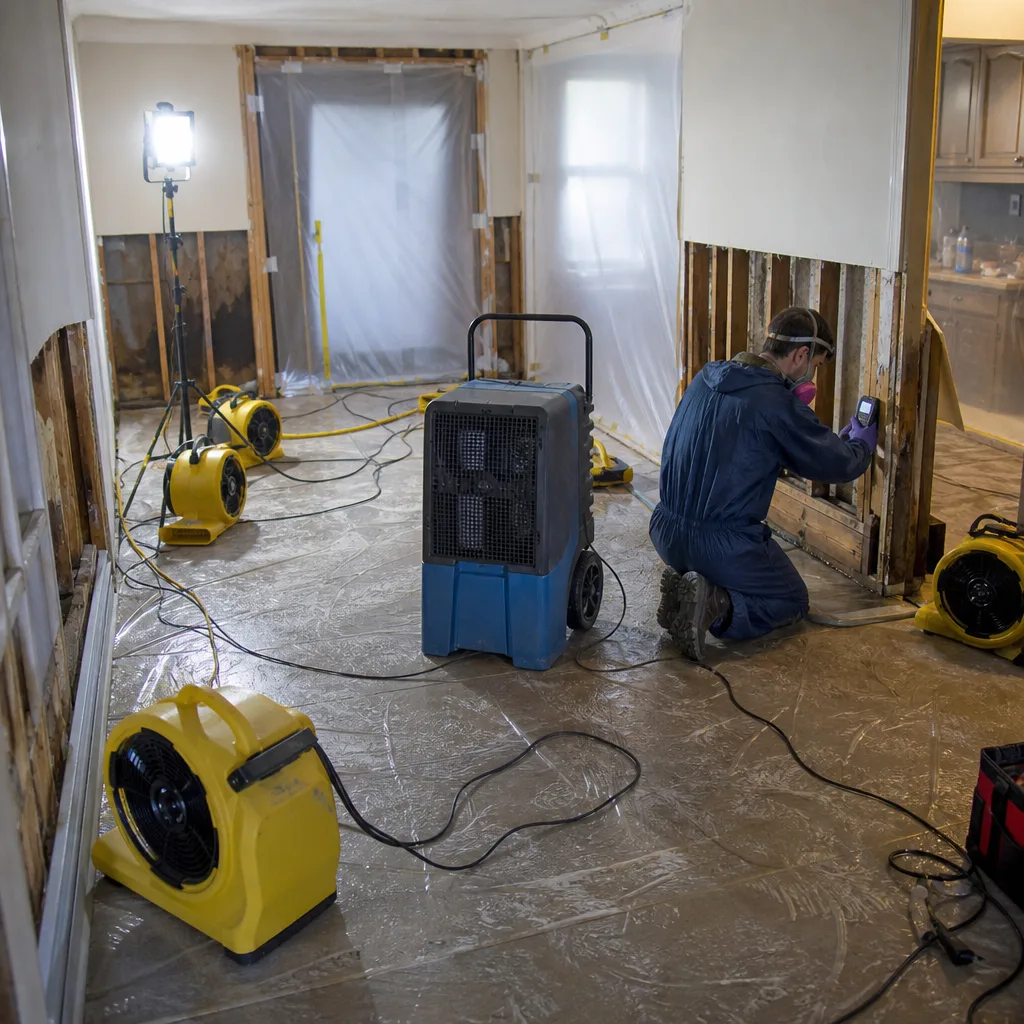
Insurance claims on fire losses fail when documentation gaps let adjusters dispute scope. We close those gaps from hour one. Our technician photographs every room before touching anything, records moisture readings on a room-by-room grid, and maintains daily drying logs that show vapor pressure differential and progress toward IICRC dry standards. These logs, combined with our line-item scope written to Xactimate format, give your adjuster a file they can pay without back-and-forth.
We coordinate directly with your carrier’s assigned adjuster, attend joint inspections when requested, and provide supplemental documentation if the initial estimate misses hidden damage. Most of our Lynnwood fire claims settle in one round because the documentation is complete the first time.
What We Provide Your Insurer
- Thorough documentation of the loss
- Photos of all damage, room by room
- Moisture readings and drying logs
- A detailed, line-item scope of work
- Direct coordination with your carrier
Built for Lynnwood’s Loss Calendar
Fire losses in Lynnwood don’t follow a simple seasonal pattern, but they do cluster around specific triggers. January through March, heating system failures in aging furnaces and space heater misuse in 1960s-era homes with poor insulation spike kitchen and living room fires. The Convergence Zone’s heaviest rain months - October through May - mean any fire during this window comes with saturated ground and overwhelmed drainage, so suppression water and roof leakage compound the loss immediately.
July and August bring drier conditions but higher wildfire smoke intrusion from regional fires, plus electrical overloads from window AC units in homes never wired for modern loads. September’s rare dry lightning events cause roof and attic fires in homes with original cedar shake roofs still present in pockets of North Lynnwood. Year-round, the dominant factor isn’t season - it’s housing age. The 1960s-70s building stock’s original aluminum wiring, ungrounded outlets, and aging electrical panels create fire risks that newer construction simply doesn’t share.
Fire & Smoke Damage Restoration Across Lynnwood’s Neighborhoods
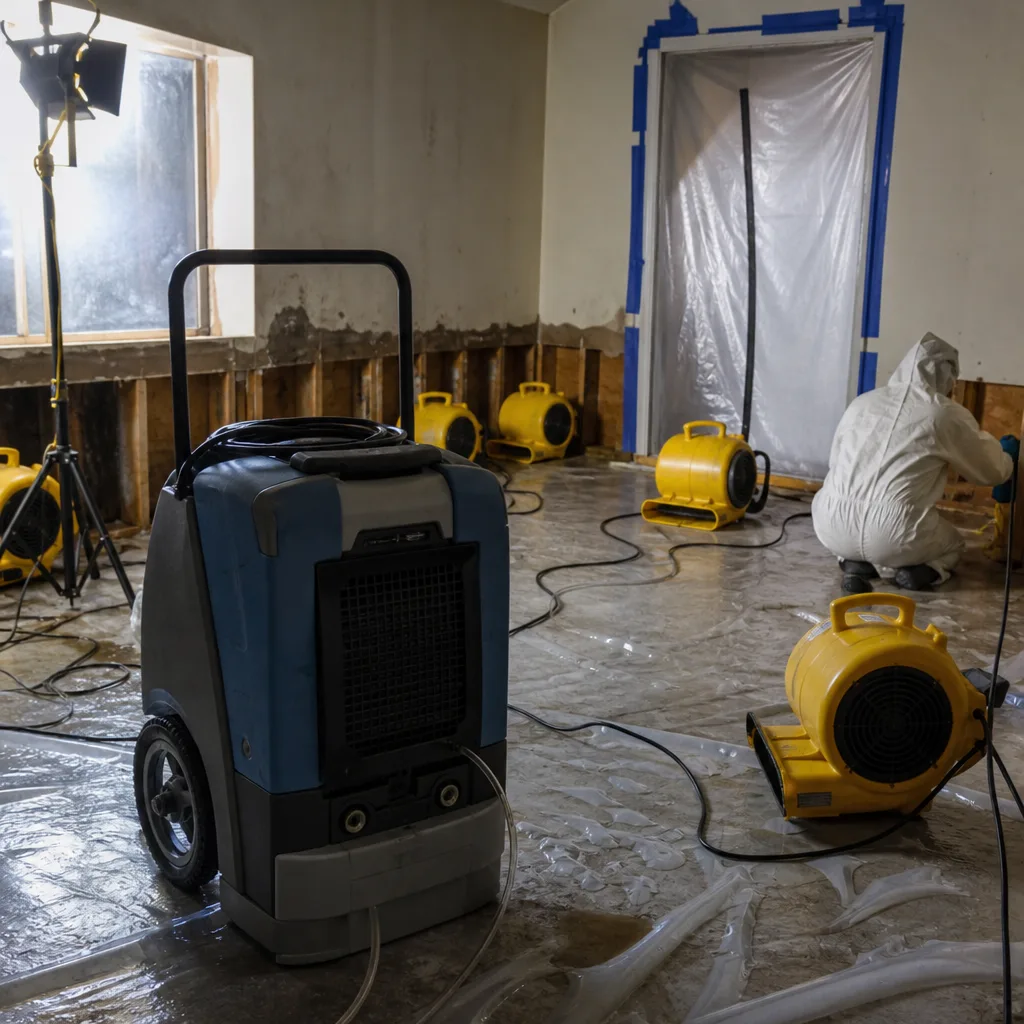
Alderwood tracts, built in the 1960s and 70s for Boeing workers, present our most common fire-loss profile: original wood paneling, degraded crawl-space vapor barriers, and asbestos-era floor tile that must be abated before we can set dehumidification equipment. The legacy garage doors and original electrical panels in these homes often need full retrofit, not repair, after fire damage compromises the opener or wiring.
North Lynnwood, particularly the corridor along 196th Street Southwest toward Edmonds, mixes this older stock with 1980s-90s construction on tighter lots. Fires here tend to spread faster between units in duplex and triplex configurations, and smoke migration through shared attic spaces is a recurring pattern we document carefully for multi-unit claims.
The Scriber Lake Park area and streets draining toward Scriber Creek sit on the highest water table in the city. We’ve had fire jobs on 52nd Avenue West and 200th Street Southwest where the board-up was straightforward but crawl-space moisture from the creek basin required five days of continuous Dri-Eaz and Phoenix dehumidification before reconstruction could start. Techs who don’t know Lynnwood’s geography price these jobs wrong and hit homeowners with change orders.
South Lynnwood toward Mountlake Terrace includes pockets of 1950s ranch homes with original plaster and lath, not drywall. Smoke embeds in plaster differently - it doesn’t wick like drywall paper, but the alkaline surface reacts with acidic smoke residues, requiring specific cleaning chemistry. We’ve also seen more knob-and-tube wiring still active in this pocket than anywhere else in our Lynnwood service area, which affects both fire cause determination and electrical rebuild scope.
Specialized Fire & Smoke Damage Restoration Services We Offer in Lynnwood
Fire Damage Cleanup
From light smoke staining to full structural char, we remove compromised materials, clean salvageable surfaces, and document every decision with photography. In Lynnwood’s older homes, this always includes testing for asbestos-era materials before demolition begins - a step that protects both crew health and your claim from EPA violation complications.
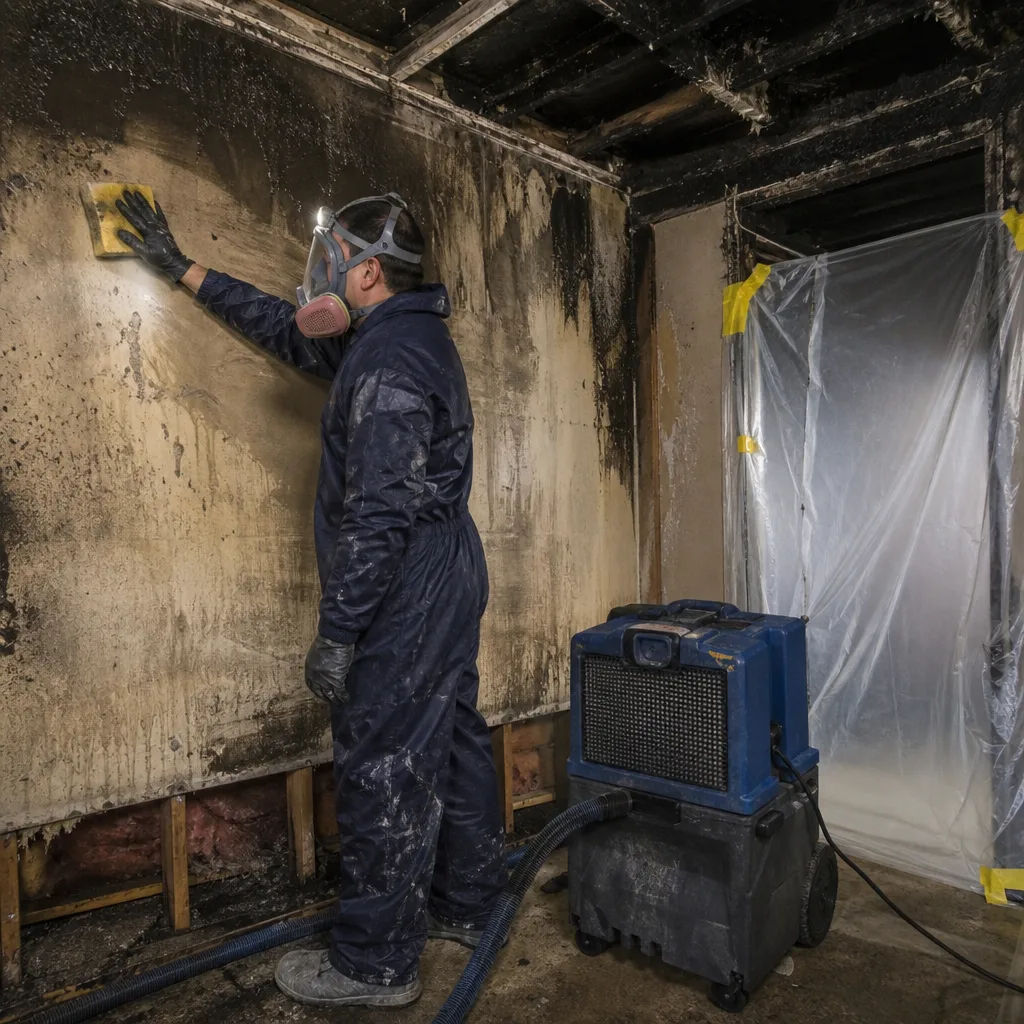
Smoke & Soot Removal
Different fuels produce different residues: wood fires leave dry, powdery soot; plastics and synthetics create wet, oily smoke that bonds to surfaces. We identify residue type on site and match cleaning agents accordingly. For Lynnwood’s prevalent 1970s wood paneling, we often use dry sponging followed by counteractant sealing rather than liquid cleaners that raise wood grain.
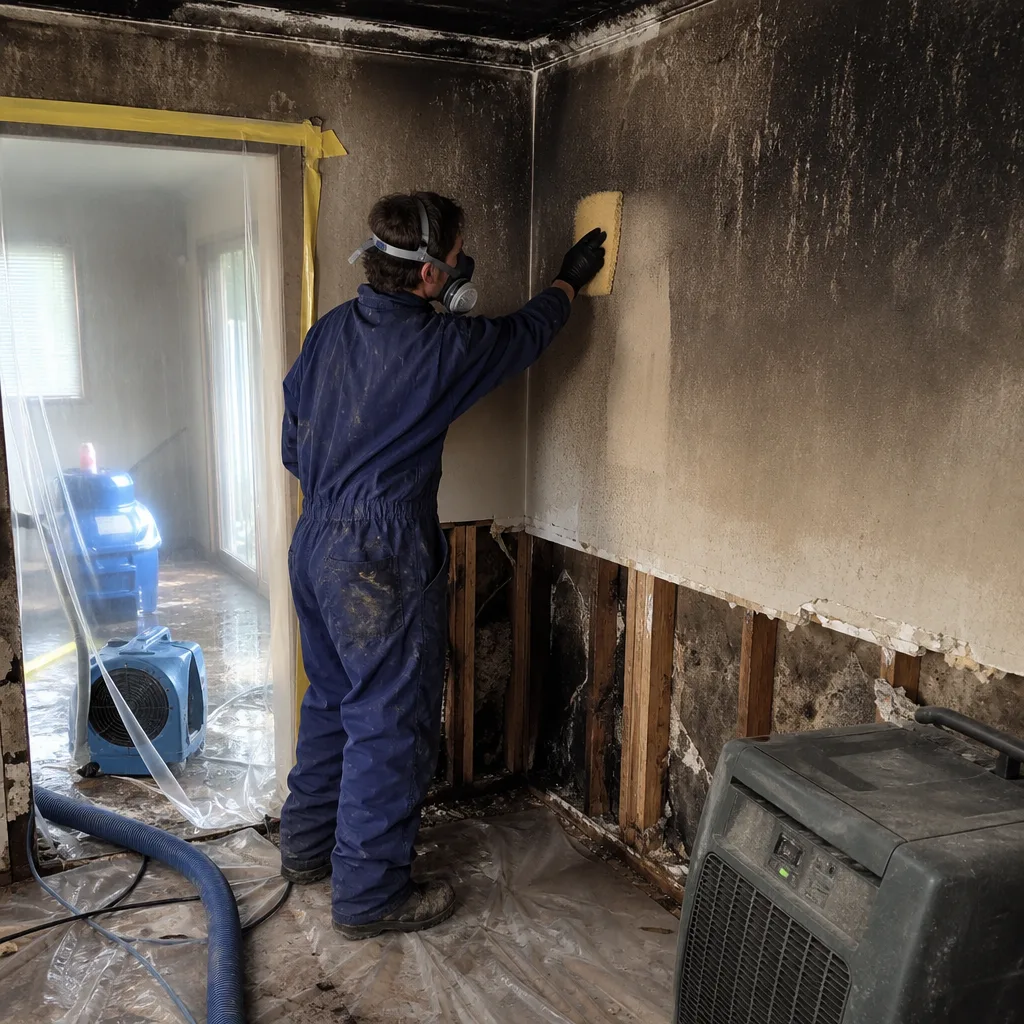
Odor Removal & Deodorization
Smoke odor persists when molecules penetrate porous materials - insulation, unfinished wood, carpet padding. Thermal fogging opens pores at temperatures that mimic the fire itself, driving neutralizing agents deep. In homes near Scriber Creek where crawl-space moisture is already high, we pair this with aggressive dehumidification so fogging doesn’t add humidity that feeds mold.
Contents Cleaning & Pack-Out
We inventory, photograph, and transport salvageable belongings to our controlled cleaning facility. Electronics, textiles, and documents each get appropriate treatment: ultrasonic cleaning for hard goods, ozone or hydroxyl for fabrics, freeze-drying for water-damaged paper. Your inventory list with condition photos goes to your adjuster as a standard deliverable, never an upsell.
Emergency Board-Up & Tarping
We use plywood rated for wind load and tarps with proper fastening, not the blue plastic that fails in the first Convergence Zone gust. Every board-up in Lynnwood includes interior moisture mapping because we’ve seen too many “dry” fire losses become mold jobs when rain entered through compromised roofing and sat in wall cavities for weeks.
What happens when you call
- 1
A real person answersNo phone trees - you reach a local pro.
- 2
You get an upfront price rangeHonest numbers before anyone is dispatched.
- 3
A background-checked tech heads outLicensed & insured, dispatched right away.
- 4
You approve before work beginsNothing starts until you say go.
Fire & Smoke Damage Restoration Costs in Lynnwood, WA
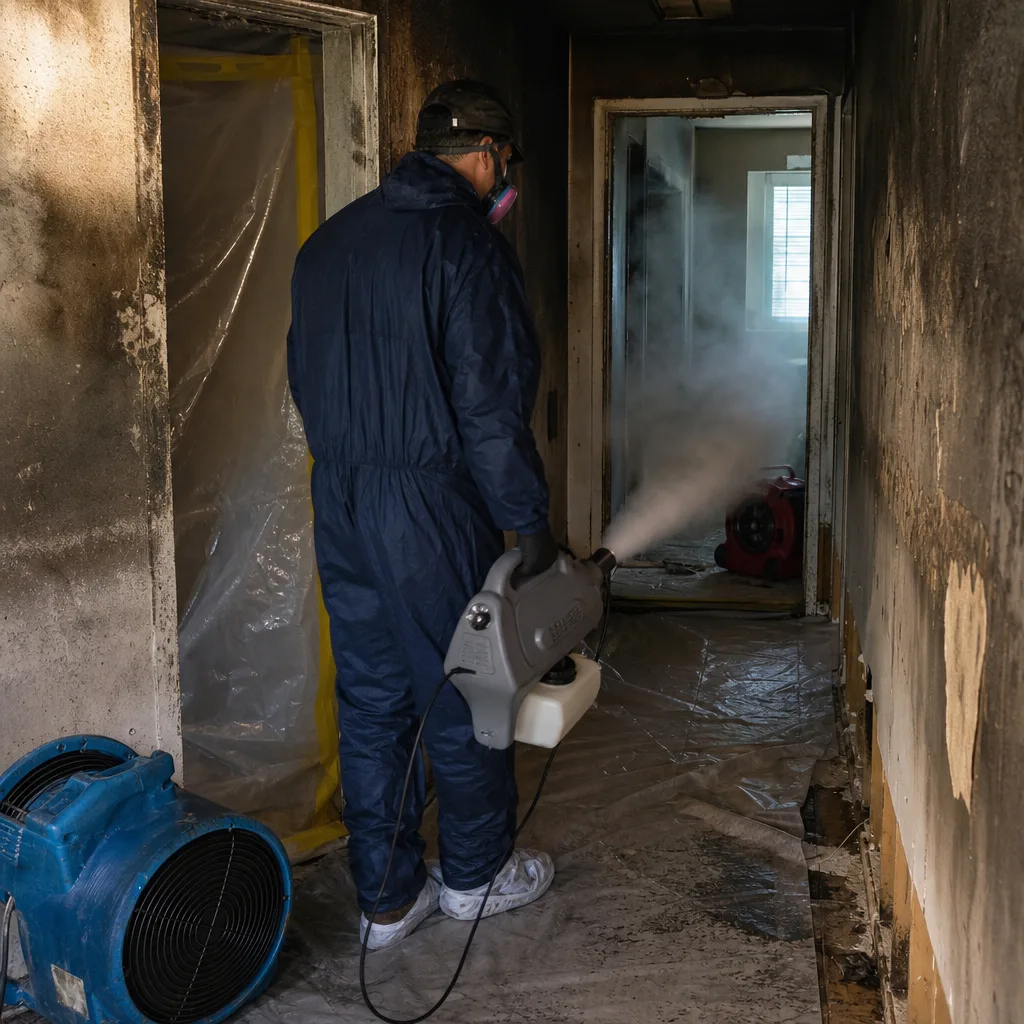
Light smoke damage with no structural compromise: $3,800-$6,200. This covers HEPA cleaning, thermal fogging, and surface sealing in 2-3 rooms. Medium damage with wet smoke, some drywall removal, and crawl-space drying: $7,500-$11,000. Heavy structural damage with framing repair, roof rebuild, and asbestos abatement: $12,000-$35,000+.
What moves the price: square footage affected, residue type (wet smoke costs more to clean than dry), whether asbestos abatement is required before demolition, and how long water from suppression sat before extraction started. Category 1 water extracted within 4 hours adds minimal cost; Category 3 water in a crawl space after 72 hours can double the scope.
Insurance typically covers fire damage, smoke remediation, and water from suppression as a single claim. Out-of-pocket costs usually apply to deductibles and any upgrades beyond like-kind replacement. We provide a written price before work starts - Haven Standard, Clause 1 - and offer a Free Second Opinion on any competitor’s written estimate.
We Also Serve Cities Near Lynnwood
Our crews respond daily from the Seattle office to Lynnwood, Kenmore, Bothell, Woodinville, and Mukilteo. Each market shares the Puget Sound marine climate but differs in housing age, soil drainage, and water table - factors we price into every scope.
Serving Lynnwood, WA - Our Local Coverage Area
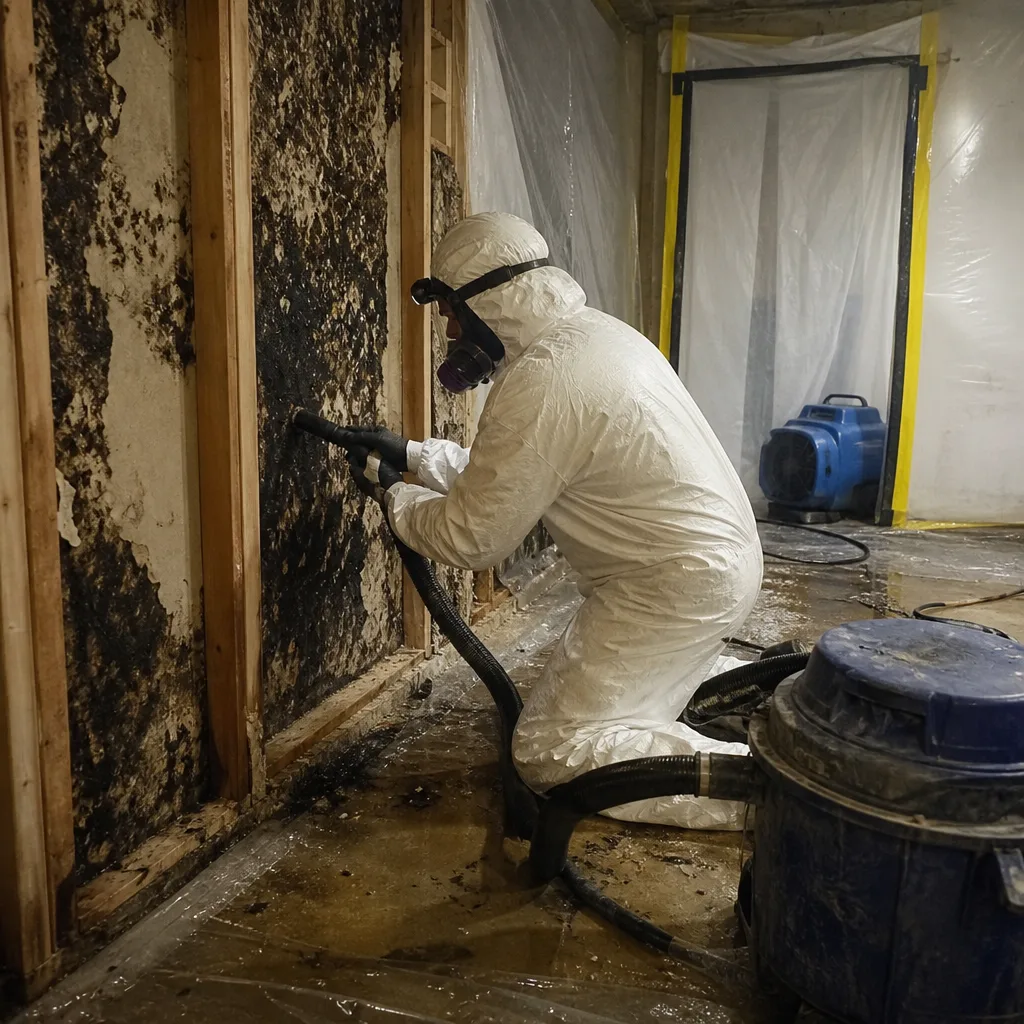
We’re based in the Lynnwood area and know this community well. Use the map below to see our service coverage - if you’re nearby, we can almost certainly help.
Lynnwood Fire & Smoke Damage Restoration Questions, Answered
How fast can you get to my Lynnwood home after a fire?
We commit to 45 minutes from live answer to truck rolling for Lynnwood addresses, 24 hours a day, 7 days a week. Our Seattle office dispatches crews who know the Alderwood tracts, Scriber Creek basin, and North Lynnwood corridors without GPS dependence. Call (425) 696-6061 - a real person answers, never a machine.
Why does fire damage in Lynnwood often turn into a mold remediation job?
Because Lynnwood sits in the Puget Sound Convergence Zone, cloudbursts can dump heavy rain on a day Seattle reports light drizzle, and the clay-heavy soil and high water table around Scriber Creek keep crawl spaces saturated for weeks. Fire-loss board-up and tarping here must be paired with immediate moisture mapping and category-rated drying, not just roof patching, or a small fire becomes a Mold Remediation in Lynnwood job. We were called to a 1968 crawl-space home in the Alderwood tracts after a kitchen fire; the original polyethylene vapor barrier had degraded, and when we pulled the charred subfloor we found active moisture from a Convergence Zone burst that had overwhelmed the sump. Before any structural drying could start, we set containment and ran moisture mapping with Dri-Eaz and Phoenix equipment, then had the asbestos-era floor tile in the adjacent hallway abated so we could complete the scope of work. The homeowner was relieved we caught the crawl-space water before mold could take hold.
Our Alderwood-area home has original 1970s wood paneling and a legacy garage door - can you restore or should we retrofit?
We evaluate each component for salvageability and safety. 1970s wood paneling often cleans successfully with dry-sponge and counteractant methods if the smoke residue is dry; wet smoke usually forces removal. Legacy garage doors and openers past service life should be retrofitted, not repaired, because parts availability has ended for most pre-1980 hardware, and a failed door creates re-entry vulnerability after board-up removal. We include retrofit recommendations in your written scope with separate line-item pricing so you and your adjuster can decide.
Do you handle asbestos abatement before fire cleanup in older Lynnwood homes?
Yes. Lynnwood’s 1960s-70s housing stock commonly contains asbestos-era floor tile, duct insulation, and ceiling texture that must be abated before demolition or aggressive air movement from drying equipment. We coordinate certified abatement contractors, include their scope in our documentation, and schedule fire cleanup to resume immediately after clearance testing. Ignoring this step forces a stop-work mid-project and risks EPA violation liability.
What does “category” mean for water left after a fire, and why does it matter here?
Category 1 is clean water from supply lines; Category 2 carries contaminants from smoke or soil; Category 3 is grossly contaminated, including crawl-space water mixed with soil and sewage. The category determines whether materials can be dried in place or must be removed, and what protective equipment crews wear. In Lynnwood, clay-heavy soils and degraded vapor barriers mean fire-suppression water often becomes Category 2 or 3 within 24-48 hours in crawl spaces. We test and document category on every job because it directly affects your scope, price, and insurance coverage.
Can you board up and tarp our Lynnwood home the same day as a fire?
Yes. Board-up and tarping are emergency services we dispatch immediately, before full assessment and scope writing. We use wind-rated plywood and proper fastening, not temporary measures, because Lynnwood’s Convergence Zone weather can damage an already-compromised structure further. The board-up always includes interior moisture mapping to catch water intrusion that could escalate the loss category.
Will insurance cover the full cost of fire and smoke restoration?
Homeowners insurance typically covers fire damage, smoke remediation, water from suppression, and necessary abatement as a single claim, minus your deductible. Coverage disputes arise when documentation is incomplete or when scope is written in language adjusters don’t recognize. Our line-item scopes in Xactimate format, with photo documentation and moisture logs, are designed for clean approval. We coordinate directly with your adjuster and provide supplemental documentation if hidden damage is found during demolition. Call (425) 696-6061 for a free inspection and written scope you can submit to your carrier.
How long will we be out of our home during restoration?
Light smoke damage: 3-5 days for cleaning and deodorization, often with occupants relocated to unaffected rooms. Medium damage with drywall removal and drying: 2-3 weeks. Heavy structural damage with reconstruction: 6-12 weeks depending on permit timelines and material availability. We provide a written schedule with your scope, update it if hidden damage extends timeline, and never ask you to return until air quality testing confirms safe occupancy.
Fire damage doesn’t wait for business hours. Neither do we. Call (425) 696-6061 now for a free visual inspection and written scope - Haven Standard, Clause 1 - or bring us any competitor’s written estimate for a Free Second Opinion. Our Fire & Smoke Damage Restoration team is standing by live, 24 hours a day, to document your loss and start your recovery.
Written by Alicia Brennan, Owner at Back to Dry Restoration, serving Lynnwood since 2011.