
Last updated September 23, 2026
Free visual inspection and a written scope of work before any mitigation begins - photos, moisture readings, and drying logs go in your claim file
The scope we write is the scope we bill. Anything new gets shown to you, in writing, before we touch it.
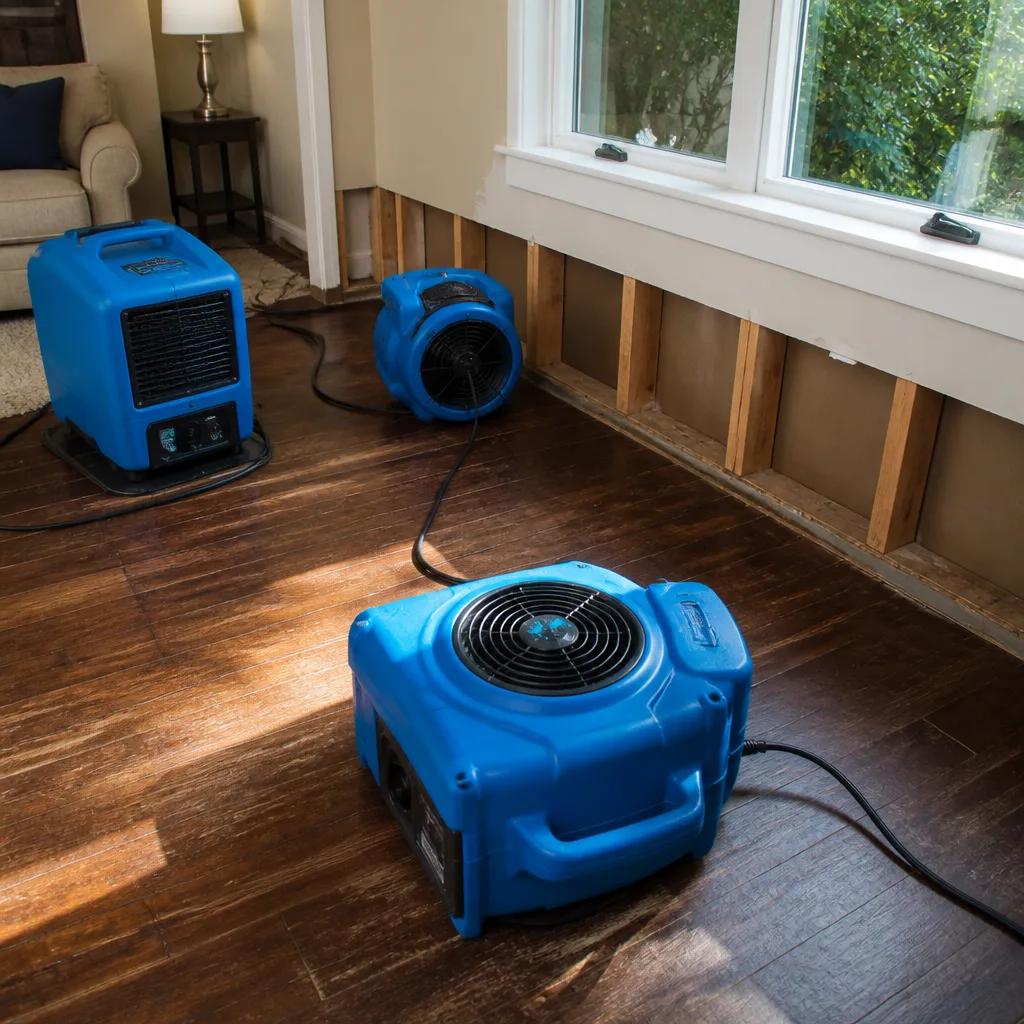
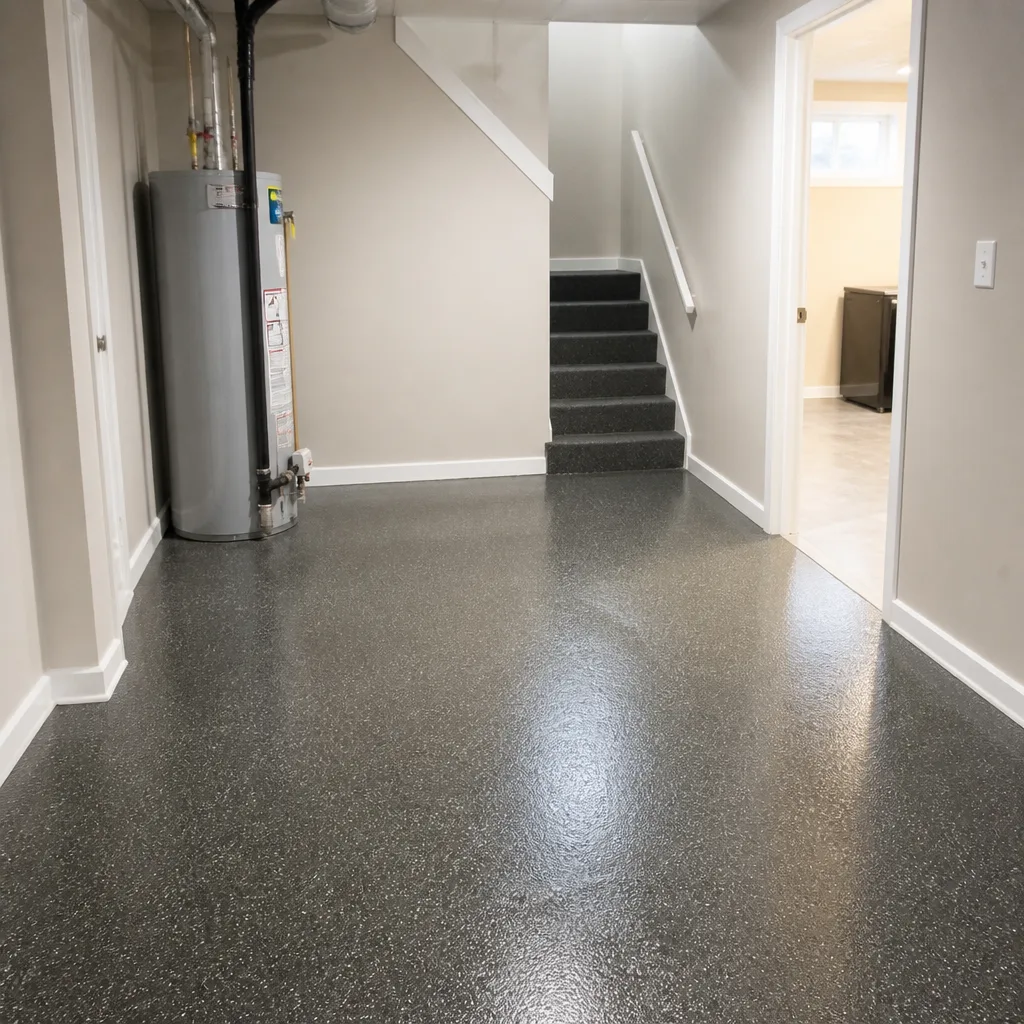

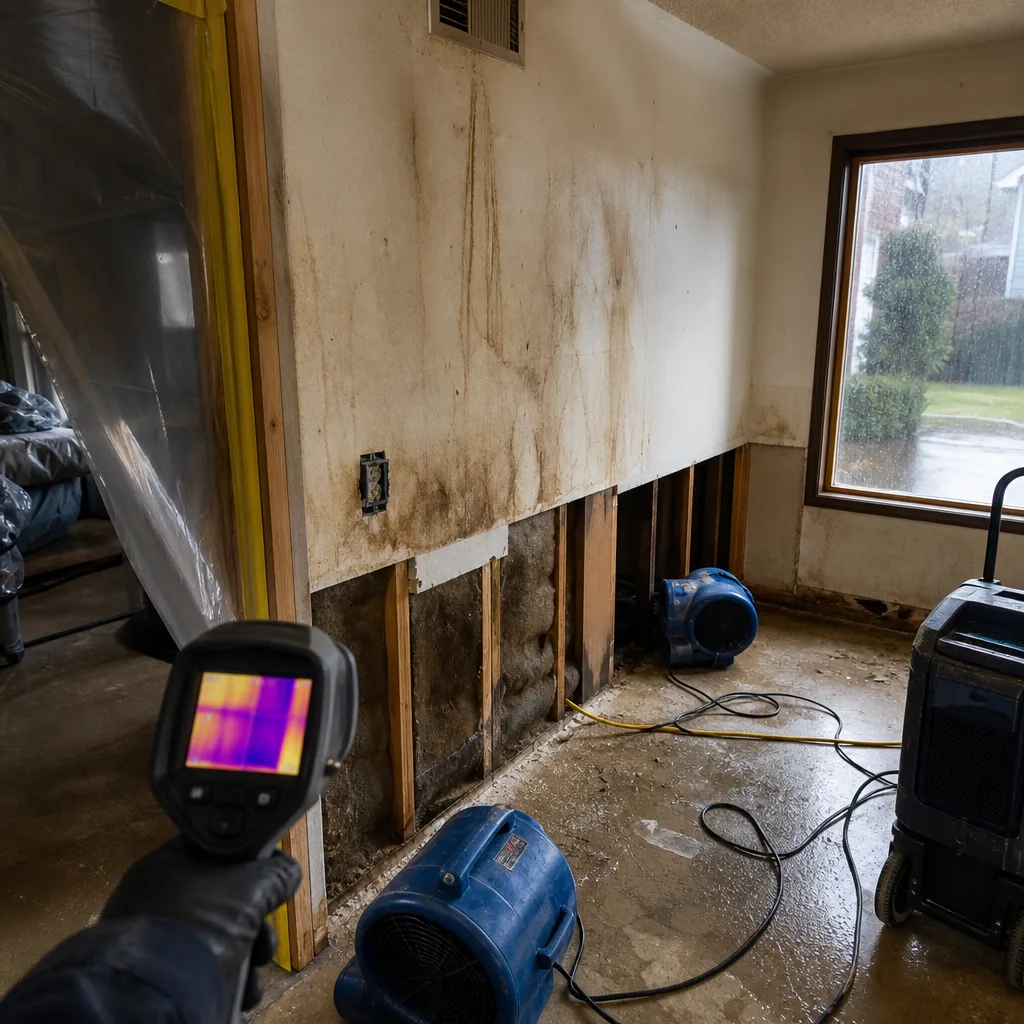 Before
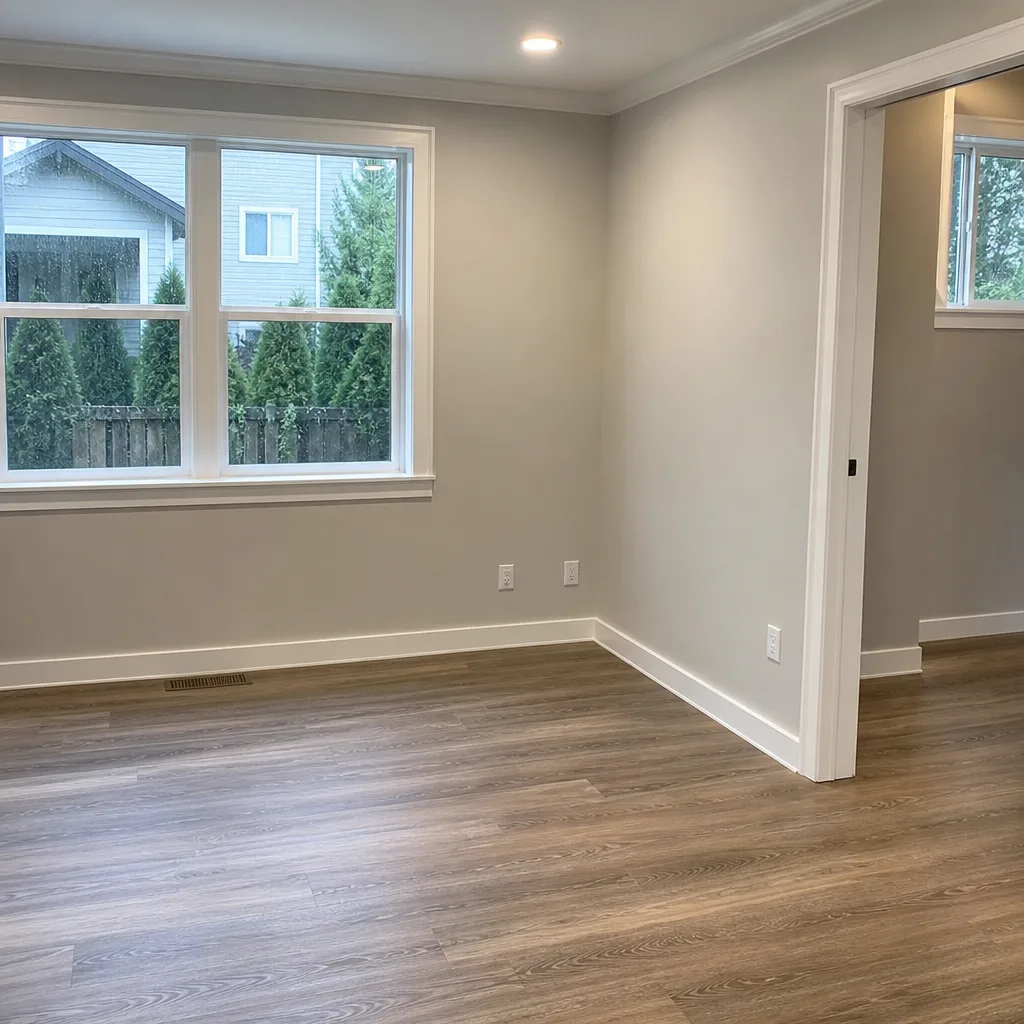 After
After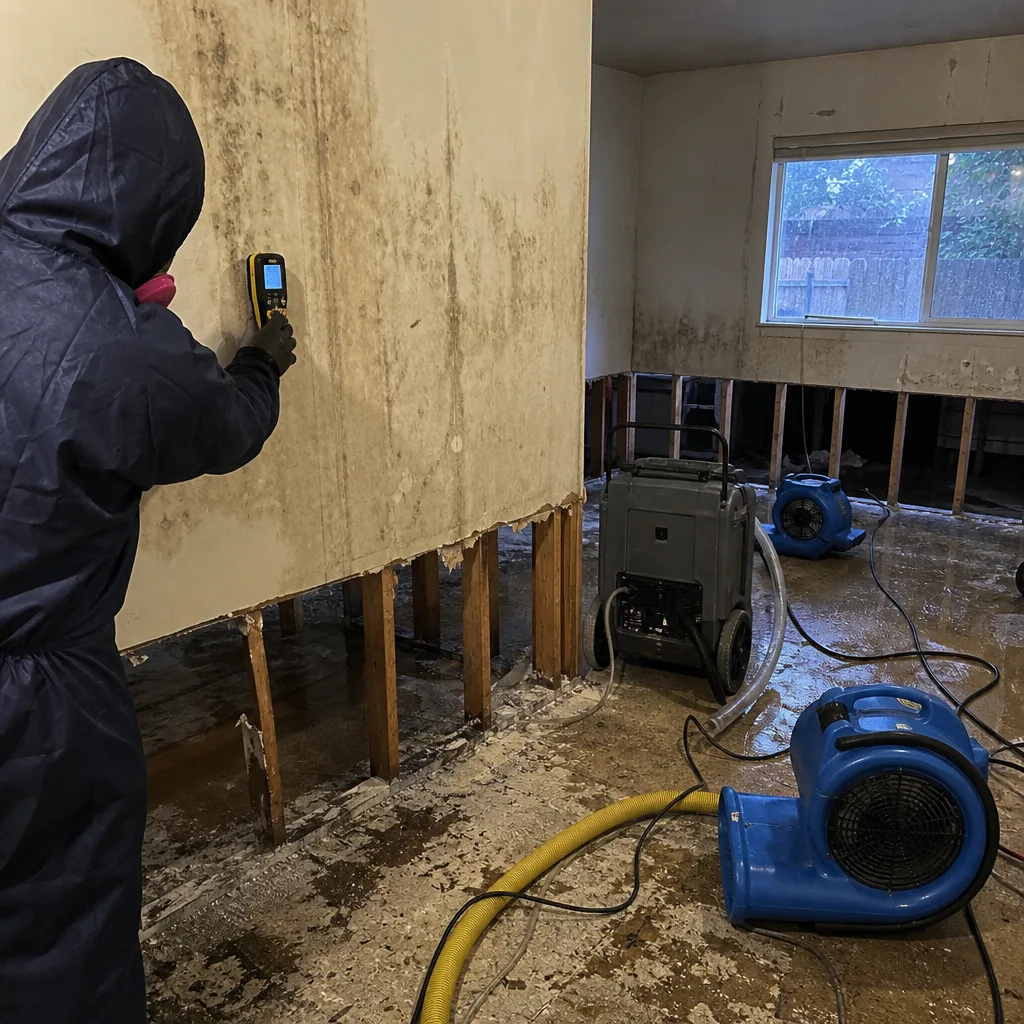 Before
 After
After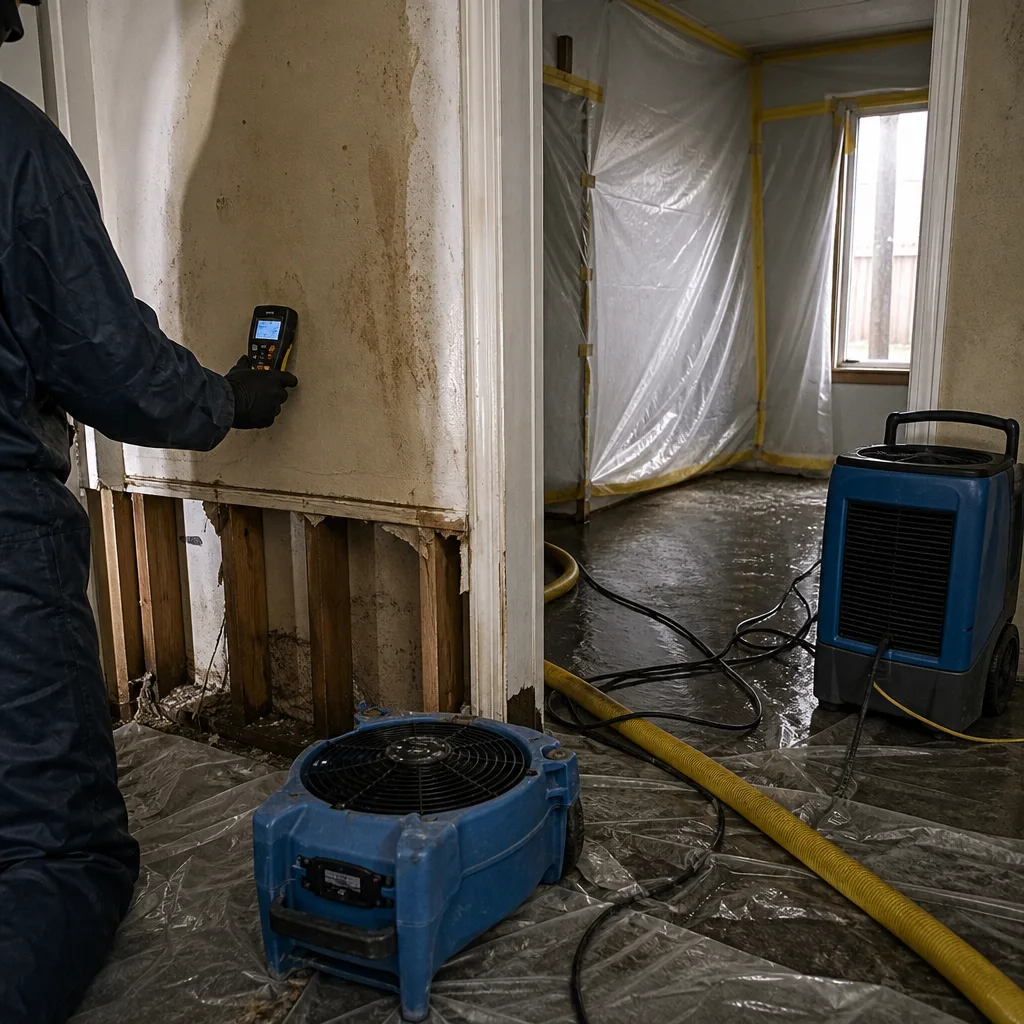 Before
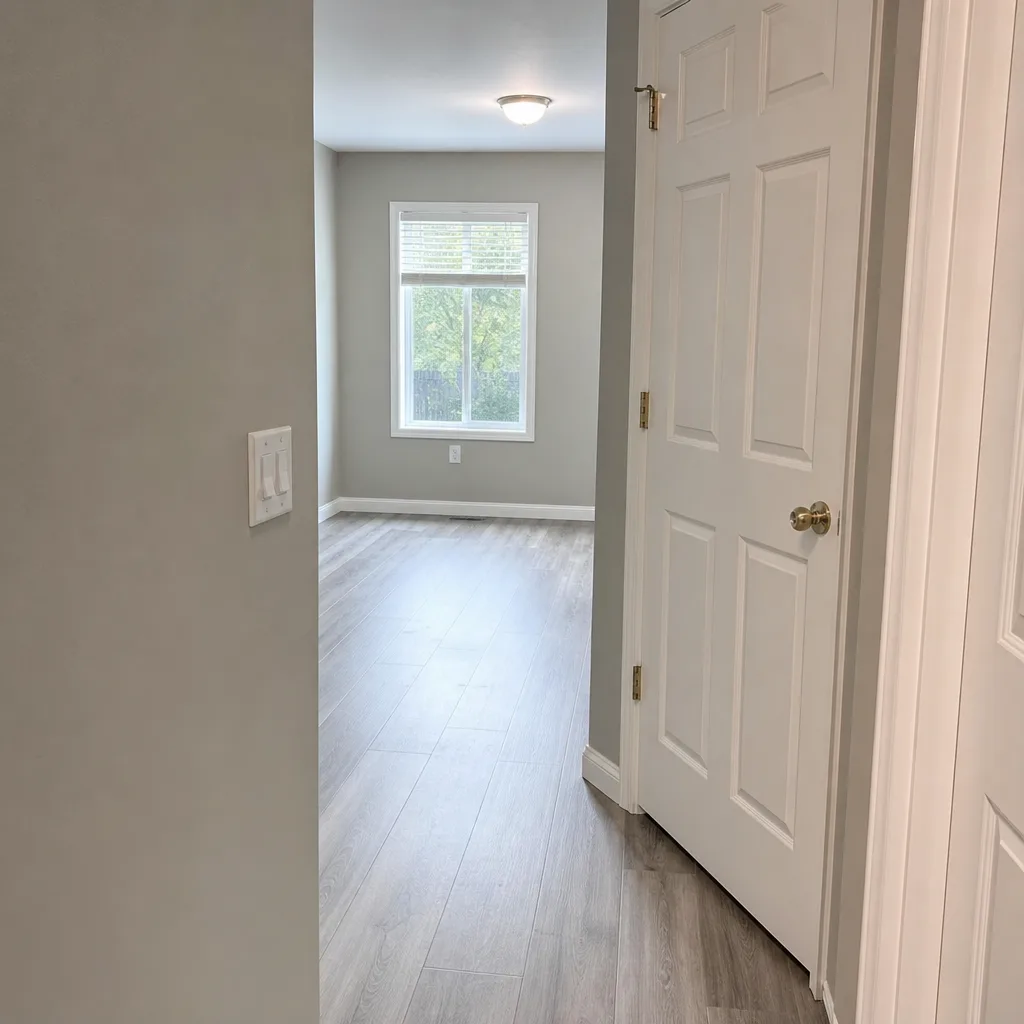 After
AfterWater Damage Restoration Maintenance Checklist for Bothell Homeowners
A Bothell homeowner whose crawl space moisture was never documented before a pipe burst spent four months disputing whether the resulting mold was pre-existing. A single dated moisture reading six months earlier would have ended that dispute in an afternoon. Most prevention checklists fail because they tell you what to inspect without telling you what to record, and without a number, you have no evidence. This guide gives Bothell homeowners measurable thresholds for every inspection point, a seasonal calendar built around our October-to-March wet season, and a logging system that turns routine maintenance into a pre-loss condition record an adjuster can actually use. For more guides & resources, see our blog.
Quick Answer
A Water Damage Restoration maintenance checklist for Bothell homeowners should record crawl space relative humidity below 60%, basement slab surface readings below 75% RH, and attic sheathing moisture content below 19% on a dated, photographed log. Inspections shift from monthly moisture tracking during our wet season (October through March) to quarterly structural checks during the dry months, with all findings stored in a format that can be handed directly to an insurance adjuster if a loss occurs.
Table of Contents
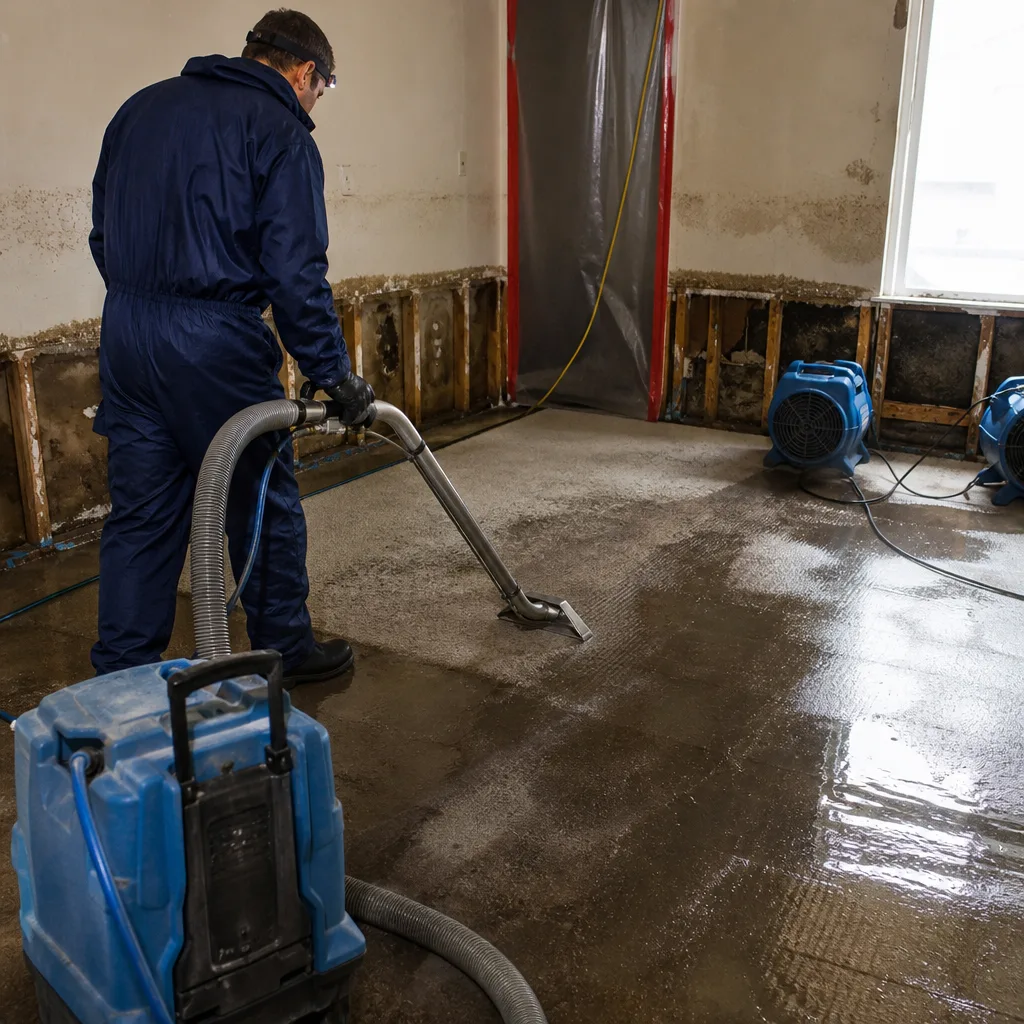
- Why Measurable Thresholds Matter More Than Reminders
- Crawl Space Moisture Thresholds and Documentation
- Basement and Slab Surface Readings
- Attic Sheathing and Roof System Monitoring
- Seasonal Task Calendar for Bothell’s Climate
- Photographing and Logging for Pre-Loss Evidence
- Plumbing and Appliance Lifespans in the Pacific Northwest
- Building a Home Maintenance Log an Adjuster Can Use
BeforeAfterWhy Measurable Thresholds Matter More Than Reminders
We’ve reviewed thousands of water damage claims in Bothell since 2011, and the pattern is consistent. Homeowners who kept maintenance logs with actual numbers resolved their claims faster, with fewer disputes, and with better coverage outcomes. Homeowners who had “check the crawl space” on a sticky note had nothing when the adjuster asked whether the mold was new or pre-existing.
The difference is defensible evidence. A reminder to inspect your sump pump is a good habit. A log entry reading “Sump pump cycle test: 14 seconds to clear 5-gallon bucket, float switch activates at 6.5 inches, backup battery at 12.4 volts, photographed 11/3/2024” is a document that answers questions before they’re asked.
Our Water Damage Restoration in Bothell work regularly involves disputes over whether damage was sudden or gradual. Sudden damage is typically covered. Gradual damage, from long-term neglect, often is not. The maintenance log with dated readings is frequently the only tool that proves which category applies.
The thresholds in this checklist come from IICRC water damage standards, manufacturer specifications for common Bothell building materials, and our own field data from 12,000+ homes restored since 2011. They are not arbitrary targets. They are the numbers that separate normal seasonal variation from conditions that will cause damage if left unaddressed.
Crawl Space Moisture Thresholds and Documentation
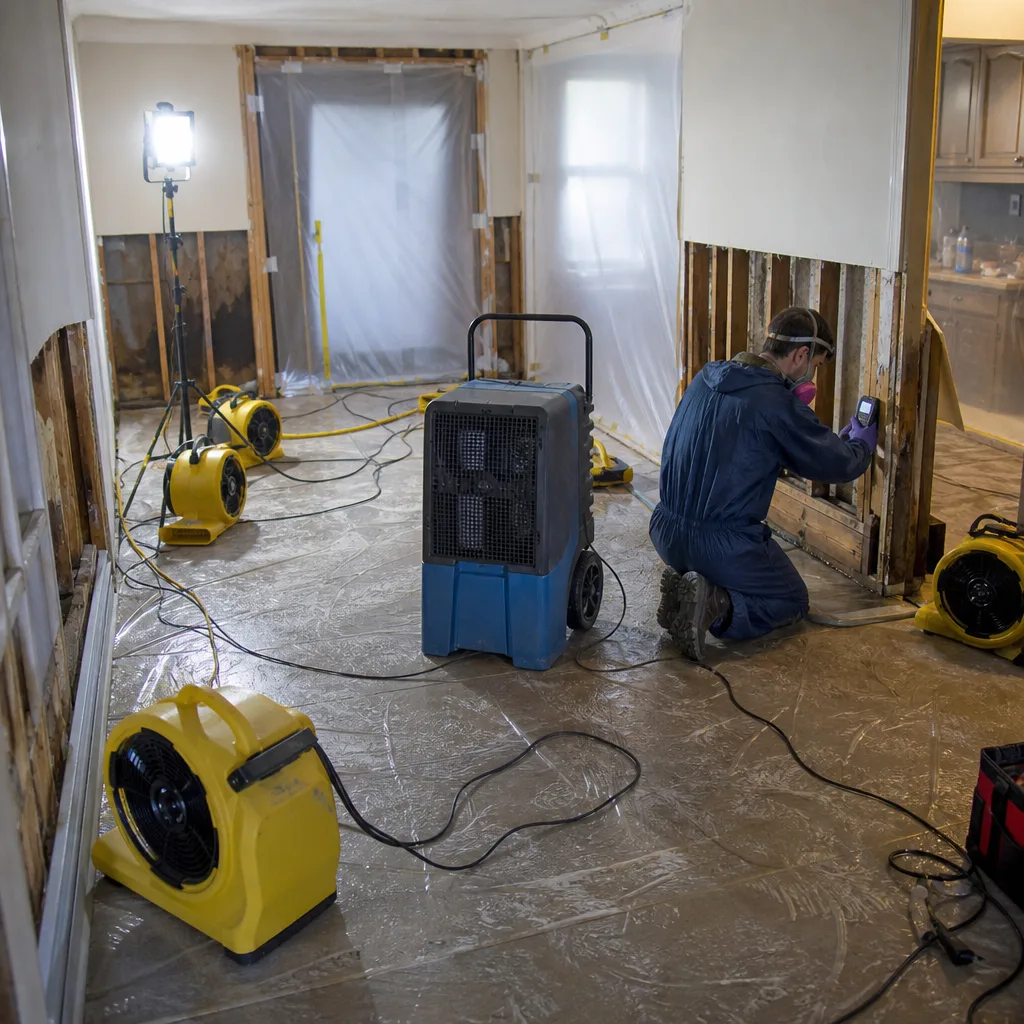
Crawl spaces in Bothell are particularly vulnerable because our clay-heavy soils in neighborhoods like Canyon Park and North Creek hold moisture through the wet season, and our relatively mild winters mean ground temperatures stay in the range where condensation forms readily on cooler surfaces.
Primary threshold: Relative humidity below 60% at the center of the crawl space, measured at least 12 inches from any wall, foundation vent, or the ground surface itself. Readings above 60% for more than 48 hours create conditions where mold growth on organic materials becomes likely. Readings above 70% indicate active moisture intrusion or inadequate ventilation that requires immediate correction.
Secondary threshold: Vapor barrier condition documented by photograph every six months. The 6-mil polyethylene sheet standard in most Bothell homes should show no pooling water, no displacement from soil movement, and no breaches from rodent activity or maintenance traffic. Any standing water on top of the barrier indicates a drainage failure; water underneath indicates a groundwater intrusion problem.
Tertiary threshold: Wood moisture content in floor joists and subflooring below 16%, measured with a pin-type meter at multiple points. Readings between 16% and 20% indicate elevated risk; above 20% indicates active water intrusion and potential structural concern.
Here’s how to document a crawl space inspection:
- Record outdoor temperature and relative humidity before entering - this establishes the baseline your HVAC system is working against.
- Place a calibrated hygrometer at the crawl space center, wait 15 minutes for stabilization, then photograph the reading with the date visible.
- Take pin meter readings at three joist locations: the center span, near the foundation wall, and near any plumbing penetration.
- Photograph the vapor barrier in four quadrants, with a dated newspaper or phone timestamp visible in frame.
- Note any plumbing leaks, foundation cracks, or pest damage with location-specific descriptions.
In our experience, Bothell homes built between 1985 and 2005 in the North Creek area have particularly persistent crawl space moisture issues due to original vapor barriers that have degraded and foundation vents that were designed for ventilation strategies now understood to be counterproductive in our climate. If your home falls in this category, monthly readings during the wet season are warranted rather than the standard quarterly schedule.
Basement and Slab Surface Readings
Bothell’s basements fall into two categories: older homes with true below-grade walls, and newer construction with daylight or walkout basements on sloped lots in areas like Thrashers Corner. Each has different risk profiles and different measurement protocols.
For full basements: Surface relative humidity on interior walls below 75% RH, measured with a non-invasive meter held against the wall surface. Readings above 75% indicate moisture vapor transmission through the foundation, which in our climate often means hydrostatic pressure from saturated soils during the wet season. This is not necessarily a structural emergency, but it is a condition that will degrade finishes and create musty odors if finishes are applied over it.
For slab-on-grade or daylight basements: Floor surface temperature should be within 5°F of ambient air temperature. A cold slab in summer indicates potential condensation risk when humid air contacts the surface. A cold slab in winter may indicate inadequate insulation at the slab edge, common in 1990s construction.
Critical inspection points:
- Floor-to-wall joints, where slab shrinkage creates gaps that allow seepage
- Sump pump discharge lines for freeze damage or disconnection - Bothell’s freeze-thaw cycle in late winter is particularly hard on above-ground discharge piping
- Window wells for debris accumulation and drainage failure
- Water heater pans and drain lines, which often show the first signs of corrosion in our soft water supply
We document basement conditions to IICRC and RIA standards on every DryMark Restoration Bothell home visit, and the same rigor should apply to homeowner maintenance. A basement wall reading of 82% RH on January 15th, with a photograph, establishes when a problem began. Without that date and number, the same wall in March is just “mold in the basement - probably been there a while.”
Attic Sheathing and Roof System Monitoring
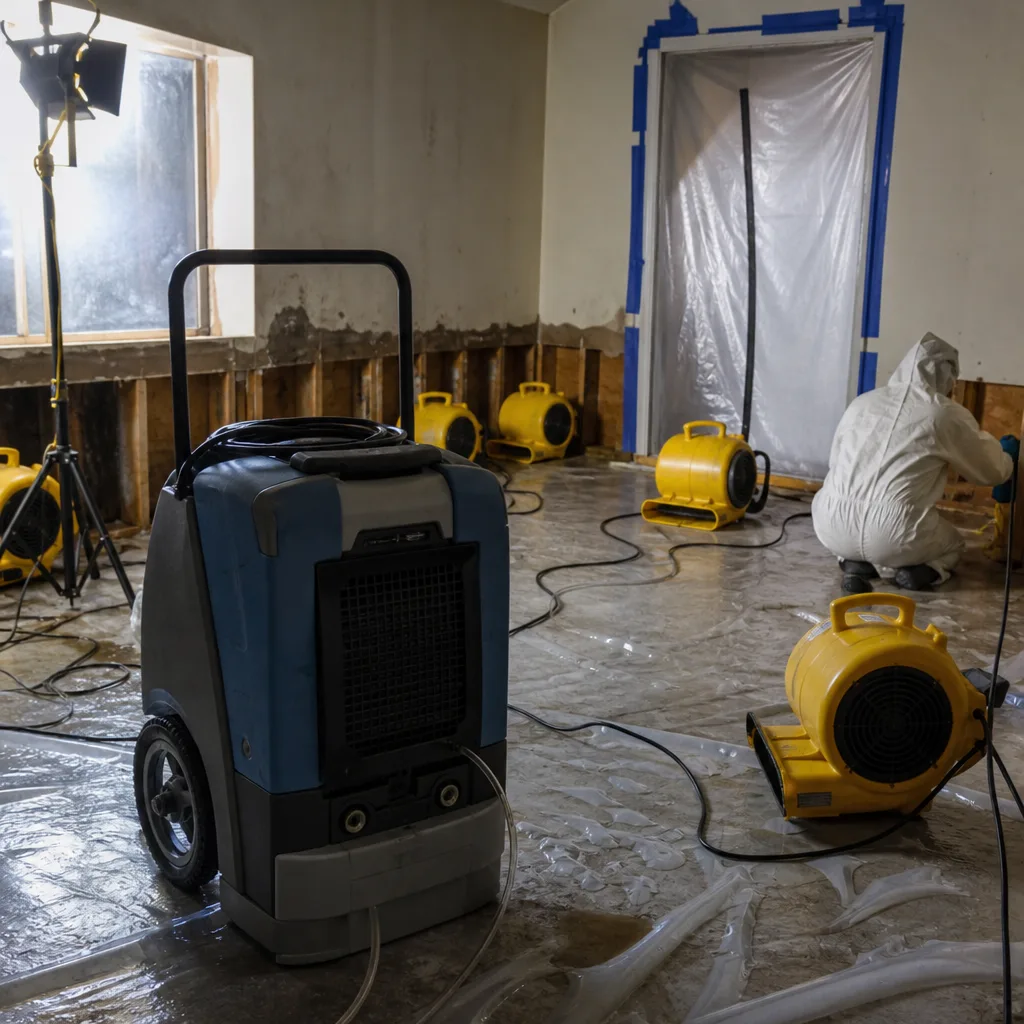
Bothell’s combination of winter rainfall, occasional snow load, and summer temperature swings creates specific attic risks that differ from both drier eastern Washington and the more consistently wet Olympic Peninsula. Our freeze-thaw cycle in January and February is particularly damaging to asphalt shingle roofs, and our mature tree canopy in established neighborhoods creates persistent debris accumulation.
Primary threshold: Attic sheathing moisture content below 19%, measured with a pinless meter on the interior face. Wood at 19% MC is the threshold where decay organisms become active; at 20% and above, structural degradation begins over time. Readings should be taken at multiple points, particularly near valleys, penetrations, and the north-facing slope where morning dew lingers longest.
Secondary threshold: Attic air temperature no more than 10°F above outdoor ambient during winter. Greater differentials indicate inadequate ventilation or insulation bypasses that are depositing warm, moist air into the attic space. In summer, attic temperatures above 130°F indicate ventilation inadequate for shingle warranty requirements - most manufacturers specify maximum attic temperatures for warranty coverage.
Roof component documentation schedule:
- Spring (April): Photograph shingle condition, noting any lifted tabs from winter wind events or granular loss from freeze-thaw cycling. Document gutter condition and downspout extensions.
- Fall (October): Clear debris from valleys and behind chimneys. Photograph flashing condition, particularly at wall intersections where Bothell’s driving winter rains concentrate.
- After any ice or snow event: Inspect for ice dam formation along the eaves, which indicates inadequate attic insulation or ventilation that allows roof snow melt to refreeze at the cold edge.
The mature Douglas fir and western red cedar canopy in Bothell’s older neighborhoods - particularly near the Burke-Gilman Trail corridor - deposits significant organic debris that holds moisture against roof surfaces. We’ve restored homes where years of accumulated needle debris had raised sheathing moisture content to 28%, with decay visible on the interior face, while the homeowner had no indication of a problem because the roof surface appeared normal from the ground.
Seasonal Task Calendar for Bothell’s Climate
Bothell’s wet season runs October through March, with peak rainfall typically in November and December. Our dry season, such as it is, runs June through September, though even these months carry significant moisture risk from irrigation system failures and occasional summer thunderstorms. The maintenance calendar below shifts from moisture-focused monitoring when water is moving through the environment to structural-focused inspection when conditions allow safe access and drying.
October - Wet Season Begins
- Establish baseline crawl space RH reading; photograph vapor barrier condition
- Test sump pump and backup system under load; record cycle time
- Inspect and photograph roof valleys and gutter condition after leaf fall
- Check exterior grade for settlement that directs water toward foundation
November-December - Peak Wet Season
- Monthly crawl space RH readings; log any reading above 60%
- Inspect basement walls for seepage at floor joints after heavy rain events
- Monitor attic sheathing after first sustained cold period for condensation signs
- Check exterior hose bibs for proper winterization; Bothell’s freeze-thaw cycle damages improperly drained sillcocks
January-February - Freeze-Thaw Risk
- Document any ice dam formation with photographs and location notes
- Check for frost on interior surfaces of basement walls, indicating inadequate insulation
- Inspect water heater and supply lines in unconditioned spaces for freeze damage
- Continue monthly crawl space readings; this is often when groundwater is highest
March - Transition Month
- Final wet-season crawl space documentation; compare to October baseline
- Inspect roof for wind damage from winter storms
- Test exterior drainage systems as snowmelt and rain combine
April-May - Dry Season Preparation
- Comprehensive roof inspection and debris removal
- Service irrigation systems; check for winter damage to backflow preventers
- Quarterly attic sheathing moisture reading; should show lowest annual readings
June-September - Structural Focus
- Quarterly crawl space and basement readings
- Inspect and document caulking and sealant condition at windows, doors, penetrations
- Check appliance hoses and supply lines; summer heat accelerates rubber degradation
- Document any additions or modifications that affect moisture management
This calendar reflects what we’ve learned from Mold Remediation in Bothell work: the homes with the fewest mold-related coverage disputes are those where owners can produce a log showing consistent monitoring, not just sporadic attention after a problem becomes obvious.
Photographing and Logging for Pre-Loss Evidence
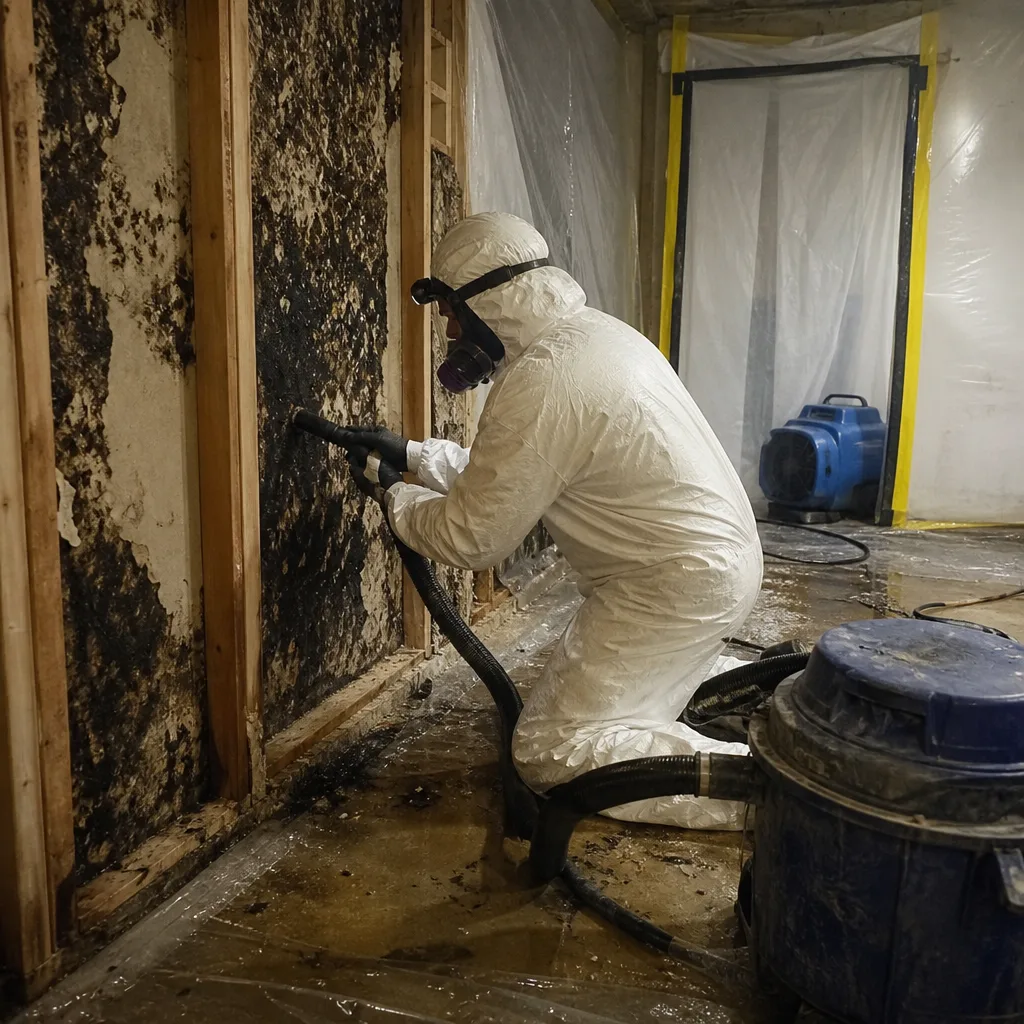
A maintenance log only functions as pre-loss evidence if it meets certain standards that adjusters and their software can process efficiently. We’ve reviewed enough claims to know what gets accepted and what gets challenged.
The photograph standard: Every photograph must contain a readable date stamp, either from the camera or from a newspaper or phone screen held in frame. Digital photos with EXIF data are acceptable but should be backed up to cloud storage with upload timestamps. The photograph should show the measurement device reading, the location in the home, and enough context to establish what is being measured.
The description standard: Each log entry needs four elements: date, location, reading or observation, and action taken or recommended. “Crawl space RH 58%, no action needed” is complete. “Checked crawl space, looked fine” is useless.
The storage standard: Maintain the log in two formats: a physical binder with printed photographs and handwritten entries, and a digital folder with dated subfolders and searchable filenames. The physical binder survives digital failures and demonstrates ongoing attention; the digital folder allows rapid sharing with adjusters, contractors, and Fire & Smoke Damage Restoration in Bothell professionals if a loss involves multiple damage types.
Recommended filename format: YYYY-MM-DD_Location_Measurement.jpg
Example: 2024-11-15_CrawlSpaceCenter_RH58pct.jpg
This format sorts chronologically, identifies location without opening the file, and specifies what was measured. An adjuster receiving 50 such files can quickly identify the relevant pre-loss documentation.
We’ve seen Bothell homeowners use this exact system to successfully establish that mold discovered after a pipe burst was not pre-existing, because their log showed six consecutive quarterly readings of attic sheathing at 14-16% MC with no musty odors noted. The insurer covered full remediation. Without that log, the same homeowner would have faced a “gradual damage” exclusion and thousands in out-of-pocket costs.
Plumbing and Appliance Lifespans in the Pacific Northwest
Bothell’s water chemistry and climate create specific wear patterns that shorten some component lifespans and extend others. Our water supply, drawn from the Tolt River watershed and Spada Lake reservoir, is notably soft - low in calcium and magnesium. This reduces scale buildup in water heaters and appliances but increases the corrosive effect on certain metals, particularly galvanized steel and some copper alloys.
Components with shortened lifespans in our region:
- Galvanized steel supply lines: In homes built before 1970, these commonly fail at 40-50 years rather than the 60-70 year lifespan in harder-water regions. Bothell’s soft water accelerates internal corrosion once the zinc coating degrades.
- Rubber washing machine hoses: The combination of soft water and temperature cycling from our cool groundwater supply causes more rapid rubber degradation. Five-year replacement is prudent; the “every 3-5 years” general recommendation should be interpreted as “every 3 years” here.
- Tank-style water heaters: Anode rod depletion is faster in soft water. Tanks without regular anode inspection commonly fail at 8-10 years rather than the rated 12-15.
- Exterior hose bibs and irrigation backflow preventers: Our freeze-thaw cycle, with temperatures oscillating around 32°F for days at a time in January and February, causes more damage than deeper, more consistent freezes. These components need annual inspection and documented winterization.
Components with extended lifespans:
- Tankless water heaters: Reduced scale accumulation means heat exchangers maintain efficiency longer. Properly maintained units in Bothell commonly exceed 20 years.
- Copper piping: Type L copper with proper soldering resists our water chemistry well; 50+ year lifespans are typical.
Documentation protocol for plumbing: Photograph the manufacturer’s label on each major appliance and fixture, record installation or replacement dates, and note any warranty terms. When a water heater fails at 2:00 AM, knowing whether it’s under warranty, who installed it, and what replacement model fits saves hours and prevents emergency decisions that lead to improper installations.
We document all plumbing conditions during our initial assessment on water damage calls, and homeowners who can produce their own maintenance records make that documentation more complete and more useful for claim purposes.
Building a Home Maintenance Log an Adjuster Can Use
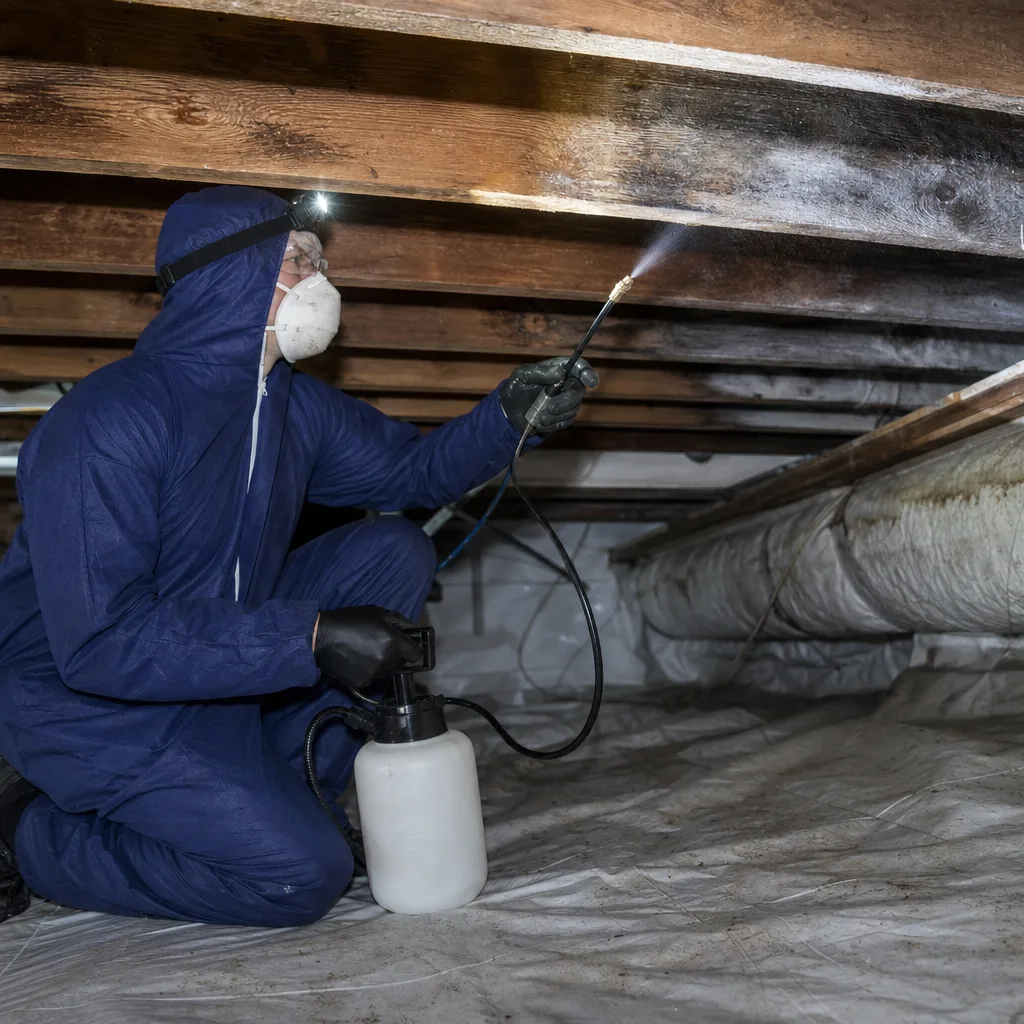
The final step is assembling your documentation into a format that functions as evidence. An adjuster reviewing your file has limited time and specific questions: What was the condition before the loss? When did monitoring begin? Were there prior signs of the problem? A well-structured log answers these before they’re asked.
Physical binder structure:
- Property profile: Address, construction year, square footage, foundation type, roofing material and installation date, HVAC type and service history. This establishes baseline conditions.
- Moisture monitoring section: Chronological entries by location (crawl space, basement, attic), with readings, photographs, and notations of any corrective actions taken.
- Plumbing and appliance section: Manufacturer labels, installation dates, warranty information, and replacement history.
- Roof and exterior section: Inspection photographs, repair records, and contractor documentation.
- Professional service section: Records of any restoration, remediation, or significant repair work, with contractor names, dates, and scope descriptions.
Digital parallel: Mirror this structure in cloud storage with the dated filename convention described earlier. Share access with a trusted contact who can retrieve it if you’re unavailable during a loss.
The key principle: every entry should be understandable by someone who has never seen your home. “RH 58%, no action” is understandable. “Fine” is not. “Water heater anode replaced, 3/15/2023, ABC Plumbing, invoice #2847” is understandable. “Fixed water heater” is not.
This level of documentation may seem excessive for routine maintenance. It is not excessive when a $40,000 mold remediation claim hinges on whether conditions were pre-existing. Haven Standard, Clause 1 applies to our work: a written price before work starts. Your maintenance log applies the same principle to your property: a written record before a loss occurs.
Common Mistakes to Avoid
- Recording “checked” without a number. “Checked crawl space” tells an adjuster nothing. “Crawl space RH 67%, photographed vapor barrier pooling at northeast corner” tells them when a problem began and what it looked like.
- Using a single measurement point. Moisture varies significantly across a crawl space or attic. One reading in the center misses problems at the perimeter where foundations leak and roof valleys concentrate flow.
- Ignoring the dry season. Bothell homeowners often stop monitoring in June, but summer irrigation failures and occasional thunderstorms cause significant losses. Quarterly minimum, year-round.
- Storing records only on a phone. Phones fail, get replaced, or are unavailable during emergencies. The cloud backup with shared access is essential.
- Failing to document corrective actions. If you install a dehumidifier, repair a gutter, or seal a foundation crack, log it with date and photograph. This shows responsive maintenance, not neglect.
- Using consumer-grade moisture meters without calibration verification. A $20 pinless meter from a hardware store can read ±5% MC, which is the difference between “normal” and “active decay.” Verify against known standards or invest in a calibrated instrument.
- Assuming new construction doesn’t need monitoring. Bothell’s rapid growth in Canyon Park and North Creek included many homes built during wet weather with materials that didn’t fully dry before enclosure. We’ve documented mold in homes less than two years old where construction moisture was never addressed.
When to Call a Professional
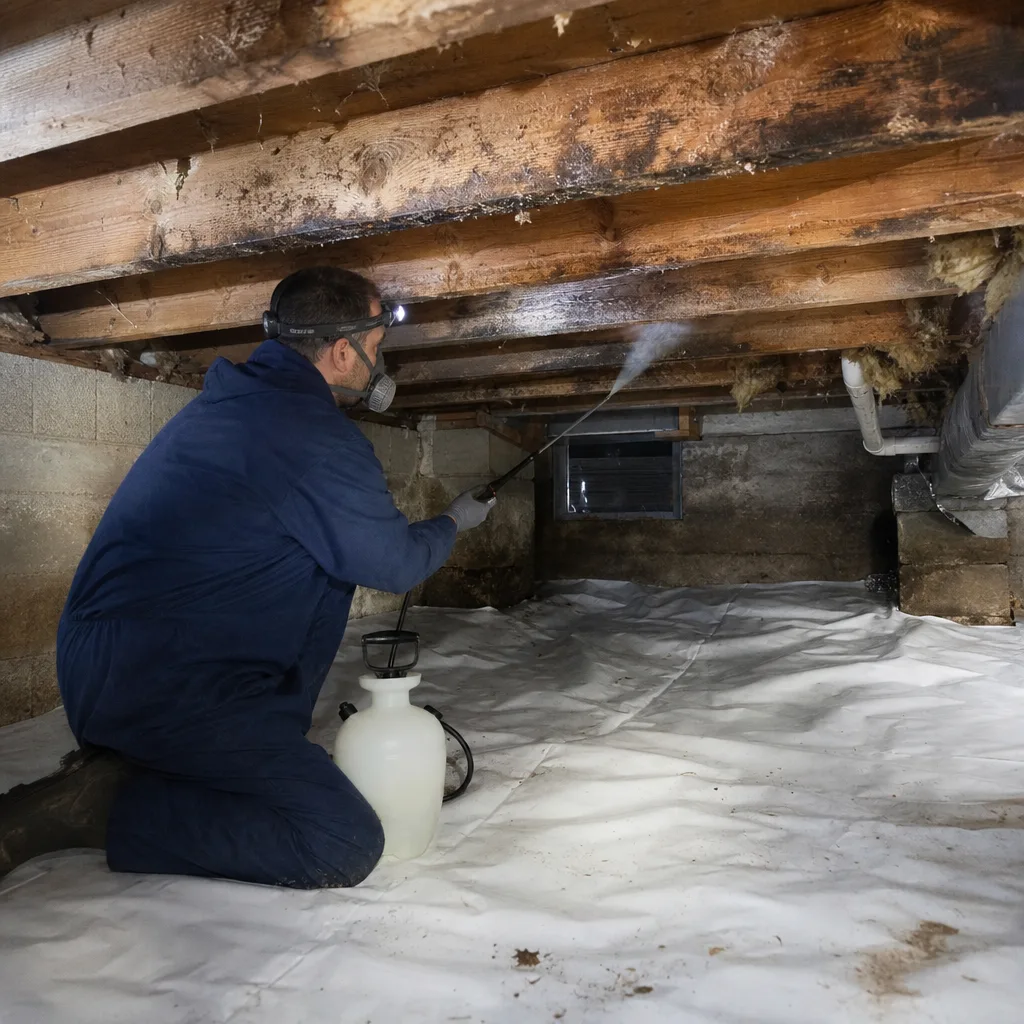
Some conditions exceed homeowner monitoring and require documented professional assessment. Call for evaluation if: crawl space RH remains above 65% after ventilation improvement; basement walls show active seepage or efflorescence; attic sheathing reads above 20% MC at any point; you detect musty odors without visible source; or any appliance, supply line, or drainage component shows corrosion, leakage, or abnormal operation.
Document the call: date, company name, technician name, and scope of assessment. This becomes part of your pre-loss record and demonstrates due diligence.
DryMark Restoration Bothell offers free estimates in Bothell - call (425) 696-6061. Every assessment includes documented moisture readings, a written scope, and a photograph record you can add directly to your maintenance log. Our work is performed to IICRC standards with equipment from Dri-Eaz, Phoenix, and Injectidry, and every job carries our 365-Day Done Right Promise under The Haven Standard.
Frequently Asked Questions
Monthly during the wet season (October through March), quarterly during the dry season. Homes in low-lying areas of North Creek or with known drainage issues should maintain monthly checks year-round. Call (425) 696-6061 if readings consistently exceed 60% RH - we can assess whether ventilation, vapor barrier, or drainage improvements are needed.
A pinless moisture meter with species correction for Pacific Northwest softwoods costs $150-$300 and provides adequate accuracy for homeowner monitoring. Verify calibration annually against a known standard, such as a moisture content block from the manufacturer. For crawl spaces with significant insulation or irregular surfaces, a pin-type meter provides more reliable readings through the material.
Yes, if it meets basic standards: dated entries, specific readings, photographs with timestamps, and consistent format. We’ve seen logs accepted by every major insurer operating in Washington. The key is specificity - numbers, dates, locations, and actions - not general observations. A log that meets these standards has resolved more coverage disputes in our experience than any other homeowner-prepared document.
Bothell sits slightly inland from Puget Sound, which means less marine air moderation and slightly greater temperature variation, particularly in the Sammamish River Valley. Our freeze-thaw cycle is more pronounced, and our clay soils hold moisture longer than Seattle’s glacial till. Homes in Thrashers Corner and Canyon Park, at slightly higher elevation, experience more wind exposure and faster snowmelt cycling on roofs. These differences matter for ventilation sizing, insulation specifications, and roof component selection.
Remote sensors provide useful trend data and can alert you to sudden changes, but they do not replace documented manual inspections. Sensors fail, drift, or get displaced. Your maintenance log should include periodic verification readings with a calibrated handheld meter, photographed for the record. Use technology as a supplement, not a substitute, for the documentation standard described in this guide.
Photograph it with scale reference (ruler or coin in frame), note the location and approximate size, and call for professional assessment before disturbing it. Disturbing mold without containment can spread spores and complicate both remediation and insurance coverage. Our Mold Remediation in Bothell service includes documented containment, air quality testing, and clearance verification - all with the written price before work begins that Haven Standard, Clause 1 requires.
The Bottom Line
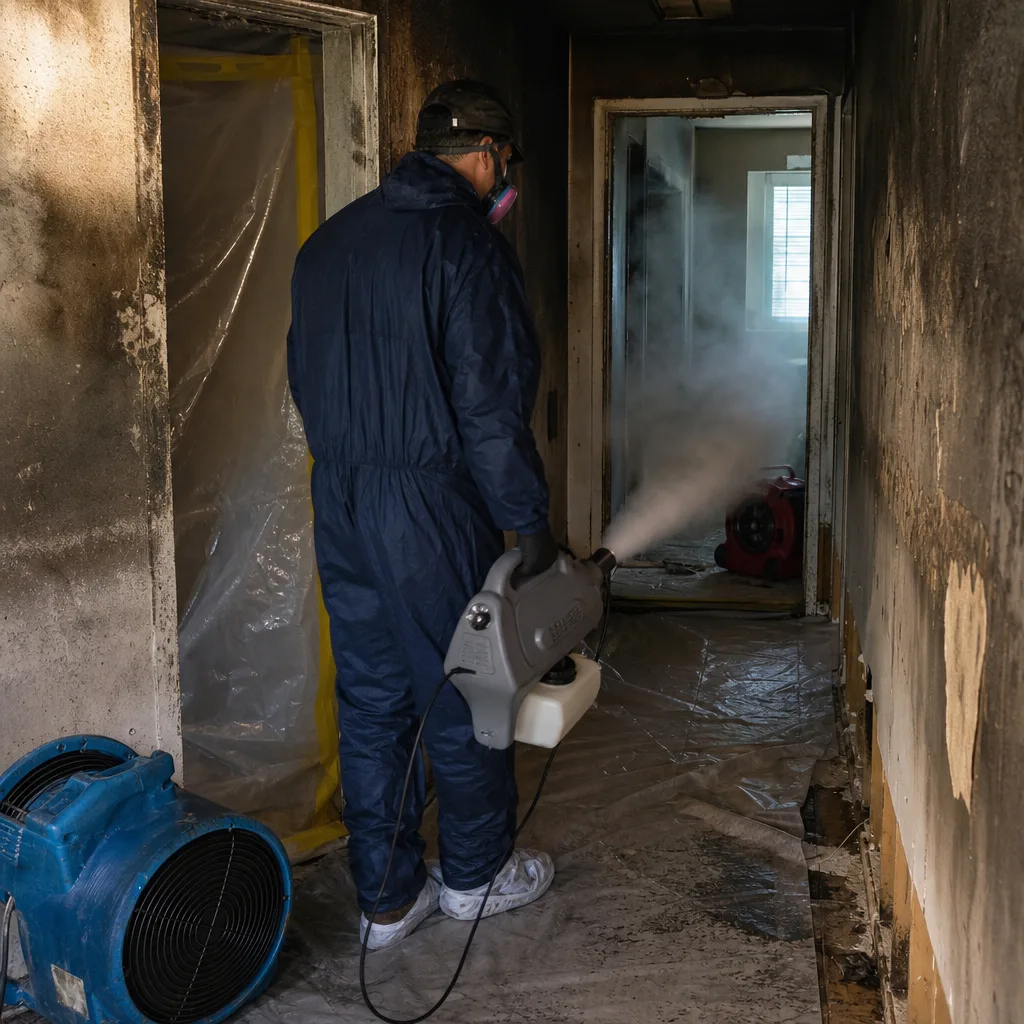
A water damage maintenance checklist only protects you if it produces evidence. For Bothell homeowners, that means recording specific moisture thresholds - crawl space below 60% RH, basement walls below 75% RH, attic sheathing below 19% MC - on a dated, photographed log that an adjuster can review in minutes. Match your inspection frequency to our wet season rhythm: monthly October through March, quarterly the rest of the year. Document plumbing and roof components with attention to Pacific Northwest-specific wear patterns. Store everything in dual format, physical and digital, with filenames and entries precise enough for someone who has never seen your home. The four-month coverage dispute avoided by a single moisture reading is not hypothetical. We’ve seen it repeatedly since 2011. The homeowners who keep measurable records are the homeowners whose claims resolve without argument.
Written by Alicia Brennan, Owner at DryMark Restoration Bothell, serving Bothell since 2011.