
Free visual inspection and a written scope of work before any mitigation begins - photos, moisture readings, and drying logs go in your claim file
The scope we write is the scope we bill. Anything new gets shown to you, in writing, before we touch it.
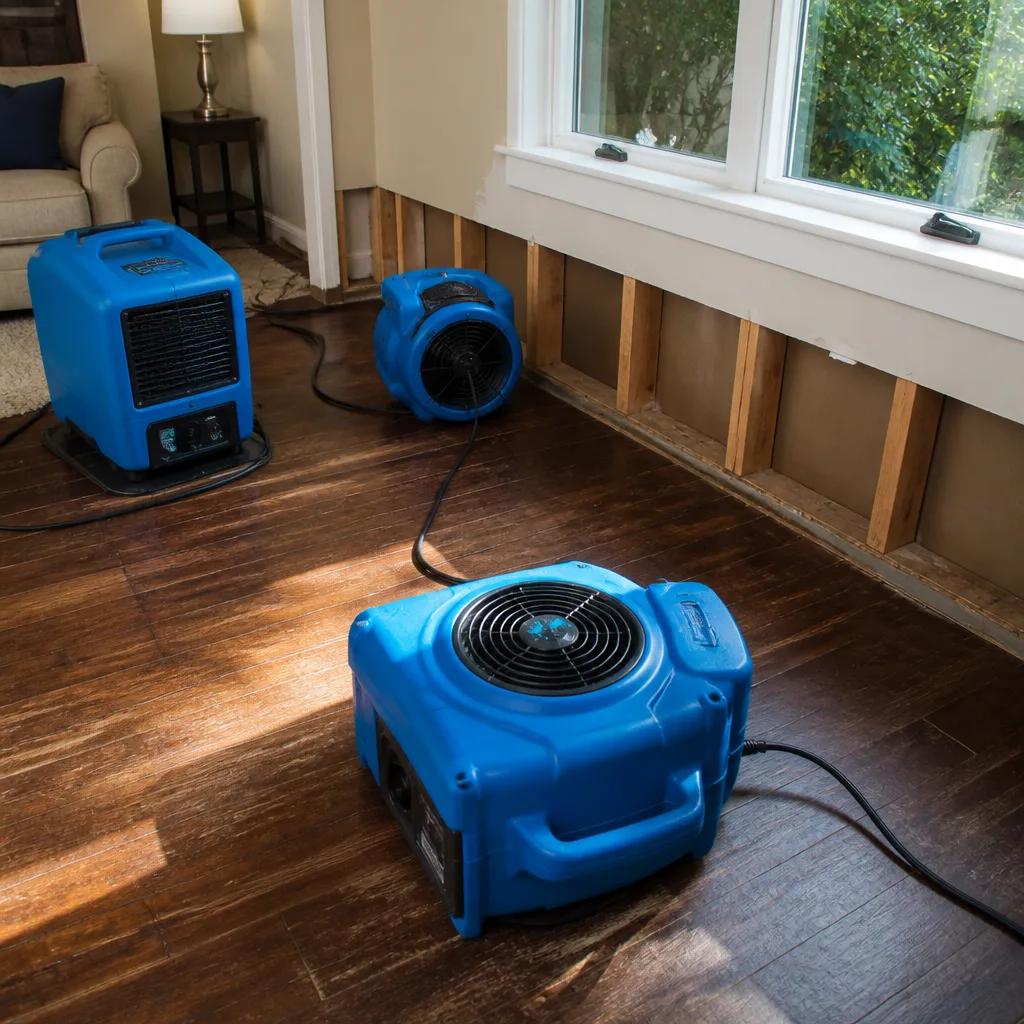
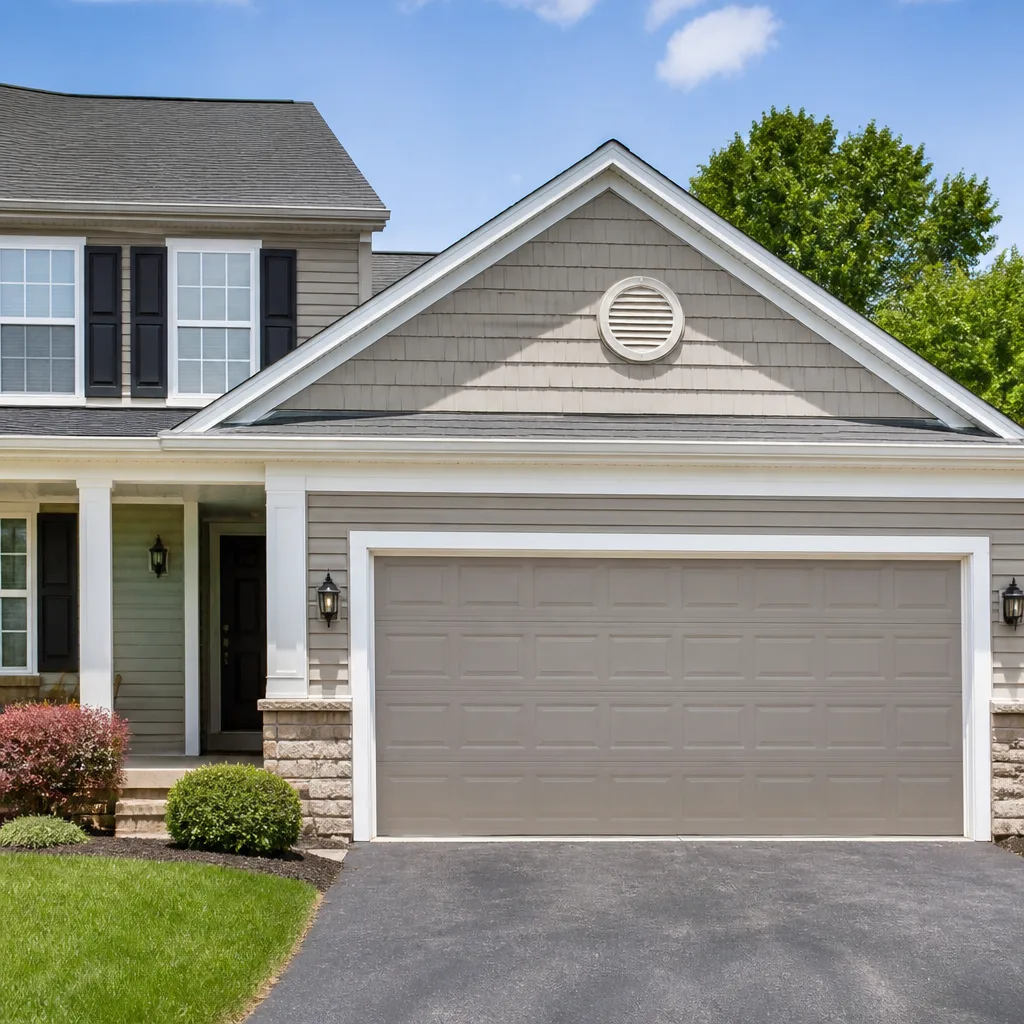
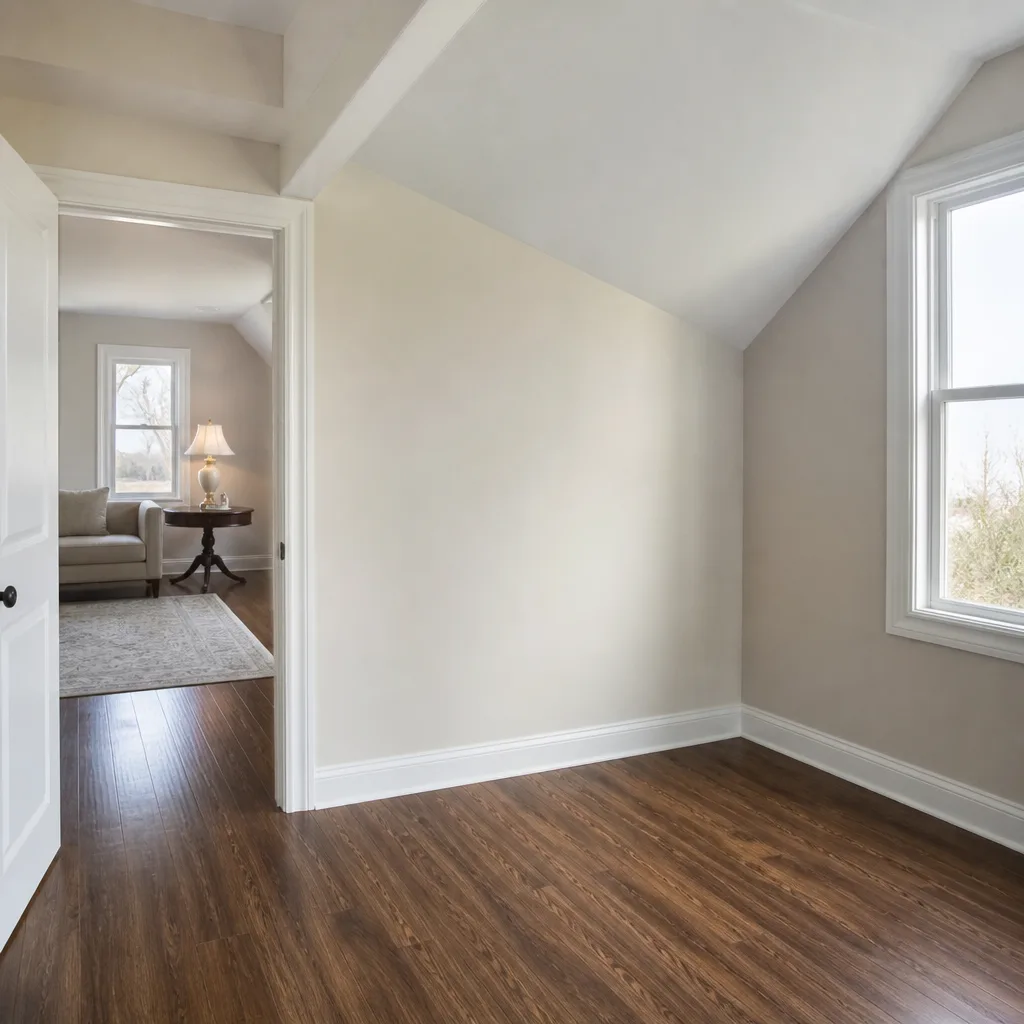
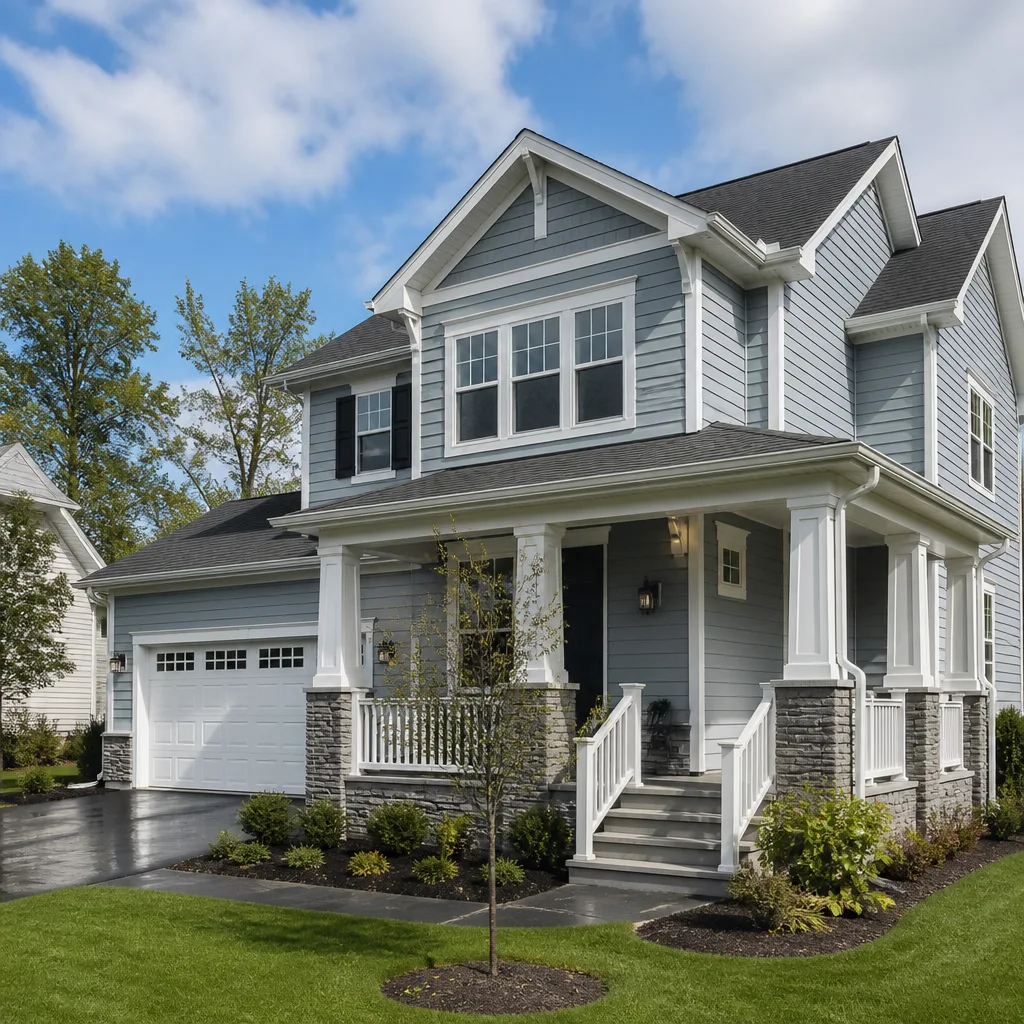
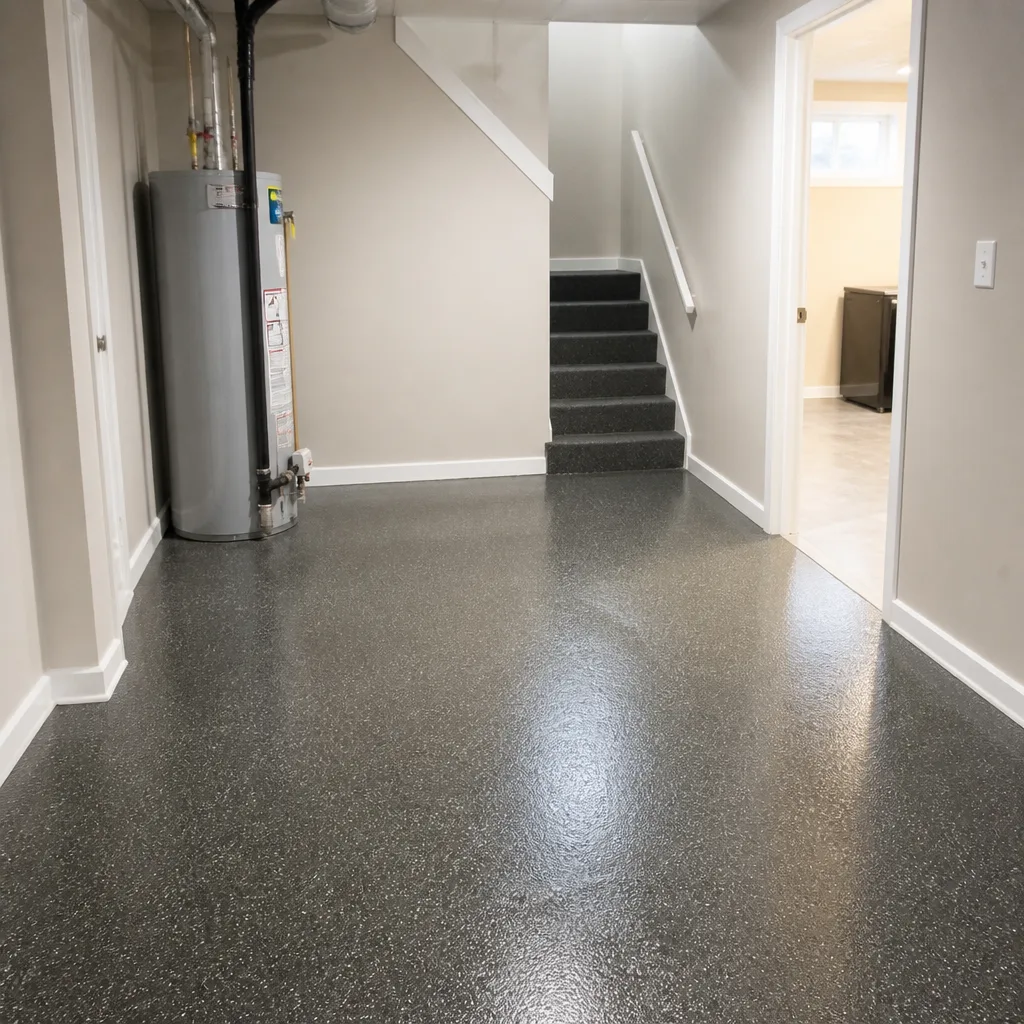
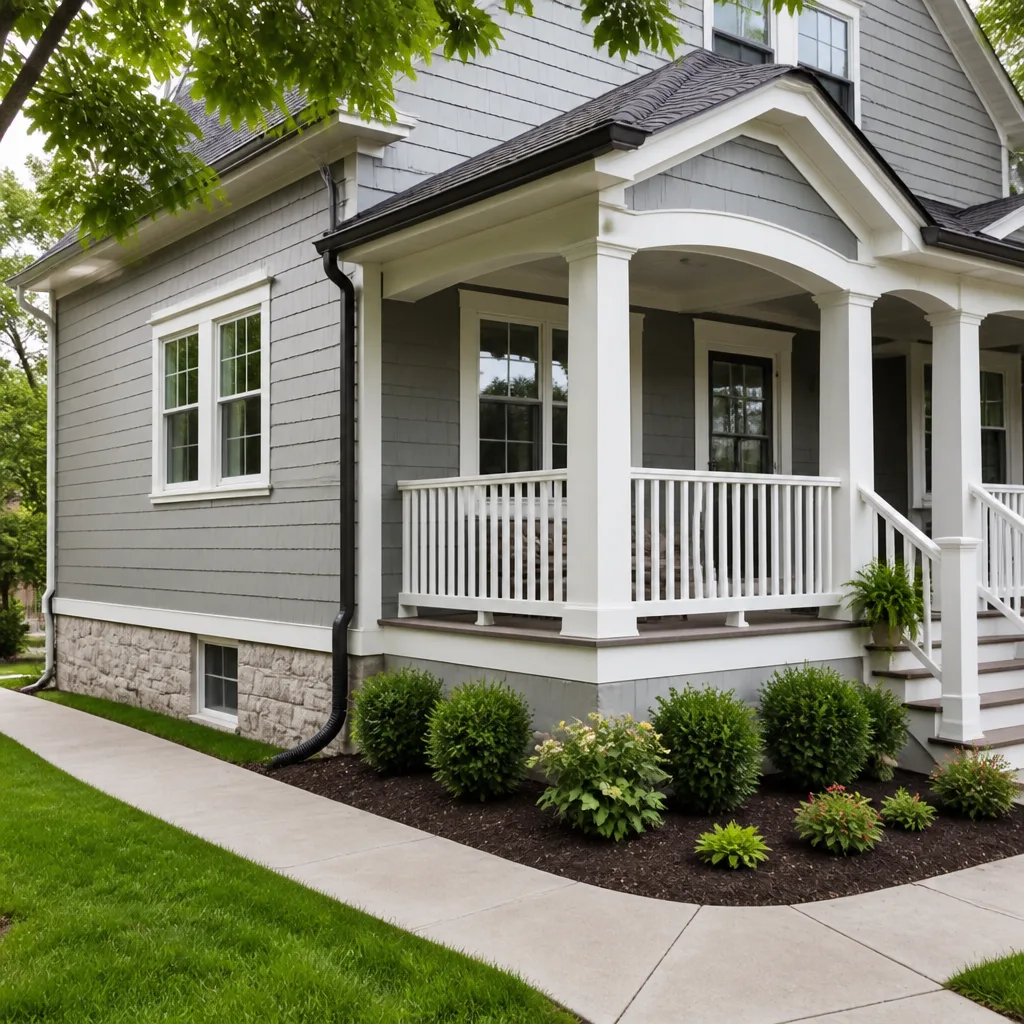
 Before
 After
After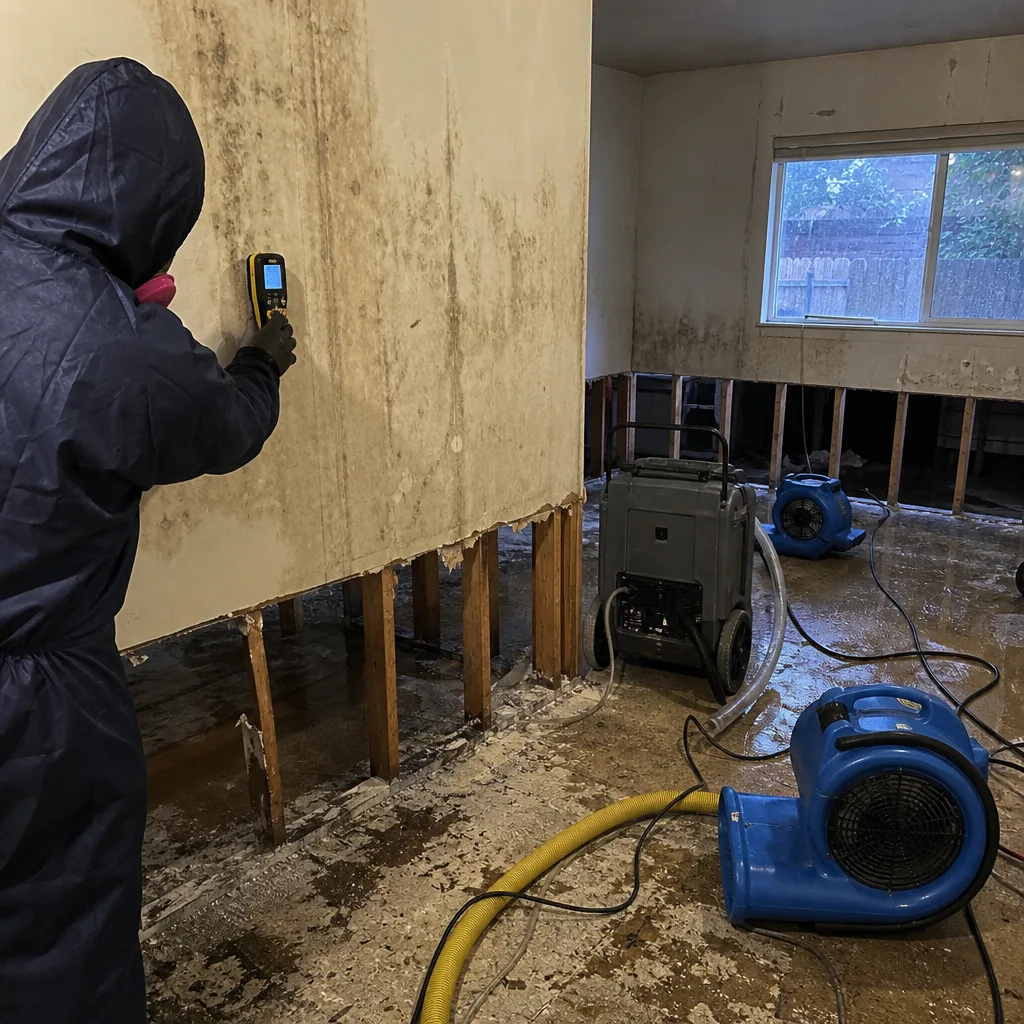 Before
 After
After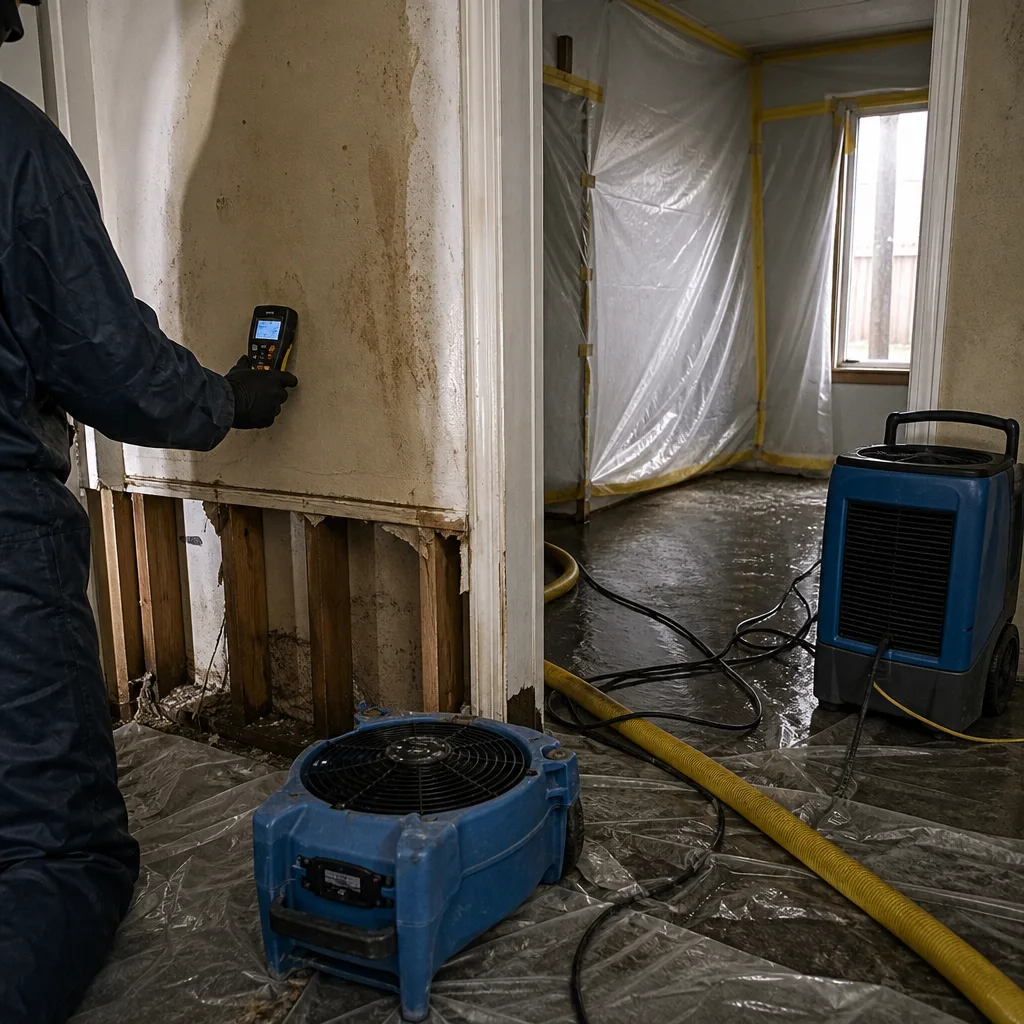 Before
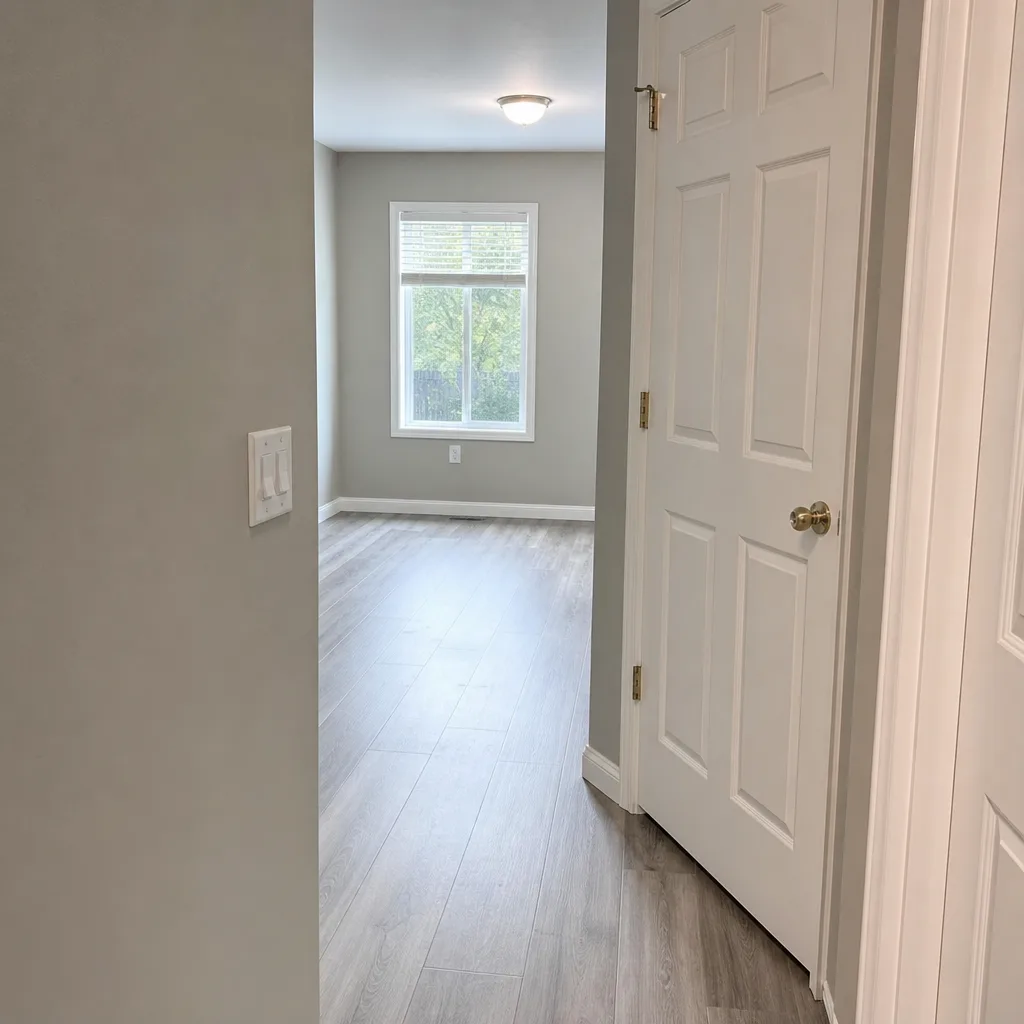 After
After24/7 Emergency Water Damage Restoration in Sammamish
Water damage in a Sammamish home can escalate from a contained leak to a full structural loss in under 72 hours. Our crews answer live at (425) 696-6061 every hour of every day, with response times inside Sammamish typically under 45 minutes. We do not use voicemail trees or next-business-day callbacks while water is still moving through your walls.
The first hour determines the final cost. Water that sits in contact with OSB sheathing, engineered floor trusses, or composite housewrap - the exact assemblies found in most Sammamish homes - begins delaminating structural materials within two to four hours. Our Water Damage Restoration team arrives with thermal imaging, moisture meters, and extraction equipment already loaded. We provide a free visual inspection and a written scope before any work begins, per Haven Standard, Clause 1.
Understanding Water Damage Restoration Severity in Sammamish Properties
Water damage classification follows three categories set by the IICRC. Category 1 is clean water from a burst supply line or failed water heater. Category 2 carries significant contamination from dishwasher discharge, washing machine overflow, or groundwater seepage through Sammamish’s clay-heavy glacial soils. Category 3 is grossly contaminated: sewage backup, flooding from the plateau’s overwhelmed storm drains, or any water that has passed through soil or building materials.
Severity in Sammamish is rarely obvious. Homes built during the 1990-2010 subdivision wave - Trossachs, Aldarra, Evans Creek, and similar tracts - use OSB sheathing and synthetic housewraps that wick water laterally behind the facade. By the time paint bubbles or baseboards swell, moisture has already migrated into engineered floor trusses and wall cavities. Our crews use psychrometric data, measuring vapor pressure differential and specific humidity, to locate hidden saturation that surface checks miss. Tertiary drying, the final phase where bound moisture is removed from dense materials, often takes longer in these assemblies than in older stick-framed construction.
Why Sammamish Property Owners Choose DryMark Restoration Bothell
- 45-minute response commitment to Sammamish addresses - our Seattle office dispatches crews who know the plateau’s road network and subdivision layouts.
- 24/7 live answer by a real person, never an automated system or voicemail tree, on every emergency line.
- IICRC-certified crews holding WRT (Water Damage Restoration Technician), FSRT (Fire & Smoke Restoration Technician), and AMRT (Applied Microbial Remediation Technician) credentials.
- Free visual inspection with moisture mapping and thermal imaging included - no charge, no obligation.
- Direct insurance billing with photo-documented estimates and daily drying logs that adjusters recognize and pay without dispute.
- One team from extraction to reconstruction - no handoffs between subcontractors that fragment accountability.
BeforeAfterOur Water Damage Restoration Process
1. Inspection & Assessment
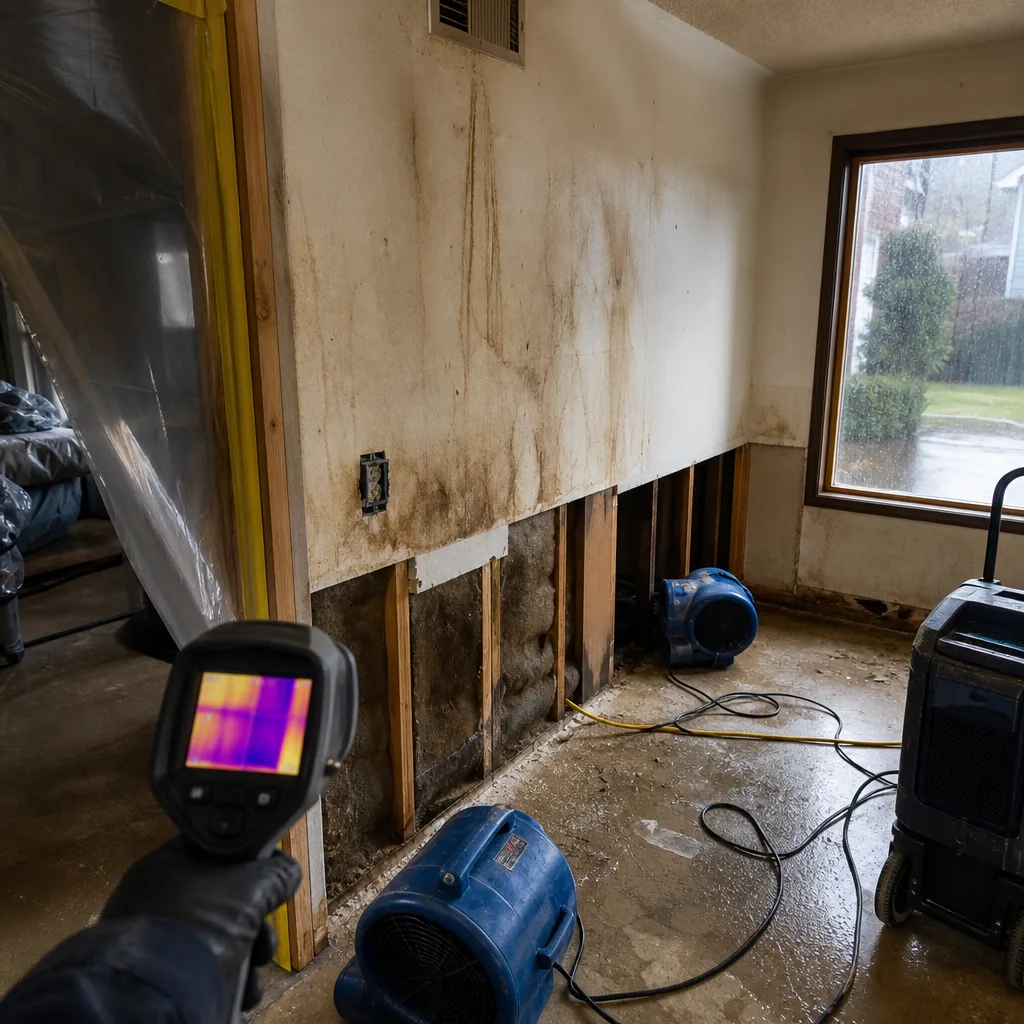
We arrive with FLIR thermal cameras, penetrating and non-penetrating moisture meters, and hygrometers. In Sammamish’s 1990s-era homes, we pay particular attention to window flanges, deck ledgers, and housewrap seams - the failure points that entire subdivisions share. You receive a written scope and price before any equipment runs.
2. Extraction & Stabilization
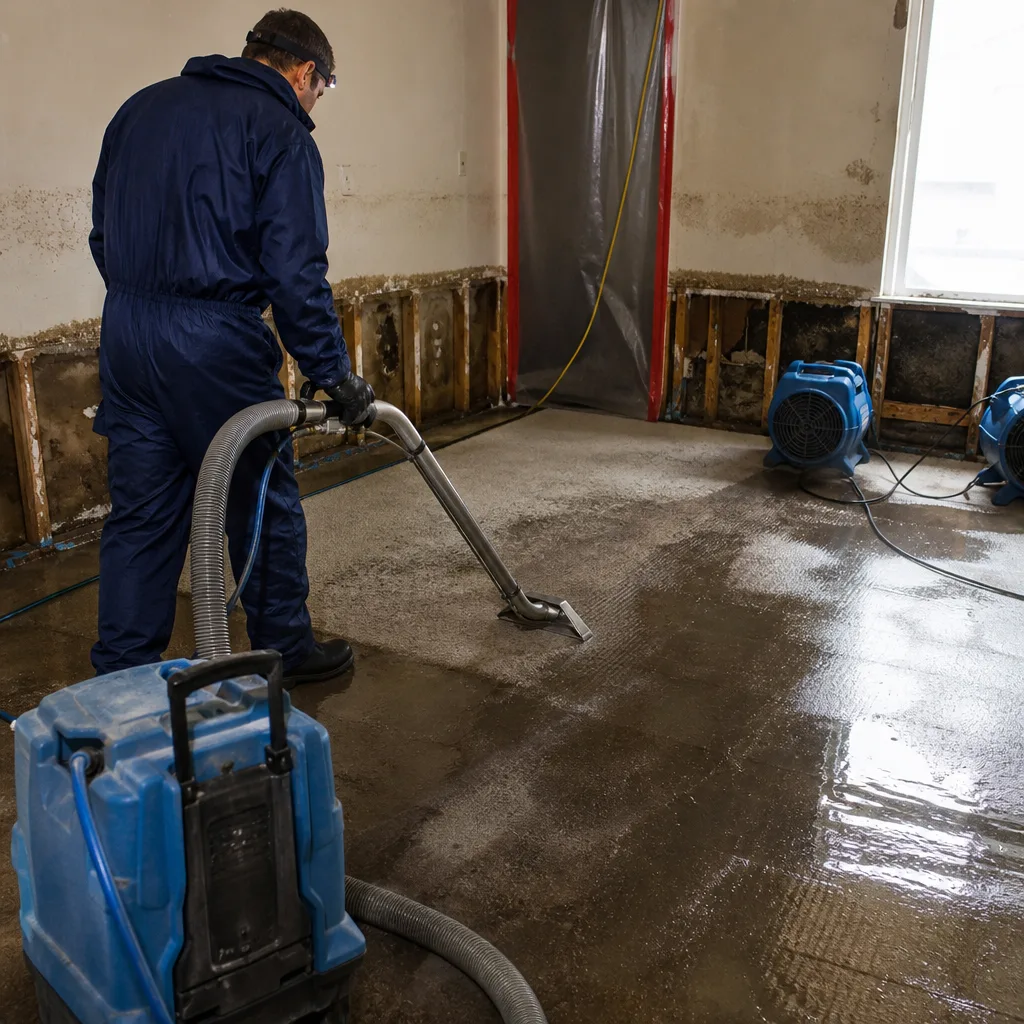
Standing water comes out first: truck-mounted extractors for carpeted areas, portable units for hard-to-reach spaces, and submersible pumps for crawl spaces saturated by Sammamish’s poorly draining clay soils. We remove wet insulation and compromised drywall to expose the structural cavity.
3. Drying & Dehumidification
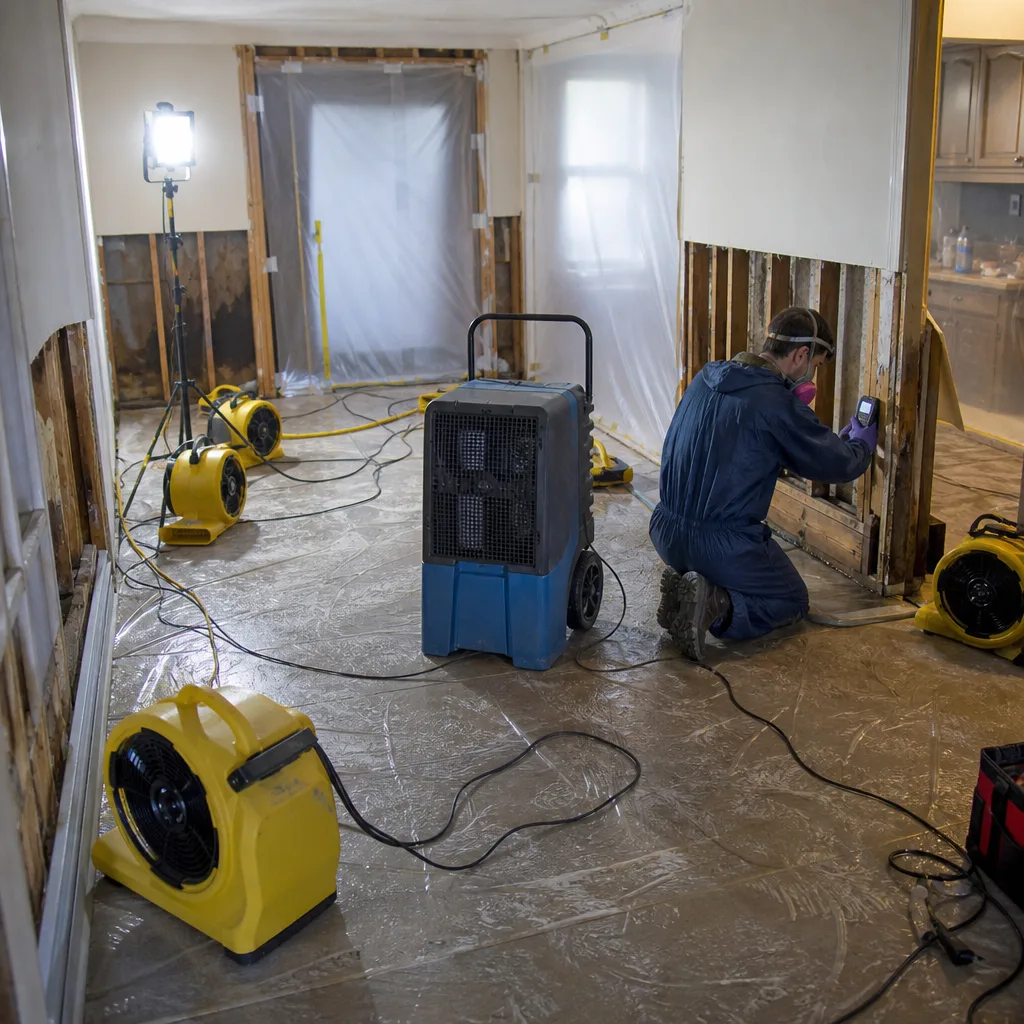
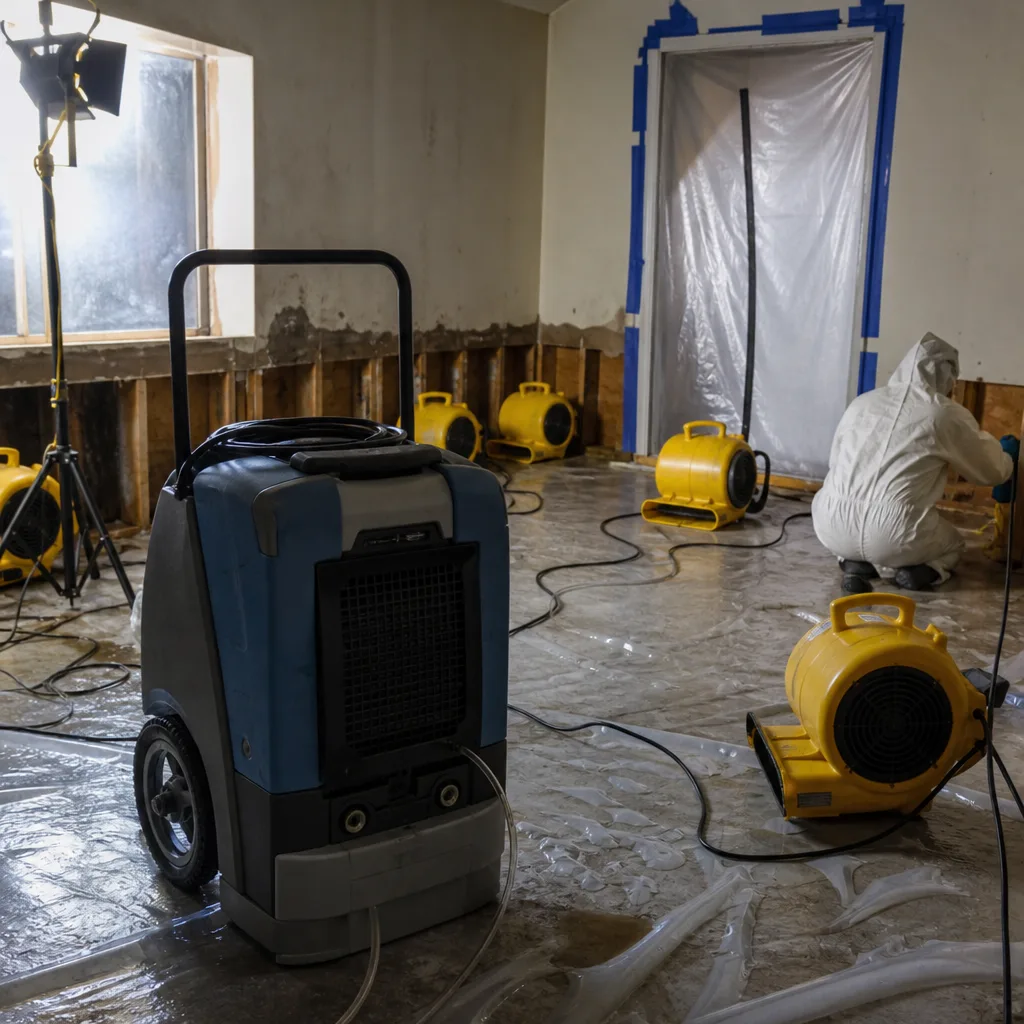
We deploy Dri-Eaz and Phoenix LGR dehumidifiers, XPOWER and B-Air air movers, and Injectidry systems for wall-cavity drying. Drying logs record specific humidity, temperature, and moisture content readings daily - the documentation that turns restoration invoices into payable insurance claims.
4. Cleaning & Sanitization
Category 2 and 3 losses receive antimicrobial treatment to IICRC S500 standards. HEPA air scrubbers run during all phases to capture airborne particulates. We document every treatment with photos and product logs.
5. Mold Prevention & Containment
In Sammamish’s chronically damp crawl spaces and behind failed housewrap, we establish containment barriers and negative air pressure before disturbing any mold-affected materials. Air sampling and clearance testing follow when indicated.
6. Repairs & Restoration
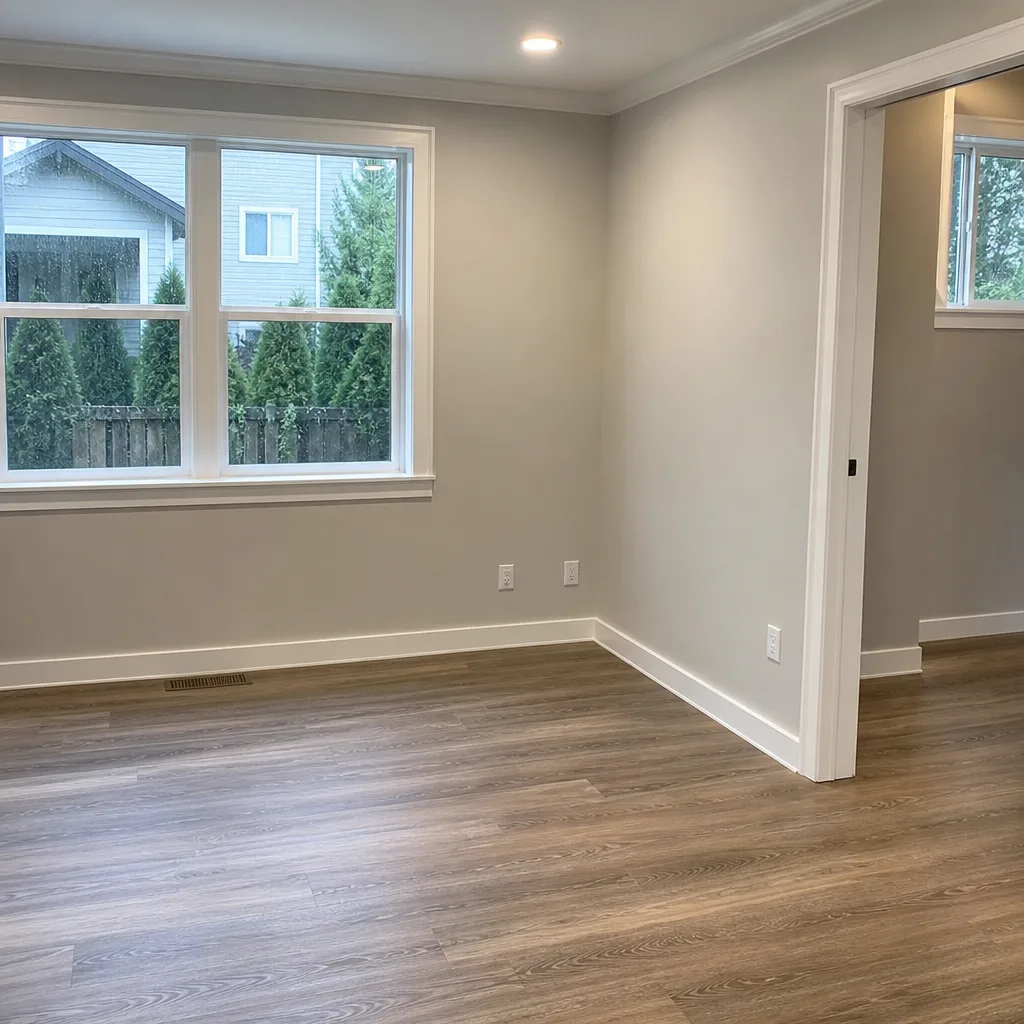
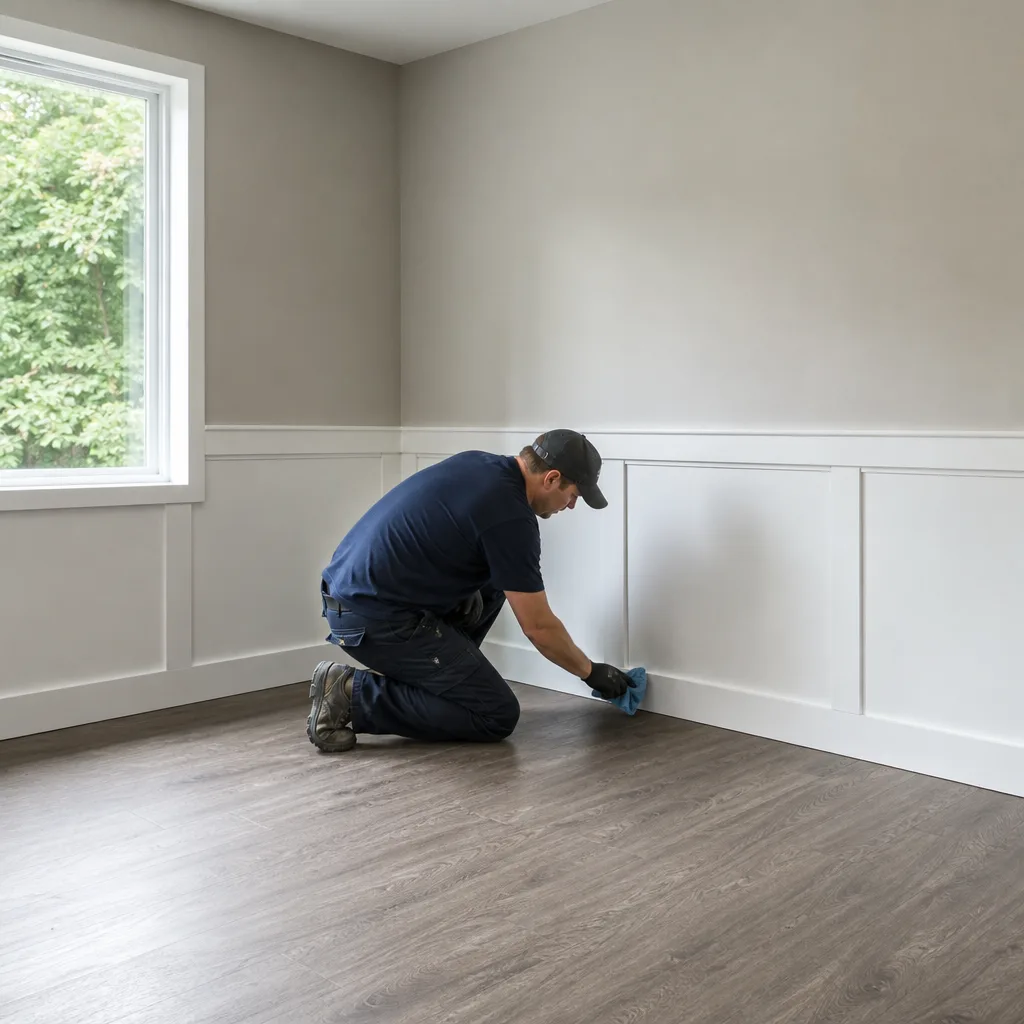
Our reconstruction crew returns the affected area to pre-loss condition: drywall, flooring, trim, paint. The 365-Day Done Right Promise under The Haven Standard covers all workmanship. If it’s not done right, we make it right.
Need Emergency Water Damage Restoration in Sammamish Now?
Crews minutes away, answering live 24 hours a day. The sooner we start, the less it costs.
Working With Your Insurance Company
Documentation begins the moment we arrive. Our founder built this company in 2011 after seeing how sloppy documentation costs homeowners their claims - missing photos, vague scopes, moisture readings that adjusters reject. We do not repeat that pattern.
Every Sammamish job receives a photo record on every visit, daily drying logs with psychrometric data, and a detailed line-item scope written to industry-standard estimating platforms. We coordinate directly with your adjuster, answer their documentation requests within hours, and bill your carrier directly when coverage applies. You are not left translating restoration terminology to an insurance desk.
What We Provide Your Insurer
- Thorough documentation of the loss
- Photos of all damage, room by room
- Moisture readings and drying logs
- A detailed, line-item scope of work
- Direct coordination with your carrier
Built for Sammamish’s Loss Calendar
Sammamish’s damage season runs October through April, when the plateau’s 400-500 foot elevation catches sustained Pacific moisture and clay soils stop draining entirely. January and February bring the heaviest crawl space saturation: groundwater presses against foundations with nowhere to percolate, and pre-standard vapor barriers in 1990s tracts fail predictably. March and April see the roof-edge failures - gutters clogged by Douglas fir needles overflow, ice dams back water under shingles, and the granule loss from years of tree canopy abrasion finally exposes underlayment.
Summer brings a different pattern: homeowners run irrigation against foundations, and the thermal shock of rare heat waves stresses already-fatigued window flashing. September’s first heavy rains reveal the leaks that developed unseen through the dry months. We schedule preventive inspections in late August for Sammamish homeowners who have already experienced one failure - the same OSB sheathing and composite wrap that failed once will fail again nearby.
Water Damage Restoration Across Sammamish’s Neighborhoods
In Trossachs, we see the same two-story Colonial and Craftsman plans repeated across hundreds of lots, all built 1995-2002 with identical window flange details. When one deck ledger fails from improper flashing, we know to check the neighbors. Aldarra‘s larger custom homes from the late 2000s have more complex rooflines and more valleys where debris collects - roof-sourced water damage dominates there, often running down interior wall cavities before any ceiling stain appears.
Evans Creek and the Pine Lake area sit lower on the plateau, where seasonal water tables rise closer to slab and crawl space levels. Basement water removal calls cluster here after sustained rains. The Beaver Lake corridor’s mature tree canopy is densest in Sammamish; gutter maintenance is constant, and the homes with original 1990s fascia boards show rot at the roof edge that newer construction avoids. Our crews carry spare fascia and soffit material because we replace it on roughly one in three Beaver Lake water damage calls.
East Sammamish, toward Issaquah-Pine Lake Road, includes some of the city’s oldest 1980s builds and some 2010s infill. The age spread means we cannot assume any single failure mode - we inspect first, every time, with the same documentation rigor.
Specialized Water Damage Restoration Services We Offer in Sammamish
Emergency Water Extraction
Standing water in a Sammamish home with engineered floor trusses is an emergency - these trusses delaminate faster than solid lumber. Our truck-mounted extractors pull water from carpet and pad simultaneously, and portable units reach the tight crawl spaces common in Trossachs and Aldarra. Call (425) 696-6061 for immediate dispatch.
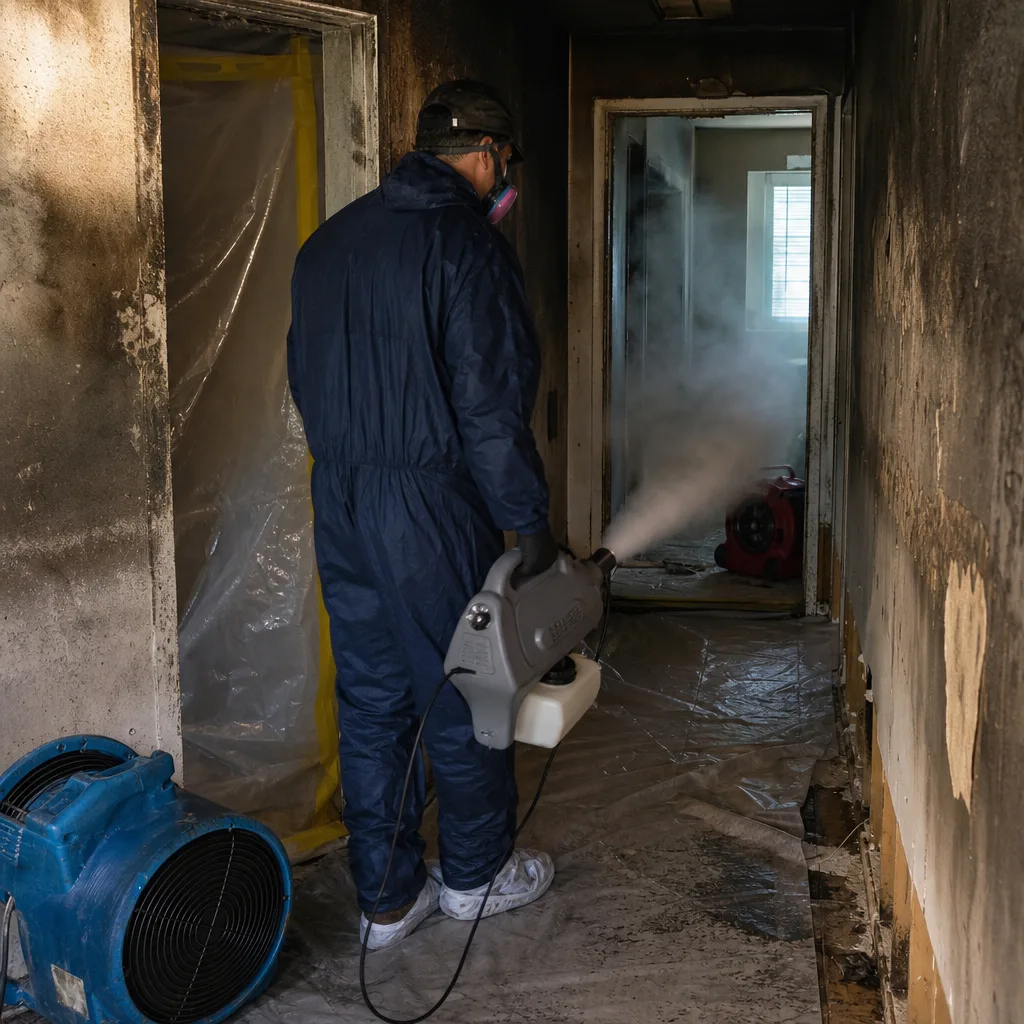
Structural Drying & Dehumidification
This is where Sammamish’s uniform housing stock matters most. OSB sheathing holds moisture differently than plywood; composite housewrap creates vapor barriers that trap it. We calculate drying goals by material type, not by room size, using LGR dehumidifiers and targeted air movement. Daily moisture logs track progress until every reading meets the dry standard - not when the equipment timer runs out.
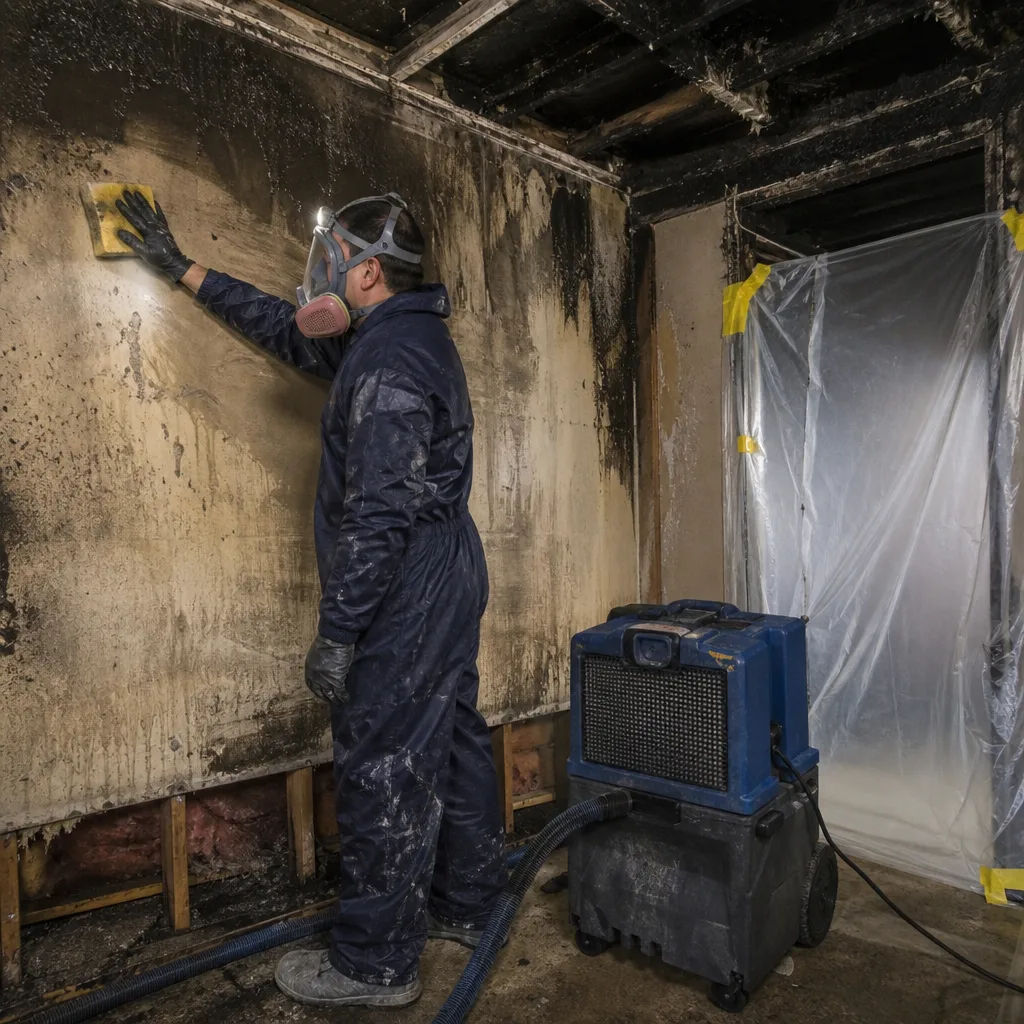
Flood Cleanup
Sammamish’s clay soils and limited storm drainage mean groundwater flooding carries Category 2 contamination even when it looks clear. We test, we document the category, and we scope sanitization accordingly. No shortcuts based on appearance.
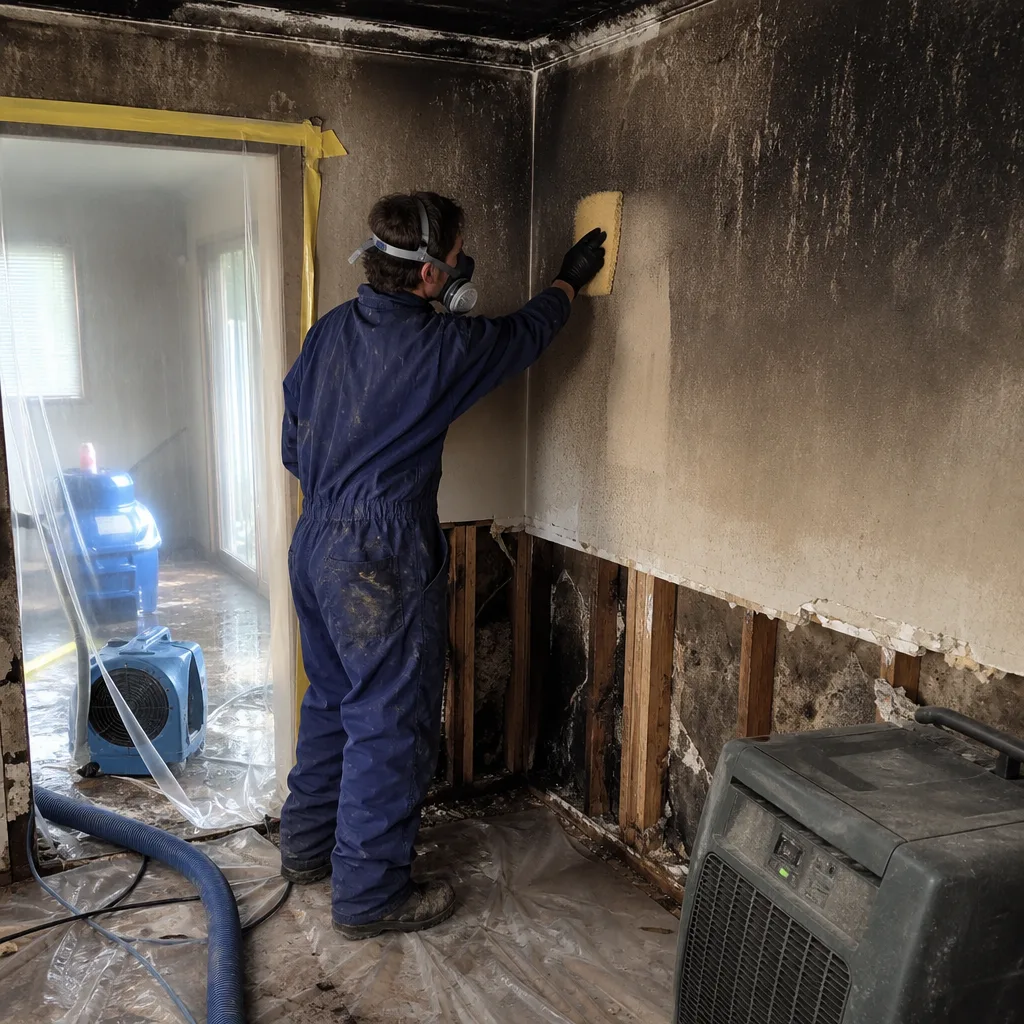
Burst Pipe Restoration
Plateau winters rarely hit the hard-freeze temperatures of eastern Washington, but unconditioned crawl spaces in 1990s tracts often lack adequate insulation at the rim joist. Pipes freeze, split, and release hundreds of gallons before the homeowner discovers the leak. We extract, dry, and document the full extent - including the insulation gaps that caused it.
Basement Water Removal
Lower-elevation Sammamish neighborhoods, particularly near Pine Lake and Evans Creek, see hydrostatic pressure push water through slab cracks and at the cove joint where wall meets floor. We install temporary sump and discharge systems during drying, then scope permanent solutions if needed.
Ceiling & Roof Leak Water Damage
Tree canopy and granule loss make this Sammamish’s most common hidden damage. Water travels along rafters and can light ten feet from the entry point. Thermal imaging traces the actual path; we dry the full affected assembly, not just the visible stain.
What happens when you call
- 1
A real person answersNo phone trees - you reach a local pro.
- 2
You get an upfront price rangeHonest numbers before anyone is dispatched.
- 3
A background-checked tech heads outLicensed & insured, dispatched right away.
- 4
You approve before work beginsNothing starts until you say go.
Water Damage Restoration Costs in Sammamish, WA
These ranges reflect actual Sammamish jobs we have scoped and completed. Every price is delivered in writing before work begins, per Haven Standard, Clause 1.
| Service | Typical Range in Sammamish |
|---|---|
| Emergency water extraction (up to 500 sq ft) | $450 - $950 |
| Structural drying & dehumidification (3-5 day cycle) | $1,800 - $4,200 |
| Crawl space water removal + drying | $2,200 - $5,500 |
| Ceiling/roof leak damage repair (drywall, insulation, paint) | $1,400 - $6,000 |
| Category 3 sewage/flood cleanup | $3,500 - $8,500 |
| Full reconstruction after major water loss | $8,000 - $35,000+ |
What moves the price: square footage affected, category of water, whether engineered trusses or OSB sheathing require extended drying, and whether mold remediation is needed. Insurance typically covers sudden and accidental water damage; gradual leaks from failed flashing or maintenance issues may be excluded. We review your policy with you and document the loss to support your claim. Free Second Opinion on any competitor’s written estimate - bring their scope and we will review it at no charge.
We Also Serve Cities Near Sammamish
Our Sammamish crews are dispatched from our Seattle office and also respond to water damage calls in Redmond, Bellevue, Kirkland, and Issaquah. Each city’s housing stock and failure patterns differ; our documentation and pricing adjust accordingly.
Serving Sammamish, WA - Our Local Coverage Area
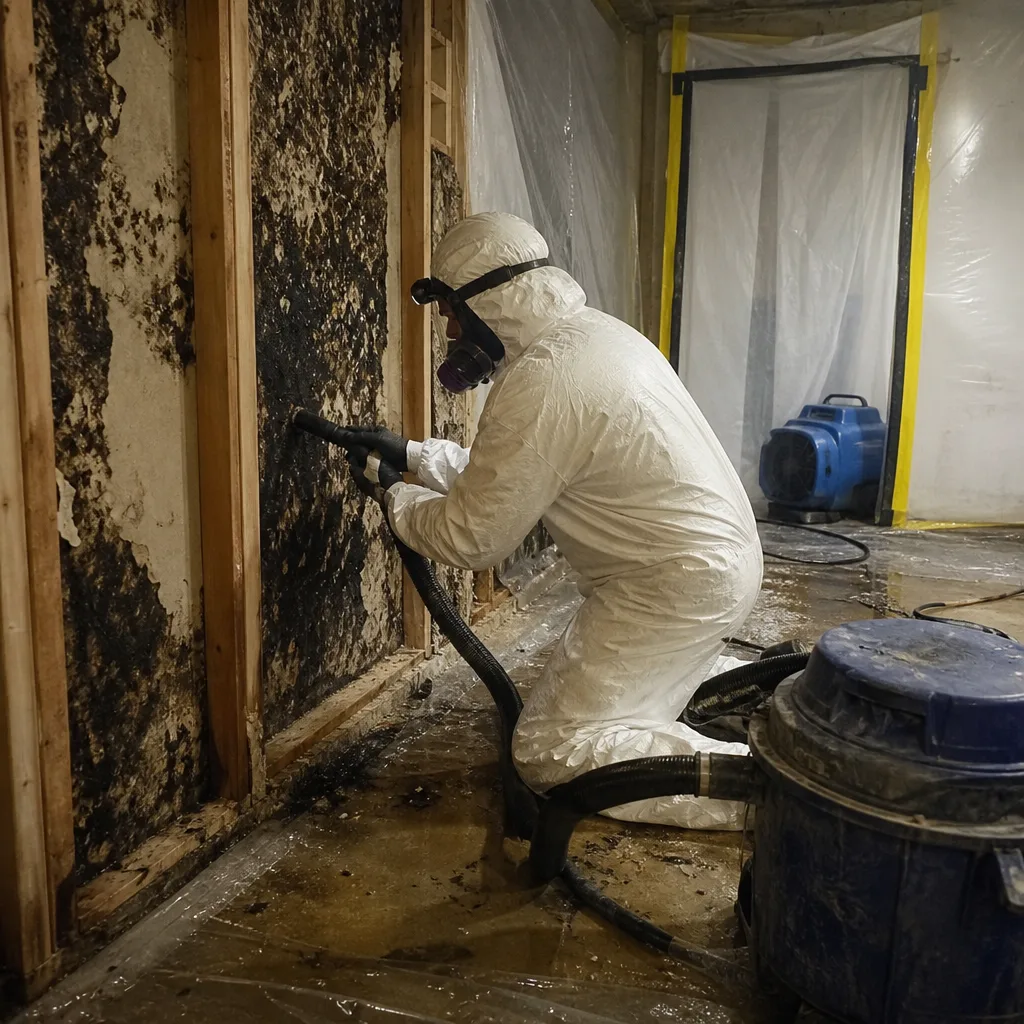
We’re based in the Sammamish area and know this community well. Use the map below to see our service coverage - if you’re nearby, we can almost certainly help.
Sammamish Water Damage Restoration Questions, Answered
My Sammamish home was built in the 1990s - why does water keep showing up at the windows and deck ledger?
Your home was built during the tech-boom subdivision wave with OSB sheathing and synthetic housewrap that are now hitting their 20-to-30-year failure window - and the window flanges and deck ledgers were often improperly flashed from the start. Water wicks laterally behind the facade, hidden until paint bubbles or trim rots. The fix requires removing affected drywall, drying the structural cavity with documented moisture readings, and rebuilding with proper flashing details. Call (425) 696-6061 for a free inspection - we see this exact pattern weekly in Trossachs, Aldarra, and Evans Creek.
How fast does mold grow after a Sammamish crawl space or wall gets wet?
Mold colonization begins on wet drywall and OSB within 24 to 48 hours at the temperatures typical in Sammamish crawl spaces. The plateau’s cool, damp climate and minimal cross-ventilation in 1990s tracts accelerate this. If water has been present more than a day, we test for microbial growth and include remediation in the scope if needed. Speed matters - call (425) 696-6061 now.
Do you see the same water damage problems across whole Sammamish subdivisions?
Constantly. Entire tracts like Trossachs, Aldarra, and Evans Creek were built by the same builders to the same specs in the same years. When one home’s window flange fails or crawl space floods, neighbors with identical construction and identical exposure are typically 12 to 24 months behind. We document these patterns and can inspect adjacent properties when requested. Call (425) 696-6061 to schedule.
What’s the difference between category 1, 2, and 3 water in a Sammamish home?
Category 1 is clean water from a supply line or water heater. Category 2 carries contamination from appliances, groundwater seepage through Sammamish’s clay soils, or overflow from the plateau’s storm system. Category 3 is grossly contaminated sewage, flooding from overwhelmed drains, or any water that has passed through soil or building materials. The category determines sanitization requirements, disposal protocols, and whether materials can be restored or must be removed. We test and document the category on every job - never assume based on appearance.
How long does structural drying take on a Sammamish home with engineered floor trusses?
Typical structural drying runs 3 to 5 days for standard framing, but engineered floor trusses and OSB sheathing in Sammamish’s 1990s homes often require 5 to 7 days. These materials are denser and hold bound moisture longer. We do not remove equipment until daily moisture logs confirm every reading meets the dry standard - not by calendar estimate. Call (425) 696-6061 for a specific timeline after inspection.
Will my insurance cover water damage restoration in Sammamish?
Sudden and accidental water damage from burst pipes or storm intrusion is typically covered. Gradual damage from failed flashing, deferred maintenance, or groundwater seepage may be excluded. We document the cause and timeline from the first hour, write the scope to industry-standard estimating platforms, and coordinate directly with your adjuster. Photo documentation and daily drying logs are included as standard deliverables. Call (425) 696-6061 - we will review your situation and your policy at no charge.
Can we stay in our home during water damage restoration?
For contained Category 1 losses affecting one room, usually yes. For Category 2 or 3 contamination, extensive crawl space work, or when HVAC systems must be sealed, temporary relocation is safer. We tell you clearly during the initial inspection, with specific reasons - not a blanket recommendation either way. The written scope notes any occupancy restrictions before work starts. Call (425) 696-6061 to discuss your specific situation.
What should I do in the first 30 minutes after discovering water damage?
Shut off the water source if you can locate it safely. Do not enter standing water if electrical outlets are submerged. Move small valuables and documents from the wet area. Then call (425) 696-6061 - our live dispatcher will guide you through immediate steps while the crew is en route. Do not attempt DIY extraction or place fans on Category 2 or 3 water; this spreads contamination and can void insurance coverage.
Written by Alicia Brennan, Owner at Back to Dry Restoration, serving Sammamish since 2011.
Water Damage Restoration in Nearby Areas