
Free visual inspection and a written scope of work before any mitigation begins - photos, moisture readings, and drying logs go in your claim file
The scope we write is the scope we bill. Anything new gets shown to you, in writing, before we touch it.
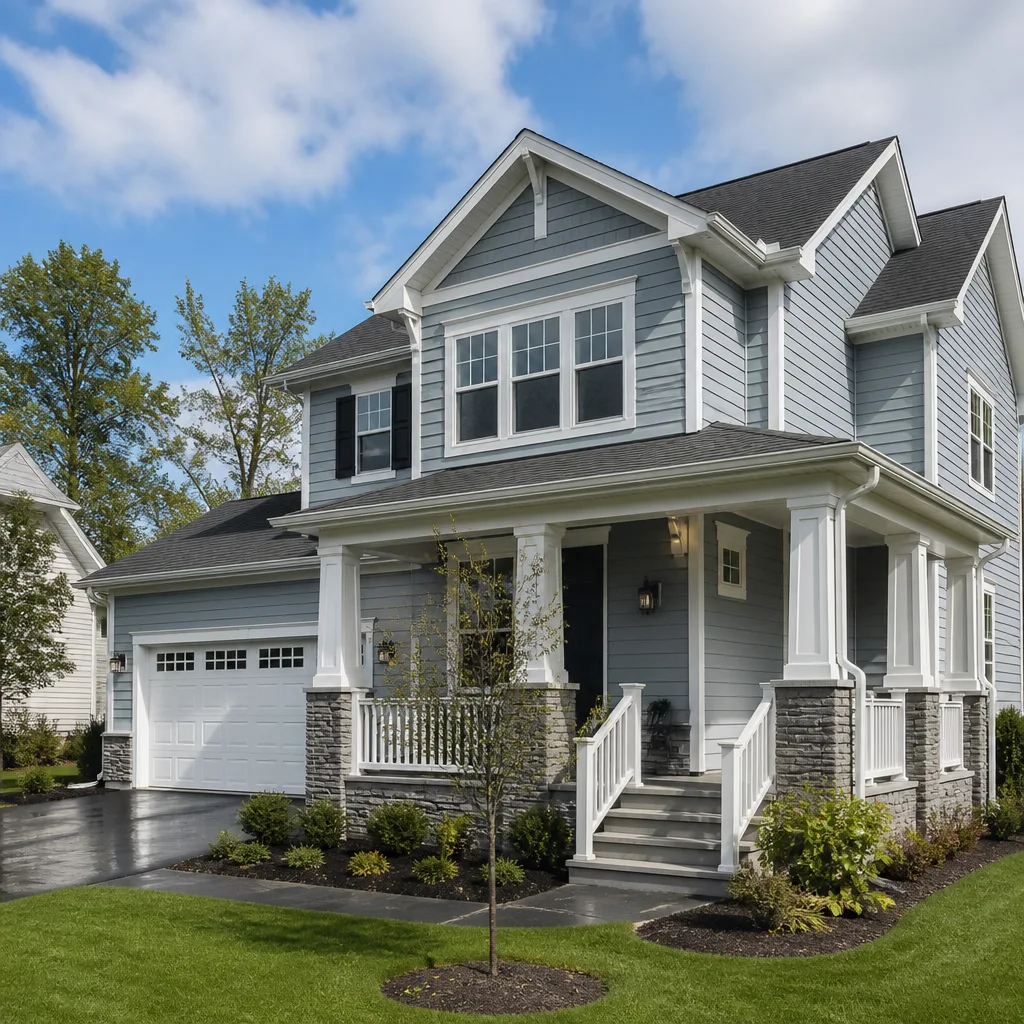
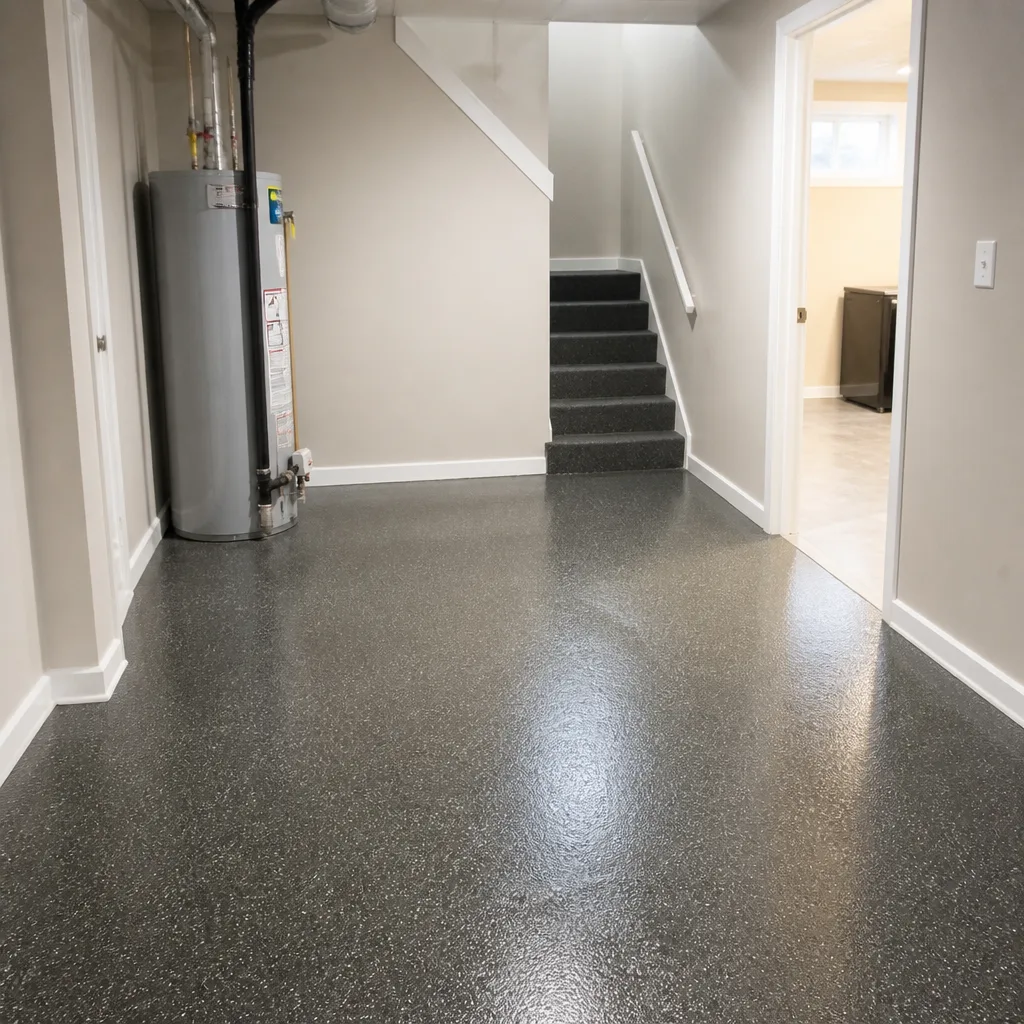
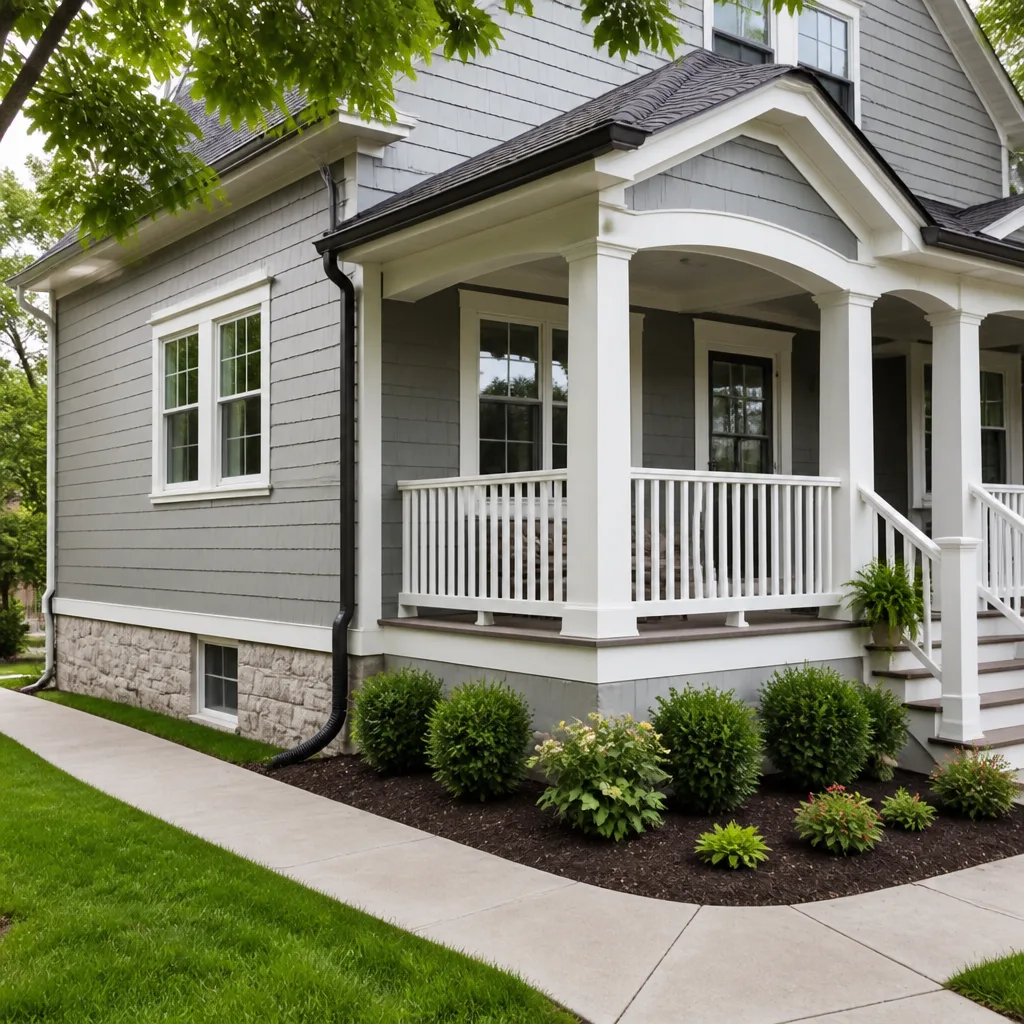
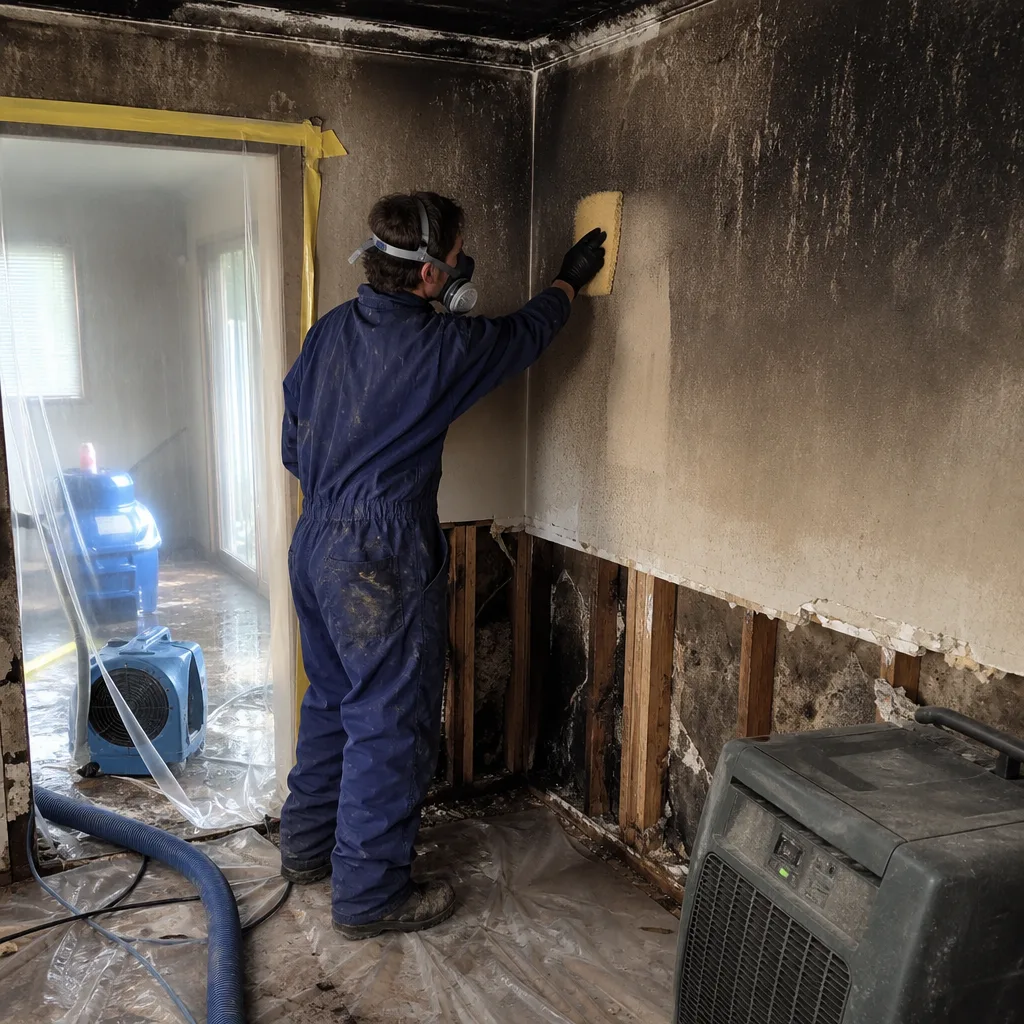
 Before
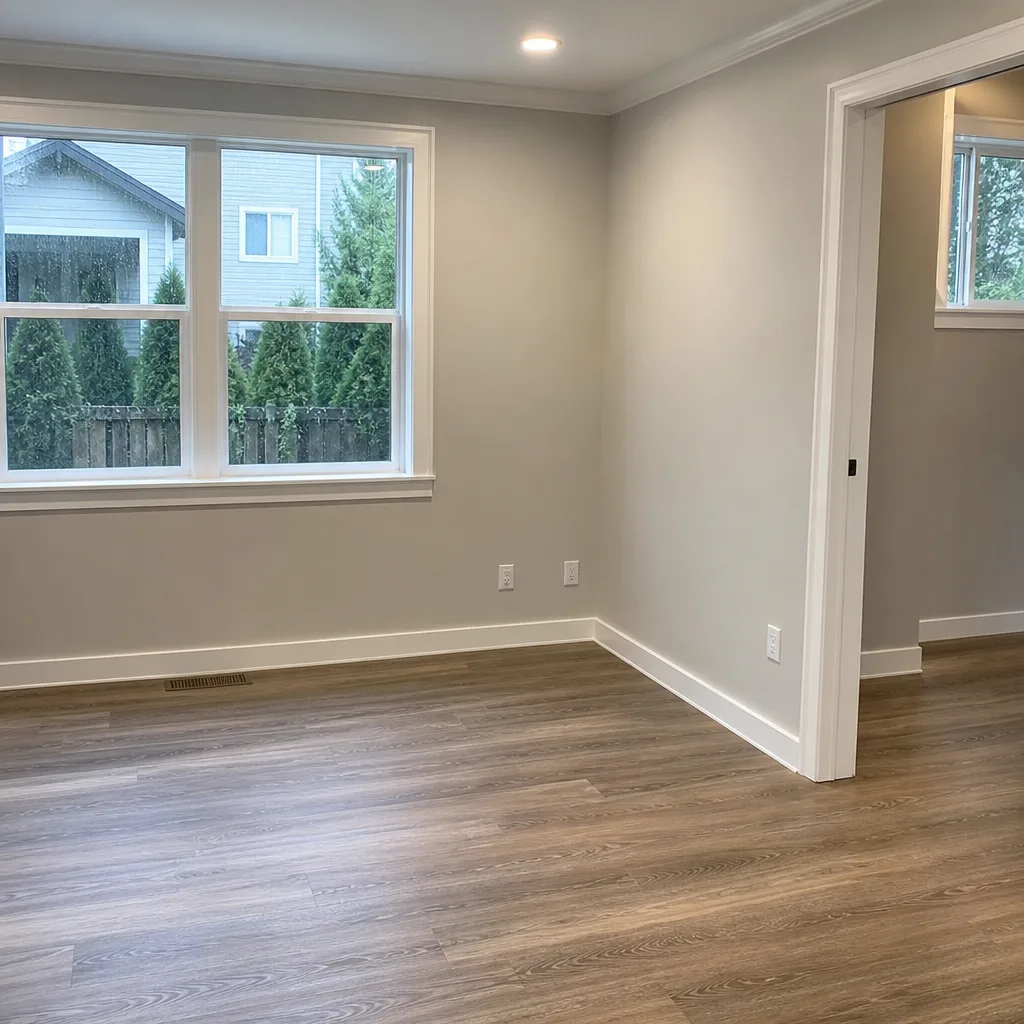 After
After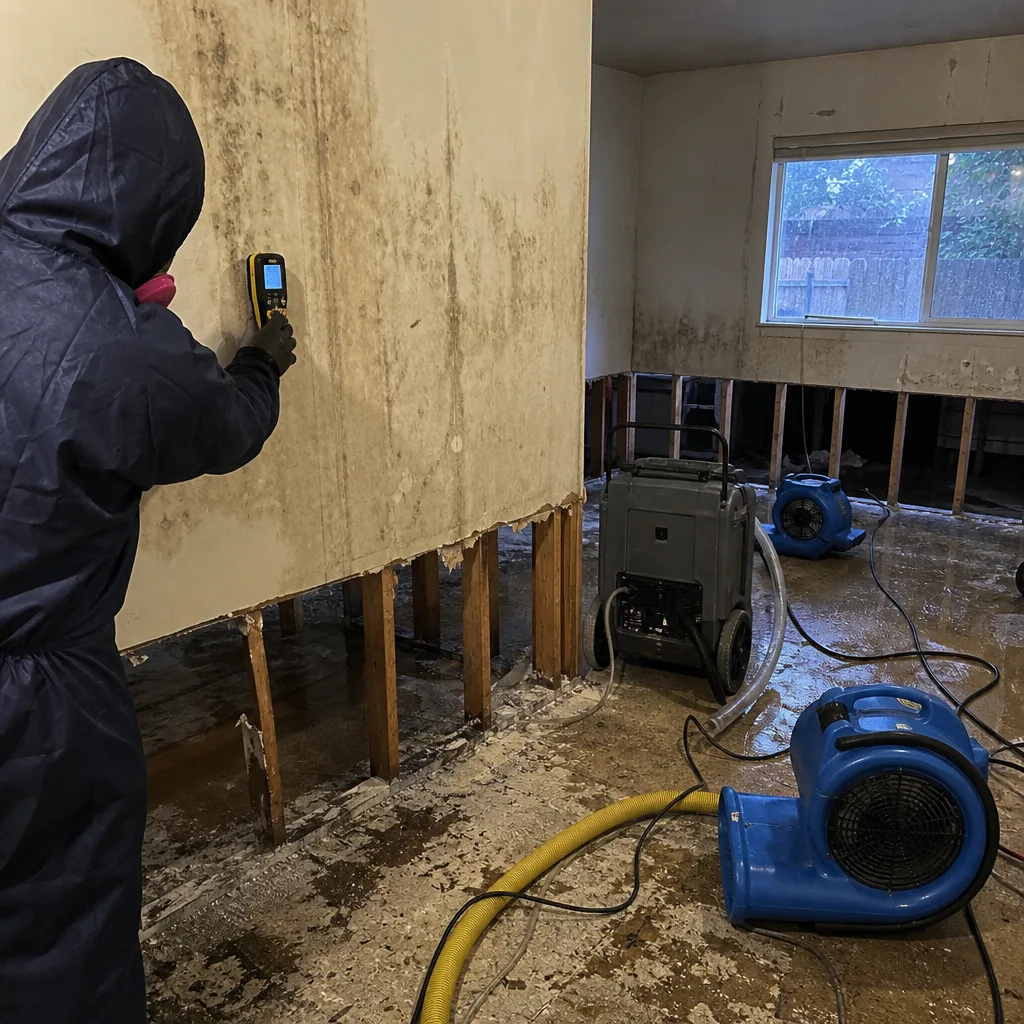 Before
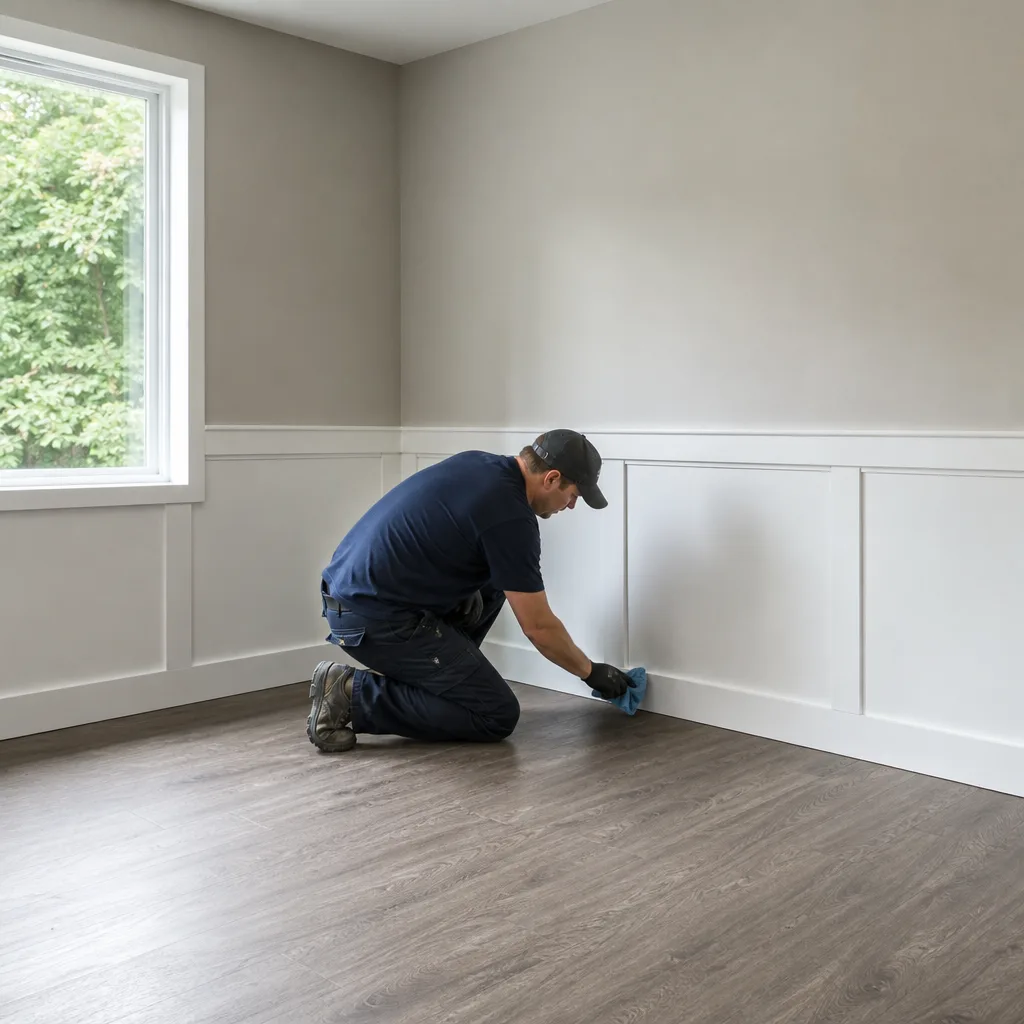 After
After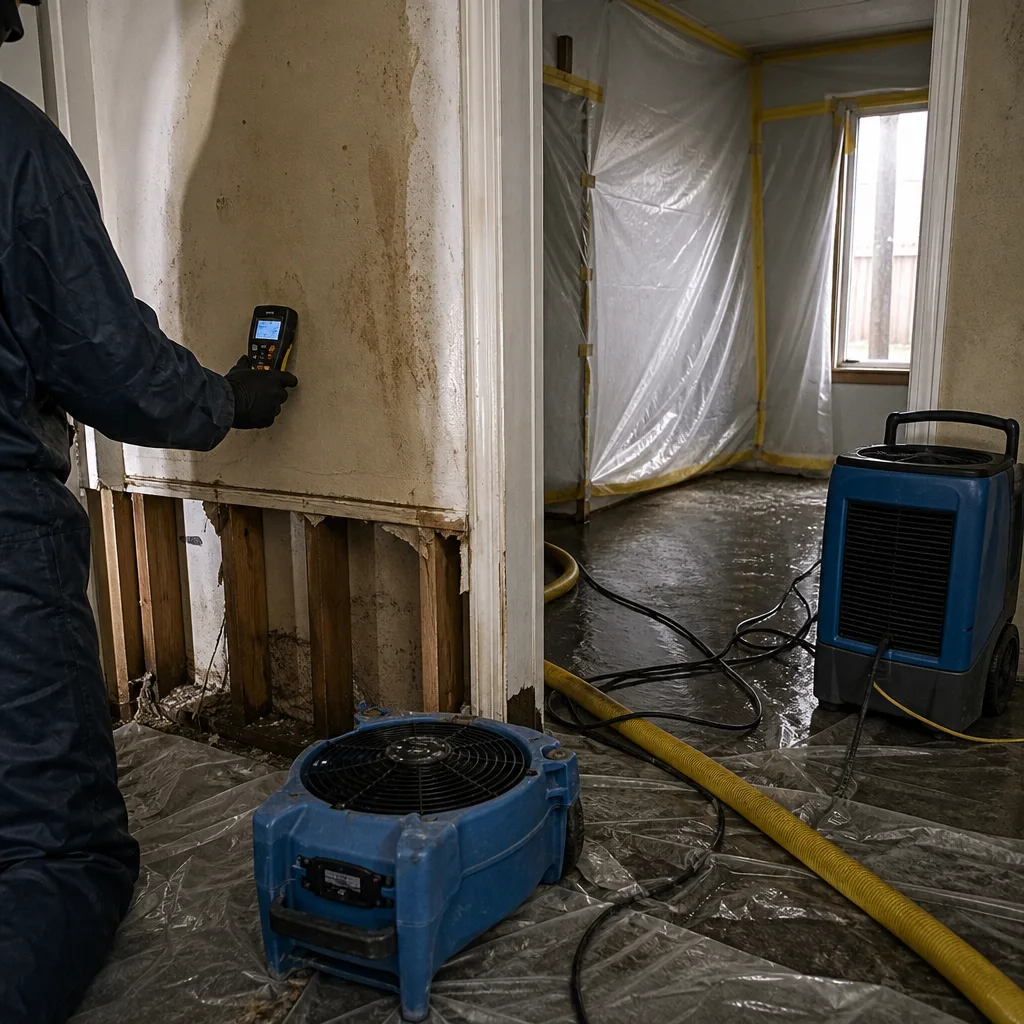 Before
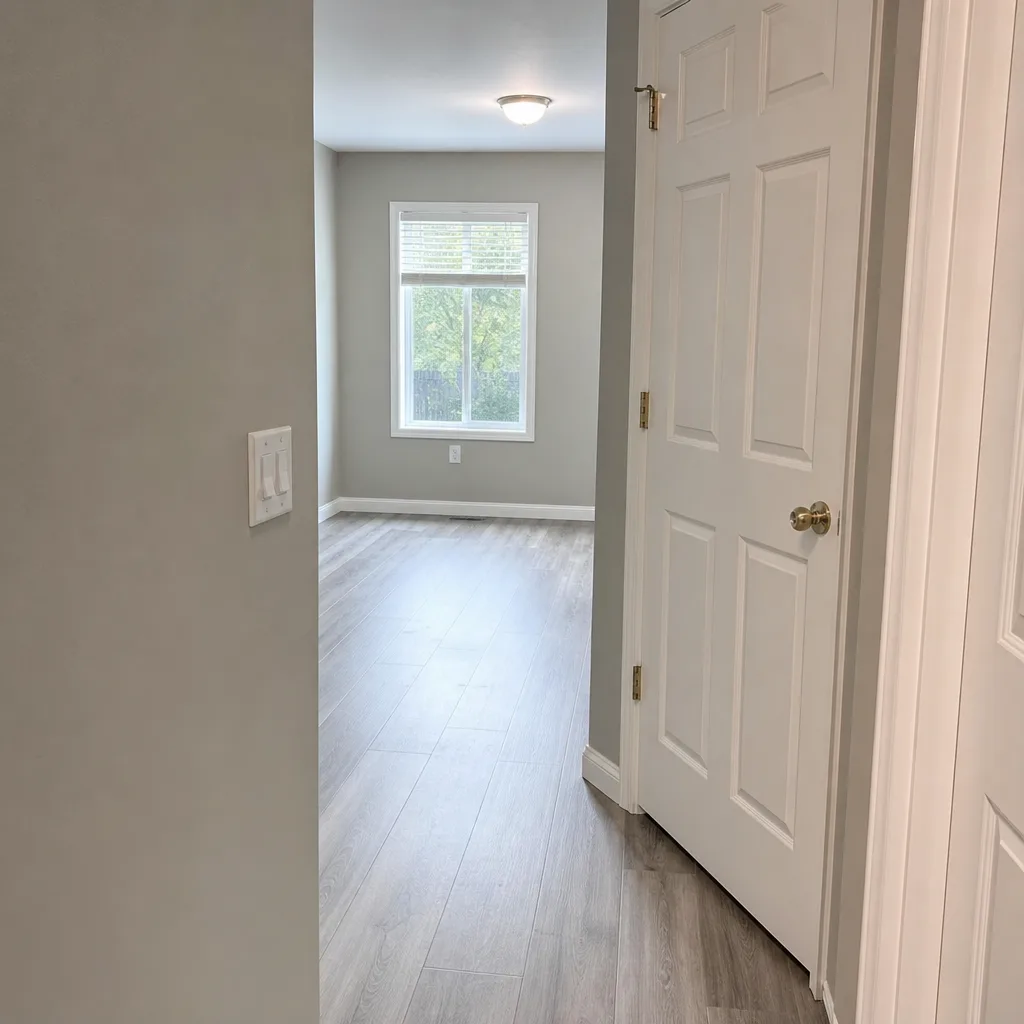 After
After24/7 Emergency Water Damage Restoration in Issaquah
Water damage restoration in Issaquah typically costs $2,800-$7,500 for a full residential mitigation and drying job, with emergency extraction calls starting at $450-$950 depending on affected square footage and water category. Most Issaquah properties we serve see crews on-site within 45 minutes of the call, because water doesn’t wait for business hours and neither do we. Call (425) 696-6061 now - a live person answers, 24 hours a day, 7 days a week, no voicemail trees, no next-business-day callbacks while water is still moving through your floors.
Our dispatch is coordinated from our Seattle office, but crews serve Issaquah locally and know the routes: up to Issaquah Highlands via Highlands Drive, down to the valley floor along Front Street, out to the Talus area. That local routing knowledge matters when every minute counts. We arrive with a written price before any work starts, Haven Standard, Clause 1 - no exceptions, no scope-creep additions once we’re inside. We also offer Fire & Smoke Damage Restoration in Issaquah. Free visual inspection included.
Understanding Water Damage Restoration Severity in Issaquah Properties
Water damage breaks into three categories, and in Issaquah the category often escalates faster than homeowners expect. Category 1 is clean water - burst supply lines, ice maker failures, tank water heater ruptures. Category 2 is gray water with contaminants - dishwasher discharge, washing machine overflow, sump pump failures. Category 3 is black water: sewage backup, creek flooding, any water that has passed through ground or waste systems. The 1960s-70s ranch homes near Issaquah Creek frequently see Category 1 degrade to Category 2 when crawlspace saturation sits untreated; the clay-heavy soils hold moisture against framing for weeks.
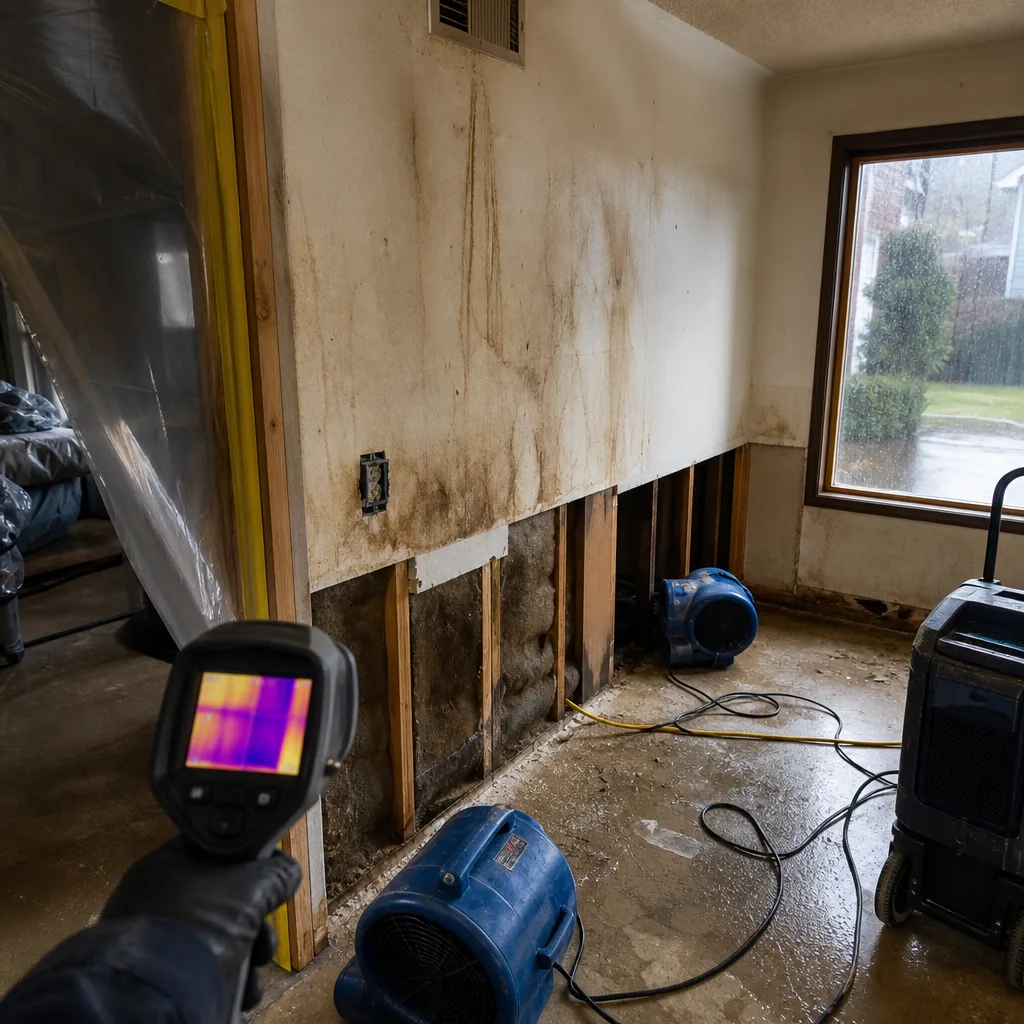
Moisture mapping tells the real story. We use thermal imaging and pinless moisture meters to find the water you can’t see - behind baseboards, inside wall cavities, under cabinets. Structural drying then targets specific materials by their permeability: drywall is Class 1 or 2 depending on assembly, hardwood flooring is Class 4 (specialty drying), subfloors and bottom plates are where Issaquah hillside homes hide their real damage. Psychrometric data - temperature, relative humidity, and vapor pressure differential, which is the force that actually drives evaporation - gets logged daily so your insurer sees progress in numbers, not promises.
Why Issaquah Property Owners Choose DryMark Restoration Bothell
- 45-minute response commitment to Issaquah addresses - our crews know the Highlands Drive corridor, the Front Street valley floor, and the Talus hillside routes without GPS dependence.
- 24/7 live answer - a real person, never an automated system, picks up every call to (425) 696-6061 within three rings.
- IICRC-certified crews - our technicians hold WRT (Water Damage Restoration Technician), AMRT (Applied Microbial Remediation Technician), and FSRT (Fire & Smoke Restoration Technician) certifications where relevant to the loss type.
- Free visual inspection - we document what we find, explain what it means, and deliver a written scope before any equipment runs or any demolition starts.
- Direct insurance billing - we coordinate with your adjuster, provide line-item estimates in Xactimate format, and don’t get paid until your carrier releases funds or you approve self-pay.
- One team from extraction to reconstruction - the same crew that pumps your basement handles the drying, the cleaning, and the rebuild, so nothing gets lost in handoffs.
BeforeAfterOur Water Damage Restoration Process
1. Inspection & Assessment
We arrive with moisture meters, thermal imaging cameras, and hygrometers to map the full extent of water migration. In Issaquah, this means checking uphill foundation stem walls on hillside properties and clay-soil crawlspace saturation on valley-floor homes - the damage pattern your eyes miss.
2. Extraction & Stabilization
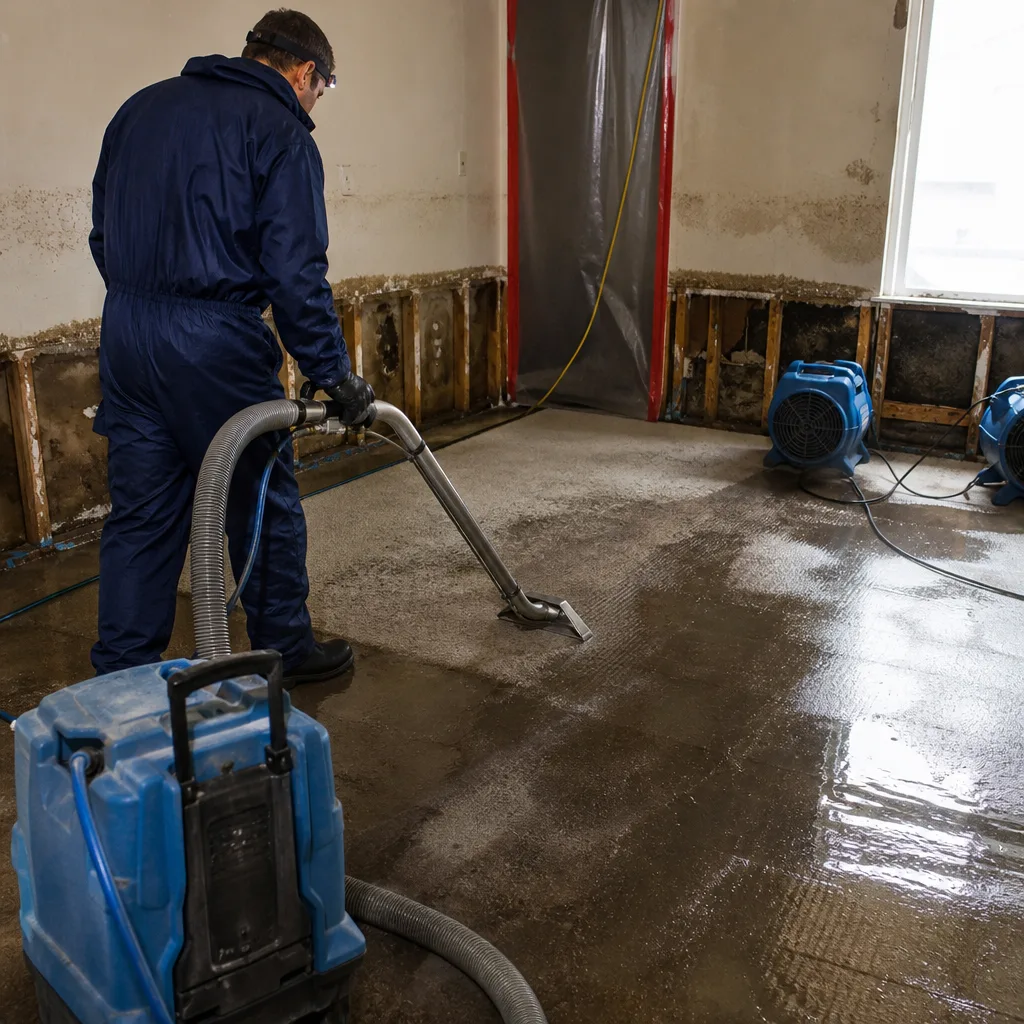
Standing water comes out first: truck-mounted extractors for carpeted areas, portable units for hard-to-reach spaces, submersible pumps for crawlspace pooling. We move furniture, block it to prevent stain transfer, and set up containment if category escalation is a risk.
3. Drying & Dehumidification
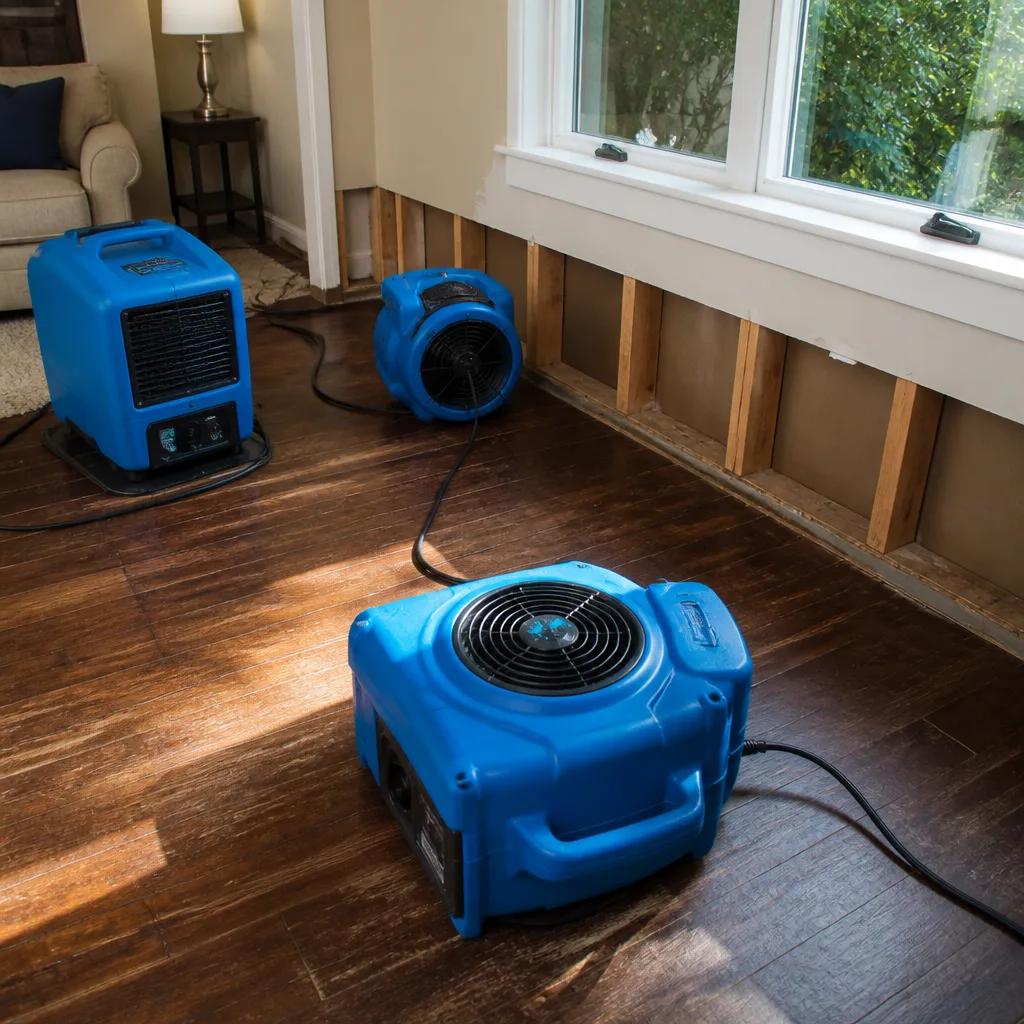
We deploy Dri-Eaz and Phoenix dehumidifiers, B-Air and XPOWER air movers, and Injectidry systems for wall-cavity drying. Equipment gets positioned based on psychrometric calculations, not guesswork - daily moisture logs track progress to pre-loss conditions.
4. Cleaning & Sanitization
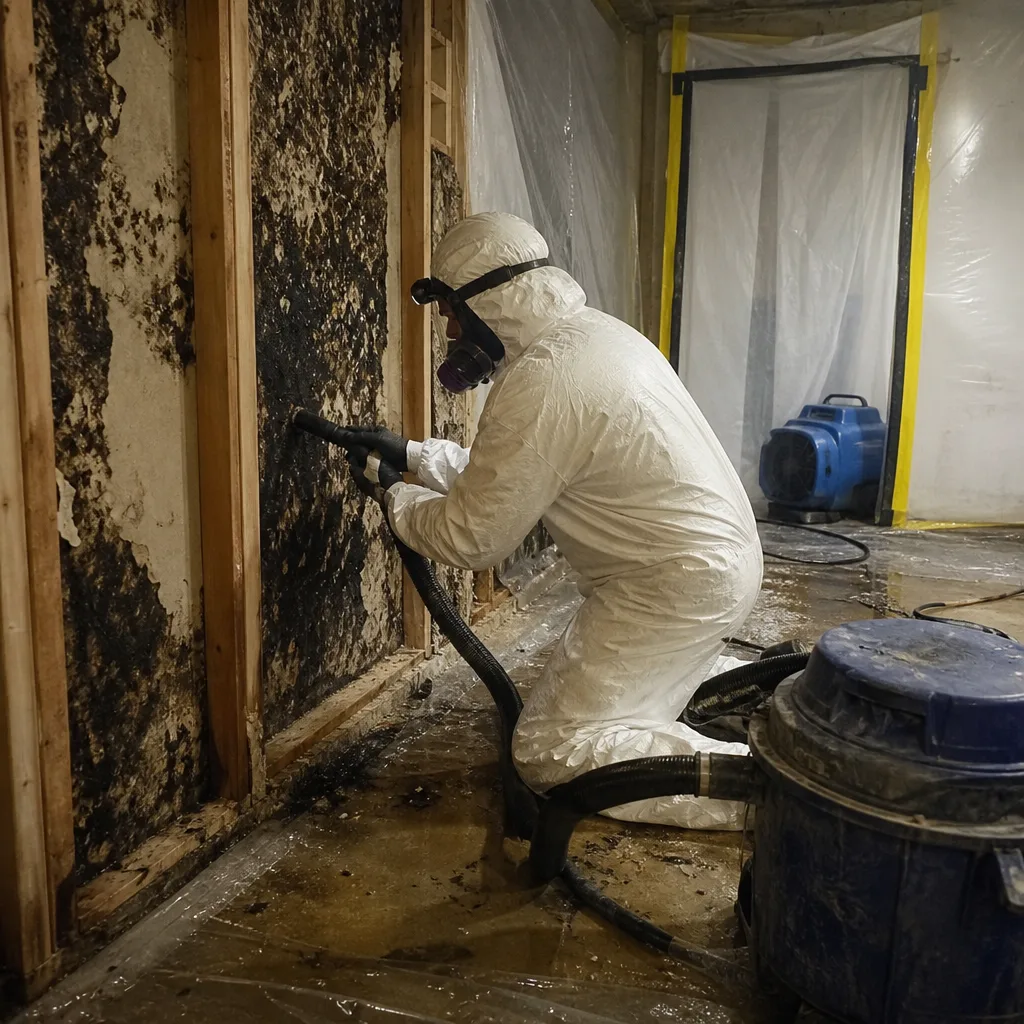
Category 2 and 3 losses get antimicrobial treatment on affected surfaces. HEPA air scrubbers run during demolition and cleaning to capture airborne particles. We document every treated area with photos for your claim file.
5. Moisture Verification & Documentation
Before any repairs start, we verify structural materials read at or below pre-loss moisture content. The drying logs, daily photos, and final moisture readings become your insurance documentation package - the evidence that turns a restoration invoice into a payable claim.
6. Repairs & Restoration
Our reconstruction crew replaces drywall, flooring, trim, and finishes to match existing materials. A written scope, agreed before work begins, governs every line item. The 365-Day Done Right Promise, Haven Standard, covers the completed work.
Need Emergency Water Damage Restoration in Issaquah Now?
Crews minutes away, answering live 24 hours a day. The sooner we start, the less it costs.
Working With Your Insurance Company
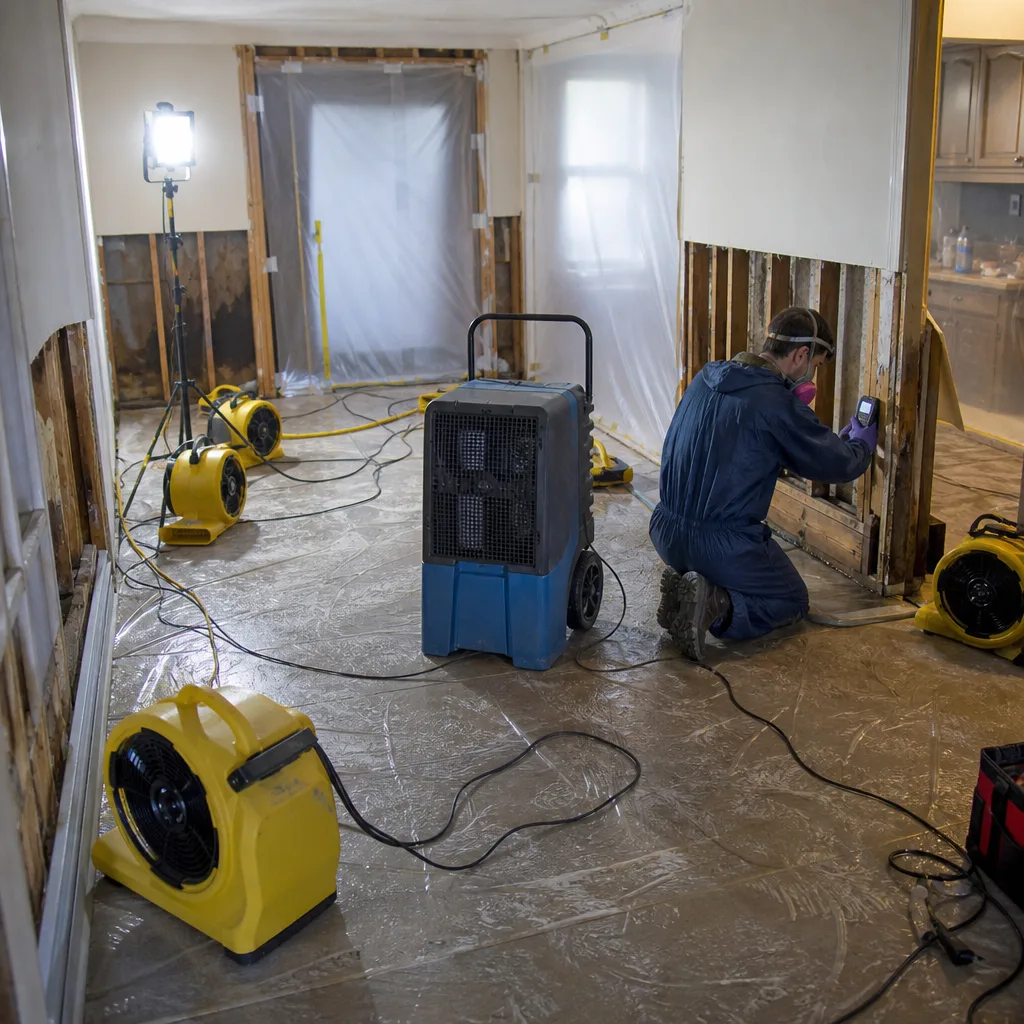
Most water damage claims in Issaquah are covered under standard HO-3 policies when the cause is sudden and accidental - burst pipes, appliance failures, storm intrusion through damaged roofing. The documentation gap is where claims get denied. We close that gap from hour one: photos of the water source, moisture readings at every visit, drying logs showing daily progress, and a line-item scope in industry-standard format.
Alicia Brennan built Water Damage Restoration at Back to Dry around exactly this problem - she was a claims adjuster before founding the company in 2011, and she saw how many homeowners lost legitimate claims to sloppy documentation. We don’t repeat that mistake. Your adjuster gets the same file we keep: thorough, dated, and photo-documented.
What We Provide Your Insurer
- Thorough documentation of the loss
- Photos of all damage, room by room
- Moisture readings and drying logs
- A detailed, line-item scope of work
- Direct coordination with your carrier
Built for Issaquah’s Loss Calendar
January through March brings the core risk: atmospheric rivers stall against the Issaquah Alps and drop sustained heavy rain on saturated ground. The orographic effect - moist Pacific air forced upward by Tiger, Squak, and Cougar Mountains - wrings out 50+ inches annually, a third more than Seattle. Hillside homes see surface sheet-flow overwhelm compacted drainage swales; valley-floor properties get crawlspace saturation from Issaquah Creek tributaries and clay-soil water tables rising into foundations.
April and May shift the pattern: snowmelt in the higher Alps feeds creek levels while spring rains continue. June through September brings drier conditions but occasional thunderstorm bursts that dump concentrated water on slopes already hardened by summer heat. October through December restarts the atmospheric river cycle, often the heaviest period. We got a call from a homeowner up in Issaquah Highlands after an atmospheric river event - water was tracking along the uphill foundation stem wall and had wicked into the bottom plate of a 2003-era wall. Our techs ran moisture mapping across the whole lower level, found the compacted original swale was pushing sheet-flow straight at the framing, and set up containment with air movers and a Phoenix dehumidifier for a full structural drying cycle. The drying logs showed the wall cavity back to pre-loss condition in four days, and we flagged the regrade so it didn’t repeat the next storm.
Water Damage Restoration Across Issaquah’s Neighborhoods
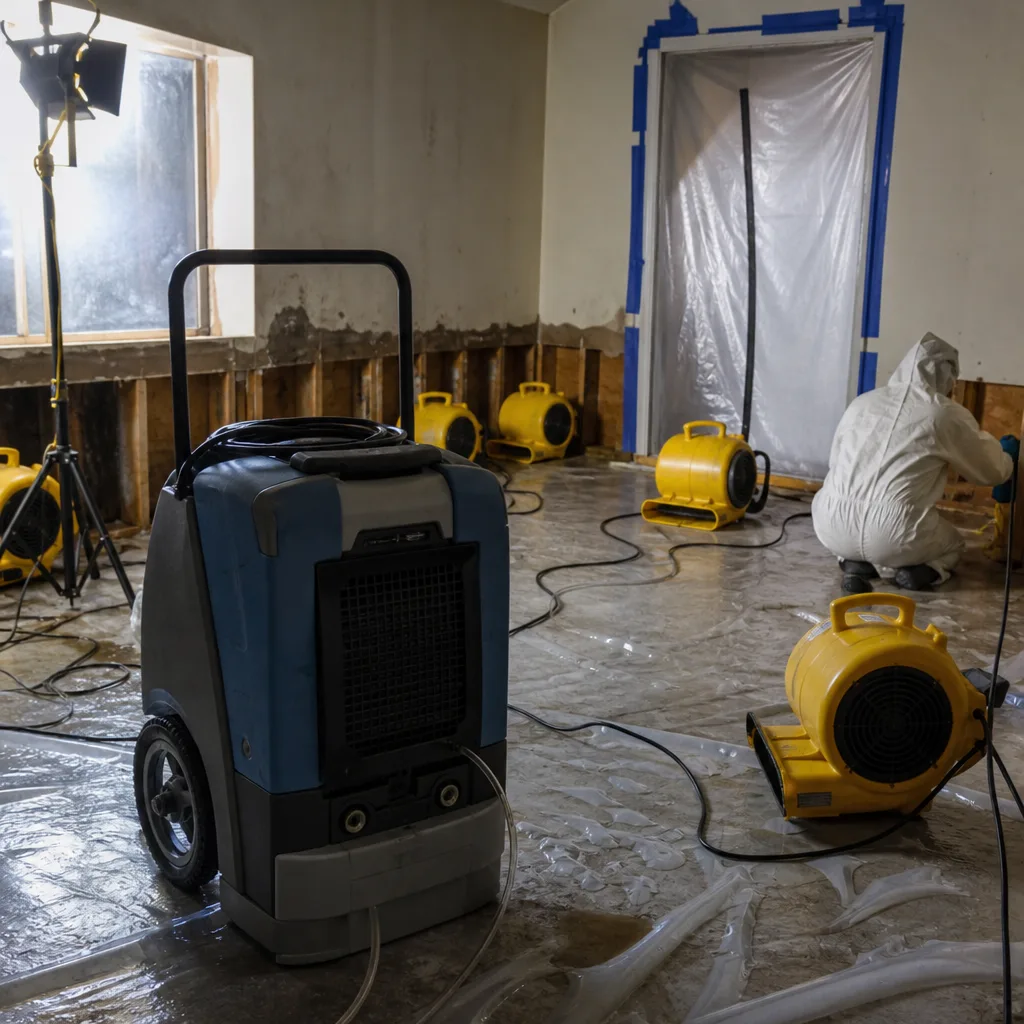
Issaquah Highlands - the planned community built on former Weyerhaeuser timberland in the 1990s and 2000s. Steep lot grades, homes with walk-out basements on the downhill side and uphill stem walls on the other. The distinctive failure pattern: surface water from the uphill slope finds the foundation before it finds the drain. We regularly find moisture intrusion at those stem walls, often with homeowners who dried the carpet and thought the problem was solved.
Talus - newer hillside development with similar drainage challenges, plus longer driveways that complicate equipment access during active weather. Our crews carry portable extractors and dehumidifiers as backup when truck-mounted units can’t reach in time.
Olde Town / Front Street corridor - the original valley-floor commercial and residential core, with buildings dating to the early 1900s alongside 1960s-70s construction. Aging supply lines, original clay sewer laterals, and crawlspaces that have seen decades of moisture cycles. Category 3 losses from sewer backup are more common here than on the hillside.
South Cove / Issaquah Creek proximity - residential streets within the 100-year floodplain or close enough to see groundwater rise during peak creek flow. Crawlspace flooding is the typical call; clay-heavy soils mean water stays in contact with framing long after the creek recedes. Proper dehumidification and moisture verification, not just pumping, separates restoration from recurring damage.
Specialized Water Damage Restoration Services We Offer in Issaquah
Emergency Water Extraction
Standing water gets worse every hour - it wicks up drywall, degrades carpet pad, and finds the path of least resistance into subfloors and wall cavities. Our truck-mounted and portable extraction systems remove bulk water fast, with Issaquah-specific routing knowledge that gets us to Highlands and Talus properties without delay during road-closure weather.
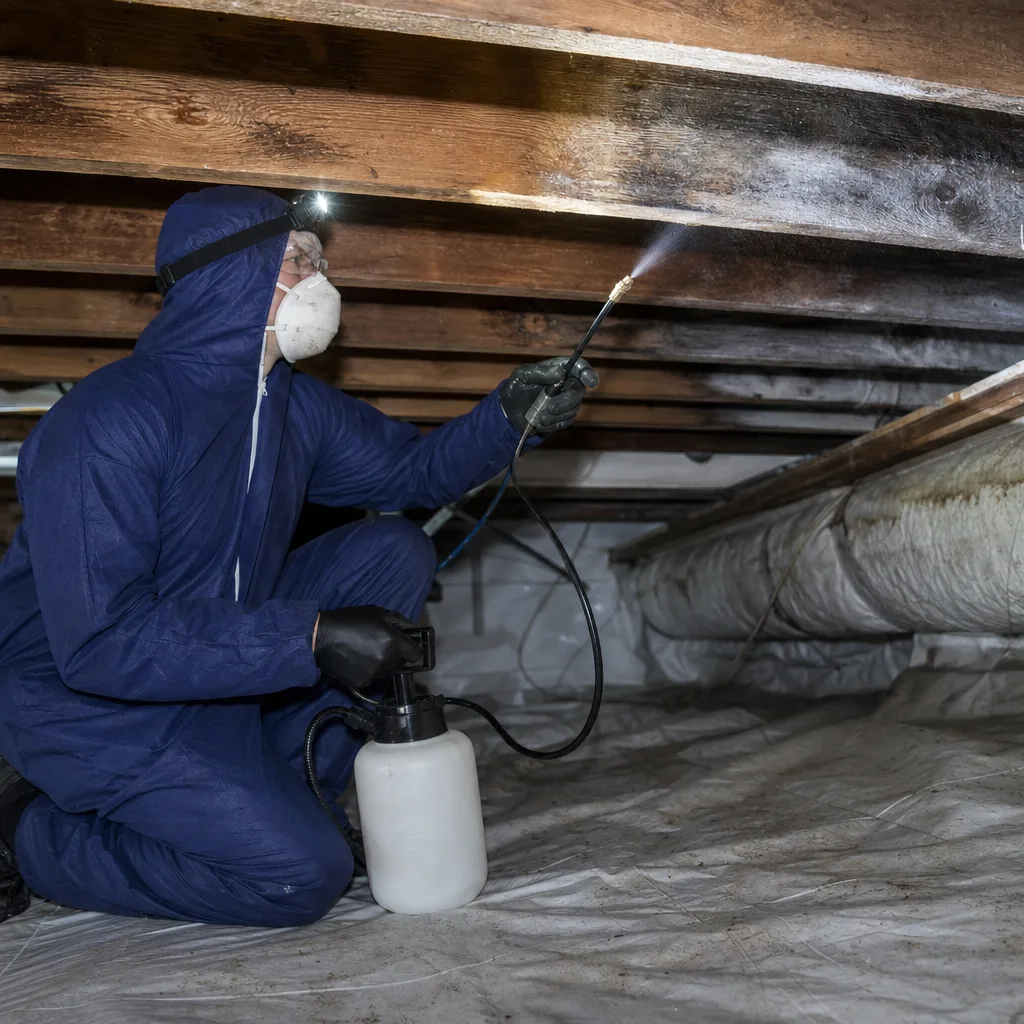
Structural Drying & Dehumidification
This is where the real work lives. We calculate vapor pressure differential to position Dri-Eaz and Phoenix dehumidifiers and XPOWER air movers for maximum efficiency. Daily moisture logs track every room to pre-loss conditions. In Issaquah’s clay-soil environment, this often means longer drying cycles for crawlspaces and stem-wall cavities - we don’t guess, we measure.
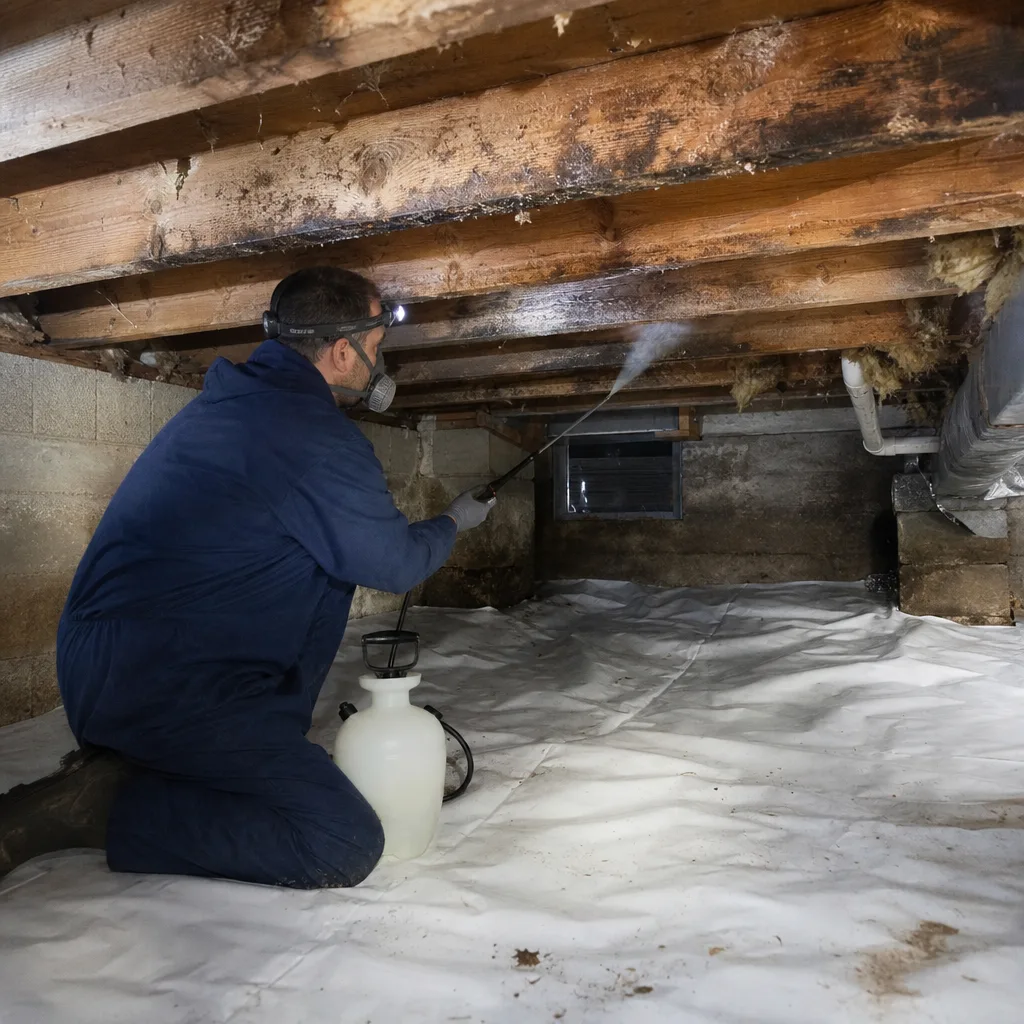
Flood Cleanup
Creek-fed flooding and hillside debris flow carry Category 3 contamination: silt, bacteria, possible sewage overlap. We treat these losses with full PPE, antimicrobial application, and HEPA air scrubbing during demolition. Documentation starts before we touch anything - your insurer needs to see the source and the extent.
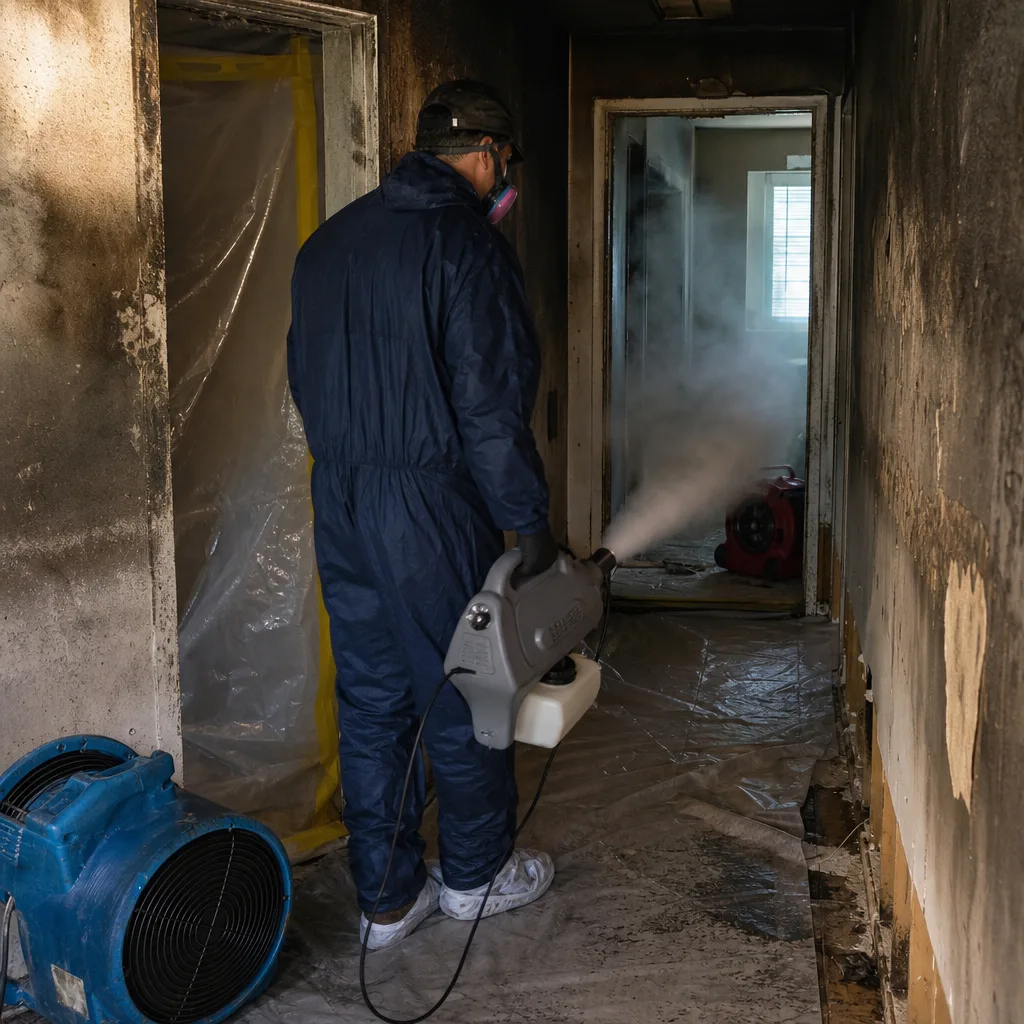
Burst Pipe Restoration
Issaquah’s temperature inversions can bring hard freezes to hillside homes while valley floors stay mild. Pipes in exterior walls, unconditioned crawlspaces, and attic spaces are vulnerable. We extract, dry, and document; a plumber handles the repair; we return to verify the drying completed properly before reconstruction.
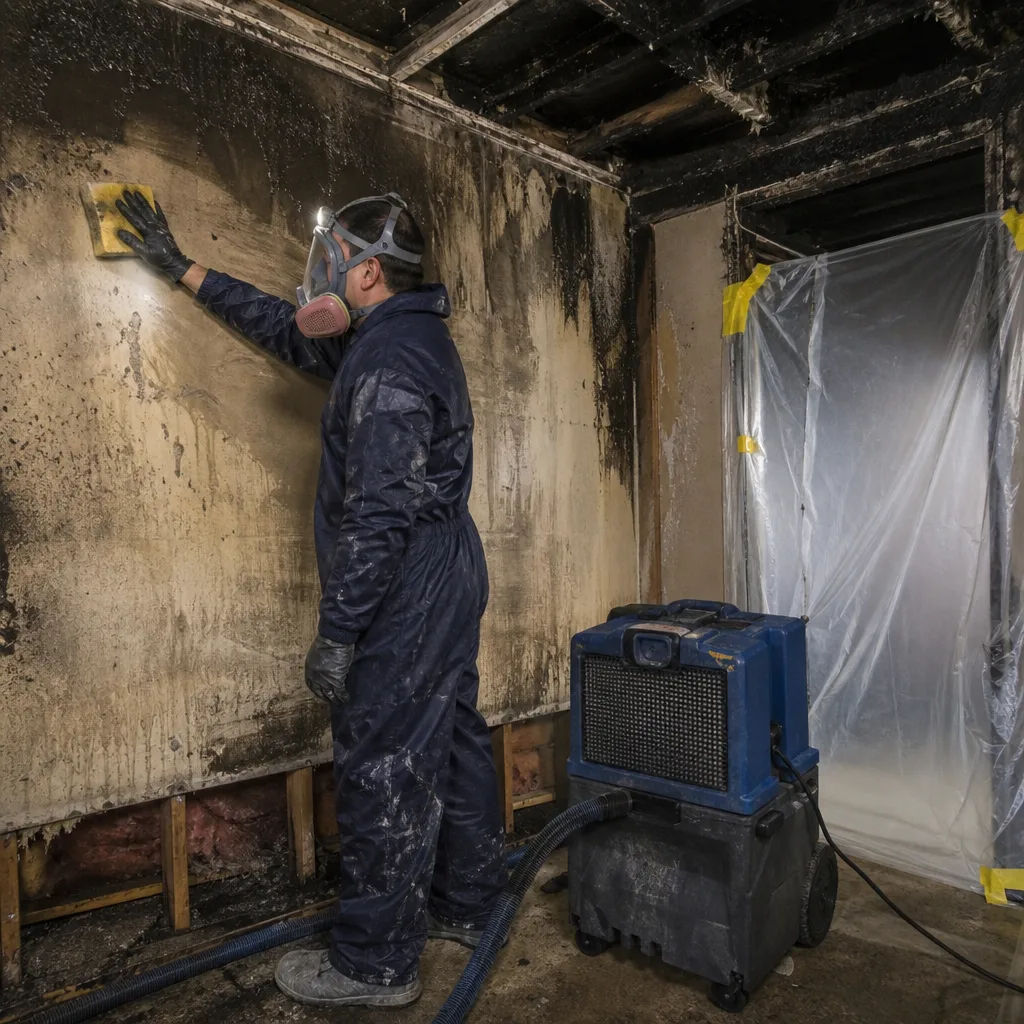
Basement Water Removal
Basements in Issaquah Highlands and Talus are often walk-out or daylight designs with uphill walls below grade. Water enters at the uphill stem wall, runs across the slab, and pools at the low point. We pump, extract, and dry - but we also map the entry path, because drying without addressing the source means the next storm brings the same crew back to the same house.
What happens when you call
- 1
A real person answersNo phone trees - you reach a local pro.
- 2
You get an upfront price rangeHonest numbers before anyone is dispatched.
- 3
A background-checked tech heads outLicensed & insured, dispatched right away.
- 4
You approve before work beginsNothing starts until you say go.
Water Damage Restoration Costs in Issaquah, WA
| Service | Typical Range in Issaquah |
|---|---|
| Emergency water extraction (up to 500 sq ft) | $450 - $950 |
| Structural drying & dehumidification (2-3 day cycle) | $1,800 - $3,500 |
| Full mitigation + drying (Category 1, single room) | $2,800 - $4,500 |
| Category 2-3 loss with contamination/demolition | $4,500 - $7,500 |
| Crawlspace-specific drying with vapor barrier work | $3,200 - $6,000 |
| Reconstruction (drywall, flooring, trim - per room) | $2,500 - $5,500 |
What moves the price: water category (clean vs. contaminated), affected square footage, whether demolition is required, and how long water sat before extraction started. The 48-hour window matters - beyond that, mold remediation adds scope and cost. Insurance typically covers sudden and accidental losses; gradual leaks and maintenance issues usually don’t. We provide a written price before any work starts, Haven Standard, Clause 1, and offer a Free Second Opinion on any competitor’s written estimate.
We Also Serve Cities Near Issaquah
Our crews respond throughout the Eastside and south King County: Issaquah properties are served locally, and we also handle Water Damage Restoration calls from Sammamish, Renton, Mercer Island, and Bellevue. Each city’s risk profile differs - Sammamish’s plateau drainage, Renton’s steeper hillside developments, Mercer Island’s waterfront exposure - and our documentation approach adapts to each.
Serving Issaquah, WA - Our Local Coverage Area
We’re based in the Issaquah area and know this community well. Use the map below to see our service coverage - if you’re nearby, we can almost certainly help.
Issaquah Water Damage Restoration Questions, Answered
Why does water damage in Issaquah Highlands tend to hit the uphill foundation wall first?
The steep grades of former timberland lots direct surface sheet-flow straight at the uphill foundation stem wall, and the original drainage swales have compacted or shifted enough that water now finds the framing before it finds the drain. We see this pattern repeatedly in 1990s-2000s construction. Call (425) 696-6061 for moisture mapping that finds the real entry point - estimates are free.
How fast do we need to act on a wet crawlspace near Issaquah Creek?
Within 24 hours, ideally less. Clay-heavy soils hold moisture against wood framing, and the valley’s humidity keeps evaporation slow. Without proper extraction and dehumidification, Category 1 water degrades toward Category 2 in 48-72 hours, and mold colonization begins. Call (425) 696-6061 - we answer live 24/7.
What’s the difference between category 1, 2, and 3 water and why does it matter for my Issaquah home?
Category 1 is clean water from supply lines or appliances. Category 2 is gray water with contaminants - dishwasher discharge, sump failures. Category 3 is black water: sewage, creek flooding, ground water. The category determines PPE requirements, antimicrobial protocols, and what materials must be removed rather than dried. Misidentifying Category 2 as Category 1 leaves contamination behind; misidentifying Category 3 risks health exposure. We test and document the category on every job. Call (425) 696-6061 for proper assessment.
Does Issaquah’s clay soil change how you dry a basement or crawlspace?
Yes. Clay holds water and releases it slowly, so crawlspaces and basements with clay soil contact stay wet longer than sandy or gravel substrates. We extend drying cycles, increase dehumidifier capacity, and verify moisture content at greater depth - surface dryness doesn’t mean the job is done. Our daily logs show the numbers. Call (425) 696-6061 for a free inspection with moisture readings.
Will you handle the regrade or drainage fix, or just dry the house?
We dry the structure and document the source. For permanent drainage corrections - regrading, swale reconstruction, French drain installation - we coordinate with licensed landscape or drainage contractors and can include their scope in our reconstruction estimate. We don’t pretend to fix what we can’t guarantee. Call (425) 696-6061 to discuss the full scope.
How long does structural drying typically take in Issaquah?
Most residential drying cycles run 3-5 days for Category 1 losses in standard construction. Issaquah’s hillside homes with stem-wall intrusion and clay-soil crawlspaces often need 5-7 days. We don’t guess - daily moisture logs determine when equipment comes out. Call (425) 696-6061 for a timeline based on your specific loss.
Can we stay in the house during water damage restoration?
Often yes, for Category 1 losses limited to non-living areas. We contain the work zone with plastic barriers and run HEPA air scrubbers. For Category 2-3 losses, or when multiple rooms are affected, temporary relocation is usually safer and allows faster drying. We discuss this during the initial inspection and document the decision for your insurer. Call (425) 696-6061 to review your situation.
Are your technicians certified for water damage restoration?
Yes. Our crews hold IICRC WRT (Water Damage Restoration Technician) certification at minimum, with AMRT (Applied Microbial Remediation Technician) and FSRT (Fire & Smoke Restoration Technician) held by senior technicians. All work is documented to IICRC, RIA, and IFA standards. License numbers are available on request. Call (425) 696-6061 to verify credentials before we arrive.
Water damage in Issaquah doesn’t follow the same patterns as flatter Eastside cities. The orographic rainfall, hillside sheet-flow, and creek-fed crawlspaces create a risk profile that demands local knowledge, proper documentation, and equipment positioned by measurement rather than guesswork. We’ve restored 12,000+ homes since 2011, every one with a written price before work started and a photo record when the crew left. The 365-Day Done Right Promise, Haven Standard, backs every job.
Written by Alicia Brennan, Owner at Back to Dry Restoration, serving Issaquah and the Eastside since 2011.