
Free visual inspection and a written scope of work before any mitigation begins - photos, moisture readings, and drying logs go in your claim file
The scope we write is the scope we bill. Anything new gets shown to you, in writing, before we touch it.
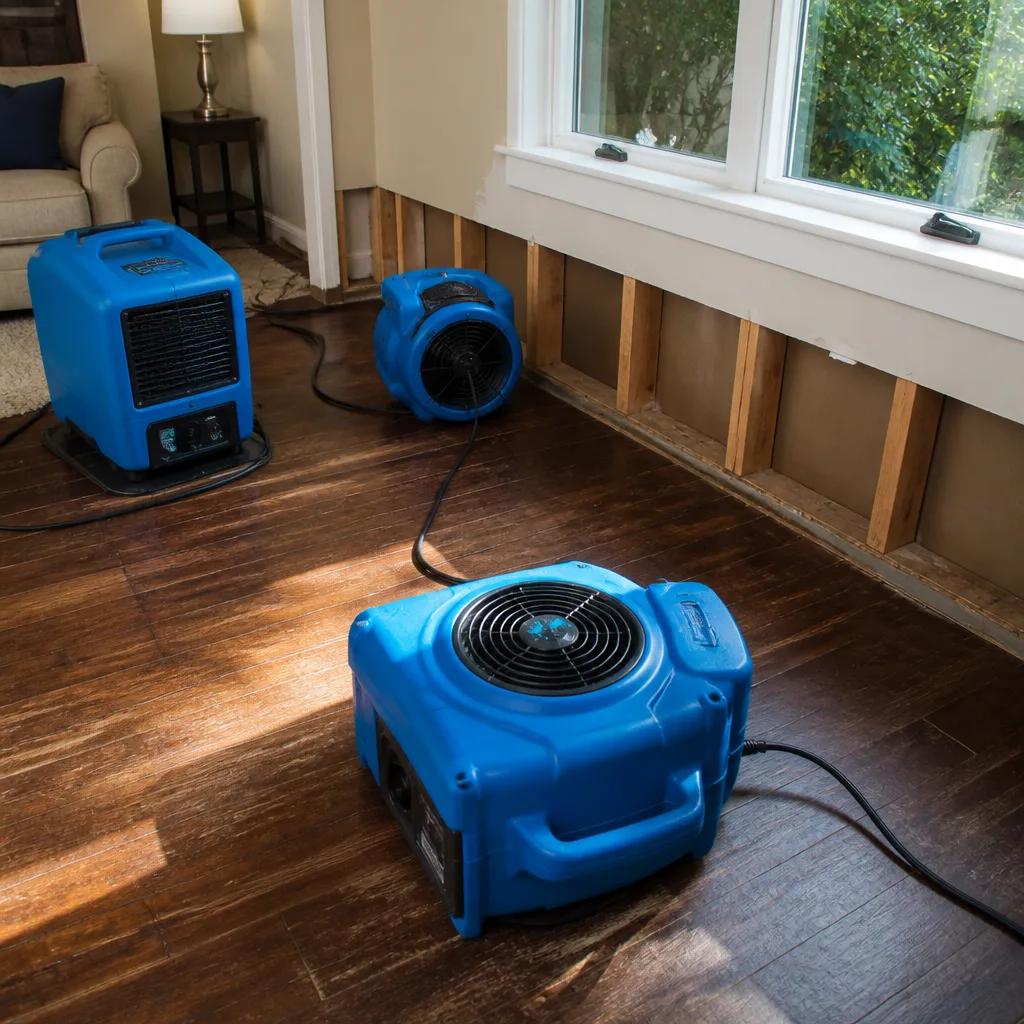
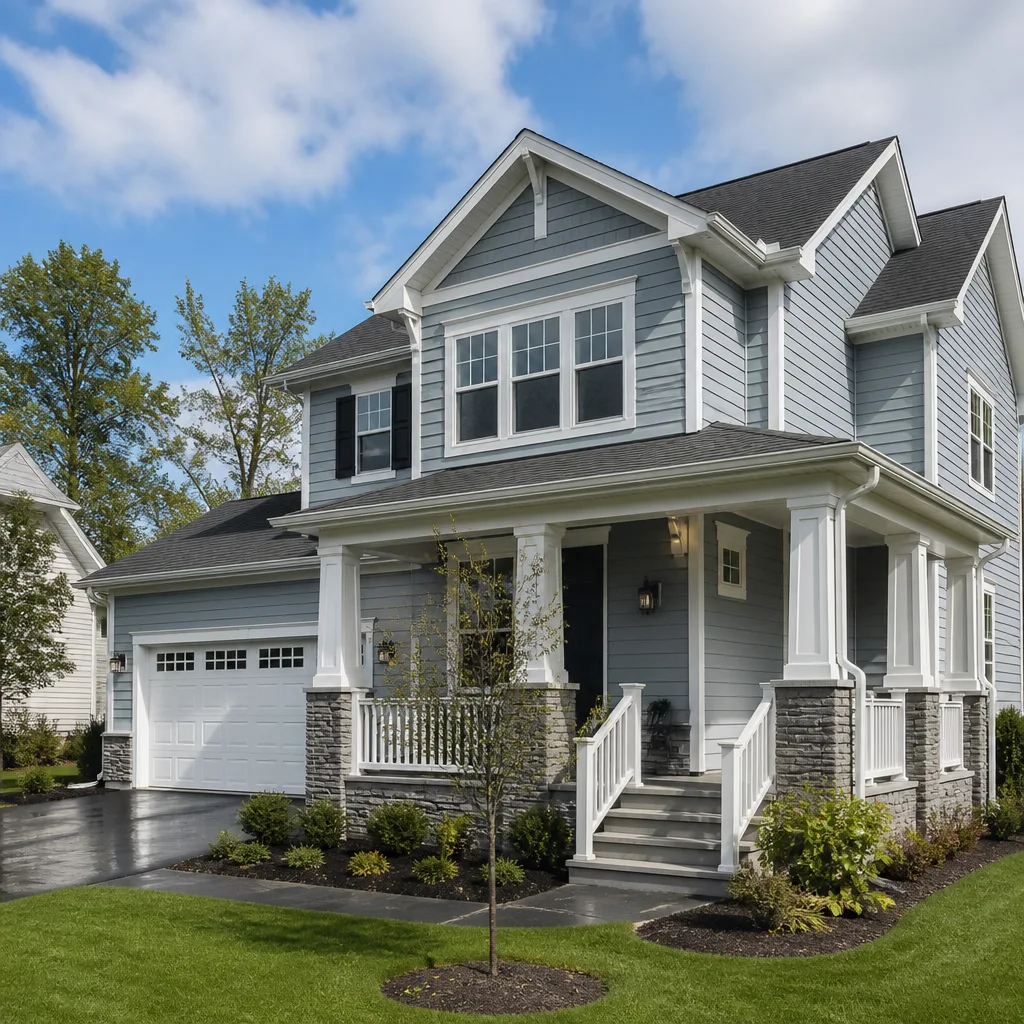
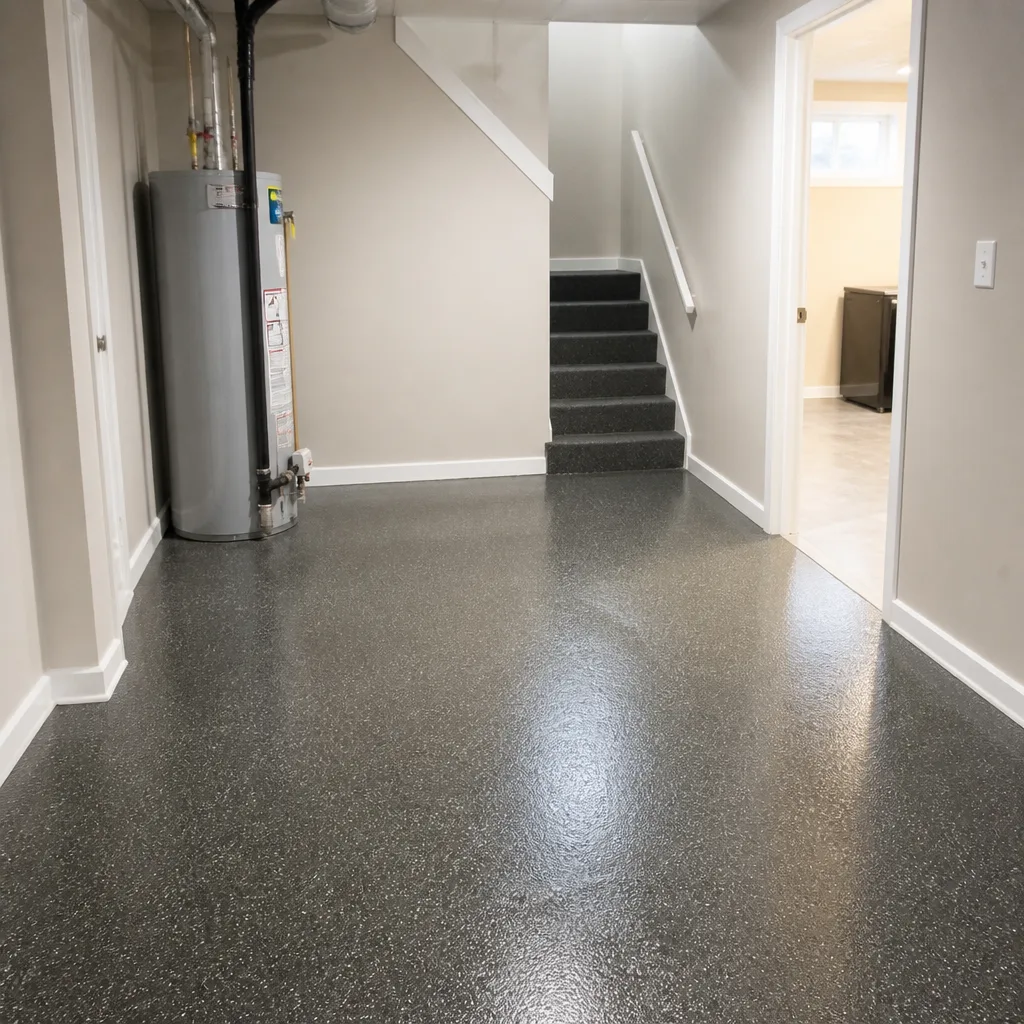
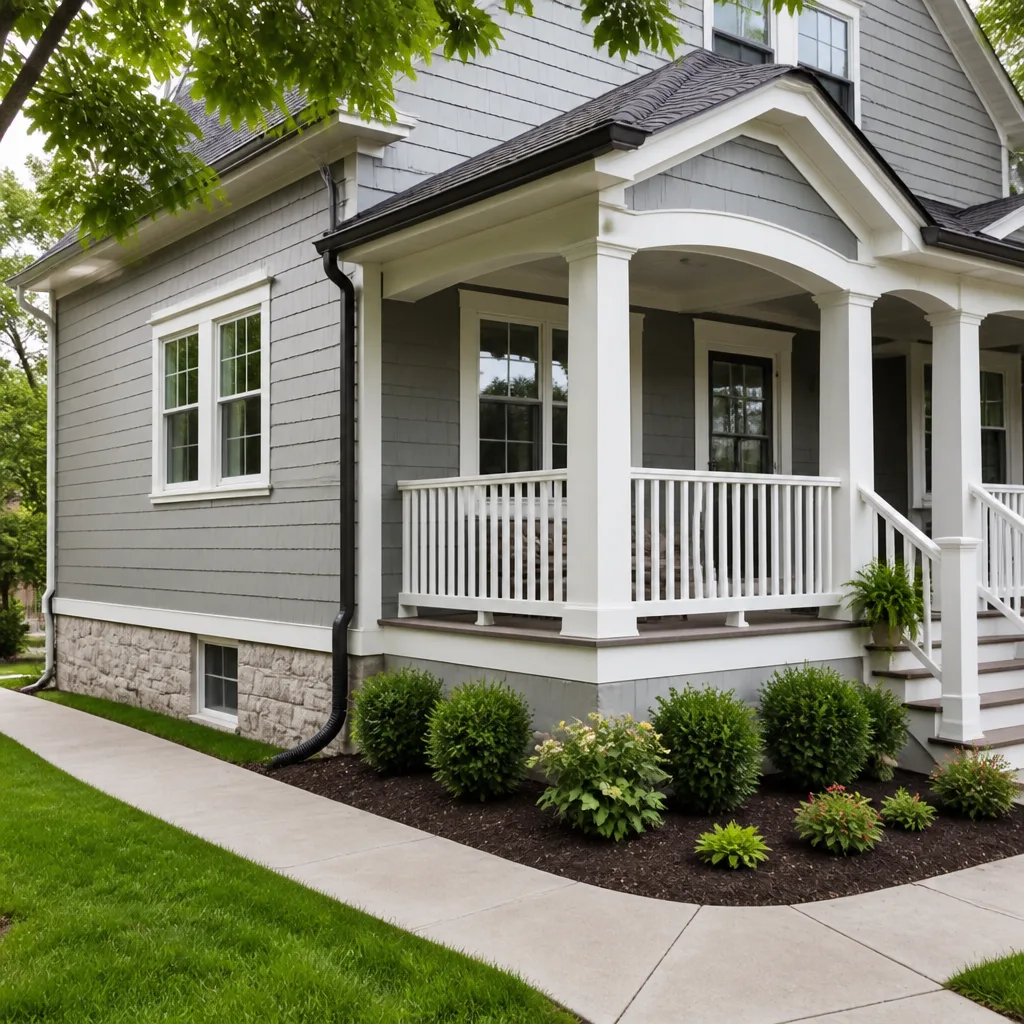
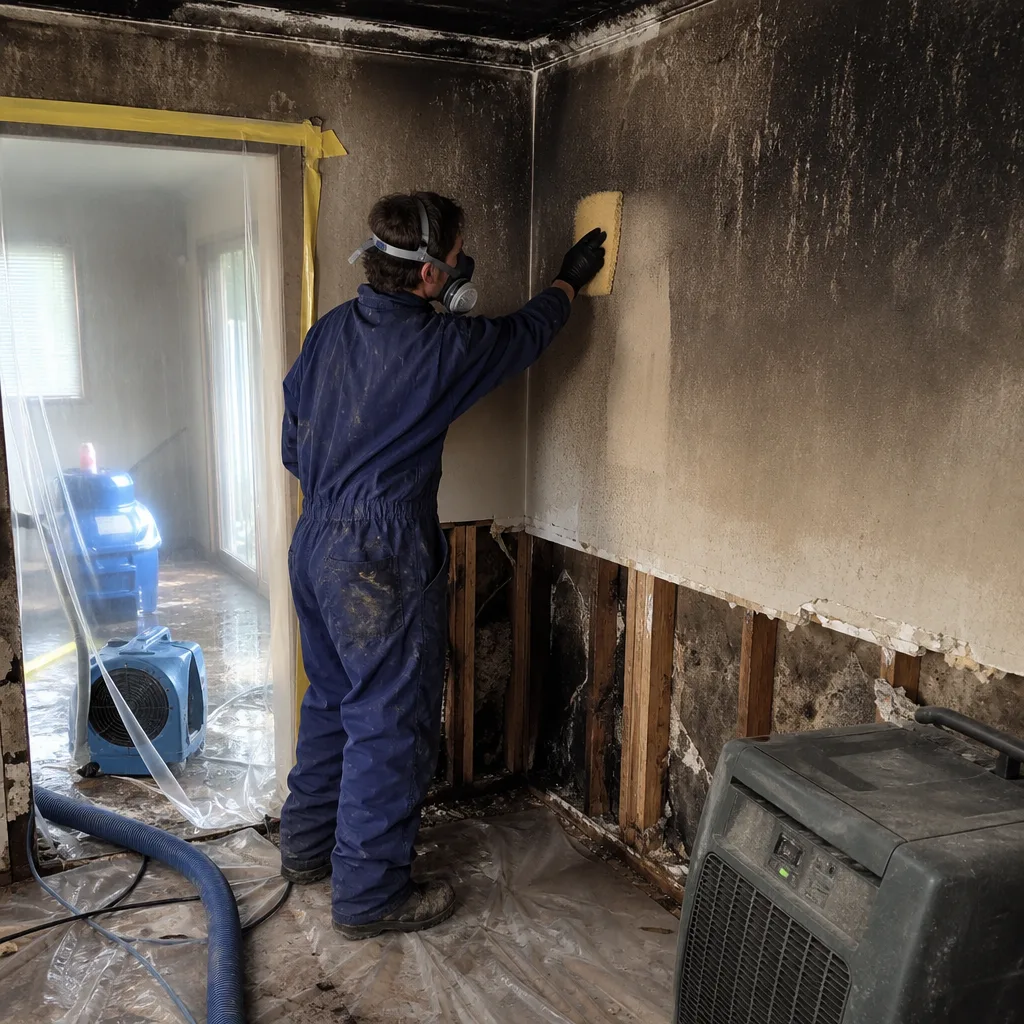
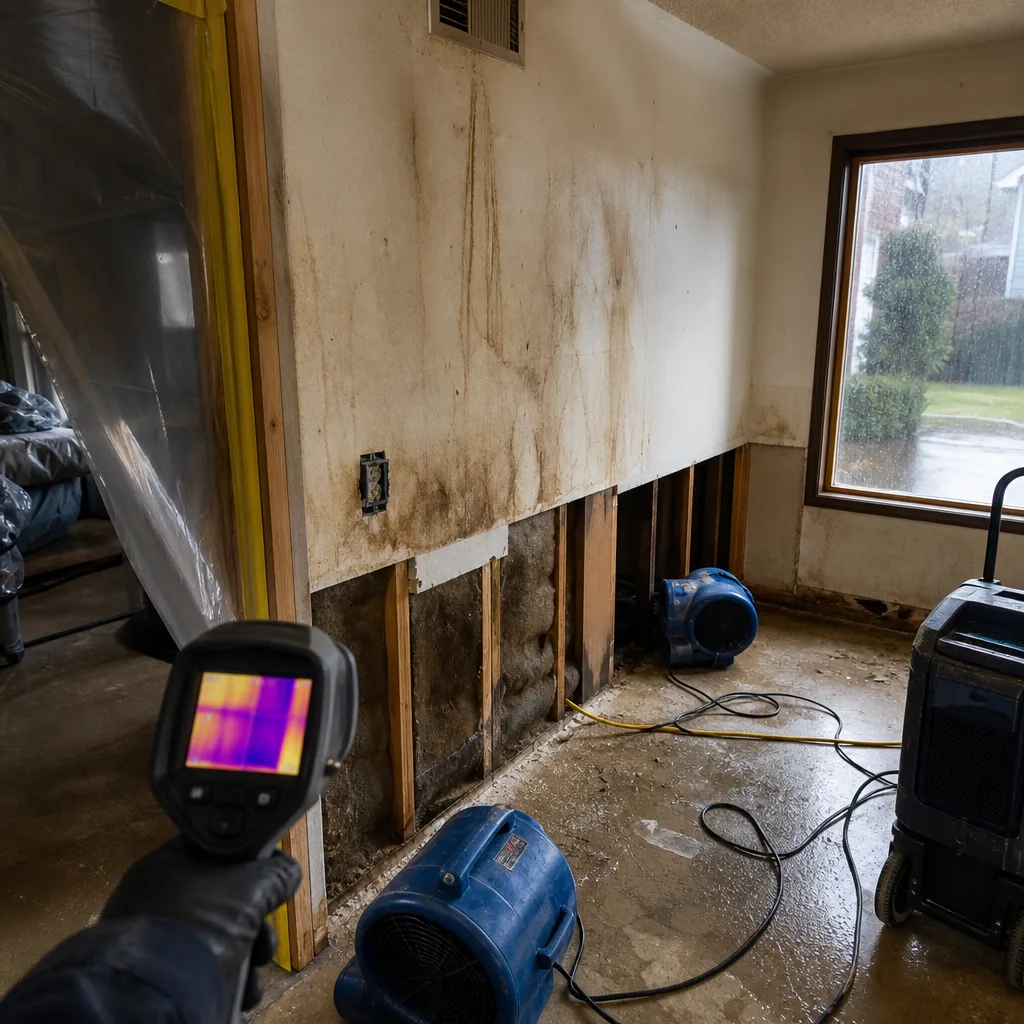 Before
 After
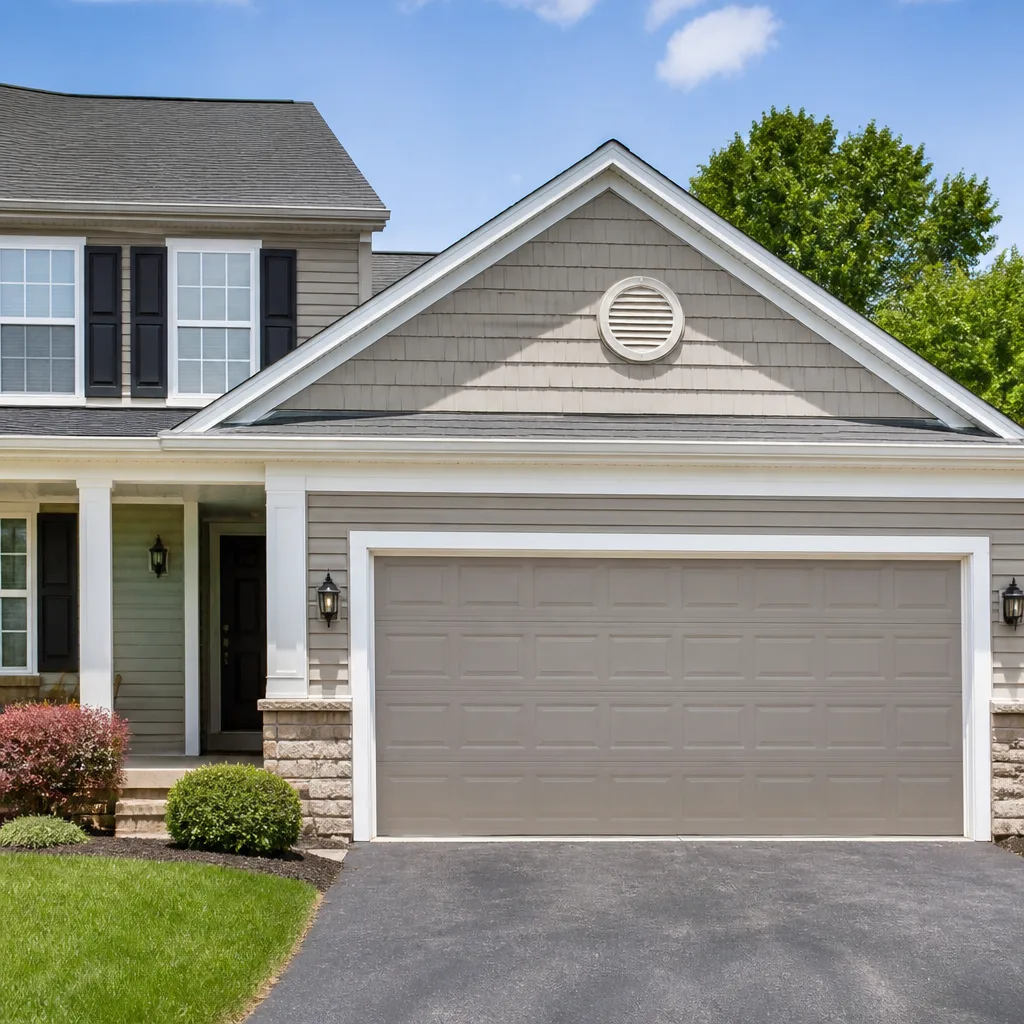
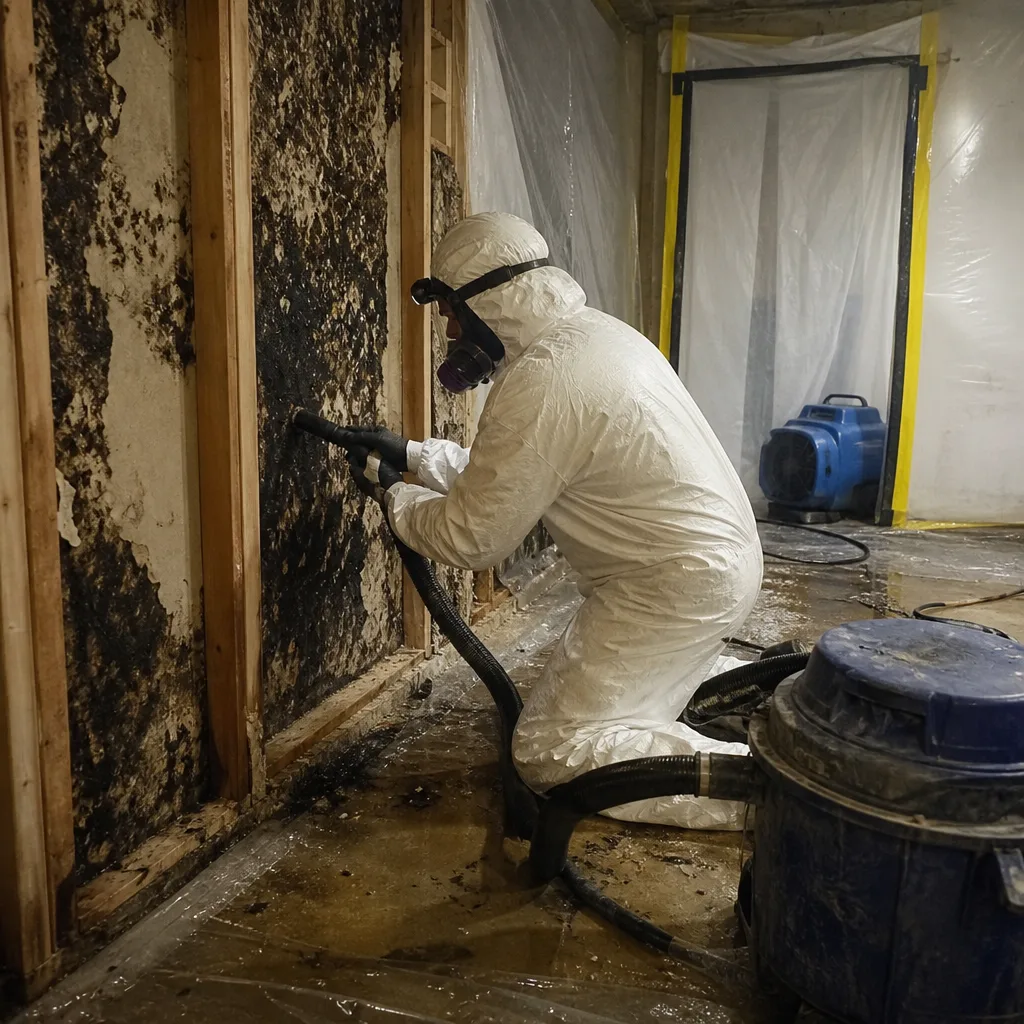
After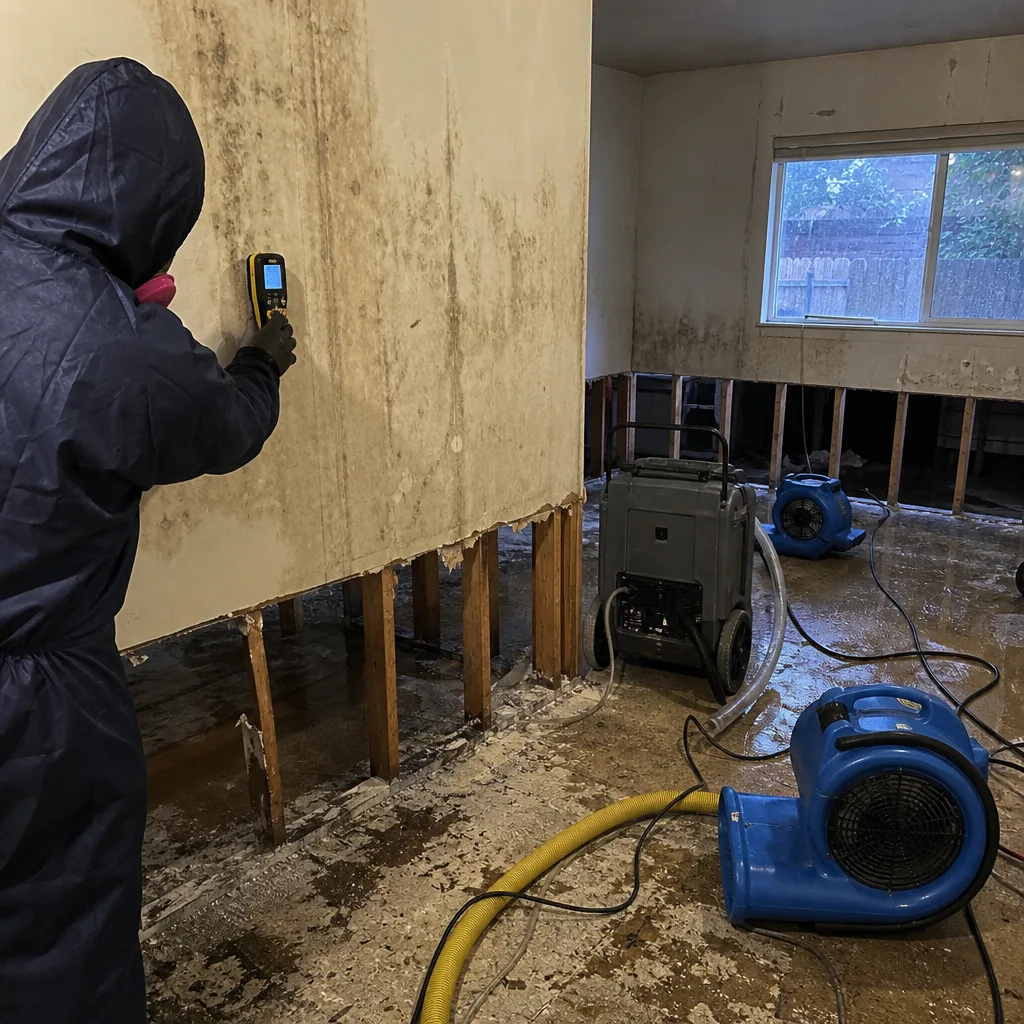 Before
 After
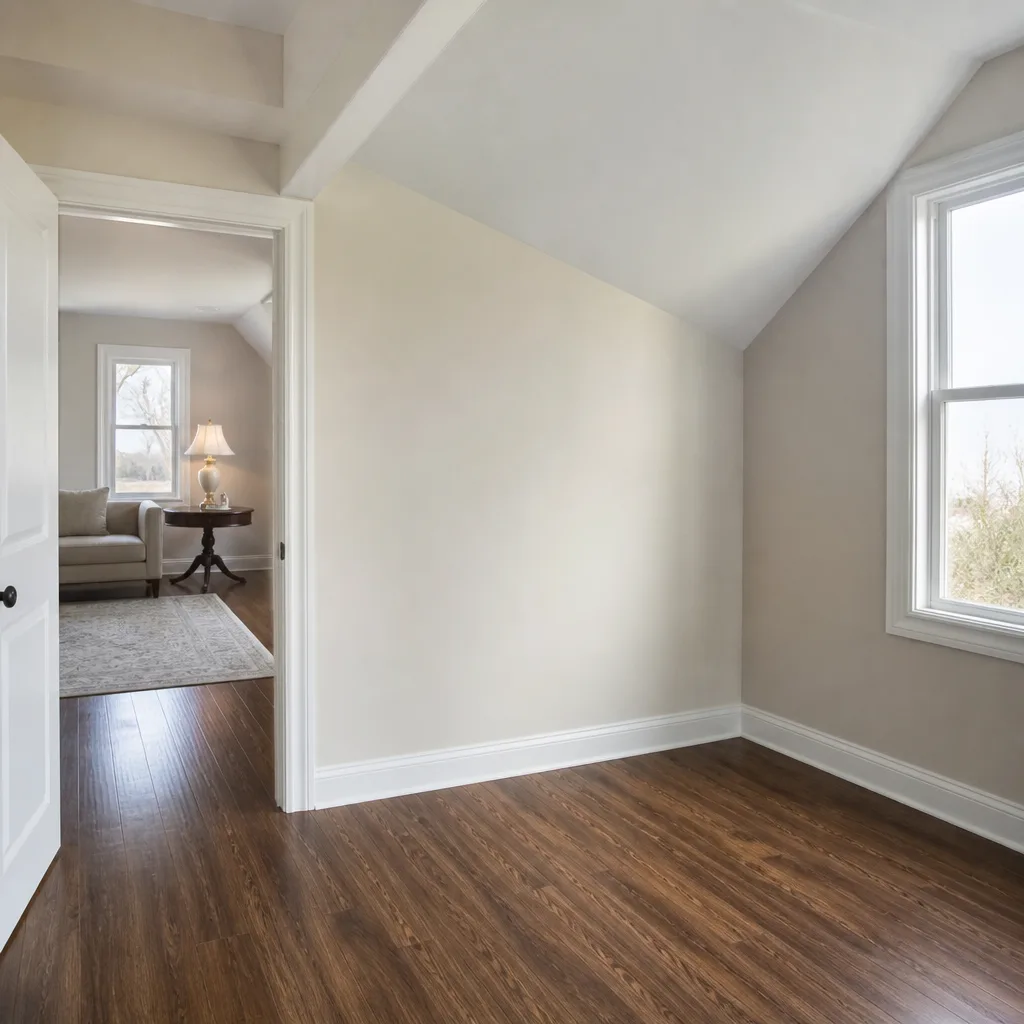
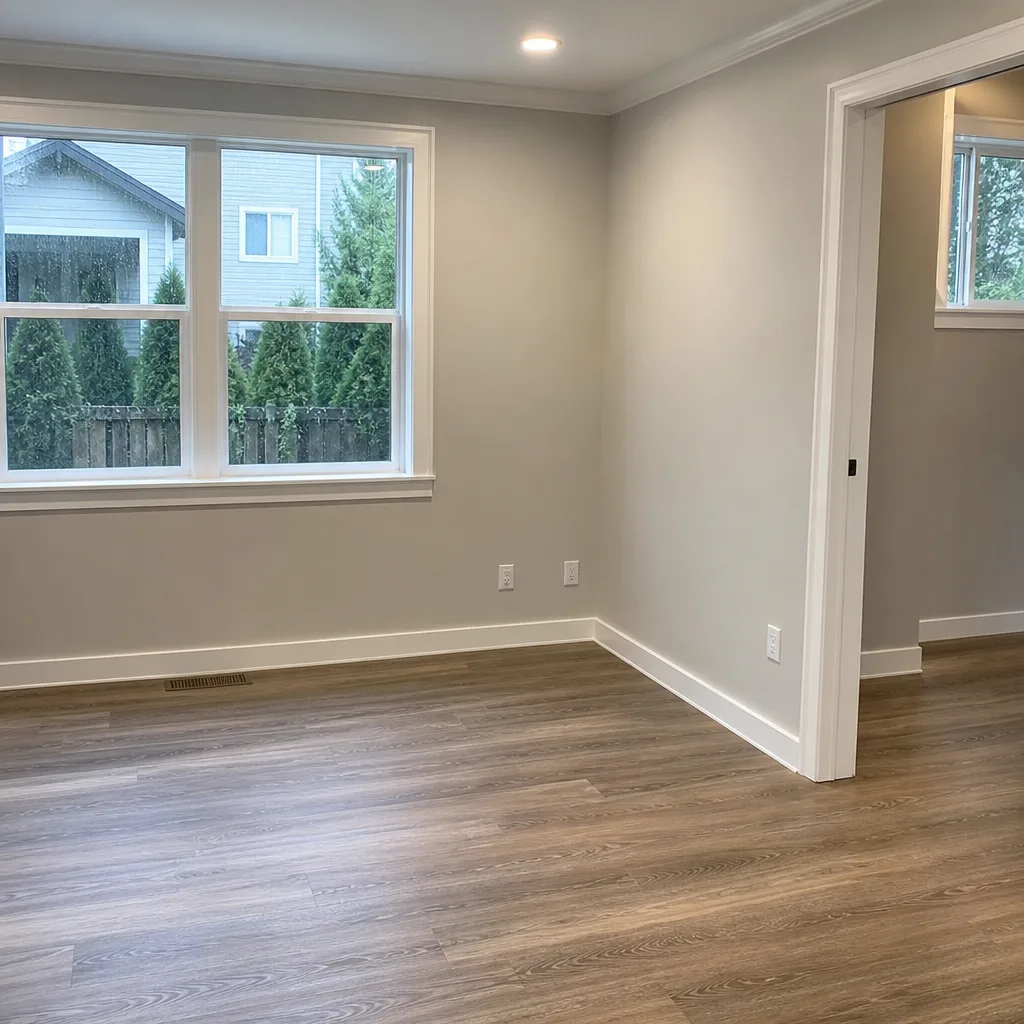
After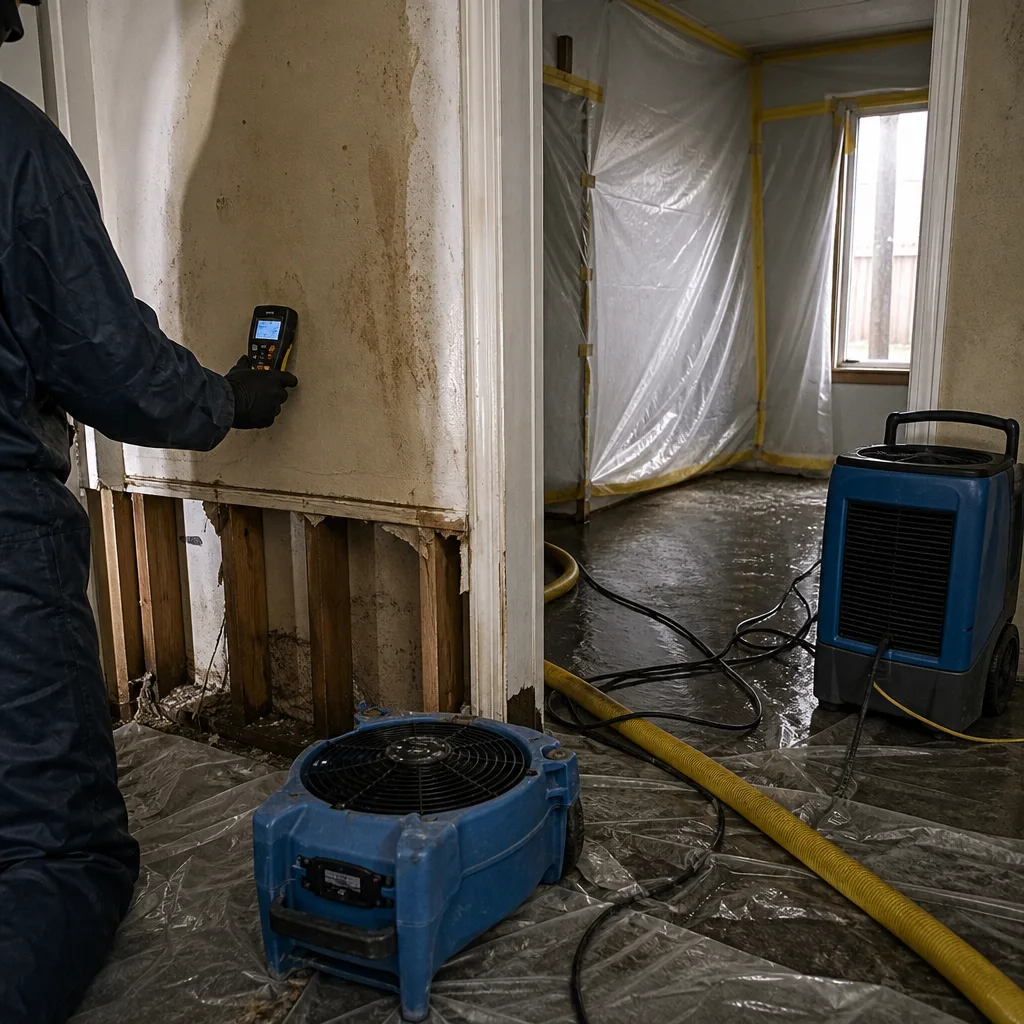 Before
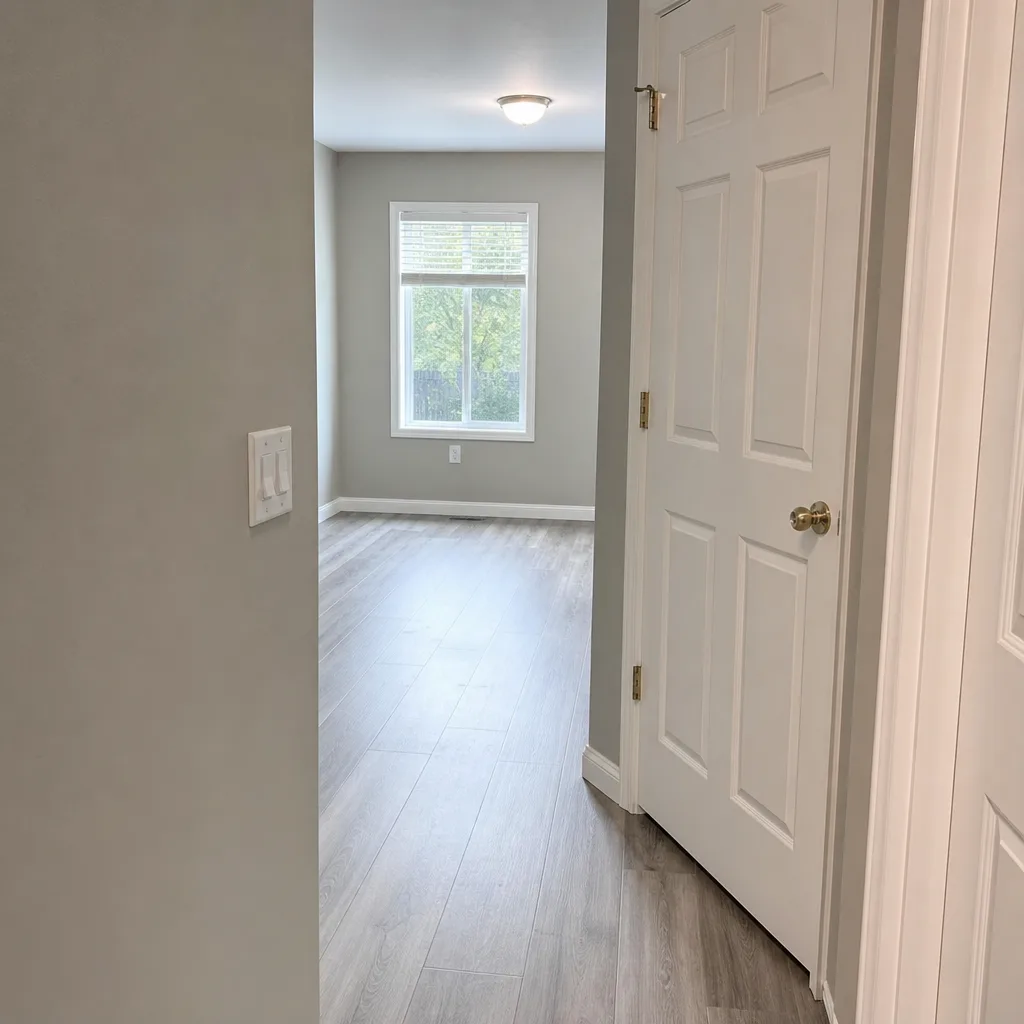 After
After24/7 Emergency Water Damage Restoration in Mercer Island
Water damage restoration in Mercer Island typically costs $2,800-$7,500 for a standard residential loss, with emergency extraction and drying starting around $1,200-$2,400 for contained areas. Most losses require 3-5 days of active drying before reconstruction can begin. Call (425) 696-6061 now - we answer live, every hour, and crews are staged to reach Mercer Island properties fast.
We’re DryMark Restoration Bothell, and our Water Damage Restoration team serves Mercer Island through our Seattle office. The first hour after water intrusion determines whether your flooring can be saved, whether mold establishes in wall cavities, and whether your insurer pays the full claim or disputes the scope. We dispatch with thermal imaging, moisture meters, and extraction equipment already loaded. Every call gets a free visual inspection, a written price before any work starts, and a photo-documented record from arrival to final dry standard.
Understanding Water Damage Restoration Severity in Mercer Island Properties
Water damage in Mercer Island falls into three categories under IICRC S500 standards, and the category changes what we can dry versus what we must remove. Category 1 is clean water - a burst supply line, an overflowing sink, ice maker failure. Category 2 is gray water with chemical or biological load - dishwasher discharge, washing machine overflow, sump pump failure. Category 3 is black water - sewage backup, ground surface flooding, any water that has passed through soil or waste systems.
Mercer Island’s housing stock complicates these categories. The 1950s-1970s hillside ranches and split-levels built after the Lacey V. Murrow Floating Bridge opened often have original crawl spaces with aging moisture barriers that blur the line between Category 1 and Category 2 - water that starts clean picks up soil bacteria and fungal spores as it wicks through compromised polyethylene sheeting. Moisture mapping with penetrating meters lets us trace exactly how far water has traveled through subfloors and sill plates. Structural drying then requires calculating vapor pressure differential - the force that drives moisture from wet materials into the air - and matching dehumidifier capacity to the cubic footage and Class of water loss. A 2,400-square-foot split-level with a wet crawl space and wetted drywall is a Class 3 or 4 loss, meaning we deploy LGR dehumidifiers and dedicated air movers to each affected room, with daily psychrometric readings logged until equilibrium.
Why Mercer Island Property Owners Choose DryMark Restoration Bothell
- 45-minute response commitment to Mercer Island properties - we stage crews knowing I-90 bridge conditions can add unpredictable delay, so we build buffer into every dispatch.
- 24/7 live answer by a real person, never an automated system or voicemail tree - water doesn’t wait for business hours, and neither do we.
- IICRC-certified crews holding WRT (Water Damage Restoration Technician) and ASD (Applied Structural Drying) credentials, with AMRT (Applied Microbial Remediation Technician) certification on jobs where mold is present or suspected.
- Free visual inspection and written scope before any equipment runs or demolition starts - Haven Standard, Clause 1.
- Direct insurance billing with photo-documented estimates formatted to carrier standards, plus direct adjuster coordination from day one.
- One team from extraction through reconstruction - no handoffs to unknown subcontractors, no gaps in documentation.
BeforeAfterOur Water Damage Restoration Process
1. Inspection & Assessment
We arrive with FLIR thermal imaging cameras, Tramex non-invasive moisture meters, and penetrating probes to map the full extent of water migration. On Mercer Island, we specifically check for hydrostatic foundation intrusion versus plumbing loss - the misdiagnosis that wastes critical drying hours. You receive a written scope and firm price before any work begins.
2. Extraction & Stabilization
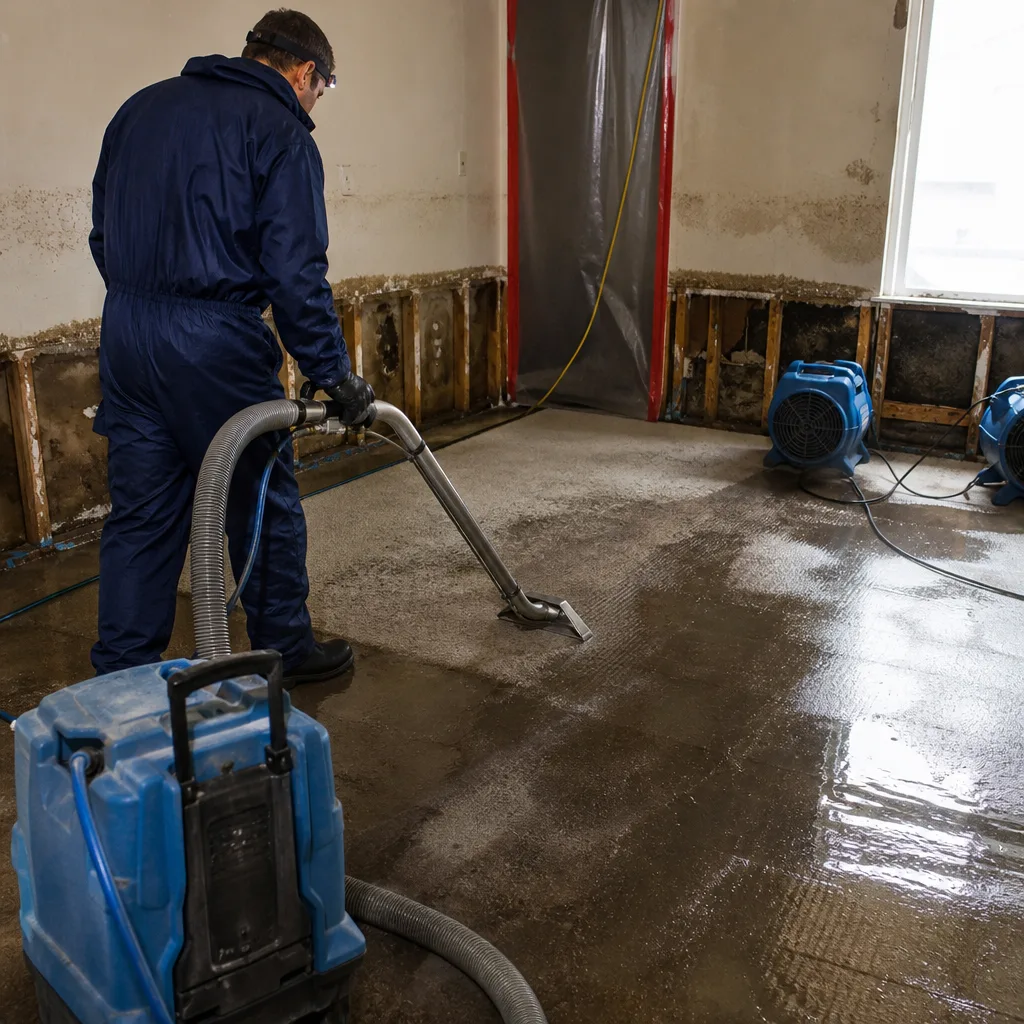
Standing water comes out first. We deploy truck-mounted extraction for carpet and pad, weighted water claws for saturated subfloors, and submersible pumps for crawl-space pooling. Every gallon removed in extraction is a gallon we don’t have to evaporate and dehumidify, which directly reduces drying time and cost.
3. Drying & Dehumidification
We calculate the exact dehumidifier pint capacity needed for your structure’s volume and Class of loss, then deploy Dri-Eaz and Phoenix LGR units with axial and centrifugal air movers positioned for optimal airflow across wet surfaces. Daily moisture readings are logged to IICRC and RIA standards, producing the drying documentation your insurer requires.
4. Cleaning & Sanitization
Antimicrobial treatment of affected framing and subfloors prevents mold colonization, particularly critical in Mercer Island’s lake-amplified humidity where spore counts run higher than mainland King County. We apply EPA-registered products and document application points with photos.
5. Tertiary Drying & Verification
Once primary drying targets are met, we run tertiary drying - the final phase where we verify that materials have reached equilibrium moisture content relative to unaffected areas of the home. We don’t guess; we measure. Your drying log shows every reading, every day, until the job meets IICRC completion standards.
6. Repairs & Restoration
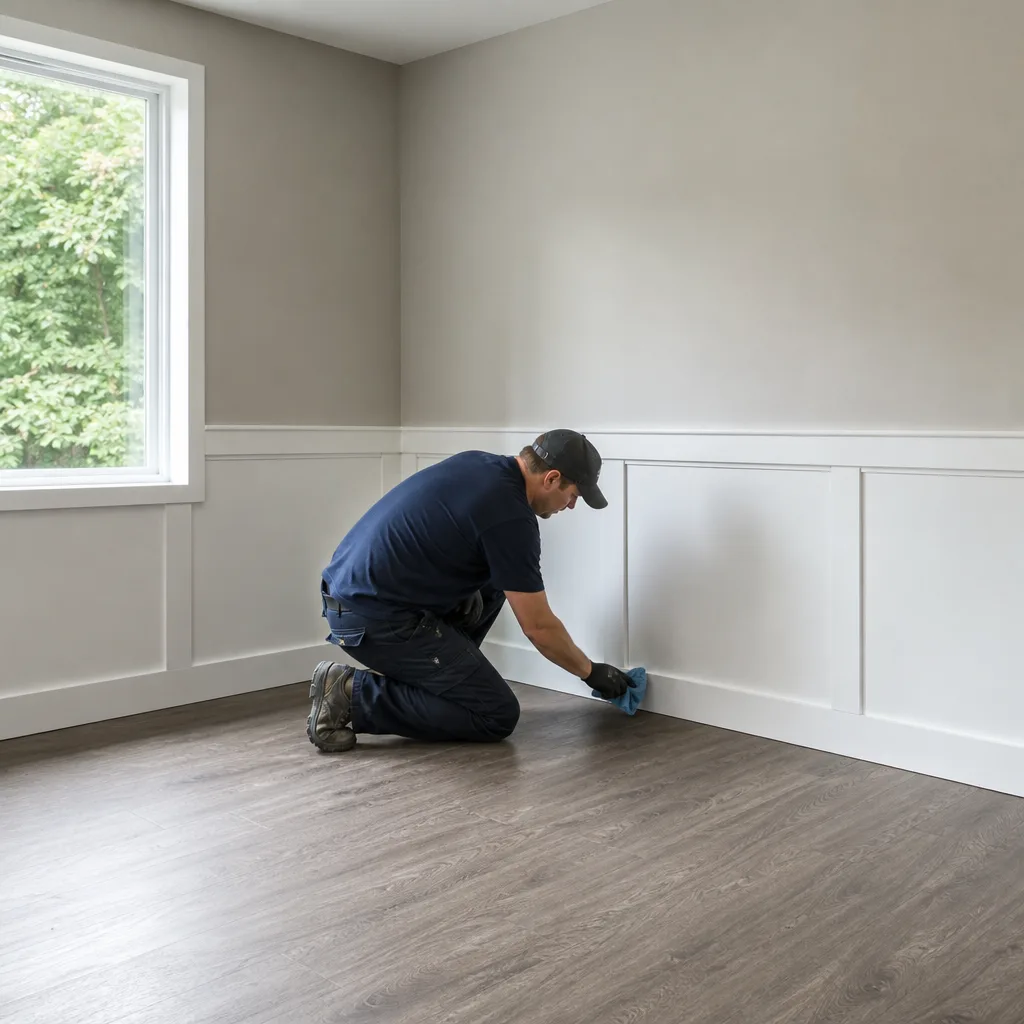
Our reconstruction team replaces drywall, flooring, trim, and finishes to match existing materials. For Mercer Island’s high-value custom homes with premium hardwood, stone, and millwork, we source material-matched replacements and document everything for your adjuster. The 365-Day Done Right Promise applies to all work.
Need Emergency Water Damage Restoration in Mercer Island Now?
Crews minutes away, answering live 24 hours a day. The sooner we start, the less it costs.
Working With Your Insurance Company
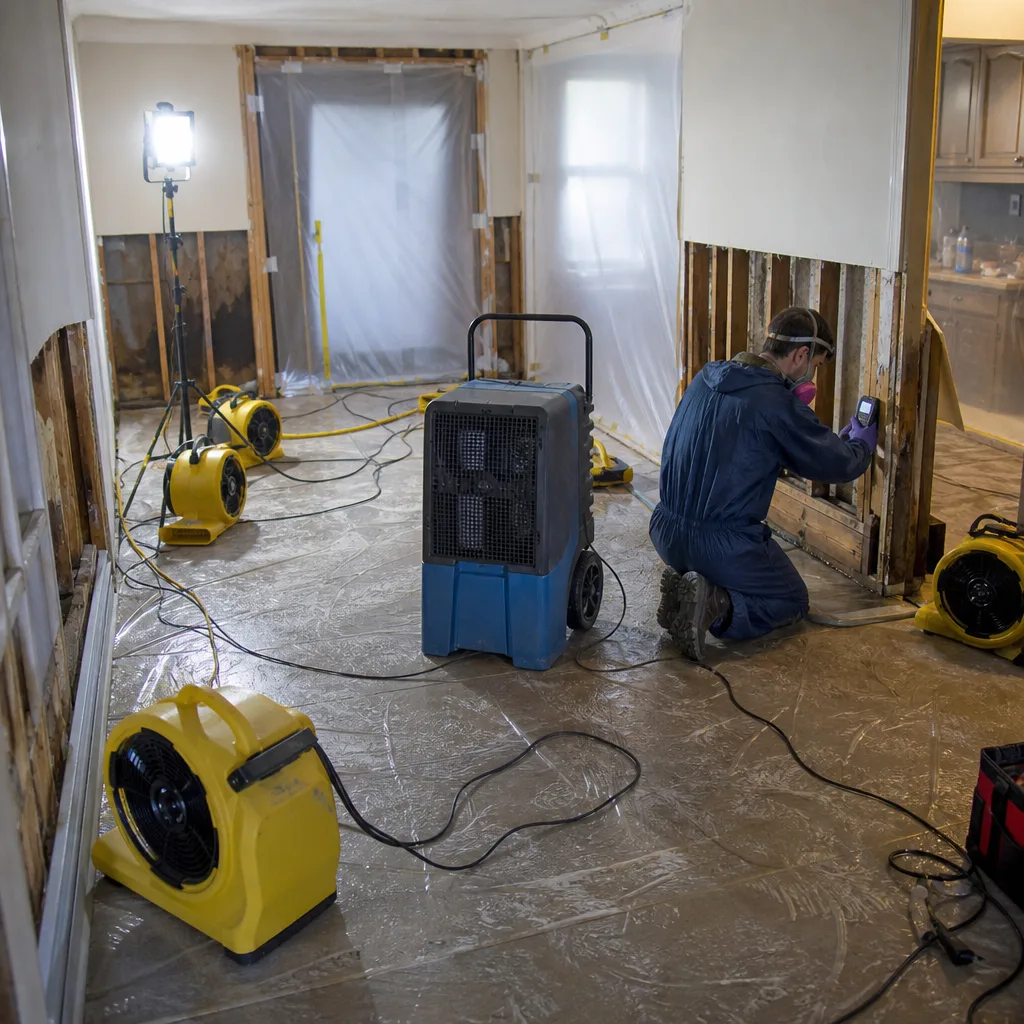
We built our documentation protocol around what insurers actually pay for, not what they promise. Every Mercer Island job starts with a photo record before a single piece of equipment is placed. We document the water source, the migration pattern, the affected materials by square footage and classification, and the drying plan with equipment counts and placement maps. Our estimates follow Xactimate or Symbility formatting depending on your carrier’s preference, and we communicate directly with your adjuster - not through you as a relay - to resolve scope questions in real time.
The daily drying logs we produce are the single most disputed element in water damage claims. Without them, carriers routinely deny secondary damage or mold remediation as “unrelated.” With them, documented to IICRC, RIA, and IFA standards, the claim path clears.
What We Provide Your Insurer
- Thorough documentation of the loss
- Photos of all damage, room by room
- Moisture readings and drying logs
- A detailed, line-item scope of work
- Direct coordination with your carrier
Built for Mercer Island’s Loss Calendar
January through March brings the heaviest rain and the highest Lake Washington water table. Near-shore and west-facing homes see hydrostatic pressure peak during sustained storms, often pushing water through foundation walls that read dry in summer. April and May add snowmelt from the Cascades, keeping soils saturated and crawl spaces humid. June through September offers the driest window, but conifer windstorms - Mercer Island’s dense fir and cedar canopy - drop trees on roofs with regularity, creating sudden structural breaches that admit rain directly into attics and wall cavities. October through December returns to saturated ground conditions, and the shortened daylight hours mean homeowners often discover losses hours after they start, when mold has already begun establishing. We adjust equipment deployment and monitoring frequency to this calendar: more aggressive dehumidification in high-humidity months, faster containment response when discovery delays are likely.
Water Damage Restoration Across Mercer Island’s Neighborhoods
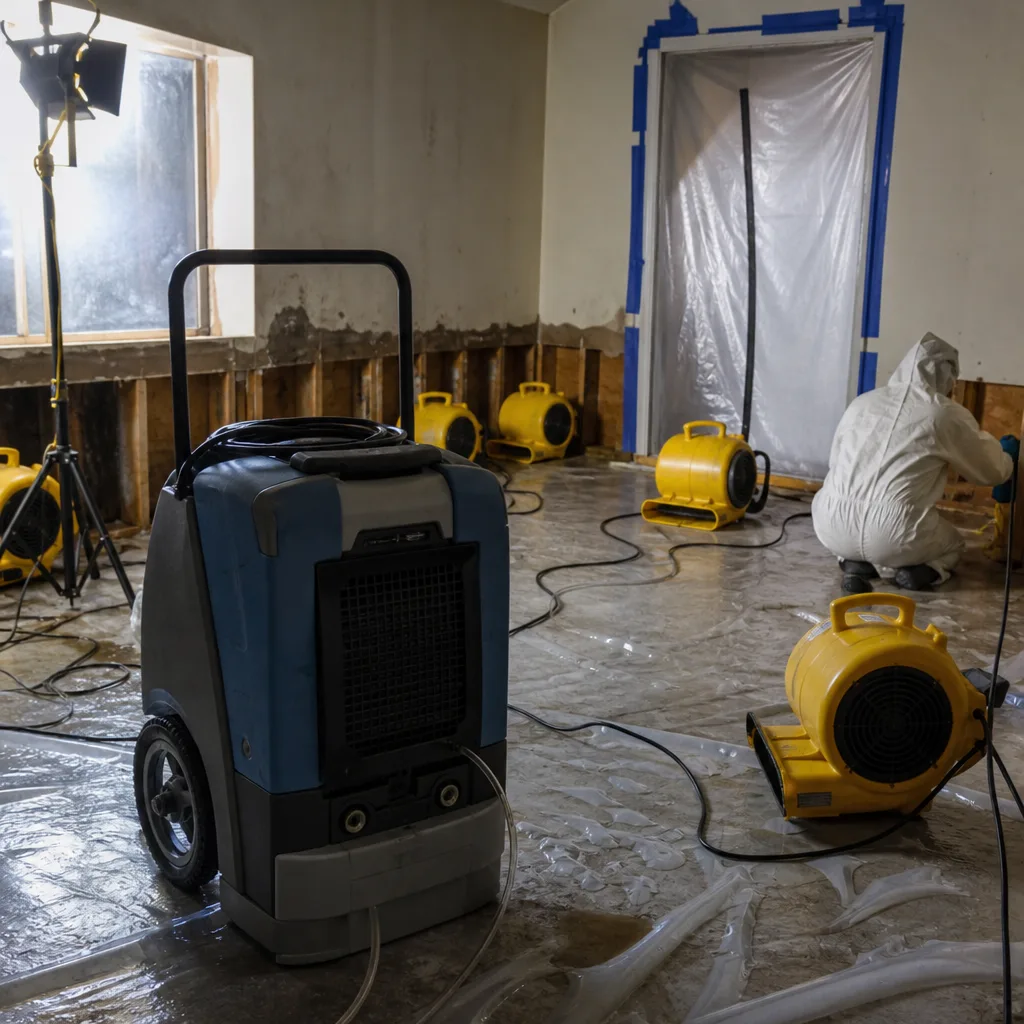
East Mercer Way and the hillside ranches above it represent our most frequent call zone for hydrostatic intrusion. These 1960s and 1970s split-levels sit on slopes that drain toward the lake, and their original crawl-space moisture barriers have often degraded to the point of trapping water against framing. We got a call from a 1960s hillside ranch off East Mercer Way where the homeowner was certain a supply line had let go - the carpet in the lower split-level was soaked wall-to-wall. Our tech ran moisture mapping and thermal imaging and found no pipe loss at all: hydrostatic lake-water pressure was pushing through the original crawl-space foundation wall and wicking up behind an aging moisture barrier. We set containment, pulled the wet carpet and pad, laid Dri-Eaz air movers and a Phoenix dehumidifier, applied antimicrobial treatment to the framing, and started drying logs - then recommended a drainage retrofit uphill of the wall so we weren’t drying the same crawl space again next April.
West Mercer Way and the near-shore properties face the most persistent hydrostatic pressure, and also the highest reconstruction values - these are often custom homes where material matching is critical. The commercial corridor along SE 27th Street and the I-90 interchange area includes mixed-use buildings with flat roofs and aging HVAC drainage that backs up into tenant spaces. North-end neighborhoods near Luther Burbank Park see seasonal groundwater rise that affects basements and daylight foundations. Each area gets a response plan shaped by its access routes, building era, and typical failure mode - not a generic template.
Specialized Water Damage Restoration Services We Offer in Mercer Island
Emergency Water Extraction
Standing water causes secondary damage in hours, not days. Our truck-mounted extraction systems remove water from carpet, pad, and hard surfaces at rates that portable equipment cannot match. For Mercer Island’s hillside ranches with lower-level flooding, we often need to extract from multiple split levels simultaneously - a scenario mainland crews without island experience frequently underestimate.
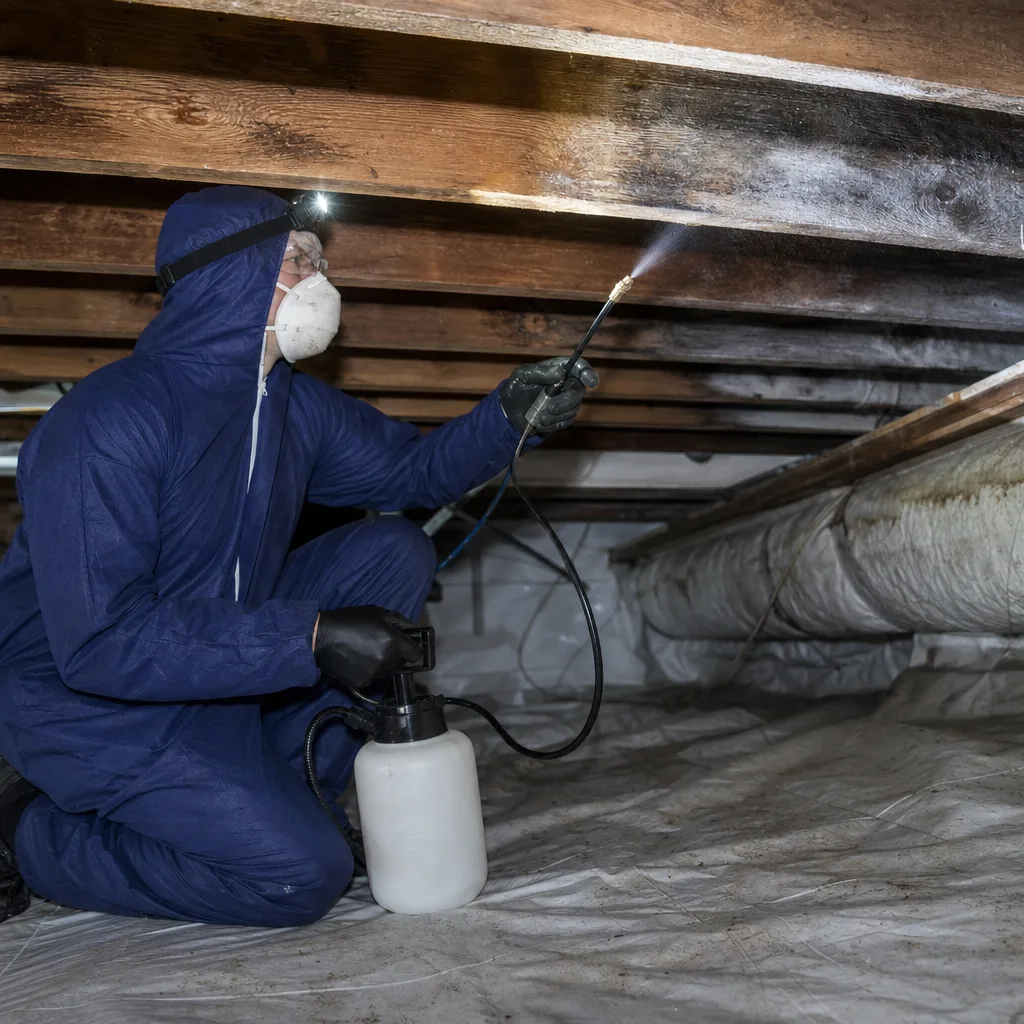
Structural Drying & Dehumidification
This is where documentation wins claims. We deploy calculated drying systems with daily moisture logs, using Dri-Eaz and Phoenix LGR dehumidifiers matched to your structure’s specific load. In Mercer Island’s lake-amplified humidity, standard residential dehumidifiers are inadequate - we size commercial equipment to the psychrometric data, not the square footage alone.
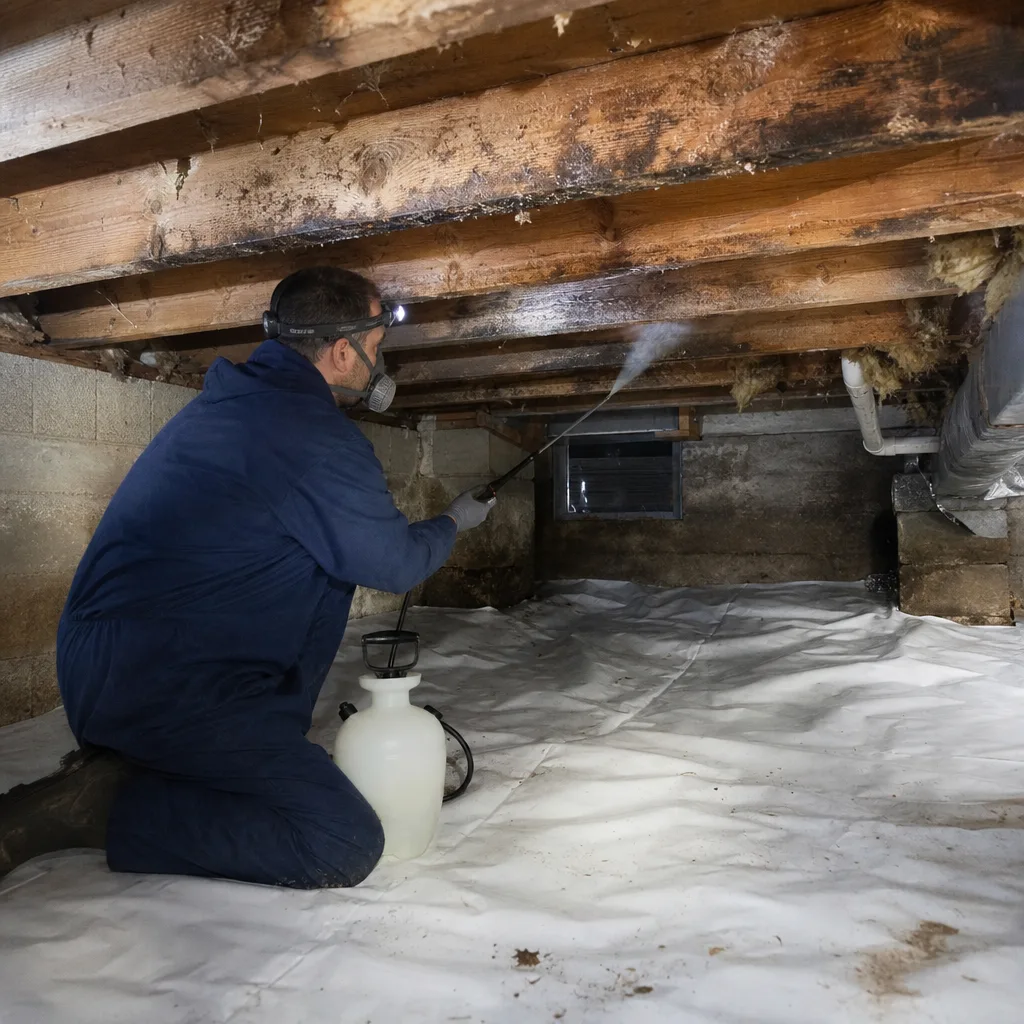
Flood Cleanup
Surface flooding from storm events or groundwater intrusion requires Category 3 protocols even when the water looks clear. We remove affected porous materials, apply antimicrobial treatment to structural elements, and document contamination levels for your insurer. The island’s limited access means we bring full contamination-response capability on the first truck - no waiting for specialty equipment from the mainland.
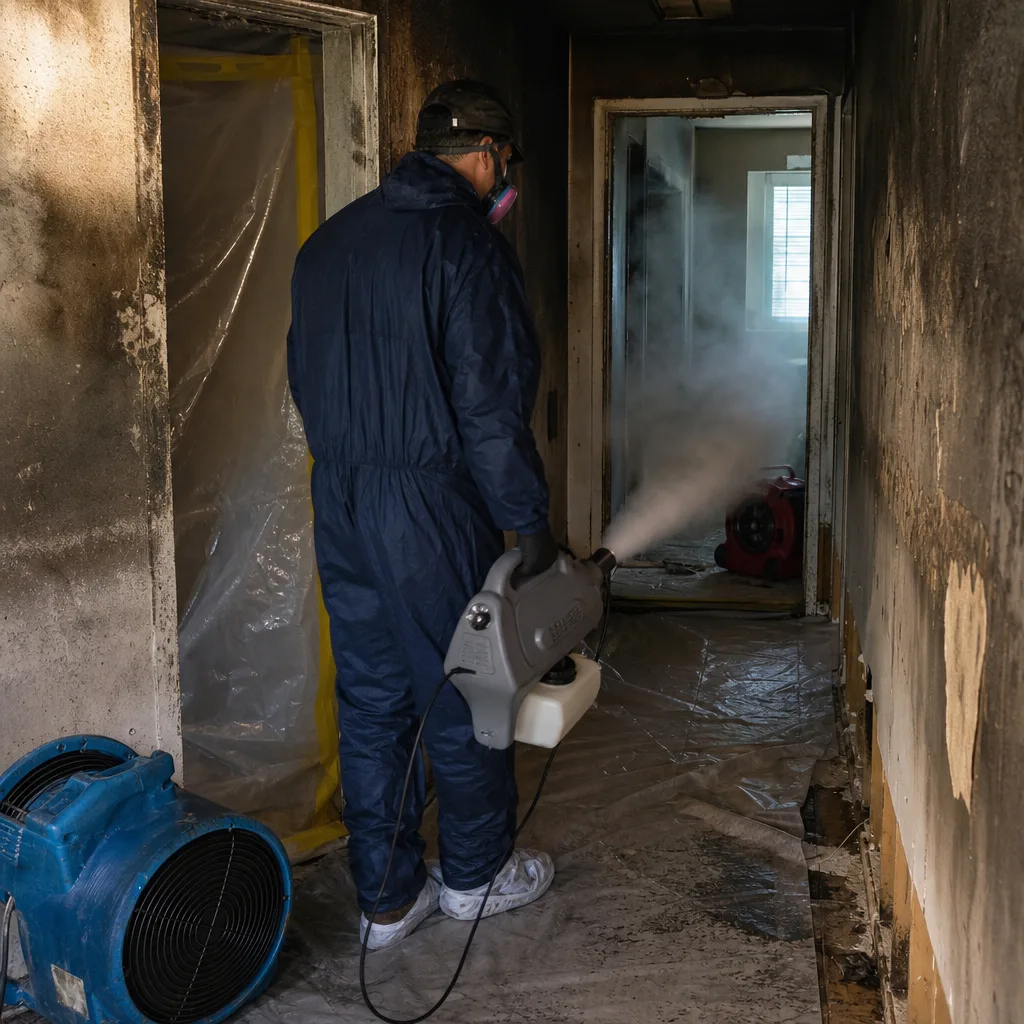
Burst Pipe Restoration
Winter temperature drops can freeze exposed supply lines in older Mercer Island homes with original plumbing routes through unconditioned crawl spaces. We extract, dry, and document the loss - but we also flag the underlying vulnerability so your plumber can reroute or insulate before the next freeze.
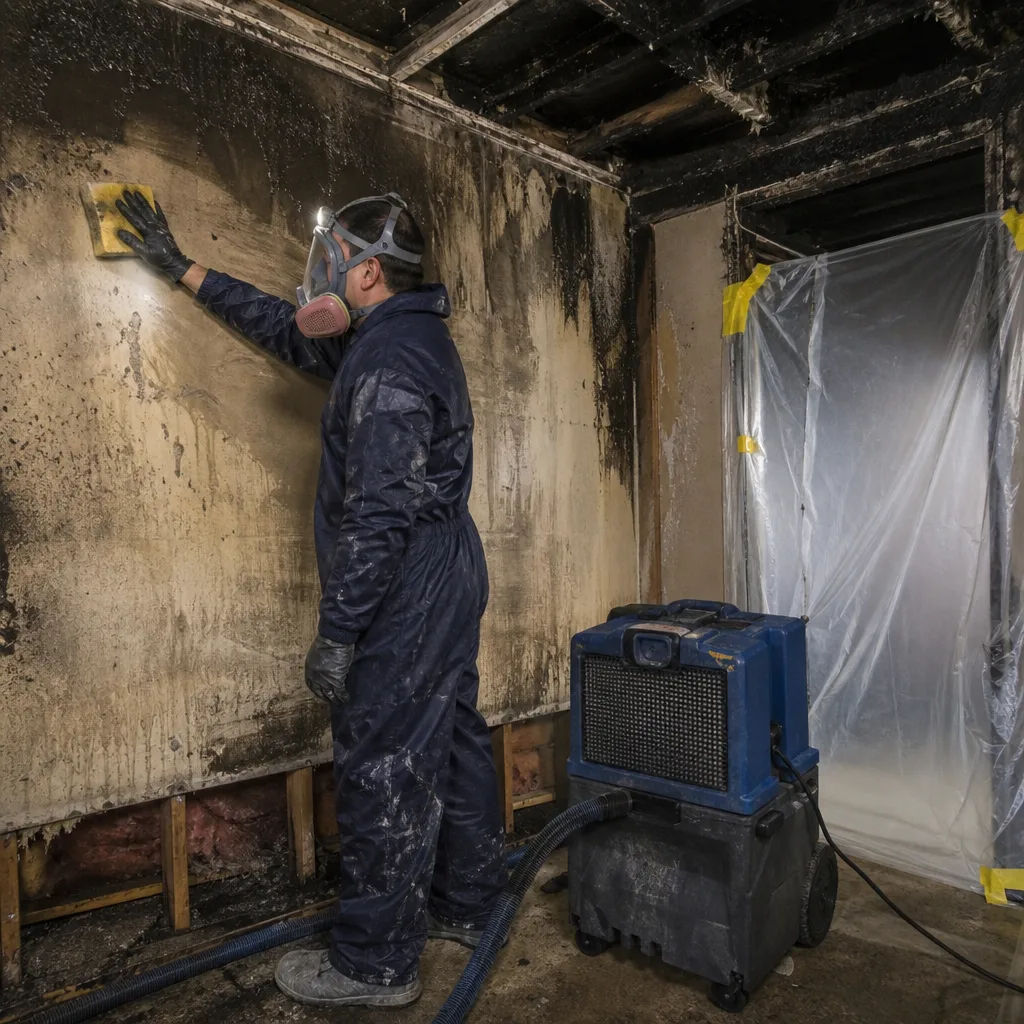
Basement Water Removal
Mercer Island basements and daylight foundations are particularly susceptible to hydrostatic pressure and groundwater rise. We combine submersible pumping with perimeter extraction, then install temporary dehumidification sufficient to handle the continuous moisture load until permanent drainage solutions are in place.
What happens when you call
- 1
A real person answersNo phone trees - you reach a local pro.
- 2
You get an upfront price rangeHonest numbers before anyone is dispatched.
- 3
A background-checked tech heads outLicensed & insured, dispatched right away.
- 4
You approve before work beginsNothing starts until you say go.
Water Damage Restoration Costs in Mercer Island, WA
Emergency water extraction and initial drying for a contained area in Mercer Island typically runs $1,200-$2,400. Full structural drying with dehumidification for a moderate residential loss averages $2,800-$5,200. Larger losses involving multiple levels, extensive demolition, or Category 3 contamination range $5,500-$7,500 and up. Reconstruction is priced separately, with written scopes provided before any build-back begins.
What moves the price: the category of water, the square footage affected, whether demolition is required to access wet cavities, and whether mold remediation is triggered by delayed response. Insurance typically covers sudden and accidental water damage from plumbing failures and storm intrusion, but not long-term seepage or maintenance-related issues. We provide the documentation that helps your adjuster distinguish between covered peril and excluded wear - and we offer a Free Second Opinion on any competitor’s written estimate if you need clarity.
We Also Serve Cities Near Mercer Island
Our crews respond throughout the metro area, with direct service to Mercer Island plus Bellevue, Seattle, Renton, and Kirkland. Dispatch and scheduling are coordinated from our Seattle office; crews serve Mercer Island locally with island-specific protocols built around I-90 access constraints and hydrostatic loss patterns.
Serving Mercer Island, WA - Our Local Coverage Area
We’re based in the Mercer Island area and know this community well. Use the map below to see our service coverage - if you’re nearby, we can almost certainly help.
Mercer Island Water Damage Restoration Questions, Answered
My lower level floods every winter but no plumber can find a leak - why does this happen so much on Mercer Island?
Hydrostatic lake-water pressure is pushing through your foundation wall, not a plumbing failure. Because Mercer Island sits entirely inside Lake Washington, near-shore and west-facing homes regularly take on water through foundation walls via hydrostatic pressure - a misdiagnosis that leads mainland-trained crews to chase nonexistent pipes while mold establishes behind the vapor barrier. We verify the source with thermal imaging and moisture mapping before treating anything. Call (425) 696-6061 for a free inspection.
How fast do you actually get to a Mercer Island water loss given the I-90 floating bridges?
We stage crews to maintain a 45-minute response commitment, building bridge-delay buffer into every Mercer Island dispatch. The only vehicle access is across I-90’s floating bridges, which are subject to closures and severe backups that compress the emergency-response window in a way Bellevue or Seattle crews never face on routine calls. We monitor bridge conditions in real time and pre-position equipment to minimize crossing frequency. Call (425) 696-6061 - we answer live 24/7.
Does my 1960s split-level have the same drying needs as the newer custom homes on the island?
No - the 1950s-1970s hillside ranches and split-levels often have original crawl-space moisture barriers that trap water against framing instead of keeping it out, so drying stalls until the failing barrier is addressed. Newer custom homes with premium hardwood, stone, and millwork finishes require specialist material-matching during restoration and more precise humidity control to prevent secondary damage to unaffected finishes. We scope each structure individually. Call (425) 696-6061 for a written assessment.
What’s the difference between Category 1, 2, and 3 water, and does it change what you dry?
Category 1 is clean water from a supply line - we can often dry carpet, pad, and drywall in place if response is fast. Category 2 carries chemical or biological load from sources like dishwashers or sump pumps - porous materials may need removal depending on exposure time. Category 3 is black water from sewage or ground flooding - porous materials must be removed, and antimicrobial treatment is mandatory. The category determines both the drying protocol and what your insurer will cover for replacement versus restoration. Call (425) 696-6061 for documentation that supports your claim.
After you extract and dry, what proves my Mercer Island home is actually dry?
Daily moisture logs showing readings from affected and unaffected materials, compared until equilibrium is reached - documented to IICRC S500 standards. We use penetrating moisture meters and thermo-hygrometers to verify that wood framing, drywall, and subfloors have returned to moisture content levels consistent with dry areas of your home. You receive the complete drying log as a standard deliverable, not an upsell. Call (425) 696-6061 to schedule.
Will my insurance cover water damage restoration on Mercer Island?
Sudden and accidental water damage from burst pipes, storm intrusion, or appliance failure is typically covered under standard homeowner policies. Long-term seepage, maintenance neglect, or repeated hydrostatic intrusion may be excluded or limited. Our documentation - photos, moisture readings, drying logs, and written scope - is formatted specifically to help your adjuster establish coverage and scope. We bill directly and coordinate with your carrier. Call (425) 696-6061 for a free inspection and claim review.
How long does water damage restoration take in Mercer Island?
Most residential drying projects require 3-5 days of active equipment operation, plus 1-2 days for initial extraction and setup. Reconstruction adds time depending on material availability and scope. Mercer Island’s lake-amplified humidity can extend drying if equipment is undersized, which is why we calculate dehumidifier capacity to the specific psychrometric load rather than using rule-of-thumb sizing. Call (425) 696-6061 for a timeline based on your specific loss.
Can we stay in our home during water damage restoration?
Often yes for Category 1 losses in limited areas, but Category 2 or 3 contamination, extensive demolition, or whole-house drying with loud equipment may require temporary relocation. We assess habitability at inspection and document our recommendation for your insurer, who may cover additional living expenses if displacement is necessary. Safety and drying effectiveness guide the decision - not convenience. Call (425) 696-6061 to discuss your situation.
Written by Alicia Brennan, Owner at Back to Dry Restoration, serving Mercer Island since 2011 under The Haven Standard.
Water Damage Restoration in Nearby Areas