Free visual inspection and a written scope of work before any mitigation begins - photos, moisture readings, and drying logs go in your claim file
The scope we write is the scope we bill. Anything new gets shown to you, in writing, before we touch it.
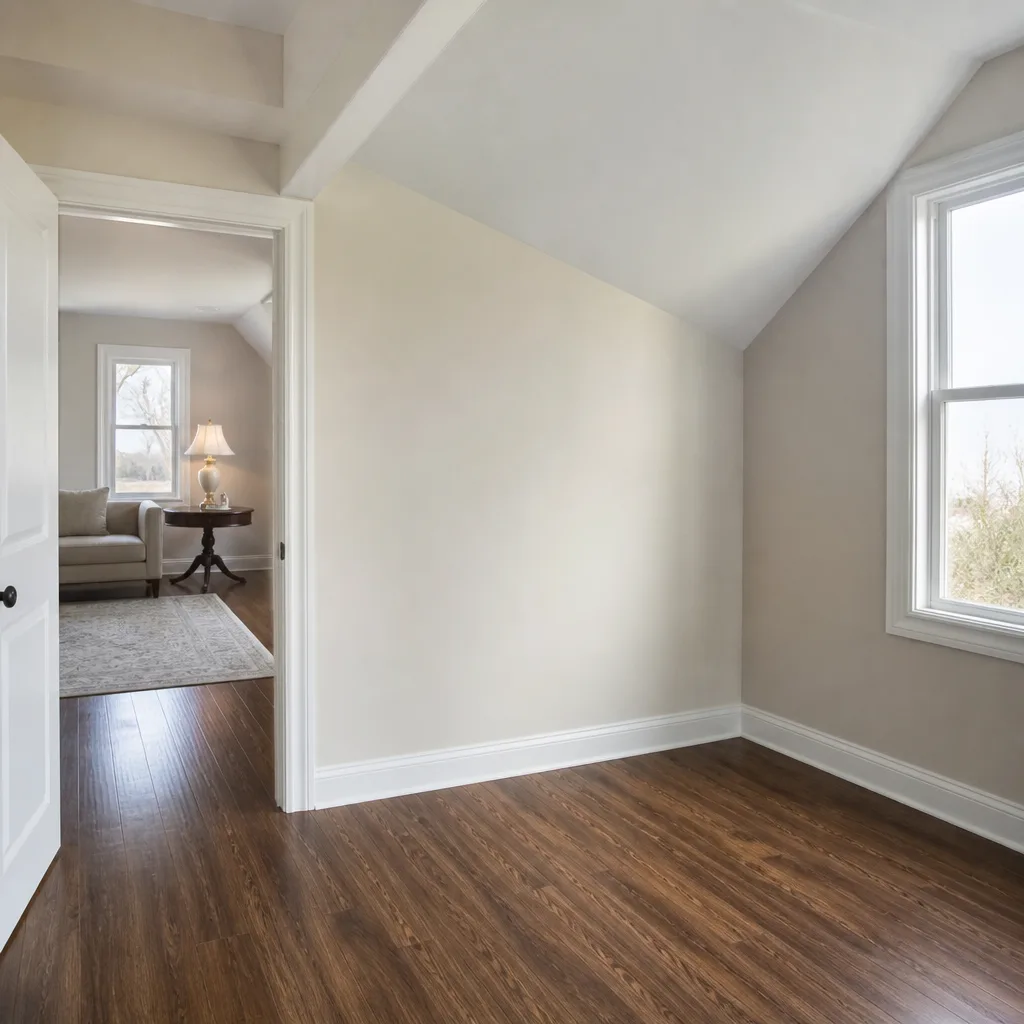
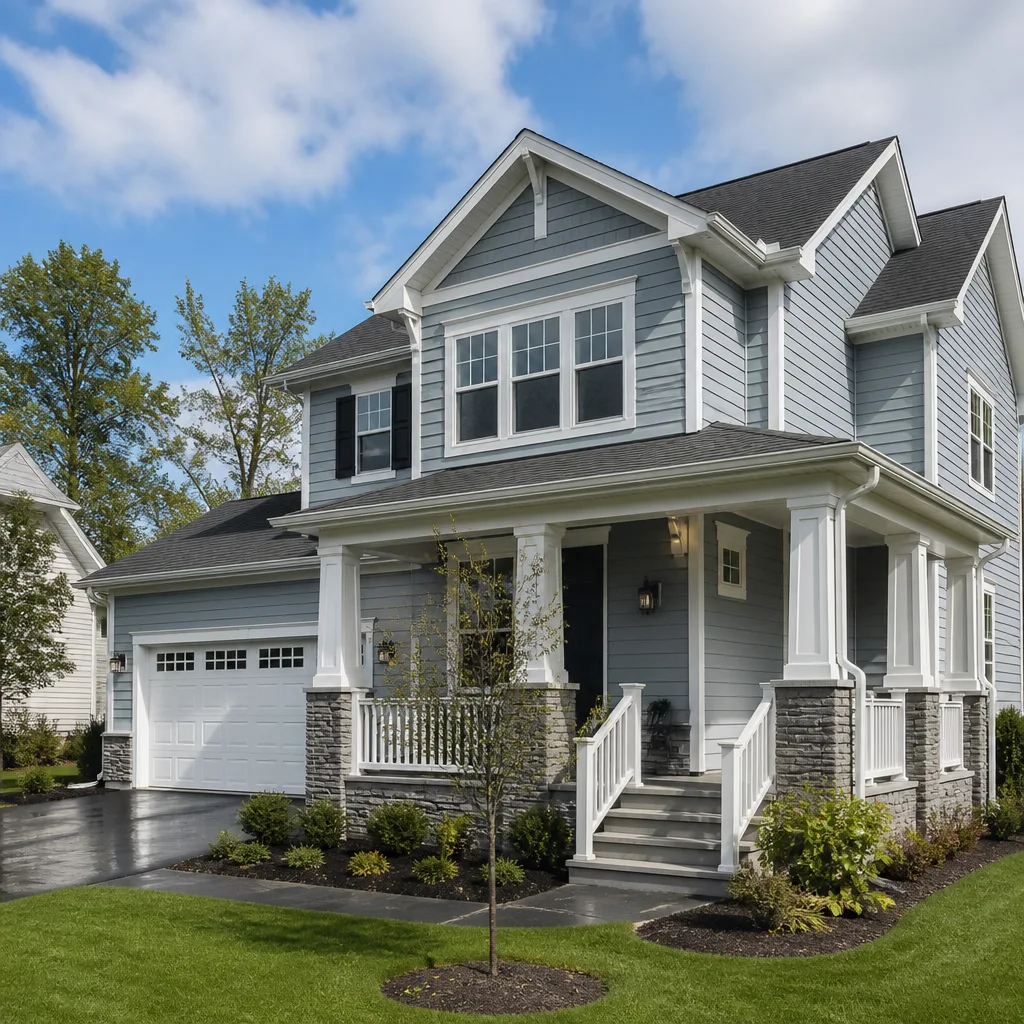
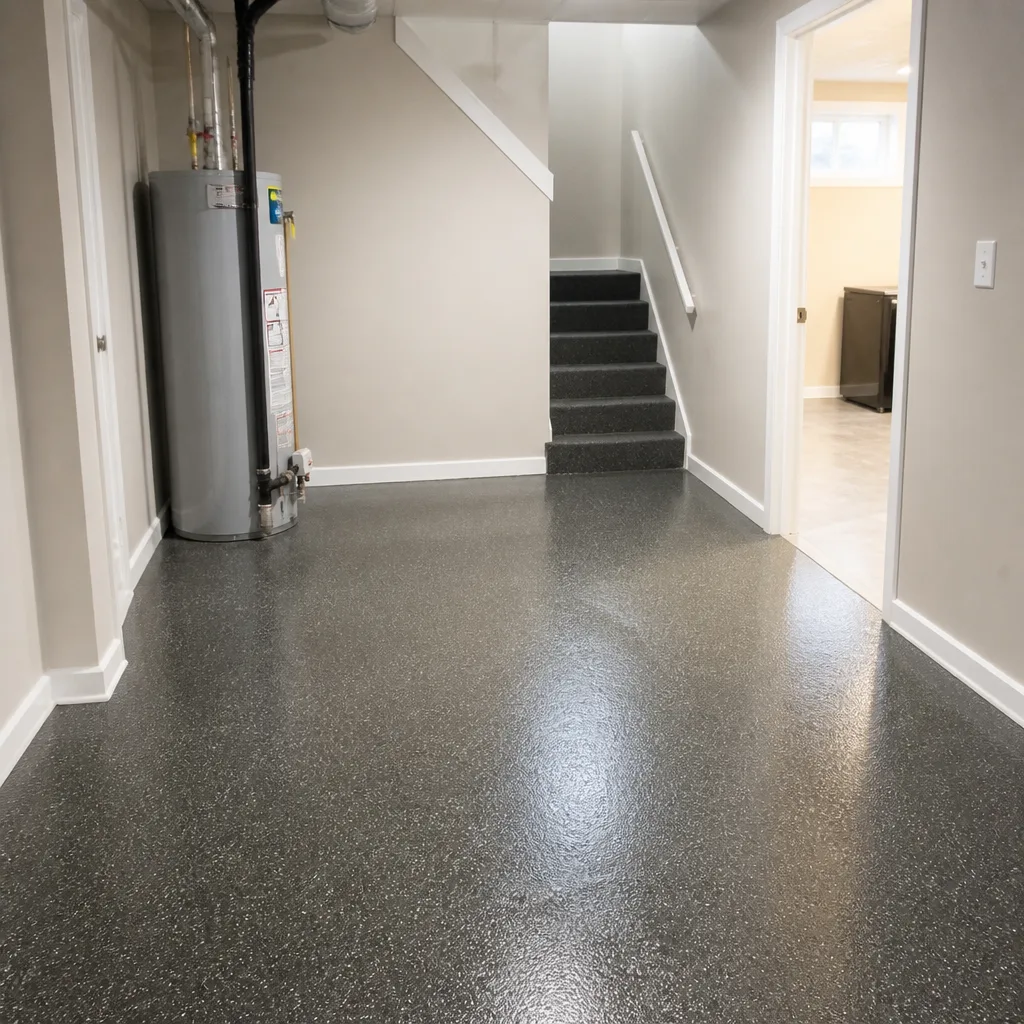
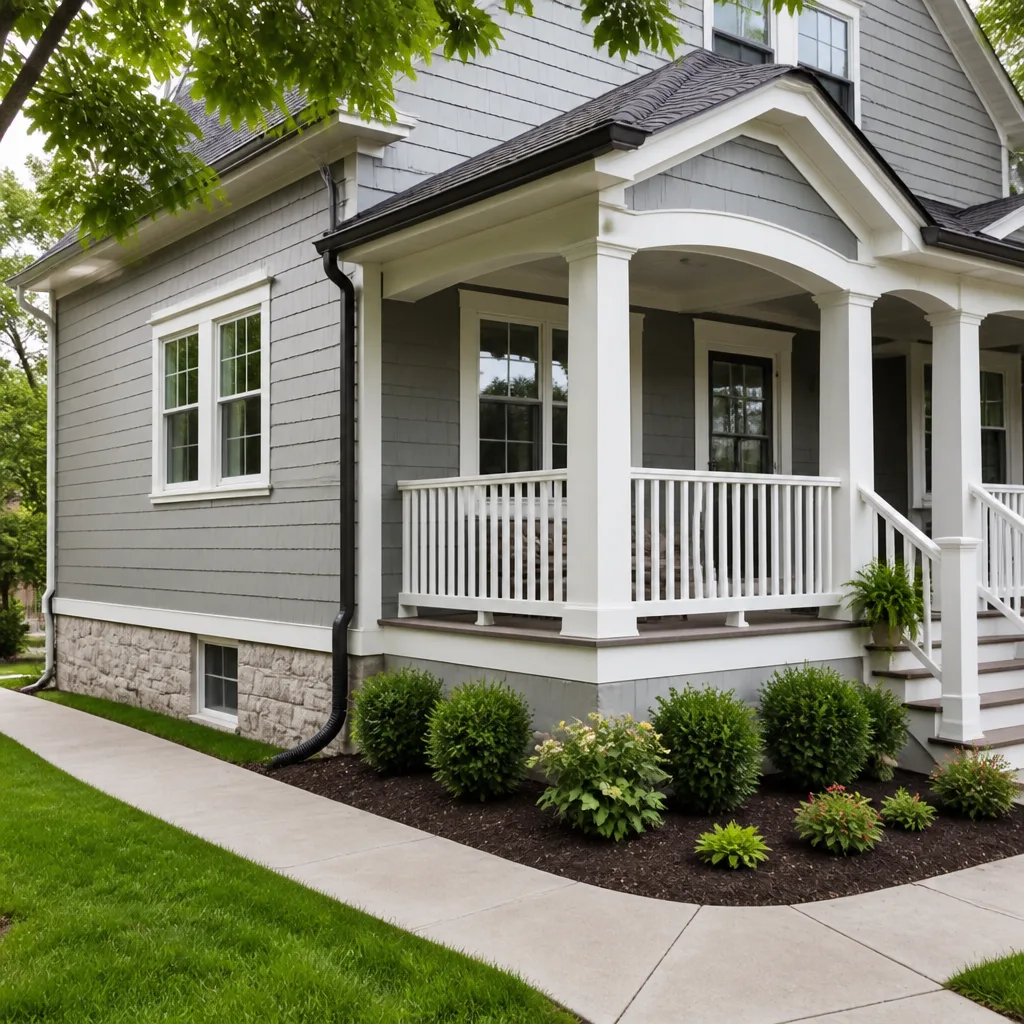
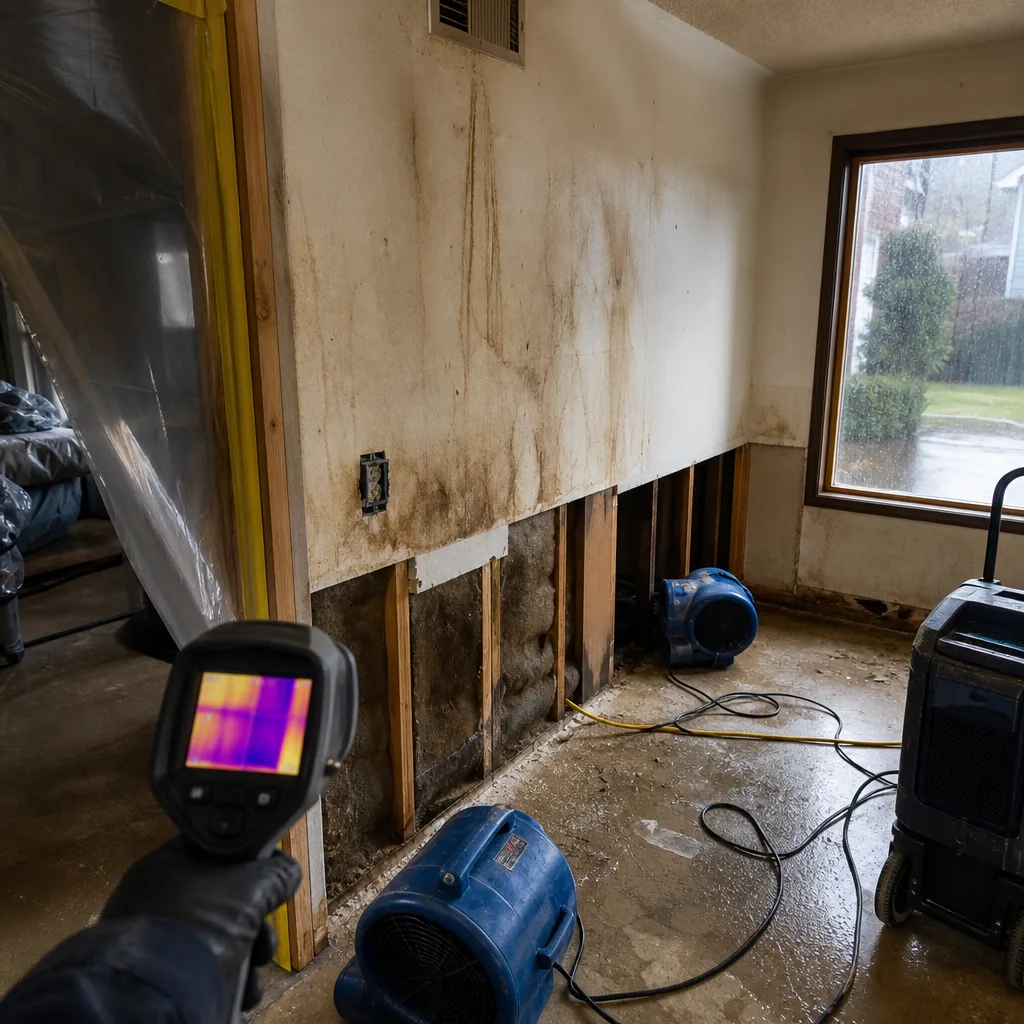 Before
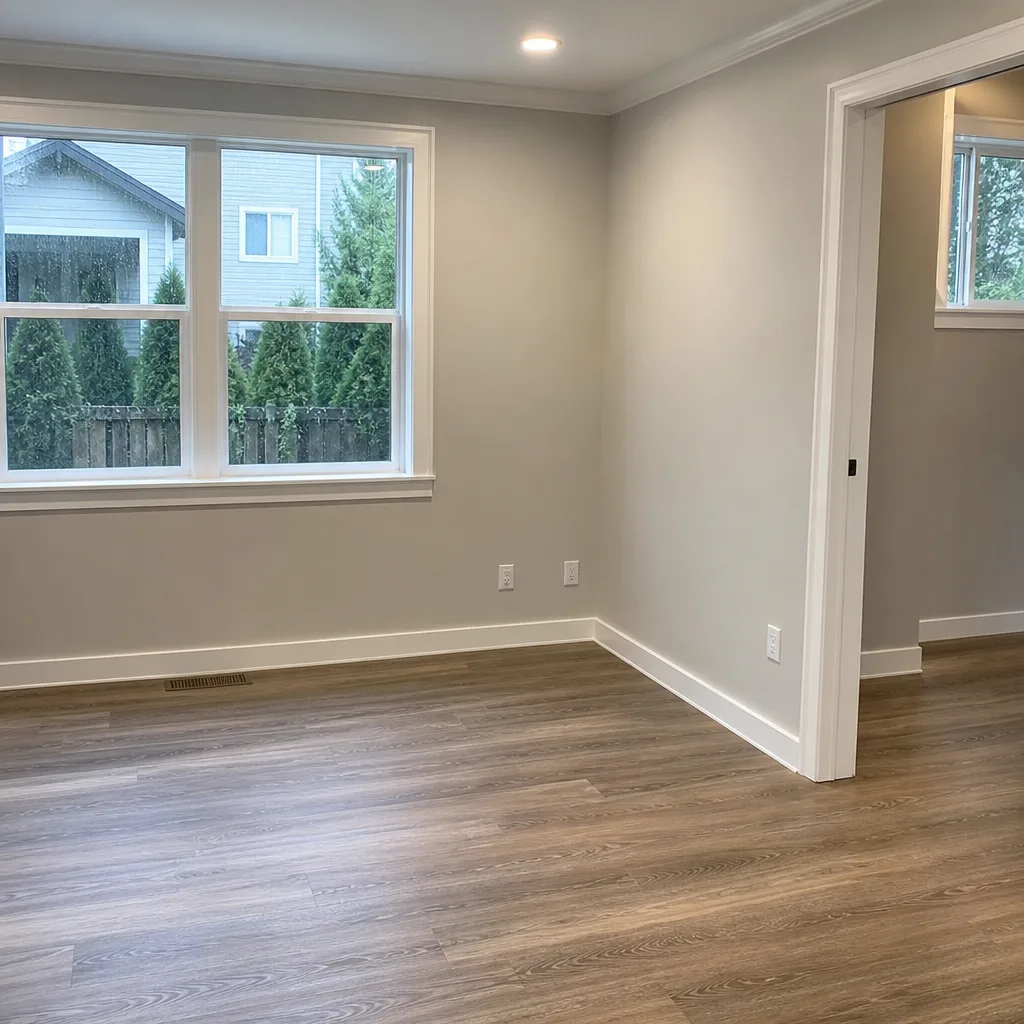 After
After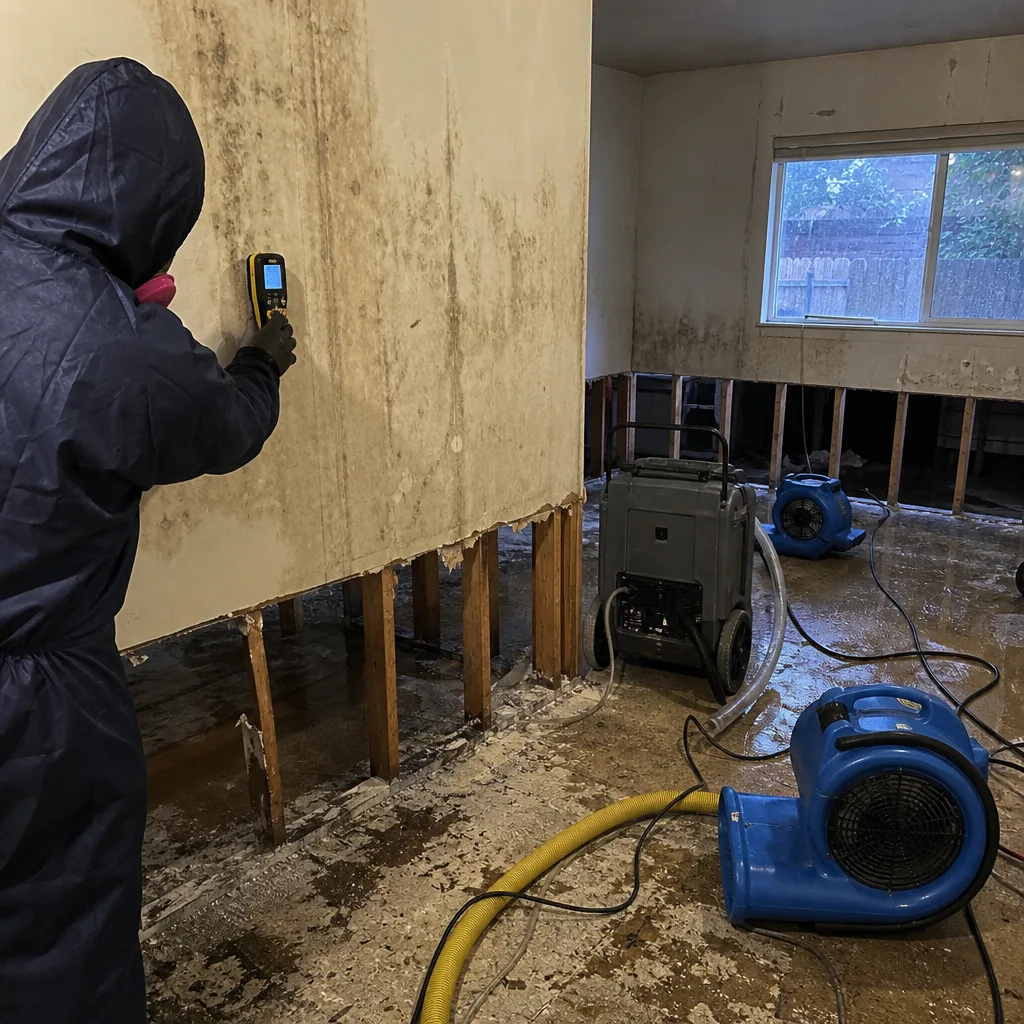 Before
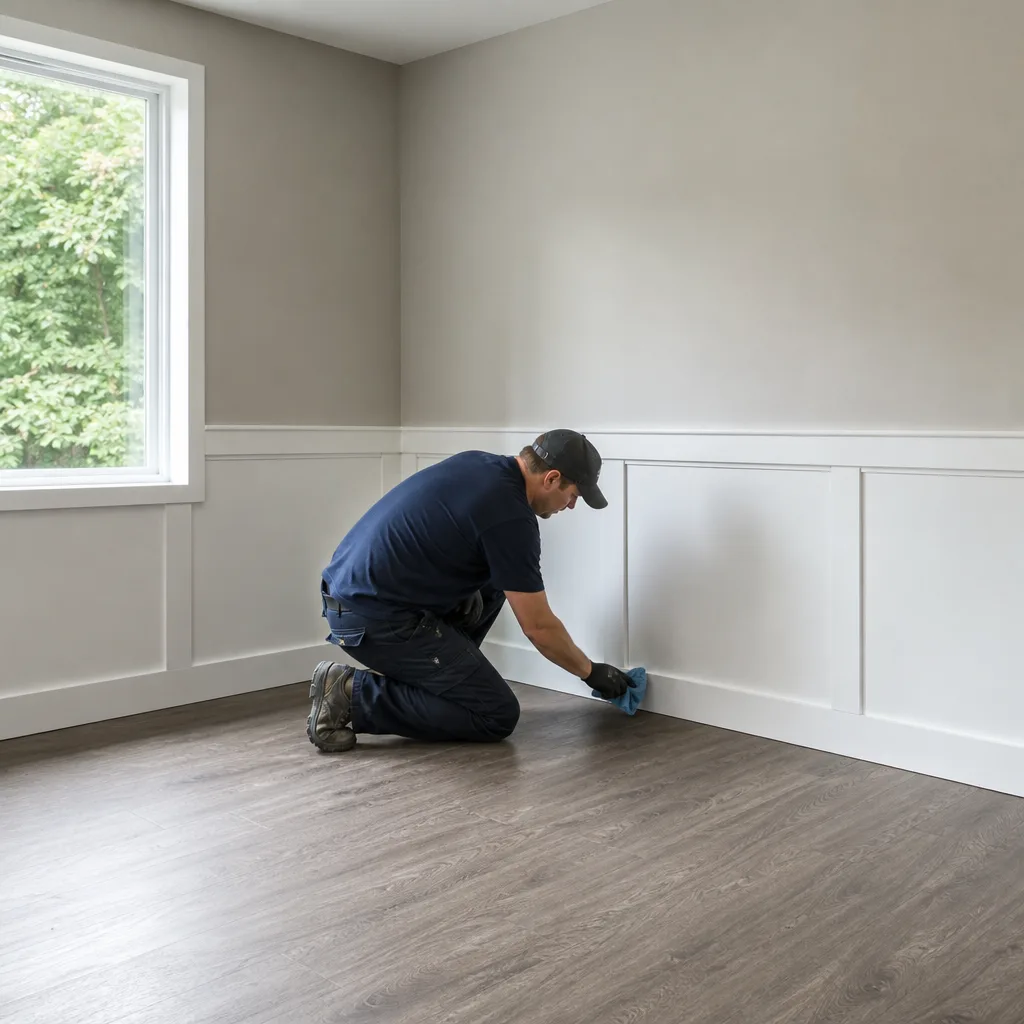 After
After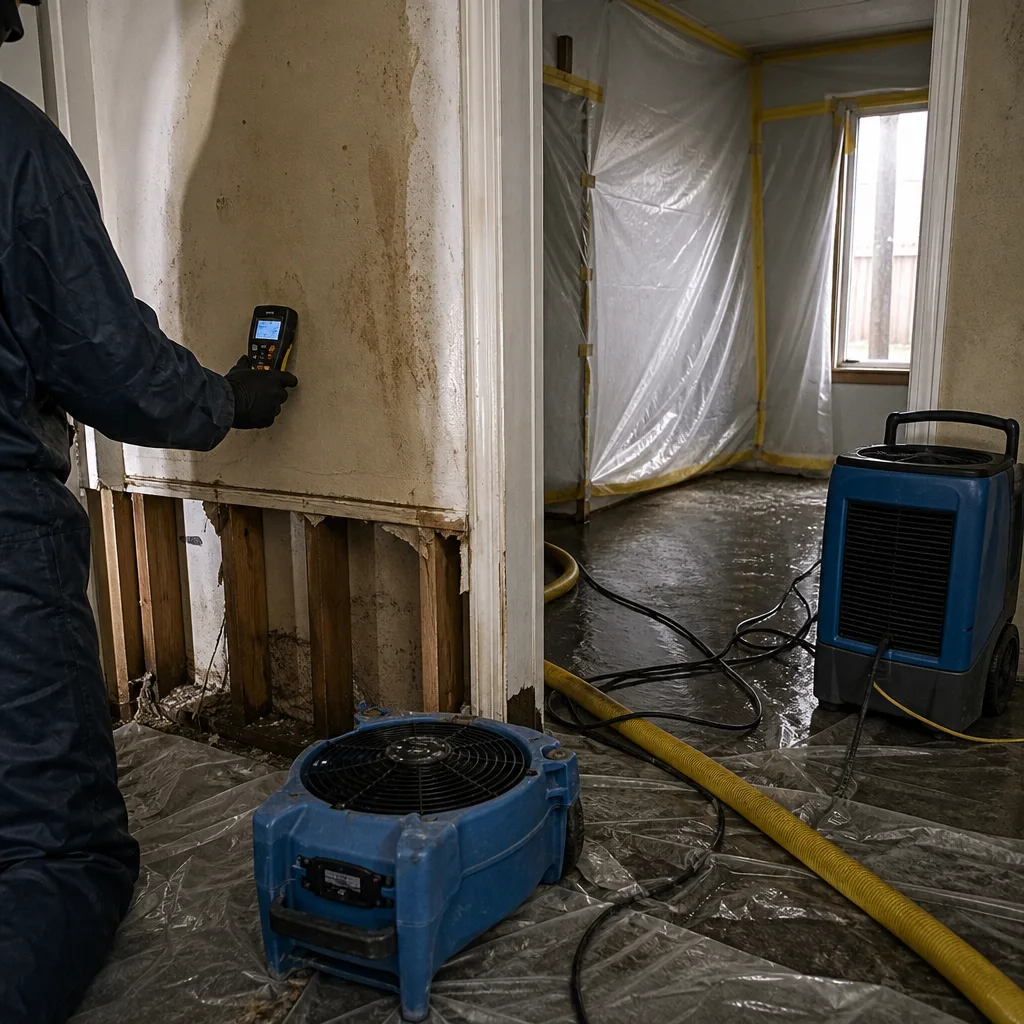 Before
 After
After24/7 Emergency Water Damage Restoration in Bellevue
Water damage restoration in Bellevue typically costs $2,800-$7,500 for a standard residential loss, with emergency extraction starting at $450-$950 and full structural drying running $1,800-$4,200 depending on affected square footage and material classification. Most Bellevue homeowners see our crews on-site within 45 minutes of calling (425) 696-6061. We answer live, 24 hours a day, every day of the year - no voicemail, no callback queues, no automated phone trees routing you through options while water keeps moving through your floors.
The first hour determines whether a water loss stays a drying job or becomes a rebuild. Category 1 clean water left standing for more than 24 hours degrades to Category 2; after 48 hours, you’re looking at Category 3 and the demolition that comes with it. In Bellevue’s older hillside neighborhoods, where 1970s perimeter drains already struggle with hydrostatic pressure, that timeline shrinks. We dispatch from our Seattle office with crews serving Bellevue locally, and we start every job with a free visual inspection and a written price before any equipment touches your property. Haven Standard, Clause 1.
Understanding Water Damage Restoration Severity in Bellevue Properties
Water damage in Bellevue falls into three categories measured by contamination level, not just volume. Category 1 is clean water from a burst supply line or overflowing sink - safe to extract and dry if caught quickly. Category 2, or “gray water,” carries enough contaminants from dishwashers, washing machines, or sump pump failures to require antimicrobial treatment. Category 3, “black water,” comes from sewage backups, ground flooding, or any water that has passed through soil or waste - this demands full removal of porous materials and strict containment protocols.
The real variable in Bellevue is what the water hits. Those 1960s-1990s ranch and split-level homes in Somerset, Newport Hills, and Eastgate? Multiple renovation layers often conceal long-running moisture inside wall assemblies. We’ve opened drywall to find three decades of incremental water damage, each layer sealed over by a previous owner’s quick fix. The 2000s-2010s wood-frame mid-rise condos along the Bel-Red corridor present the opposite problem: building-envelope failures that cascade through multiple units from a single plumbing stack breach, requiring coordination with HOAs and multiple insurers. Moisture mapping with thermal imaging and pinless meters lets us find what visual inspection misses - the trapped vapor behind vapor barriers, the wicking in sill plates, the secondary damage in subfloors that haven’t started cupping yet.
Psychrometric data - temperature, relative humidity, and vapor pressure differential - drives our drying strategy. Vapor pressure differential is simply the force that moves moisture from wet materials to drier air. We calculate it daily, adjust equipment placement accordingly, and log every reading. That documentation becomes your insurance claim’s backbone.
Why Bellevue Property Owners Choose DryMark Restoration Bothell
- 45-minute response commitment to Bellevue addresses - our Seattle office dispatches crews who know the hillside routes and which Newport Hills streets flood first in a Pineapple Express event.
- 24/7 live answer by a real person, never an automated system - because water doesn’t wait for business hours, and neither should you.
- IICRC-certified crews holding WRT (Water Damage Restoration Technician), FSRT (Fire & Smoke Restoration Technician), and AMRT (Applied Microbial Remediation Technician) credentials - license numbers provided on request, background-checked and uniformed before they arrive.
- Free visual inspection with moisture readings and a documented photo record - no charge to understand what you’re dealing with.
- Direct insurance billing with adjuster coordination from day one - we speak their language because our founder, Alicia Brennan, came from claims.
- One team from extraction to reconstruction - no handoffs between subcontractors who lose track of what was wet where.
BeforeAfterOur Water Damage Restoration Process
1. Inspection & Assessment
We arrive with thermal imaging cameras, pin and pinless moisture meters, and hygrometers to map the full extent of water migration - not just what’s visible. In Bellevue’s older homes, we pay special attention to renovation layers that may conceal long-running damage. You get a written scope and price before any work begins. Haven Standard, Clause 1.
2. Water Extraction & Stabilization
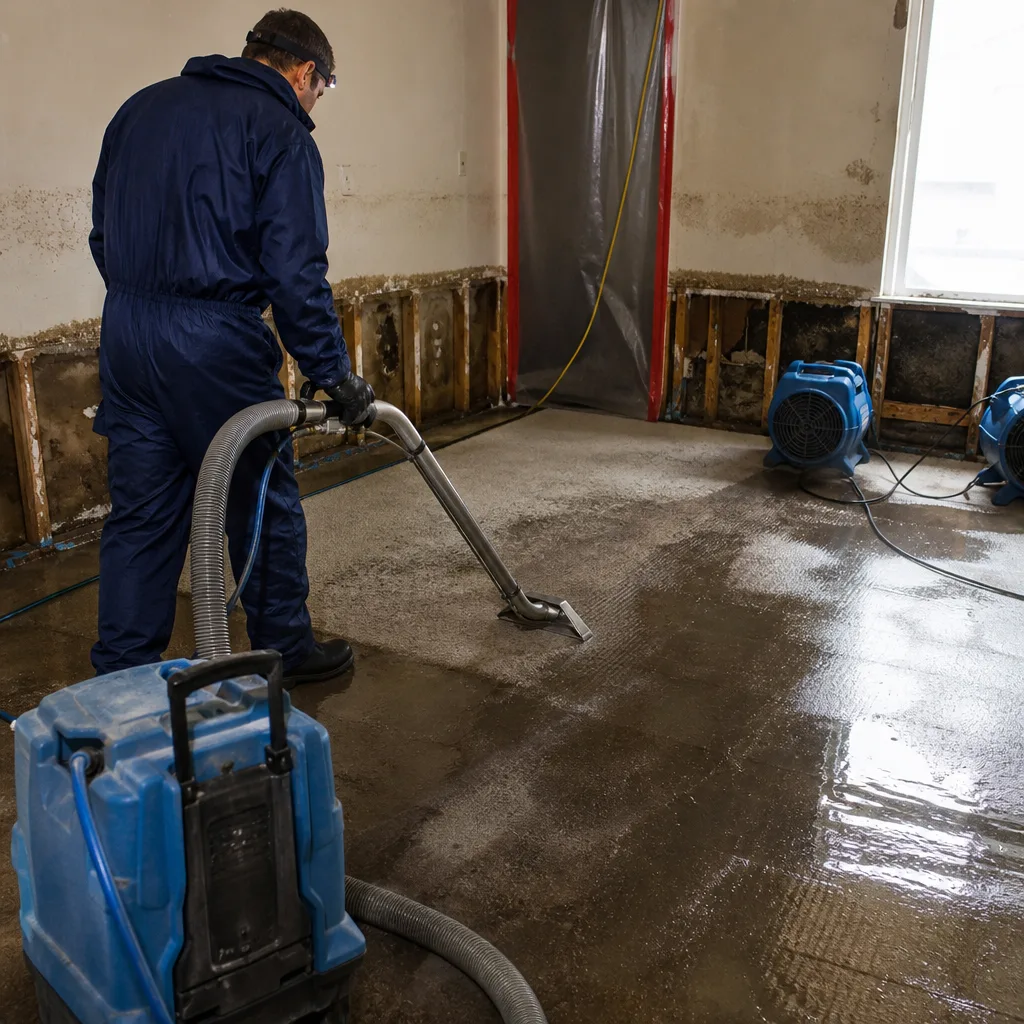
Standing water comes out first - truck-mounted extraction for large volumes, portable units for confined spaces. We deploy containment barriers immediately in multi-unit buildings or homes with active mold risk. Every affected room is photographed before we touch anything.
3. Structural Drying & Dehumidification
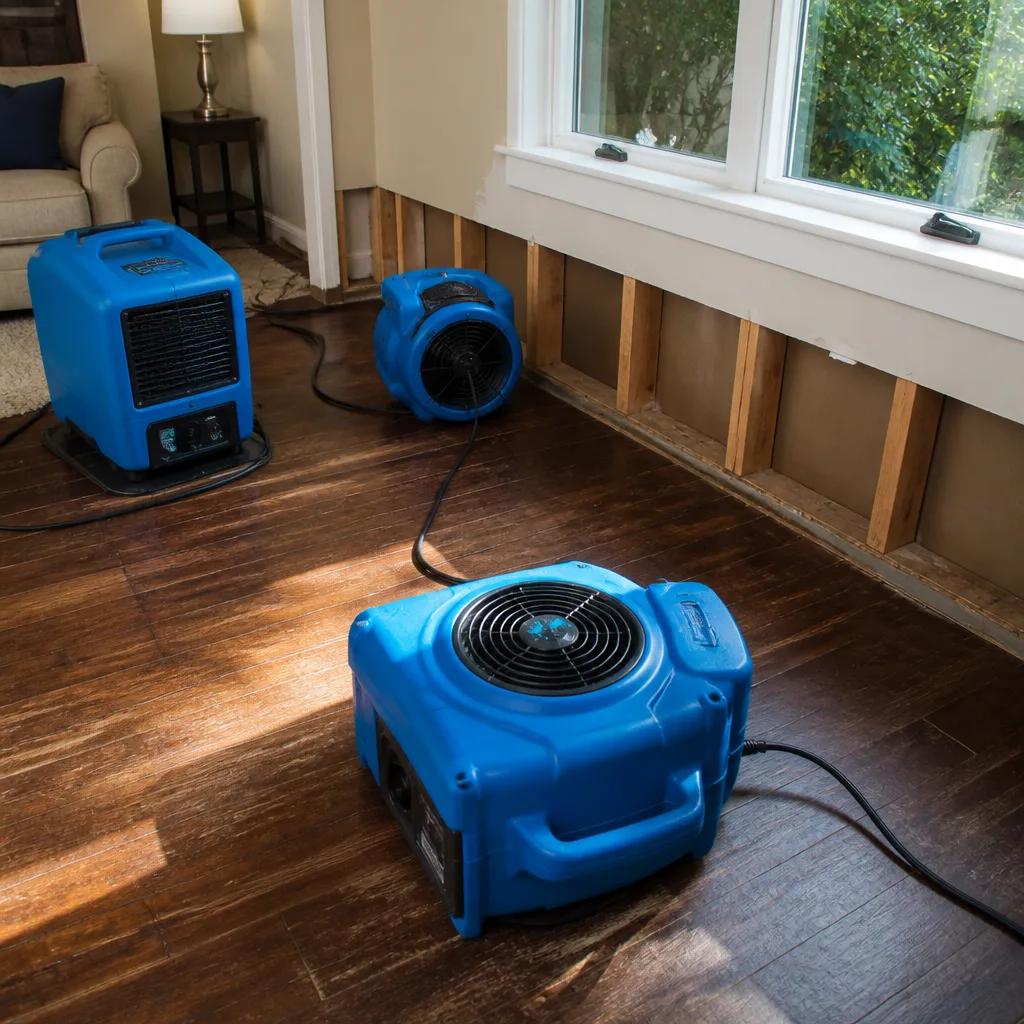
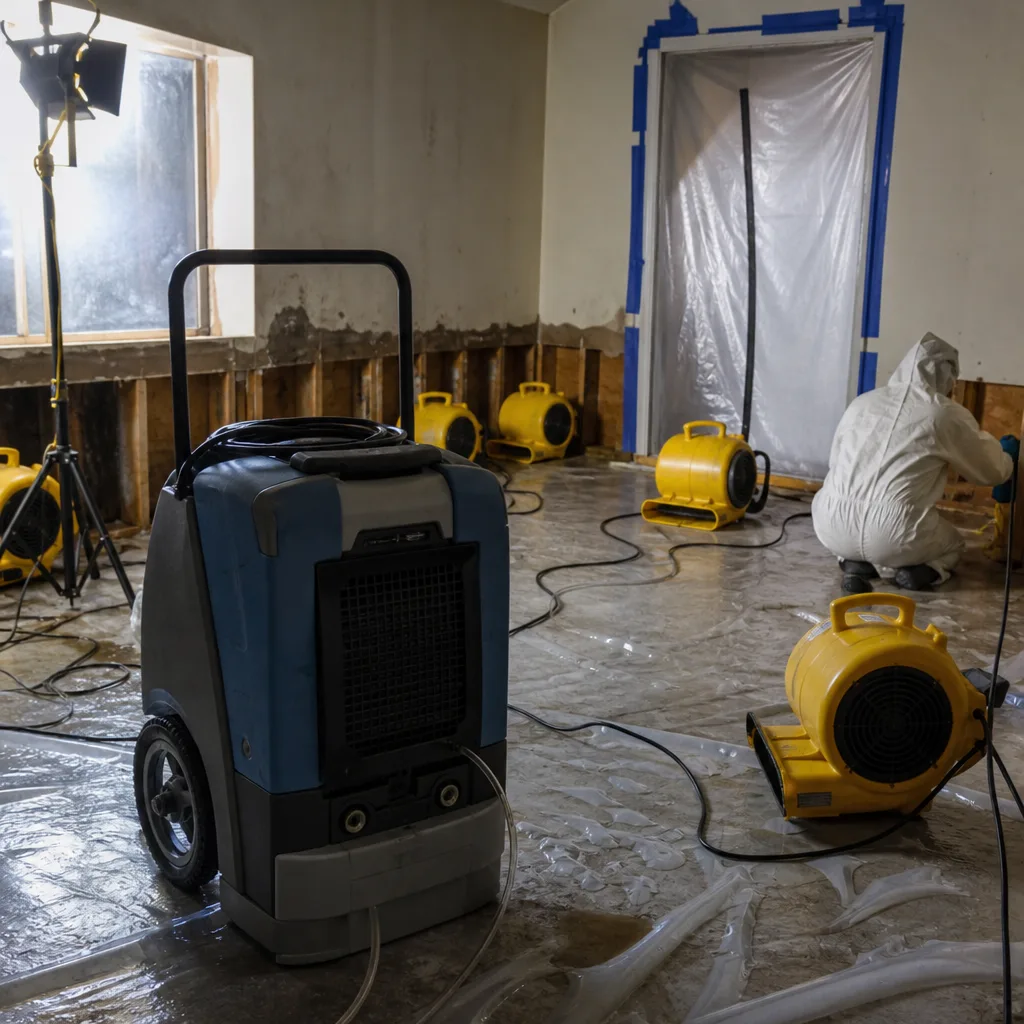
We place Dri-Eaz and Phoenix LGR dehumidifiers alongside XPOWER and B-Air air movers calculated to the cubic footage and material class of each affected space. Injectidry systems dry inside wall cavities without removing drywall when possible. Daily moisture logs track progress to IICRC S500 standards.
4. Cleaning & Sanitization
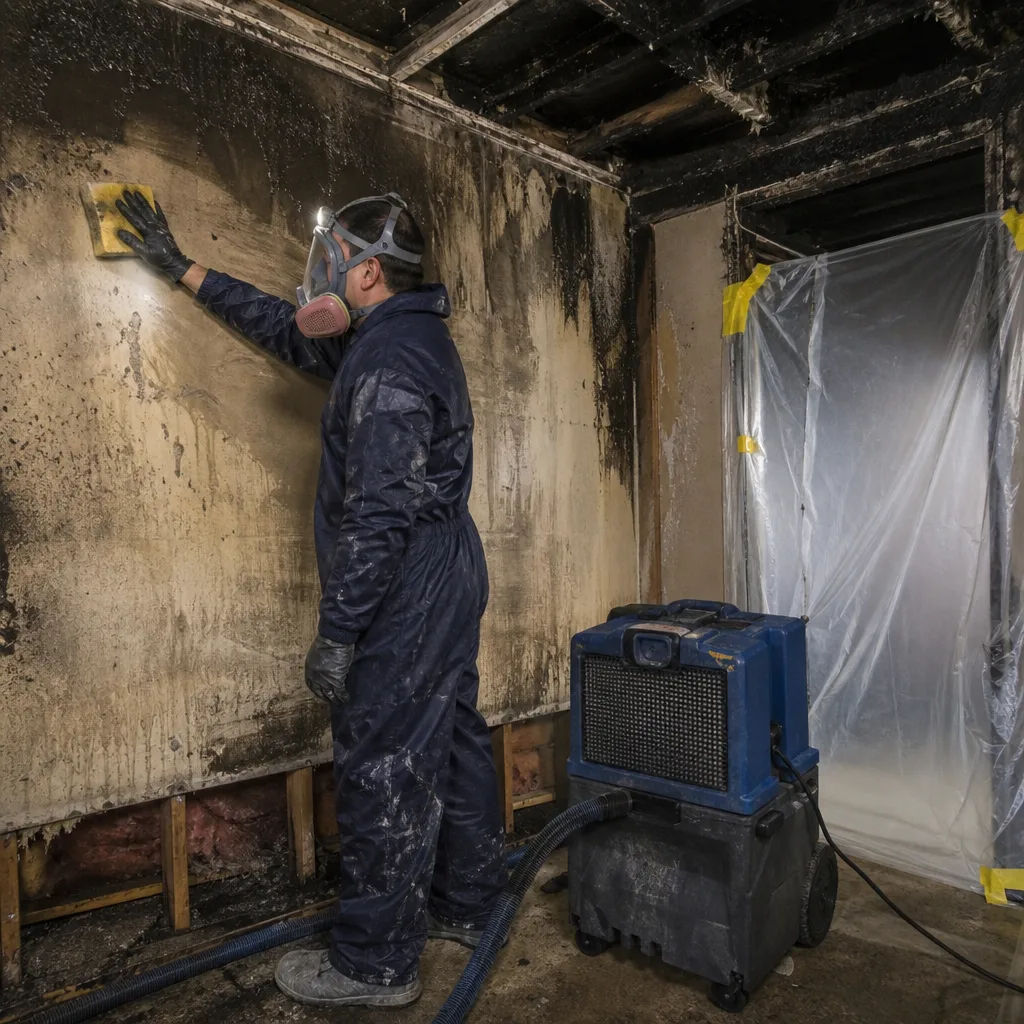
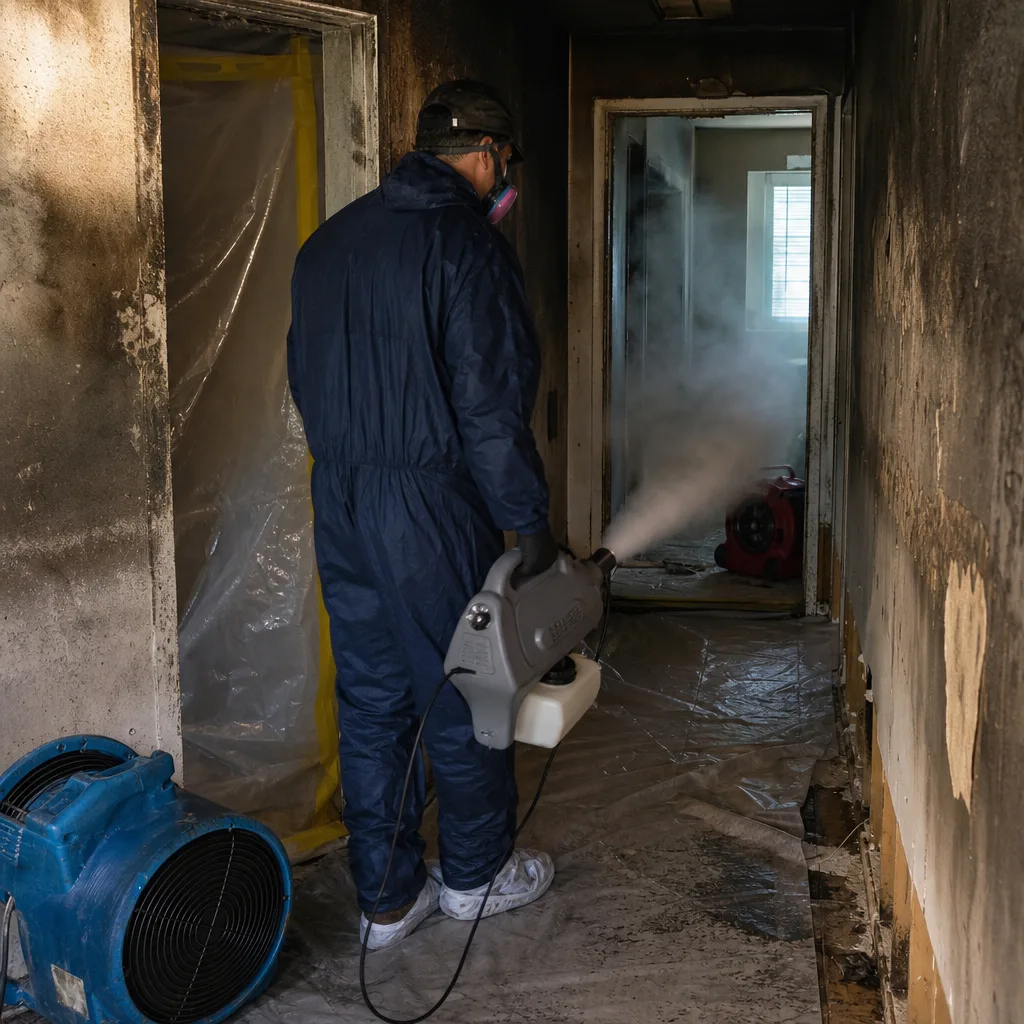
Category 2 and 3 losses receive antimicrobial treatment of all affected surfaces. HEPA air scrubbers run during and after cleaning to capture airborne particles. We document product application by brand and concentration for your insurer’s file.
5. Moisture Verification & Tertiary Drying
We don’t guess when drying is complete. Final moisture readings must match dry standard levels for each material type - typically 4% or less for hardwood, 12% or less for softwood framing. Tertiary drying addresses residual vapor in dense materials that primary drying can’t reach, using specialized low-grain refrigerant or desiccant systems.
6. Repairs & Restoration
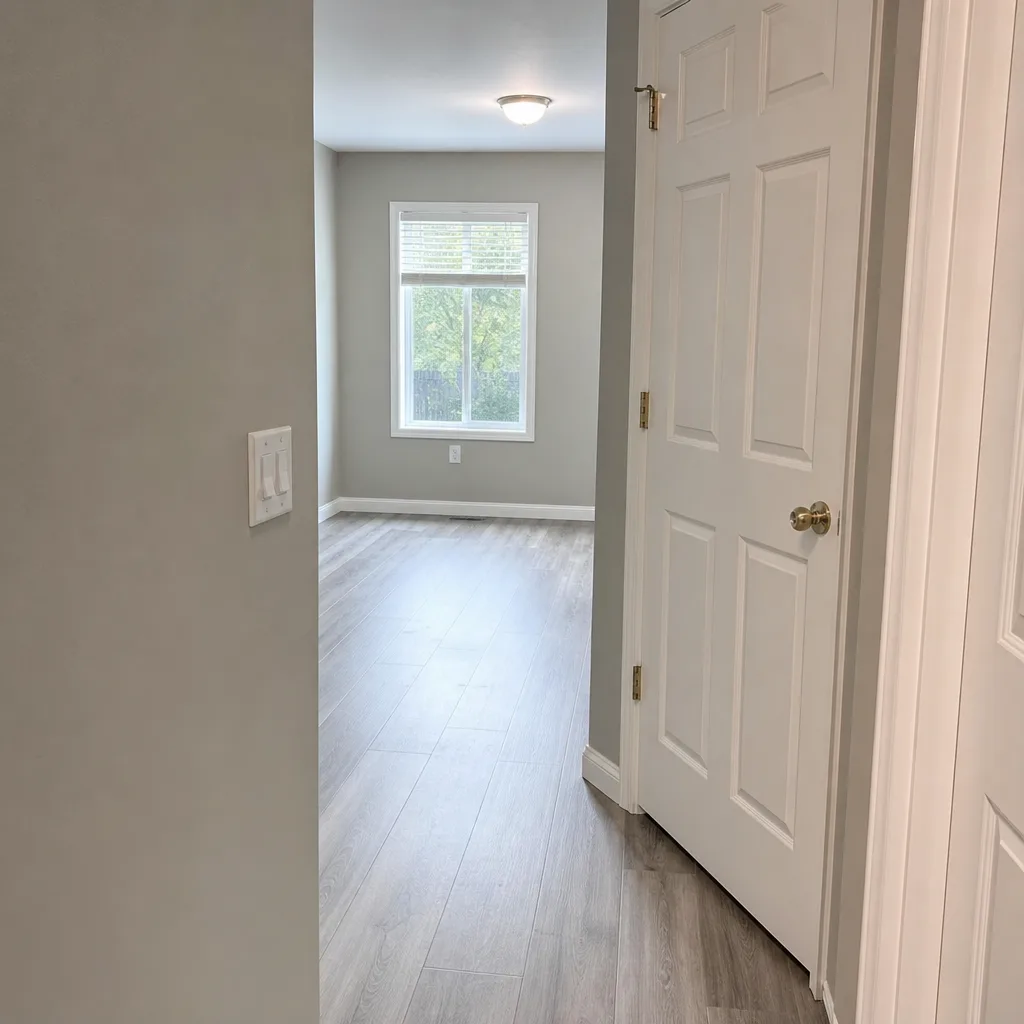
Our reconstruction team repairs or replaces damaged materials, coordinating with luxury remodelers when Bellevue’s premium finishes demand precise matching. Custom baseboards, integrated smart-home systems, specialty flooring - we document pre-loss condition and restore to it, backed by our 365-Day Done Right Promise under The Haven Standard.
Need Emergency Water Damage Restoration in Bellevue Now?
Crews minutes away, answering live 24 hours a day. The sooner we start, the less it costs.
Working With Your Insurance Company
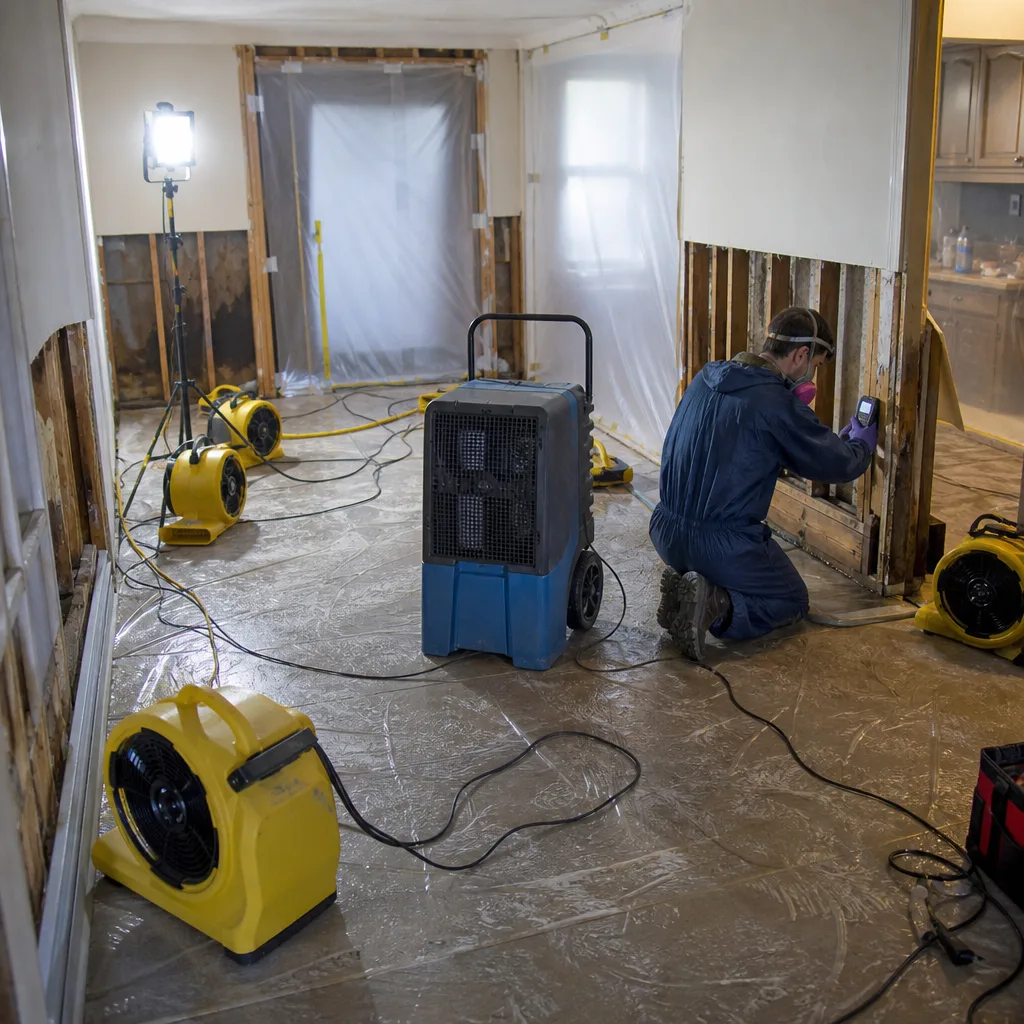
Insurance claims succeed or fail on documentation. We know because Alicia Brennan built Back to Dry Restoration in 2011 after years as a claims adjuster watching homeowners lose legitimate coverage over missing photos, incomplete moisture logs, and scopes that didn’t match the damage. We start documenting from the first hour: every affected room photographed, every moisture reading logged, every piece of equipment placed with a timestamp.
Our estimates follow industry-standard Xactimate pricing, and we coordinate directly with your adjuster - attending site visits, providing supplemental documentation when initial scopes miss hidden damage, and billing your carrier directly so you’re not floating thousands in reconstruction costs. The daily drying logs we produce turn restoration invoices into payable claims. That’s not a marketing promise; it’s the documentation gap our company was founded to close.
What We Provide Your Insurer
- Thorough documentation of the loss
- Photos of all damage, room by room
- Moisture readings and drying logs
- A detailed, line-item scope of work
- Direct coordination with your carrier
Built for Bellevue’s Loss Calendar
Bellevue’s water damage season runs October through April, driven by atmospheric river events that deliver 2-3 inches of rain in under 48 hours. The regional “Pineapple Express” pattern is predictable; the damage it causes in Bellevue’s hillside neighborhoods is specific. Those original 1970s perimeter drains in Somerset and Newport Hills were sized for lighter rainfall patterns and are often partially collapsed with age. When 36 hours of sustained heavy rain hits, hydrostatic pressure builds fast enough to push visibly muddy water through block foundation walls into finished basements - a failure mode our crews anticipate as a near-annual callback in those streets.
Windstorm season, typically November through January, adds roof and envelope damage from the 80-100-foot Douglas firs that dominate Bellevue’s residential canopy. A limb breach may not show interior water for days, until insulation saturation reaches the ceiling plane. Spring thaw brings secondary basement seepage in Eastgate homes where winter ice dams compromised flashing. Summer is quieter but not absent: irrigation system failures in the luxury homes of Medina and Clyde Hill, and the occasional thunderstorm microburst that overwhelms gutter systems on homes with complex rooflines.
Water Damage Restoration Across Bellevue’s Neighborhoods
We respond across Bellevue’s full geography, and each corridor presents distinct loss patterns.
Somerset sits on some of the steepest grades in the city, with 1970s split-levels whose original perimeter drains are now undersized and often collapsed. During atmospheric river events, hydrostatic pressure forces muddy water through block foundation walls into finished basements with custom cabinetry and home theater systems - the kind of premium finish restoration that demands containment discipline and precise material matching.
Newport Hills shares the same clay-heavy hillside soil but with more 1960s ranch homes that have accumulated multiple renovation layers. We’ve found long-running moisture concealed inside wall assemblies behind each new owner’s quick drywall patch, turning a seemingly minor supply line leak into a full gut-and-rebuild when we trace the migration.
Eastgate and the Bel-Red corridor present newer construction - 1980s-1990s two-story tracts and 2000s-2010s wood-frame mid-rise condos. The condos are particularly vulnerable to building-envelope water intrusion and plumbing stack failures that cascade through multiple units, requiring complex containment and coordination with HOA property managers and multiple unit owners’ insurers.
Downtown Bellevue and the Wilburton area mix high-rise residential with converted commercial spaces, where water losses involve coordination with building management, elevator protection, and after-hours access protocols that generic restoration companies struggle to navigate.
We responded to a Somerset split-level where an atmospheric river dumped 2.5 inches of rain in 36 hours, overwhelming the original 1970s perimeter drain and pushing muddy water through the block foundation into a finished basement with custom cabinetry and a home theater system. Our techs deployed containment to isolate the theater gear, performed water extraction and moisture mapping, then set up structural drying with Dri-Eaz and Phoenix dehumidification and air movers, taking daily moisture readings and drying logs to document the pre-loss condition for the homeowner’s insurance. The finished space was saved, and we coordinated with a luxury remodeler to match the custom baseboards that had to be removed for drying access.
Specialized Water Damage Restoration Services We Offer in Bellevue
Emergency Water Extraction
Standing water doesn’t wait. Our truck-mounted extraction systems remove thousands of gallons per hour, with portable units for Bellevue’s tighter crawlspaces and finished basements where access is limited. We extract first, assess second - because every minute of standing water deepens the migration into subfloors and wall cavities.
Structural Drying & Dehumidification
We calculate drying equipment loads to the cubic footage and material class of each space, using Dri-Eaz and Phoenix LGR dehumidifiers alongside targeted air mover placement. In Bellevue’s hillside homes with thick foundation walls and dense framing, we often run desiccant systems for tertiary drying that refrigerant units can’t achieve. Daily moisture logs document every reading to IICRC S500 standards.
Flood Cleanup
Ground flooding in Bellevue typically carries Category 3 classification - soil, debris, and potential sewage contamination from overwhelmed drainage systems. We remove all porous materials that contacted floodwater, apply antimicrobial treatment to structural elements, and run HEPA air scrubbers until clearance testing confirms safe indoor air quality.
Burst Pipe Restoration
Winter temperature drops in Bellevue’s exposed hillside homes can freeze supply lines in exterior walls or unconditioned crawlspaces. We extract, dry, and document the full extent of migration - then coordinate with licensed plumbers for repair and with your insurer for coverage determination. Supply line bursts are typically covered; gradual leaks from deferred maintenance may not be.
Basement Water Removal
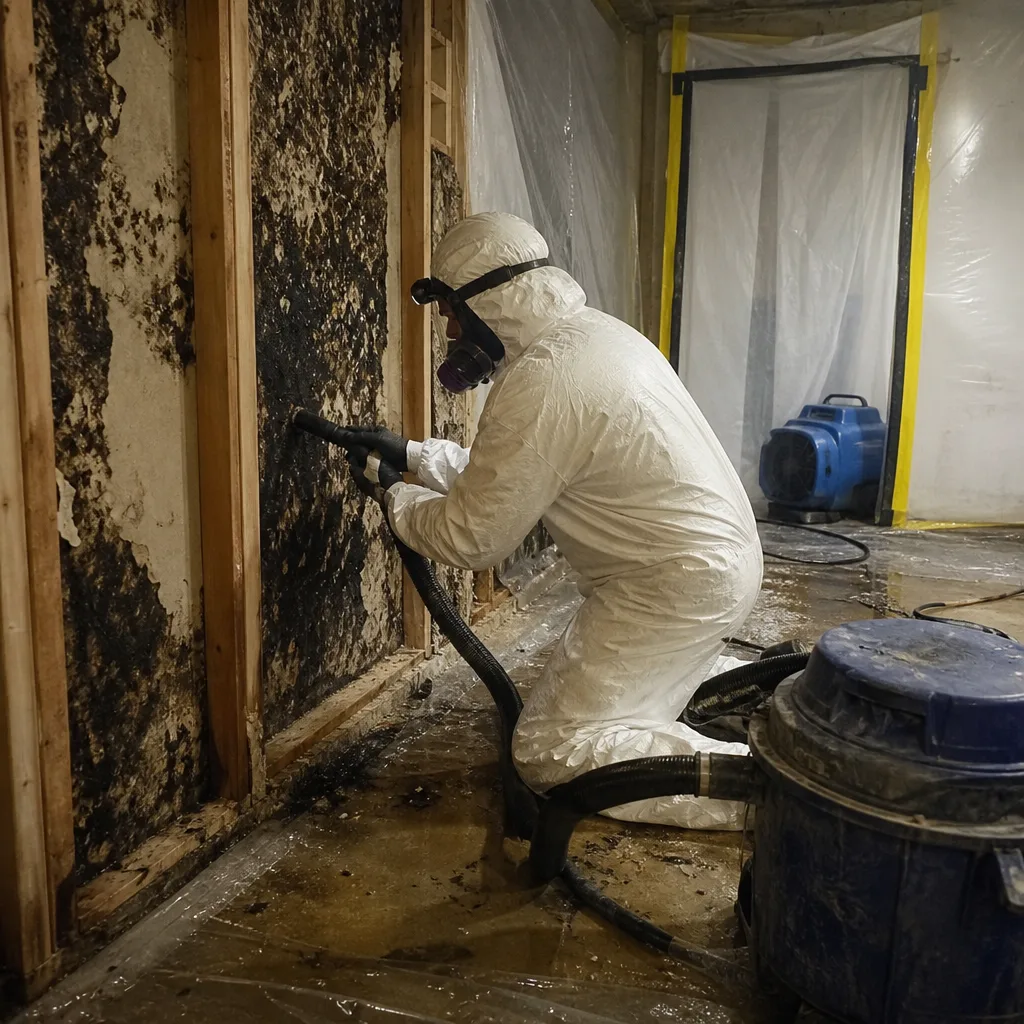
Bellevue’s basement water calls cluster in Somerset, Newport Hills, and Eastgate - the hillside neighborhoods where hydrostatic pressure and aging drains converge. We pump, extract, and dry finished basements with the same documentation rigor we apply to above-grade losses, paying special attention to vapor barriers that can trap moisture against foundation walls.
Ceiling & Roof Leak Water Damage
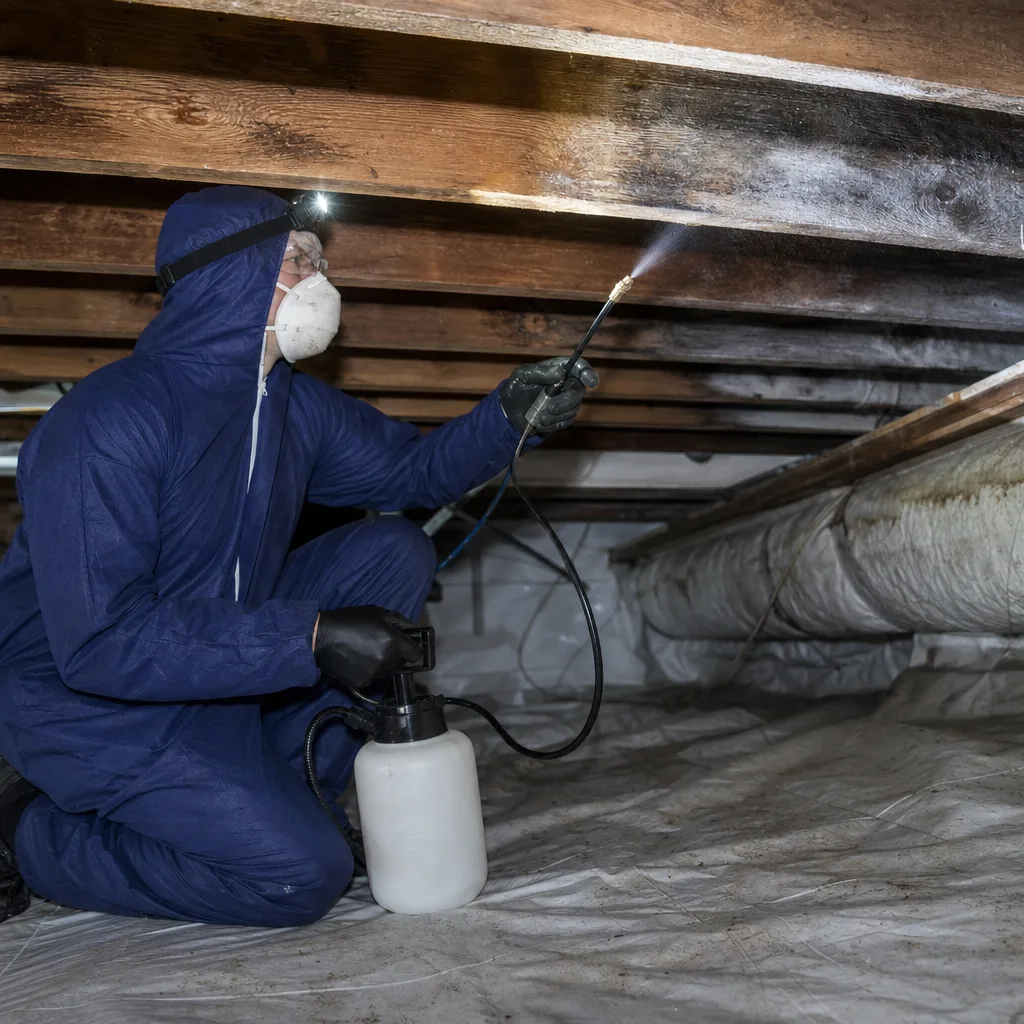
Windstorm limb strikes and ice dam breaches in Bellevue’s mature-canopy neighborhoods often cause delayed-discovery ceiling damage. We trace the full migration path, document insulation saturation, and dry or replace ceiling assemblies with matching texture and finish - critical in homes where custom millwork and integrated lighting make simple patchwork obvious.
What happens when you call
- 1
A real person answersNo phone trees - you reach a local pro.
- 2
You get an upfront price rangeHonest numbers before anyone is dispatched.
- 3
A background-checked tech heads outLicensed & insured, dispatched right away.
- 4
You approve before work beginsNothing starts until you say go.
Water Damage Restoration Costs in Bellevue, WA
Honest pricing for Bellevue’s market:
| Service | Typical Range |
|---|---|
| Emergency water extraction | $450-$950 |
| Structural drying & dehumidification (per affected zone) | $1,800-$4,200 |
| Category 1 clean water restoration (full service) | $2,800-$5,500 |
| Category 2 gray water restoration | $3,500-$7,500 |
| Category 3 black water / sewage cleanup | $5,000-$12,000+ |
| Basement water removal (finished, with contents handling) | $3,200-$8,500 |
What moves the price: affected square footage, material classification (carpet vs. hardwood vs. tile), contamination level, and whether demolition is required for access. Bellevue’s premium finishes - custom cabinetry, specialty flooring, integrated smart-home systems - add legitimate cost that standard Xactimate pricing may undervalue; we document and justify every line item for your adjuster. Most water damage losses are insurance-covered, with homeowners typically responsible for their deductible only. We provide a free visual inspection and written scope before any work begins, and we offer a Free Second Opinion on any competitor’s written estimate. Haven Standard, Clause 1.
We Also Serve Cities Near Bellevue
Our Water Damage Restoration crews respond throughout the Eastside and Seattle metro, including Bellevue, Mercer Island, Kirkland, Redmond, and Seattle. Each city’s building stock, soil conditions, and loss patterns shape how we approach the work - we don’t apply Bellevue’s hillside protocols to Kirkland’s flatter terrain, or Seattle’s older housing stock to Redmond’s newer construction.
Serving Bellevue, WA - Our Local Coverage Area
We’re based in the Bellevue area and know this community well. Use the map below to see our service coverage - if you’re nearby, we can almost certainly help.
Bellevue Water Damage Restoration Questions, Answered
How fast can you get to my Bellevue home?
We typically arrive within 45 minutes of your call to (425) 696-6061, 24 hours a day, 7 days a week.
Our Seattle office dispatches crews who know Bellevue’s hillside routes and which streets flood first in heavy rain. Live answer, no voicemail, no callback queues. The sooner we start extraction, the less water migrates into subfloors and wall cavities, and the lower your total restoration cost.
Will my insurance cover water damage restoration?
Most sudden and accidental water damage is covered by standard homeowners policies, though gradual leaks and maintenance issues typically are not.
We document every loss from hour one with photos, moisture readings, and drying logs formatted for adjuster review. Our founder, Alicia Brennan, came from claims - we know what documentation gets invoices paid. We bill your carrier directly and coordinate throughout the process. Call (425) 696-6061 and we’ll review your situation with no obligation.
Do I need full remediation or just water extraction?
It depends on contamination level, how long water stood, and what materials were affected.
Category 1 clean water caught within 24 hours may need only extraction and drying. Category 2 or 3 water, or any loss where moisture sat longer than 48 hours, typically requires removal of porous materials and antimicrobial treatment. We assess and explain the classification before any work begins, with a written scope you approve. No scope creep once our crew is inside - Haven Standard, Clause 1.
Why is water damage restoration more expensive in Bellevue than some neighboring cities?
Bellevue’s median home values exceeding $1.5M mean restoration work must credential itself for premium finishes, custom cabinetry, and integrated smart-home systems that demand precise material matching.
The city’s clay-heavy hillside terrain also drives more complex basement water intrusion with hydrostatic pressure damage, requiring specialized extraction and longer drying protocols. Our pricing reflects actual scope, not zip code markup - and we provide a Free Second Opinion on any competitor’s written estimate to confirm.
How long does structural drying take in Bellevue’s damp climate?
Most residential drying projects reach completion in 3-5 days, though dense materials in Bellevue’s older hillside homes may require 7-10 days of tertiary drying.
We don’t guess when drying is complete. Final moisture readings must match dry standard levels for each material type, documented daily in logs your insurer receives. Rushing this step risks mold growth and structural degradation. Call (425) 696-6061 for a timeline specific to your loss.
Can we stay in our home during water damage restoration?
Often yes for contained, Category 1 losses in limited areas; usually no for Category 3 contamination, whole-home drying, or when demolition creates dust and noise.
We assess livability at inspection and explain which areas will be affected by equipment noise, dehumidifier heat, and containment barriers. Your safety and the drying system’s effectiveness guide the recommendation, not our scheduling convenience.
What certifications do your Bellevue water damage technicians hold?
Our crews hold IICRC WRT (Water Damage Restoration Technician), FSRT (Fire & Smoke Restoration Technician), and AMRT (Applied Microbial Remediation Technician) credentials, with license numbers provided on request.
All technicians are background-checked, insured, and uniformed before arriving at your property. Work is documented to IICRC, RIA, and IFA standards, producing the daily moisture logs and photo records that turn restoration invoices into payable insurance claims.
What should I do in the first 30 minutes after discovering water damage?
Stop the water source if safe to do so, then call (425) 696-6061 for immediate dispatch.
Do not enter standing water if electrical outlets may be submerged. Remove small valuables and documents from affected areas if you can do so safely, but don’t delay calling to attempt extensive salvage - our crews arrive with protective equipment and extraction tools that prevent further damage faster than household efforts. Document the scene with your phone photos if possible; we’ll take comprehensive documentation upon arrival.
Why do Bellevue hillside homes in Somerset get muddy water in the basement during winter storms?
Bellevue’s glacial clay-heavy hillside terrain generates chronic hydrostatic pressure against foundation walls, and the original 1970s perimeter drains in neighborhoods like Somerset are typically undersized by modern standards and partially collapsed with age.
During November-February atmospheric river events, water builds faster than these aging drains can channel it away. The pressure forces visibly muddy water through block foundation walls into finished basements - a failure mode rare in flatter neighboring cities like Kirkland or Renton, where drainage gradients work with gravity rather than against it. Our crews anticipate this pattern and arrive prepared for both extraction and documentation of the soil-intrusion pathway for insurance purposes.
How does Bellevue’s housing stock affect water damage restoration?
Bellevue’s housing base is heavily weighted toward 1960s-1990s ranch, split-level, and two-story tract homes, many with multiple renovation layers that conceal long-running moisture damage inside wall assemblies.
When we open these assemblies, we often find three decades of incremental damage, each sealed over by a previous owner’s patch. The 2000s-2010s wood-frame mid-rise condos in the Bel-Red corridor and downtown core present different challenges: building-envelope water intrusion and multi-unit cascade damage from plumbing stack failures, requiring complex containment and coordination with HOA and multiple unit owners. Neither pattern responds well to generic extraction protocols.
Can you match the custom finishes and smart-home systems in my Bellevue home during restoration?
Yes - and this is where our documentation-first approach pays off for Bellevue’s premium housing stock.
We photograph every finish, fixture, and integration point before any demolition for drying access. Our reconstruction team coordinates with luxury remodelers to match custom baseboards, specialty flooring, millwork, and smart-home systems precisely. The 365-Day Done Right Promise under The Haven Standard covers this work: if the match isn’t right, we make it right. We don’t expect you to accept “close enough” in a home where the finishes were chosen specifically.
What’s the difference between Category 1, 2, and 3 water damage in Bellevue homes?
Category 1 is clean water from burst supply lines or overflowing sinks - safe to extract and dry if caught within 24 hours. Category 2, or “gray water,” carries contaminants from appliances or sump failures and requires antimicrobial treatment. Category 3, “black water,” comes from sewage, ground flooding, or any water that has passed through soil or waste - this demands removal of porous materials and strict containment.
In Bellevue, Category 1 degrades fast: the city’s damp winter climate and cool basement temperatures slow natural evaporation, so standing water that might dry slowly in summer becomes Category 2 in 24-48 hours. Hillside basement intrusion from failed perimeter drains is typically Category 3 due to soil contamination. We classify at inspection and explain what each level means for your specific materials and insurance coverage.
How quickly can mold grow after water damage in Bellevue’s damp climate?
Mold colonization can begin within 24-48 hours of water intrusion in Bellevue’s cool, humid conditions - faster than the 48-72 hour timeline often cited for drier climates.
The city’s winter atmospheric river pattern keeps ambient humidity elevated, and hillside homes with poor drainage maintain basement humidity levels that accelerate spore germination. This is why we emphasize 45-minute response and immediate extraction: not urgency theatre, but the documented difference between a drying job and a mold remediation. If mold is already present, our AMRT-certified crews contain, remove, and clearance-test to industry standards.
Water damage in Bellevue demands more than generic extraction. The clay hillsides, aging perimeter drains, and premium housing stock of neighborhoods like Somerset and Newport Hills create loss patterns that require specific expertise, specific equipment, and documentation rigorous enough for both insurance and the exacting standards of $1.5M+ home restoration. We provide that expertise - with a written price before work begins, a photo record on every visit, and the 365-Day Done Right Promise backed by The Haven Standard.
Call (425) 696-6061 now. We answer live, 24 hours a day, and we’ll be on-site in Bellevue within 45 minutes with a free visual inspection and a written scope you can hold in your hand before any equipment enters your home.
Written by Alicia Brennan, Owner at Back to Dry Restoration, serving Bellevue since 2011.
Water Damage Restoration in Nearby Areas