
Free visual inspection and a written scope of work before any mitigation begins - photos, moisture readings, and drying logs go in your claim file
The scope we write is the scope we bill. Anything new gets shown to you, in writing, before we touch it.
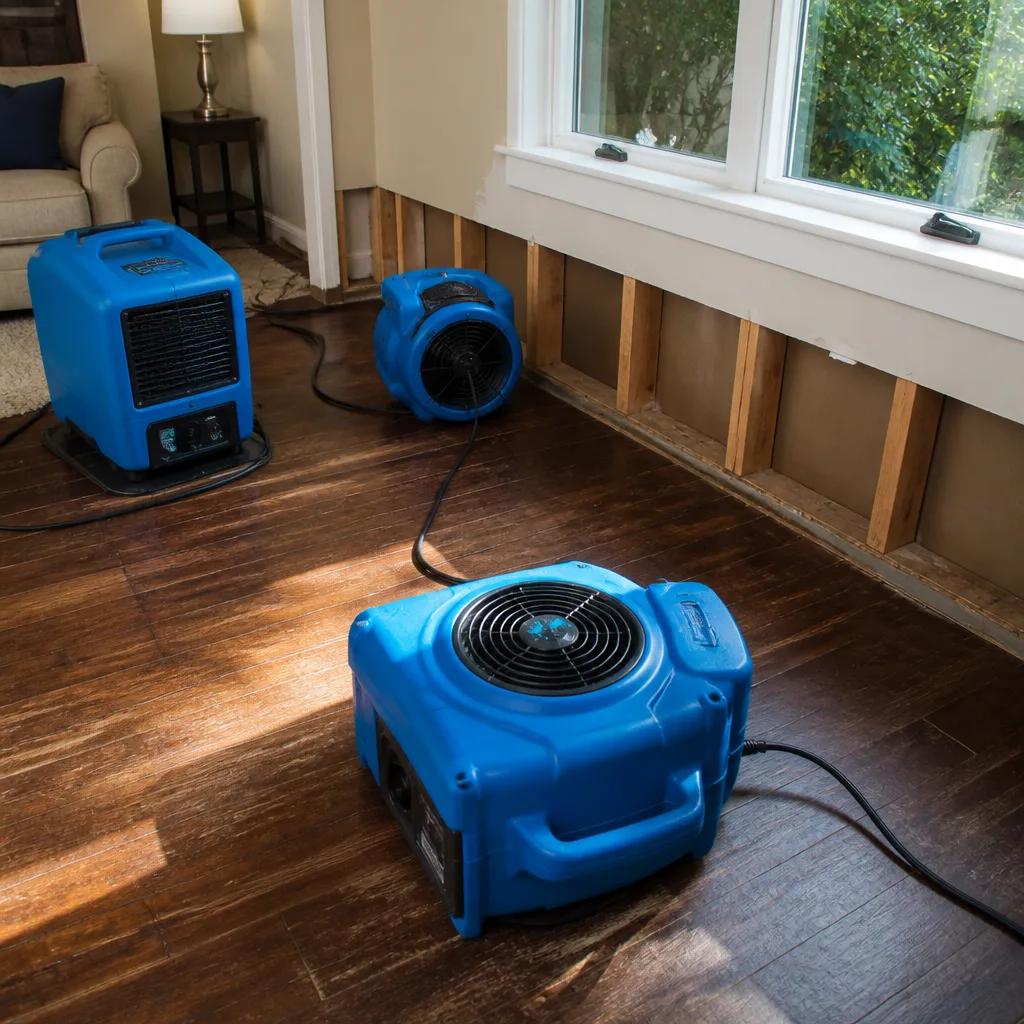
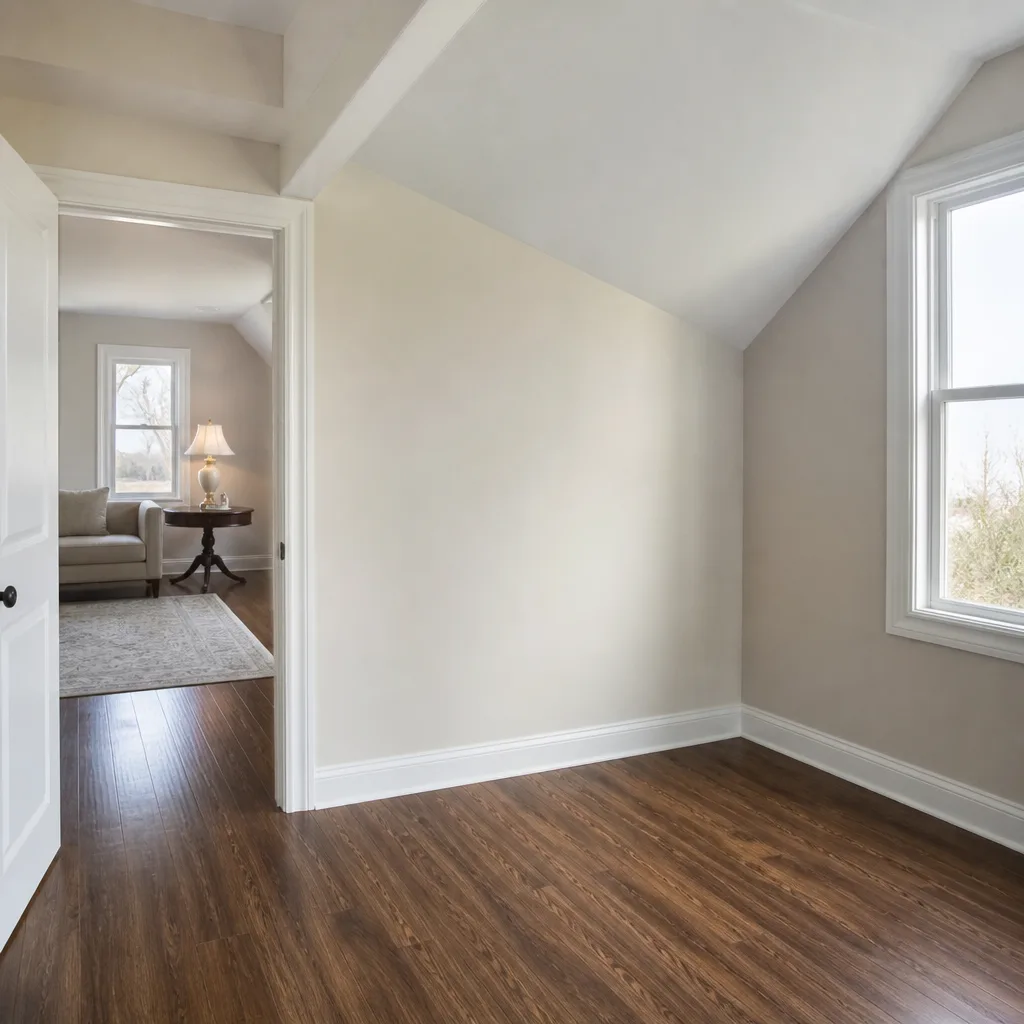
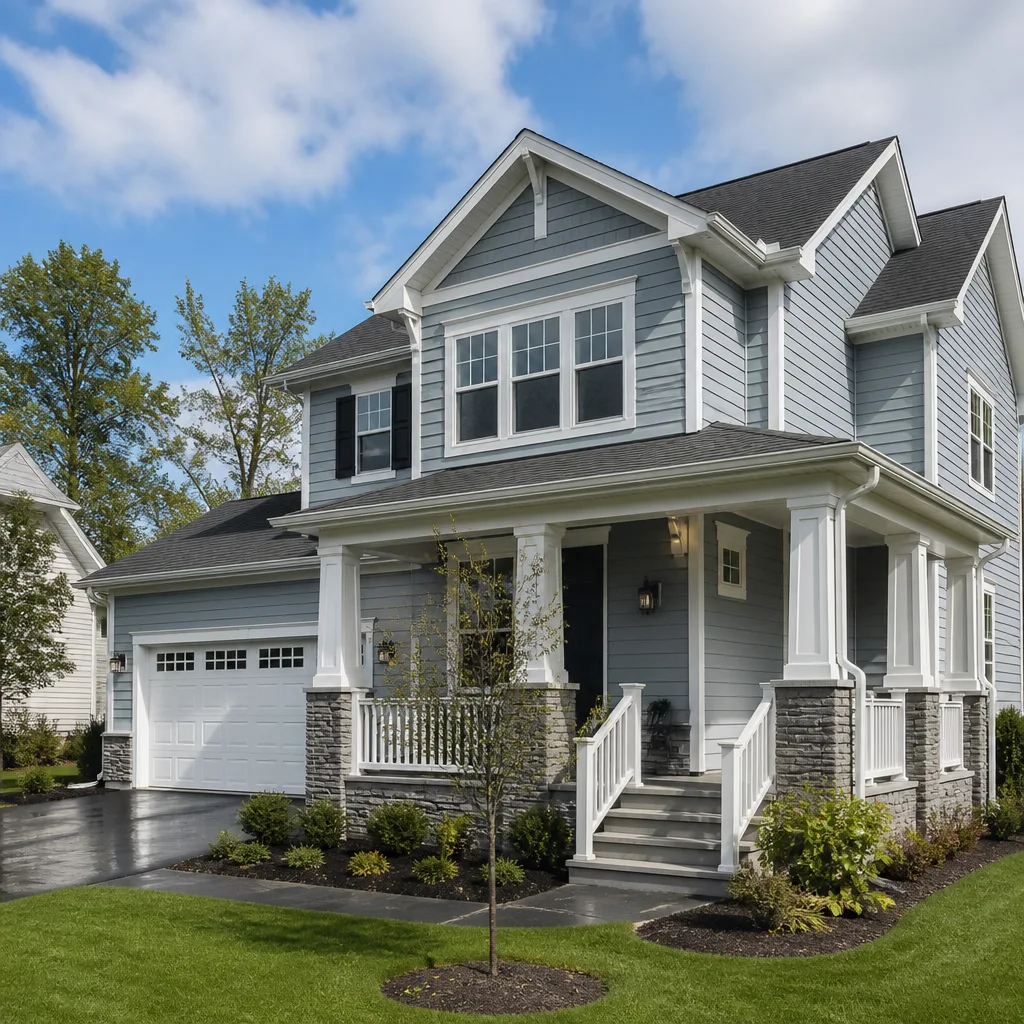
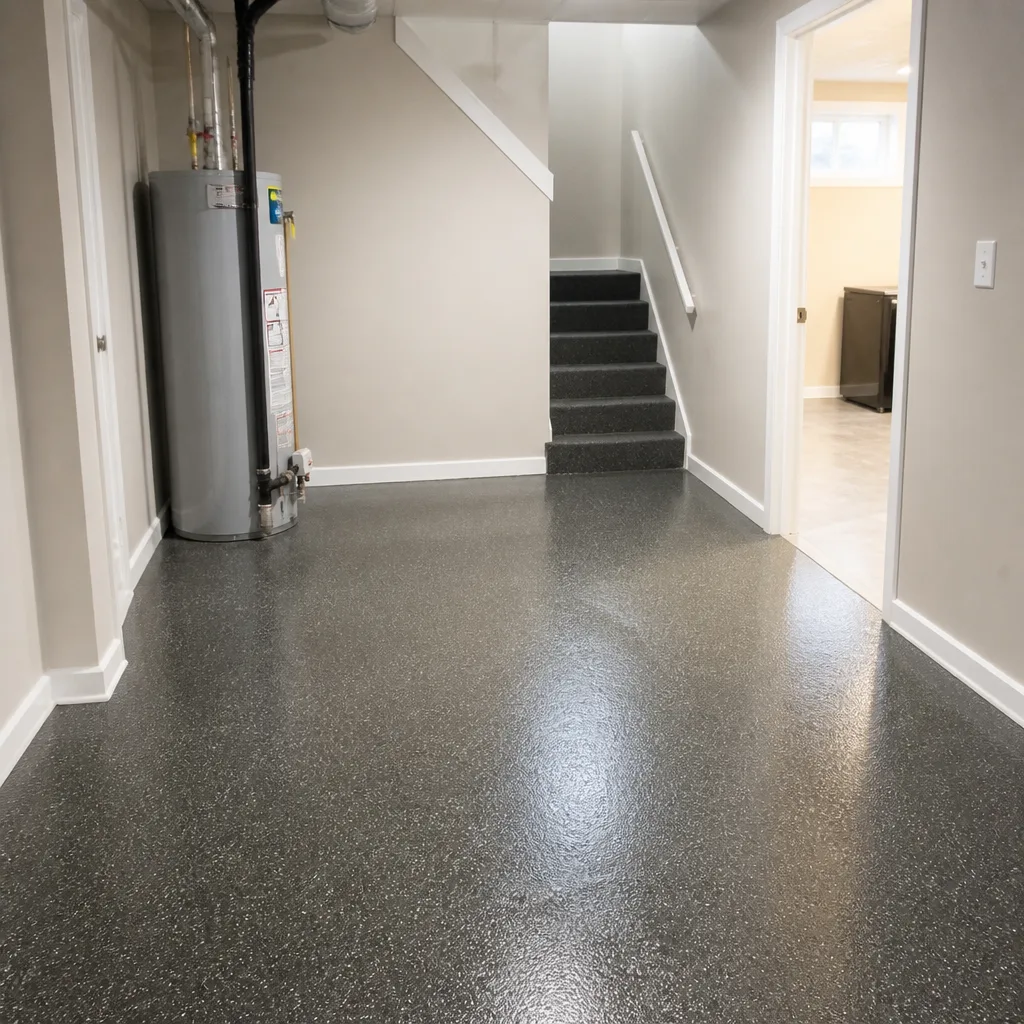
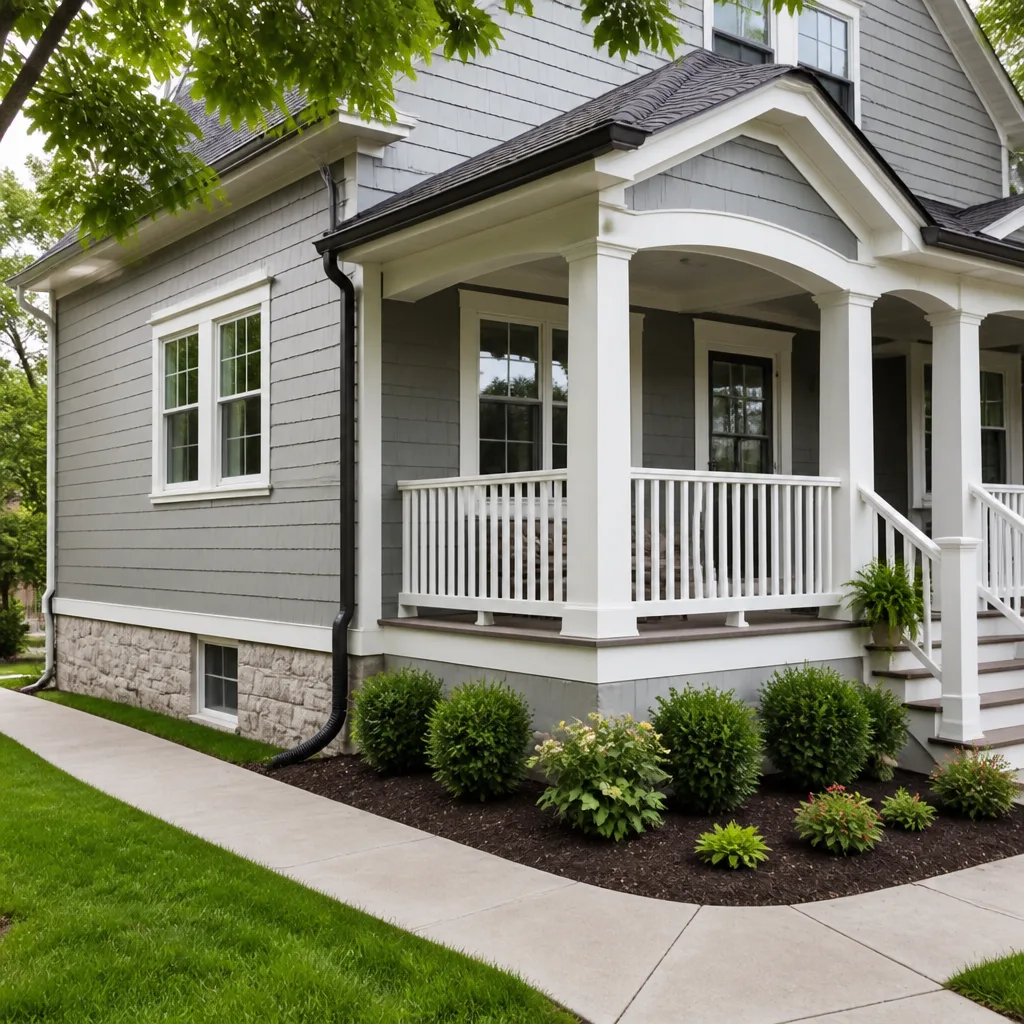
 Before
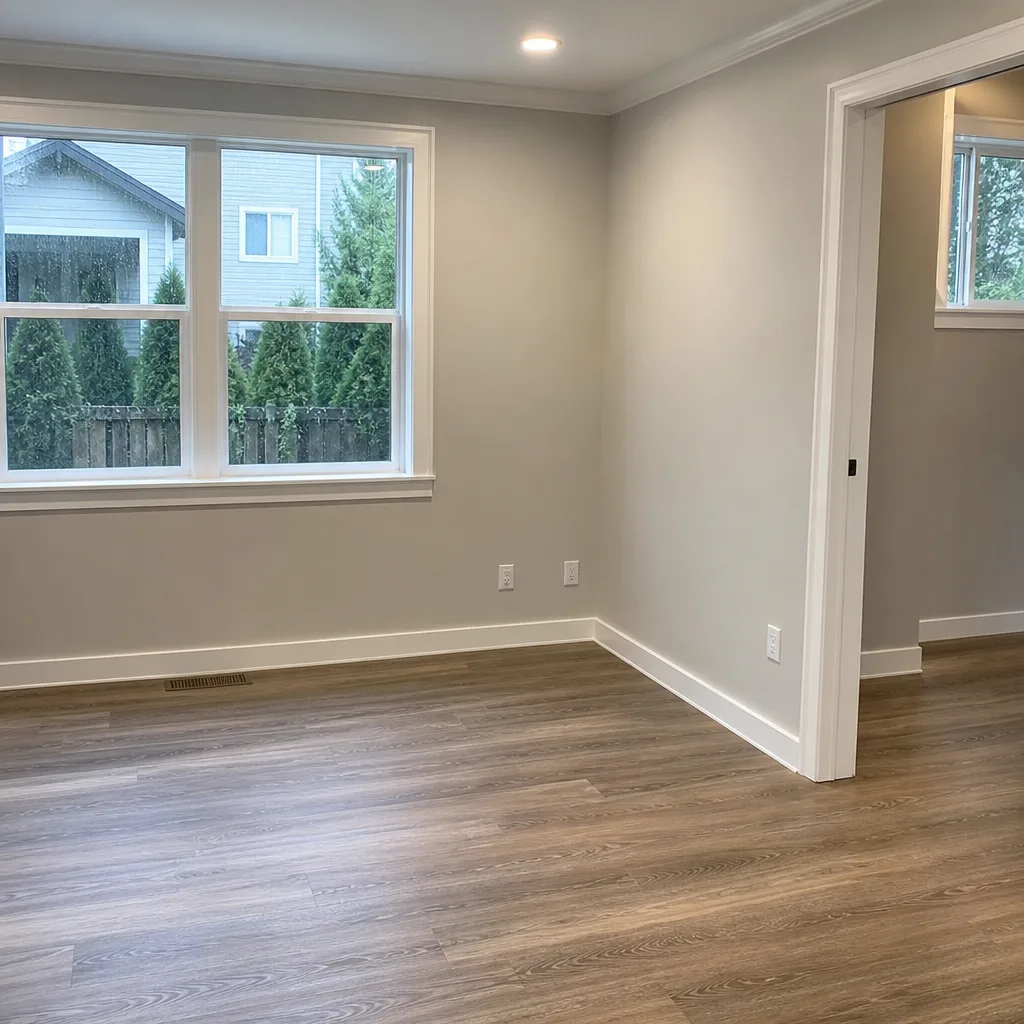 After
After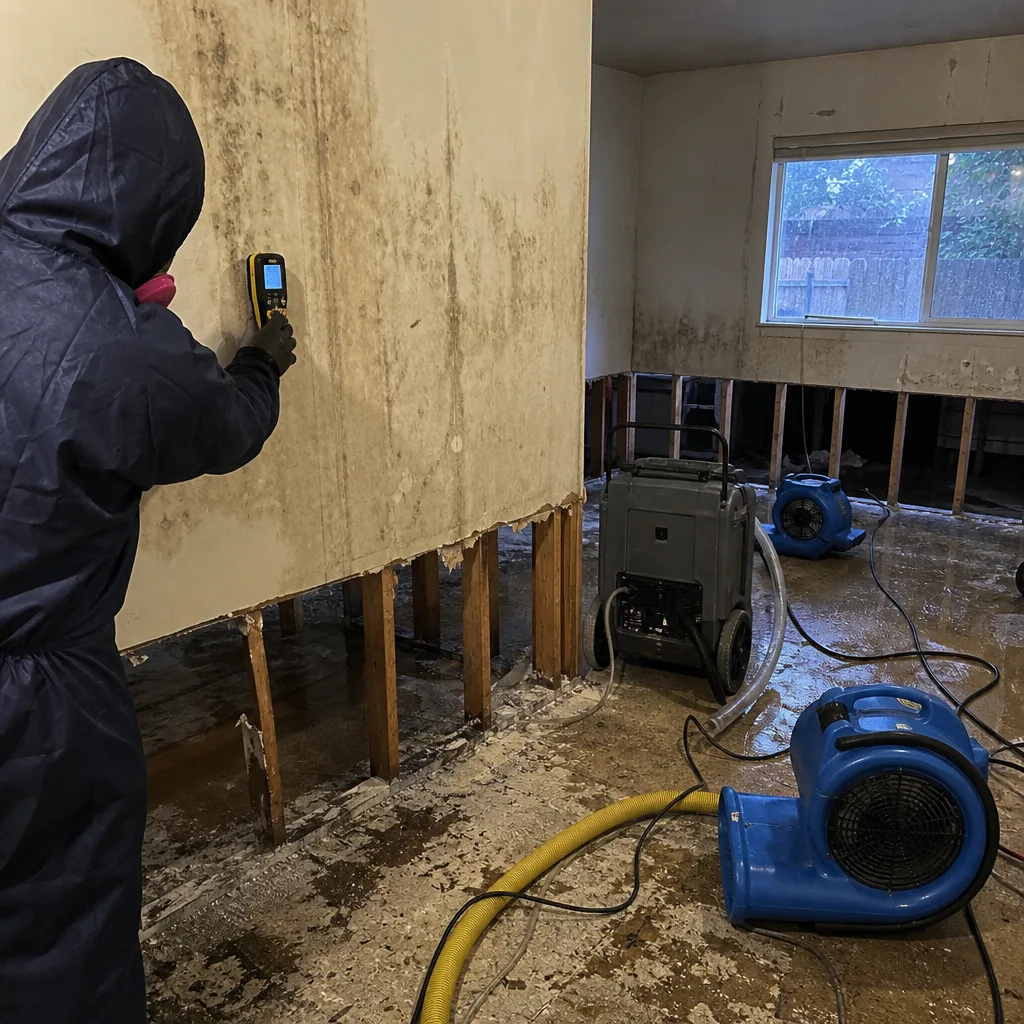 Before
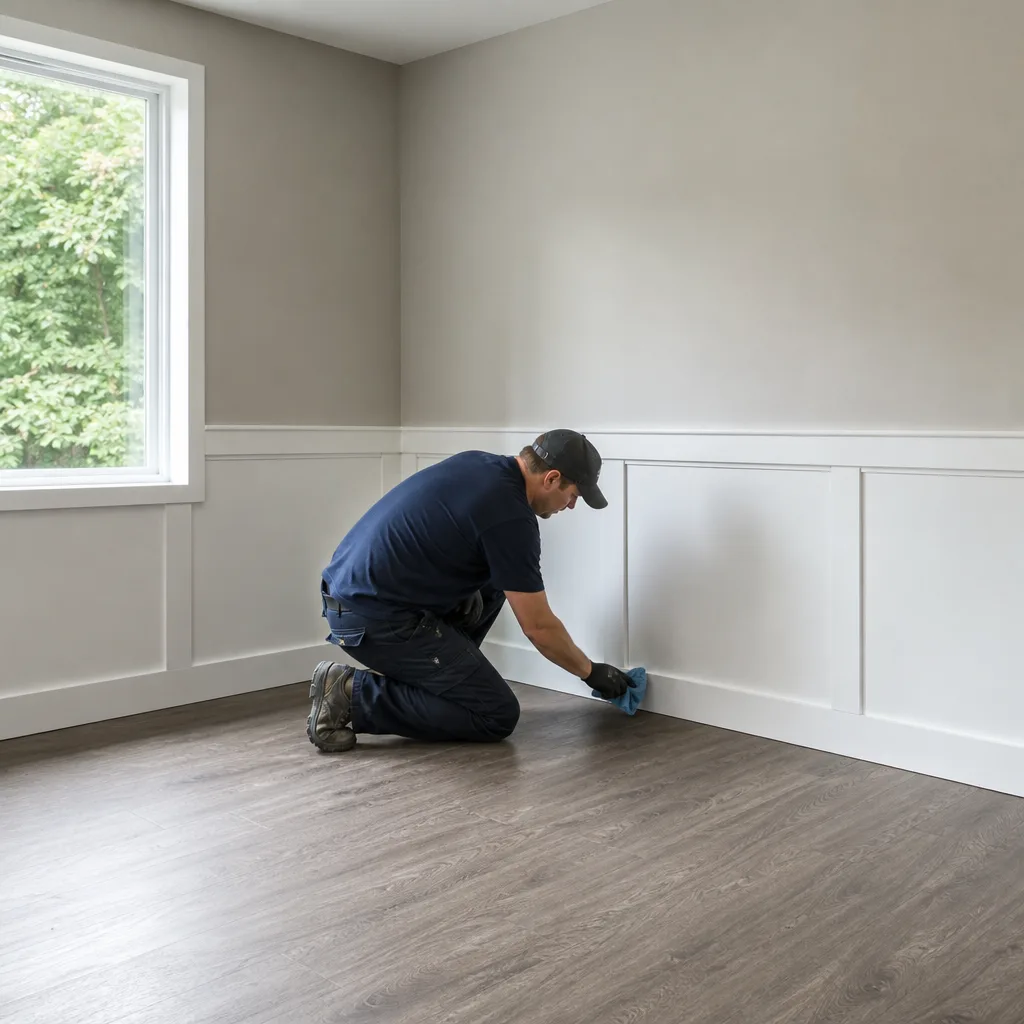 After
After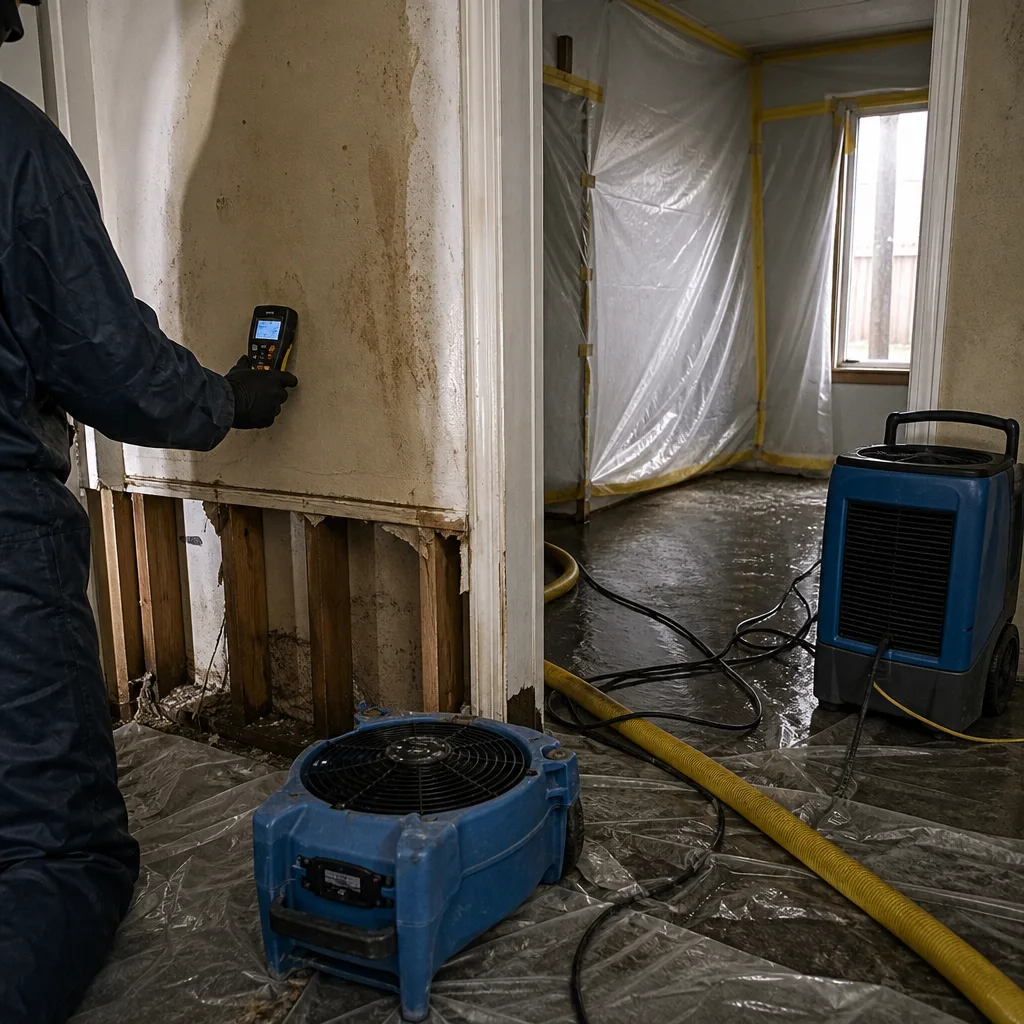 Before
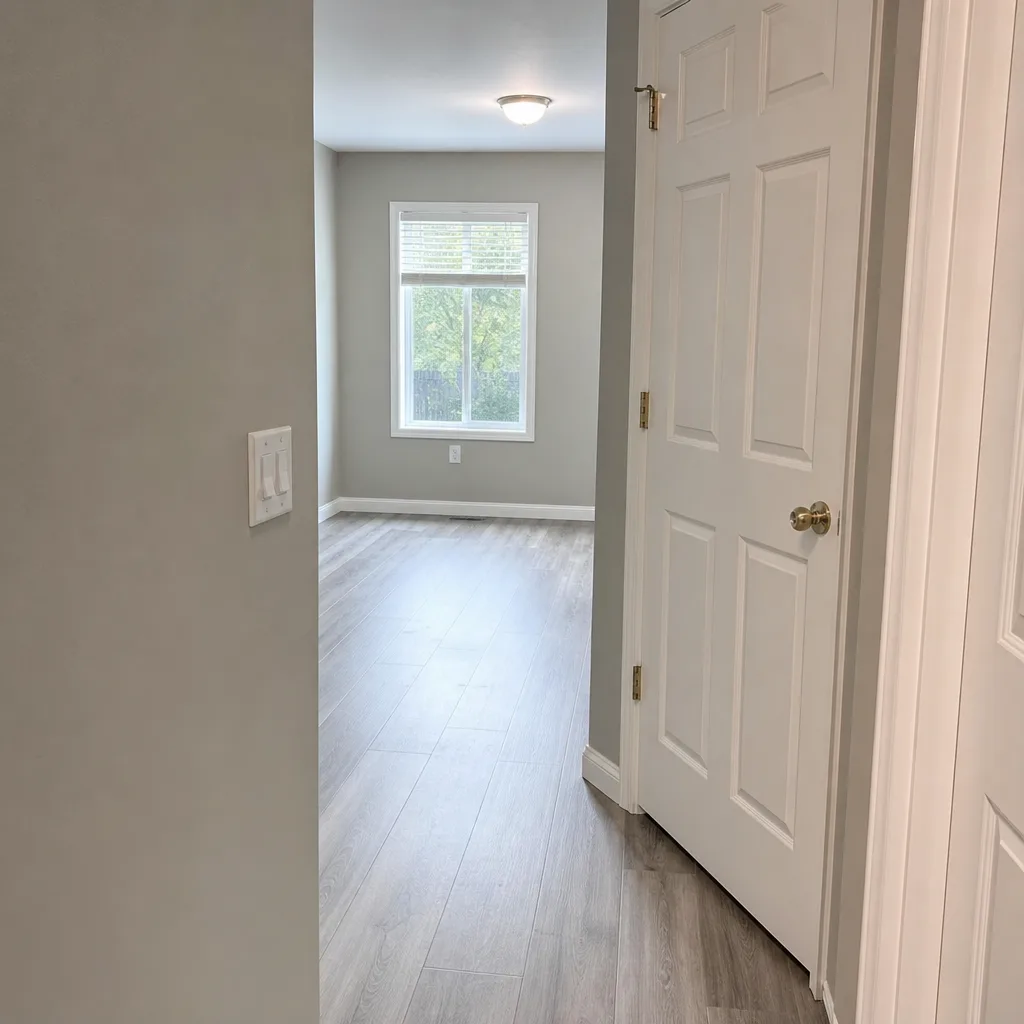 After
After24/7 Emergency Mold Remediation in Tukwila
Mold remediation in Tukwila typically costs $1,800-$6,500 depending on affected square footage and whether the source is hydrostatic groundwater requiring encapsulation, not just surface treatment. Most residential jobs in the Foster neighborhood and Southcenter corridor start with a free visual inspection, and crews can be on-site within 45 minutes of your call to (425) 696-6061. The first hour matters because mold colonies on wet organic material double in mass every 24 to 48 hours under Tukwila’s persistently damp valley-floor conditions, and every hour of delay means more square footage of drywall, insulation, and framing that must come out rather than be treated in place.
Our phones are answered live, 24 hours a day, 7 days a week, by a person who can dispatch a crew and start documentation immediately. No voicemail trees. No “we’ll call you back tomorrow” while spores are settling into your HVAC system.
Understanding Mold Remediation Severity in Tukwila Properties
Mold damage in Tukwila falls into three practical severity tiers, and the distinction determines whether you’re looking at spot treatment or full containment with negative air pressure.
Limited growth covers under 10 square feet of visible colonization, typically on non-porous surfaces like tile or sealed concrete. We treat with HEPA vacuuming and antimicrobial application, no containment required.
Moderate growth spans 10 to 100 square feet, often on porous materials like drywall, carpet padding, or the wooden joists common in Foster neighborhood crawl spaces. This requires physical containment, air scrubbing with HEPA filtration, and removal of compromised materials. We document moisture readings, vapor pressure differential (the force that drives moisture through materials), and establish a drying goal in grains per pound before any rebuild begins.
Extensive growth exceeds 100 square feet or involves HVAC contamination, as we see in Southcenter-area commercial buildings where mechanical leaks distribute spores through ductwork. Full containment, negative air machines, and post-remediation clearance testing by an independent third party are standard. Tukwila’s mid-century housing stock, particularly the unconditioned crawl spaces with degraded vapor barriers, pushes many residential jobs from moderate to extensive because groundwater wicking goes undetected until joist staining is visible from inside the home.
Why Tukwila Property Owners Choose DryMark Restoration Bothell
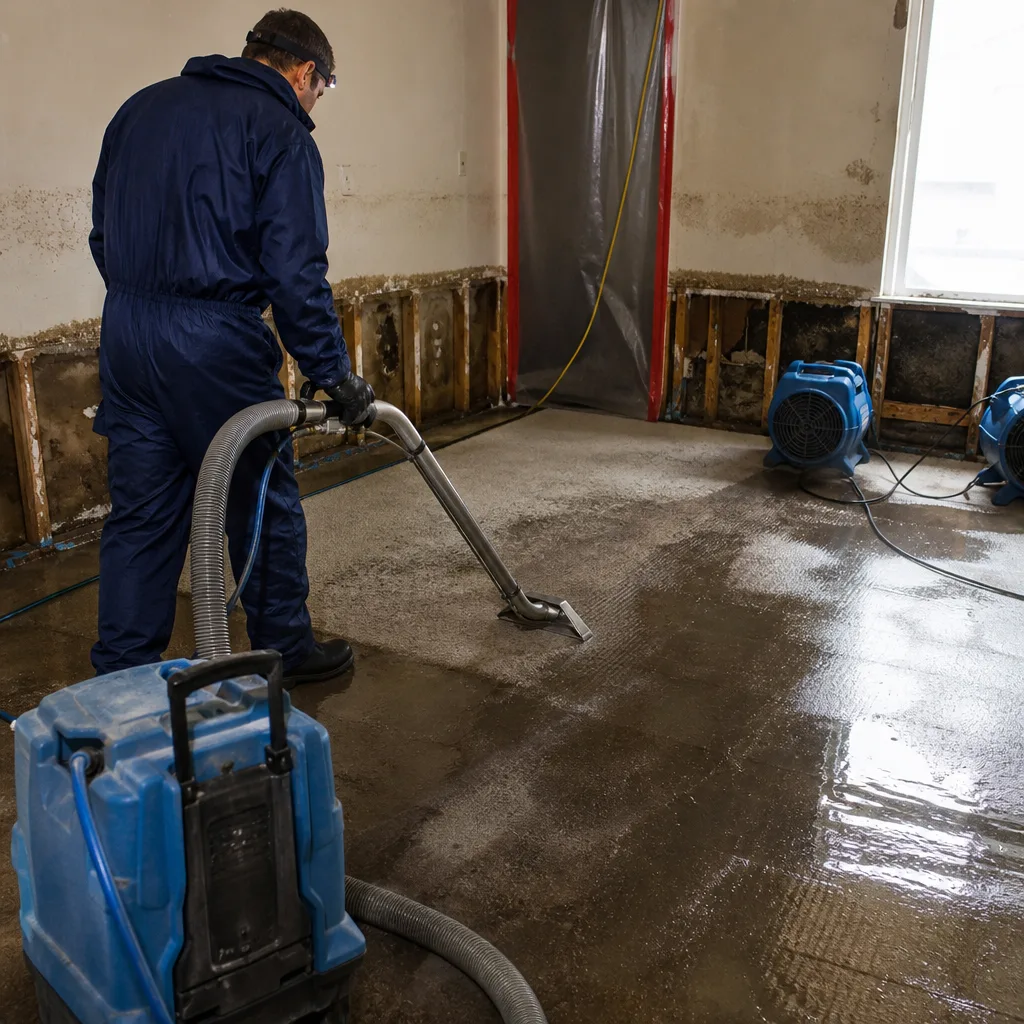
- 45-minute response commitment to Tukwila properties, because mold spreads faster than most homeowners realize and documentation must start before conditions change.
- 24/7 live answer - a real person, never an automated system, picks up every call to (425) 696-6061 and can dispatch immediately.
- IICRC-certified crews holding WRT (Water Damage Restoration Technician), AMRT (Applied Microbial Remediation Technician), and FSRT (Fire & Smoke Restoration Technician) credentials where the loss type requires cross-training.
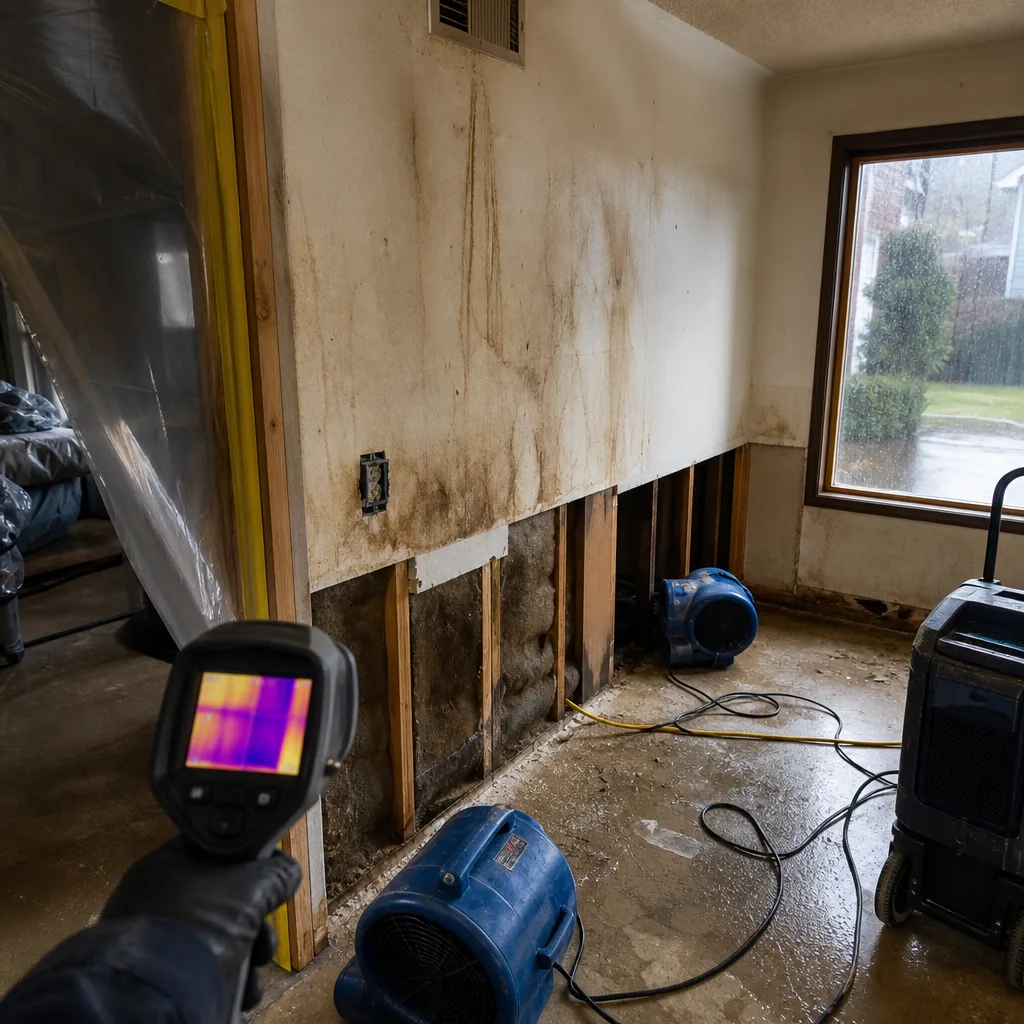
- Free visual inspection with moisture mapping and thermal imaging to locate hidden colonization behind walls and under floors.
- Direct insurance billing with documented photo records, drying logs, and line-item scopes that adjusters recognize and pay without dispute.
- One team from extraction to reconstruction - no handoffs between mitigation and rebuild contractors that delay completion and fragment warranty responsibility.
BeforeAfterOur Mold Remediation Process
1. Inspection & Assessment
We map moisture with thermal imaging and penetrating hygrometers, identify the water source, and classify the contamination level. In Tukwila, this means distinguishing atmospheric moisture from hydrostatic groundwater wicking, which changes everything about the treatment plan.
2. Containment & Air Filtration
Physical barriers seal the work zone; negative air machines with HEPA filtration prevent cross-contamination to unaffected areas. Air scrubbers run continuously during active remediation.
3. Structural Drying & Stabilization
We deploy Dri-Eaz and Phoenix dehumidifiers, Injectidry systems for cavity drying, and air movers positioned to create controlled vapor pressure differentials. In valley-floor crawl spaces, drying alone is rarely sufficient; we assess whether encapsulation and drainage correction are needed to prevent re-wetting.
4. Cleaning & Antimicrobial Treatment
HEPA vacuuming removes spore loads from surfaces. Antimicrobial agents treat remaining organic material. We document application areas and dwell times for your insurer’s file.
5. Crawl Space Encapsulation & Moisture Control
For Tukwila’s hydrostatic groundwater conditions, we install vapor barriers, drainage mats, and sump systems where standard drying cannot overcome soil saturation. This is the step that prevents recurrence.
6. Repairs, Rebuild & Documentation
Our reconstruction team replaces removed materials to pre-loss condition. You receive a complete photo record, drying logs, moisture readings, and the 365-Day Done Right Promise under The Haven Standard.
Need Emergency Mold Remediation in Tukwila Now?
Crews minutes away, answering live 24 hours a day. The sooner we start, the less it costs.
Working With Your Insurance Company
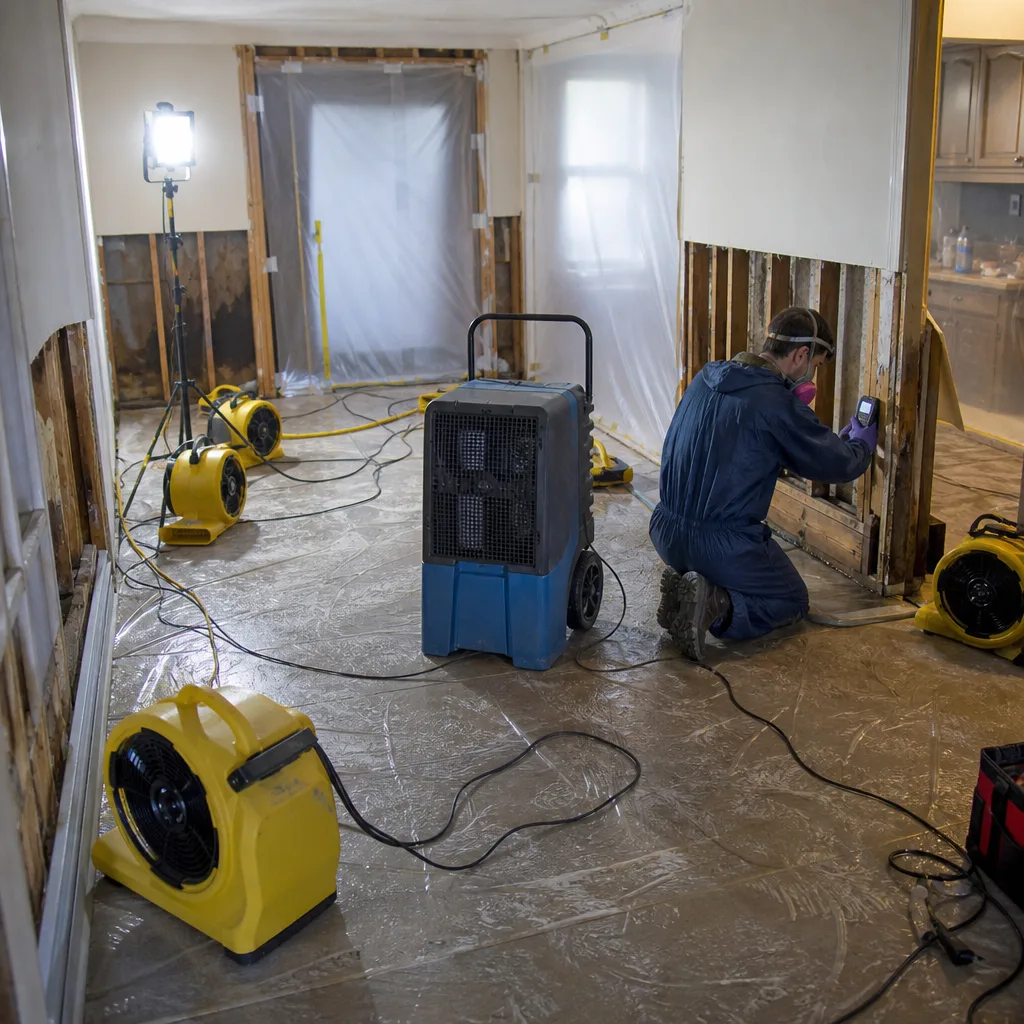
Documentation starts at the front door, before any equipment enters your property. We photograph pre-loss conditions, record moisture readings on every affected surface, and maintain daily drying logs that satisfy IICRC, RIA, and IFA standards. Your adjuster receives a line-item scope of work with material classifications, labor codes, and photographic evidence, not a lump-sum invoice that triggers review delays.
Tukwila properties in FEMA-designated flood zones carry specific documentation requirements. Flood insurance policies, unlike standard homeowners coverage, mandate proof of water category classification, pre-loss condition documentation, and mitigation timelines. Our estimates are formatted to these standards from the first draft.
What We Provide Your Insurer
- Thorough documentation of the loss
- Photos of all damage, room by room
- Moisture readings and drying logs
- A detailed, line-item scope of work
- Direct coordination with your carrier
Built for Tukwila’s Loss Calendar
January through March, the Green River swells with snowmelt from the Cascades, and Howard Hanson Dam operators manage reservoir levels through controlled releases. Properties near the Duwamish, particularly in the Foster neighborhood, see crawl space moisture rise even without rainfall as the water table climbs. April through June brings the heaviest sustained precipitation, and valley-floor drainage systems reach capacity; we respond to more combined water damage and mold calls in these months than the rest of the year combined.
July and August offer brief drying windows, but Tukwila’s humidity rarely drops enough to reverse colonization once established. September through November delivers the Pacific Northwest’s most intense rain events, and post-storm calls spike as homeowners discover mold that started in July and spread through August behind water-damaged drywall. December freeze-thaw cycles stress aging supply lines in mid-century homes, producing the pipe bursts that finish the annual cycle.
Mold Remediation Across Tukwila’s Neighborhoods
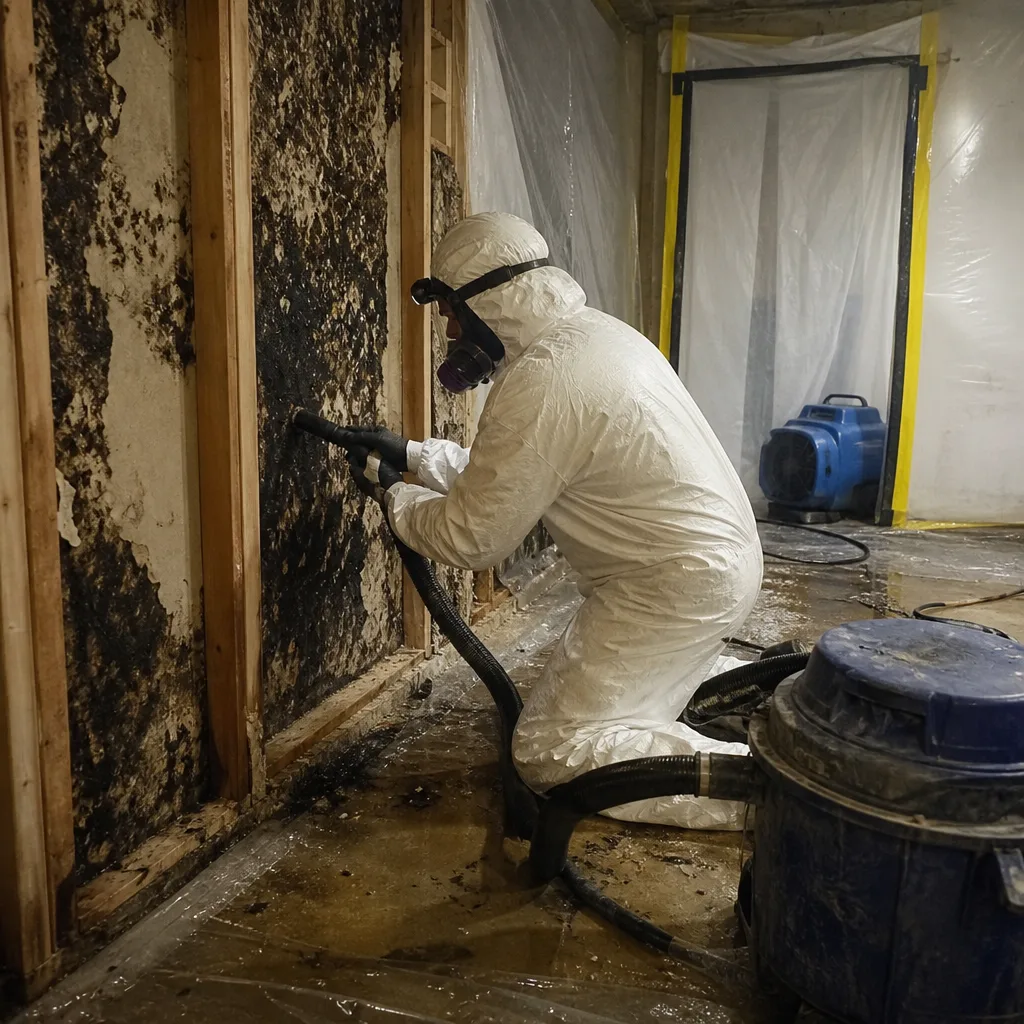
The Foster neighborhood, running along Foster Road and its side streets, is our most frequent crawl space call. The 1950s-70s tract homes here have original vapor barriers that have degraded into brittle fragments, and the high water table means hydrostatic pressure pushes moisture through bare soil year-round. We regularly find joist staining and subfloor delamination that homeowners mistake for plumbing leaks.
Southcenter and the commercial corridor around Westfield Southcenter Mall present a different profile: slab-on-grade construction with complex mechanical systems, roof drains that back up during heavy rain, and wall cavities that hold moisture from chiller line condensation. Mold in these buildings often originates from HVAC leaks misdiagnosed as roof failures, and remediation requires coordination with facilities managers and multiple insurance carriers.
The Allentown area, closer to the river, includes some of Tukwila’s oldest residential stock mixed with newer infill. Basements here, where they exist, are genuinely below-grade and subject to seepage through foundation walls that pre-date modern waterproofing standards. We treat more basement perimeter mold in Allentown than anywhere else in the city.
Riverton, on the eastern edge toward Renton, includes pockets of higher ground where mold patterns resemble upland cities more than the valley floor. Even here, though, properties on the lower slopes drain toward the Duwamish basin, and we check for subsurface water migration on every inspection.
Specialized Mold Remediation Services We Offer in Tukwila
Mold Inspection & Testing
We start with moisture mapping and thermal imaging, not guesswork. Air sampling and surface swabs go to independent laboratories when clearance documentation is required for real estate transactions or insurance disputes. In Tukwila, we specifically test for hydrostatic moisture intrusion sources that surface inspections miss.
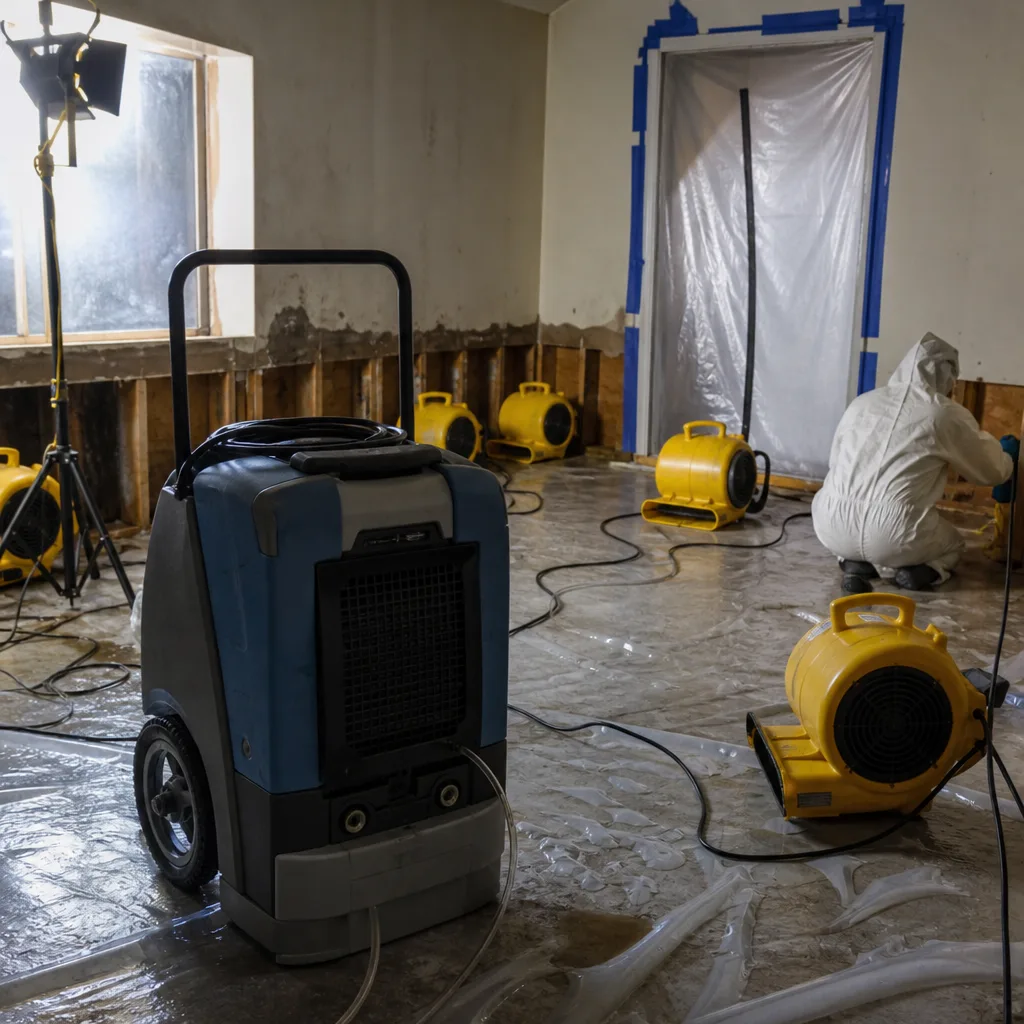
Mold Removal
Physical removal of colonized materials, HEPA-contained disposal, and antimicrobial treatment of remaining surfaces. We remove only what is necessary, document why each square foot came out, and provide that justification in writing for your insurer.
Black Mold Remediation
Stachybotrys chartarum and other toxigenic species require enhanced containment and PPE protocols. We do not treat black mold as a marketing category; we identify the species through laboratory analysis and scale our response to the actual hazard level, documented in your job file.
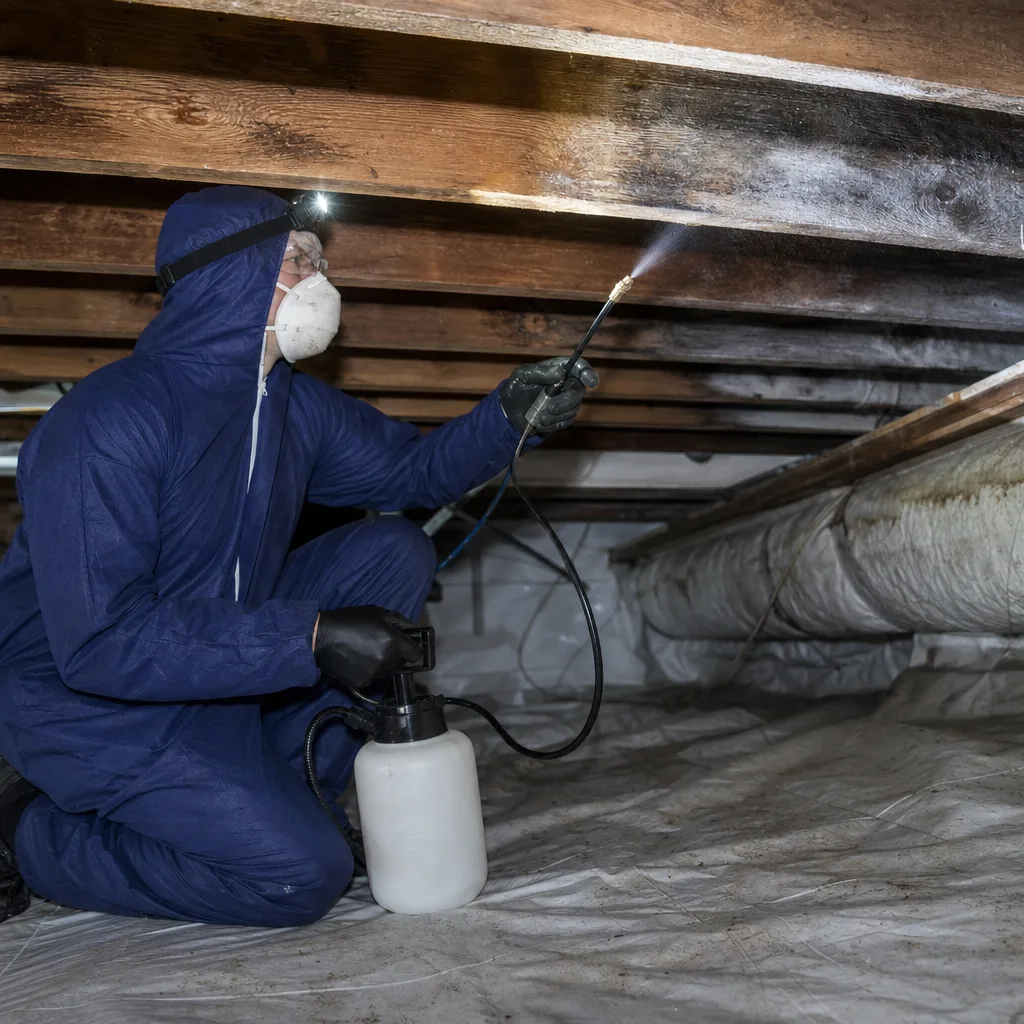
Air Quality Restoration
HEPA air scrubbing, duct cleaning where HVAC contamination is confirmed, and post-remediation verification sampling. For Southcenter-area commercial properties with shared mechanical systems, we coordinate air quality testing across tenant spaces to prevent recontamination.
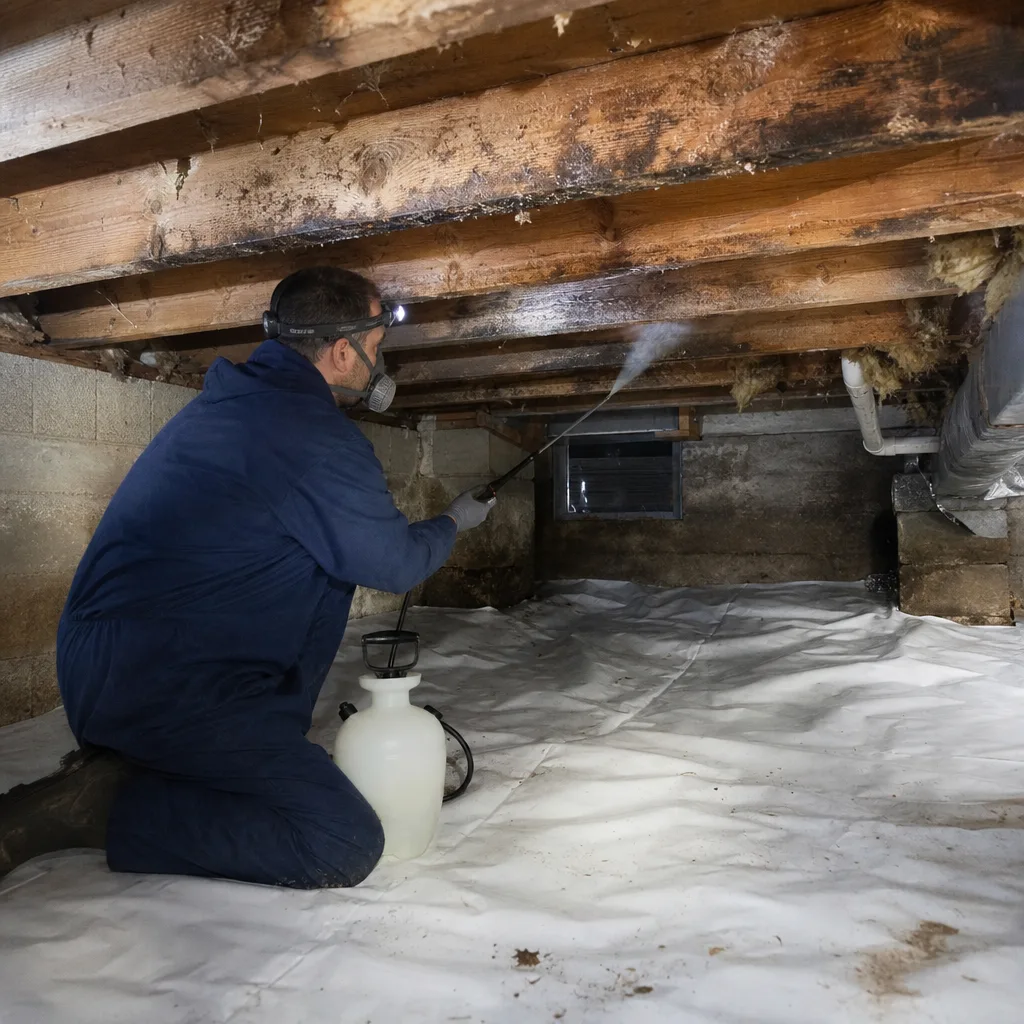
Crawl Space Treatment
The core service for Foster neighborhood and similar Tukwila residential areas. We remove degraded vapor barriers, treat joists and subflooring, install new encapsulation systems with drainage mats, and where necessary, add sump pumps or perimeter drains to manage hydrostatic pressure. This is not optional in Tukwila; it is the difference between remediation and recurrence.
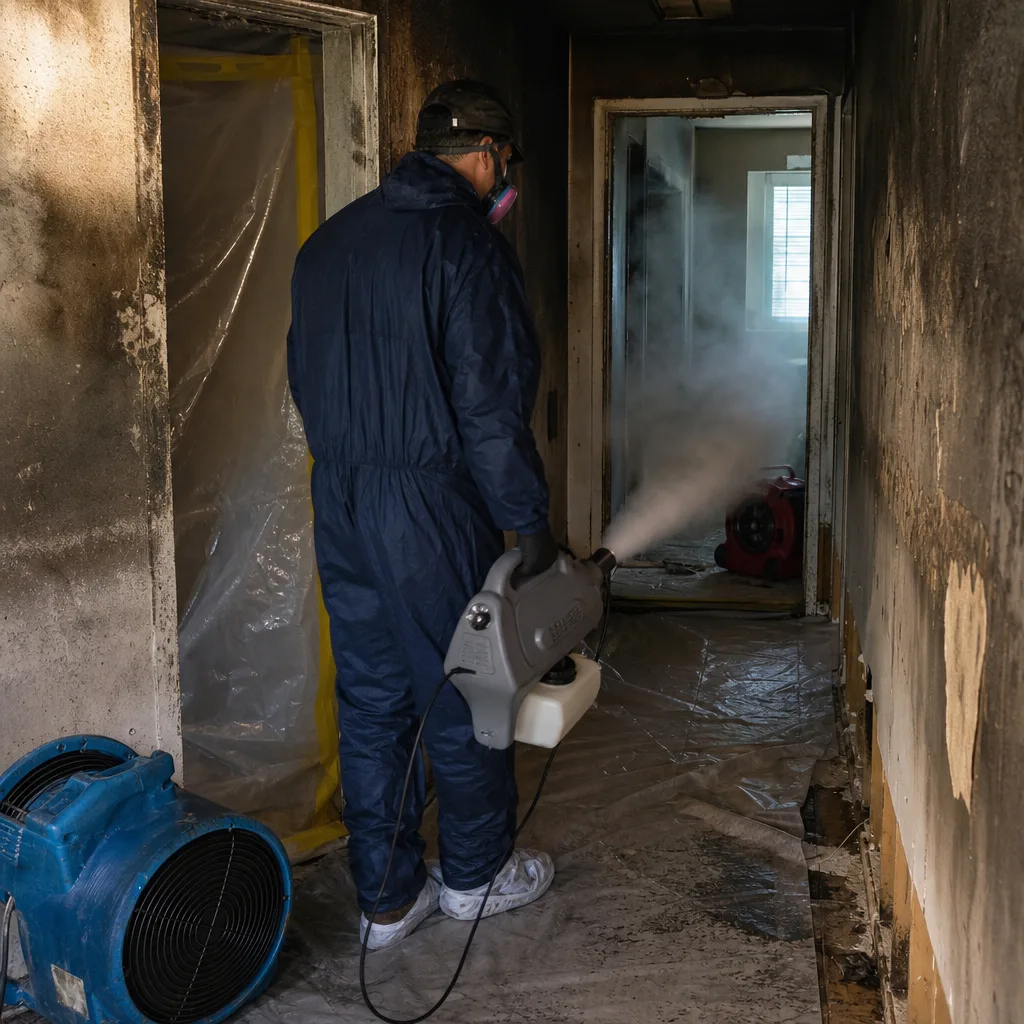
What happens when you call
- 1
A real person answersNo phone trees - you reach a local pro.
- 2
You get an upfront price rangeHonest numbers before anyone is dispatched.
- 3
A background-checked tech heads outLicensed & insured, dispatched right away.
- 4
You approve before work beginsNothing starts until you say go.
Mold Remediation Costs in Tukwila, WA
| Service | Typical Range in Tukwila |
|---|---|
| Spot mold treatment (under 10 sq ft) | $450-$950 |
| Room-contained remediation (10-100 sq ft) | $1,800-$3,800 |
| Extensive remediation with containment (100+ sq ft) | $3,800-$6,500 |
| Crawl space encapsulation and drainage | $4,500-$12,000 |
| Commercial mold remediation (Southcenter-area) | $5,500-$18,000+ |
| Post-remediation air quality testing | $350-$650 |
Three factors move Tukwila prices above or below these ranges: whether the source is hydrostatic groundwater requiring encapsulation, the extent of material removal needed, and whether flood insurance documentation requirements add labor hours to the job. Standard homeowners insurance covers mold resulting from sudden water damage, not long-term moisture buildup; flood insurance covers mold from riverine flooding with proper documentation. We provide a written price before work begins on every job, Haven Standard, Clause 1, and offer a Free Second Opinion on any competitor’s written estimate.
We Also Serve Cities Near Tukwila
Our crews respond throughout the metro area from our Seattle office, with regular dispatch to Tukwila and neighboring communities including Bothell, Kenmore, Woodinville, and Brier. Each city’s building stock, water table, and insurance landscape shape how we approach remediation there.
Serving Tukwila, WA - Our Local Coverage Area
We’re based in the Tukwila area and know this community well. Use the map below to see our service coverage - if you’re nearby, we can almost certainly help.
Tukwila Mold Remediation Questions, Answered
Why does mold keep coming back in my Foster neighborhood crawl space after I dry it out?
Because drying alone cannot beat hydrostatic groundwater wicking through saturated soil on the Duwamish floodplain. We see this repeatedly in Foster Road-area homes: crews extract standing water and run dehumidifiers, but soil moisture re-wets the space within days. Lasting remediation requires encapsulation with a drainage mat and often a sump system to manage the water table. Call (425) 696-6061 and we’ll assess whether your crawl space needs drainage correction beyond standard drying.
How fast does mold grow after a riverine flood in Tukwila compared to a typical plumbing leak?
Riverine floodwater in Tukwila is typically Category 2 or 3 due to soil contact and potential sewage contamination, which accelerates colonization and requires more aggressive remediation than Category 1 plumbing leaks. Mold can establish visible colonies within 24 to 48 hours on wet organic material in either case, but floodwater introduces additional microbial load and often contains sediments that hold moisture against surfaces longer. The drying timeline extends accordingly, and flood insurance documentation must record water category classification from the first inspection. Call (425) 696-6061 for immediate assessment.
Does flood insurance cover mold remediation in Tukwila’s FEMA flood zones?
Yes, with mandatory documentation: pre-loss condition photos, water category classification, drying logs, and a line-item scope of work. Without these, claims are routinely denied or delayed. Our estimates are formatted to NFIP requirements from the first draft, and we coordinate directly with adjusters. Standard homeowners insurance does not cover flood-related mold. Call (425) 696-6061 and we’ll review your coverage scenario during the free inspection.
What’s different about mold remediation in a Southcenter-area warehouse versus a Tukwila home?
Scale, mechanical complexity, and occupancy type. Southcenter commercial buildings often have slab-on-grade construction with roof drains, chiller lines, and shared HVAC that can distribute spores across tenant spaces. Remediation requires coordination with facilities management, after-hours scheduling to minimize business interruption, and air quality verification across multiple zones. Residential jobs in Tukwila’s Foster neighborhood focus more on crawl space encapsulation and hydrostatic moisture control. Call (425) 696-6061 for a scope tailored to your property type.
Can you dry out a Tukwila crawl space without tearing out the floor?
Yes, in most cases. We access crawl spaces through existing openings, set up containment, and deploy Injectidry cavity drying systems and Dri-Eaz dehumidifiers without disturbing finished flooring above. The exception is when subfloor delamination or joist rot has progressed to structural compromise, which we document with moisture readings and photo evidence before recommending removal. Call (425) 696-6061 for a free visual inspection and written assessment.
How do I know if I need mold remediation or just cleaning?
Cleaning handles surface growth on non-porous materials under 10 square feet with no underlying moisture problem. Remediation is required when growth exceeds 10 square feet, involves porous materials like drywall or insulation, or returns after cleaning because the moisture source remains active. In Tukwila, hydrostatic groundwater in valley-floor crawl spaces almost always pushes the situation past cleaning into remediation. We provide a written scope distinguishing treatment from removal, Haven Standard, Clause 1. Call (425) 696-6061 for the assessment.
Will my insurance company pay for the full remediation?
Standard homeowners policies cover mold from sudden, accidental water damage with proper documentation; they exclude long-term moisture buildup and flood damage. Flood insurance covers riverine flood-related mold in TEMA-designated zones with NFIP-compliant documentation. Our team reviews your policy, documents the loss to carrier standards, and bills directly. We also offer a Free Second Opinion on any competitor’s estimate. Call (425) 696-6061 to start the documentation process.
What should I do in the first 30 minutes after discovering mold?
Stop the water source if you can identify it safely, turn off HVAC systems to prevent spore distribution, and call (425) 696-6061 for live dispatch. Do not disturb visible mold, which releases spores, and do not attempt DIY removal on extensive growth. Our crew will arrive with containment materials and begin moisture mapping and documentation immediately. The first 30 minutes sets the documentation baseline that your insurer will review; let us establish it properly.
We were called to a mid-century tract home off Foster Road where the crawl space had standing water after a moderate rain event. Our moisture mapping showed the soil was still wicking upward even after we finished water extraction. We set up containment, ran Injectidry and Dri-Eaz dehumidification for structural drying, applied antimicrobial treatment to the joists, and then encapsulated the crawl space with a drainage mat because standard drying would never beat hydrostatic pressure. The homeowner had mandatory flood insurance and needed drying logs and a complete scope of work for the claim, which we provided alongside the remediation.
Written by Alicia Brennan, Owner at Back to Dry Restoration, serving Tukwila and the greater metro area since 2011.
Mold Remediation in Nearby Areas