Free visual inspection and a written scope of work before any mitigation begins - photos, moisture readings, and drying logs go in your claim file
The scope we write is the scope we bill. Anything new gets shown to you, in writing, before we touch it.
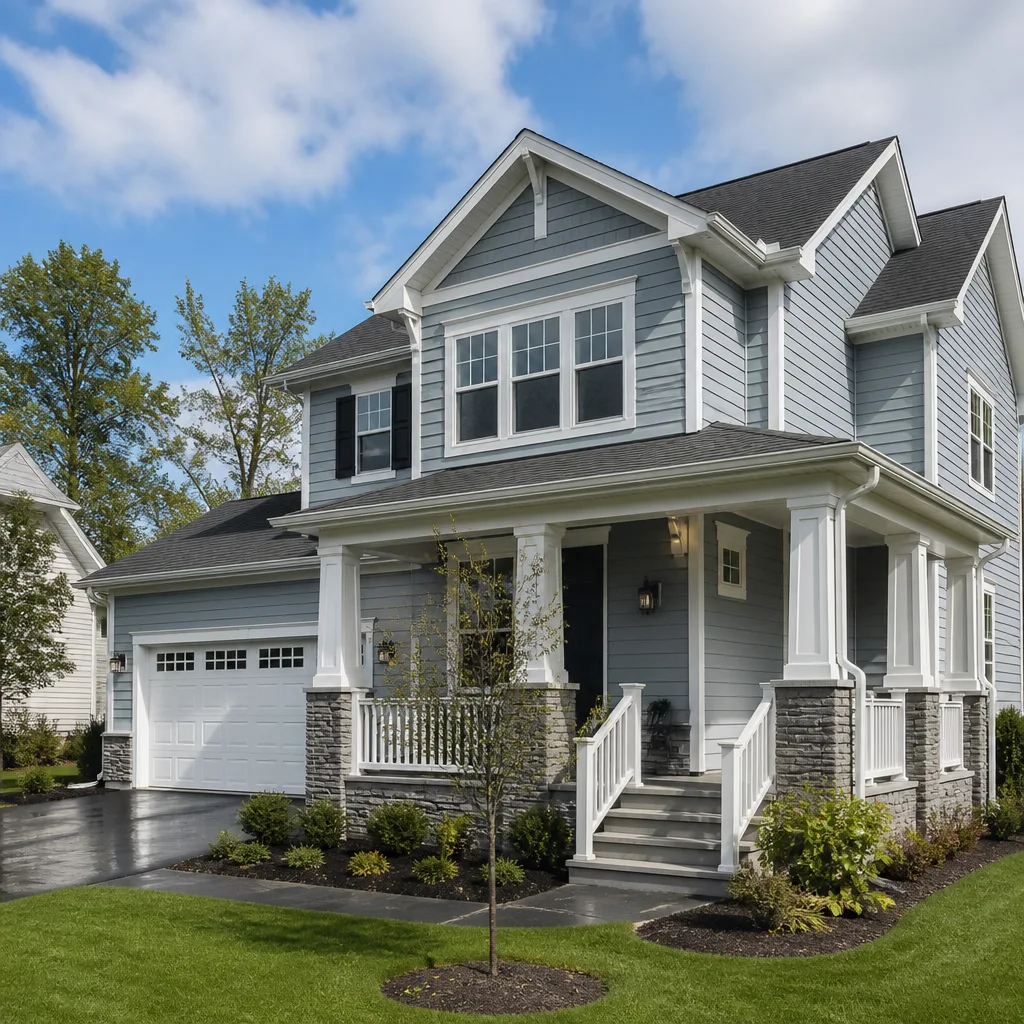
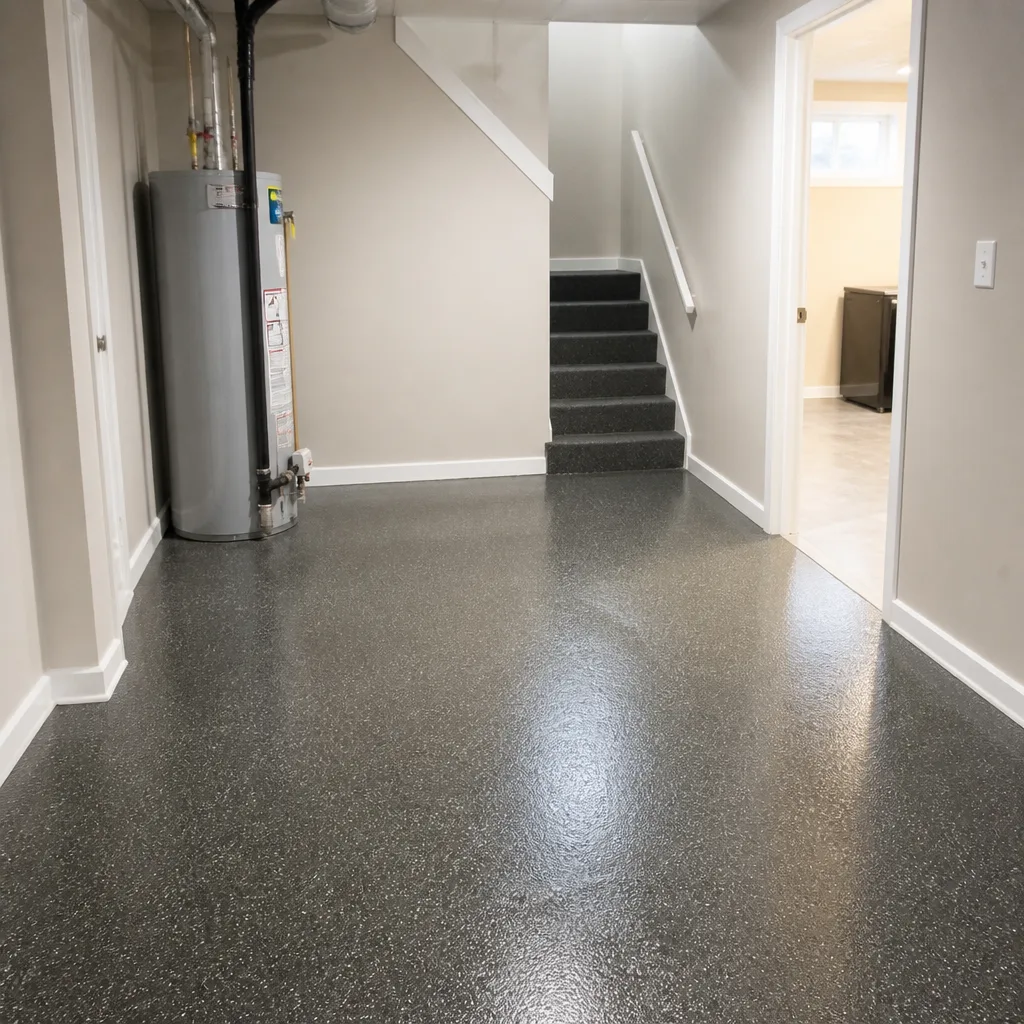
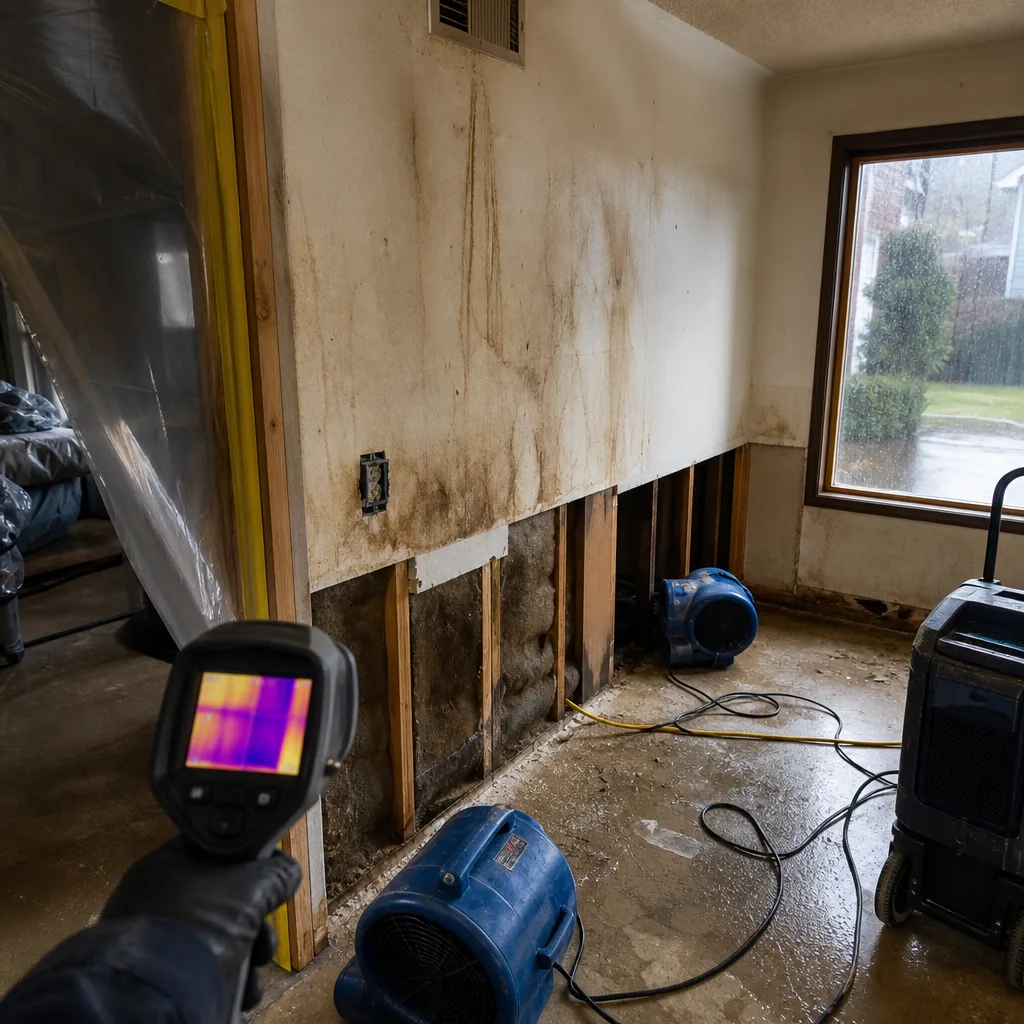 Before
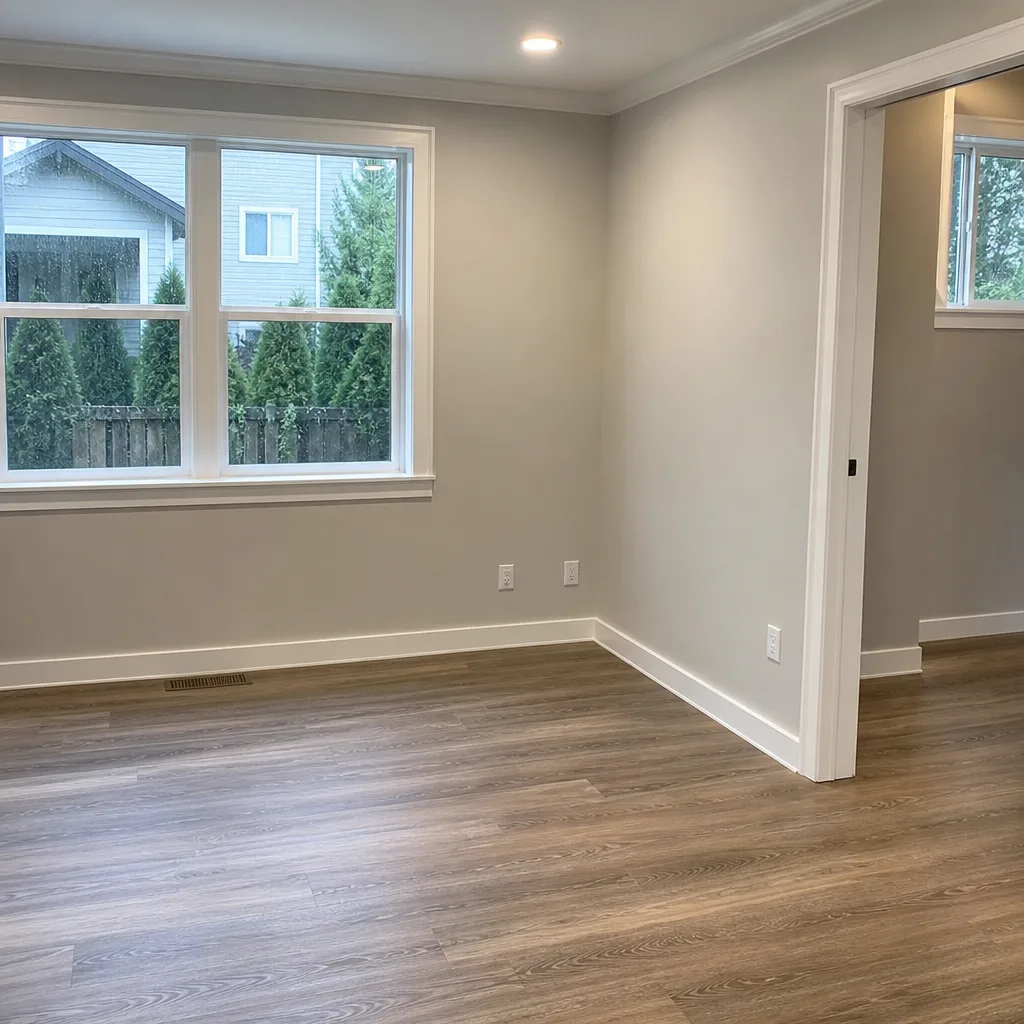 After
After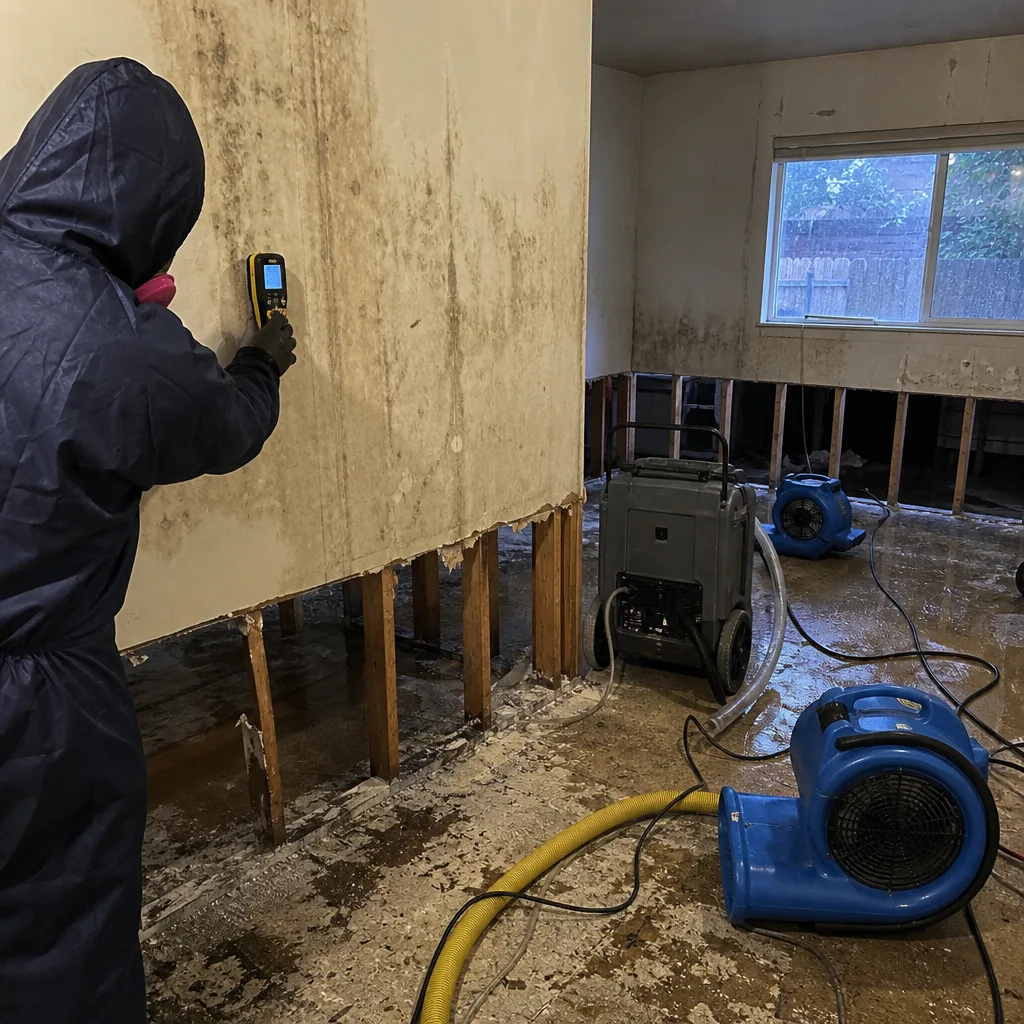 Before
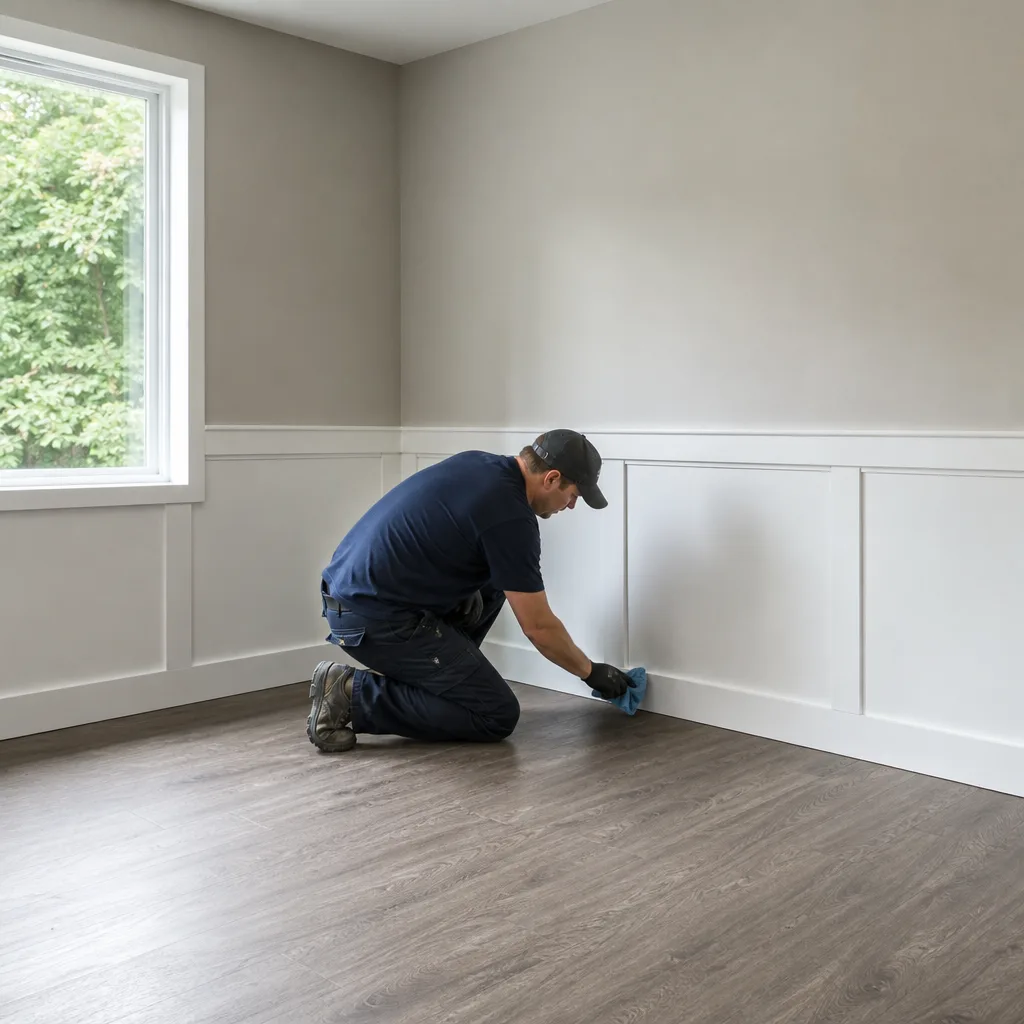 After
After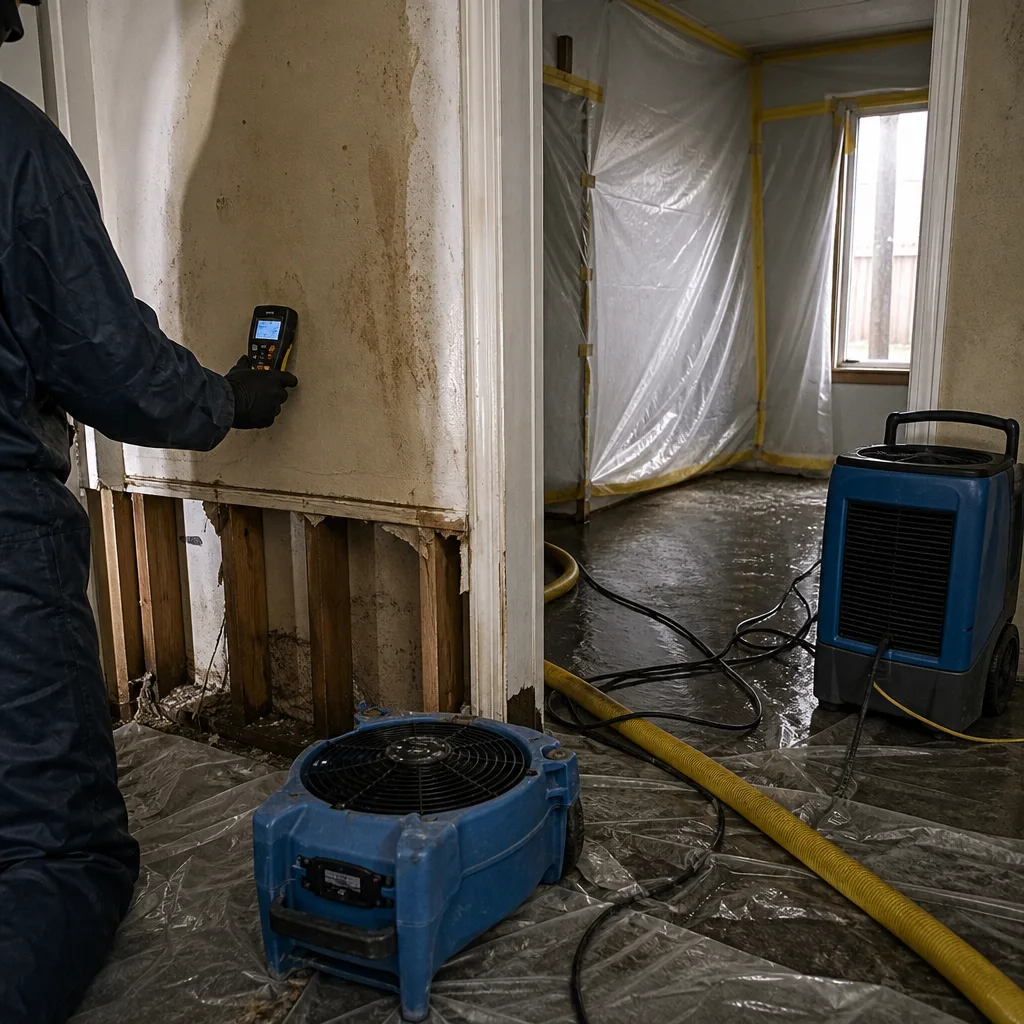 Before
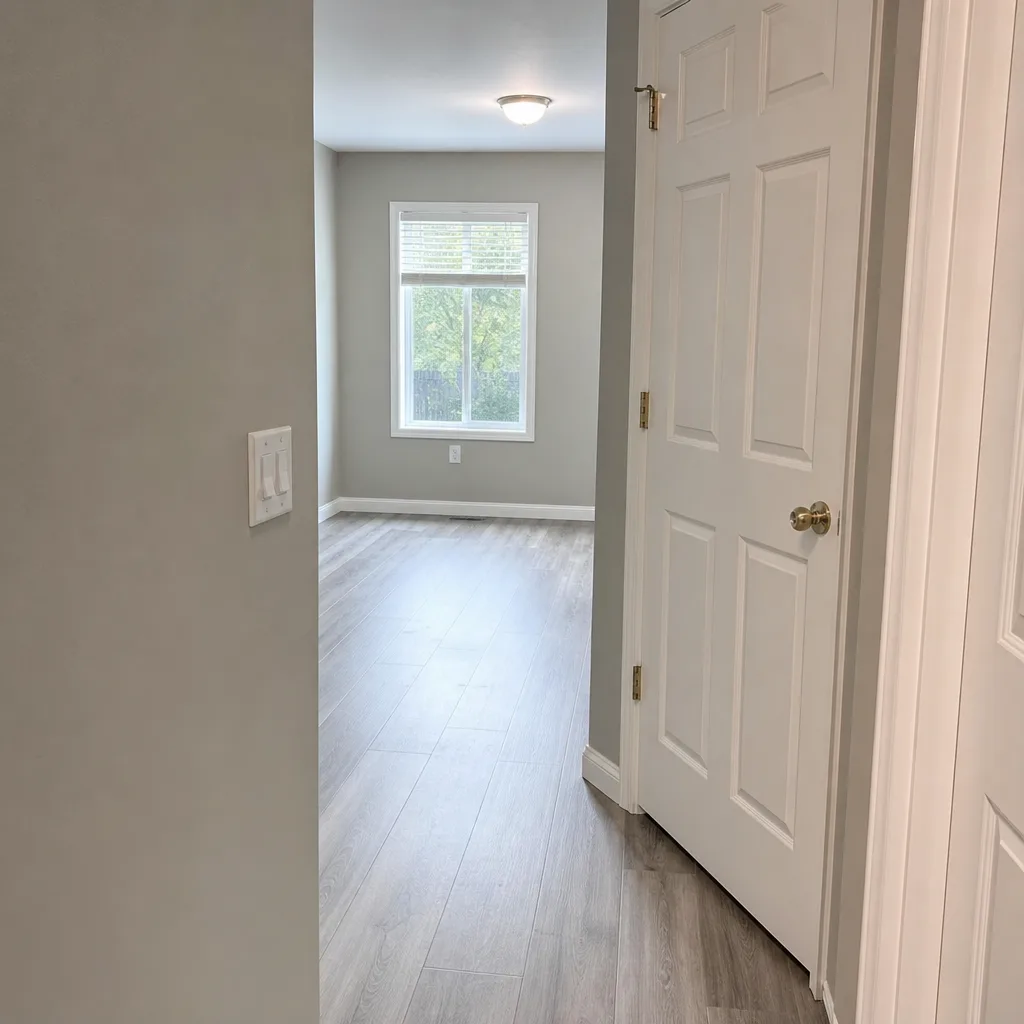 After
After24/7 Emergency Mold Remediation in Bothell
Mold spreads fast in Bothell’s damp climate. If you’ve found visible growth or smell mustiness after a leak, call (425) 696-6061 now. Our phones are answered live, 24 hours a day, by a real person who can dispatch a crew to your Bothell property within the hour. We offer a free visual inspection to assess the affected area, identify the moisture source, and give you a written scope before any work begins. The first hour matters because mold releases spores within 24-48 hours of water intrusion; in Bothell’s persistent wet season, that timeline shrinks. Waiting means more square footage to remediate, more materials to remove, and a longer drying cycle.
Understanding Mold Remediation Severity in Bothell Properties
Mold damage in Bothell falls into three severity tiers based on colonization depth, square footage, and whether the growth is confined or systemic. Category 1 is surface growth on non-porous materials like tile or glass, typically under 10 square feet, addressed with HEPA vacuuming and antimicrobial treatment. Category 2 involves porous materials such as drywall, insulation, or carpet, where hyphae penetrate the substrate; this requires controlled demolition, negative air containment, and air scrubbing with HEPA filtration. Category 3 is systemic colonization, often in Bothell’s legacy housing stock where original OSB sheathing and failing synthetic housewraps have trapped moisture for years behind wall cavities.
Bothell’s dominant 1980s-90s wood-frame subdivisions, built in areas like Canyon Park and Stonehedge Village, were constructed with early-generation building wraps that lacked proper drainage planes. We regularly find secondary mold behind intact drywall in these homes. Moisture mapping with thermal imaging and penetrating probes reveals the true extent; what looks like a 2-foot patch often extends to 20 square feet of hidden colonization. Air quality testing measures spore counts against outdoor baseline levels to determine whether containment and scrubbing have achieved clearance.
Why Bothell Property Owners Choose DryMark Restoration Bothell
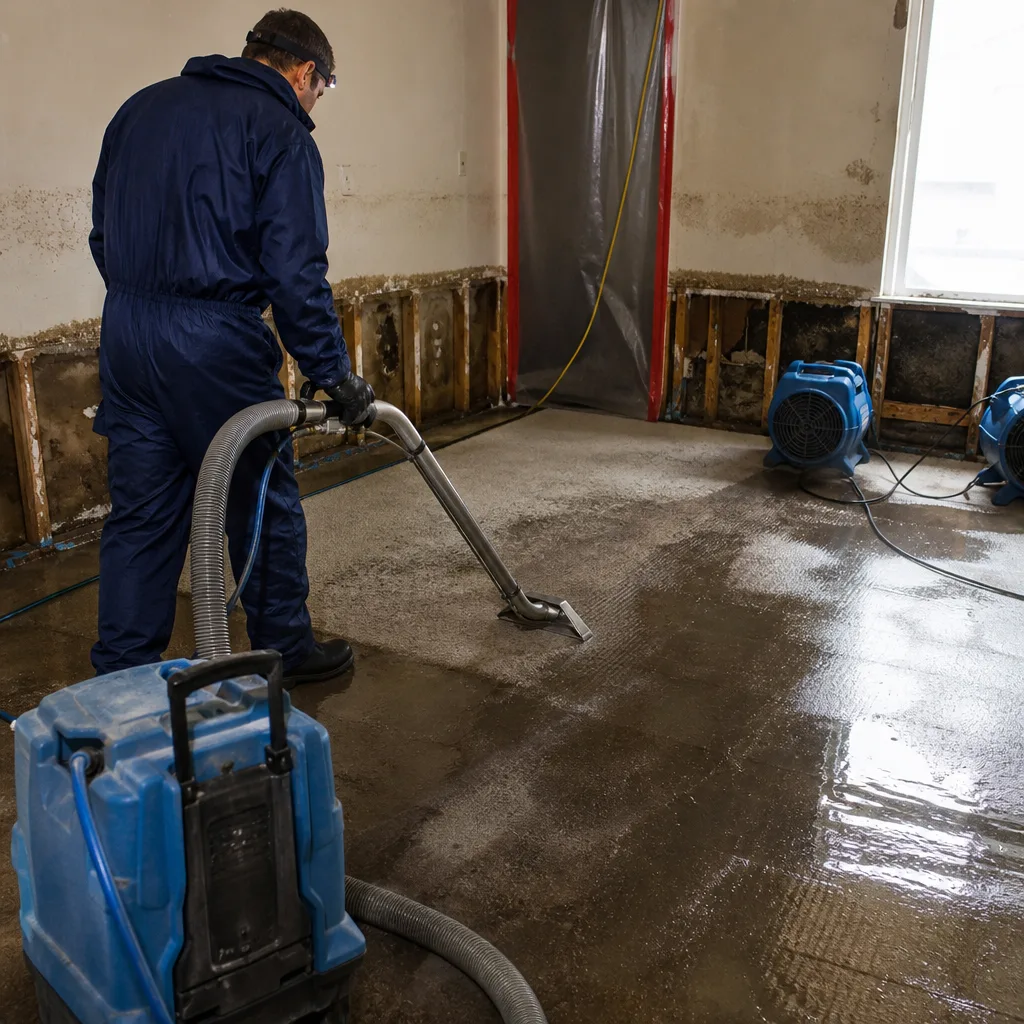
- 45-minute response commitment to Bothell addresses, with crews staged for the North Creek and Canyon Park corridors.
- 24/7 live answer - a real person, never an automated system or voicemail tree, on every call.
- IICRC-certified crews holding WRT (Water Damage Restoration Technician) and AMRT (Applied Microbial Remediation Technician) certifications.
- Free visual inspection with moisture readings, documented photos, and a written scope delivered before any work starts.
- Direct insurance billing with photo-documented drying logs and line-item estimates that adjusters recognize and pay.
- One team from containment to reconstruction - no handoffs between separate mitigation and rebuild contractors.
BeforeAfterOur Mold Remediation Process
1. Inspection & Assessment
We map moisture with FLIR thermal imaging and penetrating probes, measure ambient humidity and vapor pressure differential, and collect air and surface samples for lab analysis. Every reading is logged. You’ll receive a written scope with square-footage calculations, material classifications, and a fixed price before work begins.
2. Containment & Air Filtration
We seal the affected zone with 6-mil polyethylene barriers and establish negative air pressure using HEPA-filtered air scrubbers. This prevents spore migration to clean areas during demolition. Containment size and scrubber CFM ratings are calculated to IICRC S520 standards for microbial remediation.
3. Controlled Demolition & Material Removal
Porous materials with confirmed hyphal penetration, drywall, insulation, and degraded OSB sheathing, are removed in sealed bags. We document each removal with photos for your insurer. Non-salvageable materials are inventoried by line item; nothing is discarded without written authorization.
4. Cleaning & Antimicrobial Treatment
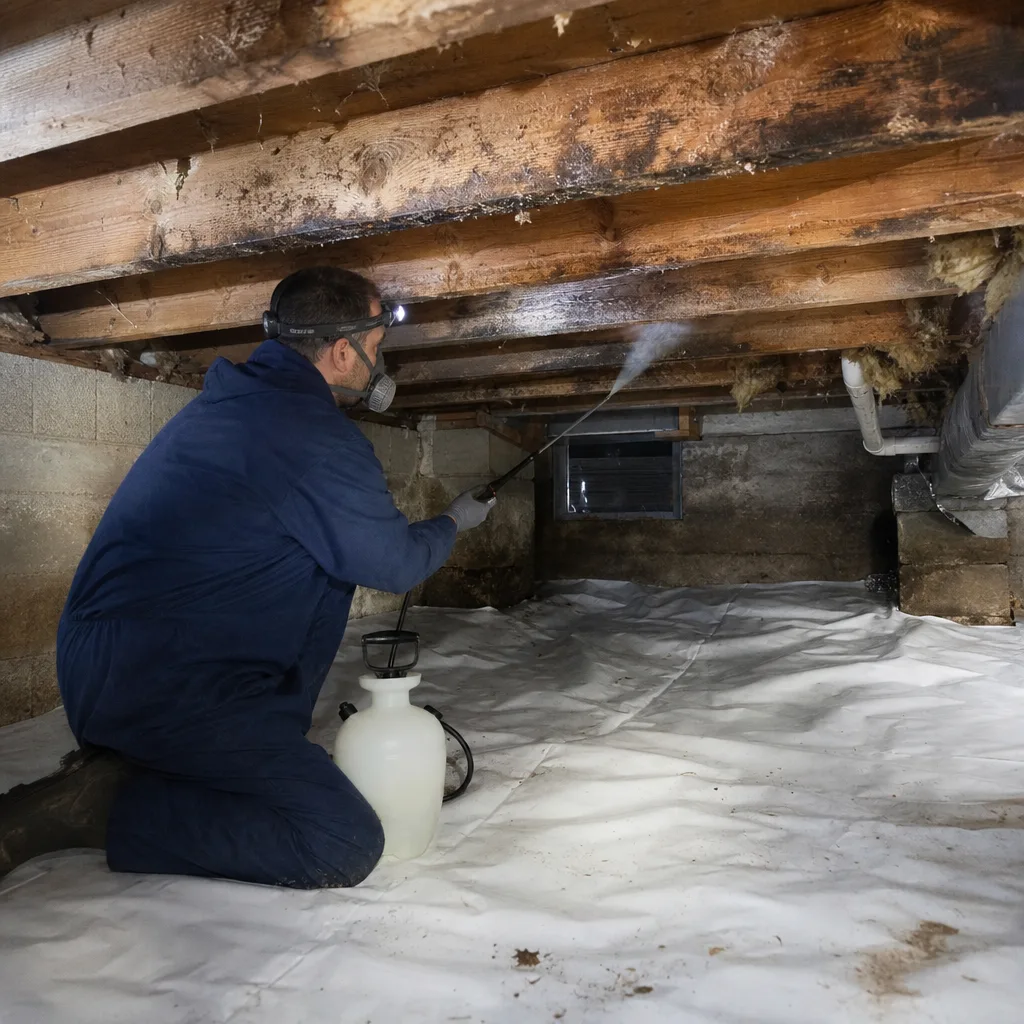
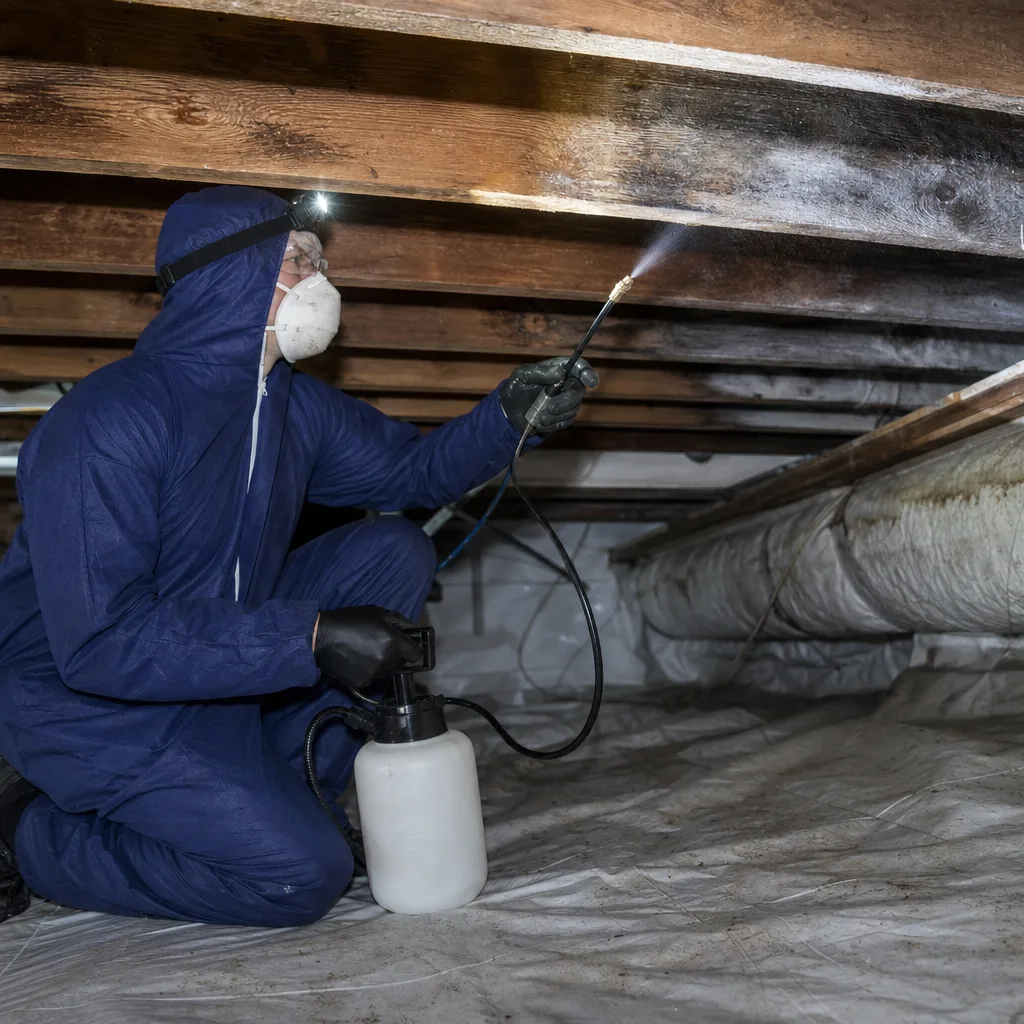
Remaining structural elements are HEPA-vacuumed, then treated with EPA-registered antimicrobial solutions applied to manufacturer specifications. We focus on studs, joists, and subflooring in Bothell’s crawl spaces, where persistent soil saturation from the North Creek watershed creates recurring risk.
5. Structural Drying & Dehumidification
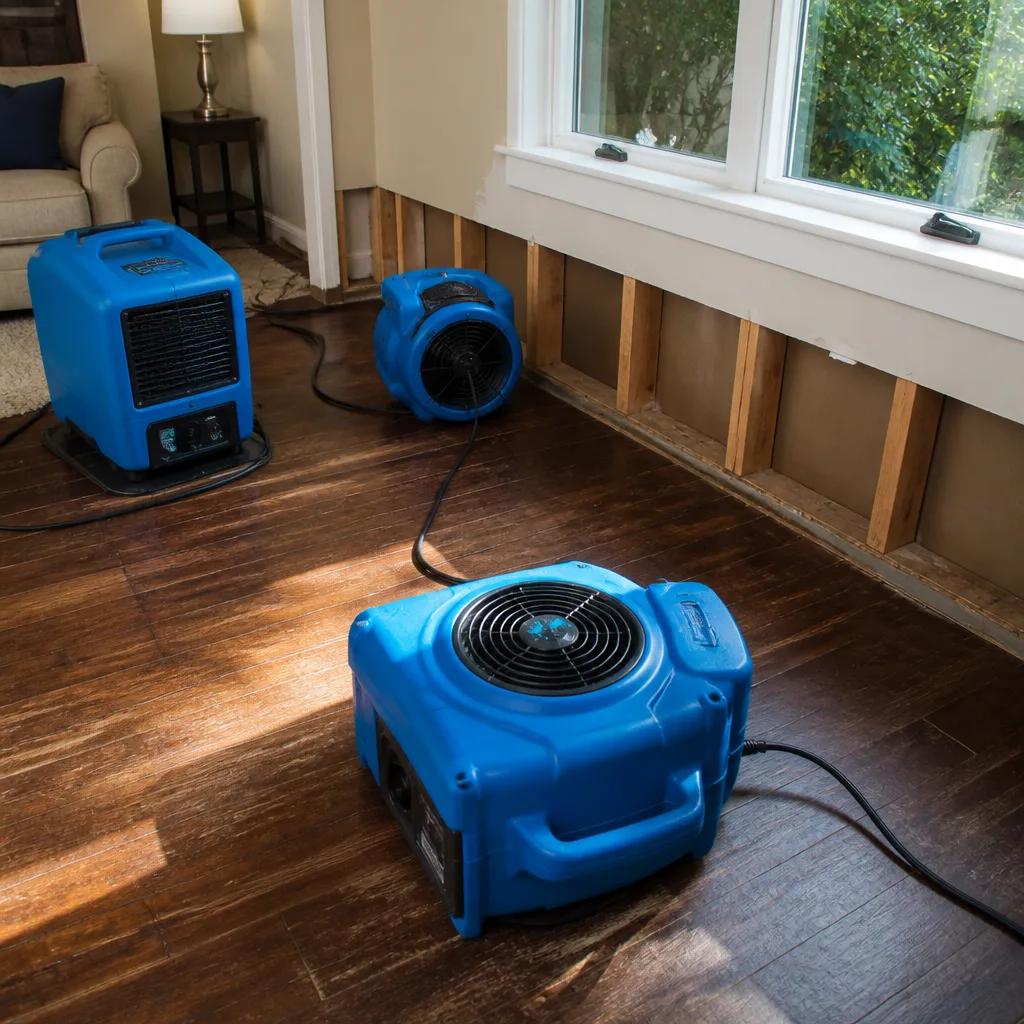
We deploy Dri-Eaz and Phoenix LGR dehumidifiers, B-Air air movers, and Injectidry cavity-drying systems to achieve specific humidity targets verified by daily psychrometric readings. Tertiary drying, the final phase where bound moisture is removed from deep within materials, is documented until wood moisture content drops below 16 percent.
6. Clearance Testing & Restoration
Post-remediation air samples are analyzed by an independent lab. Once spore counts meet clearance criteria, we repair or replace removed materials, matching existing finishes. The 365-Day Done Right Promise applies to all reconstruction work under The Haven Standard.
Need Emergency Mold Remediation in Bothell Now?
Crews minutes away, answering live 24 hours a day. The sooner we start, the less it costs.
Working With Your Insurance Company
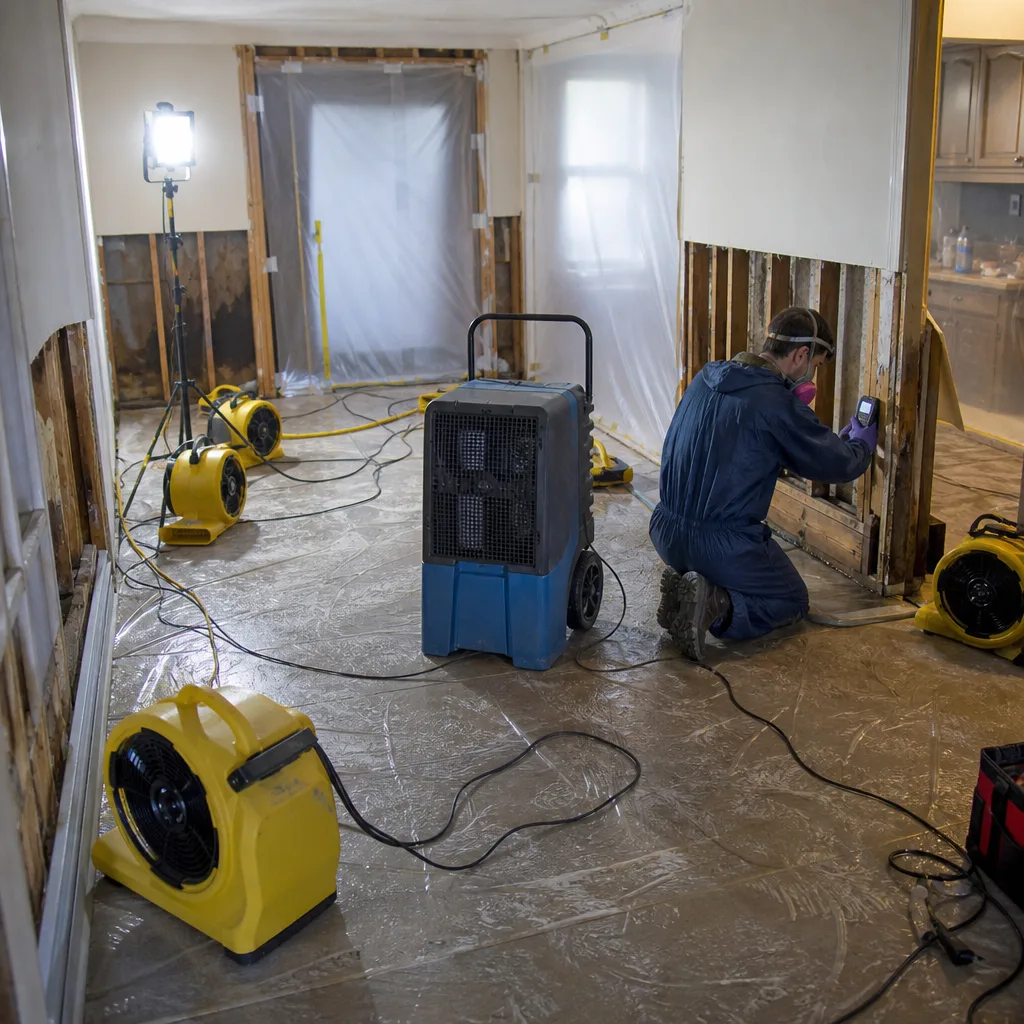
Most Bothell homeowners’ policies cover mold remediation when the growth stems from a covered water loss, burst pipe, appliance failure, or storm intrusion. The claim often stalls when documentation is thin. We eliminate that friction. From the first hour on site, our technicians photograph every affected room, record moisture readings with make and model of instruments, and maintain daily drying logs that track temperature, relative humidity, and specific humidity.
Your adjuster receives a line-item estimate built to industry-standard pricing, not a lump-sum guess. We coordinate directly with your carrier’s claims department, respond to documentation requests within 24 hours, and attend adjuster walkthroughs when requested. The photo record and written scope are included as standard deliverables, never upsells.
What We Provide Your Insurer
- Thorough documentation of the loss
- Photos of all damage, room by room
- Moisture readings and drying logs
- A detailed, line-item scope of work
- Direct coordination with your carrier
Built for Bothell’s Loss Calendar
Bothell’s mold season runs October through May, when the North Creek and Sammamish River corridors concentrate runoff from the Cascade foothills through residential neighborhoods. January and February bring the heaviest soil saturation; crawl spaces in Canyon Park and Wayne flood repeatedly as groundwater tables rise. March and April see the first warm spells that activate dormant spores in wall cavities where moisture has accumulated all winter.
May and June are peak remediation months. Homeowners open windows, smell mustiness, and discover growth that colonized during the rainy season. July through September brings brief drying periods, but Bothell’s shaded lots and mature tree canopy keep crawl-space humidity elevated. October resets the cycle. Homes near the creek, in the 98072 and 98011 ZIP codes, experience this pattern most acutely. The 1980s-90s housing stock in Stonehedge Village and Moorlands, with original OSB sheathing now at end of life, turns minor leaks into full remediation projects with regularity.
Mold Remediation Across Bothell’s Neighborhoods
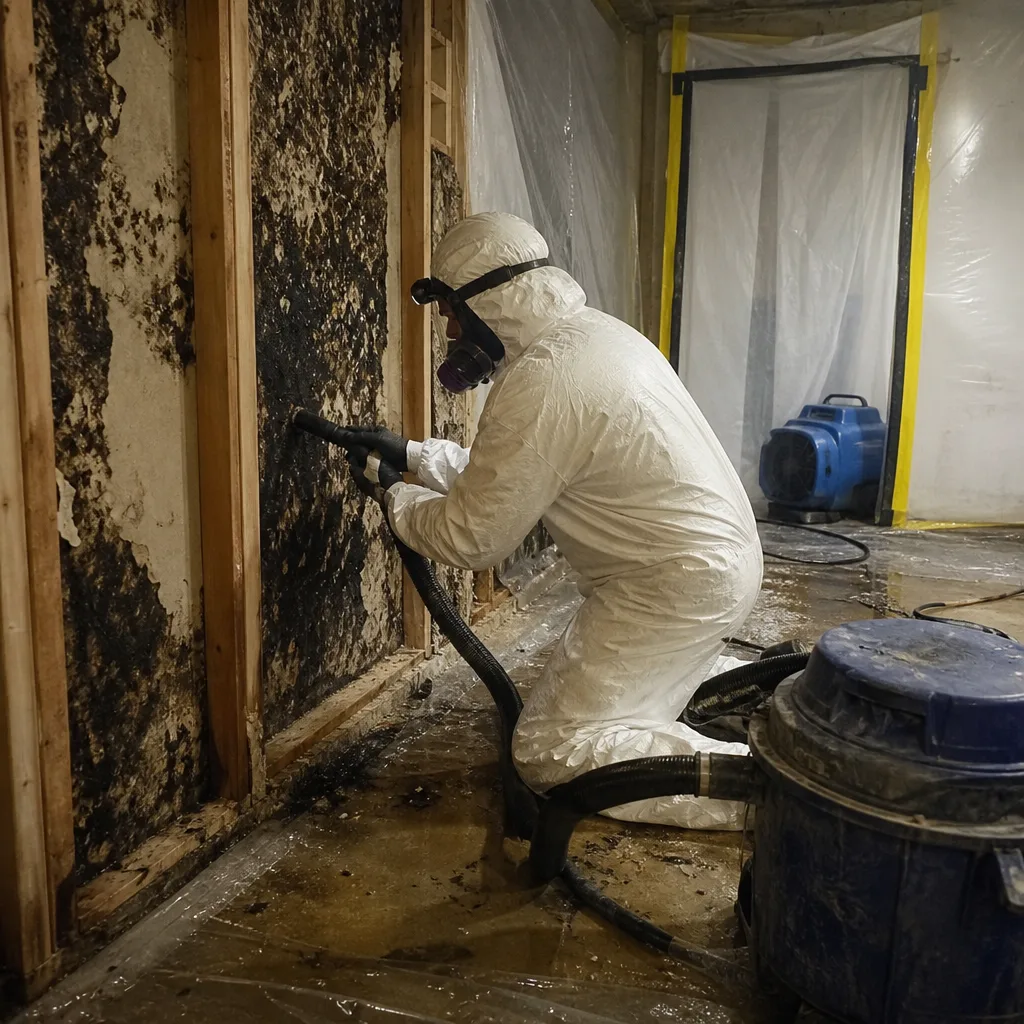
In Canyon Park, we respond to calls along the North Creek corridor where the creek runs directly behind homes built during the tech boom. The combination of creek-adjacent humidity and original building-wrap failure creates a predictable failure mode: exterior sheathing saturation, interior wall cavity colonization, and crawl-space vapor intrusion that homeowners don’t detect until mold breaches the drywall.
Stonehedge Village presents a different profile. The lots are larger, the homes set back from major water features, but the mature Douglas fir canopy blocks solar drying and keeps roof runoff concentrated at the foundation. We find chronic crawl-space mold here, often after homeowners notice cupping hardwood floors or sticking interior doors, both signs of elevated subfloor moisture.
Wayne, in the southern reaches near the King-Snohomish line, has a mix of 1970s ranches and 1990s two-stories. The older homes have unsealed crawl-space vents that admit humid summer air; the newer ones have the familiar OSB-and-housewrap problems. We were called to a 1988-built home in North Creek where the original OSB sheathing had been wicking moisture from the adjacent creek for years, and black mold was colonizing the wall cavity behind the synthetic housewrap. After moisture mapping showed elevated readings in the crawl space and wall studs, we set up containment, performed antimicrobial treatment, and ran structural drying with Dri-Eaz dehumidification for three days. The homeowner was relieved when post-remediation air quality tests came back clear.
Near McMenamins Anderson School House in the 98011 ZIP, the tighter lots and older infrastructure mean one home’s drainage problem becomes the neighbor’s foundation seepage. We coordinate multi-property assessments when mold patterns suggest a shared source.
Specialized Mold Remediation Services We Offer in Bothell
Mold Inspection & Testing
We start with visual inspection, moisture mapping, and air sampling analyzed by independent labs. In Bothell’s 1980s-90s housing stock, we always probe behind suspect walls; the visible growth is rarely the full story. You’ll receive lab results, moisture readings, and a written remediation scope with a fixed price.
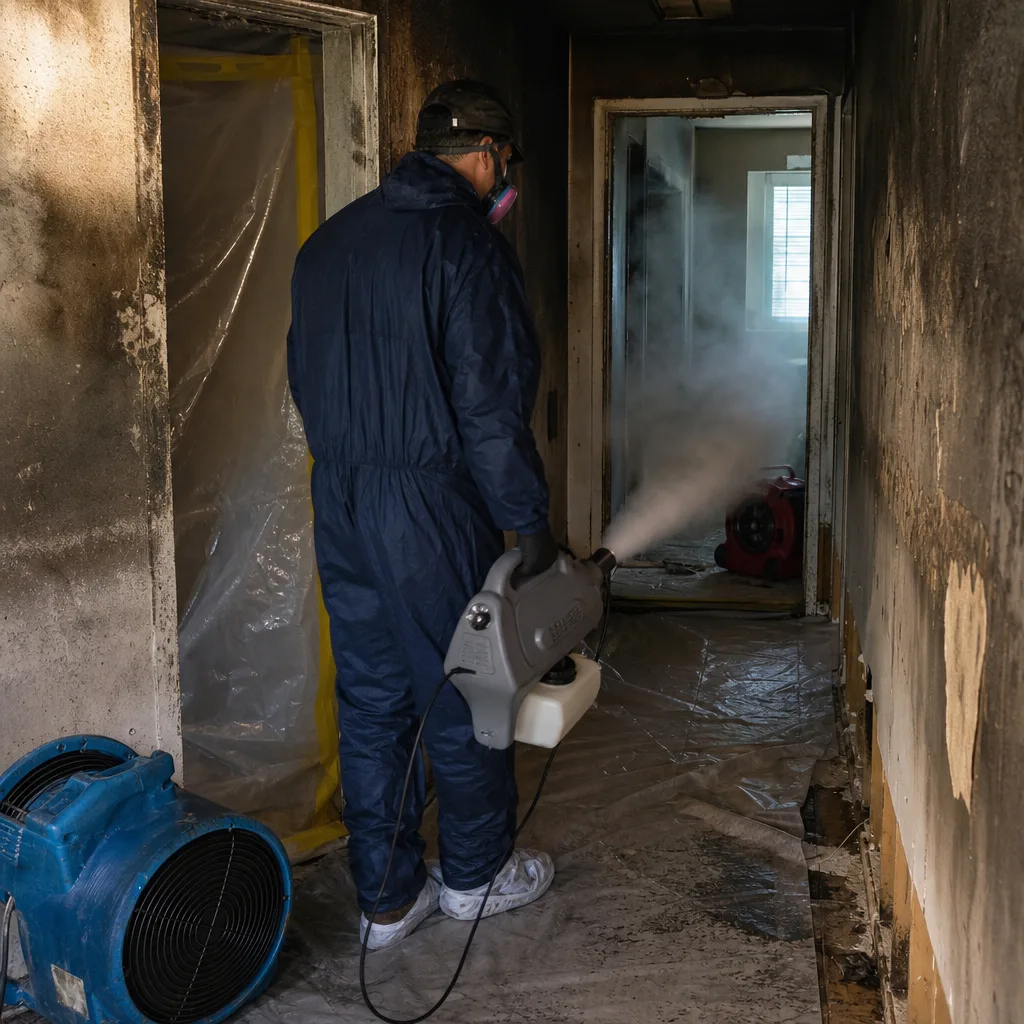
Mold Removal
Controlled demolition of colonized materials, HEPA-contained removal, and antimicrobial treatment of remaining structure. In Bothell, this often means removing degraded OSB sheathing that has become a moisture reservoir, not just surface cleaning.
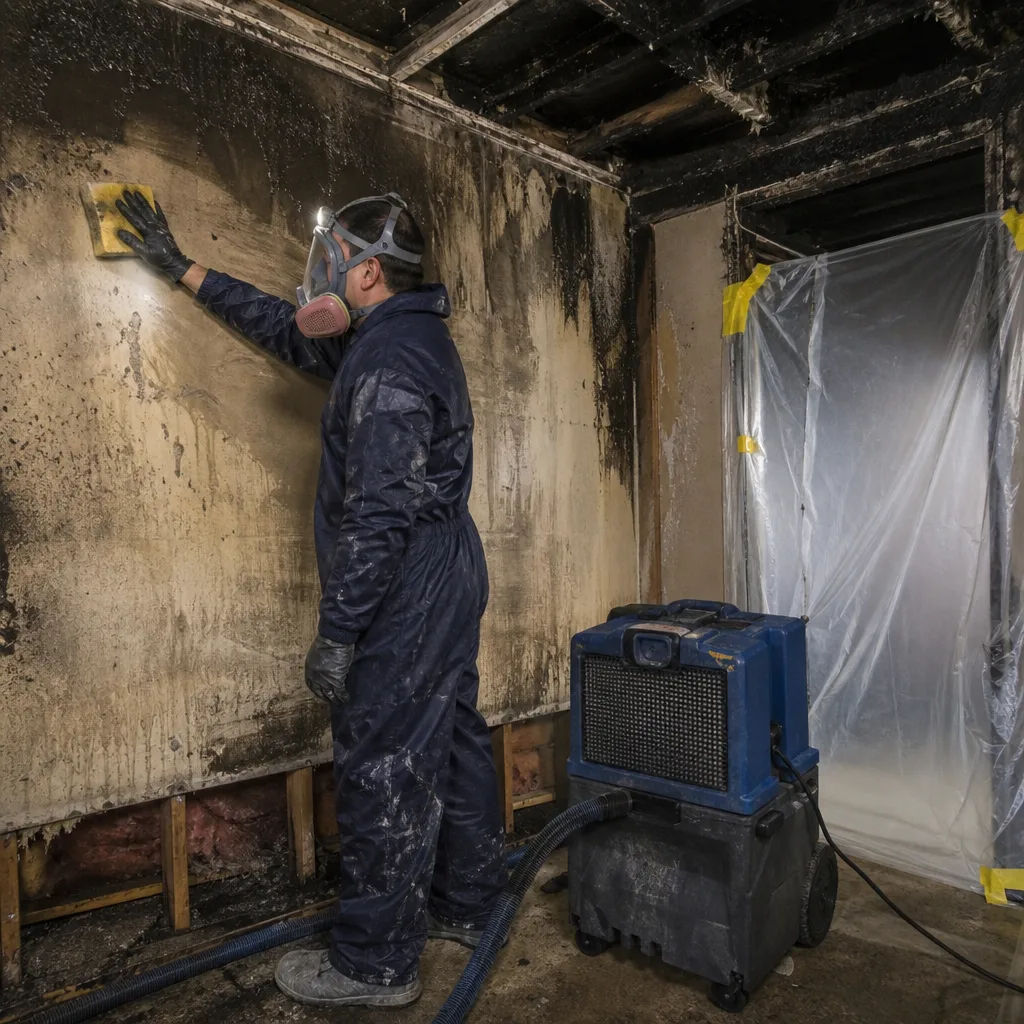
Black Mold Remediation
Stachybotrys and other toxigenic species require enhanced containment, full-face respirator protocols, and extended air scrubbing. We follow IICRC S520 and RIA guidelines for health-protective remediation, with clearance testing before reconstruction begins.
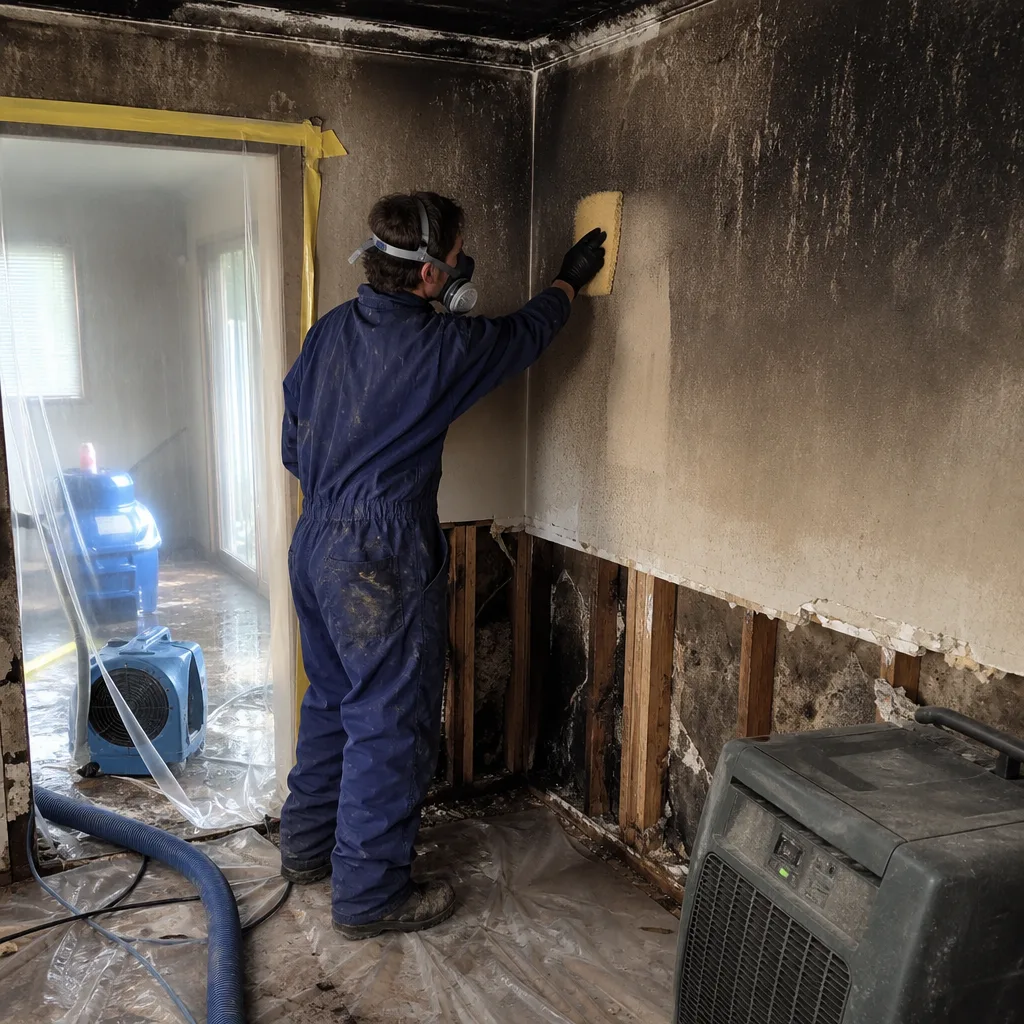
Air Quality Restoration
Post-remediation air scrubbing, duct cleaning where spore migration has occurred, and independent lab verification that indoor spore counts match or fall below outdoor baseline levels. This is critical in Bothell’s tight, energy-efficient homes where HVAC recirculation concentrates contaminants.
Crawl Space Treatment
Bothell’s low-elevation geography and persistent wet season make crawl spaces the highest-risk zone in most homes. We install vapor barriers, seal foundation vents, and deploy permanent dehumidification to prevent recurrence. Without this step, mold returns within weeks.
Moisture & Humidity Control
Long-term humidity management using psychrometric data to size equipment correctly. We specify dehumidifier pint-per-day capacity based on your crawl-space volume and seasonal vapor pressure differential, not guesswork.
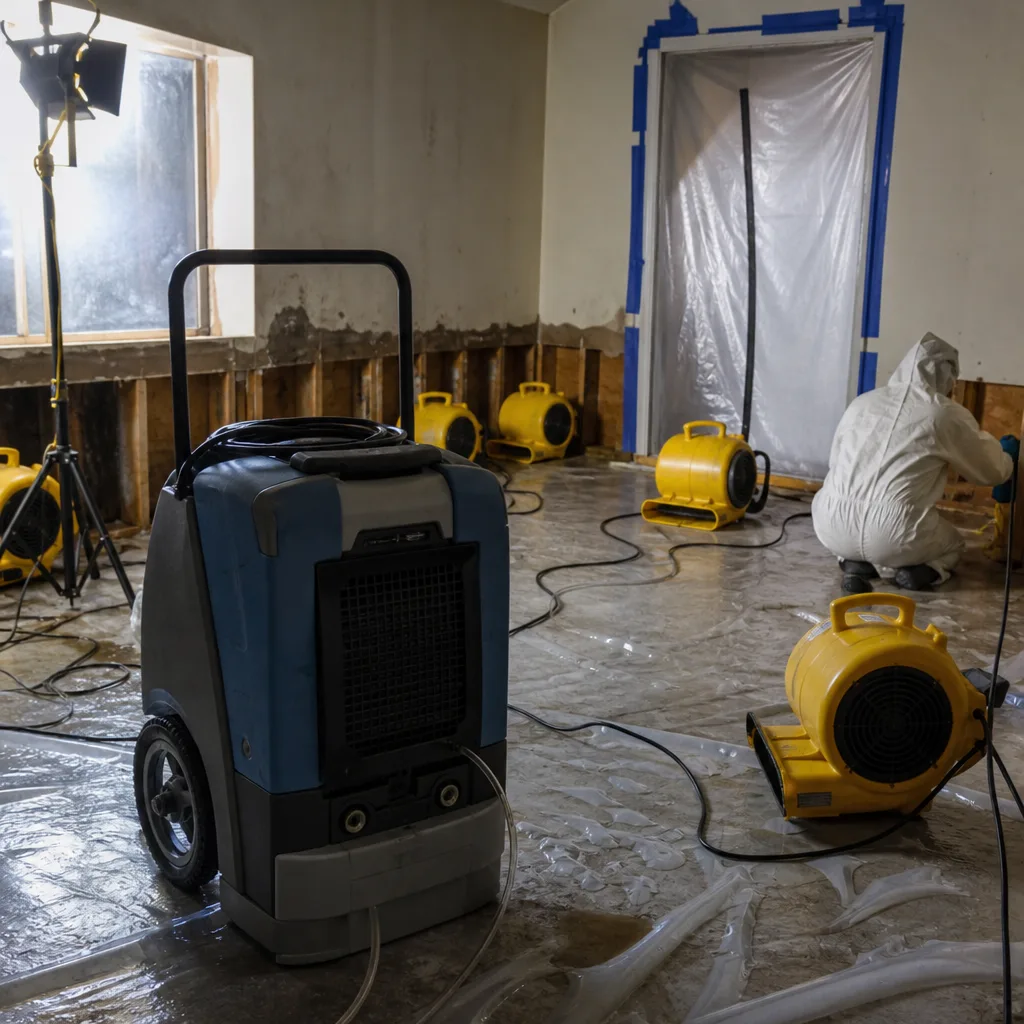
What happens when you call
- 1
A real person answersNo phone trees - you reach a local pro.
- 2
You get an upfront price rangeHonest numbers before anyone is dispatched.
- 3
A background-checked tech heads outLicensed & insured, dispatched right away.
- 4
You approve before work beginsNothing starts until you say go.
Mold Remediation Costs in Bothell, WA
Here’s what mold remediation typically costs in the Bothell market:
| Service | Typical Range |
|---|---|
| Small area mold removal (under 10 sq ft, surface only) | $450-$850 |
| Moderate remediation with containment (10-50 sq ft, porous materials) | $1,800-$3,400 |
| Extensive remediation with demolition (50-150 sq ft, wall cavities) | $3,800-$7,200 |
| Whole-room or systemic colonization (150+ sq ft, multiple rooms) | $7,500-$15,000+ |
| Crawl space treatment with vapor barrier and dehumidifier | $2,200-$4,800 |
| Air quality testing (independent lab, pre- and post-remediation) | $350-$650 |
What moves the price: square footage of colonization, whether demolition is required, accessibility (crawl spaces add labor), and whether the moisture source has been resolved. Insurance typically covers remediation stemming from a covered water loss; maintenance-related mold, slow leaks, or unresolved humidity are usually out-of-pocket. We provide a free visual inspection and written scope so you know exactly what you’re paying for before work starts. Haven Standard, Clause 1: written price before work begins, no exceptions.
We Also Serve Cities Near Bothell
Our crews respond throughout the North Creek and Sammamish River corridors, including Bothell, Kenmore, Woodinville, Lynnwood, and Kirkland. Dispatch and scheduling are coordinated from our Seattle office; technicians serving Bothell live locally and know the area’s building stock, permit requirements, and flood patterns.
Serving Bothell, WA - Our Local Coverage Area
We’re based in the Bothell area and know this community well. Use the map below to see our service coverage - if you’re nearby, we can almost certainly help.
Bothell Mold Remediation Questions, Answered
How quickly can mold start growing in Bothell’s wet climate after a water leak?
Mold can begin colonizing within 24 to 48 hours of water intrusion, and in Bothell’s persistent October-May rainy season, that timeline often shortens to 18-36 hours because ambient humidity stays elevated and materials don’t dry naturally. If you’ve had a leak, call (425) 696-6061 for a free inspection today.
Why does Bothell’s North Creek watershed make mold remediation more complex?
The North Creek watershed concentrates runoff from the Cascade foothills through residential neighborhoods like Canyon Park and North Creek, creating chronic soil saturation and hydrostatic pressure on foundations that higher-elevation suburbs don’t experience. This means crawl spaces stay damp year-round, and wall cavities wick moisture even without an active leak, producing systemic mold that requires more extensive remediation than a simple plumbing failure.
Do you need permits for mold remediation in Bothell, and which county do they come from?
Yes, structural repairs and material replacement following remediation require permits, and because Bothell’s city limits straddle the King-Snohomish county line, the permitting jurisdiction depends on your property’s exact address. A single block in Canyon Park can require two different county building departments with separate inspection timelines and code interpretations. We verify jurisdiction before pulling permits to avoid the delays and re-inspection fees that stall insurance-driven schedules. Call (425) 696-6061 and we’ll confirm which county applies to your property.
What equipment do you use for crawl space mold treatment in Bothell?
We deploy Dri-Eaz and Phoenix LGR dehumidifiers sized to crawl-space volume and seasonal vapor pressure differential, B-Air axial air movers for circulation, and Injectidry cavity-drying systems when moisture has penetrated subfloor assemblies. HEPA-filtered negative air machines maintain containment during demolition. All equipment is documented to IICRC, RIA, and IFA standards with daily moisture logs.
Can mold in Bothell’s 1980s-90s housing stock be hidden behind walls?
Yes, and it usually is. The original OSB sheathing and early synthetic housewraps in Bothell’s dominant housing stock trap moisture against the wall cavity, creating ideal conditions for hidden colonization. We use thermal imaging and penetrating moisture probes to find it; visible surface growth is typically the tip of the problem. Our Mold Remediation team has documented this pattern in hundreds of Bothell homes.
Will my insurance cover mold remediation in Bothell?
Most policies cover mold remediation when it results from a sudden, covered water loss like a burst pipe, appliance failure, or storm intrusion. Slow leaks, maintenance neglect, or unresolved humidity are typically excluded. We document the loss origin with photos, moisture readings, and written scope to support your claim, and we bill your insurer directly when coverage is confirmed. Bring any competitor’s estimate for a free second opinion.
How long does mold remediation take in Bothell?
A small contained area can be remediated in 1-2 days; moderate projects with demolition and drying typically run 3-5 days; extensive systemic colonization may require 7-10 days plus reconstruction time. The drying phase is data-driven, not calendar-driven, we continue until daily moisture logs confirm wood moisture content below 16 percent and independent air quality testing clears the space.
Can my family stay in the home during mold remediation?
For small, contained areas with no toxigenic species and proper isolation, often yes. For extensive remediation, black mold involvement, or when HVAC systems are affected, we recommend temporary relocation to prevent exposure to elevated spore counts and antimicrobial application residues. We specify occupancy recommendations in your written scope before work begins.
Call (425) 696-6061 now for 24/7 live answer and a free visual inspection. We’ll deliver a written scope and fixed price before any work starts, document every step with photos and moisture logs, and stand behind the result with our 365-Day Done Right Promise under The Haven Standard.
Written by Alicia Brennan, Owner at Back to Dry Restoration, serving Bothell since 2011.
Mold Remediation in Nearby Areas