
Last updated September 23, 2026
Free visual inspection and a written scope of work before any mitigation begins - photos, moisture readings, and drying logs go in your claim file
The scope we write is the scope we bill. Anything new gets shown to you, in writing, before we touch it.
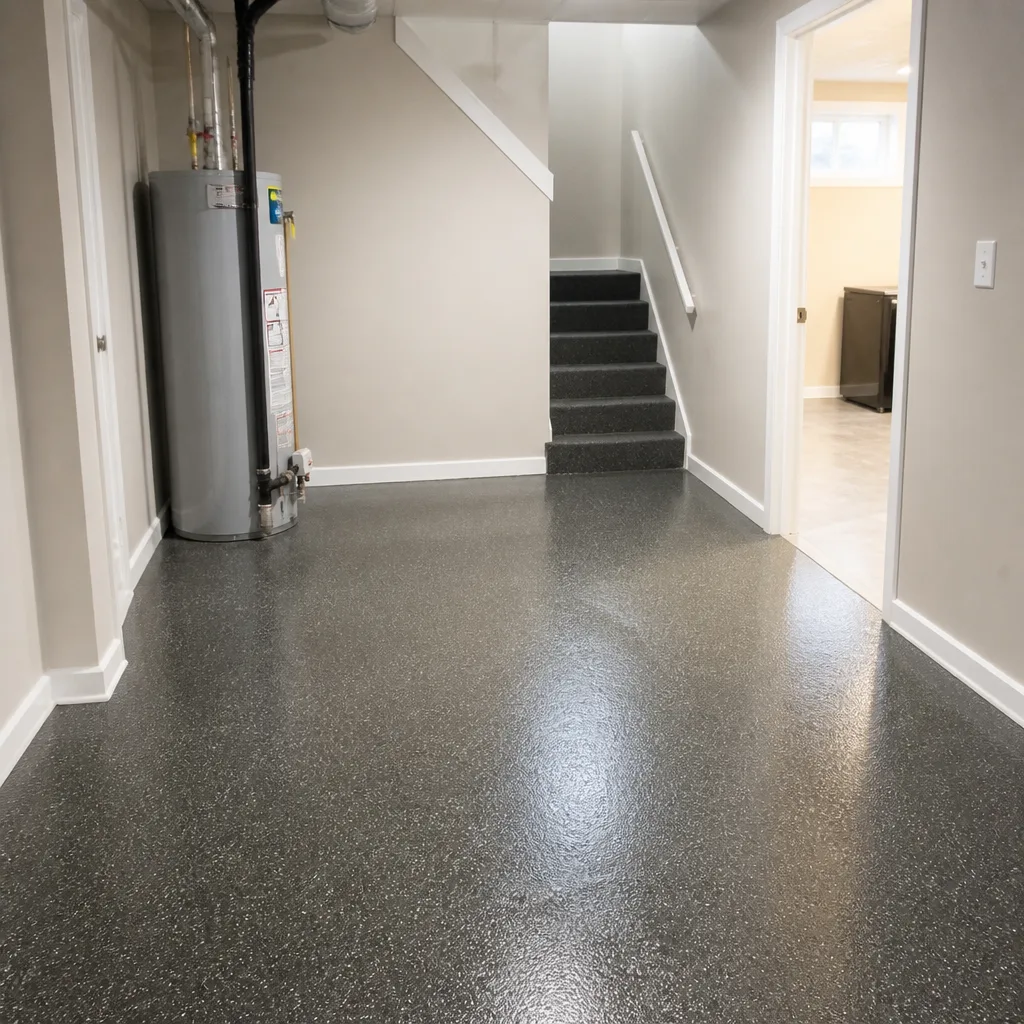
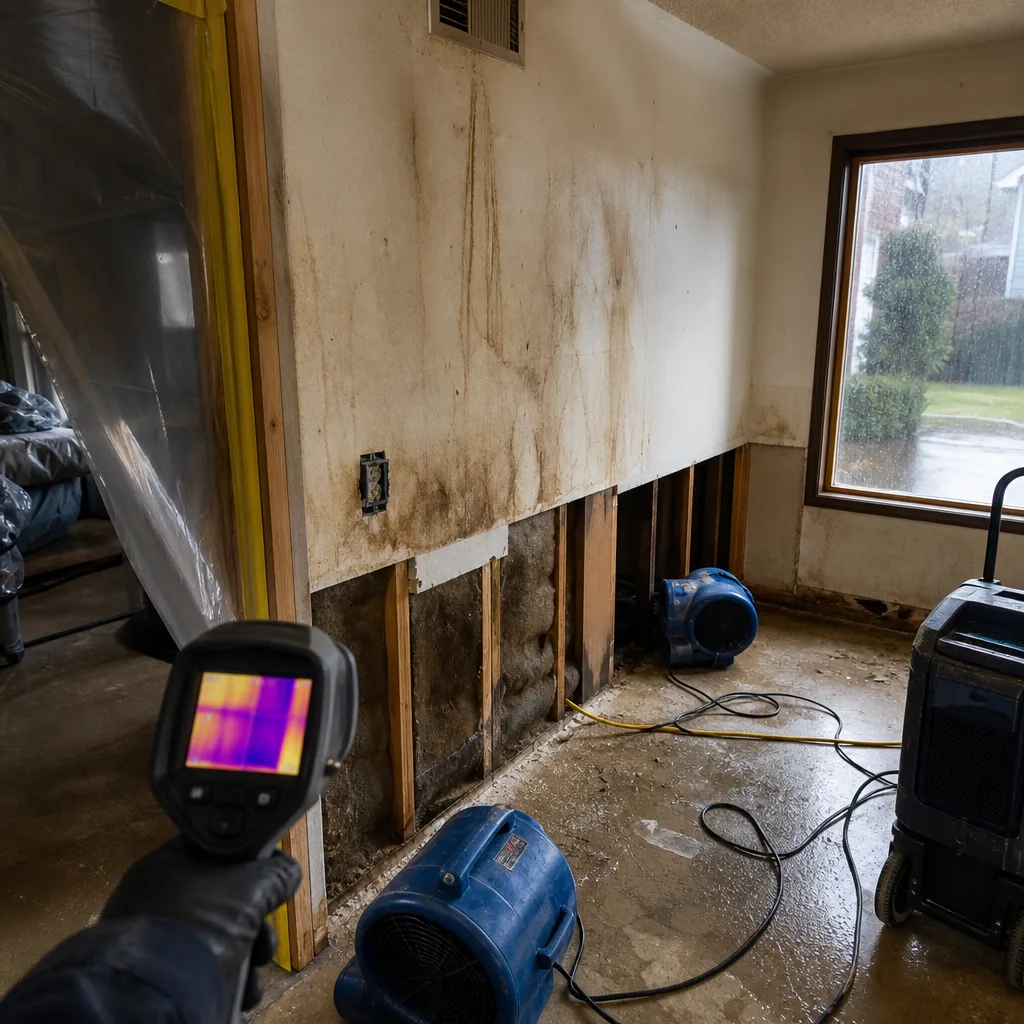 Before
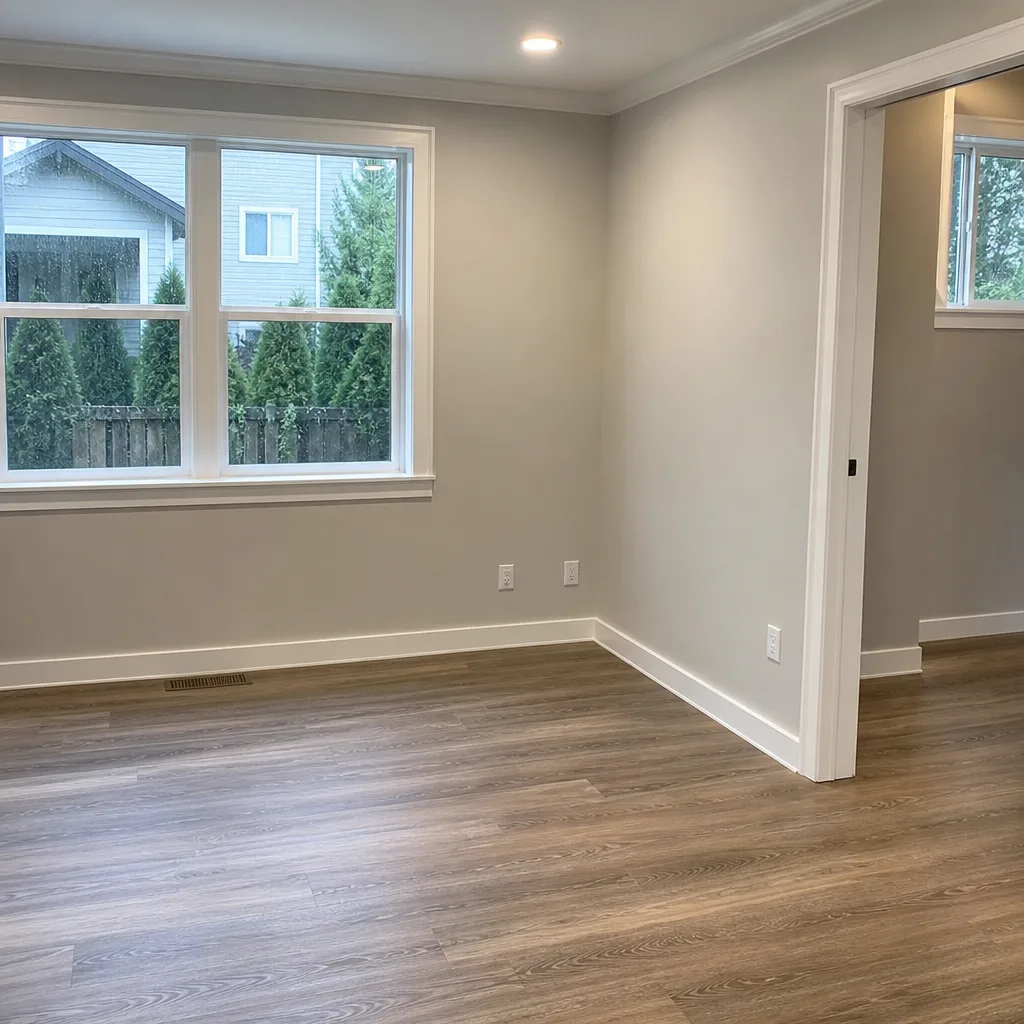 After
After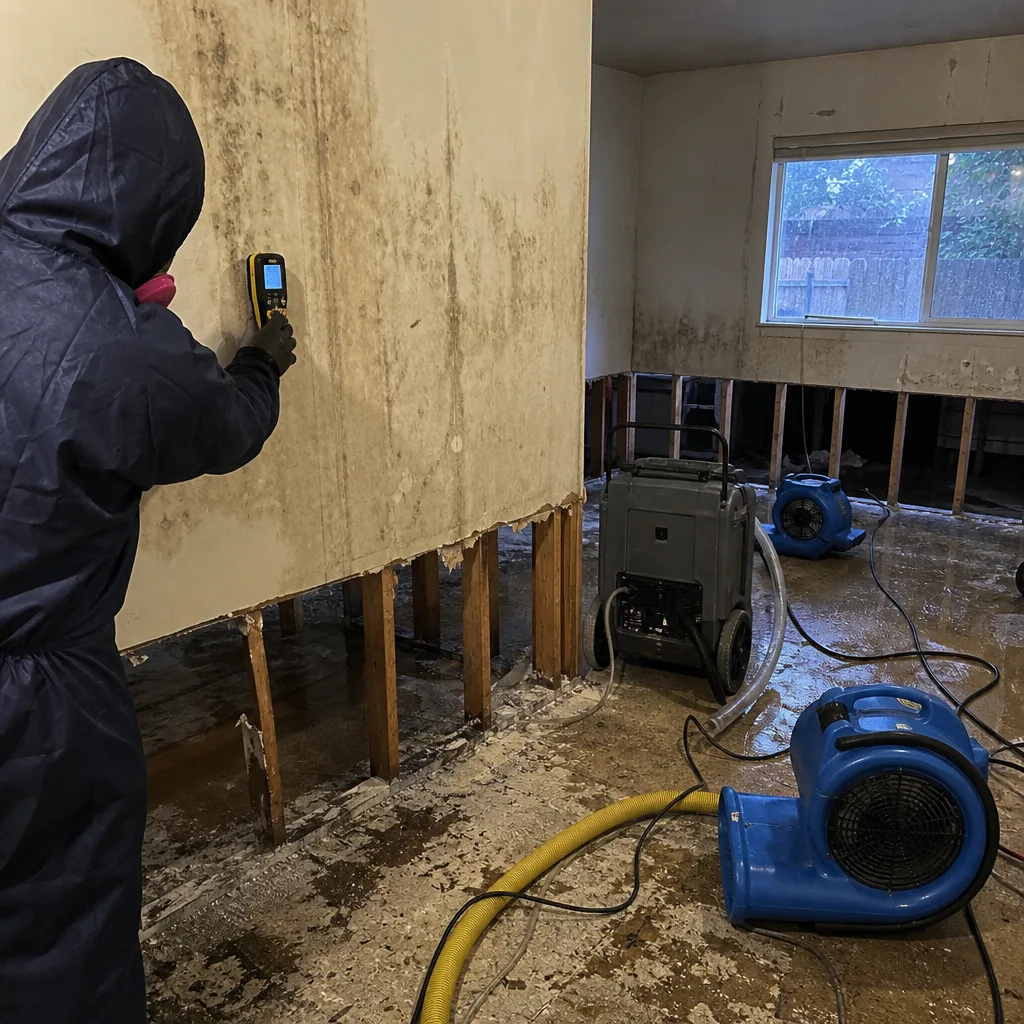 Before
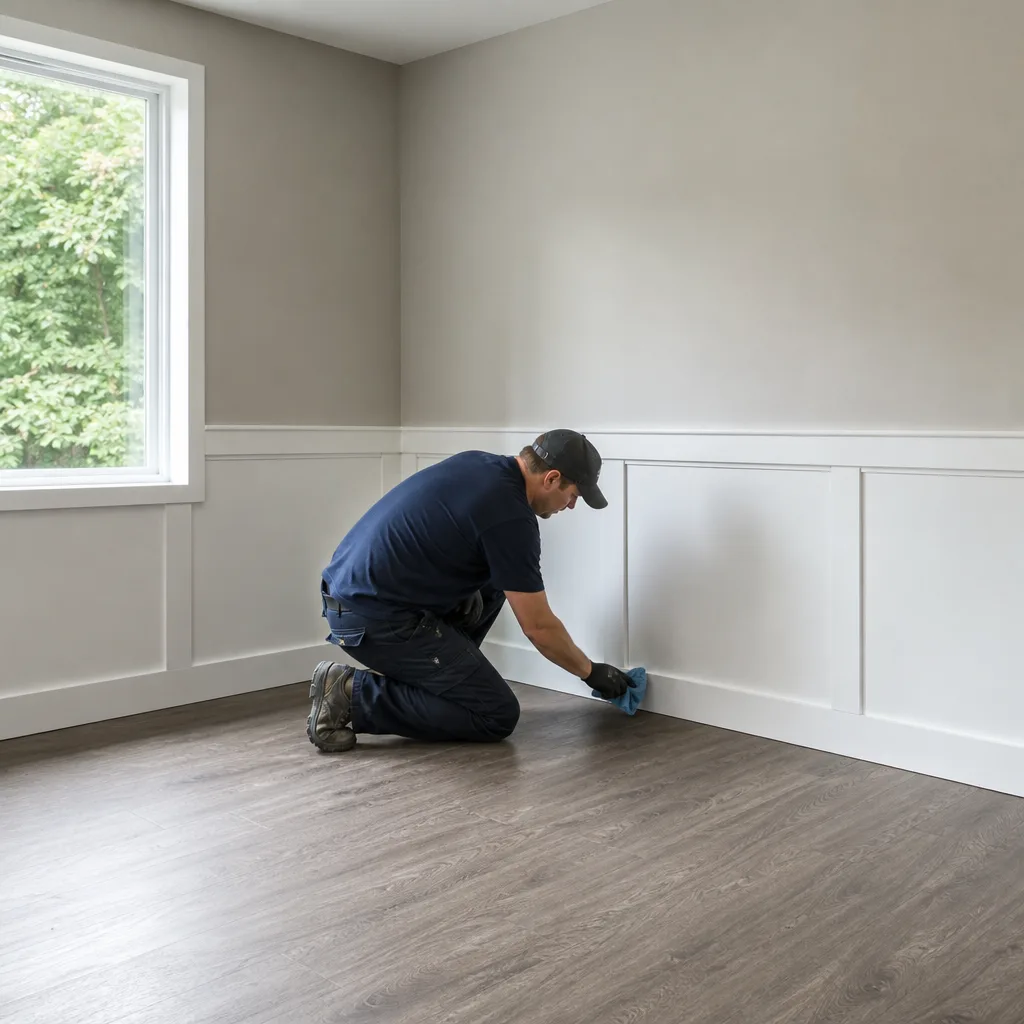 After
After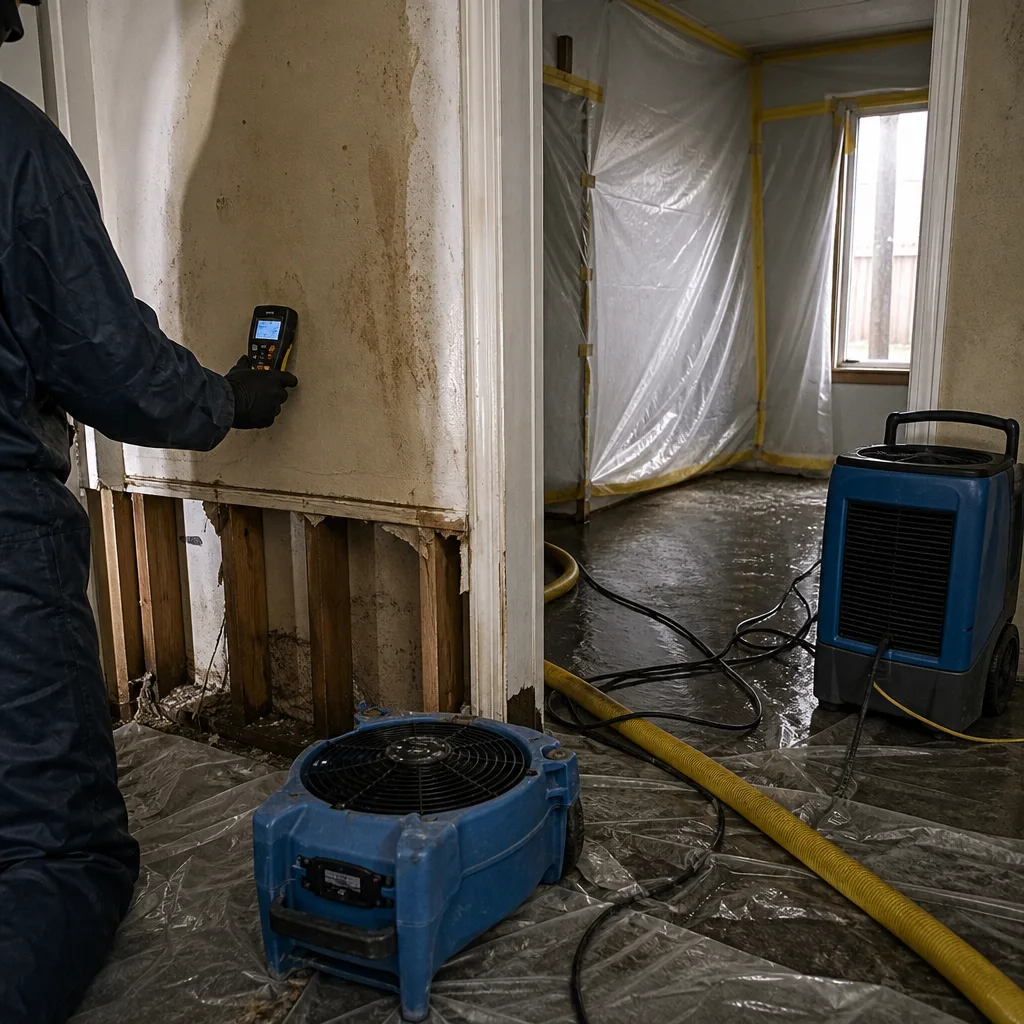 Before
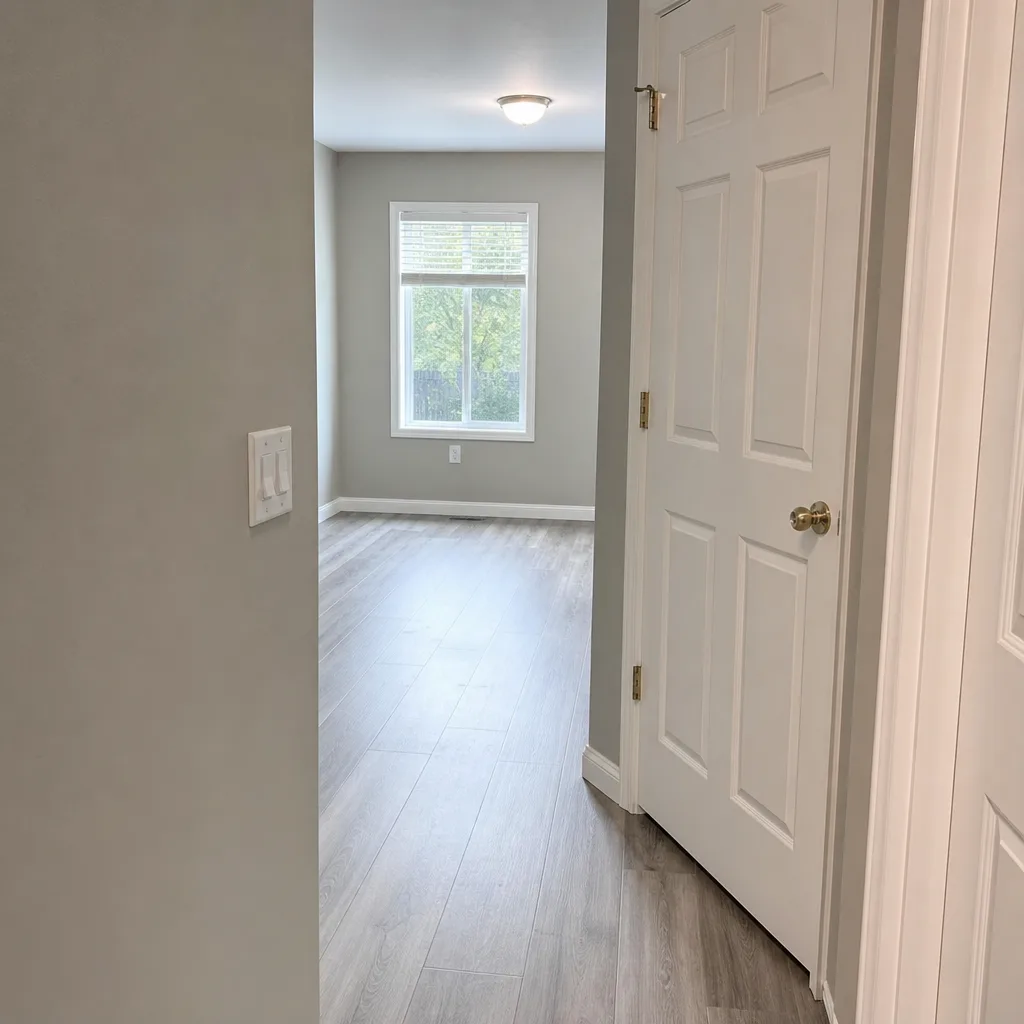 After
AfterDIY vs Professional Damage Restoration: The Bothell Homeowner’s Decision Guide
Washington’s insurance code does not require you to hire a contractor for water damage mitigation - but it does require you to prove that the moisture was fully removed before reconstruction began, and a consumer-grade moisture meter without a calibration certificate and a chain-of-custody log is not that proof. In Bothell, where the Sammamish River Valley’s clay-heavy soils slow exterior drainage and the annual 40+ inches of rainfall keep basements under seasonal hydrostatic pressure, we’ve seen homeowners lose thousands in legitimate coverage because they dried what they could see and documented none of it. This guide - along with our step-by-step guide on hiring a damage restoration contractor in Bothell - defines exactly where the documentation threshold, not the physical difficulty threshold, requires professional involvement.
Quick Answer
Most Bothell homeowners can safely handle surface water extraction from hard floors and minor Category 1 spills under 10 square feet without professional help. Anything requiring moisture verification behind walls, under cabinets, or in subfloors demands professional documentation - specifically calibrated psychrometric readings, IICRC S500-format drying logs, and signed clearance moisture readings - or your insurer has grounds to reject or discount the claim.
Table of Contents
- The Documentation Threshold: Why Insurers Reject DIY Restoration
- What You Can Legally and Safely DIY in Washington
- The Documentation Gap: What Homeowners Cannot Self-Generate
- Washington Anti-Subrogation: How DIY Work Affects Your Claim Rights
- The Real Cost Math: $1,200 DIY vs. $4,000 Documented Mitigation
- How to Document DIY Work for Maximum Partial Reimbursement
- Bothell’s Climate and Construction: Local Factors That Change the Calculation
- Common Mistakes to Avoid
- When to Call a Professional
- Frequently Asked Questions
BeforeAfterThe Documentation Threshold: Why Insurers Reject DIY Restoration
Here’s what most water damage restoration in Bothell guides won’t tell you: the physical work of drying a structure is not what determines whether your claim gets paid. The documentation of that drying is.
Insurance adjusters evaluate water damage claims against a standard called “reasonable and necessary.” That standard has two parts. “Necessary” means the water was present and caused damage. “Reasonable” means the methods used to remove it were appropriate to the loss category and were performed to completion. A homeowner with a wet-dry vacuum and box fans can satisfy “necessary.” They almost never satisfy “reasonable” without professional documentation, because they cannot produce the evidence that moisture was fully eliminated.
Consider what happens 30 days after a DIY drying attempt. The homeowner notices warping in their engineered hardwood, or a musty smell near the baseboards, or mold spotting on drywall. They reopen the claim. The adjuster requests the drying log. The homeowner has none. The adjuster then has three options, all bad for the homeowner: deny the supplemental as undocumented, attribute the damage to pre-existing conditions, or apply depreciation and coinsurance penalties because the initial mitigation was “incomplete.”
We’ve reviewed hundreds of claims files at DryMark Restoration Bothell home. The pattern is consistent. Homeowners who self-performed mitigation without documentation received 40-60% less on their structure payments than those who hired IICRC-certified firms with daily drying logs. The gap isn’t the drying quality - though that matters too. It’s the paper trail.
The Haven Standard, which governs every job we perform, exists because our founder spent years as a claims adjuster watching homeowners lose coverage over documentation gaps. Clause 1 requires a written price before work begins. The daily drying log requirement, documented to IICRC S500 standards, exists so that when an adjuster asks “how do you know it was dry,” the answer is a timestamped psychrometric reading, not a homeowner’s memory.
What You Can Legally and Safely DIY in Washington
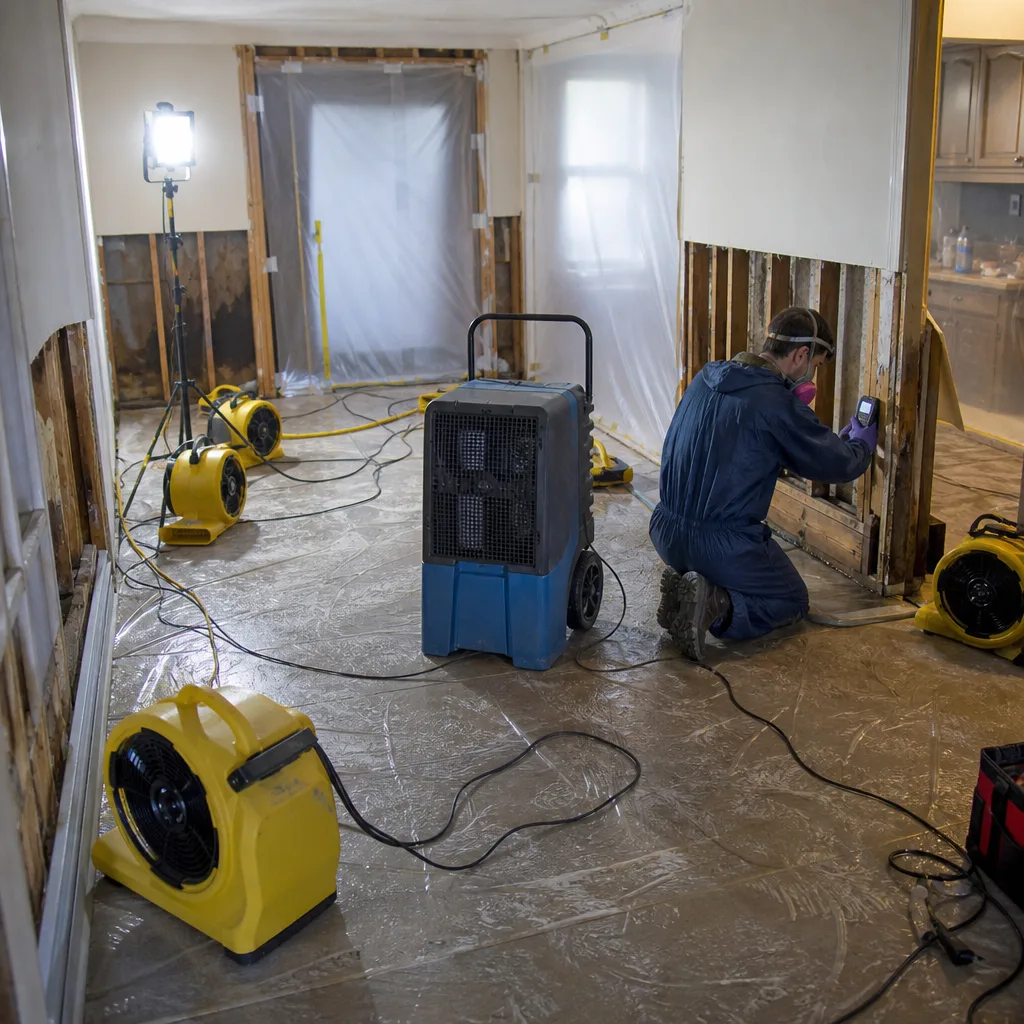
Not all water damage requires professional intervention. Washington law and standard insurance policies allow homeowners to perform certain mitigation tasks without jeopardizing coverage, provided the loss is minor, the water is clean, and the documentation burden is low.
Category 1 water - clean water from a supply line, faucet, or rainwater intrusion - presents the lowest risk. Category 2 (gray water from appliances or sump backups) and Category 3 (black water from sewage or flooding) require professional handling under OSHA and IICRC standards; self-performing Category 3 work voids most homeowners policies and creates liability exposure.
Here are the specific tasks a Bothell homeowner can safely self-perform on a Category 1 loss under 10 square feet:
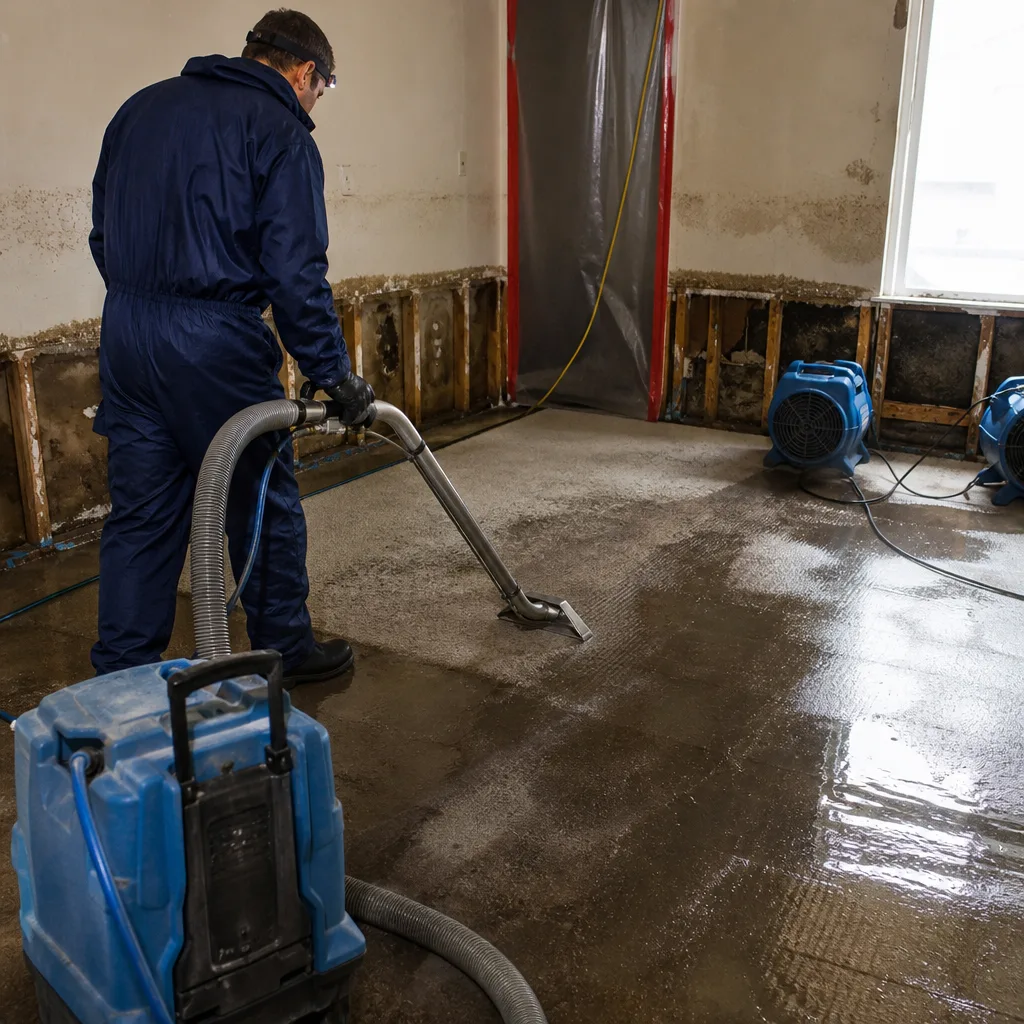
- Surface water extraction from hard floors. Use a wet-dry vacuum to remove standing water from tile, sealed concrete, or luxury vinyl plank. Stop when visible water is gone - do not attempt to extract from carpet pad or subfloor.
- Content manipulation. Move furniture, rugs, and personal items to dry areas. Place aluminum foil or wood blocks under furniture legs to prevent stain transfer.
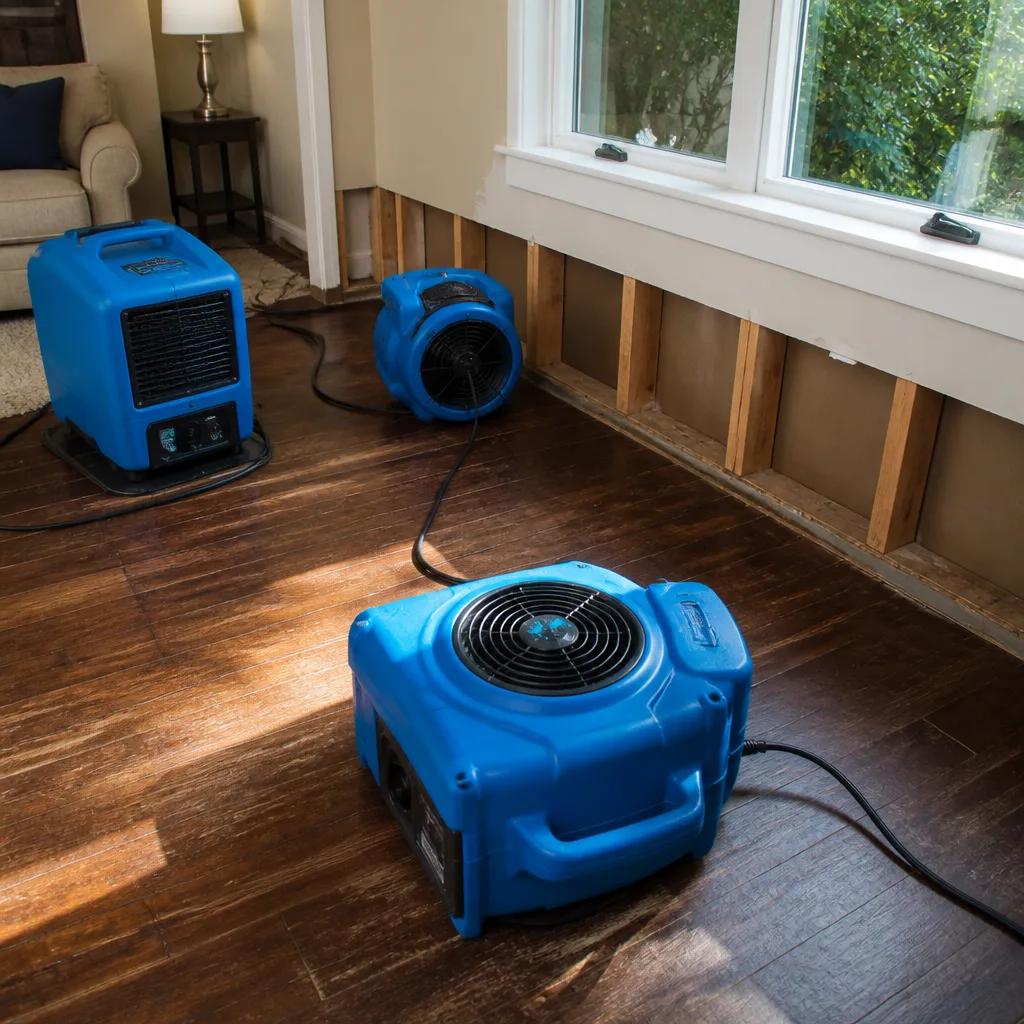
- Air circulation with consumer-grade fans. Run box fans or carpet dryers (XPOWER and B-Air make residential models) to accelerate evaporation. Position to blow across, not directly into, wet surfaces.
- Dehumidification in confined spaces. A residential dehumidifier rated for the space’s cubic footage can maintain relative humidity below 60%, slowing microbial growth until professional assessment.
- Removal of clearly unsalvageable materials. Wet cardboard, paper goods, and inexpensive textiles that show no sentimental or high-value replacement cost can be discarded with photo documentation.
The 10-square-foot threshold matters. Beyond that, water migrates unpredictably through wall cavities, under cabinets, and into subfloor assemblies. In Bothell’s 1960s-1980s ranch homes - common in neighborhoods like Canyon Park and North Creek - slab-on-grade construction with no vapor barrier means water moves laterally under flooring faster than evaporation removes it. What looks like a 12-square-foot kitchen spill often becomes a 40-square-foot subfloor saturation.
Stop and call a professional if: water has reached carpet or carpet pad; water has wicked into drywall more than 2 inches above the floor; the loss occurred more than 24 hours ago; you smell mustiness; or the water source is unknown. These conditions indicate migration beyond DIY capability and documentation requirements beyond homeowner tools.
The Documentation Gap: What Homeowners Cannot Self-Generate
This is where the DIY-versus-professional question turns. The physical work of setting fans and removing water is within most homeowners’ capability. The documentation required to make that work claimable is not.
Here are the specific documents that professional restoration generates and homeowners cannot self-produce:
- Calibrated psychrometric readings. Professional firms use meters calibrated to NIST-traceable standards, with certificates renewed annually. The reading itself - say, 16.2% moisture content in oak flooring - means nothing without the calibration certificate proving the meter was accurate on the date of measurement. Consumer meters from hardware stores lack this chain of custody.
- IICRC S500-format drying logs. This standardized daily record documents: affected room dimensions; material classifications by trade name (e.g., “3/4-inch OSB subfloor, Class 4”); equipment deployed by model and serial number; psychrometric readings at multiple points; and technician signature with certification number. The format is designed for adjuster review and legal admissibility.
- Clearance moisture readings signed by a certified technician. “Dry” is not a guess. IICRC defines it as moisture content within 4 percentage points of a dry standard reference for that material in that geographic region. A certified technician must sign the clearance, accepting professional liability for the determination.
- Photo records with metadata. Professional documentation includes timestamped, geotagged photos of every phase: pre-loss condition, moisture mapping, equipment placement, daily progress, and post-mitigation clearance. Phone photos often lack embedded metadata or chain-of-custody verification.
- Vapor pressure differential calculations. This measures the drying potential of the air versus the moisture load of the structure. Professional systems from Phoenix and Injectidry include sensors that log this data automatically. No consumer tool calculates it.
Without these documents, an insurer can legitimately argue that mitigation was “incomplete” or “not performed to industry standard.” The homeowner then bears the burden of proving otherwise - a burden they created by self-performing without documentation.
We’ve seen this in Bothell’s Finn Hill and Woodinville-adjacent properties, where homeowners with high deductible policies attempted DIY to save money. Six months later, mold remediation cost $8,000-$15,000, and the insurer denied coverage because the original water loss was “not properly mitigated.” The documentation gap became a coverage gap.
Washington Anti-Subrogation: How DIY Work Affects Your Claim Rights
Washington’s anti-subrogation statute, RCW 48.76.045, limits an insurer’s right to recover from a liable third party - say, a negligent contractor, a municipality with failed drainage, or a neighbor whose plumbing failed. But the statute has a condition: the insurer’s subrogation rights are preserved only when the loss is “properly documented and mitigated.”
Here’s why this matters for DIY decisions. Suppose your Bothell home suffers water damage because a neighbor’s irrigation line ruptured and flooded your property. You self-perform extraction and drying. Your insurer pays your claim. Six months later, the insurer discovers the neighbor’s liability and wants to subrogate - recover its payout from the neighbor or their insurer.
If your DIY mitigation lacks professional documentation, the neighbor’s insurer can argue that the damages were overstated, that mold resulted from incomplete drying rather than the original water intrusion, or that the “reasonable and necessary” standard wasn’t met. Your insurer’s subrogation claim weakens. In some cases, your insurer may recover less - or decline to subrogate entirely - because the documentation doesn’t support the full damages claimed.
Worse, if your DIY work is deemed to have exacerbated the damage - for example, by creating conditions for secondary mold growth - the neighbor’s insurer may argue that your actions, not theirs, caused the compensable harm. This is rare but real, and it appears in Washington case law on property damage allocation.
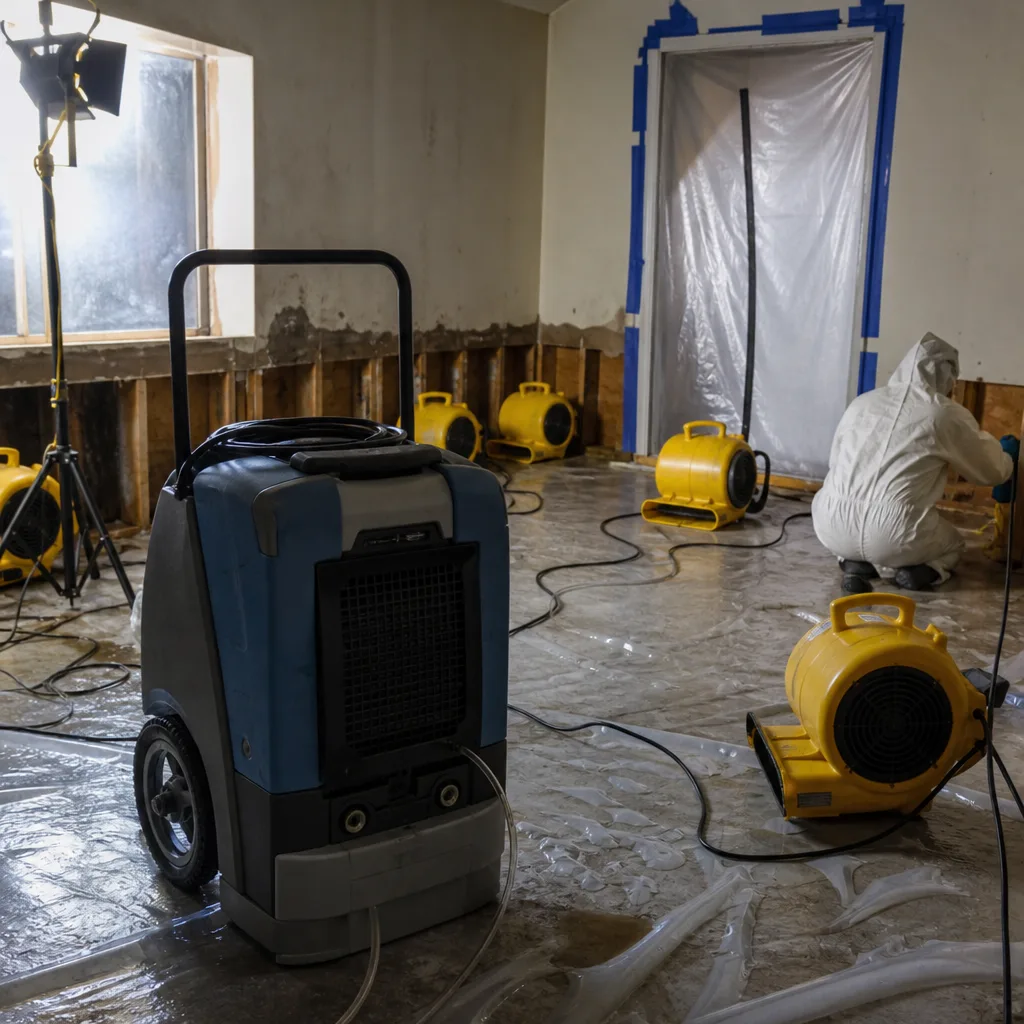
Professional mitigation with IICRC documentation creates a clear causal chain: the neighbor’s water caused this specific damage, this specific equipment removed this specific moisture load, and this certified technician verified completion. That chain protects your insurer’s subrogation rights and, by extension, your future insurability and premium stability.
In Bothell’s denser neighborhoods like Downtown Bothell and the Park at Bothell Landing, where lot lines are tight and shared drainage systems are common, third-party liability for water damage is more frequent than homeowners realize. The documentation decision at the front end affects legal rights at the back end.
The Real Cost Math: $1,200 DIY vs. $4,000 Documented Mitigation
The financial argument for DIY seems obvious: buy a $300 wet-dry vacuum, rent fans for $200, run your own dehumidifier, and “save” $3,500 on a professional mitigation invoice. But this math omits the insurance economics that actually determine a homeowner’s out-of-pocket cost.
Consider a typical Bothell water loss: supply line failure in a kitchen, 48-hour discovery delay, water affecting 150 square feet of flooring and base cabinets.
| Scenario | DIY Approach | Professional Mitigation |
|---|---|---|
| Upfront cash outlay | $1,200 (equipment, supplies, time) | $0 (insurance claim, deductible applies later) |
| Documentation generated | None | IICRC S500 drying log, psychrometric readings, photo record, signed clearance |
| Insurer reimbursement for mitigation | $0-$400 (partial, contested) | $4,000 (full invoice, documented) |
| Structural repairs (drywall, flooring, cabinets) | $3,500 (out of pocket, partially denied) | $3,500 (covered, with mitigation documentation) |
| Mold remediation at 90 days (common with incomplete drying) | $8,000-$15,000 (often denied as “maintenance issue”) | $0 (prevented by proper drying) |
| Total 12-month cost | $12,700-$19,700 | $1,000-$2,500 (deductible only) |
The professional mitigation invoice is higher on paper. But the documented mitigation unlocks the full structure coverage, prevents secondary damage, and satisfies the “reasonable and necessary” standard that makes the entire claim payable.
There’s a second cost layer: future premium impact. Insurers in Washington increasingly use loss history databases that flag “unmitigated water loss” as a risk factor. A homeowner with a $1,200 DIY attempt that resulted in mold may see higher premiums or non-renewal, even if they never filed a large claim. The documentation gap becomes an underwriting signal.
At DryMark Restoration Bothell, Haven Standard Clause 1 requires a written price before work begins. That price includes the full documentation package - drying log, photo record, clearance readings - as standard, never an upsell. The $4,000 invoice is the complete cost of making the claim payable, not just the cost of drying the floor.
How to Document DIY Work for Maximum Partial Reimbursement
Some homeowners will choose DIY regardless of the documentation risks - high deductibles, cash flow constraints, or simple preference. If you’re in this position, you can improve your reimbursement prospects by generating the best documentation available to a non-professional.
- Photo record with timestamps and location data. Use your phone’s camera with location services enabled. Take photos of: the water source; standing water before extraction; all affected rooms from multiple angles; equipment placement; daily progress; and final condition. Email these to yourself immediately to create a timestamped record outside your phone.
- Consumer moisture meter readings, logged daily. Purchase a pin-type moisture meter ($50-$150). Record readings at identical locations daily: 2 inches above baseboards, at floor level in multiple spots, and on any visible subfloor if accessible. Log the date, time, location, and reading in a spreadsheet. Note: these readings lack calibration certificates and will not satisfy IICRC standards, but they demonstrate good-faith effort.
- Materials and equipment receipts with dates. Keep all receipts for fans, dehumidifiers, cleaning supplies, and replacement materials. Highlight dates that correspond to the loss timeline. Rent rather than buy equipment when possible - rental receipts show temporary mitigation intent.
- Written timeline of actions taken. Document when you discovered the loss, when you began extraction, what equipment you ran and for how many hours, and when you concluded drying. Email this timeline to yourself or a trusted contact to create a third-party timestamp.
- Professional assessment at loss conclusion. Even if you self-perform mitigation, consider paying for a post-mitigation moisture assessment by an IICRC-certified firm. This generates the clearance documentation your insurer needs, at a fraction of full mitigation cost. Some firms, including ours, offer this as a standalone service.
Be transparent with your insurer. State that you self-performed initial mitigation due to [reason], that you documented your work as described above, and that you’re requesting reimbursement for reasonable expenses. Adjusters have discretion to approve partial reimbursement for documented DIY work - but zero discretion for undocumented work.
Bothell’s Climate and Construction: Local Factors That Change the Calculation
Bothell’s specific geography and housing stock create conditions that push many “minor” water losses across the DIY-professional threshold. Understanding these local factors helps homeowners make accurate assessments.
Clay-heavy soils and slow drainage. The Sammamish River Valley’s glacial clay soils drain poorly. When groundwater rises during winter storms, slab-on-grade homes in Canyon Park and North Creek experience hydrostatic pressure that forces moisture through foundation slabs even without an interior leak. A homeowner sees “a little water in the corner” and treats it as a spill. It’s often a symptom of exterior water load that requires professional moisture mapping to distinguish source from symptom.
Annual rainfall pattern. Bothell averages 42 inches of rainfall annually, concentrated October through April. Water losses discovered in October often sit for 48-72 hours before discovery because homeowners attribute initial dampness to seasonal humidity. By the time standing water is visible, Category 1 has often become Category 2, and microbial growth has begun.
Housing stock age and construction type. Bothell’s rapid growth periods - 1960s-1970s ranch development, 1980s-1990s split-levels in North Creek, 2000s-2010s denser infill near Downtown - produced three distinct construction profiles. The 1960s-1970s homes often lack vapor barriers and have original galvanized plumbing at end of life. The 1980s-1990s homes frequently have polybutylene supply lines, known failure risks. The newer infill uses engineered materials that perform poorly when wet. Each profile changes the likely migration path and the appropriate response.
Local permit requirements. Bothell requires permits for structural repairs exceeding $1,500 or involving electrical, plumbing, or HVAC systems. A water loss that affects kitchen cabinets with under-cabinet lighting, or a bathroom with in-floor heat, triggers permit requirements that professional restoration firms navigate as part of their standard process. DIYers who skip permits face stop-work orders and insurance complications.
Neighborhood-specific drainage issues. In the Park at Bothell Landing and Finn Hill areas, municipal stormwater systems back up during peak events. Water losses in these neighborhoods often involve Category 3 contamination even when the source appears clean, because stormwater mixes with sewage in overwhelmed systems. Only professional assessment with proper PPE and testing can classify the water correctly.
Common Mistakes to Avoid
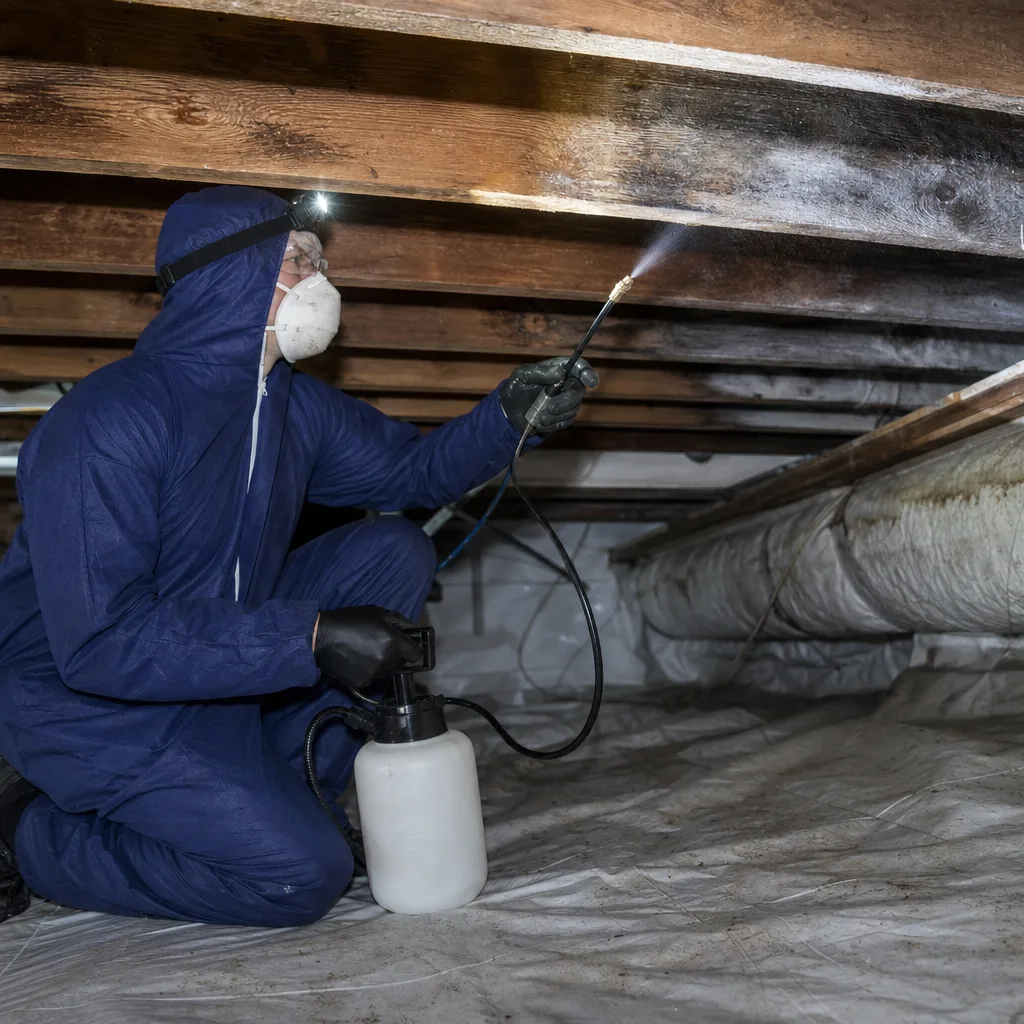
- Assuming visible dryness equals structural dryness. In Bothell’s humid climate, surface evaporation happens fast while subfloor and wall cavity moisture persists. We’ve found 28% moisture content in OSB subfloors that felt dry to touch three days after a loss.
- Running household HVAC for drying. Standard HVAC systems are not designed for water damage drying. They move insufficient air volume, lack dehumidification capacity for saturated structures, and can spread contamination through ductwork. Professional drying uses air movers and dehumidifiers sized to the space’s cubic footage and material class.
- Removing baseboards without moisture mapping behind them. Baseboards hide the highest wicking line and the first location of hidden mold. Removing them for “air circulation” without knowing what’s behind them disturbs potential mold and creates liability if spores release.
- Using bleach on mold. Bleach does not penetrate porous materials and can exacerbate mold problems by adding moisture. In Washington, where mold remediation standards reference IICRC S520, bleach application by a non-certified person can void warranty coverage and create health code issues.
- Delaying the documentation decision. The first 24 hours are critical for both drying effectiveness and documentation integrity. Moisture readings taken after 48 hours of uncontrolled drying are less reliable and more likely to be challenged by adjusters. Decide on professional involvement early.
- Accepting a contractor’s verbal estimate. Haven Standard Clause 1 exists because verbal estimates lead to scope creep and disputed invoices. Any restoration contractor who will not put a price in writing before work begins is not following industry best practice, and their documentation may not withstand adjuster scrutiny.
- Ignoring the neighbor liability angle. In Bothell’s tighter neighborhoods, water losses often have third-party causes. Self-performing mitigation without professional documentation weakens your insurer’s subrogation position and can leave you holding costs that a liable party should bear.
When to Call a Professional
Call a professional when the loss exceeds your documentation capability, when safety is a concern, or when insurance coverage depends on professional verification. Specifically: Category 2 or 3 water; any loss affecting carpet or carpet pad; water in wall cavities or under cabinets; losses discovered more than 24 hours after occurrence; any musty smell or visible mold; losses with suspected third-party liability; and any loss where structural repairs will require permits.
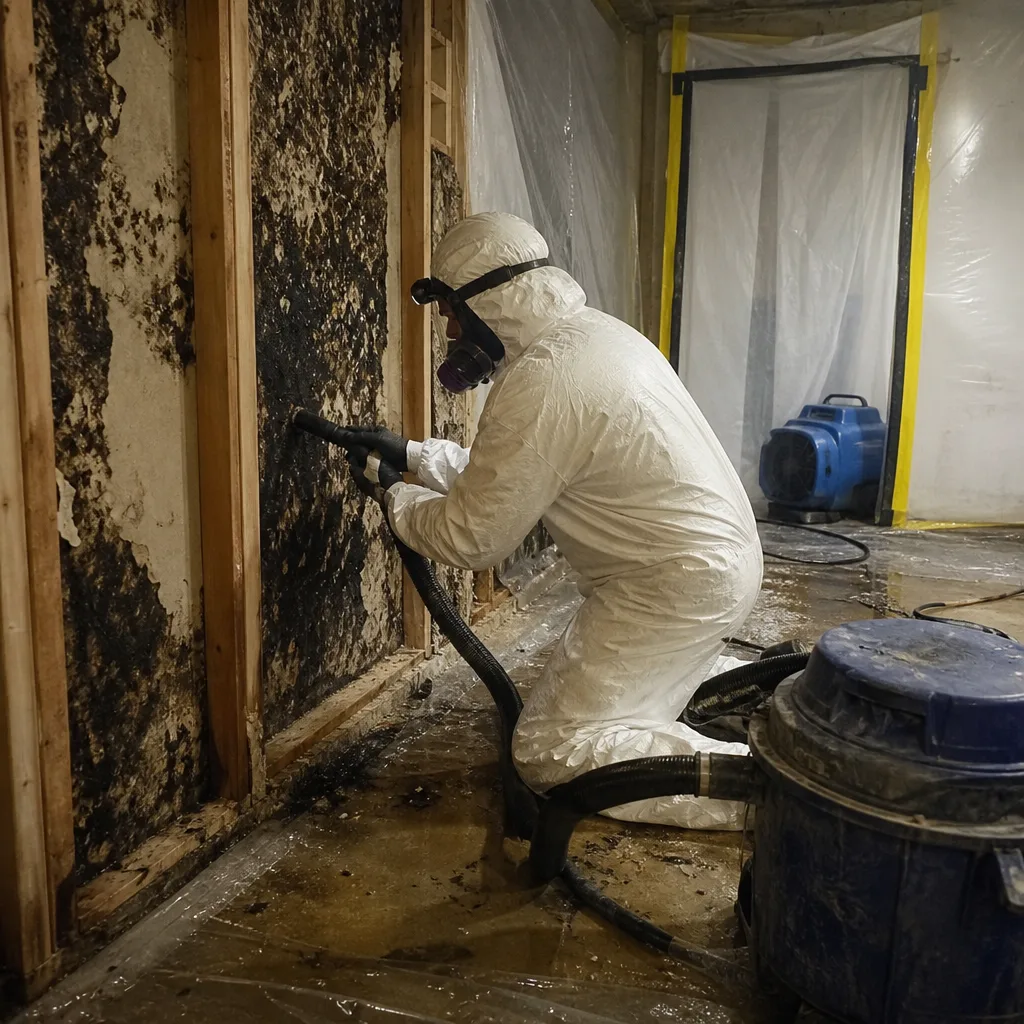
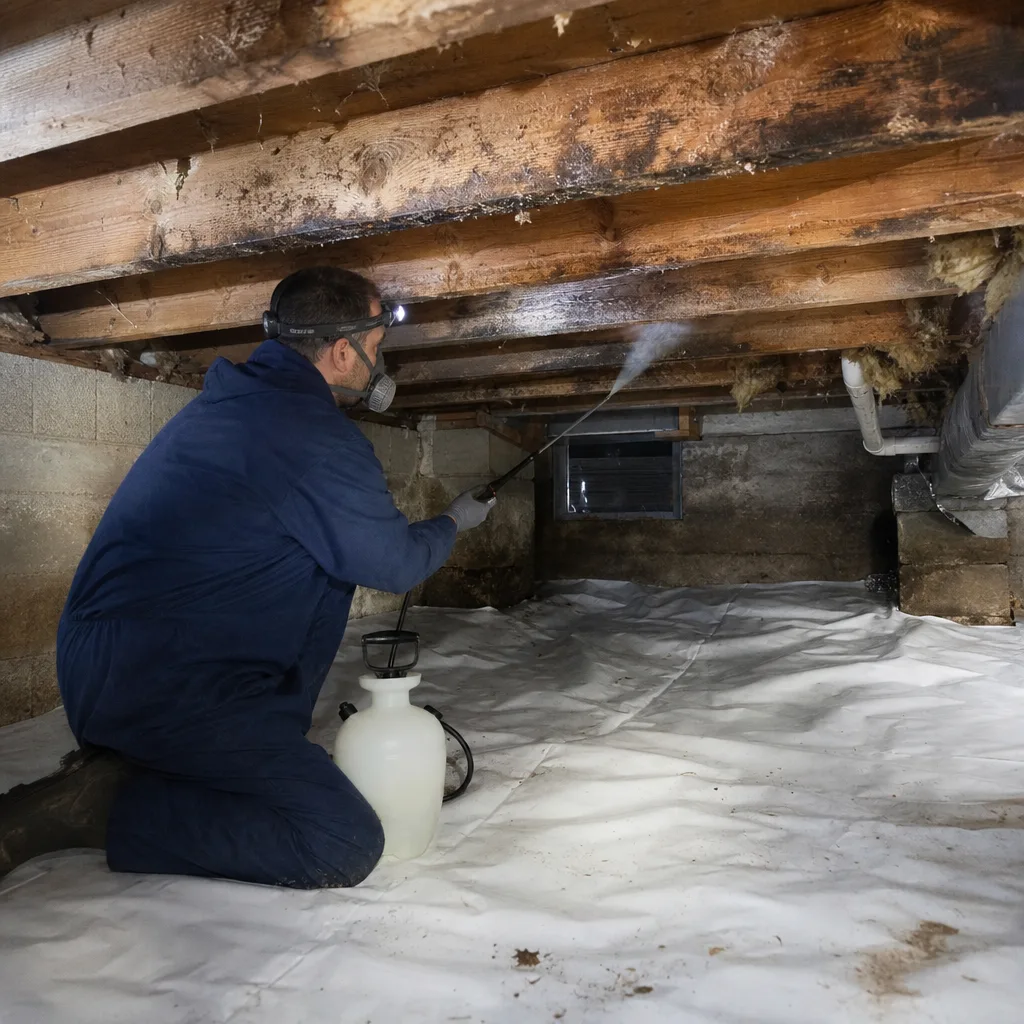
Mold remediation in Bothell should never be self-performed beyond very minor surface growth on non-porous materials in areas under 10 square feet. Disturbing mold colonies without proper containment and negative air pressure can spread spores throughout the HVAC system, turning a localized problem into a whole-house issue.
DryMark Restoration Bothell offers free estimates in Bothell - call (425) 696-6061 - and you can explore more guides & resources on our blog. Every estimate includes a written price before work begins, per Haven Standard Clause 1. We also provide free second opinions on any competitor’s written estimate.
Frequently Asked Questions
Insurance may reimburse documented DIY expenses for minor Category 1 losses, but coverage for structural repairs and mold prevention typically requires professional mitigation documentation. Most carriers apply a “reasonable and necessary” standard that DIY work struggles to satisfy without IICRC-format drying logs and certified clearance readings. Call (425) 696-6061 for an exact assessment of your specific policy - estimates are free.
Live phone coverage is available 24 hours a day, 7 days a week with no voicemail on emergency lines. For active water losses, same-day response is standard. For fire & smoke damage restoration in Bothell and reconstruction work, scheduling is scoped and priced in writing before crew dispatch, typically within 24-48 hours of estimate approval.
If the water is Category 1, the affected area is under 10 square feet, and you can document your work with photos, moisture readings, and receipts, self-cleanup may suffice. Anything beyond these parameters carries documentation risk that can void or reduce coverage. The cost of professional mitigation is typically recovered through insurance; the cost of incomplete DIY is not.
We coordinate directly with your adjuster, providing the documented photo record, daily drying logs, and written scope that adjusters need to approve payment. Our documentation is formatted to IICRC, RIA, and IFA standards specifically for adjuster review. We do not ask homeowners to mediate between our technicians and their insurance company.
Consumer dehumidifiers typically extract 30-70 pints per day in ideal conditions. Professional units from Dri-Eaz and Phoenix extract 100-130 pints per day and include onboard psychrometric sensors that log temperature, relative humidity, and vapor pressure differential. More importantly, professional equipment comes with the documentation of its deployment, performance, and removal that insurers require for reimbursement.
In Bothell’s fall-through-spring humidity, mold can begin colonizing on wet organic materials within 48-72 hours. Summer’s drier conditions extend this window slightly, but air conditioning creates cold surfaces where condensation accelerates growth. The safe assumption year-round is that undried moisture becomes a mold risk within 48 hours of saturation.
The Bottom Line
The DIY-versus-professional question in damage restoration is a documentation question first and a skill question second. Bothell homeowners can safely perform surface extraction and minor Category 1 drying. They cannot self-generate the calibrated psychrometric readings, IICRC-format drying logs, and certified clearance documentation that make insurance claims payable and preserve subrogation rights against liable third parties. The cost of professional mitigation is typically borne by insurance; the cost of documentation gaps - denied coverage, mold remediation, and unrecoverable losses - is borne by the homeowner. Before you decide, ask not “can I do the work?” but “can I prove the work was done to standard?”
Written by Alicia Brennan, Owner at DryMark Restoration Bothell, serving Bothell since 2011.