
Last updated September 23, 2026
Free visual inspection and a written scope of work before any mitigation begins - photos, moisture readings, and drying logs go in your claim file
The scope we write is the scope we bill. Anything new gets shown to you, in writing, before we touch it.
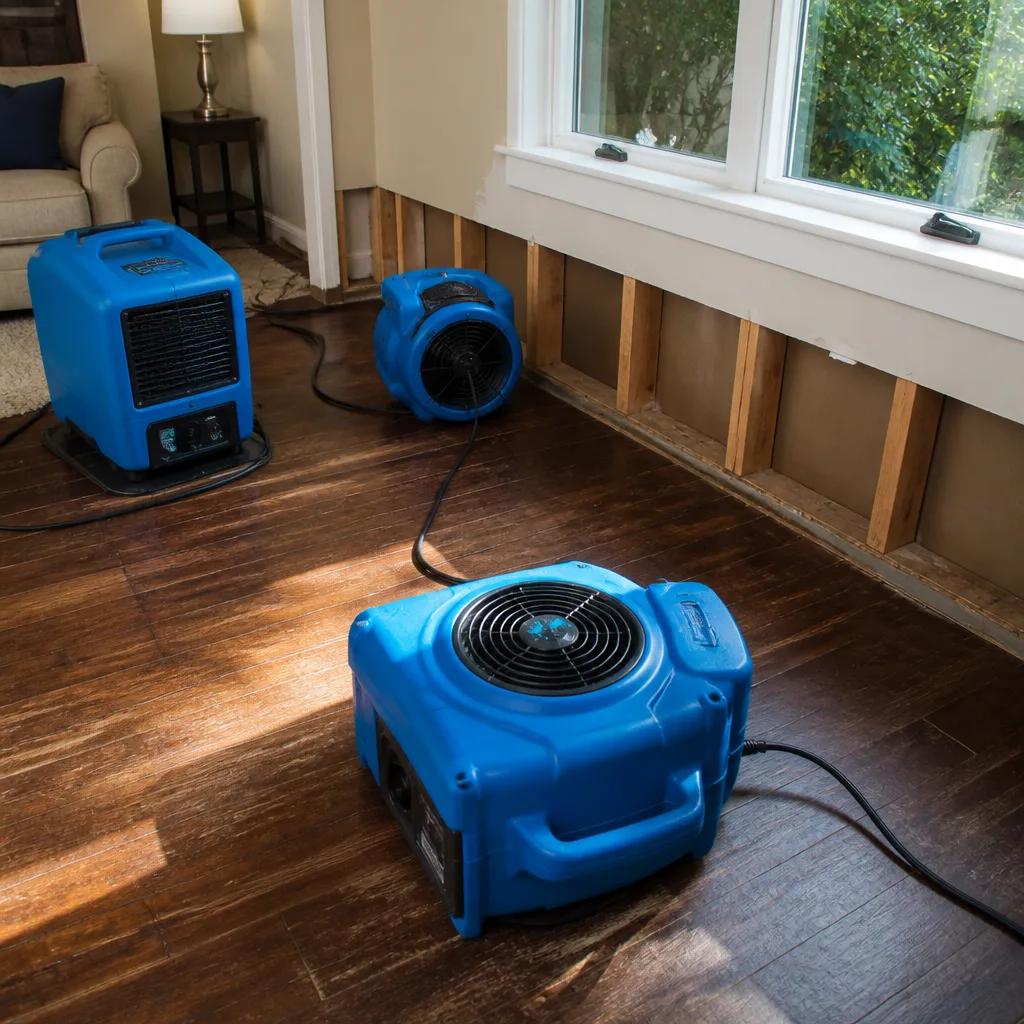
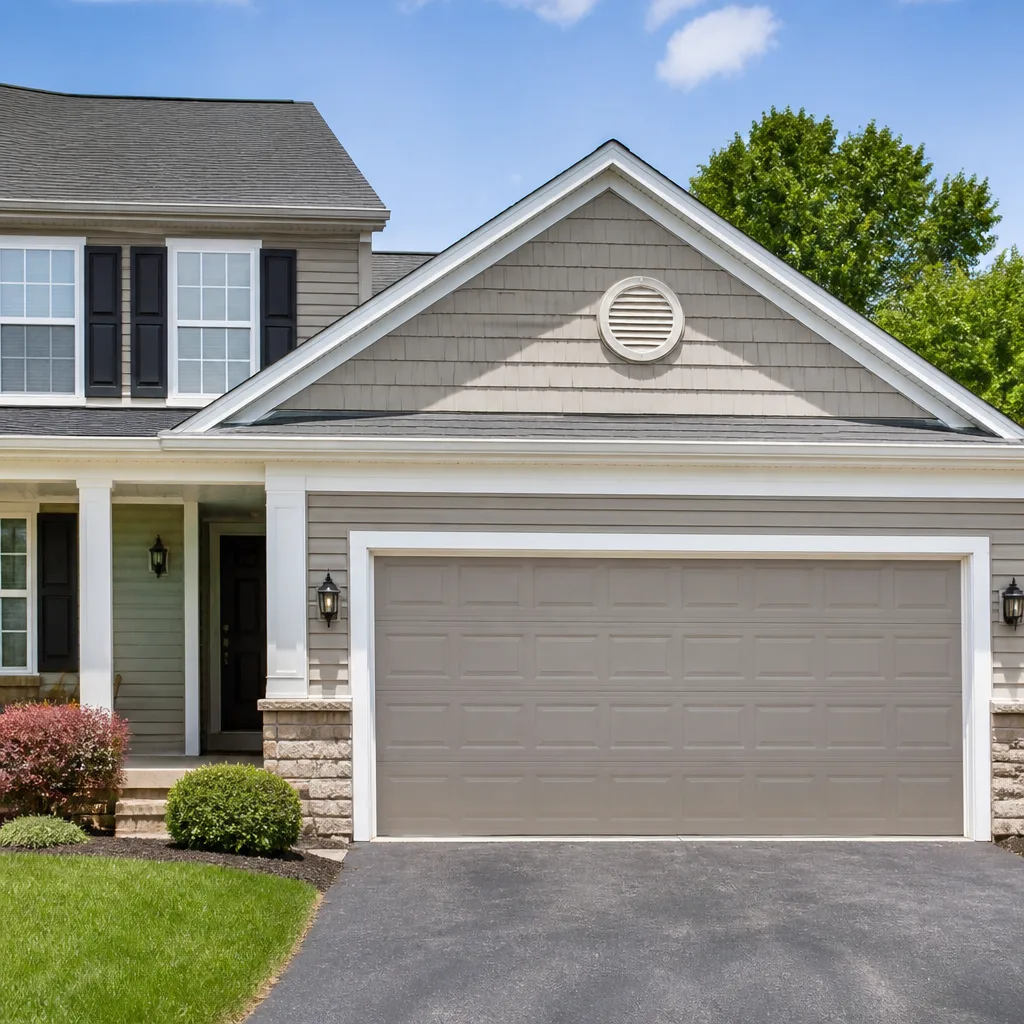
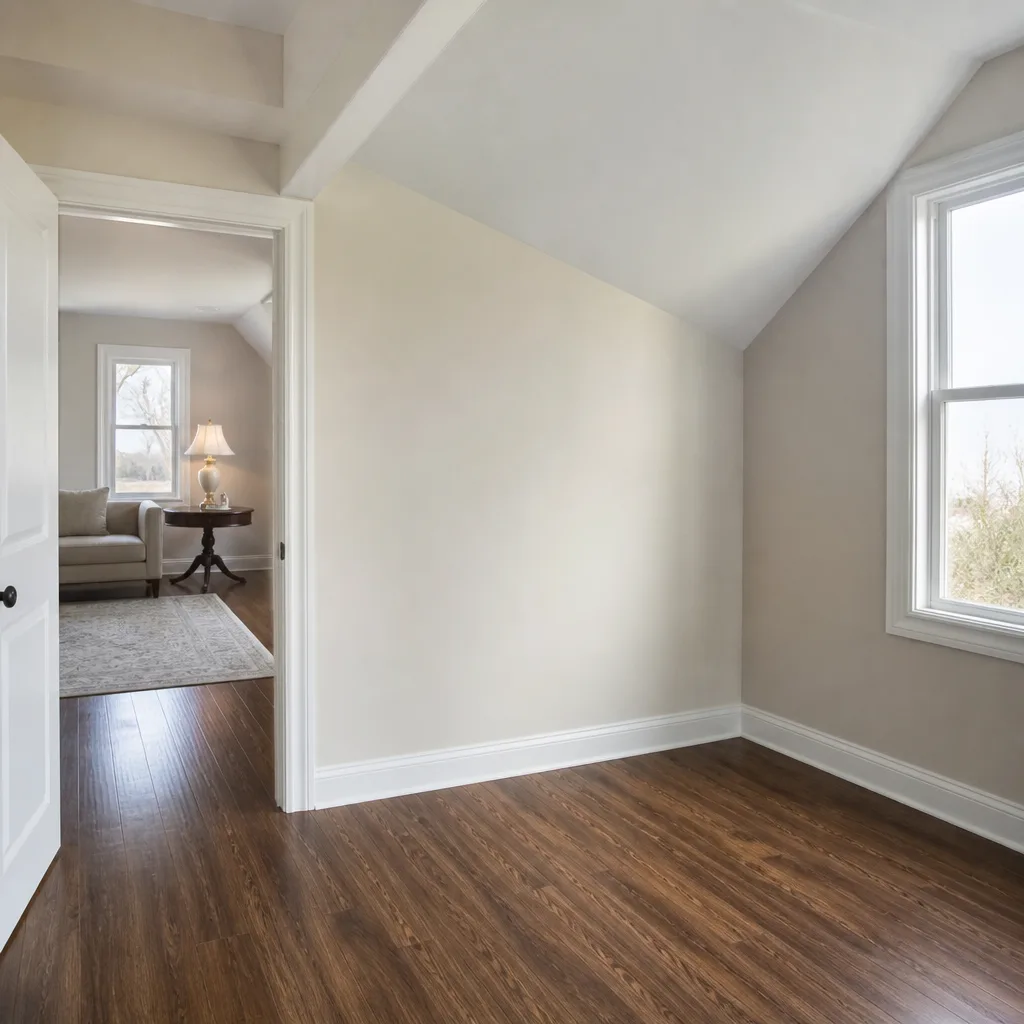
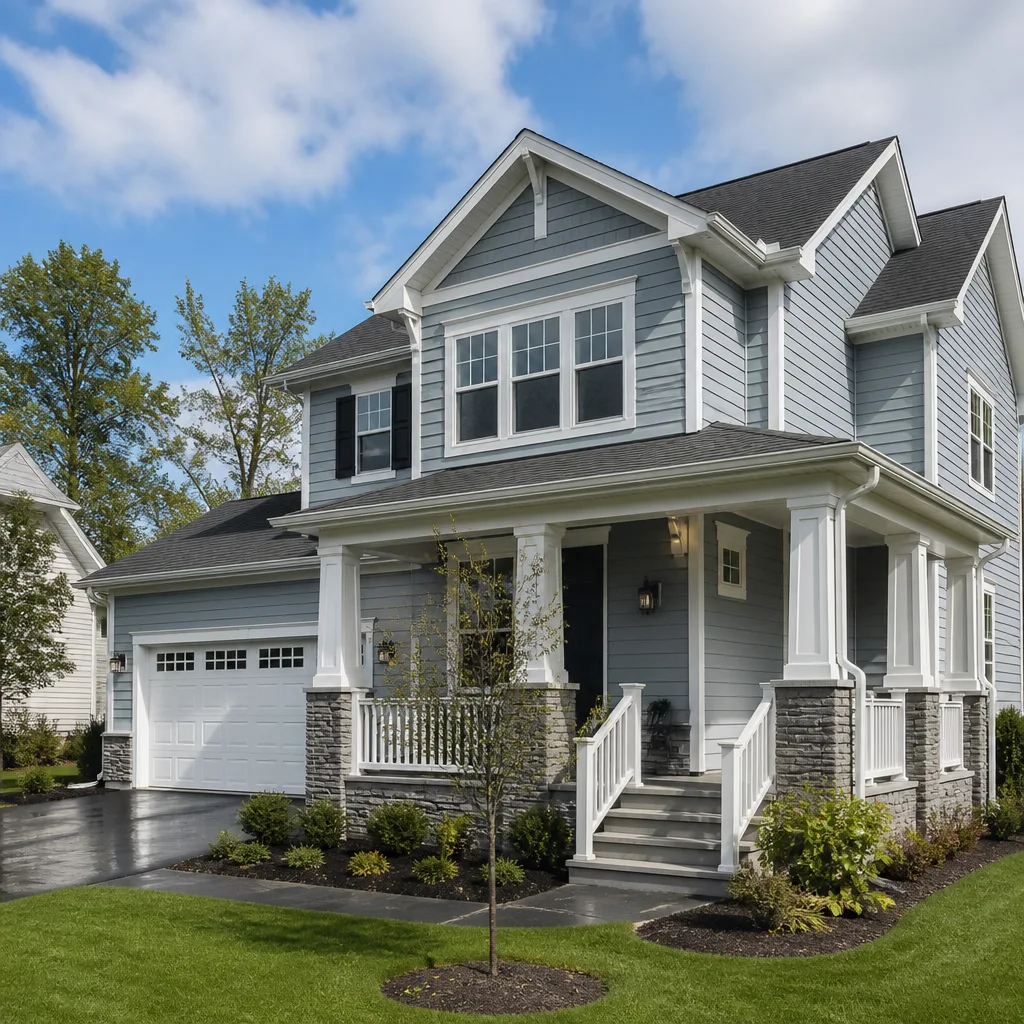
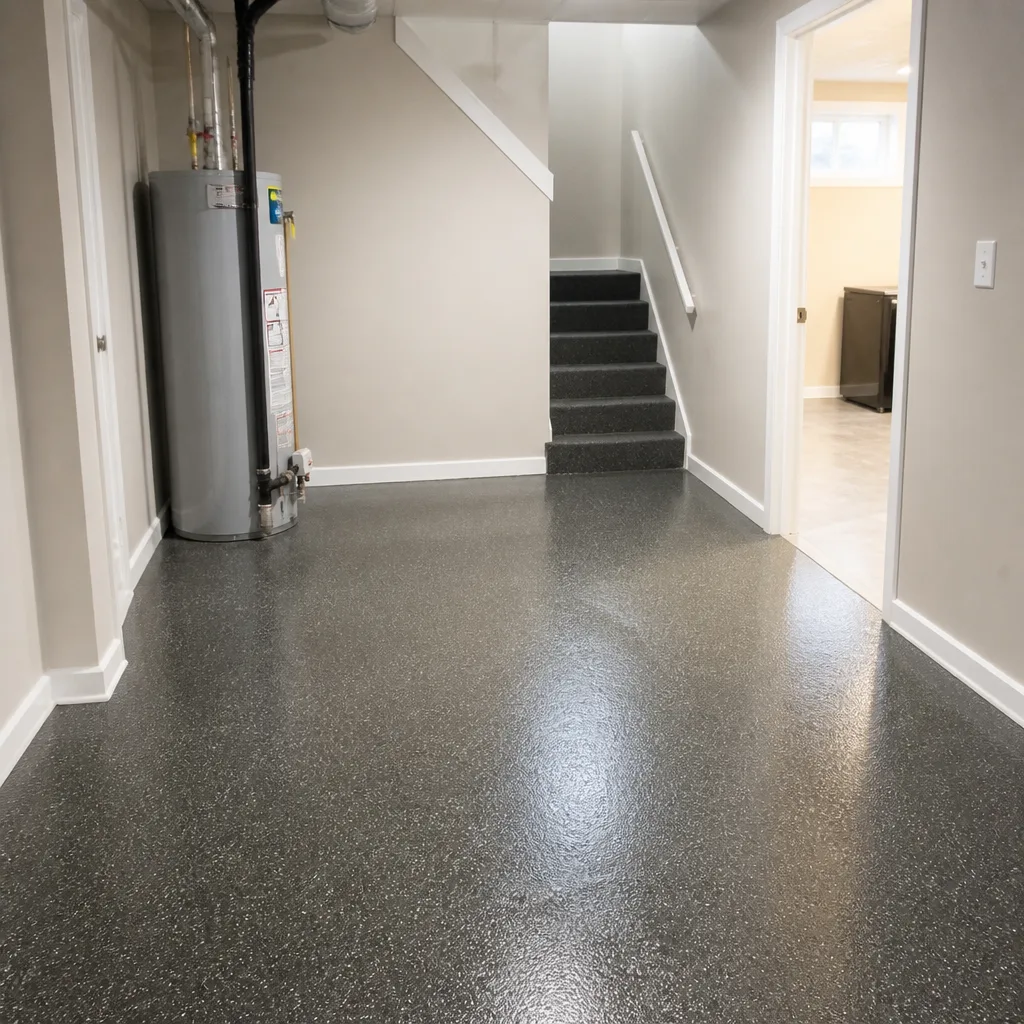

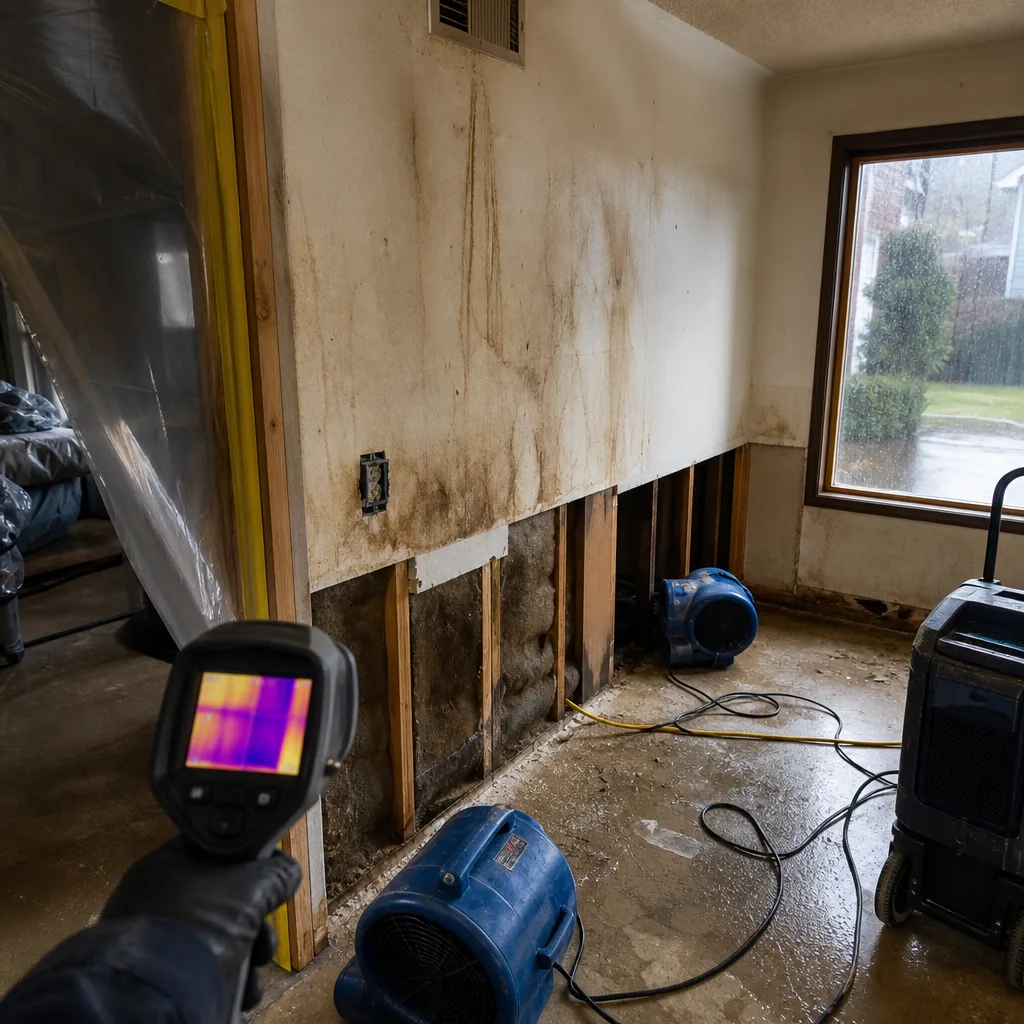 Before
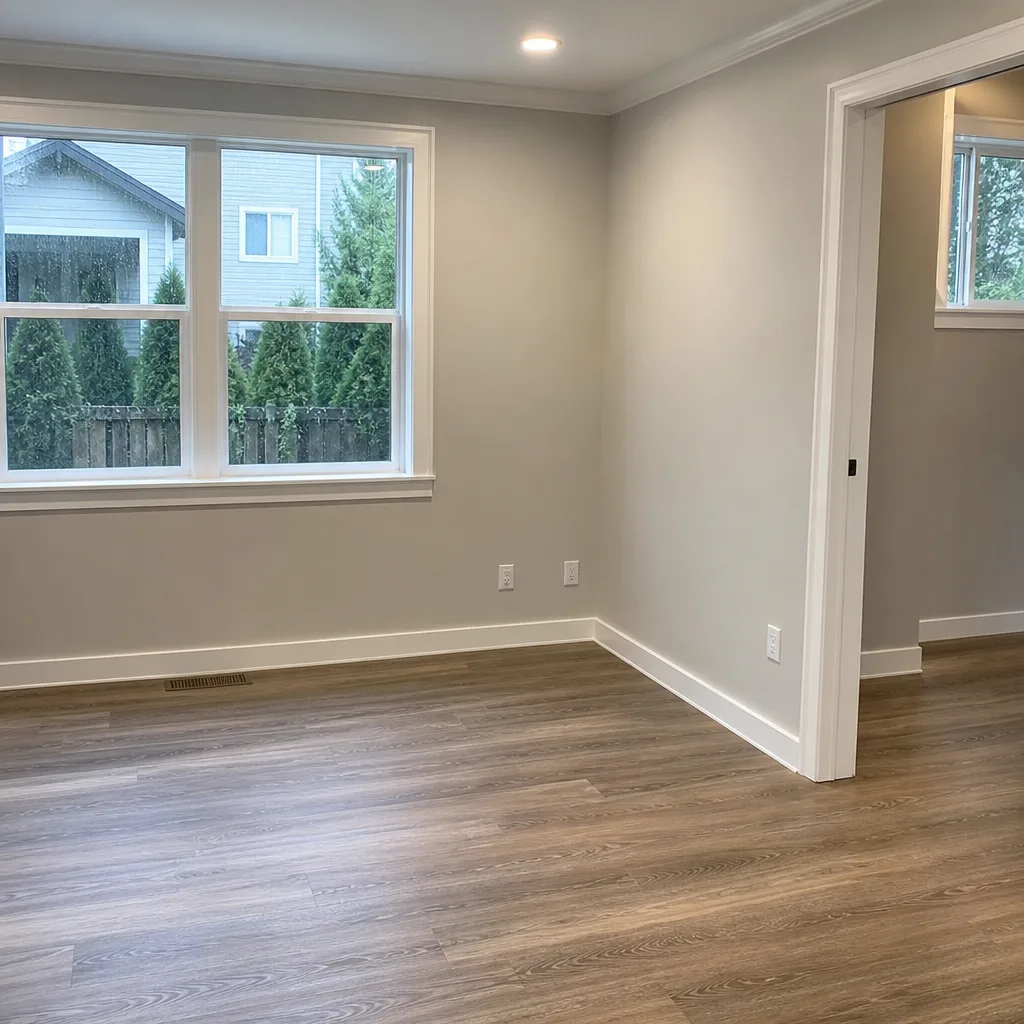 After
After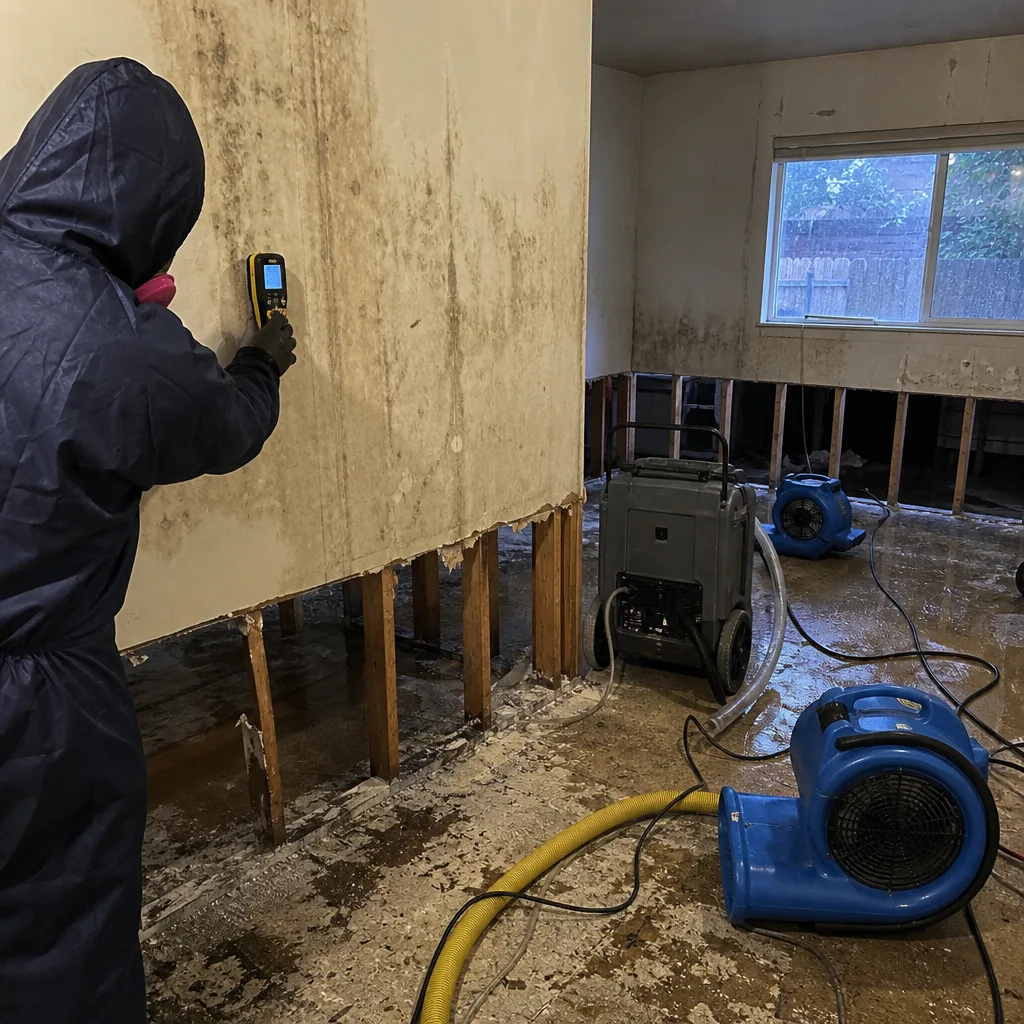 Before
 After
After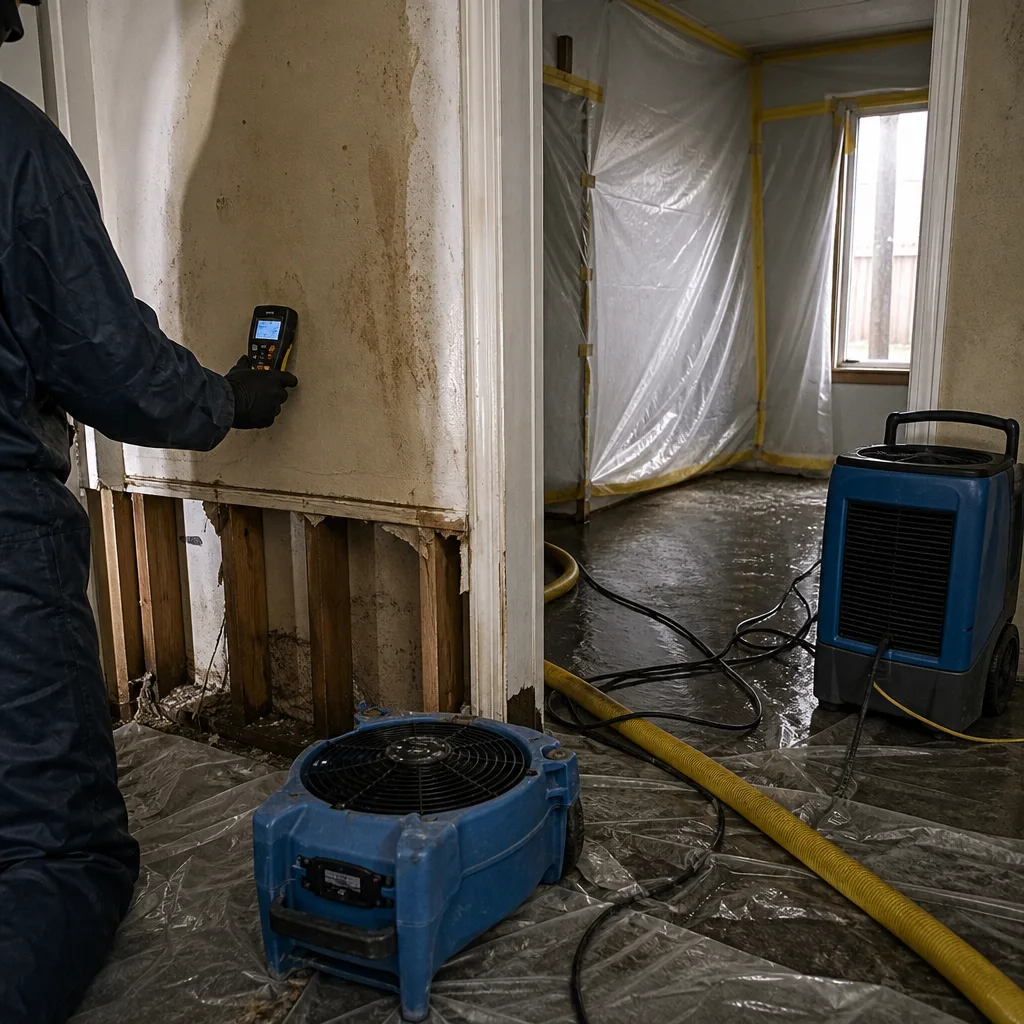 Before
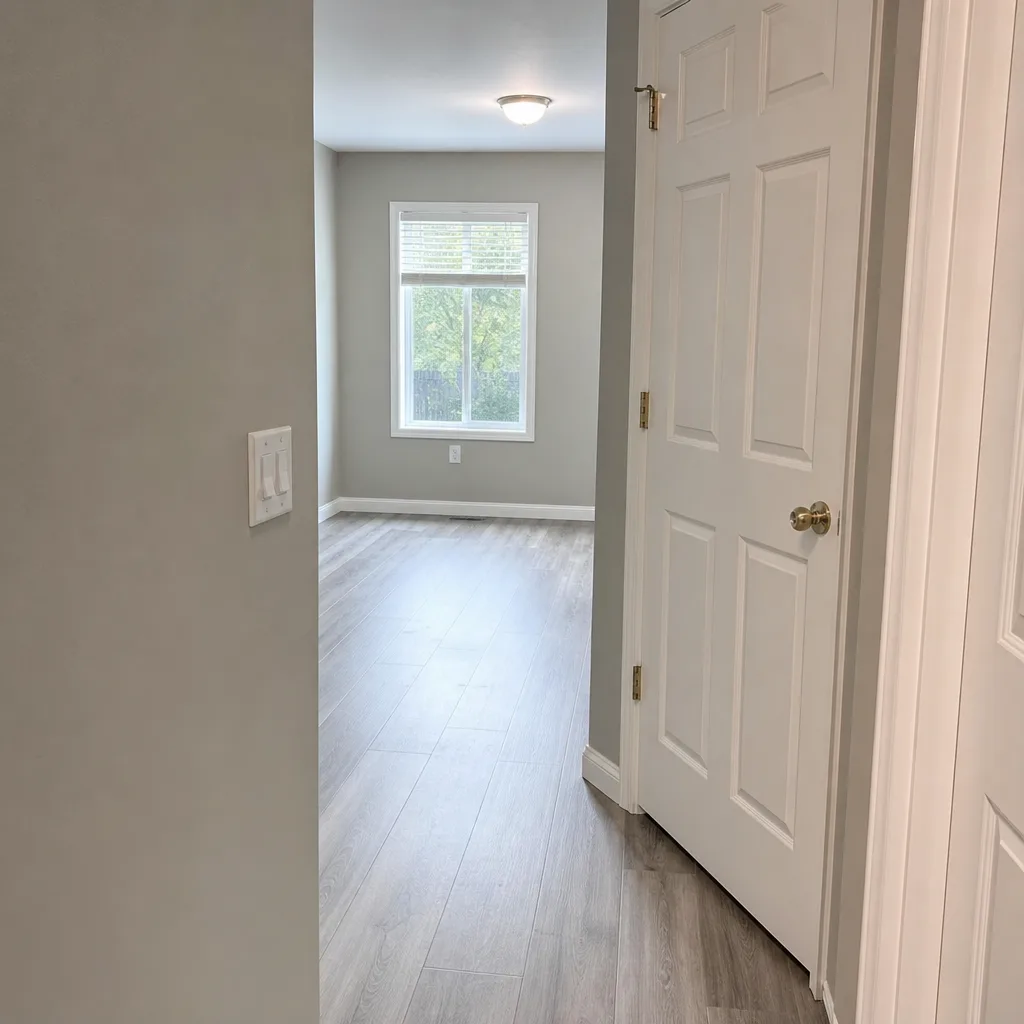 After
AfterSeasonal Damage Restoration Care for Bothell: Year-Round Homeowner’s Guide
The most expensive water losses in Bothell’s zip codes don’t happen during the peak rainy season. They happen in late October and early April, when temperature swings stress systems that homeowners already checked off their “summer maintenance” list. In our experience restoring more than 12,000 homes since 2011, the losses that exceed $50,000 in structural repair almost always trace back to a maintenance gap between seasons - a vapor barrier installed in May that tore by December, a gutter cleared in September that clogged with October’s first freeze-thaw cycle. This guide - alongside our Complete Guide to Damage Restoration in Bothell - maps Bothell’s four distinct risk windows, the specific readings to record at each inspection, and how to structure a seasonal care log that functions as pre-loss documentation if you ever need to file a damage claim.
Quick Answer
Seasonal damage restoration care in Bothell - detailed in our Water Damage Restoration Maintenance Checklist for Bothell Homeowners - requires four targeted inspection protocols aligned with local climate stressors: October freeze-thaw attic condensation, December through February sustained saturation crawl space risk, March snowmelt roof drainage failures, and July through August AC condensate line failures. Homeowners who record measurable baseline readings - crawl space relative humidity, gutter flow rate, attic moisture content - create dated condition records that insurers reference when evaluating claims. The three systems that account for most preventable losses in Snohomish County are sump pump function, crawl space vapor barrier integrity, and roof flashing condition, each with distinct seasonal service intervals.
Table of Contents
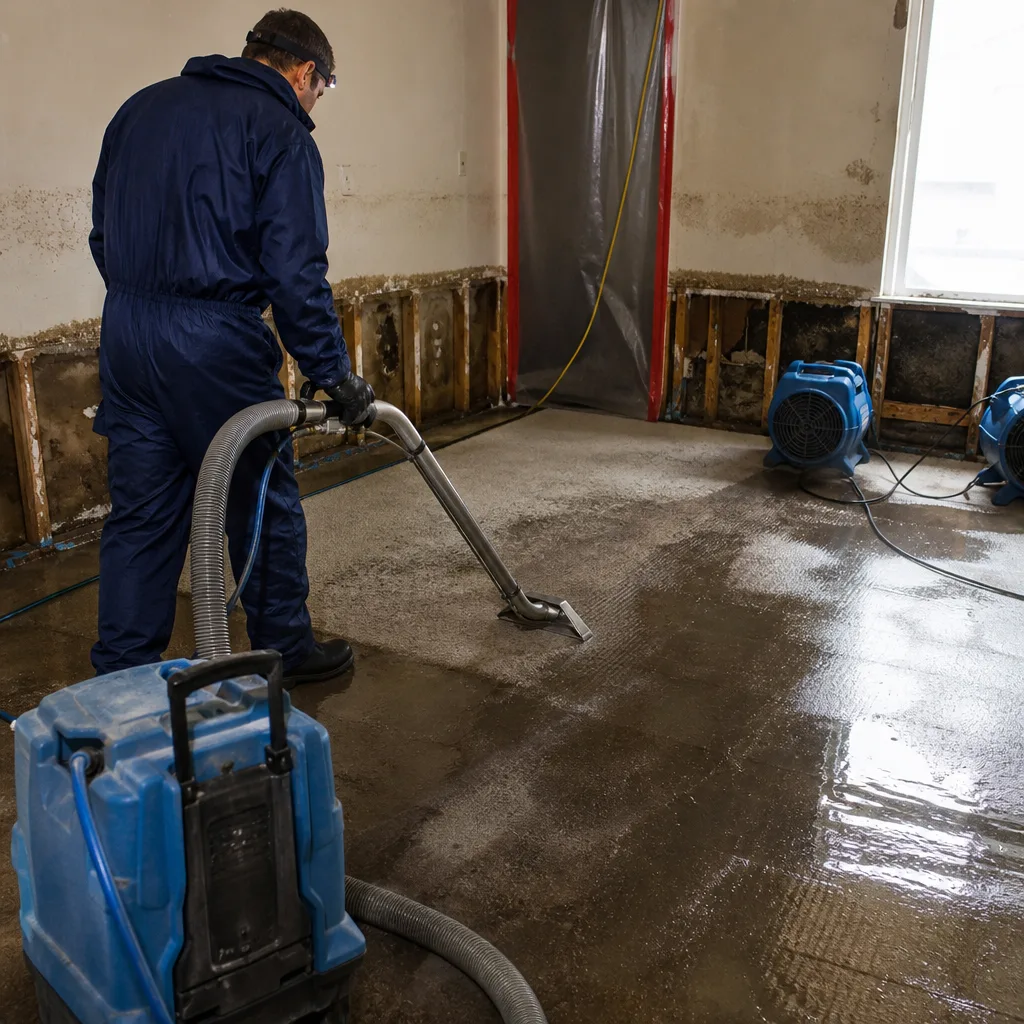
- Bothell’s Four Risk Windows: A Month-by-Month Calendar
- Measurable Inspections: What to Record, Not Just Observe
- Building a Pre-Loss Condition Baseline for Insurance Claims
- The Three Mechanical Systems That Drive Most Preventable Losses
- Seasonal Service Intervals: When to Check What
- Documentation Standards: From Notes to Claim-Supporting Evidence
- Common Mistakes to Avoid
- When to Call a Professional
- Frequently Asked Questions
BeforeAfterBothell’s Four Risk Windows: A Month-by-Month Calendar
Bothell sits at the convergence of the Sammamish River valley and the Puget Sound lowlands, creating a microclimate with higher annual precipitation than Seattle proper and more freeze-thaw cycles than coastal King County. The 2015-2025 construction boom in neighborhoods like North Creek, Canyon Park, and the 98021 zip code corridor has packed homes onto lots with engineered drainage that wasn’t designed for the rainfall intensity we’ve seen since 2019. Four distinct failure windows emerge from this combination of geography and newer construction.
October: The Freeze-Thaw Attic Condensation Window
October in Bothell averages 12 days with lows below 40°F and 8 days of measurable precipitation. Warm, moist interior air rises into attic spaces that have cooled overnight. When the roof deck temperature drops below the dew point of that rising air, condensation forms on the underside of sheathing. By November, this moisture has saturated insulation and begun colonizing mold on rafters. We’ve documented attic mold losses in Bothell’s North Creek subdivisions where the homeowner had inspected the attic in September and found it dry - because September doesn’t produce the temperature differential that creates the problem.
December through February: Sustained Saturation Crawl Space Risk
Bothell’s winter precipitation pattern isn’t about individual storm intensity. It’s about duration. January averages 19 days with measurable rain, and the ground in Snohomish County clay soils reaches field capacity by mid-December. Once saturated, these soils wick moisture through foundation walls and up through vapor barriers that have developed seasonal tears. Water damage restoration in Bothell during this window typically involves standing water in crawl spaces that went unobserved for weeks because homeowners don’t crawl beneath their houses in January.
March: Snowmelt Roof Drainage Failures
Bothell’s elevation gradient means properties above 400 feet - common in the Finn Hill and Kingsgate adjacency areas - retain snow pack that lower neighborhoods lose within days. When March warming arrives, meltwater concentrates at valleys and penetrations where ice damming has lifted flashing. The critical failure isn’t the snow itself; it’s the gutter system that was never cleared of autumn debris because the homeowner completed “fall maintenance” in October before the final leaf drop.
July through August: AC Condensate Line Failures
Bothell’s summer dry spell is brief but intense. HVAC systems run continuously during 85°F+ days, and condensate lines that were dormant for nine months clog with algae, dust, and insect debris. The secondary drain pan - the “emergency” backup - overflows when the primary line fails, often into ceiling cavities above second-floor bedrooms in Canyon Park’s two-story inventory. These losses peak in late July, when the pan’s galvanized steel has already begun rust-through from March’s humidity.
Measurable Inspections: What to Record, Not Just Observe
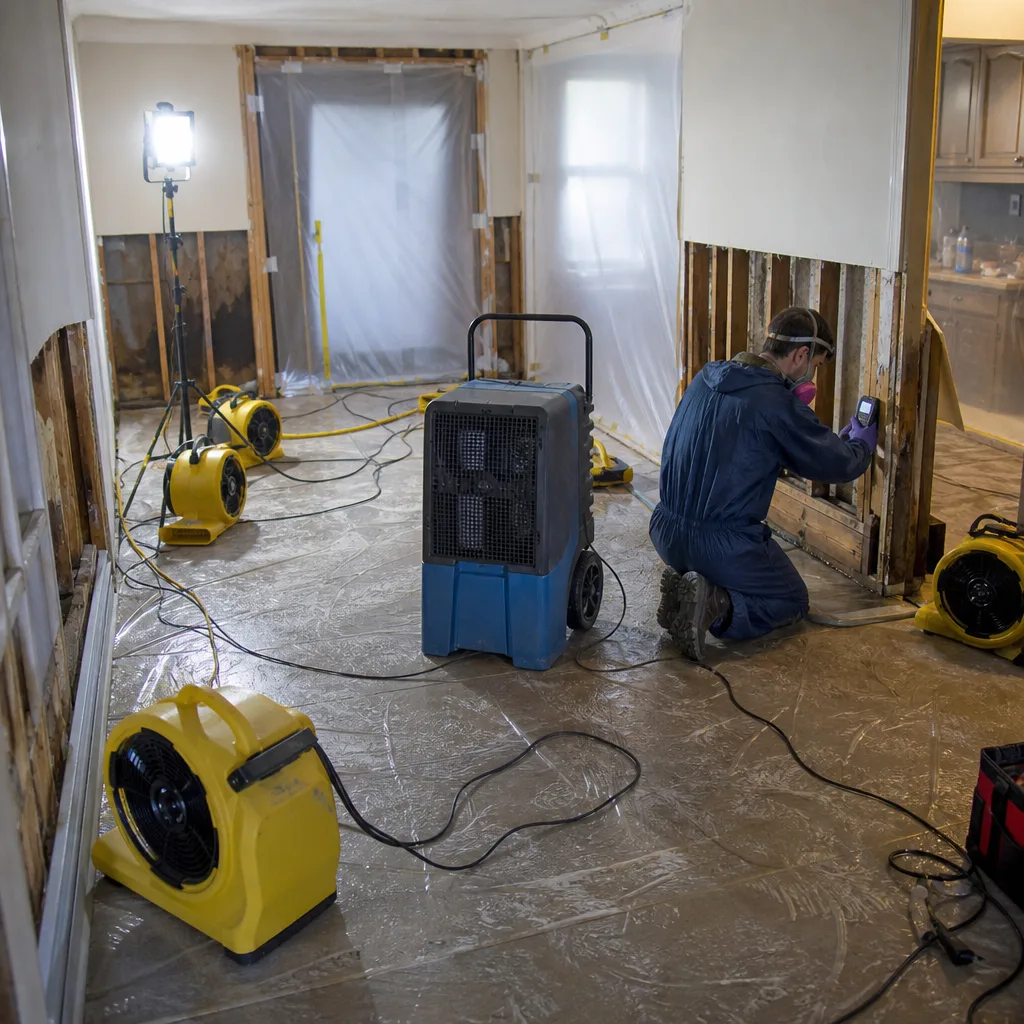
Visual inspection is the beginning of seasonal care, not the completion. A crawl space that “looks dry” in September can register 78% relative humidity - well above the 60% threshold where mold colonization accelerates. We recommend recording four quantitative readings at each seasonal inspection, with dated entries in a dedicated log.
- Crawl space relative humidity (RH%): Measure at three points - the center, the perimeter nearest the foundation wall, and beneath any plumbing penetrations. Record using a calibrated digital hygrometer, not the dial-style units sold at hardware stores. Target: below 60% year-round. In Bothell’s winter conditions, readings above 65% indicate vapor barrier failure or groundwater intrusion that requires professional assessment.
- Gutter downspout flow rate: Time how long a measured volume of water (we use a 2-gallon bucket) takes to exit each downspout during simulated rainfall from a hose at the roof edge. A downspout that previously moved 2 gallons in 15 seconds and now requires 45 seconds has a partial blockage that will become complete by December. Record the seconds-per-gallon for each downspout, noting which feed which roof sections.
- Attic moisture content of wood framing: Use a pin-type moisture meter on exposed rafters and roof sheathing in three locations. Wood moisture content (MC) below 15% is acceptable; 15-20% indicates conditions favorable to mold; above 20% requires immediate investigation of ventilation and insulation integrity. In Bothell’s October conditions, we’ve recorded attic MC spikes from 12% to 23% within 72 hours of first freeze-thaw cycling.
- Sump pump discharge volume per cycle: Mark the sump pit wall at the pump activation level and measure the vertical distance to the shut-off level. Calculate gallons per cycle using the pit diameter (standard formula: π × r² × height × 7.48 gallons/cubic foot). Record cycles per hour during active precipitation. A pump that cycled 4 times per hour in November and now cycles 12 times indicates changed groundwater conditions or pump degradation.
These four readings, recorded quarterly, create a condition trend that reveals problems before they produce visible damage. A crawl space RH% that climbs from 52% to 67% over two quarters tells a story that “crawl space checked, looked fine” never will.
Building a Pre-Loss Condition Baseline for Insurance Claims
Insurance adjusters evaluate claims against the condition of the property immediately before the loss. Homeowners who can produce dated, quantitative maintenance records establish pre-loss condition with documentation that narrative descriptions cannot match. This matters in Bothell’s competitive insurance market, where carriers have tightened water damage claim scrutiny since 2020.
A pre-loss baseline serves three functions in claim disputes. First, it demonstrates that the homeowner maintained the property to a standard that excludes negligence - the most common basis for claim denial or reduced payment. Second, it provides measurable evidence of change: a crawl space that recorded 55% RH% in October and shows 89% with standing water in January has experienced a failure event, not gradual neglect. Third, it supports the scope of restoration by documenting what materials were present and their condition - the difference between replacing 400 square feet of vapor barrier and 1,200 square feet, or between surface mold treatment and full remediation.
We structure pre-loss documentation for our Bothell clients around three elements. The seasonal reading log, described above, establishes ongoing maintenance. Photographs with date stamps showing system condition - sump pump, vapor barrier, attic ventilation - provide visual evidence that complements the numerical log. And the written maintenance scope, whether performed by the homeowner or a contractor, creates a paper trail of responsive action. When DryMark Restoration Bothell home services clients arrive at a loss site, our first documentation step is to photograph any existing maintenance records for inclusion in the claim file.
The Haven Standard, Clause 1, requires a written price before work begins on every job. We extend this documentation discipline to our assessment process: our technicians record the pre-loss condition readings that exist, note when they’re absent, and recommend that homeowners begin seasonal logging as part of our project closeout. A client who starts this practice after a loss is better protected against the next one.
The Three Mechanical Systems That Drive Most Preventable Losses
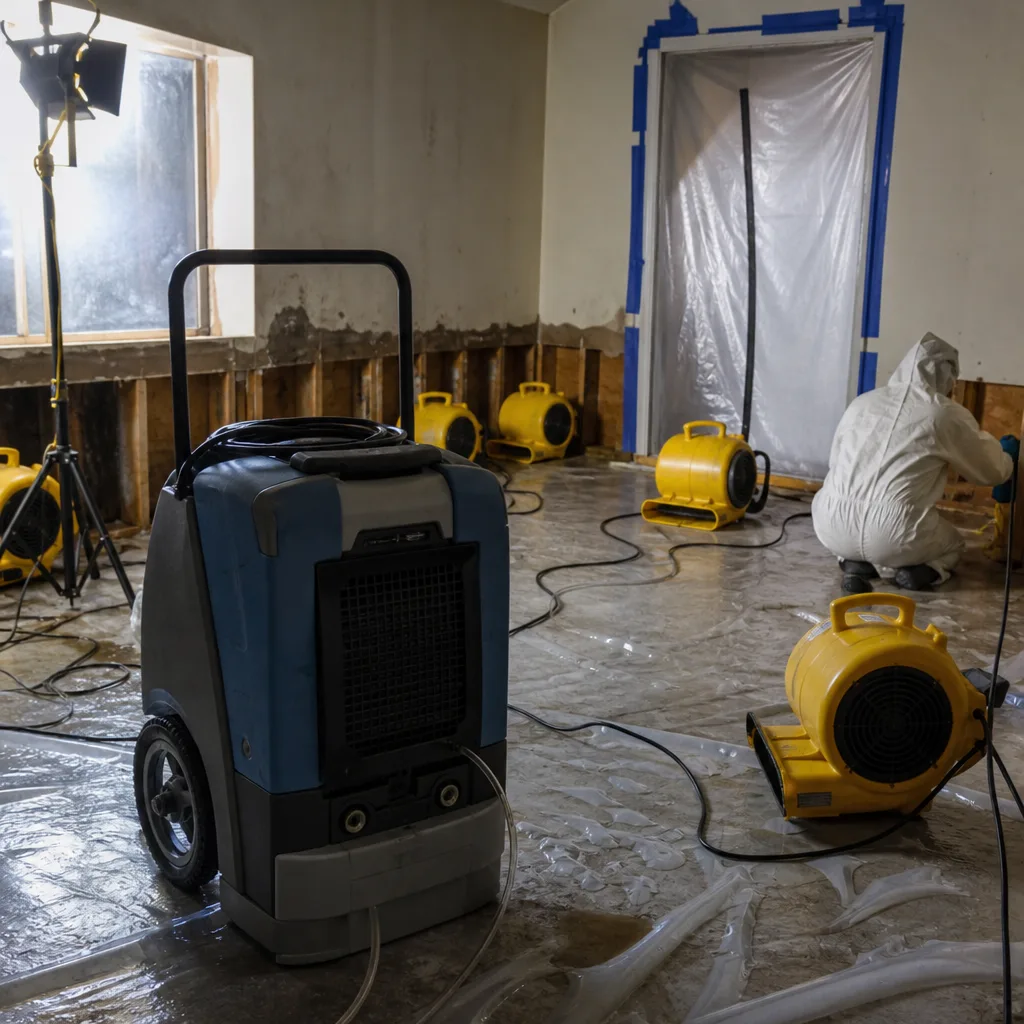
Our 12,000+ restoration records, analyzed by loss cause and season, point to three systems that produce the majority of preventable damage in Snohomish County. Each has a distinct failure signature and a specific seasonal inspection protocol.
Sump Pump Systems
Bothell’s high water table, particularly in the flood-prone areas near the Sammamish River and North Creek, makes sump pump function critical from November through April. The failure pattern we observe isn’t sudden pump death - it’s gradual degradation that homeowners miss because they don’t test under load.
Test protocol: Fill the sump pit to the activation level with a hose and time the discharge. A pump that previously emptied the pit in 12 seconds and now requires 25 seconds has reduced impeller efficiency, often from sediment abrasion. Check the discharge line exterior termination during active pumping; water should exit forcefully, not trickle. In Bothell’s freeze-prone January conditions, a partially blocked discharge line can ice up and force the pump to cycle against a closed system, burning out the motor in a single night. We recommend replacing sump pumps every 5-7 years as preventive maintenance, not waiting for failure.
Crawl Space Vapor Barriers
The 6-mil polyethylene sheeting installed in most Bothell homes built 2000-2020 degrades at seams and perimeter attachment points within 3-5 years. Seasonal ground movement in Snohomish County’s clay soils tears tape bonds and pulls sheeting from walls. The result is localized moisture intrusion that spreads beneath the barrier, invisible from above.
Inspection protocol: Crawl the entire perimeter and center, lifting barrier edges to check for moisture accumulation beneath. Record any tears longer than 2 inches and any area where standing water has collected. In our Bothell mold remediation work, we regularly find that vapor barriers with visible tears of 6 inches or more have created sub-barrier humidity levels above 90%, producing mold colonization on floor joists that appears to originate from “nowhere” because the barrier hid the moisture source.
Roof Flashing and Penetration Seals
Bothell’s wind exposure from the Strait of Juan de Fuca, funneled through the Snohomish River valley, creates cyclic lifting stress on flashing at chimneys, vents, and wall intersections. The October freeze-thaw window accelerates this: water infiltrates micro-gaps, freezes overnight, and widens the gap by morning. By March, a flashing that was “maybe a little loose” in September has separated completely.
Inspection protocol: From the attic, examine all penetration flashings for daylight visible around the seal. From the exterior, check that step flashing at wall intersections remains embedded in mortar or sealant, not lifted or detached. Record any gaps larger than 1/8 inch. In neighborhoods like Canyon Park where homes are densely spaced, we recommend binocular inspection from ground level between full roof accesses - the gaps visible from below are the ones that admit wind-driven rain.
Seasonal Service Intervals: When to Check What
The homeowners who avoid seasonal losses in Bothell don’t run a single annual checklist. They align inspections with the risk windows, checking systems before the stressor arrives rather than after it departs.
| Timing | System Focus | Key Measurements | Action Threshold |
|---|---|---|---|
| Mid-September | Roof drainage, attic ventilation | Gutter flow rate (sec/gal); attic wood MC%; soffit vent clear area | Gutter flow >2× baseline; MC% >15%; vent blockage >25% |
| Mid-October | Attic condensation risk, heating system humidifier | Attic RH%; temperature differential (interior vs. roof deck); humidifier output (gallons/day) | Attic RH% >60%; deck temp < dew point; humidifier uncalibrated |
| Early December | Crawl space, sump pump, exterior drainage | Crawl space RH% at 3 points; sump cycle volume and frequency; downspout discharge distance from foundation | RH% >65%; cycle frequency >2× baseline; discharge <6 ft from foundation |
| Late February | Winter system stress assessment | Repeat December measurements; vapor barrier tear inventory; foundation wall efflorescence documentation | Any measurement degraded from December; new tears >2 in; efflorescence spread |
| Mid-March | Snowmelt drainage, roof penetration integrity | Roof edge ice dam evidence; valley drainage path clearance; flashing gap measurement | Ice dam >2 ft; valley debris; gaps >1/8 in |
| Early June | AC system, condensate drainage, exterior envelope | Condensate line flow rate (sec/gal); secondary pan condition; exterior caulking integrity at windows and doors | Line flow >2× baseline; pan rust or debris; caulking gaps >1/4 in |
| Mid-August | Peak load system verification | Repeat June measurements under continuous operation; attic temperature at peak afternoon | Any degradation from June; attic temp >130°F |
This calendar produces fourteen distinct data points per year for each of the four primary measurements. A homeowner who maintains this log for three years has a condition history that most insurance adjusters have never seen from a residential policyholder.
Documentation Standards: From Notes to Claim-Supporting Evidence
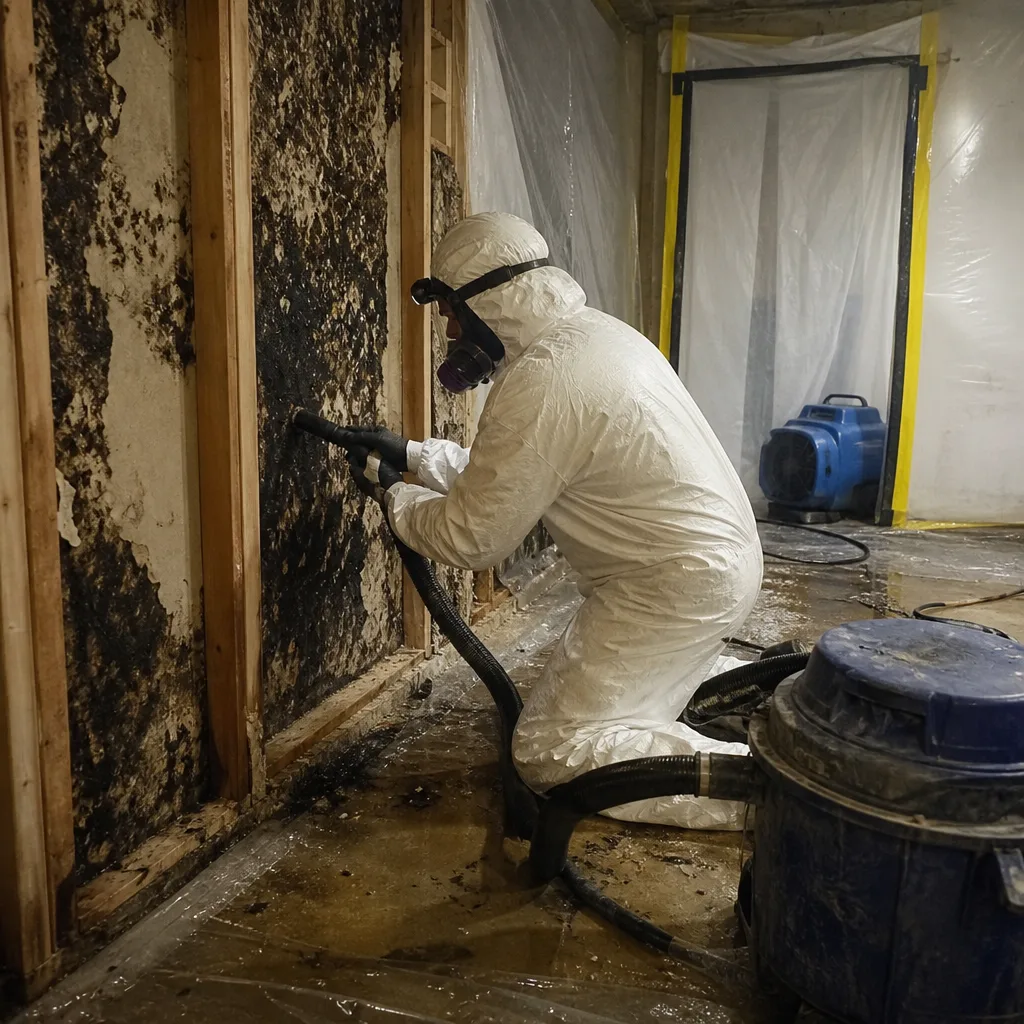
The difference between a maintenance log and claim-supporting documentation is structure. Adjusters and their desk reviewers process hundreds of files; a narrative journal requires interpretation, while structured data requires only verification. We recommend a format that mirrors the documentation our technicians produce on every fire and smoke damage restoration job.
Each seasonal entry should include: the date and weather conditions during inspection; the technician or homeowner name; equipment calibration dates (hygrometers drift, moisture meters require reference block verification); the four primary readings with location specificity; any anomalies observed and the response taken; and photographs with the camera’s automatic timestamp enabled, showing the measurement in frame where possible.
Storage protocol matters. Paper logs survive water damage poorly - ironic, given their purpose. We recommend cloud storage with automatic backup, organized by property address and inspection date. Email a copy to your insurance agent annually; this creates a third-party timestamp and demonstrates proactive risk management that may influence premium calculation or claim handling.
The documentation standard we apply at DryMark Restoration Bothell, derived from founder Alicia Brennan’s claims adjuster background, treats every job file as potential litigation support. Our daily drying logs, photo records, and written scopes are structured for adjuster review, not internal convenience. Homeowners who adopt similar discipline for their seasonal maintenance create the same evidentiary quality for their own protection.
Common Mistakes to Avoid
- Running a single “fall maintenance” checklist in September. Bothell’s October leaf drop continues through mid-October, and the first freeze-thaw cycle typically arrives before final clearing. September gutter cleaning is obsolete by November; schedule a second check in late October.
- Trusting “smart” sump pump notifications without physical verification. WiFi-enabled pumps report status to phone apps, but they don’t report reduced flow rate or partial discharge blockage. Test under hose-fill conditions quarterly, regardless of app status.
- Installing vapor barrier without addressing perimeter drainage. New 10-mil polyethylene over standing water traps moisture and accelerates joist rot. In Bothell’s clay soils, perimeter drainage improvement often must precede barrier replacement.
- Recording “checked” instead of measured values. “Attic checked, looked good” provides no baseline for comparison. “Attic rafter MC% 11%, 13%, 12% at three locations” creates a reference that reveals change.
- Neglecting to photograph maintenance in progress. A photo of yourself holding a dated newspaper beside a clean gutter is crude but effective evidence. Better: a photo series showing the hygrometer reading, the measurement location, and the overall space condition.
- Assuming new construction (2000-2020) is “maintenance-free.” Bothell’s building boom produced homes with complex rooflines, multiple penetrations, and engineered drainage that requires more sophisticated maintenance, not less. The most expensive losses we see are in 10-20-year-old homes where owners assumed the builder’s systems were permanent.
- Waiting for visible damage before acting on measurement trends. A crawl space RH% that climbs from 55% to 68% over two quarters is telling you something. Waiting until you see mold on the subfloor means remediation instead of prevention, with cost multiples of 10× or greater.
When to Call a Professional
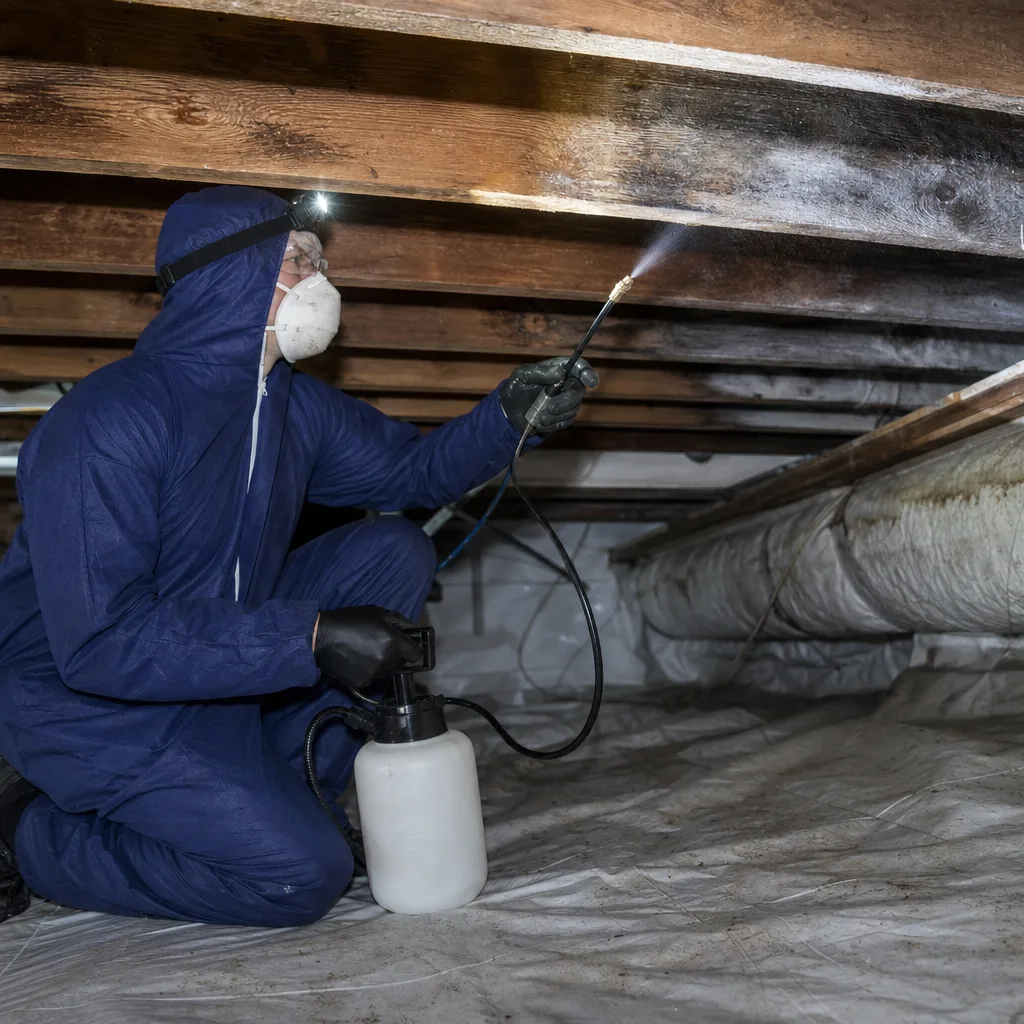
Some seasonal maintenance belongs to the homeowner. Some requires equipment and training that justify professional engagement. Call for assessment when: your crawl space RH% exceeds 65% and you cannot identify the moisture source within 48 hours; your attic shows wood moisture content above 20% at any location; your sump pump cycles more than twice per hour during dry weather; you observe efflorescence (white mineral deposits) spreading on foundation walls; or your gutters overflow during moderate rainfall despite clearing.
These indicators suggest system failure, not maintenance lag, and they worsen nonlinearly. A crawl space at 70% RH% today can reach 90% with mold colonization visible in 14-21 days during Bothell’s winter conditions. Early professional assessment produces contained, priced scope; delayed response produces whole-system reconstruction.
DryMark Restoration Bothell offers free estimates in Bothell and surrounding Snohomish County communities. Our assessments include the same quantitative documentation we deploy on every job: moisture readings, photo records, and a written scope with price before any work begins, per Haven Standard, Clause 1. Call (425) 696-6061 to schedule.
Frequently Asked Questions
Professional seasonal inspection and baseline documentation for a typical Bothell home runs $180-$340 for the initial assessment, with quarterly follow-up inspections at $95-$150 each. DIY maintenance with proper equipment (calibrated hygrometer, pin moisture meter, flow timing setup) requires approximately $200 in tools and 3-4 hours per inspection. The cost of preventive inspection is typically 2-4% of the average water damage restoration claim in Snohomish County; see our Damage Restoration Cost Breakdown: The Bothell Homeowner’s Reference for 2026 for detailed figures. For exact pricing on your property, call (425) 696-6061 - estimates are free.
Insurance coverage depends on whether the damage resulted from sudden, accidental discharge or from long-term neglect. A pipe that bursts from freezing during a Bothell cold snap is typically covered; the same pipe that leaked slowly for months because insulation was never inspected may be denied as gradual damage. Your seasonal maintenance log, if it shows responsive care, supports the “sudden and accidental” characterization. Without documentation, the adjuster’s default assumption leans toward neglect. For claim documentation support, DryMark Restoration Bothell provides photo-recorded assessments.
For active water intrusion, DryMark Restoration Bothell maintains live phone coverage 24 hours a day, 7 days a week with no voicemail on emergency lines. Dispatch response varies by current event volume, but our Bothell-based crews typically arrive within 90 minutes for active water losses in the 98011, 98012, and 98021 zip codes. Reconstruction and non-emergency work is scheduled and scoped in writing, not dispatched for same-day arrival. Call (425) 696-6061 for current availability.
Visible mold on a surface typically indicates colonization that extends beyond what’s visible. In Bothell’s climate, we’ve found that surface cleaning without addressing the moisture source and verifying airborne spore levels produces recurrence in 60-70% of cases within 12 months. Professional remediation includes moisture source elimination, containment of affected areas, HEPA filtration, and post-remediation verification testing. For small, isolated areas (under 10 square feet) with a confirmed dry source, professional assessment may confirm that homeowner cleaning is appropriate. We offer free second opinions on any competitor’s remediation scope.
At DryMark Restoration Bothell, we coordinate directly with your adjuster as part of our standard service. This includes providing our documented photo record, daily drying logs with psychrometric data, and written scope of work in the format adjusters require for claim processing. Our documentation is structured to IICRC, RIA, and IFA standards, using equipment from Dri-Eaz, Phoenix, and XPOWER that produces the measurable drying data adjusters need to approve invoices without dispute. You remain the policyholder and final decision-maker; we handle the documentation burden.
A standard home inspection evaluates system function and code compliance at a point in time. A restoration assessment evaluates risk of damage, documents pre-loss condition, and creates a baseline for insurance reference. The critical difference is the quantitative record: a home inspector notes “crawl space appears dry”; a restoration assessment records “crawl space RH% 58%, 61%, 59% at three locations, vapor barrier intact, no standing water observed.” If you need documentation that supports a future claim, request a restoration assessment, not a general inspection.
The Bottom Line
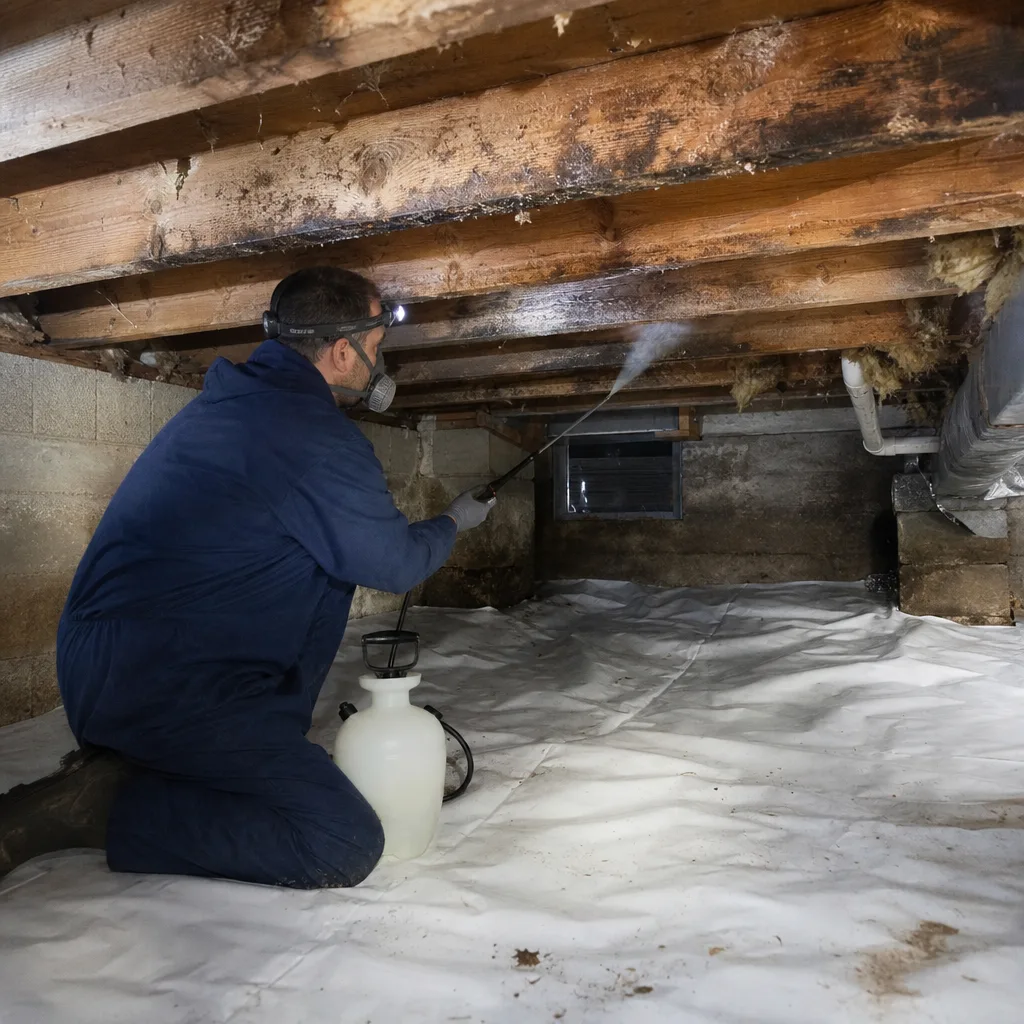
Bothell’s climate creates four distinct damage risk windows, each with specific failure mechanisms that generic annual maintenance misses. Homeowners who record quantitative baseline readings - crawl space RH%, gutter flow rate, attic wood moisture content, sump pump cycle volume - build dated condition records that function as pre-loss documentation if a claim becomes necessary. The three systems driving most preventable Snohomish County losses - sump pump, vapor barrier, and roof flashing - require inspection aligned with seasonal stressors, not calendar convenience. Documentation structured around measurable data, not narrative notes, provides the evidentiary quality that insurance adjusters recognize and that claim disputes require. The investment is modest: a few hours per season, basic equipment, and disciplined recording. Explore more guides & resources to protect your Bothell home year-round. The return is protection against the documentation gaps that cost homeowners their claims.
Written by Alicia Brennan, Owner at DryMark Restoration Bothell, serving Bothell since 2011.