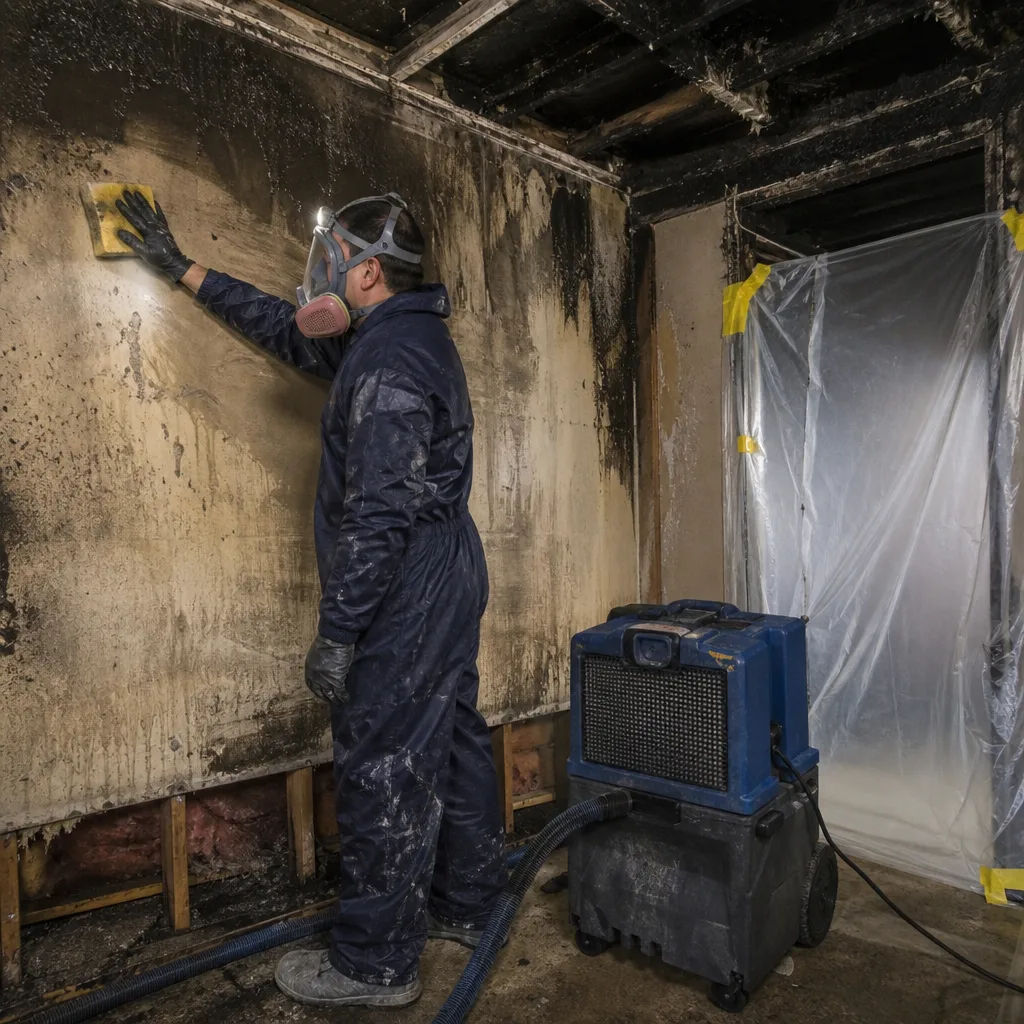
Free visual inspection and a written scope of work before any mitigation begins - photos, moisture readings, and drying logs go in your claim file
The scope we write is the scope we bill. Anything new gets shown to you, in writing, before we touch it.
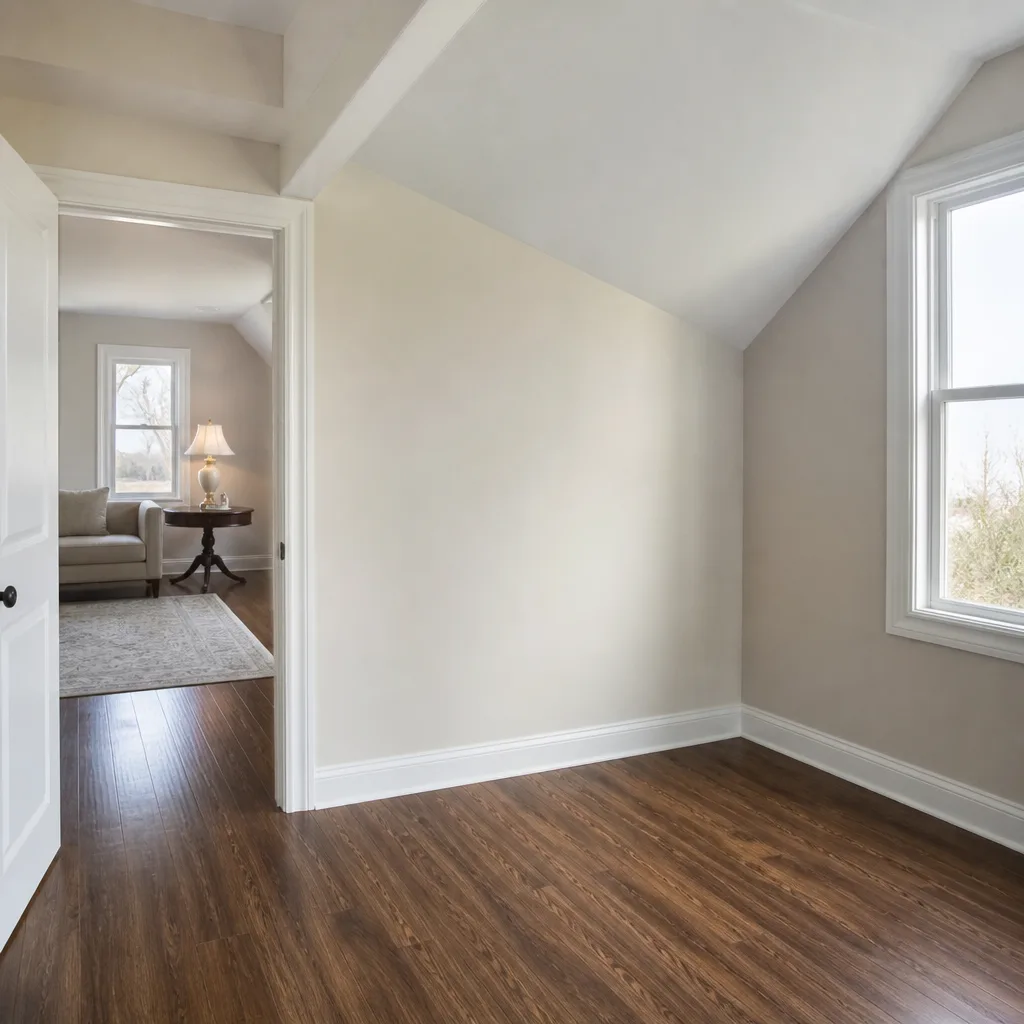
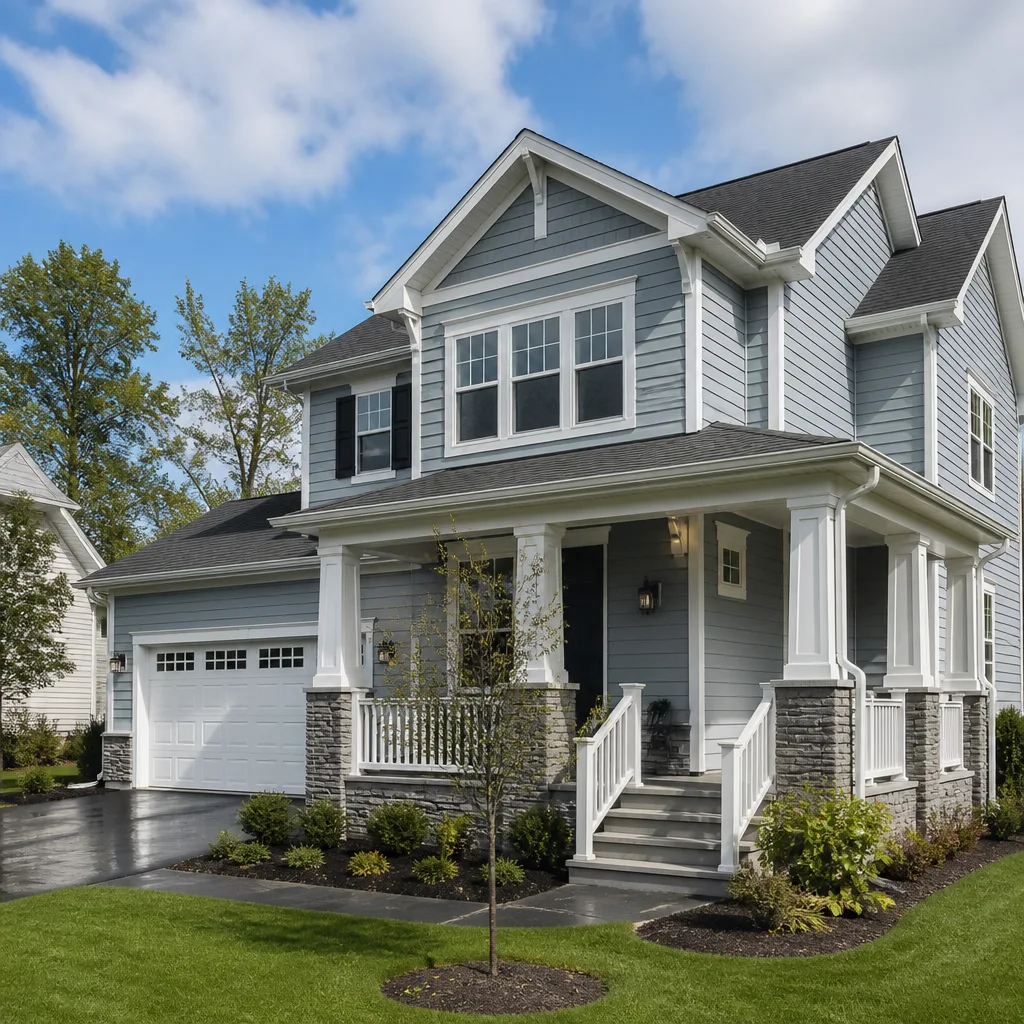
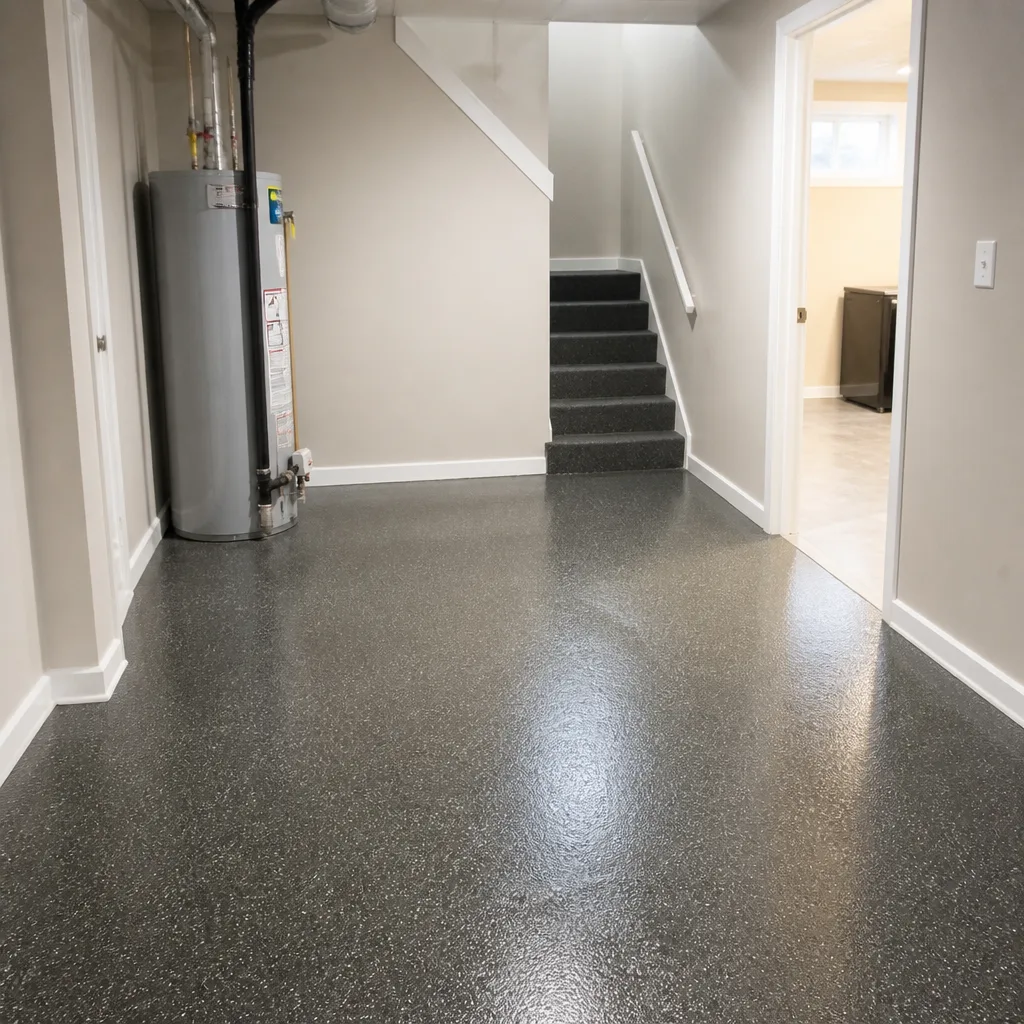
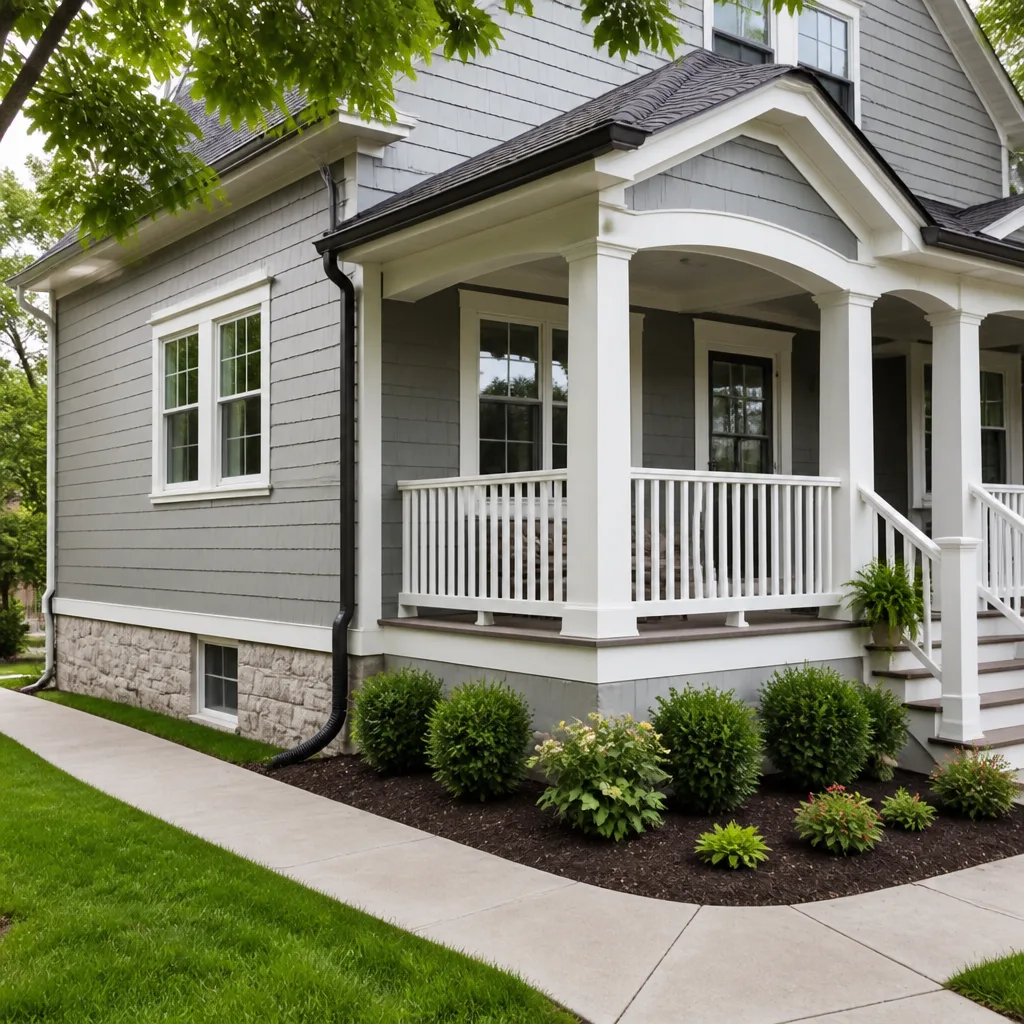
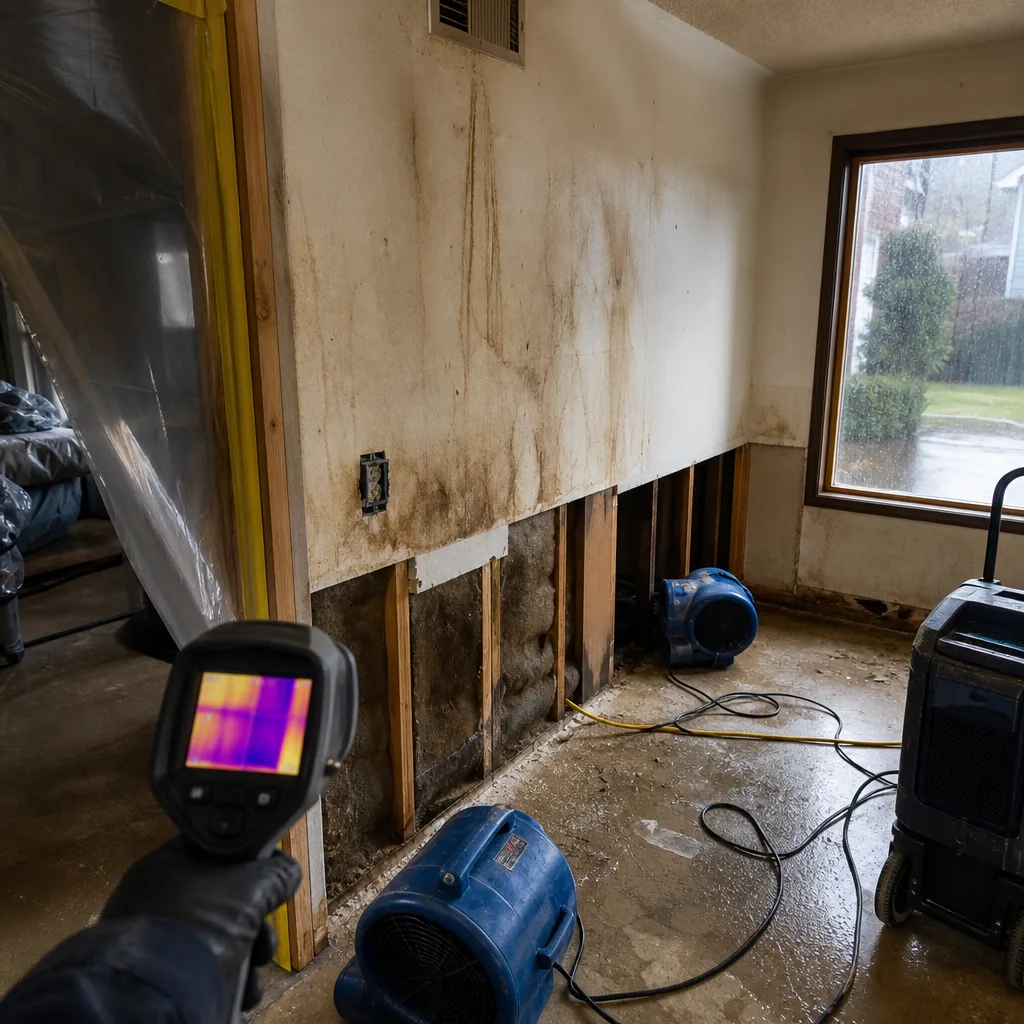 Before
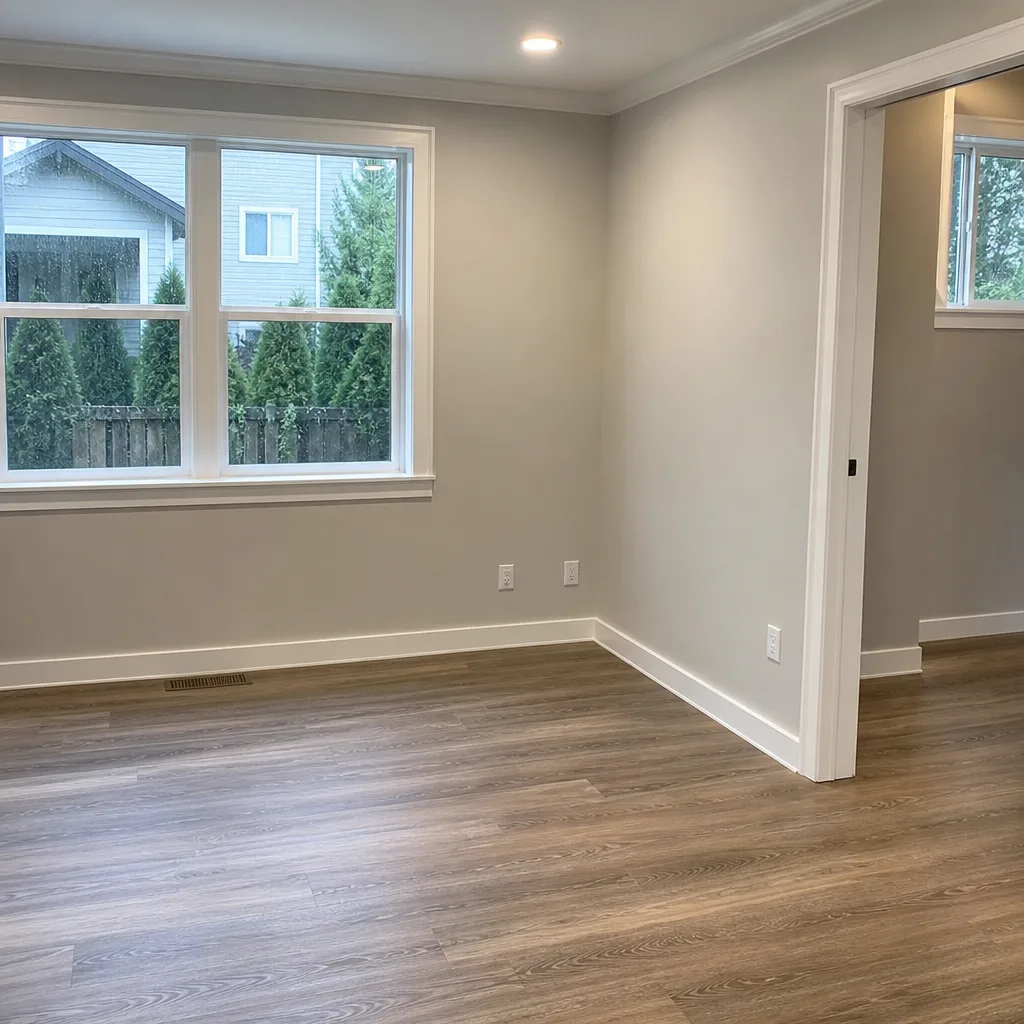 After
After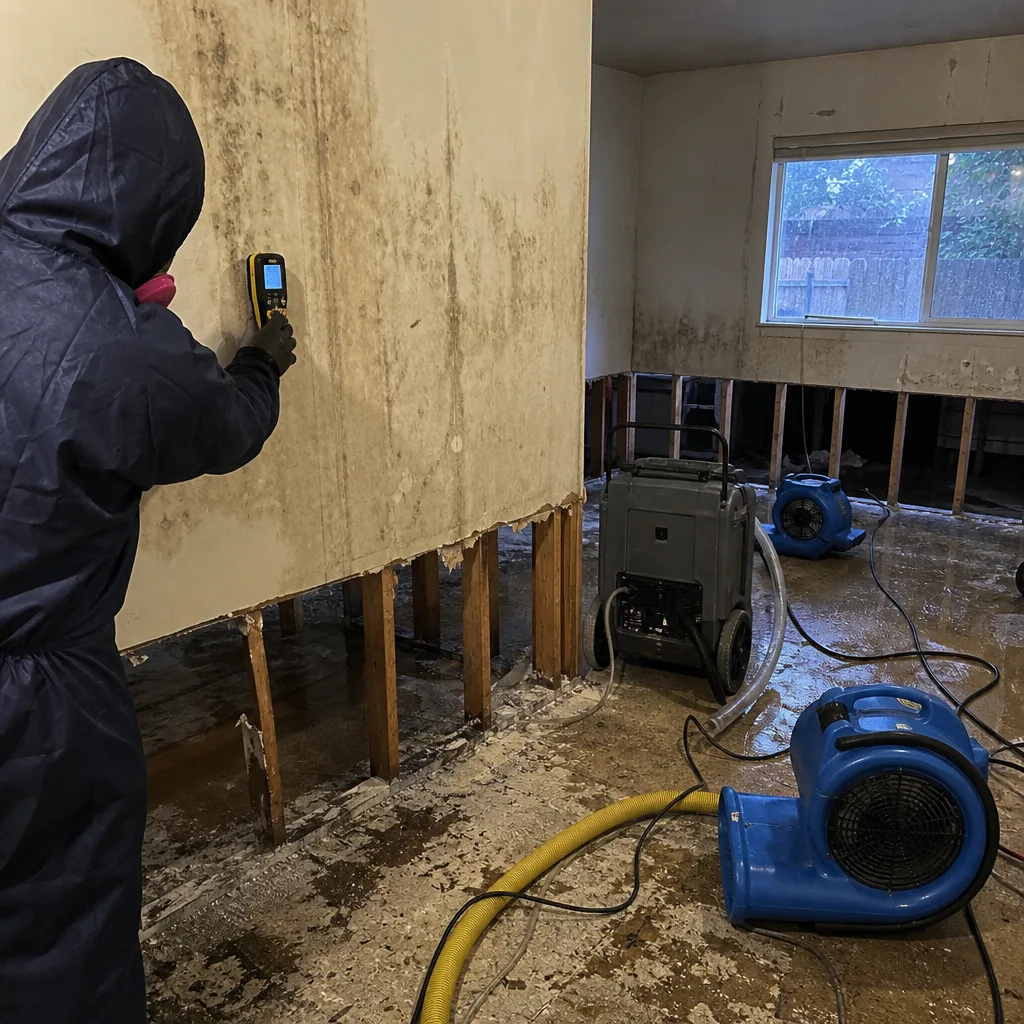 Before
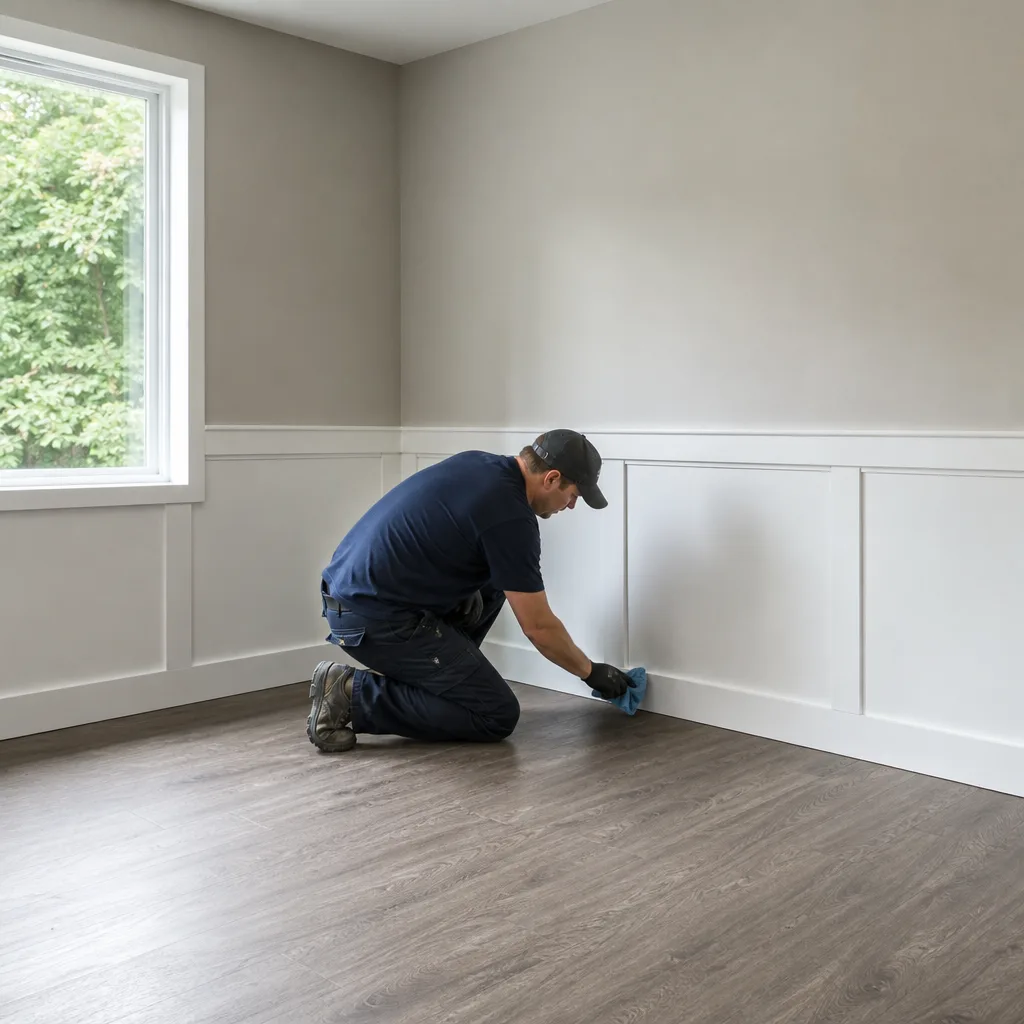 After
After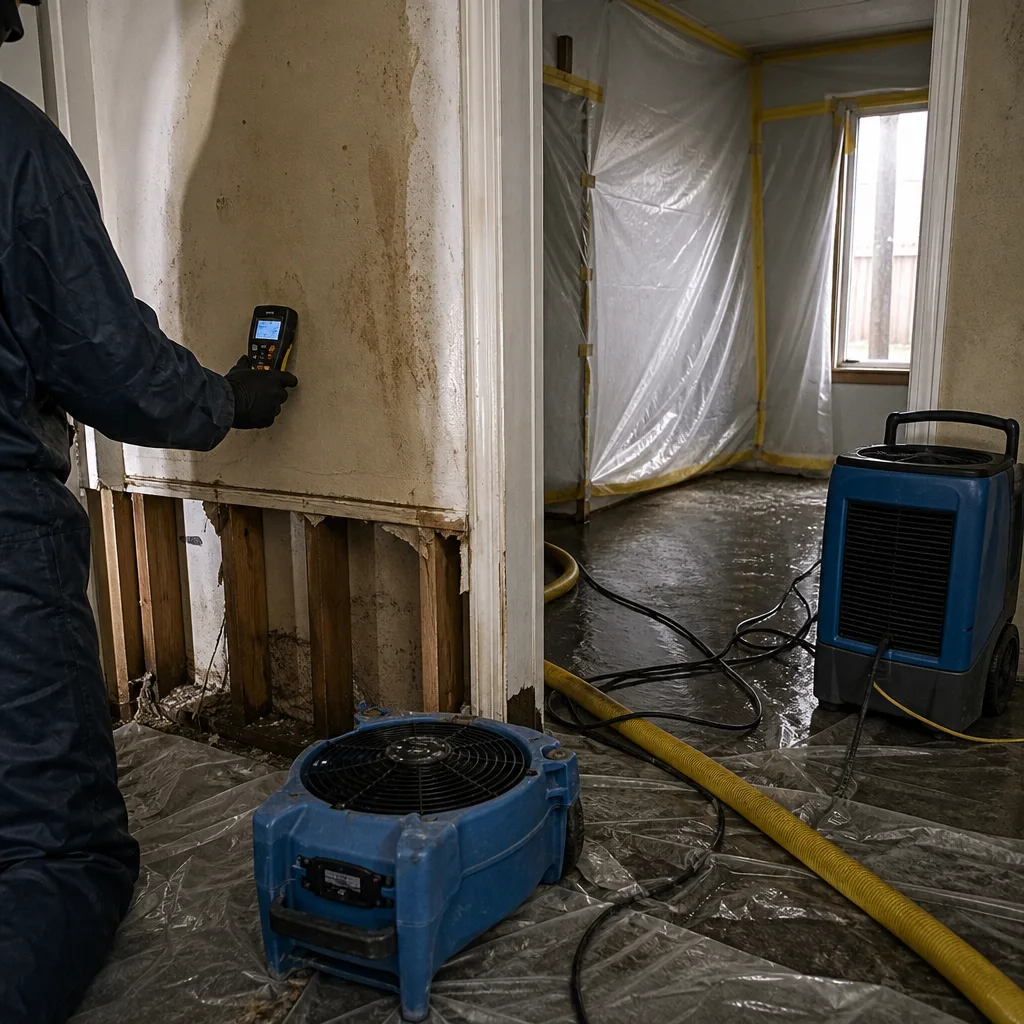 Before
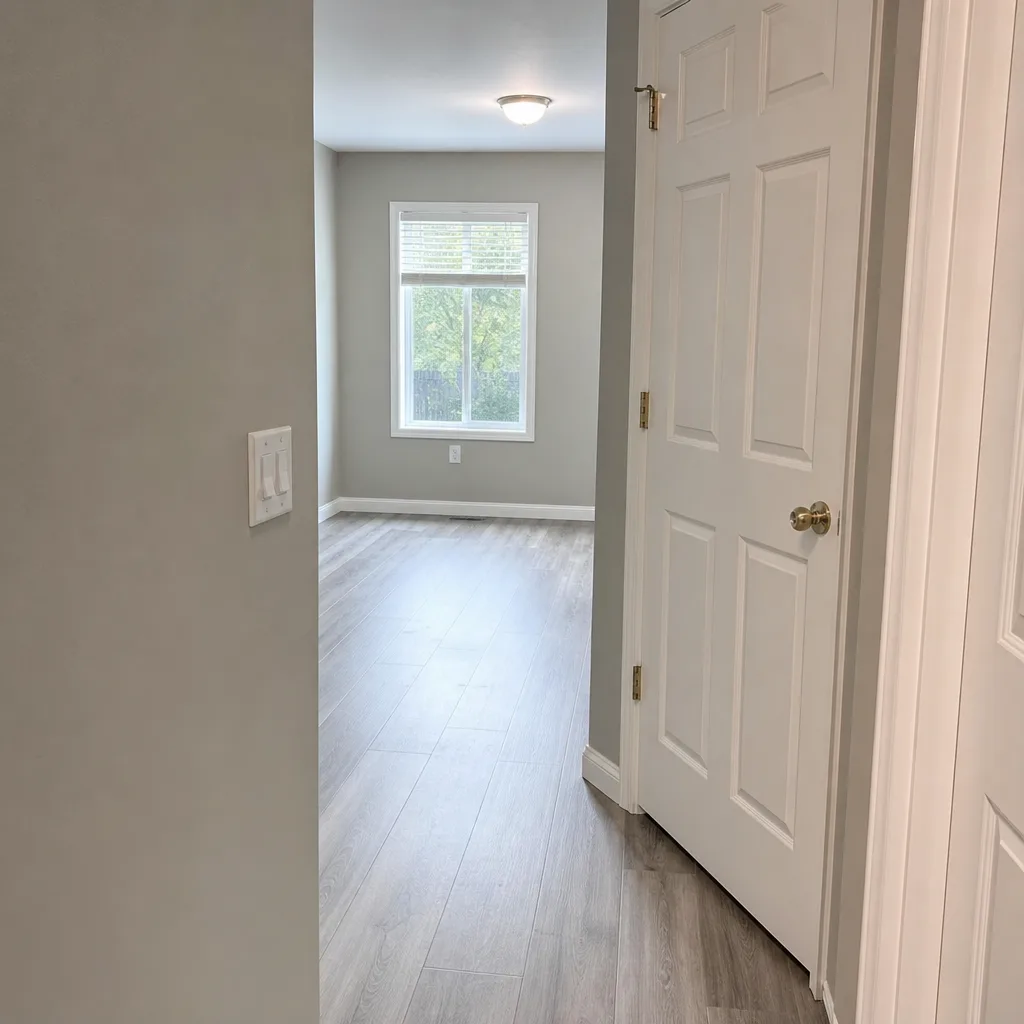 After
After24/7 Emergency Water Damage Restoration in Woodinville
Water damage restoration in Woodinville typically costs $2,800-$6,500 for a standard residential extraction and drying job, with emergency response available within 45 minutes for active leaks and flooding. Call (425) 696-6061 now - a live person answers every call, 24 hours a day, 7 days a week, with no voicemail trees while water is still moving through your property. Crews are dispatched from our Seattle office and serve Woodinville locally, carrying Dri-Eaz and Phoenix dehumidification systems sized specifically for the Sammamish River Valley’s cold-air pooling conditions. The first hour determines whether a loss stays in the $3,000 range or climbs past $10,000 - standing water wicks into drywall within minutes, and mold colonization begins in 24 to 48 hours in Woodinville’s persistently damp valley climate.
Understanding Water Damage Restoration Severity in Woodinville Properties
Water damage is classified by contamination level, not just volume. Category 1 water is clean supply-line water. Category 2 carries significant contamination from sources like dishwasher discharge or groundwater seepage. Category 3 is grossly contaminated - sewage, river flooding, or standing water that has incubated bacteria. In Woodinville, we see all three, but the valley’s clay-heavy soils and aging housing stock push routine Category 1 losses toward Category 2 faster than in better-draining suburbs.
Moisture mapping with thermal imaging and pinless meters lets us trace water migration behind walls and under cabinets before demolition starts. Structural drying then uses psychrometric data - temperature, relative humidity, and vapor pressure differential - to calculate exactly how much dehumidification capacity a space requires. Vapor pressure differential is simply the force that drives moisture from wet materials into the air; the bigger the gap we create with dry air, the faster materials release water.
Woodinville’s 1960s-70s valley-edge builds present a specific challenge: minimal or absent crawl-space vapor barriers let groundwater wick into wood-framed subfloors for weeks before a homeowner notices mustiness or cupping. By then, moisture readings often show saturation past the 16% wood-moisture-content threshold where mold colonizes, and the 24-48 hour window for simple drying has closed. Hillside estate homes from the 1980s-2000s bring the opposite problem - finished daylight basements with foundation walls pressed by uphill clay soils that shed rainfall rather than absorb it. Standard air movers alone never dry the trapped wall cavities in these conditions.
Why Woodinville Property Owners Choose DryMark Restoration Bothell
- 45-minute response commitment to active water losses in Woodinville, Bothell, Kenmore, and surrounding areas - because every minute of standing water expands the affected square footage.
- 24/7 live answer by a real person, never an automated system or next-business-day callback while water is still moving through your floors and walls.
- IICRC-certified crews holding WRT (Water Damage Restoration Technician) and ASD (Applied Structural Drying) credentials, with AMRT (Applied Microbial Remediation Technician) certification for jobs that cross into mold.
- Free visual inspection and moisture assessment - we document what we find before you commit to any work.
- Direct insurance billing with photo-documented estimates, daily drying logs, and adjuster coordination included as standard, never upsold.
- One team from extraction through reconstruction - no handoffs between contractors that fragment your documentation and delay your claim.
BeforeAfterOur Water Damage Restoration Process
1. Inspection & Assessment
We arrive with thermal imaging cameras, pin and pinless moisture meters, and hygrometers to map the full extent of water migration. In Woodinville’s older valley-floor homes, we pay special attention to crawl-space conditions and subfloor moisture content, since vapor-barrier failures often hide secondary damage.
2. Extraction & Stabilization
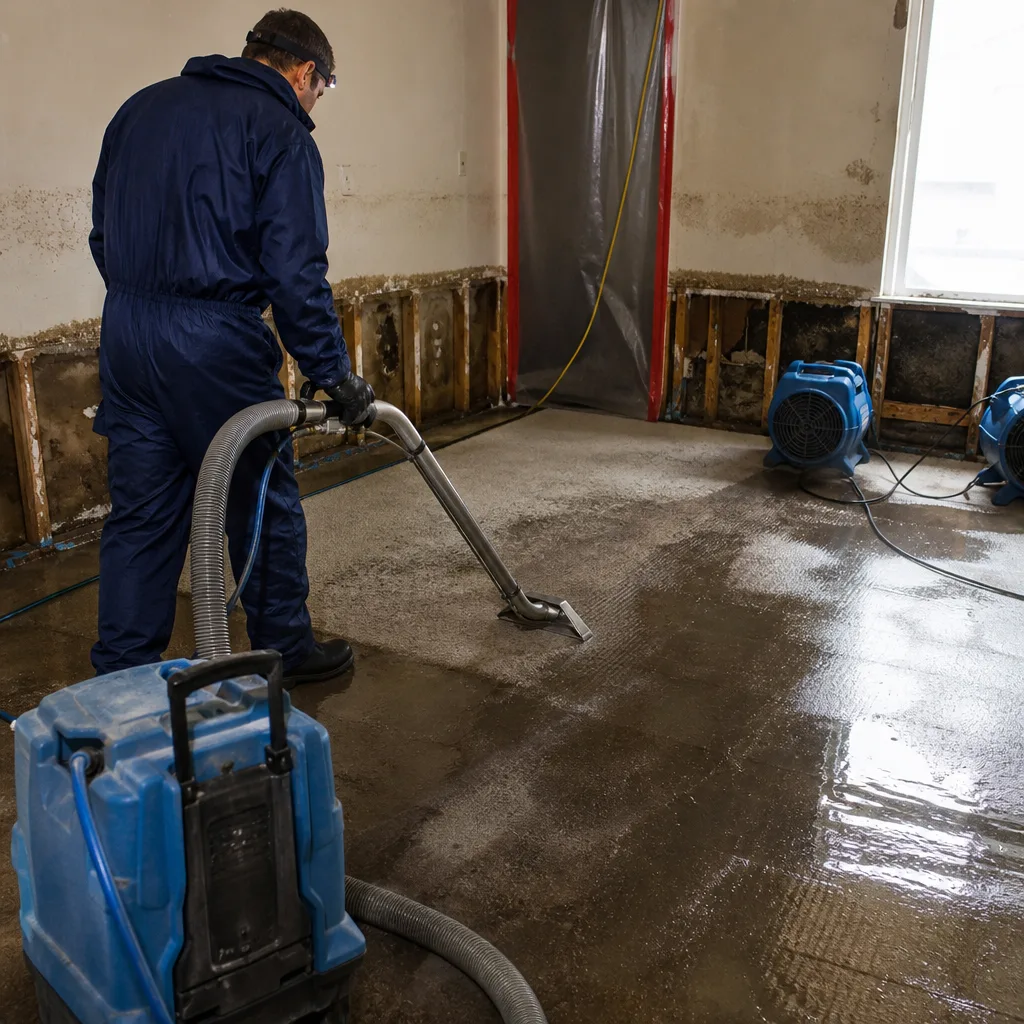
Standing water is removed with truck-mounted extraction systems and portable XPOWER units. We set up containment to protect unaffected areas and, for commercial clients in the Woodinville Wine Country district, coordinate around active operations.
3. Drying & Dehumidification
We deploy Dri-Eaz and Phoenix LGR dehumidifiers alongside Injectidry mat systems and air movers, sized for Woodinville’s valley microclimate. Cold-air pooling here keeps jobs 5-10°F cooler than Redmond or Kirkland, so we calculate extended drying cycles rather than underestimate capacity.
4. Cleaning & Sanitization
Category 2 and 3 losses receive antimicrobial treatment and HEPA air scrubbing. We document all applied products for insurance review and, where food-safety regulations apply near winery operations, select agents that meet commercial kitchen standards.
5. Moisture Verification & Documentation
Daily moisture logs track progress against drying goals established from the pre-loss condition. We produce psychrometric readings - temperature, relative humidity, and specific humidity - to prove materials have returned to acceptable equilibrium before equipment is removed.
6. Repairs & Restoration
Our reconstruction team replaces removed materials to match existing finishes. A written scope of work, agreed before any repairs begin, prevents scope creep. Every job closes with a documented photo record and the 365-Day Done Right Promise under The Haven Standard.
Need Emergency Water Damage Restoration in Woodinville Now?
Crews minutes away, answering live 24 hours a day. The sooner we start, the less it costs.
Working With Your Insurance Company
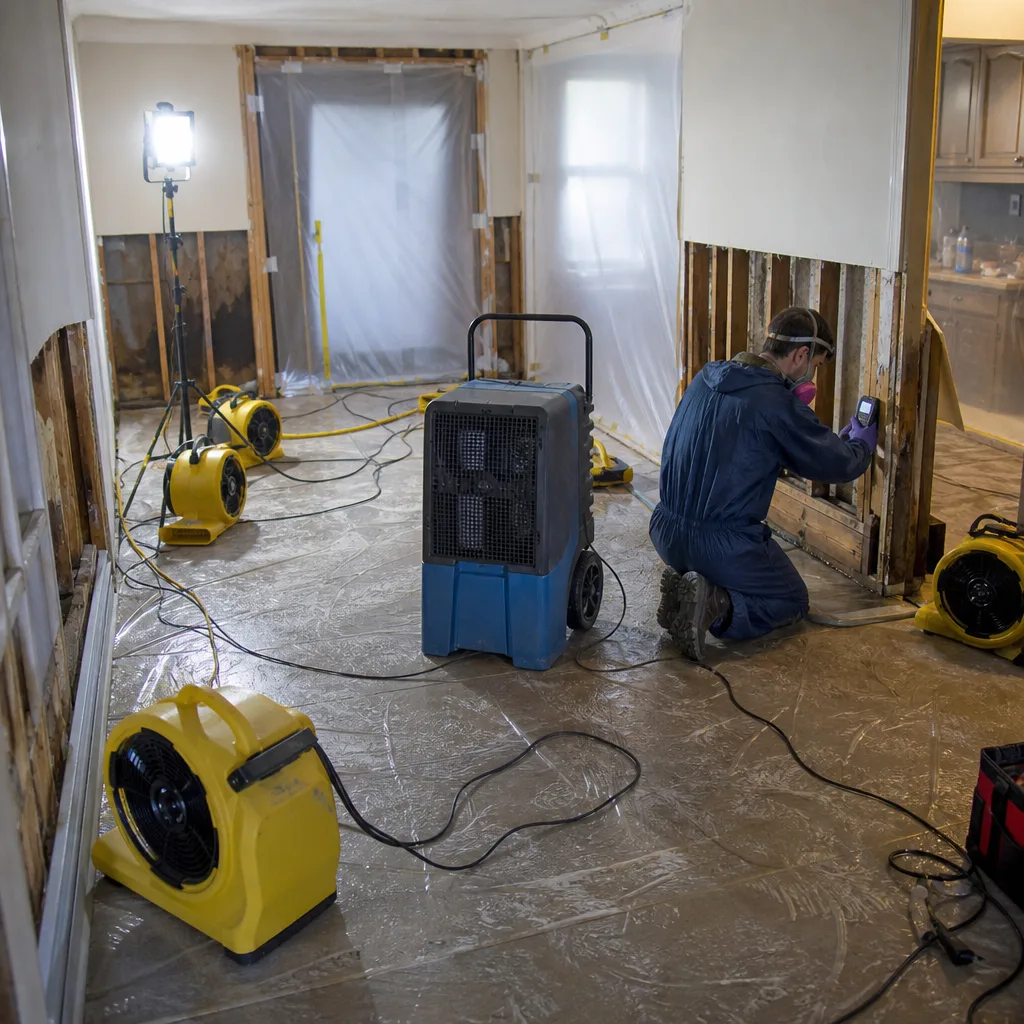
Documentation from the first hour is what turns a restoration invoice into a claim an insurer pays without a fight. Our process was built by a former claims adjuster who founded Back to Dry Restoration in 2011 specifically to close the documentation gap that costs homeowners their settlements. We photograph every room before touching anything, log moisture readings at every visit, and produce industry-standard estimates that adjusters recognize immediately.
Direct adjuster communication is standard on every Woodinville job. We conference with your carrier’s representative, explain our scope line by line, and adjust only with written authorization. This matters especially in Woodinville’s mixed residential-commercial zone near NE 145th Street, where winery and tasting-room losses involve business-interruption coverage that residential adjusters may not handle routinely.
What We Provide Your Insurer
- Thorough documentation of the loss
- Photos of all damage, room by room
- Moisture readings and drying logs
- A detailed, line-item scope of work
- Direct coordination with your carrier
Built for Woodinville’s Loss Calendar
Woodinville’s water damage season runs October through April, when 38-42 inches of annual rainfall concentrate into six months of ground saturation. January brings the deepest risk: cold snaps burst supply lines in unconditioned crawl spaces and garage plumbing, and the valley’s cold-air pooling means pipes stay frozen longer than in higher suburbs. By February, thawing frozen ground pushes hydrostatic pressure against foundation walls.
March and April deliver the Sammamish River’s seasonal rise, documented in King County flood records. Valley-floor properties near the river corridor face crawl-space inundation that homeowners sometimes miss for weeks if they don’t monitor below-grade spaces. Fall windstorms, typically November, add roof damage and gutter overflow from Douglas fir and western red cedar debris on wooded hillside lots.
Summer is not risk-free. Irrigation system backflow failures and water heater ruptures in aging 1970s builds spike in July and August, when homeowners are away and small leaks incubate into major losses.
Water Damage Restoration Across Woodinville’s Neighborhoods
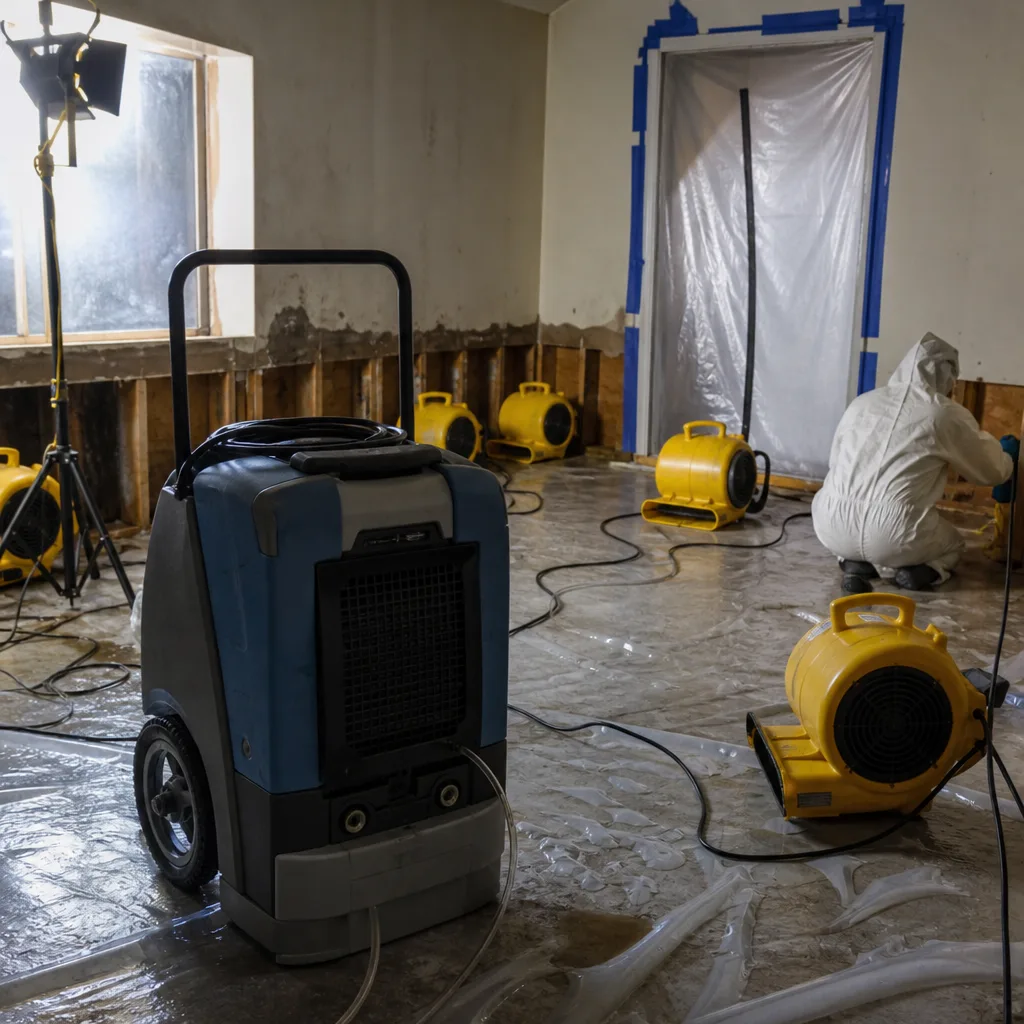
Our Water Damage Restoration team serves distinct loss patterns across Woodinville’s varied terrain. In the valley floor near the Sammamish River and the Woodinville Wine Country district along NE 145th Street, we respond to commercial and residential properties with a client mix no neighboring city replicates. Winery cellars require temperature and humidity control that standard drying protocols would disrupt; we coordinate with facility managers to maintain fermentation conditions while extracting water from adjacent spaces.
The suburban neighborhoods north and east of the valley - the 1960s-70s tracts near Cottage Lake and the Leota area - present chronic crawl-space failures. These homes were built with minimal vapor barriers and wood-framed subfloors that soak up groundwater like a sponge. Homeowners often discover the problem only when flooring warps or mold odor penetrates living spaces.
On the hillside estates above the valley, particularly in areas approaching the Redmond and Kirkland borders, custom homes from the 1980s-2000s carry daylight basements and extensive below-grade finish work. The clay soils on these slopes shed rainfall directly against foundation walls. We’ve learned that standard air-mover placement never reaches the trapped cavities behind finished basement walls; Injectidry mat systems and targeted dehumidification are required from day one.
Properties near the intersection of Woodinville-Duvall Road and NE 175th Street sit at the transition zone between valley and hillside, with drainage patterns that shift depending on whether the season’s rains have saturated the upland soils yet. Our moisture mapping on these calls always includes exterior grade assessment, since the fix is often exterior drainage correction paired with interior drying.
Specialized Water Damage Restoration Services We Offer in Woodinville
Emergency Water Extraction
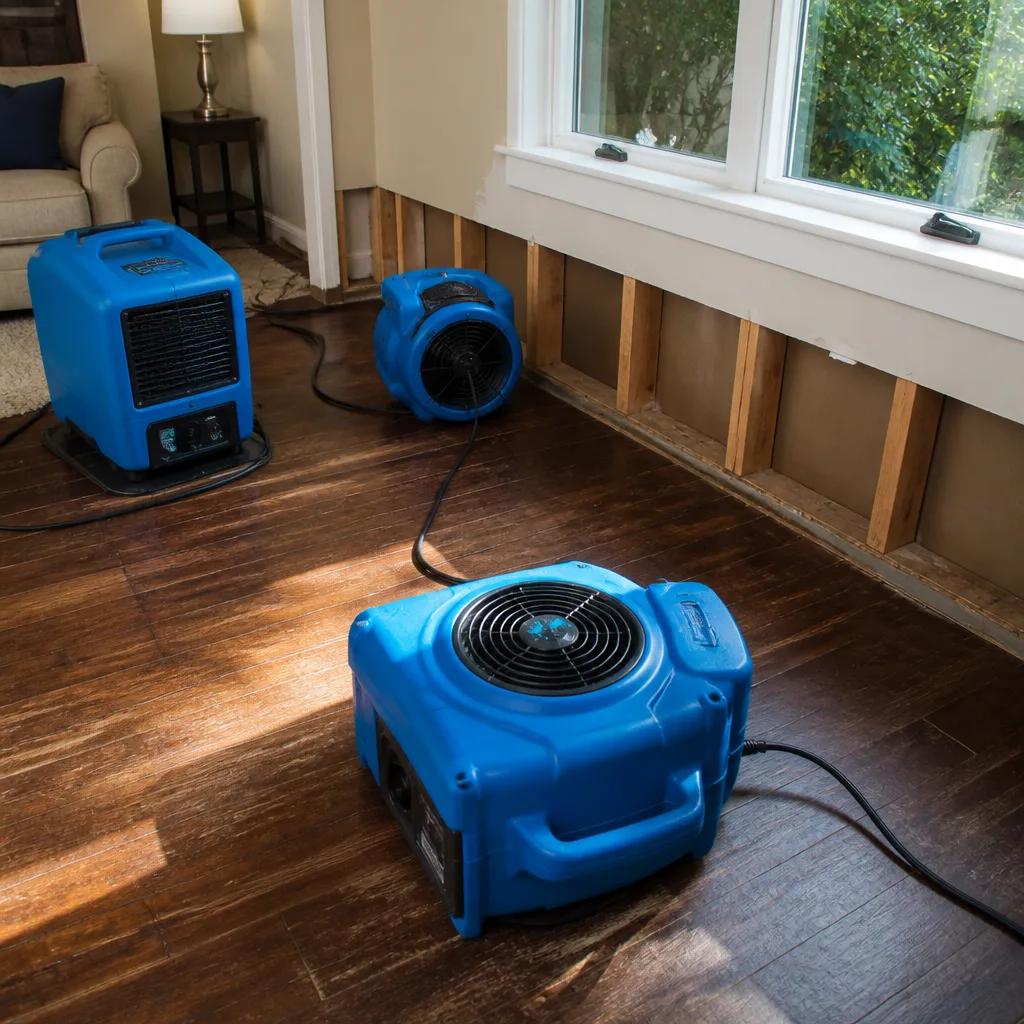
Active flooding demands immediate removal before water wicks into drywall, insulation, and structural framing. Our truck-mounted extraction systems handle standing water up to several inches deep, with portable XPOWER units for confined crawl spaces and basement stairwells. In Woodinville’s tighter 1960s crawl spaces, portable units are often the only access option.
Structural Drying & Dehumidification
This is where Woodinville’s valley microclimate matters most. Cold-air pooling keeps ambient temperatures lower than in Redmond or Kirkland, extending drying cycles 8-12 hours on typical jobs. We size Phoenix and Dri-Eaz dehumidifier capacity for these conditions, not metro-average calculations, and we log daily psychrometric data to prove progress. Tertiary drying - the final phase where materials approach equilibrium moisture content - takes particular attention in valley conditions.
Flood Cleanup
Sammamish River overflow and seasonal groundwater intrusion bring Category 2 and 3 contamination requiring full sanitization protocols. We document contamination classification with photo evidence for insurance, then apply appropriate antimicrobial treatment and HEPA air scrubbing before reconstruction begins.
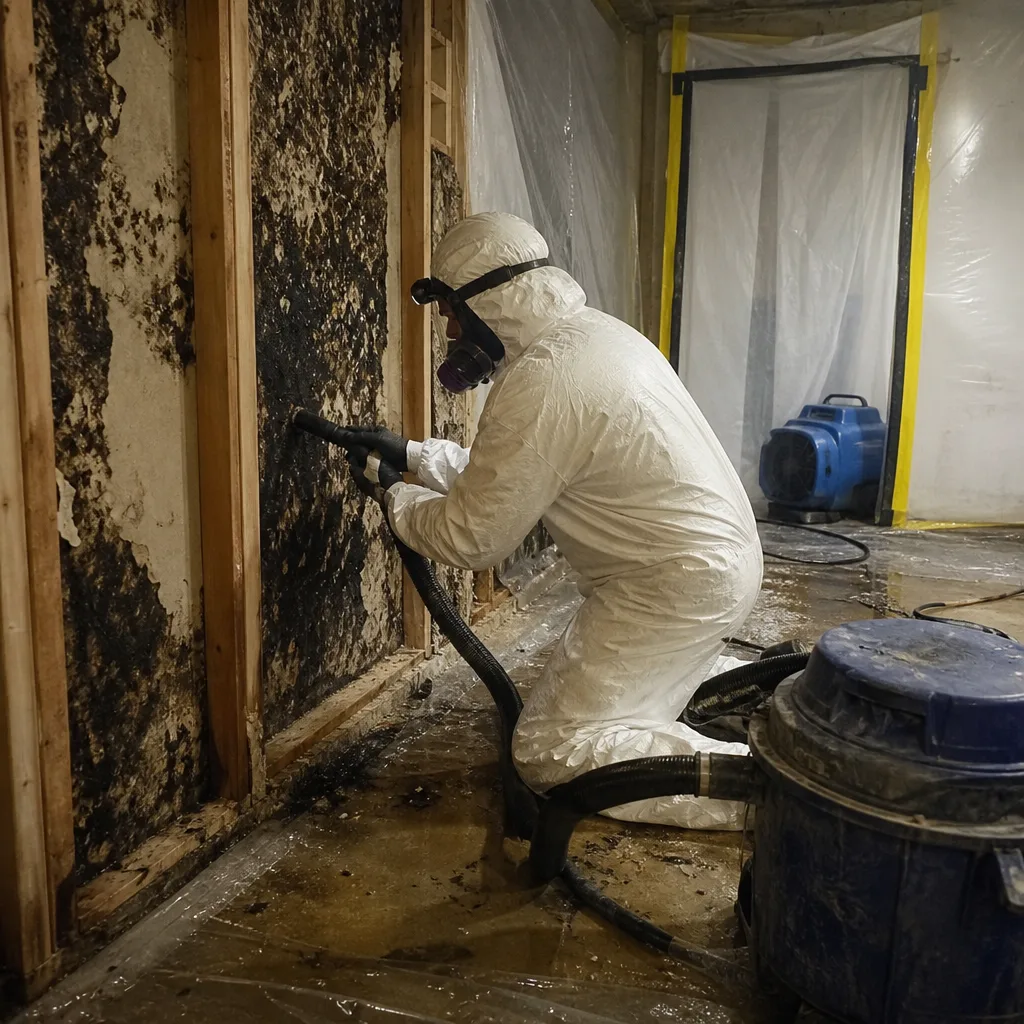
Burst Pipe Restoration
Woodinville’s legacy plumbing in mid-century builds fails at fittings and gate valves that are long out of production. Our crews carry common obsolete fittings, but when parts are unavailable, we document the exact specification for your plumber and stabilize the affected area with temporary supply restoration. What starts as a pinhole leak can become a Category 3 loss by the time specialty parts arrive if standing water is not extracted promptly.
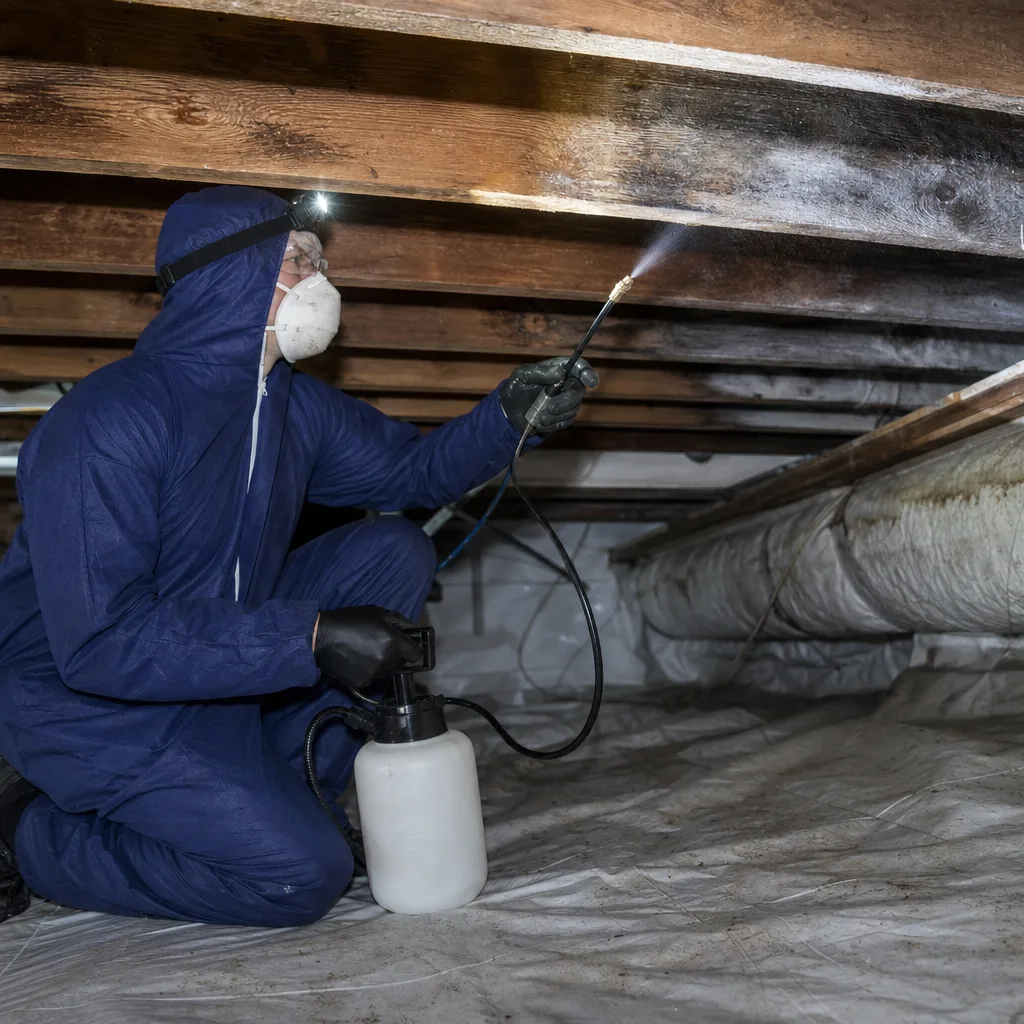
Basement Water Removal
Daylight basements on Woodinville’s hillside lots face chronic pressure from uphill clay soils. We remove water, then map wall-cavity moisture with thermal imaging to identify trapped pockets that surface drying misses. Standard air movers alone fail here; Injectidry mat systems and targeted dehumidification are required equipment.
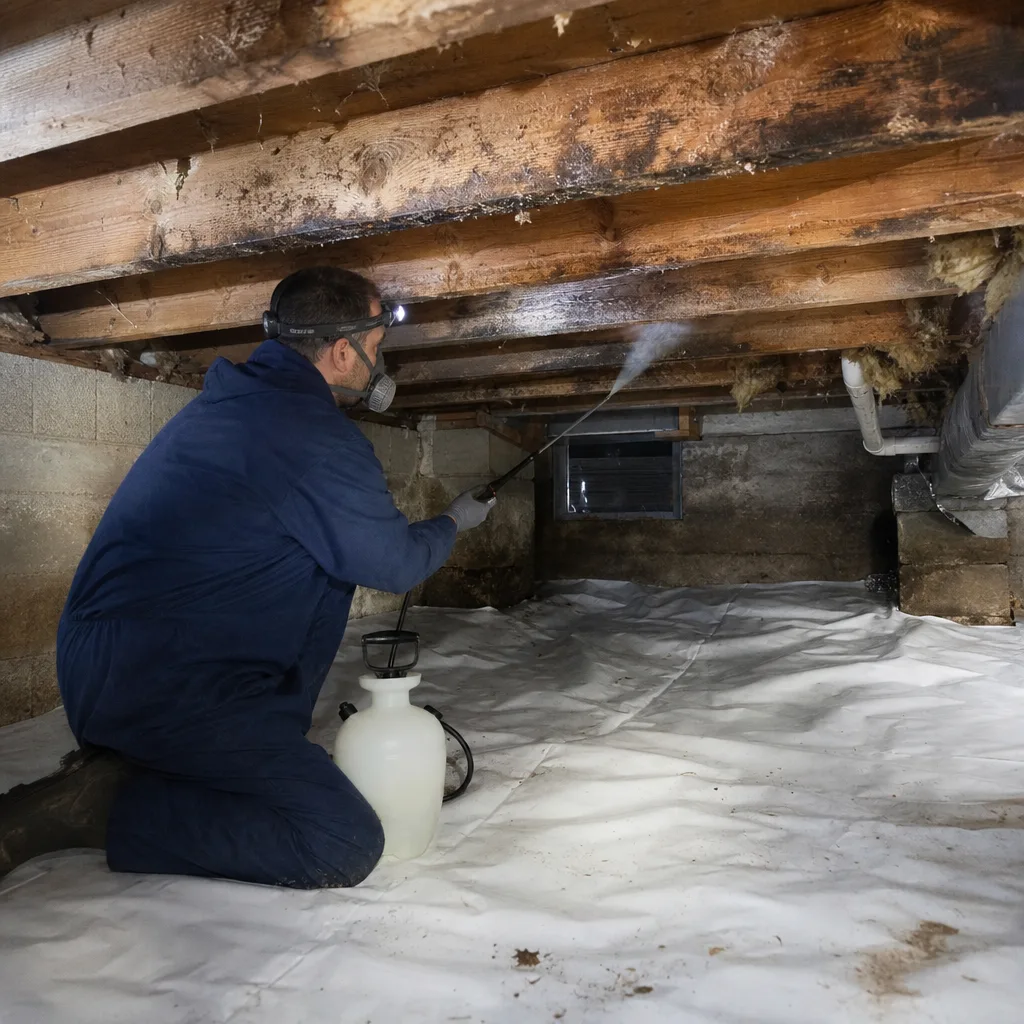
Ceiling & Roof Leak Water Damage
Fall windstorms drop Douglas fir and western red cedar limbs onto Woodinville’s wooded-lot homes, compromising roof systems and allowing concentrated water intrusion through attic spaces. We trace water migration from the attic through ceiling cavities, document insulation saturation, and dry or replace materials based on moisture-content readings, not visual guesswork.
What happens when you call
- 1
A real person answersNo phone trees - you reach a local pro.
- 2
You get an upfront price rangeHonest numbers before anyone is dispatched.
- 3
A background-checked tech heads outLicensed & insured, dispatched right away.
- 4
You approve before work beginsNothing starts until you say go.
Water Damage Restoration Costs in Woodinville, WA
| Service | Typical Range in Woodinville |
|---|---|
| Emergency water extraction (single room) | $800 - $1,800 |
| Structural drying & dehumidification (standard home) | $1,800 - $4,200 |
| Crawl-space drying with vapor-barrier replacement | $2,500 - $5,500 |
| Basement water removal (daylight basement, finished) | $3,500 - $8,000 |
| Burst pipe restoration with limited demolition | $2,200 - $5,000 |
| Full-service water damage restoration (extraction through reconstruction) | $5,500 - $15,000+ |
These ranges reflect Woodinville’s market specifically. What moves the price: the contamination category (Category 3 costs roughly 40% more than Category 1 due to sanitization requirements), the square footage affected, whether demolition is required to access wet cavities, and how long water stood before extraction began. Insurance typically covers sudden and accidental water damage from burst pipes or storm intrusion; gradual seepage from failed vapor barriers or poor drainage is often excluded. We provide a written price before any work starts, every time, under Haven Standard, Clause 1. Bring a competitor’s written estimate and we’ll review it at no charge - our Free Second Opinion.
We Also Serve Cities Near Woodinville
Our Water Damage Restoration in Woodinville crews are dispatched locally and also serve Bothell to the south, Kenmore to the southwest along the Sammamish River corridor, Redmond to the southeast, and Kirkland to the west. Each city presents distinct drying conditions - Bothell’s lower elevations share Woodinville’s valley challenges, while Redmond and Kirkland’s higher ground drain faster but face different freeze-thaw patterns.
Serving Woodinville, WA - Our Local Coverage Area
We’re based in the Woodinville area and know this community well. Use the map below to see our service coverage - if you’re nearby, we can almost certainly help.
Woodinville Water Damage Restoration Questions, Answered
How fast can DryMark Restoration Bothell get to my Woodinville property?
Our response commitment is 45 minutes for active water losses in Woodinville, with crews dispatched from our Seattle office serving the area locally. Call (425) 696-6061 - a live person answers, 24 hours a day, with no voicemail while water is still spreading.
Will my insurance cover water damage restoration in Woodinville?
Sudden and accidental water damage - burst pipes, storm intrusion, appliance failures - is typically covered under standard homeowners policies. Gradual damage from seepage, failed vapor barriers, or poor drainage is often excluded. We document the cause and timeline from the first hour, produce photo evidence and moisture logs, and coordinate directly with your adjuster to establish coverage. Call (425) 696-6061 and we’ll review your situation at no charge.
Do I need full remediation or just water extraction and cleaning?
Full remediation is required when moisture readings show materials above 16% wood moisture content past 24-48 hours, or when Category 2 or 3 contamination is present. If we extract quickly and readings confirm materials dried within the safe window, cleaning and verification may suffice. We document the distinction with moisture logs and explain it before any demolition begins. Call (425) 696-6061 for a free visual assessment.
Why does water damage restoration cost what it does in Woodinville compared to nearby areas?
Woodinville’s valley microclimate extends drying cycles 8-12 hours versus higher suburbs, increasing equipment runtime. Older housing stock with minimal vapor barriers and legacy plumbing often requires more extensive demolition and material replacement. Commercial properties in the winery district add coordination complexity. We deliver a written price before work starts under Haven Standard, Clause 1 - no scope-creep additions once the crew is inside.
How long does structural drying take in Woodinville?
Standard residential drying runs 3-5 days in Woodinville, compared to 2-4 days in Redmond or Kirkland, due to the valley’s cold-air pooling effect. Complex jobs with trapped wall cavities or crawl-space saturation may extend to 7-10 days. We log daily moisture readings and remove equipment only when materials reach documented equilibrium. Call (425) 696-6061 for a timeline based on your specific loss.
Can my family stay in the home during water damage restoration?
Occupancy depends on contamination category, the extent of demolition, and whether HVAC systems are affected. Category 1 losses with limited demolition often allow residents to remain. Category 2 or 3 losses, or jobs requiring extensive wall or floor removal, typically require temporary relocation. We assess this during our initial inspection and document our recommendation for your insurance if additional living expenses apply. Call (425) 696-6061 to discuss your situation.
What certifications do your Woodinville water damage technicians hold?
Our crews hold IICRC WRT (Water Damage Restoration Technician) and ASD (Applied Structural Drying) certifications, with AMRT (Applied Microbial Remediation Technician) for jobs involving mold. All work is documented to IICRC, RIA, and IFA standards. We are state-licensed, insured, and bonded, with background-checked, uniformed technicians. Call (425) 696-6061 to verify credentials before we arrive.
What should I do in the first 30 minutes after discovering water damage?
Shut off the water source if it’s a supply-line break, then call (425) 696-6061 immediately - do not wait to assess the full extent. While waiting for our crew, remove small valuables from wet areas and avoid entering spaces with electrical hazards or sagging ceilings. Do not attempt DIY extraction on Category 2 or 3 water, which carries contamination risks. Our live dispatcher will guide you through immediate safety steps while crews are en route.
My Woodinville crawl space floods every winter - is that just the valley, or is something wrong with my house?
Some groundwater presence is expected in Woodinville’s Sammamish River Valley, but standing water that recurs every winter indicates a fixable condition: failed or absent vapor barrier, improper exterior grading, clogged perimeter drains, or insufficient crawl-space ventilation. The valley’s clay-heavy soils saturate quickly and drain poorly, so the question is whether your home’s defenses are adequate for normal conditions. We assess vapor-barrier condition, grade slope, and drainage pathways during our free inspection, then distinguish between typical valley moisture and a correctable defect. Chronic flooding left unaddressed destroys subfloors and invites mold colonization past the 24-48 hour window. Call (425) 696-6061 for documentation you can use with your insurer or in a home sale.
You worked next to a Woodinville winery during harvest - how do you keep drying equipment from ruining fermentation?
We coordinate humidity targets with the facility manager before placing equipment. Standard restoration drying aims for 30-50% relative humidity, but active fermentation in barrel storage requires tighter control, often 60-70% RH, to prevent cork drying and oxidation. We isolate the affected zone with containment barriers, use dedicated dehumidifiers set to agreed parameters, and log conditions separately from the production space. Our documentation includes both the restoration drying log and the facility’s production requirements, so insurance adjusters understand why standard protocols were modified. This coordination is specific to Woodinville’s winery-district calls and built into our response plan for commercial properties in the NE 145th Street corridor.
A pipe burst in my 1972 Woodinville house - can you match the old fittings, or do I need a full repipe?
We carry common obsolete gate valves and compression fittings for Woodinville’s mid-century inventory, but some 1972-era components are genuinely out of production. Our first priority is stopping the leak and extracting water to prevent Category 1 from becoming Category 3 while parts are sourced. We document the exact fitting specification with photos and measurements, then stabilize the system with temporary supply restoration so your plumber can complete permanent repair. A full repipe is rarely required for an isolated burst; we only recommend it when our inspection reveals systemic degradation at multiple fittings. Call (425) 696-6061 - we’ll assess whether this is a single-point failure or a pattern.
Why does drying take longer in Woodinville than in Redmond or Kirkland?
Woodinville’s position in the Sammamish River Valley creates cold-air pooling that keeps ambient temperatures 5-10°F lower than higher-elevation suburbs. Dehumidifiers extract less moisture per hour at lower temperatures, and materials release water more slowly. Our crews size Phoenix and Dri-Eaz capacity for this microclimate and extend drying-cycle estimates accordingly. The alternative - undersized equipment removed too early - leaves trapped moisture that causes mold and structural damage months later. We document the valley-specific timeline in our drying logs so insurers understand why the job ran longer than a Redmond equivalent. Call (425) 696-6061 for an assessment that accounts for local conditions.
The water in my daylight basement smells - is that category 2 or 3?
Odor alone doesn’t determine classification; the source and exposure history do. Groundwater seeping through Woodinville’s clay soils into a daylight basement is typically Category 2 - significantly contaminated, requiring sanitization, but not grossly contaminated like sewage. However, if the water has stood more than 48 hours, or if it has contacted soil with known agricultural or industrial contaminants, it may be classified Category 3. We test and document the classification with photo evidence and source tracing, then apply the appropriate protocol. Misclassification risks your health and your insurance claim. Call (425) 696-6061 and we’ll determine the correct category before any work begins.
Written by Alicia Brennan, Owner at Back to Dry Restoration, serving Woodinville since 2011 under The Haven Standard.
Water Damage Restoration in Nearby Areas