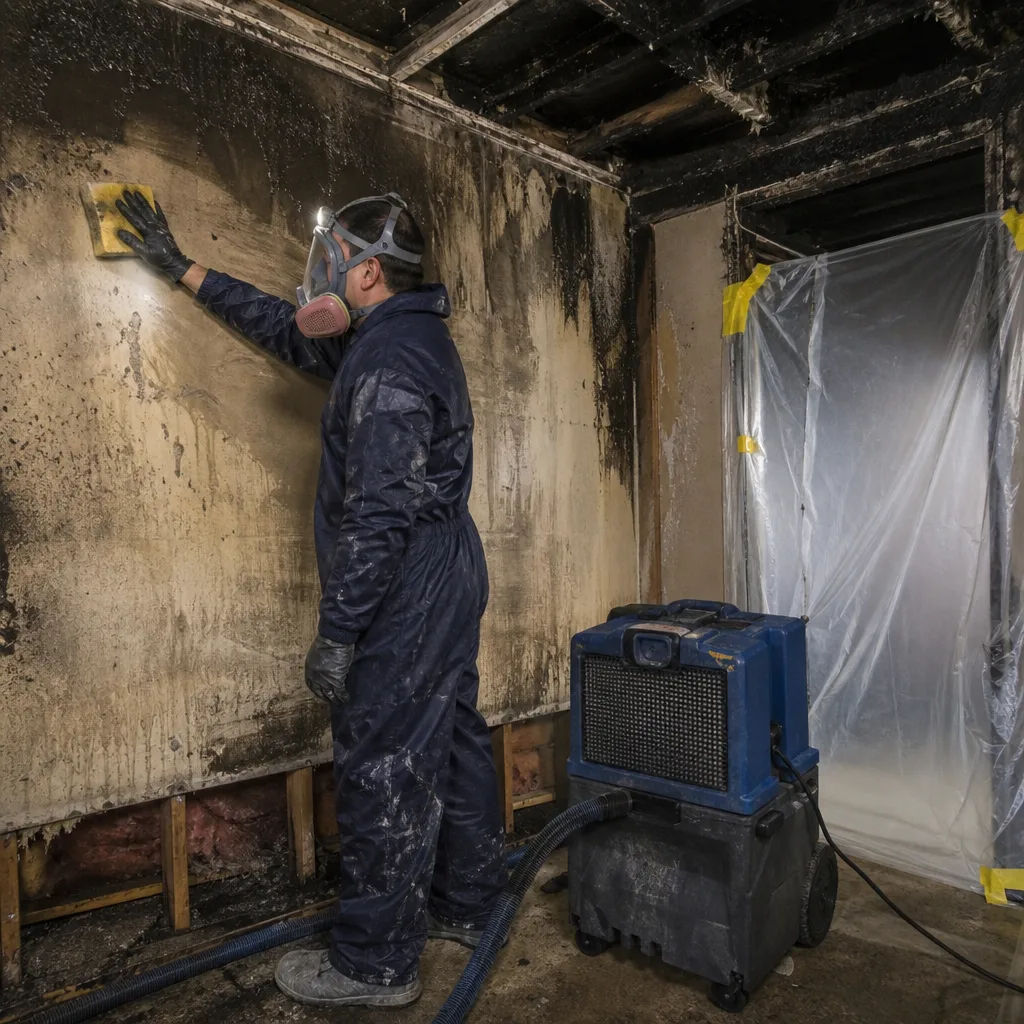
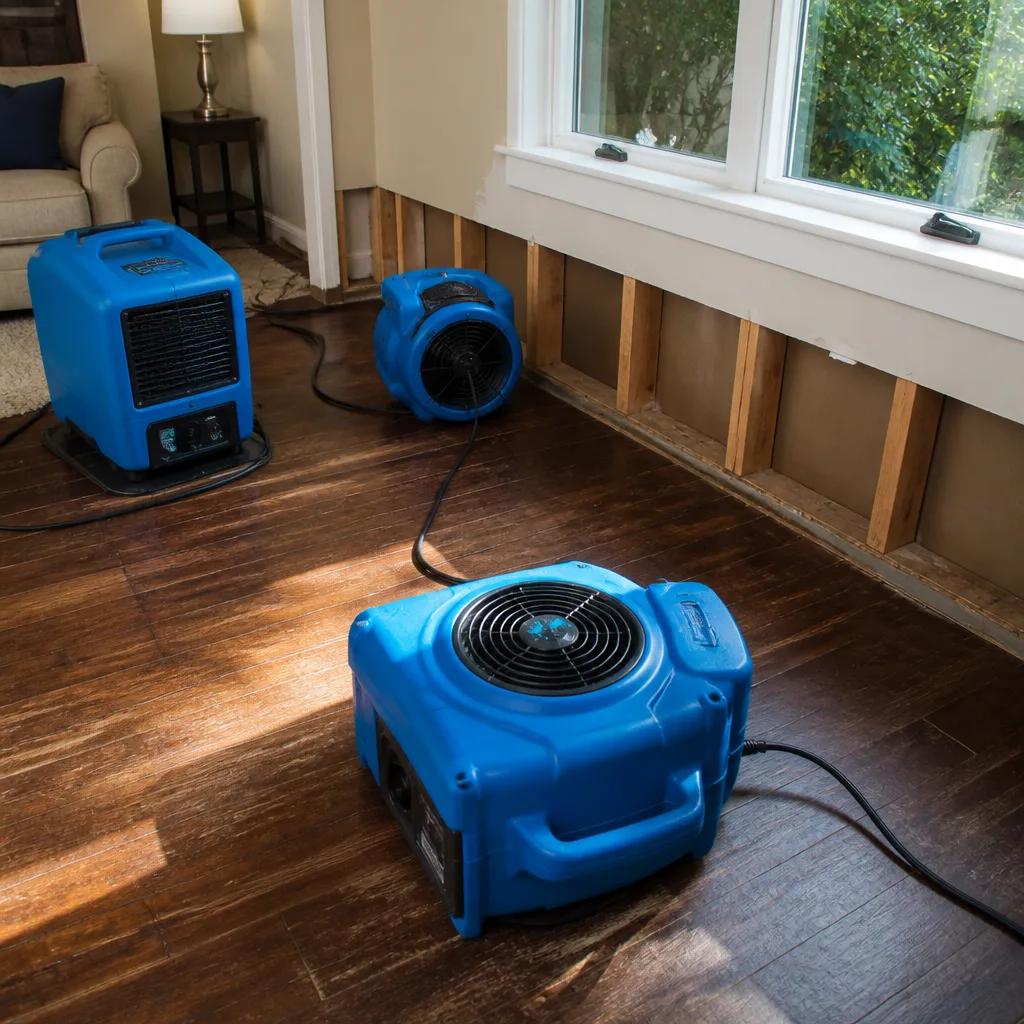
Free visual inspection and a written scope of work before any mitigation begins - photos, moisture readings, and drying logs go in your claim file
The scope we write is the scope we bill. Anything new gets shown to you, in writing, before we touch it.
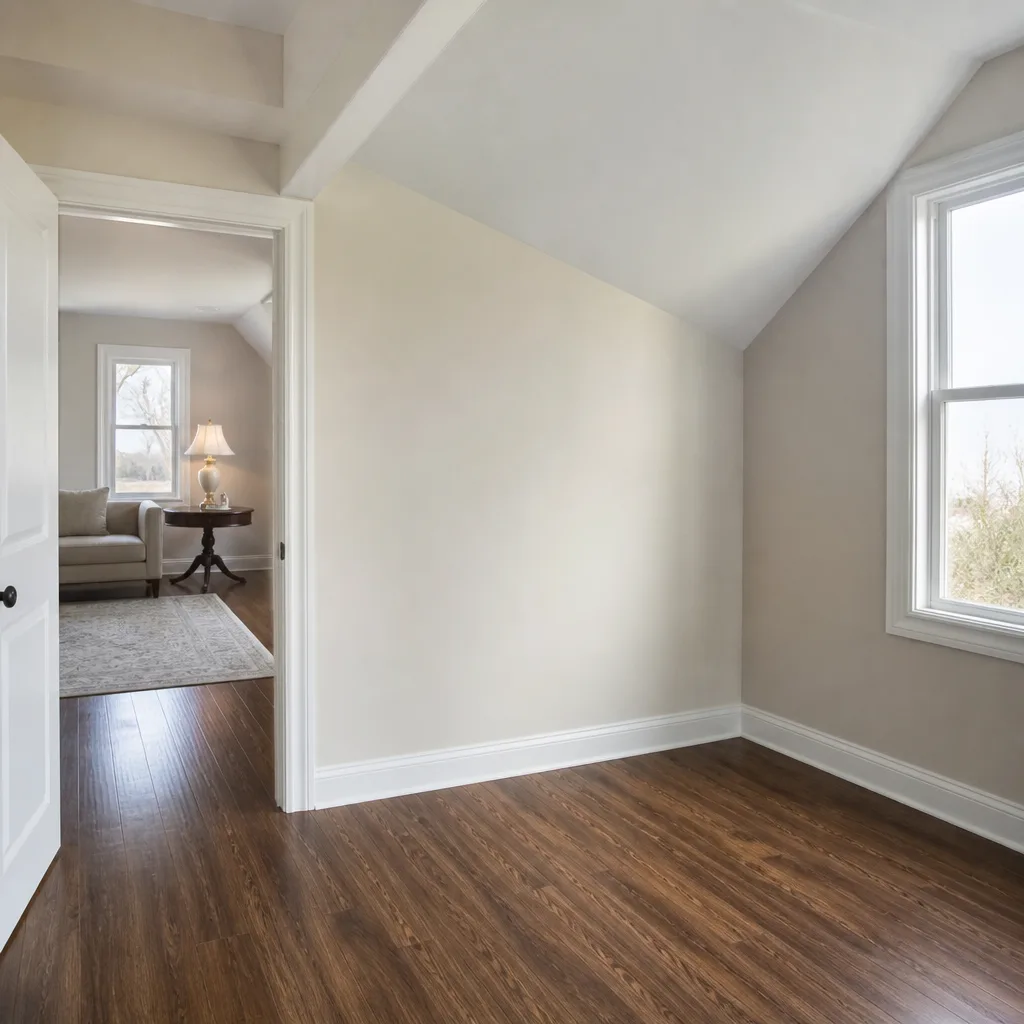
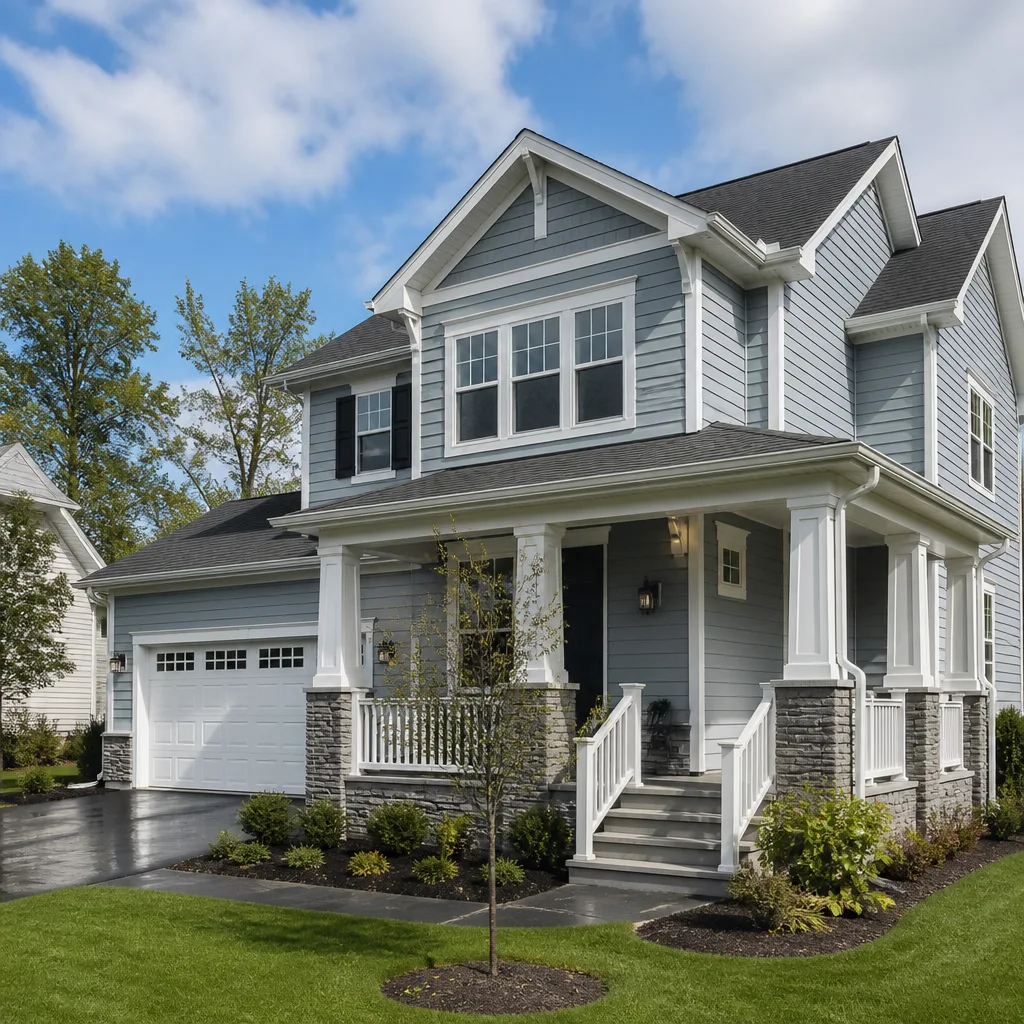
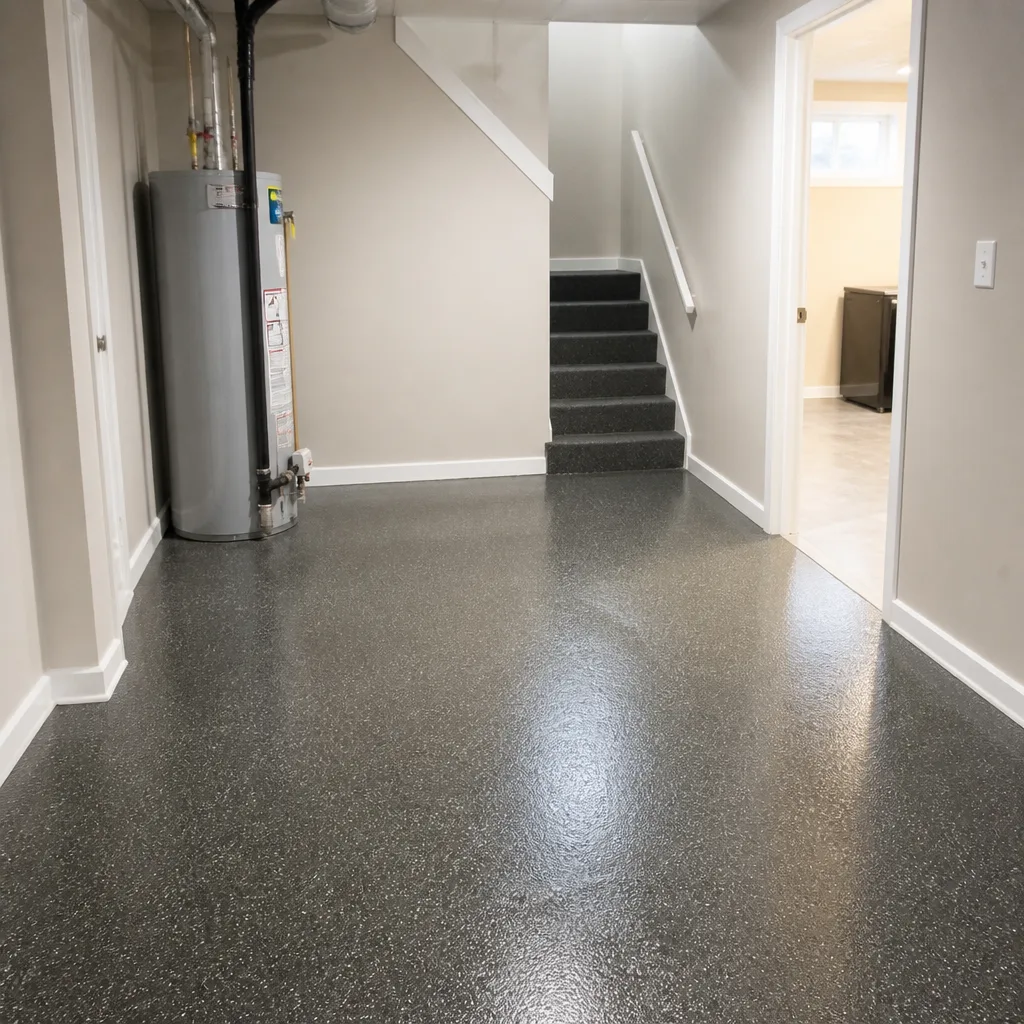
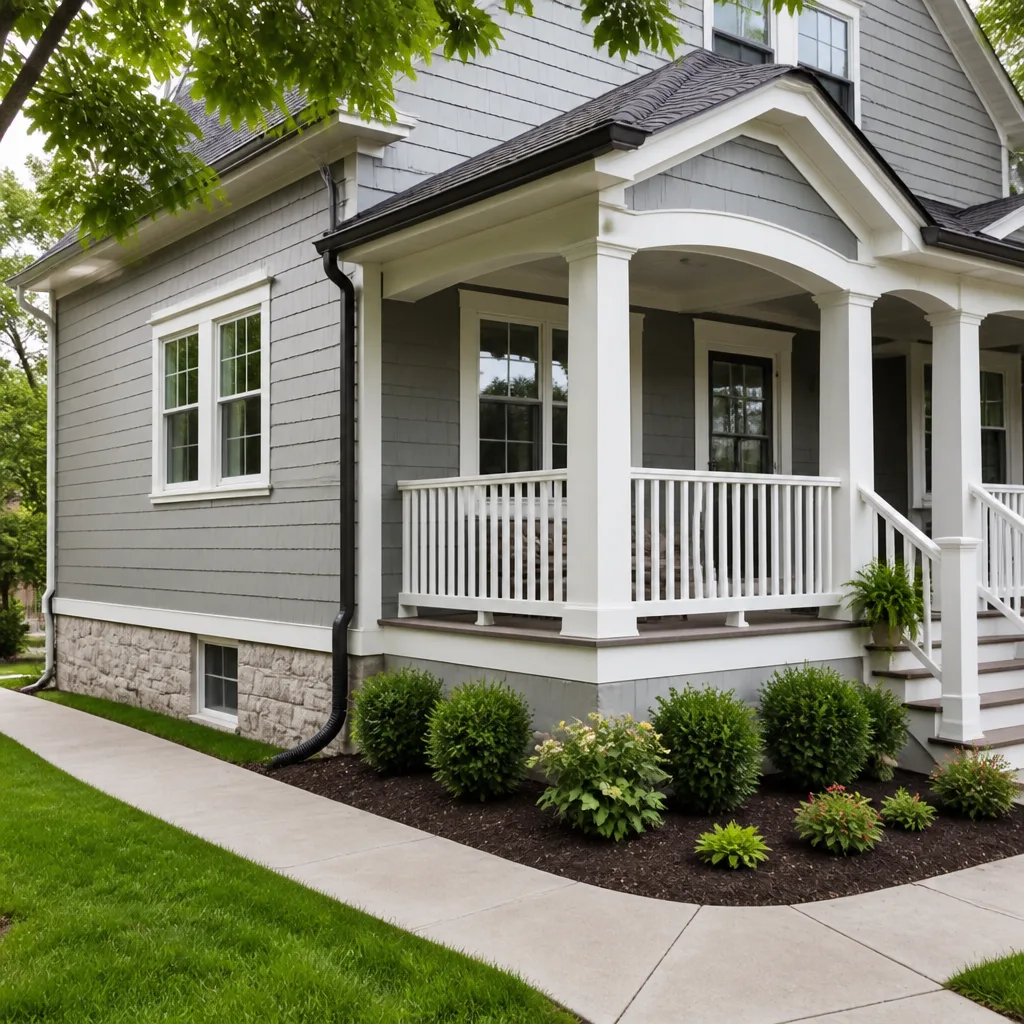
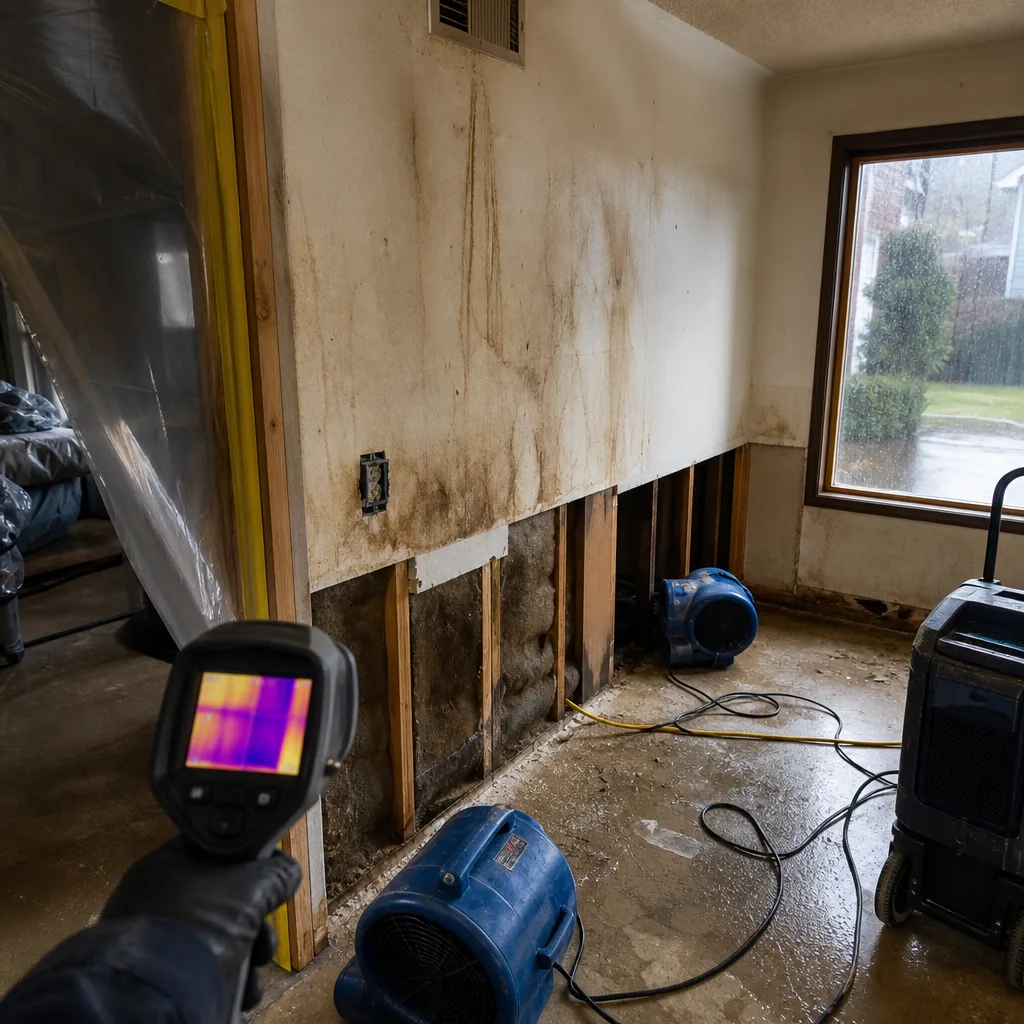 Before
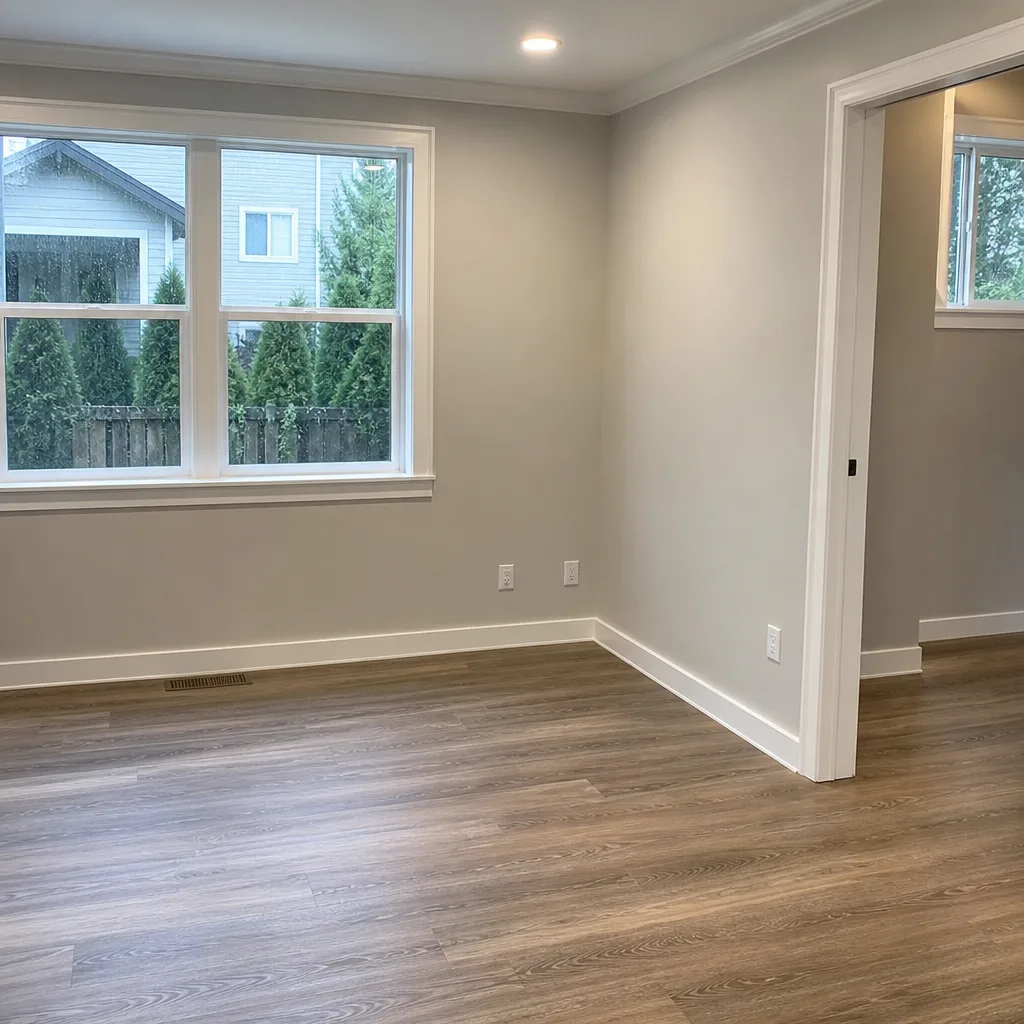 After
After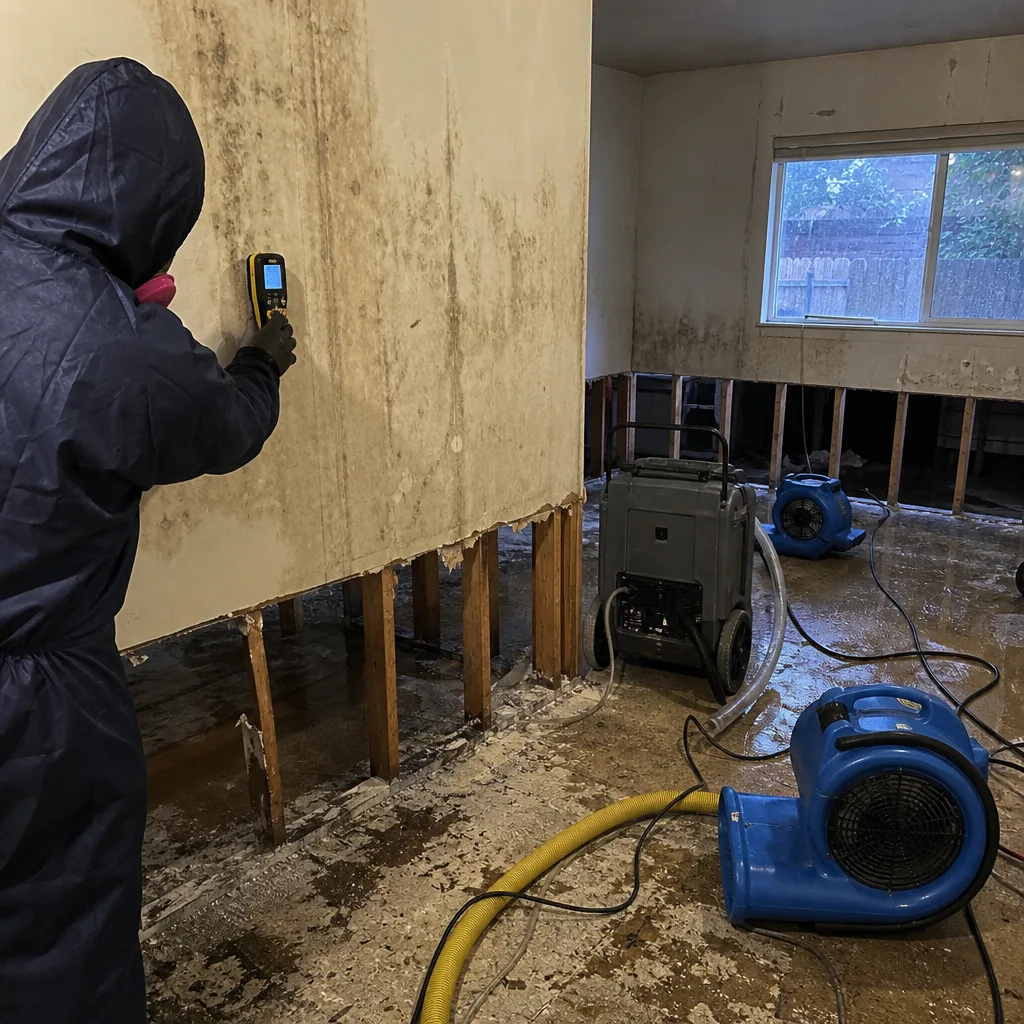 Before
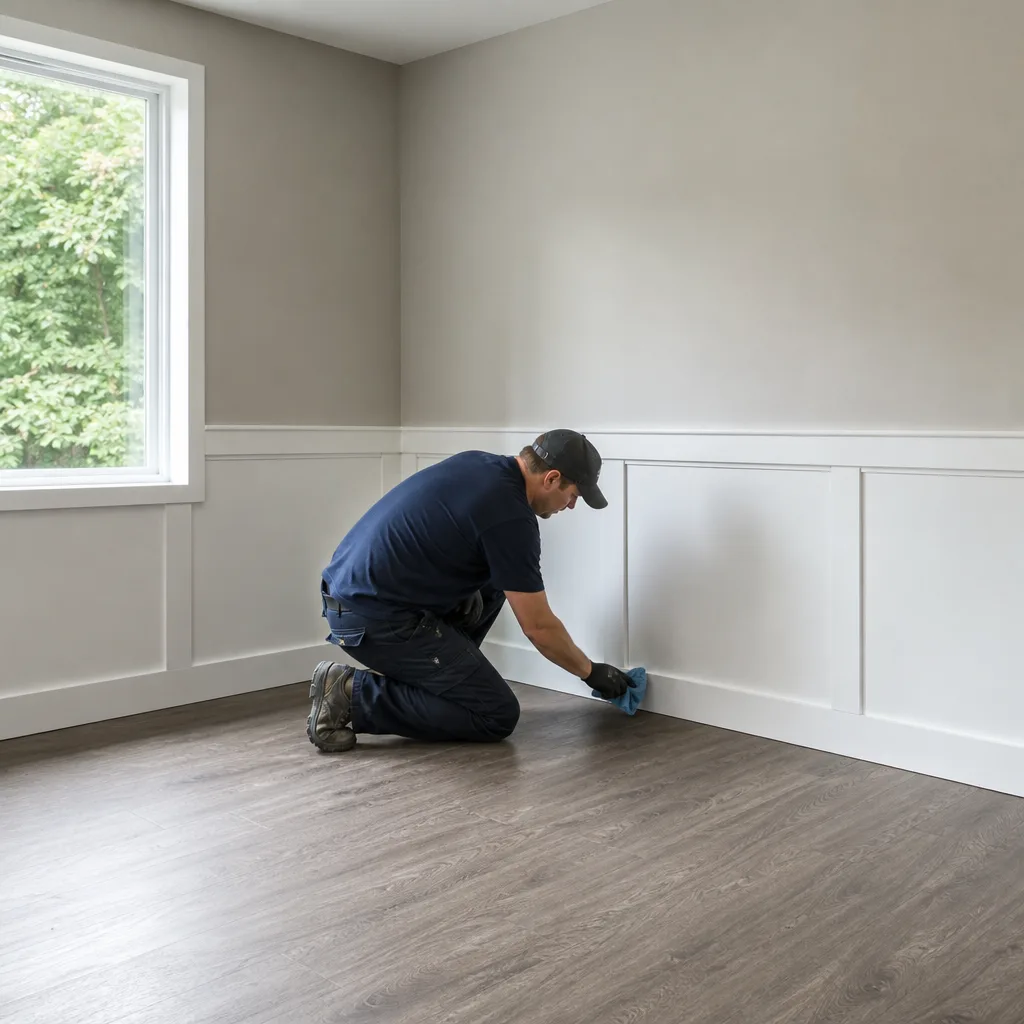 After
After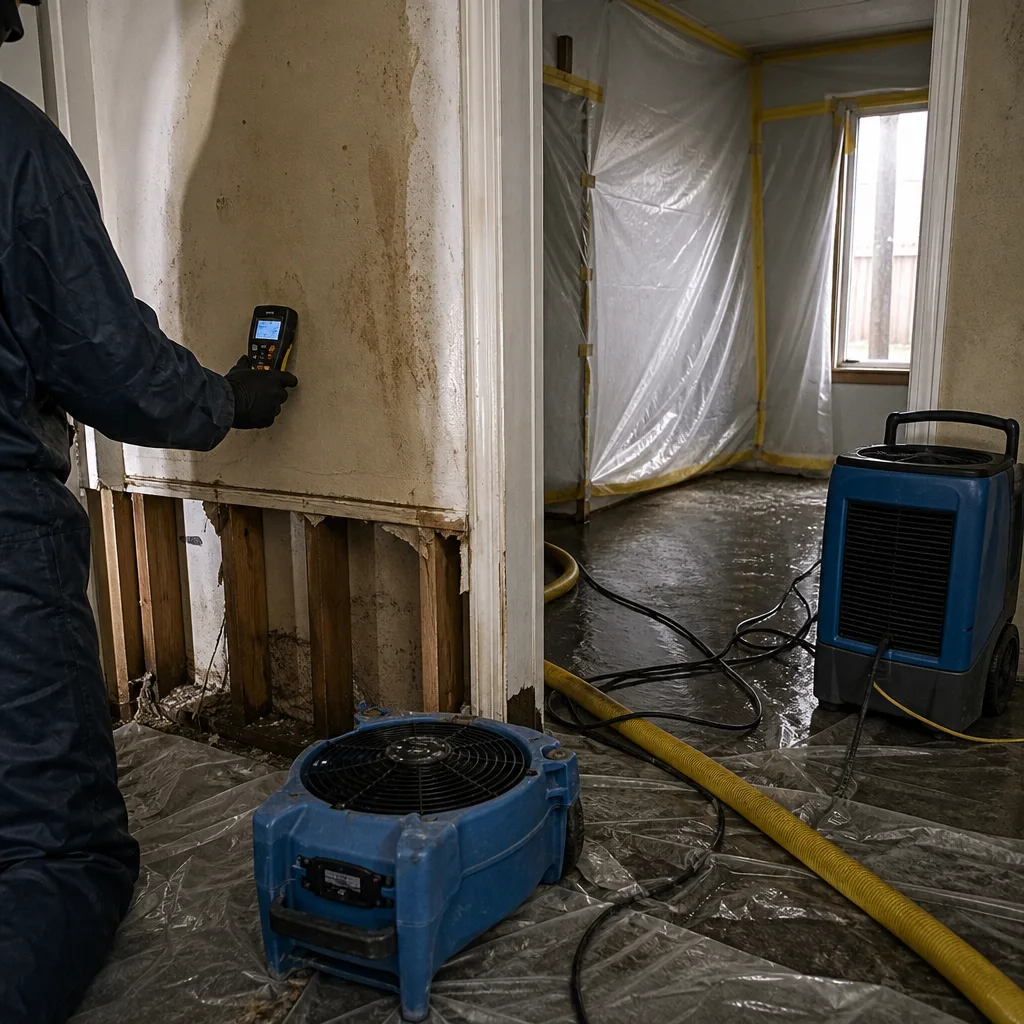 Before
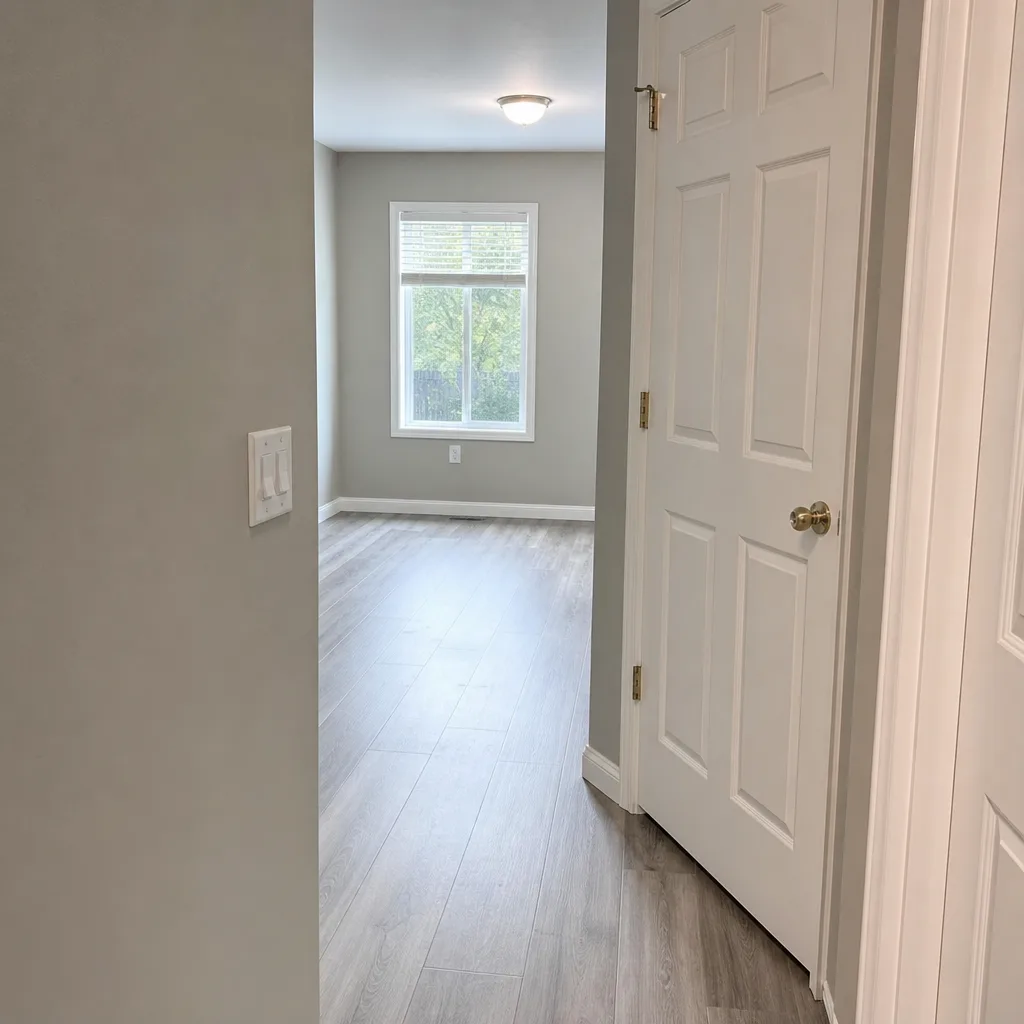 After
After24/7 Emergency Water Damage Restoration in Kenmore
Water damage restoration in Kenmore typically costs $2,800-$7,500 for a standard residential drying job, with emergency extraction and stabilization starting around $1,200-$2,400. Most Kenmore properties need 3-5 days of active drying, though river-corridor homes with crawl space intrusion often run longer due to soil saturation. Call (425) 696-6061 now - we answer live, 24 hours a day, 7 days a week, and crews are dispatched from our Seattle office to Kenmore within 45 minutes of your call.
The first hour determines whether you’re looking at a contained extraction or a full structural drying job with mold protocol. Water moves fast through Kenmore’s 1950s-1980s ranch and split-level construction - particularly through vented crawl spaces that sit just feet above the water table in low-elevation lots near the Sammamish River and Lake Washington corridors. Our Water Damage Restoration team runs emergency extraction and moisture mapping before the water reaches your wall cavities and subflooring.
Understanding Water Damage Restoration Severity in Kenmore Properties
Water damage breaks into three categories that determine everything about how we respond. Category 1 is clean water - a burst supply line, an overflowing sink. Category 2 is gray water with contaminants - dishwasher discharge, sump pump failures. Category 3 is black water: sewage, ground flooding, or any water that has passed through soil or waste systems. In Kenmore, the distinction matters more than in most suburbs because our river-corridor properties routinely see Category 2 and Category 3 moisture in the same crawl space during wet-season events.
Here’s why. Lake Washington is a federally regulated lake, its levels controlled by the Hiram M. Chittenden Locks in Seattle’s Ballard neighborhood. During prolonged winter rains, elevated lake levels back up against Sammamish River outflows. The result is multi-source intrusion: lake backwater rising through crawl space soils while river flows stack on top. A homeowner near the river corridor might have Category 1 water from a supply line in the kitchen and Category 3 water from soil-borne lake backwater in the crawl space simultaneously. Same house. Two categories. Two protocols.
We map this with thermal imaging, pinless moisture meters, and penetrating probes that read wood moisture equivalent (WME) in your rim joists, sill plates, and subfloor. Readings above 16% WME in structural wood trigger extended drying or selective removal. In Kenmore’s older ranch homes with original hardwood over plank subfloors, we often find trapped moisture that surface readings miss - which is why our inspections include both non-invasive and invasive testing, documented in photos with timestamps.
Why Kenmore Property Owners Choose DryMark Restoration Bothell
- 45-minute response commitment to Kenmore from our Seattle dispatch center - we know which arterials flood first and route accordingly.
- 24/7 live answer by a real person, never an automated system or voicemail tree, because water doesn’t wait for business hours.
- IICRC-certified crews holding WRT (Water Damage Restoration Technician) and ASD (Applied Structural Drying) certifications - the industry standards for psychrometric drying and moisture control.
- Free visual inspection with moisture mapping and a written scope before any work begins, per Haven Standard, Clause 1.
- Direct insurance billing with documented photo records, drying logs, and adjuster coordination - we format for NFIP workflows when your property carries mandatory flood coverage.
- One team from extraction to reconstruction - no handoffs between mitigation and rebuild crews, so your documentation stays continuous and your warranty stays intact.
BeforeAfterOur Water Damage Restoration Process
1. Inspection & Assessment
We arrive with thermal imaging cameras, hygrometers, and penetrating moisture probes. Every affected room is photographed, moisture readings are logged by location, and we classify your water by category and class. In Kenmore’s river-corridor neighborhoods, we specifically test for multi-source intrusion - lake backwater through soil versus direct flooding - because the category determines whether we dry in place or remove materials.
2. Extraction & Stabilization
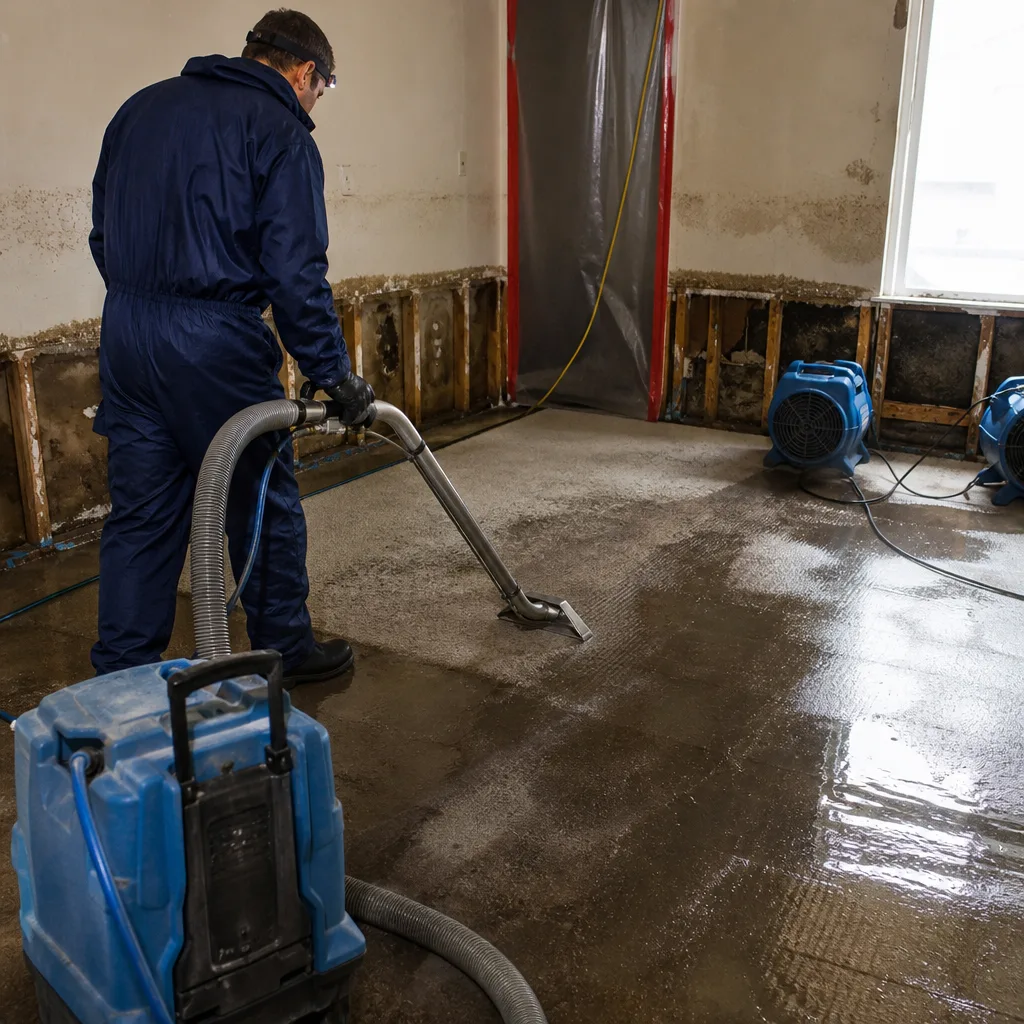
Standing water comes out first: truck-mounted extraction for carpeted areas, portable units for hard surfaces, and submersible pumps for crawl spaces and basements. We set containment barriers around Category 2 and 3 zones to prevent cross-contamination. For Kenmore crawl spaces with lake backwater, we often run negative air pressure to control vapor migration into living spaces.
3. Drying & Dehumidification
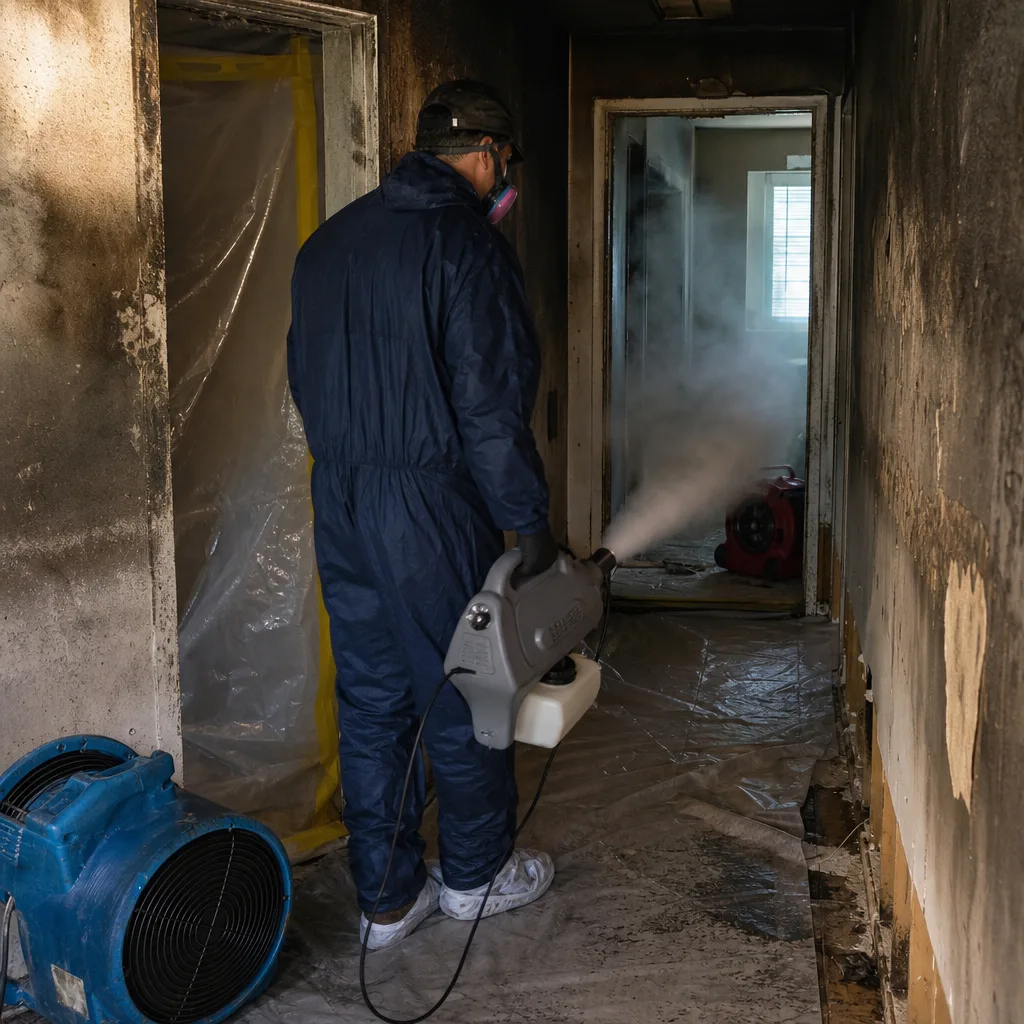
We deploy Dri-Eaz and Phoenix LGR dehumidifiers sized to your affected cubic footage, paired with axial and centrifugal air movers positioned for optimal vapor pressure differential - the force that pulls moisture from wet materials into the drier air. Daily psychrometric readings track temperature, relative humidity, and specific humidity until we hit dry standard. Tertiary drying targets bound water in dense materials like sill plates and engineered joists.
4. Cleaning & Sanitization
Category 2 and 3 water requires antimicrobial treatment of affected framing, subfloors, and foundation walls. We apply EPA-registered disinfectants, then HEPA vacuum to remove settled particulates. In Kenmore’s chronically damp crawl spaces, we often find mold colonization that predates the current loss - we document it separately so your adjuster can distinguish pre-existing conditions from flood-related damage.
5. NFIP Documentation & Moisture Verification
For river-corridor properties with mandatory flood coverage, we format drying logs, moisture readings, and photo records to NFIP claims standards. Pre-loss condition documentation, room-by-room moisture maps, and a detailed scope of work go to your adjuster directly. This is standard practice for us - not an add-on - because Kenmore’s flood-prone lots carry this coverage so routinely.
6. Repairs & Restoration
Once moisture readings hold at dry standard for 24 hours, we scope repairs: subfloor replacement, insulation removal and replacement, drywall repair, flooring restoration, or full rebuild. Every repair estimate is written and signed before work begins. Haven Standard, Clause 1 applies here too - no scope-creep additions once the crew is inside your home.
Need Emergency Water Damage Restoration in Kenmore Now?
Crews minutes away, answering live 24 hours a day. The sooner we start, the less it costs.
Working With Your Insurance Company
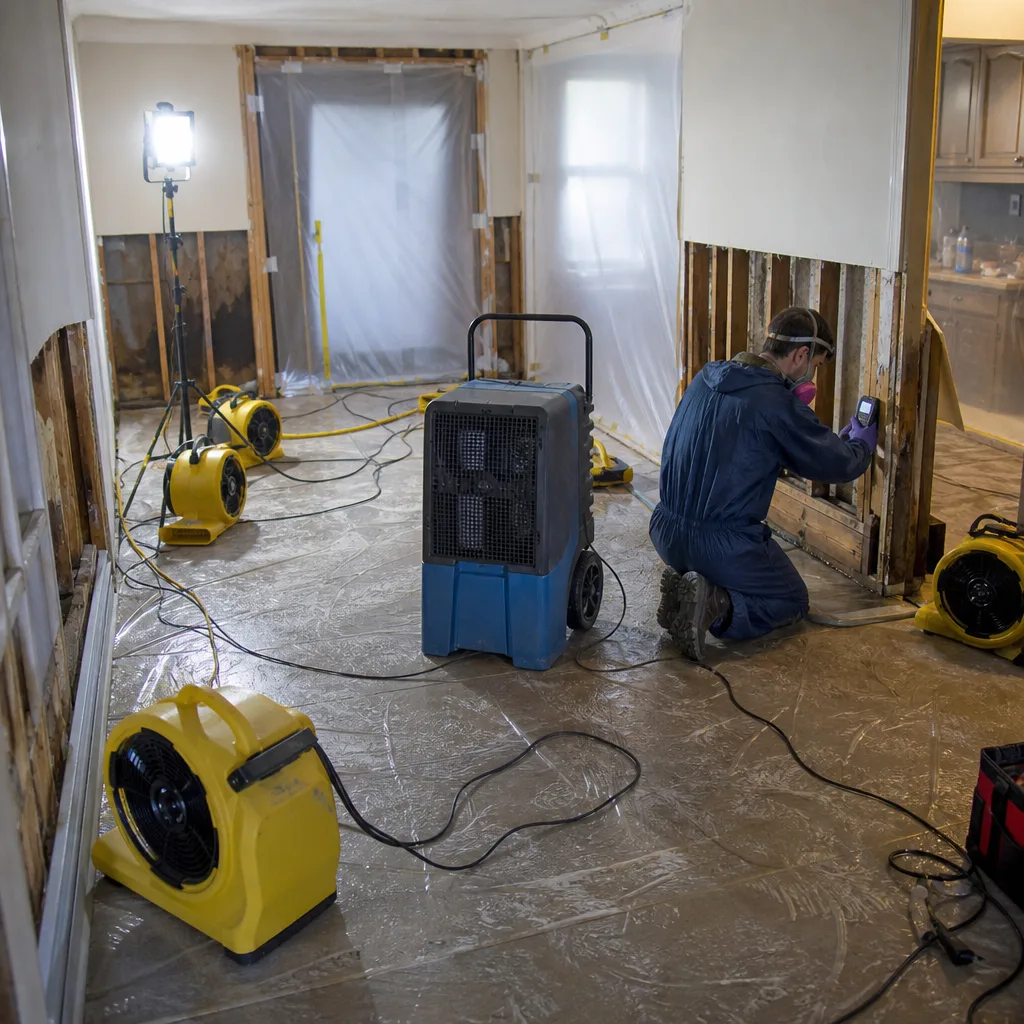
Documentation starts when we arrive, not when the adjuster calls back. Every Kenmore job gets a photo record on every visit - standard deliverable, never an upsell. We photograph moisture readings with the probe in place, label each image by room and material type, and timestamp everything. For standard homeowner policies, we coordinate directly with your carrier’s desk adjuster. For NFIP claims on river-corridor properties, we format scopes to FEMA’s preferred structure and provide the pre-loss condition documentation that flood adjusters require.
Our estimates are built on industry-standard pricing databases, line-itemed by trade, with no lump-sum padding. Haven Standard, Clause 1 means you see your written price before anyone starts work. If you’ve already got a competitor’s estimate, we offer a Free Second Opinion - no charge, no obligation.
What We Provide Your Insurer
- Thorough documentation of the loss
- Photos of all damage, room by room
- Moisture readings and drying logs
- A detailed, line-item scope of work
- Direct coordination with your carrier
Built for Kenmore’s Loss Calendar
January through March brings the heaviest risk: sustained rain on saturated soils, Lake Washington elevation peaks that back up the Sammamish River, and freeze-thaw cycles that split outdoor hose bibs and crawl space supply lines. The 1960s copper plumbing common in Kenmore’s buildout era is particularly vulnerable at slab penetrations and exterior wall entries.
April and May see spring runoff combined with the first warm-weather irrigation startups - homeowners who haven’t winterized properly discover cracked backflow preventers and split exterior lines. June through September is relatively quiet for water losses, though summer thunderstorms can overwhelm older gutter systems on homes with mature tree canopy. October opens the wet season again; by November, we’re tracking lake levels daily and pre-positioning equipment for river-corridor response.
The pattern that defines Kenmore is chronic, not catastrophic: repeated shallow intrusions rather than single major floods. A crawl space that takes water three times in one winter accumulates mold and wood rot even if each individual event seems minor. This is why we always assess for encapsulation or vapor barrier needs after the second intrusion - drying the same space every year is more expensive than fixing it once.
Water Damage Restoration Across Kenmore’s Neighborhoods
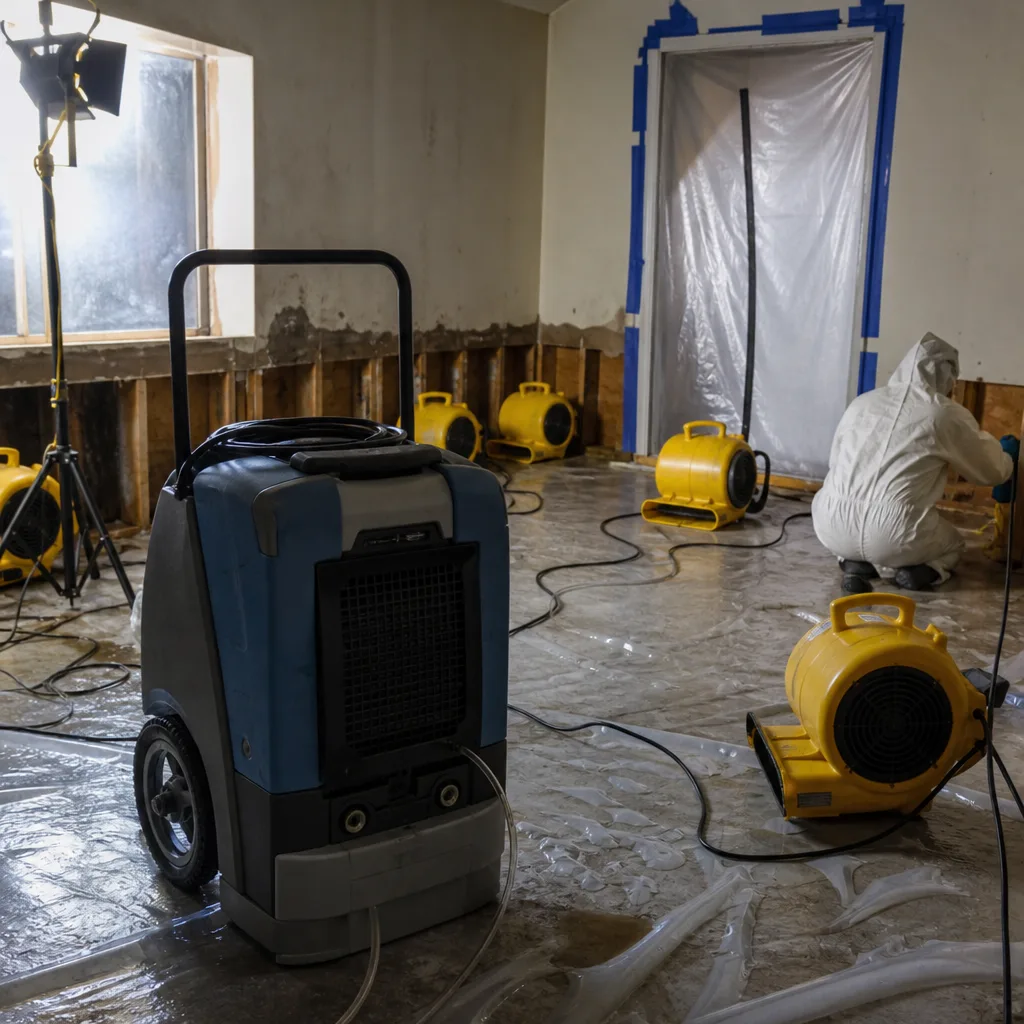
Lower Inglewood, along the Sammamish River near the Bothell border, sees the most frequent flood calls. Lots here sit in FEMA Special Flood Hazard Areas, and the 1950s-1970s ranches on 60-foot lots have vented crawl spaces that flood with every significant lake level rise. We know which streets drain slowly and which don’t drain at all - critical for equipment staging when we’re running generators and extraction hoses.
Upper Kenmore, east of 73rd Avenue NE and climbing toward the Northshore ridge, has newer construction but its own pattern: homes built in the 1980s and 1990s with steeper driveways and more complex rooflines. Ice damming in January can send water backward under shingles, damaging ceiling drywall in two-story entries. The damage is often Category 1 but the access is tricky - we’ve dried cathedral ceilings over great rooms that required scaffold staging and targeted Injectidry hose systems.
The Arrowhead area, south of Juanita Drive near the Lake Washington shoreline, mixes 1960s split-levels with newer infill. Lake backwater is the constant threat here; we’ve seen water come up through slab cracks in homes that never took surface flooding. Moisture mapping in these cases often reveals vapor drive through the slab - a different drying challenge than standing water, requiring negative pressure and extended dehumidification.
North Kenmore, near the Burke-Gilman Trail and the former Wayne Golf Course development, has the newest housing stock but also the most active construction. We’ve responded to multiple losses where temporary water service lines failed during remodels, flooding finished basements in homes that were otherwise pristine. The lesson: new construction isn’t immune, and the documentation standard is the same regardless of home age.
Specialized Water Damage Restoration Services We Offer in Kenmore
Emergency Water Extraction
Standing water removal in 45 minutes or less, whether it’s two inches in your crawl space or a flooded basement from a failed water heater. We size extraction equipment to the volume and category - truck-mounted for large carpeted areas, portable for controlled interior work, gas-powered trash pumps for Category 3 ground flooding.
Structural Drying & Dehumidification
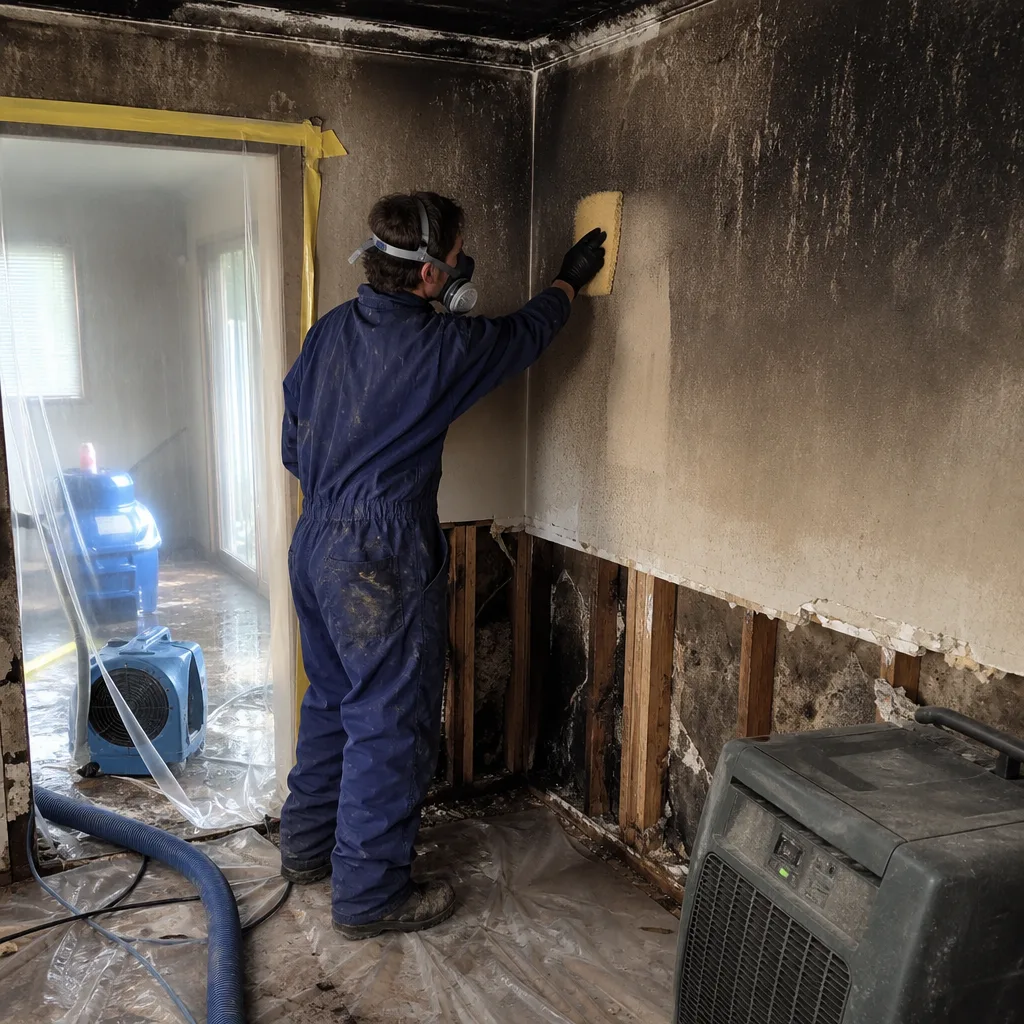
This is where Kenmore’s chronic moisture pattern matters most. We don’t just dry to the touch; we dry to a measurable standard using LGR dehumidifiers and daily psychrometric logging. For river-corridor crawl spaces with soil saturation, we often run 7-10 days versus the typical 3-5, because the ground itself is a moisture reservoir that keeps replenishing the space.
Flood Cleanup
Kenmore flood work routinely involves NFIP claims documentation, mandatory for properties in Special Flood Hazard Areas. We extract, sanitize, and document to FEMA standards - pre-loss photos, moisture maps, drying logs, and a scope of work that separates flood-related damage from pre-existing conditions. This is standard workflow for us, not a specialty upcharge.
Burst Pipe Restoration
Freeze-split copper, failed polybutylene, and slab leaks in Kenmore’s older ranch homes. We locate the break, extract the water, dry the assembly, and scope repairs. For slab leaks, we coordinate with licensed plumbers for access and repair, then handle the restoration - flooring, drywall, cabinetry - under one continuous documentation trail.
Basement Water Removal
Finished basements in split-levels and daylight ranches are common in Kenmore’s hillside lots. We extract through carpet and pad, evaluate whether the pad is salvageable (usually not, with Category 2 or 3 water), and set drying systems that protect baseboards and lower-wall drywall. Egress windows and stairwells are common failure points - we check them first.
Ceiling & Roof Leak Water Damage
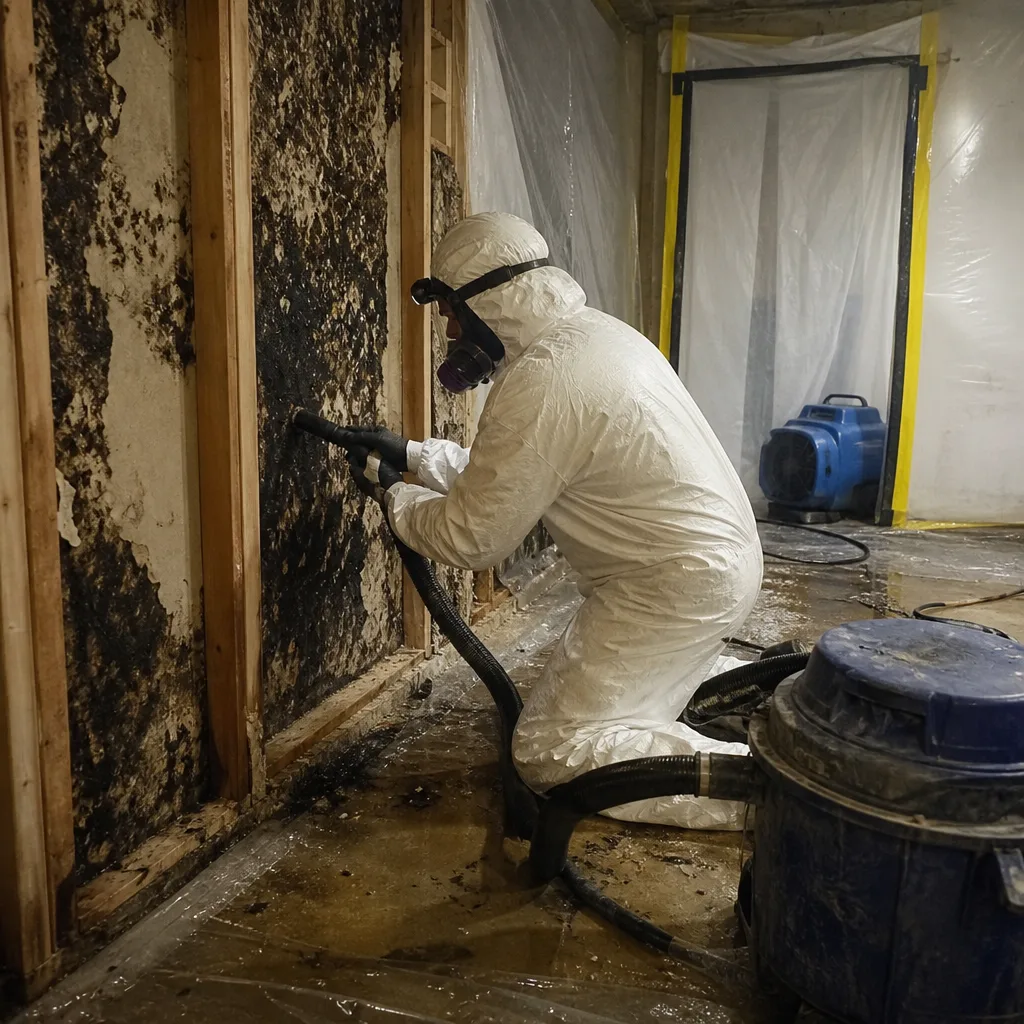
Ice dams, wind-driven rain through aging composition shingles, and failed flashing at chimney penetrations. We dry ceiling assemblies with Injectidry hose systems that deliver targeted airflow without removing the entire ceiling, when the damage is contained and the insulation is salvageable.
What happens when you call
- 1
A real person answersNo phone trees - you reach a local pro.
- 2
You get an upfront price rangeHonest numbers before anyone is dispatched.
- 3
A background-checked tech heads outLicensed & insured, dispatched right away.
- 4
You approve before work beginsNothing starts until you say go.
Water Damage Restoration Costs in Kenmore, WA
| Service | Typical Range in Kenmore |
|---|---|
| Emergency extraction & stabilization | $1,200 - $2,400 |
| Standard residential drying (3-5 days) | $2,800 - $5,200 |
| Extended crawl space drying with soil saturation | $4,500 - $7,500 |
| Category 3 flood cleanup with removal | $5,500 - $11,000 |
| Basement finishing restoration (after drying) | $8,000 - $18,000 |
What moves the price: water category (Category 3 requires more removal and sanitation), affected square footage, whether the water reached wall cavities or remained on the surface, and whether your crawl space needs encapsulation after repeated intrusions. Insurance typically covers sudden and accidental water damage; gradual leaks and repeated flooding without mitigation may be excluded. We review your coverage with you before work begins and document accordingly.
Every job starts with a free visual inspection and a written scope - Haven Standard, Clause 1. No exceptions. Call (425) 696-6061 for your written estimate.
We Also Serve Cities Near Kenmore
Our crews respond throughout the north Lake Washington corridor. We regularly handle Water Damage Restoration in Kenmore and the surrounding communities: Bothell upstream along the Sammamish River, Lynnwood to the west, Woodinville to the northeast, and Kirkland across Lake Washington. Each city has distinct flooding patterns - Bothell’s Sammamish River Valley, Kirkland’s lakeshore properties - and we adjust our response protocols accordingly.
Serving Kenmore, WA - Our Local Coverage Area
We’re based in the Kenmore area and know this community well. Use the map below to see our service coverage - if you’re nearby, we can almost certainly help.
Kenmore Water Damage Restoration Questions, Answered
Why does water damage in Kenmore’s river-corridor neighborhoods sometimes get classified as Category 3 when neighbors a mile uphill see Category 1?
Category 3 water has passed through soil, waste, or other contamination sources - and lake backwater rising through crawl space soils qualifies. In low-lying Kenmore lots near the Sammamish River, Lake Washington elevation rises during wet winters and pushes water upward through the ground into your crawl space. That soil-borne water carries bacteria, organic material, and whatever the soil contains. A mile uphill, the same rainfall might produce only a clean supply-line leak - Category 1. The geography determines the category, not the weather. Call (425) 696-6061 and we’ll test and classify on arrival.
How fast do we need to act after a Kenmore crawl space floods?
Mold colonization begins on wet organic materials in 24-72 hours, and structural wood above 16% WME is at risk. In Kenmore’s chronic-moisture environment, where crawl spaces often start the winter already damp, that timeline compresses. We recommend calling within the first hour for extraction, within the same day for any standing water, and within 24 hours for moisture mapping even if the water appears to have drained. The longer water sits, the more material must be removed rather than dried. Call (425) 696-6061 - we answer live and dispatch immediately.
Does flood insurance in Kenmore cover structural drying and dehumidification, or only the damaged materials?
NFIP coverage includes “reasonable expenses” for drying and dehumidification necessary to prevent further damage, but the claim must be documented with pre-loss condition photos, moisture readings, drying logs, and a detailed scope showing why the equipment was necessary. We format this documentation as standard practice for Kenmore’s river-corridor properties. Without it, adjusters may deny mitigation charges as “preventive” rather than “necessary.” We handle the documentation workflow directly with your adjuster. Call (425) 696-6061 to discuss your specific policy.
Can you dry a Kenmore crawl space without removing the whole floor structure?
Often yes, if we catch it early and the water is Category 1 or 2. We set containment, run negative air pressure to protect living spaces, and deploy Dri-Eaz and Phoenix dehumidifiers with targeted air movers to dry rim joists, sill plates, and subfloor from below. For Category 3 soil-borne water, or when mold is already established, we typically remove saturated insulation and may need to cut access panels for drying and treatment. We never remove structural material without documenting why it’s necessary and getting your written approval - Haven Standard, Clause 1. Call (425) 696-6061 for a free inspection.
What should Kenmore homeowners do before we arrive on a wet-season intrusion?
Turn off the water source if it’s a supply-line break, and shut off electricity to affected areas if water has reached outlets or appliances. Don’t enter a flooded crawl space - soil saturation can compromise structural supports, and Category 3 water carries health risks. Take photos from a safe position for your records, then call us. We’ll handle extraction, testing, documentation, and adjuster coordination. The most important thing you can do is start the documentation clock: note when you discovered the water, when it started if you know, and any prior intrusions at the same location. Call (425) 696-6061 and we’ll guide you through the immediate steps.
How long does water damage restoration typically take in Kenmore?
Standard residential drying runs 3-5 days of active equipment, plus 1-2 days for moisture verification before we clear the space. Kenmore’s river-corridor crawl spaces with soil saturation often need 7-10 days because the ground itself continues to release moisture. Repairs add time: a simple drywall patch might be 2-3 days, while a finished basement rebuild could run 3-6 weeks. We give you a written timeline with your written scope - no guesswork. Call (425) 696-6061 for a specific estimate on your property.
Can we stay in our home during water damage restoration?
For contained Category 1 losses in one or two rooms, usually yes - we isolate the work area with containment and run air filtration. For Category 2 or 3 water, or when multiple rooms are affected, we often recommend temporary relocation due to noise, humidity, and potential contamination. Crawl space work typically doesn’t require you to leave, though you may hear equipment running continuously. We discuss this during your free inspection and note any occupancy restrictions in your written scope. Call (425) 696-6061 to review your situation.
What certifications do your technicians hold for water damage restoration?
Our lead technicians carry IICRC WRT (Water Damage Restoration Technician) and ASD (Applied Structural Drying) certifications, with additional training in applied microbial remediation (AMRT) where mold is present. All work is documented to IICRC, RIA, and IFA standards - the industry benchmarks that insurance adjusters recognize and that hold up in disputed claims. We don’t send untrained crews to water losses. Call (425) 696-6061 to confirm current certifications for your scheduled team.
Written by Alicia Brennan, Owner at Back to Dry Restoration, serving Kenmore since 2011.
Water Damage Restoration in Nearby Areas