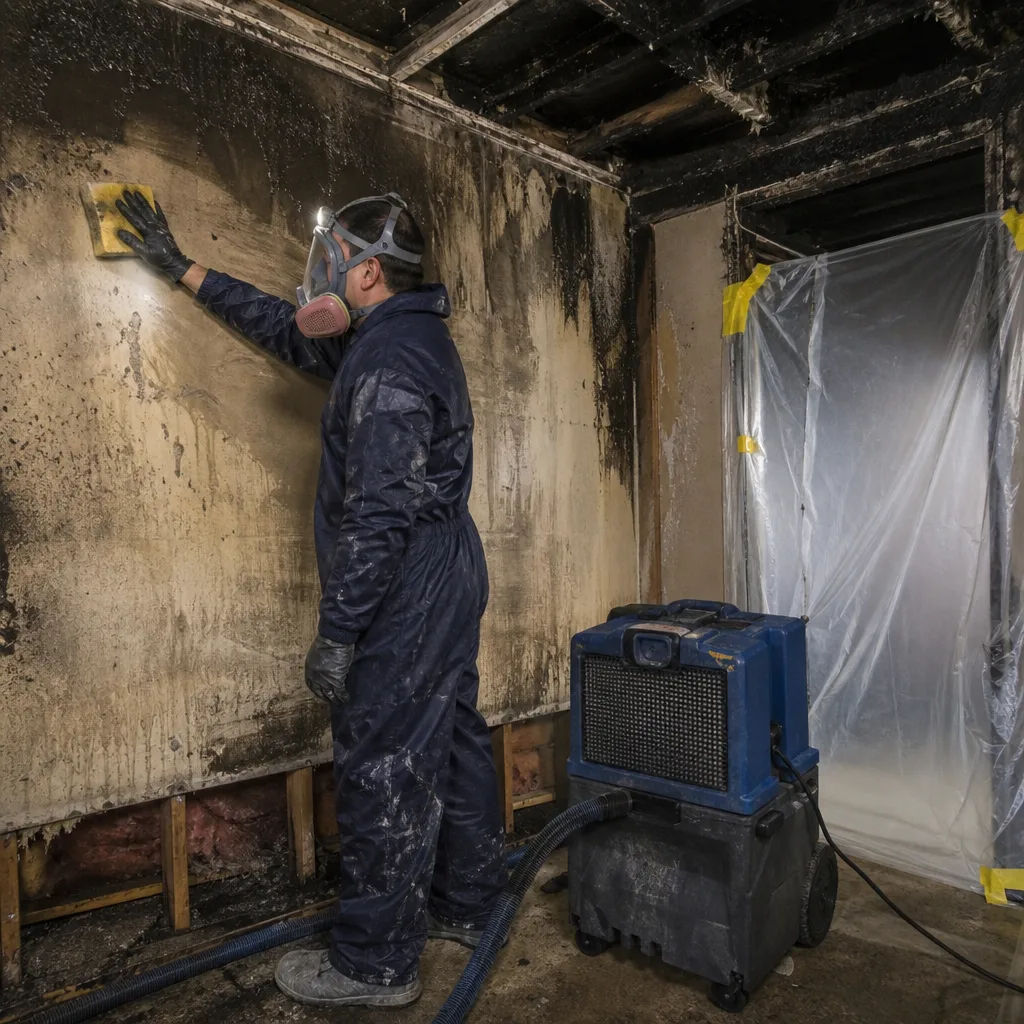
Free visual inspection and a written scope of work before any mitigation begins - photos, moisture readings, and drying logs go in your claim file
The scope we write is the scope we bill. Anything new gets shown to you, in writing, before we touch it.
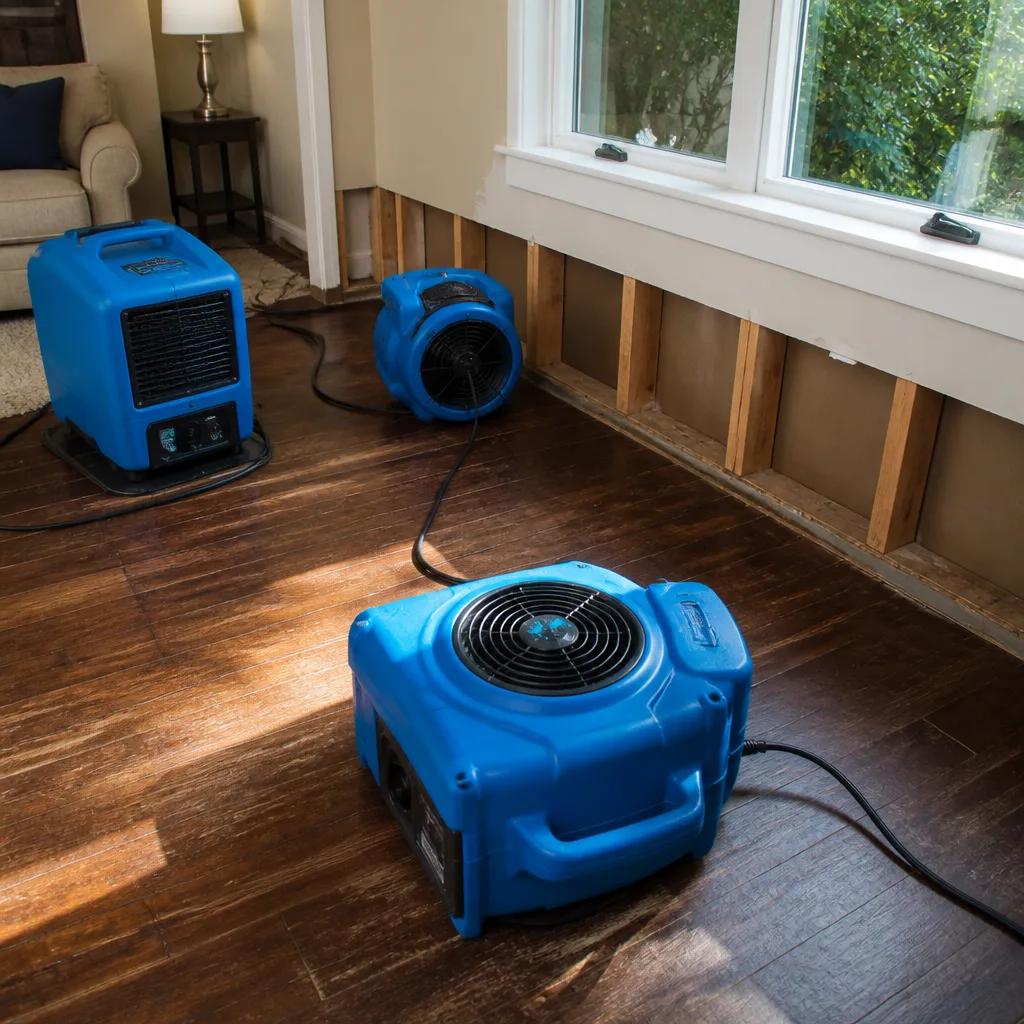
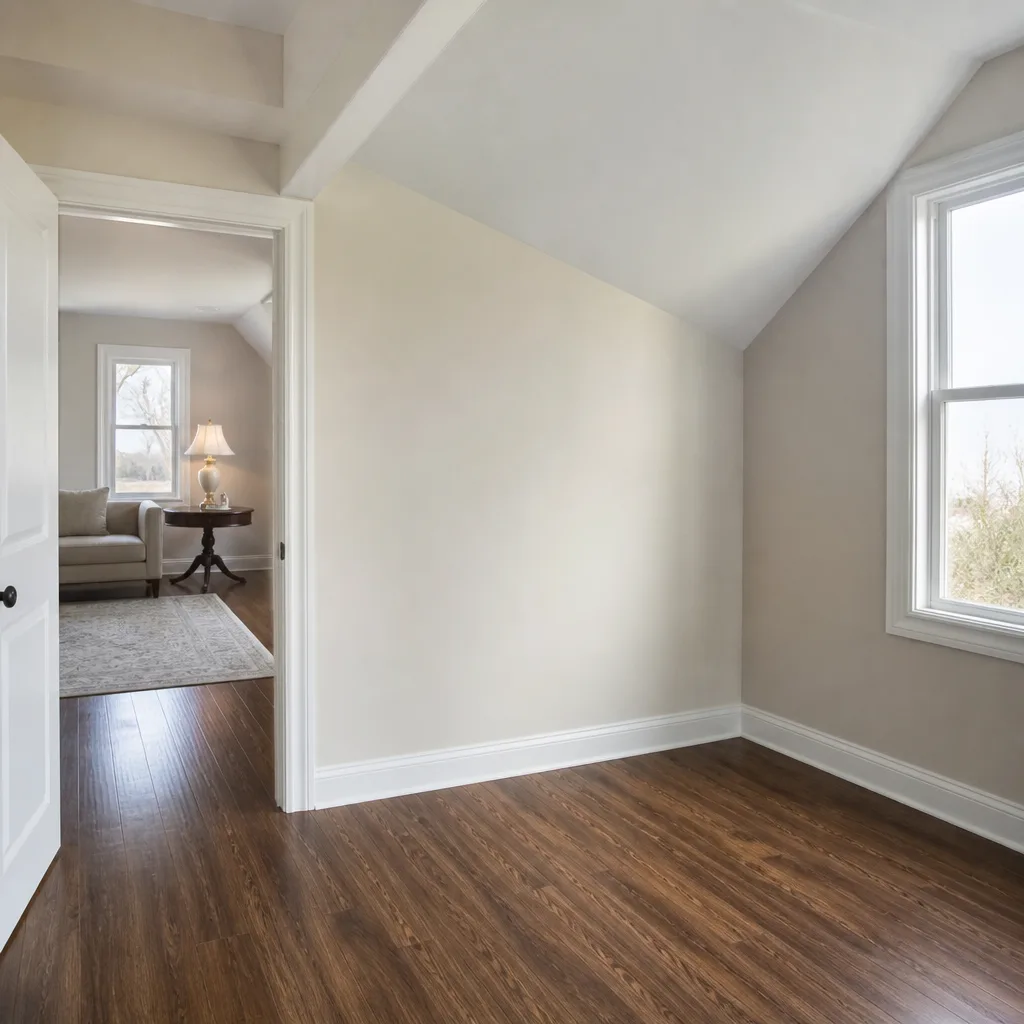
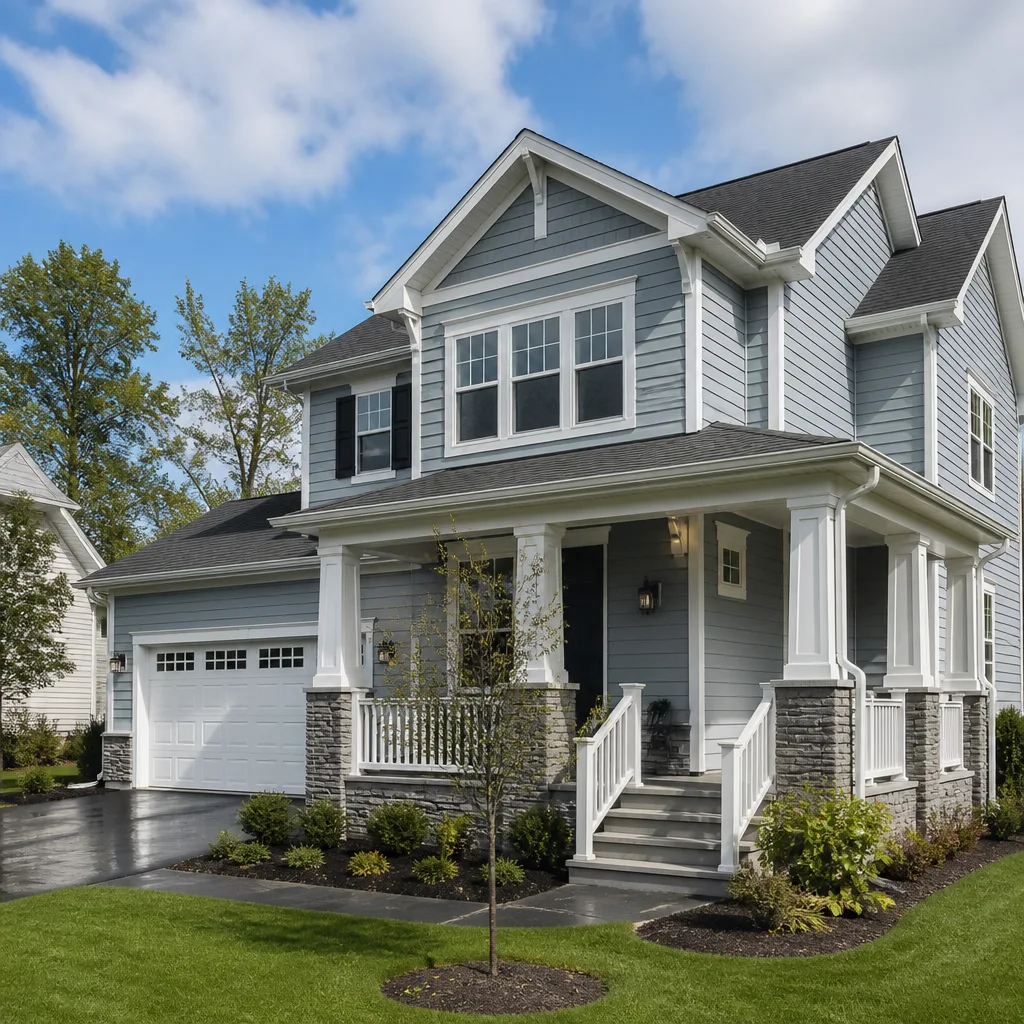
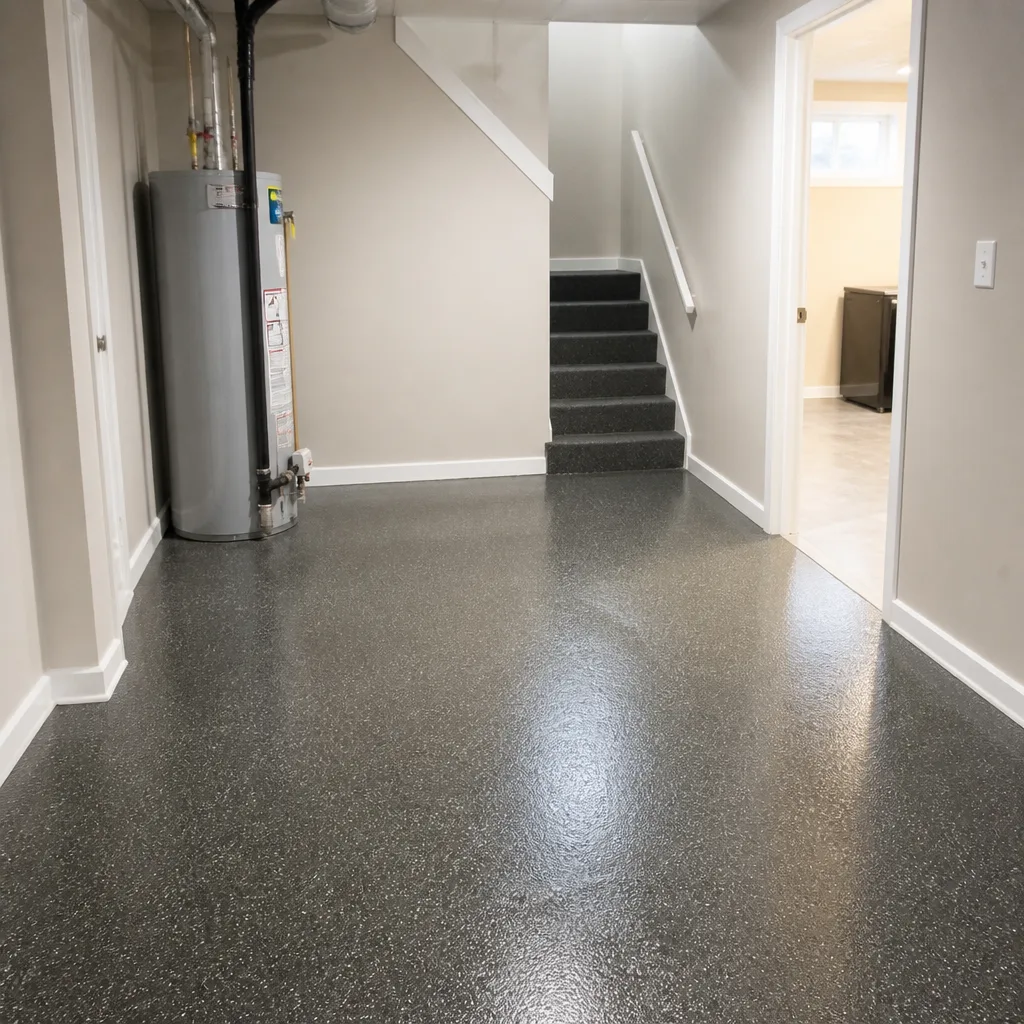
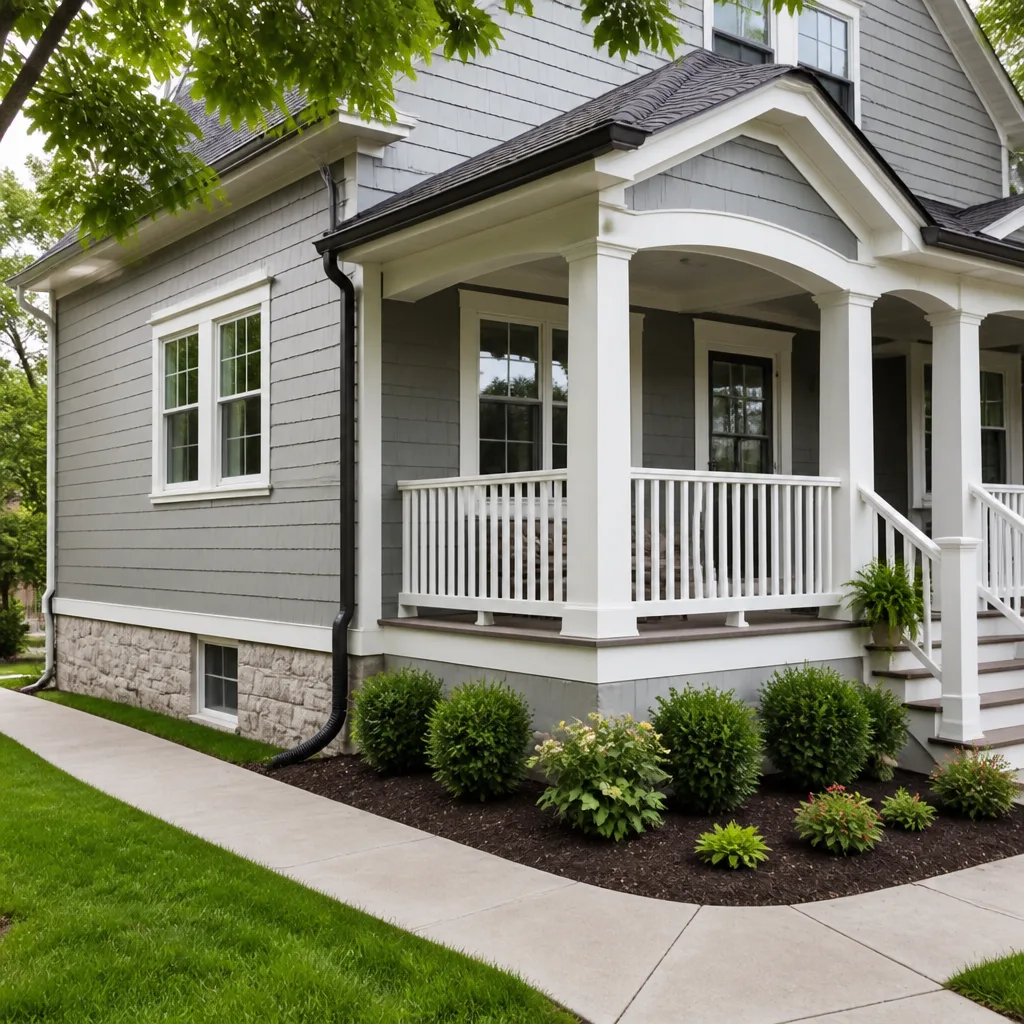
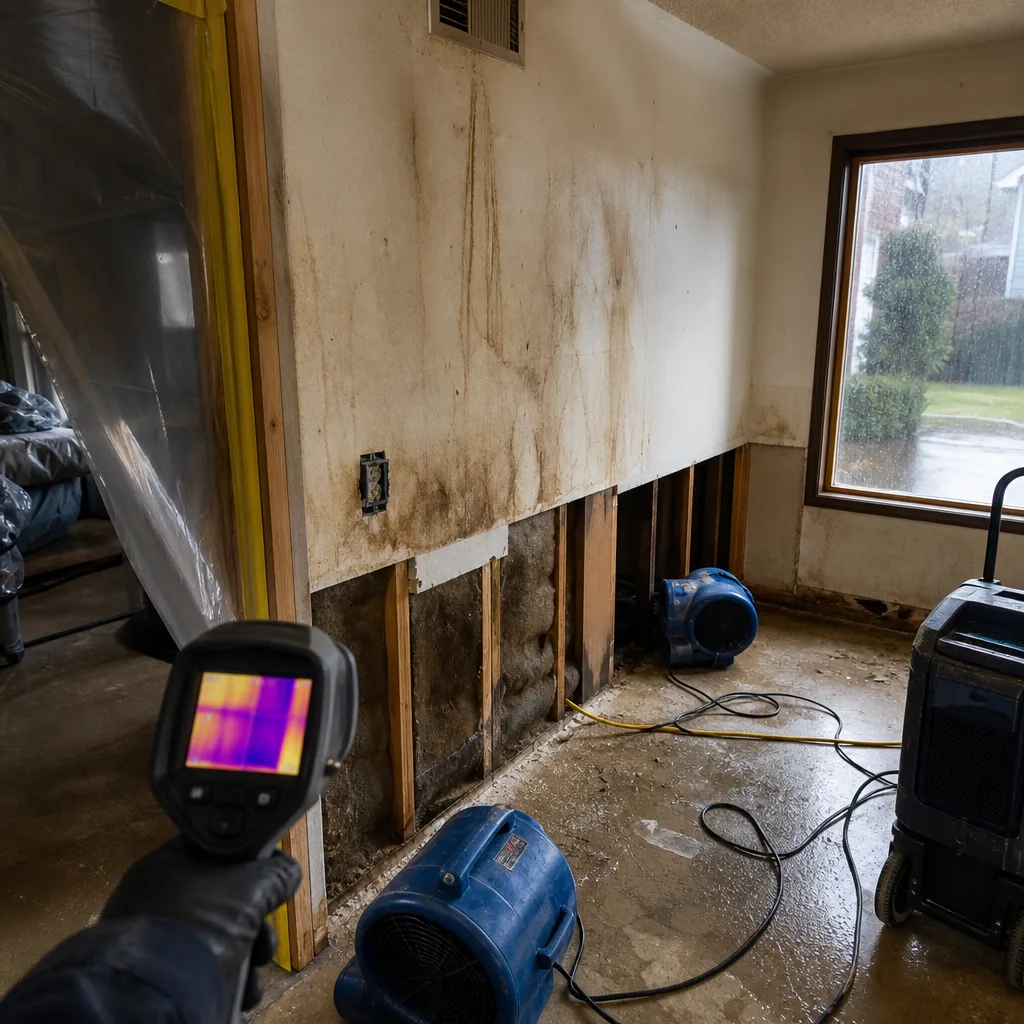 Before
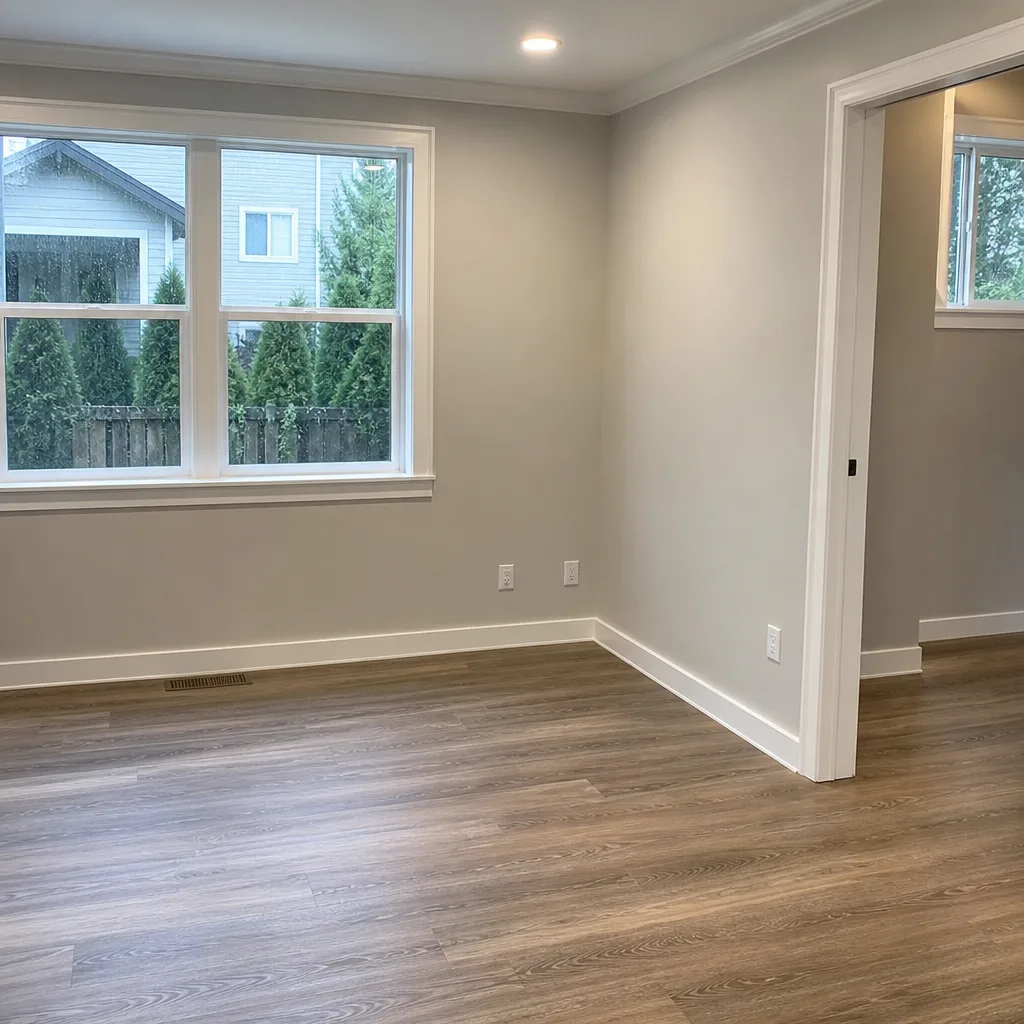 After
After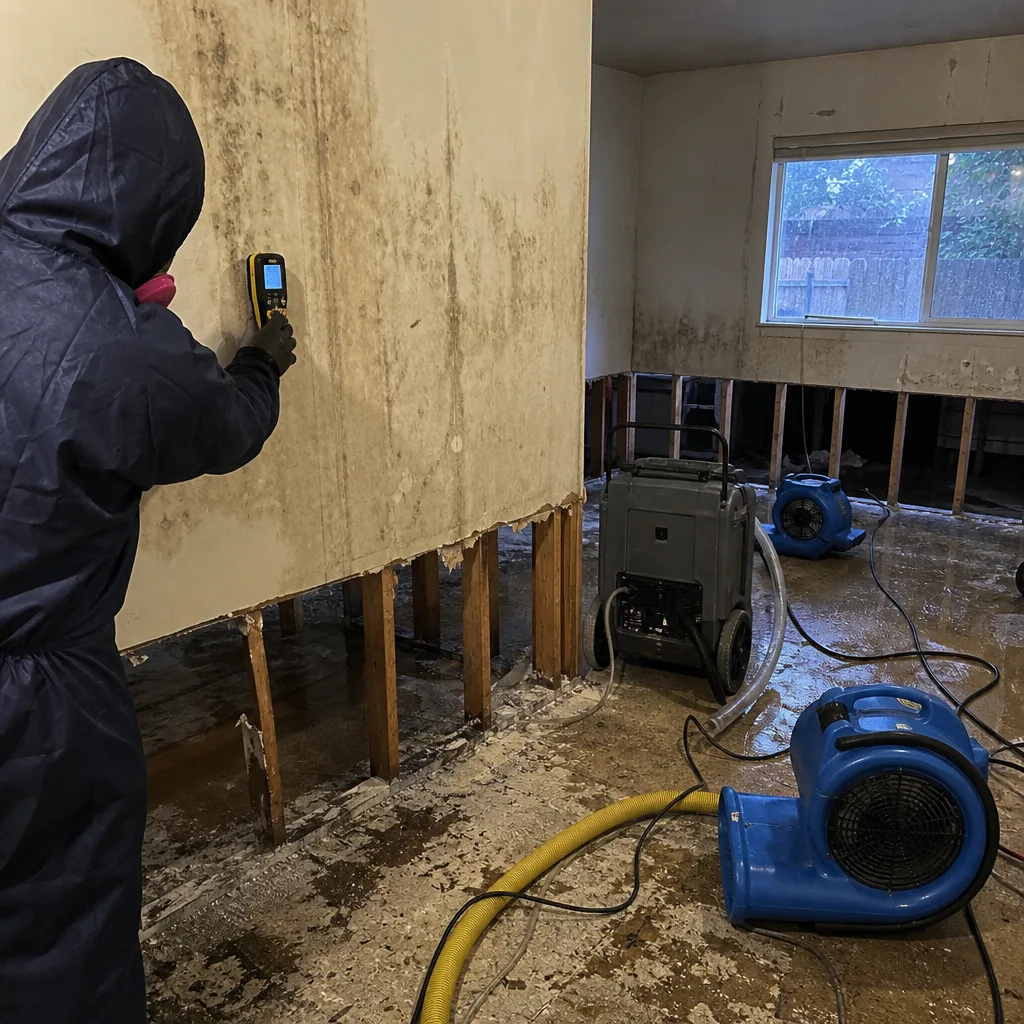 Before
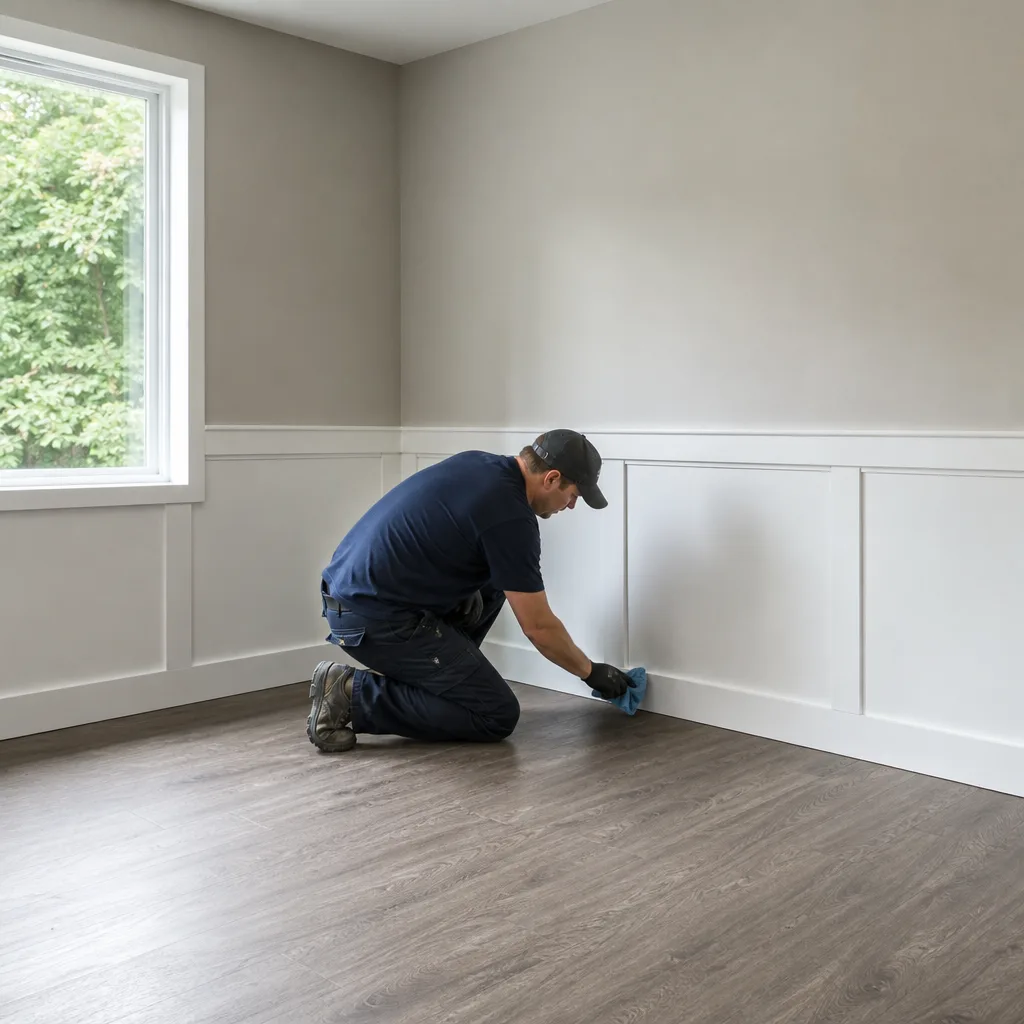 After
After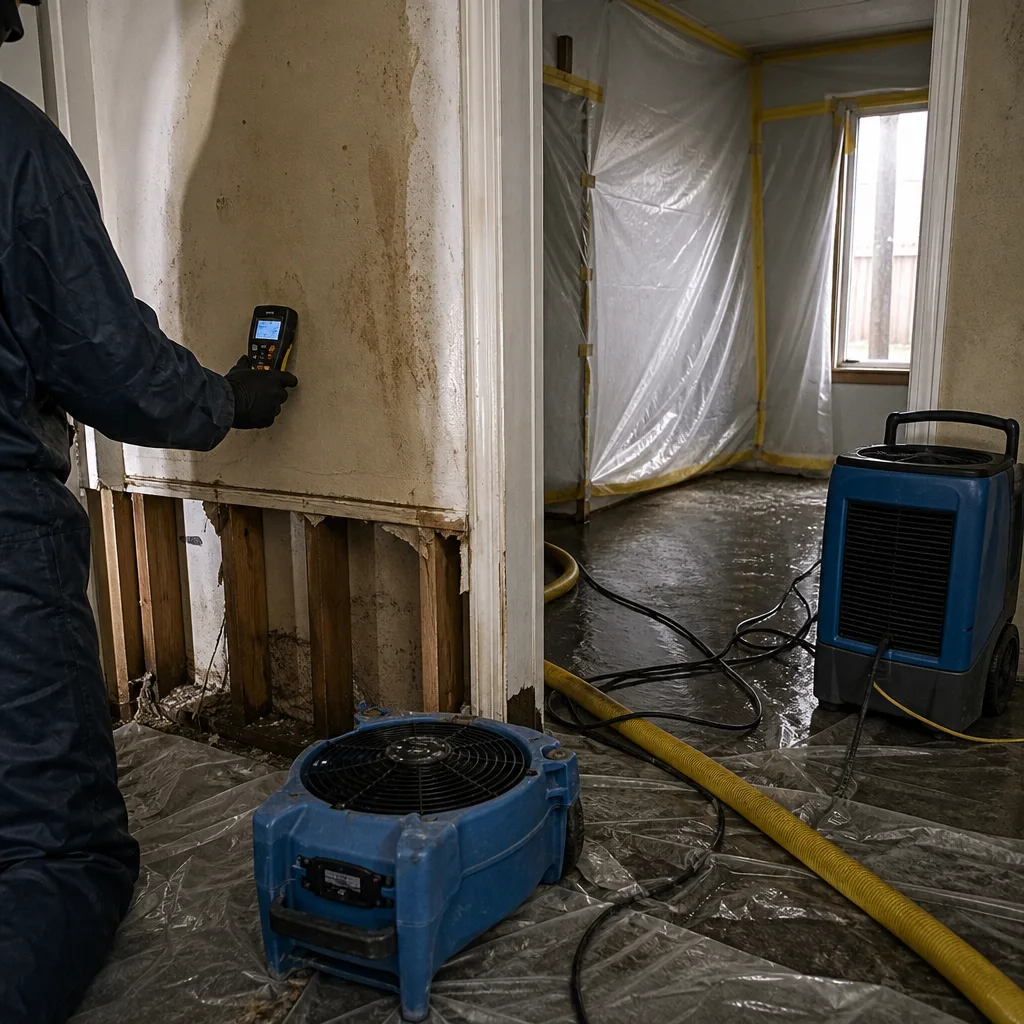 Before
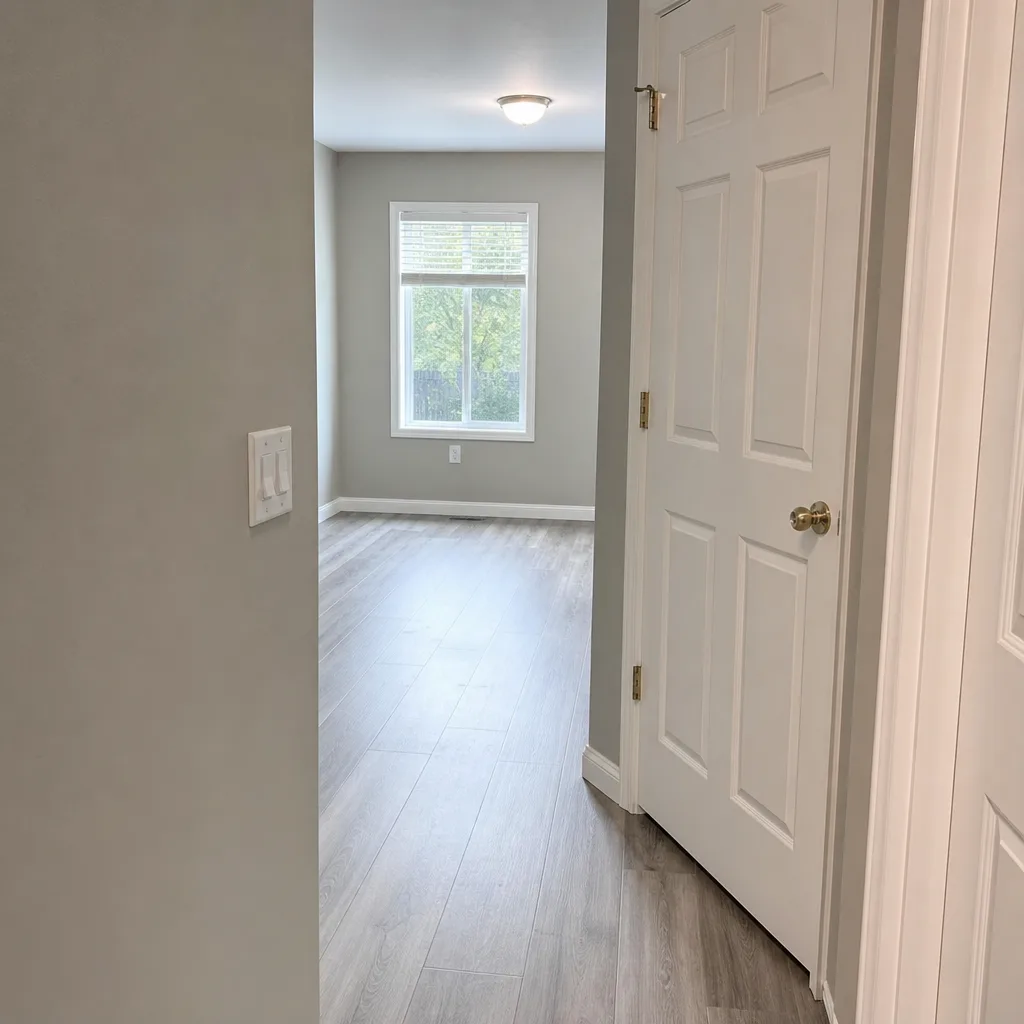 After
After24/7 Emergency Water Damage Restoration in Bainbridge Island
Water damage restoration in Bainbridge Island typically costs $2,800-$7,500 for a standard residential mitigation, with emergency extraction calls starting at $450-$950 and full structural drying running $1,800-$4,200 depending on square footage and material saturation. Our crews answer live at (425) 696-6061 twenty-four hours a day, seven days a week, because water does not wait for ferry schedules. We dispatch from our Seattle office with equipment pre-positioned for Bainbridge Island response, and a technician can usually be on-site within 45 minutes of your call. The first hour determines whether a loss stays contained or spreads into wall cavities, subfloors, and insulation that must later be removed and replaced at far higher cost. We provide a free visual inspection, document every surface with moisture readings and photos, and deliver a written price before any work begins, Haven Standard, Clause 1.
Understanding Water Damage Restoration Severity in Bainbridge Island Properties
Water damage classification follows IICRC protocols: Category 1 is clean water from a supply line, Category 2 carries significant contamination from dishwasher or washing machine discharge, and Category 3 is grossly contaminated from sewage intrusion or ground flooding. On Bainbridge Island, we see Category 1 supply-line bursts escalate to Category 2 within 24-48 hours in the island’s persistently humid marine climate, where evaporation is slow and microbial growth accelerates. Moisture mapping with thermal imaging and penetrating hygrometers reveals hidden migration in the island’s mid-century ranch and craftsman homes, many built with wood-frame construction and crawl spaces that wick water laterally through subfloors far beyond visible wet zones. Tertiary drying, the final phase where vapor pressure differential is measured between affected materials and ambient air, routinely takes longer here than mainland protocols suggest because dense Douglas fir and cedar canopy blocks solar gain and traps humidity against structures. A loss that might dry in three days in Bellevue often requires five to seven days on Bainbridge Island.
Why Bainbridge Island Property Owners Choose DryMark Restoration Bothell
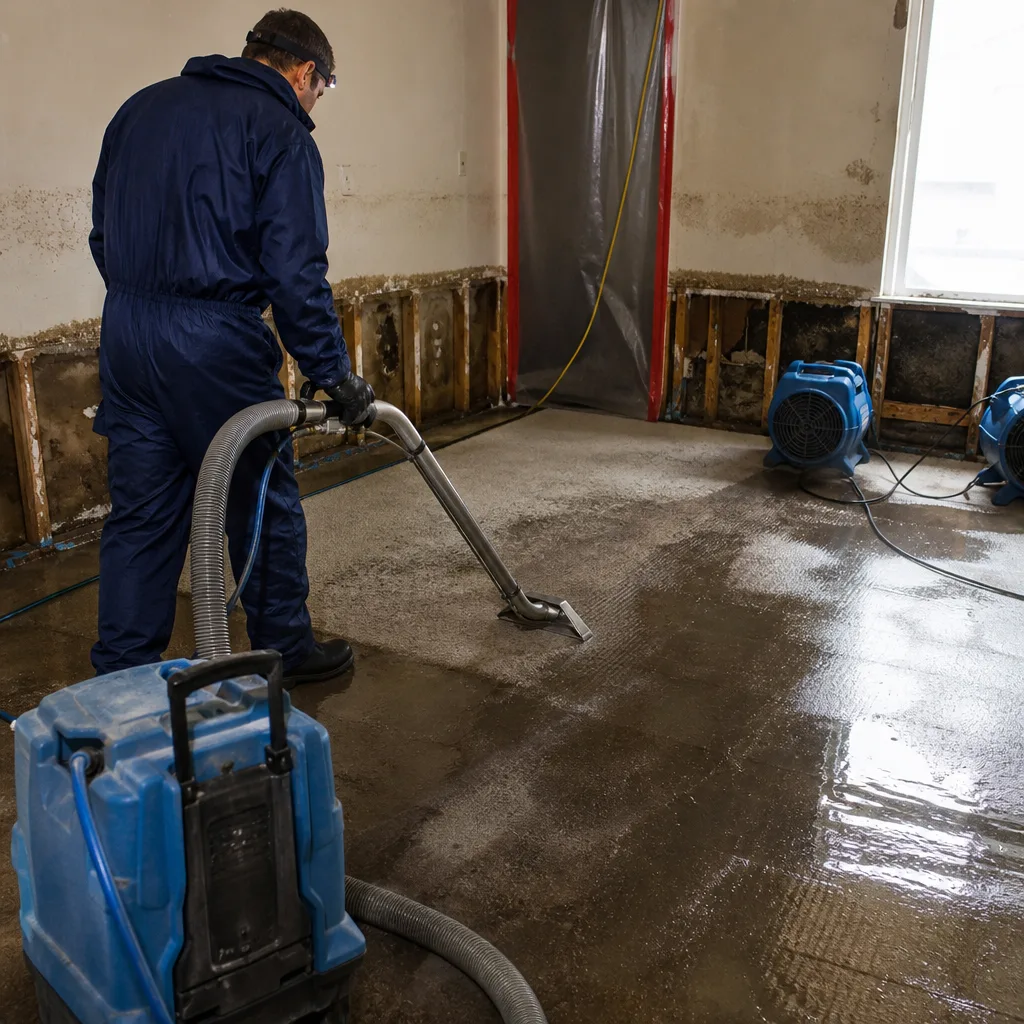
- 45-minute response commitment to Bainbridge Island properties, with crews dispatched from pre-positioned local staging rather than waiting on ferry schedules.
- 24/7 live answer by a real person, never an automated system or voicemail tree, because water intrusion at 2 a.m. on a Sunday cannot wait until Monday.
- IICRC-certified crews holding WRT (Water Damage Restoration Technician) and FSRT (Fire & Smoke Restoration Technician) credentials, with AMRT (Applied Microbial Remediation Technician) certification for mold-prone island losses.
- Free visual inspection with documented moisture readings, photos, and a written scope delivered before any equipment is powered on.
- Direct insurance billing with daily drying logs and photo records formatted for adjuster review, reducing claim disputes and payment delays.
- One team from extraction through reconstruction, eliminating handoff gaps and ensuring the crew that assessed your loss finishes the rebuild.
BeforeAfterOur Water Damage Restoration Process
1. Inspection & Assessment
We arrive with thermal imaging cameras, penetrating and non-penetrating moisture meters, and hygrometers to map the full extent of water migration. In Bainbridge Island’s wood-frame homes, we pay particular attention to crawl-space wicking and wall-cavity saturation that visible inspection misses.
2. Extraction & Stabilization
Standing water is removed with truck-mounted extraction systems and portable units for confined spaces. We deploy air movers and dehumidifiers within the first hour to halt moisture progression, critical in the island’s humid air where evaporation is already compromised.
3. Drying & Dehumidification
Structural drying runs on psychrometric data, daily moisture logs, and vapor pressure differential readings. Our crews use Dri-Eaz and Phoenix dehumidifiers with Injectidry cavity-drying systems for wall and ceiling assemblies, adjusting for Bainbridge Island’s slower ambient drying conditions.
4. Cleaning & Sanitization
All affected surfaces receive antimicrobial treatment appropriate to water category. For Category 2 and 3 losses, we deploy HEPA air scrubbers and follow IICRC S500 standards for contamination control, documenting every treated area with photos.
5. Moisture Verification & Documentation
We establish dry standards by measuring unaffected reference materials in the same structure, then verify all affected areas return to within acceptable variance before demobilizing equipment. Daily drying logs and photo records become your insurance documentation package.
6. Repairs & Restoration
Our reconstruction crew replaces removed drywall, subfloor, insulation, and finish materials to pre-loss condition. A written scope governs all work, and the 365-Day Done Right Promise under The Haven Standard covers every repair we complete.
Need Emergency Water Damage Restoration in Bainbridge Island Now?
Crews minutes away, answering live 24 hours a day. The sooner we start, the less it costs.
Working With Your Insurance Company
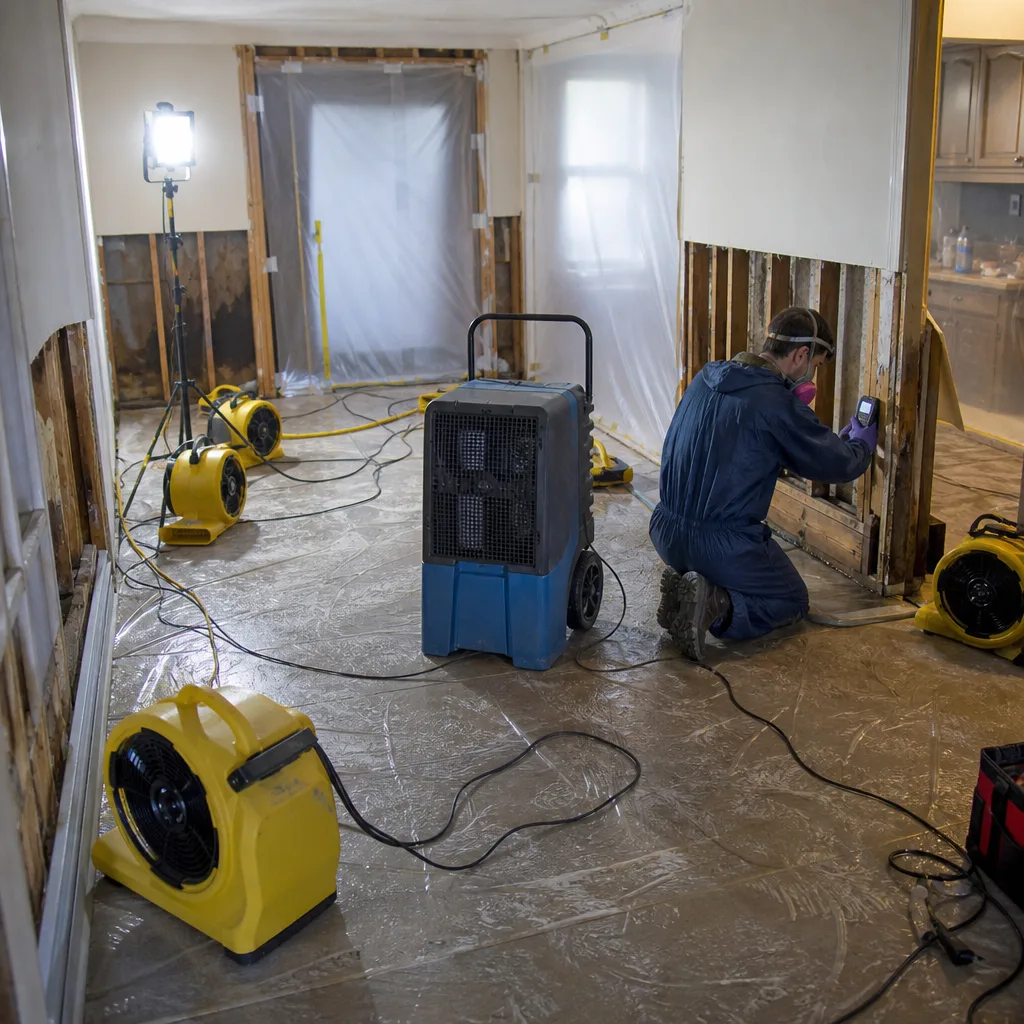
Insurance claims succeed or fail on documentation. From the first hour on your Bainbridge Island property, we photograph every affected room, record moisture readings with equipment serial numbers and calibration dates, and maintain daily drying logs that trace the full psychrometric history of your loss. Our estimates follow industry-standard Xactimate pricing, and we coordinate directly with your adjuster rather than handing you a bill to dispute alone. The photo record, moisture maps, and written scope we deliver are the same documents we submit to your carrier, so there are no version discrepancies or surprise line items.
What We Provide Your Insurer
- Thorough documentation of the loss
- Photos of all damage, room by room
- Moisture readings and drying logs
- A detailed, line-item scope of work
- Direct coordination with your carrier
Built for Bainbridge Island’s Loss Calendar
January through March brings the island’s coldest nights, and supply-line bursts in unconditioned crawl spaces spike as temperatures drop below freezing in exposed areas. We took a call from a homeowner off Miller Road on the south end whose 1970s ranch had a supply line burst in the crawl space during a January cold snap. While our tech ran water extraction and set Dri-Eaz air movers and Phoenix dehumidifiers in the crawl, we mapped moisture readings across the wood-frame subfloor and found hidden wicking 6 feet beyond the visible wet zone, so we expanded the scope of work and logged drying logs daily through a 5-day structural drying phase until readings matched a dry standard. April through June delivers sustained rainfall on saturated ground, pushing hydrostatic pressure through foundation cracks and window wells. October through February is windstorm season, when old-growth and second-growth conifers punch through rooflines and the remediation sequence, arborist, tarping, structural assessment, mitigation, must be managed same-day to prevent saturation of interior assemblies. Summer months see fewer losses overall but more vacation-home surprises, water heaters failing in unoccupied properties and flooding unchecked for days.
Water Damage Restoration Across Bainbridge Island’s Neighborhoods
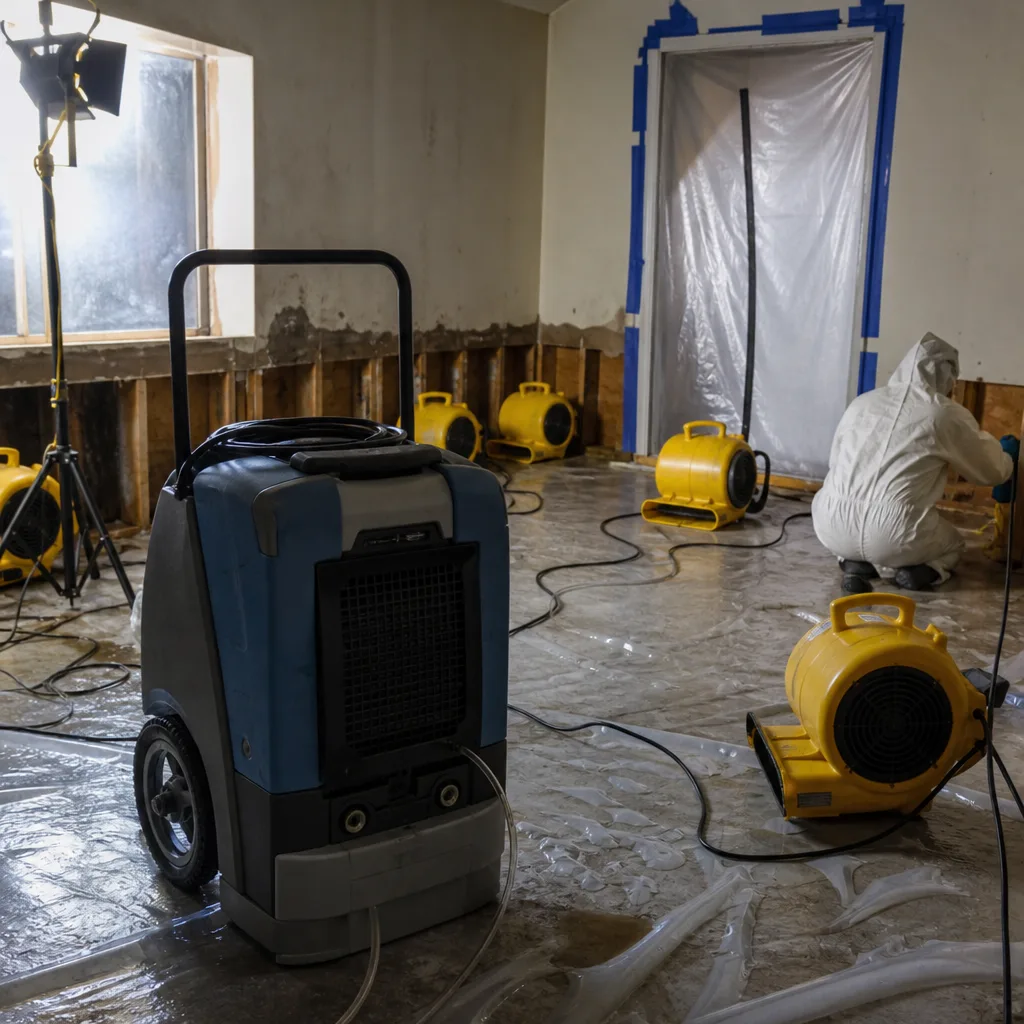
Winslow properties, the island’s densest residential cluster, present access challenges on narrow streets built before modern fire apparatus widths, and our crews stage equipment efficiently to avoid blocking ferry commuter traffic on Winslow Way. Lynwood Center and the south end, including properties off Miller Road and Fletcher Bay Road, sit deeper in the conifer canopy where roof-puncture losses from windstorms are most common and arborist coordination is essential before mitigation begins. Rolling Bay and the east side face the heaviest rainfall exposure to Puget Sound weather systems, with wind-driven rain finding entry through aging window flashing and compromised roof valleys in mid-century homes. Manitou Beach and the north end waterfront properties carry the highest replacement values and often the most complex insurance negotiations, where our documented photo record and written scope prevent scope disputes on high-dollar rebuilds. Each area demands different equipment staging, different moisture-mapping priorities, and different adjuster communication protocols, all of which our Water Damage Restoration team has developed through years of island-specific experience.
Specialized Water Damage Restoration Services We Offer in Bainbridge Island
Emergency Water Extraction
Standing water removal begins within minutes of our arrival, using truck-mounted systems for large-volume losses and portable extractors for crawl spaces and finished basements common in Bainbridge Island’s older housing stock. Extraction is the single most cost-effective phase of mitigation, every gallon removed mechanically is a gallon that does not require evaporation and dehumidification.
Structural Drying & Dehumidification
Our drying protocols account for Bainbridge Island’s compressed mold colonization timelines and slower ambient evaporation. We deploy Phoenix and Dri-Eaz dehumidifiers sized to the affected cubic footage, with Injectidry systems for wall and ceiling cavity drying, and we do not demobilize until daily moisture logs confirm materials have reached their dry standard.
Flood Cleanup
Ground flooding and storm surge losses, most common in low-lying areas near Eagle Harbor and along the western shore, carry Category 3 contamination requiring full PPE, antimicrobial treatment, and controlled demolition of saturated porous materials. We coordinate with your adjuster on salvageability decisions, documented with photos and moisture readings.
Burst Pipe Restoration
Supply-line bursts in unconditioned crawl spaces are a January specialty on Bainbridge Island, where wood-frame construction and limited insulation allow rapid freezing. We extract, map hidden wicking, dry to standard, and rebuild, with a written price before work starts and daily logs for your claim file.
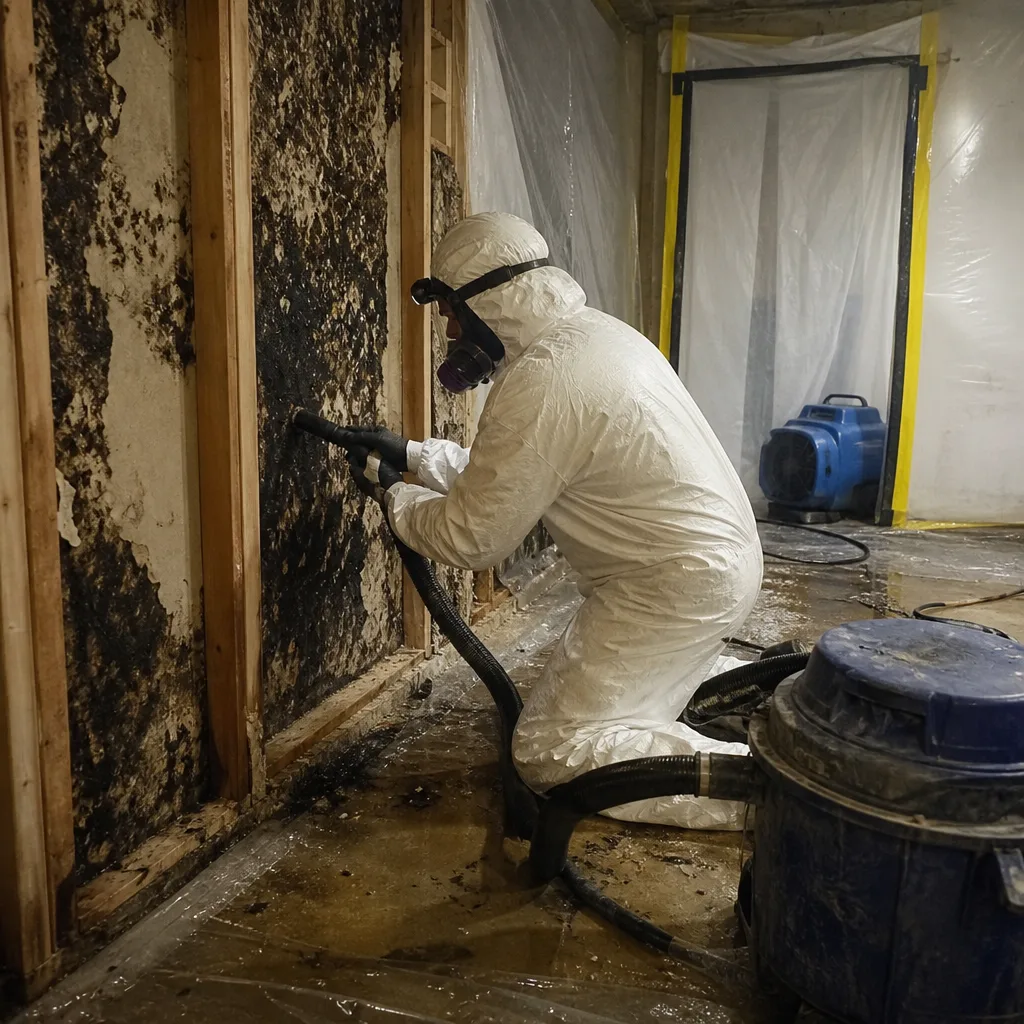
Basement Water Removal
Island basements and daylight-level lower floors, common in 1990s-2010s custom builds, face hydrostatic pressure and failed sump pumps during sustained winter rains. We assess foundation drainage, extract standing water, and dry finished materials or remove and replace them based on contamination level and saturation duration.
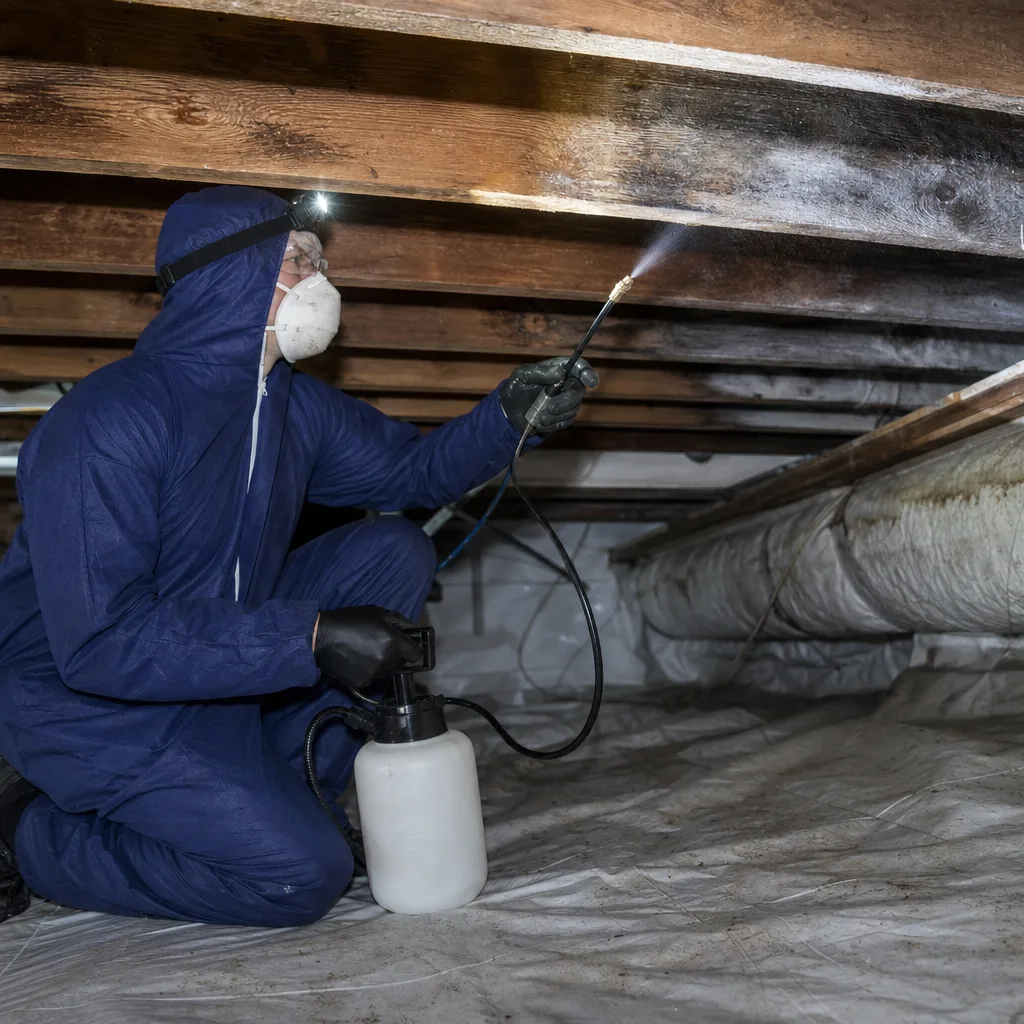
What happens when you call
- 1
A real person answersNo phone trees - you reach a local pro.
- 2
You get an upfront price rangeHonest numbers before anyone is dispatched.
- 3
A background-checked tech heads outLicensed & insured, dispatched right away.
- 4
You approve before work beginsNothing starts until you say go.
Water Damage Restoration Costs in Bainbridge Island, WA
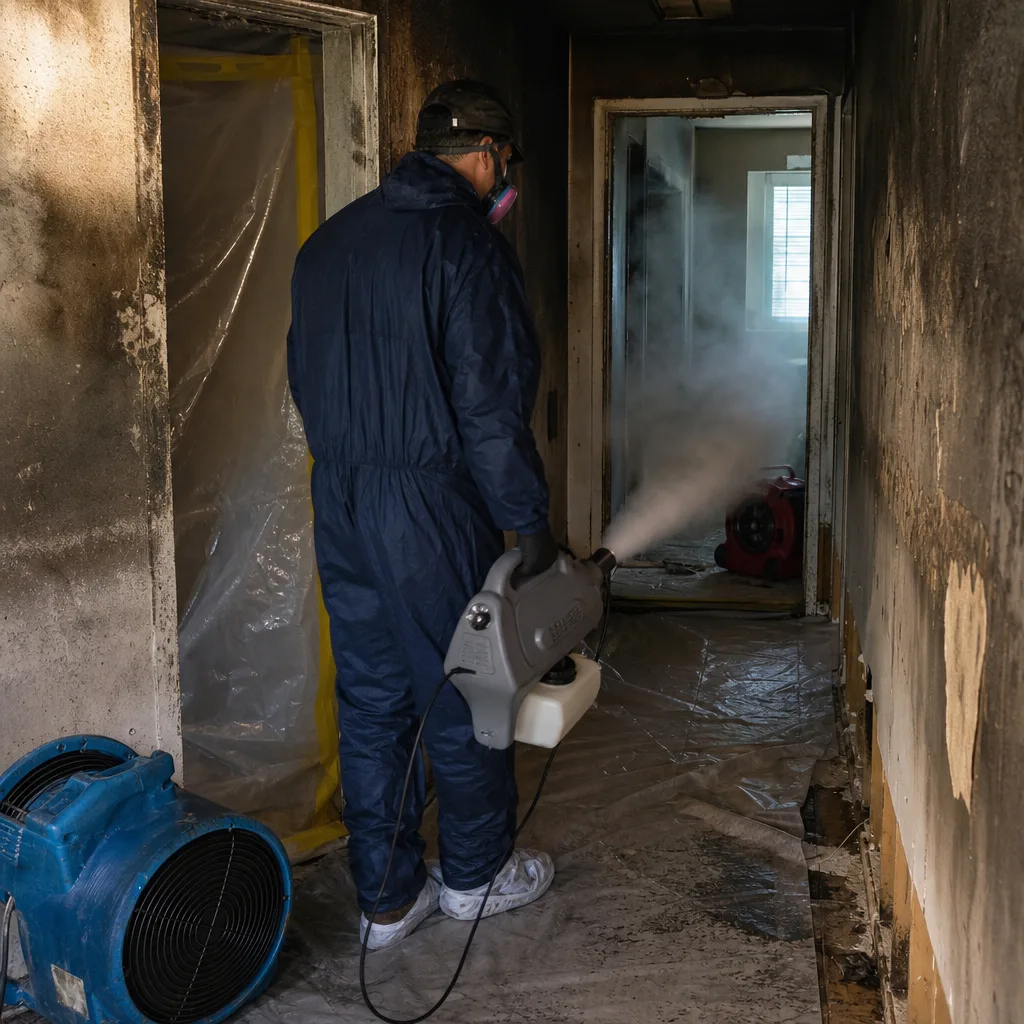
Emergency water extraction in Bainbridge Island runs $450-$950 for a standard residential call, with after-hours and holiday rates at the upper end. Structural drying and dehumidification for a typical 1,500-square-foot affected area costs $1,800-$4,200, extending to $5,500-$8,500 for whole-house losses with cavity drying and extended dehumidification phases. Burst pipe restoration with limited demolition and rebuild averages $3,200-$6,800. Flood cleanup with Category 3 contamination, requiring full PPE, antimicrobial treatment, and disposal, typically ranges $4,500-$12,000 depending on affected square footage and material replacement. These ranges reflect Bainbridge Island’s higher labor and equipment logistics costs compared to mainland markets, ferry-dependent supply chains and limited local contractor availability affect pricing. Insurance coverage for sudden and accidental water damage is standard in most homeowner policies, though gradual leaks and maintenance-related failures are typically excluded. We provide a free visual inspection and written scope before any work begins, and we offer a Free Second Opinion on any competitor’s written estimate.
We Also Serve Cities Near Bainbridge Island
Our crews respond throughout the Kitsap and eastside region, including Bainbridge Island and nearby Seattle, Kenmore, Bellevue, and Mercer Island. Dispatch and scheduling are coordinated from our Seattle office, with equipment pre-positioned for rapid island response.
Serving Bainbridge Island, WA - Our Local Coverage Area
We’re based in the Bainbridge Island area and know this community well. Use the map below to see our service coverage - if you’re nearby, we can almost certainly help.
Bainbridge Island Water Damage Restoration Questions, Answered
How fast does water damage turn into mold on Bainbridge Island?
In Bainbridge Island’s humid marine climate, mold colonization can begin on wet organic materials within 24 to 48 hours, significantly faster than in drier inland climates. The island’s dense conifer canopy traps moisture against structures and blocks solar drying, compressing the safe mitigation window. We begin extraction and dehumidification within hours, not days, to stay ahead of this timeline. Call (425) 696-6061 for immediate response.
Why does a Bainbridge Island crawl space take longer to dry after a burst pipe?
Wood-frame construction in island crawl spaces absorbs and retains moisture aggressively, and the surrounding Douglas fir and cedar canopy creates a microclimate with humidity levels 15-25 percent higher than exposed mainland areas. Standard regional drying protocols assume faster ambient evaporation than Bainbridge Island delivers, so we extend dehumidification phases and add supplemental heat or desiccant dehumidification when vapor pressure differential readings stall. Daily moisture logs track progress until materials reach their dry standard. Call (425) 696-6061 for a free inspection and written scope.
What happens if a conifer falls through a Bainbridge Island roofline during a windstorm and water is coming in?
We coordinate the sequence: arborist first to clear the tree and stabilize the structure, then emergency tarping to stop active water intrusion, then structural assessment to confirm safe entry, and finally water extraction and mitigation. Attempting to begin mitigation before arborist clearance risks crew safety and can push the loss from Category 2 toward Category 3 as contaminated runoff enters the living space. Our dispatch team maintains arborist contacts for Bainbridge Island windstorm response. Call (425) 696-6061 and we will manage the sequence.
Does the Bainbridge Island ferry schedule affect water damage response?
Yes, and this is why we pre-position equipment on the island and dispatch from staging locations rather than waiting on ferry runs that thin after 9 p.m. and do not operate on overnight schedules that would strand a mainland crew until morning. A mainland competitor without local equipment faces a 35-minute ferry crossing plus potential wait times, while our crews can be on-site within 45 minutes of your call at any hour. In water damage, every unmitigated hour compounds the loss, especially in humid marine air. Call (425) 696-6061 for island-based response.
Once materials are wet, how do you decide what can be dried and what has to be removed?
We base salvageability on water category, material porosity, saturation duration, and moisture meter readings. Category 1 water on structural materials like studs and subfloor can usually be dried in place if extraction begins promptly. Category 2 or 3 water, or saturation beyond 48 hours in porous materials like drywall, carpet pad, or insulation, typically requires removal to prevent microbial growth and odor. We document every decision with photos and moisture readings, and no material is removed without your written approval and a documented scope change. Call (425) 696-6061 for a free assessment.
Will my insurance cover water damage restoration on Bainbridge Island?
Most homeowner policies cover sudden and accidental water damage, burst pipes, appliance failures, and wind-driven rain through roof damage, subject to your deductible and policy limits. Gradual leaks, maintenance neglect, and flooding from outside rising water typically require separate flood insurance. We document every loss to IICRC and insurance industry standards, provide direct adjuster coordination, and deliver the photo record, moisture logs, and written scope that claims departments require for prompt payment. Call (425) 696-6061 and we will review your coverage with you during the free inspection.
How long does structural drying take in Bainbridge Island?
A typical Bainbridge Island residential loss requires 4 to 7 days of active drying, compared to 3 to 5 days in drier mainland climates, because ambient humidity slows evaporation and wood-frame construction retains moisture. Complex losses with crawl-space saturation or cavity drying needs can extend to 10-14 days. We do not guess at completion, daily moisture logs and vapor pressure differential readings determine when equipment is demobilized. Call (425) 696-6061 for a timeline specific to your loss.
Can we stay in our home during water damage restoration?
Occupancy depends on the extent of contamination, equipment noise, and whether HVAC systems are affected. Category 1 losses with contained drying in non-living areas often allow residents to remain. Category 2 or 3 losses, whole-house drying with multiple dehumidifiers and air movers, or demolition of finished spaces may require temporary relocation. We assess livability at inspection and discuss options with you and your adjuster if displacement coverage applies. Call (425) 696-6061 to review your specific situation.
Written by Alicia Brennan, Owner at Back to Dry Restoration, serving Bainbridge Island since 2011.
Water Damage Restoration in Nearby Areas