Free visual inspection and a written scope of work before any mitigation begins - photos, moisture readings, and drying logs go in your claim file
The scope we write is the scope we bill. Anything new gets shown to you, in writing, before we touch it.
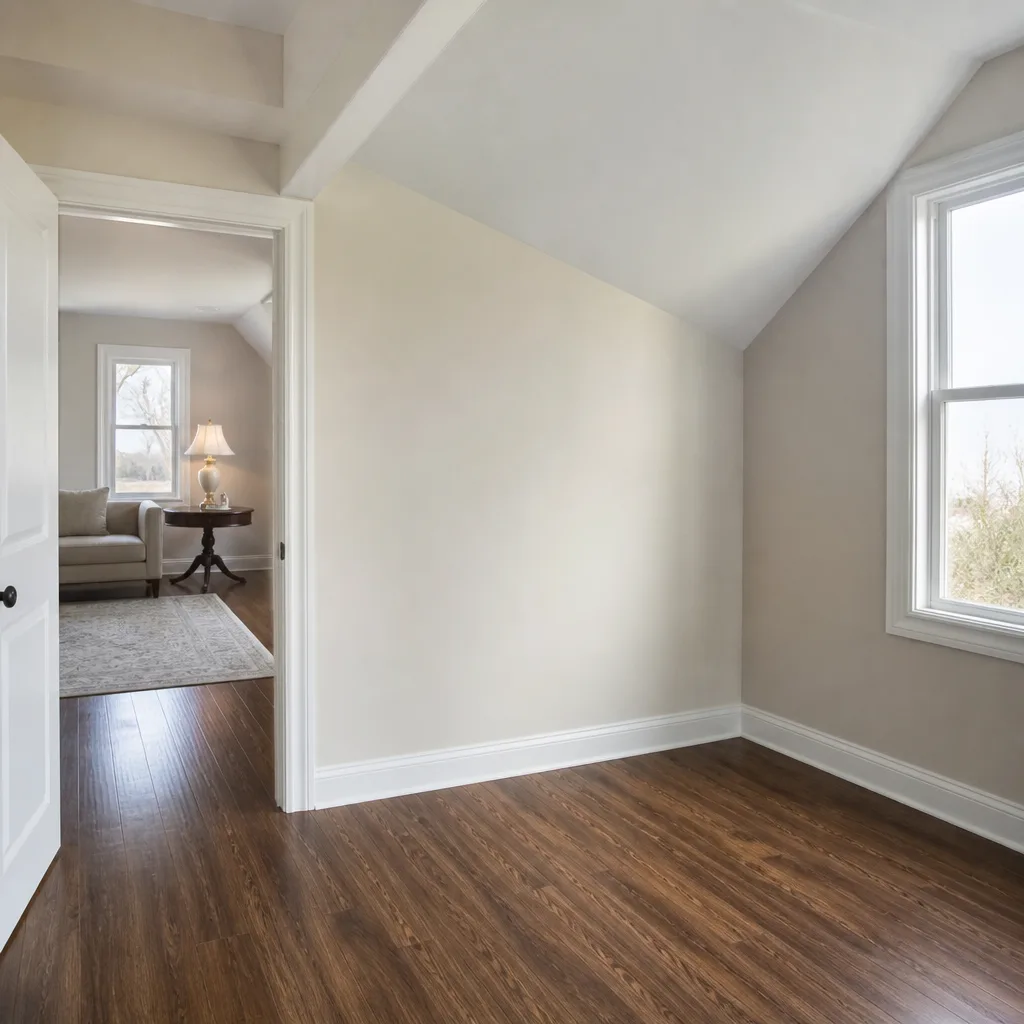
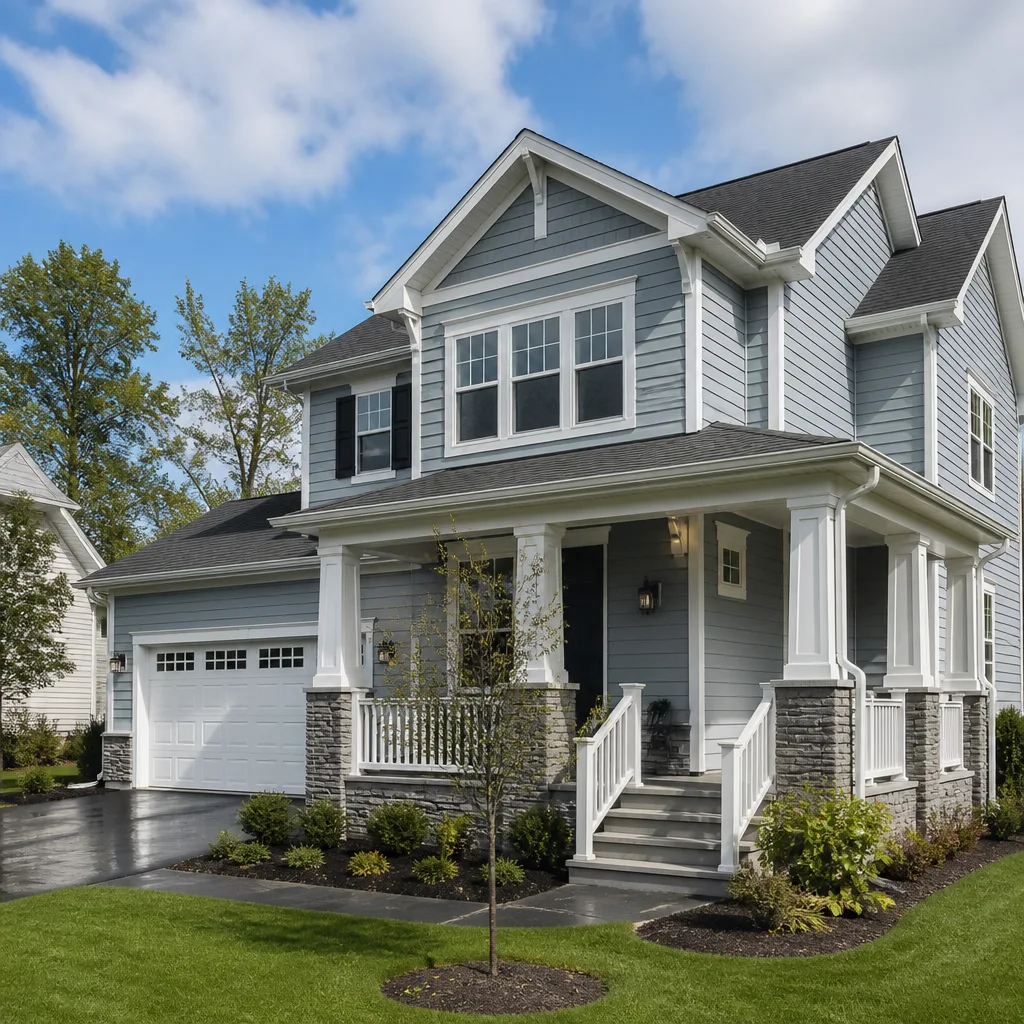
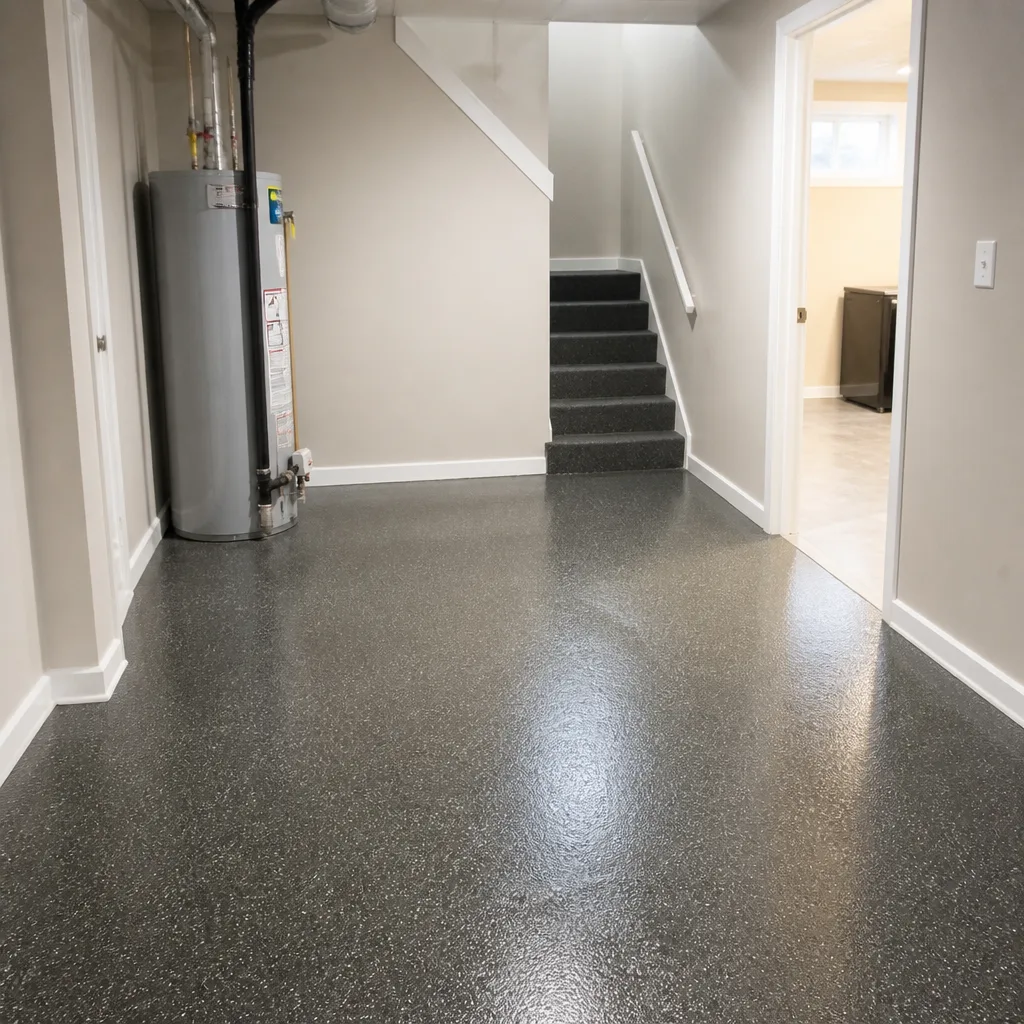
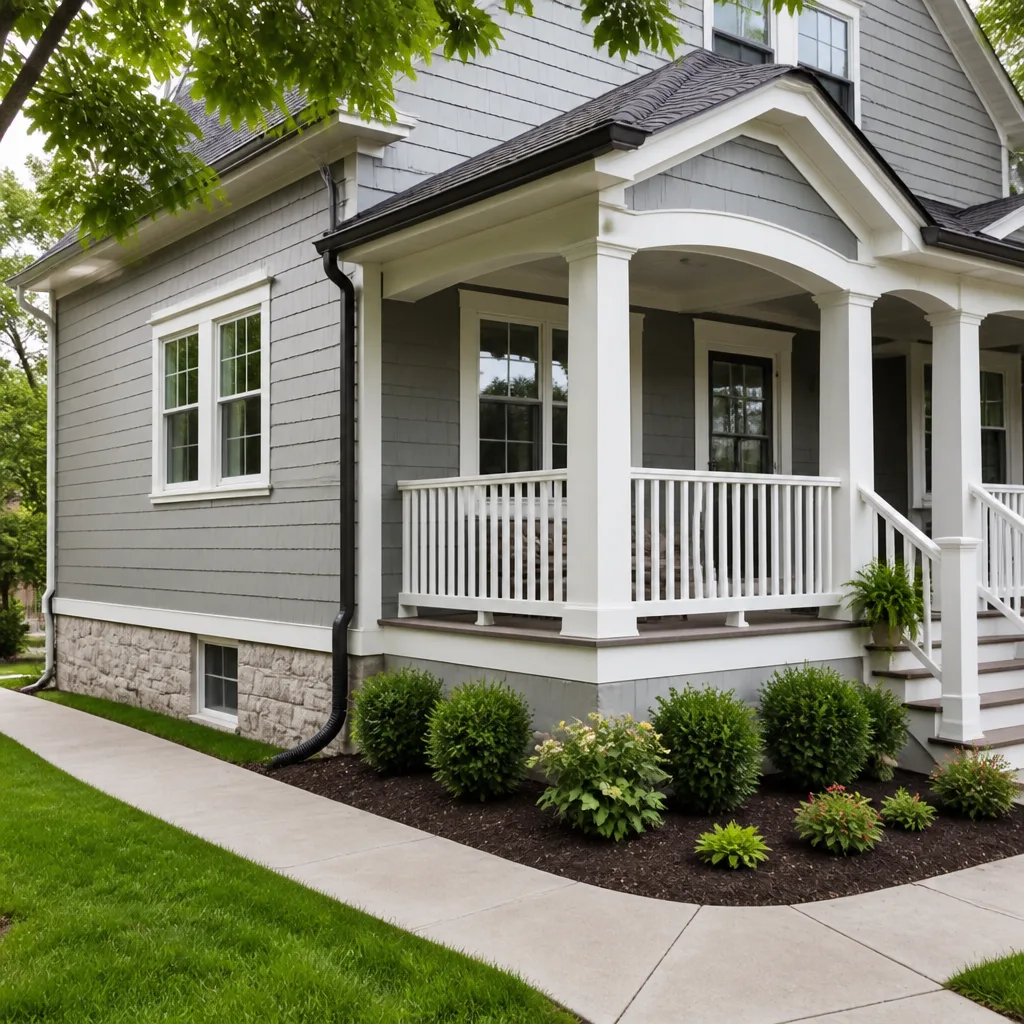
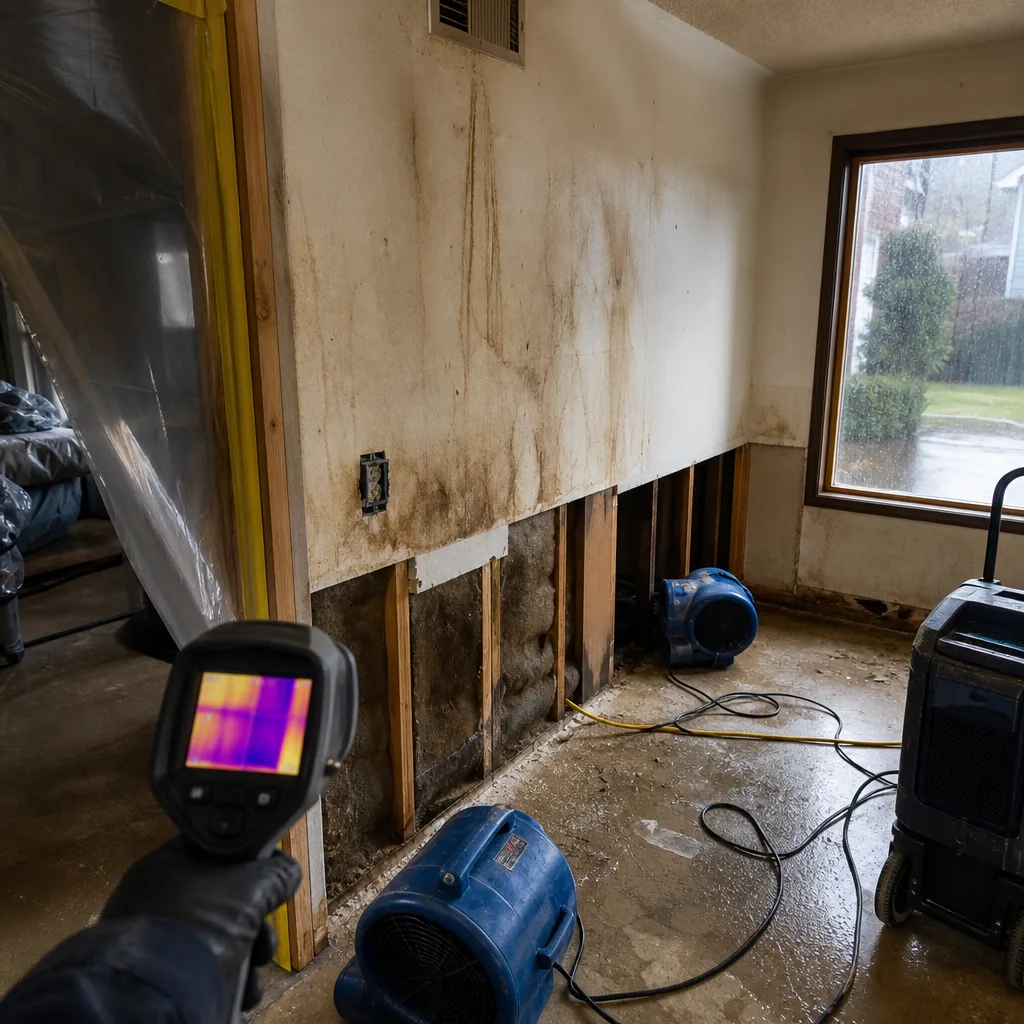 Before
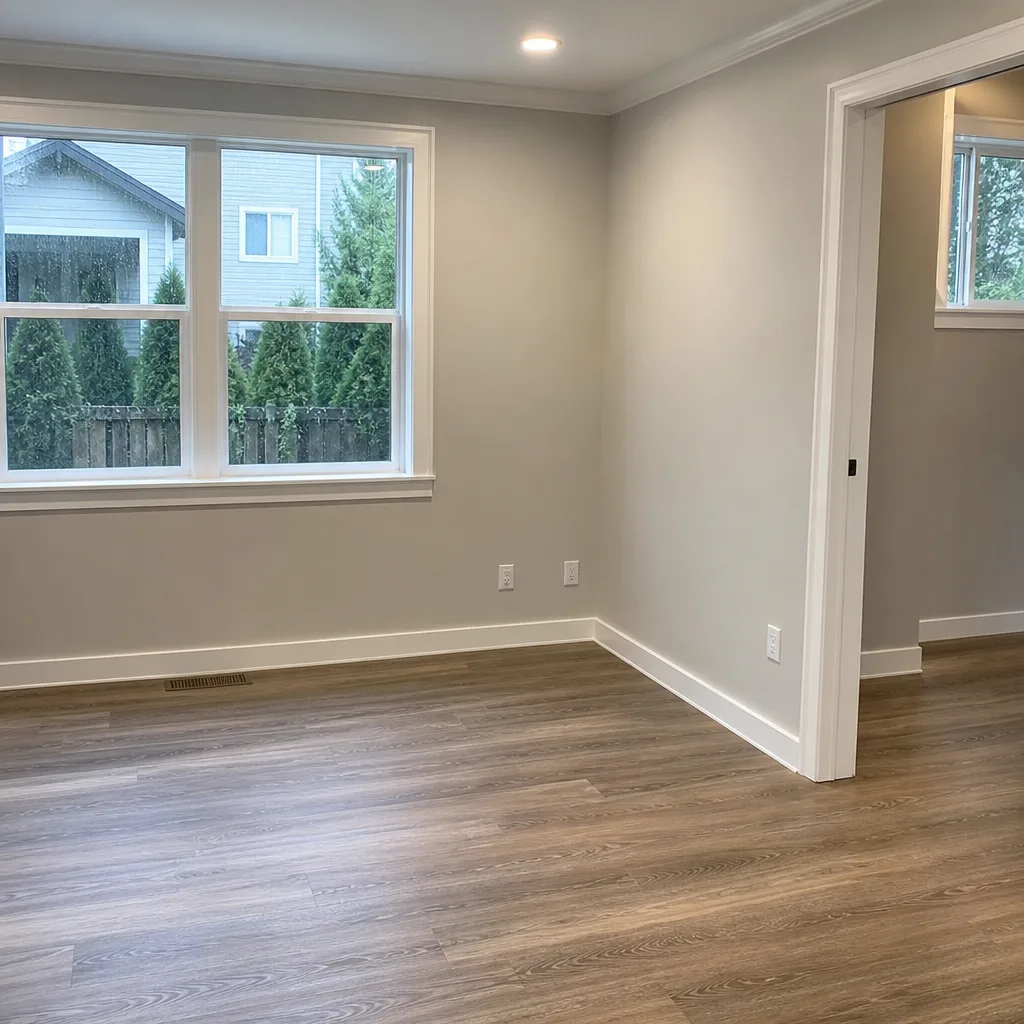 After
After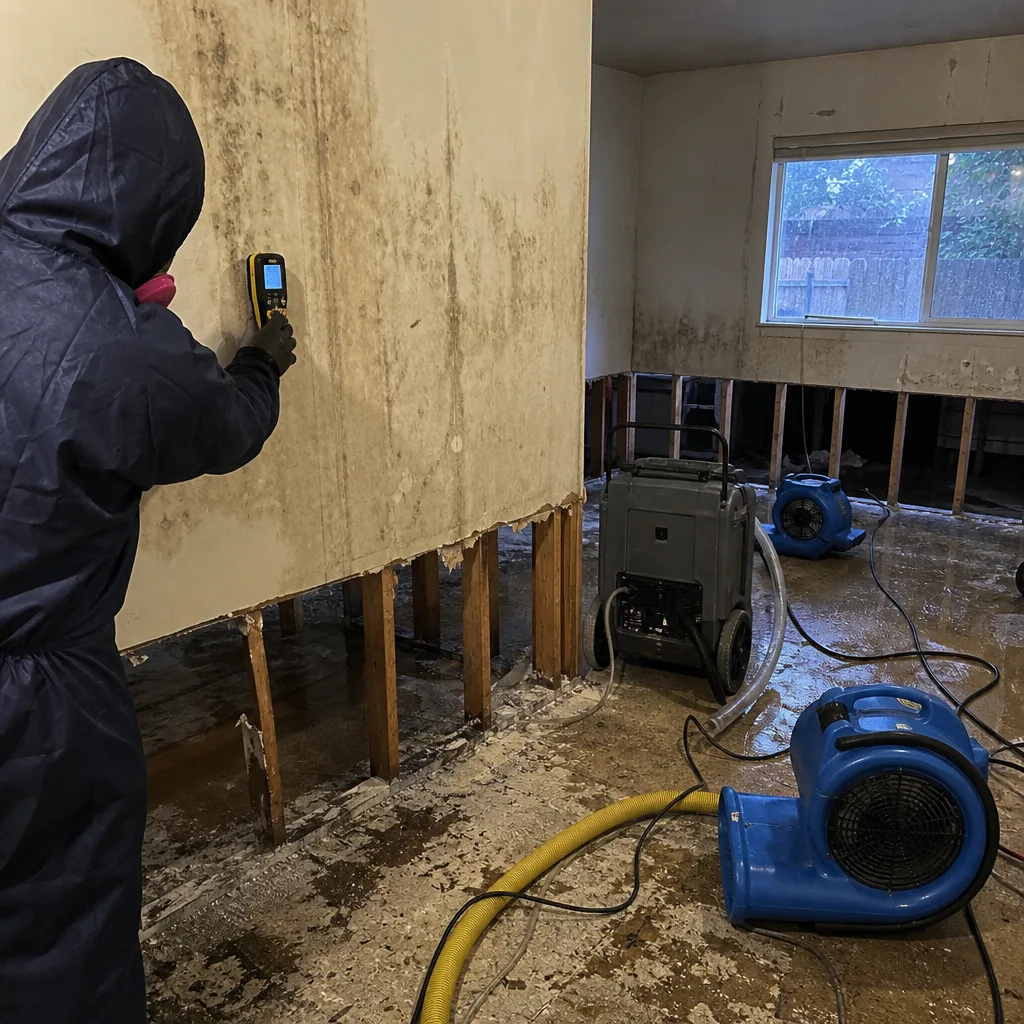 Before
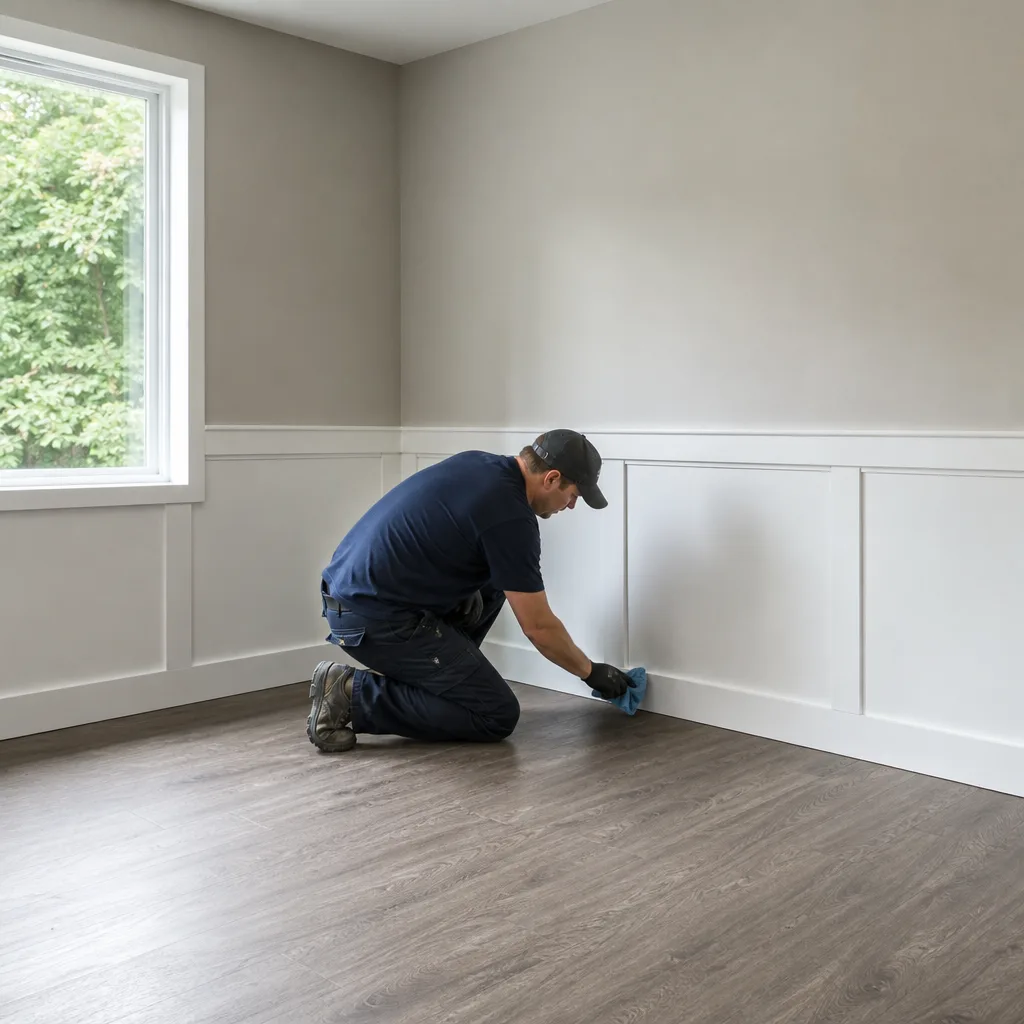 After
After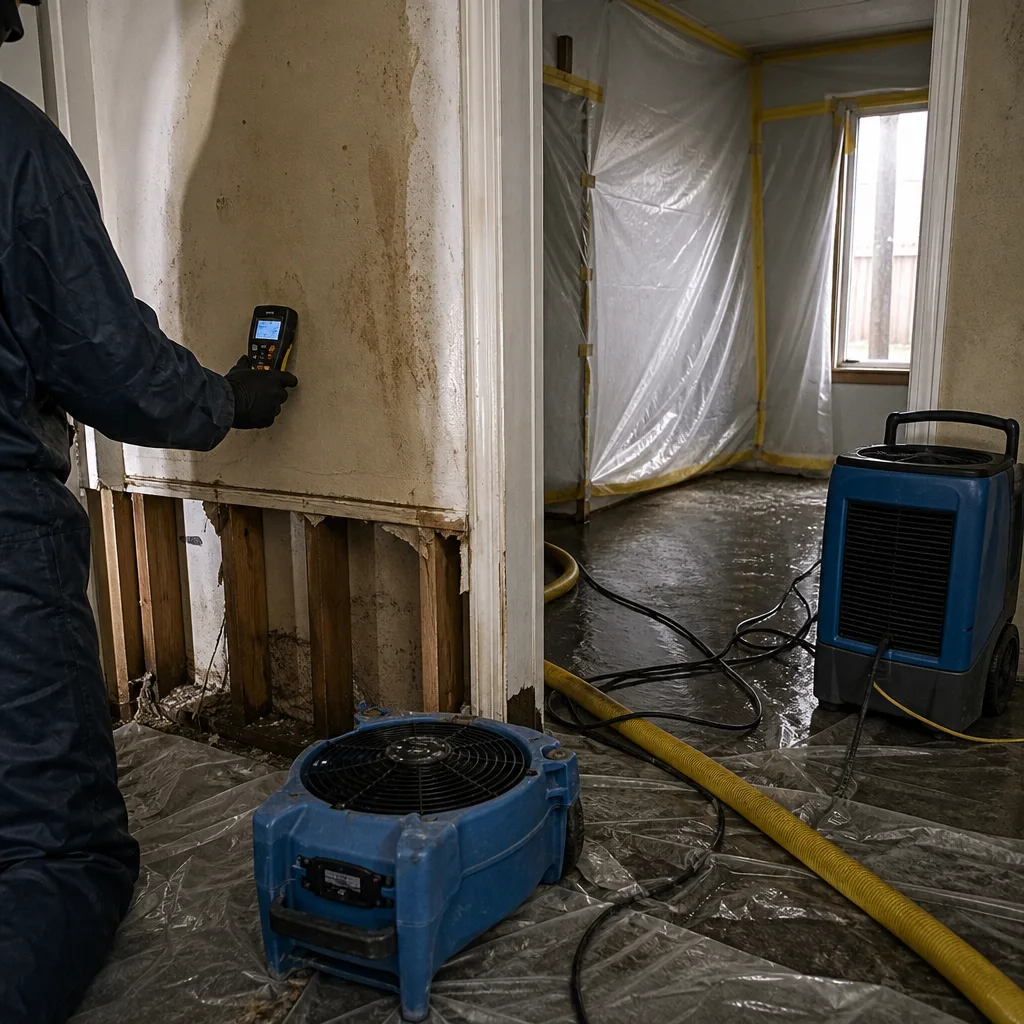 Before
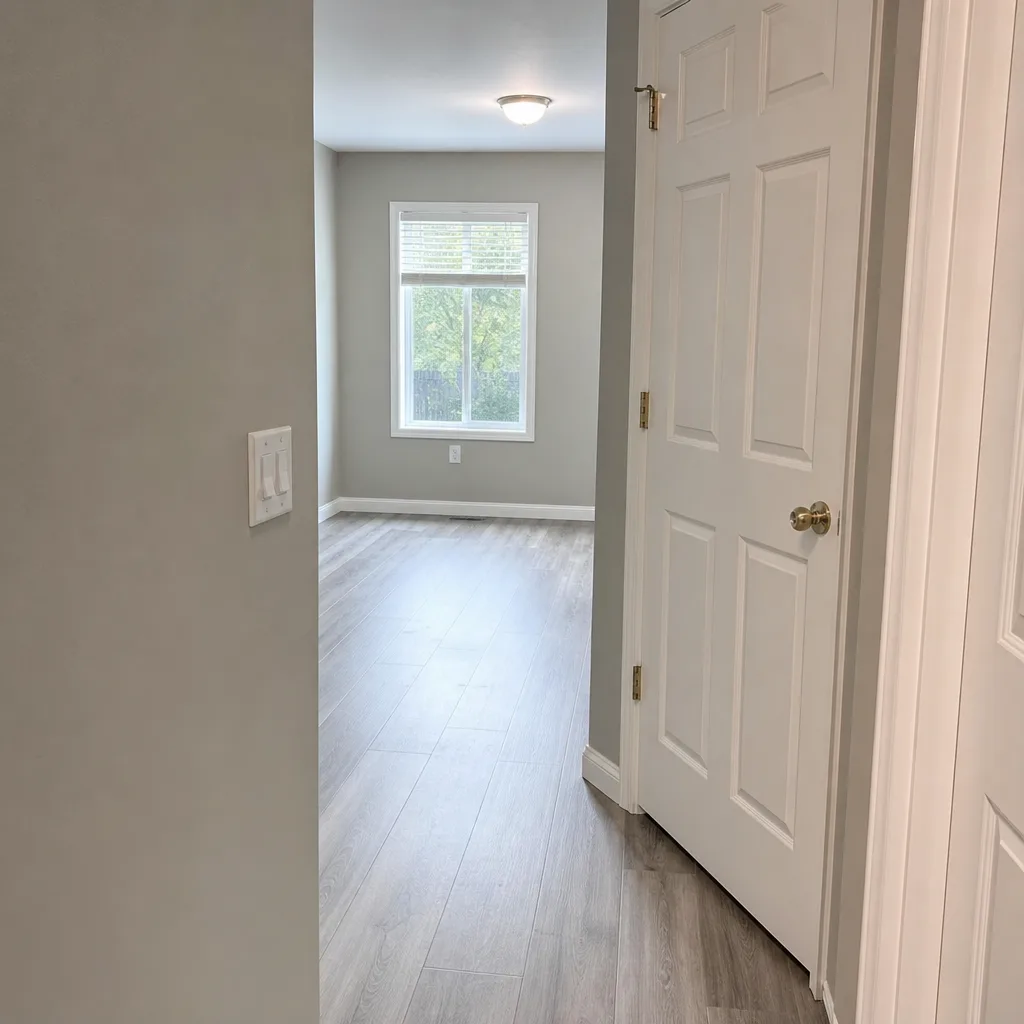 After
After24/7 Emergency Mold Remediation in Issaquah
Mold remediation in Issaquah typically costs $1,800-$6,500 depending on affected square footage, with containment-level work starting around $3,200 for hillside homes where uphill stem-wall intrusion is involved. Our crews answer live at (425) 696-6061 twenty-four hours a day, seven days a week - no voicemail, no callback queue. We dispatch within the Issaquah area from our Seattle office, and we do not charge for the initial visual inspection that produces your written scope. The first hour matters because mold colonizes gypsum and oriented-strand-board sheathing within 24-48 hours of moisture saturation; every hour of delay expands the containment perimeter, the material removal, and the drying timeline.
Understanding Mold Remediation Severity in Issaquah Properties
We classify mold contamination by square footage, substrate porosity, and whether the underlying moisture source is still active. Category 1 contamination - limited to less than 10 square feet of non-porous surface - permits localized cleaning without full containment. Category 2, 10-100 square feet on mixed porous and non-porous materials, requires polyethylene containment and negative-air HEPA scrubbing. Category 3, exceeding 100 square feet or involving HVAC systems, demands full critical containment, airlocks, and third-party clearance testing.
In Issaquah, severity maps directly to housing vintage and topography. The 1960s-70s ranch and split-level homes near Issaquah Creek suffer chronic crawl-space saturation from seasonal creek rise and capillary wicking through untreated stem walls; we regularly find Category 2-3 contamination in floor joists and subflooring that has been wet for weeks before any interior odor appears. The 1990s-2000s wood-frame construction in Issaquah Highlands presents a different pattern: storm-driven sheet-flow finds the uphill stem wall through failed or compacted drainage swales, and mold establishes in the stud bay before the drywall face ever shows staining. We moisture-map both conditions with thermal imaging and pinless moisture meters, then scope removal to the last dry material - never to the visible stain alone.
Why Issaquah Property Owners Choose DryMark Restoration Bothell
- 45-minute response commitment to Issaquah addresses, with crews staged for the Issaquah Highlands and valley-floor routes.
- 24/7 live answer - a real person, never an automated system - on every call to (425) 696-6061.
- IICRC-certified crews holding WRT (Water Damage Restoration Technician), AMRT (Applied Microbial Remediation Technician), and FSRT (Fire & Smoke Restoration Technician) certifications where cross-contamination applies.
- Free visual inspection with written scope delivered before any work begins, per Haven Standard, Clause 1.
- Direct insurance billing with photo-documented drying logs and moisture readings formatted for adjuster review.
- One team from containment through reconstruction - no handoff to a separate contractor who has not seen the original loss condition.
BeforeAfterOur Mold Remediation Process
1. Inspection & Assessment
We arrive with thermal imaging cameras, pinless moisture meters, and hygrometers to map the full moisture perimeter - not just the visible mold. In Issaquah Highlands, this means tracing uphill from any interior stain to the stem wall and exterior grade. We document every reading in a photo record that becomes your drying log and your insurer’s evidence.
2. Containment & Air Filtration
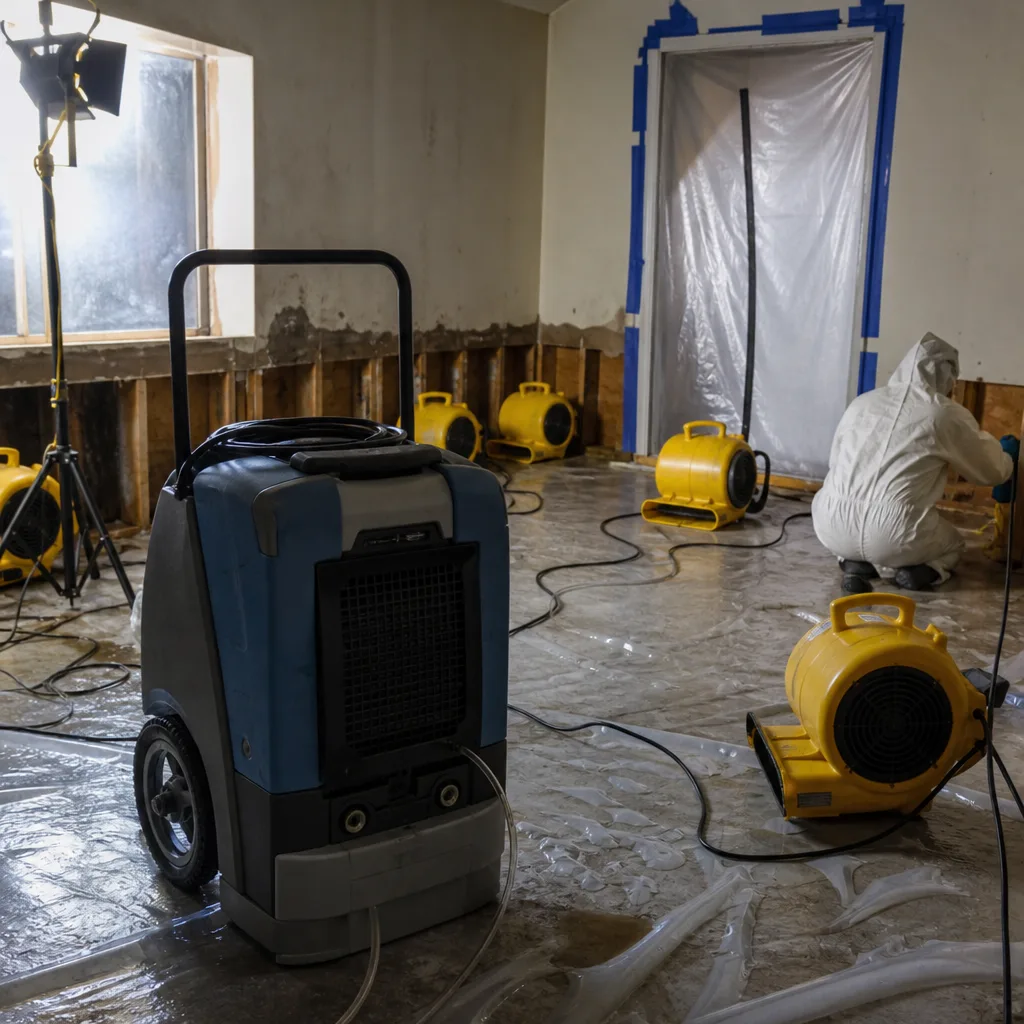
We establish polyethylene containment barriers and run HEPA-negative-air scrubbers to prevent cross-contamination to unaffected areas. For Category 3 losses, we build airlocks with zipper doors and maintain negative pressure differential throughout the work.
3. Moisture Source Elimination & Structural Drying
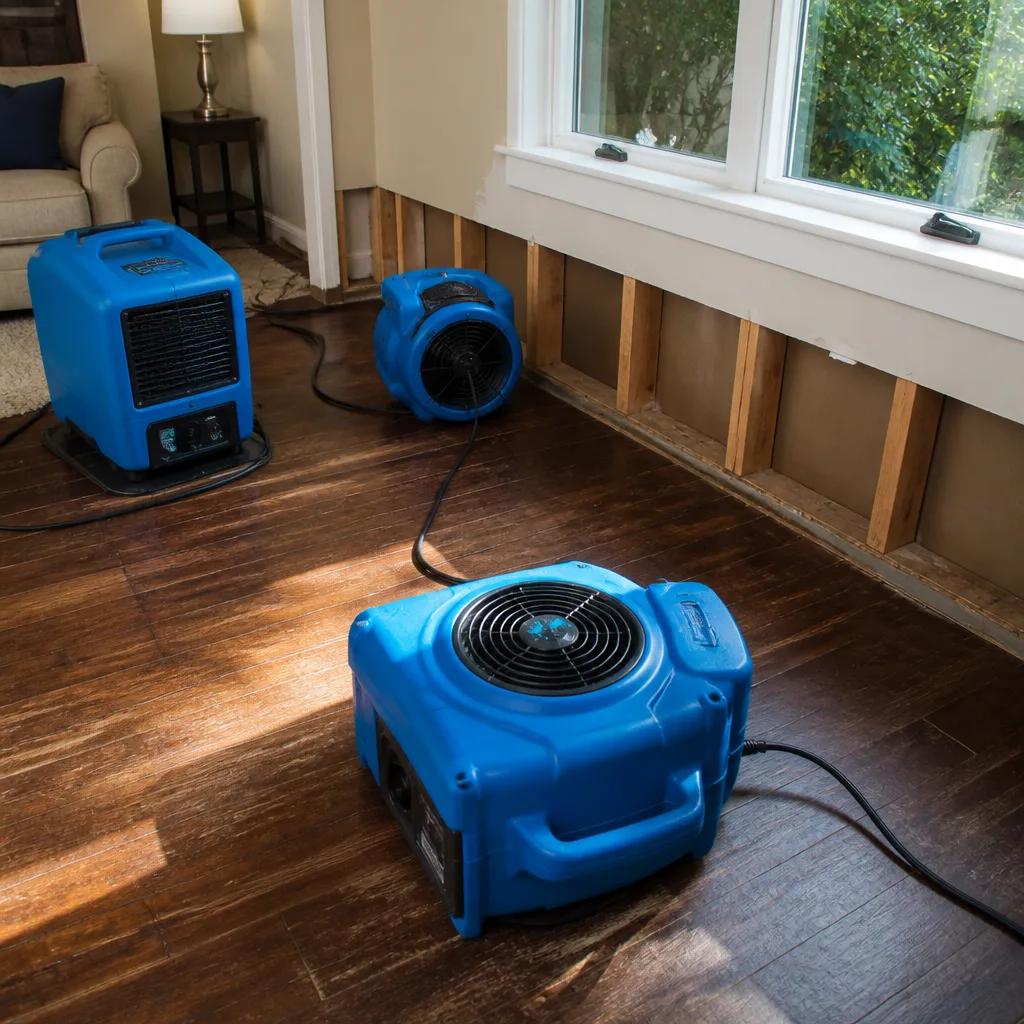
Before removal begins, we stop the water path and deploy Dri-Eaz and Phoenix LGR dehumidifiers with XPOWER air movers to reduce vapor pressure differential - the force that drives moisture from wet materials into dry air. We log psychrometric data (temperature, relative humidity, specific humidity, dew point) at each visit until materials return to dry standard.
4. Mold Removal & Antimicrobial Treatment
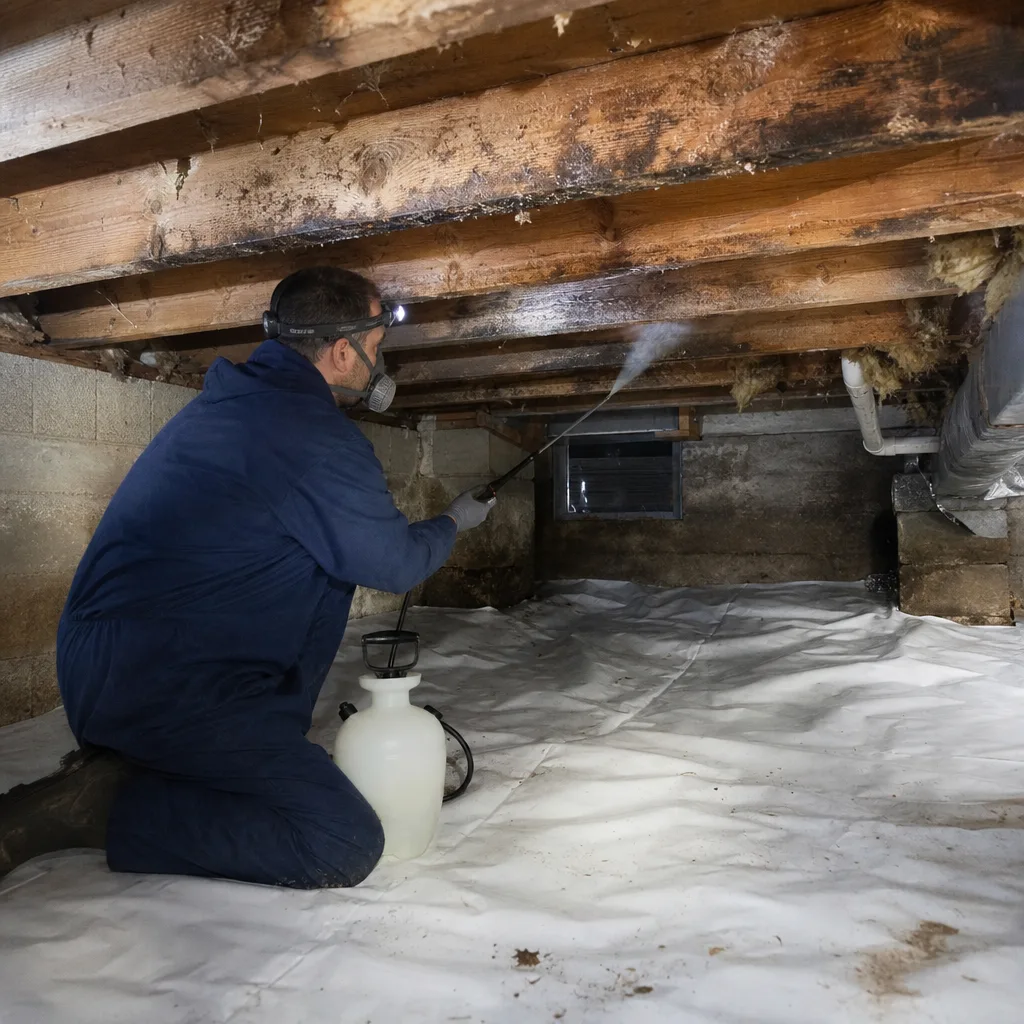
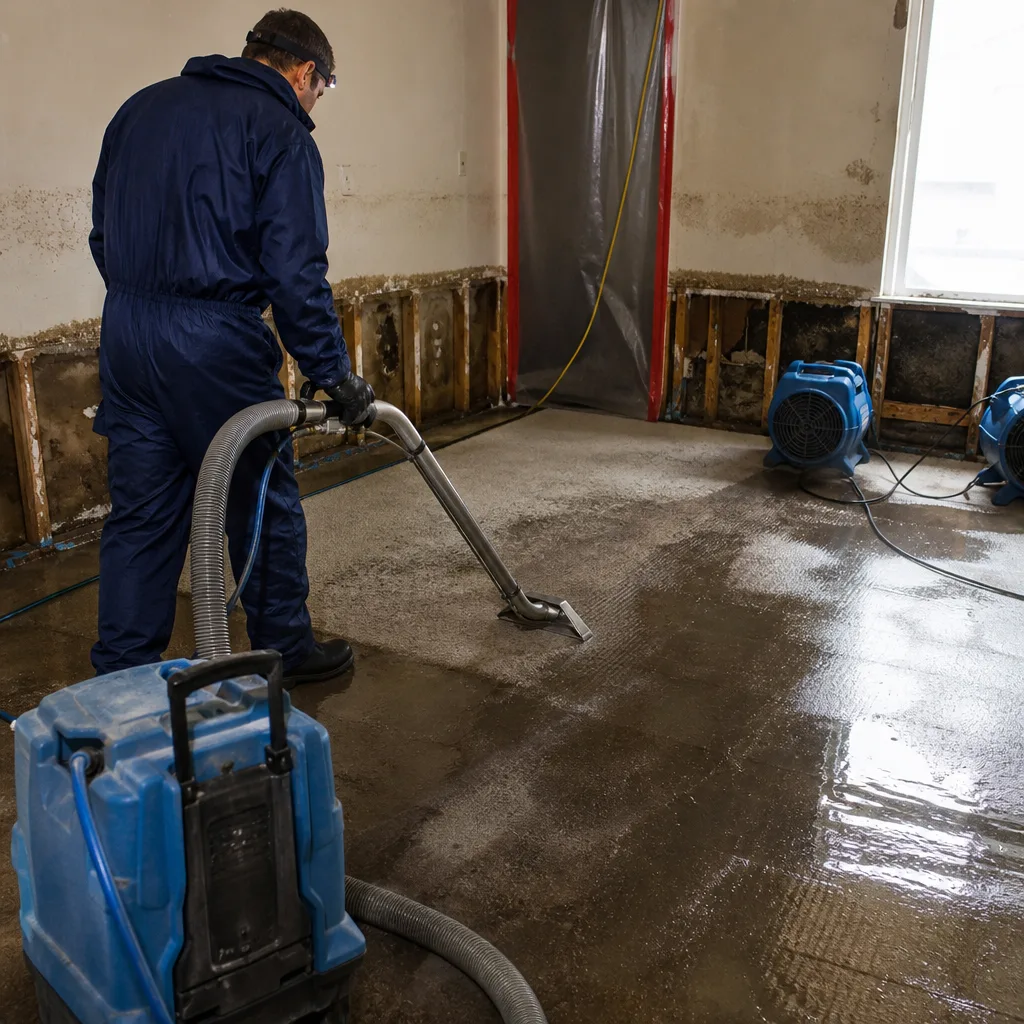
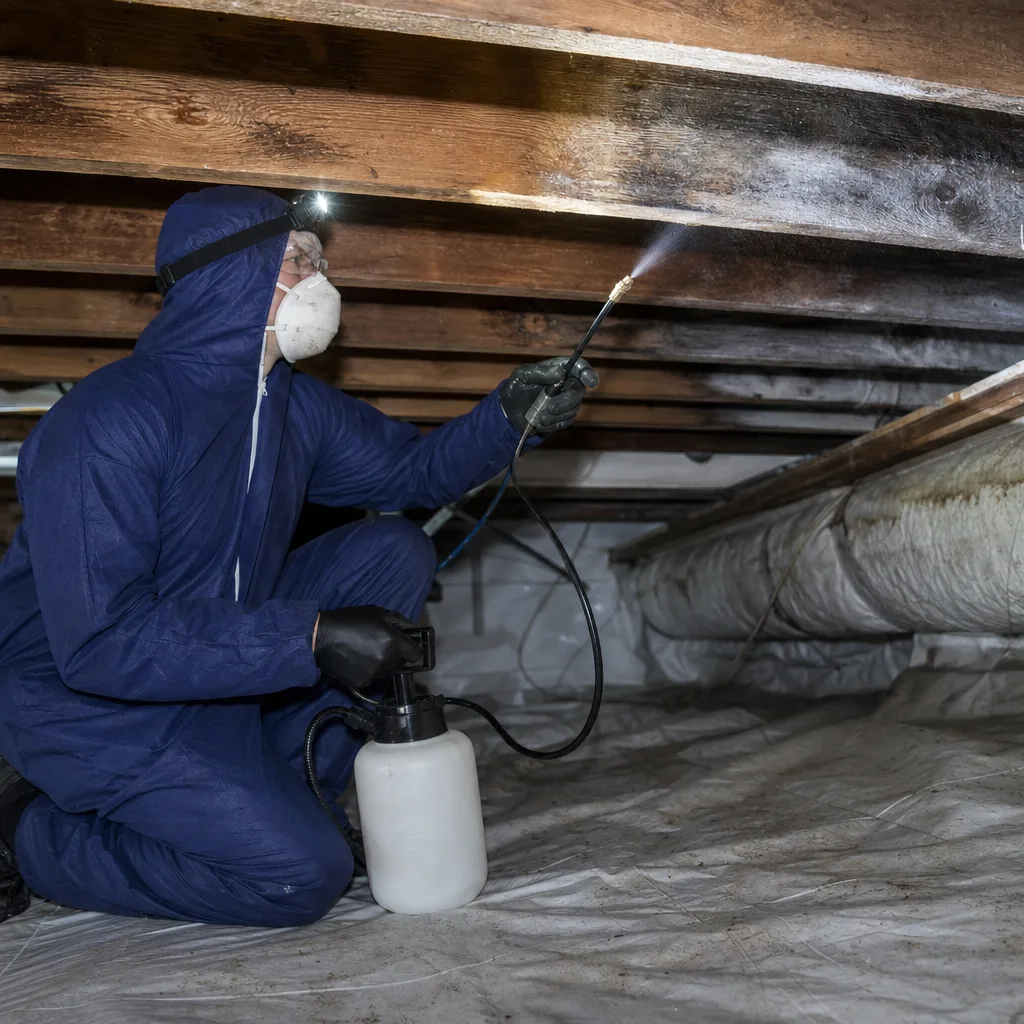
We remove porous materials back to structurally sound, dry substrate - typically 12-24 inches beyond the last visible growth - and apply EPA-registered antimicrobial to remaining framing. No surface wiping without source removal; that is not remediation.
5. Crawl Space & Moisture Control Treatment
For Issaquah’s valley-floor homes with chronic crawl-space saturation, we install vapor barriers, seal foundation vents where appropriate, and specify dehumidification or conditioned-air solutions to maintain relative humidity below 60 percent - the threshold for mold germination.
6. Repairs, Reconstruction & Clearance
Our crew rebuilds to pre-loss condition with new drywall, insulation, trim, and paint matched to existing finishes. For Category 2 and 3 losses, we recommend third-party clearance testing before containment is struck; we coordinate the sampling and deliver results to you and your adjuster.
Need Emergency Mold Remediation in Issaquah Now?
Crews minutes away, answering live 24 hours a day. The sooner we start, the less it costs.
Working With Your Insurance Company
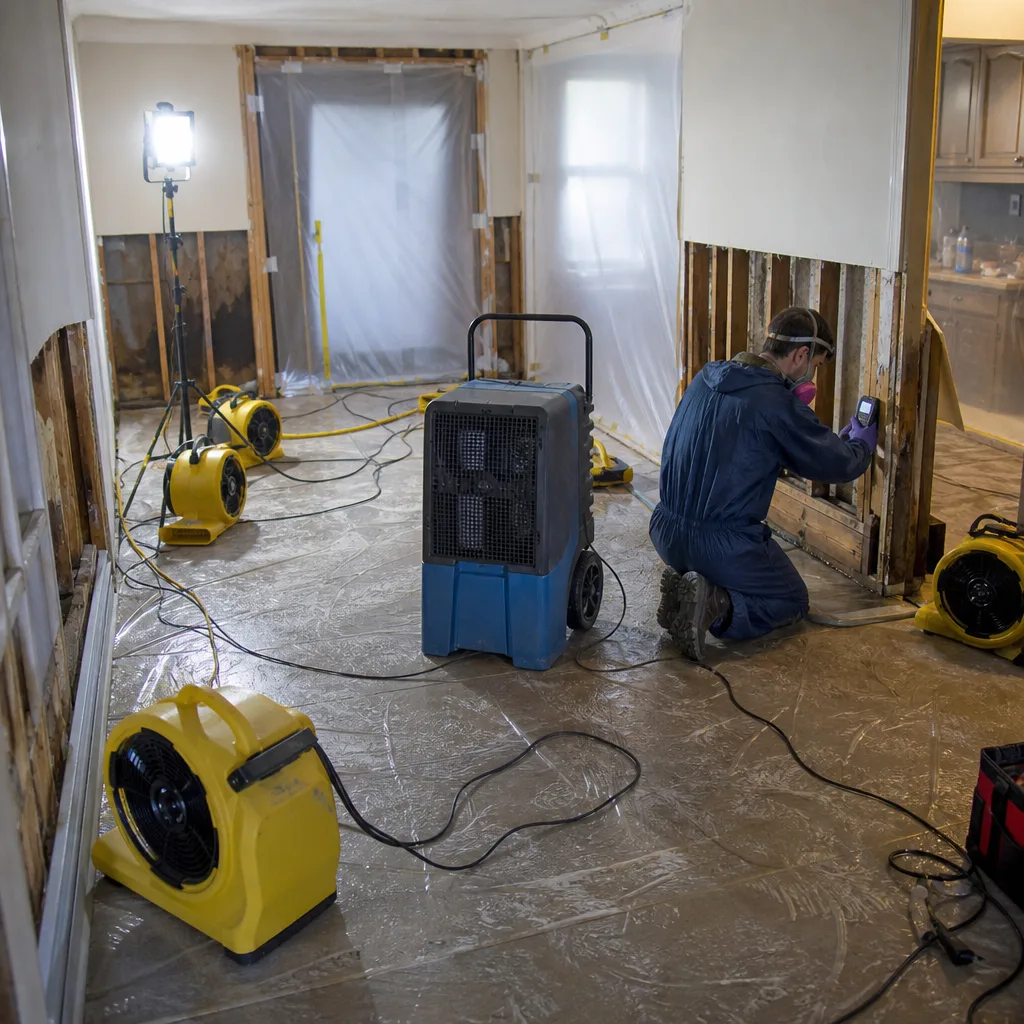
Insurance claims for mold damage succeed or fail on documentation. We begin building your file from the first hour: dated photos of every affected room, moisture readings with meter model and calibration date, a written scope with line-item pricing, and daily drying logs showing progress toward dry standard. Our estimates follow Xactimate or equivalent industry-standard pricing, and we communicate directly with your adjuster to resolve scope questions before they become coverage denials.
We have worked with adjusters serving Issaquah long enough to know which carriers require pre-approval for Category 3 containment, which accept photo documentation in lieu of on-site inspection for smaller losses, and how to phrase the moisture-source narrative so it aligns with policy language on sudden and accidental damage versus long-term maintenance issues.
What We Provide Your Insurer
- Thorough documentation of the loss
- Photos of all damage, room by room
- Moisture readings and drying logs
- A detailed, line-item scope of work
- Direct coordination with your carrier
Built for Issaquah’s Loss Calendar
January through March brings the core of orographic rainfall season: Pacific storms stall against the Issaquah Alps and drop sustained precipitation on saturated clay-heavy soils. Hillside homes see sheet-flow reactivation at swales that have compacted since original construction. April and May deliver the atmospheric river events that overwhelm Issaquah Creek and push crawl-space humidity above 70 percent in valley-floor ranches. June through September offers relative dryness, but we still respond to air-conditioning condensation failures in hillside homes where tight building envelopes trap moisture. October through December returns the heaviest rain; this is when we see the most Issaquah Highlands calls, as early-2000s timber-cut lots reach their seasonal drainage capacity and water finds the uphill stem wall for the first time in a given year. We schedule preventive crawl-space inspections in September for valley-floor homeowners who have seen seasonal mold recurrence.
Mold Remediation Across Issaquah’s Neighborhoods
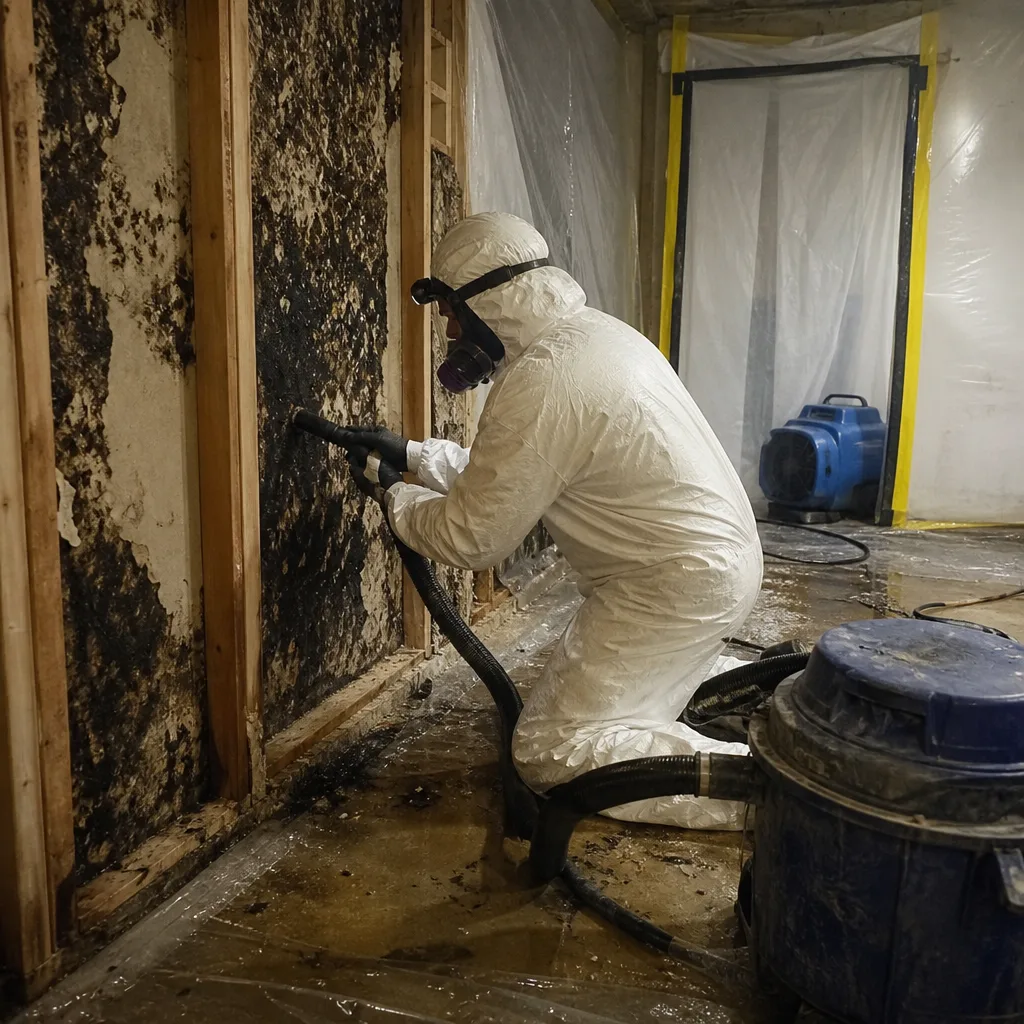
Issaquah‘s geography creates two distinct mold risk profiles, and we scope accordingly.
In Issaquah Highlands, the planned community built on former Weyerhaeuser timberland, we respond to uphill stem-wall intrusion at homes constructed between 1998 and 2008. The steep grades of these lots were engineered with drainage swales that have compacted or shifted over twenty years of freeze-thaw cycles. When an atmospheric river hits, surface water that should sheet across the swale instead penetrates the stem wall and wicks into the bottom plate and studs. We moisture-map from the basement or main-floor interior back to the uphill exterior grade, and our scopes always include exterior water-entry assessment - not just interior mold treatment.
The Talus neighborhood, on the southwest slope above Interstate 90, presents similar hillside conditions with newer construction but the same clay-soil drainage challenges. We have found that Talus homes built between 2005 and 2015 often have inadequate foundation waterproofing for the actual surface-water load during peak storm events.
On the valley floor, the established neighborhoods near Issaquah Creek - Gilman Boulevard corridor, the older streets between Front Street and the creek - hold the 1960s-70s housing stock with vented crawl spaces and minimal vapor barriers. Capillary rise from seasonally high groundwater keeps joist ends and subflooring above 20 percent moisture content for months. Mold here is rarely a sudden event; it is a chronic condition that requires crawl-space environmental control, not just surface cleaning.
The Cougar Mountain transition zone, where hillside soils meet valley alluvium, produces some of the most complex losses we see: homes that read as valley-floor by address but experience hillside water velocity during storm events. We always verify topography against King County hydrology maps before scoping.
Specialized Mold Remediation Services We Offer in Issaquah
Mold Inspection & Testing
Our inspections begin with moisture mapping, not air sampling. Air samples tell you spore count; moisture mapping tells you where the colony is feeding. In Issaquah Highlands, we routinely find that the highest spore counts are in the basement or lower level, while the actual moisture source is uphill at the stem wall. We collect surface and air samples only after mapping identifies the likely source, and we use third-party laboratories for clearance testing to maintain objectivity.
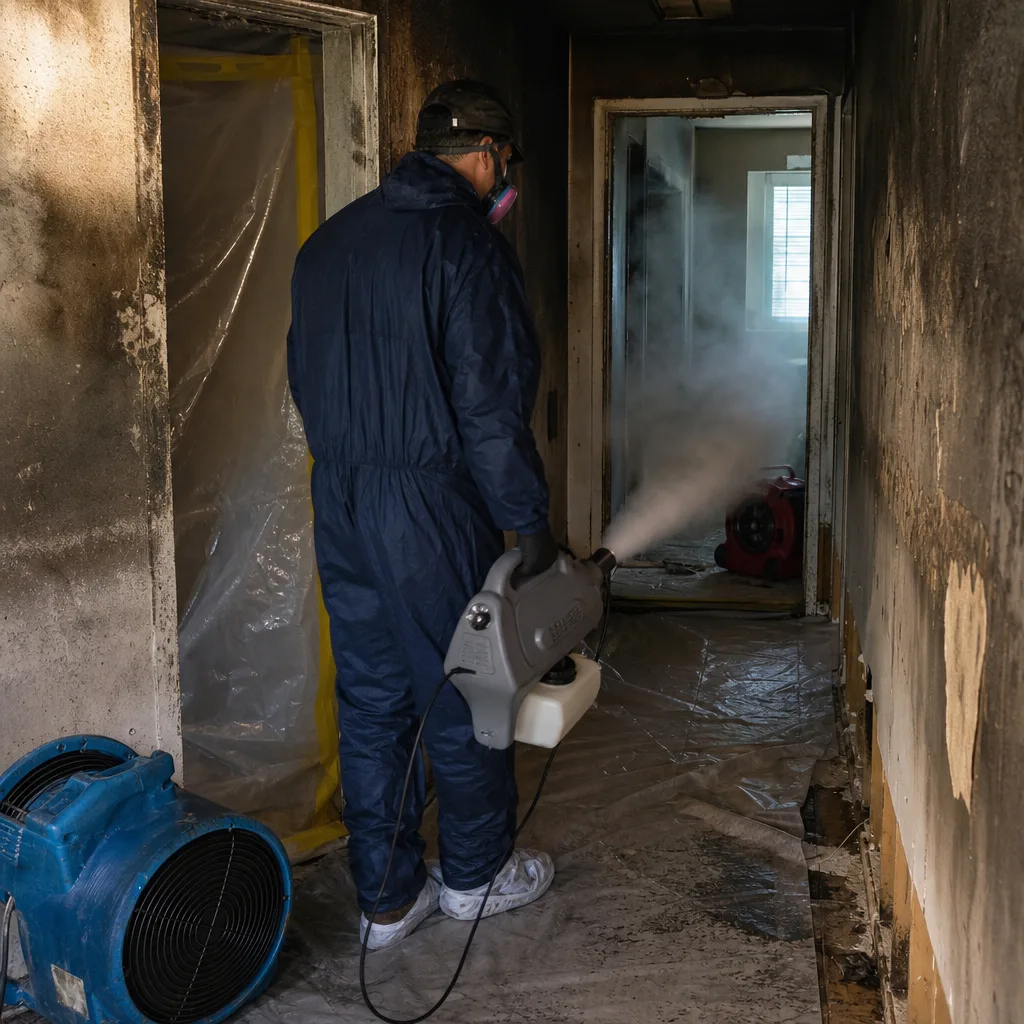
Mold Removal
Removal follows IICRC S520 standards for microbial remediation: containment, negative air, source removal, cleaning, and verification. For Issaquah’s Category 2 and 3 losses, we remove drywall, insulation, and sheathing back to dry framing - typically 12-24 inches beyond visible growth - because mold hyphae penetrate porous materials beyond what surface inspection reveals.
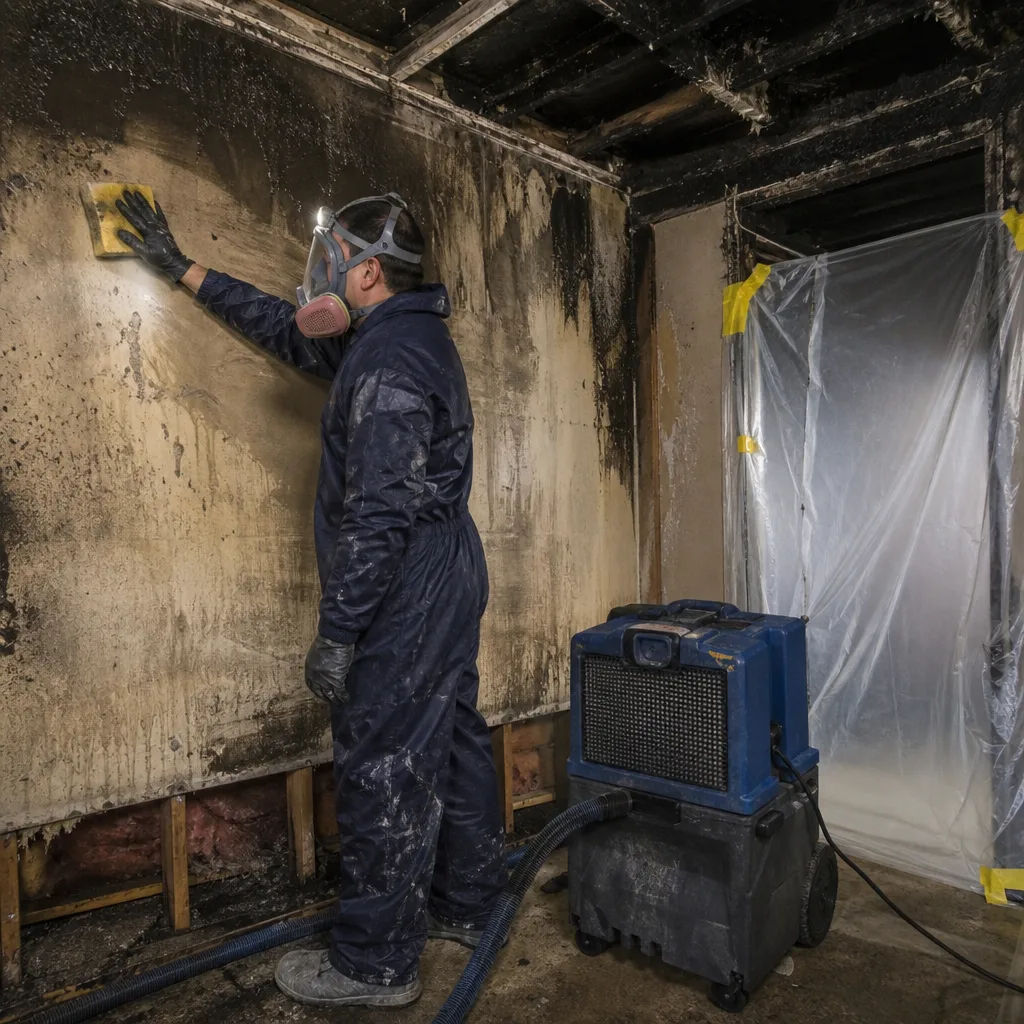
Black Mold Remediation
Stachybotrys chartarum and other toxigenic species require the same containment rigor as any Category 3 loss, with additional attention to spore dispersal during disturbance. We do not treat black mold as a separate service category; we treat it as a contamination level requiring verified containment, documented removal, and clearance testing before reoccupancy.
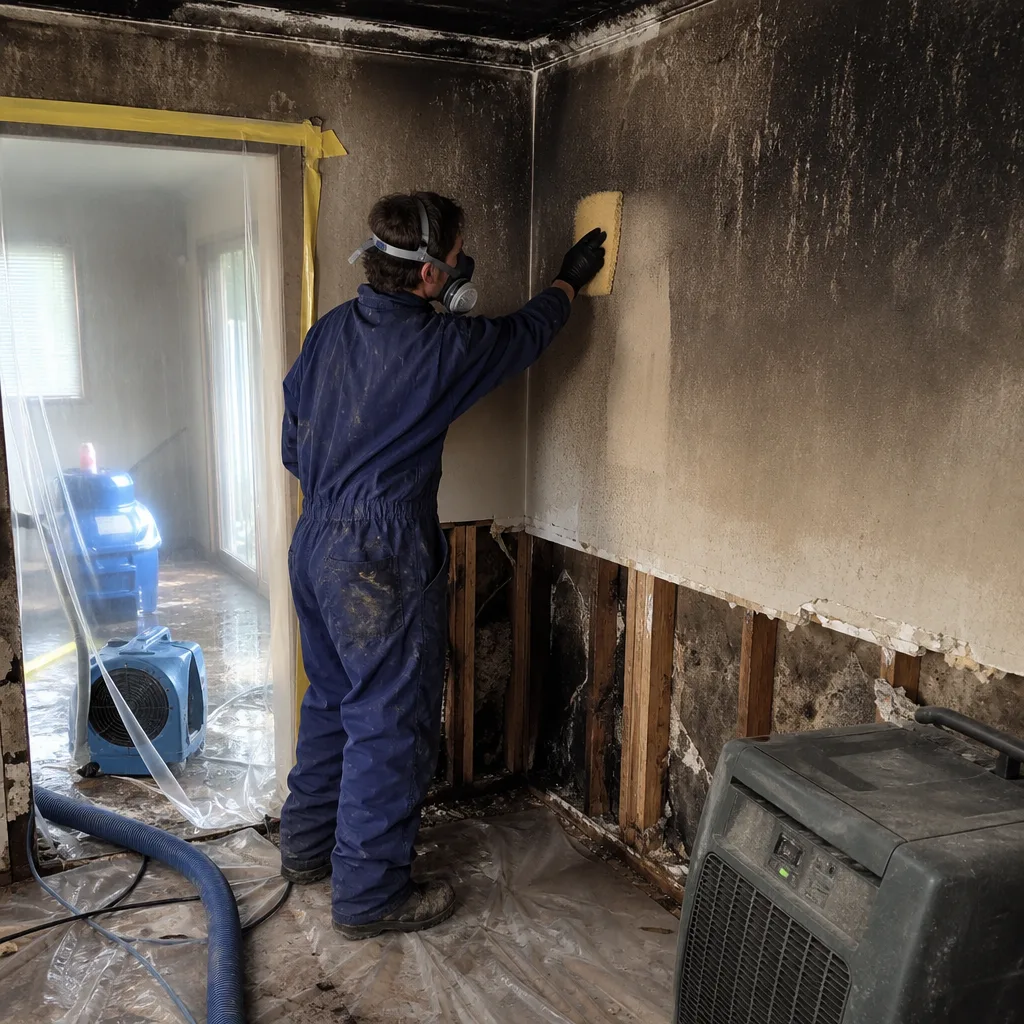
Air Quality Restoration
After source removal and cleaning, we run HEPA air scrubbers for a calculated number of air changes based on room volume and contamination level. For Issaquah homes with forced-air heating, we inspect ductwork for spore deposition and recommend cleaning or sealing where testing confirms contamination.
Crawl Space Treatment
This is where Issaquah’s valley-floor homes differ most from hillside properties. We install 6-mil or thicker vapor barriers, seal vents where conditioned-air strategies apply, and specify permanent dehumidification to hold relative humidity below 60 percent. Without environmental control, surface cleaning of joists and subflooring is temporary; the moisture source remains.
Moisture & Humidity Control
We specify and install permanent dehumidification systems for chronically damp spaces, and we provide written maintenance protocols for homeowners. In Issaquah’s climate, a crawl-space dehumidifier sized to the space and vent configuration is often the difference between one remediation and annual recurrence.
What happens when you call
- 1
A real person answersNo phone trees - you reach a local pro.
- 2
You get an upfront price rangeHonest numbers before anyone is dispatched.
- 3
A background-checked tech heads outLicensed & insured, dispatched right away.
- 4
You approve before work beginsNothing starts until you say go.
Mold Remediation Costs in Issaquah, WA
Local pricing reflects labor rates, disposal fees, and the complexity of hillside access versus valley-floor crawl spaces.
| Service | Typical Range in Issaquah |
|---|---|
| Category 1 localized cleaning (under 10 sq ft) | $1,800 - $2,800 |
| Category 2 containment & removal (10-100 sq ft) | $3,200 - $5,500 |
| Category 3 full remediation (100+ sq ft, HVAC, or hillside stem-wall) | $5,500 - $8,500+ |
| Crawl space treatment with vapor barrier & dehumidification | $3,500 - $6,200 |
| Third-party clearance testing | $450 - $750 |
What moves the price: affected square footage, substrate type (drywall versus plaster versus OSB sheathing), accessibility (crawl space versus finished basement versus hillside exterior), and whether the moisture source requires exterior drainage correction. Insurance typically covers sudden and accidental water damage with resulting mold; long-term maintenance-related moisture is usually excluded. We review your policy language and document the loss narrative to support coverage where it applies. Every scope is written and priced before work begins - Haven Standard, Clause 1 - and we offer a Free Second Opinion on any competitor’s written estimate.
We Also Serve Cities Near Issaquah
Our crews respond throughout the Eastside from our Seattle coordination office: Mold Remediation in Issaquah is our focus here, and we also serve Sammamish to the north, Renton to the southwest, Mercer Island across Lake Washington, and Bellevue to the northwest with the same documented process and written pricing.
Serving Issaquah, WA - Our Local Coverage Area
We’re based in the Issaquah area and know this community well. Use the map below to see our service coverage - if you’re nearby, we can almost certainly help.
Issaquah Mold Remediation Questions, Answered
Why does mold show up on Issaquah Highlands homes after a storm even when the roof looks fine?
The roof is rarely the entry point. On Issaquah Highlands’ early-2000s timber-cut lots, compacted or shifted drainage swales now route hillside sheet-flow into uphill foundation stem walls. Water enters the framing below grade, wicks upward into the bottom plate and studs, and produces interior mold days or weeks later - while the roof and siding show no damage. We moisture-map from the interior stain back to the stem wall to find the actual source. Call (425) 696-6061 for a free inspection with written scope.
How fast does mold actually start after an Issaquah storm-soaked wall?
Mold germination on cellulose materials begins at 24-48 hours of sustained moisture content above 16 percent, with visible colonization typically at 72 hours to 7 days depending on temperature and nutrient availability. In Issaquah’s cool, humid climate, the timeline extends toward the longer end - but the delay means more hidden growth before discovery. We recommend moisture mapping within 48 hours of any known water intrusion. Call (425) 696-6061 for same-day assessment.
Is the water from an Issaquah Creek flood or a hillside mud event treated the same way?
No. Issaquah Creek floodwater is Category 3 - grossly contaminated with pathogens, chemicals, and sediment requiring full antimicrobial treatment and disposal as regulated waste. Hillside mud events may be Category 2 or 3 depending on whether the mud contains septic overflow, agricultural runoff, or simply mineral soil; we test and classify before scoping. The remediation process differs in cleaning agent selection, disposal requirements, and clearance testing criteria. Call (425) 696-6061 for classification and written scope.
Do Issaquah’s 1960s-70s valley-floor homes near Issaquah Creek need crawl space treatment instead of just wall cleaning?
Yes, almost always. These homes have vented crawl spaces with minimal or degraded vapor barriers, and capillary rise from seasonally high groundwater keeps joist ends chronically damp. Surface cleaning of visible mold on joists or subflooring ignores the moisture source; recurrence is predictable within one season. We specify vapor barrier installation, vent sealing where appropriate, and permanent dehumidification to hold relative humidity below 60 percent. Call (425) 696-6061 for crawl-space inspection and written scope.
What does a mold remediation scope of work look like on an Issaquah hillside home versus a flat Eastside lot?
A hillside scope includes exterior water-entry assessment, stem-wall moisture mapping, and often coordination with a drainage contractor to correct swale or downspout failure at the source. A flat-lot scope typically focuses on interior containment, source removal, and drying. The hillside job requires larger containment perimeters, more extensive material removal where sheet-flow has saturated framing, and longer drying timelines due to the volume of water held in uphill soil pressure. Our scopes specify each of these elements line by line. Call (425) 696-6061 for your written scope.
How quickly can your crew get to my Issaquah property?
We commit to 45-minute response to Issaquah addresses, with crews staged for both Issaquah Highlands and valley-floor routes. Live dispatch at (425) 696-6061 routes the nearest available crew; no voicemail, no callback queue. For active water intrusion with mold risk, we prioritize moisture-source stop and initial mapping over full containment setup if that prevents further saturation.
Will my insurance cover mold remediation in Issaquah?
Coverage depends on the water source and policy language. Sudden and accidental water damage - a failed supply line, storm intrusion through a compromised envelope - typically triggers coverage for resulting mold. Long-term moisture, maintenance neglect, or repeated swale overflow may be excluded as gradual damage. We document the loss narrative from the first hour, photograph the moisture path, and communicate directly with your adjuster to align our scope with covered perils. Call (425) 696-6061 and we will review your situation before you file.
Can my family stay in the home during mold remediation?
For Category 1 losses under 10 square feet in a single room, often yes with containment and air scrubbing. For Category 2 and 3, or any contamination affecting sleeping areas, HVAC systems, or multiple rooms, we recommend temporary relocation until clearance testing confirms safe reoccupancy. We coordinate with your insurer when displacement coverage applies, and we document the recommendation in writing for your claim file. Call (425) 696-6061 to discuss your specific containment level.
We got a call from an Issaquah Highlands homeowner on a former timber-cut lot where a winter atmospheric river had overwhelmed the original swale; moisture mapping showed elevated moisture readings in the uphill stem-wall framing, and our crew set containment, applied antimicrobial treatment, and ran Dri-Eaz dehumidification and XPOWER air movers off a documented drying log. Because the intrusion had been feeding the framing for days before the wall showed any sign, the scope of work went beyond surface cleaning - we removed saturated material back to dry framing and rebuilt against the pre-loss condition.
Written by Alicia Brennan, Owner at Back to Dry Restoration, serving Issaquah since 2011 under The Haven Standard.
Mold Remediation in Nearby Areas