
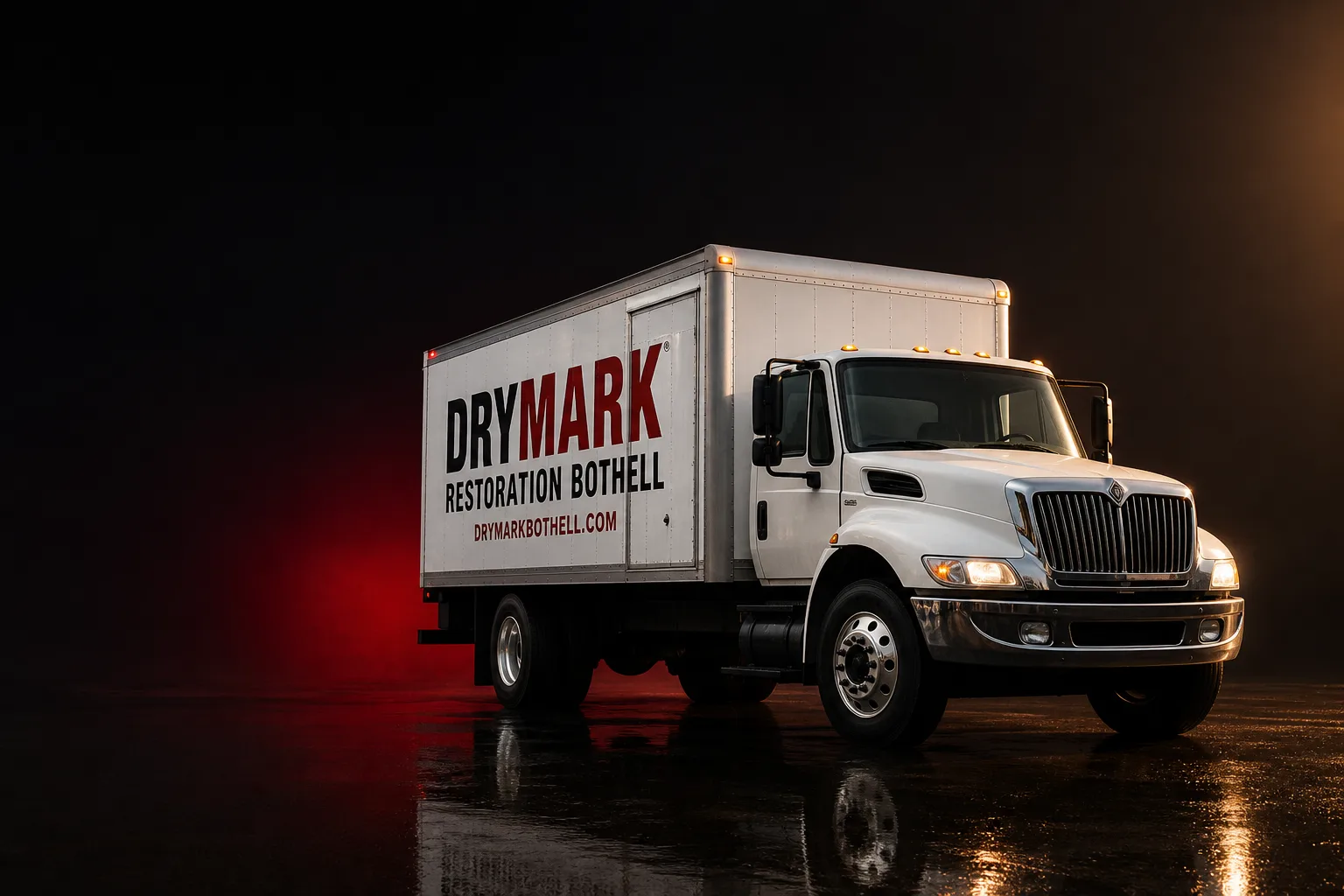
Free visual inspection and a written scope of work before any mitigation begins - photos, moisture readings, and drying logs go in your claim file
The scope we write is the scope we bill. Anything new gets shown to you, in writing, before we touch it.
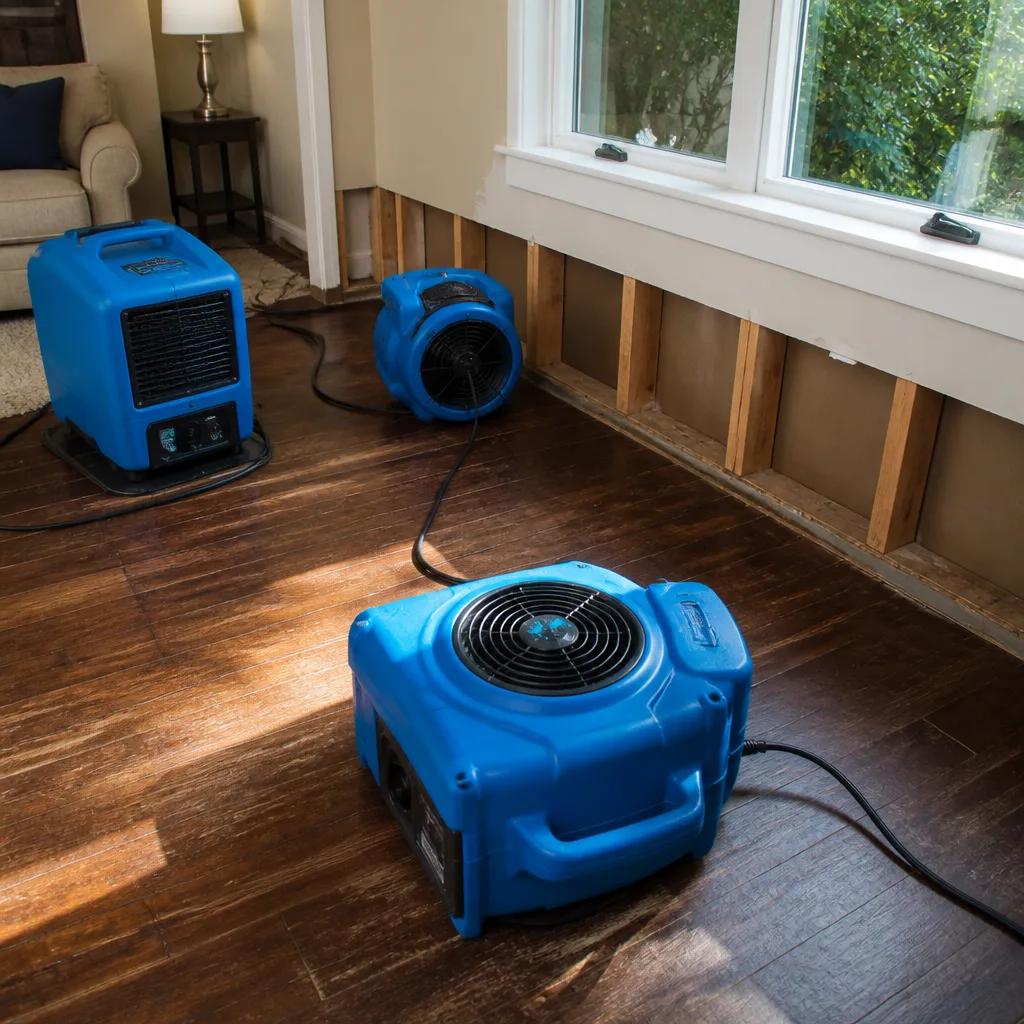
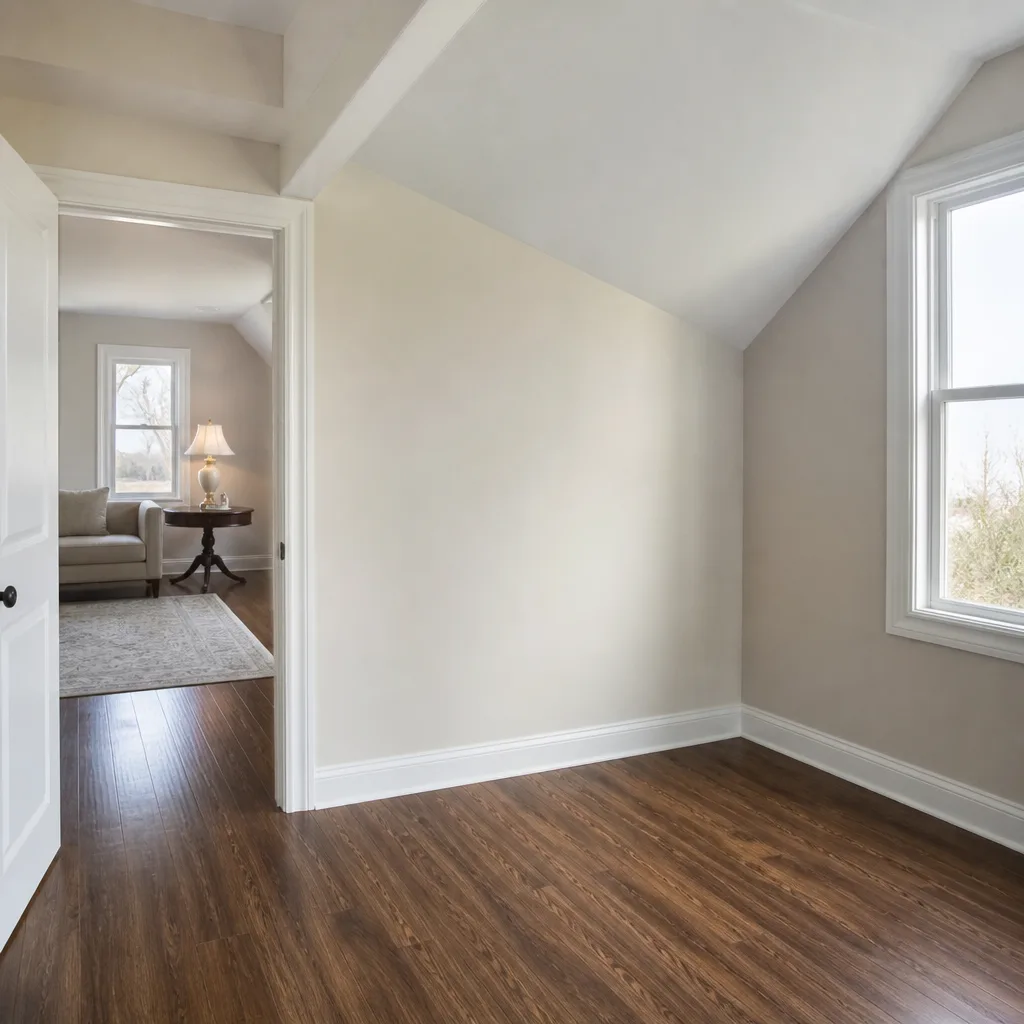
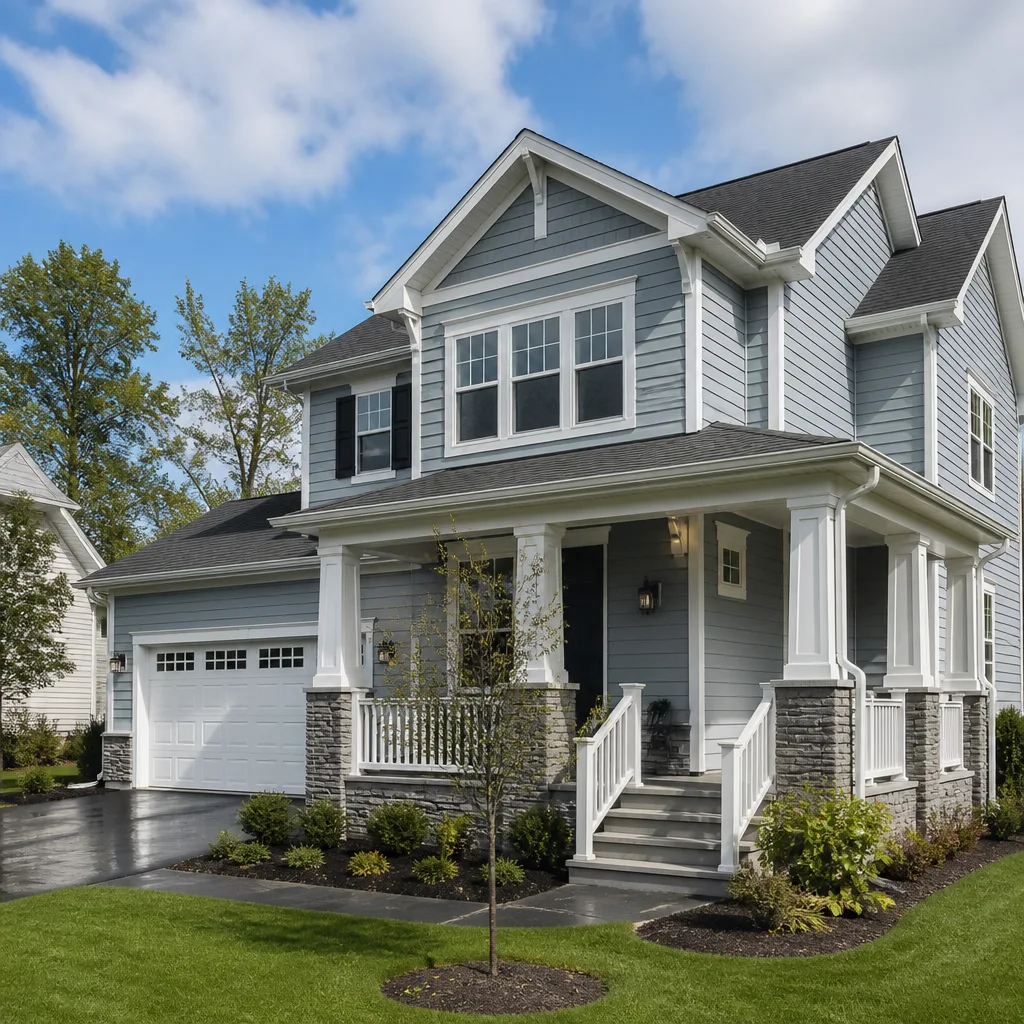
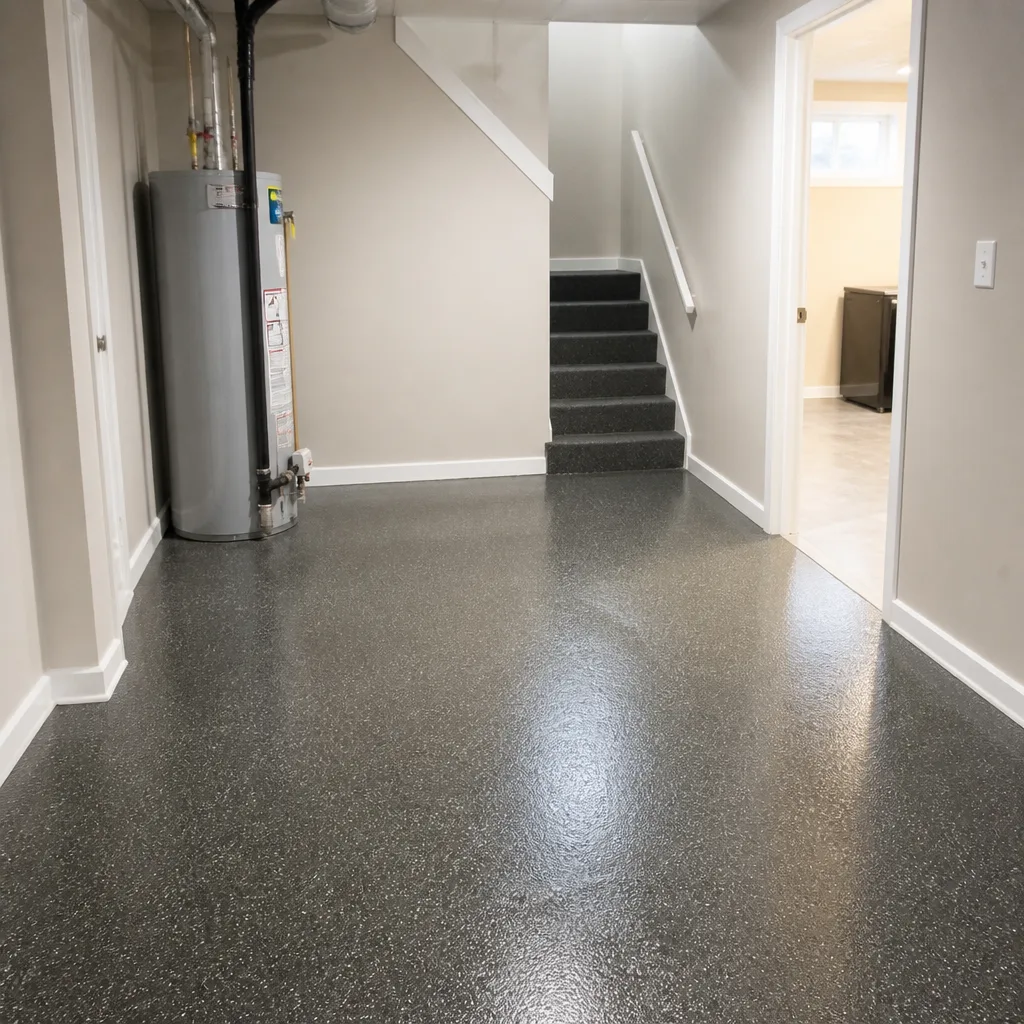
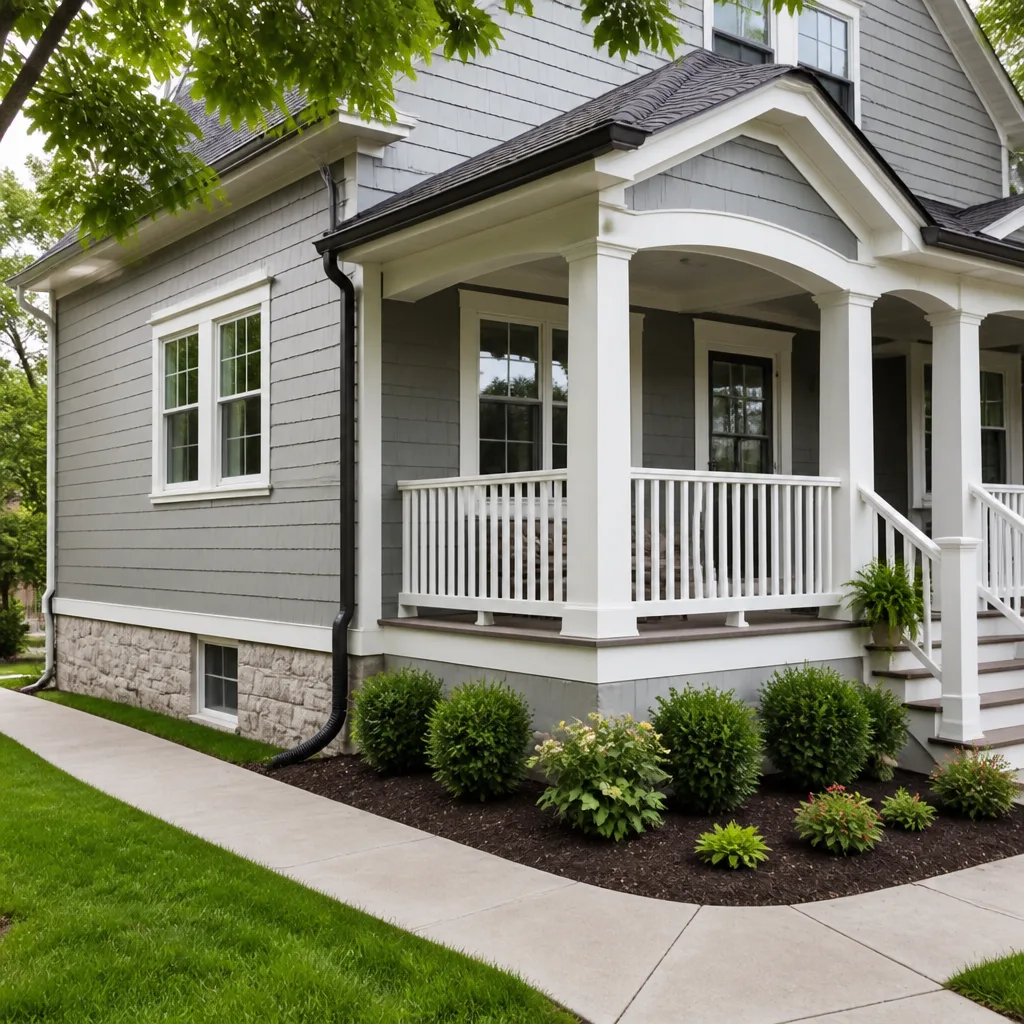
 Before
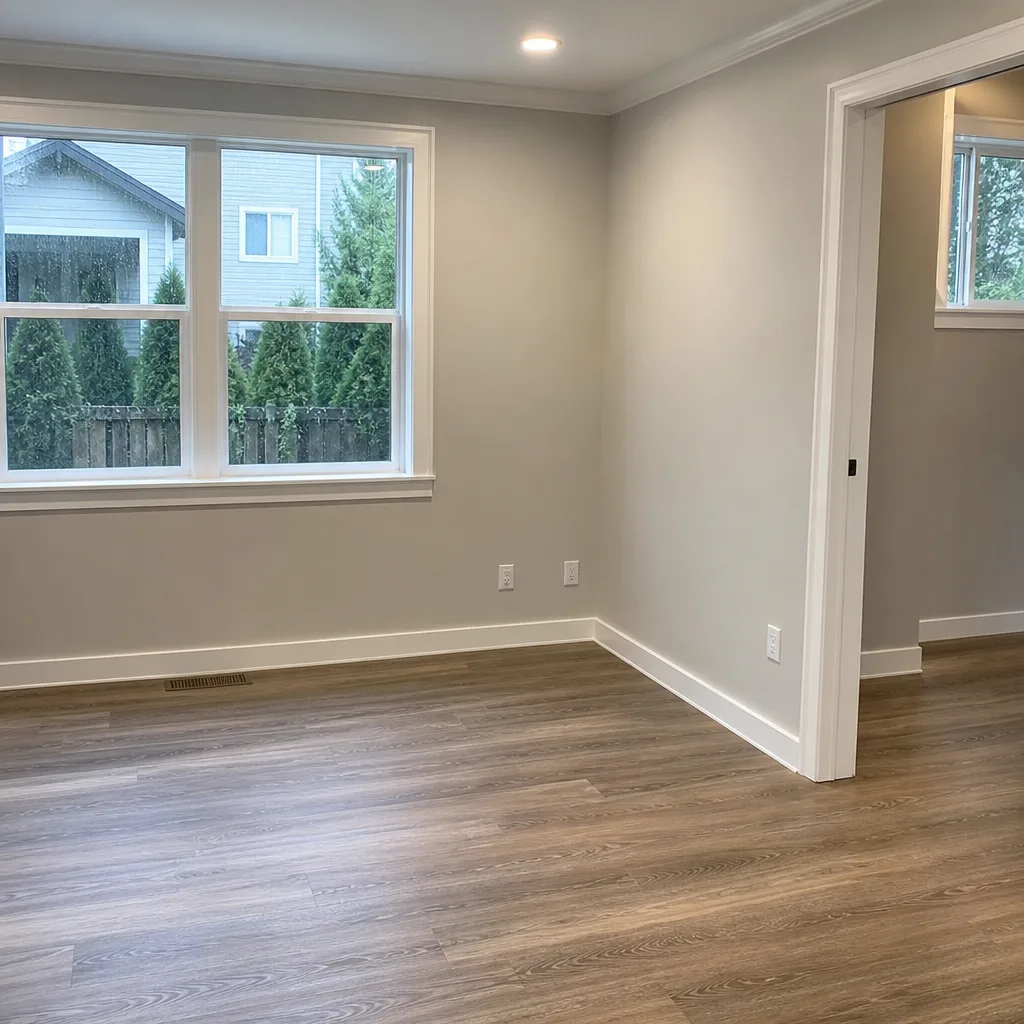 After
After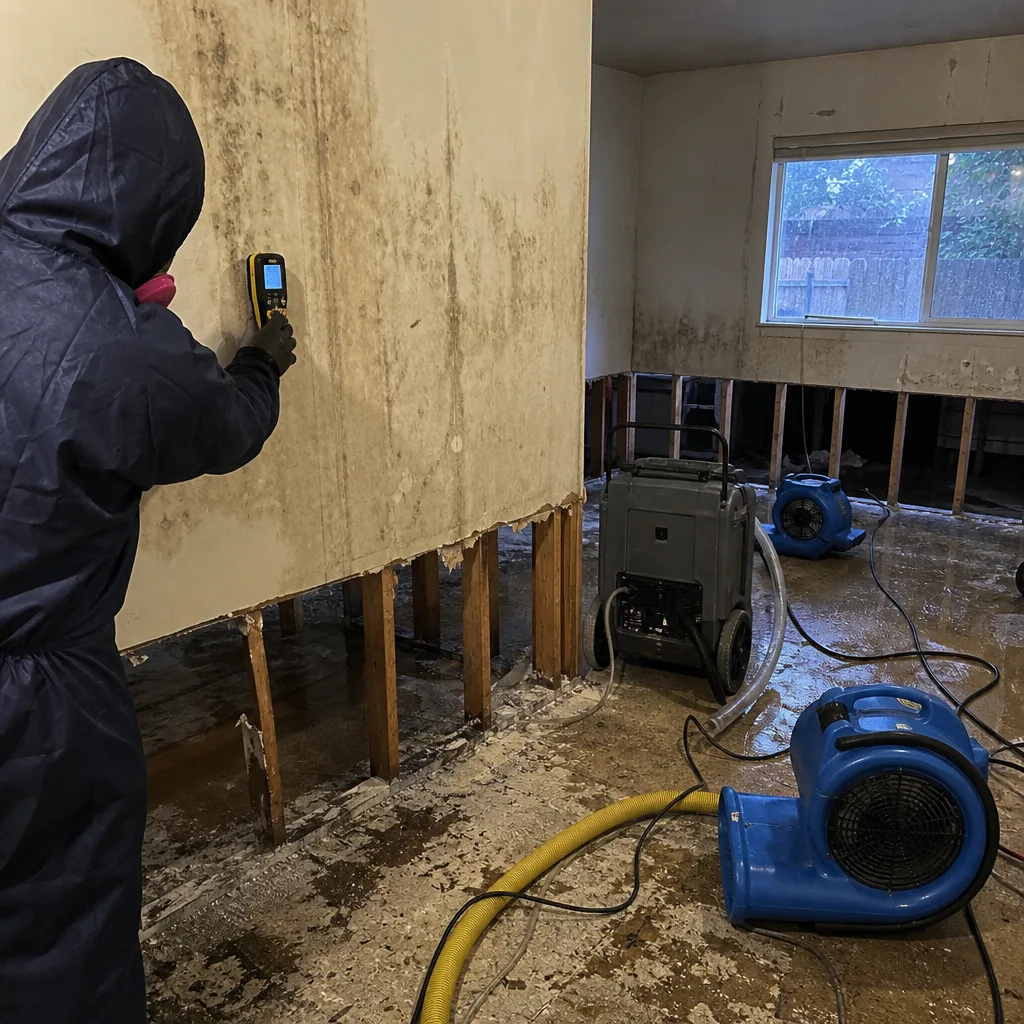 Before
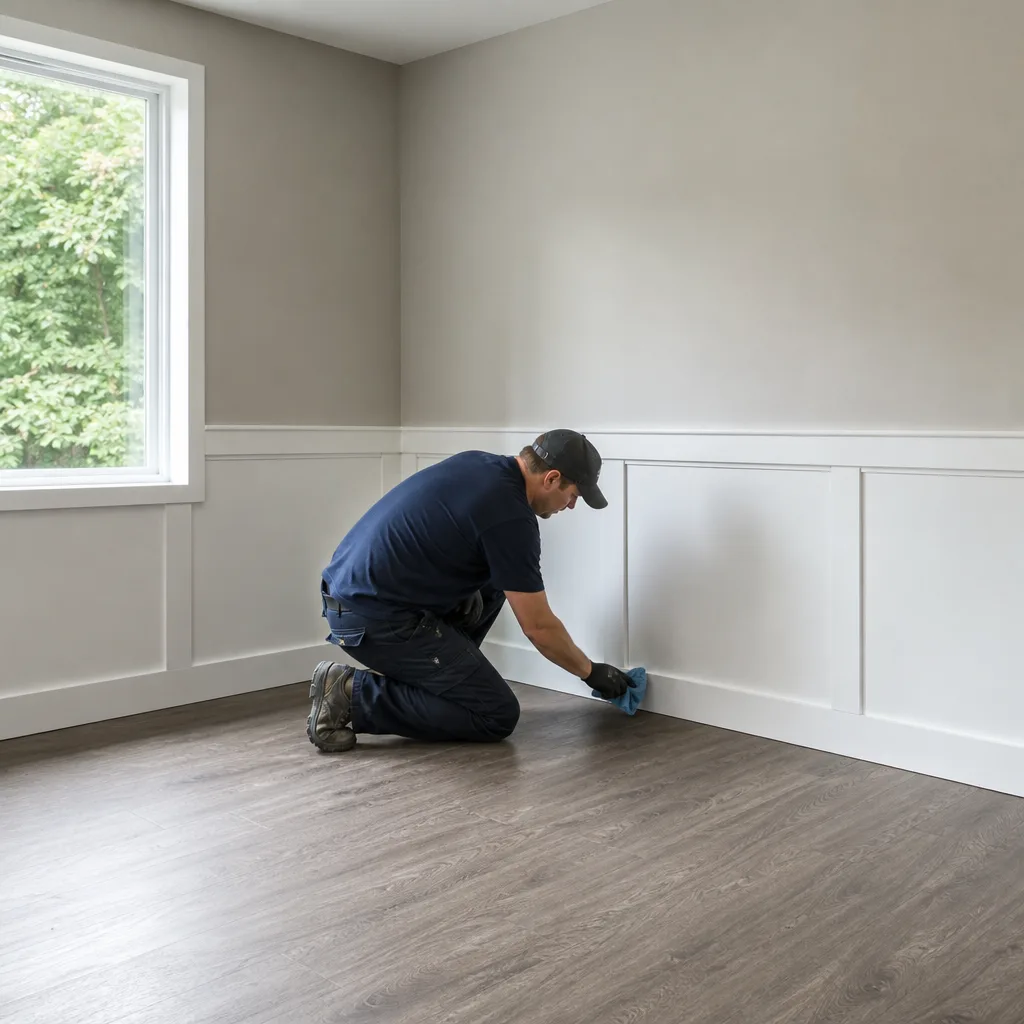 After
After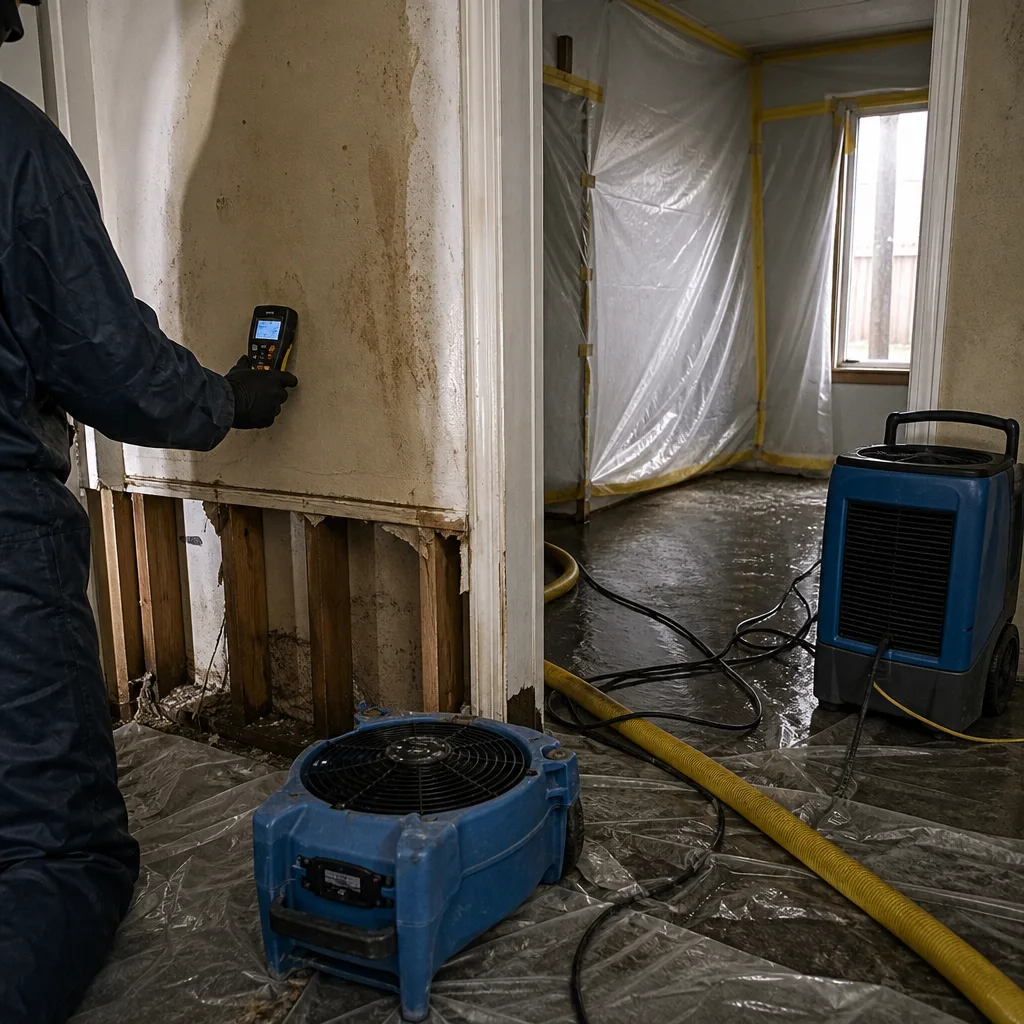 Before
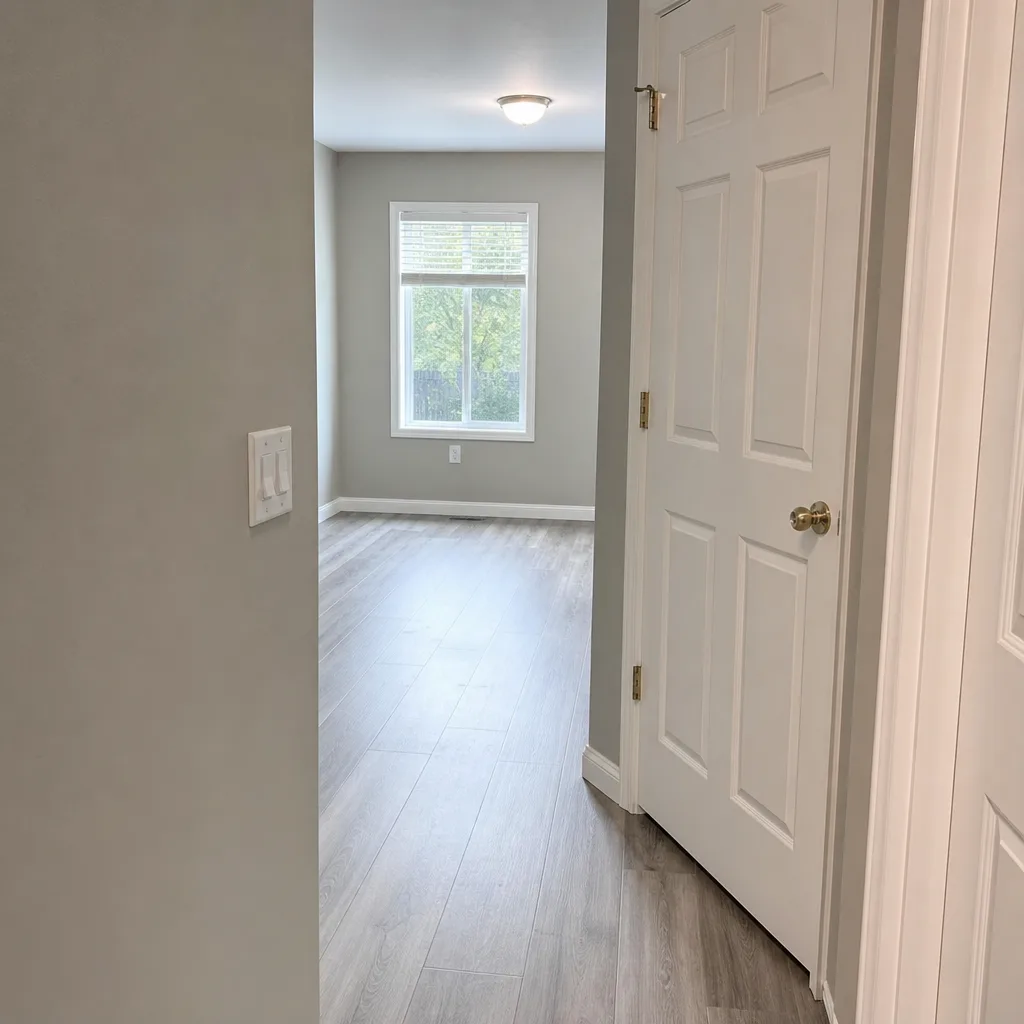 After
After24/7 Emergency Mold Remediation in Bellevue
Mold remediation in Bellevue typically costs $2,800-$7,500 for contained residential jobs and $8,000-$18,000+ for whole-home or structural remediation, with most assessments completed same-day. Call (425) 696-6061 now - we answer live, 24 hours a day, with no voicemail trees. Crews dispatch throughout Bellevue from our Seattle office, and we provide a free visual inspection to determine containment needs before any work begins.
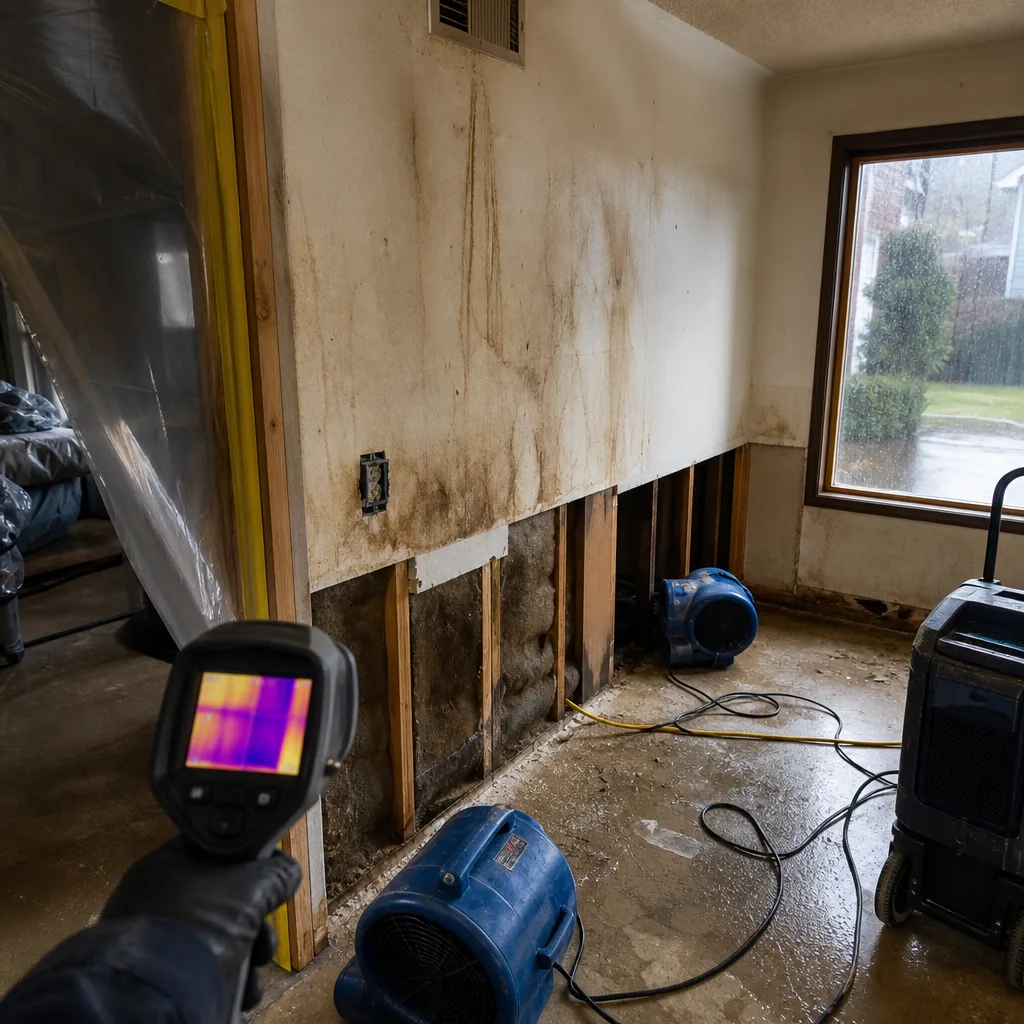
The first hour matters because mold releases spores within 24-48 hours of moisture contact, and once spores colonize HVAC systems or wall cavities, the containment perimeter expands exponentially. In Bellevue’s 1960s-1980s hillside homes, we’ve seen a single foundation leak spread through finished basements in under 72 hours during atmospheric river events. Our Mold Remediation team arrives with moisture meters, thermal imaging, and HEPA containment equipment to stop that progression before demolition scope grows.
Understanding Mold Remediation Severity in Bellevue Properties
Mold severity in Bellevue follows three practical categories: limited surface growth under 10 square feet, moderate colonization in wall cavities or crawl spaces between 10 and 100 square feet, and extensive structural infestation exceeding 100 square feet or involving HVAC contamination. Each level demands different containment engineering - negative air pressure barriers for moderate jobs, full-room isolation with air scrubbers for extensive work.
Bellevue’s housing stock drives these patterns. The 1960s-1990s ranch and split-level homes in Somerset, Newport Hills, and Eastgate often conceal moisture behind multiple renovation layers; we regularly find mold on the backside of drywall that presented clean on the room face. Downtown and Bel-Red corridor mid-rise condos built in the 2000s-2010s present a different profile - building-envelope failures or plumbing stack leaks that cascade through multiple units before visible signs appear. Our crews document each scenario with psychrometric data (temperature, relative humidity, vapor pressure differential) to establish the moisture source, not merely treat the symptom.
Category 1 water - clean supply line breaks - rarely produces toxic mold species if dried within 24 hours. Category 2 (gray water, dishwasher discharge) and Category 3 (sewage or ground intrusion) create conditions for Stachybotrys and Chaetomium colonization, requiring antimicrobial treatment and more extensive material removal. Bellevue’s clay-heavy hillside soils mean Category 3 intrusion is common during winter storms; hydrostatic pressure pushes groundwater through foundation walls, carrying soil bacteria into finished spaces.
Why Bellevue Property Owners Choose DryMark Restoration Bothell
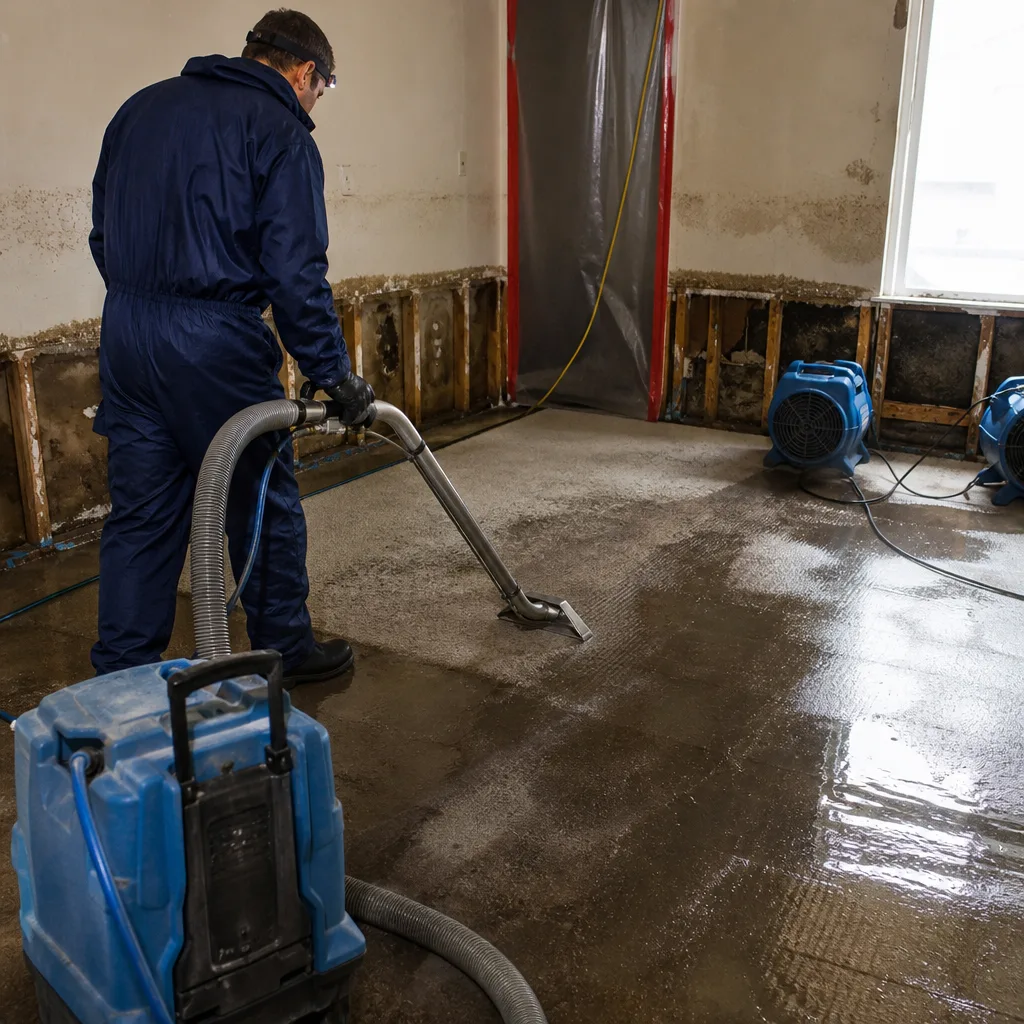
- 45-minute response commitment to Bellevue addresses - measured from dispatch call to crew arrival, not from voicemail callback.
- 24/7 live answer: a real person answers every call, never an automated system or next-business-day queue.
- IICRC-certified crews holding WRT (Water Damage Restoration Technician), AMRT (Applied Microbial Remediation Technician), and FSRT (Fire & Smoke Restoration Technician) credentials - license numbers provided on request.
- Free visual inspection with moisture mapping and thermal imaging before any work authorization.
- Direct insurance billing with photo-documented estimates formatted to carrier standards - no homeowner float required.
- One team from containment through reconstruction: the same crew that removes mold-damaged drywall coordinates premium finish restoration, maintaining material continuity.
BeforeAfterOur Mold Remediation Process
1. Inspection & Assessment
We map moisture intrusion paths with FLIR thermal imaging, pinless and penetrating moisture meters, and borescope inspection of wall cavities. In Bellevue’s renovated hillside homes, we specifically probe behind recent finish layers where long-running leaks hide. Every reading is logged for the insurance file.
2. Containment & Air Filtration
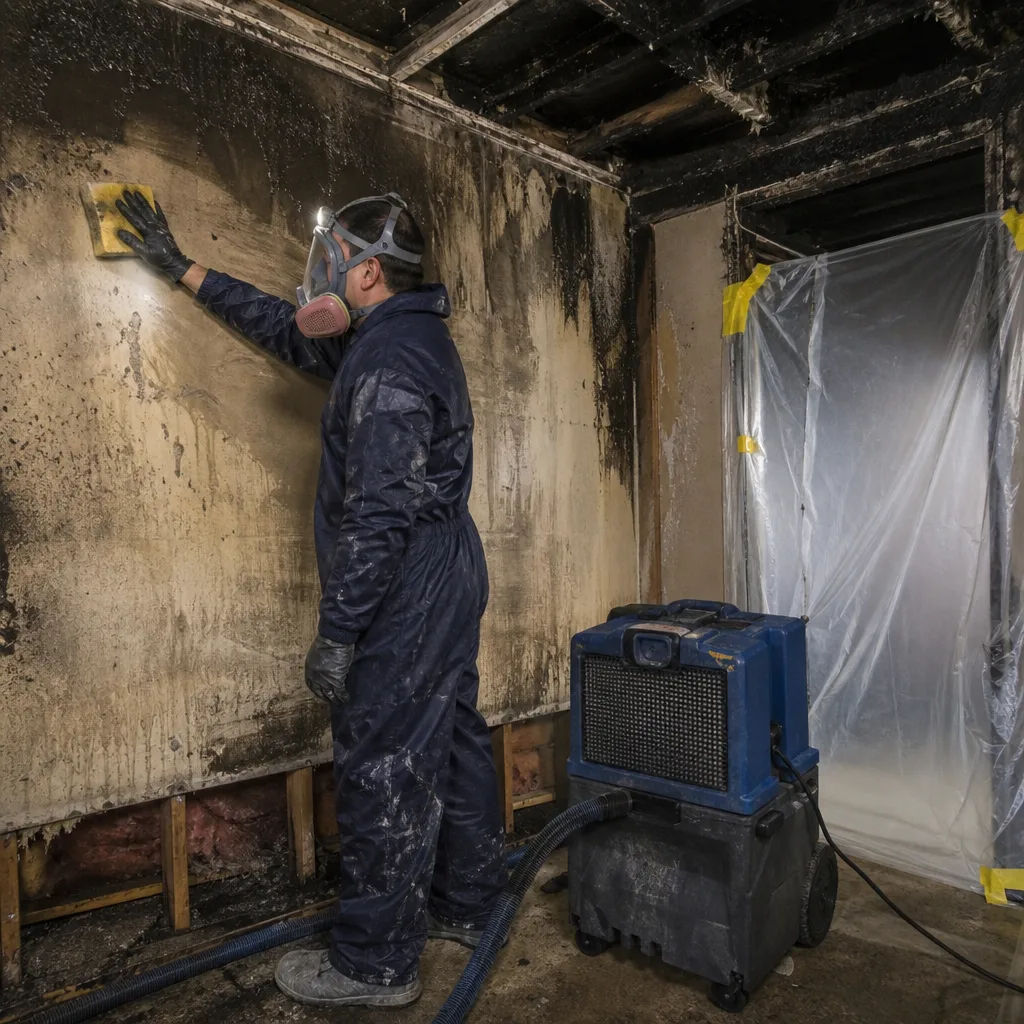
We establish polyethylene barriers with negative air pressure using HEPA-filtered air scrubbers (typically Dri-Eaz HEPA 500 units) to prevent spore migration during disturbance. Containment size scales with affected square footage and HVAC proximity.
3. Material Removal & Source Elimination
Demolition follows IICRC S520 standards: remove drywall back to dry, structurally sound framing; discard water-damaged insulation; expose foundation walls for drying. We photograph every layer for the adjuster. In Bellevue custom homes, premium trim and cabinetry are catalogued for pack-out and reinstallation.
4. Structural Drying & Dehumidification
We deploy Phoenix 200 HT LGR dehumidifiers and Dri-Eaz air movers with daily psychrometric readings until wood moisture content drops below 16 percent and relative humidity stabilizes below 60 percent. Drying logs are generated every 24 hours for insurance documentation.
5. Antimicrobial Treatment & Crawl Space Remediation
EPA-registered antimicrobial agents applied to structural framing, followed by crawl space treatment with moisture barrier installation and humidity control systems where hydrostatic pressure is chronic. We address the source, not merely the growth.
6. Repairs, Reconstruction & Clearance Testing
Drywall replaced, premium finishes matched, and post-remediation air sampling conducted by independent third-party laboratories to verify spore counts below outdoor baseline. Our 365-Day Done Right Promise under The Haven Standard covers any recurrence from incomplete source elimination.
Need Emergency Mold Remediation in Bellevue Now?
Crews minutes away, answering live 24 hours a day. The sooner we start, the less it costs.
Working With Your Insurance Company
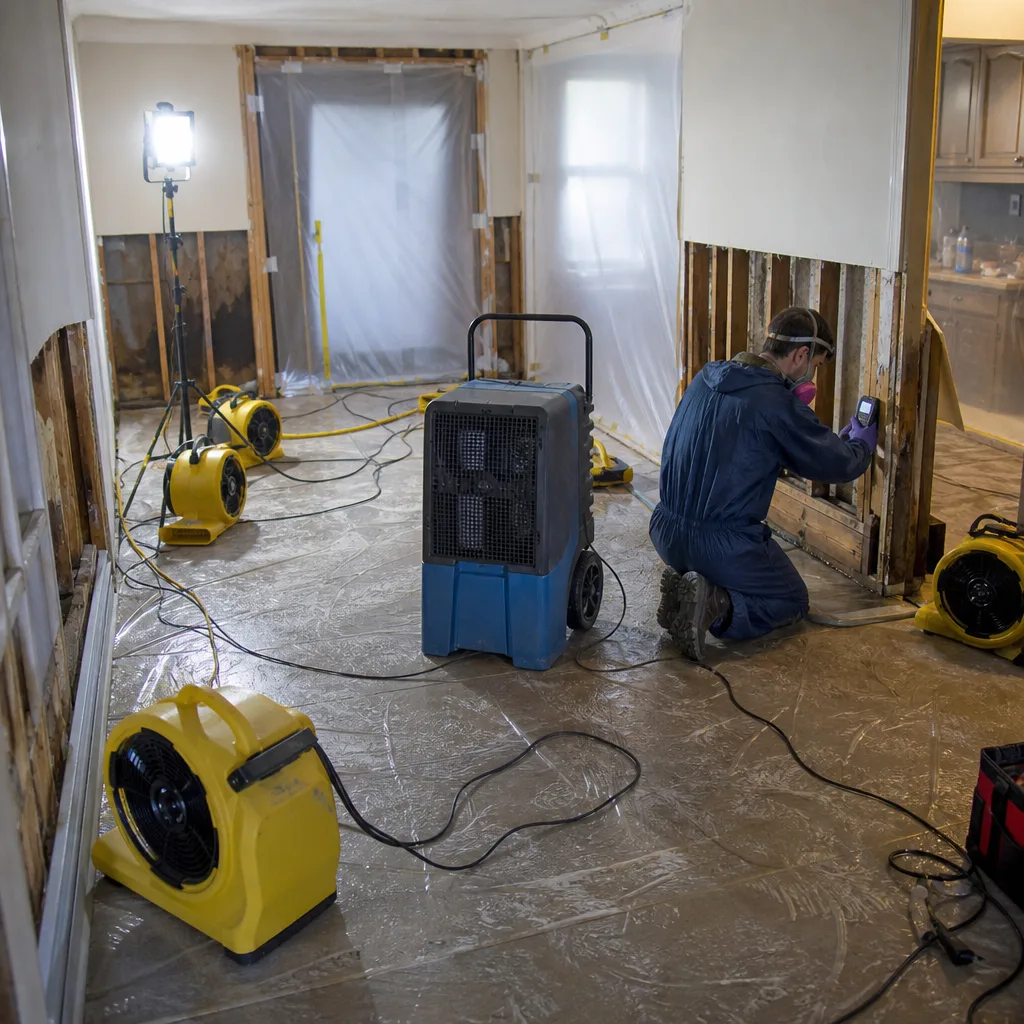
Insurance claims for mold damage fail most often at the documentation stage. Back to Dry was founded in 2011 by a former claims adjuster who built the company around exactly that gap. We produce the file an adjuster can pay without back-and-forth: dated photos of every affected surface, moisture readings with equipment serial numbers, daily drying logs showing progress toward dry standard, and a line-item scope written to Xactimate or Symbility formats.
We communicate directly with your carrier’s assigned adjuster, attend walkthroughs when requested, and revise scopes only with written authorization - no scope-creep additions once the crew is inside your home. Haven Standard, Clause 1: the written price is delivered before anyone starts work, every time.
What We Provide Your Insurer
- Thorough documentation of the loss
- Photos of all damage, room by room
- Moisture readings and drying logs
- A detailed, line-item scope of work
- Direct coordination with your carrier
Built for Bellevue’s Loss Calendar
January through March brings the Pineapple Express pattern - atmospheric river events dumping 2-3 inches of rain in 48 hours onto frozen or saturated hillside soils. Bellevue’s 1970s-era perimeter drains, sized for lighter rainfall patterns, overflow and create the hydrostatic pressure that pushes water through block foundations. We see our highest volume of crawl space mold calls in these months, often from homeowners who finished their basements without addressing drainage or scheduling Bellevue Water Damage Restoration.
April through June delivers the thaw and spring rains; roof breaches from winter windstorms become apparent as water tracks down wall assemblies. July and August bring brief dry windows - the season for proactive crawl space treatment and humidity control installations before fall. September through December returns the heavy rain cycle; November atmospheric rivers are particularly destructive in Somerset and Newport Hills, where hillside saturation meets aging drainage.
The Douglas fir canopy that makes Bellevue desirable also creates roof vulnerabilities. An 80-foot fir limb dropped during a November windstorm can breach roofing and sheathing, introducing water that remains hidden in attic insulation until mold colonizes the space. We recommend attic inspection after any significant wind event.
Mold Remediation Across Bellevue’s Neighborhoods
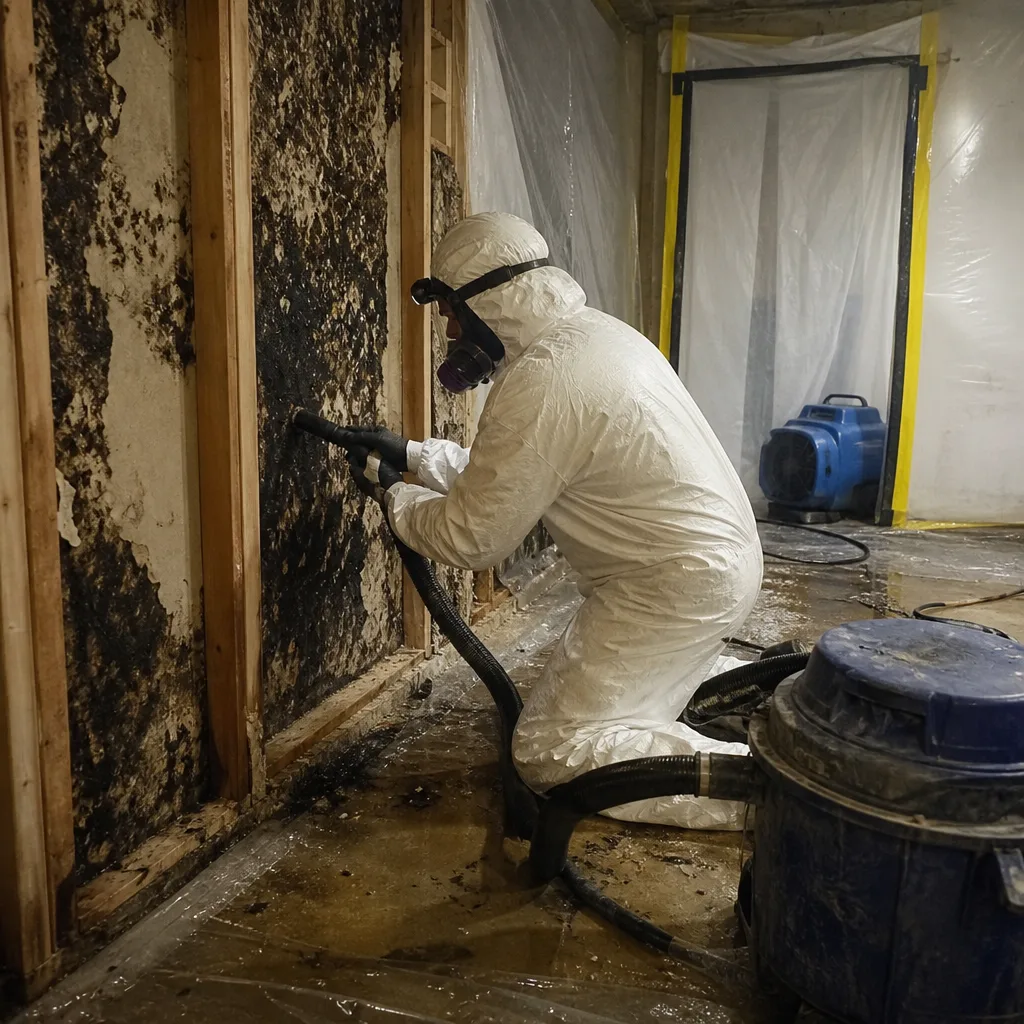
Mold Remediation in Bellevue varies significantly by terrain and housing era. In Somerset, the steep grades and 1970s split-levels produce repeat callbacks from hydrostatic pressure - we’ve addressed the same foundation walls on multiple homes where perimeter drains were never upgraded. Our crews know which streets see annual recurrence and scope drainage improvements alongside remediation.
Newport Hills presents similar hillside dynamics with a denser 1960s ranch stock, many with original crawl spaces that were never encapsulated. The clay soils here hold moisture for weeks after surface drying; we install vapor barriers and dehumidification systems as standard, not optional, because surface remediation without humidity control fails within two rainy seasons.
Eastgate’s mix of older tract homes and 1980s townhouses shows a different pattern: multiple renovation layers concealing long-running leaks behind bathrooms and kitchens. Our borescope inspections focus on wet wall plumbing chases where galvanized supply lines have failed slowly.
Downtown Bellevue and the Bel-Red corridor mid-rises require building-envelope expertise and multi-unit coordination. A single plumbing stack failure in a wood-frame condo can affect three units vertically before visible staining appears. We coordinate containment and pack-out across affected residences with property management, documenting each unit separately for individual claims.
Crossroads and Lake Hills sit on relatively flatter terrain but still show mold issues from aging HVAC systems and inadequate bathroom ventilation in 1970s-1980s construction. The difference is source complexity: flat-grade homes rarely need drainage remediation, but they often require mechanical ventilation upgrades we specify in our scopes.
Specialized Mold Remediation Services We Offer in Bellevue
Mold Inspection & Testing
We begin with moisture mapping and thermal imaging, not guesswork. Air and surface sampling is conducted by independent laboratories when health concerns or legal documentation require definitive species identification. In Bellevue’s custom homes, we coordinate sampling timing with occupancy to minimize disruption.
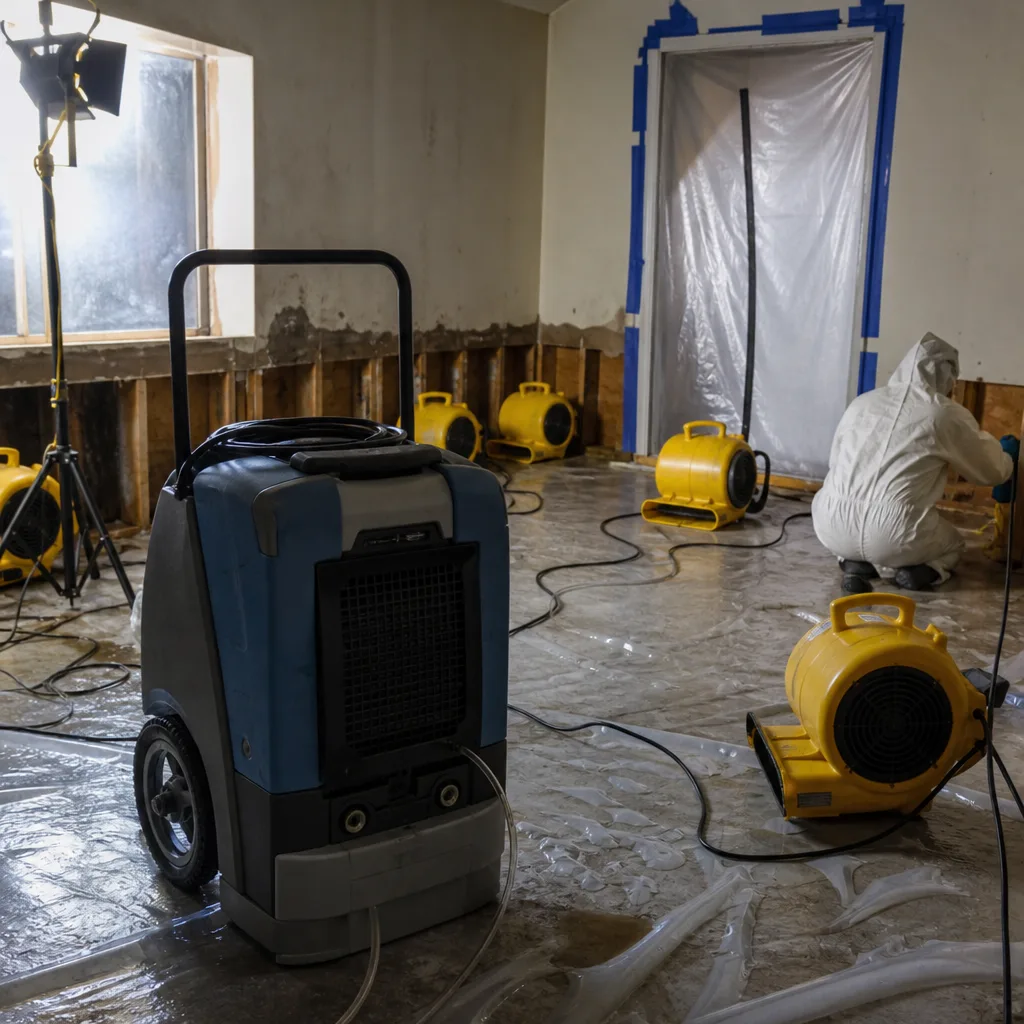
Mold Removal
Physical removal of colonized materials following IICRC S520 - HEPA vacuuming, controlled demolition, and antimicrobial treatment of remaining structural elements. We do not paint over active growth or rely on ozone “treatments” that leave dead spores and mycotoxins in place.
Black Mold Remediation
Stachybotrys chartarum and similar toxigenic species require enhanced containment, full-face respirator protocols, and extended HEPA air scrubbing. We isolate the work zone, prevent cross-contamination, and verify clearance with third-party laboratory analysis before reconstruction begins.
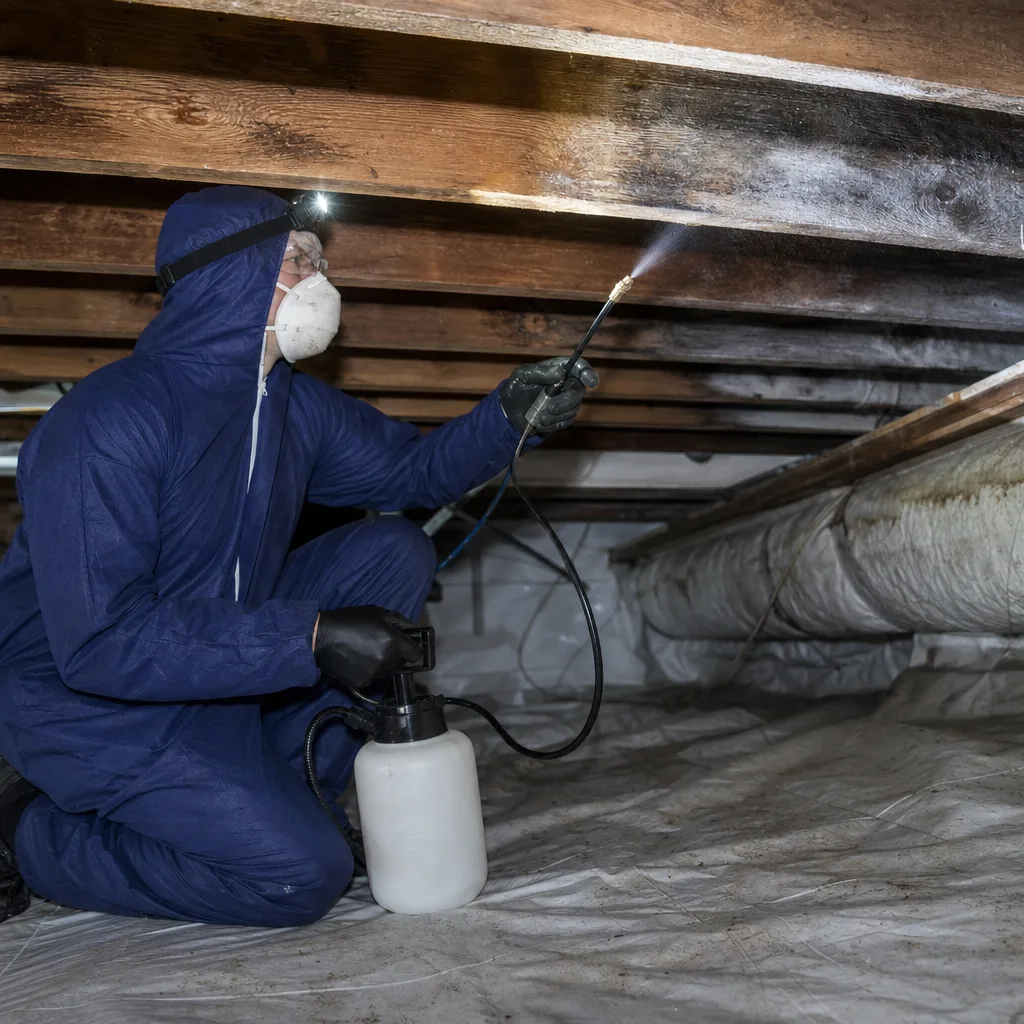
Air Quality Restoration
Post-remediation, we evaluate HVAC contamination and ductwork cleaning needs. In Bellevue’s mid-rise condos, shared air handling systems can distribute spores building-wide; we coordinate with mechanical contractors when system-wide treatment is indicated.
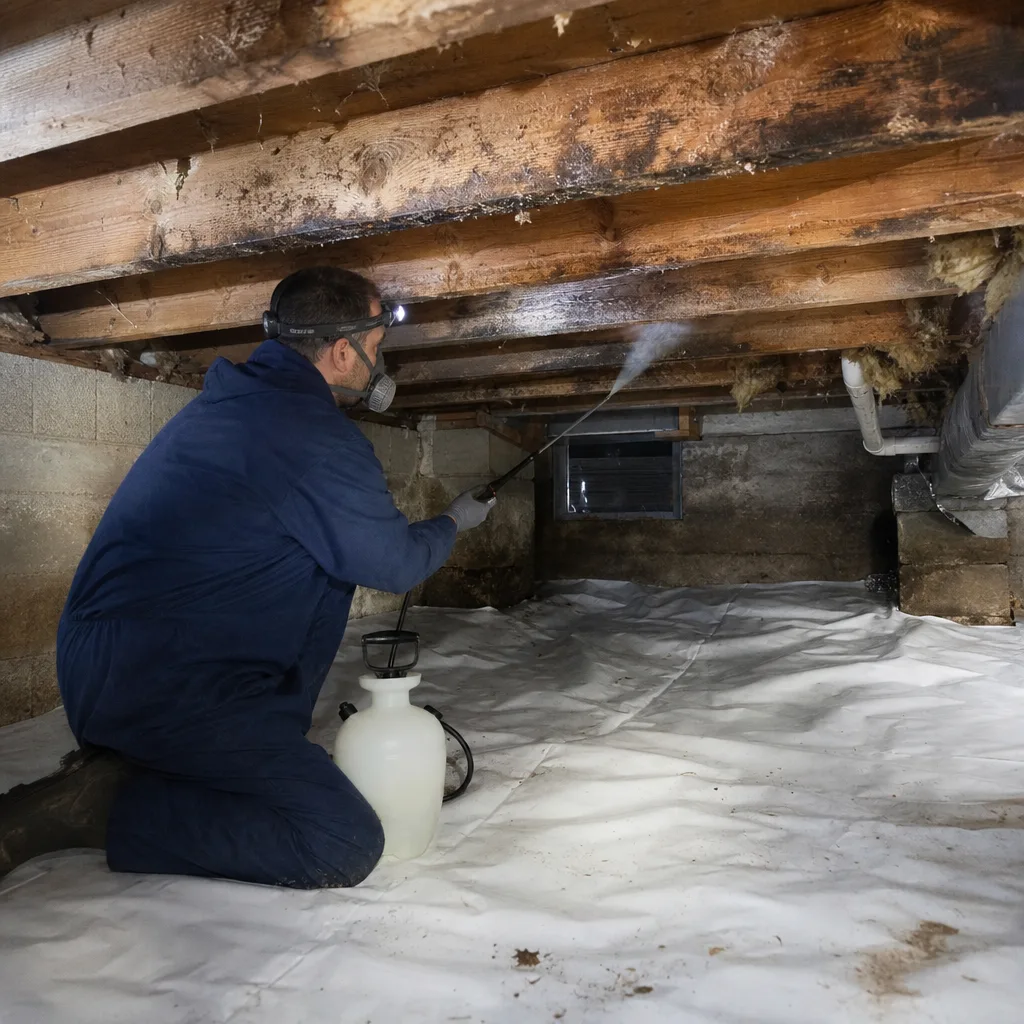
Crawl Space Treatment
Bellevue’s most critical sub-service. We remove contaminated vapor barriers, treat framing with antimicrobial agents, install new 6-mil or thicker polyethylene encapsulation, and specify permanent dehumidification. Without this, hillside hydrostatic pressure guarantees recurrence.
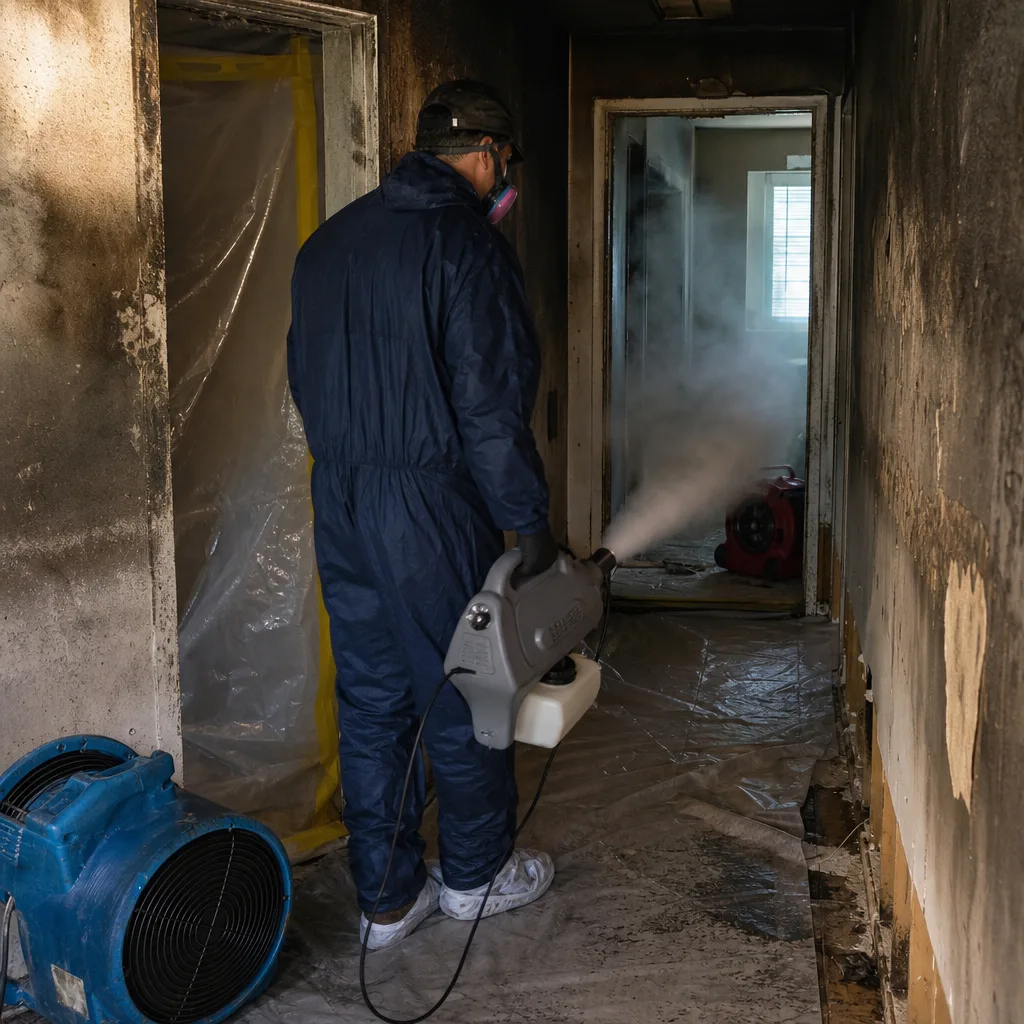
Moisture & Humidity Control
Permanent solutions for chronic sources: interior perimeter drain systems, sump pump installation, dehumidifier specification with humidity monitoring, and ventilation engineering. We size equipment to Bellevue’s specific climate load, not generic manufacturer tables.
What happens when you call
- 1
A real person answersNo phone trees - you reach a local pro.
- 2
You get an upfront price rangeHonest numbers before anyone is dispatched.
- 3
A background-checked tech heads outLicensed & insured, dispatched right away.
- 4
You approve before work beginsNothing starts until you say go.
Mold Remediation Costs in Bellevue, WA
Bellevue’s market runs higher than regional averages due to premium finish requirements and the structural complexity of hillside homes. Typical ranges:
| Service | Typical Range in Bellevue |
|---|---|
| Limited surface mold removal (under 10 sq ft) | $2,800-$4,500 |
| Moderate remediation with containment (10-100 sq ft) | $4,500-$8,500 |
| Extensive structural remediation (100+ sq ft or HVAC involvement) | $8,500-$18,000+ |
| Crawl space treatment with encapsulation | $6,000-$12,000 |
| Post-remediation air quality testing | $400-$800 |
What moves price: affected square footage, material type (drywall vs. plaster vs. custom millwork), accessibility (crawl spaces and attics add labor), and whether HVAC systems require cleaning. Insurance typically covers mold resulting from sudden, documented water damage; long-term maintenance-related mold may fall under homeowner responsibility. We provide written scopes identifying coverage-relevant causation for adjuster review. Call (425) 696-6061 for a free inspection and exact quote - estimates are free, and Haven Standard, Clause 1 applies to every job.
We Also Serve Cities Near Bellevue
Our crews respond throughout the Eastside and Seattle metro: Bellevue, Mercer Island, Kirkland, Redmond, and Seattle. Dispatch and scheduling are coordinated from our Seattle office; crews serve each city locally with the same documentation standards and response commitments.
Serving Bellevue, WA - Our Local Coverage Area
We’re based in the Bellevue area and know this community well. Use the map below to see our service coverage - if you’re nearby, we can almost certainly help.
Bellevue Mold Remediation Questions, Answered
Why does mold keep coming back in my Bellevue basement even after previous remediation?
Recurrence almost always means the moisture source was never eliminated. In Bellevue’s hillside neighborhoods like Somerset and Newport Hills, clay-heavy soils generate chronic hydrostatic pressure against foundation walls; surface mold removal without addressing drainage, perimeter drains, or crawl space humidity guarantees return. We investigate the source with moisture mapping and specify permanent solutions - encapsulation, dehumidification, or drainage improvements - before any cosmetic repair. Call (425) 696-6061 for a free second opinion on any previous scope.
How fast can mold grow after a windstorm drops a fir limb onto a Bellevue roof?
Mold colonization begins 24-48 hours after moisture contact, but the timeline varies dramatically by temperature and material. A November windstorm breach in an insulated Bellevue attic can produce visible growth within 72 hours if warm interior air meets wet sheathing; a winter breach with freezing temperatures may delay visible signs for weeks while concealed colonization progresses. We recommend attic inspection after any significant limb impact, even without interior staining. Call (425) 696-6061 for emergency assessment - the sooner we locate the breach, the smaller the containment scope.
Does Bellevue’s 1970s hillside drain design affect crawl space mold treatment?
Significantly. The original perimeter drains in Somerset, Eastgate, and Newport Hills were sized for lighter rainfall patterns and are now partially collapsed with age. During atmospheric river events, these systems overflow and create the hydrostatic pressure that pushes groundwater through block walls into crawl spaces. Effective crawl space mold treatment in Bellevue must include drainage assessment and often specification of interior perimeter drains or sump pumps alongside encapsulation and dehumidification. Surface treatment alone fails. Call (425) 696-6061 for inspection and written scope.
Can you match premium finishes when mold remediation removes drywall in a Bellevue custom home?
Yes - and we document the pre-loss condition before any demolition begins. In a 2023 Somerset job, we catalogued custom trim profiles, cabinetry finishes, and flooring lots for pack-out and storage, then coordinated with the original millwork supplier for material matching during reconstruction. Our written scope specifies finish restoration to pre-loss condition; The Haven Standard, Clause 1 requires the price for this work before any demolition starts. Call (425) 696-6061 to discuss your specific finishes.
What is the difference between Category 1 and Category 3 water when mold remediation is scoped in Bellevue?
Category 1 water originates from a clean source - broken supply line, ice maker - and poses minimal microbial risk if dried within 24 hours. Category 3 water is grossly contaminated: sewage, groundwater intrusion through foundation walls, or storm water. In Bellevue, Category 3 is common during Pineapple Express events when hydrostatic pressure pushes muddy water through block foundations. Category 3 requires antimicrobial treatment, more extensive material removal, and often personal protective equipment upgrades; the remediation scope expands accordingly. We classify water at arrival and document the category for insurance. Call (425) 696-6061 for assessment.
How long does mold remediation take in Bellevue?
Limited surface jobs: 1-2 days. Moderate containment and removal: 3-5 days. Extensive structural remediation with drying: 1-2 weeks, plus reconstruction time. The variable is drying - we do not close containment until wood moisture content reads below 16 percent and independent clearance testing confirms spore counts below outdoor baseline. In Bellevue’s humid winter months, drying takes longer; we specify realistic timelines in our written scope, not optimistic estimates. Call (425) 696-6061 for timeline specific to your loss.
Can my family stay in the home during mold remediation?
For limited surface jobs under 10 square feet with no HVAC involvement, often yes. For moderate or extensive remediation with containment and air scrubbing, we recommend temporary relocation - especially for immunocompromised residents, children, or pets. We specify occupancy recommendations in our written scope based on containment size, species identified, and ventilation isolation. Your adjuster may cover temporary housing under Additional Living Expenses; we document the necessity for claim support. Call (425) 696-6061 to discuss your situation.
What certifications do your mold remediation technicians hold?
Our lead technicians hold IICRC WRT (Water Damage Restoration Technician) and AMRT (Applied Microbial Remediation Technician) credentials, with FSRT (Fire & Smoke Restoration Technician) where multi-service losses occur. All work is documented to IICRC, RIA, and IFA standards. License numbers and certification details are provided on request. We background-check and verify every technician before field assignment; crews arrive in uniform with identification. Call (425) 696-6061 to confirm current credentials for your scheduled crew.
Every job we perform in Bellevue is covered by our 365-Day Done Right Promise under The Haven Standard: if it’s not done right, we make it right. Not a marketing line - a signed guarantee, with the owner’s name on it.
Written by Alicia Brennan, Owner at Back to Dry Restoration, serving Bellevue since 2011.