
Free visual inspection and a written scope of work before any mitigation begins - photos, moisture readings, and drying logs go in your claim file
The scope we write is the scope we bill. Anything new gets shown to you, in writing, before we touch it.
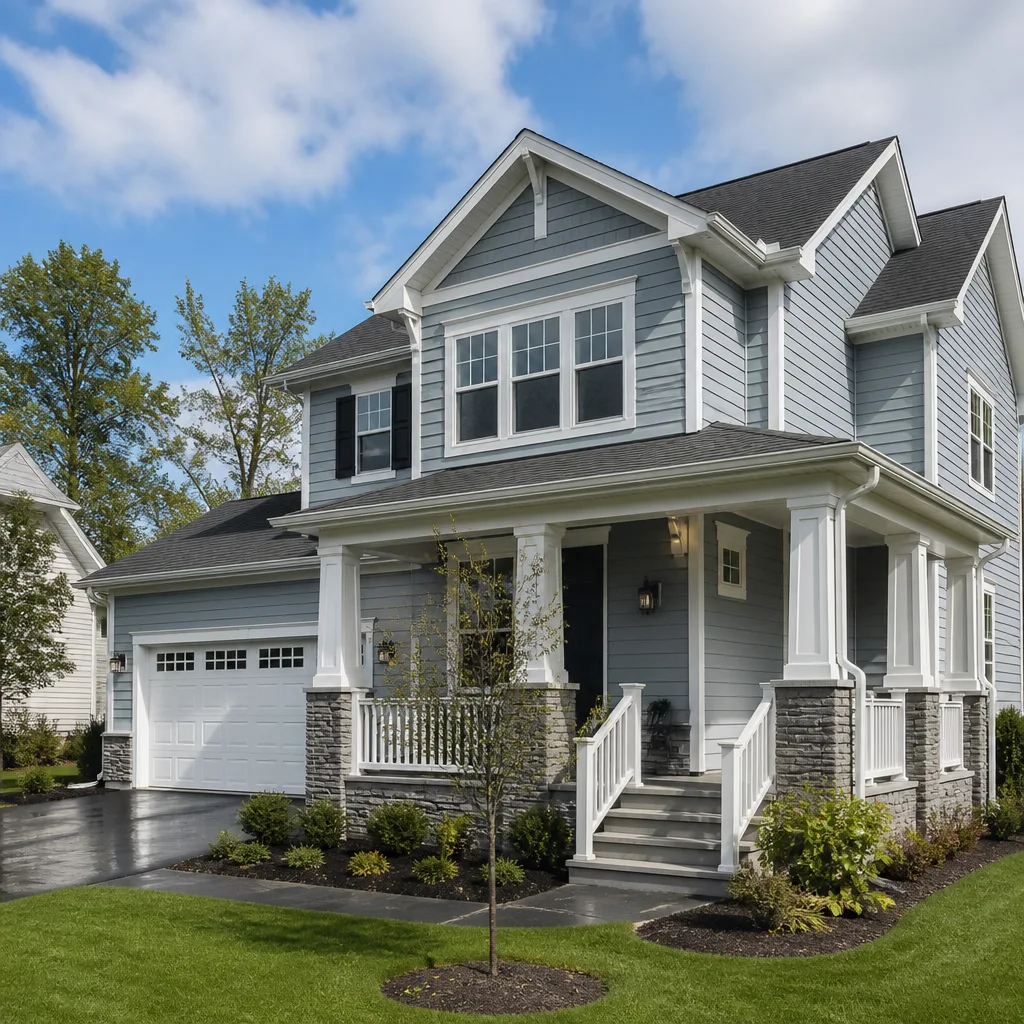
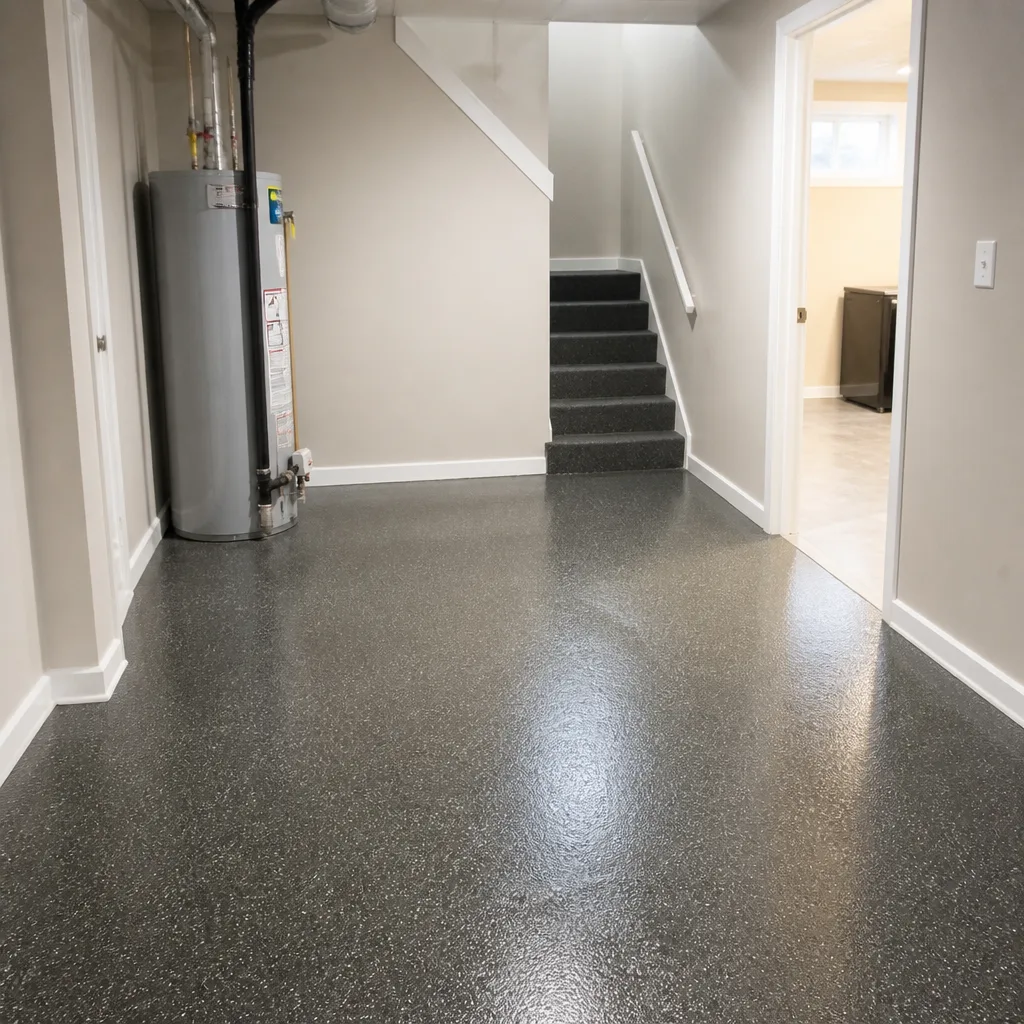
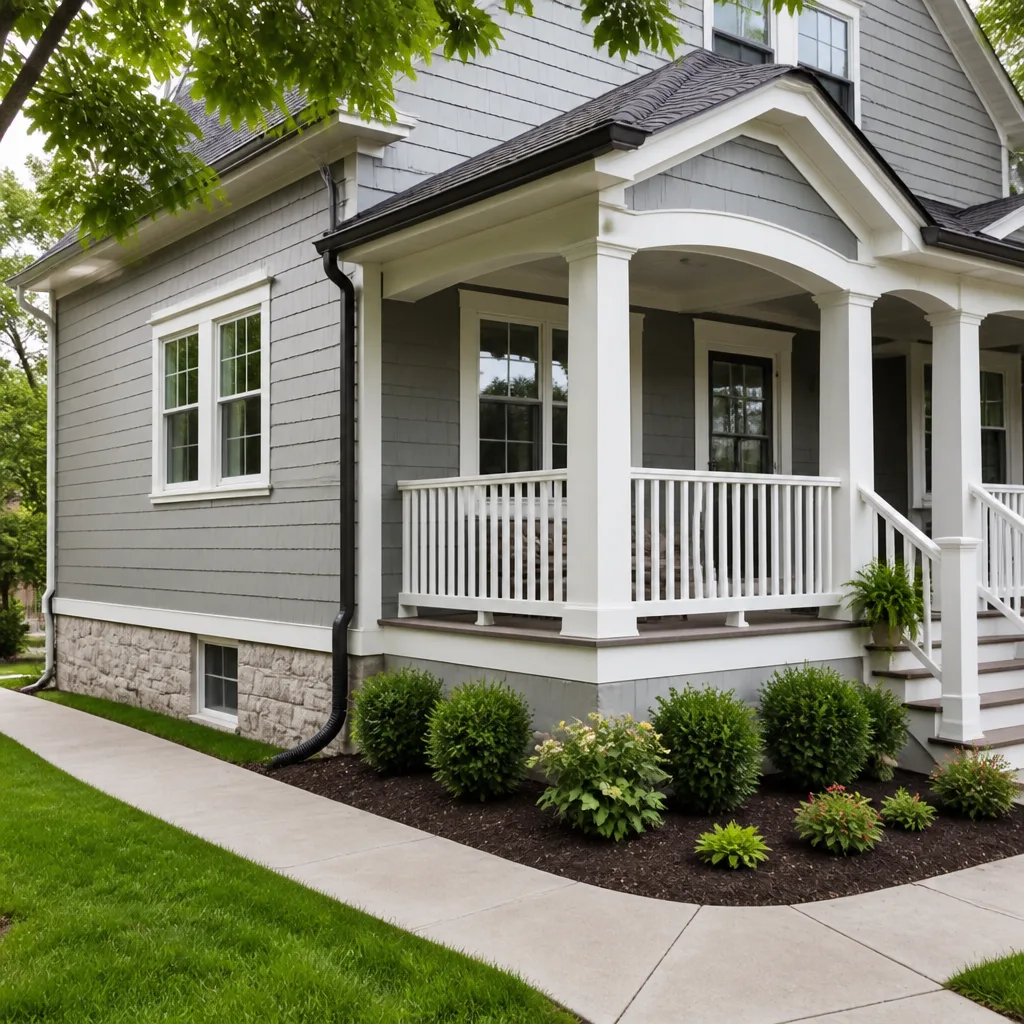
 Before
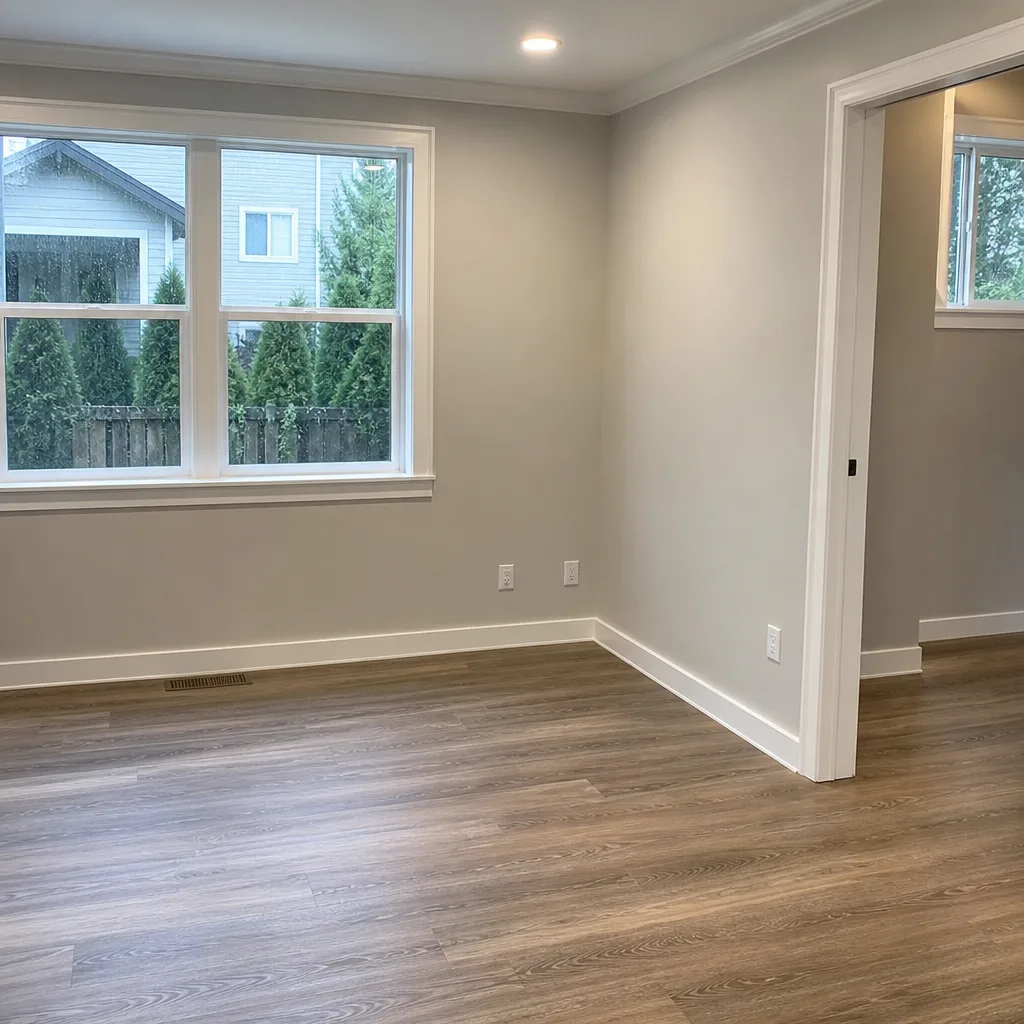 After
After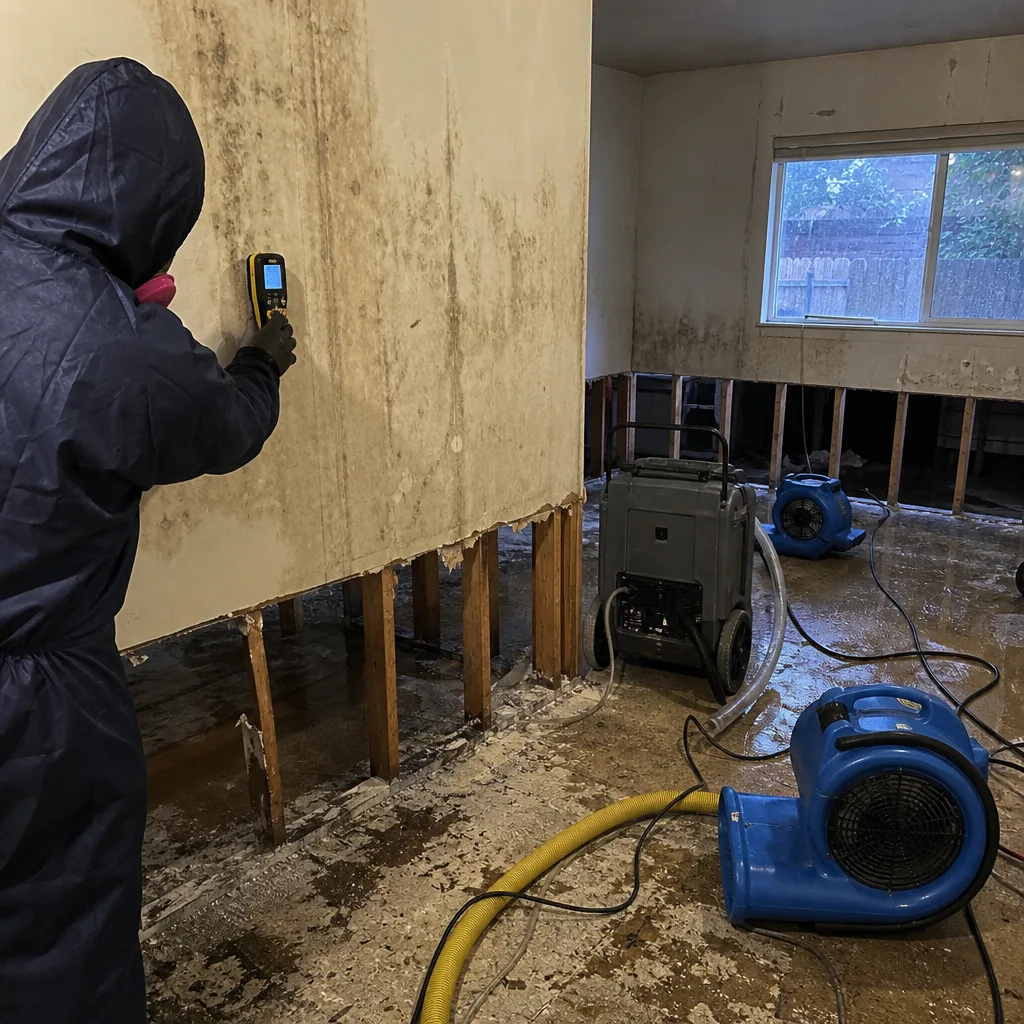 Before
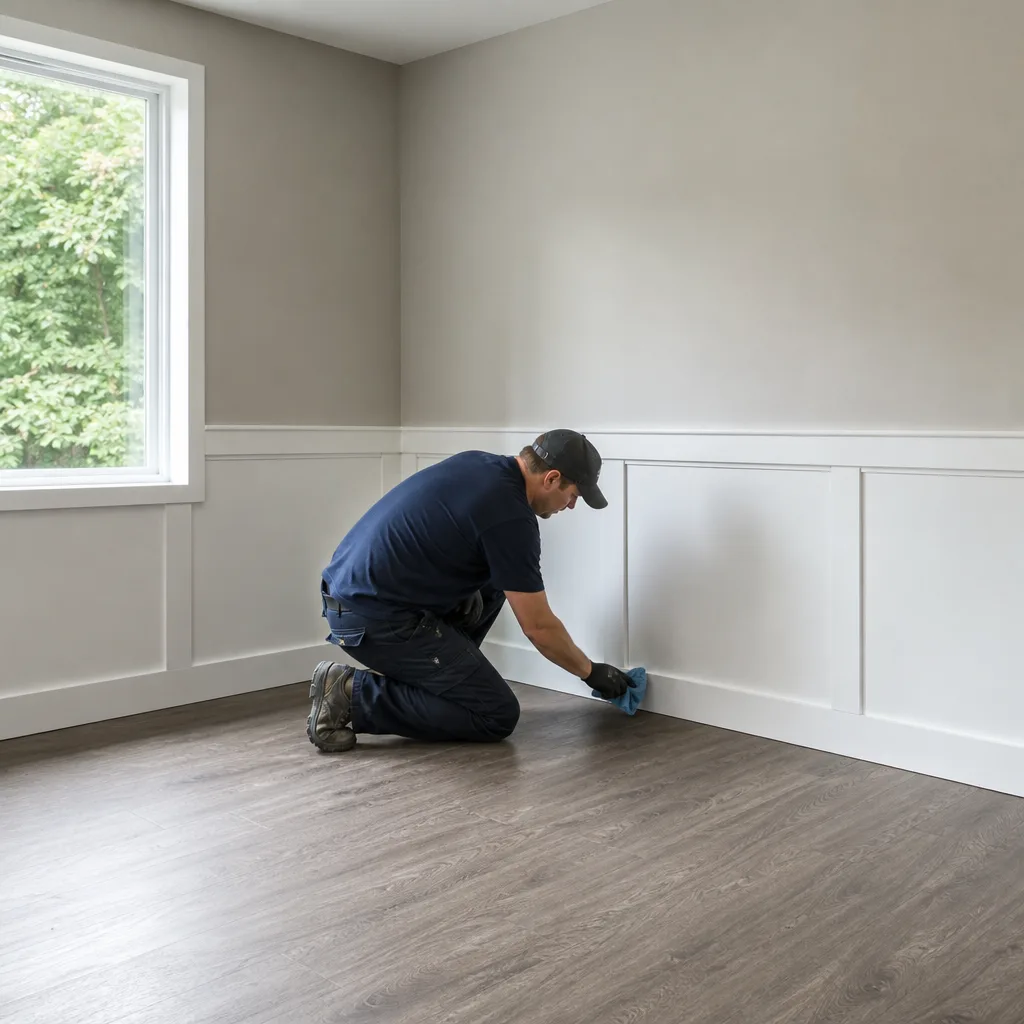 After
After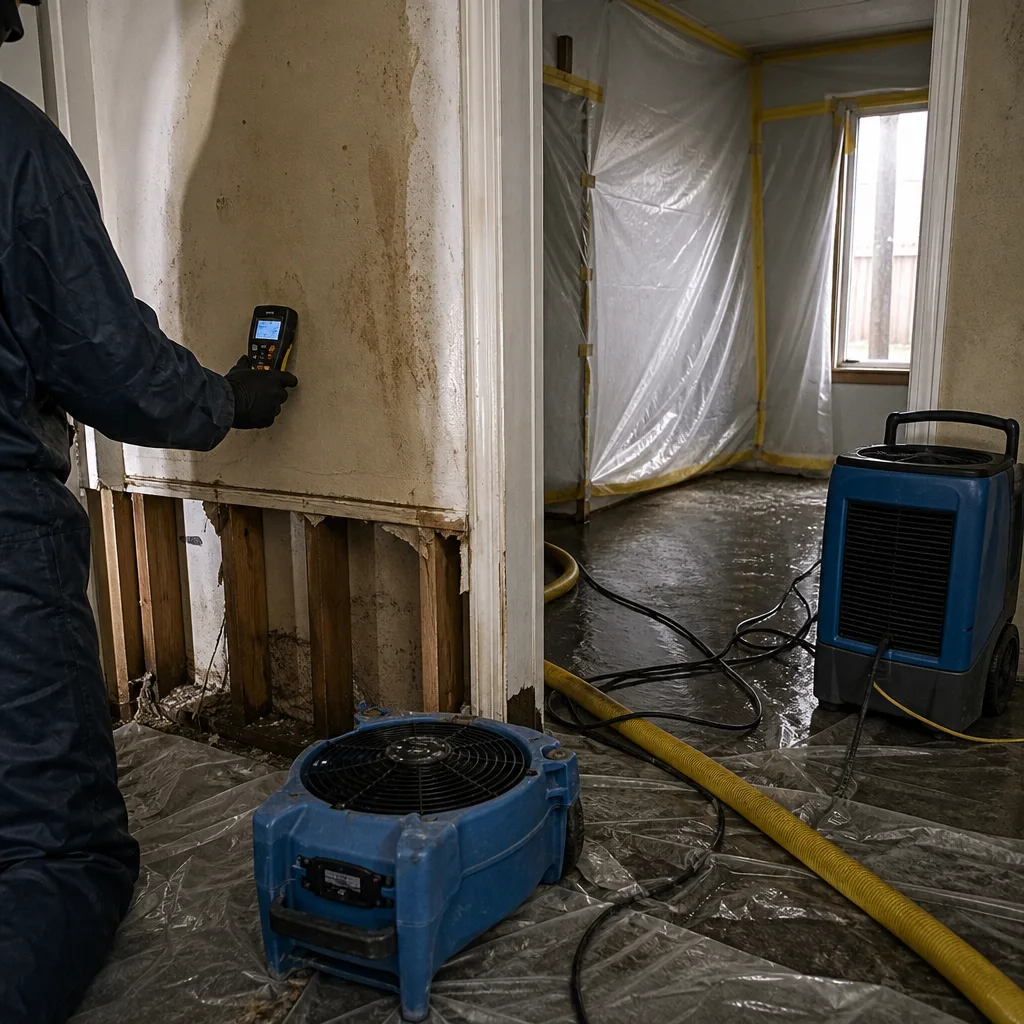 Before
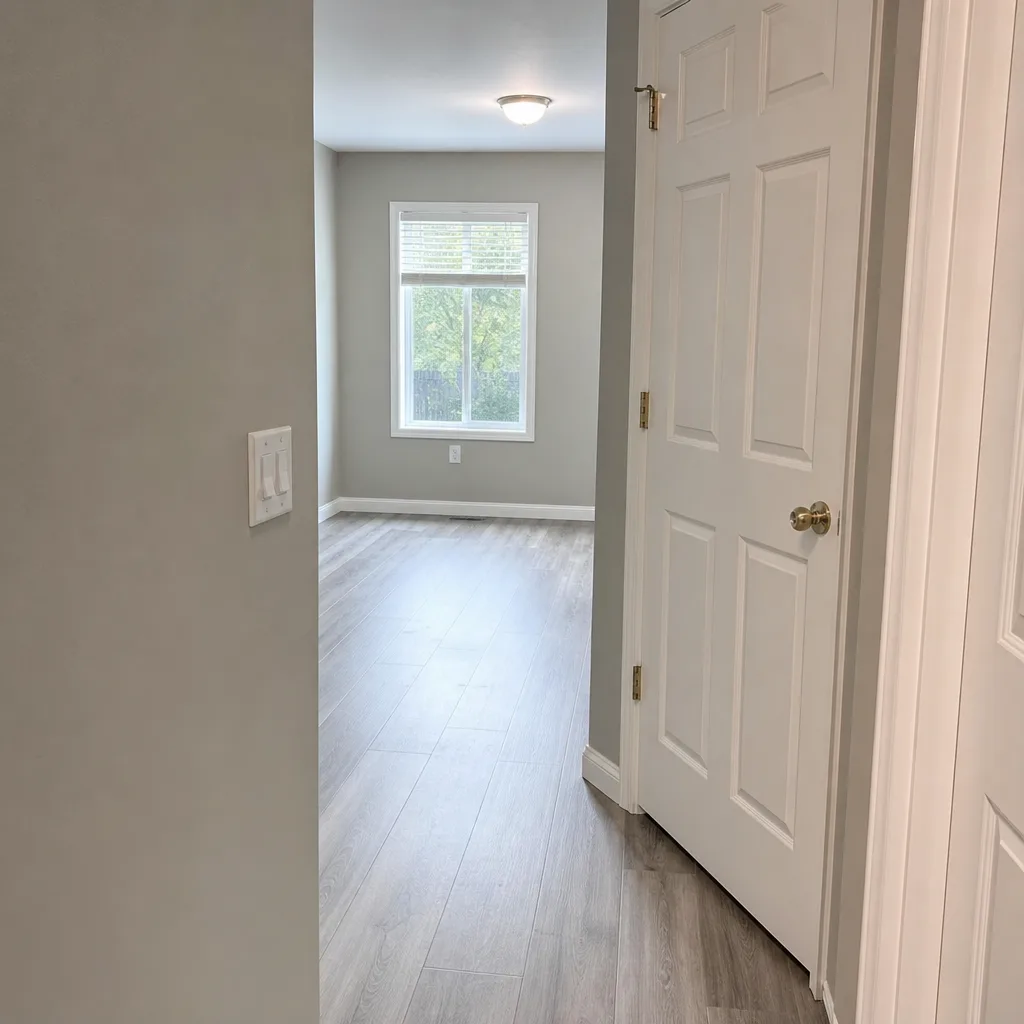 After
After24/7 Emergency Fire & Smoke Damage Restoration in Issaquah
Fire and smoke damage restoration in Issaquah typically costs $4,200-$18,500 depending on the square footage affected, with emergency board-up and tarping starting at $850-$1,400. Crews are dispatched from our Seattle office to Issaquah properties within 45 minutes, and every job begins with a free visual inspection and a written price before any work starts. Call (425) 696-6061 now; live answer, no voicemail, 24 hours a day.
The first hour after a fire determines whether you’re looking at smoke mitigation or a full structural rebuild. Soot begins etching glass and corroding metal within minutes. Smoke migrates through HVAC ducts and wall cavities, settling in cooler areas far from the fire’s origin. In Issaquah’s valley bowl, there’s a second clock running: Pacific storm systems stalled against Tiger, Squak, and Cougar Mountains can dump an inch of rain overnight, re-wetting a compromised roof and turning a Category 1 smoke loss into a Category 3 water event before morning. Our crews carry tarps, HEPA scrubbers, and moisture meters on every fire call because we’ve learned to expect both problems at once.
Understanding Fire & Smoke Damage Restoration Severity in Issaquah Properties
Fire damage breaks into three severity bands, and Issaquah’s housing stock maps directly onto each. Light smoke damage - protein residues from kitchen fires, dry smoke from fast-burning paper or wood - typically affects 1960s-70s ranch homes on the valley floor near Issaquah Creek, where open floor plans allow smoke to travel but fire suppression is usually quick. Moderate damage hits the 1990s-2000s wood-frame construction in Issaquah Highlands and other hillside planned communities, where synthetic materials (vinyl siding, engineered lumber, petroleum-based insulation) burn hotter and produce wet, sticky soot that bonds to surfaces. Heavy structural damage, requiring full gutting and rebuild, most often follows roof or electrical fires in either stock, compounded by the orographic-lift rains that saturate exposed framing before odor treatment can begin.
Smoke migration follows pressure differentials and temperature gradients, not logic. Cooler rooms upstairs often show heavier soot deposition than the fire room itself. In Issaquah Highlands homes built on former timber company clear-cuts, we’ve found smoke residue in attic spaces three rooms from the source, drawn through recessed can lights and plumbing chases by the stack effect. Tertiary smoke damage - odor compounds absorbed into porous materials like unfinished cedar, common in Issaquah’s mid-century ranches - requires thermal fogging or hydroxyl generation, not surface cleaning alone. Our crews document each zone with photo records and classify residues per IICRC S730 standards: dry smoke, wet smoke, protein residue, or fuel oil soot. Each demands a different cleaning chemistry and dwell time.
Why Issaquah Property Owners Choose DryMark Restoration Bothell
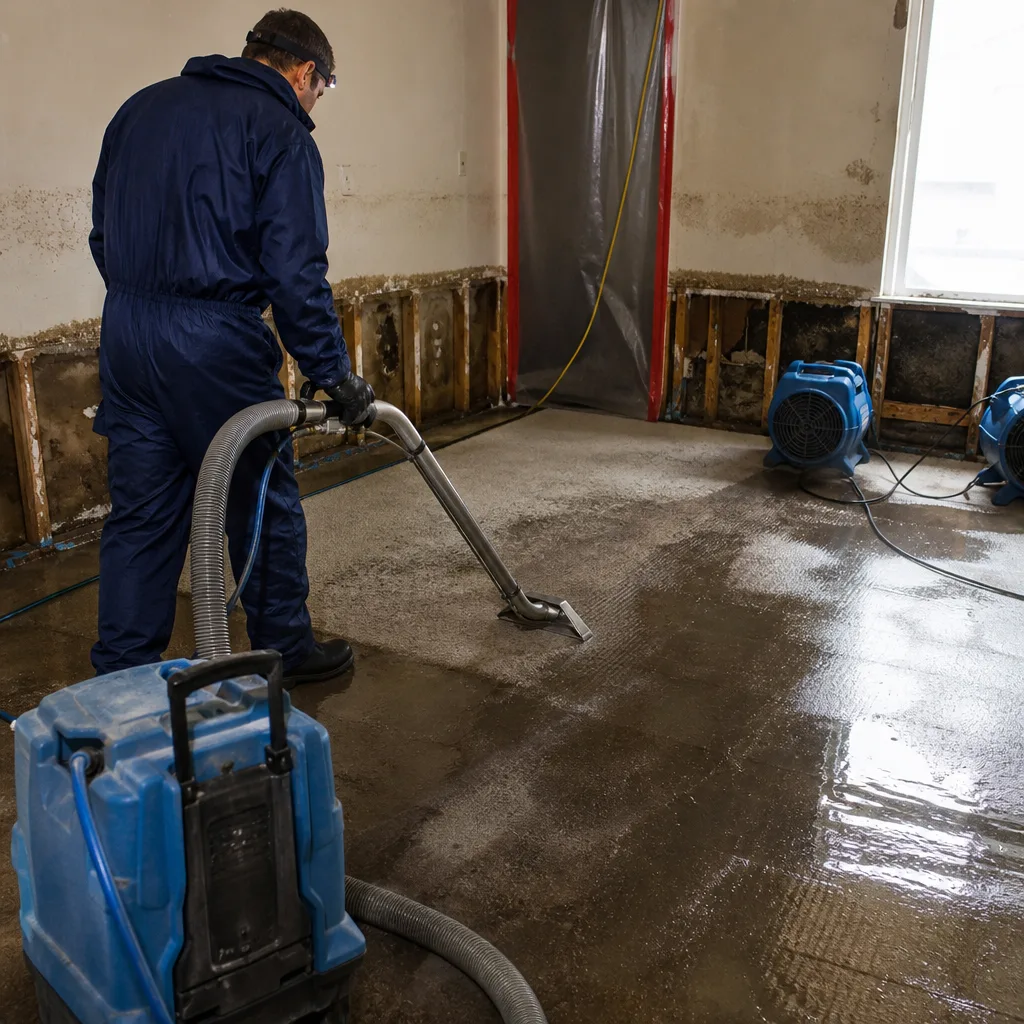
- 45-minute response commitment to Issaquah properties, measured from dispatch call to crew arrival, because smoke damage compounds hourly and our valley-bowl weather adds water risk to every fire scene.
- 24/7 live answer - a real person, never an automated system or voicemail tree, picks up every call to our emergency line; no next-business-day callbacks while soot etches your windows.
- IICRC-certified crews holding FSRT (Fire and Smoke Restoration Technician) and WRT (Water Damage Restoration Technician) certifications, with AMRT (Applied Microbial Remediation Technician) cross-training for the mold risk that follows every firefighting water intrusion.
- Free visual inspection with a written scope and price delivered before any equipment is unloaded or any demolition begins - Haven Standard, Clause 1, no exceptions.
- Direct insurance billing with photo-documented estimates, room-by-room moisture logs, and daily drying records that turn restoration invoices into claims adjusters approve without dispute.
- One team from board-up to rebuild - same crew, same documentation standard, same 365-Day Done Right Promise - so no handoff gaps between mitigation and reconstruction.
BeforeAfterOur Fire & Smoke Damage Restoration Process
1. Inspection & Assessment
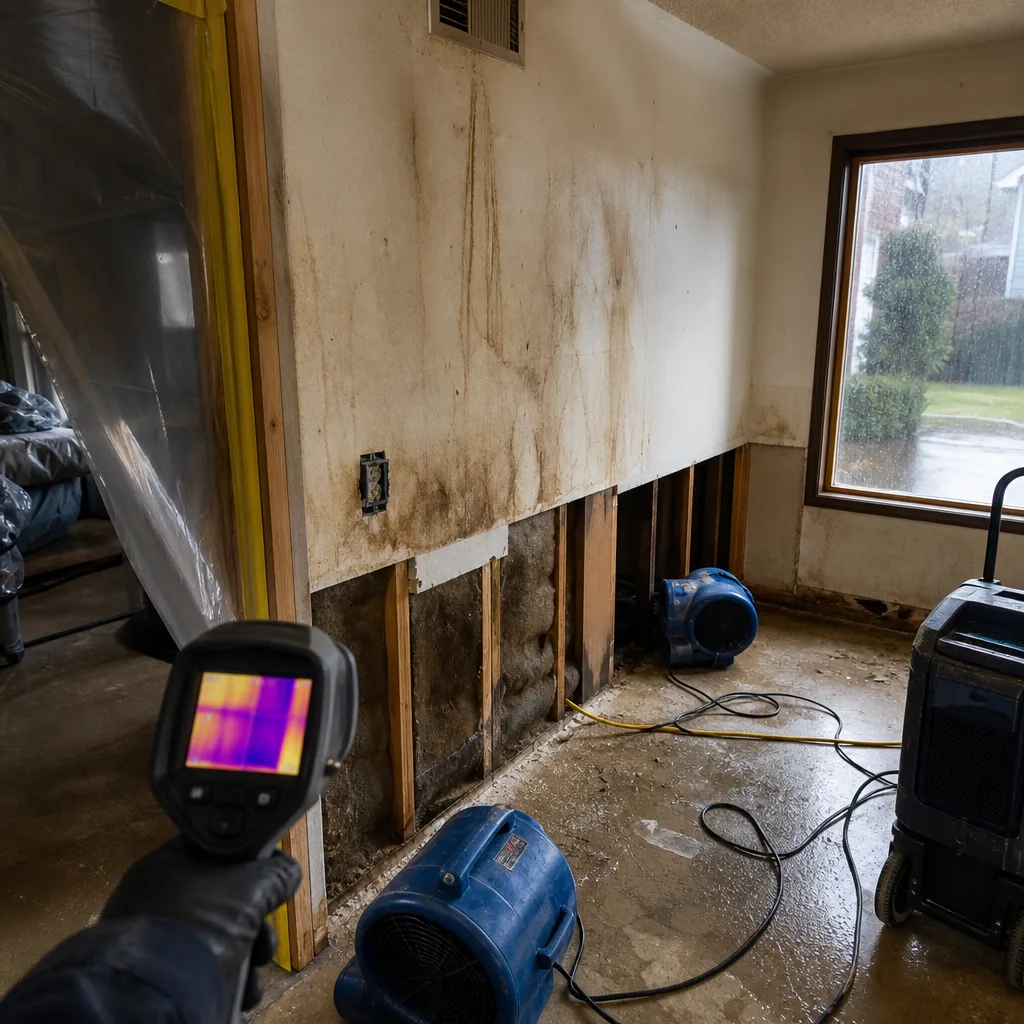
We arrive with thermal imaging cameras, moisture meters, and soot classification test kits. Every surface is documented with time-stamped photos before anything is touched. In Issaquah, we also map the drainage slope around the structure; on hillside timberland lots, compacted swales often mean water is already entering the foundation while we’re still assessing smoke damage.
2. Emergency Board-Up & Tarping
Broken windows, compromised roofs, and damaged doors are secured with plywood and weather-rated tarps. On Issaquah properties, we use reinforced strapping rated for the wind shear that funnels through the valley bowl; a standard tarp won’t survive the night against stalled Pacific storms dropping 50+ inches annually.
3. Water Extraction & Structural Drying
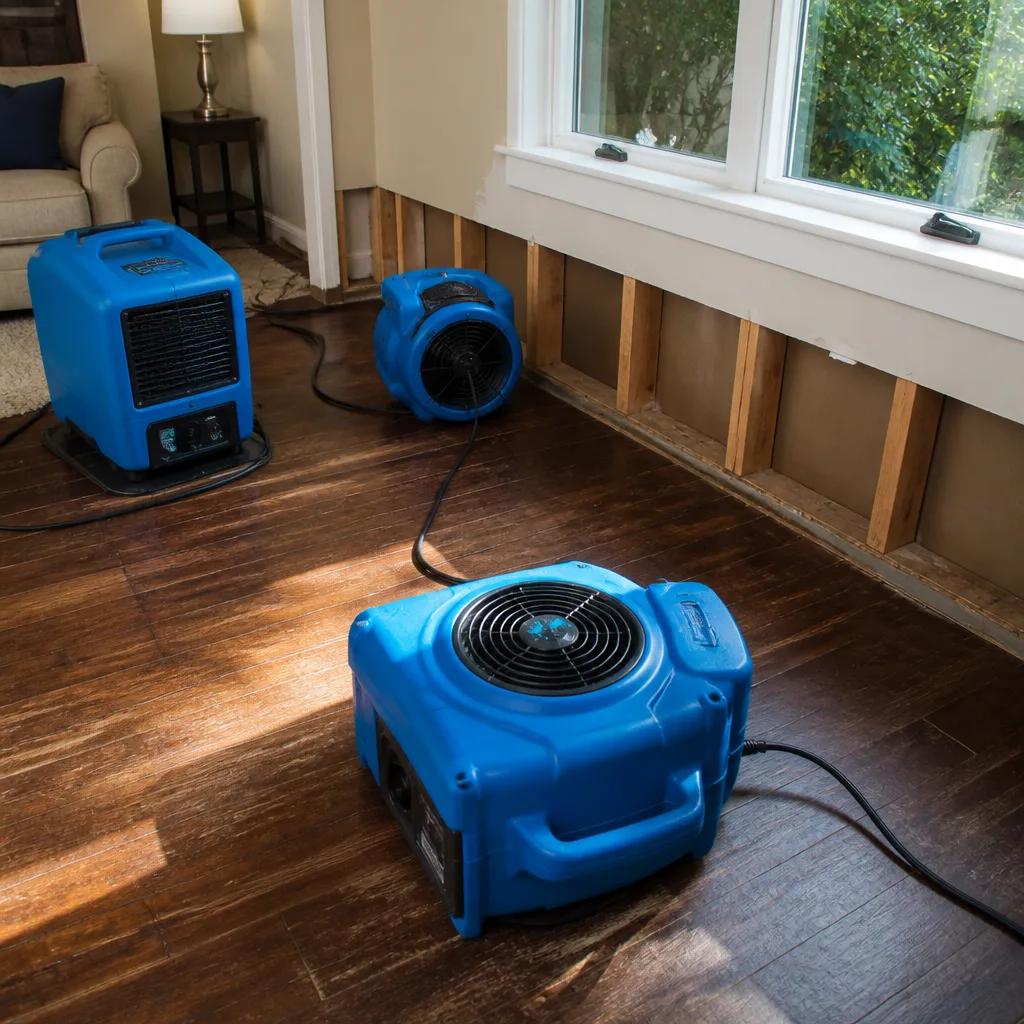
Firefighting water and storm intrusion are extracted with truck-mounted systems, then Dri-Eaz and Phoenix LGR dehumidifiers paired with XPOWER and B-Air air movers are deployed based on psychrometric calculations - temperature, relative humidity, and vapor pressure differential, which is the force that actually drives moisture out of materials into the air. Daily moisture readings are logged to IICRC standards.
4. Smoke & Soot Removal
Dry smoke responds to dry sponges and HEPA vacuuming; wet smoke from synthetic burns requires alkaline cleaning agents with controlled dwell times to avoid surface damage. Protein residues from kitchen fires need enzyme digesters. We match chemistry to residue type, test in an inconspicuous corner first, and document the result.
5. Odor Removal & Deodorization
Thermal fogging volatilizes odor-counteractant particles to match the size and penetration of smoke molecules; hydroxyl generators safely break odor compounds in occupied spaces. In Issaquah’s chronically humid valley floor, we often run both sequentially because creek-fed humidity reactivates odor in porous materials if moisture isn’t driven below 12% wood moisture content first.
6. Repairs & Restoration
Charred framing is sistered or replaced; drywall, insulation, and flooring are reinstalled to match pre-loss condition. A final moisture map, photo record, and signed 365-Day Done Right Promise under The Haven Standard are delivered before we leave. The written scope agreed at inspection is the invoice you pay; no scope-creep additions.
Need Emergency Fire & Smoke Damage Restoration in Issaquah Now?
Crews minutes away, answering live 24 hours a day. The sooner we start, the less it costs.
Working With Your Insurance Company
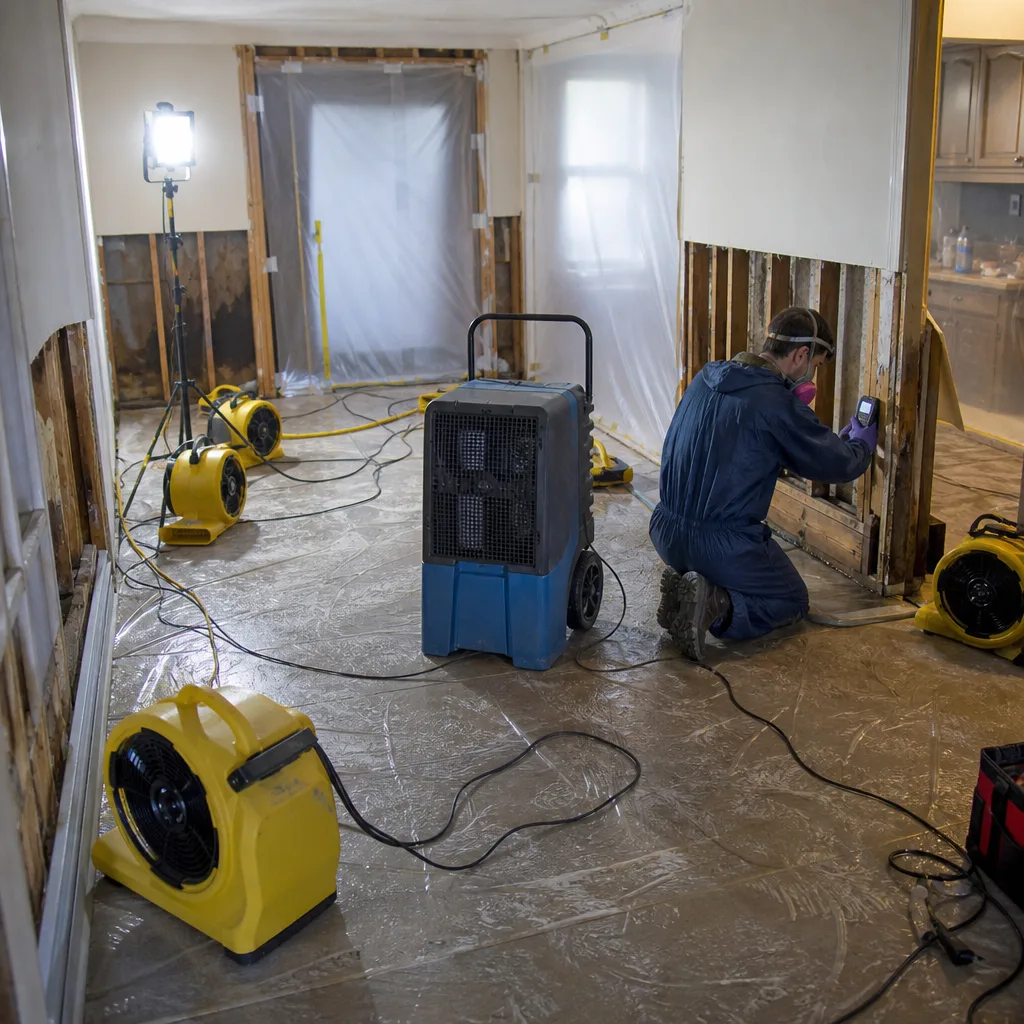
Insurance claims fail at the documentation stage, not the damage stage. Our founder built this company in 2011 after seeing how many homeowners lost legitimate claims to incomplete photo records, missing moisture logs, or scopes that didn’t match the estimate. Every Issaquah fire job we handle begins with documentation in the first hour and ends with a claim package that adjusters recognize as complete.
We provide industry-standard estimates formatted to Xactimate or Symbility platforms, depending on your carrier’s preference. Direct adjuster communication is standard, not an upsell. If your insurer questions the scope, we defend it with the photo record and drying logs that were generated in real time, not reconstructed afterward. We’ve also found that post-fire water intrusion in Issaquah - from storm re-wetting or failed drainage swales - is often initially coded as secondary damage; our documentation proves the causal chain so it’s covered as part of the original loss.
What We Provide Your Insurer
- Thorough documentation of the loss
- Photos of all damage, room by room
- Moisture readings and drying logs
- A detailed, line-item scope of work
- Direct coordination with your carrier
Built for Issaquah’s Loss Calendar
January through March, Issaquah’s orographic-lift rains peak. Fire losses during this window almost always carry water damage: a chimney fire in a Highlands home, a space-heater incident in a valley-floor ranch, and before the smoke is addressed, the tarp is saturated and the attic is wet. April to June brings atmospheric river events that overwhelm hillside drainage; post-fire board-ups face sustained pressure from wind-driven rain funneled through the valley bowl. July and August see dryer conditions but higher wildfire risk in the surrounding forestland; when fires reach the wildland-urban interface, ember storms ignite roofs and siding, and the subsequent suppression creates the same water-smoke dual loss. September through November is the most demanding period: returning rains hit structures that have dried and cracked over summer, creating new intrusion paths, while heating-system fires spike as furnaces and fireplaces return to service. December closes the loop with holiday cooking fires and the year’s heaviest precipitation. Our crews are staffed for this calendar; we don’t treat January and July as interchangeable.
Fire & Smoke Damage Restoration Across Issaquah’s Neighborhoods
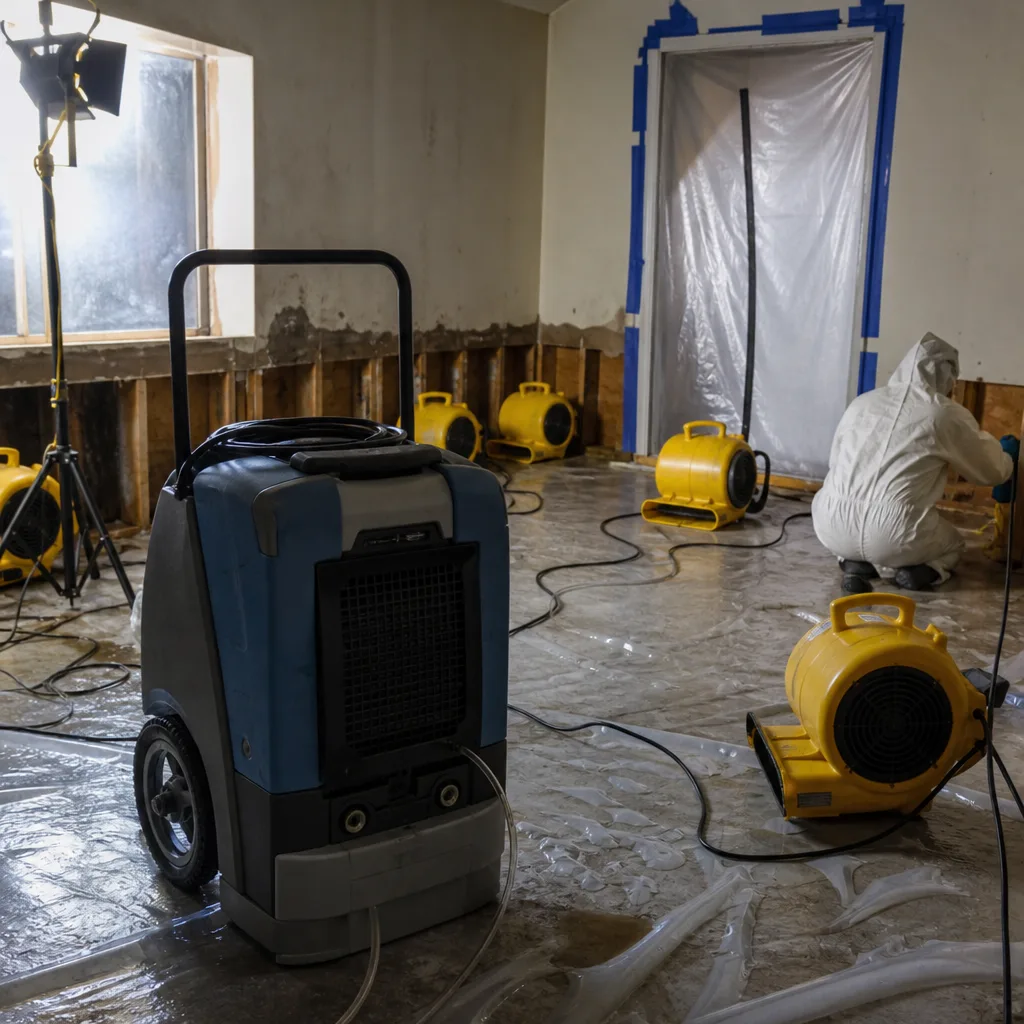
Issaquah’s geography creates distinct fire and smoke damage profiles by neighborhood, and our response routes account for each.
Issaquah Highlands - the planned community built on former Weyerhaeuser timberland in the 1990s and 2000s - presents the most complex jobs we see in the city. Steep grades, compacted drainage swales, and wood-frame construction on cut-and-fill lots mean post-fire water intrusion at uphill stem walls is routine, not exceptional. Crews carry extra dehumidifier capacity and plan for dual mitigation from arrival.
Olde Town Issaquah and the valley floor corridors along Front Street and Gilman Boulevard hold the 1960s-70s ranches and split-levels near Issaquah Creek. These homes have crawl-space saturation issues that predate any fire; after suppression water or storm intrusion, we’re often running antimicrobial treatment and structural drying in confined spaces with limited access. The self-reliant homeowners in this stock - many on larger lots with detached workshops - want the job finished in one coordinated push, and we staff accordingly.
Tiger Mountain and Squak Mountain foothill properties - the acreage and rural-residential lots on the city’s edges - face longer service drives and often lack municipal water for suppression. Fire damage here tends toward heavier structural loss, and our crews carry expanded board-up materials and portable water extraction systems. The same homeowners who chose acreage for privacy want minimal disruption; our pack-out and contents cleaning services are heavily utilized in this zone.
Cougar Mountain transition zones near the city boundary see King County’s mapped landslide hazard zones overlapping with residential development. Post-fire soil destabilization from suppression water is a real risk; we coordinate with geotechnical assessments when foundation or retaining wall damage is suspected, documenting everything for the claim file.
Specialized Fire & Smoke Damage Restoration Services We Offer in Issaquah
Fire Damage Cleanup
Structural cleaning after fire requires residue classification before chemistry selection. In Issaquah’s synthetic-heavy 1990s-2000s construction, wet smoke from petroleum-based materials dominates; we deploy alkaline cleaners with controlled dwell times, testing first to avoid etching or discoloration. Charred materials are removed with photo documentation for the adjuster, and framing is HEPA-vacuumed before any sealing or painting.
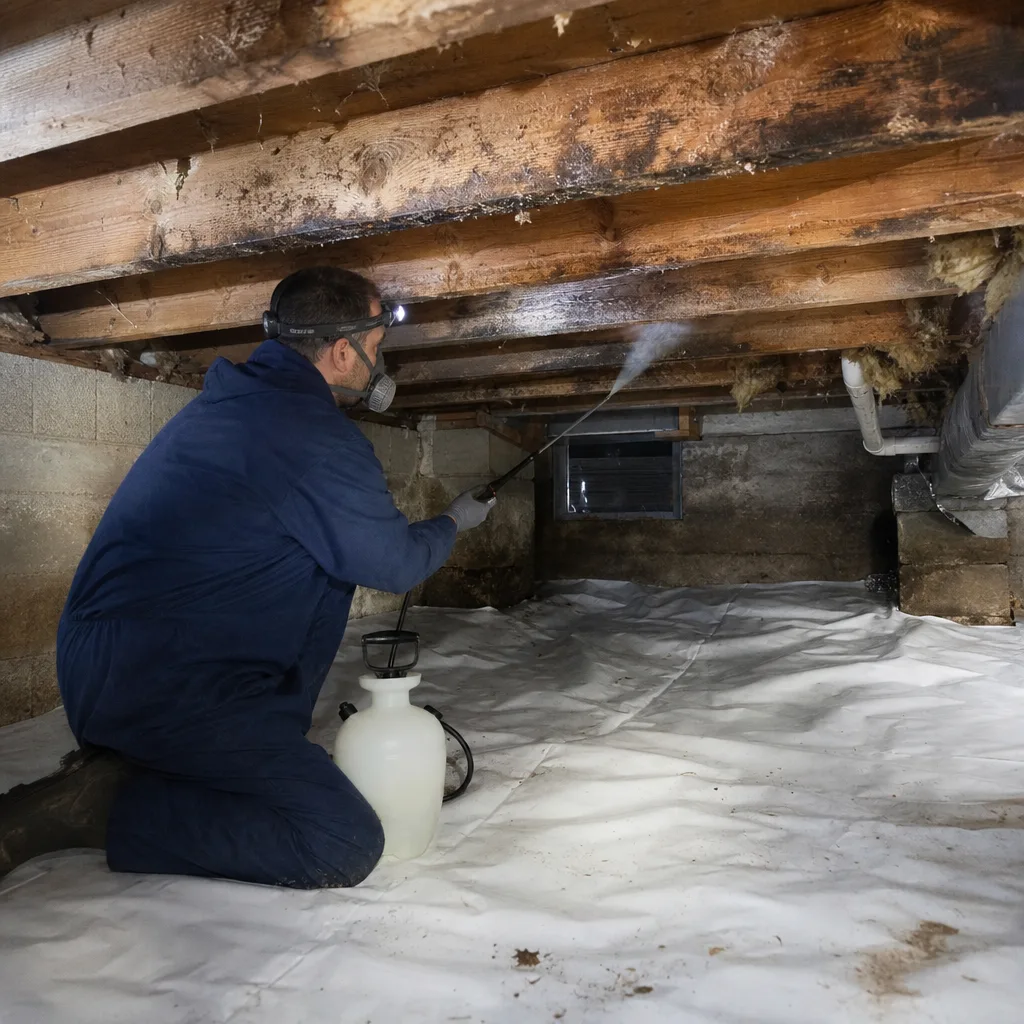
Smoke & Soot Removal
Soot migrates through pressure differentials and settles in cooler, distant spaces. In Issaquah Highlands homes with open-plan layouts and cathedral ceilings, we’ve found heavy deposition in upstairs bedrooms and attic spaces far from the fire origin. Our crews map migration patterns with thermal imaging, then clean systematically from top to bottom, duct to corner, with residue-appropriate chemistry. This is not surface wiping; it’s structural decontamination.
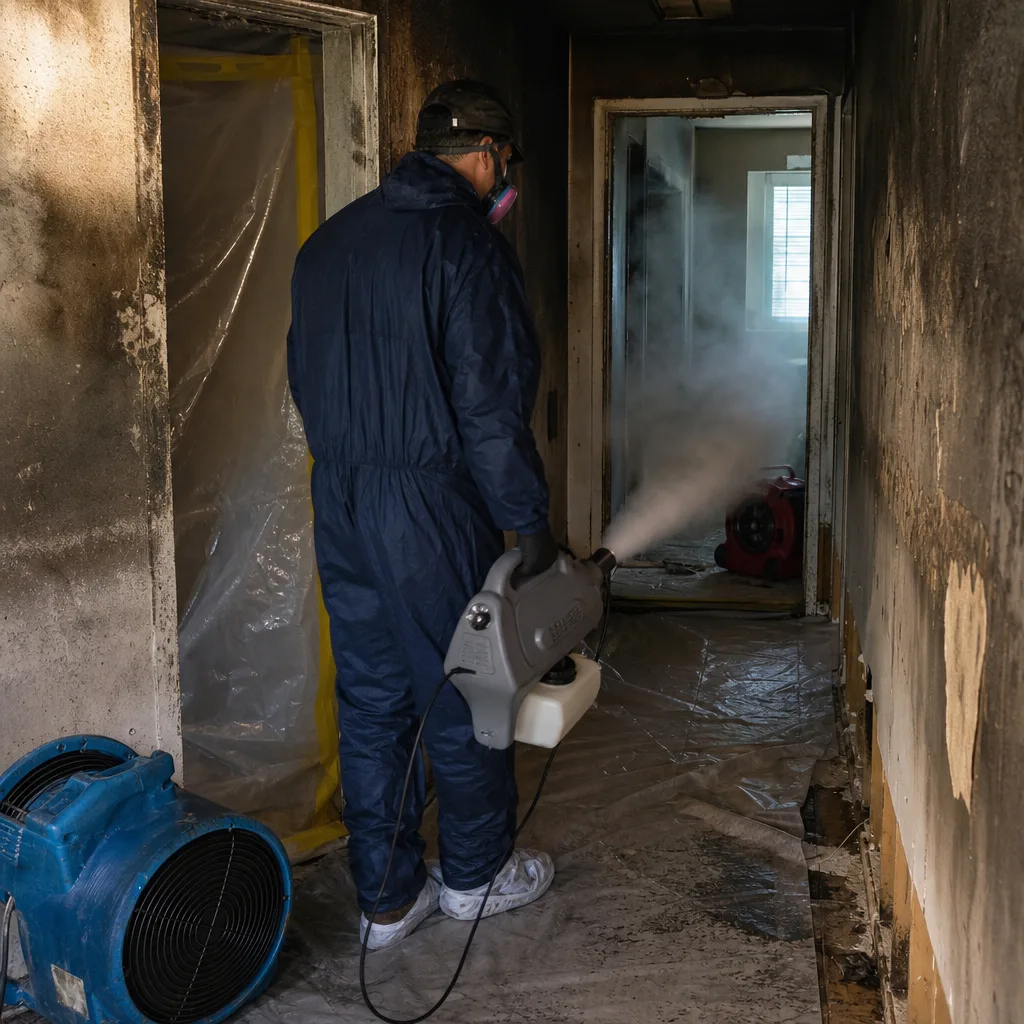
Odor Removal & Deodorization
Smoke odor is a vapor-phase problem, not a surface problem. Thermal fogging matches particle size to smoke penetration depth; hydroxyl generators break odor compounds at the molecular level without evacuating occupants. In Issaquah’s humid valley floor, we often sequence both because creek-fed humidity reactivates odor in porous cedar and unfinished framing unless wood moisture content is driven below 12% first. The drying log proves we reached that threshold.
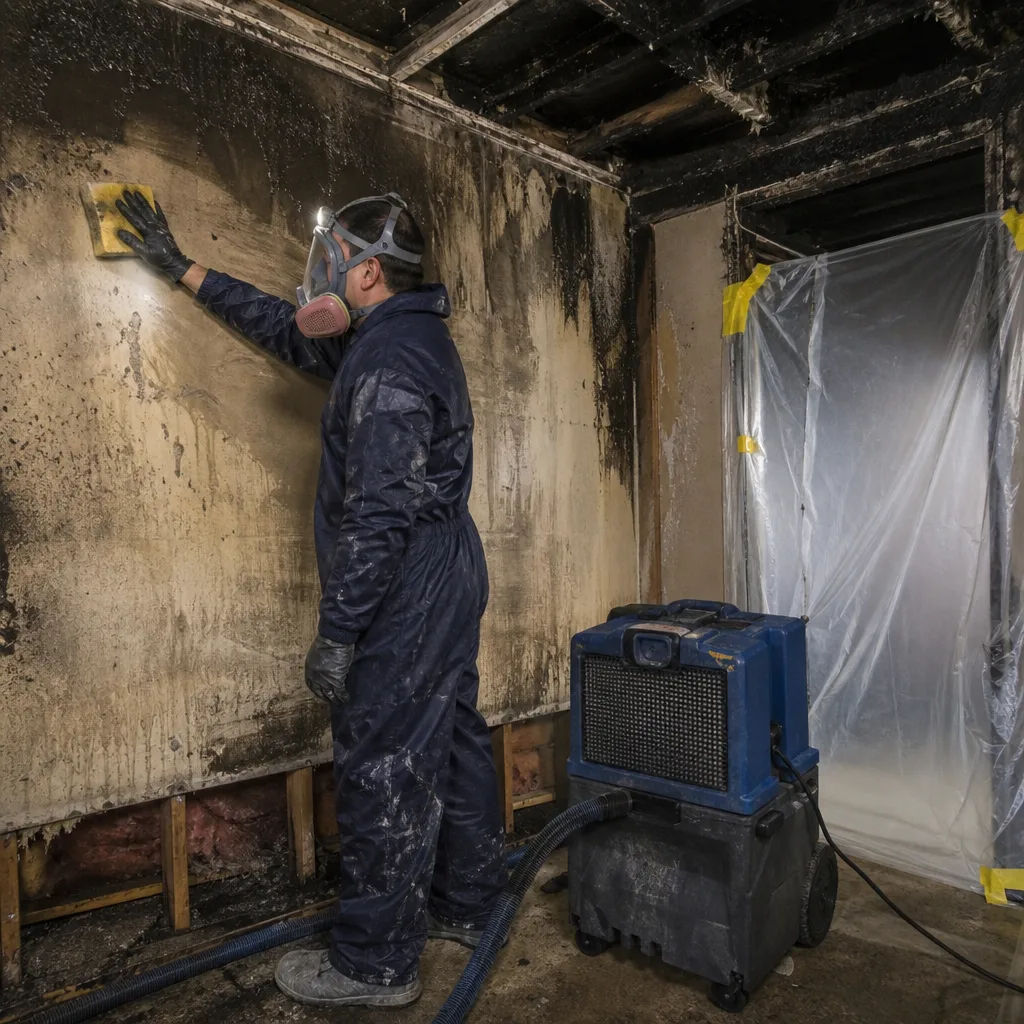
Contents Cleaning & Pack-Out
Not everything damaged by smoke needs replacement. Our pack-out service inventories, photographs, and transports salvageable contents to a controlled cleaning facility where ultrasonic cleaning, ozone treatment, and specialized deodorization can restore items that surface cleaning would destroy. For Issaquah’s acreage properties with detached workshops and outbuildings, we coordinate expanded inventory scope and return delivery scheduling.
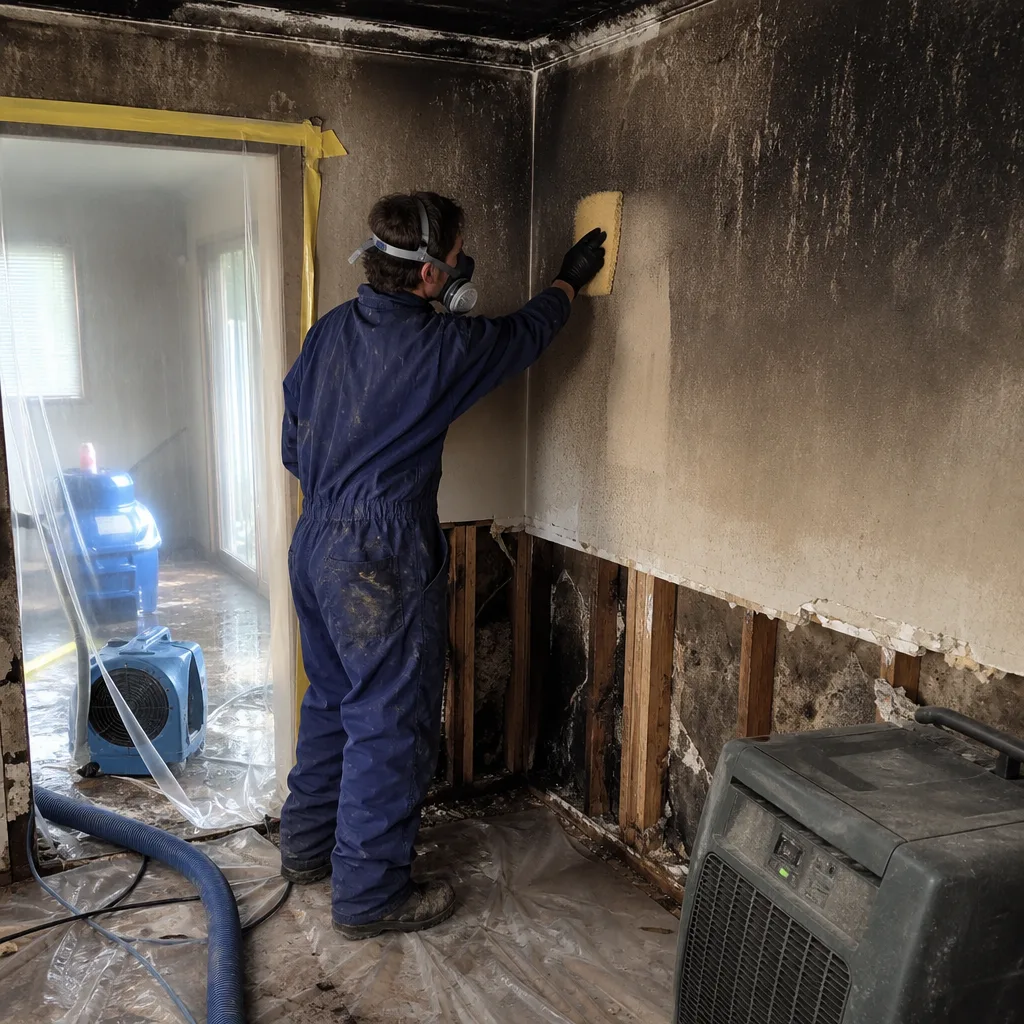
Emergency Board-Up & Tarping
Every fire call in Issaquah carries weather risk. Our board-up crews use reinforced strapping and weather-rated materials rated for the wind shear that funnels through the valley bowl; standard tarps fail here. On hillside timberland lots, we also assess drainage flow around the structure and document any water intrusion paths that the fire may have exposed. The board-up is the first line of defense; we build it to survive the night.
What happens when you call
- 1
A real person answersNo phone trees - you reach a local pro.
- 2
You get an upfront price rangeHonest numbers before anyone is dispatched.
- 3
A background-checked tech heads outLicensed & insured, dispatched right away.
- 4
You approve before work beginsNothing starts until you say go.
Fire & Smoke Damage Restoration Costs in Issaquah, WA
Actual pricing for Issaquah’s market, delivered as a written scope before any work begins:
| Service | Typical Range in Issaquah |
|---|---|
| Emergency board-up and tarping | $850 - $1,400 |
| Light smoke damage cleanup (single room, dry smoke) | $2,800 - $4,500 |
| Moderate smoke and soot removal (multiple rooms, wet smoke) | $4,200 - $8,000 |
| Heavy fire damage with structural drying (dual water/smoke loss) | $8,500 - $18,500 |
| Odor removal and deodorization (whole-house thermal fogging/hydroxyl) | $1,200 - $3,400 |
| Contents pack-out and cleaning | $2,500 - $6,000+ depending on inventory |
What moves the price: square footage affected, smoke residue type (dry vs. wet vs. protein), whether firefighting water or storm intrusion created secondary damage, accessibility for equipment (crawl spaces, steep hillside lots), and contents density. Insurance typically covers direct fire and smoke damage plus water damage from suppression; our documentation proves the causal chain for each line item. Out-of-pocket costs are limited to deductible and any upgrades beyond pre-loss condition. Every estimate is free, every scope is written, and Haven Standard, Clause 1 applies: the price you approve is the price you pay.
We Also Serve Cities Near Issaquah
Our Fire & Smoke Damage Restoration in Issaquah crews also respond to properties in Sammamish, Renton, Mercer Island, and Bellevue. Dispatch and scheduling are coordinated from our Seattle office; crews serve each city locally with the same documentation standard and 45-minute response commitment.
Serving Issaquah, WA - Our Local Coverage Area
We’re based in the Issaquah area and know this community well. Use the map below to see our service coverage - if you’re nearby, we can almost certainly help.
Issaquah Fire & Smoke Damage Restoration Questions, Answered
Why does a fire at my Issaquah Highlands home often turn into a water damage job too?
Issaquah Highlands sits on former timberland with steep grades and drainage swales that have compacted or shifted since original construction, directing surface sheet-flow straight into uphill foundation stem walls.
When firefighting water or post-fire rain hits these slopes, water enters the framing before conventional smoke mitigation can begin. Our crews arrive with moisture meters and dehumidifiers on every fire call to Issaquah Highlands because we’ve learned to expect this dual loss. The drying logs we produce document the water intrusion as part of the original fire claim, not a separate event. Call (425) 696-6061 for a free inspection and written scope.
How fast can mold start after firefighting water soaks my Issaquah crawl space?
Mold colonization begins 24 to 48 hours after water intrusion in Issaquah’s chronically humid valley-floor conditions, where creek-fed humidity and clay-heavy soils maintain ambient moisture levels well above the mold germination threshold.
Valley-floor 1960s-70s ranch homes near Issaquah Creek are particularly vulnerable because crawl-space saturation often predates the fire; firefighting water pushes an already marginal environment over the colonization line. Our crews deploy antimicrobial treatment and structural drying within hours, not days, and document pre-loss moisture conditions to prove the fire was the trigger. Call (425) 696-6061 for immediate response.
Can you tarp my fire-damaged roof and dry the interior in one trip so I don’t wait on a return visit?
Yes, and this is how we prefer to work on Issaquah’s acreage and rural-residential properties where homeowners value self-reliance and minimal disruption.
Our trucks carry board-up materials, tarps rated for valley-bowl wind shear, HEPA scrubbers, dehumidifiers, and air movers on every fire call. We secure the envelope, extract water, deploy drying equipment, and begin smoke and soot removal in a single coordinated push. The written scope delivered before work starts includes the full sequence; no return visit is needed unless structural repairs require scheduling after drying is complete. Call (425) 696-6061 to schedule.
Does smoke odor removal differ for a hillside Issaquah Highlands home vs. a valley-floor ranch near the creek?
Yes, the humidity profile changes the chemistry and equipment sequence.
Issaquah Highlands hillside homes dry faster due to slope drainage and wind exposure; we can often proceed directly to thermal fogging or hydroxyl generation once soot is removed. Valley-floor ranches near Issaquah Creek retain humidity in crawl spaces and framing; we must drive wood moisture content below 12% with Dri-Eaz dehumidifiers and XPOWER air movers before odor treatment, or creek-fed humidity reactivates odor compounds in porous materials. The drying log proves we reached the threshold. Call (425) 696-6061 for a moisture assessment.
What brands and standards do your Issaquah fire and smoke crews work to?
Our crews are certified to IICRC S730 (Fire and Smoke Damage Restoration) and S500 (Water Damage Restoration) standards, with FSRT, WRT, and AMRT technician certifications.
Equipment deployed includes Dri-Eaz and Phoenix LGR dehumidifiers, XPOWER and B-Air air movers, Injectidry cavity drying systems for wall and ceiling voids, and HEPA air scrubbers documented to RIA and IFA protocols. Every job produces daily moisture logs, photo records, and a written scope formatted to industry-standard estimating platforms. Call (425) 696-6061 to verify current certifications and equipment deployment.
Will my insurance cover both the fire damage and the water damage from suppression?
Standard homeowners policies cover direct fire damage and water damage from firefighting efforts as part of the same covered peril.
The claim often fails when documentation doesn’t prove the causal chain: that the water damage resulted from suppression, not pre-existing maintenance issues or subsequent storm intrusion. Our photo records, moisture logs, and written scopes document the sequence of damage from arrival, establishing that water intrusion followed the fire and is part of the original loss. We coordinate directly with your adjuster to defend this coding. Call (425) 696-6061 for a free inspection and claim documentation review.
How long does the full fire and smoke restoration process take?
Light smoke damage with no structural water intrusion typically requires 3 to 5 days for cleaning, odor treatment, and clearance documentation.
Moderate damage with dual water loss - the most common scenario in Issaquah due to our orographic-lift rains and hillside drainage failures - extends to 7 to 14 days for structural drying alone, followed by cleaning and reconstruction. Heavy structural damage requiring rebuild coordination can span 4 to 12 weeks depending on permit timelines and material availability. Every timeline is specified in the written scope before work begins, with daily progress documented. Call (425) 696-6061 for a timeline estimate on your specific loss.
Can we stay in the home during smoke and odor removal?
Hydroxyl generators allow occupancy during treatment; thermal fogging and ozone require evacuation for 24 to 48 hours depending on square footage and ventilation.
In Issaquah’s tighter 1990s-2000s construction with limited natural airflow, we often sequence hydroxyl first for occupied spaces, then thermal fogging in unoccupied zones, maintaining one habitable area when possible. For heavy structural damage or Category 3 water contamination, we recommend temporary relocation and can coordinate contents pack-out to minimize disruption. The written scope specifies occupancy status for each phase. Call (425) 696-6061 to discuss your situation.
Written by Alicia Brennan, Owner at Back to Dry Restoration, serving Issaquah since 2011 under The Haven Standard.
Fire & Smoke Damage Restoration in Nearby Areas