
Free visual inspection and a written scope of work before any mitigation begins - photos, moisture readings, and drying logs go in your claim file
The scope we write is the scope we bill. Anything new gets shown to you, in writing, before we touch it.
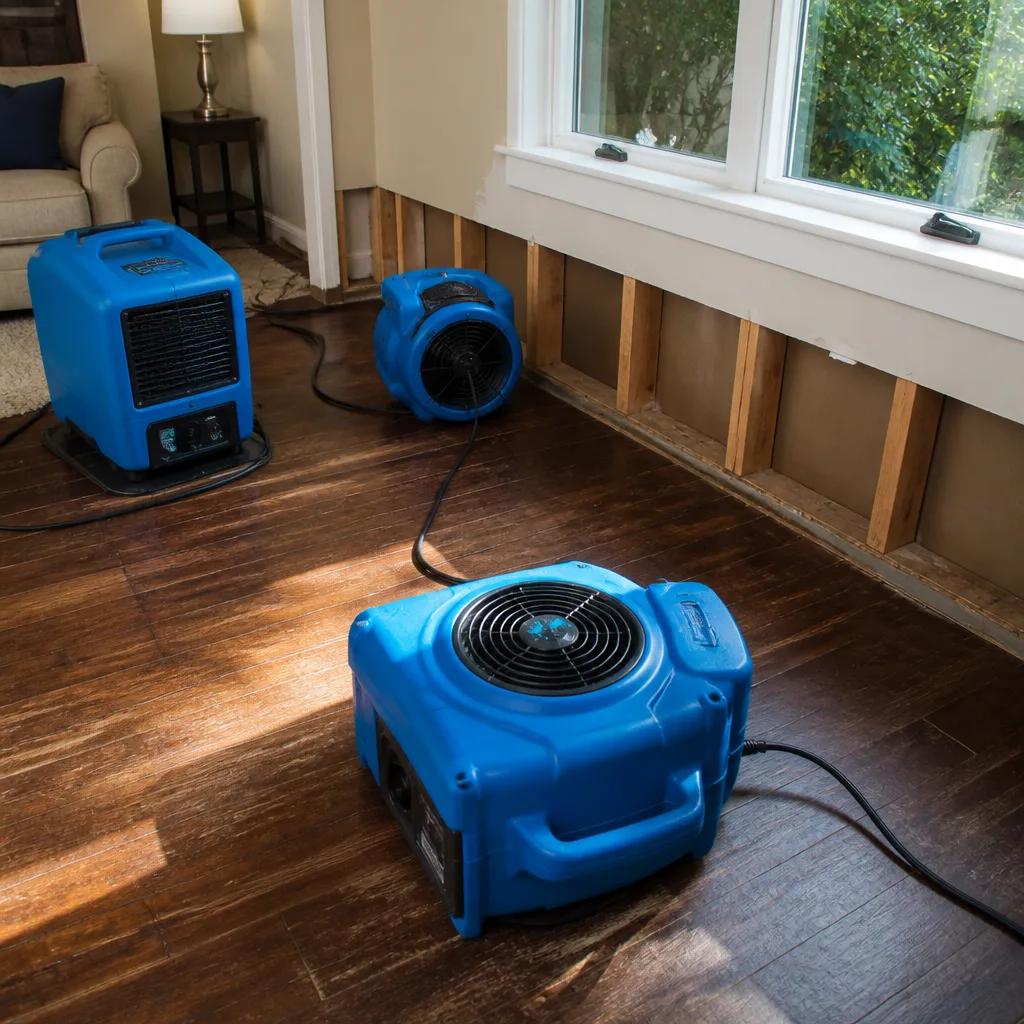
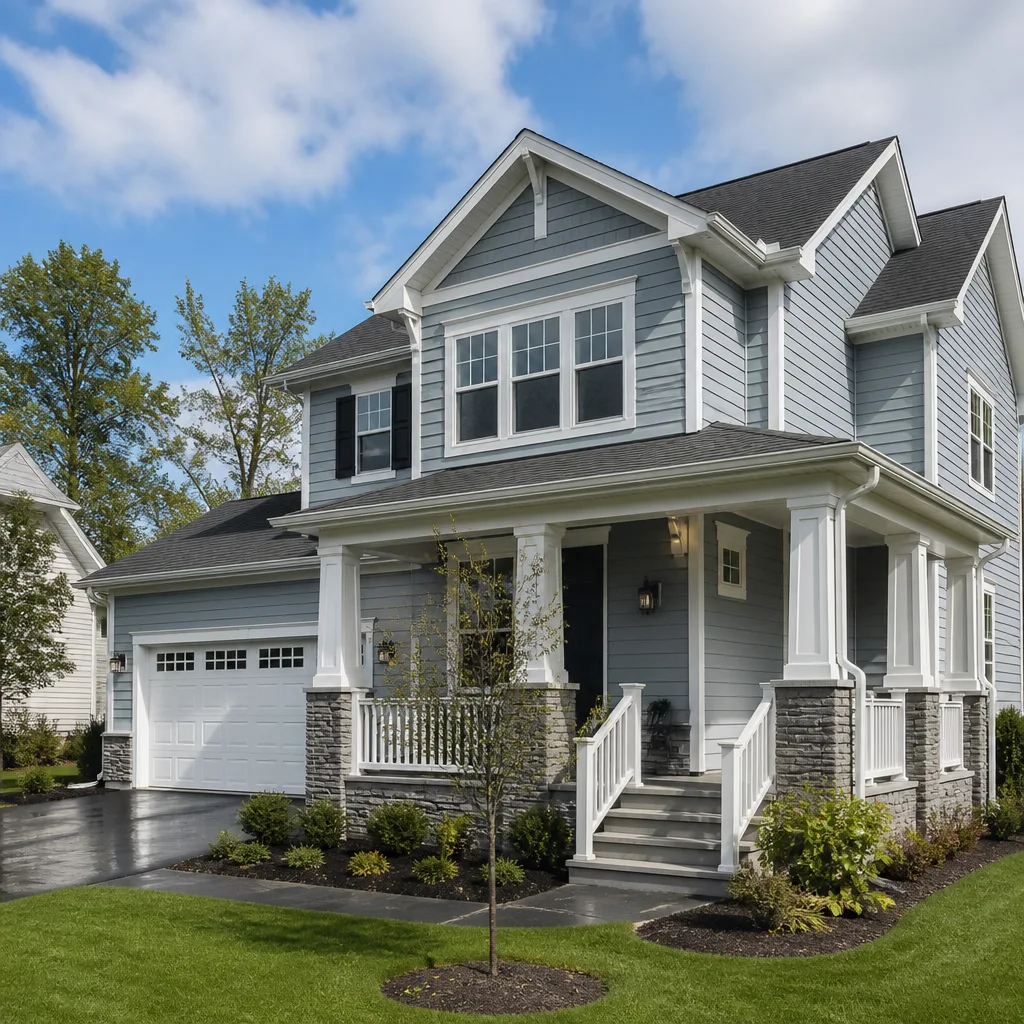
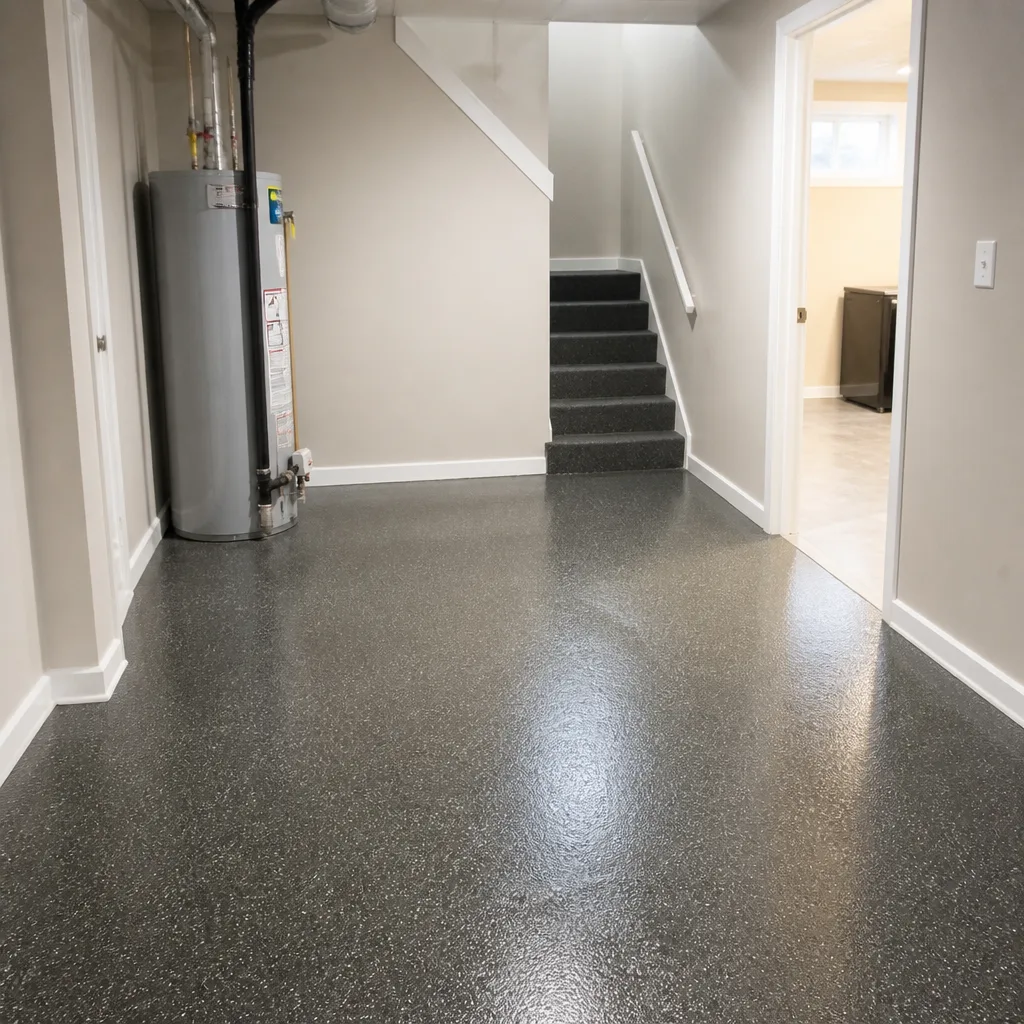
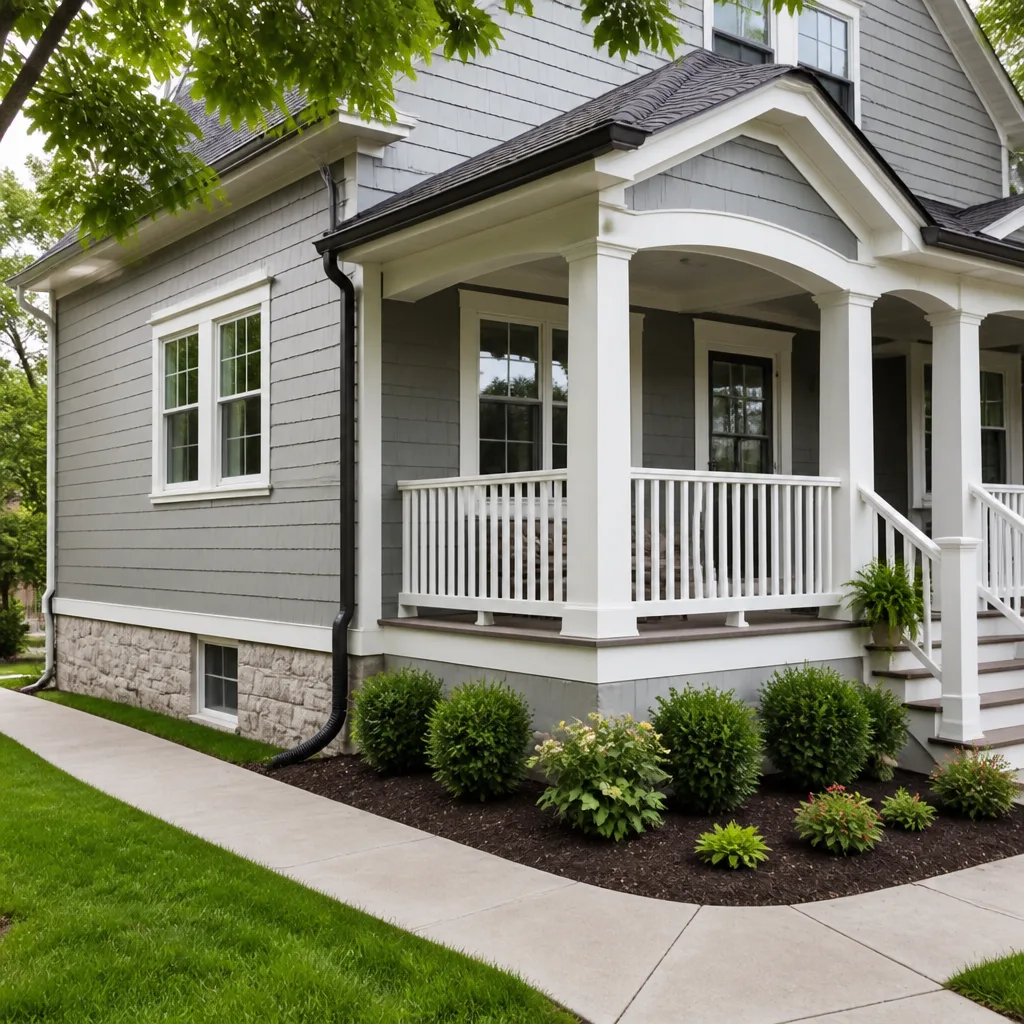
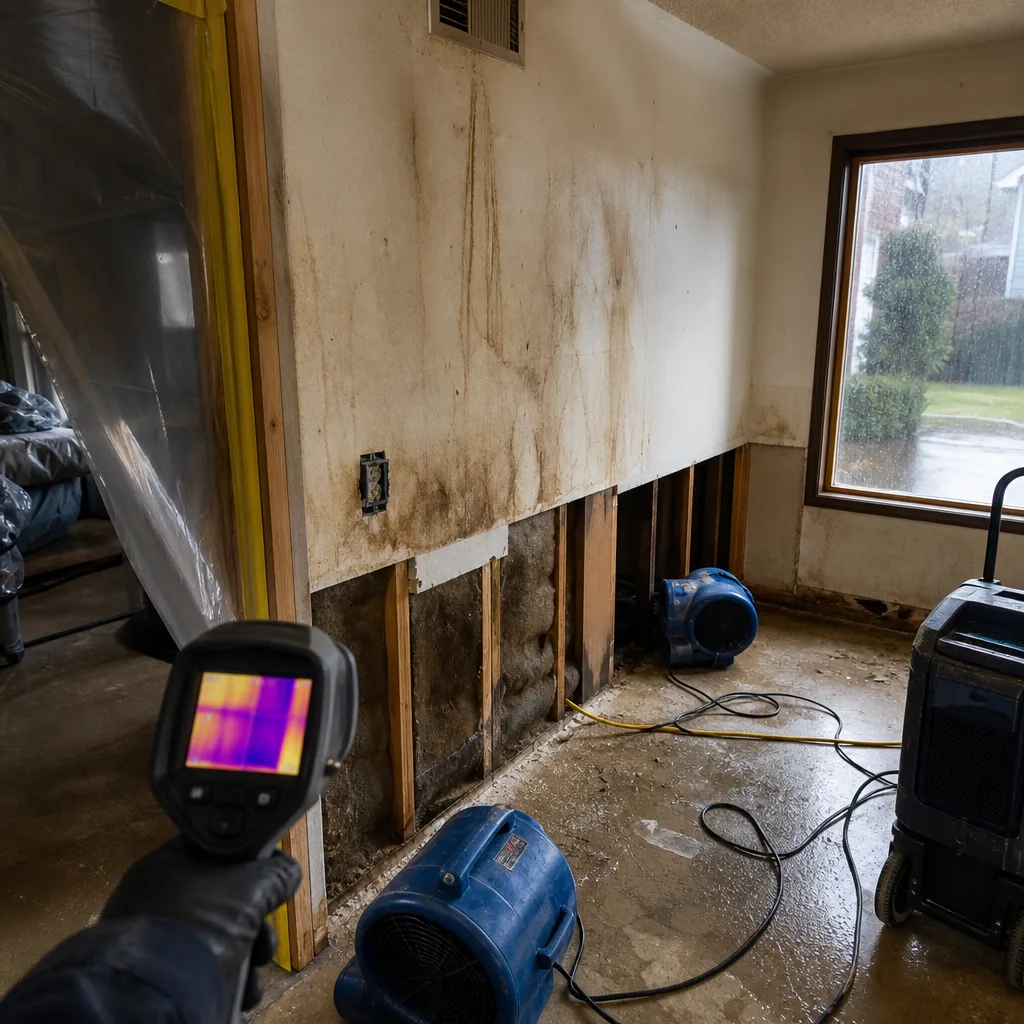 Before
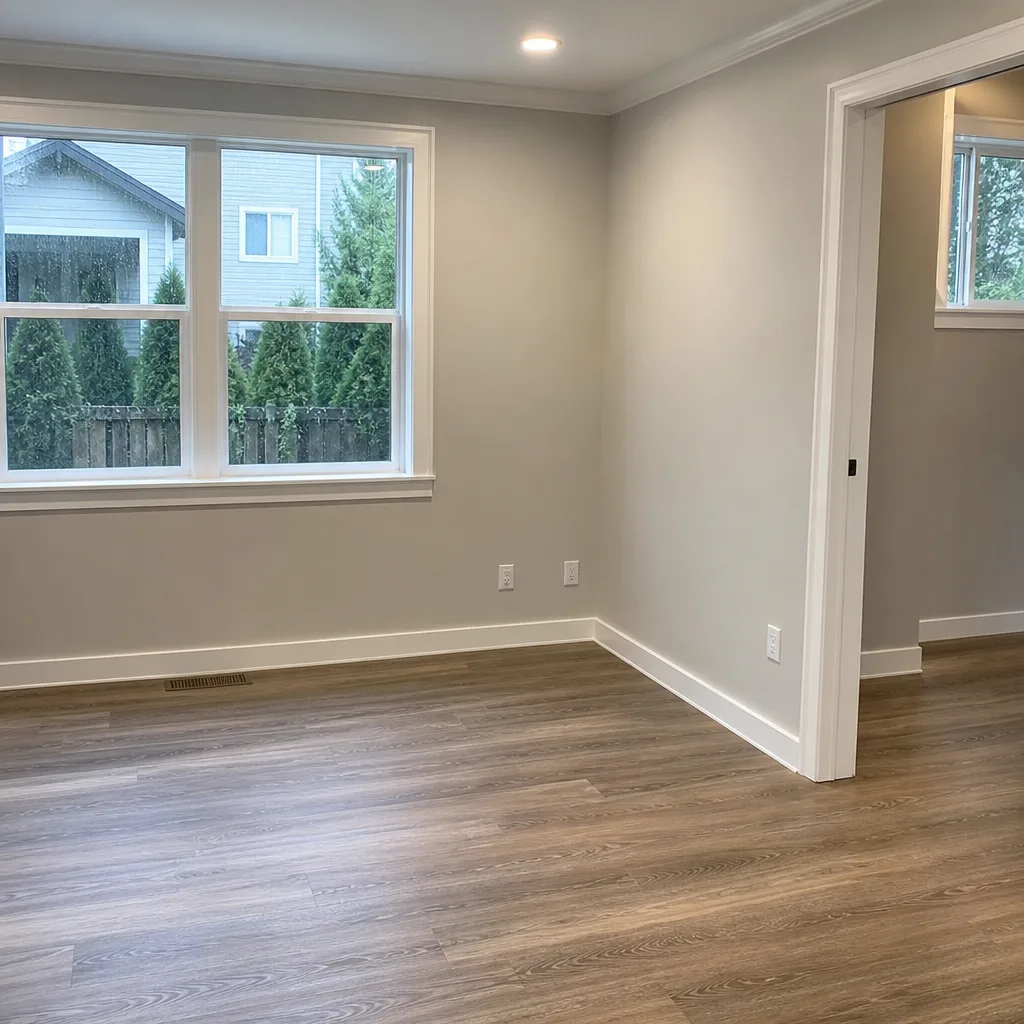 After
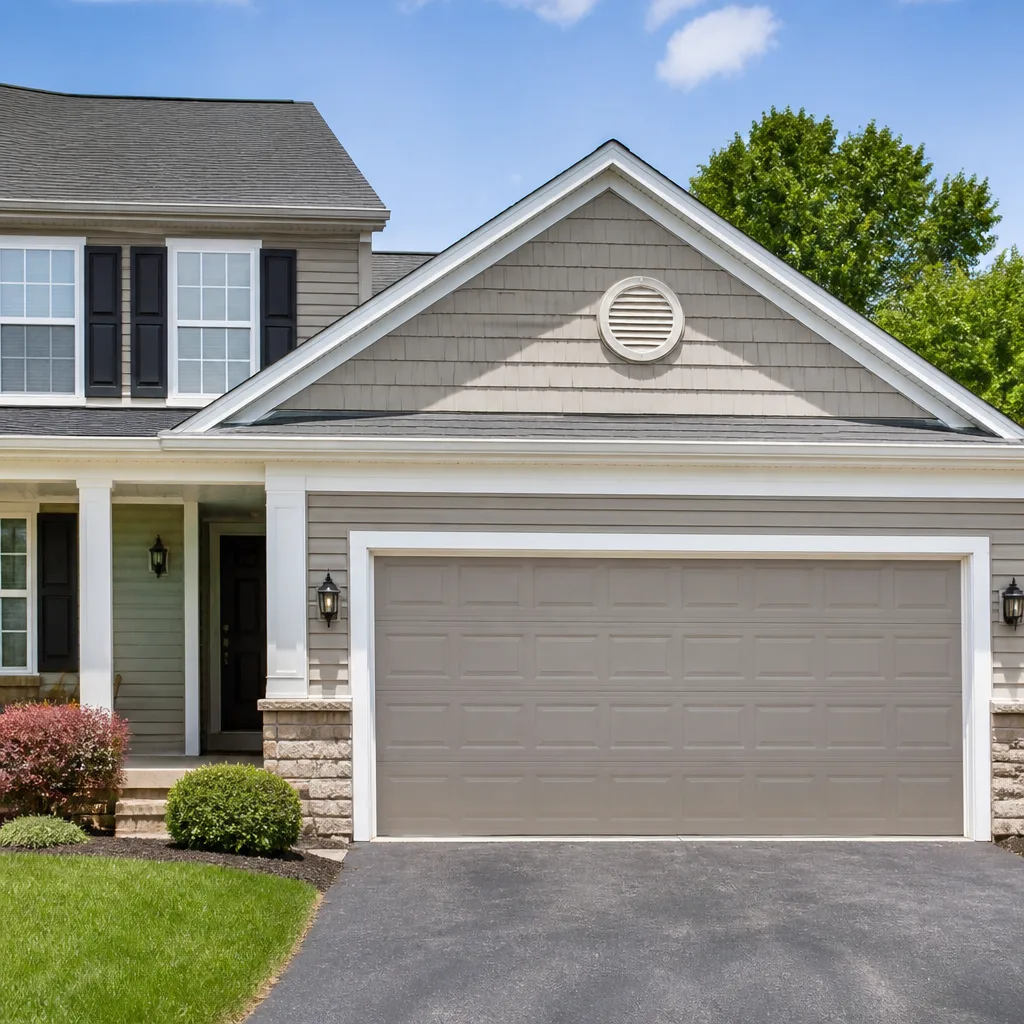
After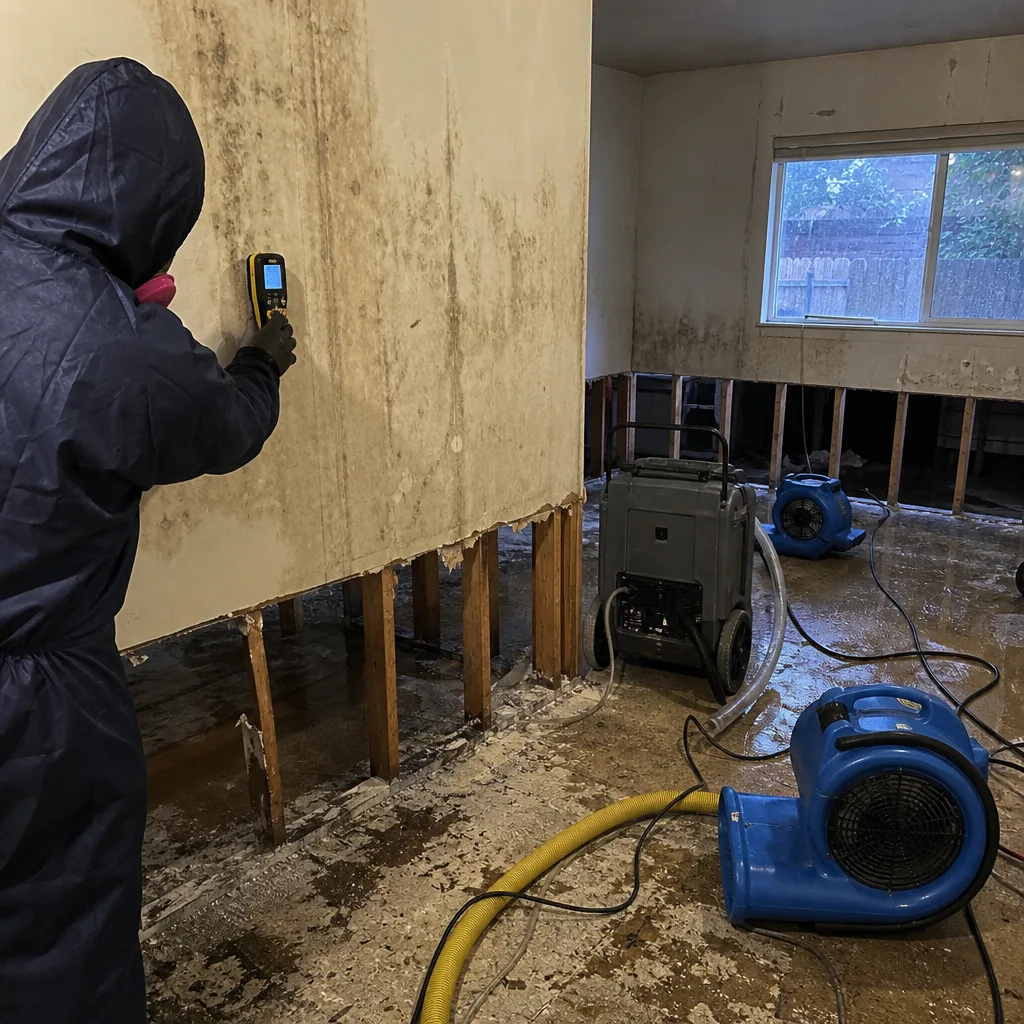 Before
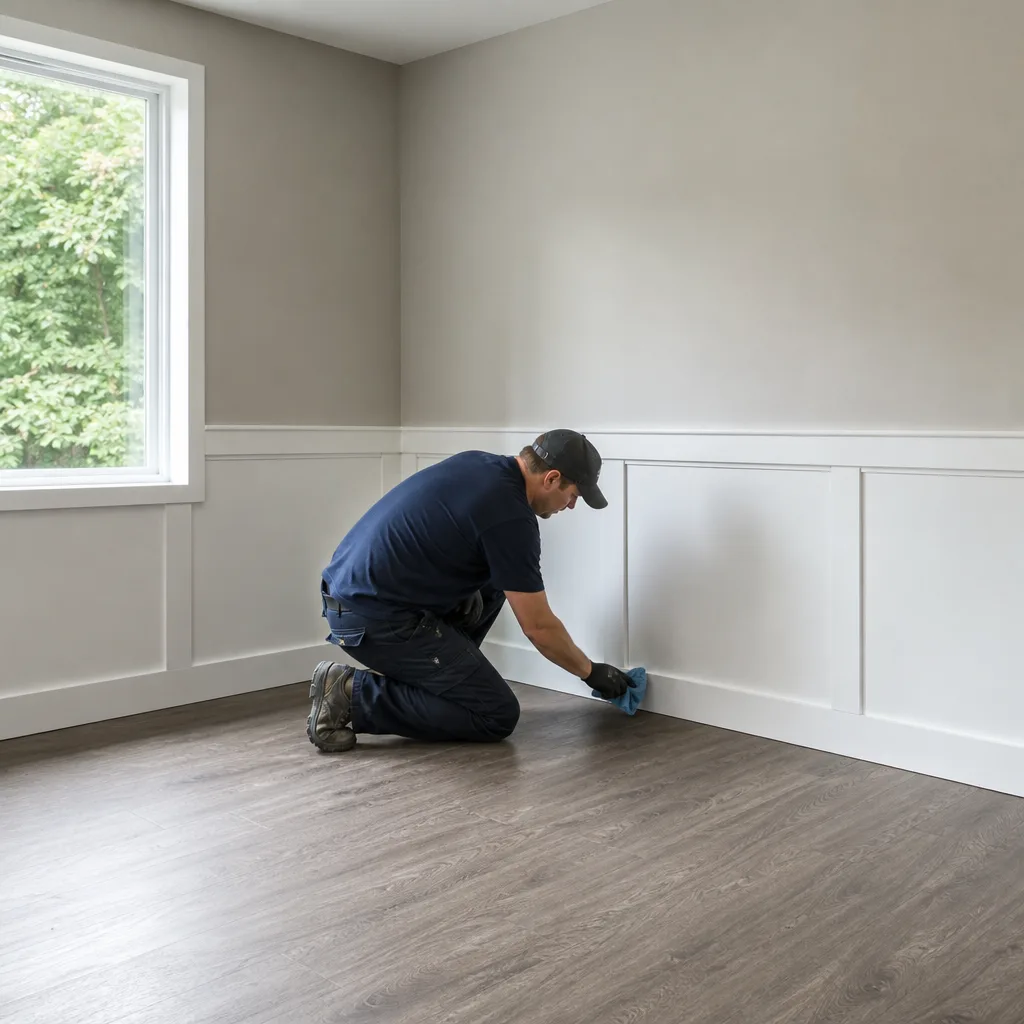 After
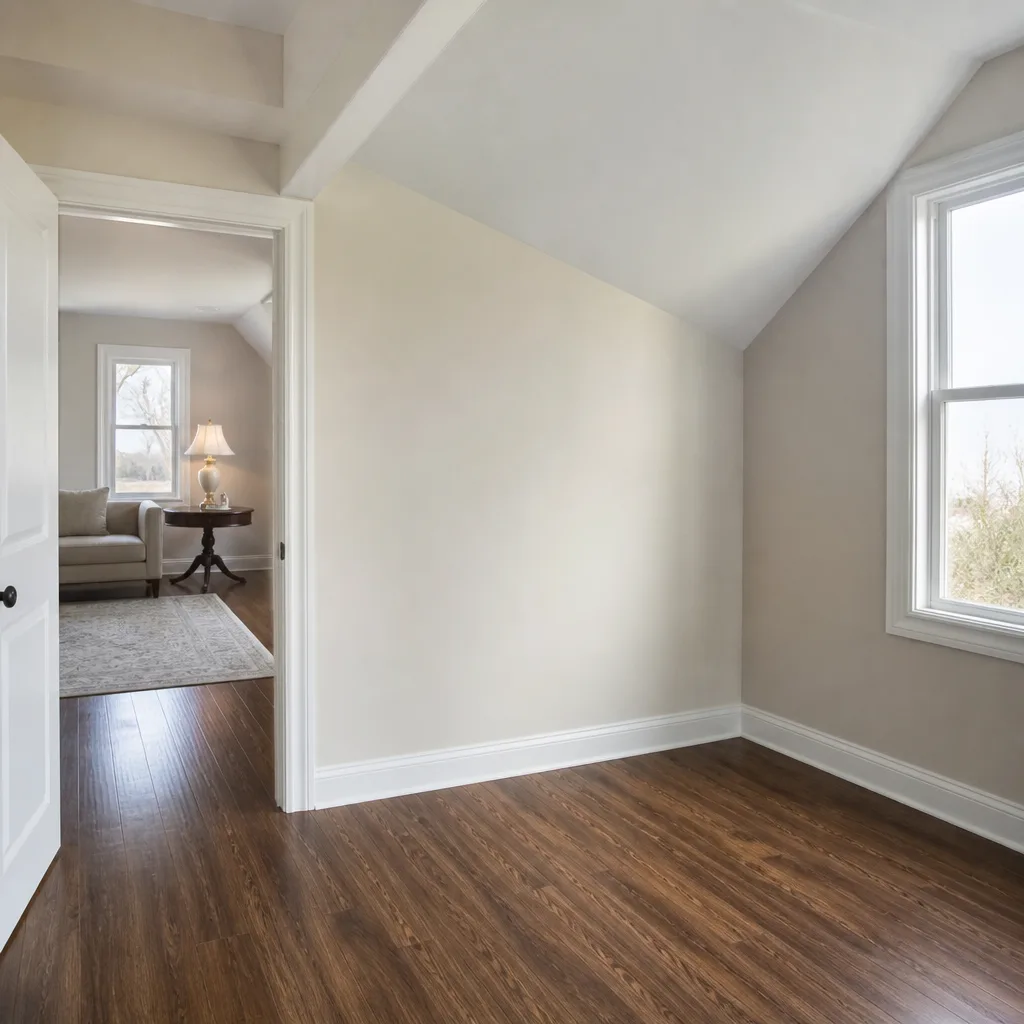
After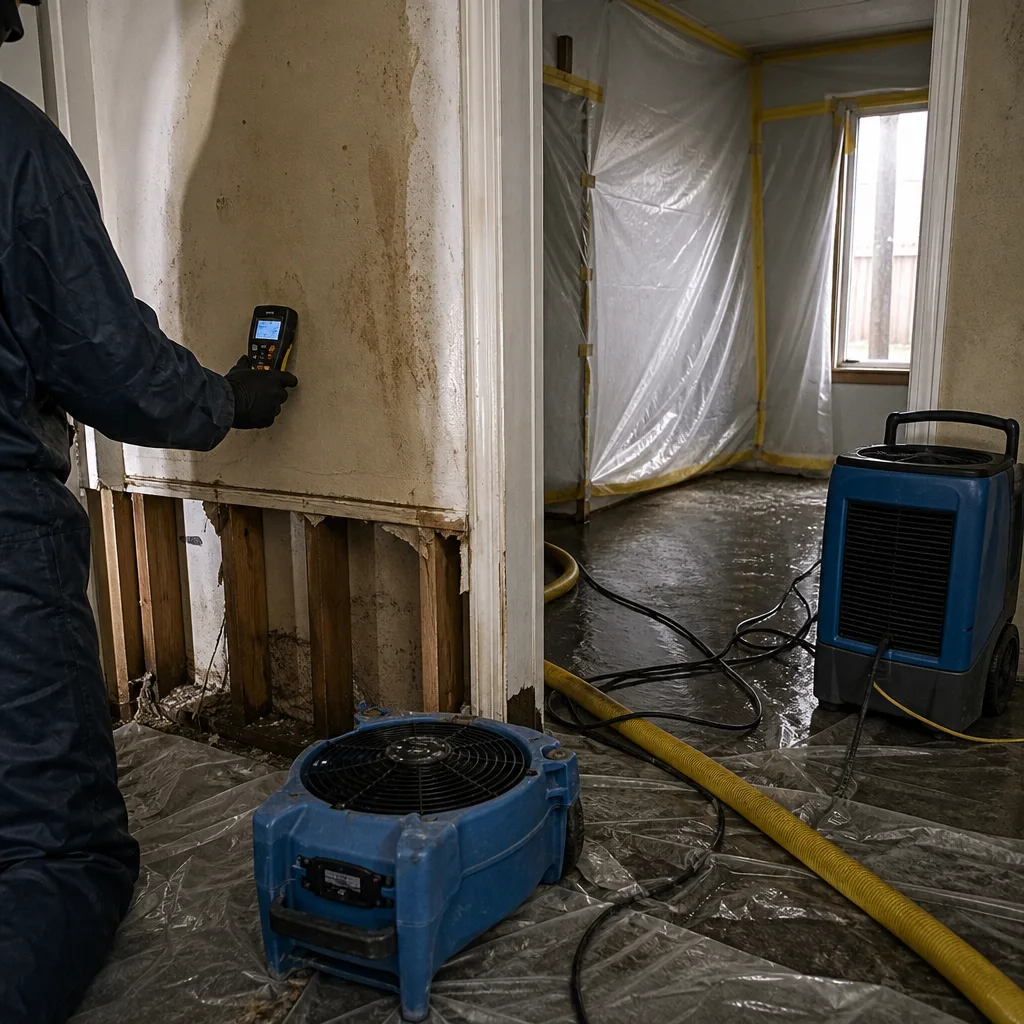 Before
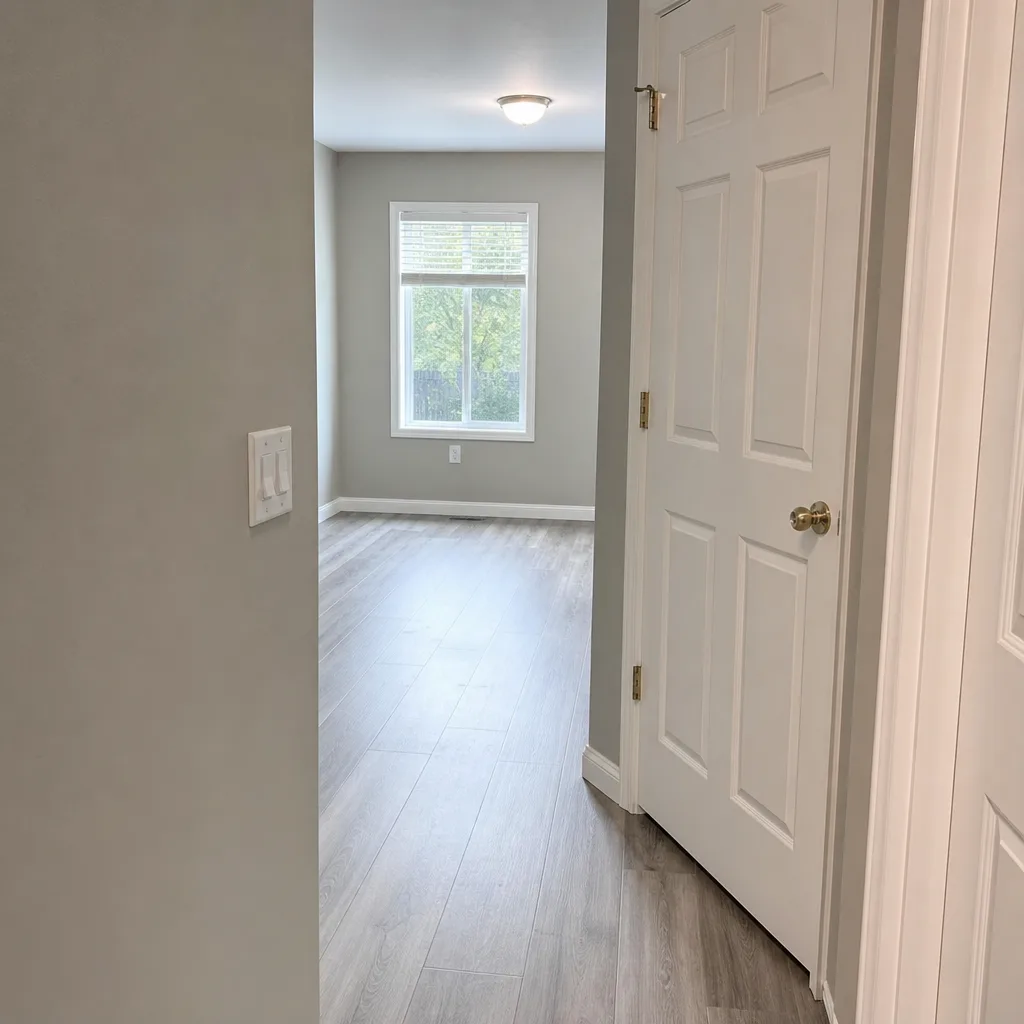 After
After24/7 Emergency Mold Remediation in Sammamish
When you find mold in a Sammamish home, the first hour determines whether you’re looking at contained remediation or a whole-house air-scrubbing job. Call (425) 696-6061 now - a live person answers, 24 hours a day, every day, and our crews are already routed on the plateau. We offer free visual inspections, and we’ll have a written scope in your hands before any work starts, per Haven Standard, Clause 1. Mold doesn’t wait for business hours. Neither do we.
Understanding Mold Remediation Severity in Sammamish Properties
Mold damage in Sammamish follows a pattern we don’t see in Bellevue or Issaquah. The plateau’s 1990s-2000s subdivisions - Trossachs, Aldarra, Evans Creek - were built with OSB sheathing and synthetic housewraps now hitting their moisture-failure window simultaneously. Category 2 water from gutter overflow or door-flange leaks sits in wall cavities for seasons before visible staining appears. By then, engineered floor trusses and sheathing assemblies often read 20% MC or higher on our pinless meters, well above the 16% threshold where wood-decay fungi colonize.
We classify every Sammamish job by three factors: affected square footage, material classification (porous vs. non-porous), and whether the mold resulted from Category 1, 2, or 3 water intrusion. A contained 10-square-foot patch on drywall with Category 1 origin gets local remediation and HEPA air scrubbing. The same footprint behind OSB sheathing with Category 2 history requires containment, negative air pressure, and often Injectidry cavity drying before removal begins. Our Mold Remediation crews document every reading to IICRC S520 standards.
Why Sammamish Property Owners Choose DryMark Restoration Bothell
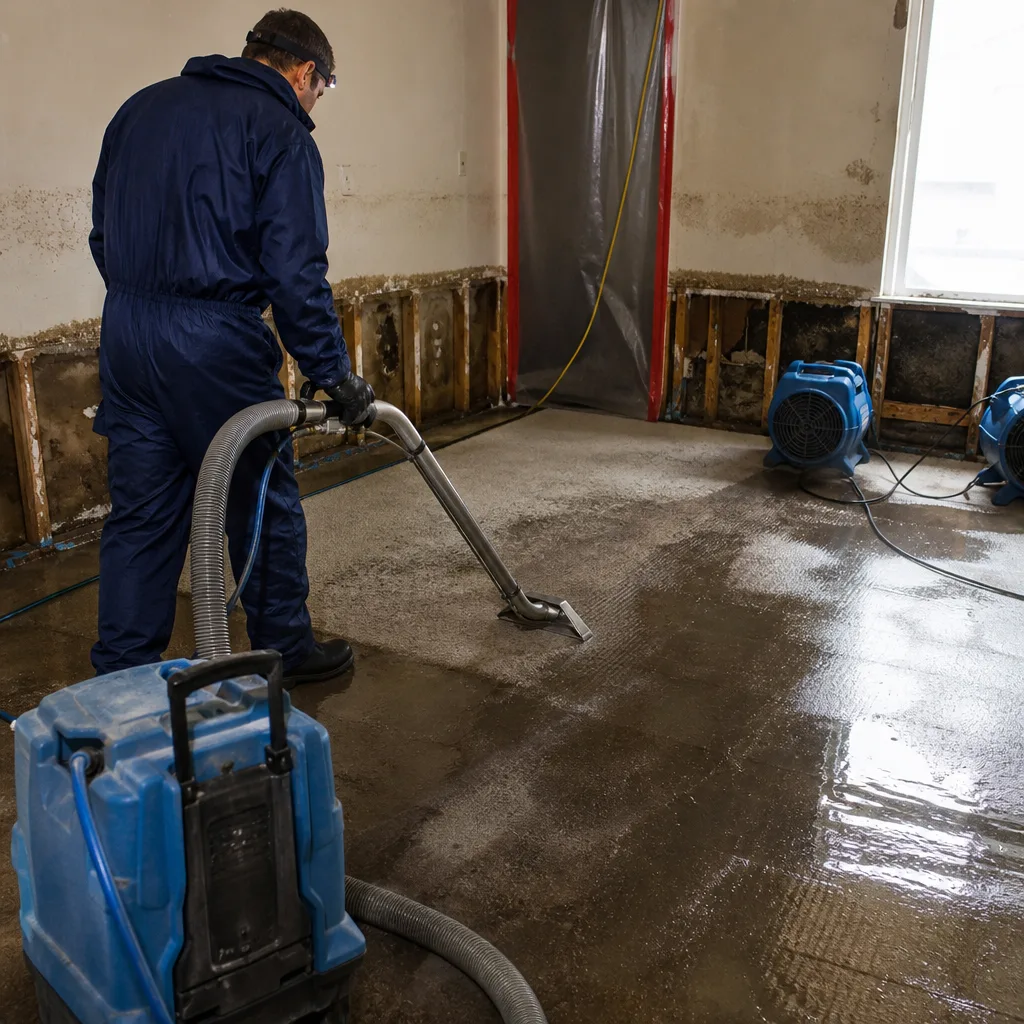
- 45-minute response commitment to anywhere on the Sammamish Plateau, including Trossachs, Aldarra, and Evans Creek.
- 24/7 live answer - a real person, never an automated system or voicemail tree, on every call.
- IICRC-certified crews holding AMRT (Applied Microbial Remediation Technician) and WRT (Water Damage Restoration Technician) certifications, with license numbers documented on every job.
- Free visual inspection with moisture mapping and thermal imaging before any scope is written.
- Direct insurance billing and adjuster coordination, with photo-documented daily logs submitted to your carrier.
- One team from containment through reconstruction - no handoffs between remediation and rebuild crews.
BeforeAfterOur Mold Remediation Process
1. Inspection & Assessment
We arrive with thermal imaging cameras, pin and pinless moisture meters, and borescopes for cavity inspection. In Sammamish’s OSB-sheathed homes, we map moisture gradients across wall assemblies and check adjacent cavities even where no visible mold exists - because water tracks along engineered trusses in ways it doesn’t in older stick framing.
2. Containment & Air Filtration
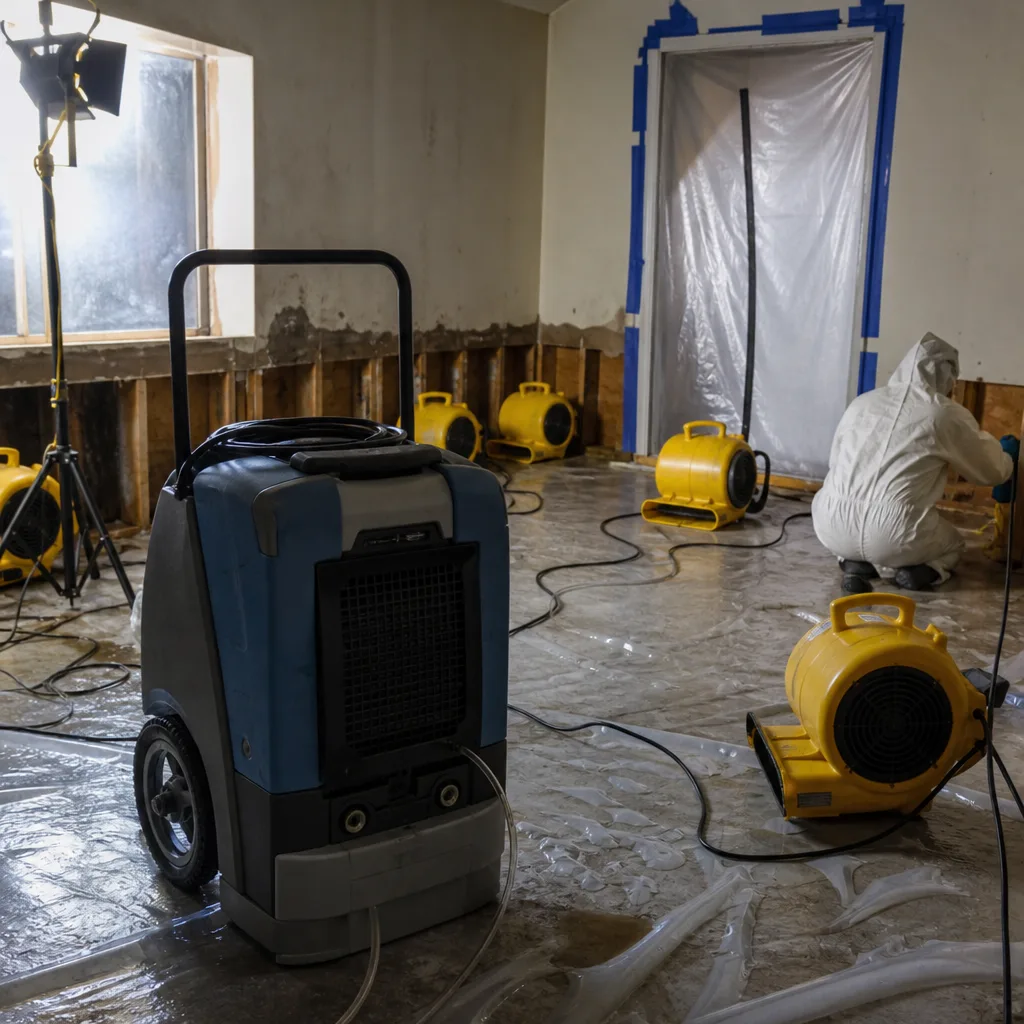
We establish polyethylene containment barriers and run HEPA-negative air machines at 4-6 air changes per hour. For Sammamish’s open-plan two-story layouts, this step is non-negotiable; without containment, disturbed spores migrate through stairwells and HVAC returns into unaffected zones.
3. Structural Drying
Before removal, we dry affected assemblies to below 16% MC using LGR dehumidifiers, axial air movers, and Injectidry hardwood floor or wall-cavity drying systems. In plateau homes with failed vapor barriers, we often find subfloor moisture at 18-22% MC even when walls read dry - so we probe every accessible surface.
4. Removal & Cleaning
Porous materials exceeding contamination thresholds come out: drywall, insulation, carpet pad, and degraded OSB sheathing. Non-porous surfaces get HEPA vacuuming and antimicrobial treatment. We bag and seal all debris before it leaves containment.
5. Air Quality Restoration
Post-remediation, we run HEPA scrubbers for a minimum 24-hour clearance cycle, then collect air and surface samples for third-party lab analysis. Sammamish homeowners receive documented clearance before containment comes down - no exceptions.
6. Repairs & Moisture Control
Our reconstruction crew replaces removed materials and installs corrected moisture barriers, ventilation, or drainage as specified. Every job closes with a written 365-Day Done Right Promise under The Haven Standard, and a photo record of pre-loss, during, and post-remediation conditions.
Need Emergency Mold Remediation in Sammamish Now?
Crews minutes away, answering live 24 hours a day. The sooner we start, the less it costs.
Working With Your Insurance Company
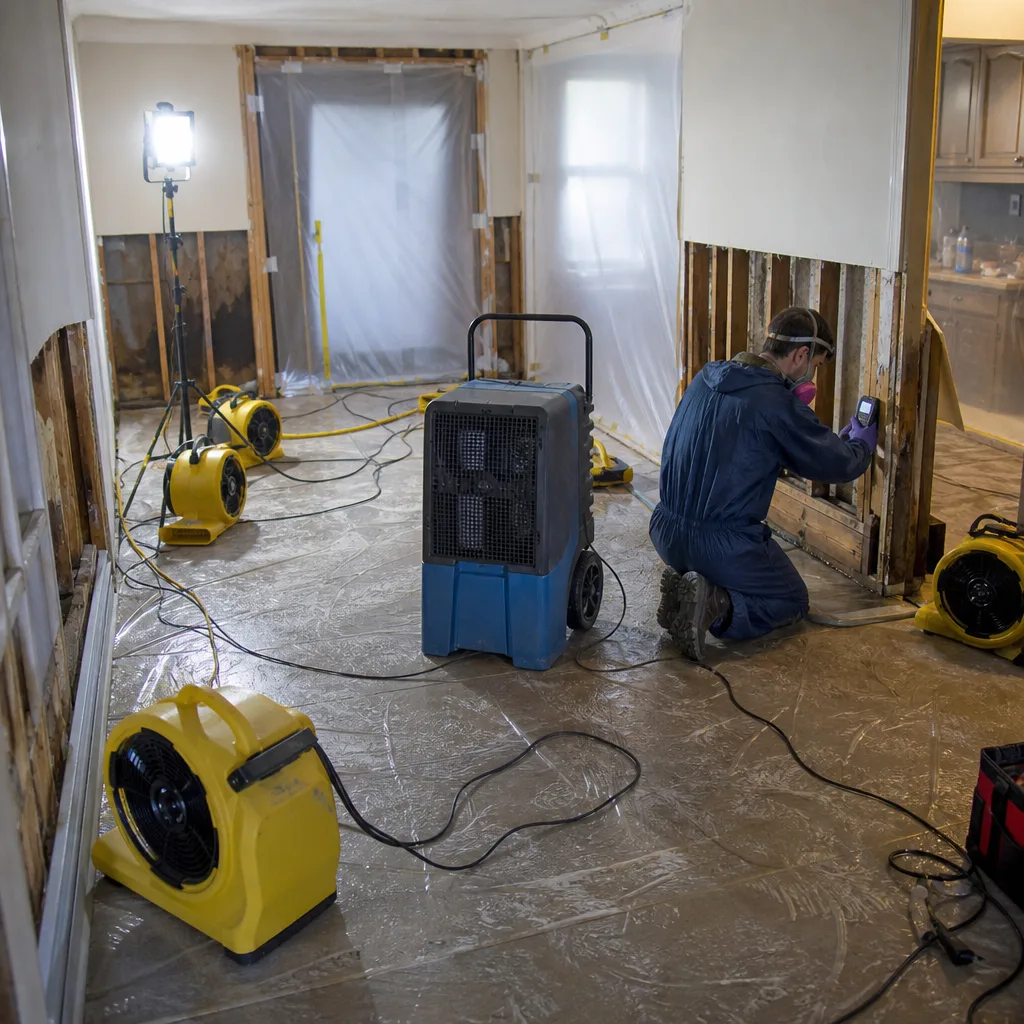
Most Sammamish mold claims start with a denial. We fix that. From the first hour, we document moisture readings, photograph every affected surface, and maintain daily drying logs formatted to Xactimate standards. Our estimates are line-item, trade-specific, and defensible - the kind that adjusters pay without back-and-forth. We coordinate directly with your carrier, submit documentation through their portal, and flag pre-loss conditions that affect coverage. Alicia Brennan founded this company in 2011 after seeing how many homeowners lost valid claims to sloppy documentation. We don’t let that happen on our jobs.
What We Provide Your Insurer
- Thorough documentation of the loss
- Photos of all damage, room by room
- Moisture readings and drying logs
- A detailed, line-item scope of work
- Direct coordination with your carrier
Built for Sammamish’s Loss Calendar
Sammamish’s mold season runs October through April, when the plateau’s 400-foot elevation traps cool, saturated air against homes and clay soils stop draining. October brings the first gutter-overflow events: Douglas fir needles and big-leaf maple samaras form impermeable mats in K-style gutters, sending roof water down siding and behind door flanges. November through January, sustained rain drives foundation seepage into pre-standard crawl spaces. February and March bring freeze-thaw cycles that crack caulking and expand existing leaks. By April, homeowners notice musty odors or surface staining - often six to eighteen months after the initial intrusion. We see the pattern every year. In Evans Creek tracts, we’ll get three calls from the same cul-de-sac within a six-week window, all with identical 1998 construction, identical crawl space specs, and identical failure points.
Mold Remediation Across Sammamish’s Neighborhoods
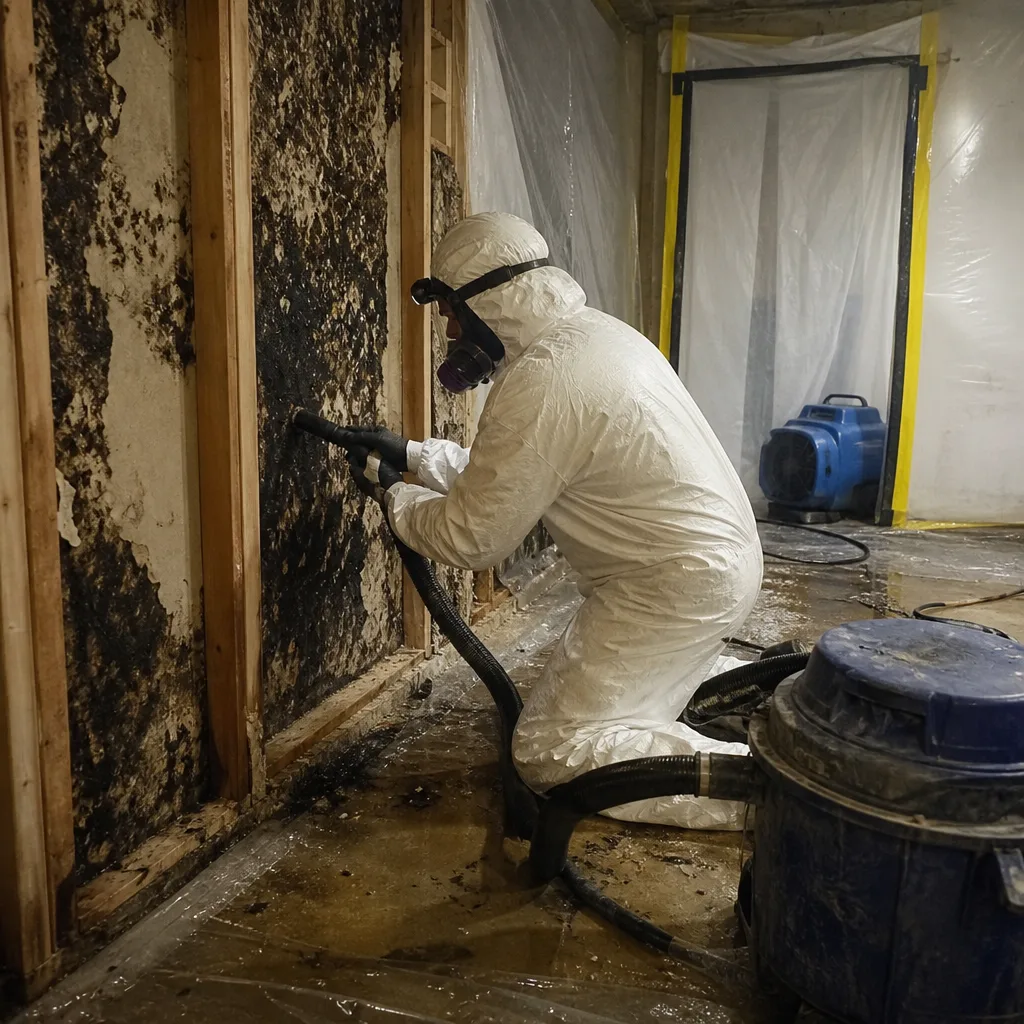
Sammamish isn’t one housing stock. It’s several, built in concentrated waves, and each has its own failure profile.
Trossachs homes, built 1995-2002, share a specific vulnerability: builder-grade French doors with sloped sills and minimal flange overlap. Water enters at the threshold, tracks along the subfloor, and wicks into OSB wall sheathing. We’ve replaced entire door assemblies in this tract after two winters of invisible leakage. The open-plan two-story designs mean spore migration is rapid once disturbance begins.
Aldarra properties, slightly newer (1998-2005), show the same door-flange failures plus a secondary pattern: composite wrap systems installed with reversed laps at second-story band joists. Rain runs behind the wrap, saturates the rim joist, and colonizes the engineered floor truss cavity above. Our borescopes find mold in these cavities before any interior sign appears.
Evans Creek and the plateau’s eastern tracts carry the crawl space burden. Built 1992-1998 with 4-mil poly vapor barriers (now degraded) and minimal cross-ventilation, these spaces hit 70-80% relative humidity every winter. Surface mold on joists is universal; structural decay in the worst cases. We install 10-mil reinforced barriers with sealed seams and mechanical dehumidification as standard on these jobs.
Pine Lake and Beaver Lake areas, with their denser canopy and older 1980s builds, see more roof-source intrusion from granule-loss and moss-damaged shingles. The lake-effect humidity extends drying timelines by 20-30% compared to plateau-center properties.
Specialized Mold Remediation Services We Offer in Sammamish
Mold Inspection & Testing
Our Sammamish inspections include moisture mapping, thermal imaging, and air sampling where indicated. In plateau subdivisions, we inspect adjacent cavities even when visible mold is localized - because OSB sheathing failures travel horizontally along trusses. Testing determines species and spore concentration, which drives containment level and clearance criteria.
Mold Removal
Removal scope depends on material classification and moisture history. Non-porous surfaces get HEPA vacuuming and antimicrobial treatment. Porous materials with Category 2 or 3 water history come out. In Sammamish’s engineered assemblies, we often remove sheathing in controlled sections to preserve structural integrity, then dry remaining substrates before rebuild.
Black Mold Remediation
Stachybotrys chartarum and other toxigenic species require Level III containment with full PPE and negative air pressure. We don’t guess at species - we sample and lab-confirm. Sammamish homes with chronic crawl space saturation or multi-season door leaks are the most common candidates for this protocol.
Air Quality Restoration
Post-remediation, we run HEPA scrubbers through a minimum 24-hour clearance cycle, then collect air samples for third-party analysis. Sammamish’s tight, energy-efficient homes often need extended mechanical ventilation to purge residual spores. We specify and can install continuous ventilation upgrades where needed.
Crawl Space Treatment
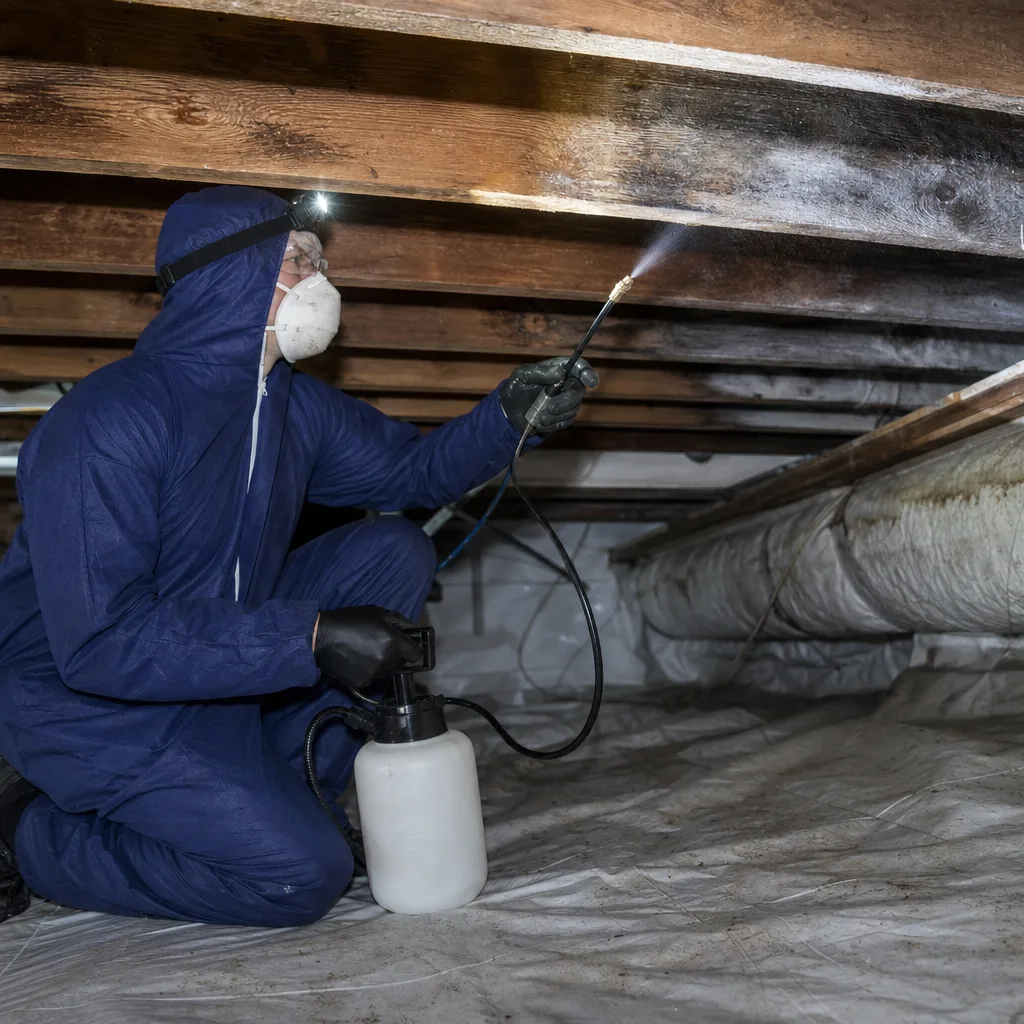
This is our most frequent Sammamish service. We remove degraded vapor barriers, treat joists and subfloor with antimicrobial, install 10-mil reinforced polyethylene with sealed seams, and specify mechanical dehumidification. For Evans Creek and similar tracts, we coordinate with foundation specialists when structural decay exceeds remediation scope.
Moisture & Humidity Control
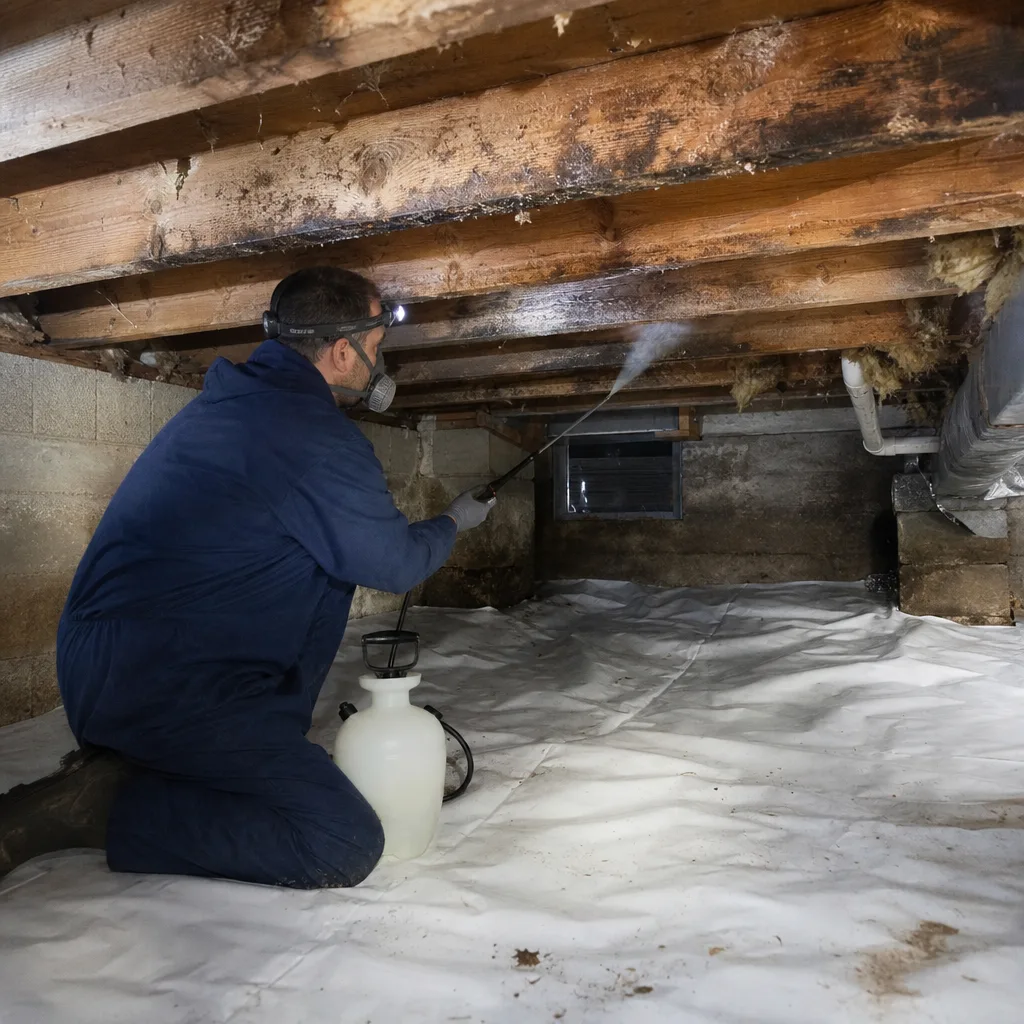
Remediation without moisture control guarantees recurrence. We install permanent dehumidification, correct drainage, and ventilation upgrades tied to your home’s specific failure points. In Sammamish’s clay-soil plateau, this often means sump pump installation, perimeter drain evaluation, and gutter system redesign alongside interior controls.
What happens when you call
- 1
A real person answersNo phone trees - you reach a local pro.
- 2
You get an upfront price rangeHonest numbers before anyone is dispatched.
- 3
A background-checked tech heads outLicensed & insured, dispatched right away.
- 4
You approve before work beginsNothing starts until you say go.
Mold Remediation Costs in Sammamish, WA
Here is what mold remediation actually costs on the Sammamish Plateau, based on jobs we’ve completed in Trossachs, Aldarra, and Evans Creek since 2011:
| Service | Typical Range |
|---|---|
| Contained surface remediation (under 10 sq ft, Category 1 origin) | $1,200 - $2,800 |
| Single-room remediation with containment and air scrubbing | $3,500 - $7,500 |
| Crawl space treatment with vapor barrier replacement | $4,500 - $9,000 |
| Multi-room or whole-floor remediation with structural drying | $8,000 - $18,000 |
| Full-structure remediation with reconstruction (severe Category 3 losses) | $15,000 - $35,000+ |
What moves the price: affected square footage, whether materials are porous or non-porous, the water category that caused the mold, and whether structural drying or reconstruction is needed. Insurance typically covers sudden and accidental water damage and resulting mold; long-term maintenance-related mold often falls to the homeowner. We provide a free visual inspection and written scope before any work begins - Haven Standard, Clause 1 - so you know exactly what you’re paying for. Call (425) 696-6061 for your estimate.
We Also Serve Cities Near Sammamish
Our crews respond throughout the Eastside: Redmond to the northwest, Bellevue to the west, Kirkland to the north, and Issaquah to the south. Each city has distinct housing stock and failure patterns; our documentation and pricing reflect those differences. Dispatch is coordinated from our Seattle office, with Sammamish crews stationed on the plateau for rapid response.
Serving Sammamish, WA - Our Local Coverage Area
We’re based in the Sammamish area and know this community well. Use the map below to see our service coverage - if you’re nearby, we can almost certainly help.
Sammamish Mold Remediation Questions, Answered
Our Trossachs home was built in 1999 and the crawl space smells musty every winter - why does this happen across the whole neighborhood?
Your 1999 crawl space was built with a thin 4-mil vapor barrier and minimal cross-ventilation, standard for that construction window but below current code. When Sammamish’s clay soils saturate each winter, moisture rises continuously through the barrier gaps. Every home in your tract shares the same spec, so they fail on the same timeline. We replace these with 10-mil reinforced barriers, sealed seams, and mechanical dehumidification. Call (425) 696-6061 for a free crawl space assessment.
We have a 1998 two-story in Aldarra and just noticed staining near our builder-grade French doors. Is this a mold problem or just a water stain?
It’s almost certainly both. Aldarra’s 1998-2005 builds used French doors with sloped sills and minimal flange overlap; water enters at the threshold and wicks into OSB sheathing for one to two winters before any interior sign appears. By the time you see staining, moisture content behind the door pan typically exceeds 20%, and mold colonization is established. We run moisture mapping and borescope inspection to determine extent before writing scope. Call (425) 696-6061 - the inspection is free.
Our Evans Creek home is hitting 25 years - does the builder warranty still cover the mold we just found behind the siding?
No. Washington’s implied warranty for new construction is typically six years, and your home is well past that. We’ve documented this exact scenario repeatedly in Evans Creek tracts: builder warranties lapse six to twelve months before the OSB sheathing and door-flange failures become visible. That’s why we photograph pre-loss condition, moisture readings, and drying logs for your insurance carrier - to establish that the damage resulted from covered water intrusion, not maintenance neglect. Call (425) 696-6061 and we’ll review your coverage options.
Why does mold keep coming back in our Sammamish crawl space even after we had it sprayed?
Surface spraying without moisture source elimination is temporary. Sammamish crawl spaces stay above 70% RH for five to six months annually due to clay-soil saturation and poor ventilation. Antimicrobial alone won’t override those conditions. Our crawl space treatment includes source control: vapor barrier replacement, sealed seams, and mechanical dehumidification sized to the space. Without that, mold returns within 12-18 months. Call (425) 696-6061 for a permanent solution.
A window leak in our Sammamish home soaked the wall - is that clean water or does it change how you handle the mold?
Window leaks in Sammamish are almost always Category 2 water, not Category 1. Rain that runs behind siding picks up organic material from sheathing, dust, and degraded sealants. Category 2 water requires antimicrobial treatment and often removal of porous materials, whereas Category 1 might allow drying in place. We test and classify before writing scope - it’s a critical distinction for both remediation protocol and insurance coverage. Call (425) 696-6061 for classification and scope.
How fast can DryMark Restoration Bothell actually get to Sammamish?
Our crews are routed on the Sammamish Plateau and typically arrive within 45 minutes of your call. We maintain dedicated response capacity for Trossachs, Aldarra, Evans Creek, and Pine Lake areas. A live person answers (425) 696-6061 24 hours a day - no voicemail, no callback queues.
Will insurance cover our mold remediation, or is this out of pocket?
Coverage depends on cause and documentation. Sudden, accidental water damage - a burst pipe, storm intrusion, or failed door flange during a wind event - typically triggers coverage. Long-term maintenance issues or gradual seepage often don’t. Our documentation package, including moisture readings, drying logs, and photo evidence, is built to establish the covered cause. We coordinate directly with adjusters and provide a Free Second Opinion on any competitor’s written estimate. Call (425) 696-6061 to review your specific loss.
What certifications do your mold remediation technicians hold?
Our lead technicians hold IICRC AMRT (Applied Microbial Remediation Technician) and WRT (Water Damage Restoration Technician) certifications. All work is documented to IICRC S520, RIA, and IFA standards. License numbers are provided on every job, and every technician is background-checked, uniformed, and named before arrival. Call (425) 696-6061 to confirm current certification status for your scheduled crew.
Written by Alicia Brennan, Owner at Back to Dry Restoration, serving Sammamish since 2011.
Mold Remediation in Nearby Areas